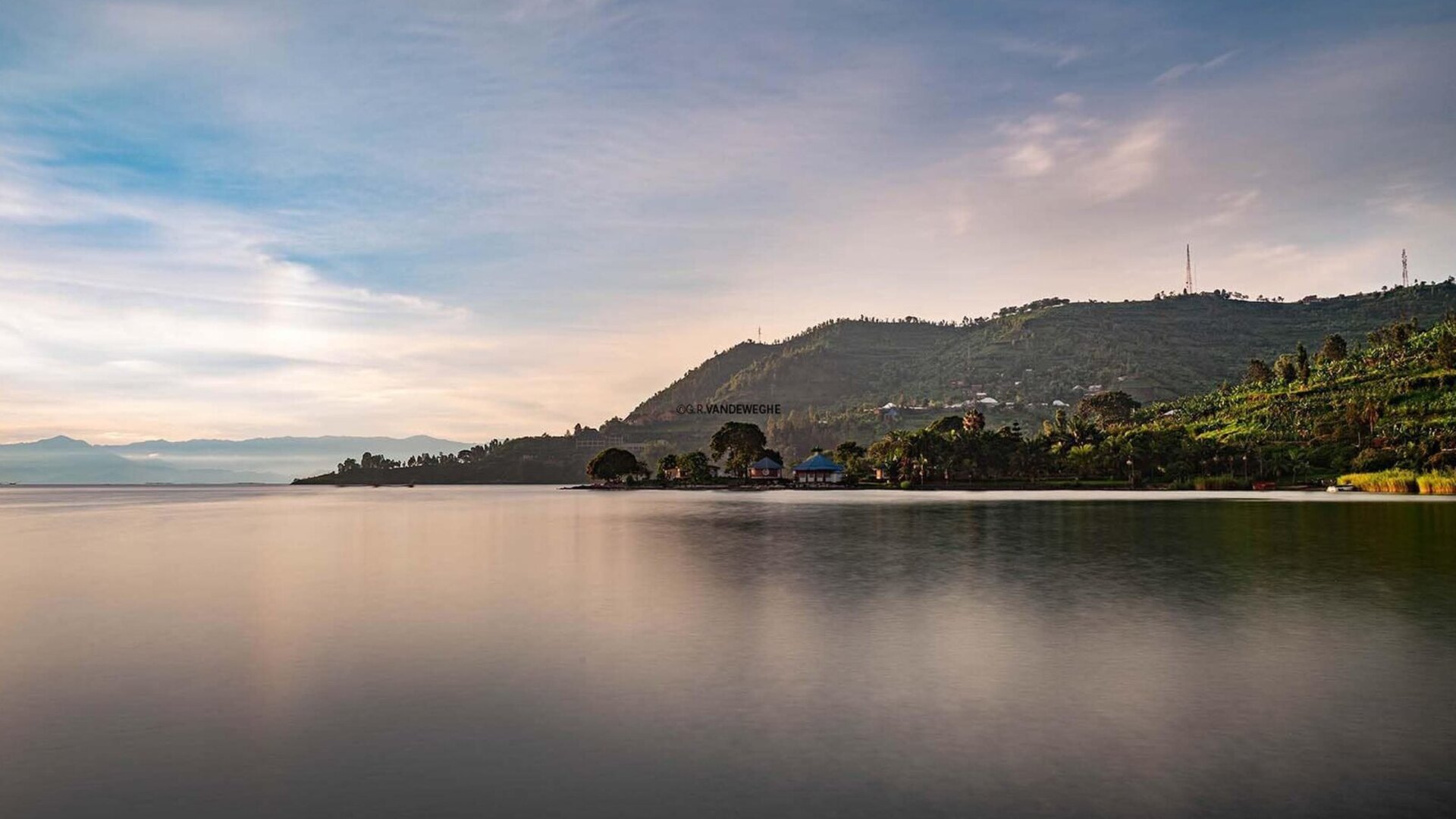
Key Takeaways
- iSimangaliso Wetland Park was South Africa's first UNESCO World Heritage Site (1999) — 332,000 hectares of lake, estuary, dune forest, savanna and Indian Ocean coastline on the northern KwaZulu-Natal coast.
- It is the only protected area in Africa where the Big Five share the landscape with hippos, crocodiles, whales, dolphins, turtles and whale sharks.
- Lake St Lucia — the largest estuarine system on the continent — holds an estimated 800 hippos and 1,200 Nile crocodiles.
- It is malaria-free on the southern sections (St Lucia, Cape Vidal, the Eastern Shores), which makes it one of the best family-safari regions in South Africa.
- Every safari we build here is private and tailor-made — game drives, boat safaris, turtle tours and whale watching, with transfers and lodges handled door to door.
Why iSimangaliso Is Unlike Any Other Safari on Earth
iSimangaliso Wetland Park is not a single reserve — it is a mosaic of five interlinked ecosystems stitched together along 220 kilometres of the northern KwaZulu-Natal coast. Lakes and estuaries, papyrus wetlands, coastal dune forests, open savanna and a pristine marine reserve all meet here, and it is the collision of these worlds that makes the park extraordinary. Nowhere else in Africa can you drink your morning coffee watching hippos in a lake, spend the day tracking rhino and leopard through the bush, and end it on an empty beach where turtles come ashore to nest under the stars.
Declared South Africa's first UNESCO World Heritage Site in December 1999, iSimangaliso was recognised for a rare triple: outstanding natural beauty, ongoing ecological processes, and exceptional biodiversity. The park protects Africa's largest estuarine system, its southernmost coral reefs, some of the tallest vegetated dunes on the planet, and critical breeding grounds for turtles, whales and hundreds of thousands of migratory birds. For the traveller, that translates into the most varied wildlife experience anywhere in South Africa — and because the southern sections are malaria-free, it is a wilderness the whole family can enjoy.
The Three Worlds of iSimangaliso
To understand a safari here, it helps to think of iSimangaliso as three worlds that you move between over a few unhurried days. Each has its own rhythm, its own wildlife and its own way of being explored. Here is how they compare, and how we weave them together.
1. Lake St Lucia & the Estuary
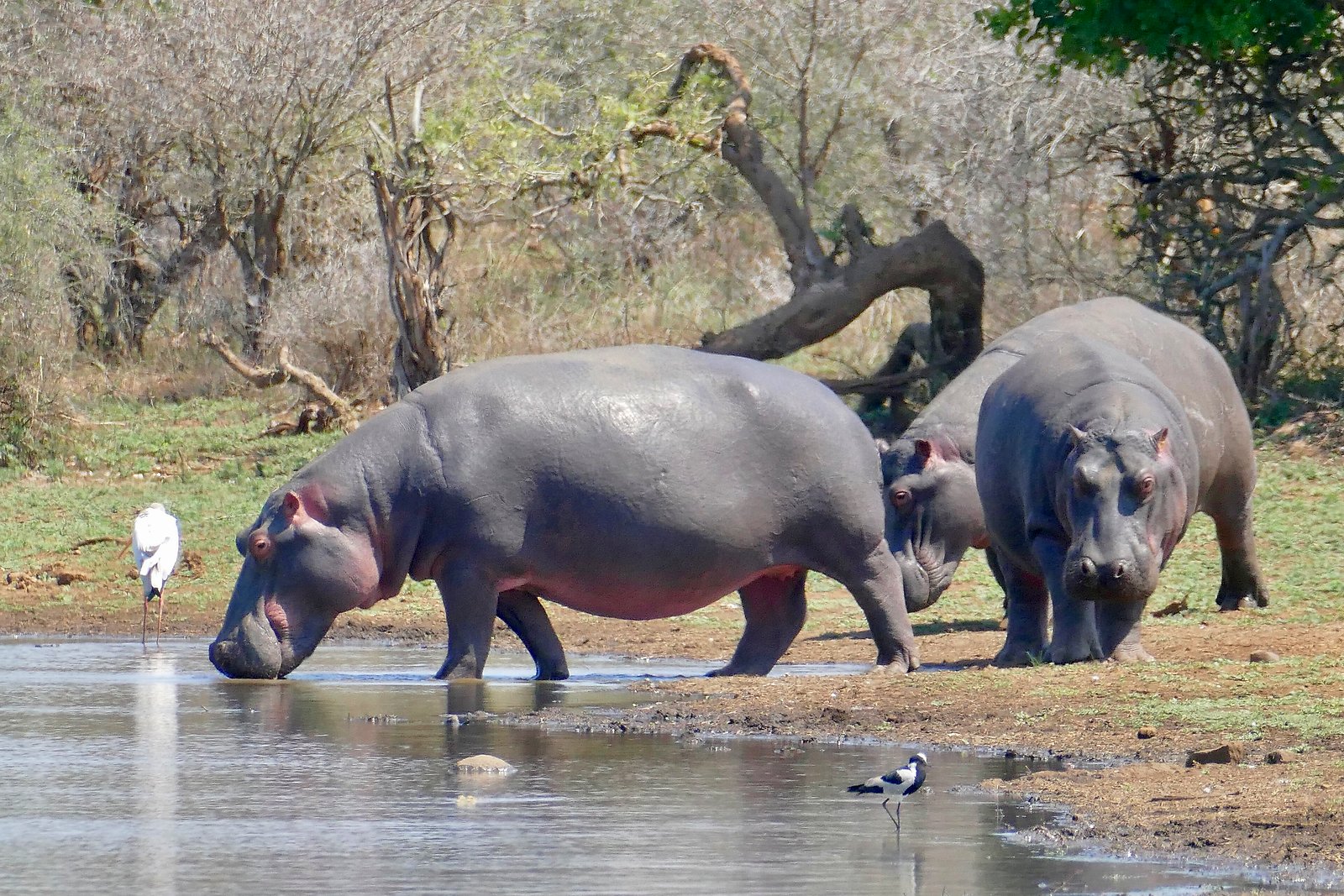
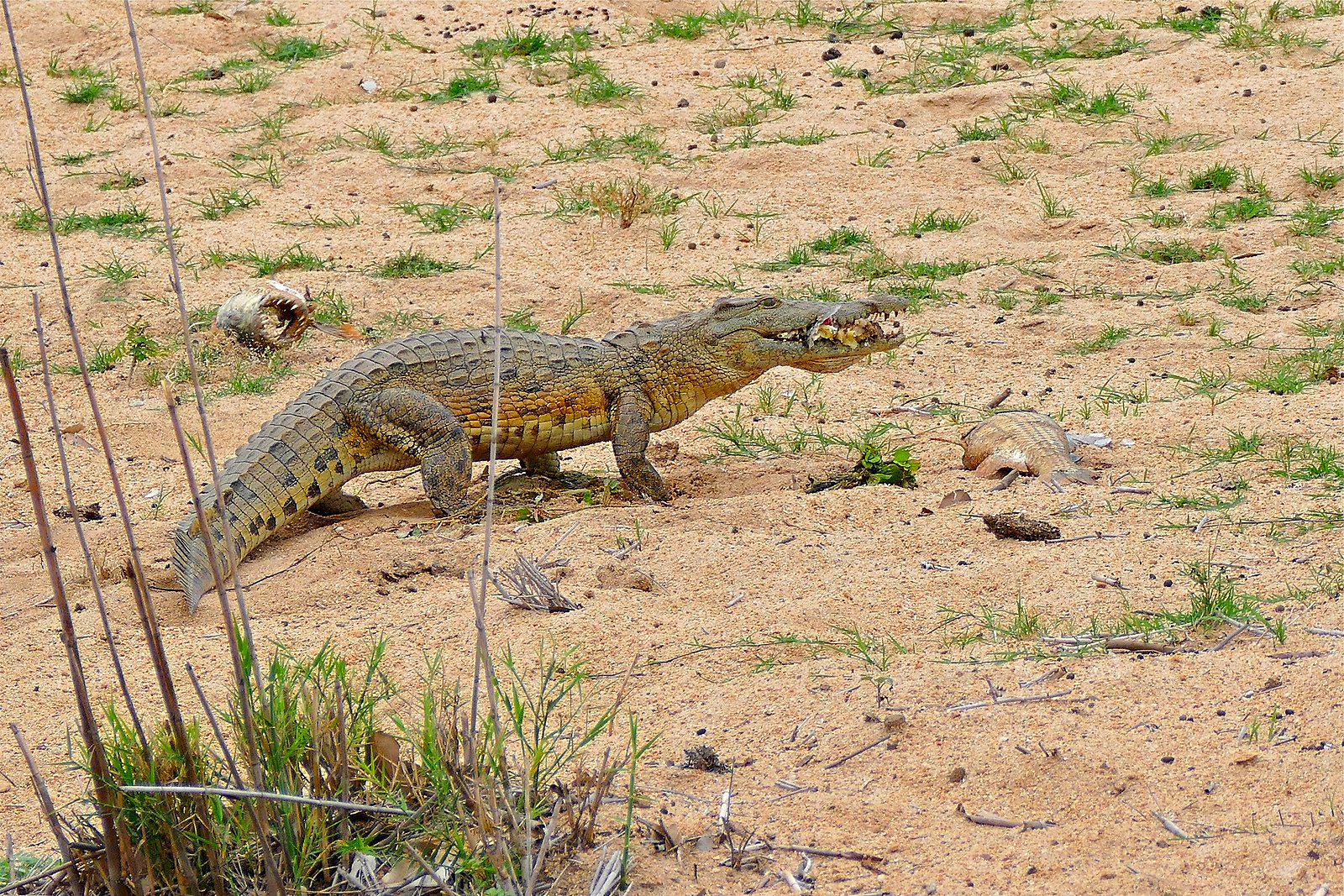
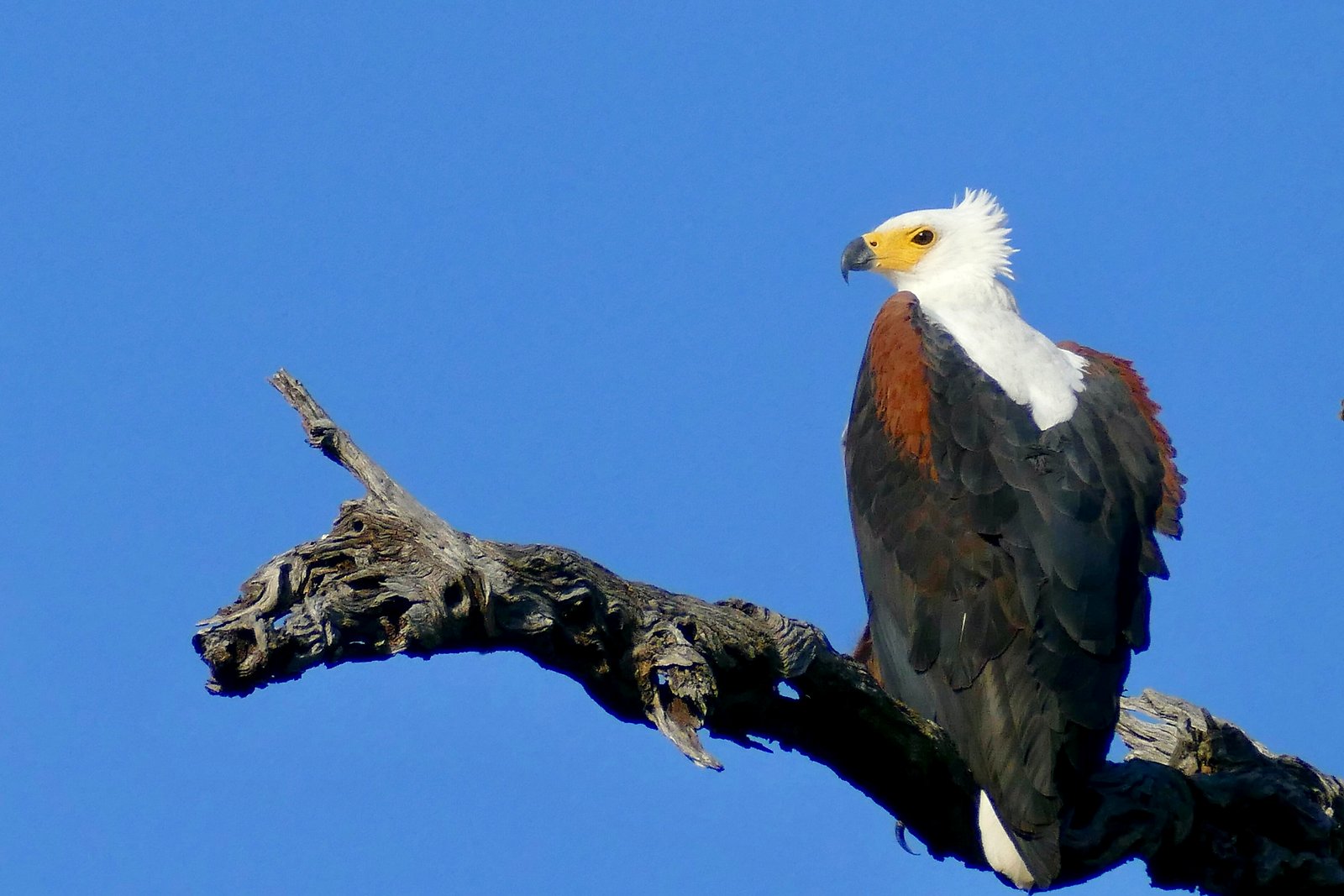
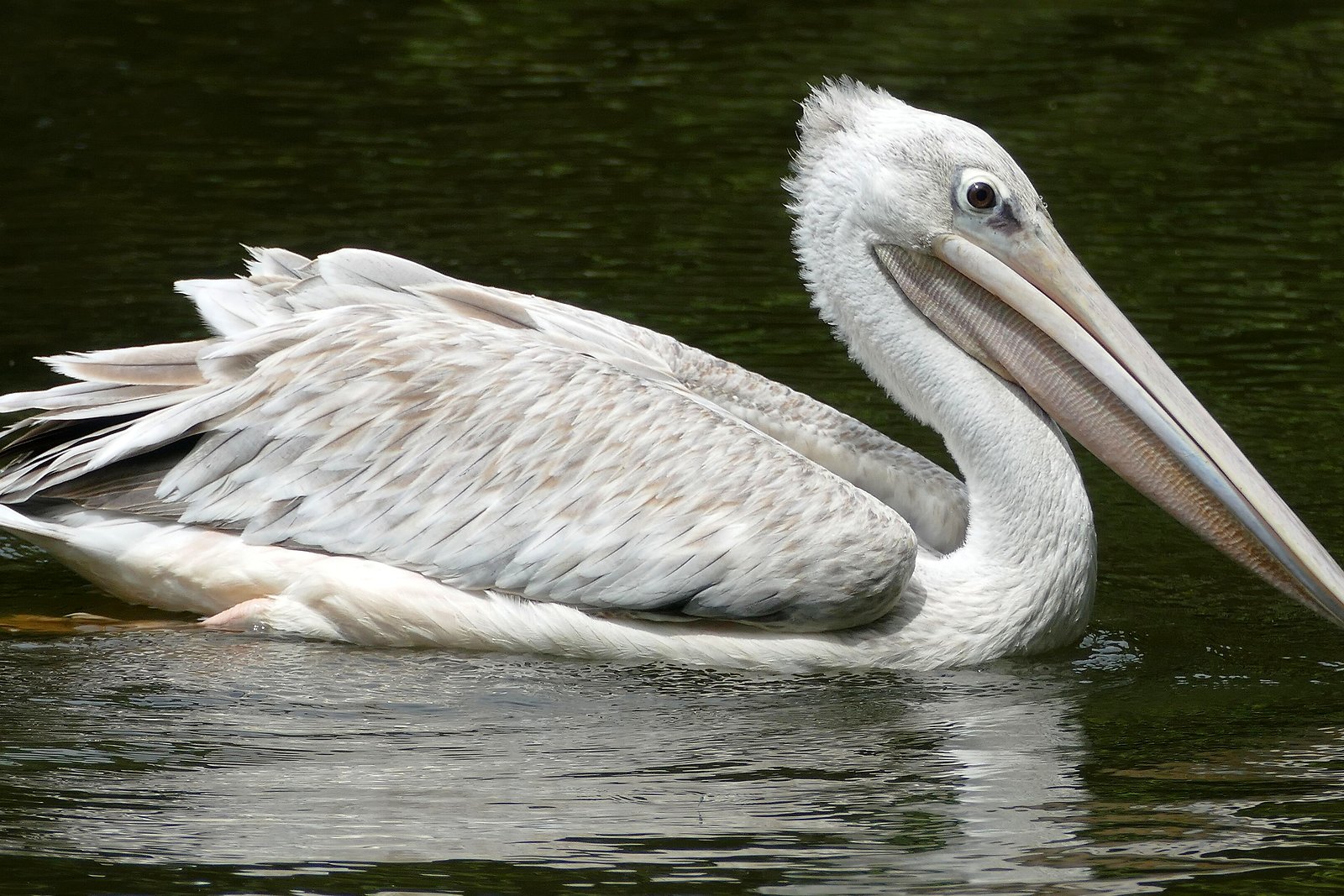
The beating heart of the park, and the classic first experience. Lake St Lucia is the largest estuarine system in Africa — a vast, shallow, brackish lake that opens to the sea at St Lucia town. A guided boat safari on the estuary is the signature iSimangaliso activity: you drift within metres of hippo pods lounging in the shallows, watch enormous Nile crocodiles basking on the sandbanks, and glide past pink-backed pelicans, African fish eagles, kingfishers and goliath herons. In the late afternoon the light turns the water to copper, the hippos begin to move, and the estuary becomes one of the great wildlife theatres of southern Africa.
2. The Eastern Shores & Cape Vidal
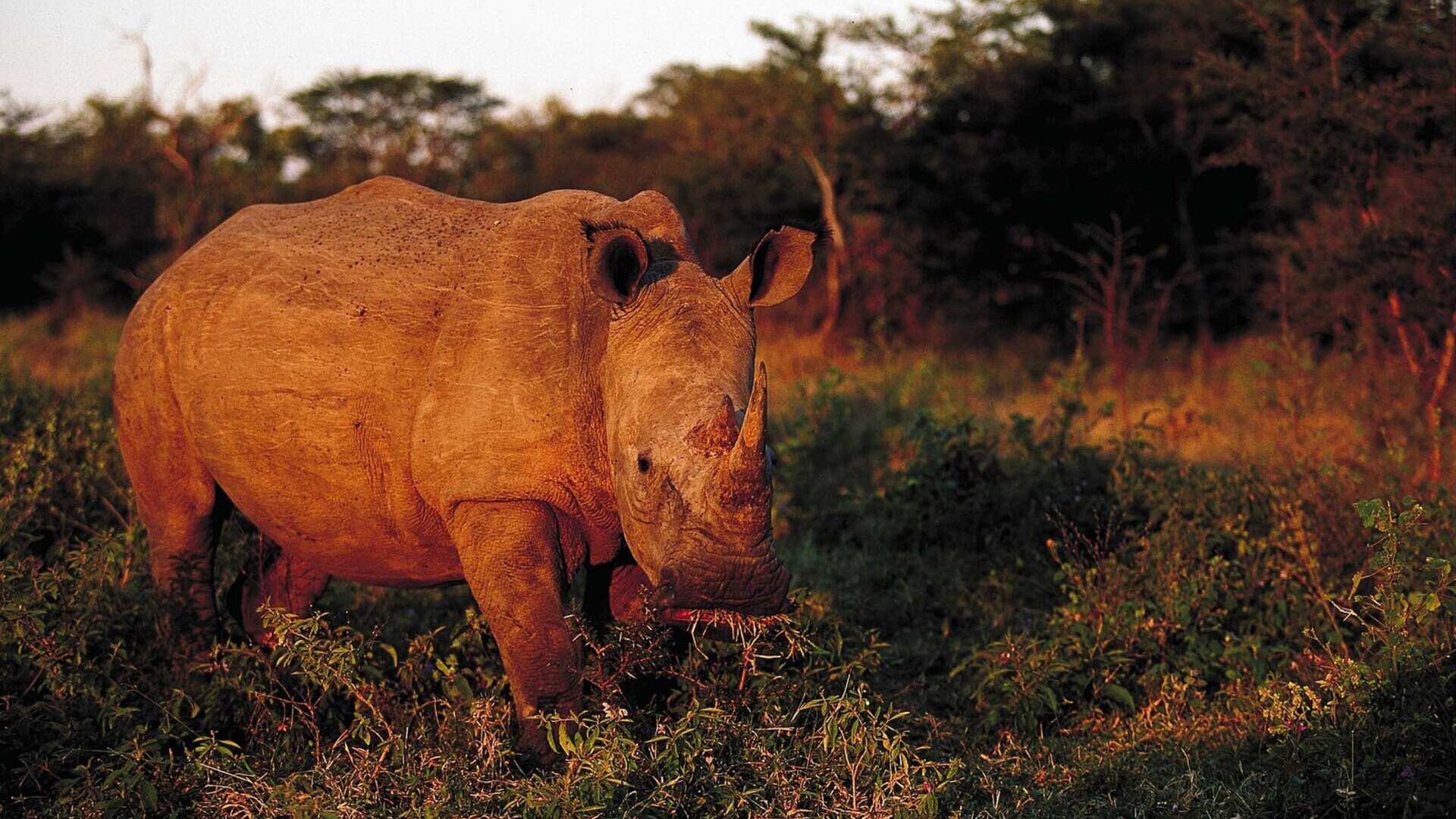
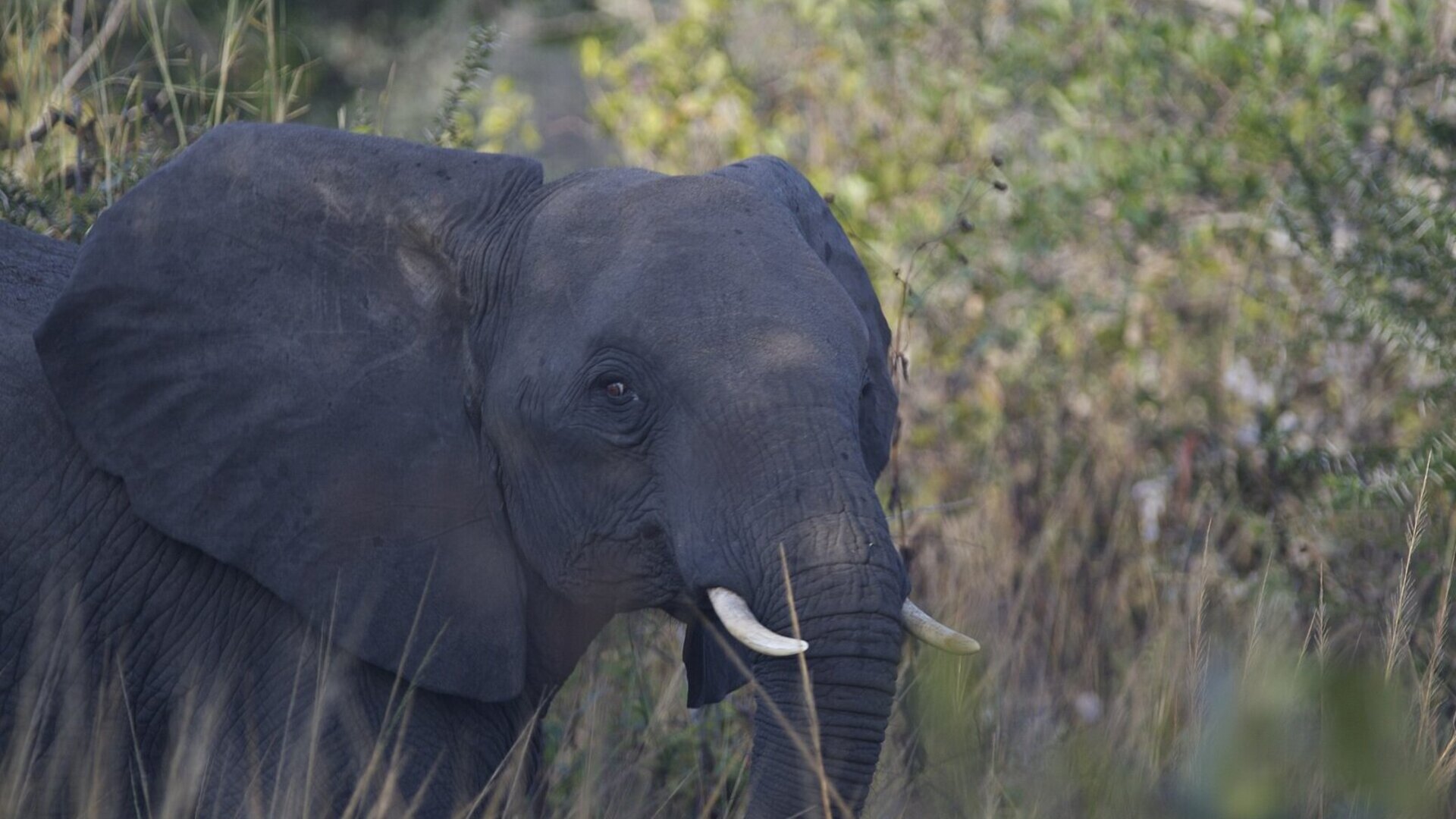
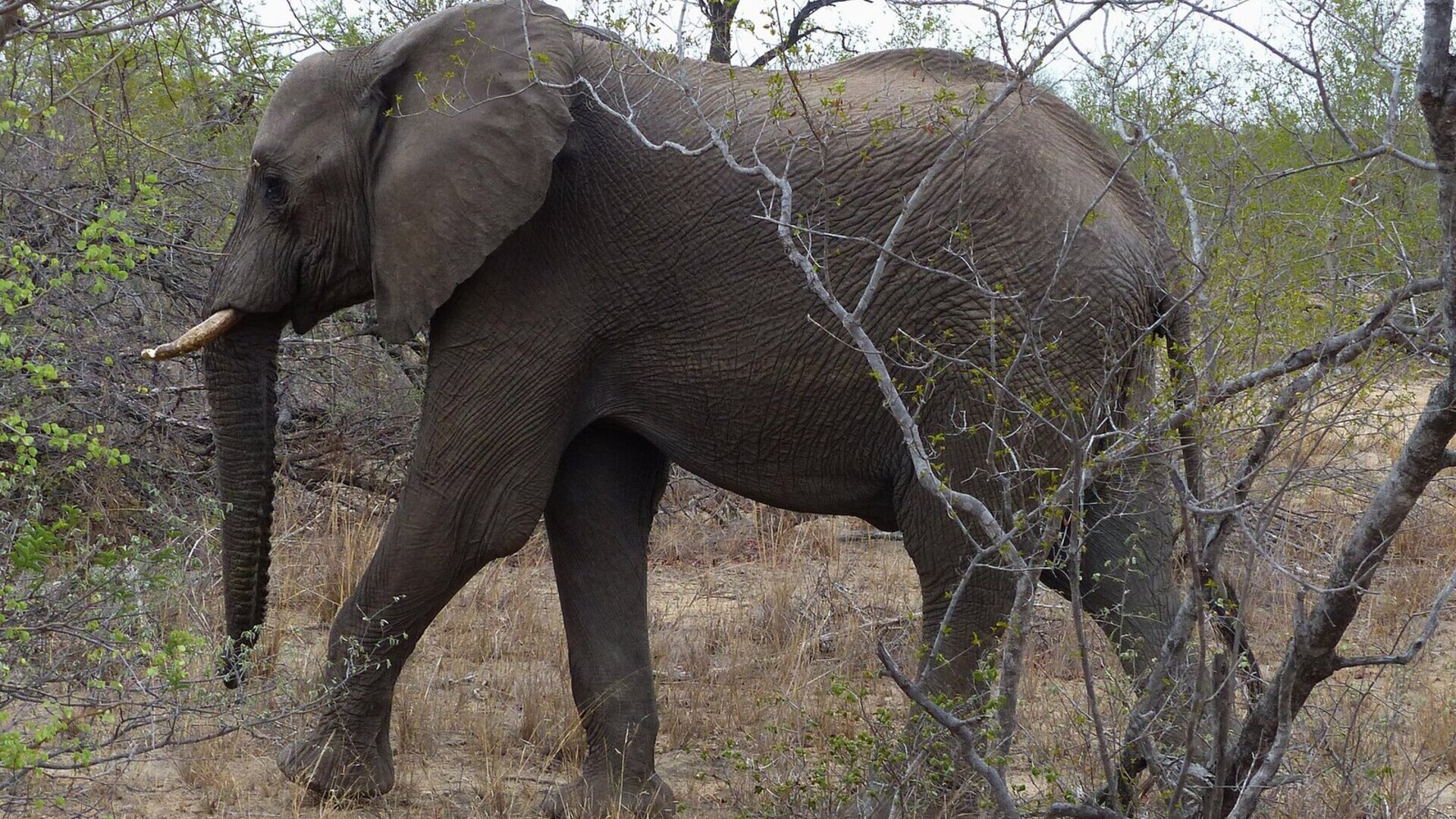
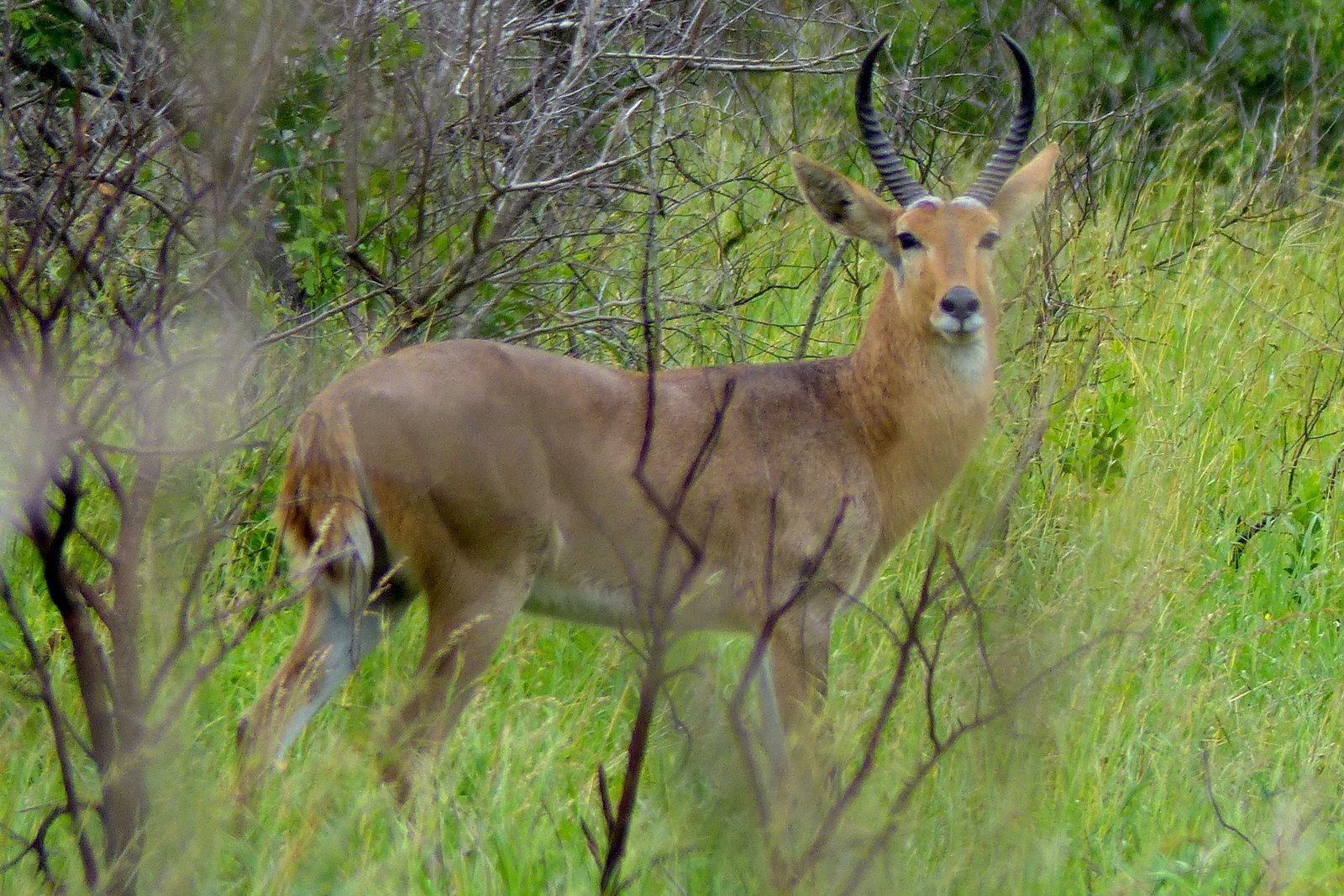
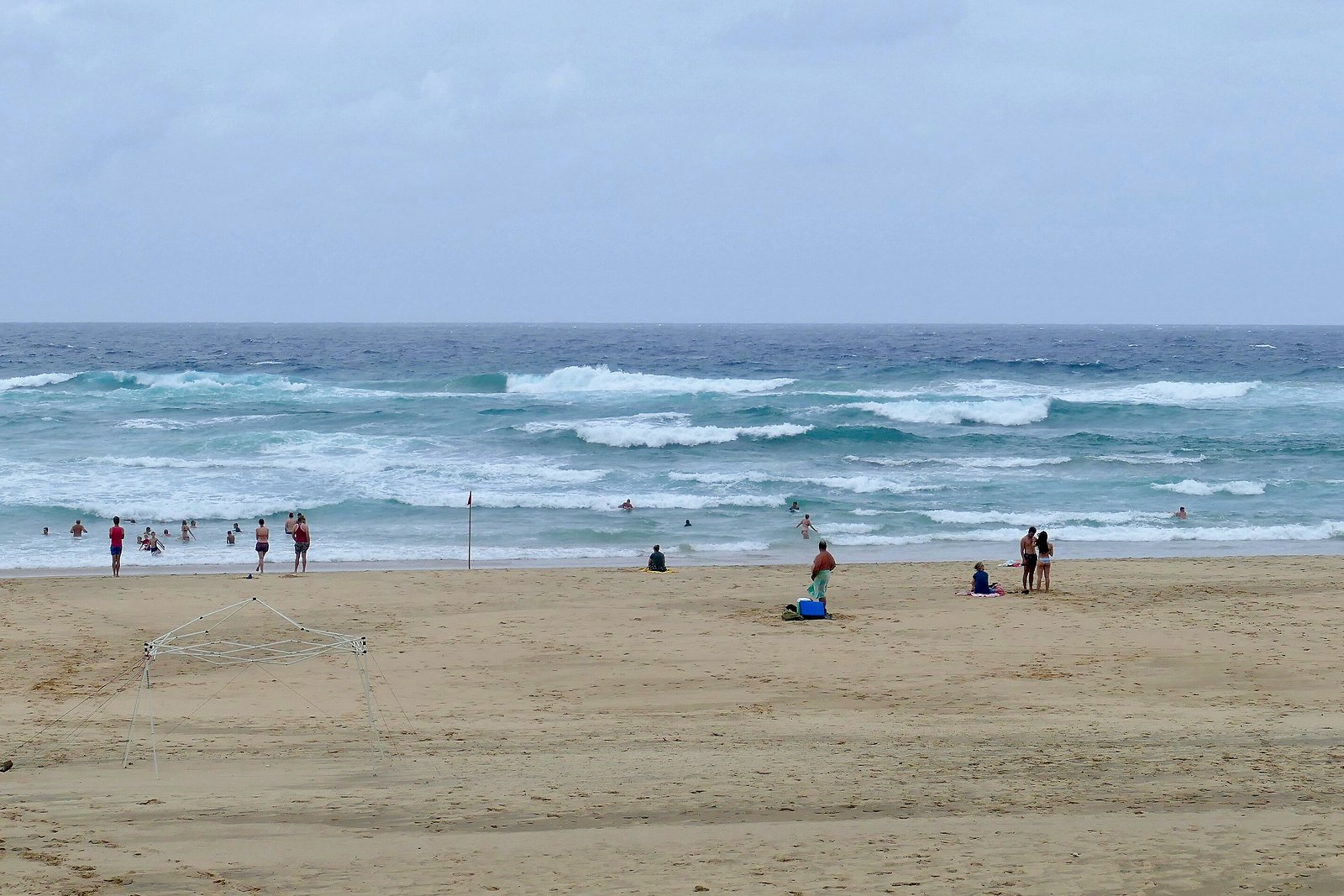
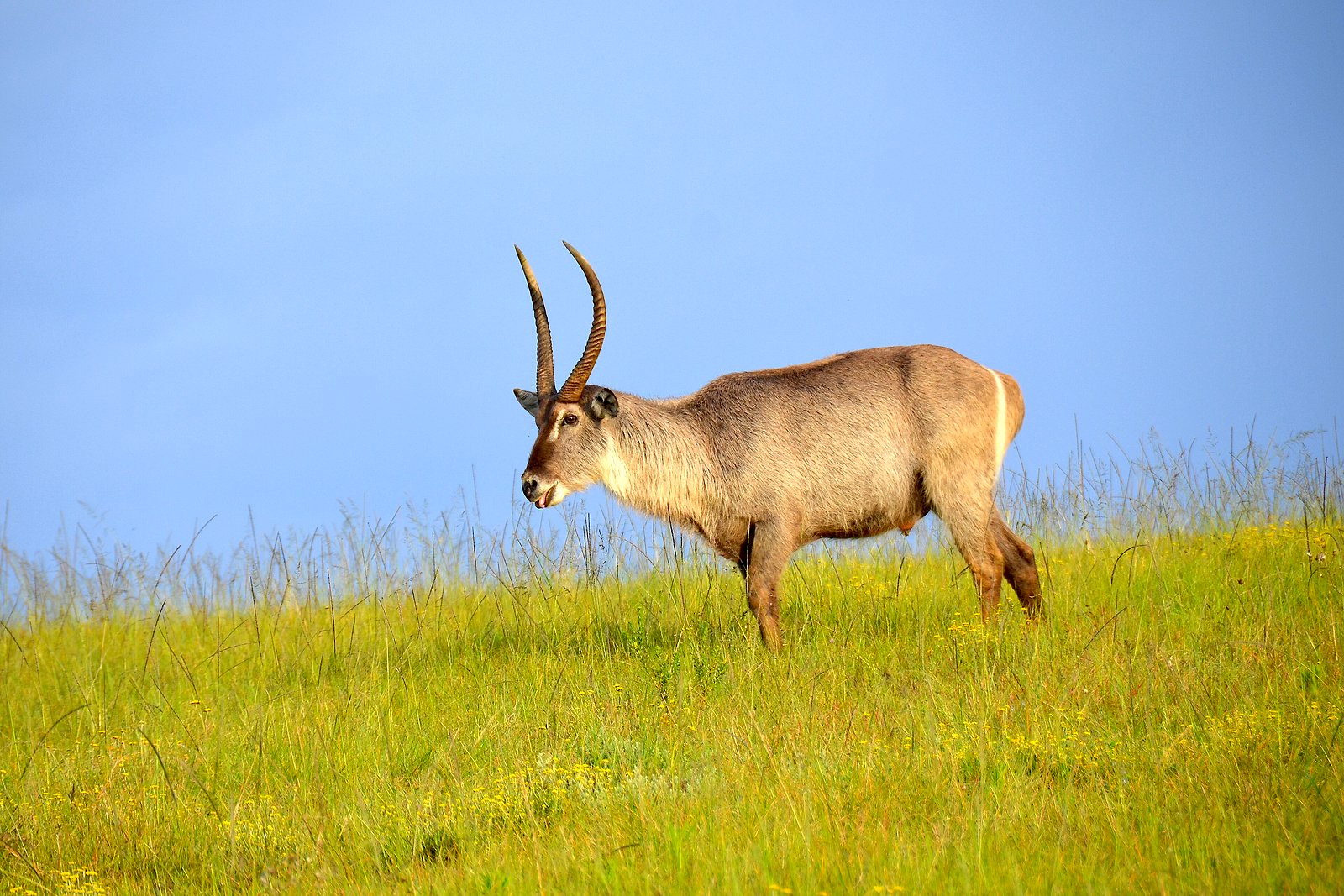
Big Five bush within sight of the sea. Across the estuary lie the Eastern Shores — a broad band of grassland, wetland and towering coastal dune forest that runs all the way to the beach at Cape Vidal. Self-drive and guided game drives here deliver elephant, buffalo, rhino, leopard, zebra, kudu, nyala, reedbuck and waterbuck, often with the ocean glittering in the background. The loop roads pass hippo pools, pans crowded with waterbirds, and viewpoints where the dune forest suddenly gives way to a wild, empty beach. Cape Vidal itself is one of the most beautiful stretches of coast in South Africa — protected, uncrowded, and backed by some of the highest forested dunes on earth.
3. The Ocean — Whales, Turtles & Reefs
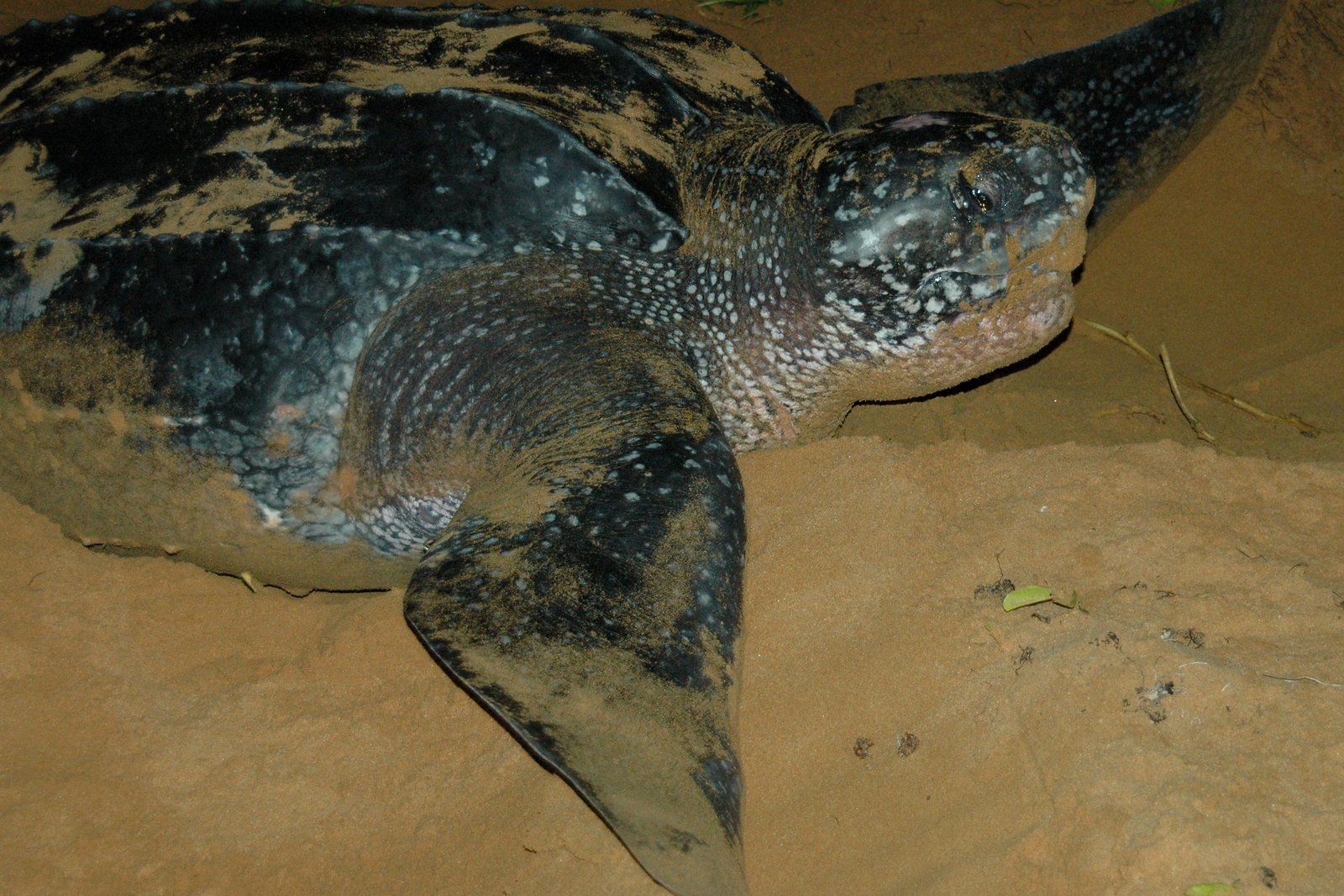
The wild edge that no other African park can offer. iSimangaliso's marine reserve protects Africa's southernmost coral reefs and one of the most important turtle-nesting coastlines in the world. From November to March, giant leatherback and loggerhead turtles haul ashore at night to lay their eggs — a guided turtle tour to witness it is one of the most moving wildlife experiences on the planet. From June to November, humpback whales pass close to shore on their migration, easily seen from the beach or on a boat trip. And at Sodwana Bay, the reefs teem with tropical fish, and whale sharks and manta rays cruise the warm Agulhas current. It is the only place in Africa where a Big Five safari and a world-class ocean safari sit side by side.
The Wildlife of iSimangaliso at a Glance
| World | Signature wildlife | How you explore it |
|---|---|---|
| Lake St Lucia estuary | Hippo, Nile crocodile, pelican, fish eagle, kingfisher | Guided boat safari from St Lucia town |
| Eastern Shores & Cape Vidal | Elephant, buffalo, rhino, leopard, zebra, kudu, nyala, reedbuck, waterbuck | Guided & self-drive game drives to the beach |
| The ocean | Humpback whale, leatherback & loggerhead turtle, dolphin, whale shark, coral reef fish | Turtle tours, whale watching, snorkelling & diving at Sodwana |
iSimangaliso protects more than 6,500 plant and animal species — including over 520 bird species — making it one of the most biodiverse protected areas in Africa.
The Best Time to Visit iSimangaliso
iSimangaliso is a year-round destination, but the wildlife calendar shifts with the seasons, and timing your visit to the experiences you care about most makes a real difference. Here is how the year unfolds.
Winter and spring (May to September) bring dry, mild, sunny days — the best time for general game viewing on the Eastern Shores, as the bush thins and animals gather at water. This is also humpback whale season, with the great migration passing close to shore from June onwards. Summer (November to March) is hot and humid, with dramatic afternoon storms, lush green landscapes and the highest bird activity — and crucially, it is turtle-nesting season, when leatherbacks and loggerheads come ashore at night. The shoulder months of April and October offer a fine balance: pleasant weather, fewer visitors and a good chance of both good game viewing and early or late whale and turtle activity. Because the southern sections are malaria-free, there is no season you need to avoid for health reasons.
How Many Days, and Where to Stay
We recommend a minimum of three nights to do iSimangaliso justice — one for the estuary and St Lucia town, one for the Eastern Shores and Cape Vidal, and one for the ocean, whether that is a turtle tour, whale watching or a day trip north to Sodwana Bay. Four or five nights lets you slow down and add the wilder northern sections — Mkhuze, False Bay and the fig forest — or combine iSimangaliso with the nearby Big Five reserves of Hluhluwe-iMfolozi and Phinda for a fuller Zululand safari.
Accommodation ranges from characterful lodges and guest houses in St Lucia town — ideal for families and for easy access to boat safaris — to exclusive private lodges on the surrounding reserves. We match the lodge to the trip: relaxed and family-friendly in St Lucia, or a seamless combination with a luxury Big Five lodge at Phinda when guests want the full safari-and-ocean experience. Whichever we choose, the boat safaris, game drives, turtle tours and whale watching are all arranged and guided privately, so your days flow without a single logistics headache.
Getting There & Combining iSimangaliso With the Rest of South Africa
iSimangaliso is centred on St Lucia town, roughly a 2.5-hour drive north of Durban's King Shaka International Airport. Most of our guests fly into Durban and transfer by private vehicle, arriving in time for an afternoon boat safari on the estuary. From Johannesburg it is a longer road journey, so we usually fly guests into Durban or Richards Bay instead.
iSimangaliso pairs beautifully with the rest of KwaZulu-Natal's Zululand: a few days here, then the Big Five reserves of Hluhluwe-iMfolozi and Phinda for classic bush, or a run down the coast for bush-and-beach. Further afield, it slots neatly into a wider South African itinerary — Cape Town and the Winelands, the Garden Route, or the Kruger and Sabi Sand. We build all of it as one seamless, private, tailor-made journey, handling flights, transfers, lodges and every activity from door to door.
What We Tell Our Clients — The Honest Take
iSimangaliso is not the place to come if you want to tick off the Big Five in a single morning — the park is vast, the animals are wild and free-ranging, and the leopard and rhino here are harder-won than at a private Sabi Sand reserve. What iSimangaliso offers instead is something no other safari destination on the continent can: variety, wildness and space. It is a place of hippos and whales, of dune forests and coral reefs, of turtles nesting under the stars and fish eagles crying over the lake. It rewards the traveller who wants to feel the scale and diversity of wild Africa rather than simply photograph its most famous animals.
We recommend iSimangaliso most often to families (the malaria-free southern sections make it one of the safest safari regions in the country), to returning safari-goers who have done the classic Big Five parks and want something richer and wilder, and to couples who love the idea of pairing a bush safari with a genuinely wild coastline. Combine it with a luxury Big Five lodge at Phinda and a few days in Cape Town, and you have one of the most complete and surprising journeys in all of Africa.