Key Takeaways
- Humpback whales migrate up the KwaZulu-Natal coast from June to November — one of the great ocean migrations on earth.
- The best viewing is off the Zululand coast — St Lucia, Cape Vidal and Sodwana Bay in iSimangaliso — by boat or from the high dunes.
- June to September is peak season, with breaching, fin-slapping and tail-lifting displays close to shore.
- Dolphins are near-constant company, and southern right whales and the Sardine Run add to the spectacle in season.
- We build whale watching into a private bush-and-beach KwaZulu-Natal safari alongside the Big Five and the coast, door to door.
The Great Winter Migration
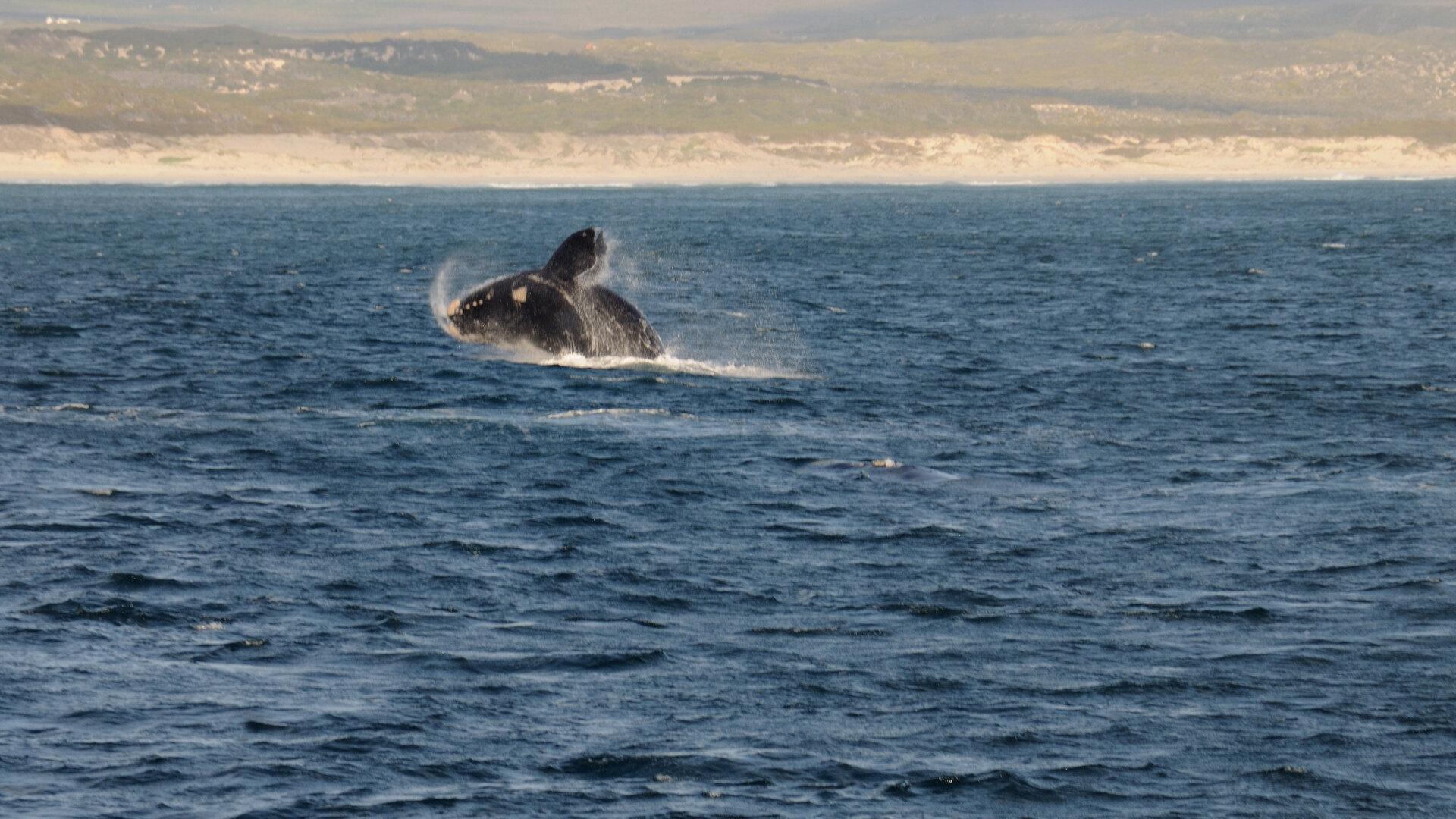
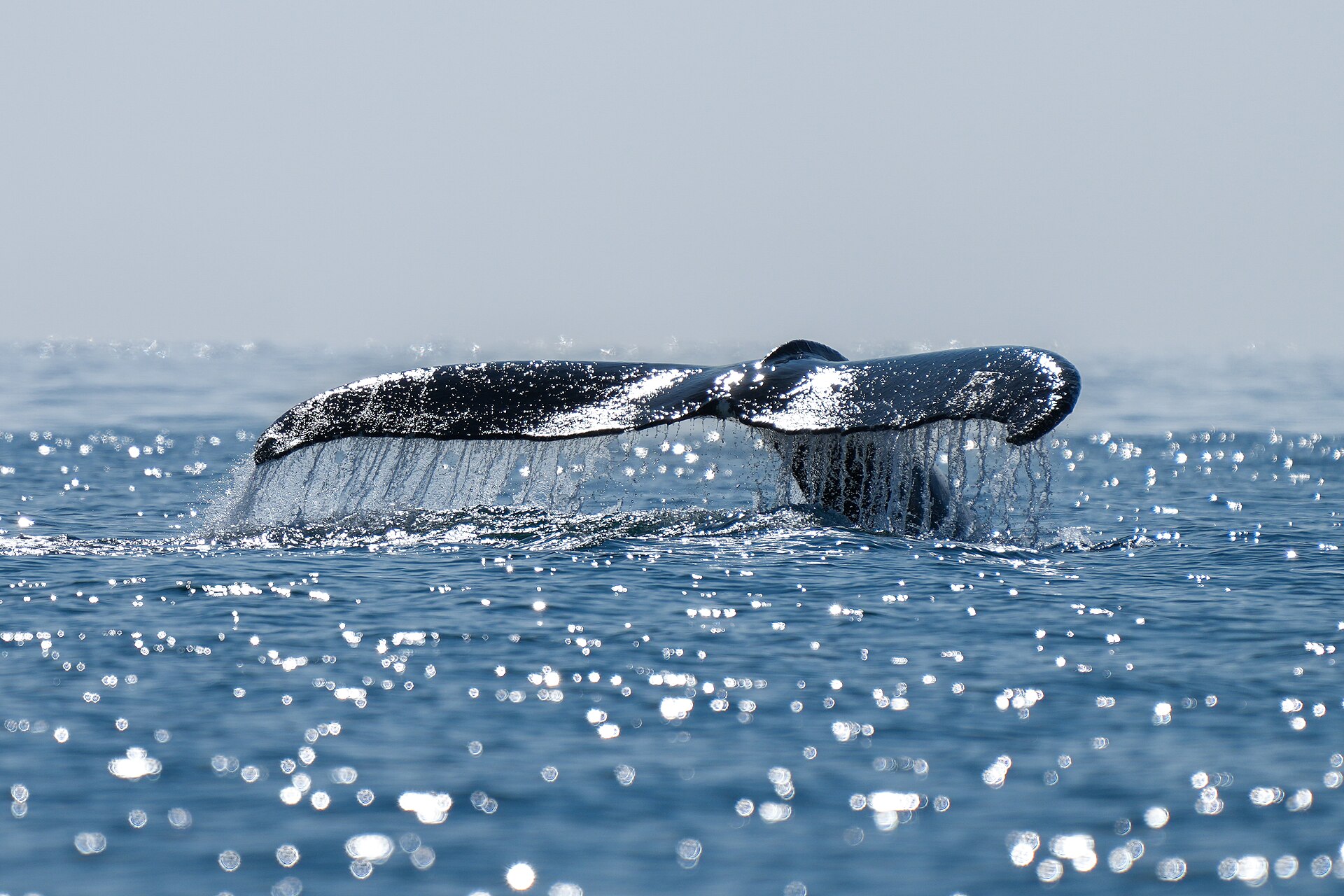
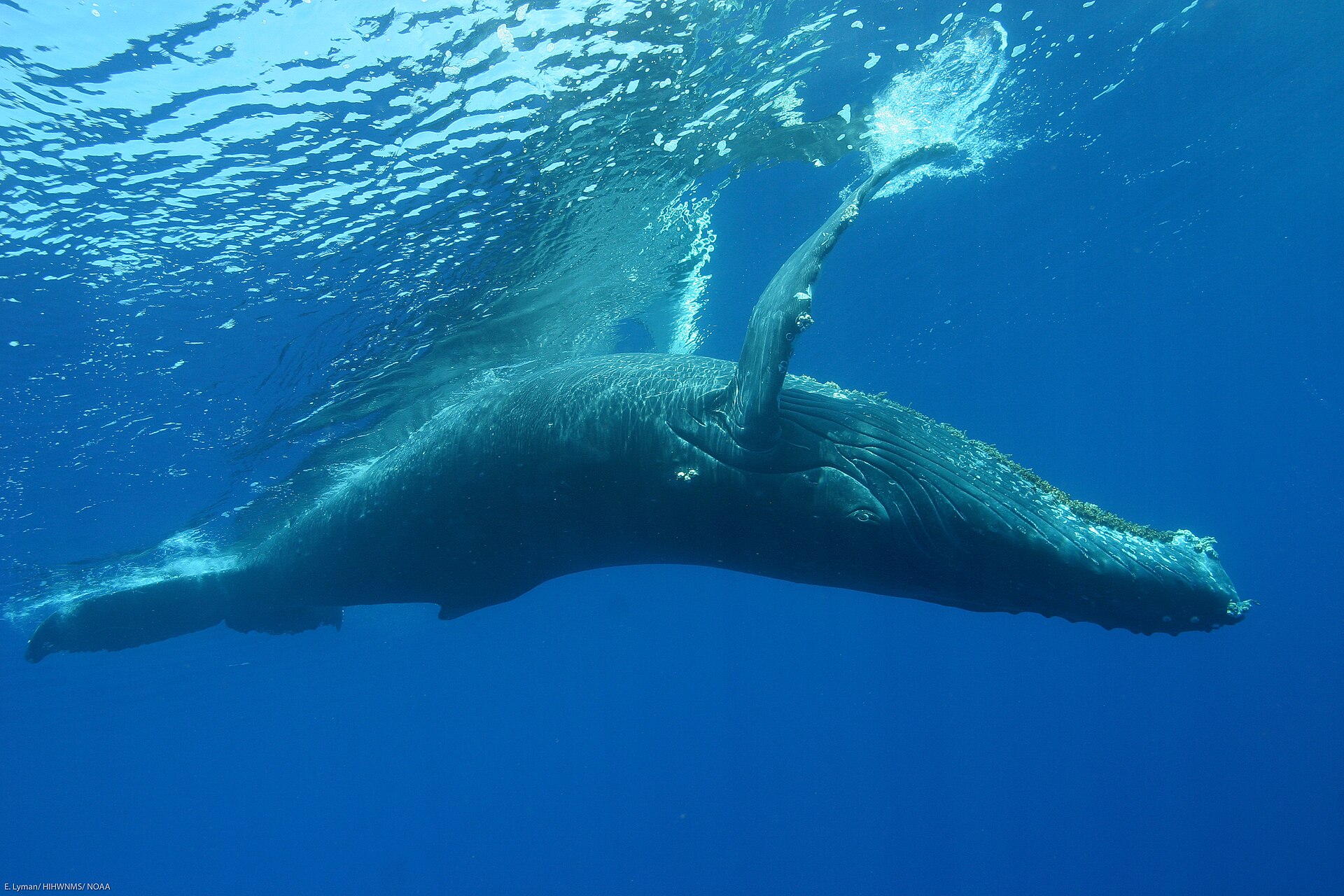
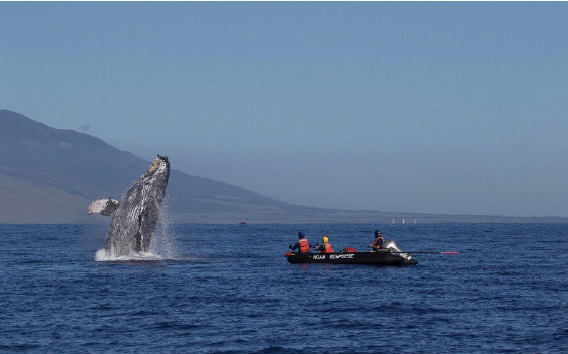
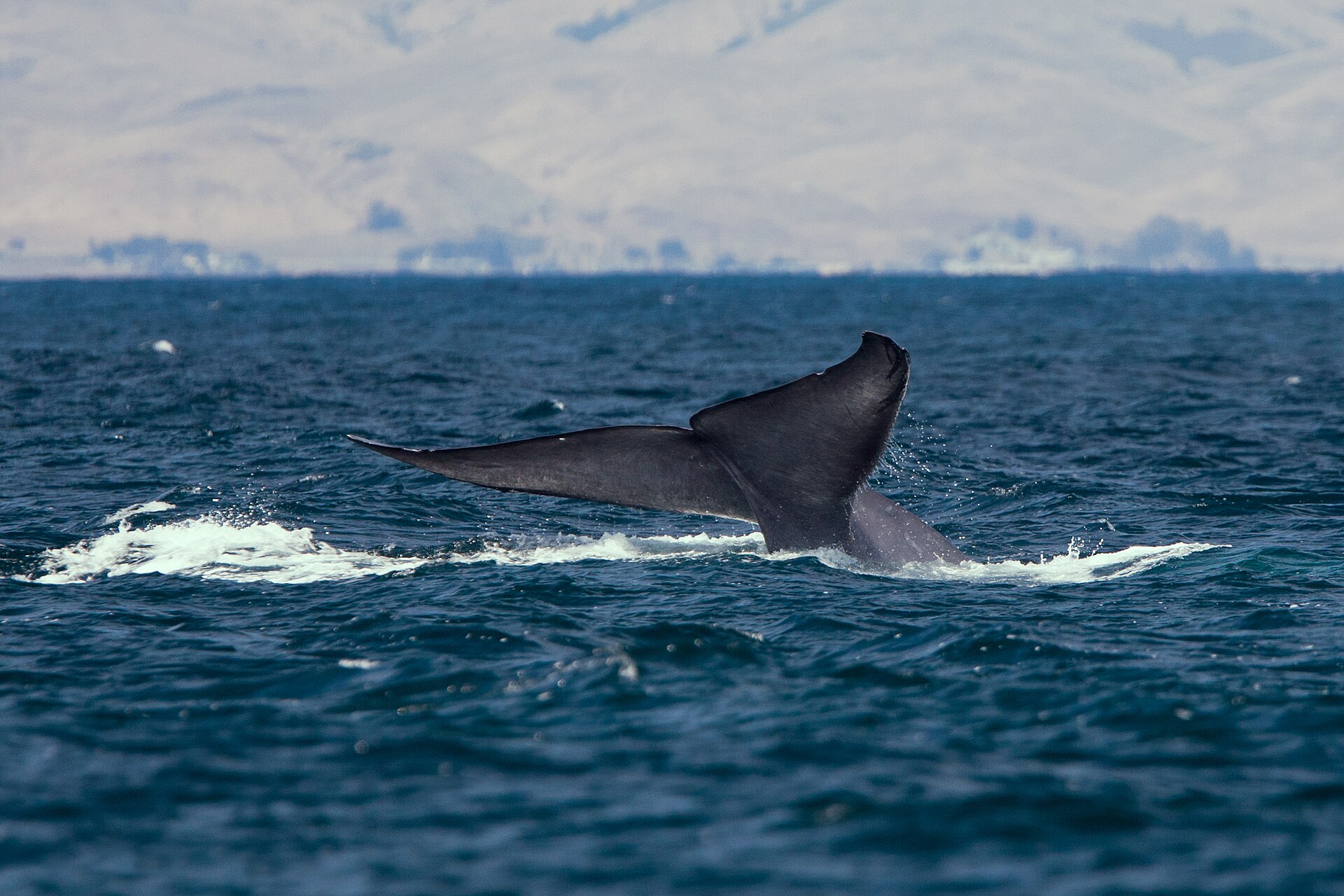
Every year, as the southern winter sets in, one of the planet's grandest wildlife spectacles unfolds just off the KwaZulu-Natal coast. Thousands of humpback whales leave their cold Antarctic feeding grounds and travel north along the warm Agulhas current to breed and calve in the tropical waters off Mozambique — and the Zululand coast lies squarely on their migration highway. Between June and November they pass close inshore, and the encounters can be extraordinary: a forty-tonne animal launching its entire body clear of the water, a pectoral fin the size of a person slapping the surface, or the slow, deliberate raising of a broad tail before a dive.
What makes KwaZulu-Natal special is how close to shore this happens. Off St Lucia, Cape Vidal and Sodwana Bay the continental shelf runs near the coast, funnelling whales within easy reach of a boat — and within sight of anyone standing on the high dunes of iSimangaliso. It is a migration you can watch with your feet in warm sand, and one of the most reliable whale-watching coasts in the southern hemisphere.
What You'll See on the Water
Whale watching in KwaZulu-Natal is really three experiences layered together — the humpback migration itself, the choice between boat and shore watching, and the wider cast of dolphins and southern right whales. Here is what to expect from each.
1. The Humpback Migration
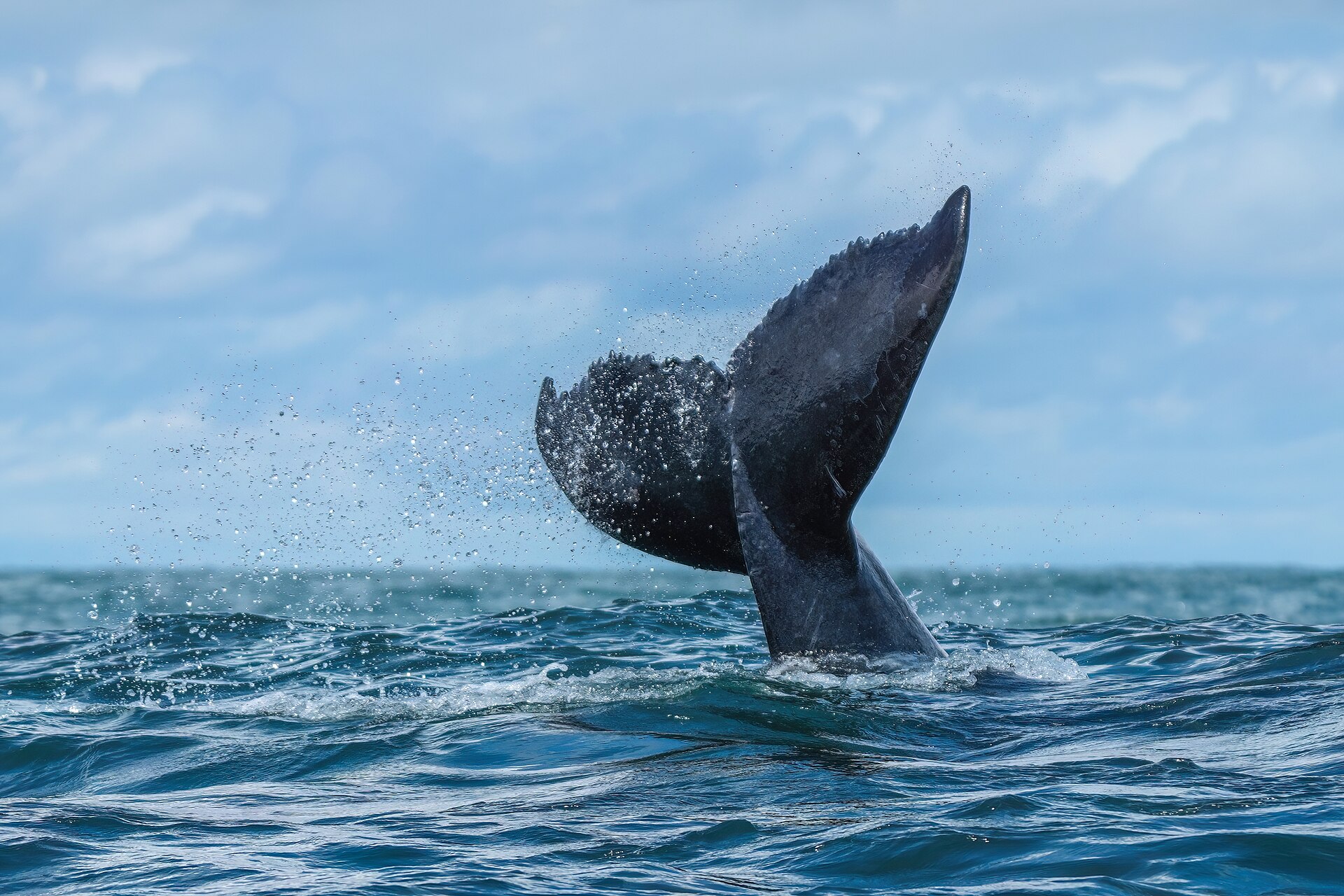
The undisputed stars of the KwaZulu-Natal winter. Humpback whales are famed for being the most acrobatic and demonstrative of the great whales, and the migrating animals off Zululand put on a show. You may see a full breach — the whale hurling itself skyward and crashing back in an explosion of spray — or the repeated slapping of a long, knobbly pectoral fin, or a tail fluke lifted high as an animal sounds for a deep dive. Mothers travel with newborn calves, and on calm days you can hear the great blow of an exhalation carry across the water. Each humpback's tail is uniquely patterned, like a fingerprint, and no two encounters are ever the same.
2. Boat vs Shore Watching
Two ways to meet the giants. A licensed boat-based whale-watching trip — launched dramatically through the surf at Sodwana Bay or from St Lucia — takes you out to sea for the closest, most thrilling encounters, with skippers who know where the whales are running and keep a respectful, regulated distance. Alternatively, the high forested dunes of iSimangaliso, especially around Cape Vidal, offer a free and often superb vantage: from that elevation you can scan a wide sweep of ocean and watch whales breaching well offshore. Boat trips deliver intimacy and adrenaline; shore watching offers perspective and patience. On a longer stay, we build in both.
3. Dolphins, Southern Rights & the Wider Ocean
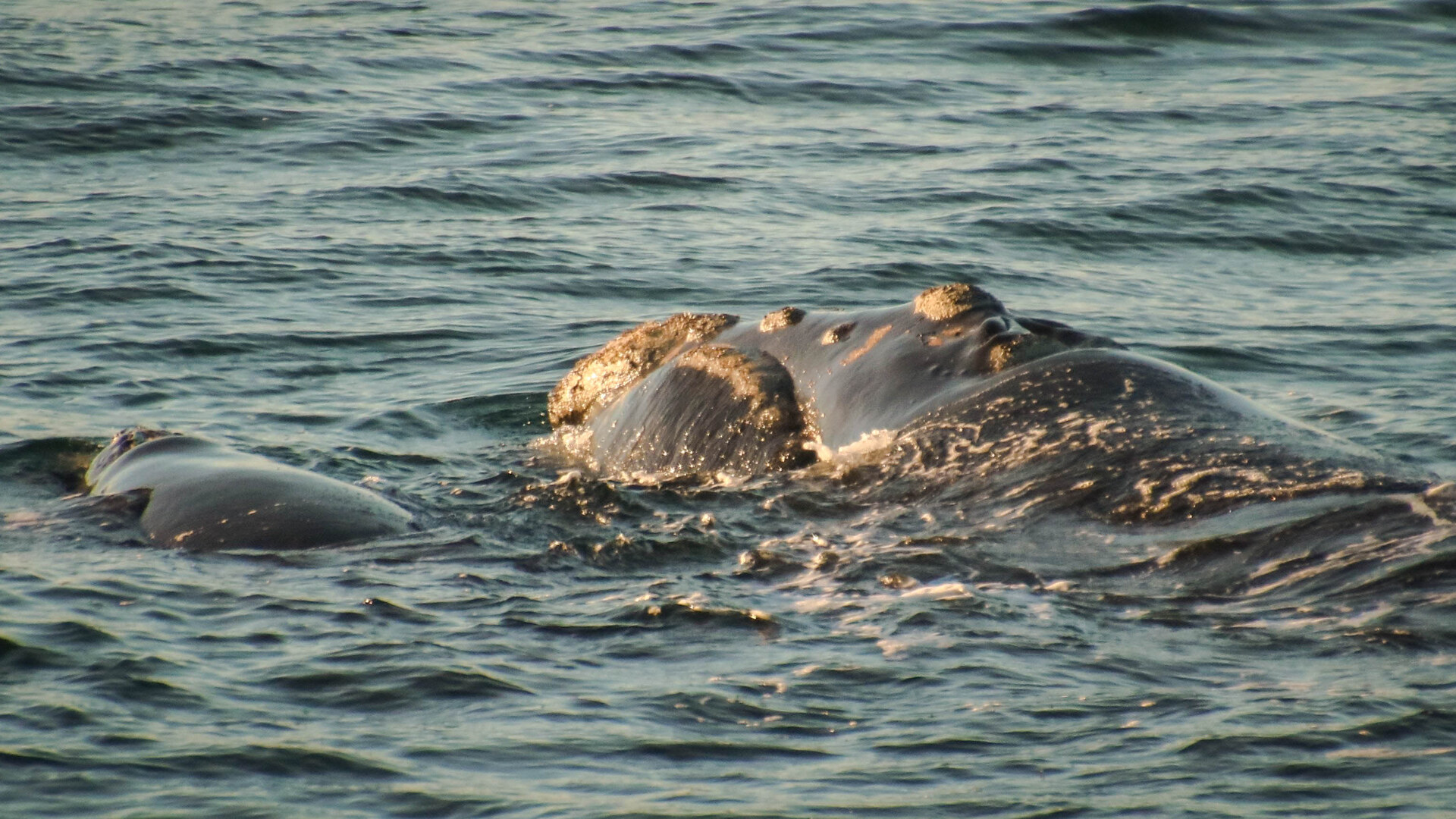
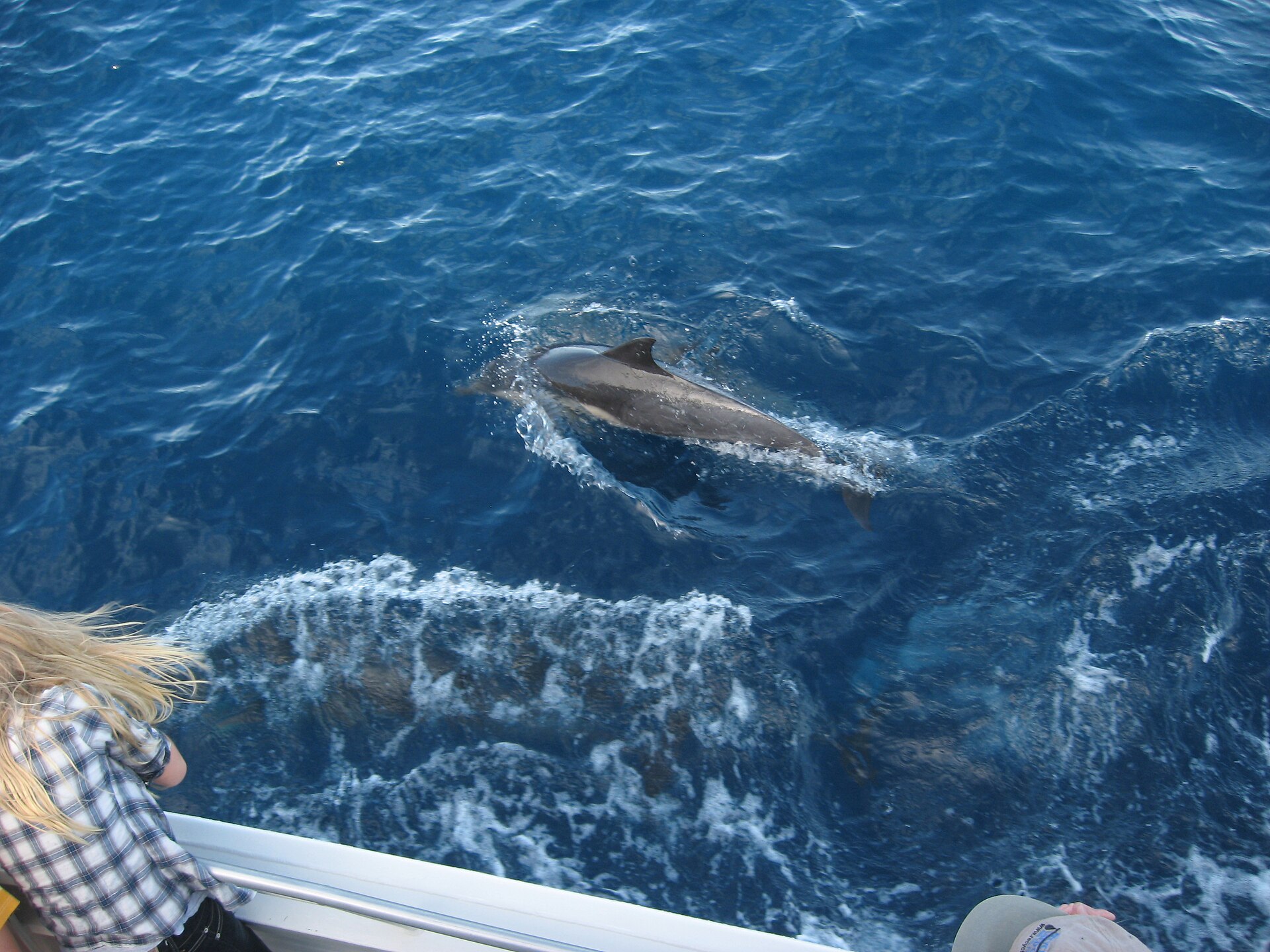
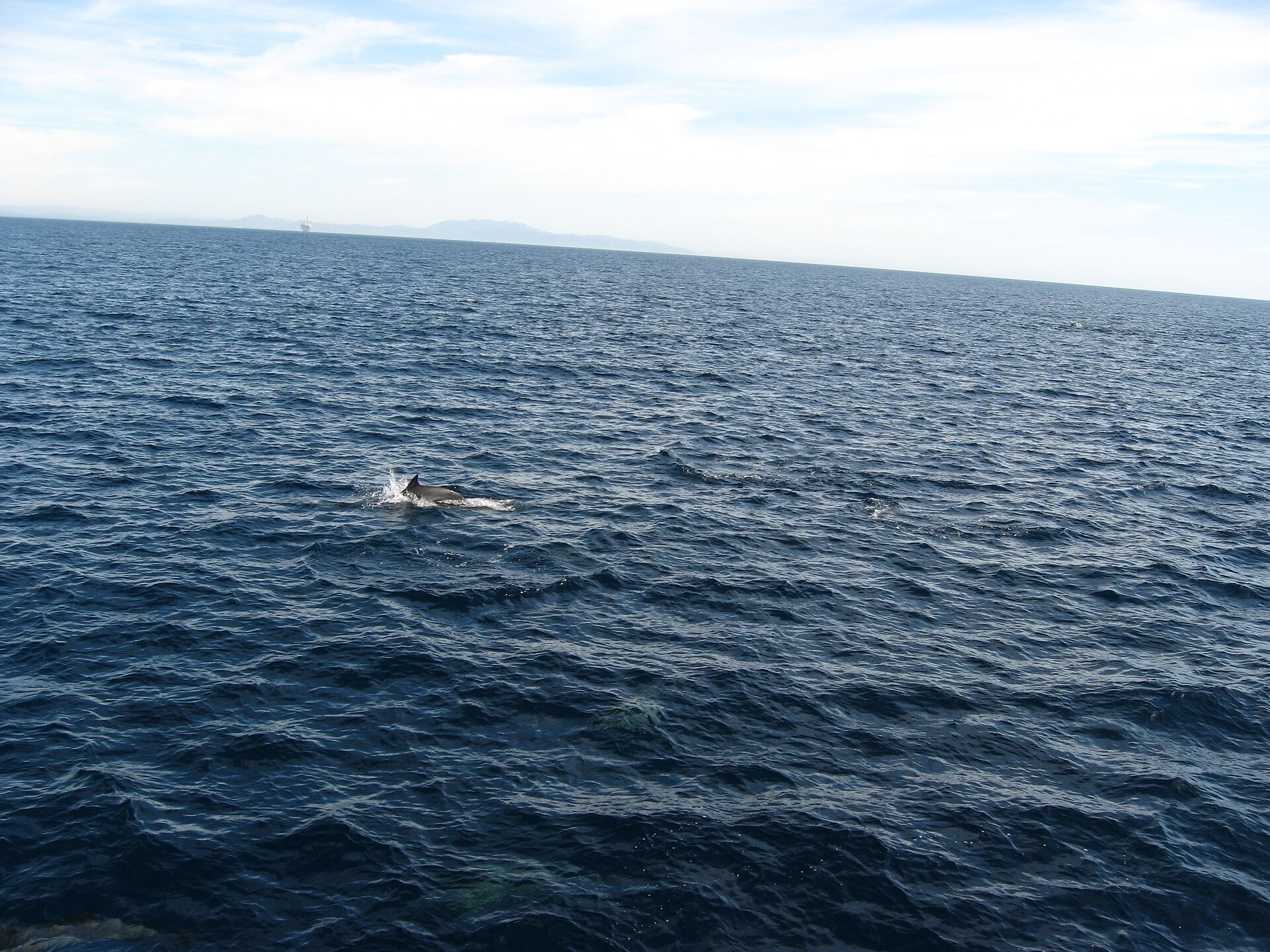
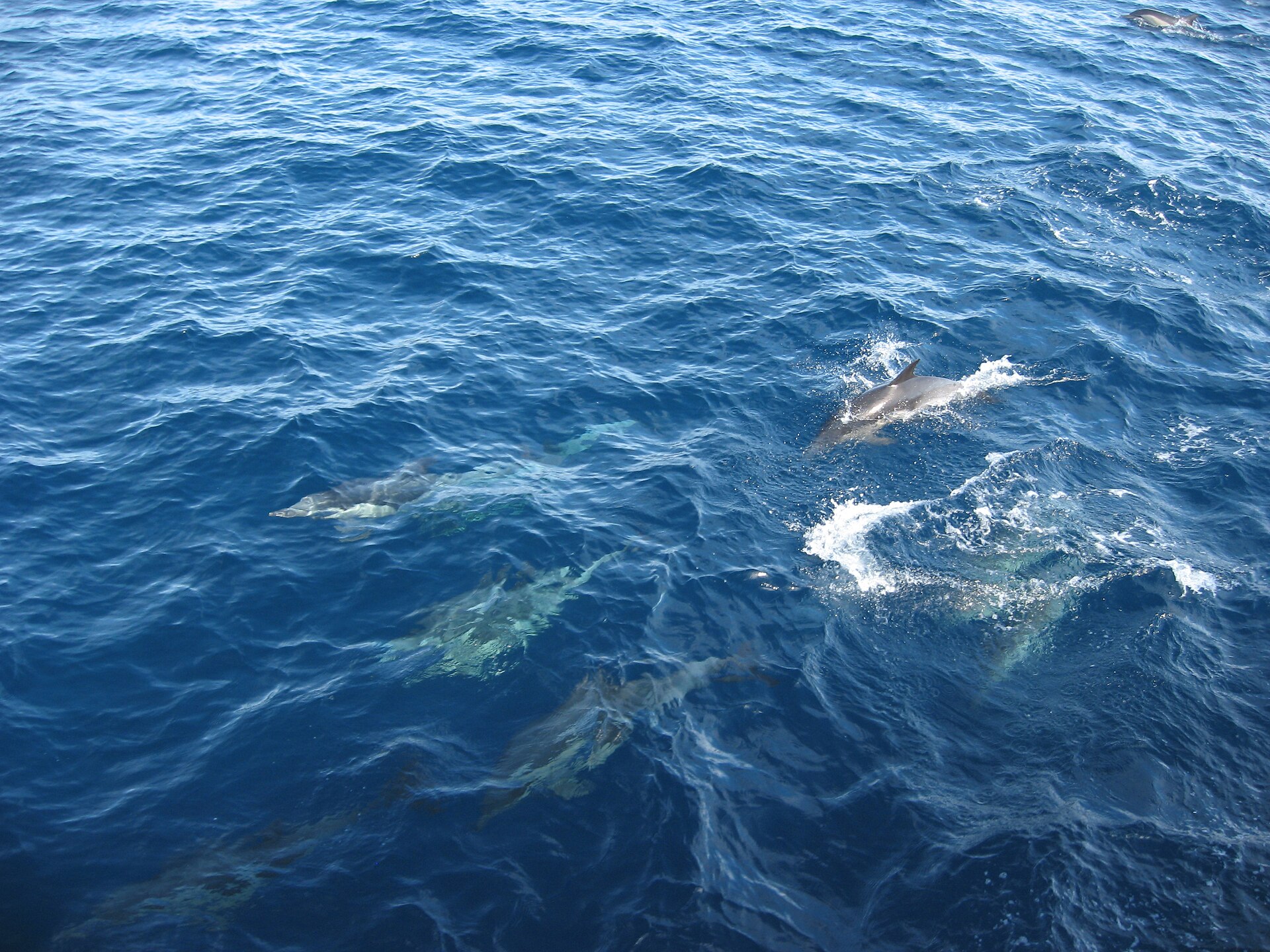
The whales are only the headline act. The warm KwaZulu-Natal current teems with life, and whale-watching trips almost always encounter dolphins — bottlenose, common and the rarer Indian Ocean humpback dolphin — often riding the bow wave in playful pods. Southern right whales, stockier and slower than humpbacks, also visit the coast in winter. And in early winter the legendary Sardine Run can bring a feeding frenzy of dolphins, sharks, gannets and whales as billions of sardines move up the coast. Turtles, rays and game fish complete a marine cast as rich as anything on land.
Whale Watching at a Glance
| Detail | What to expect |
|---|---|
| Season | June to November; peak breaching June to September |
| Where | St Lucia, Cape Vidal & Sodwana Bay on the Zululand coast |
| How | Licensed boat launch through the surf, or from the high dunes |
| Also seen | Dolphins, southern right whales, turtles; Sardine Run in season |
The Zululand whale coast lies within easy reach of the malaria-free southern iSimangaliso, making it an ideal bush-and-beach base for families.
The Best Time to Go
The KwaZulu-Natal whale season runs from roughly June to November, tracking the humpbacks' migration north and their return south. June to September is the peak: the northbound whales are numerous, energetic and often close inshore, and the mild, dry winter weather makes for calm seas and comfortable boat trips. From September to November the whales head back south, now travelling with newborn calves — slower, gentler encounters, and a lovely time to watch mothers and young.
This winter window is also the finest time for a wider KwaZulu-Natal safari: the bush is dry and wildlife concentrates at water, the days are sunny and mild, and it is malaria-low season in the Big Five reserves. That happy overlap is exactly why we love building bush-and-beach trips in these months — great whales offshore, great game inland, and glorious weather throughout.
Is It Safe? Perfect for Families
Boat-based whale watching in KwaZulu-Natal is run by licensed, permitted operators using purpose-built ski-boats crewed by experienced skippers who launch through the surf and follow strict regulations on how close vessels may approach whales. Life jackets are provided and briefings are thorough. The sea off Zululand can be lively, so anyone prone to motion sickness should take precautions, and very young children may do better watching from the dunes — but for most families a whale-watching trip is a safe, exhilarating highlight.
Better still, the whole Zululand coast sits within easy reach of the malaria-free southern section of iSimangaliso, so you can pair the ocean with a Big Five safari without a second thought about anti-malarials for the children. It makes for one of the most reassuring bush-and-beach combinations in Africa.
How We Build It Into a Safari
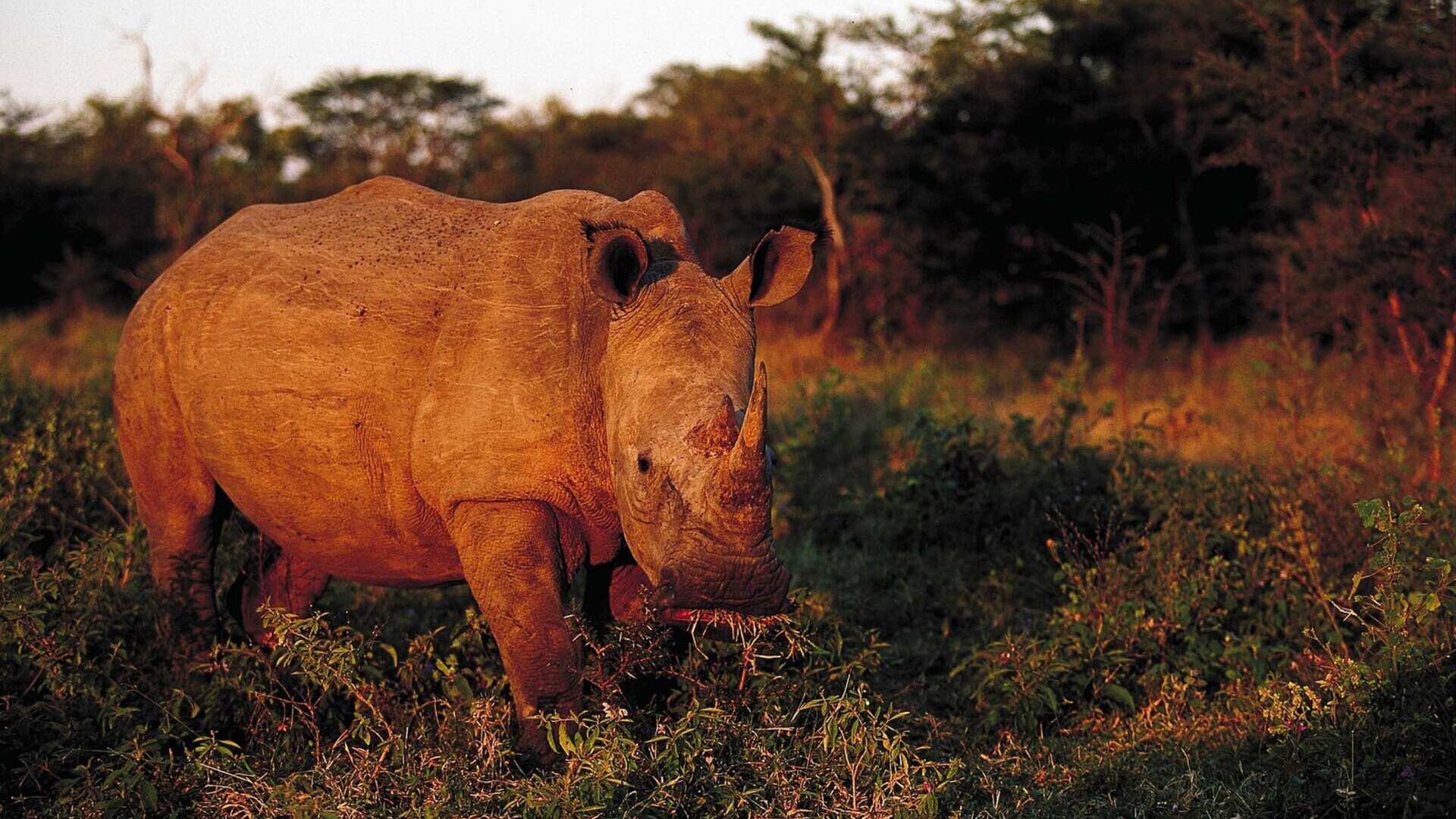
Whale watching is a perfect thread to weave through a private KwaZulu-Natal journey. A typical winter trip we arrange bases you on the Zululand coast for two or three nights — a boat-based whale trip from St Lucia or Sodwana, whale watching from the high dunes at Cape Vidal, the St Lucia estuary boat tour among hippos and crocodiles, and time on the wild beaches. Then we add the Big Five: the rhino strongholds of Hluhluwe-iMfolozi or the exclusive lodges of Phinda Private Game Reserve, for a full bush-and-beach safari.
We handle it all door to door — the flight into Durban or Richards Bay, private transfers, hand-picked lodges, and every activity booked and guided privately, so your days flow seamlessly from ocean to bush. And it slots beautifully into a grander South African itinerary too — pair the KwaZulu-Natal whale coast with Cape Town, the Winelands and the Garden Route (which has its own southern right whale season) for one tailor-made journey.
What We Tell Our Clients — The Honest Take
Whale watching is a wild, weather-dependent activity — the ocean writes the script. Boat launches depend on sea conditions and can be postponed, and while sightings in peak season are highly reliable, no honest operator guarantees a breach on any given trip. The surf launch itself is bumpy and exciting rather than serene, and the open sea is not for everyone. But when a humpback breaches beside the boat, or you watch one throw itself skyward from the dunes of Cape Vidal, it is a memory that eclipses almost anything else on a trip.
We recommend it most warmly to anyone travelling the Zululand coast between June and November, to families who can pair the safe dune vantages with a boat trip for the older children, and to wildlife lovers who want to add the ocean's giants to their Big Five. Fold whale watching into a few days on the coast, add the Big Five reserves inland, and let us handle the logistics — and the winter migration becomes the ocean crescendo of a South African safari.