Key Takeaways
- Sodwana Bay, inside iSimangaliso Wetland Park, is home to the southernmost coral reefs on earth and one of the world's great dive destinations.
- The reefs are named by distance offshore — Quarter-Mile, Two-Mile, Five-Mile and Seven-Mile — each with its own character and depth.
- The warm Agulhas current brings turtles, rays, moray eels, potato bass, ragged-tooth sharks and, in summer, whale sharks and manta rays.
- The best diving is in summer (November to April), with warm, clear water; winter offers ragged-tooth shark aggregations and humpback whales.
- We build every trip as a private dive-and-safari journey — the reefs of Sodwana paired with a Big Five bush safari in Zululand, handled door to door.
Why Sodwana Is a Diving Legend
Sodwana Bay occupies a special place in the imagination of divers everywhere. It is the southernmost point on the planet where warm-water coral reefs flourish, a happy accident of geography: the warm Agulhas current sweeps tropical water — and tropical life — all the way down the northern KwaZulu-Natal coast, and where it washes over the reefs off Sodwana, it creates an ecosystem of astonishing richness this far from the equator. More than 1,200 species of fish have been recorded here, alongside hard and soft corals, turtles, rays and sharks.
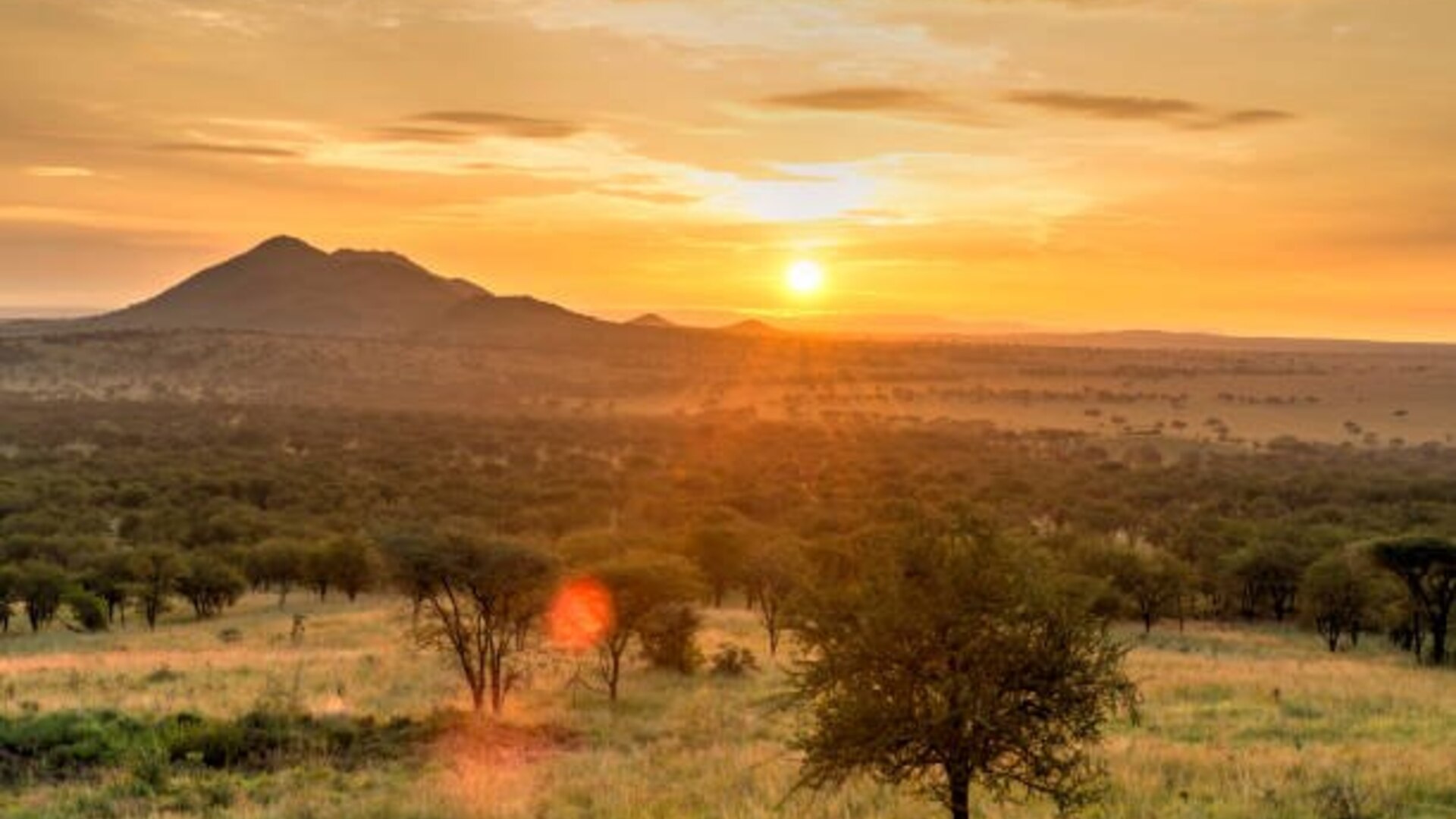
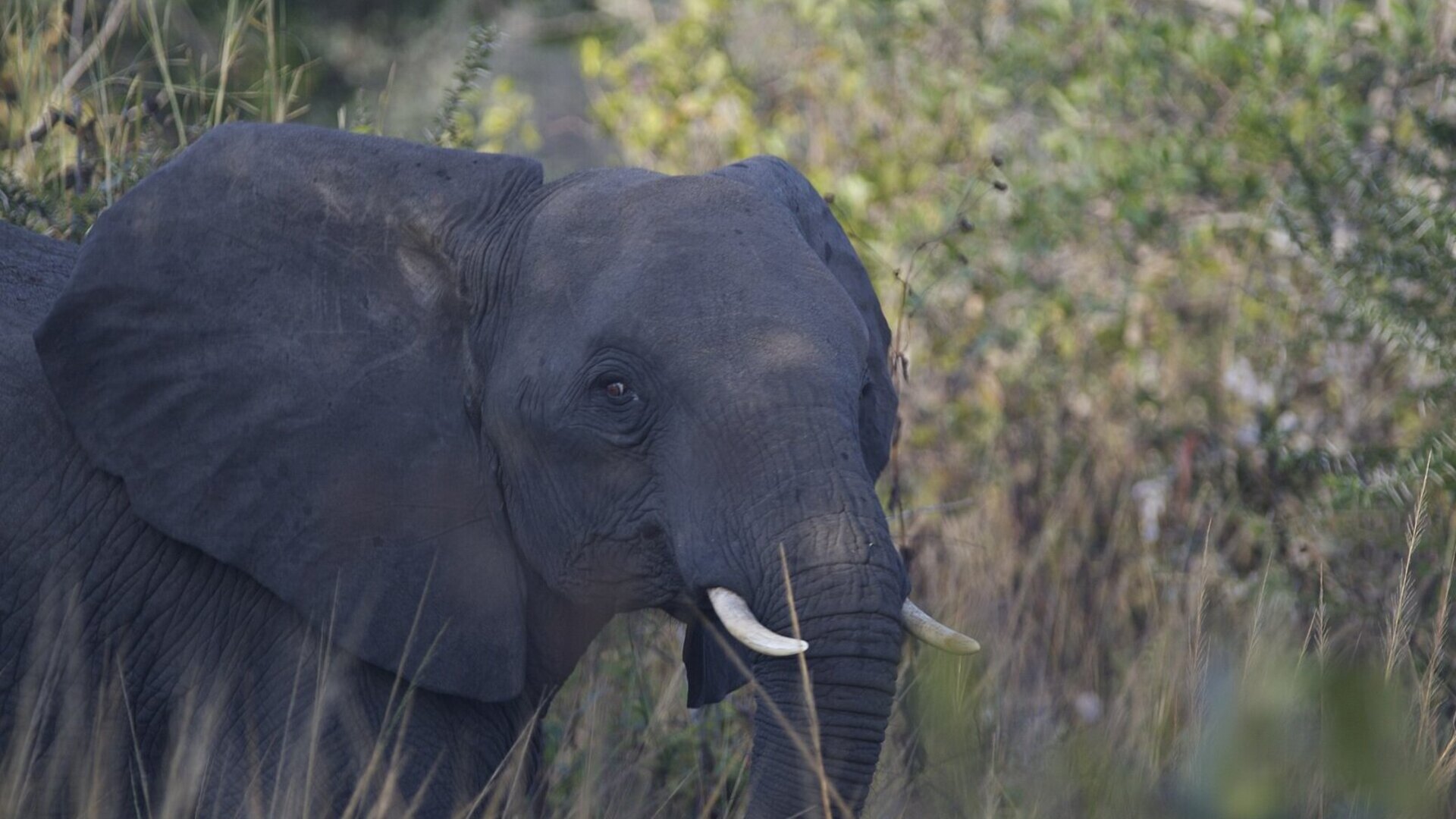
What makes Sodwana special is not just the marine life but the wildness of the setting. This is not a resort reef reached from a jetty; it is a launch straight through the surf off a beach backed by towering vegetated dunes, inside a World Heritage wilderness where elephants and rhino roam a short drive inland. You dive reefs that see a fraction of the traffic of the world's famous sites, then surface to an empty horizon. For divers who want reef diversity and genuine wilderness in a single trip, there is nowhere quite like it.
The Reefs and How We Dive Them
Sodwana's reefs are named for their distance from the launch site, and each has its own personality. Here is how the classic dives compare, and how we build a diving safari around them.
1. Two-Mile Reef & the Classic Dives
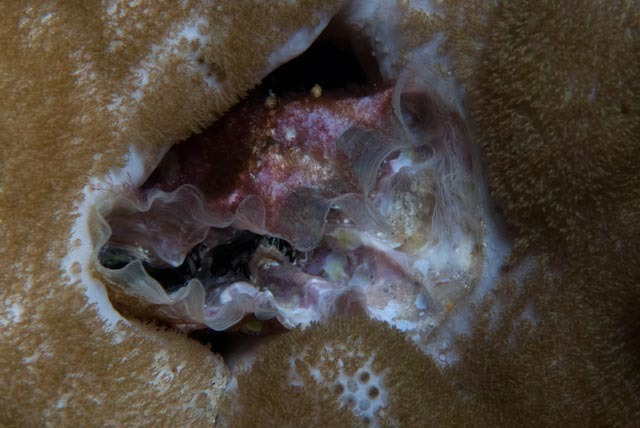
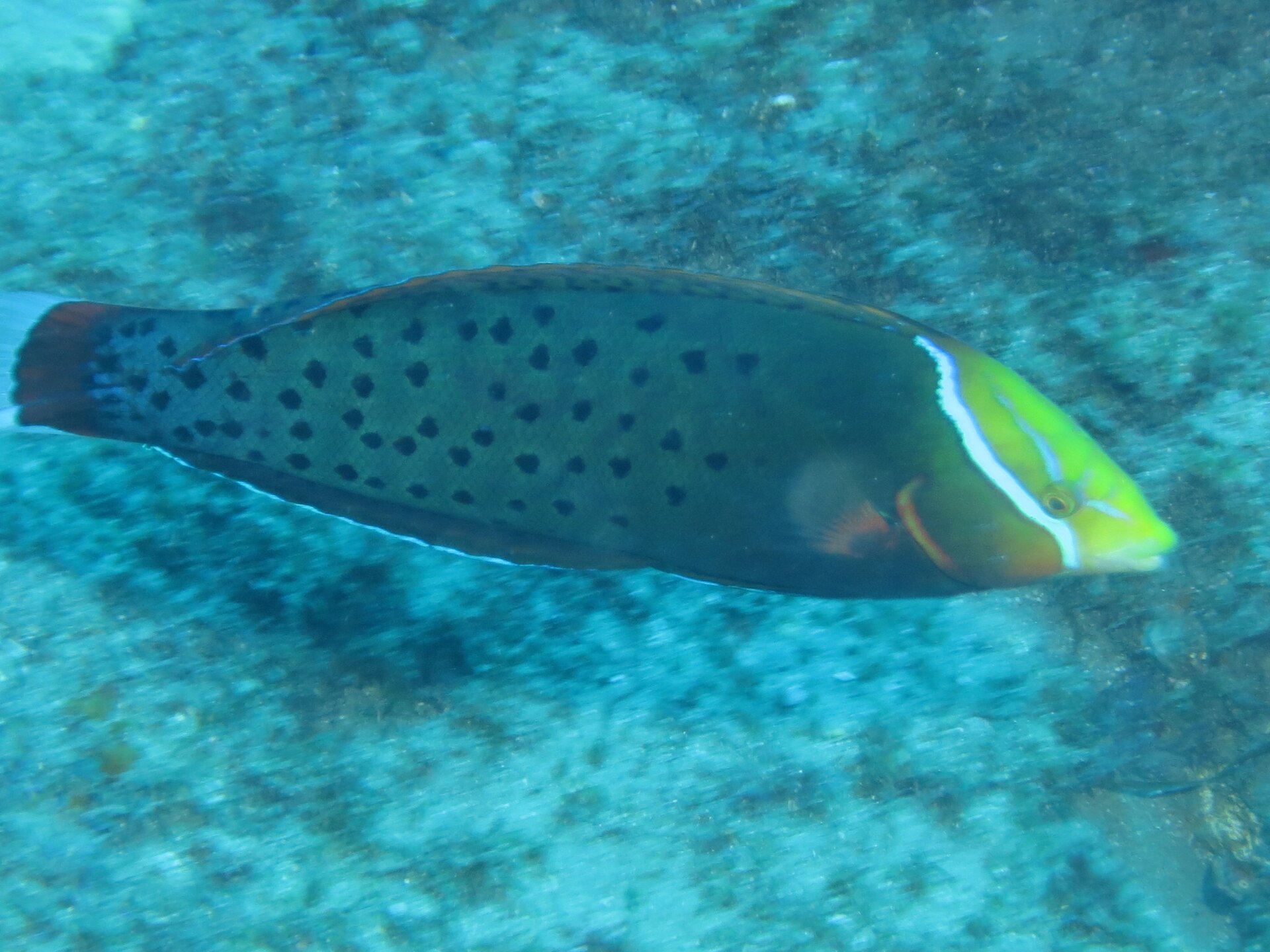
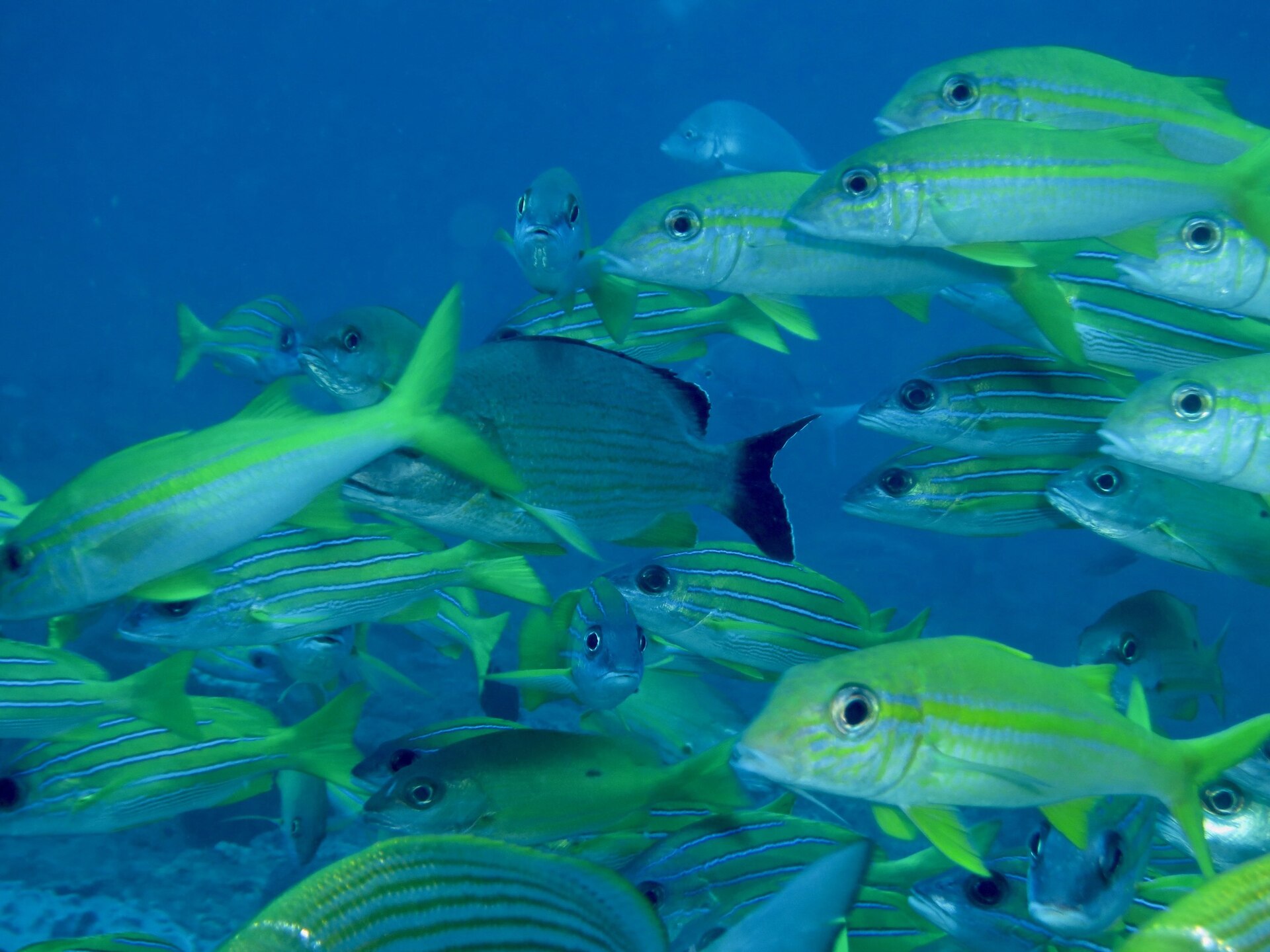
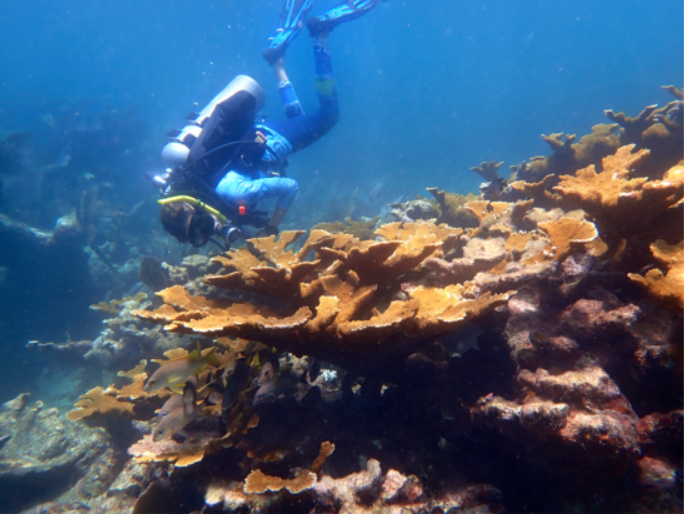
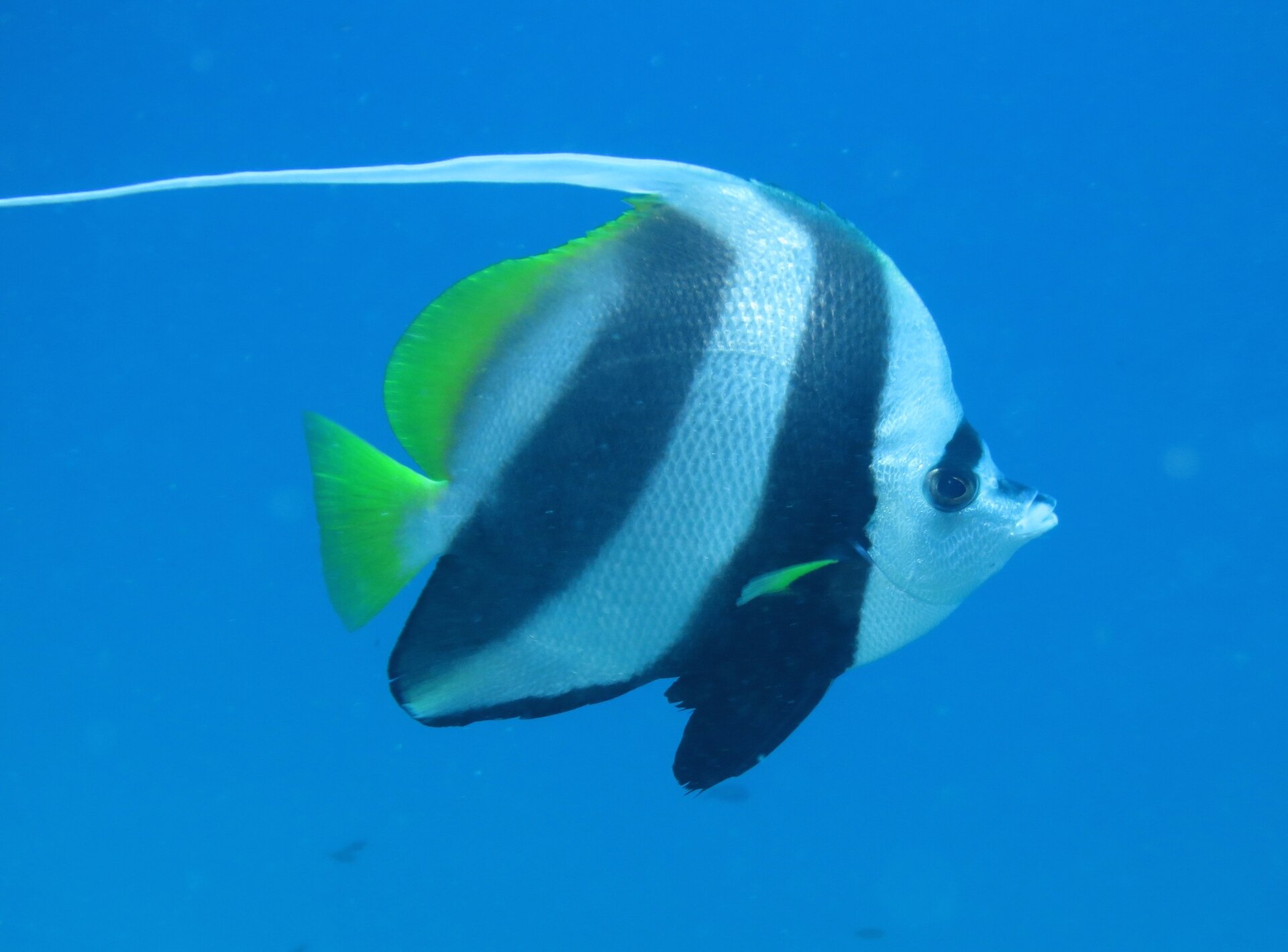
The heart of Sodwana, and where most divers begin. Two-Mile Reef is the most famous and accessible of the reefs, a long, varied system of coral gardens, pinnacles and gullies in comfortable depths from around nine to eighteen metres. It suits every level from freshly certified Open Water divers to seasoned enthusiasts, and it is gloriously alive — clouds of goldies and fusiliers, angelfish and butterflyfish, moray eels tucked into the coral, and green and hawksbill turtles cruising past with total unconcern. Sites like Anton's, Stringer and Caves & Overhangs are Sodwana institutions, and on a good day the visibility opens to twenty metres and more.
2. The Deeper Reefs & Big Encounters
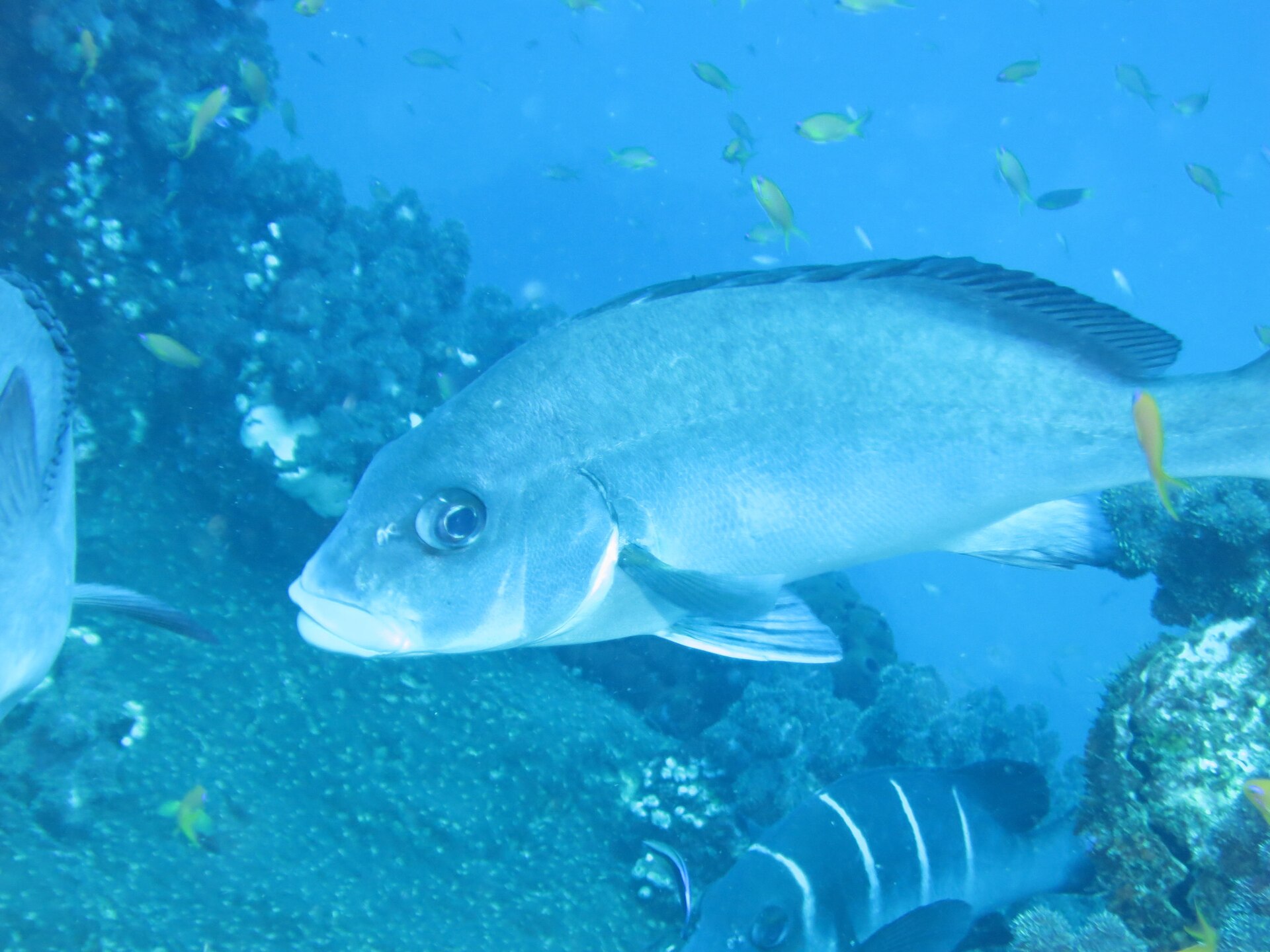
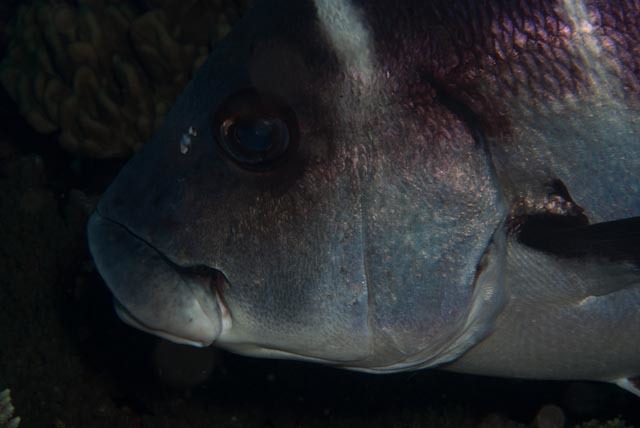
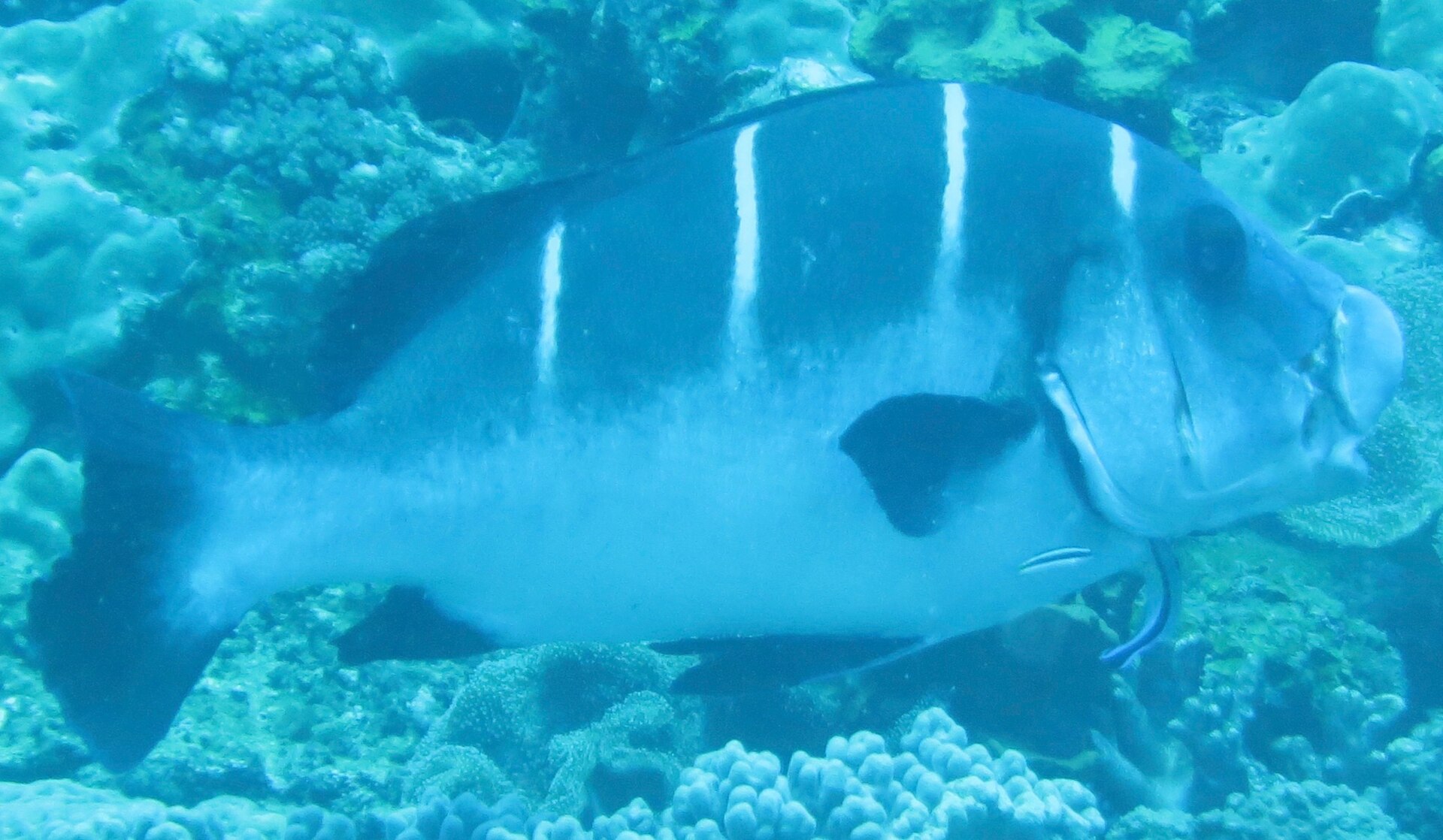
For experienced divers, the reefs get bigger and so do the animals. Further offshore, Five-Mile, Seven-Mile and Nine-Mile reefs reward advanced and deep-certified divers with pristine coral, dramatic topography and the chance of larger encounters — potato bass the size of a small car, honeycomb and blotched rays, guitarfish, and cruising game fish. In winter, from around June to November, the reefs host aggregations of ragged-tooth sharks, a highlight for many visiting divers. And in the warm summer months the ocean's giants arrive on the current: whale sharks and manta rays, unforgettable encounters in the blue above the reef.
3. The Dive-and-Safari Journey
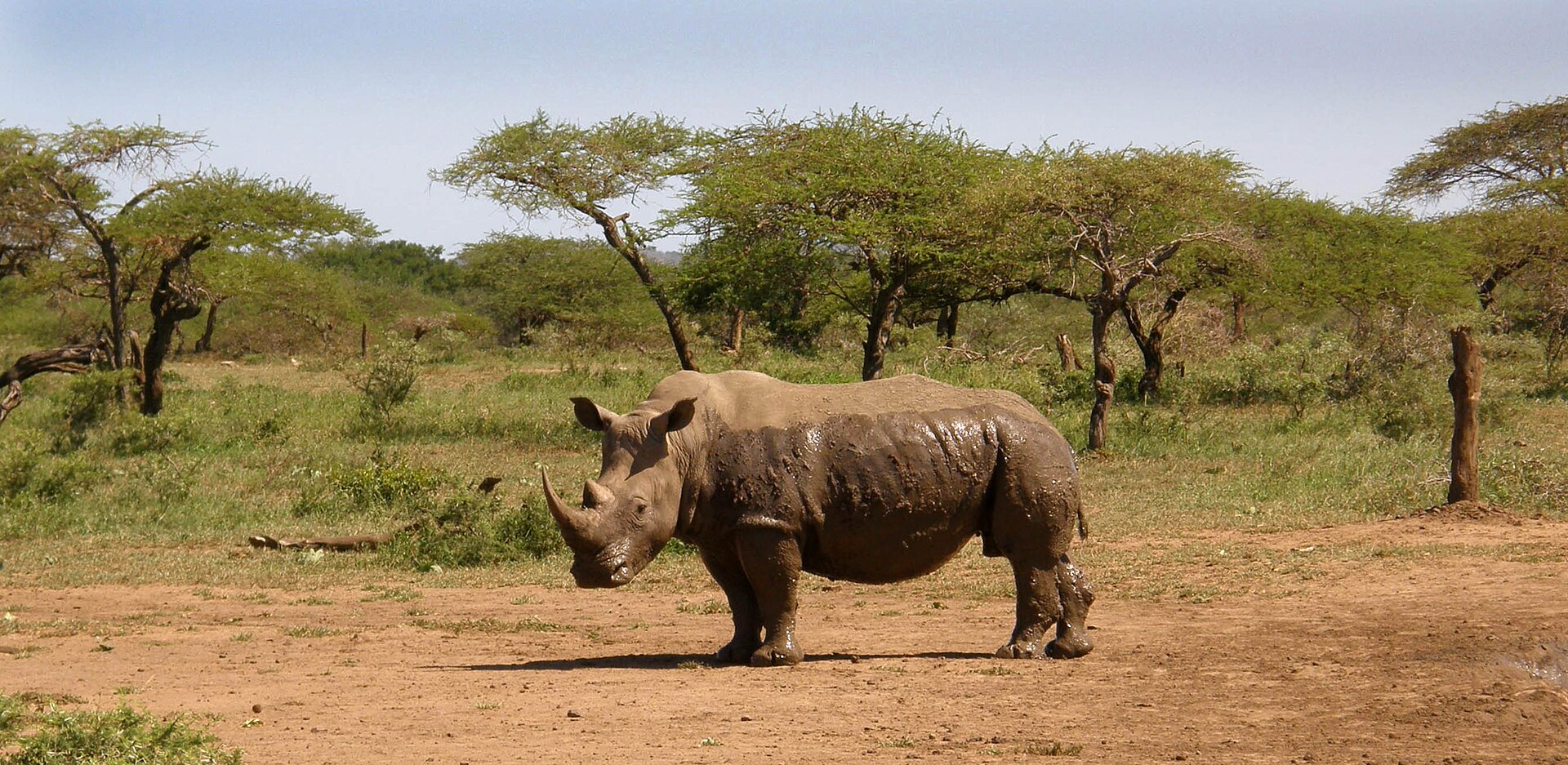
The reason to come to Sodwana rather than a tropical island. Sodwana sits inside iSimangaliso, an hour or two from the great Big Five reserves of Zululand. That means you can spend your mornings on the reef and, within the same trip, track rhino and elephant through the bush at Hluhluwe-iMfolozi or watch a leopard at Phinda. No island dive destination in the world can pair world-class reefs with a genuine Big Five safari the way this coast can — and weaving the two together into one seamless journey is exactly what we do best.
Sodwana Bay Diving at a Glance
| Reef | Best for | Signature life |
|---|---|---|
| Two-Mile Reef | All levels | Coral gardens, reef fish, turtles, moray eels |
| Five- & Seven-Mile | Advanced divers | Potato bass, rays, pristine coral |
| Seasonal blue | The big encounters | Ragged-tooth sharks (winter), whale sharks & mantas (summer) |
Sodwana's reefs sit within a marine protected area — no spearfishing, no collecting, and strict launch quotas keep the diving pristine.
The Best Time to Dive Sodwana Bay
Sodwana can be dived all year, but the character of the diving shifts with the seasons. Summer (November to April) brings the warmest water — 24 to 27°C — the best average visibility, and the arrival of whale sharks and manta rays on the warm current. It is also turtle-nesting season, and turtle sightings on the reefs are frequent. Winter (May to October) is cooler, with water around 21 to 23°C, but it delivers its own spectacle: aggregations of ragged-tooth sharks gather on the reefs, and humpback whales pass close along the coast on their migration.
Conditions on any given day depend on wind and swell, since every dive begins with a surf launch. We work only with the most experienced local dive operators, keep our itineraries flexible, and plan your dives around the best forecast windows so you are in the water when Sodwana is at its finest.
Certification, Conditions & What to Expect
Sodwana welcomes divers of every level. Certified Open Water divers will be very comfortable on Two-Mile Reef, while the deeper reefs call for Advanced and deep certifications. It is also one of the best places in the world to learn to dive or to complete a course, with warm water, gentle reefs and excellent instructors on hand — something we can arrange as part of your trip. Non-divers are far from left out: the same reefs offer superb snorkeling, and the bush safari runs in parallel.
Every dive here starts with a rigid-inflatable launch straight through the surf — an exhilarating part of the Sodwana experience, handled by skilled skippers. Currents are usually mild to moderate, and the reef diving is drift-friendly and relaxed. We handle your equipment, your nitrox if you use it, and all the logistics, so all you carry is your certification card and your camera.
How We Build a Dive-and-Safari Journey
A classic Sodwana journey we build runs like this: fly into Durban or Richards Bay, transfer north to a comfortable lodge near Sodwana Bay, and spend two or three days diving the reefs with a top local operator — morning double dives, afternoons on the beach or snorkeling the shallows. From there we move inland to the Big Five reserves of Zululand — Hluhluwe-iMfolozi for rhino and elephant, or the exclusive Phinda Private Game Reserve for luxury lodges and superb leopard — before flying you out or continuing to Cape Town and beyond.
Because we plan and guide privately, the pace is entirely yours: dive-heavy or safari-heavy, family-friendly or couples-focused, standalone or as one leg of a grand South African adventure. We coordinate the dive operator, the safari lodges, the transfers and the flights, and we build in the flexibility that surf launches demand — so a blown-out dive day simply becomes a game drive instead.
What We Tell Our Clients — The Honest Take
Sodwana is a working, wild dive destination, not a manicured resort — the launch is through surf, conditions are governed by wind and swell, and flexibility is part of the deal. What it gives back is exceptional: reef diversity that rivals sites far closer to the equator, big-animal encounters in season, and a wildness that the world's crowded dive hotspots lost long ago. Add the fact that you can pair it with a Big Five safari, and it becomes one of the most complete ocean-and-bush trips on earth.
We recommend a Sodwana dive-and-safari most warmly to certified divers who want reefs with real character, to couples and friends looking to combine diving with a bucket-list safari, and to families where some dive and others snorkel or safari. Come in summer for the warmest water and the whale sharks, or winter for the ragged-tooth sharks, let us handle every knot of logistics, and you will dive Africa's southernmost reef and track its greatest game animals on a single, seamless journey.