Key Takeaways
- Lake Sibhayi (Sibaya) is South Africa's largest natural freshwater lake, hidden in the forested dunes of Maputaland within iSimangaliso Wetland Park.
- It is home to hippos, crocodiles, fish eagles and over 280 bird species — a serene, off-the-beaten-track wildlife destination.
- Paddling its still, forest-fringed arms by kayak or canoe is one of the most peaceful wildlife experiences in the country.
- The lake lies in a remote, wild corner of KwaZulu-Natal — reaching it and exploring it well rewards a guided, private approach.
- We fold a paddle on Lake Sibhayi into a private, tailor-made Maputaland and Zululand safari, door to door.
A Hidden Freshwater Wilderness
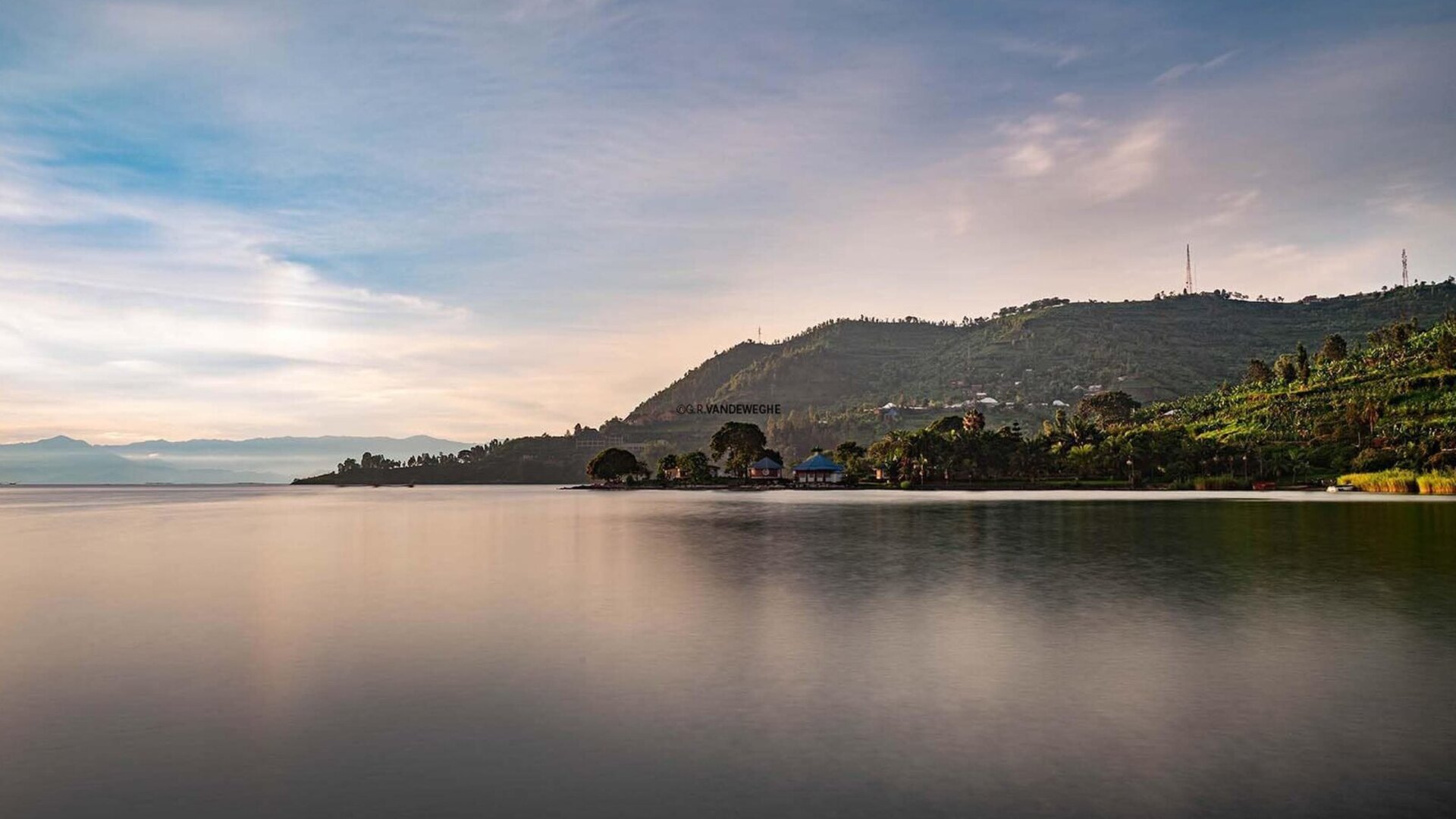
Most travellers to KwaZulu-Natal never hear of Lake Sibhayi, and that is precisely its magic. Tucked behind the towering forested dunes of Maputaland — the wild, sub-tropical strip that runs up to the Mozambique border — it is South Africa's largest natural freshwater lake, a vast, clear expanse of water covering some 70 square kilometres. It sits within the iSimangaliso Wetland Park, the country's first UNESCO World Heritage Site, yet it feels a world away from anywhere: no crowds, no jetties full of boats, just forest, reedbeds, birdsong and the occasional distant blow of a surfacing hippo.
Fed by rainfall and groundwater rather than rivers, Lake Sibhayi's water is remarkably clear and clean, and its shoreline folds into quiet, forested arms perfect for exploring by kayak. Paddling here is a slow, contemplative pleasure — the antithesis of a rushed game drive. This is a place to unwind, to drift, and to let the wildlife come to you.
The Wildlife of Lake Sibhayi
For all its serenity, Lake Sibhayi is a living wildlife theatre. Here is what makes a paddle on its waters so rewarding.
1. The Hippos of the Lake
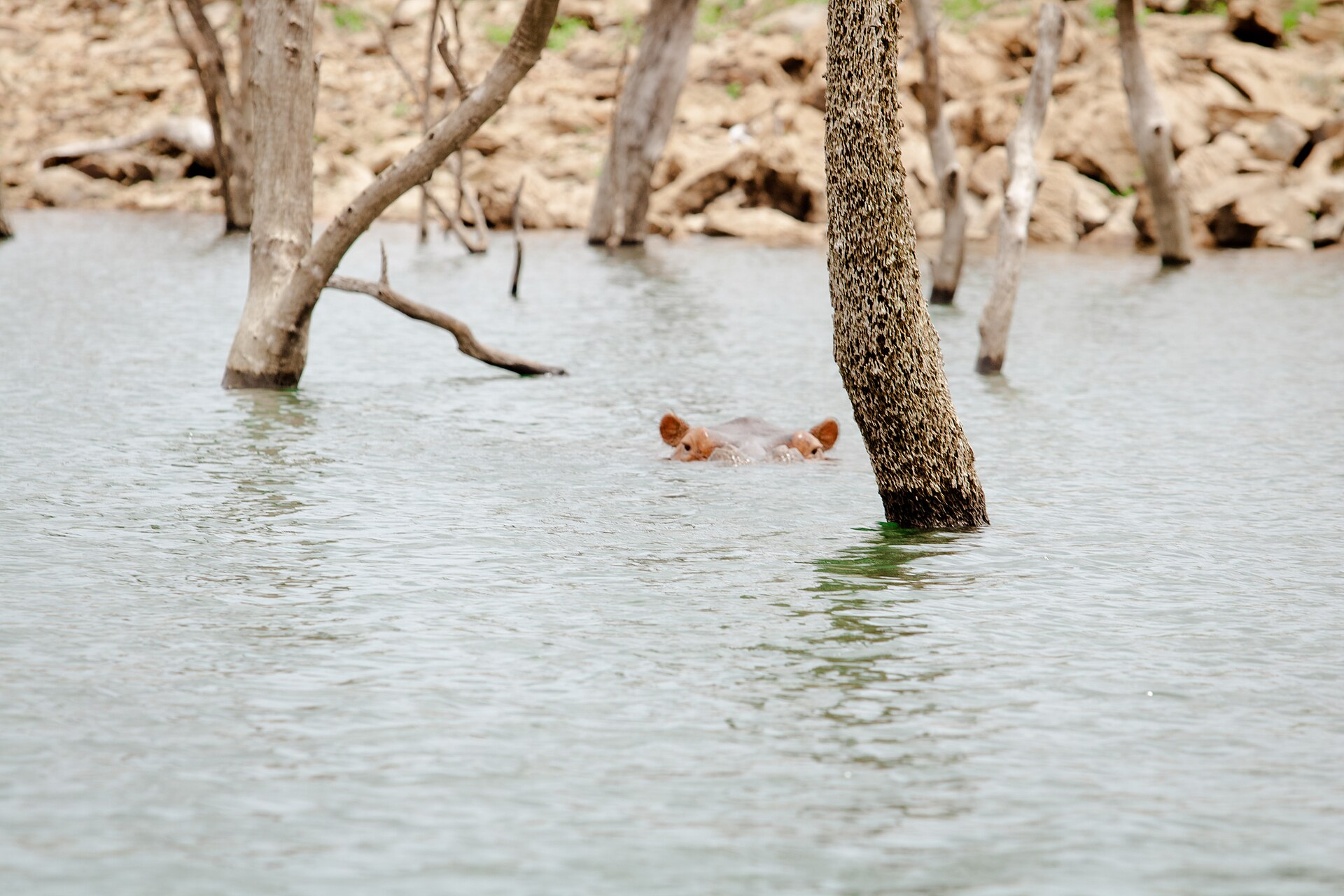
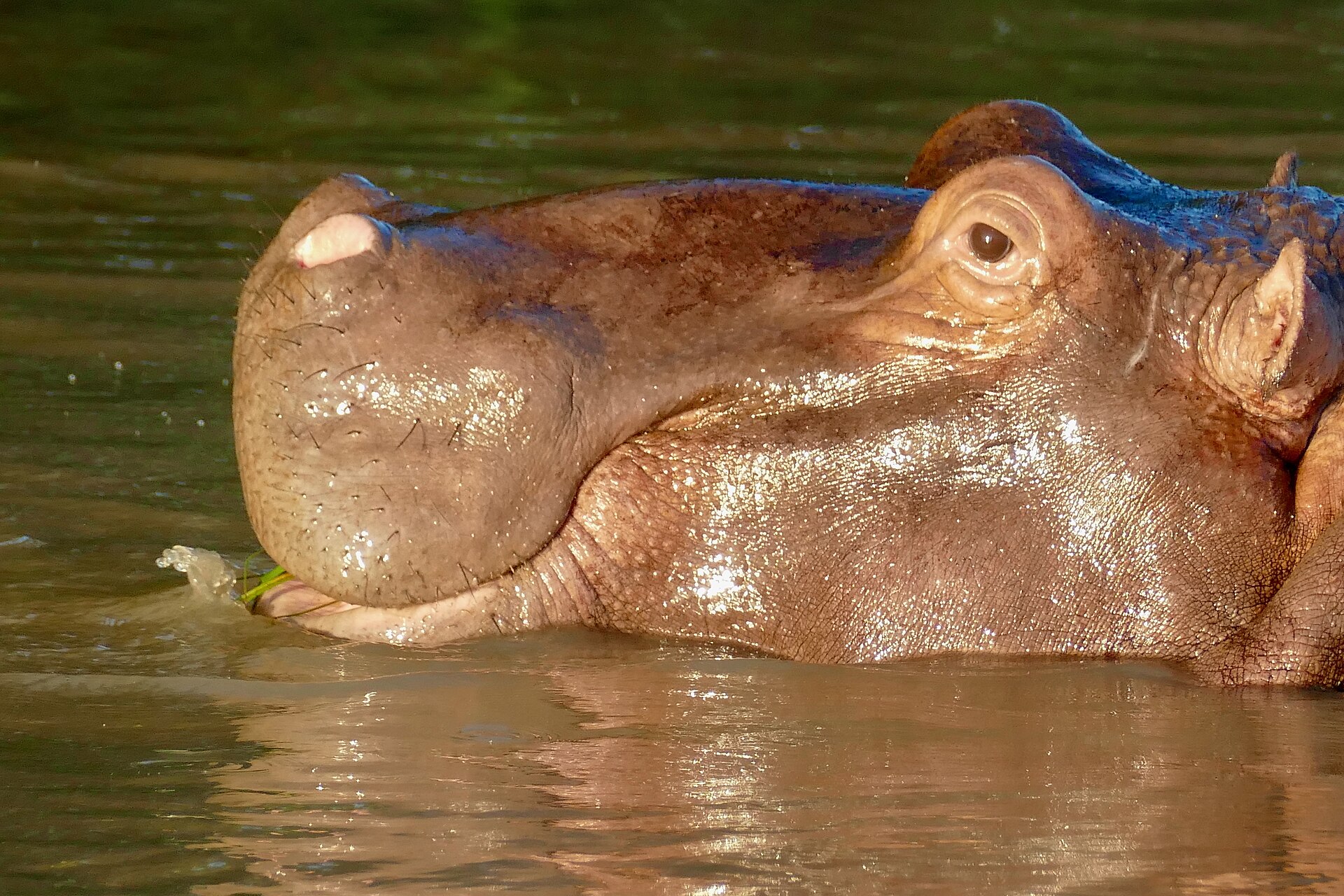
The lake's largest residents. Lake Sibhayi holds a healthy population of hippos that spend the day wallowing in its shallow, reed-fringed arms and emerge at dusk to graze the surrounding grasslands and forest edges. On a guided paddle you keep a careful, respectful distance — your guide reads the water constantly, and the hippos are given a wide berth — but hearing their deep, rolling grunts roll across the still lake, and watching a pod surface with a spray of water, is one of the great sounds and sights of wild Maputaland. Crocodiles share the lake too, basking on the quieter banks.
2. Fish Eagles & Wetland Birds
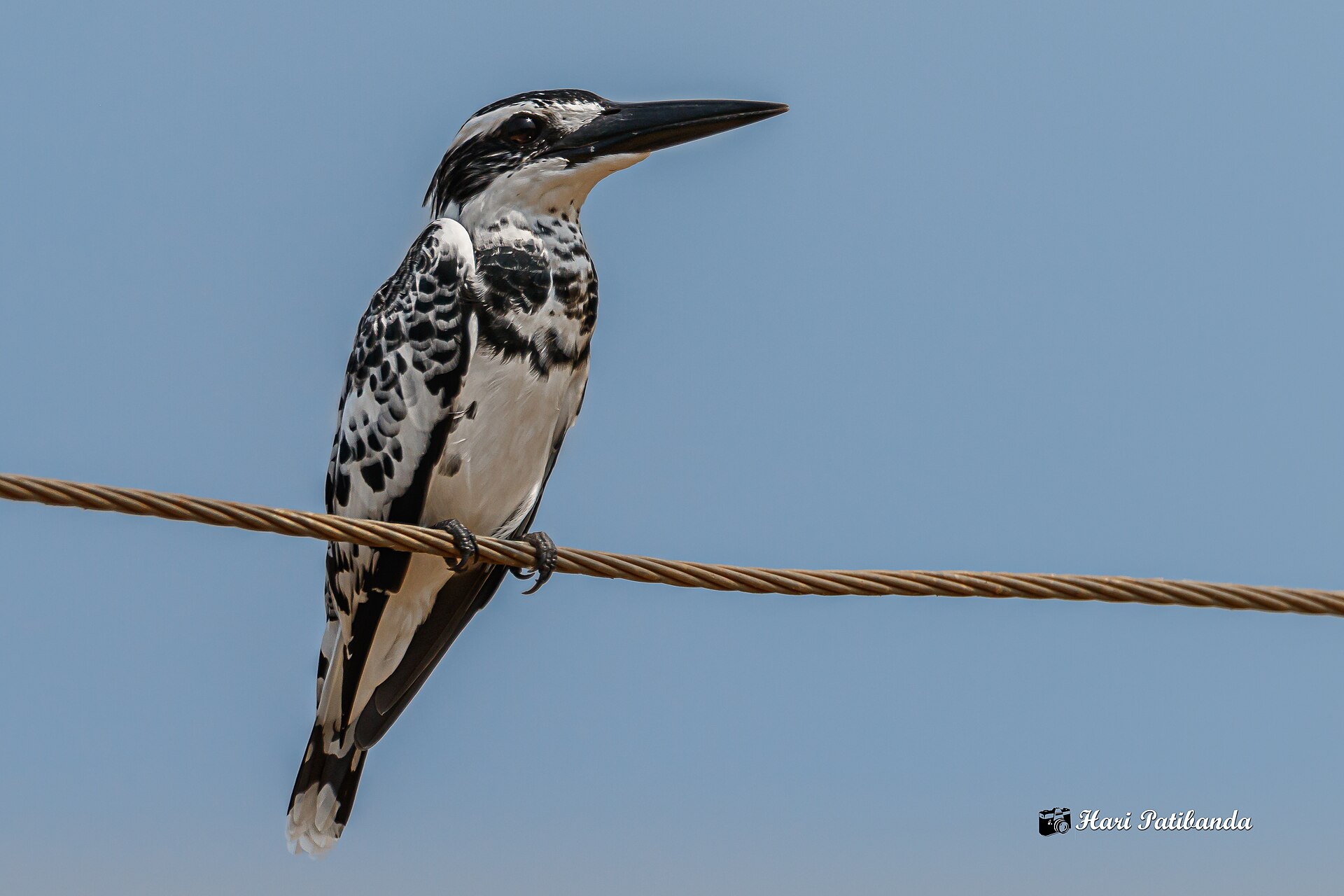
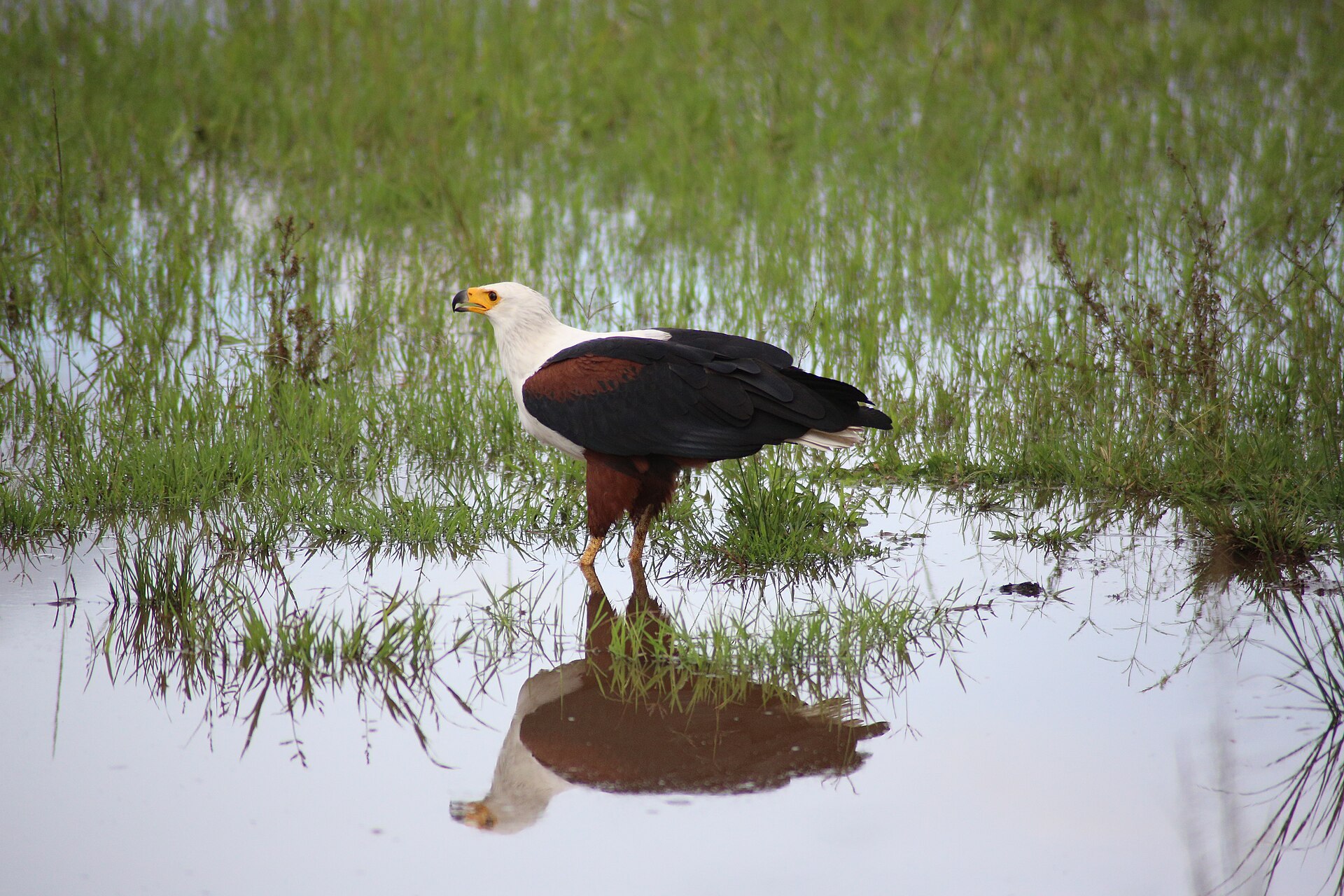
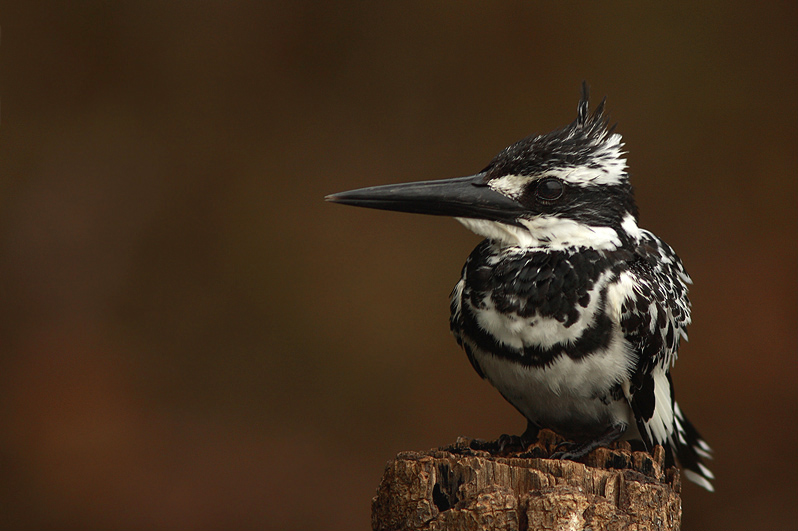
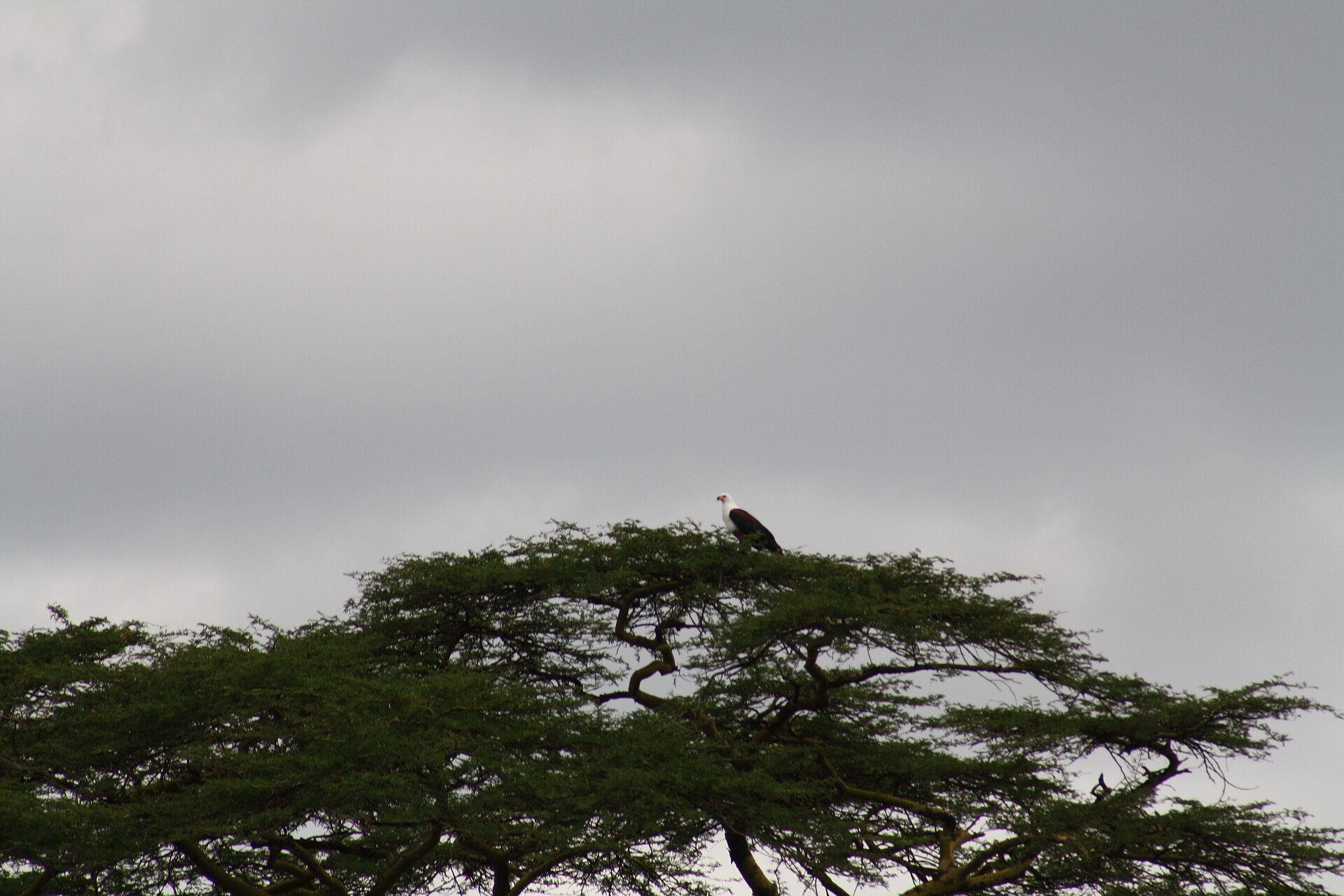
One of Maputaland's great birding stages. Lake Sibhayi and its reedbeds record over 280 bird species, and the lake is a birder's dream. African fish eagles call from the bare branches along the shore — that ringing, throw-back cry that is the very voice of wild Africa — while pied kingfishers hover and plunge, malachite kingfishers flash electric blue through the reeds, and pelicans, herons, ducks and waders work the shallows. Paddling silently by kayak brings you closer to the birds than any motorboat could, and your guide will help you name far more than you expect.
3. Paddling the Still Water
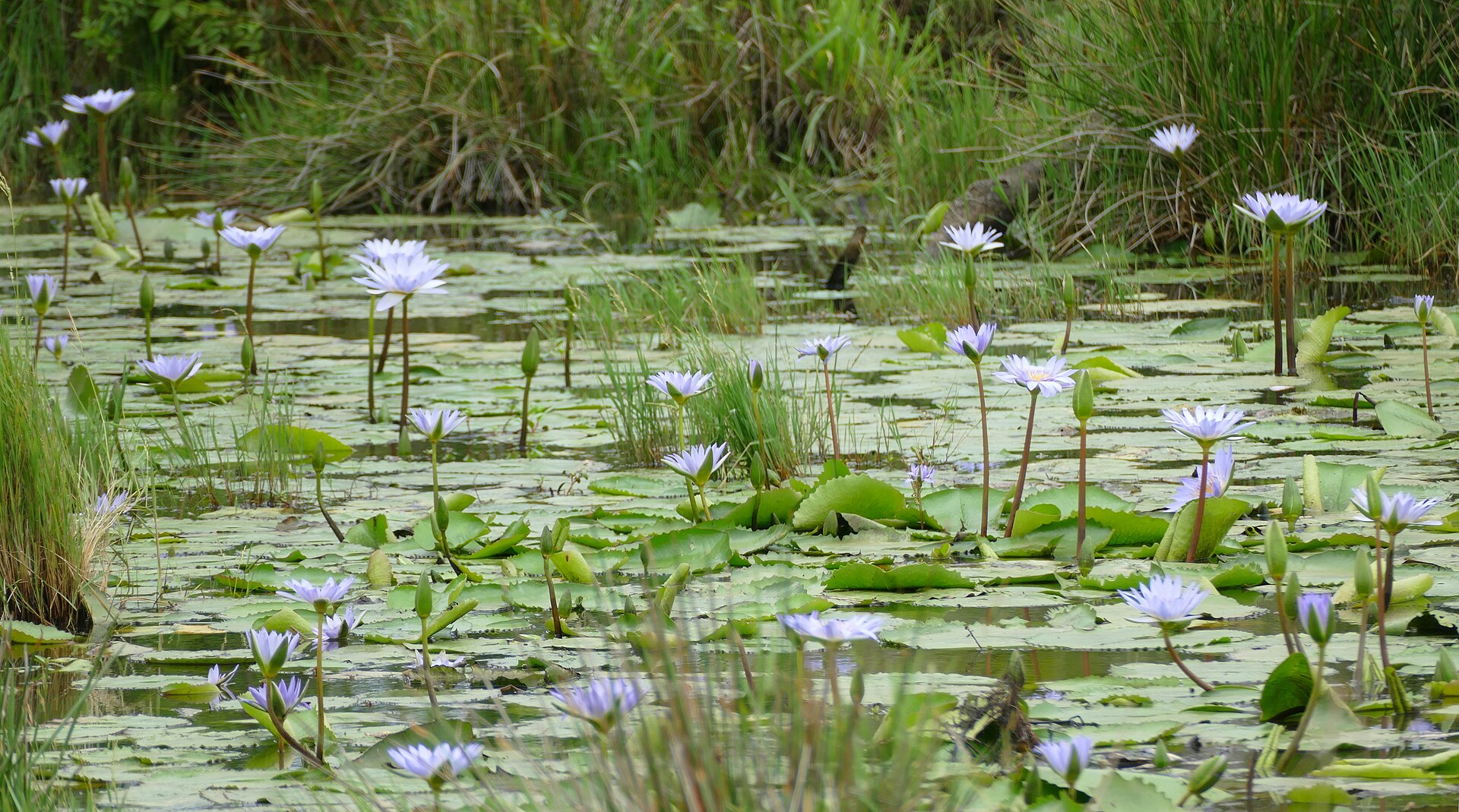
A serene, low-impact way to explore. The joy of Lake Sibhayi is the paddle itself. Kayaking or canoeing its quiet, forest-fringed arms is gentle, silent and utterly absorbing — the water is often glass-still in the early morning, doubling the sky and the treeline, and the only sound is the dip of your paddle and the call of the birds. Guided by an expert who knows the lake's moods and its wildlife, it is a low-impact, deeply peaceful way to spend a morning, suitable for anyone with a reasonable level of fitness. It is the sort of experience travellers remember long after the big-game sightings fade.
Lake Sibhayi at a Glance
| Detail | What to expect |
|---|---|
| What it is | South Africa's largest natural freshwater lake, in Maputaland |
| Wildlife | Hippos, crocodiles, fish eagles, kingfishers, 280+ bird species |
| Best time of day | Early morning — glass-still water and active birdlife |
| Suitable for | Reasonably active travellers, birders, couples and families |
Lake Sibhayi lies in a remote corner of Maputaland; we arrange guided paddles with operators who know the lake and keep a careful distance from its hippos and crocodiles.
The Best Time to Visit
Lake Sibhayi rewards a visit year-round, but timing shapes the experience. For time of day, the early morning is unbeatable: the water is glass-still, the light is soft and golden, the birdlife is at its most active, and the heat of the Maputaland day has not yet built. A paddle at dawn is pure serenity.
Across the year, the cooler, drier winter months (May to September) bring comfortable temperatures, low humidity and superb visibility — ideal for paddling and birding. Summer (November to March) is hot and humid but green and dramatic, with peak birdlife including migratory species, and the bonus that it coincides with the turtle-nesting season on the nearby Maputaland coast. We simply match your paddle to the calmest water and best light of your stay.
Is It Safe? What to Know Before You Paddle
Lake Sibhayi is home to hippos and crocodiles, so paddling here is only ever done with an experienced local guide who knows the lake intimately — where the hippo pods lie up, which arms are safe, and how to read the water. Done this way, with a guide setting the route and keeping a careful, respectful distance, it is a safe and deeply peaceful experience. We never send guests out alone, and we work only with operators who put wildlife-aware guiding first.
The lake sits in a warm, sub-tropical region, so we recommend sun protection, a hat and plenty of water. The far north of Maputaland carries a low seasonal malaria risk, and we advise guests on simple, effective precautions as part of planning your trip — nothing that should deter you from experiencing one of the most beautiful and untouched corners of South Africa.
How We Build It Into a Zululand Safari
Lake Sibhayi is remote — and that is exactly why a guided, private approach transforms it. We rarely build a paddle here as a standalone; instead we fold it into a wider Maputaland and Zululand journey. A typical trip we arrange pairs the lake and the wild Maputaland coast — its turtle beaches, its snorkeling and diving at Sodwana Bay, the Kosi Bay lake system — with the Big Five reserves inland: the rhino strongholds of Hluhluwe-iMfolozi and the exclusive lodges of Phinda Private Game Reserve.
We handle everything door to door: the flight into Durban or Richards Bay, private transfers along the sandy Maputaland roads, hand-picked lodges, and every activity — the lake paddle, the game drives, the coast — booked and guided privately, so the logistics of this remote region simply disappear. The result is a seamless, tailor-made safari that reaches a corner of South Africa most travellers never see.
What We Tell Our Clients — The Honest Take
Lake Sibhayi is not a headline Big Five destination, and it is not for travellers chasing a checklist of predators. It is a place for those who value serenity, birdsong, and the deep pleasure of paddling clear, still water in one of the wildest, least-visited corners of South Africa. If that is you, it is unforgettable — and its remoteness means you may have the whole vast lake almost to yourself.
We recommend it most warmly to birders and photographers, to couples seeking somewhere genuinely off the map, and to active families who want more than a game-drive holiday. Fold it into a wider Maputaland and Zululand safari, add the coast and the Big Five reserves, and let us handle the logistics of reaching this hidden lake — and a morning's paddle becomes the tranquil highlight of a remarkable South African journey.