Key Takeaways
- Lake St Lucia is the largest estuarine system in Africa and the heart of iSimangaliso Wetland Park, South Africa's first UNESCO World Heritage Site.
- The estuary holds an estimated 800 hippos and 1,200 Nile crocodiles — the boat tour is the classic way to see them.
- It is also one of Africa's great birding cruises, with pelicans, fish eagles, kingfishers and goliath herons.
- The tour is calm, safe and suitable for all ages, making it one of the best family wildlife experiences in South Africa — and the town is malaria-free.
- We build the boat tour into a private, tailor-made Zululand safari alongside game drives, Cape Vidal and the Big Five reserves, door to door.
The Signature Experience of iSimangaliso
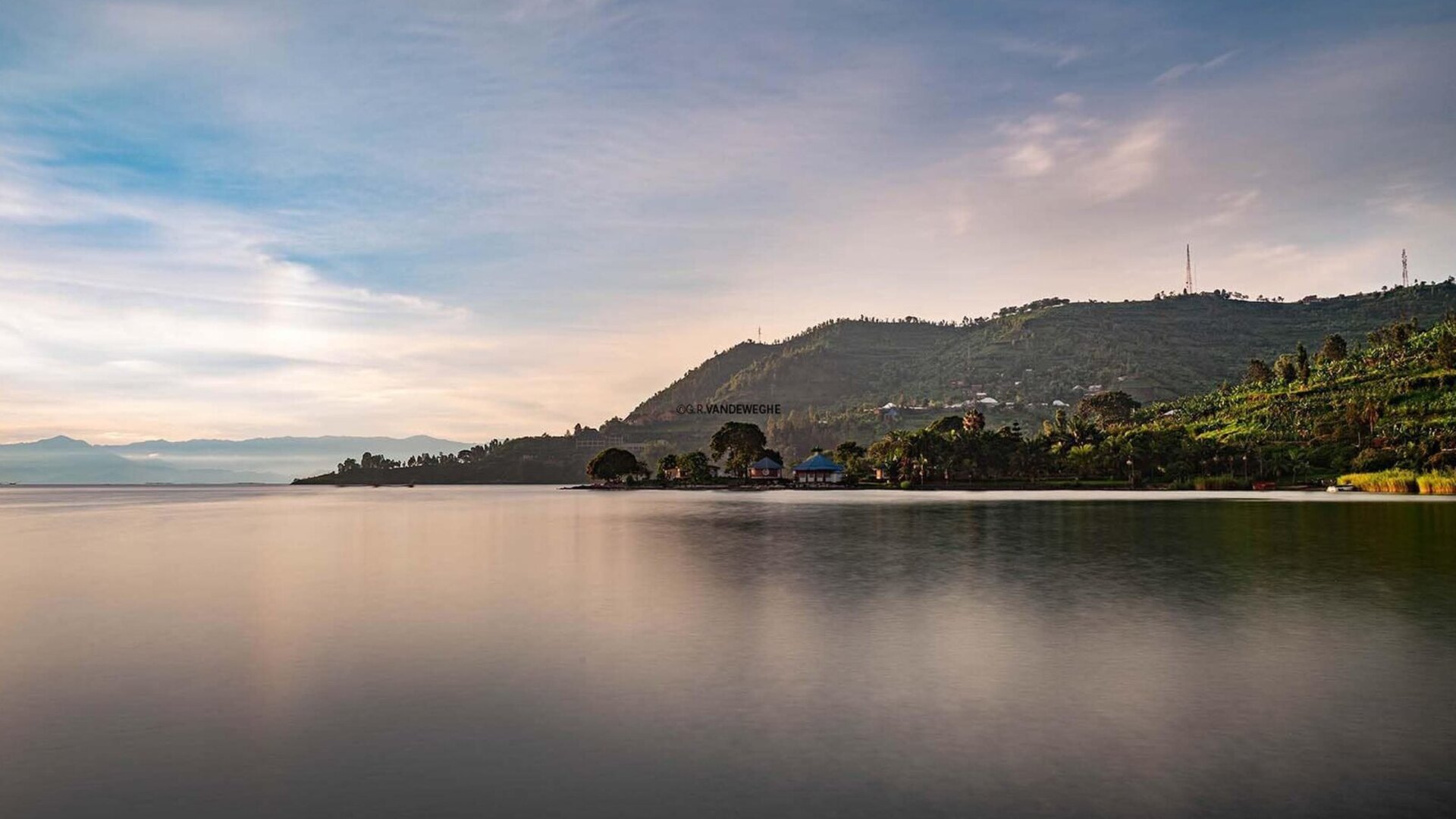
If you do only one thing in iSimangaliso, make it the St Lucia estuary boat tour. Africa's largest estuarine system stretches away from the little town of St Lucia in a vast, shallow sheet of brackish water fringed with reeds and mangroves, and it is home to a density of big animals that has to be seen to be believed. A guided cruise puts you at eye level with the wildlife, safely and quietly, in a way no game drive can match — because here the road is water, and the traffic is hippos.
The tour typically lasts around two hours aboard a stable, flat-decked boat with a knowledgeable local guide. There is shade, there is space to move around for photographs, and the pace is unhurried. Over the course of the cruise the guide reads the estuary for you — pointing out a submerged hippo pod betrayed by a flick of ears, a crocodile sliding off a sandbank, a fish eagle throwing back its head to call. It is one of the most relaxing and rewarding wildlife experiences anywhere in South Africa.
What You'll See on the Water
The St Lucia estuary is a wildlife theatre in three acts — the hippos, the crocodiles and the birds. Here is what to expect from each.
1. The Hippos of Lake St Lucia
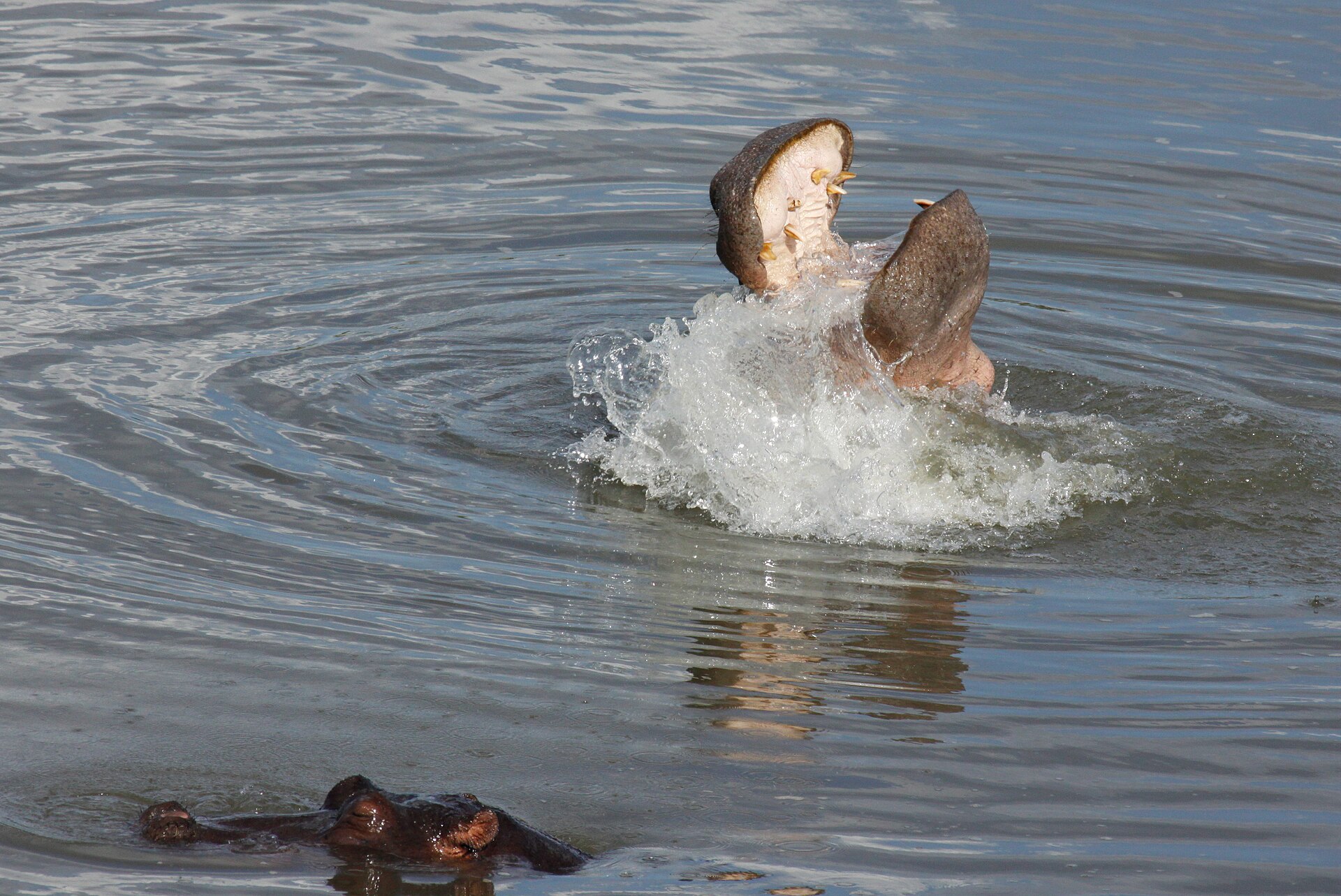
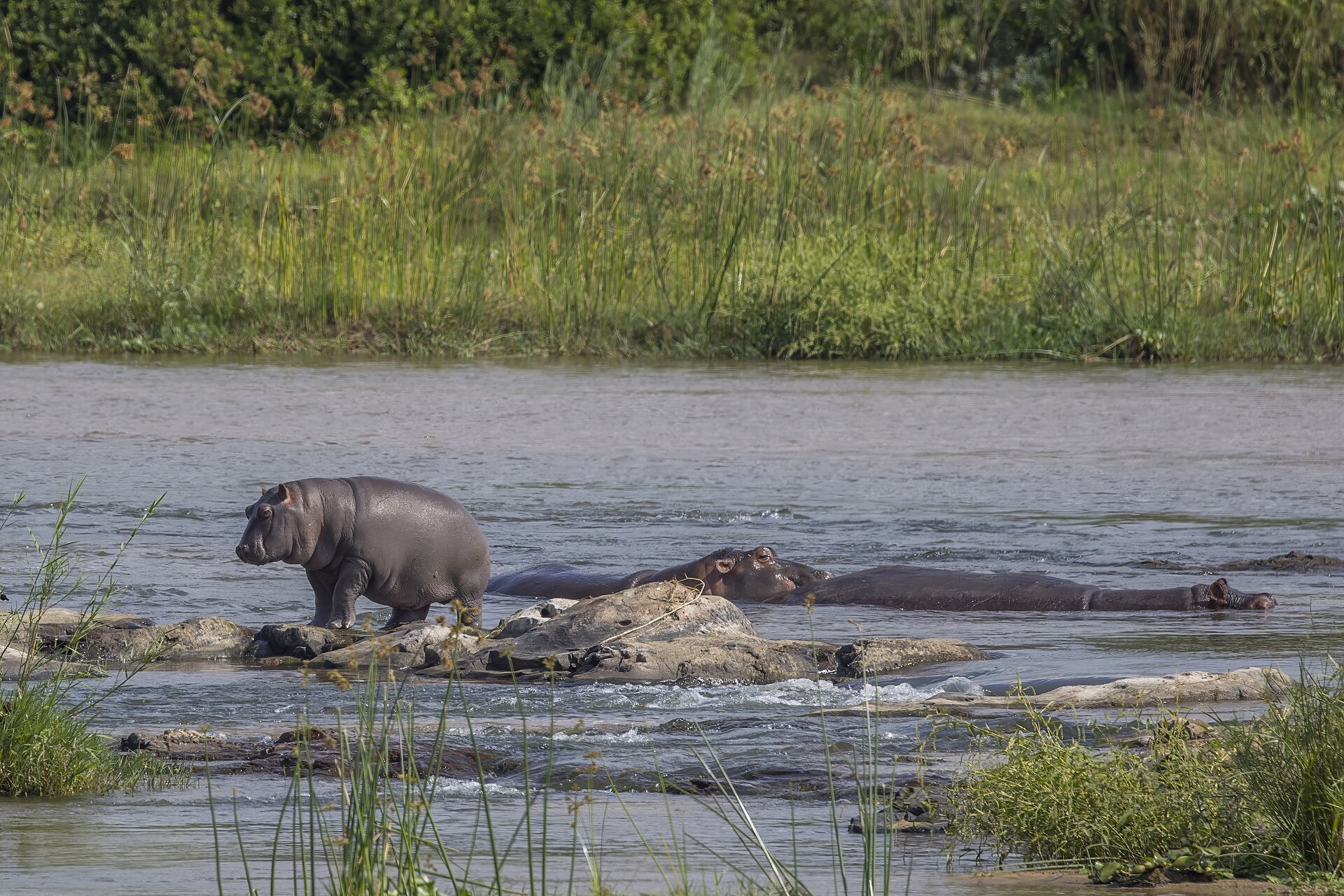
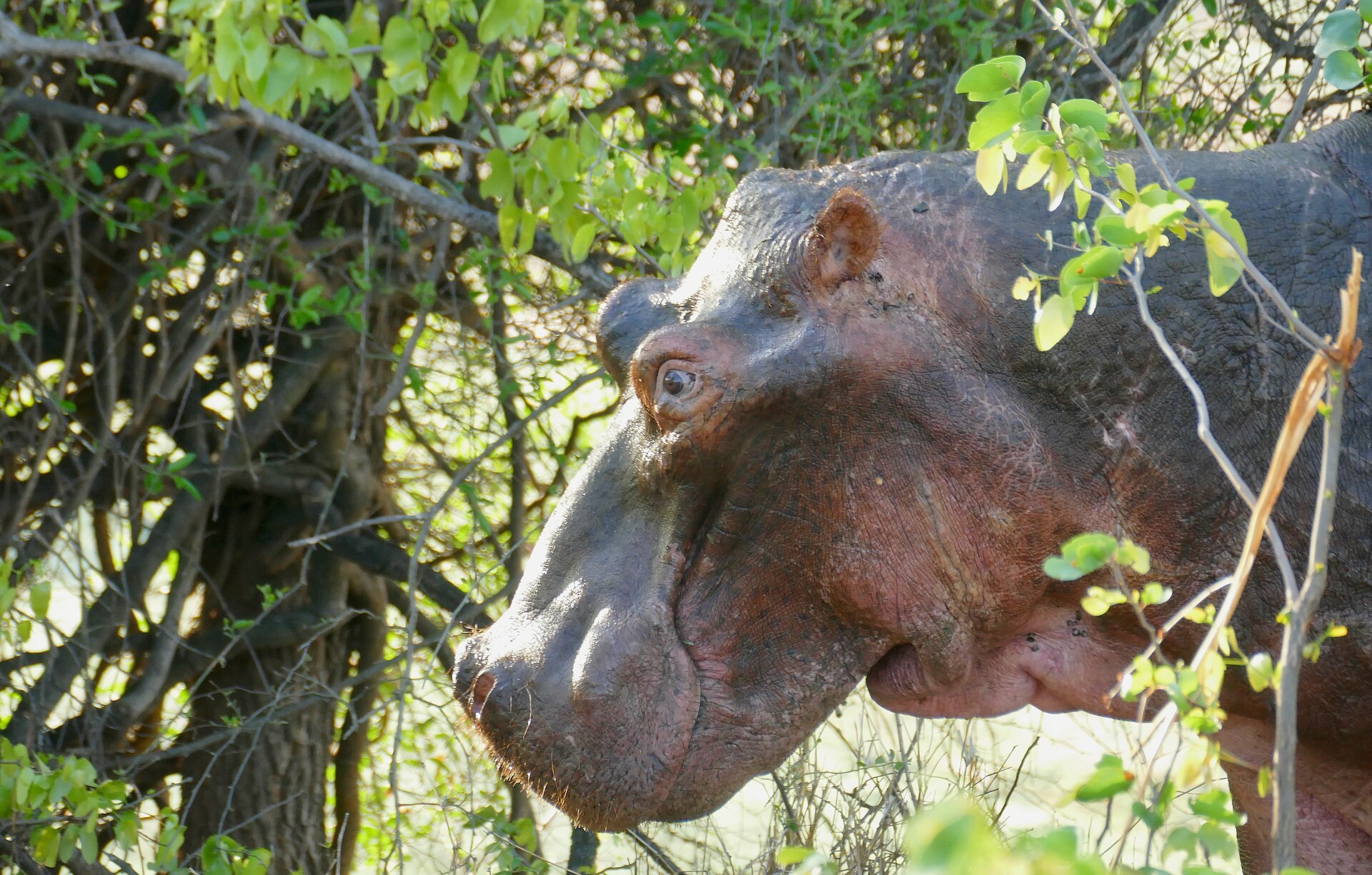
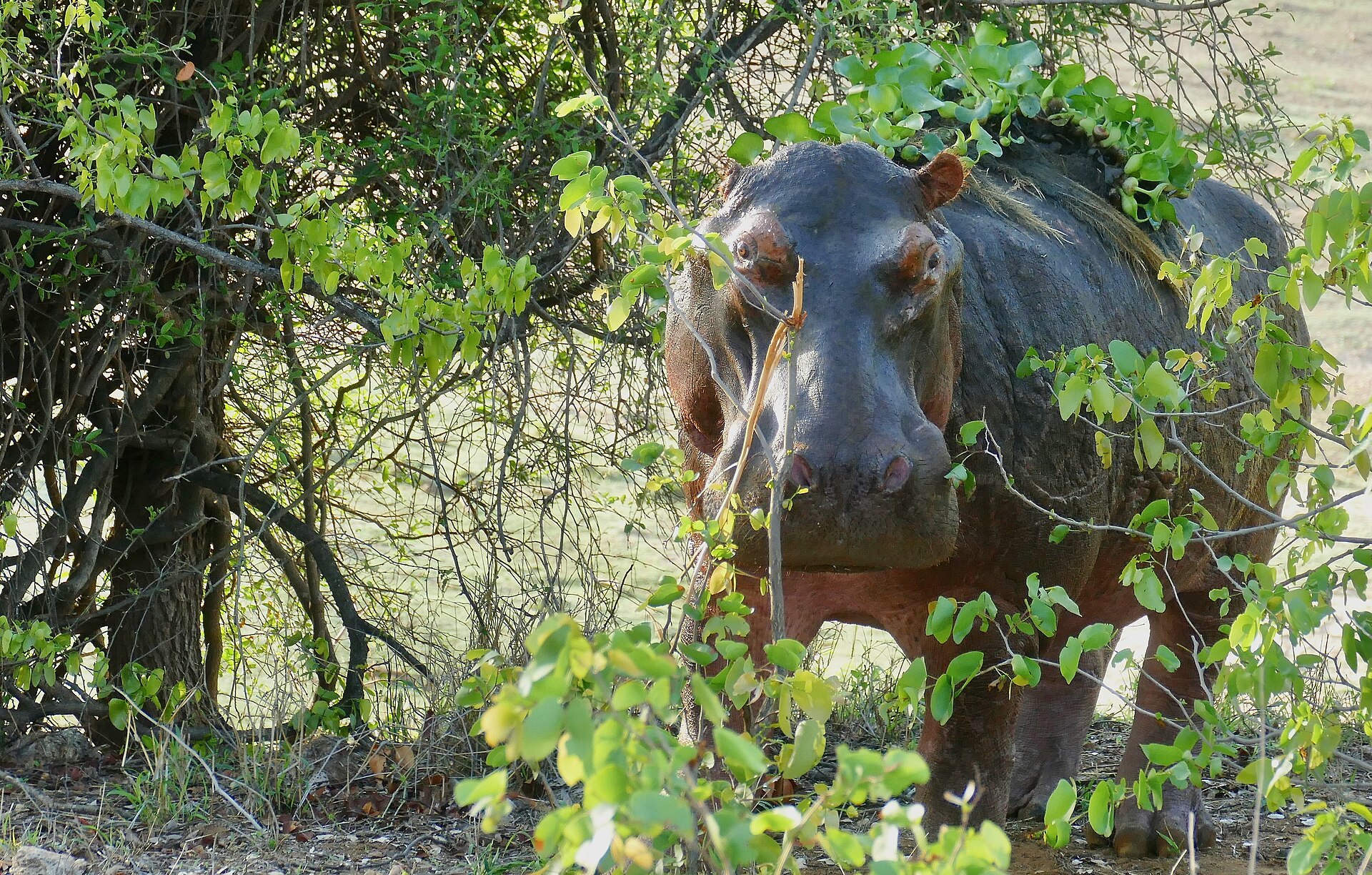
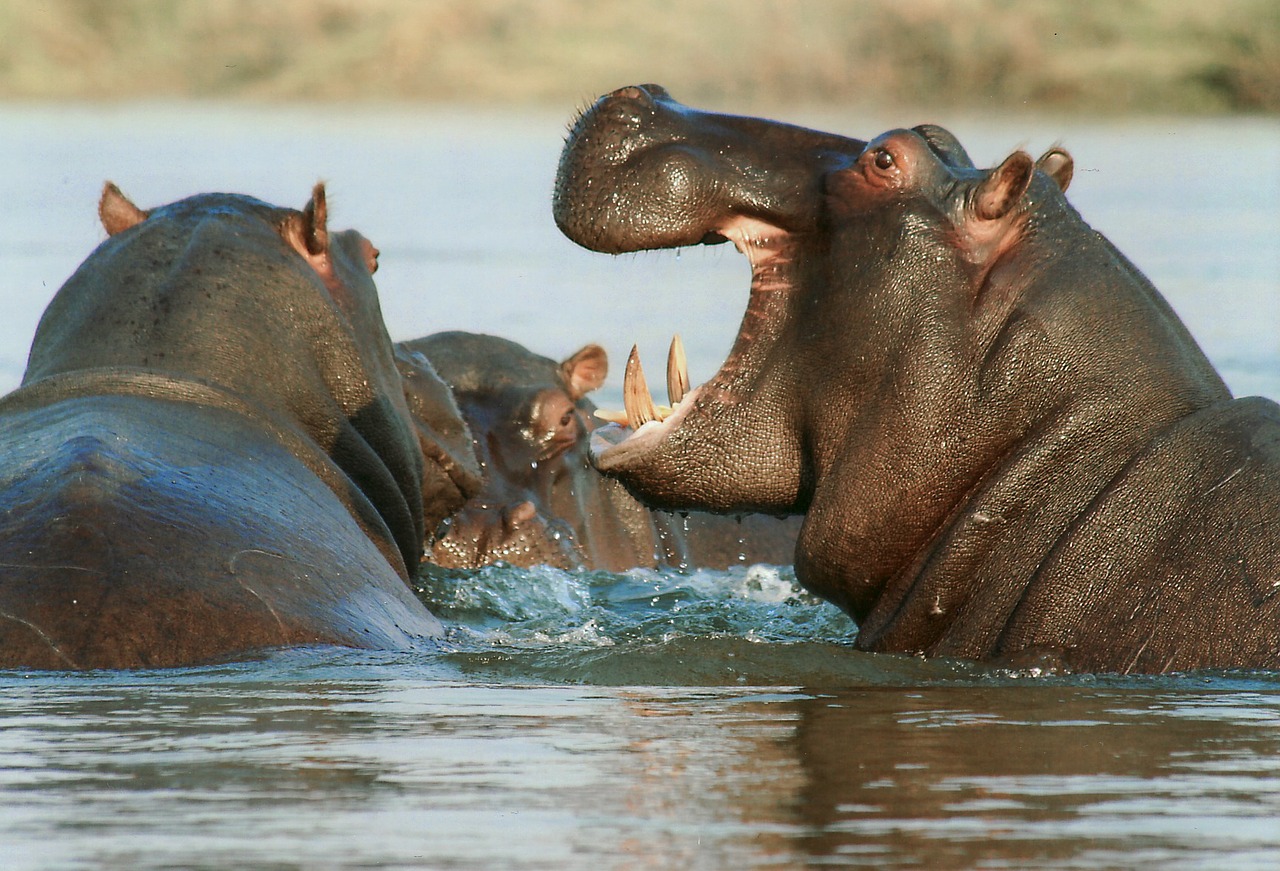
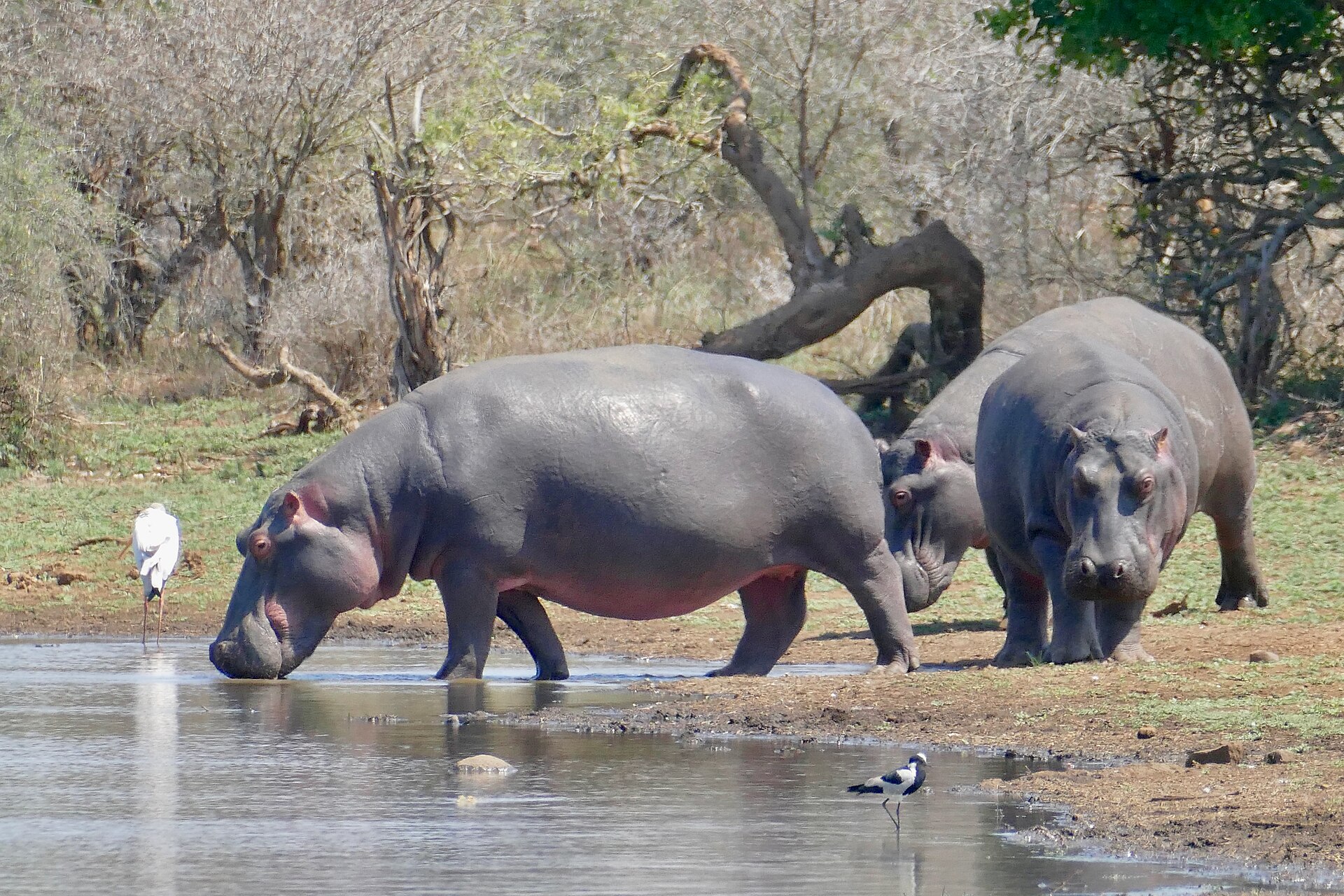
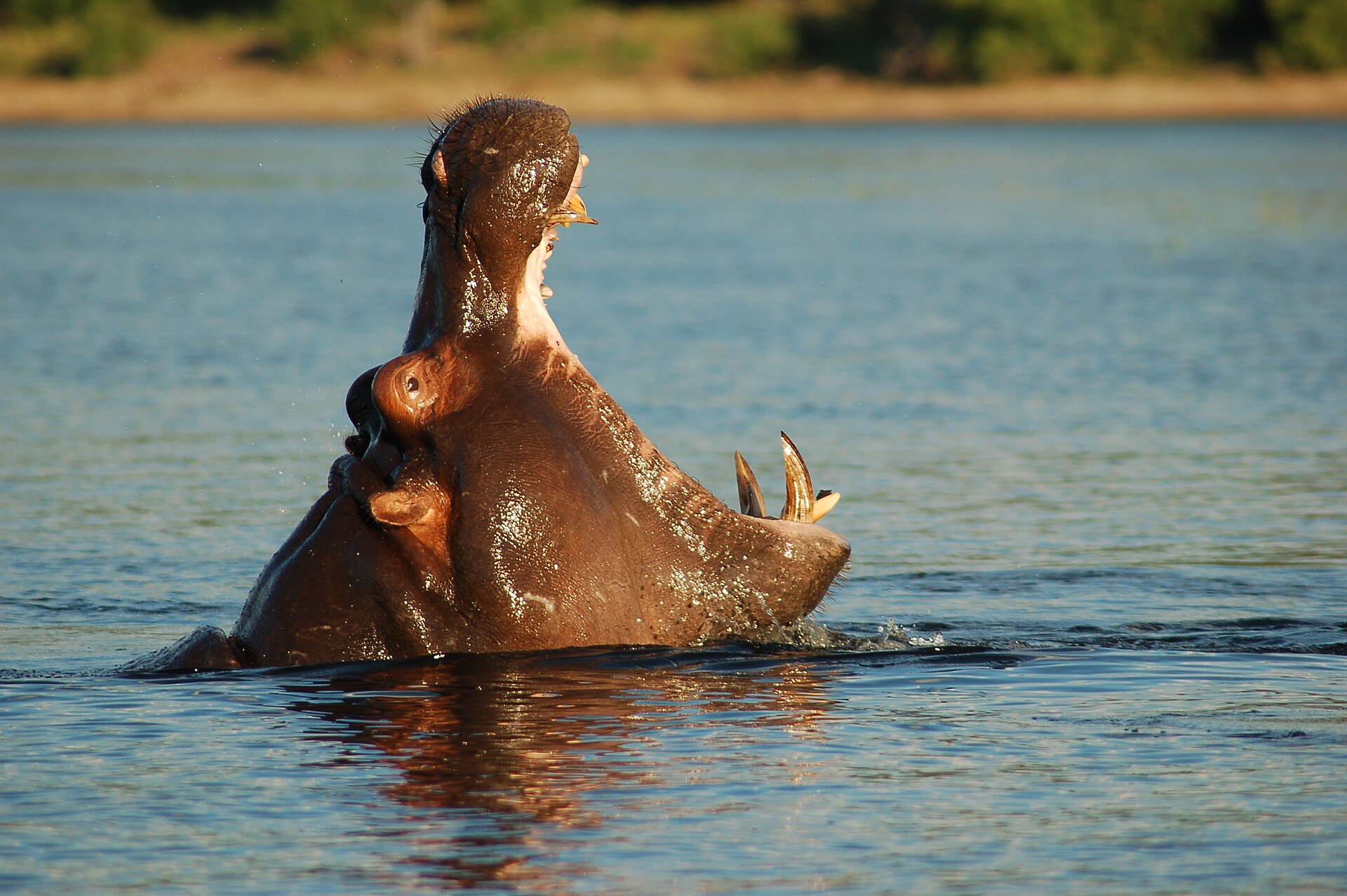
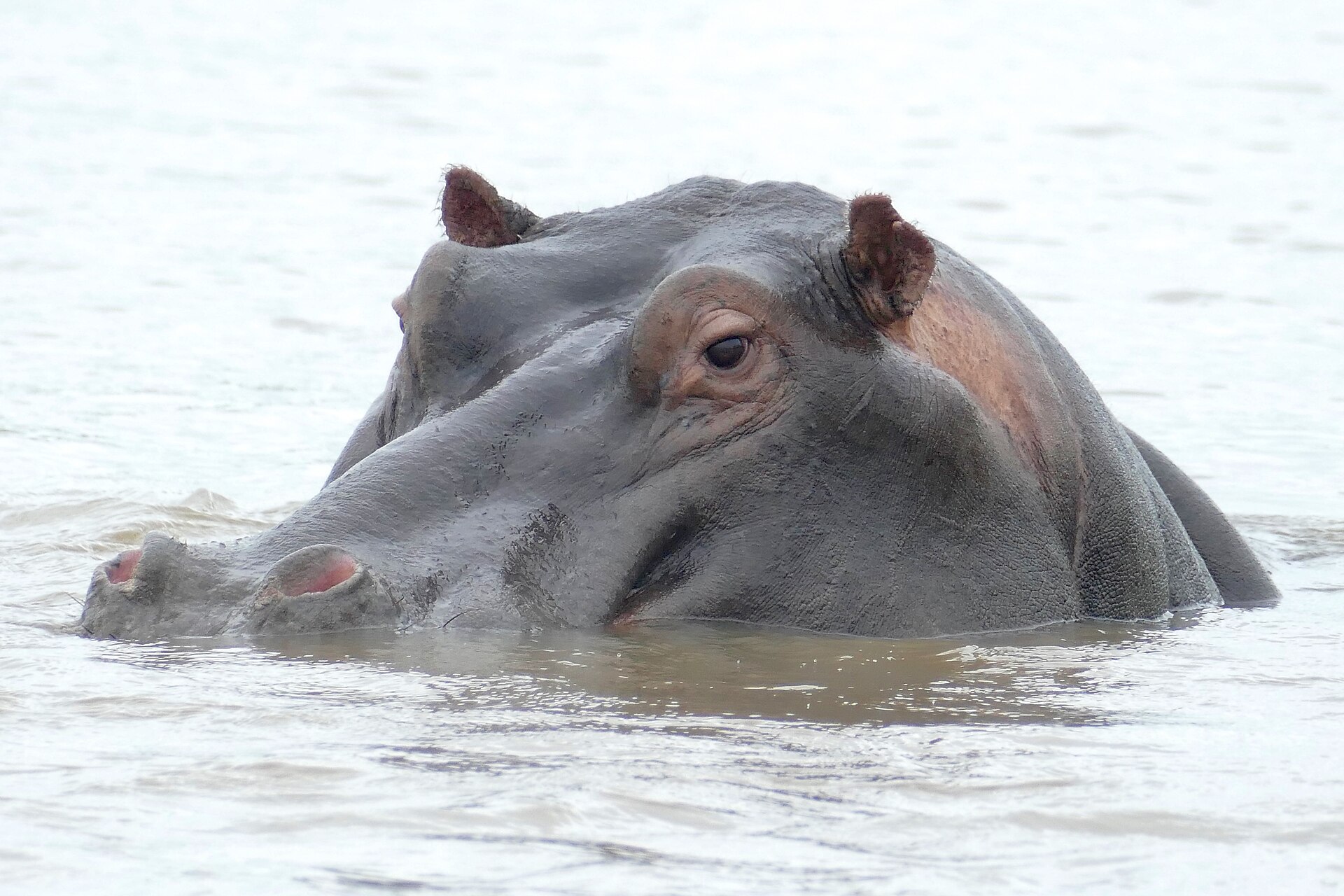
The undisputed stars of the estuary. Lake St Lucia holds an estimated 800 hippos — one of the largest concentrations in Africa — and the boat tour is built around them. You will drift within safe, respectful distance of pods wallowing in the shallows: mothers with tiny calves resting on their backs, bulls surfacing with a great blast of spray, and the famous wide-mouthed yawn that is not a yawn at all but a warning. In the late afternoon the hippos grow restless, jostling and calling as they prepare to leave the water to graze, and the estuary fills with their deep, rolling grunts — one of the great sounds of wild Africa.
2. The Nile Crocodiles
The estuary's ancient rulers. Around 1,200 Nile crocodiles share the St Lucia system with the hippos, and a boat tour is the best way to appreciate their scale. You will see them basking motionless on the sandbanks with jaws agape to regulate their temperature, or cruising the shallows with just their eyes and nostrils breaking the surface. Some of the old bulls here are true giants, four metres and more — living relics that have patrolled this estuary for decades. Watching a crocodile of that size slide silently into the water from a sandbank is a quietly spine-tingling moment.
3. The Birds of the Estuary
One of the great birding cruises in Africa. Even if hippos and crocodiles were not on the menu, the St Lucia estuary would be worth the trip for the birds alone. Pink-backed and great white pelicans cruise the shallows, African fish eagles call from the dead trees along the banks, pied and giant kingfishers hover and plunge, and goliath herons — the largest herons on earth — stalk the margins. The wider iSimangaliso wetland records over 520 bird species, and the estuary is its richest stage. Bring binoculars; your guide will help you spot far more than you expect.
The St Lucia Boat Tour at a Glance
| Detail | What to expect |
|---|---|
| Duration | Around two hours on a stable, shaded, flat-decked boat |
| Wildlife | Hippos, Nile crocodiles, pelicans, fish eagles, kingfishers, herons |
| Best time of day | Late afternoon — golden light and active hippos |
| Suitable for | All ages — calm, safe and malaria-free |
St Lucia town sits in the malaria-free southern section of iSimangaliso, making the boat tour one of the safest big-wildlife experiences for families in South Africa.
The Best Time to Go
The boat tour runs year-round, and the estuary is rewarding in every season, but timing shapes the experience. For time of day, our clear favourite is the late-afternoon cruise: the light turns the water to copper, the heat eases, and the hippos become restless and active as they prepare to leave the water to graze. Morning cruises are excellent too, cooler and often calmer, with superb birdlife.
Across the year, the dry winter months (May to September) concentrate wildlife as water levels drop, and the mild, sunny weather is ideal for time on the water. Summer (November to March) is hotter and greener, with dramatic skies, peak birdlife and the bonus that it coincides with turtle-nesting season on the nearby coast. Because the whole area is malaria-free, there is no season you need to avoid — we simply match your cruise to the best light and conditions of your stay.
Is It Safe? Perfect for Families
The St Lucia boat tour is one of the safest ways in all of Africa to get close to genuinely dangerous animals. The boats are large, stable and flat-decked, the experienced skippers keep a respectful distance from the hippos and never crowd them, and the whole experience is calm and unhurried. There is shade and seating, it is gentle enough for grandparents and small children alike, and — crucially — St Lucia town sits in the malaria-free southern section of the park. For families wondering how to give children a real, close-up encounter with hippos and crocodiles without a long, hot game drive, this is the answer.
St Lucia town itself is a relaxed, walkable village geared to wildlife travellers, with a famous resident twist: at night, hippos leave the estuary to graze on the town's verges and golf course, and it is not unusual to watch them from the safety of your lodge. It all adds up to one of the most family-friendly wildlife bases in South Africa.
How We Build It Into a Zululand Safari
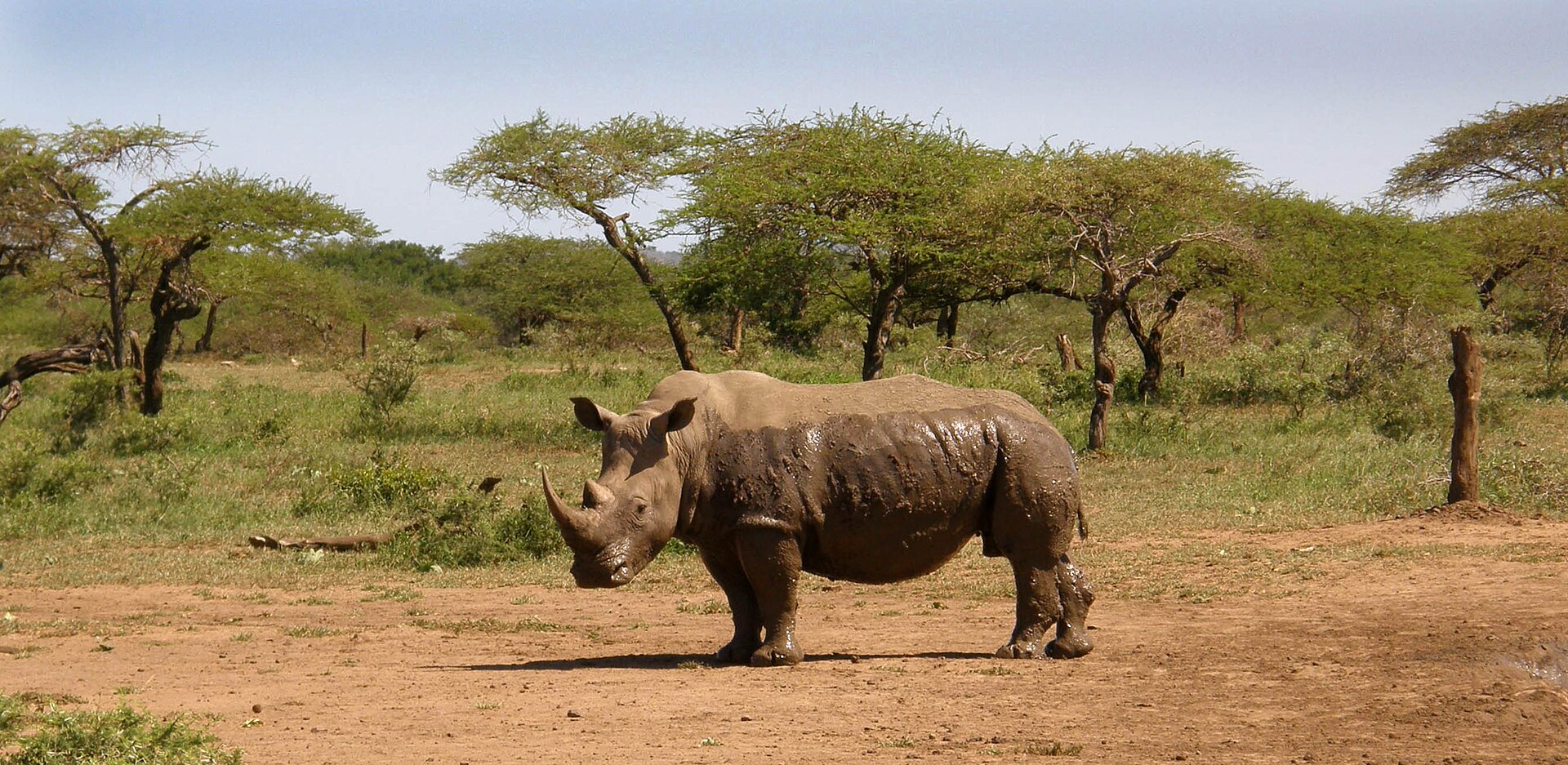
The boat tour is the perfect anchor for a wider iSimangaliso and Zululand journey, and we rarely build it as a standalone. A typical trip we arrange begins with two or three nights in or near St Lucia town: the estuary boat tour on the first afternoon, then game drives on the Eastern Shores to Cape Vidal, perhaps a turtle tour or snorkeling on the coast, and time simply to enjoy the relaxed rhythm of the village. From there we add the Big Five — the rhino strongholds of Hluhluwe-iMfolozi or the exclusive lodges of Phinda Private Game Reserve — for a fuller Zululand safari.
We handle it all door to door: the flight into Durban or Richards Bay, private transfers, hand-picked lodges, and every activity booked and guided privately, so your days flow without a single logistics headache. And St Lucia slots beautifully into a grander South African itinerary too — pair it with Cape Town, the Winelands and the Garden Route for one seamless, tailor-made journey.
What We Tell Our Clients — The Honest Take
The St Lucia boat tour is not a private, exclusive-use safari activity — you will share the estuary with other boats, and it has the easy, accessible feel of a well-run wildlife cruise rather than a wilderness expedition. But do not let that fool you: the sheer density of hippos and crocodiles, the birdlife, and the beauty of Africa's largest estuary make it one of the genuinely unmissable experiences of a KwaZulu-Natal trip, and outstanding value for what you see.
We recommend it most warmly to families (it is safe, calm, malaria-free and endlessly engaging for children), to first-time safari-goers as a gentle, spectacular introduction, and to birders and photographers who will find the estuary a joy. Fold it into a few days around St Lucia, add the Big Five reserves of Zululand, and let us handle the logistics — and a two-hour boat cruise becomes the doorway to one of the richest safari regions in South Africa.