Key Takeaways
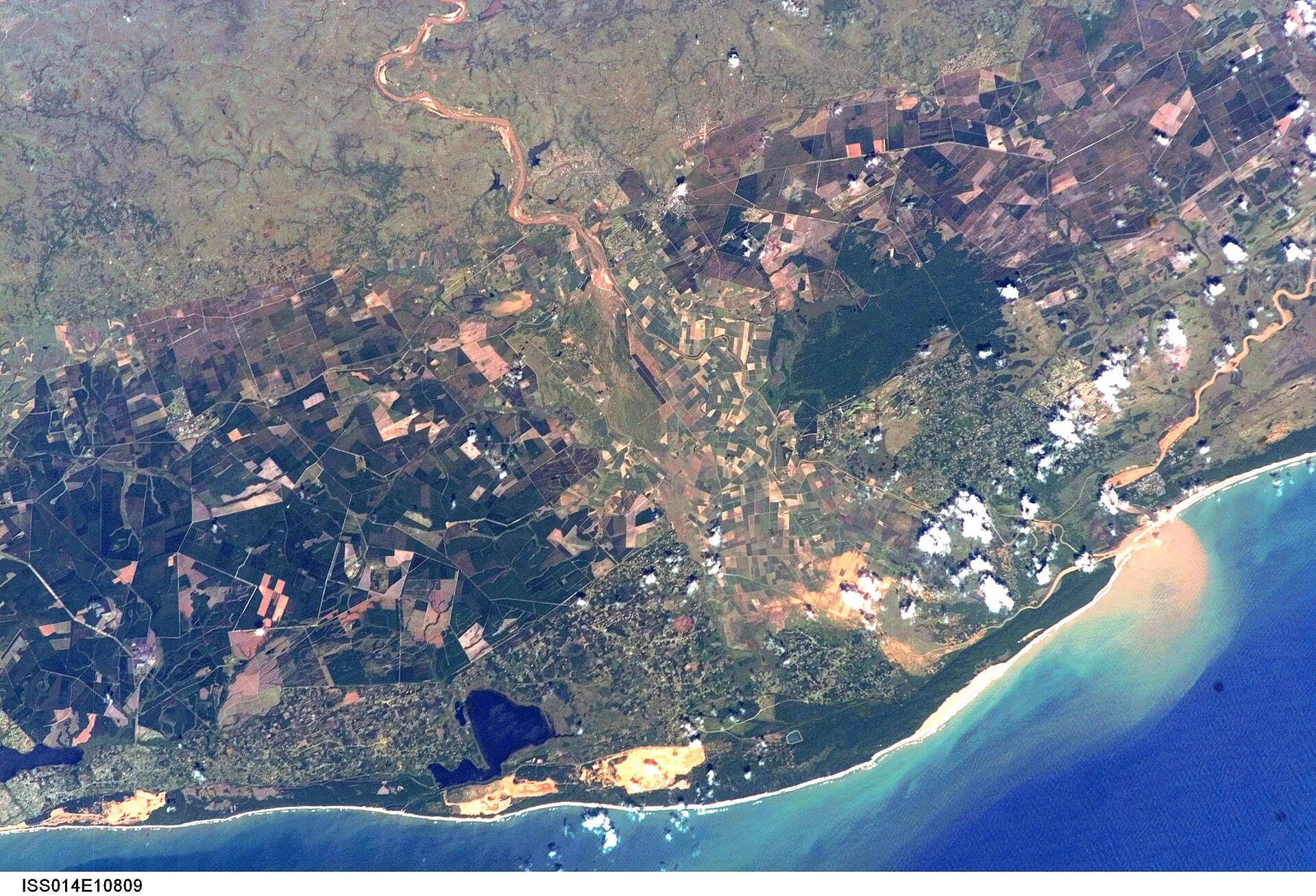
- Cape Vidal is a wild, protected Indian Ocean beach on the Eastern Shores of iSimangaliso Wetland Park, South Africa's first UNESCO World Heritage Site.
- You reach it by driving a Big Five game route through grasslands and the tallest forested dunes in the world — safari and sea in one day.
- The sheltered bay offers warm, clear water for swimming and snorkeling, with a rocky reef alive with fish.
- Humpback whales pass offshore from June to November, and turtles nest along the coast in summer; the whole area is malaria-free.
- We build Cape Vidal into a private, tailor-made Zululand safari alongside the St Lucia estuary and the Big Five reserves, door to door.
The Beach You Reach by Safari
There is no other beach in South Africa quite like Cape Vidal. It sits at the far end of the Eastern Shores section of iSimangaliso Wetland Park, and the only way to reach it is to drive the game route north from the gate near St Lucia — which means the journey to the sand is a genuine safari in its own right. You pass through open grasslands grazed by zebra, waterbuck, kudu and buffalo, skirt freshwater pans dotted with hippo, and wind up and over the highest vegetated dunes on earth, cloaked in ancient coastal forest, before the trees part and the Indian Ocean opens out ahead of you.
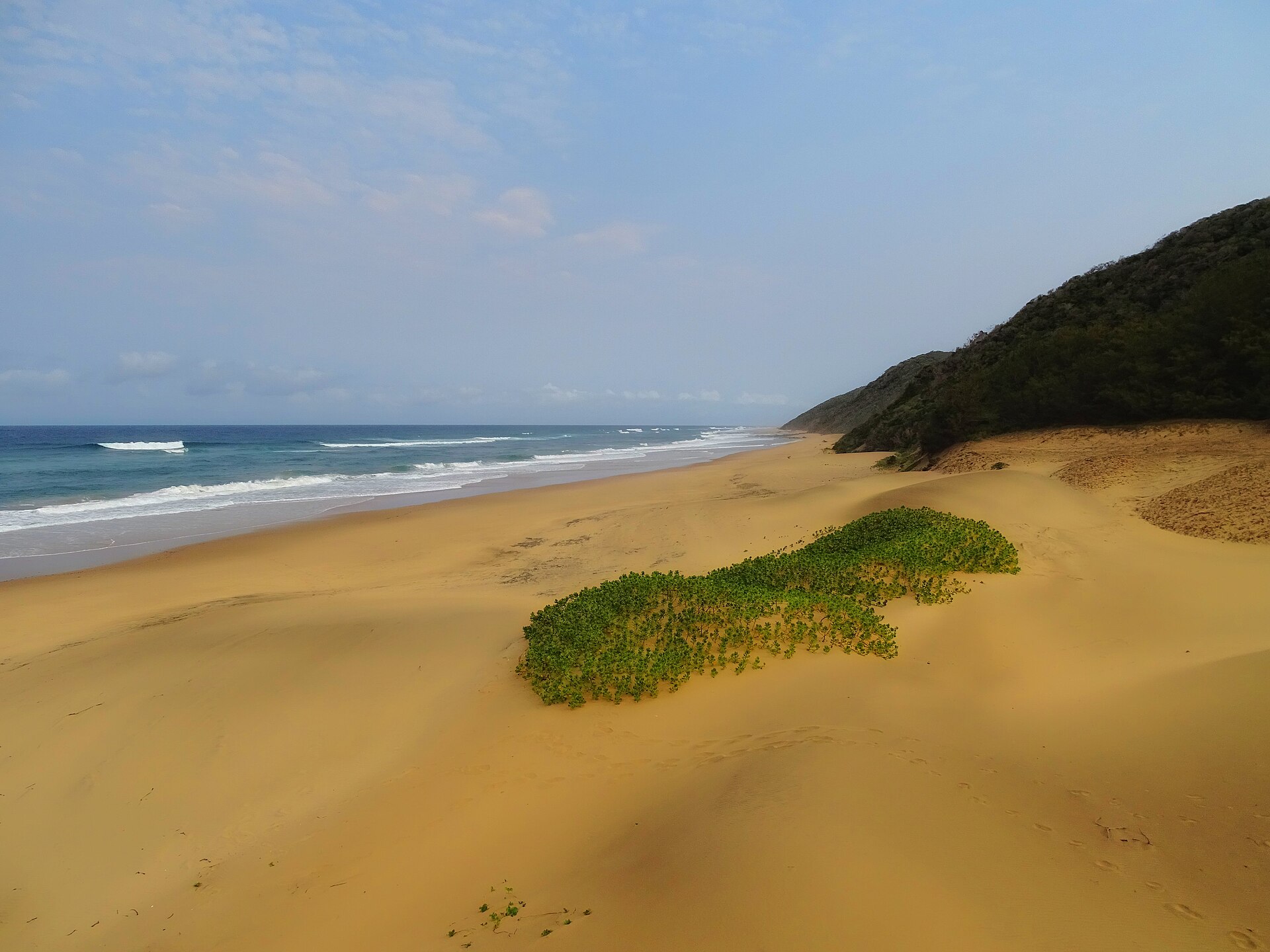
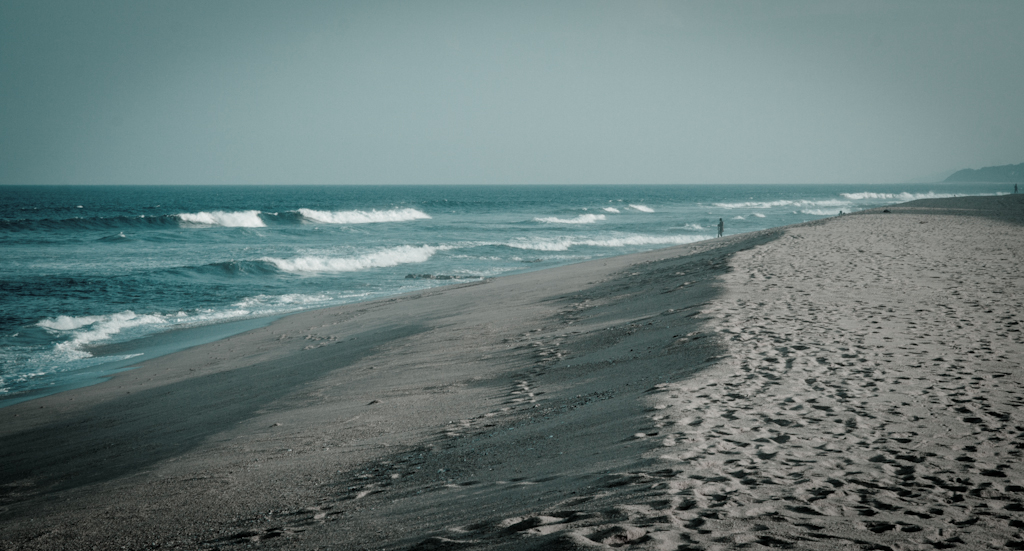
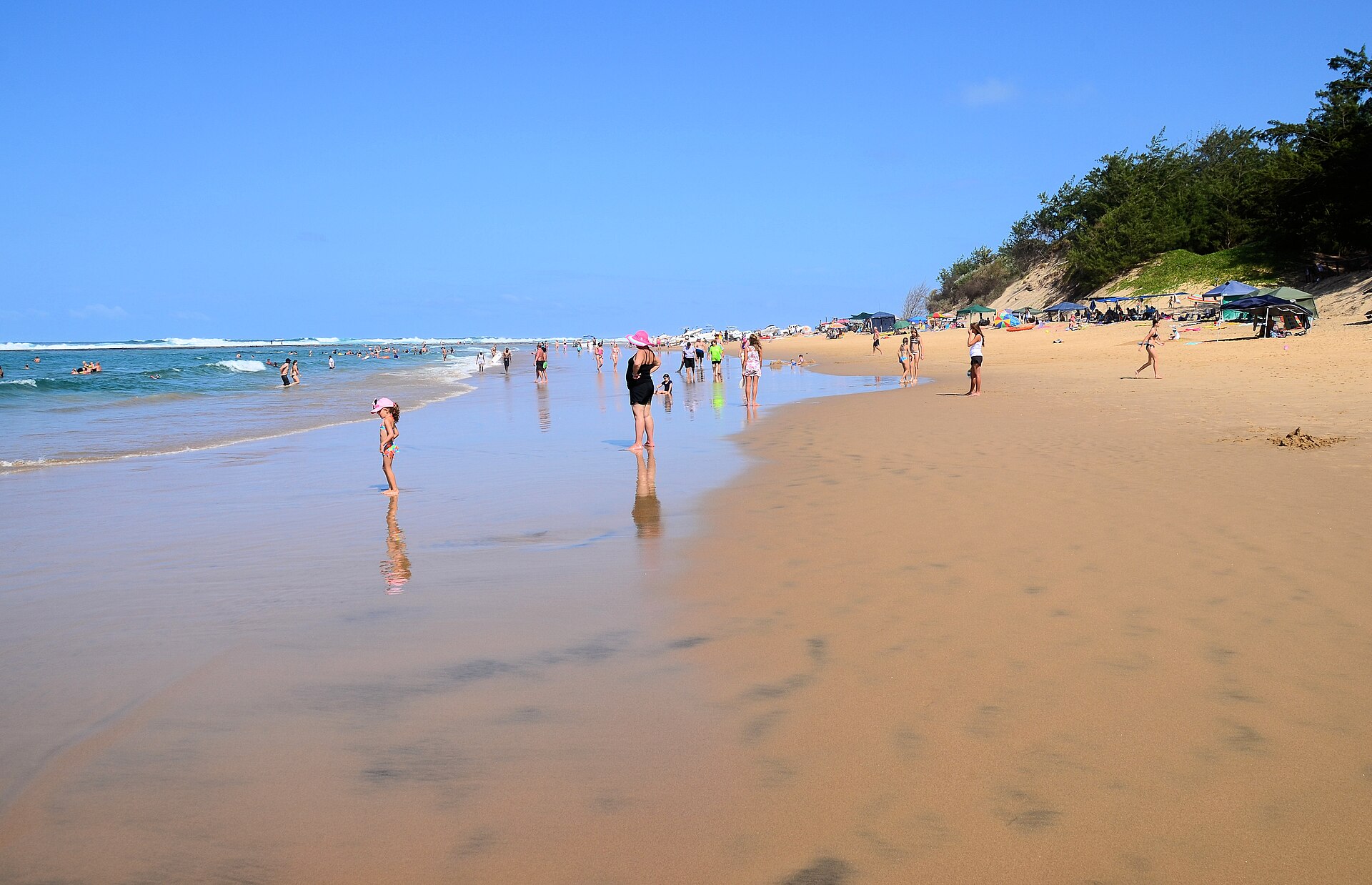
What waits at the end is a wild, gloriously uncrowded crescent of golden sand, backed by dune forest and washed by warm, clear water. There are no high-rise hotels, no vendors, no crowds — just a small, low-key day-use area with picnic sites and shade, and kilometres of protected coastline in either direction. It is the kind of untouched beach that has all but vanished from the rest of the world, and it is the perfect counterpoint to a morning spent watching wildlife.
What Awaits at Cape Vidal
Cape Vidal is really three experiences in one — the game drive to reach it, the beach and snorkeling bay itself, and the wider coastal wilderness of whales, turtles and forested dunes. Here is what to expect from each.
1. The Game Drive Through the Eastern Shores
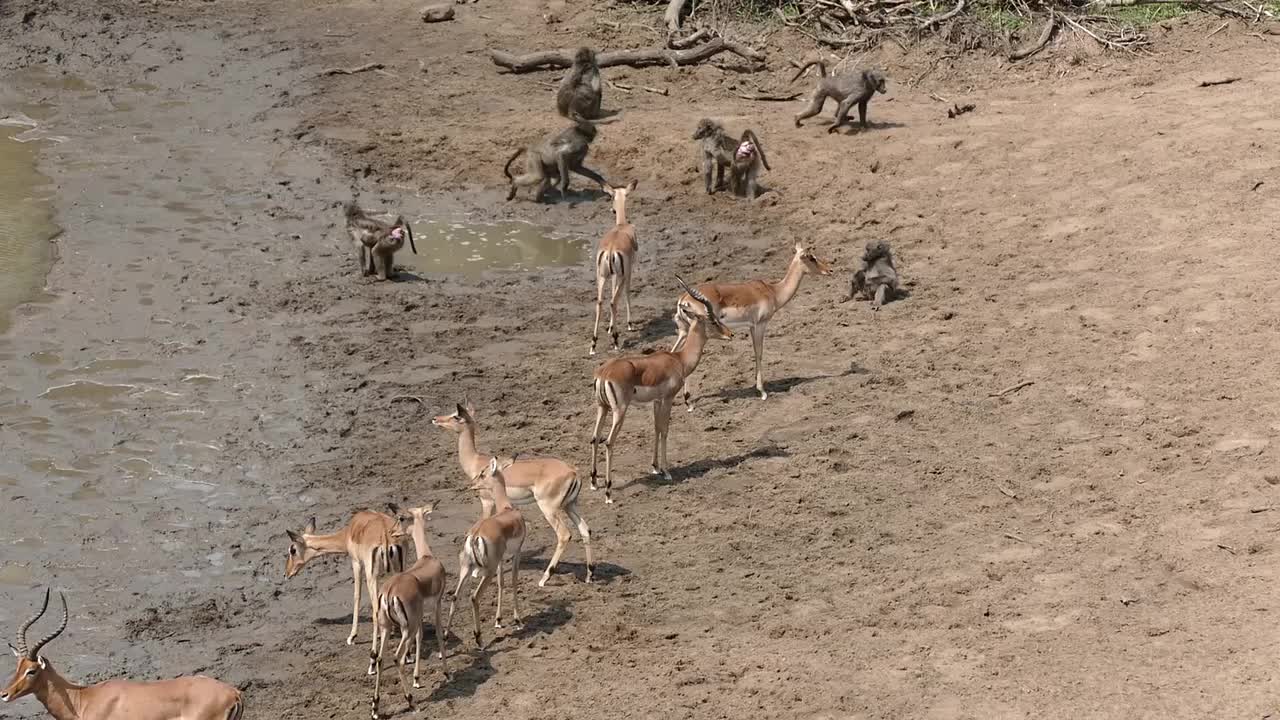
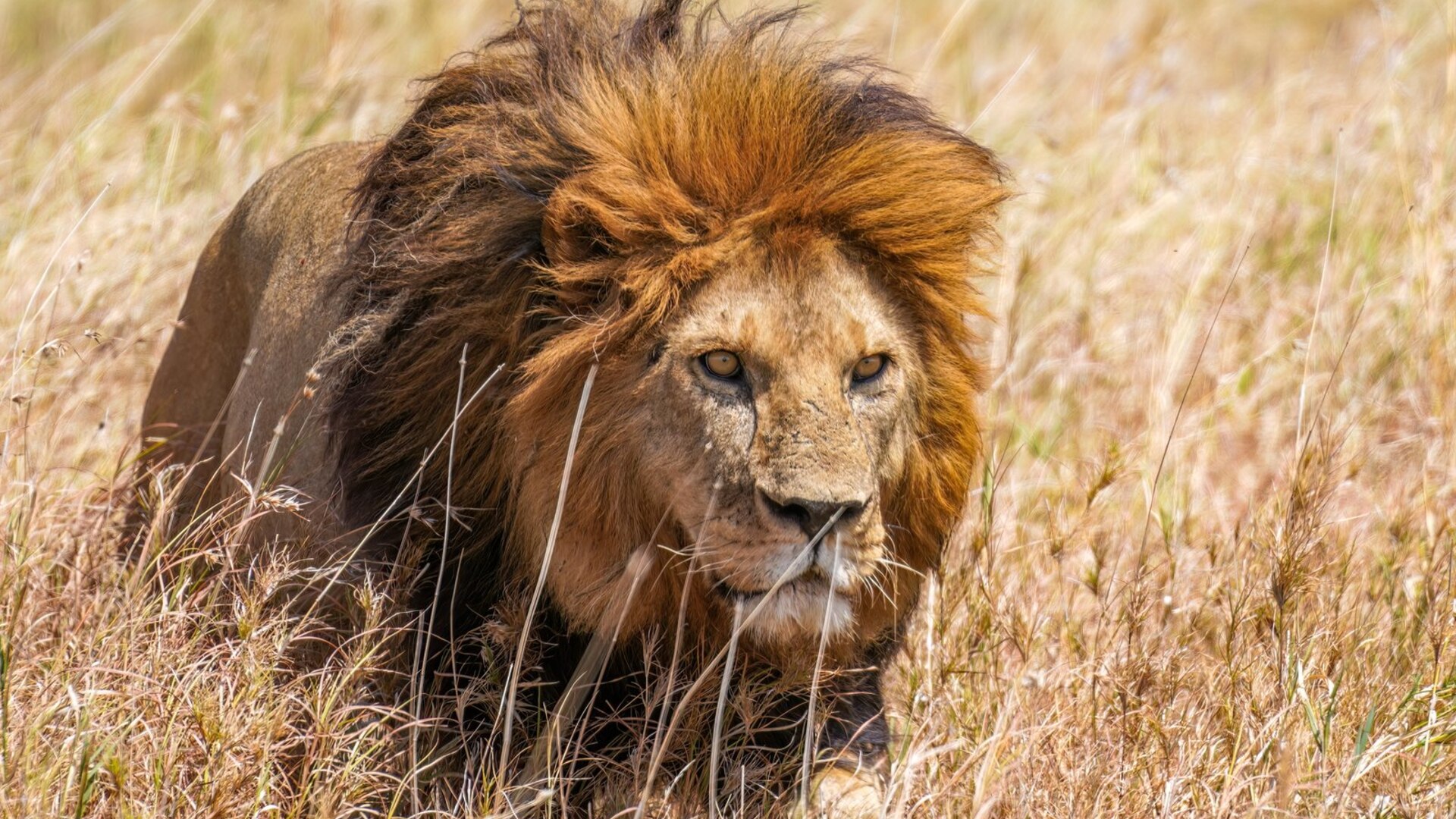
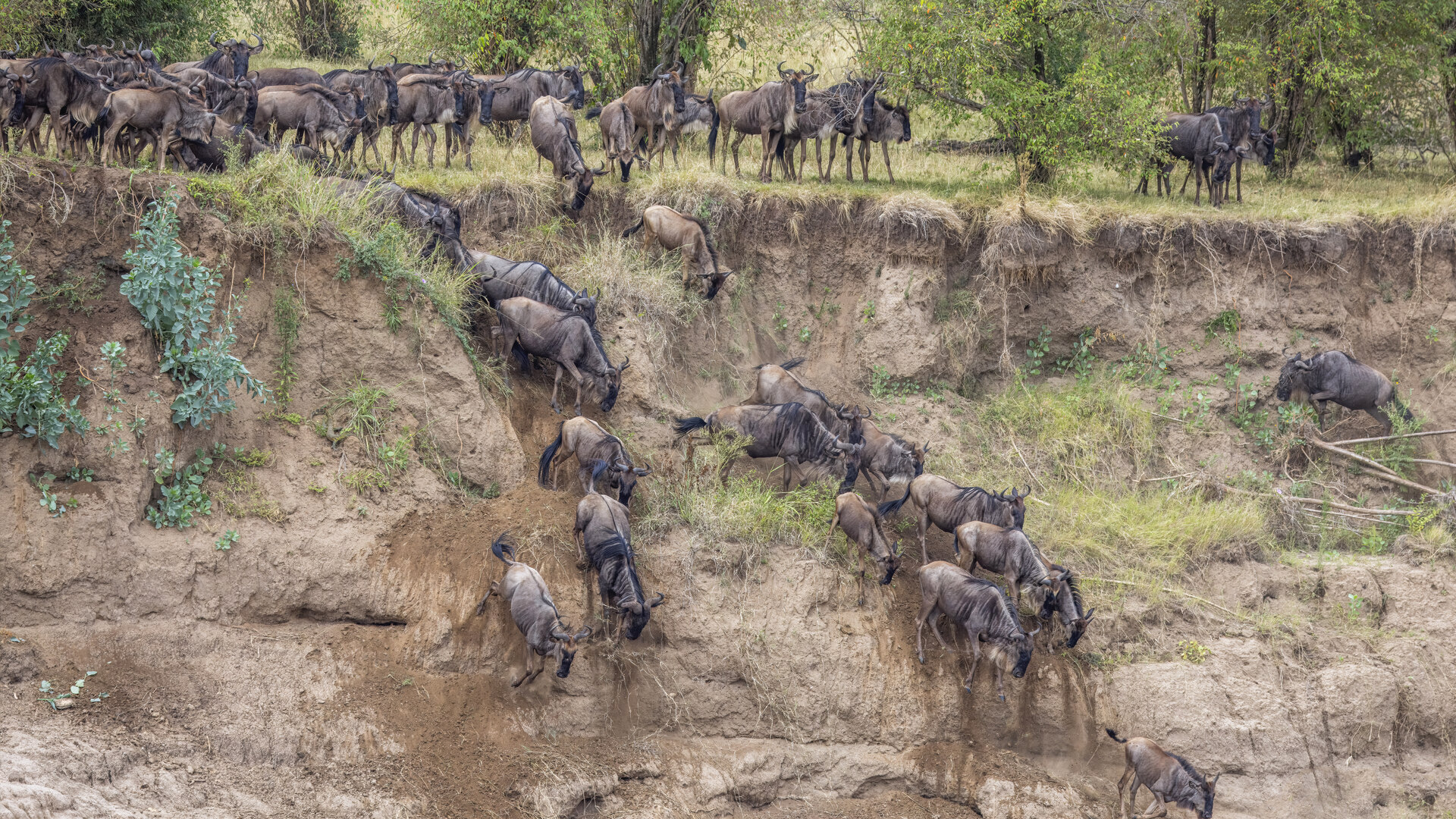
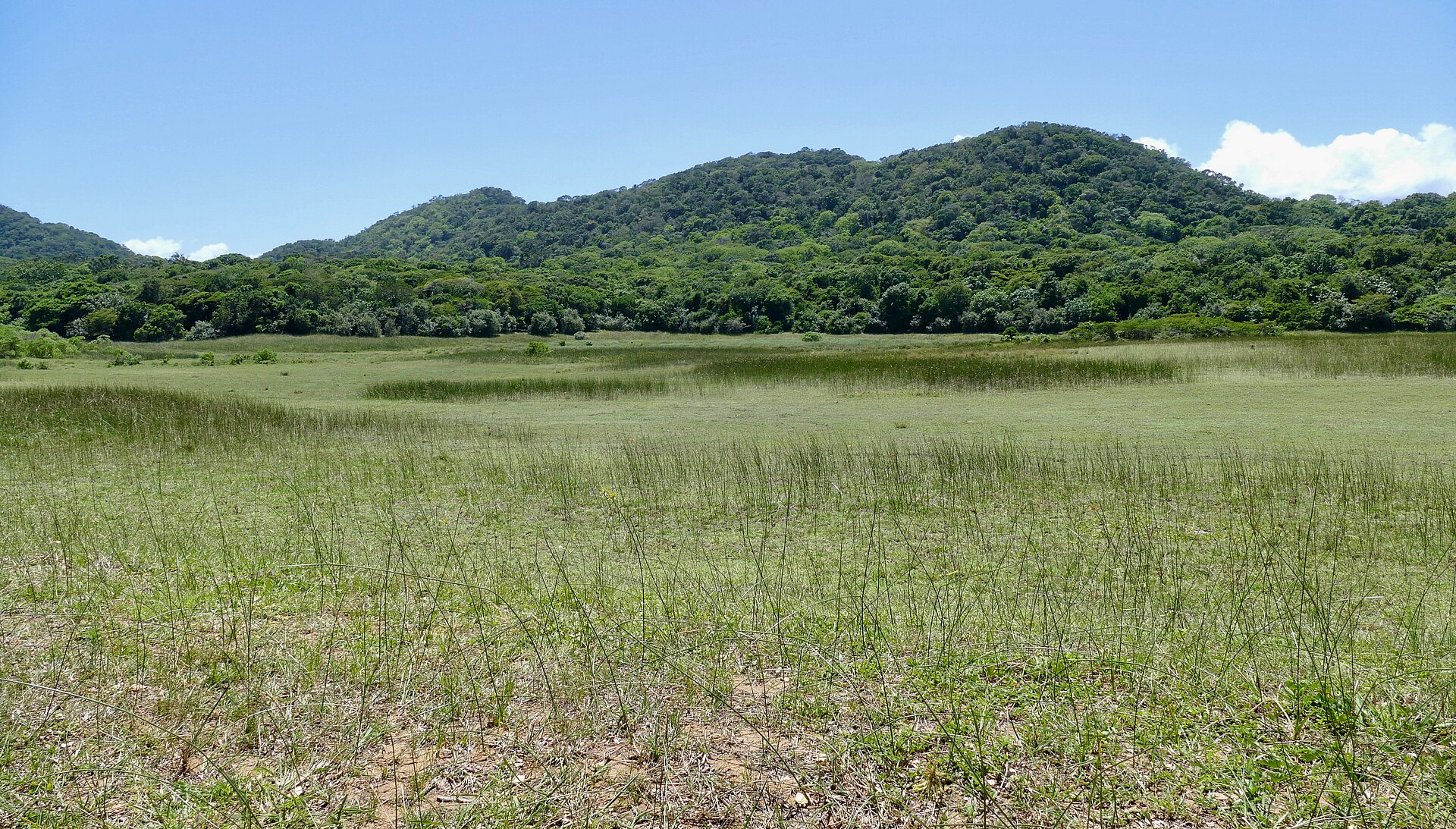
The safari begins the moment you pass the gate. The Eastern Shores road winds for around 32 kilometres from the entrance near St Lucia to Cape Vidal, and it is a proper game drive. Grasslands and wetlands hold zebra, blue wildebeest, kudu, red duiker, buffalo and reedbuck; the freshwater pans of Catalina Bay and Vlokman's attract hippo, crocodile and a wealth of waterbirds; and elephant, though shy, roam the forest. It is a landscape of extraordinary variety — ocean, dune forest, grassland, wetland and estuary layered within a few kilometres — and every trip is different.
2. The Beach & Snorkeling Bay
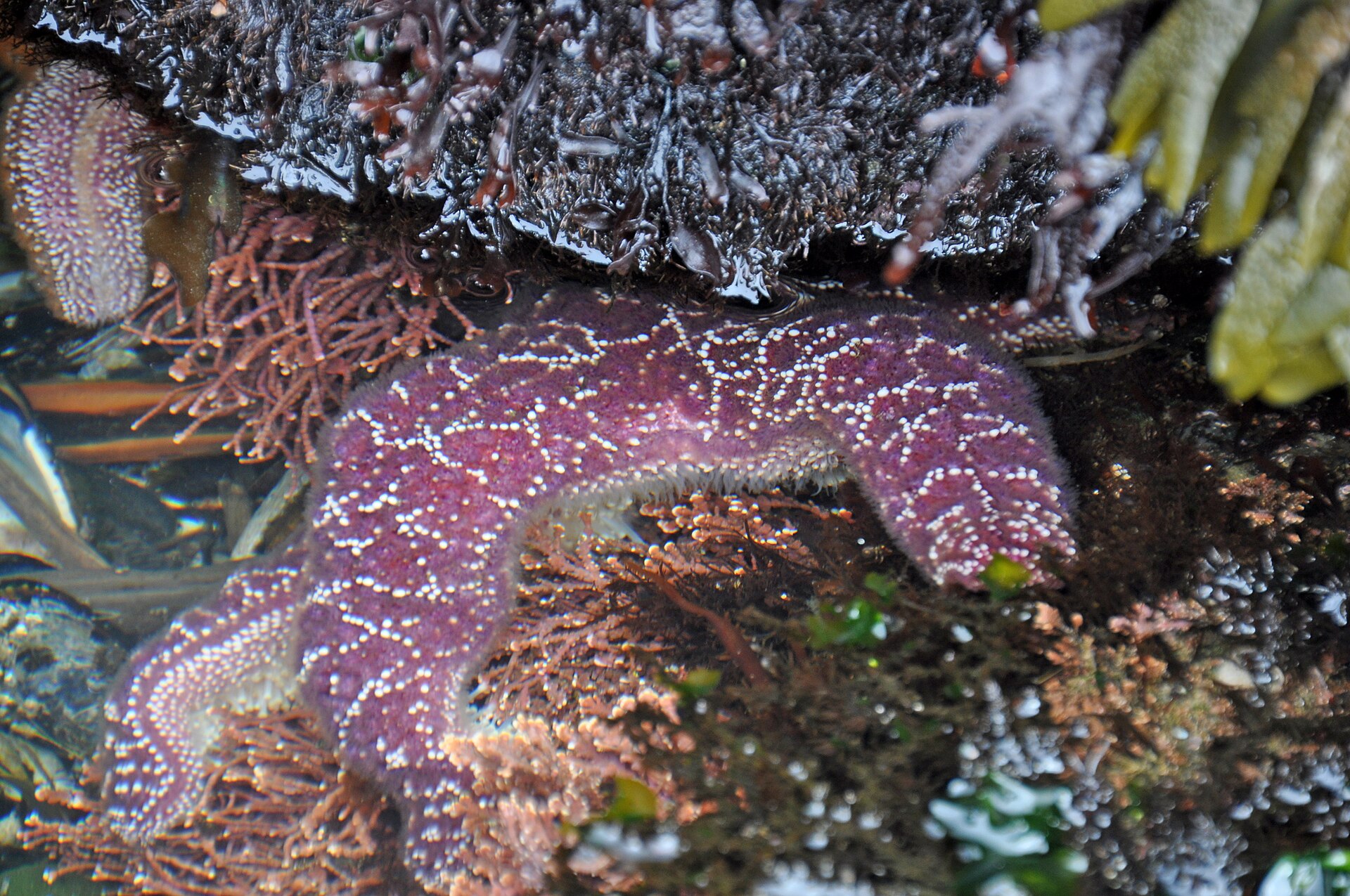
A sheltered swimming and snorkeling paradise. Cape Vidal's main beach curves inside a rocky point that softens the Indian Ocean swell, creating a protected bay with warm, clear water — one of the safest and loveliest swimming beaches on the entire KwaZulu-Natal coast. At low tide the exposed rocks reveal tidal pools full of starfish, urchins and small fish, and just offshore a shallow reef makes for gentle, rewarding snorkeling: bring a mask and you will drift over parrotfish, wrasse and clouds of colourful reef fish in bath-warm water. Bring your own gear, as there is no rental on site.
3. Whales, Turtles & the Coastal Forest
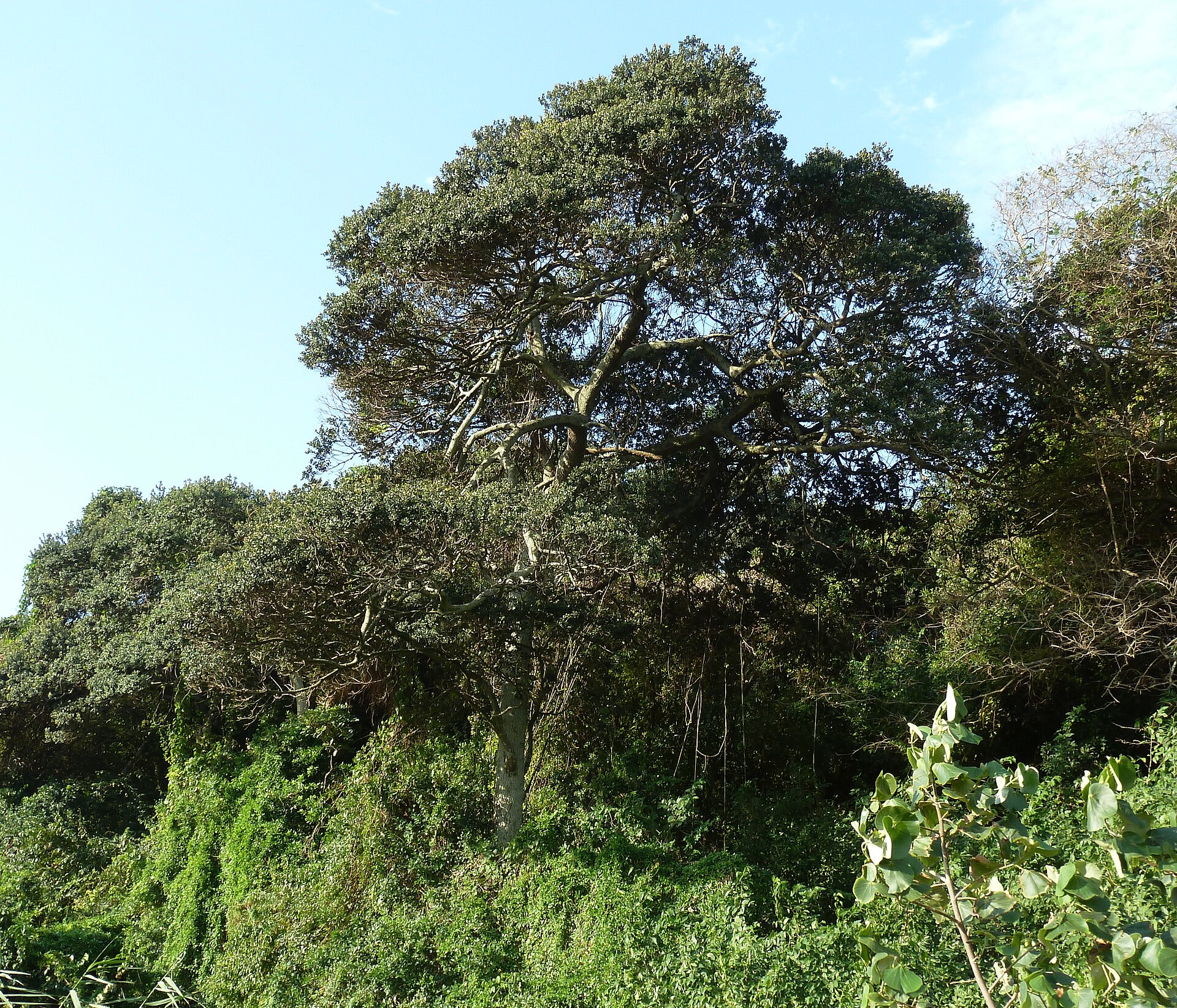
A coastline alive through every season. Cape Vidal sits on one of the great marine highways of the western Indian Ocean. From June to November, humpback whales pass close offshore on their migration, and from the elevated dunes you can often watch them breaching from land. In summer, loggerhead and leatherback turtles haul ashore to nest along this same coast at night. Behind the beach rise the highest vegetated dunes on earth, cloaked in rare coastal forest full of birds, bushbuck and red duiker. It is this staggering layering of habitats — reef, beach, dune forest, grassland, wetland and estuary — that earned iSimangaliso its World Heritage status.
Cape Vidal at a Glance
| Detail | What to expect |
|---|---|
| Getting there | A ~32 km game drive from the Eastern Shores gate near St Lucia |
| Activities | Swimming, snorkeling, rock pools, game viewing, whale watching from shore |
| Best time | Winter (Jun–Nov) for whales & clear water; summer for turtles & warm days |
| Suitable for | All ages — sheltered bay, calm swimming, malaria-free |
Cape Vidal lies within the malaria-free southern section of iSimangaliso, making it one of the safest beach-and-safari day trips for families in South Africa.
The Best Time to Visit
Cape Vidal rewards visitors year-round, but the seasons shape the experience. The dry winter months (May to September) bring mild, sunny days, the clearest water for snorkeling, and the humpback whale migration offshore — from the high dunes you can often watch whales breaching. Wildlife on the Eastern Shores game drive also concentrates around the pans as the land dries. Summer (November to March) is hotter and more humid, with warm sea temperatures perfect for long swims, lush green landscapes, peak birdlife, and the magic of turtle-nesting season along the coast at night.
For time of day, arrive in the morning to enjoy the game drive in the cool, then spend the middle of the day on the beach and snorkeling before the afternoon wind picks up. Because the whole area is malaria-free, there is no season you need to avoid — we simply tailor the timing to the light, the tides and what you most want to see.
Is It Safe? Perfect for Families
Cape Vidal is one of the most family-friendly wild beaches in South Africa. The main bay is sheltered by a rocky point, so the swimming is calm and gentle, and the rock pools are a natural playground for children at low tide. The whole area is malaria-free, the game drive to reach it is gentle and endlessly engaging for young eyes, and there is shade, picnic space and basic facilities at the day-use area. As always on a wild coast, swim within the marked area, respect the ocean, and keep an eye on little ones — but this is about as safe and rewarding as a beach-and-safari day gets.
Because it lies inside a Big Five park, the usual safari rules apply on the drive in and out: stay in your vehicle except at designated points, and give any elephant or buffalo plenty of room. Our private guides handle all of this, reading the road and the wildlife so you can simply enjoy the day.
How We Build It Into a Zululand Safari
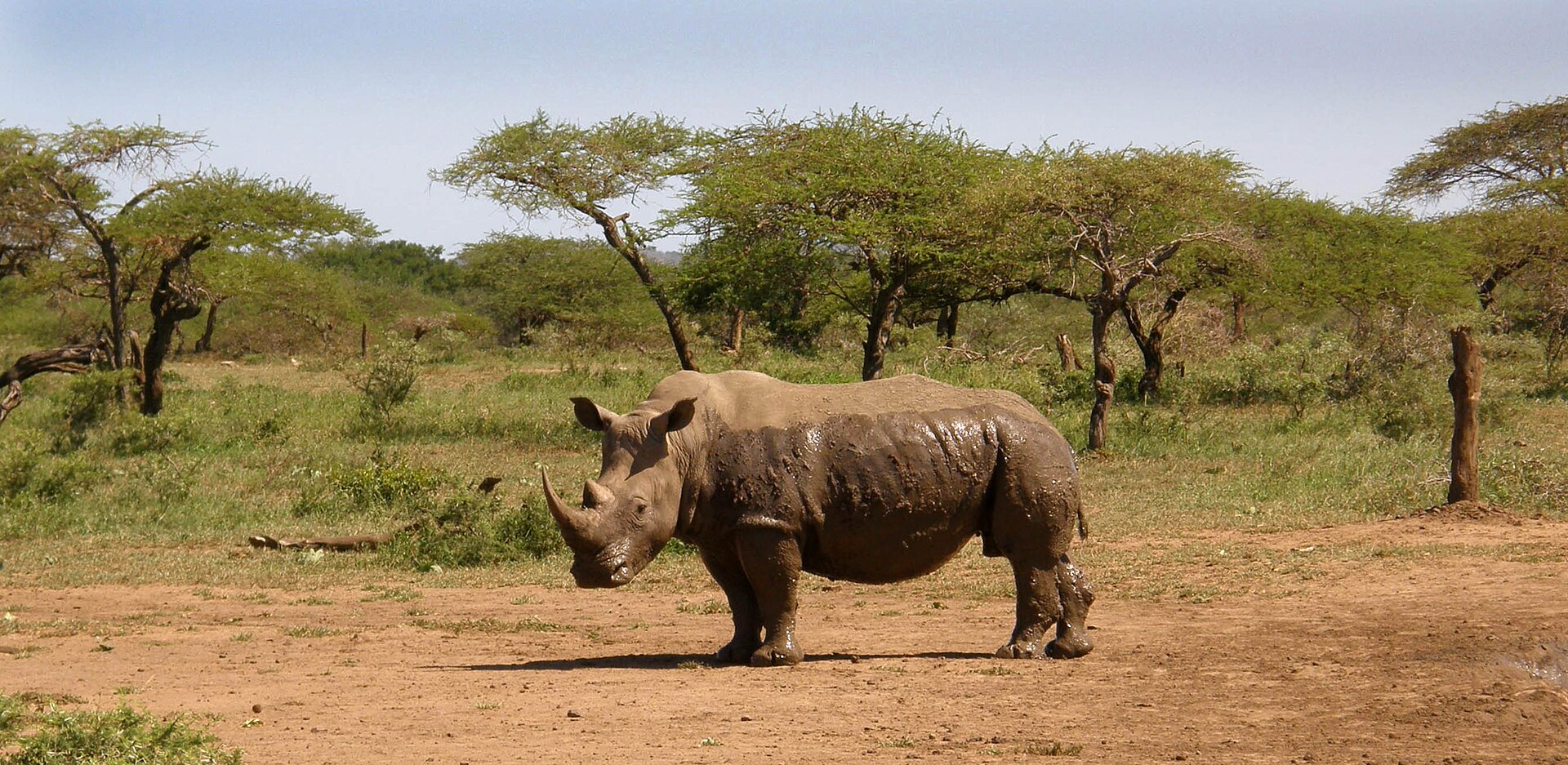
Cape Vidal is one of our favourite ingredients in a private Zululand journey, precisely because it blends safari and sea so seamlessly. A typical trip we arrange bases you for two or three nights in or near St Lucia: the estuary boat tour among hippos and crocodiles on one afternoon, a full day driving the Eastern Shores to Cape Vidal for game viewing, swimming and snorkeling, and — in season — a turtle tour after dark or whale watching from the dunes. From there we add the Big Five: the rhino strongholds of Hluhluwe-iMfolozi or the exclusive lodges of Phinda Private Game Reserve.
We handle everything door to door — the flight into Durban or Richards Bay, private transfers, hand-picked lodges, and every activity guided privately, so your days flow effortlessly from bush to beach and back. And Cape Vidal slots beautifully into a grander South African itinerary too — pair it with Cape Town, the Winelands and the Garden Route for one seamless, tailor-made journey.
What We Tell Our Clients — The Honest Take
Cape Vidal is a day-use area inside a national park, not an exclusive private beach — on a peak summer weekend or school holiday it can get busy with local visitors, and there are no shops or gear rental, so you bring your own snorkel, water and picnic. But midweek and outside the holidays it is blissfully quiet, and the combination of a Big Five game drive delivering you to a wild, swimmable Indian Ocean beach is simply unmatched anywhere else in the country.
We recommend it most warmly to families (the sheltered bay, rock pools and malaria-free setting are ideal), to anyone who wants both bush and beach without a long transfer, and to snorkelers and whale watchers in the right season. Fold Cape Vidal into a few days around St Lucia, add the Big Five reserves of Zululand, and let us handle the logistics — and a wild beach at the end of a game drive becomes one of the defining memories of a South African trip.