Key Takeaways
- Loggerhead and leatherback turtles nest on the Maputaland coast of iSimangaliso — Sodwana Bay north to Kosi Bay — each summer.
- The nesting season runs from November to February, with hatchlings emerging from roughly January to March.
- You witness it on a guided night turtle tour, led by trained guides under strict, turtle-friendly rules.
- These beaches are protected by one of the longest-running turtle conservation programmes in the world, begun in the 1960s.
- We build the turtle tour into a private bush-and-beach KwaZulu-Natal safari alongside the reefs, whales and Big Five, door to door.
A Ritual Older Than the Dinosaurs
There are few wildlife encounters on earth as quietly profound as watching a sea turtle nest. On summer nights along the remote Maputaland coast of northern KwaZulu-Natal — the wild, protected shoreline of iSimangaliso Wetland Park — giant female turtles emerge from the surf, haul their great bodies up the beach, and, in a trance-like state, dig a nest and lay a hundred or more eggs before dragging themselves back to the sea. It is a ritual that predates the dinosaurs, unchanged for over a hundred million years, and to witness it by moonlight is to feel time itself stretch.
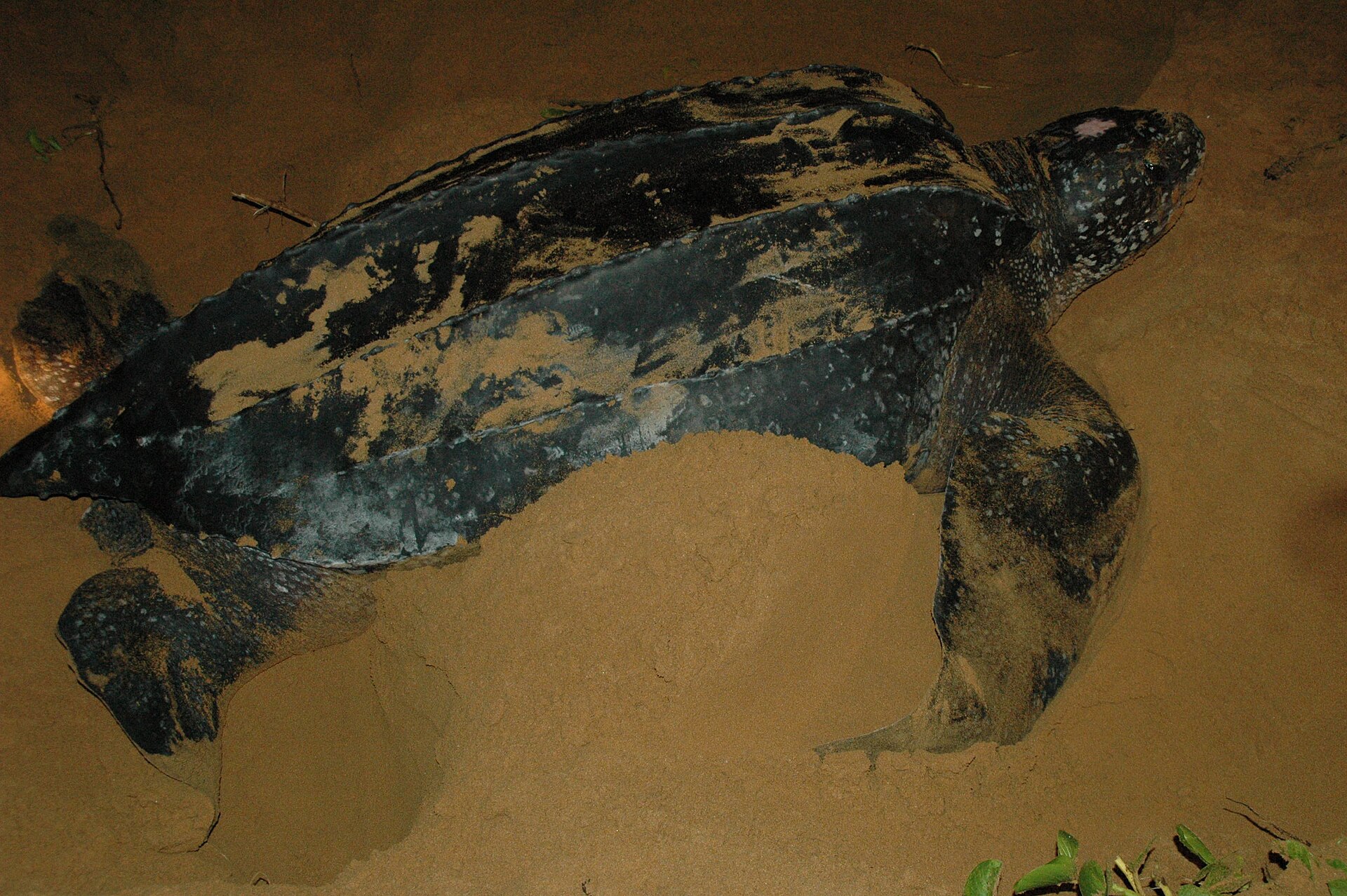
KwaZulu-Natal is the only place in South Africa where you can reliably see this, and one of the best places in the world for it. Two species nest here: the common loggerhead and the enormous leatherback, the largest turtle on earth, which can weigh over half a tonne. The beaches are protected by a turtle-monitoring and conservation programme that began in the 1960s and is among the longest continuously running in the world — so a turtle tour here is not only unforgettable, it is a direct encounter with a genuine conservation success.
What You'll Witness
A turtle-nesting safari has three layers — the nesting turtles themselves, the guided night tour that brings you to them, and the conservation story and wider coast that surround the experience. Here is each.
1. The Nesting Turtles
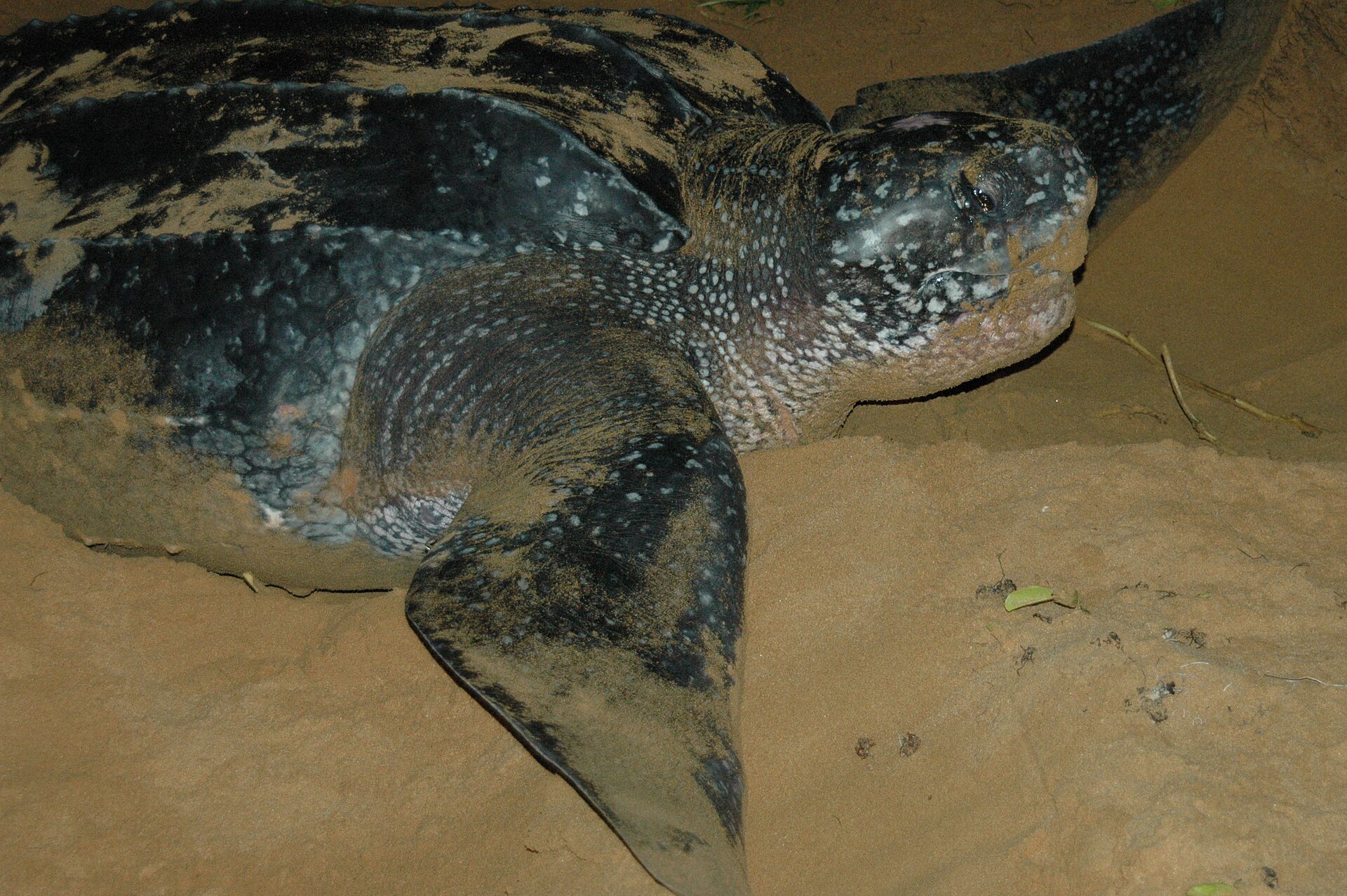
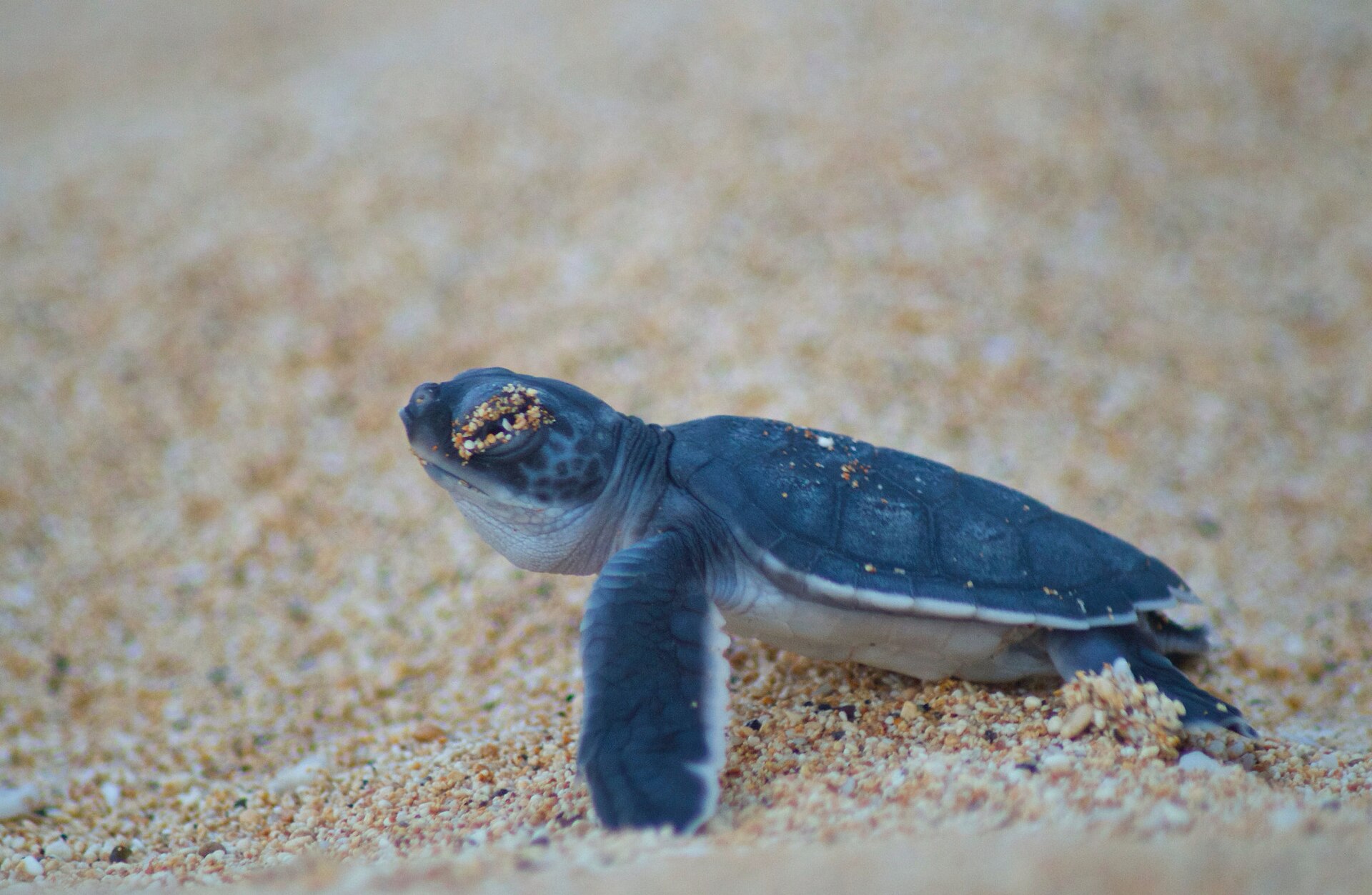
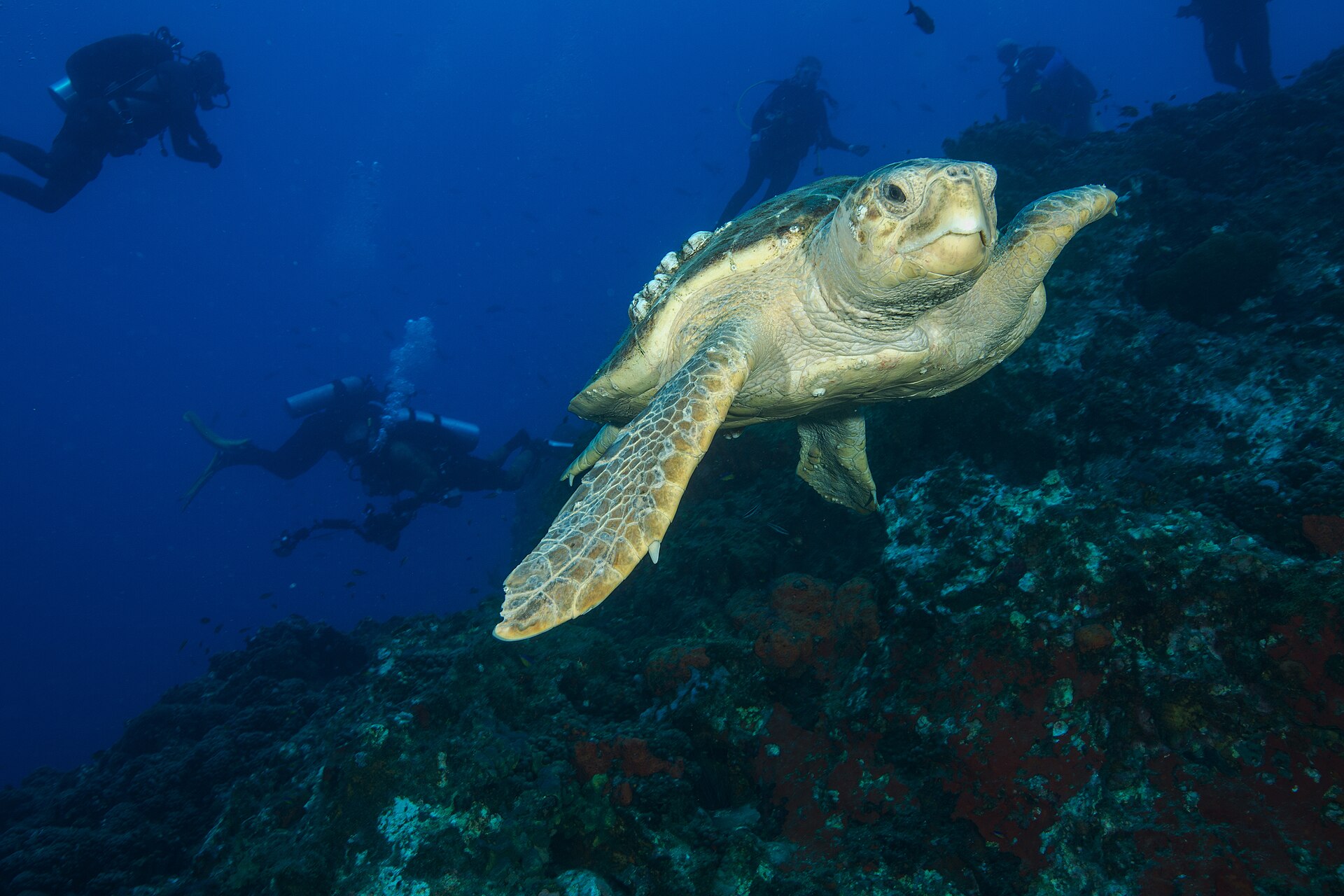
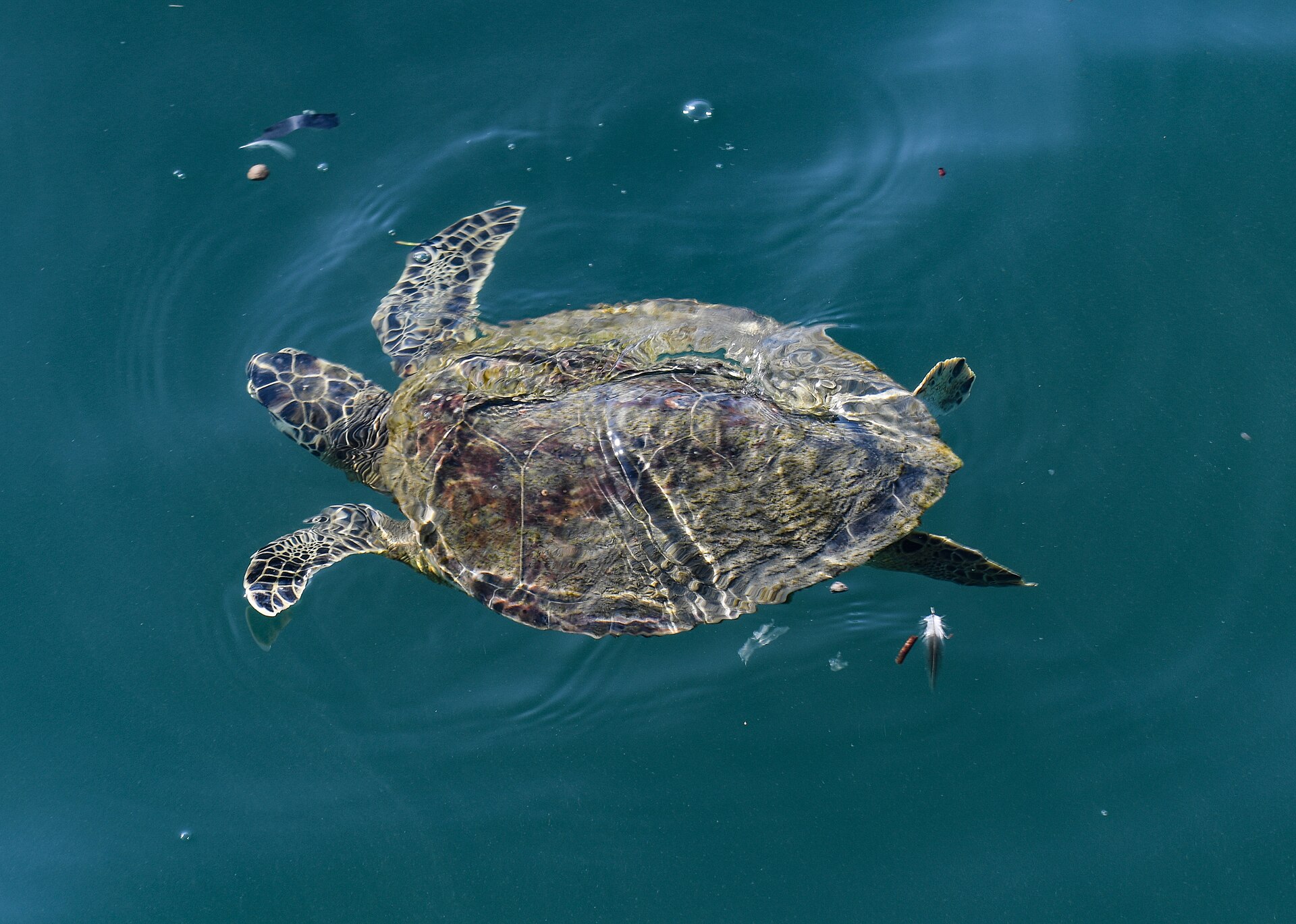
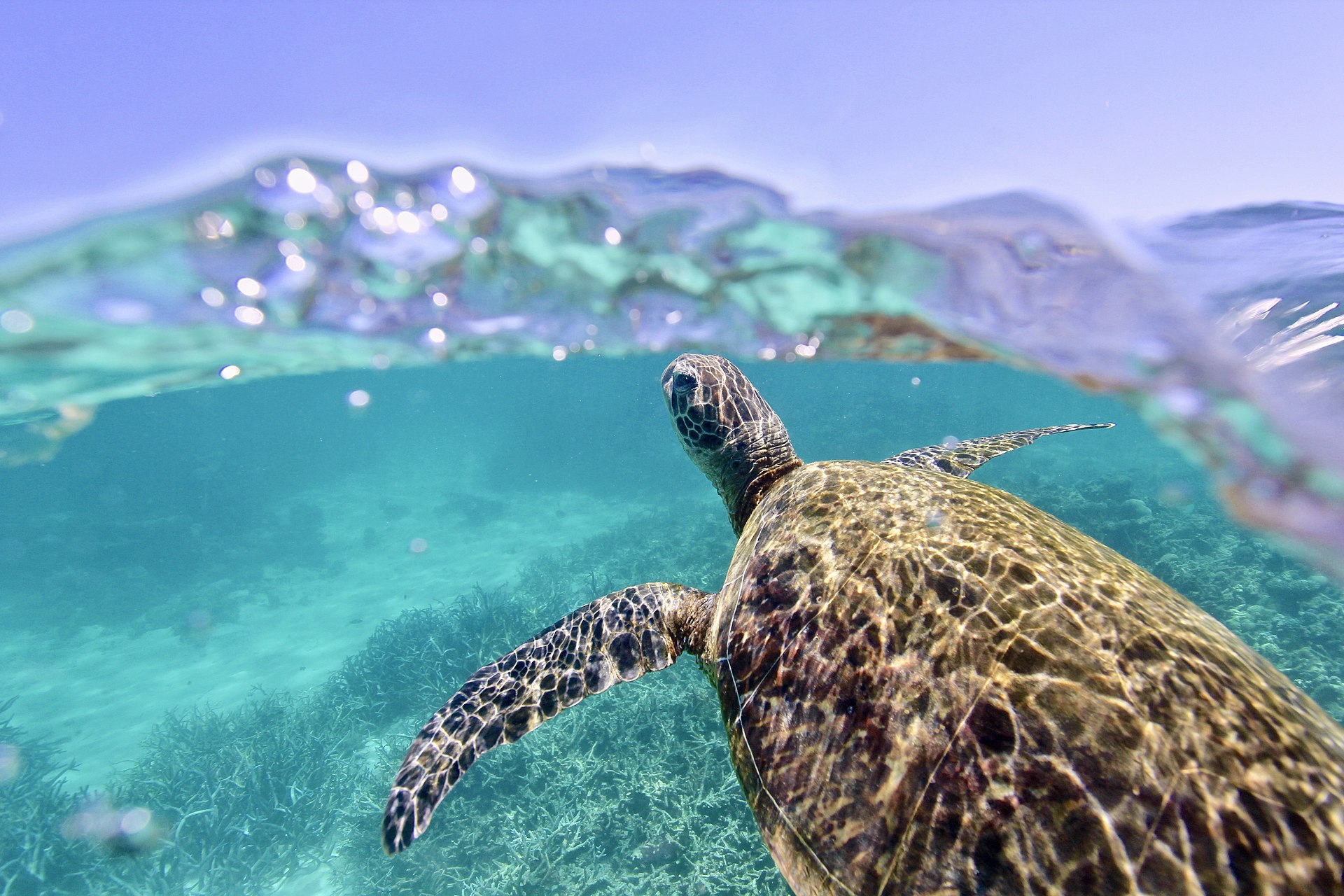
Two ancient mariners come ashore. The loggerhead turtle is the more numerous, a heavy-shelled reptile that returns faithfully each year to the very beach where it hatched decades earlier. The leatherback is the giant — the largest living turtle, reaching over two metres and half a tonne, with a distinctive ridged, leathery shell rather than a hard one. Watching either dig a nest is mesmerising: the female uses her rear flippers with astonishing precision to excavate a deep chamber, drops her clutch of soft, round eggs, carefully covers and camouflages the nest, and then labours back down the beach to vanish into the waves. Later in the season, the sand comes alive with hatchlings — tiny turtles boiling out of the nest at night and racing for the glimmer of the sea.
2. The Guided Night Tour
The encounter is strictly, respectfully guided. Turtle nesting happens at night, so a tour begins after dark with a trained, permitted guide who leads a small group along the beach — on foot or by specially permitted vehicle — searching for the tell-tale tracks of a turtle that has come ashore. When one is found, the guide positions the group carefully behind the animal so as not to disturb her, keeps lights to a strict minimum, and explains the process in a hush as she nests. The rules are firm and for good reason: no bright lights, no flash photography, no touching, no getting in front of a turtle. It is patient, wild and utterly unscripted — you may wait, you may walk far — but when a great turtle materialises from the surf beside you, the wait dissolves into wonder.
3. Conservation & the Wider Coast
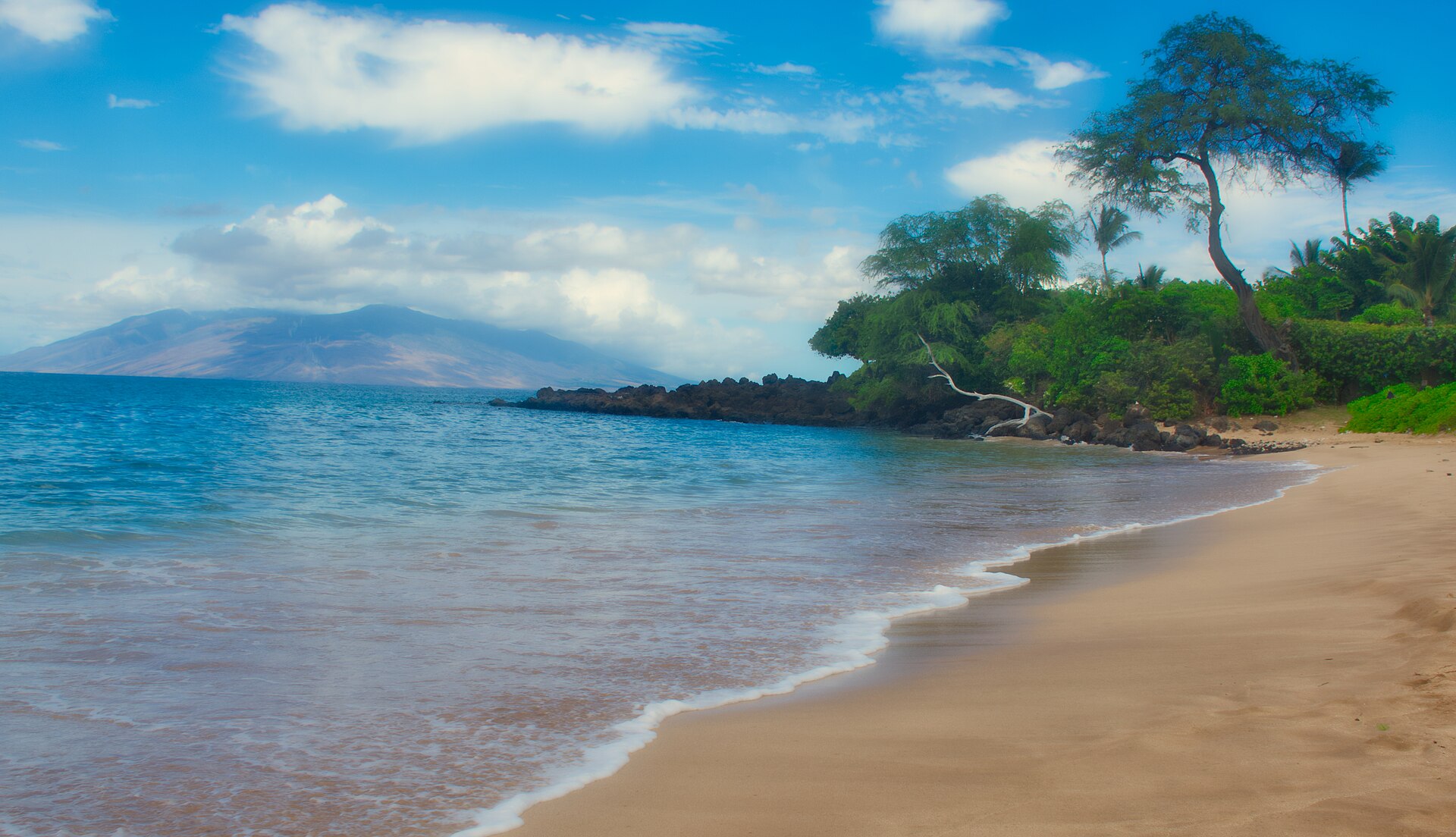
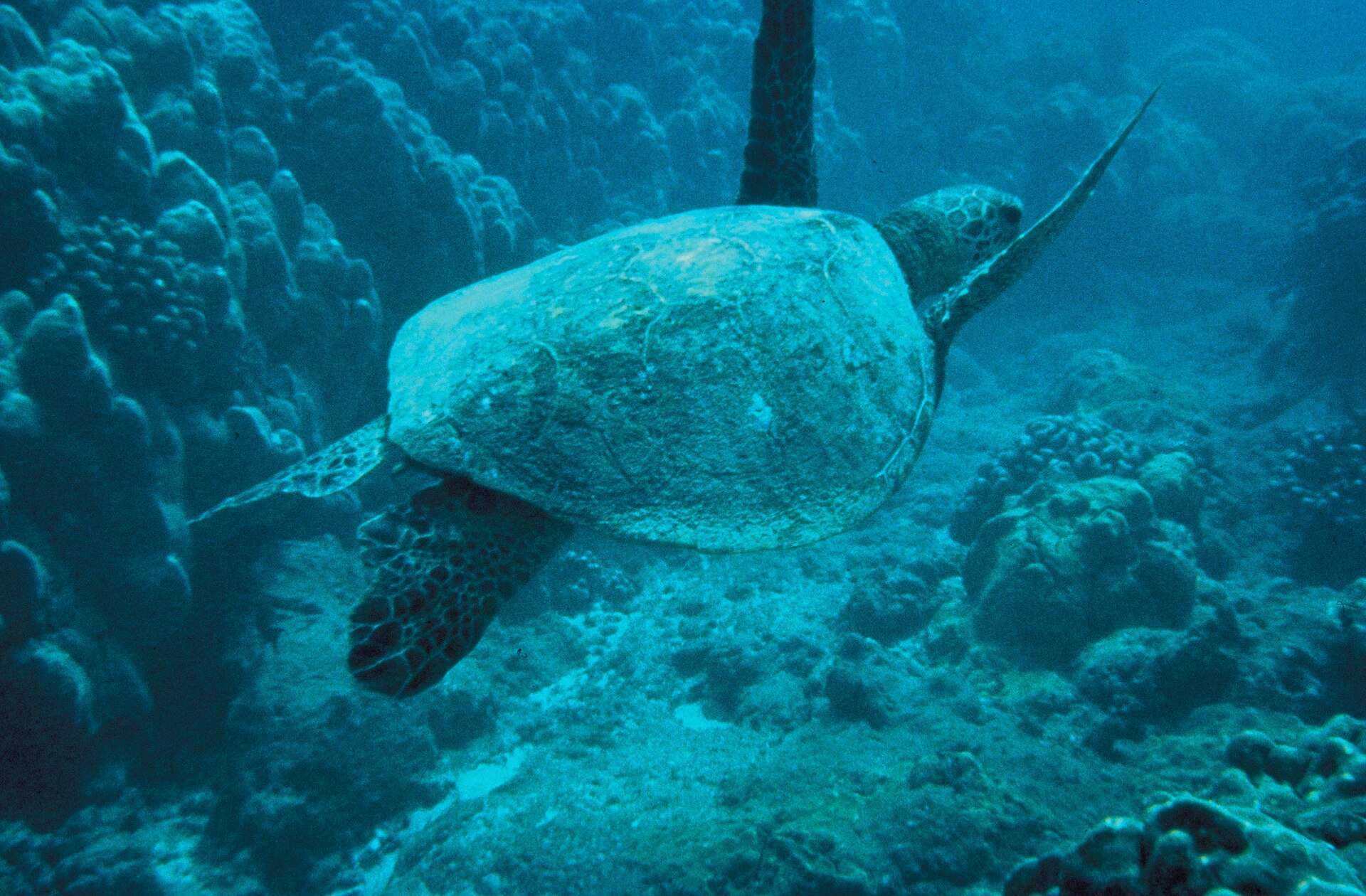
A conservation success you can witness. The turtles of Maputaland are protected by a monitoring and research programme launched in the 1960s — one of the longest continuously running turtle conservation efforts anywhere on earth. Decades of patrols, tagging and protection have brought the loggerhead population back from the edge, and every guided tour supports and reinforces that work. And the turtles are just one thread of an extraordinary coast: the same shoreline holds the southernmost coral reefs on the planet at Sodwana Bay, the pristine estuary and lake system of Kosi Bay, humpback whales offshore in winter, and endless wild, empty beaches. It is one of the last great coastal wildernesses in Africa.
The Turtle-Nesting Safari at a Glance
| Detail | What to expect |
|---|---|
| Species | Loggerhead & leatherback (the largest turtle on earth) |
| Nesting season | November to February; hatchlings roughly January to March |
| Where | Maputaland coast — Sodwana Bay, Mabibi, Rocktail, Kosi Bay |
| How | Guided night tour with a trained, permitted guide |
Turtle tours run only in season and are strictly guided — numbers, lights and access are all controlled to protect the nesting turtles.
The Best Time to Go
Turtle nesting in KwaZulu-Natal is tightly seasonal. The nesting season runs from November to February, when female loggerheads and leatherbacks come ashore to lay — peak nesting is usually in December and January. From roughly January to March, the hatchlings begin to emerge, so a visit in the second half of the season can offer the magical double bill of a nesting female and a scatter of hatchlings racing for the sea on the same trip.
This coincides with the KwaZulu-Natal summer — hot, humid and green, with warm seas ideal for diving and snorkeling at Sodwana by day and turtle tours by night. It is the opposite season to the winter whale migration, so turtle season is very much a summer, ocean-focused trip. Because the far-northern Maputaland coast carries a low seasonal malaria risk, we advise on precautions and can keep families closer to the malaria-free south where preferred.
Is It Safe? Ethics & Families
A guided turtle tour is safe and suitable for families with older children, though the late nights, walking on soft sand in the dark, and the need for quiet patience mean it suits children old enough to stay calm and awake — typically around six and up. Tours are led by trained, permitted guides, and the strict rules exist to protect the turtles: no bright or white lights, no flash photography, no touching, and never stand in front of a nesting or returning turtle. These are not mere etiquette — a disoriented turtle may abandon her nest, and hatchlings can be fatally misled by artificial light. Choosing a responsible, permitted operator is essential, and it is exactly what we arrange.
On the far-northern Maputaland beaches there is a low seasonal malaria risk in summer, so we advise on precautions for the turtle coast; the reefs and southern iSimangaliso remain the malaria-free heart of the region. As with any wild night on a remote beach, dress for insects, bring water, and follow your guide's lead entirely.
How We Build It Into a Safari
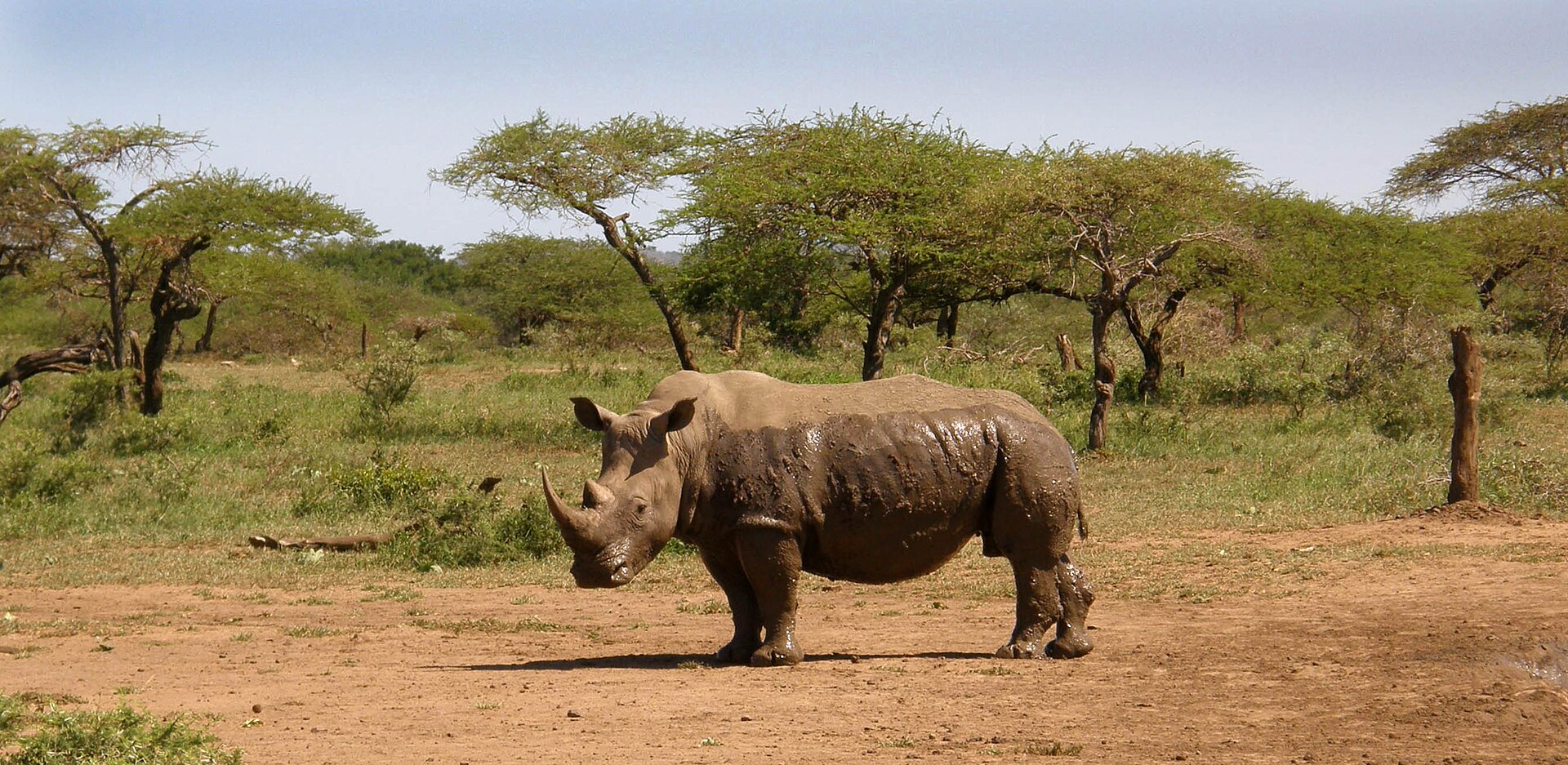
A turtle tour is a spectacular jewel to set within a wider summer journey. A typical trip we arrange bases you on the Maputaland coast for two or three nights — a guided turtle tour on one or two evenings, diving or snorkeling on the coral reefs of Sodwana Bay by day, perhaps the tranquil lakes and estuary of Kosi Bay, and time on wild, empty beaches. From there we add the Big Five: the exclusive lodges of &Beyond Phinda Private Game Reserve or the rhino strongholds of Hluhluwe-iMfolozi, and the St Lucia estuary boat tour, for a complete bush-and-beach safari.
We handle it all door to door — the flight into Durban or Richards Bay, private transfers to the remote coast, hand-picked lodges, and every activity booked with responsible, permitted operators, so you simply arrive and experience. And it folds neatly into a grander South African itinerary too, pairing the turtle coast with Cape Town, the Winelands and the Garden Route for one seamless, tailor-made journey.
What We Tell Our Clients — The Honest Take
A turtle-nesting safari is a wild, unscripted encounter, and we are always honest about that: sightings are never guaranteed on any single night, you may walk a long way along a dark beach, and the tour depends entirely on the turtles choosing to come ashore. It is also strictly seasonal — outside November to March there is nothing to see. And the Maputaland coast is genuinely remote, with a low seasonal malaria risk, so it takes a little more planning than the southern reserves. But none of that diminishes the magic; if anything, the effort and the wildness are the point.
We recommend it most warmly to wildlife lovers and families with older children who want a truly special, off-the-beaten-track encounter, to divers who can pair nesting turtles by night with Sodwana's reefs by day, and to anyone visiting in summer who wants the coastal counterpart to the winter whale migration. Fold the turtle tour into a few days on the Maputaland coast, add the Big Five inland, and let us handle the logistics — and one moonlit night with an ancient turtle becomes the memory of a lifetime.