Key Takeaways
- iSimangaliso's marine reserve protects the southernmost coral reefs on earth, warmed year-round by the Agulhas current sweeping down from the tropics.
- Sodwana Bay is the flagship — a legendary reef system with warm, clear water and hundreds of tropical fish species, turtles, rays and, in summer, whale sharks.
- Cape Vidal offers sheltered, family-friendly snorkeling straight off a protected beach inside the park.
- The best snorkeling is in summer (November to April), when the water is warmest, clearest and turtles are nesting on the beaches at night.
- We build every trip as a private, tailor-made bush-and-snorkel safari — hippos and Big Five in the morning, the reef in the afternoon, all handled door to door.
The Coral Coast Almost Nobody Expects
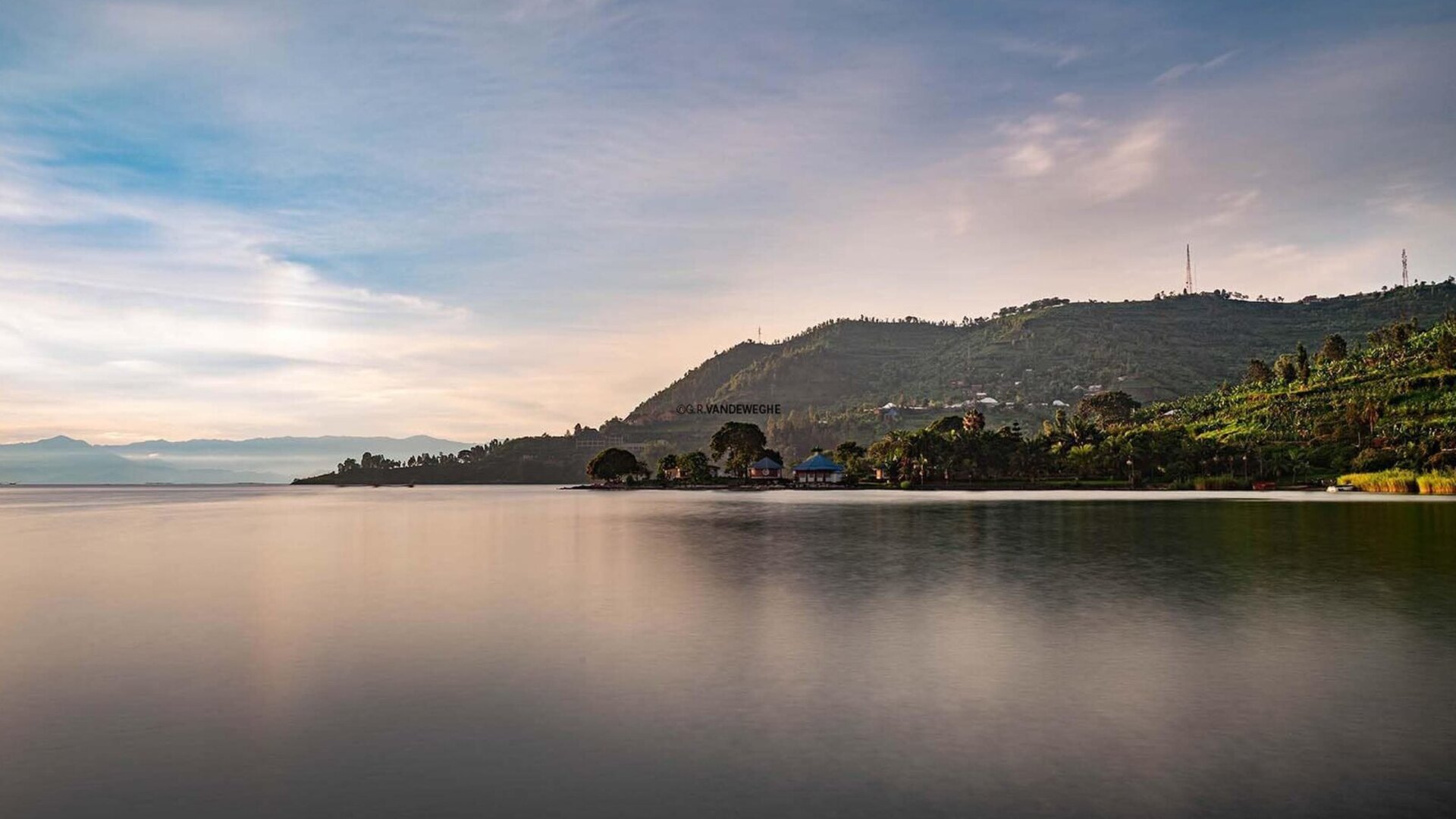
Ask a traveller what iSimangaliso is famous for and they will tell you hippos, crocodiles and Lake St Lucia. What almost nobody expects is that the same World Heritage Site guards a marine wonder every bit as remarkable: the southernmost coral reefs on the planet. The warm Agulhas current sweeps tropical water — and tropical life — all the way down the northern KwaZulu-Natal coast, and where it meets the reefs off Sodwana Bay and Cape Vidal, it creates snorkeling that feels far more Mozambique or Zanzibar than South Africa.
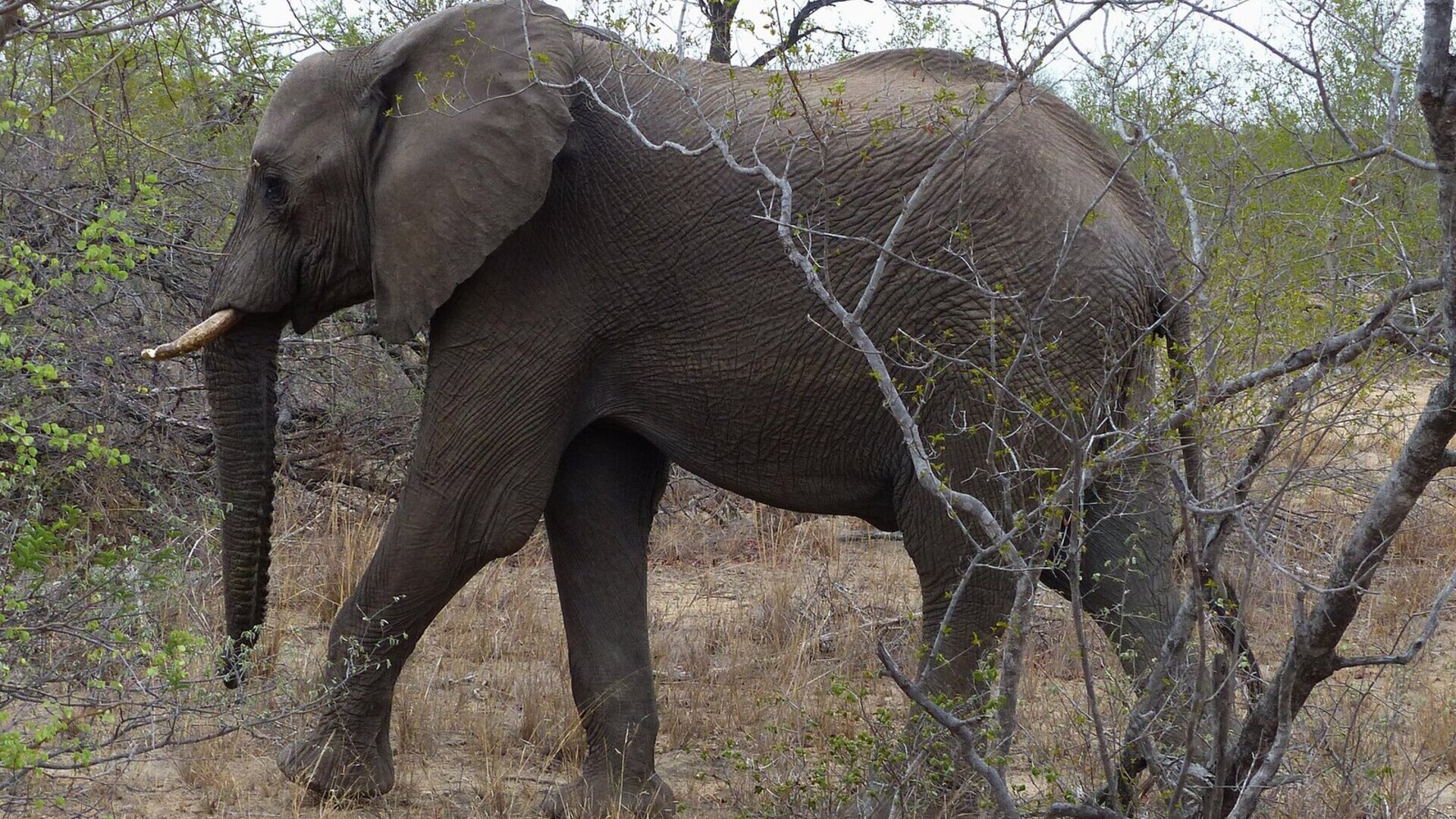
This is snorkeling with the wild edge that only iSimangaliso can offer. There are no resort crowds, no reef trampled by a thousand fins a day. You snorkel off protected, often empty beaches, in bath-warm water, over reefs that have never been over-visited — and you do it in a park where, an hour earlier, you may have been watching elephants drink at a lake. It is the only place in Africa where a Big Five morning and a coral-reef afternoon sit side by side.
The Three Coral-Coast Experiences
Snorkeling iSimangaliso really breaks into three experiences, and the trip we build for you depends on who is travelling and what you want to see. Here is how they compare.
1. Cape Vidal & the iSimangaliso Shallows
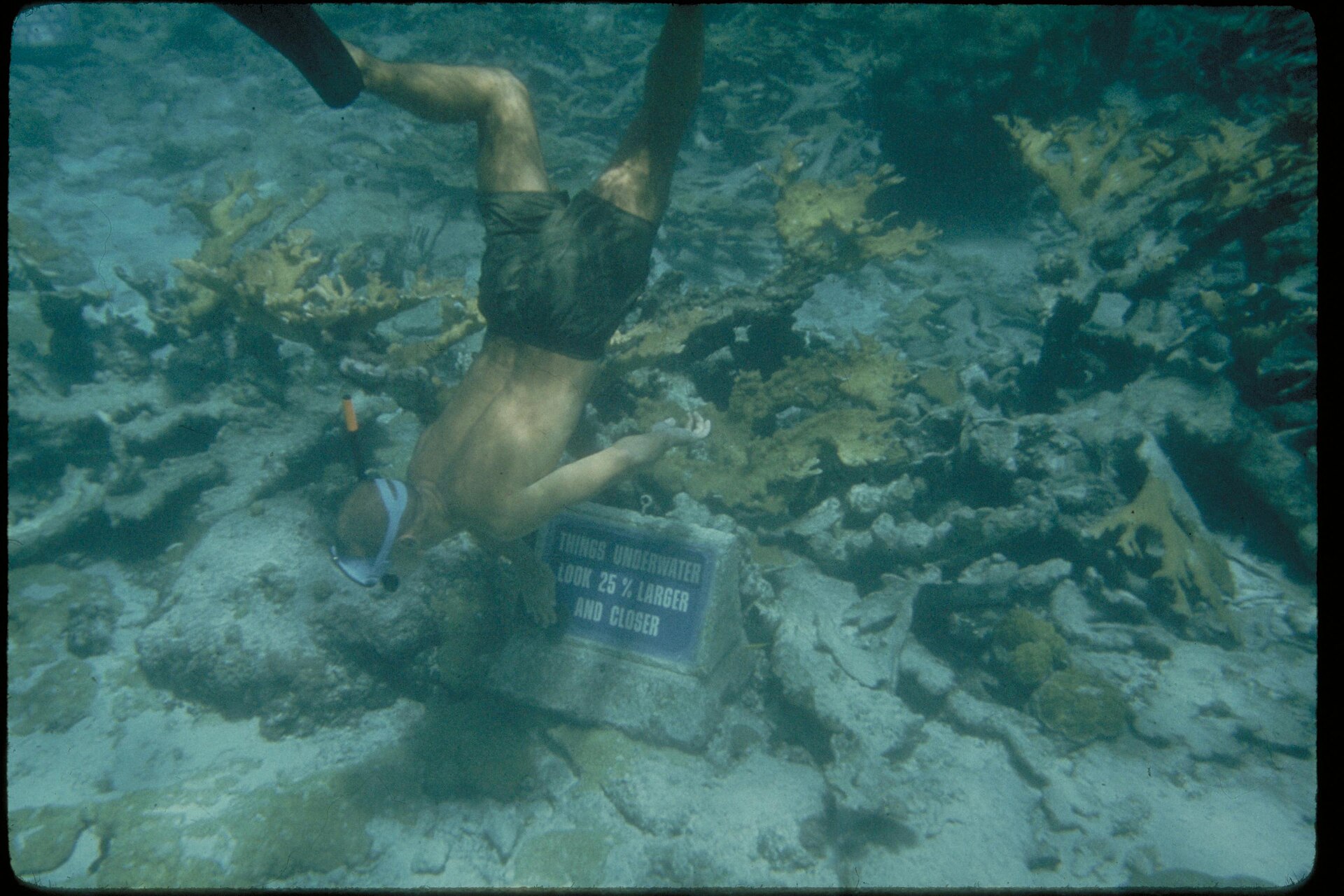
The gentle introduction — and the family favourite. Cape Vidal sits inside the park itself, at the end of a beautiful drive through dune forest on the Eastern Shores. Its sheltered bay, protected by an offshore reef, creates a natural swimming and snorkeling lagoon where the water is calm, warm and shallow enough for children and first-timers. Slip on a mask and you will find rock pools and reef patches busy with small tropical fish, and the huge advantage of snorkeling straight off a wild, protected beach with no crowds. It is the perfect afternoon after a morning game drive on the Eastern Shores.
2. Sodwana Bay's Coral Reefs
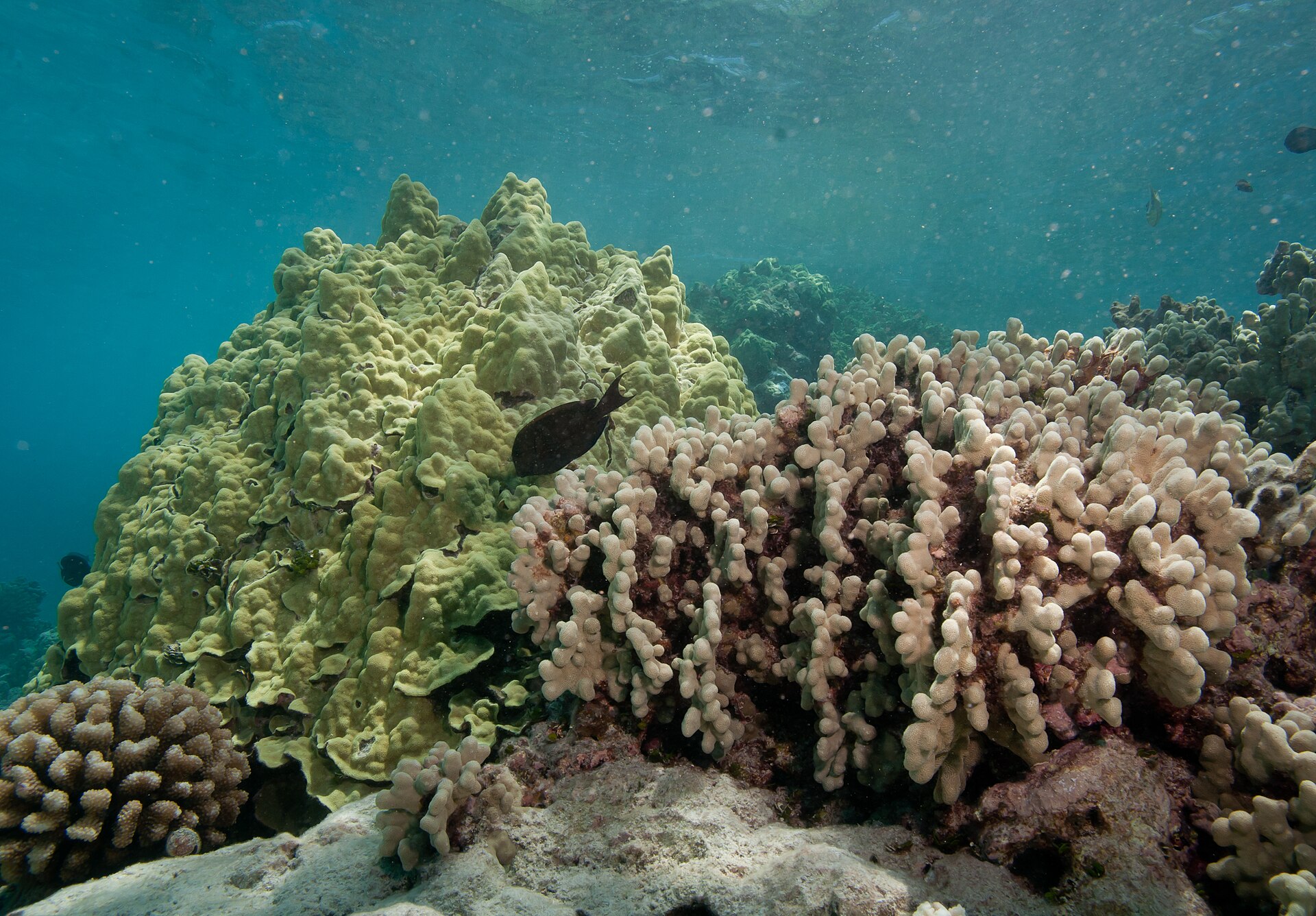
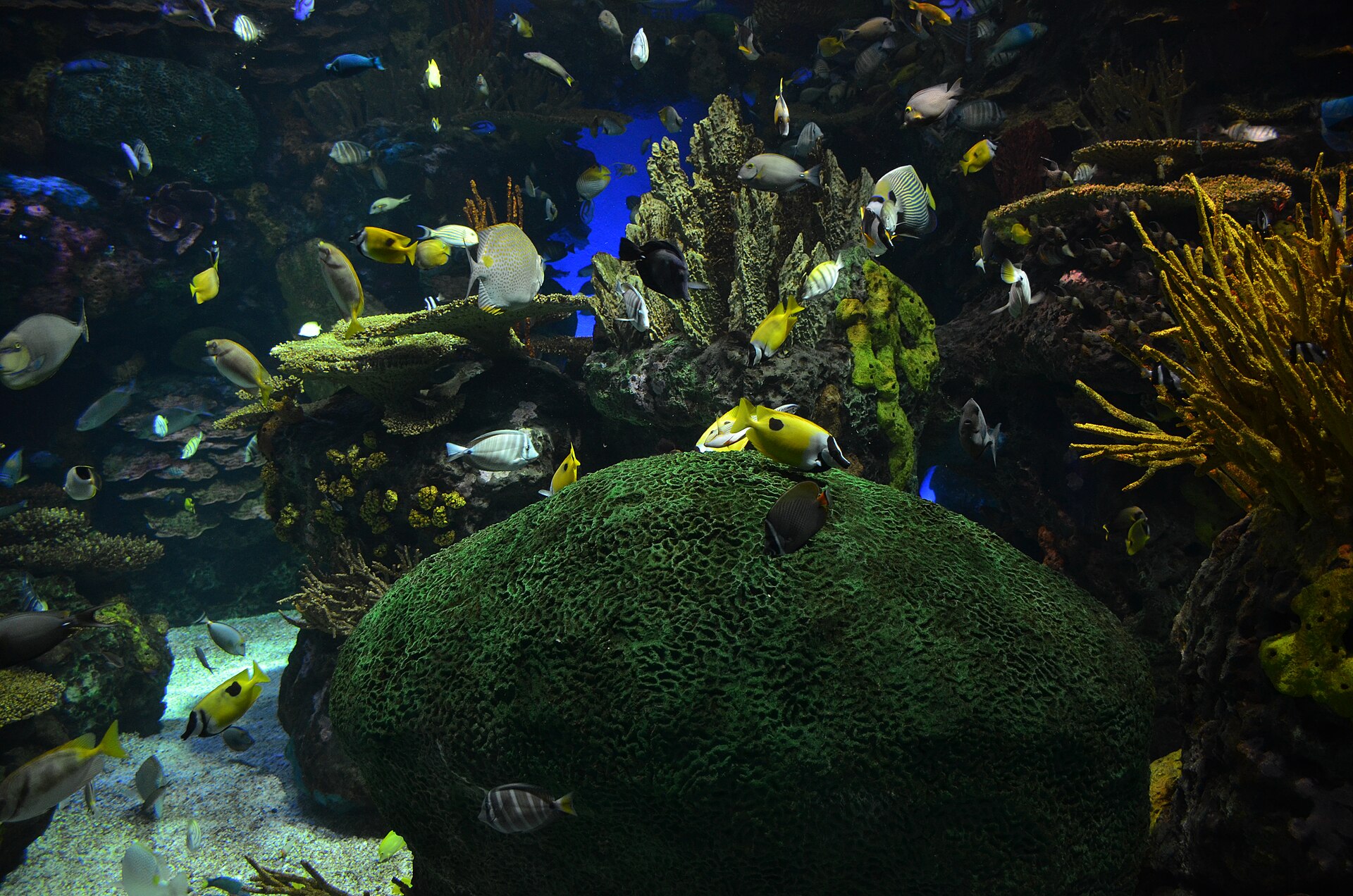
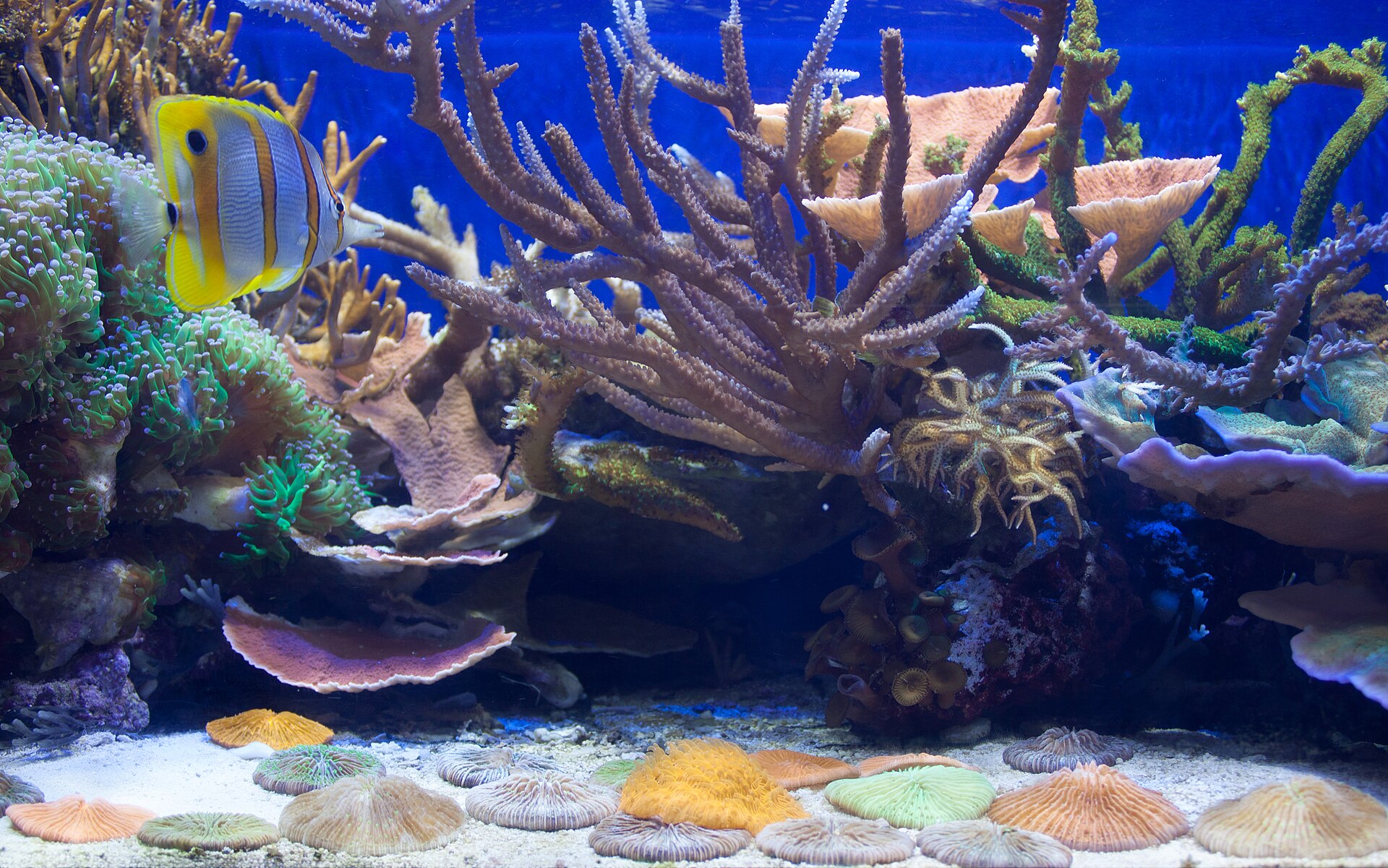
The legend, and the reason divers and snorkellers travel from around the world. An hour or so north of St Lucia, Sodwana Bay is one of the most celebrated reef systems in Africa. Boats launch straight through the surf onto reefs named for their distance offshore — Quarter-Mile, Two-Mile, Five-Mile — where warm, clear water reveals hundreds of species of tropical fish, hard and soft corals, moray eels, rays and turtles. While Sodwana is world-famous for scuba diving, the shallower reefs and the sheltered bay offer superb snorkeling too, and a guided boat trip puts you over the best of it in warm, buoyant, gin-clear water.
3. The Season of Turtles & Whale Sharks
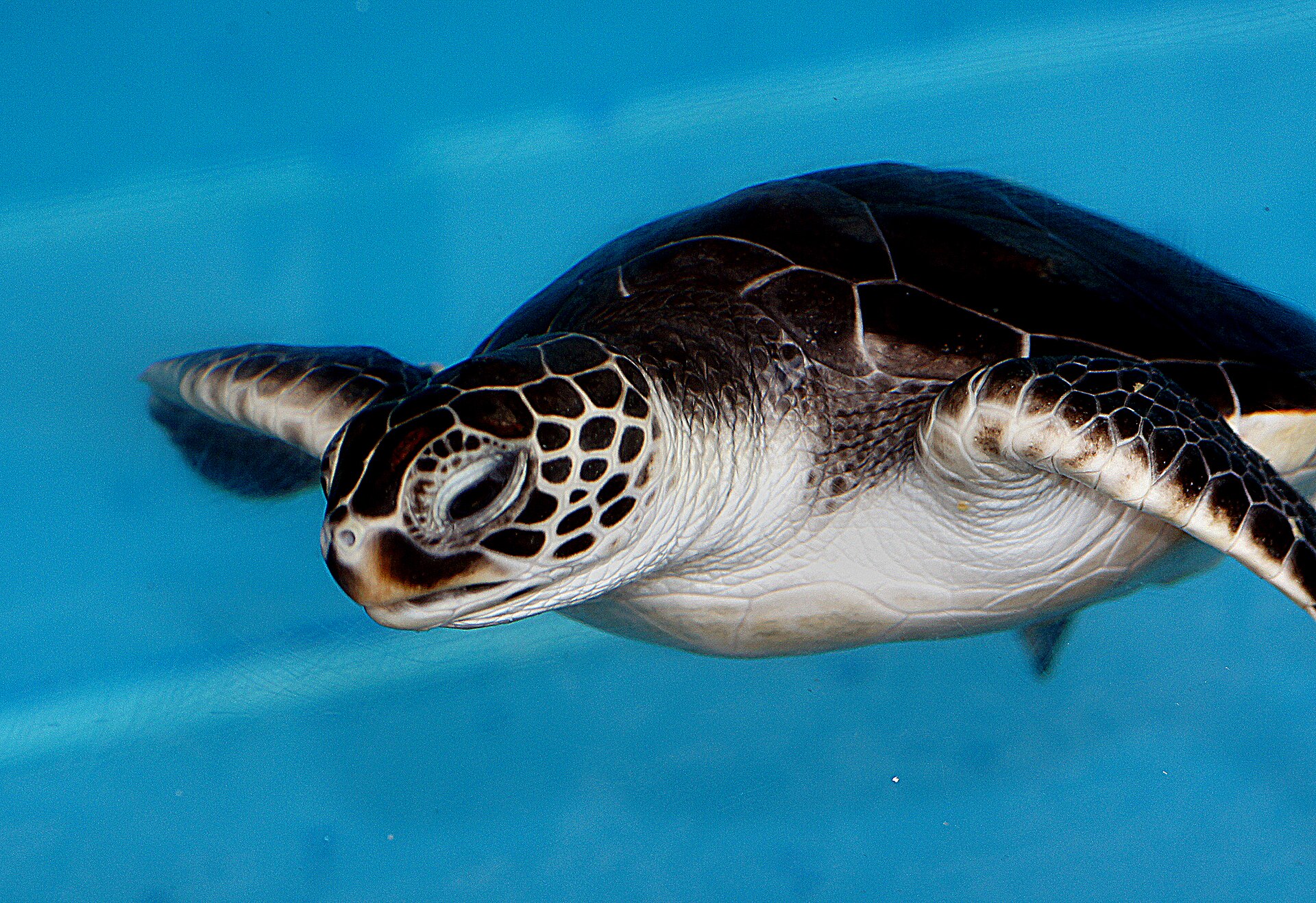
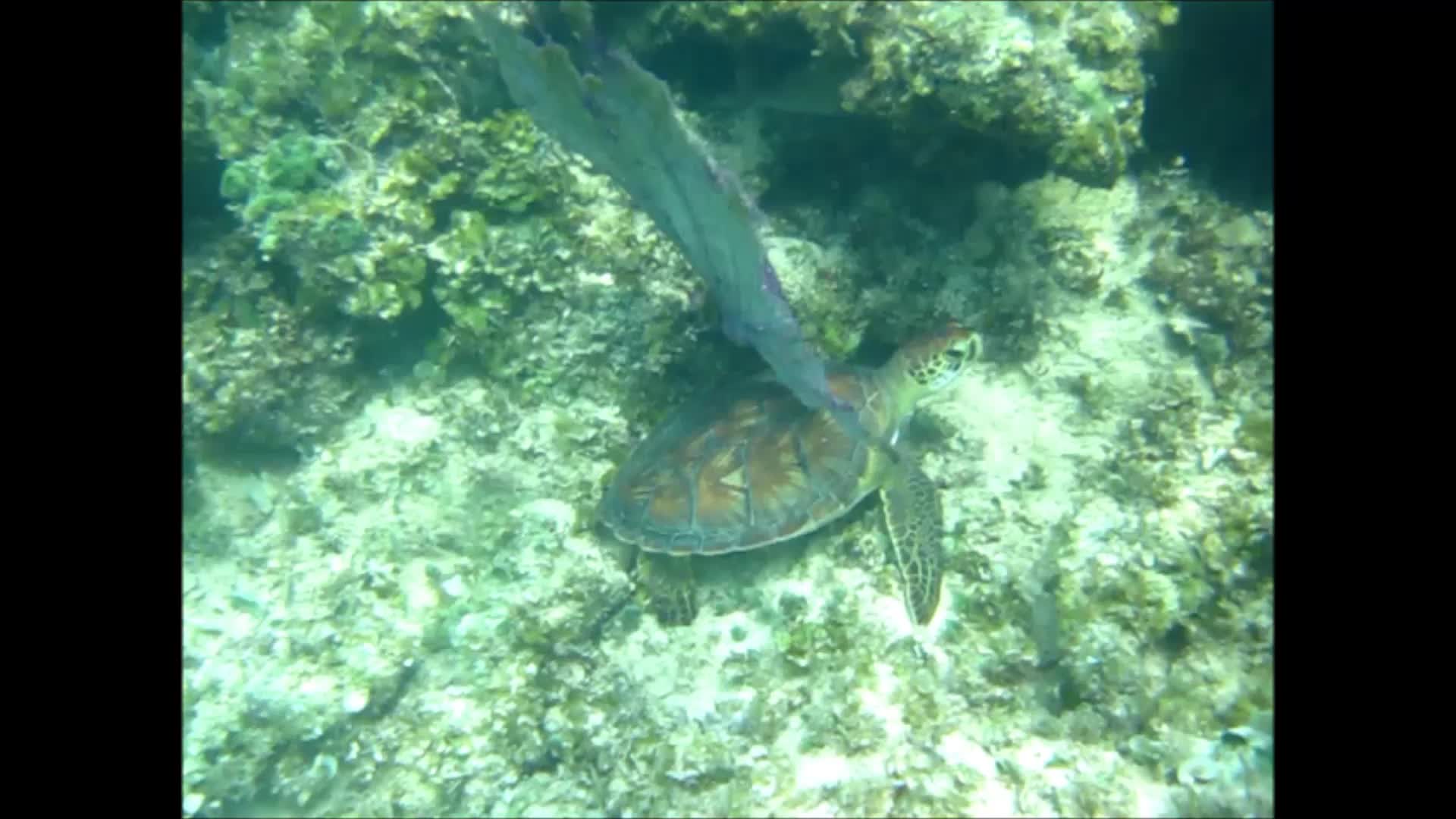
The wild bonus that no aquarium can match. From November to March, the iSimangaliso coast becomes one of the most important turtle-nesting sites in the world, as leatherback and loggerhead turtles haul ashore at night to lay their eggs. Snorkel these waters in summer and you have a genuine chance of sharing the reef with a green or hawksbill turtle grazing in the shallows. The same warm current that feeds the corals also brings the ocean's giants — whale sharks and manta rays cruise the Sodwana reefs in the warm months, and lucky snorkellers occasionally find themselves gliding alongside them. It is wild, unscripted, and utterly unforgettable.
Snorkeling the iSimangaliso Coast at a Glance
| Spot | Best for | What you'll see |
|---|---|---|
| Cape Vidal | Families & first-timers | Sheltered lagoon, rock pools, small reef fish |
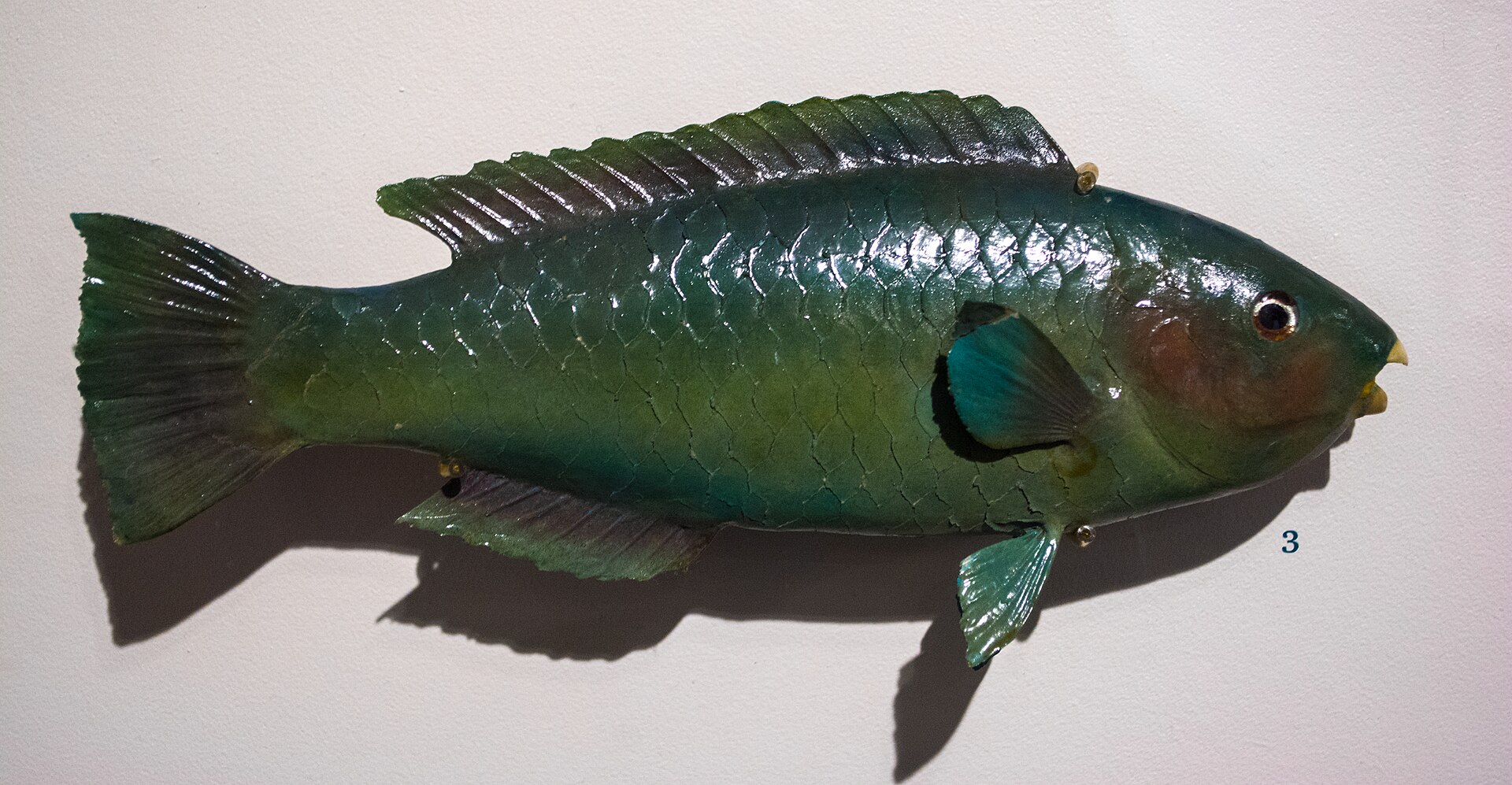
| Sodwana Bay | Reef enthusiasts | Coral reefs, parrotfish, angelfish, turtles, rays |
| Summer reefs | The wild encounter | Nesting turtles, whale sharks, manta rays |
The iSimangaliso marine reserve protects more than 1,200 species of fish — a diversity rivalling reefs far closer to the equator.
The Best Time to Snorkel iSimangaliso
The iSimangaliso coast can be snorkelled year-round, but the water and the wildlife shift with the seasons. Summer (November to April) is the prime window: sea temperatures climb to a bath-like 24–27°C, visibility is at its best, and it coincides with turtle-nesting season and the arrival of whale sharks and manta rays on the warm current. This is when the reef is at its most alive.
Winter (May to September) brings cooler, sometimes clearer water and calmer conditions, and while the tropical spectacle quietens a little, it is also humpback-whale season along this coast — a magical time to be on the water even if the snorkeling is gentler. Whenever you come, we watch the conditions closely and time your reef sessions to the calmest, clearest windows, so you are always in the water when it is at its best.
Is It Safe? What to Know Before You Snorkel
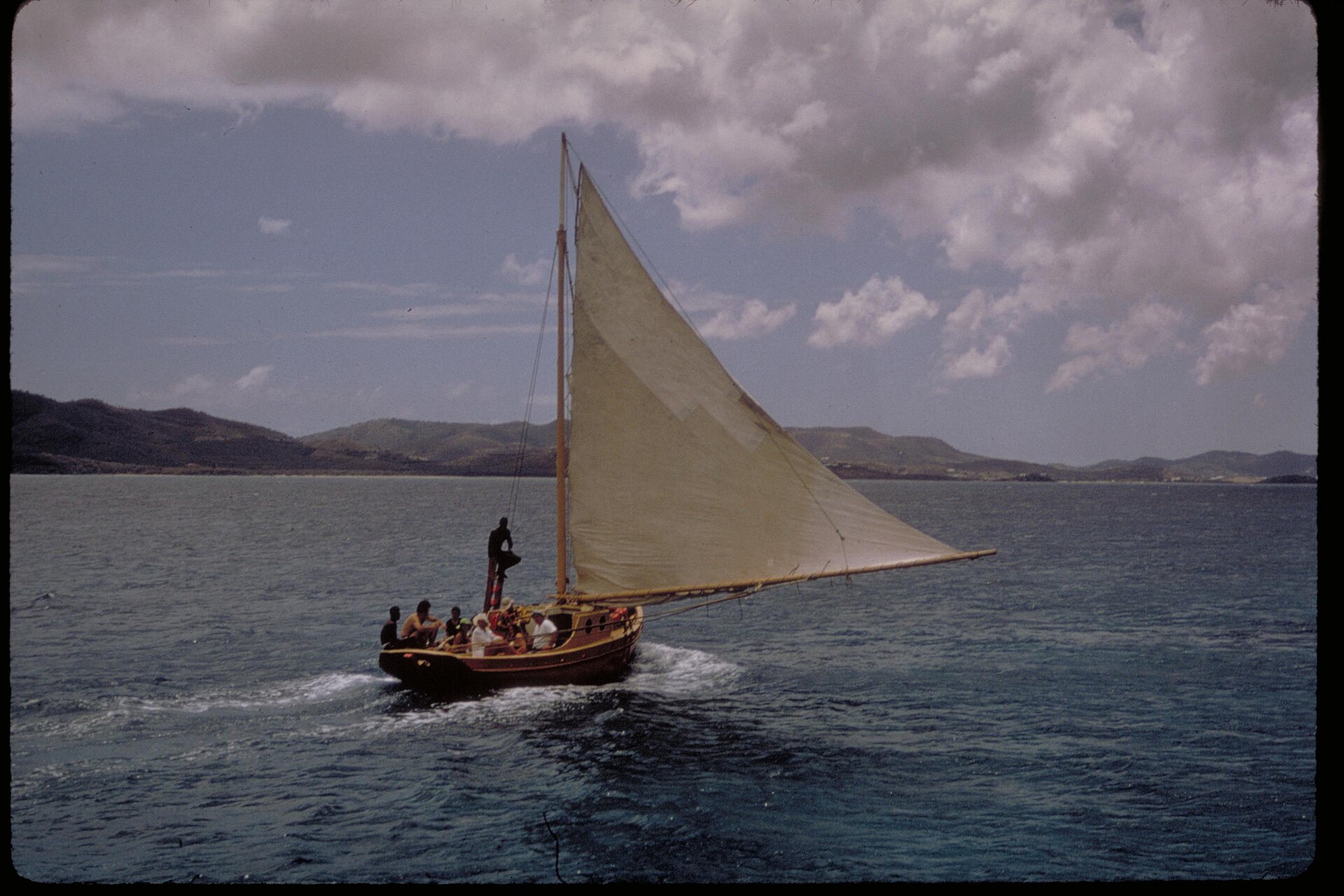
Snorkeling the iSimangaliso coast is safe and hugely rewarding when it is done properly, and that is exactly why we run it with experienced local operators. The reefs at Sodwana are reached by launching through the surf on a purpose-built boat with a qualified skipper and guide — never a swim from an exposed beach. At Cape Vidal, the sheltered bay and lifeguard-patrolled swimming area make for gentle, safe snorkeling suitable for children. We always brief guests on currents and conditions, provide quality masks, fins and flotation, and match the day's activity to the sea state.
The single most important rule on these reefs is a light touch: iSimangaliso's corals are pristine precisely because they are respected. We snorkel without standing on, touching or feeding anything — you look, you photograph, you leave nothing but bubbles. That ethic is why this coast remains one of the last truly wild reef systems in Africa.
How We Build a Bush-and-Snorkel Safari
The magic of iSimangaliso is that you do not have to choose between the bush and the ocean — you can have both in a single day. A typical journey we build starts with two or three nights around St Lucia and the Eastern Shores: an estuary boat safari among the hippos, game drives to Cape Vidal, and gentle snorkeling in the sheltered bay. From there we move north towards Sodwana Bay for the serious reef time — guided boat snorkels over the famous reefs, with the chance of turtles, rays and, in summer, whale sharks.
We handle everything door to door: the flight into Durban or Richards Bay, private transfers, the lodges, the boat operators, the equipment and the guides. And because iSimangaliso combines so naturally with the rest of KwaZulu-Natal, we often pair the coast with the Big Five reserves of Hluhluwe-iMfolozi and Phinda — or extend into a full South African journey through Cape Town and the Garden Route. One seamless, private, tailor-made trip; bush and reef woven together.
What We Tell Our Clients — The Honest Take
Snorkeling iSimangaliso is not the Maldives — the sea here is wild, the reefs are reached through surf, and conditions can turn quickly, so flexibility matters. What it offers instead is something the manicured resort reefs cannot: genuine wilderness. You snorkel off empty beaches, over reefs that see a fraction of the traffic of the world's famous sites, in a park where hippos and elephants share the same map as the coral. On the right day, the water is warm and clear and alive, and you surface to a horizon with not a soul on it.
We recommend the bush-and-snorkel combination most warmly to families (Cape Vidal is gentle and safe), to couples who love the romance of a truly wild coast, and to returning safari-goers who want something richer than another Big Five circuit. Come in summer for the warmest water and the turtles, let us handle the logistics, and you will leave with a story almost no one else can tell — that you snorkelled Africa's southernmost coral reef, in a Big Five World Heritage wilderness.