Key Takeaways
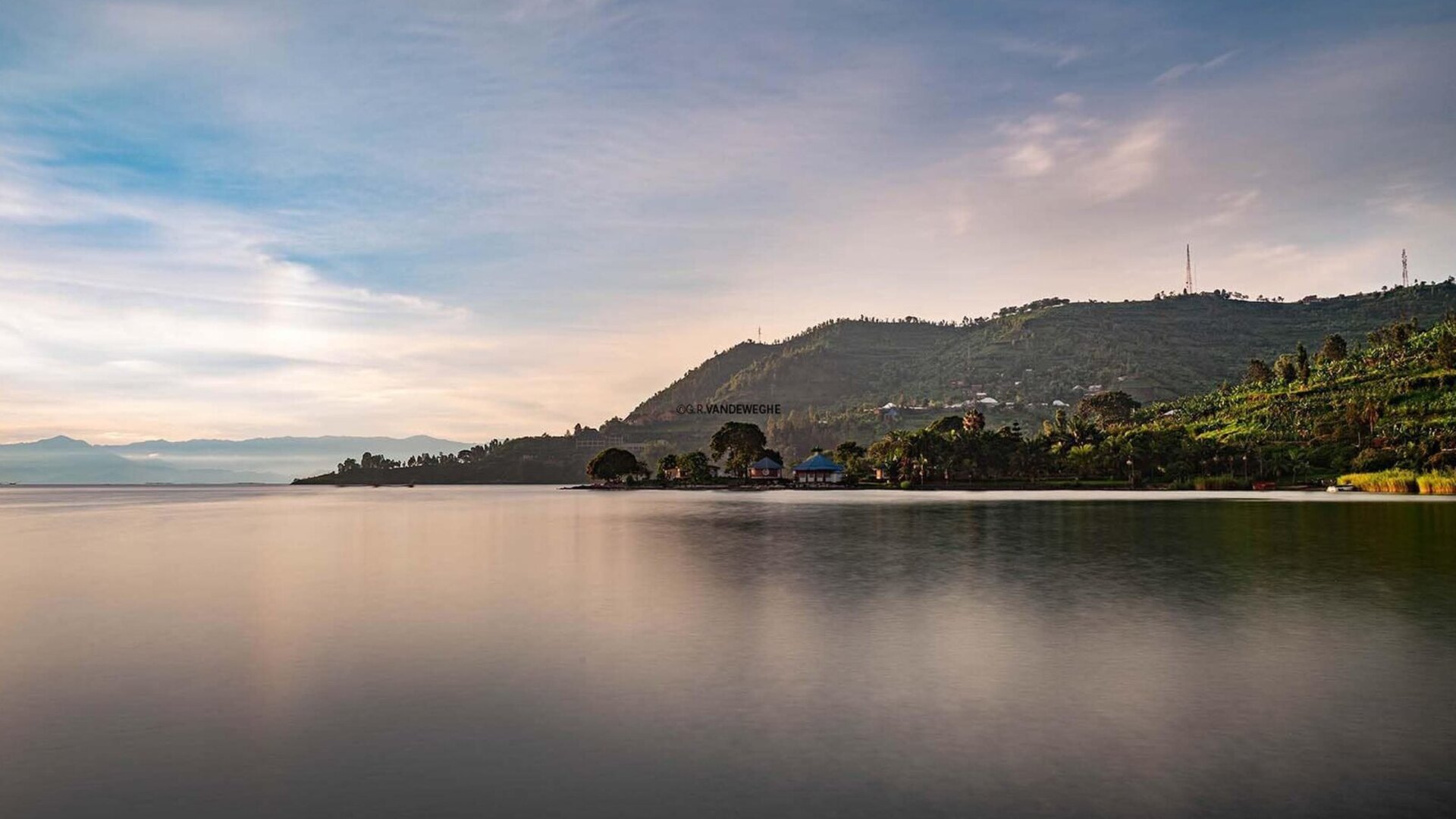
- Kosi Bay is a chain of four interconnected lakes in far northern Maputaland, within the iSimangaliso Wetland Park World Heritage Site.
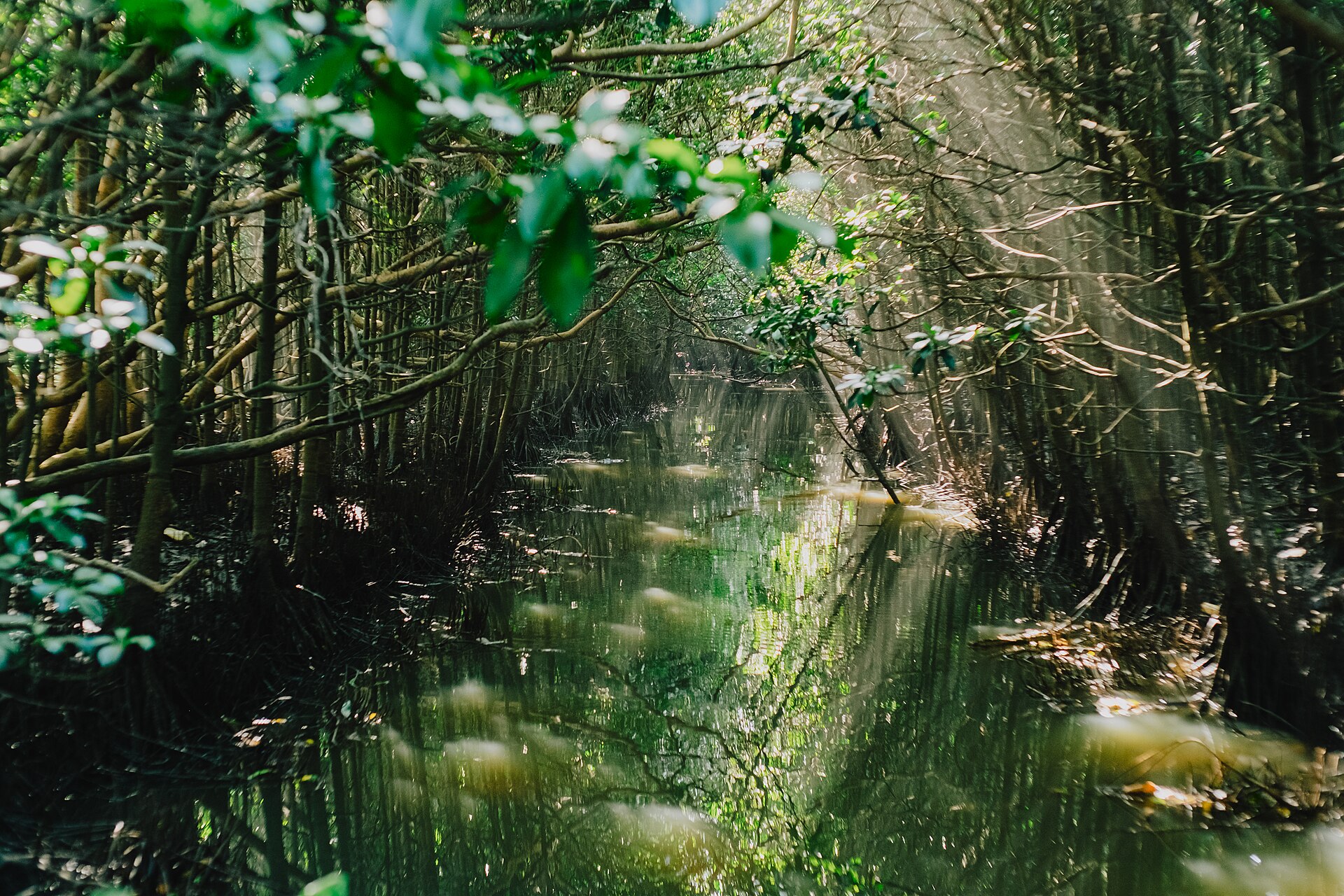
- Its coastal forests hold rare mangroves and raffia palms, and its lakes are worked with centuries-old Thonga fish traps.
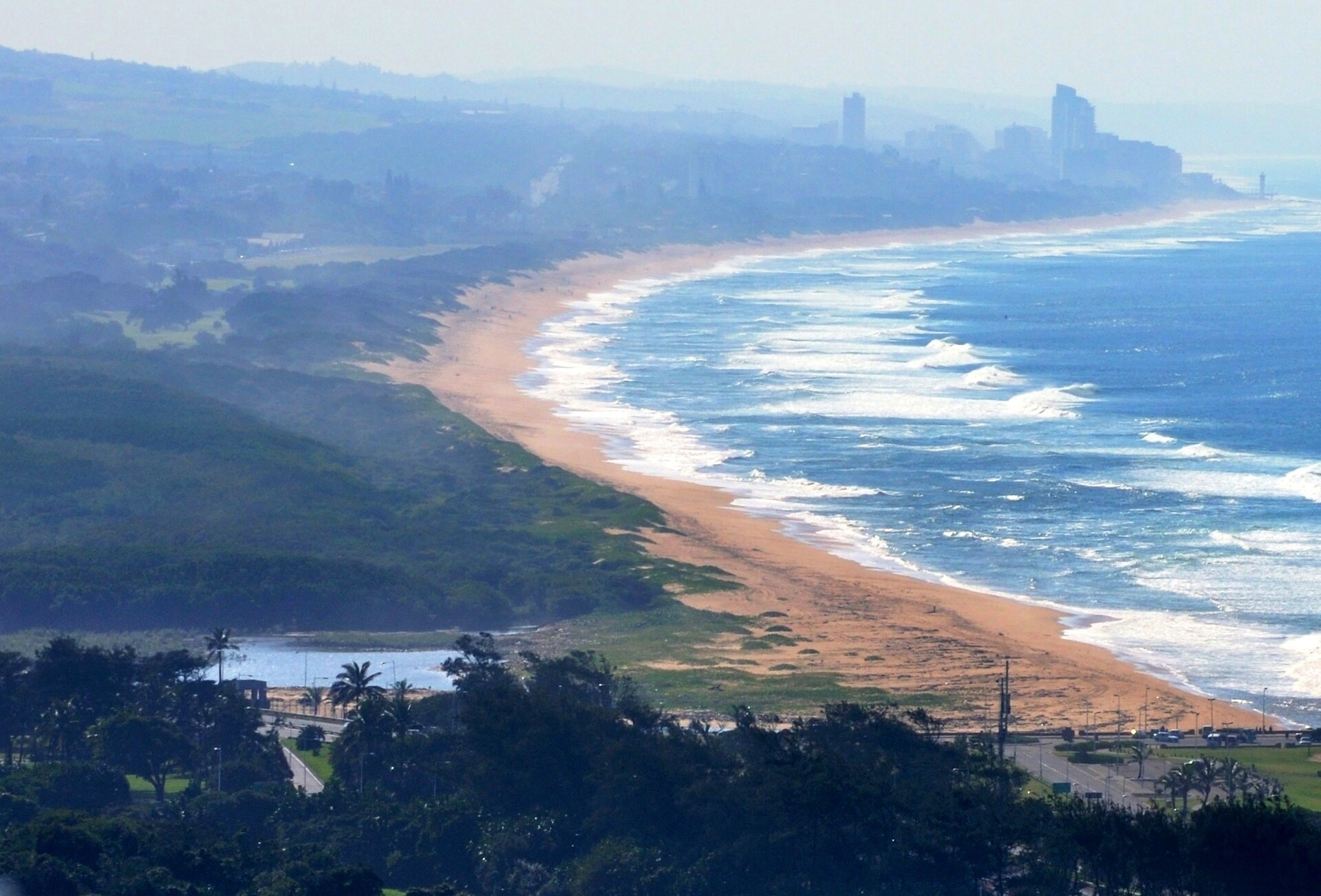
- The crystal-clear estuary mouth is superb for snorkeling, and the wild shore is a summer turtle-nesting beach.
- Kosi Bay is remote and pristine — one of the least-developed and most beautiful corners of South Africa.
- We fold a coastal forests tour into a private, tailor-made Maputaland and Zululand safari, door to door.
The Wildest Corner of South Africa
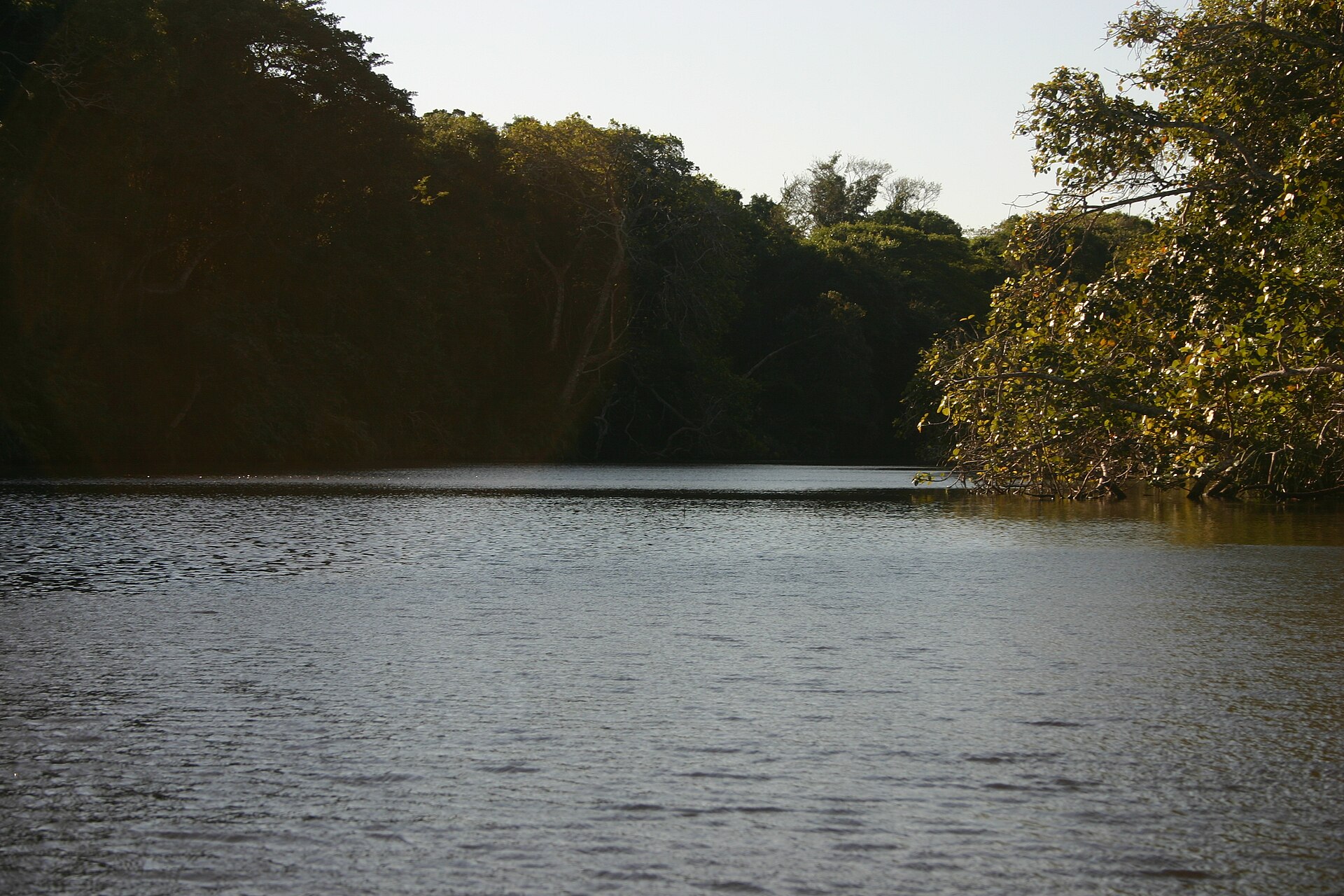
Right up in the far north-east, where South Africa runs out against the Mozambique border, lies Kosi Bay — one of the most beautiful and least-visited places in the whole country. It is not a bay at all in the usual sense, but a chain of four interconnected lakes, linked by reed-lined channels and draining at last through a crystal-clear estuary mouth into the Indian Ocean. The whole system lies within the iSimangaliso Wetland Park, and it is a place of rare and precious habitats: lush coastal forest, dense mangroves, and groves of towering raffia palms found almost nowhere else in South Africa.
A coastal forests tour of Kosi Bay is a journey through all of it — by boat across the lakes, on foot through the forest, and with a mask and snorkel at the sparkling mouth. It is unhurried, deeply peaceful, and profoundly wild. This is the corner of the country that adventurous travellers dream of and few ever reach.
What You'll Experience
A Kosi Bay coastal forests tour weaves together lakes, forest, tradition and sea. Here is what makes it so extraordinary.
1. The Four-Lake System & Mangroves
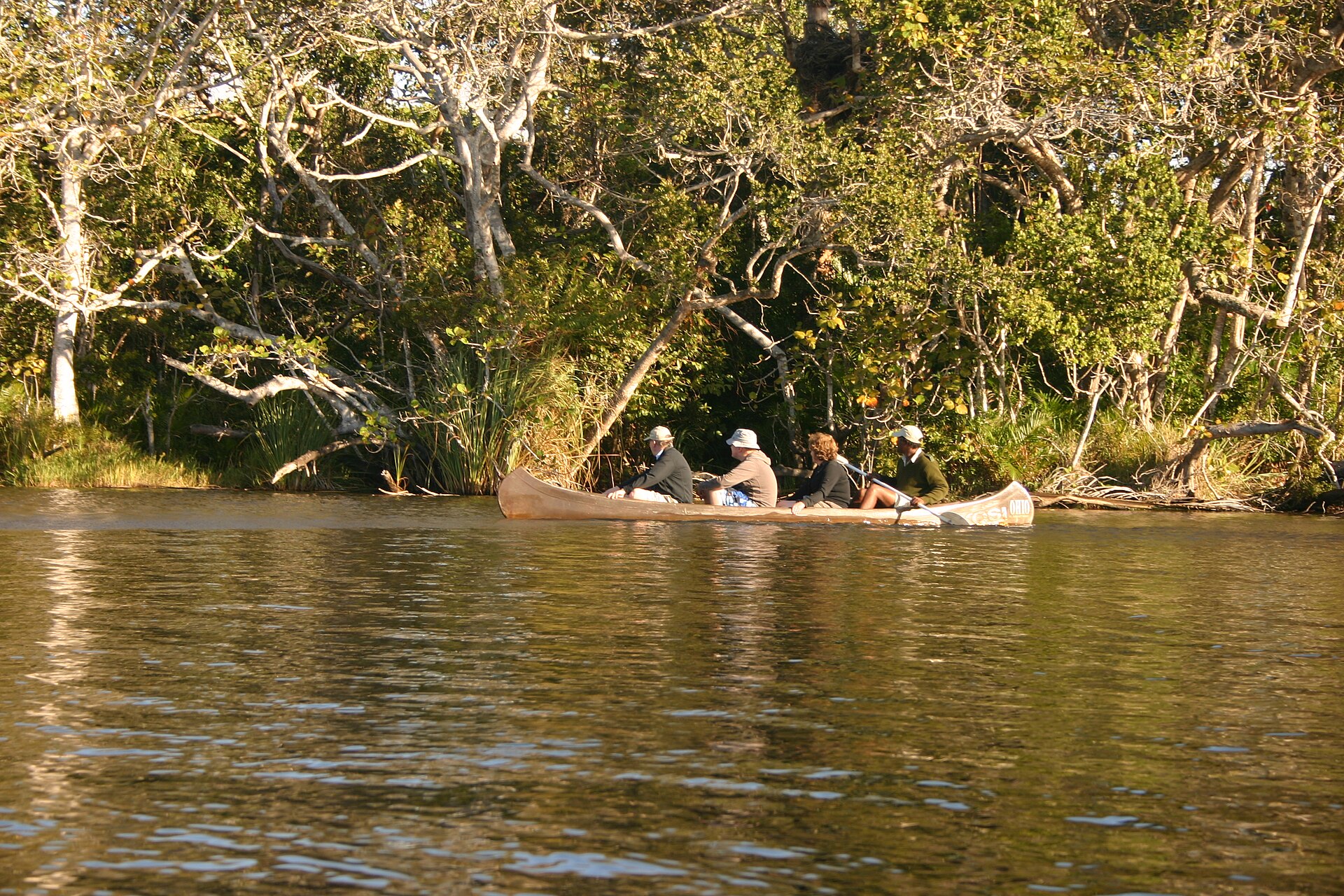
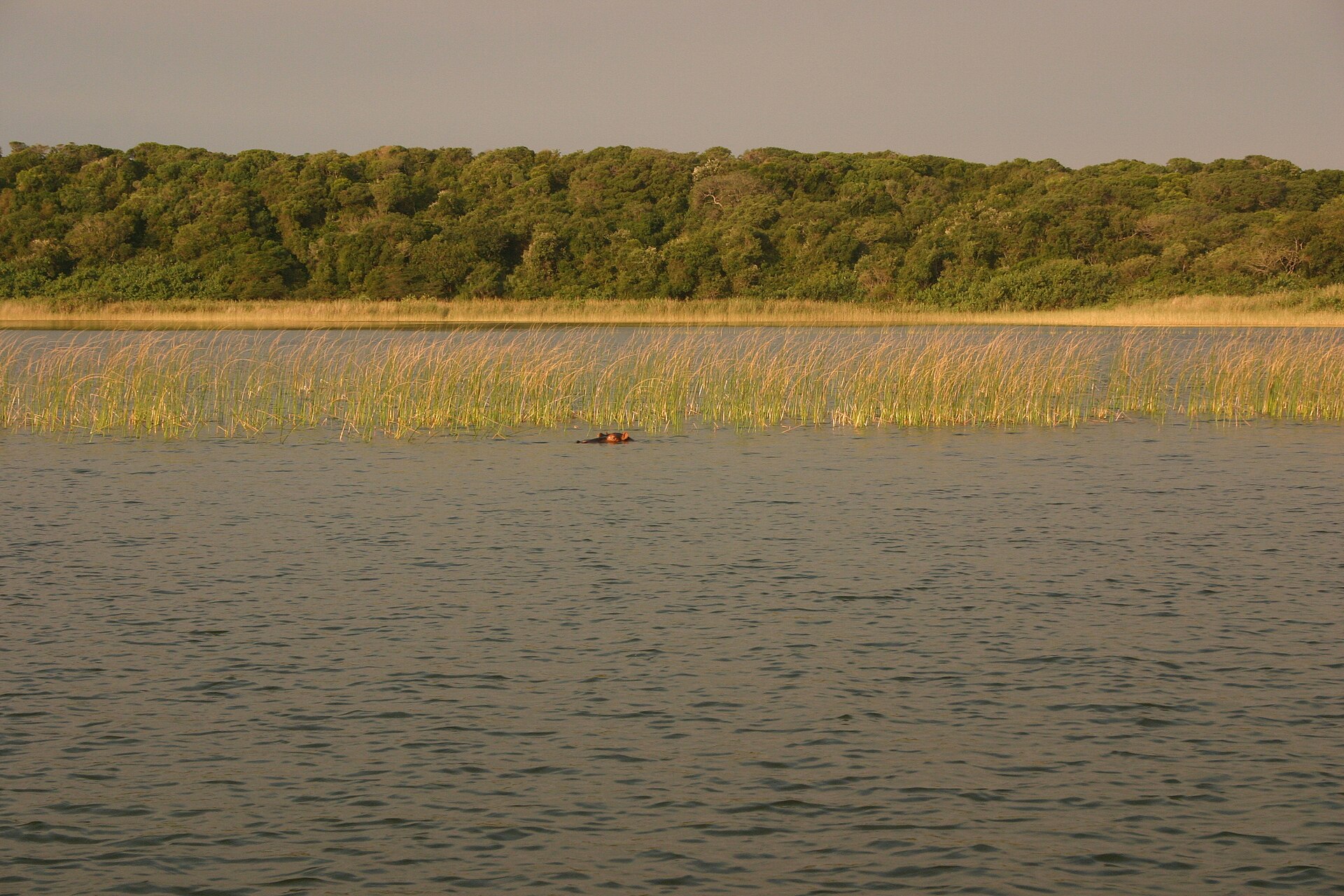
A chain of crystal lakes fringed with rare forest. The heart of any Kosi Bay tour is a boat journey across the four-lake system, from the broad, open water of the largest lakes down through narrowing, reed-lined channels toward the sea. The banks are cloaked in some of the finest coastal forest in South Africa, and in places the water runs right into stands of dense mangrove — a habitat found in only a handful of spots in the country — and groves of soaring raffia palms, whose enormous fronds are among the largest leaves of any plant on earth. Hippos and crocodiles inhabit the lakes, and the birdlife, from fish eagles to palmnut vultures, is superb.
2. The Ancient Fish Traps
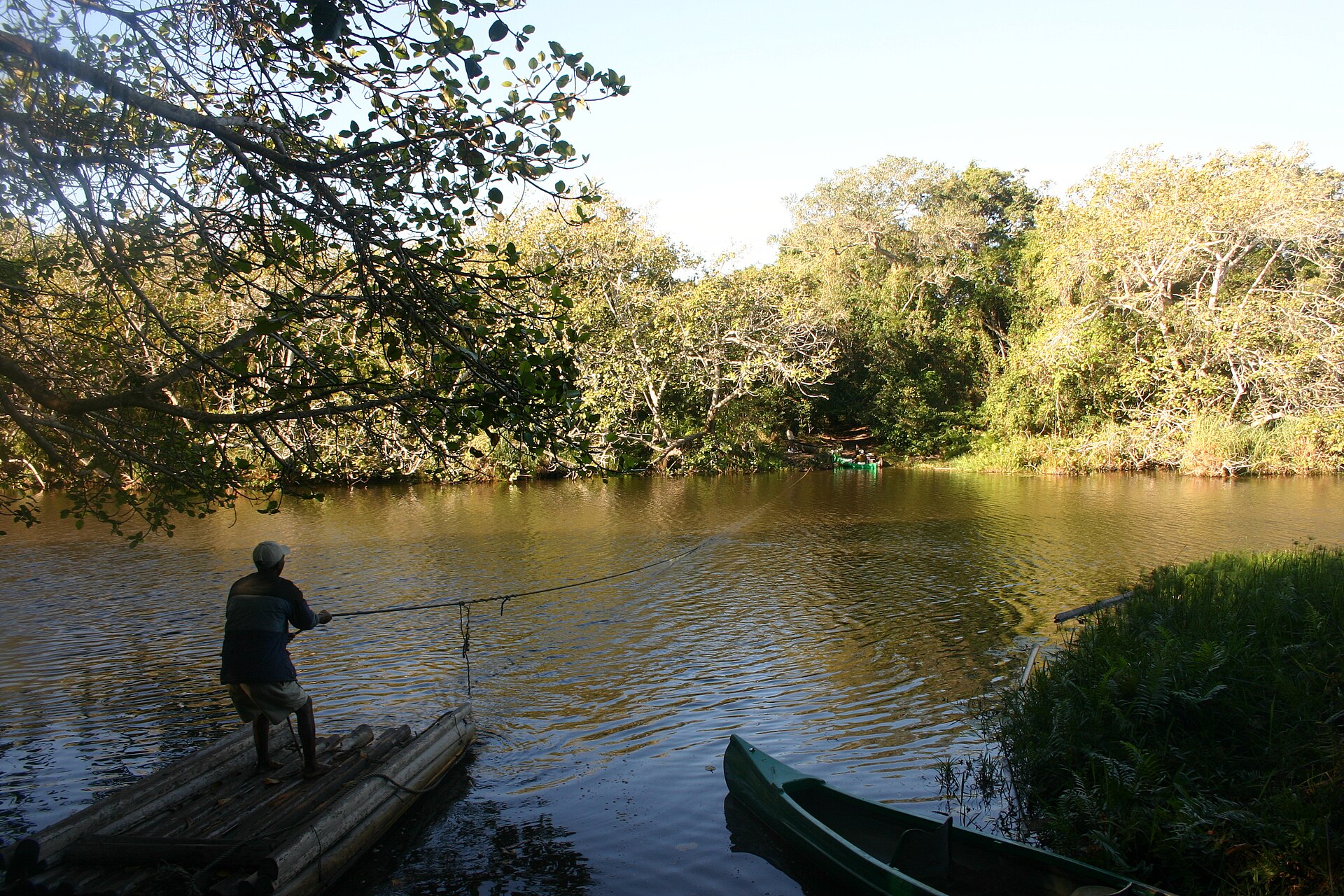
One of Africa's oldest living traditions. The signature sight of Kosi Bay is its fish traps — intricate palisades of wooden stakes and reed fences set into the shallow channels near the estuary mouth, laid out in graceful, geometric patterns that have barely changed in centuries. Built and worked by the local Thonga (Tsonga) community, these traps use the natural movement of fish with the tides in a way that is astonishingly sustainable, and the right to work each trap is passed down through generations. Drifting past them, or watching a fisherman check his kraal by hand, is a window into a way of life older than almost any other on the continent — and a highlight of every tour.
3. Forests, Snorkeling & Turtles
Forest walks, crystal water and nesting turtles. Beyond the lakes, a Kosi Bay tour steps ashore into the coastal forest on foot, where your guide reads the trees, the raffia groves and the birds. At the estuary mouth, the water runs so clear over the sand and rock that it is one of the finest snorkeling spots on the whole coast — a natural aquarium of reef fish in warm, sheltered shallows. And in summer, the wild beaches beyond the mouth become one of Africa's great turtle-nesting shores, where loggerhead and giant leatherback turtles haul out at night to lay their eggs, and guided night walks offer an unforgettable, low-impact encounter.
Kosi Bay at a Glance
| Detail | What to expect |
|---|---|
| What it is | A four-lake system with mangroves, raffia palms and an ocean mouth |
| Highlights | Lake boat tour, ancient fish traps, forest walks, snorkeling, turtles |
| Best time to visit | Year-round; summer (Nov–Feb) for turtle nesting |
| Suitable for | Adventurous travellers, families, snorkelers, culture lovers |
Kosi Bay is remote and largely undeveloped; the terrain calls for 4x4 access, so we arrange it as a guided, private experience with all logistics handled.
The Best Time to Visit
Kosi Bay is beautiful year-round, and the lake tours, forest walks and fish traps can be enjoyed in any season. The warm summer months (November to March) bring the clearest, warmest water for snorkeling at the mouth and — crucially — the turtle-nesting season, when loggerhead and leatherback turtles come ashore at night to lay their eggs between roughly November and February, with hatchlings emerging into the new year. It is hot and humid, but this is the season for the region's signature natural spectacle.
The cooler, drier winter months (May to September) bring comfortable temperatures, lower humidity and excellent visibility for the lakes and forests, though the sea is cooler for snorkeling and there are no nesting turtles. Whatever the season, we match your Kosi Bay days to the best conditions and the experiences you most want to see.
Is It Safe? What to Know Before You Go
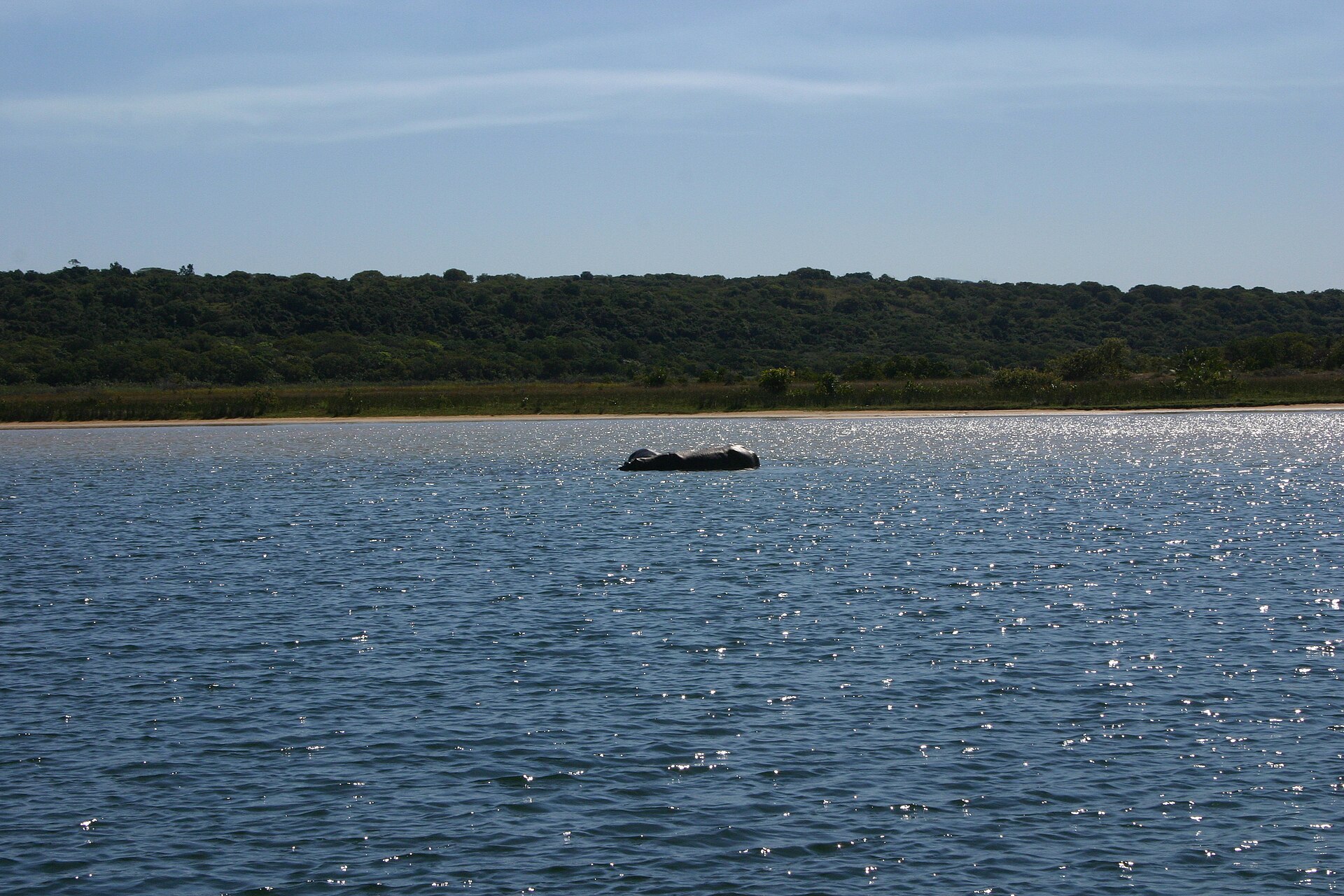
Kosi Bay is a genuine wilderness, and that is part of its appeal — but it means a guided, private approach makes all the difference. The lakes hold hippos and crocodiles, so boat tours and snorkeling are always done with experienced local guides who know exactly where it is safe to be on and in the water. The roads into and around Kosi Bay are deep sand and require 4x4 vehicles and local knowledge. Handled by a guide, all of this simply melts away and you are free to enjoy one of the wildest, most rewarding corners of the country.
Kosi Bay sits in the far north of Maputaland, which carries a low seasonal malaria risk. We advise guests on simple, effective precautions as part of trip planning — a small consideration for reaching somewhere this pristine. Bring sun protection, water shoes for the rocky mouth, and a sense of adventure.
How We Build It Into a Zululand Safari
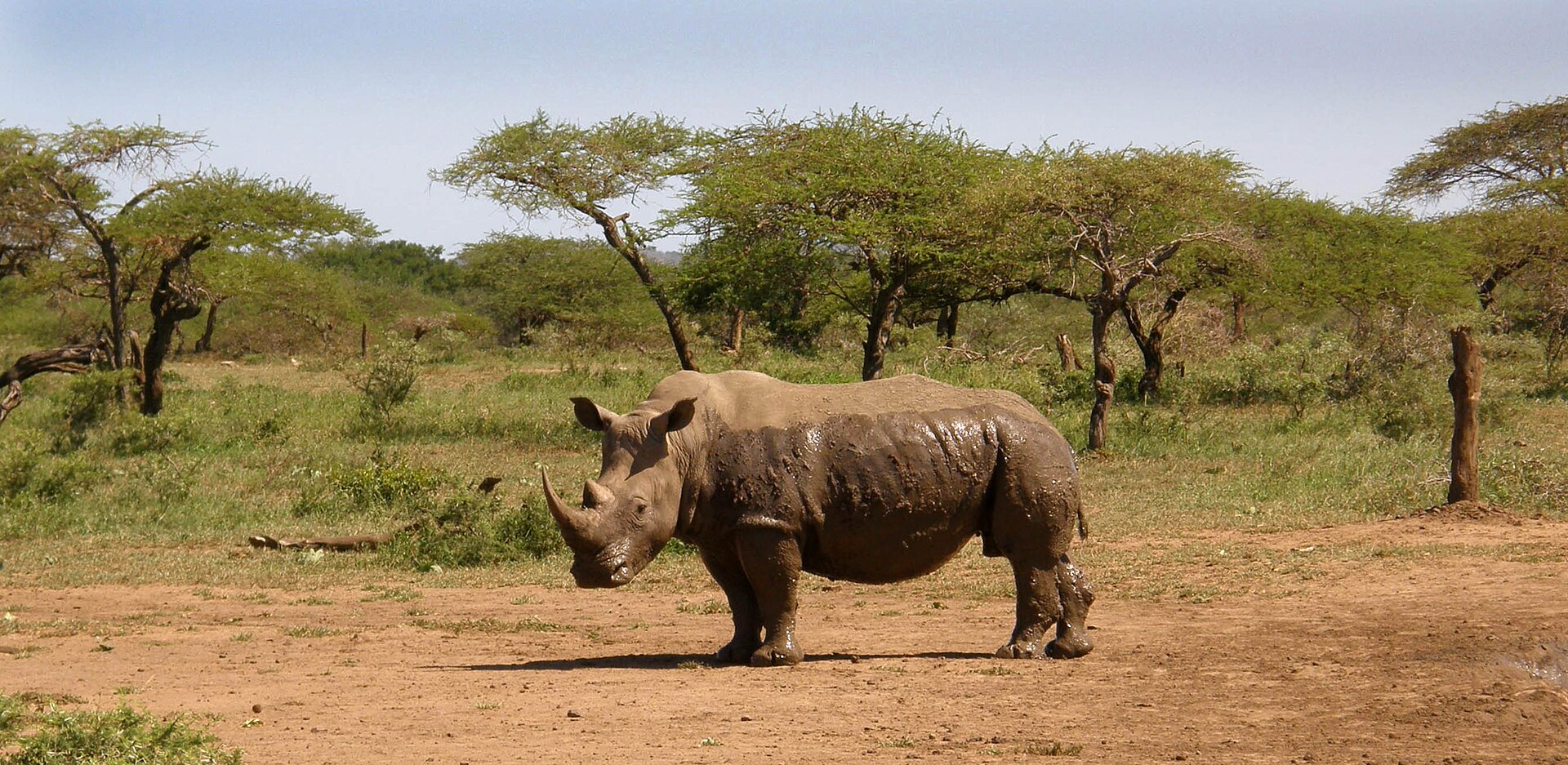
Kosi Bay is remote — and a private, guided approach is what makes it effortless. We rarely build it as a standalone; instead we fold a coastal forests tour into a wider Maputaland and Zululand journey. A typical trip we arrange pairs Kosi Bay's lakes, forests and fish traps with the rest of the wild Maputaland coast — the diving and snorkeling of Sodwana Bay, the vast freshwater expanse of Lake Sibhayi, and the turtle beaches — and then with the Big Five reserves inland: the rhino strongholds of Hluhluwe-iMfolozi and the exclusive lodges of Phinda Private Game Reserve.
We handle everything door to door: the flight into Durban or Richards Bay, private 4x4 transfers along the sandy Maputaland roads, hand-picked lodges, and every activity booked and guided privately, so the logistics of this far-flung region disappear entirely. The result is a seamless, tailor-made safari that reaches the very edge of the map — and slots beautifully into a grander South African itinerary alongside Cape Town, the Winelands and the Garden Route too.
What We Tell Our Clients — The Honest Take
Kosi Bay is not a manicured, easy-access resort destination, and it is not a Big Five game reserve. It is a remote, pristine, gloriously wild place for travellers who value nature, culture and adventure over polish and convenience. Reaching it takes effort — 4x4 roads, a long drive north — but that effort is exactly what keeps it unspoilt, and what makes arriving feel like a genuine discovery.
We recommend it most warmly to adventurous travellers and families who want something authentic and off the map, to snorkelers and nature lovers, and to anyone captivated by the idea of a centuries-old fishing culture living on in one of the last true wildernesses on the South African coast. Fold it into a wider Maputaland and Zululand safari, and let us handle every logistic of reaching it — and Kosi Bay becomes the unforgettable wild heart of your South African journey.