Key Takeaways — The Easiest Safaris to Reach
- Quickest straight-to-bush: Greater Kruger, South Africa — Johannesburg hub, then a one-to-two-hour flight to a reserve airstrip. On a game drive the same day.
- Simplest gorilla trek: Rwanda's Volcanoes National Park — direct into Kigali, then a 2.5-3 hour drive, no bush flight at all.
- Short hop from a direct hub: Masai Mara (45 min from Nairobi) and the Okavango Delta (short flight from Maun).
- Direct long-haul hubs: Nairobi, Johannesburg, Cape Town, Kilimanjaro and Kigali all take direct international flights.
- New 2025-2026 routes — Paris-Kilimanjaro, Frankfurt-Johannesburg, Munich-Windhoek, Zurich-Kilimanjaro and extra Gulf frequencies — have shortened the journey.
- The lodge sets the airport: which camp you choose decides which hub and which final flight you take. We route the whole journey so the timings line up.
People put off a safari because they picture the journey as the hard part — three flights, a long transfer, a day lost to travel. Sometimes that is true. Often it is not. A good number of Africa's best safari regions sit a short flight from a major international airport, and a few of them put you in a game vehicle on the same day you land. The trick is knowing which ones, and planning the air so the pieces fit together.
We route guests to the bush every week from our office in Cape Town, so what follows is the working picture for 2026 and 2027 — which safaris are genuinely the easiest to reach, which hub airport feeds each one, and how long the final hop takes. If you want the mechanics of the small-plane leg first, our fly-in safari guide covers it in full.
The One Rule That Decides Everything: the Lodge Picks the Airport
Before any ranking, there is a rule worth saying plainly: you do not choose your safari airport — your lodge does. Each camp is served by a particular airstrip, and that airstrip is fed by a particular hub. So the question is not "which airport should I fly to" but "which safari do I want, and what is the simplest way the air works to reach it." Get the lodge right and the routing follows.
That is also why two camps a short distance apart can take very different journeys to reach — one beside a tarred-airport town, the other at the end of a bush strip served by a single light-aircraft run a day. The list below ranks safaris by how simple that whole chain is, from the moment you leave home to the first game drive.
The Easiest Safaris to Fly To, Ranked
1. Greater Kruger, South Africa — the quickest straight-to-the-bush
If simplicity is the goal, this is the one. Johannesburg is a major international hub, with long-haul flights from Europe, the Gulf, North America and Australasia landing daily. From there it is a one-to-two-hour flight to an airstrip in or beside the reserve: Skukuza, which sits inside the national park; Hoedspruit or Nelspruit for the private western reserves. Land in the morning, connect, and you can be on an afternoon game drive. The private Sabi Sand reserves are malaria-free and hold the best leopard viewing on the continent, which makes this the gentlest possible first safari. The detail on the connections is in our Kruger fly-in guide.
2. Masai Mara, Kenya — a short hop from a direct hub
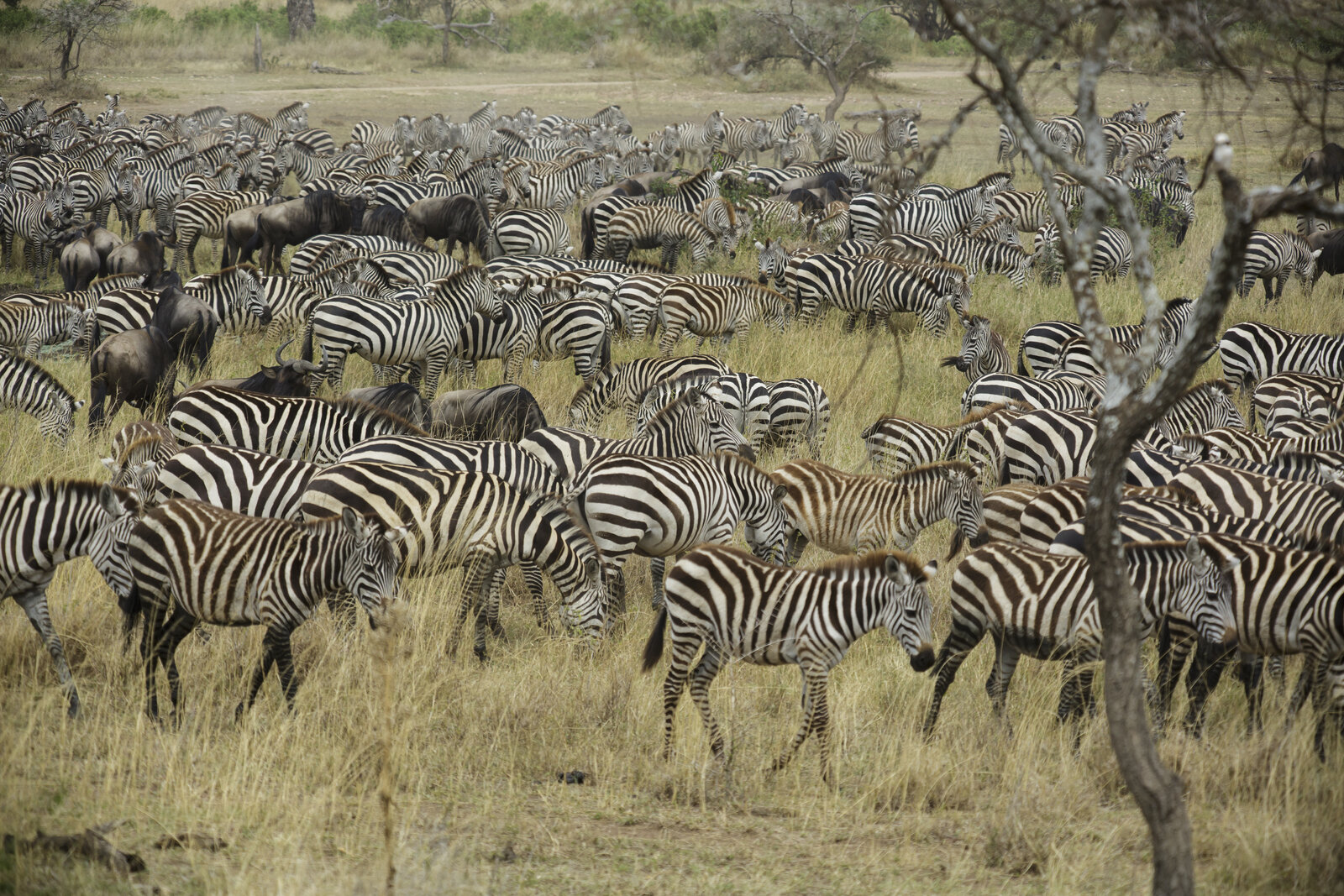
Nairobi takes direct flights from Europe, the Gulf, and now nonstop from New York, so for many travellers it is a single long flight away. From Nairobi's Wilson Airport a light aircraft reaches the Mara's airstrips in about 45 minutes. An early arrival can mean a game drive that same afternoon, and the Mara delivers big cats and open plains from the first hour. See our best time to visit the Masai Mara guide for the seasons.
3. Okavango Delta, Botswana — the classic fly-in
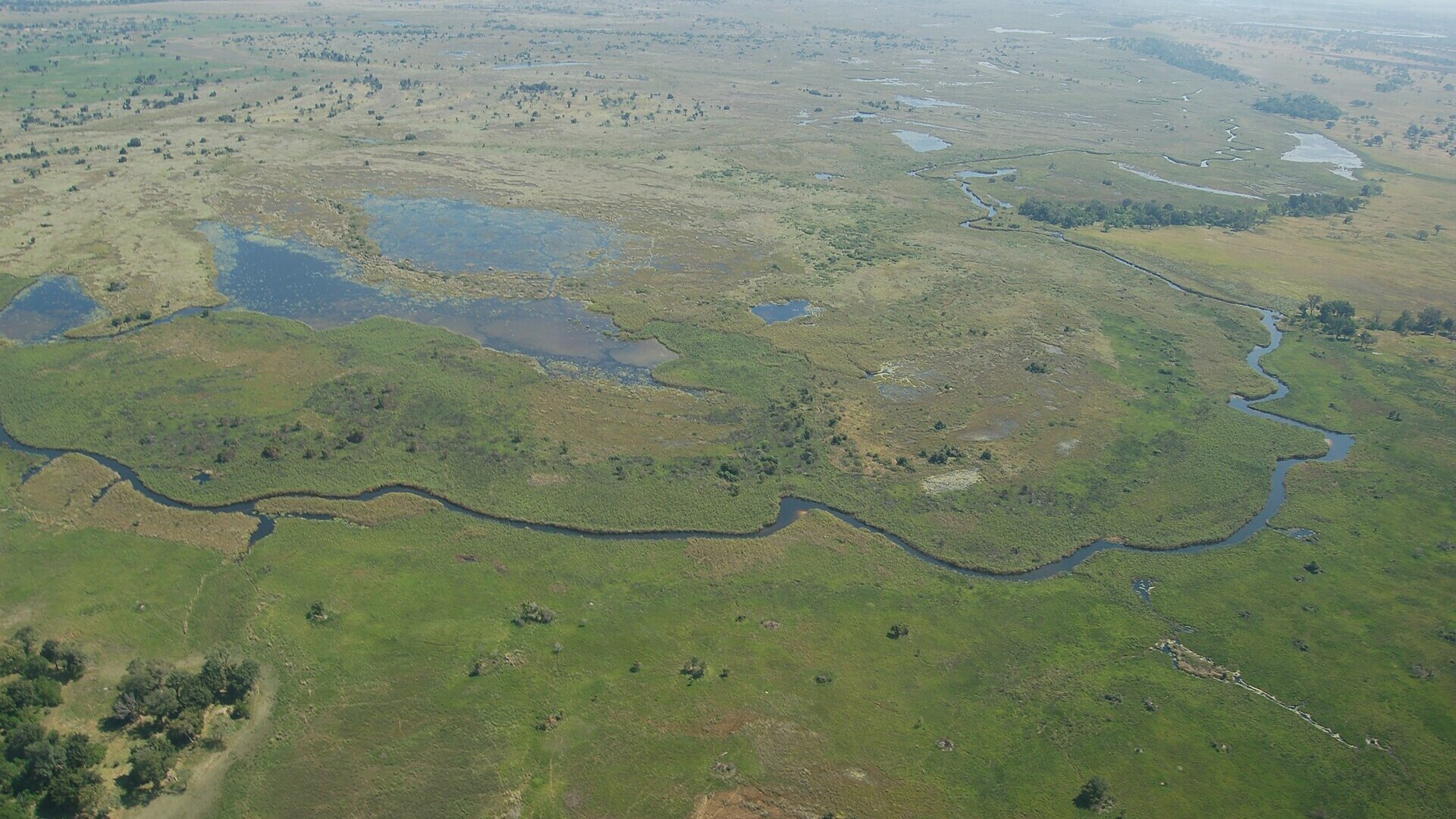
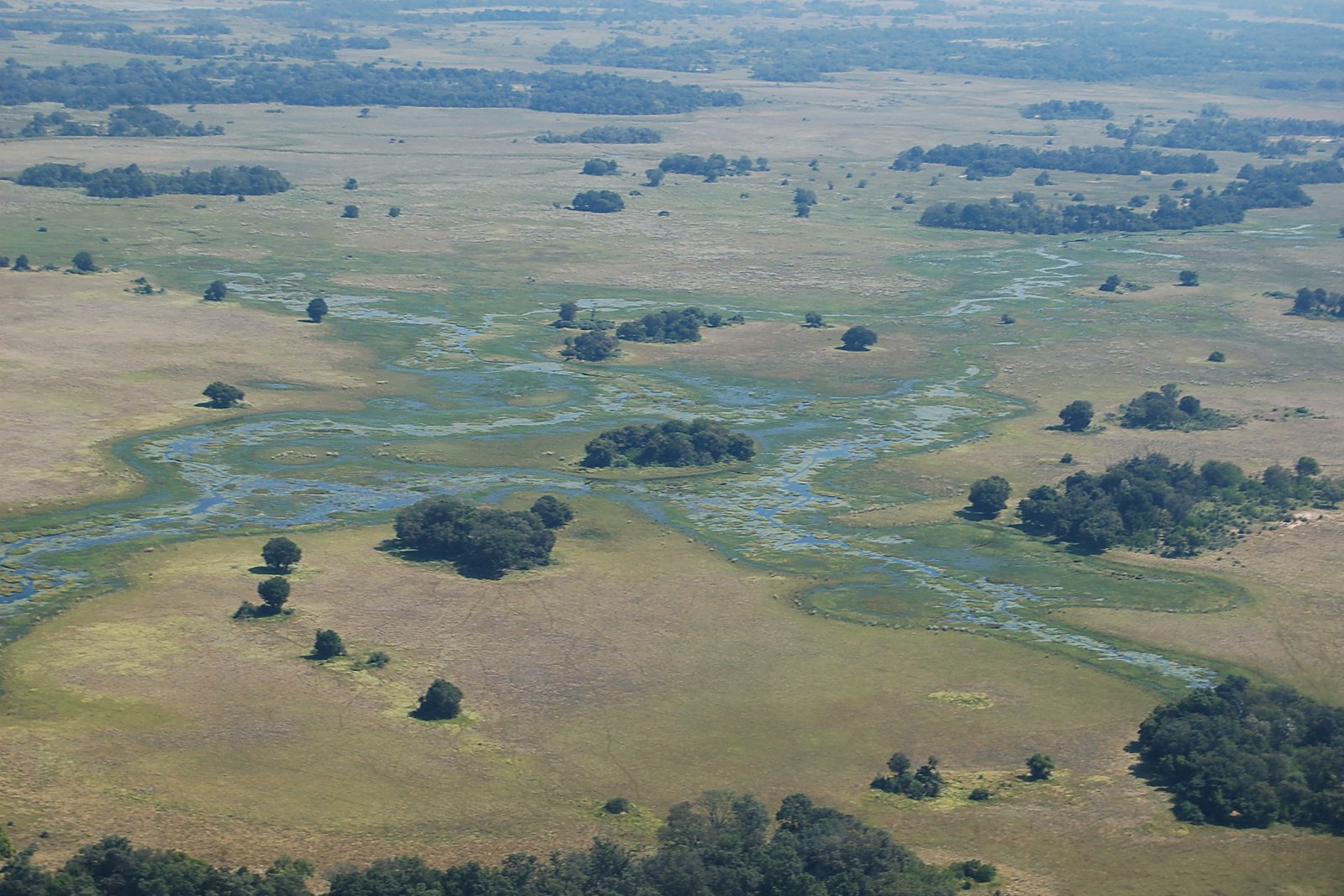
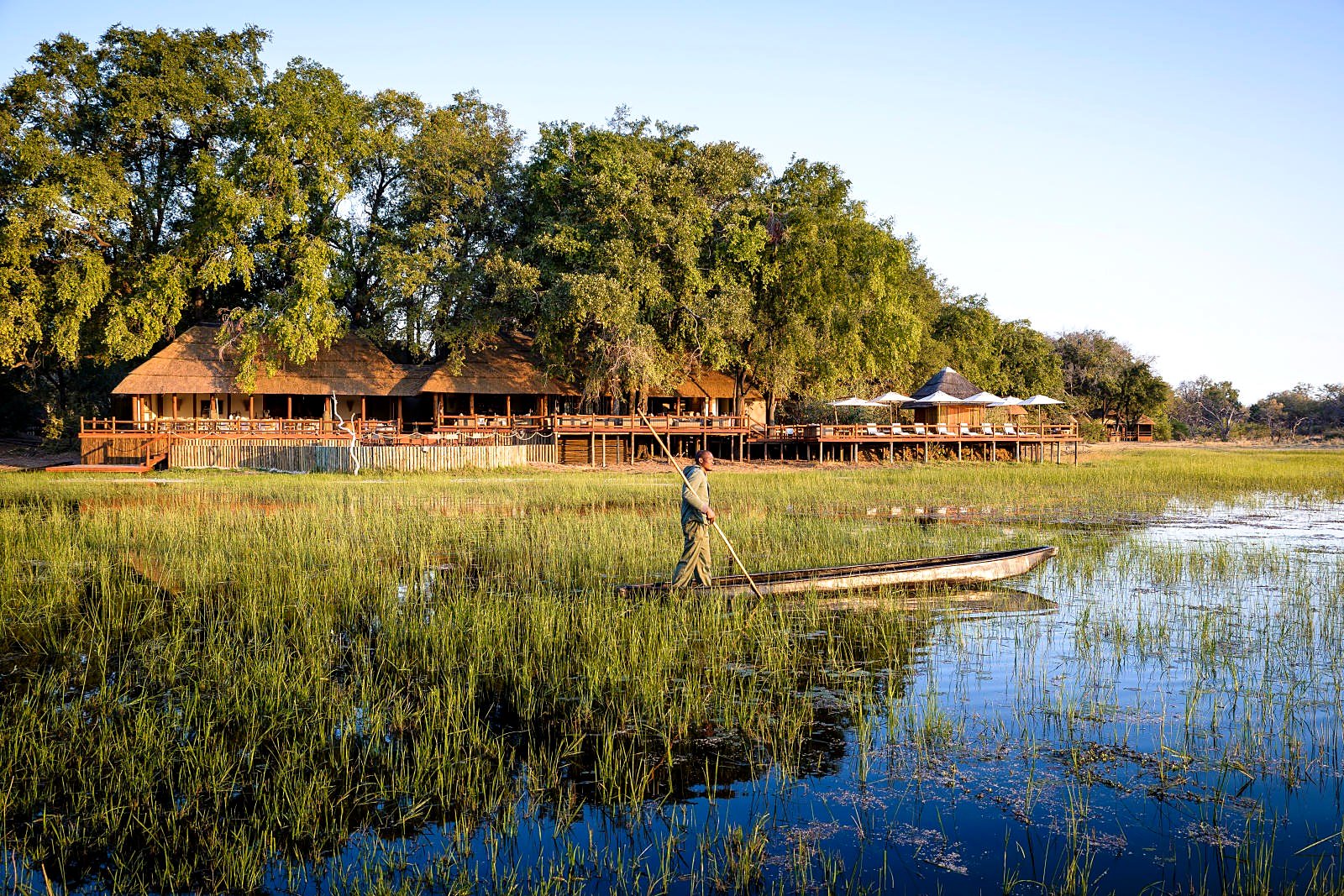
The Delta is built around flying in, and that is exactly what makes it simple. Maun is the hub, reached through Johannesburg or Cape Town, and from there a 20-to-40-minute light-aircraft flight lands you at a strip beside your camp. There is no sensible road alternative — and you would not want one, because the flight low over the water channels and islands is part of the safari. Our best Okavango Delta camps guide covers where to land.
4. Northern Tanzania (Serengeti & Ngorongoro) — via Kilimanjaro
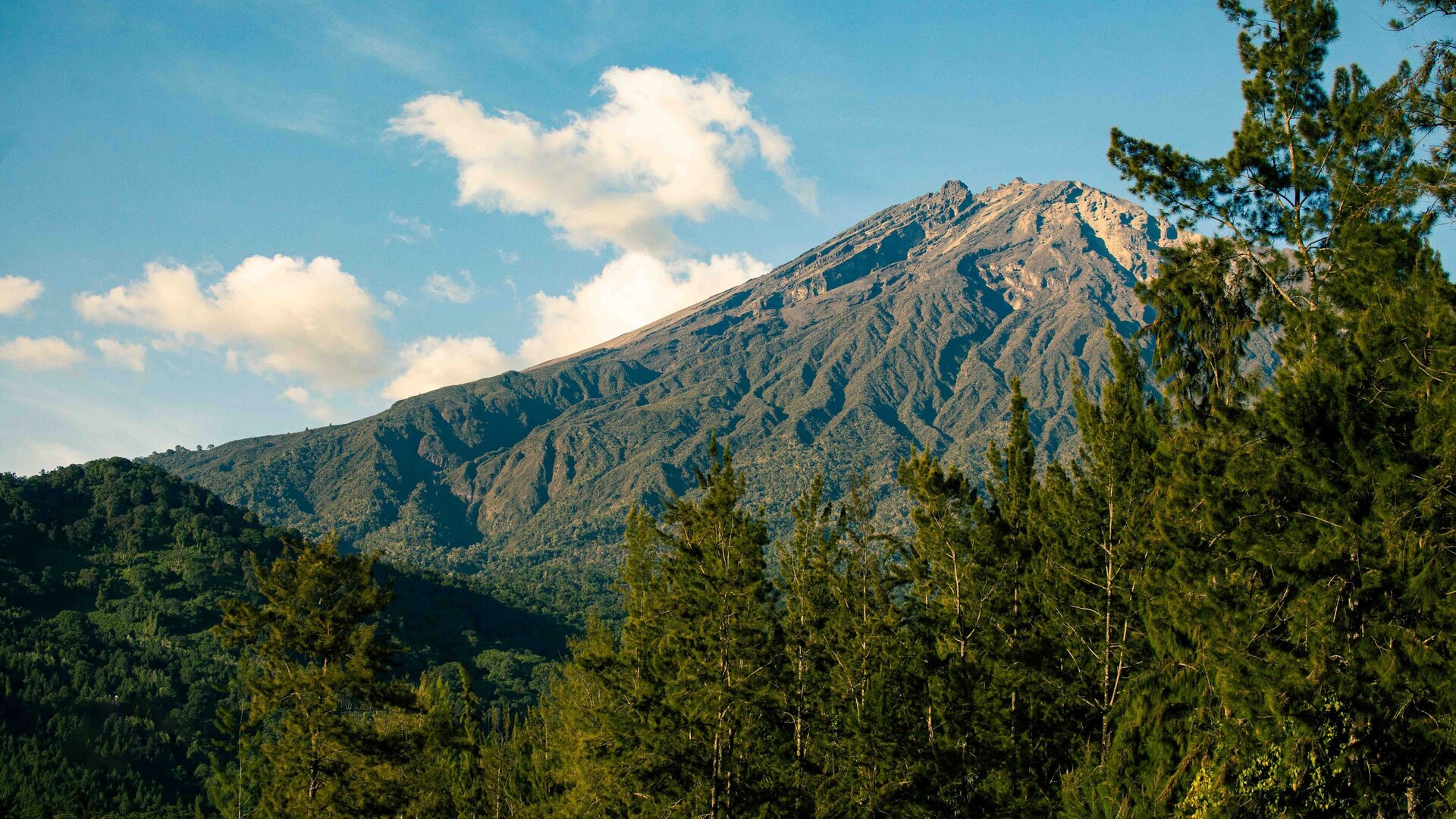
Kilimanjaro International takes direct flights from Amsterdam and the Gulf, and since 2025 from Paris again. From there, a short connection or light aircraft carries you to the Serengeti plains strips or up to the Ngorongoro highlands. Arusha is the road hub for the northern circuit — our Arusha hub guide covers the overland side — but for most visitors the flying route is the quick one. For timing, see our best time to visit the Serengeti guide.
5. Volcanoes National Park gorillas, Rwanda — the easiest gorilla trek
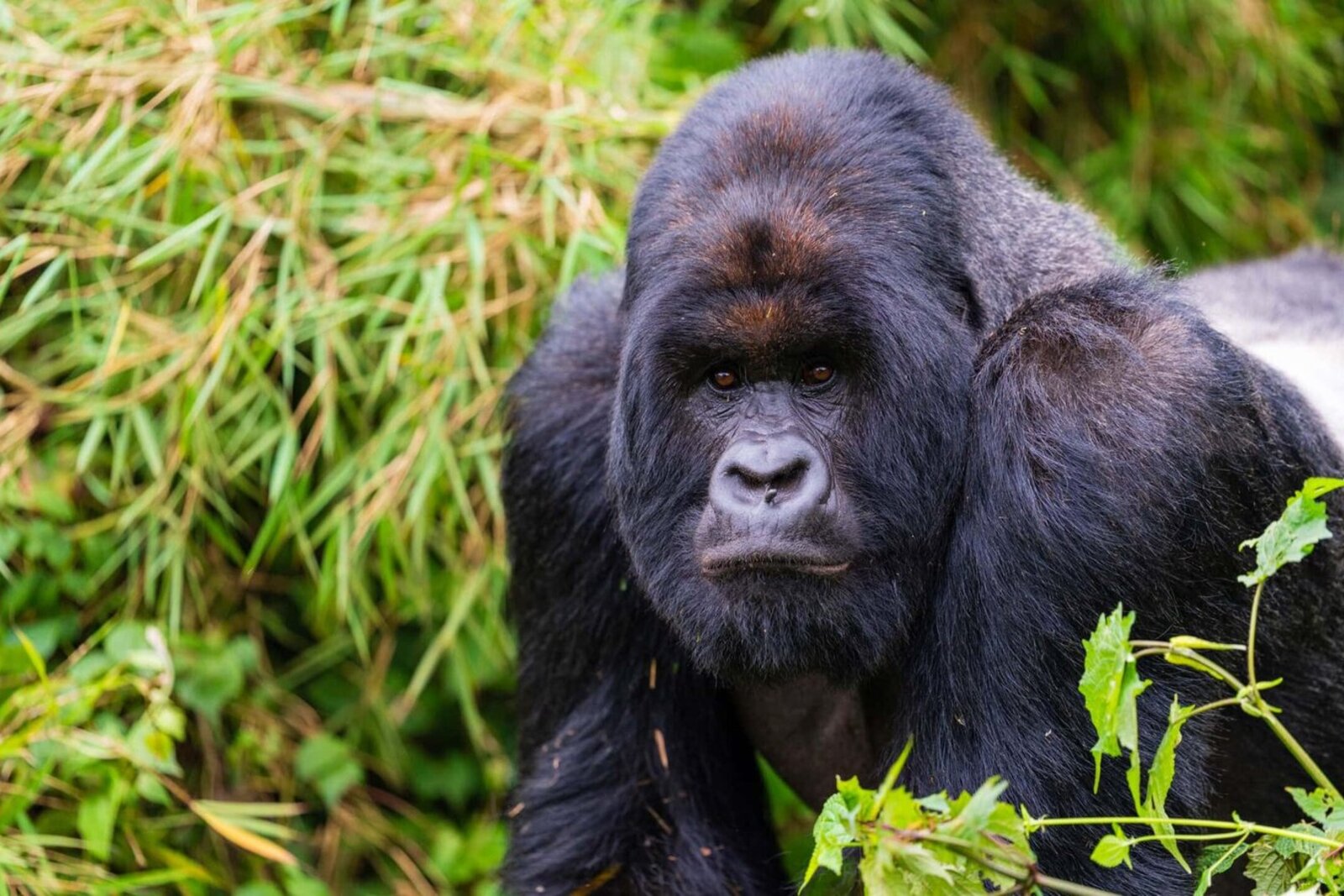
Rwanda has quietly become one of the simplest arrivals in Africa. Kigali takes direct flights from Europe and the Gulf, the airport is calm and quick, and the park is a 2.5-to-3-hour scenic drive north on good tarred roads — no small-aircraft leg at all. For a gorilla trek, which once meant a serious expedition, this is now about as straightforward as safari travel gets. More in our Rwanda safari guide.
6. Victoria Falls — safari and the Falls in one arrival
Victoria Falls Airport in Zimbabwe and Livingstone Airport in Zambia both take regional flights from Johannesburg, and the Falls themselves are minutes from town. It pairs naturally with a Botswana, Hwange or Chobe safari by a short hop, so you combine one of the world's great natural sights with the bush on a single, light-footed itinerary.
7. Cape Town & the Eastern Cape — a safari you reach on tar
Cape Town is a direct long-haul arrival from Europe, the Gulf and beyond. From there, the malaria-free Big Five reserves of the Eastern Cape are a short regional flight or a scenic drive away. For travellers who would rather not take a bush plane at all — families with young children, nervous flyers — this is the safari that works entirely on tarred roads and regional jets.
8. South Luangwa, Zambia — simpler than its reputation
The home of the walking safari has a name for being remote, but the air is kinder than people think: via Lusaka or a seasonal direct hop, then a short light-aircraft flight to Mfuwe. For a wilder, quieter safari it is far more reachable than its reputation suggests.
9. Hwange, Zimbabwe — short flight, big game
A quick connection from Victoria Falls or Johannesburg reaches Hwange's airstrips, where the elephant herds are among the largest in Africa and the plains are uncrowded. A big-game safari with a small travel footprint.
The Hub Airports & Who Flies There
Five airports do most of the heavy lifting for safari arrivals. Knowing which one feeds your safari — and who flies to it from home — is half the planning.
- Johannesburg (JNB), South Africa. The busiest hub on the continent. Direct from Europe, the Gulf, North America (Delta and United) and Australia (Qantas and South African Airways). Feeds Kruger, Victoria Falls, Botswana and beyond.
- Nairobi (NBO), Kenya. Direct from Europe, the Gulf, and nonstop from New York on Kenya Airways. British Airways serves it daily from London. Feeds the Masai Mara, Amboseli and Samburu through Wilson Airport.
- Cape Town (CPT), South Africa. Direct from Europe and the Gulf, with Emirates adding a third daily Dubai service in 2026. The arrival point for the Cape and the Eastern Cape reserves.
- Kilimanjaro (JRO), Tanzania. Direct from Amsterdam (KLM), the Gulf, and Paris (Air France, resumed via Zanzibar). Feeds the Serengeti, Ngorongoro and the northern circuit.
- Kigali (KGL), Rwanda. Direct from Europe and the Gulf, and one of the smoothest arrivals in Africa. The road hub for the mountain gorillas.
The big connecting carriers — KLM, Qatar Airways, Emirates, Turkish Airlines and Ethiopian Airlines — reach almost every one of these hubs, and Ethiopian in particular has the widest African network, with direct flights from several US cities via Addis Ababa.
New Routes That Have Shortened the Journey
The flight map to Africa has genuinely improved over the last two years, and several of the new routes cut a connection — or a whole day — off the trip:
- Air France — Paris to Kilimanjaro (via Zanzibar), resumed after nearly three decades, reopening a direct European door to northern Tanzania.
- Condor — Frankfurt to Johannesburg, now year-round, adding German capacity to the main southern hub.
- Discover Airlines — Munich to Windhoek nonstop, the simplest new route into Namibia.
- Edelweiss — Zurich to Kilimanjaro, a new Swiss link to the Serengeti circuit.
- Emirates — a third daily Dubai-Nairobi service, and a third daily Dubai-Cape Town, adding flexibility via the Gulf.
- Qatar Airways and Kenya Airways — Doha-Nairobi up to three daily, with more frequency to Dar es Salaam and a resumed Kigali service.
- Kenya Airways — Nairobi to London Gatwick, a second London option alongside the long-standing Heathrow route.
If you travelled to Africa a few years ago and found the connections awkward, it is worth checking again — the direct options are better now than they have been in a long time.
The Routing at a Glance
| Safari | Hub airport | Final leg to the bush |
|---|---|---|
| Greater Kruger (South Africa) | Johannesburg | 1-2 hr flight to Skukuza / Hoedspruit / Nelspruit |
| Masai Mara (Kenya) | Nairobi (Wilson) | ~45 min light aircraft to Mara airstrips |
| Okavango Delta (Botswana) | Maun | 20-40 min light aircraft to camp strip |
| Serengeti / Ngorongoro (Tanzania) | Kilimanjaro | Short connection to plains airstrips |
| Volcanoes gorillas (Rwanda) | Kigali | 2.5-3 hr scenic drive — no bush flight |
| Eastern Cape (South Africa) | Cape Town / Port Elizabeth | Short regional flight or scenic drive — on tar |
Routings are indicative and change with airline schedules. We confirm the exact 2026 and 2027 connections for your dates and home airport before booking.
The Small-Aircraft Leg — What to Know
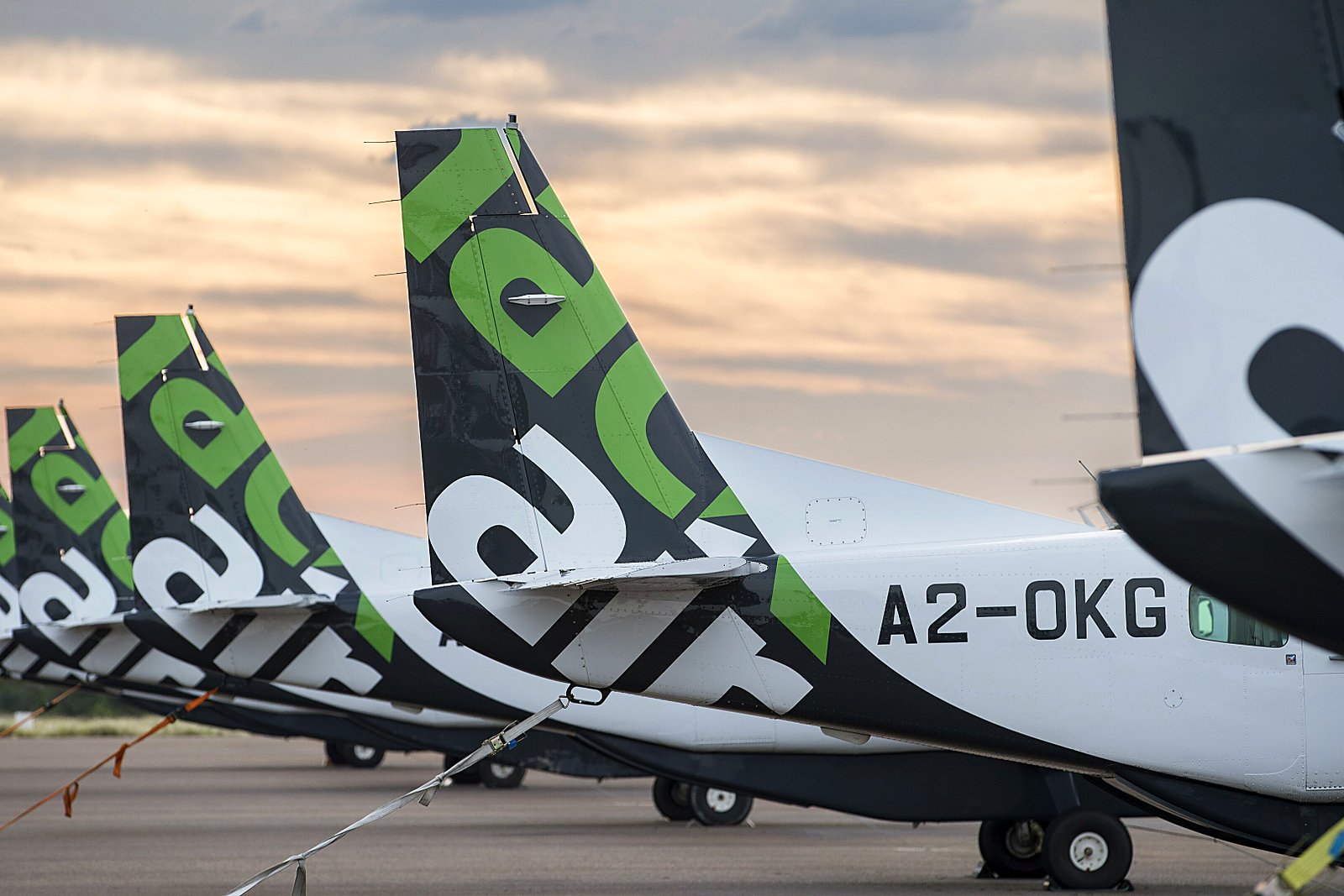
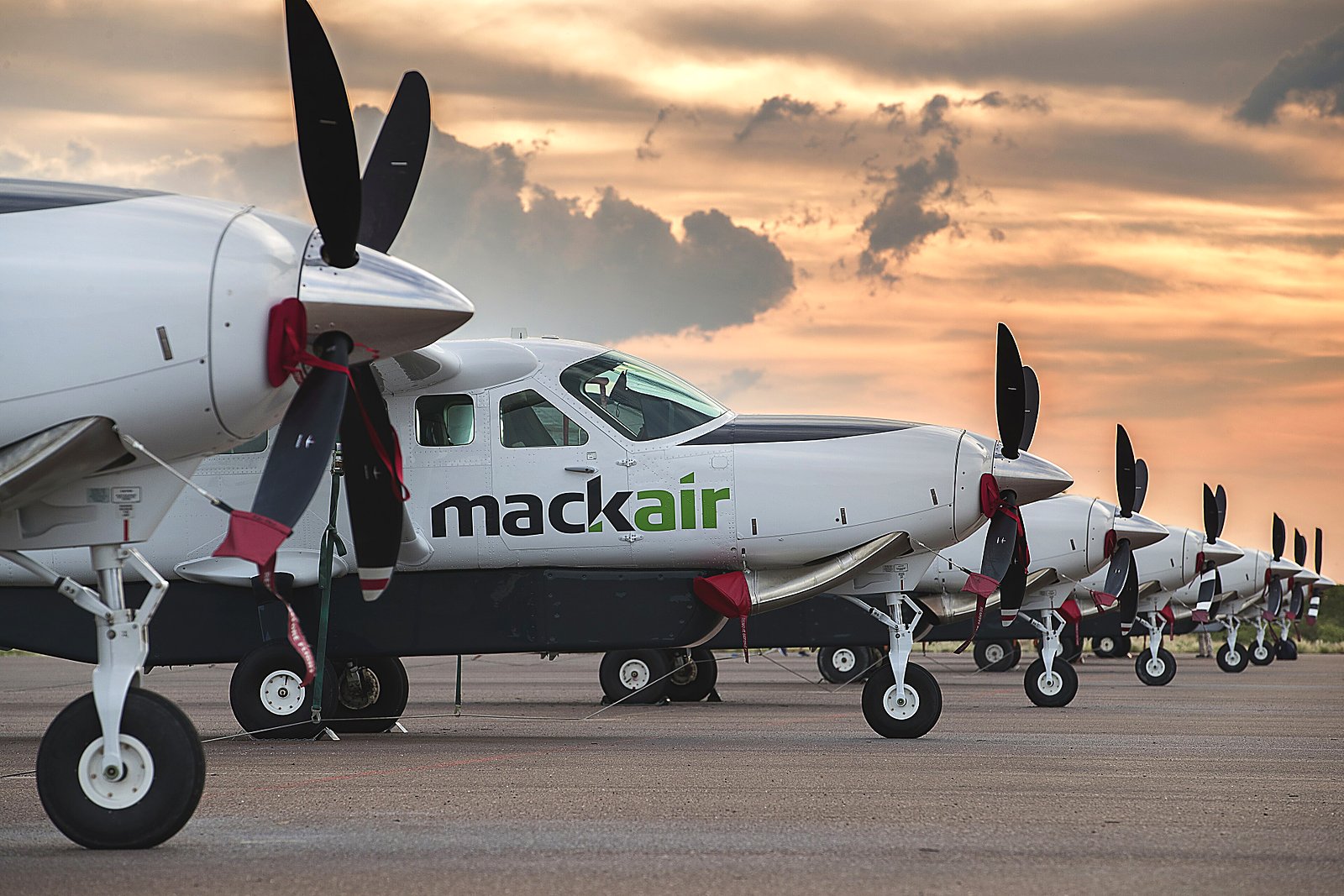
Most safaris finish with a short flight on a light aircraft, and two things about it catch people out if nobody tells them. The first is luggage: the bush flights carry a strict limit, usually 15 to 20kg total in a soft, squashable bag — hard cases simply do not fit the hold. Pack light; every camp does laundry daily, so you need far less than you think. The second is timing: the small flights run to the camps' schedules, not yours, so your international arrival has to be coordinated with the bush connection. That coordination is exactly the sort of thing a specialist handles, and getting it wrong is how people lose a day. The flights themselves are short, low and scenic — you often see game from the air on the way in. The full mechanics are in our fly-in safari guide.
One more piece of honest advice: on a long-haul arrival, build in a night at the hub city before the bush flight. A night in Johannesburg, Nairobi or Cape Town means you start the safari rested instead of stepping off an overnight flight straight onto a game drive. It is a small cost for a much better first day.
The Quick Decision Guide
- Want the simplest possible first safari → Greater Kruger, South Africa (Johannesburg, short flight, on a drive the same day)
- Want a direct hub and a short hop → Masai Mara, Kenya (Nairobi, 45-minute light flight)
- Want a gorilla trek with no bush plane → Volcanoes National Park, Rwanda (Kigali, scenic drive)
- Want a safari entirely on tarred roads → Eastern Cape, South Africa (Cape Town or Port Elizabeth)
- Want the classic fly-in experience → Okavango Delta, Botswana (Maun, short scenic flight)
- Want safari and a world wonder together → Victoria Falls plus a Botswana or Hwange hop
Any of these can be built into a full itinerary, and two regions can usually be combined by a single short flight so no time is lost to long road transfers. When you are ready, tell us where you are flying from and we will route the whole journey.
Why Route Your Safari With Beyond Africa?
Getting the air right is one of the most useful things we do, and one of the easiest to get wrong on your own. We book the international flights, the regional connections and the bush light-aircraft legs as one coordinated journey, so the timings line up and you are never caught between a late long-haul arrival and a bush flight that has already gone. We know which hub pairs with which reserve, which of the new direct routes save a day, and when a night in the hub city is worth building in. Because we plan these journeys every week from Cape Town, we can tell you plainly which safari is easiest to reach for your dates and your home airport — and then put the whole trip together. Talk to our team about your 2026 or 2027 safari.