Key Takeaways — Making a Long Layover Count
- Nairobi is the standout: a game drive inside Nairobi National Park — lion, rhino, giraffe against the skyline — is possible on a long layover with a Kenya travel authority sorted beforehand.
- Johannesburg is the workhorse hub: the busiest airport on the continent, with a nearby reserve, the Apartheid Museum or a Soweto half-day reachable if you hold the visa and the hours.
- The visa catch: leaving any airport means clearing immigration. Sort South Africa's entry rules or Kenya's travel authority before you fly — Kenya's cannot be bought at the airport.
- The baggage catch: one ticket means bags checked through; two separate tickets mean you reclaim, clear immigration and re-check — far slower.
- The eight-hour floor: below six hours, stay airside. Above eight, with the right visa, a stop becomes realistic.
- Addis gives a free hotel on qualifying single tickets; every hub has day-use lounges and, at O.R. Tambo, an airside transit hotel.
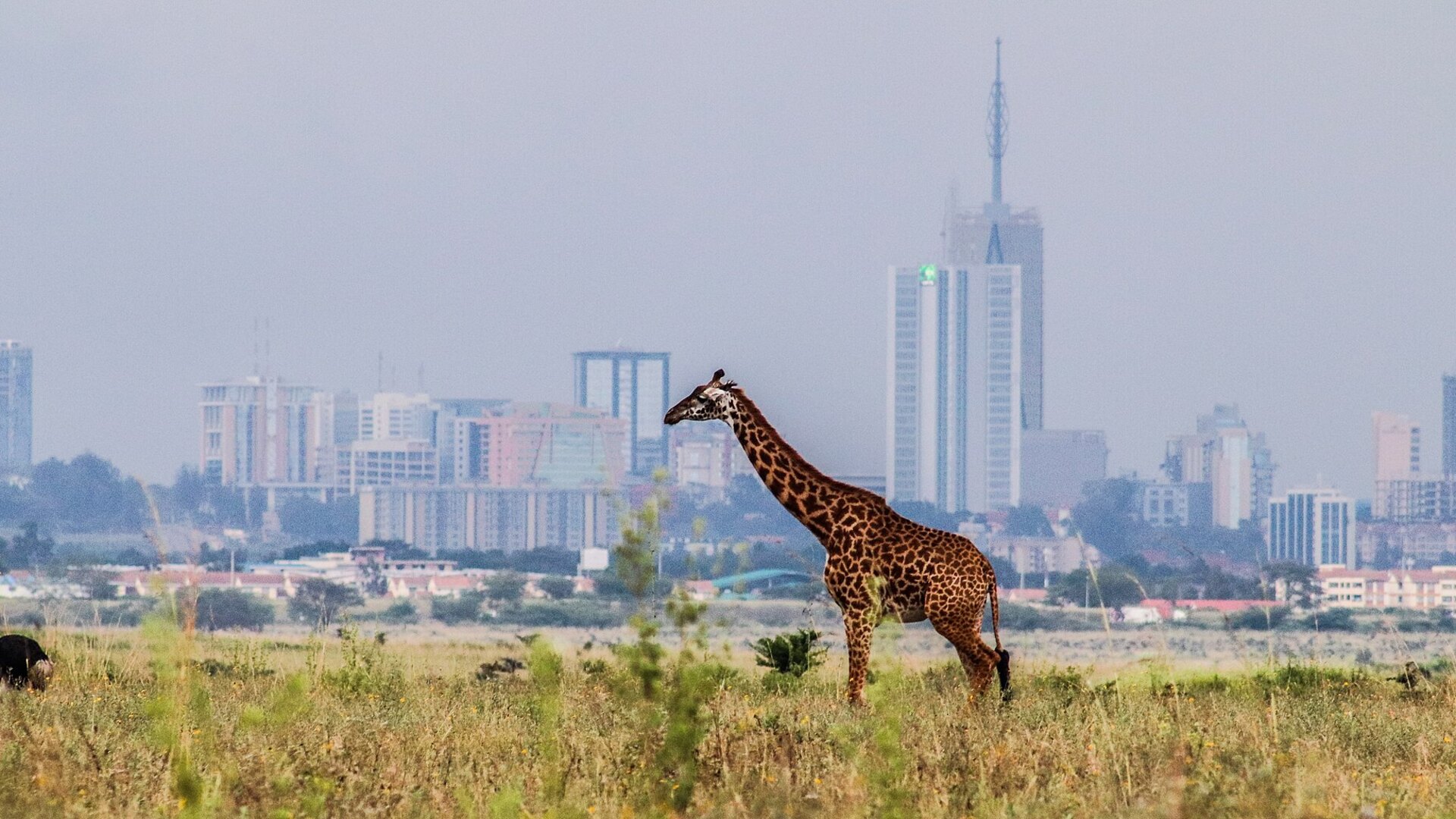
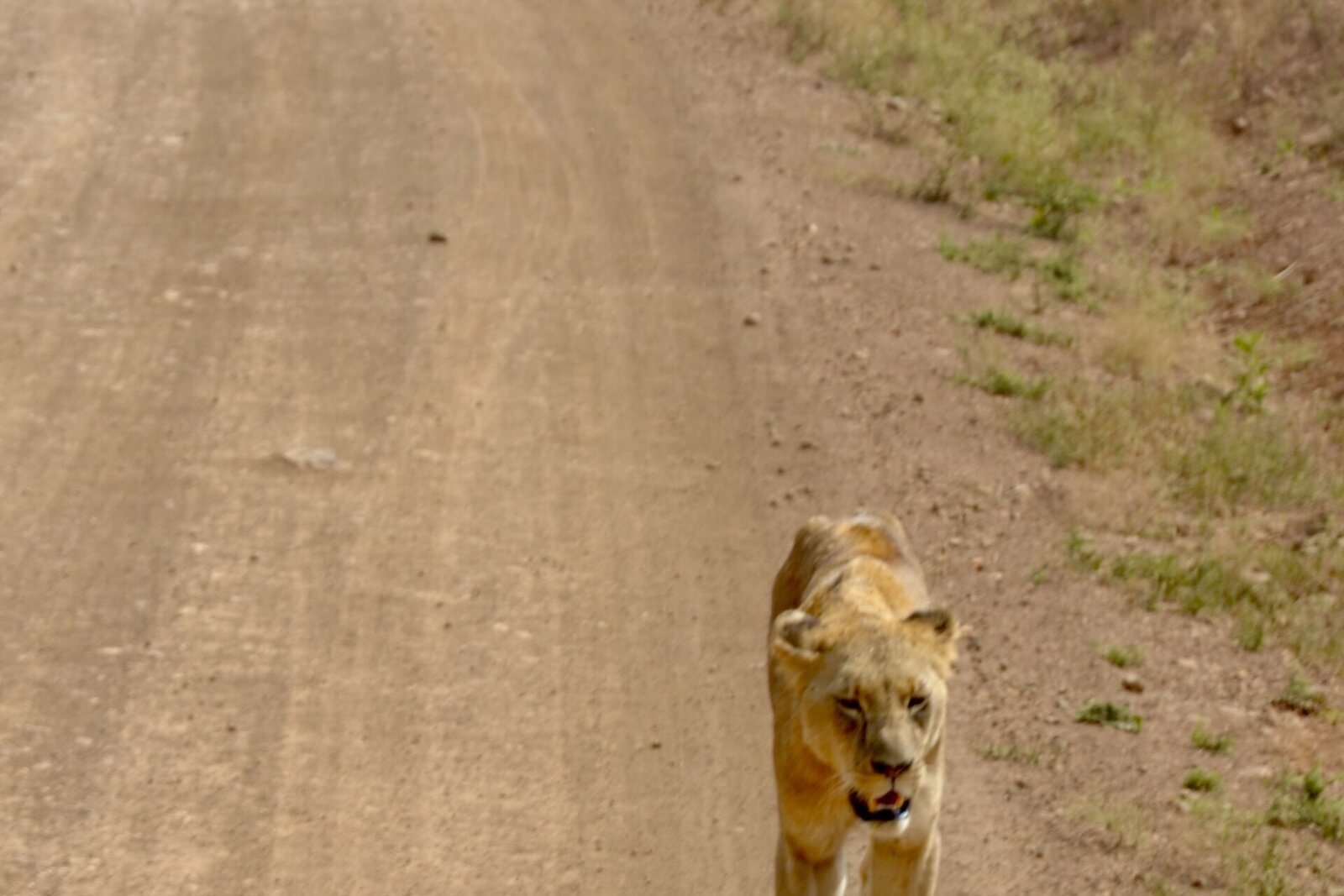
Here is a scene a lot of travellers never picture. You land in Nairobi at first light with nine hours until your onward flight. Instead of a terminal chair, you are standing at a park fence twenty minutes from the runway, watching a herd of buffalo graze with office towers rising behind them, a lioness crossing the track in front of the vehicle. By the time you are back at check-in you have been on a game safari and still made your flight with time to spare. That is a long layover done right.
And here is the version that goes wrong: the same nine hours, but on two separate tickets, no travel authority arranged, bags to reclaim and re-check, a queue at immigration you did not budget for — and in the end you never leave the building. Both outcomes are common. The difference between them is almost entirely about knowing the rules before you fly. We route guests through these hubs every week from our office in Cape Town, so what follows is the honest working guide: when a layover is worth leaving the airport for, when it is not, and how to tell the two apart.
First, the Two Rules That Decide Everything
Before any list of things to do, two practical facts settle most layover plans. Get these right and the rest is easy.
Rule one — leaving the airport means entering the country. The moment you step out of the transit zone you are formally arriving, which means immigration, which means the visa or travel authority that applies to your nationality. If you stay strictly airside — connecting from one international flight to another without passing immigration — you usually need nothing. The trap is assuming a short trip into town is casual. It is a full border crossing, out and back.
Rule two — your ticket type decides your baggage. On a single through-ticket, your checked bags are tagged to your final destination and you carry only hand luggage between flights. On two separate tickets — the classic trap when a cheap long-haul fare is paired with a separate regional flight — you must collect your bags, clear immigration to reach the carousel, and check in again from scratch. That second version can swallow two or three hours on its own. Always know which kind of ticket you are holding before you count on any free time.



Nairobi (JKIA) — the One Layover You Can Spend on Safari
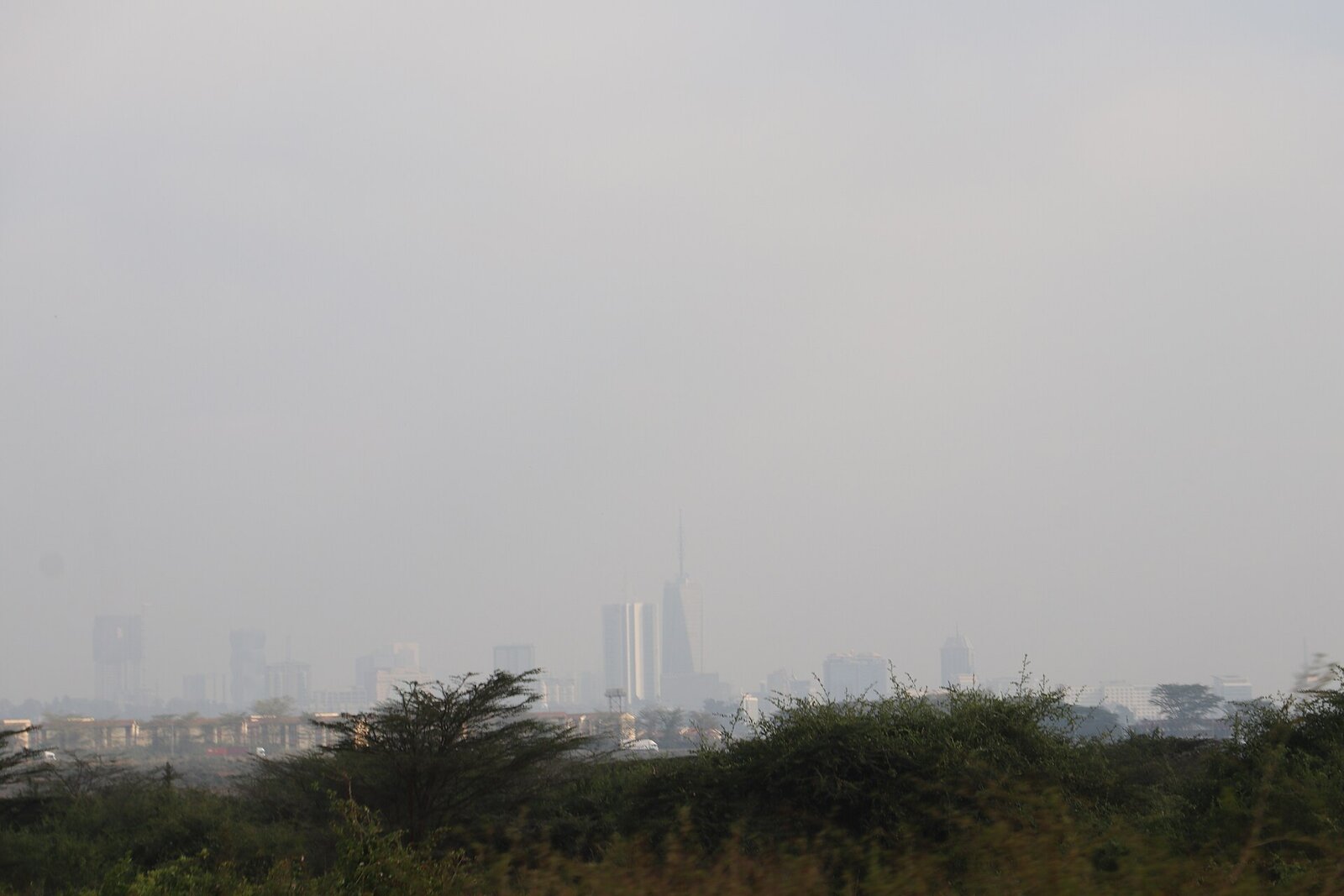
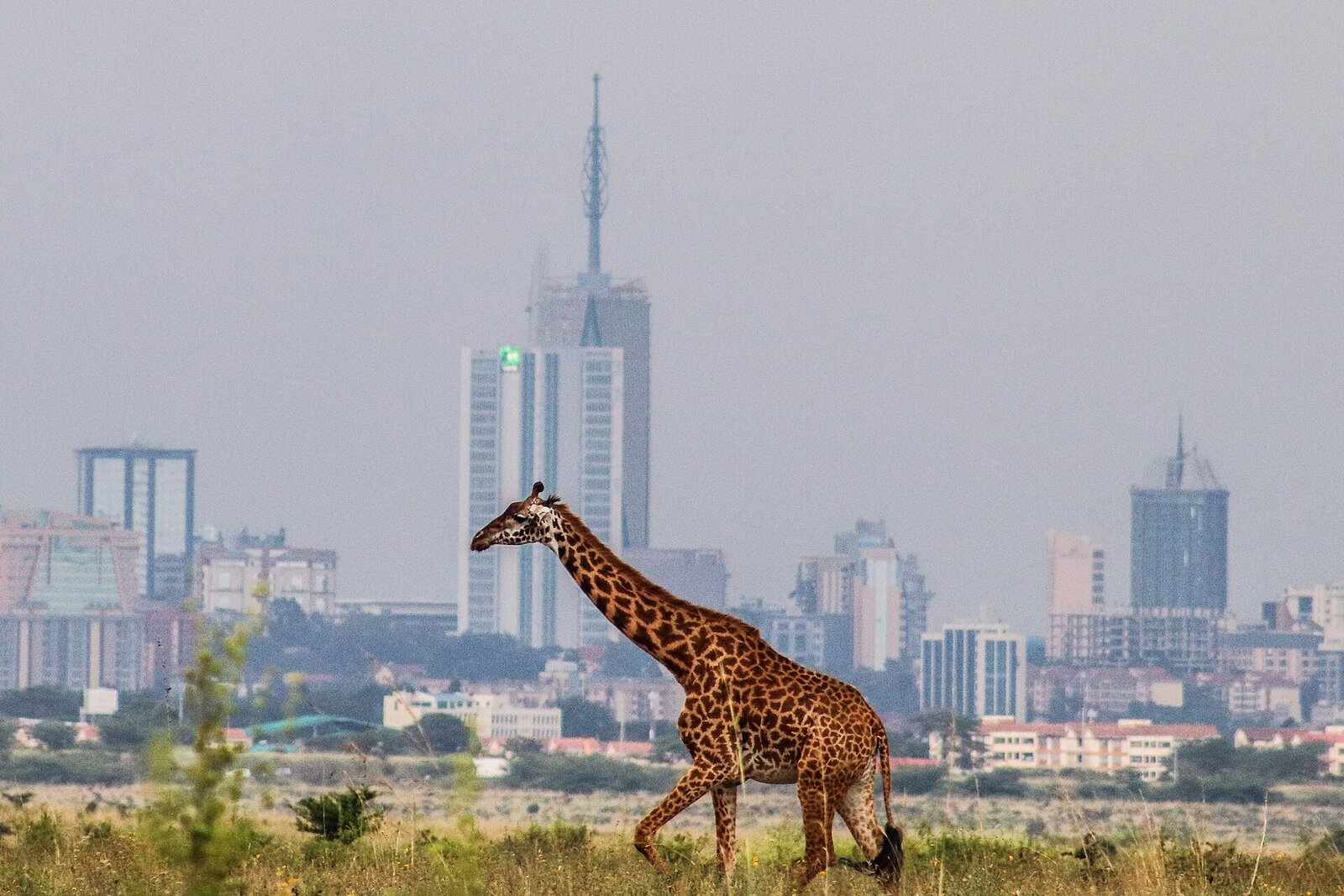
No other major hub on the continent offers this. Nairobi National Park sits on the city's edge, a short drive from Jomo Kenyatta International, and it holds lion, rhino, buffalo, giraffe and zebra on open plains with the skyline standing behind the herds. On a long morning layover — with the planning done — you can take a guided game drive and be back at the terminal in time for an afternoon flight. It is the rare case where the words "airport" and "safari" belong in the same sentence.
The catch is Kenya's travel authority. The old transit visa was replaced by an electronic travel authority that you apply for online, and you need to do it ahead of time — at least three days before travel, and never at the airport desk. Airside connections between two international flights do not need it. Stepping into Kenya does. With the authority approved and roughly eight hours or more between flights, a park drive is realistic; without it, stay airside.
Nairobi rewards a longer stop with much more than the park — the elephant orphanage, the giraffe centre, the Karen Blixen house and the Ngong hills all sit within reach of a full day. That is a stopover in its own right rather than a layover, and we cover it properly in our Nairobi stopover guide, which lays out one, two and three-day plans. For a pure between-flights window, the park game drive is the single best use of the time.
Johannesburg (O.R. Tambo) — the Busiest Hub, the Most Choice
O.R. Tambo is the busiest airport in Africa and the single most common connection for a safari in the south, so a long layover here is something many travellers face. The good news is that it gives you the widest range of options, airside and out.
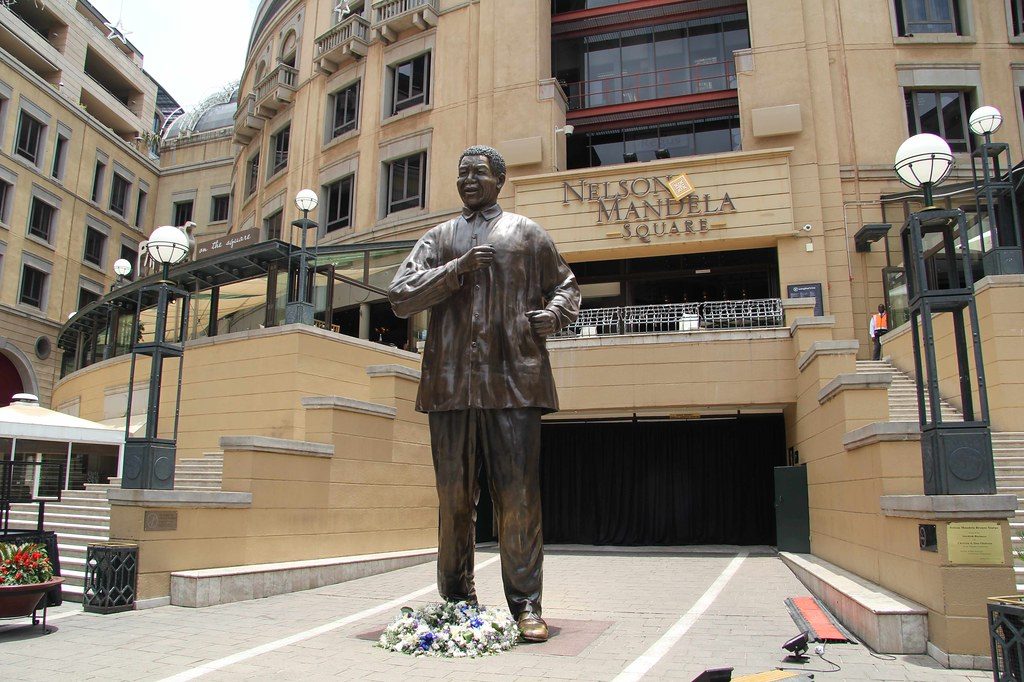
If you hold the right to enter South Africa and the hours allow, a few things are realistic. A nearby wildlife or lion reserve is roughly an hour each way, so a short game drive fits a layover of around eight to nine hours. The Apartheid Museum is one of the most affecting places in the country and worth the effort, but it needs about three hours on site plus travel, so it suits a longer gap. A half-day Soweto tour takes in Mandela House and the Hector Pieterson Memorial. If time is tighter, Nelson Mandela Square and the Sandton district are closer and lighter. A full-day Pilanesberg trip, by contrast, is about two hours each way and really wants a whole day, so it rarely fits a layover.
Entry rules matter here. Travellers from the United States, United Kingdom, Germany, Australia and many other countries can enter South Africa visa-free for short stays, while others must arrange a visa in advance, and as of mid-2026 arriving travellers complete an online declaration before entry. Check the Department of Home Affairs for your nationality before you build a plan around leaving. If the layover is short, the ticket is tight, or you would simply rather rest, O.R. Tambo has you covered airside too, which is the next section.
Johannesburg is also the jumping-off point for the quickest straight-to-bush safaris on the continent — our guide to the easiest safaris to fly to explains how a short hop from here puts you on a game drive the same day.
When to Stay Airside — and Do It Well
Leaving is not always the right call, and there is no shame in a good airside layover. On a tight buffer, a late arrival, a two-ticket baggage situation, or any time you do not hold the visa to step out, the terminal is the sensible choice — and both main hubs make it comfortable.
O.R. Tambo has a hotel inside the international transit zone, which means you can take a room without clearing immigration or holding a South African visa. It offers day-use blocks of a few hours as well as full overnight stays, with an onward international boarding pass and hand luggage only. Alongside it, several airside lounges sell day passes with showers, day beds, hot food and quiet corners; the main lounge runs around the clock, takes walk-ins, and accepts Priority Pass, LoungeKey and DragonPass. A walk-in pass typically buys you a few hours of real rest.
Nairobi's terminals are connected by a free shuttle, with lounges across them for a shower and a meal between flights. And Addis Ababa, covered below, goes furthest of all with a complimentary stopover hotel on qualifying tickets. The point is simple: a shower, a proper meal and a few quiet hours often beat a stressful dash into town on a medium-length gap.



Addis Ababa and Cape Town — the Supporting Hubs
Addis Ababa (Bole) is the kindest hub of all for a long wait. Fly the national carrier on a single ticket with a layover of roughly eight to twenty-four hours, and it runs a complimentary stopover: a hotel, meals and airport transfers, with the transit visa assisted at the airport. A long overnight connection becomes a real bed and a shower instead of a terminal floor, and with enough time you can look at the National Museum, where the famous early-human fossil is kept, or head up to the Entoto hills above the city. A note of honesty: a wider visa-free policy for the airline's passengers was still working through ratification in 2026, so treat the complimentary hotel programme — not visa-free entry — as the thing you can rely on, and confirm the current terms when you book.
Cape Town (CPT) is more a destination than a transit hub, but layovers do happen on the way in or out. The V&A Waterfront is about twenty minutes from the airport and realistic on a six-to-seven-hour gap — a harbour, restaurants and the sea within easy reach. Table Mountain is further out and depends entirely on the weather, because the cableway closes in high wind, so leave it for a longer, flexible window rather than a tight connection. As anywhere in South Africa, stepping out means clearing immigration, so the same entry rules apply.
The Layover Decision, by the Hours
| Time between flights | Honest verdict | What fits |
|---|---|---|
| Under 4 hours | Stay airside | A lounge, a shower, a meal — no time to leave safely |
| 4-6 hours | Usually airside | Day-use room or transit hotel; leave only on a single ticket with the visa ready |
| 6-8 hours | Borderline — one close sight | Cape Town Waterfront; Sandton or a close Johannesburg sight; the Nairobi park if timings are kind |
| 8-12 hours | Leave, with the right visa | Nairobi National Park game drive; Johannesburg mini-reserve or Apartheid Museum; Soweto half-day |
| 12-24 hours | Make a night of it | Addis complimentary stopover; a rested night and a city morning at any hub |
A guide, not a guarantee. Always subtract immigration both ways plus a firm two-hour buffer before boarding, and confirm visa and travel-authority rules for your nationality before you rely on leaving.
The Baggage and Timing Checklist
- Know your ticket. One through-ticket means bags are checked to the end and you travel light between flights. Two separate tickets mean reclaim, immigration and re-check — plan hours, not minutes.
- Sort the paperwork before you fly. Kenya's travel authority must be applied for in advance and cannot be bought on arrival. South Africa's entry and online declaration rules must be met to leave. Addis assists the transit visa at the airport on its stopover programme.
- Keep a hard buffer. Be back at the terminal at least two hours before an international departure, more at a busy hub — gate and security queues are unpredictable.
- Use left luggage. If you must carry bags, the main hubs have left-luggage facilities so you are not dragging cases around a city or a game reserve.
- Carry what you cannot lose. Passport, medication, chargers and valuables stay on you, never in a checked or stored bag, in case plans change.
- Have a fallback. If immigration is slow or a tour runs late, know where the airside lounge or transit hotel is so a missed window still ends in a shower and a seat, not a panic.
Let Us Plan the Time Between Flights
Routing a safari is more than booking the longest sectors — it is making the gaps work for you. We book the international flights, the regional connections and the bush legs as one journey, so your layovers are long enough to be useful and never so tight that one delay strands you between tickets. Where a stop is worth making — a morning game drive in Nairobi National Park, a rested night on an Addis stopover, a half-day out of Johannesburg — we build it in properly: the visa or travel authority flagged in good time, a guide and transfers arranged, and a safe buffer protected before your onward flight.
Because we put these journeys together every week from Cape Town, we can tell you plainly if your particular layover is worth leaving the airport for, or better spent resting airside before the bush. Tell us your routing and your dates, and we will make the most of the time between flights.