🦁 Key Takeaways — Nairobi Stopover
- A real safari, minutes from the terminal: Nairobi National Park is the only national park on Earth inside a capital city — lions, rhinos, buffalo and giraffe against a skyline, 20 minutes from Jomo Kenyatta International (JKIA).
- The three icons: the Sheldrick Wildlife Trust elephant orphanage (11am daily), the Giraffe Centre, and the Karen Blixen Museum sit within a few kilometres of each other in leafy Karen.
- Layover maths: a half-day (5–6 hrs clear of the airport) fits the park or the elephants; a full day fits both plus lunch; two days lets you add Karen, the Ngong Hills and a proper night’s sleep.
- Entry: most visitors need Kenya’s eTA (electronic travel authorisation) — apply online at least 3 days ahead, even for a stopover; there is no more visa-on-arrival.
- Where to stay: Giraffe Manor and Hemingways for the bucket-list splurge; Ole Sereni and the Eka overlook the park or sit close to JKIA for early flights.
Almost everyone flying into East Africa passes through Nairobi, and almost everyone treats it as a corridor — a gate number, a coffee, a connecting flight to the Mara or Zanzibar. That is the single biggest missed opportunity in African travel. Nairobi is the only major city in the world where you can watch a lioness cross in front of a skyline of glass towers, feed a rescued baby elephant at eleven in the morning, and stand nose-to-nose with an endangered giraffe — all before dinner.
We plan safaris across Kenya every week, and we build a Nairobi day into more itineraries than any other single stop. This guide is the one we hand our own guests: what to do with the exact hours you have, where to sleep whether you have a fortune or a red-eye connection, and how to clear the airport and be watching rhino before your friends have found the taxi rank.
Why Nairobi Is the World’s Only Safari Capital
Nairobi began as a railway depot in 1899, a swampy staging post on the line from Mombasa to Uganda. The plains around it were so thick with game that the first residents shot buffalo from their verandahs. When the city grew, one extraordinary decision shaped everything: in 1946 the wild land on the southern edge was fenced off as Kenya’s first national park rather than sold for suburbs. That single choice is why, nearly eighty years later, you can still see four of the Big Five within sight of downtown.
For a traveller that translates into something no other capital offers. You do not need an internal flight or a long transfer to feel like you have arrived on safari. The airport, the park, the elephant orphanage and the giraffes are all inside a compact arc on the city’s southern and western sides. A stopover here is not a consolation prize before the "real" trip — for many of our guests it becomes the day they talk about most.
The other reason Nairobi rewards a pause is human. This is the beating heart of East African conservation: the headquarters of the Sheldrick Wildlife Trust, the African Fund for Endangered Wildlife’s giraffe programme, and dozens of research and anti-poaching operations. Spend a morning here and you are not just ticking off animals — you are standing where a lot of the work to keep them alive actually happens.
Nairobi National Park: A Safari 20 Minutes from the City
This is the headline act. Nairobi National Park covers 117 square kilometres of open plains, acacia woodland and river gorge, and it is the only national park inside a capital anywhere on the planet. The northern boundary has no fence at all along the river, so wildlife moves in and out on the ancient migration corridors to the south. What you get is a genuine wild ecosystem, not a zoo — with the city’s towers rising behind the grass.
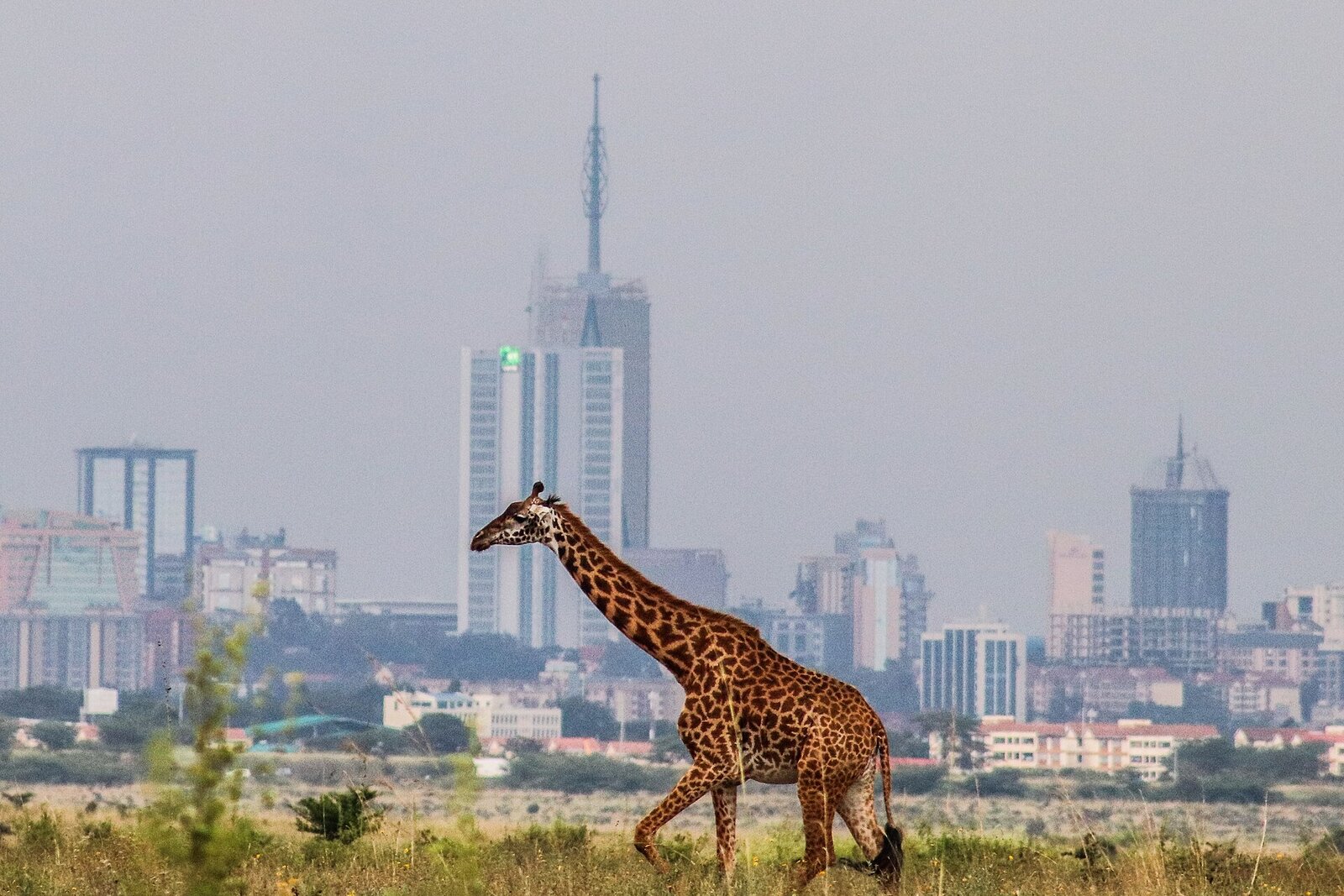
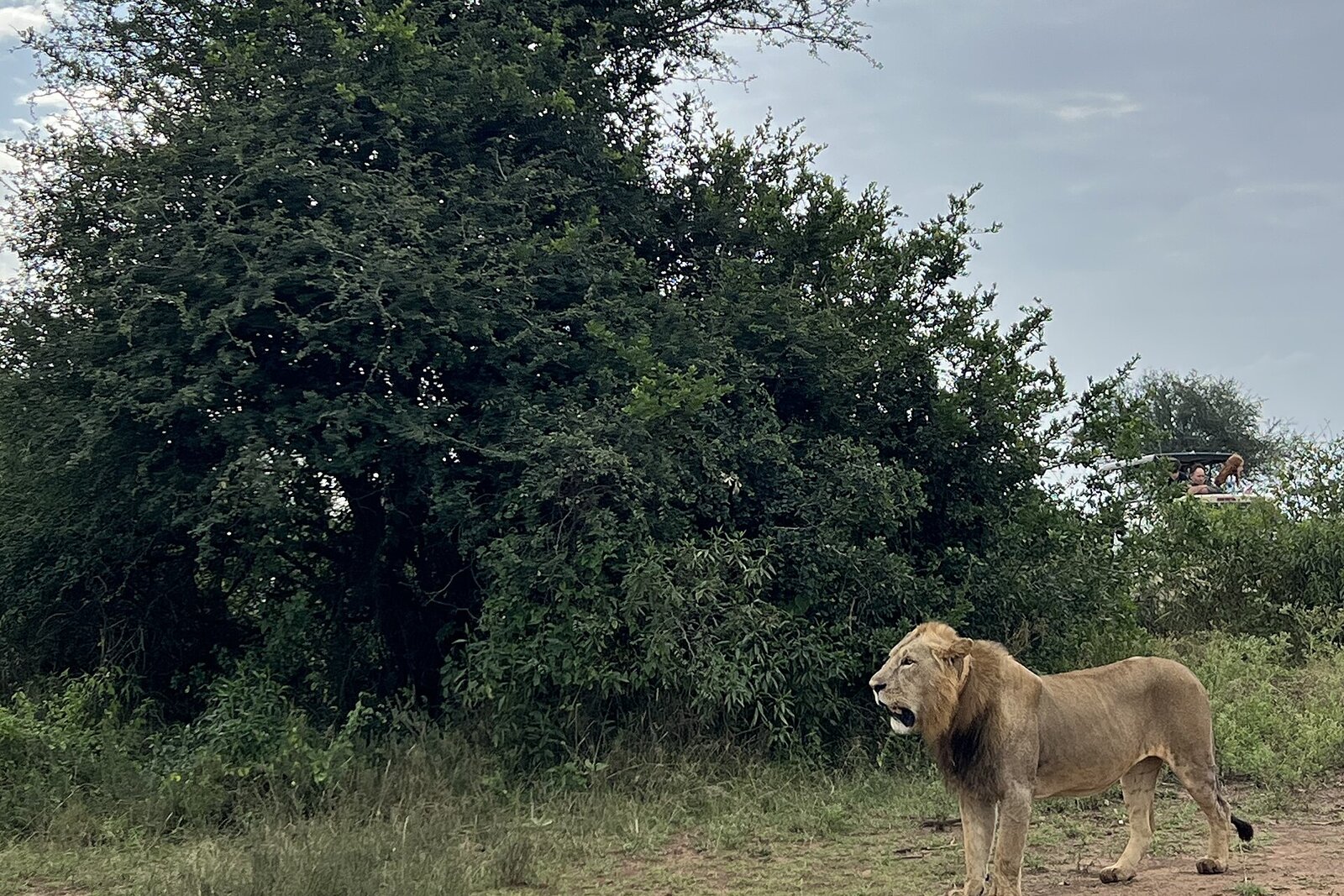
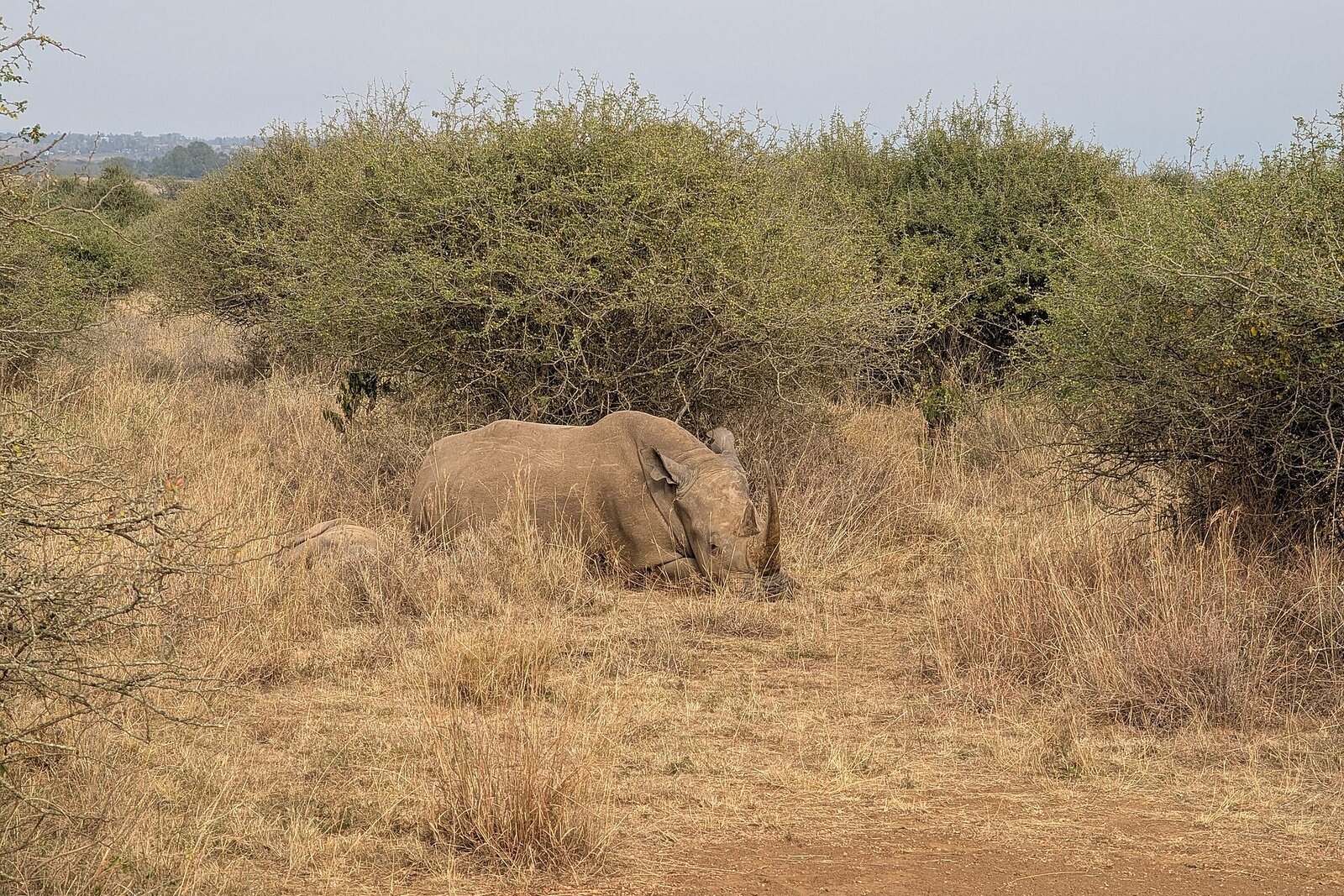
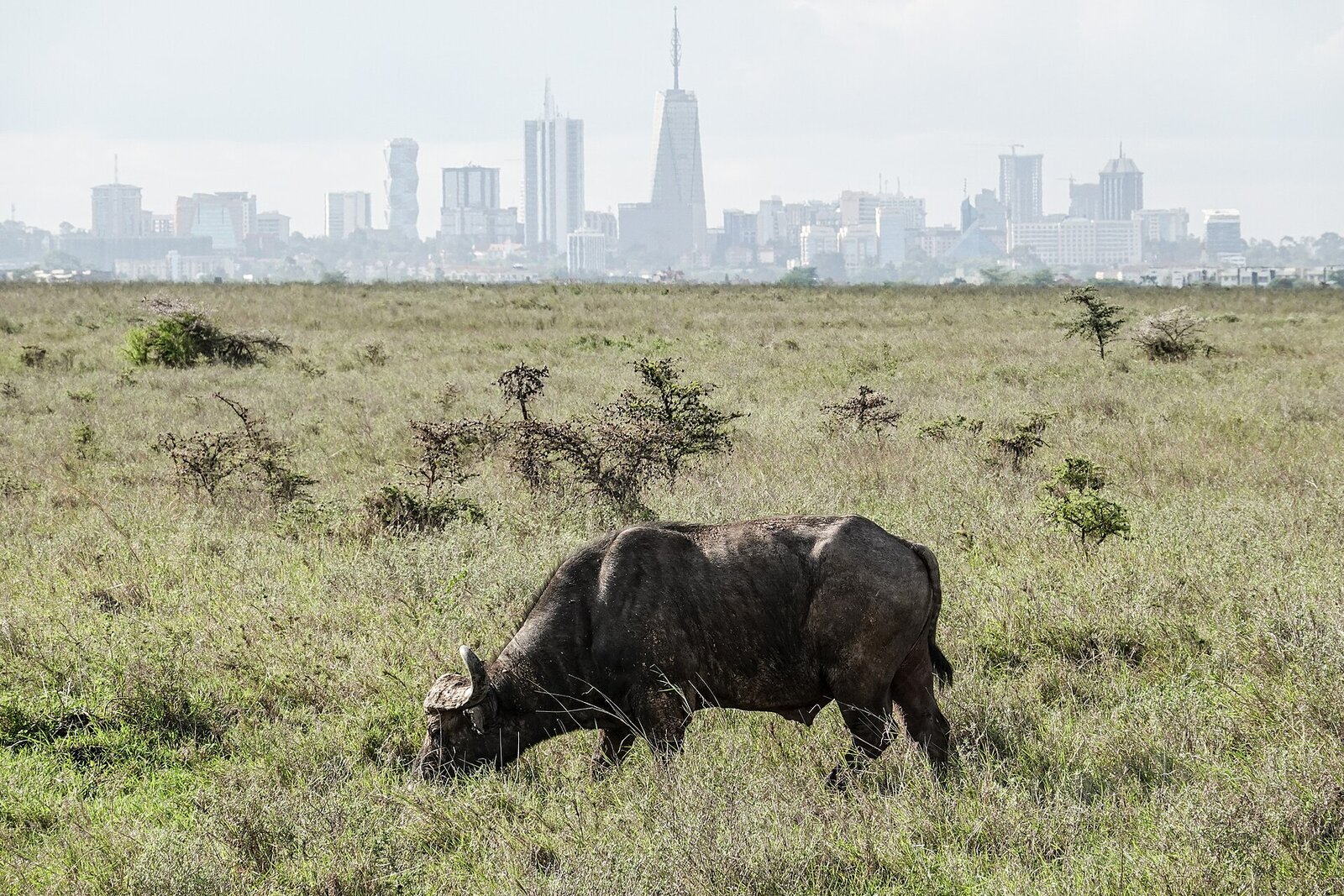
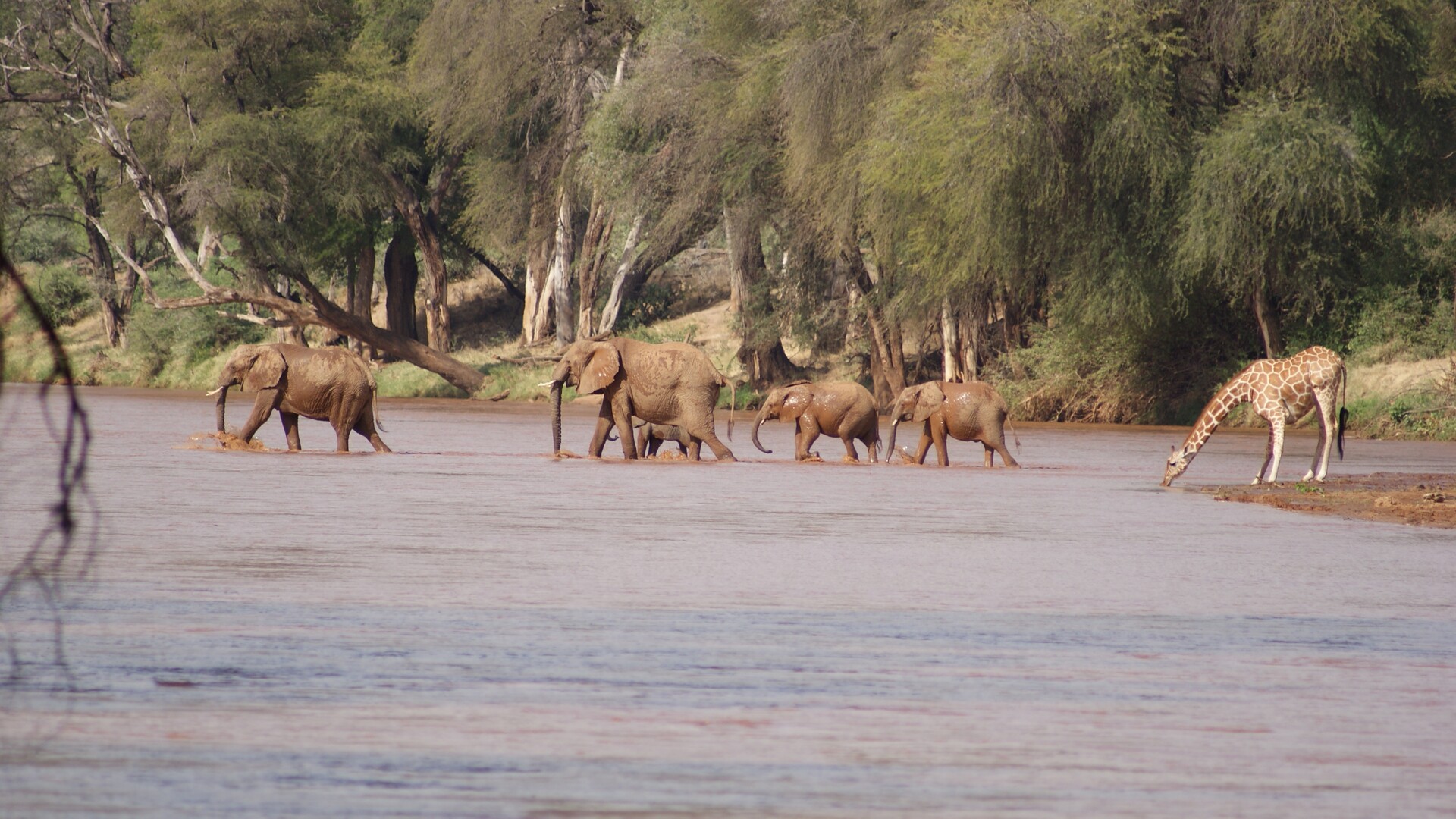
The park holds one of the densest black rhino populations in Kenya — this is one of the best places in the country to see the critically endangered black rhino, along with lion, cheetah, leopard, buffalo, giraffe, zebra, eland, hippo and more than 500 bird species. The one member of the Big Five missing is the elephant, which is why the Sheldrick orphanage next door completes the picture so neatly. Morning is best: gates open at 6am, the light is soft, and the predators are still active before the heat pushes them into the shade.
For a stopover, a game drive here is astonishingly efficient. A private guided drive of three to four hours from a hotel near the park or the airport gets you real Big Four sightings and back in time for a connecting flight. Bring your passport and camera; entry is by the KWS eCitizen system, and a good operator handles the ticketing so you simply arrive and drive.
The Sheldrick Elephant Orphanage & the Giraffe Centre
If you do only one thing in Nairobi, make it these two. They sit a few minutes apart on the edge of the park and between them deliver the most moving hour most travellers spend in Kenya.
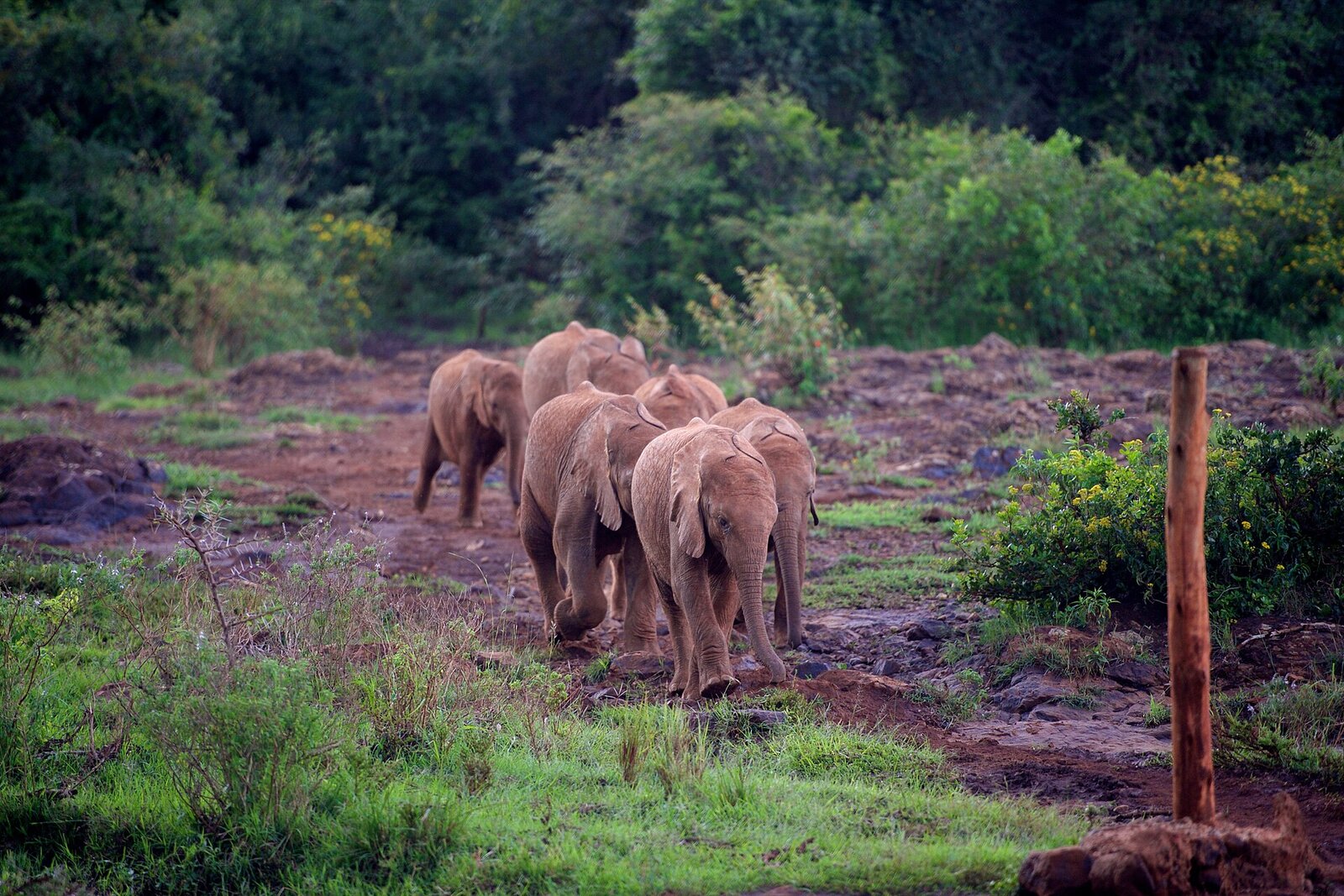
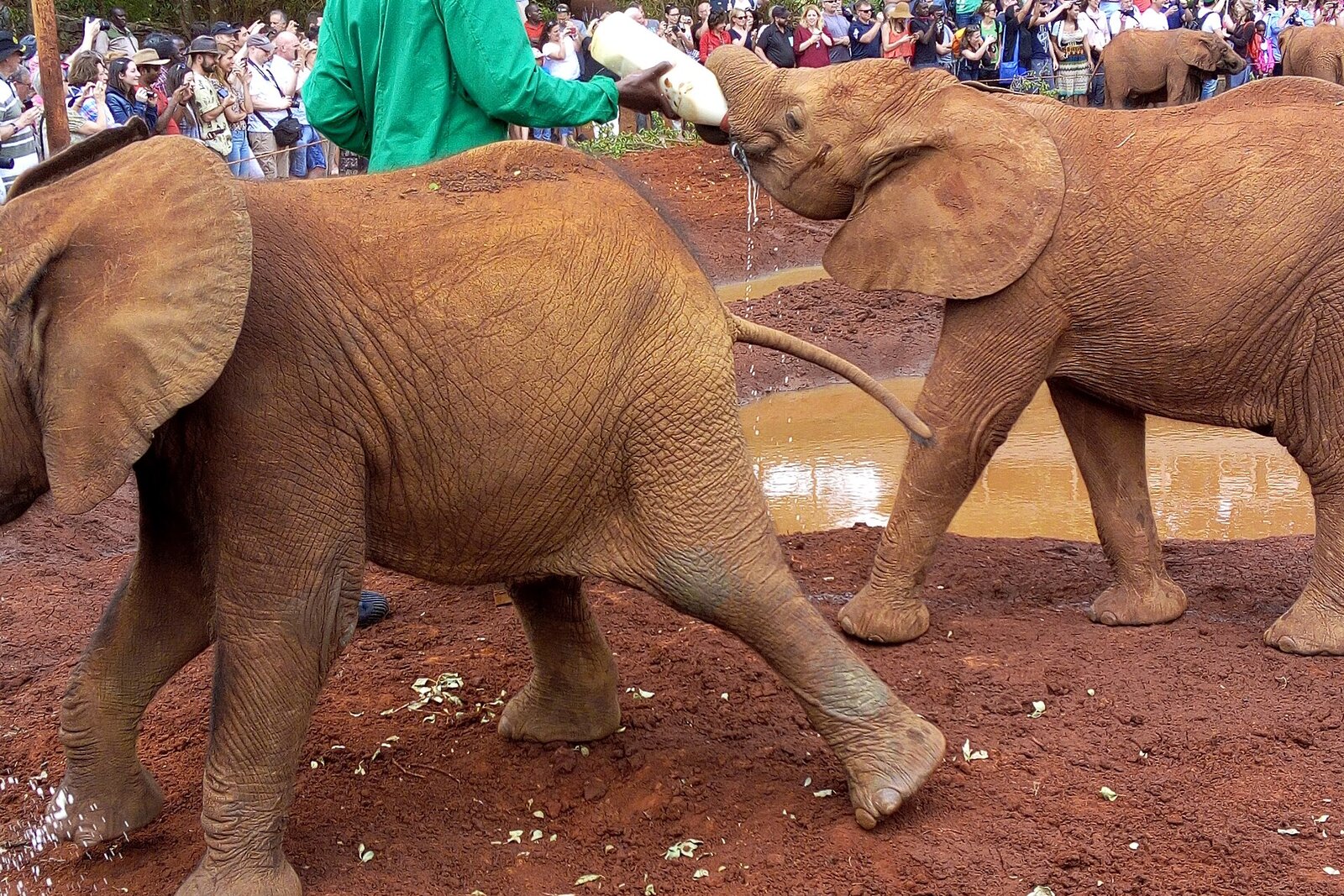
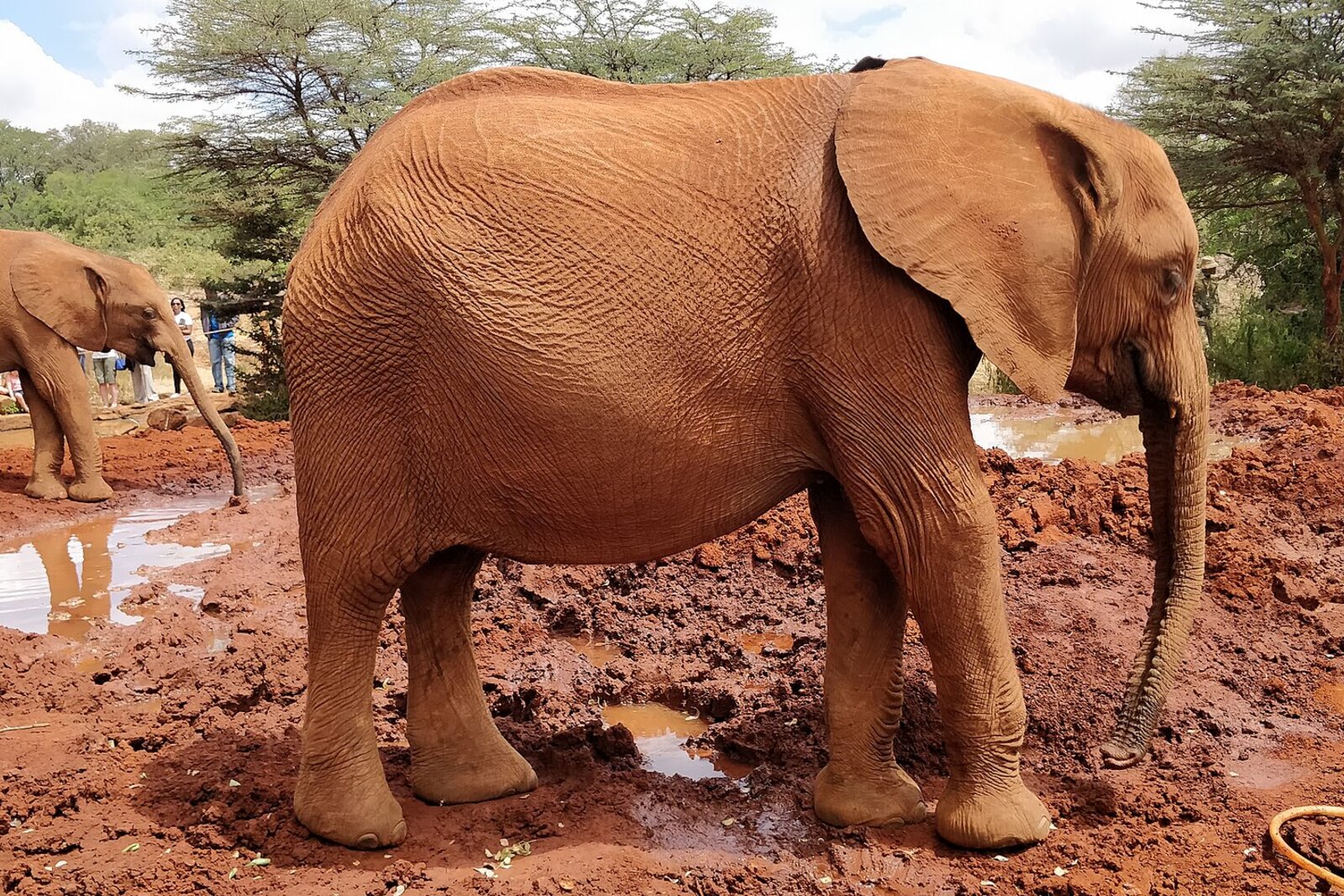
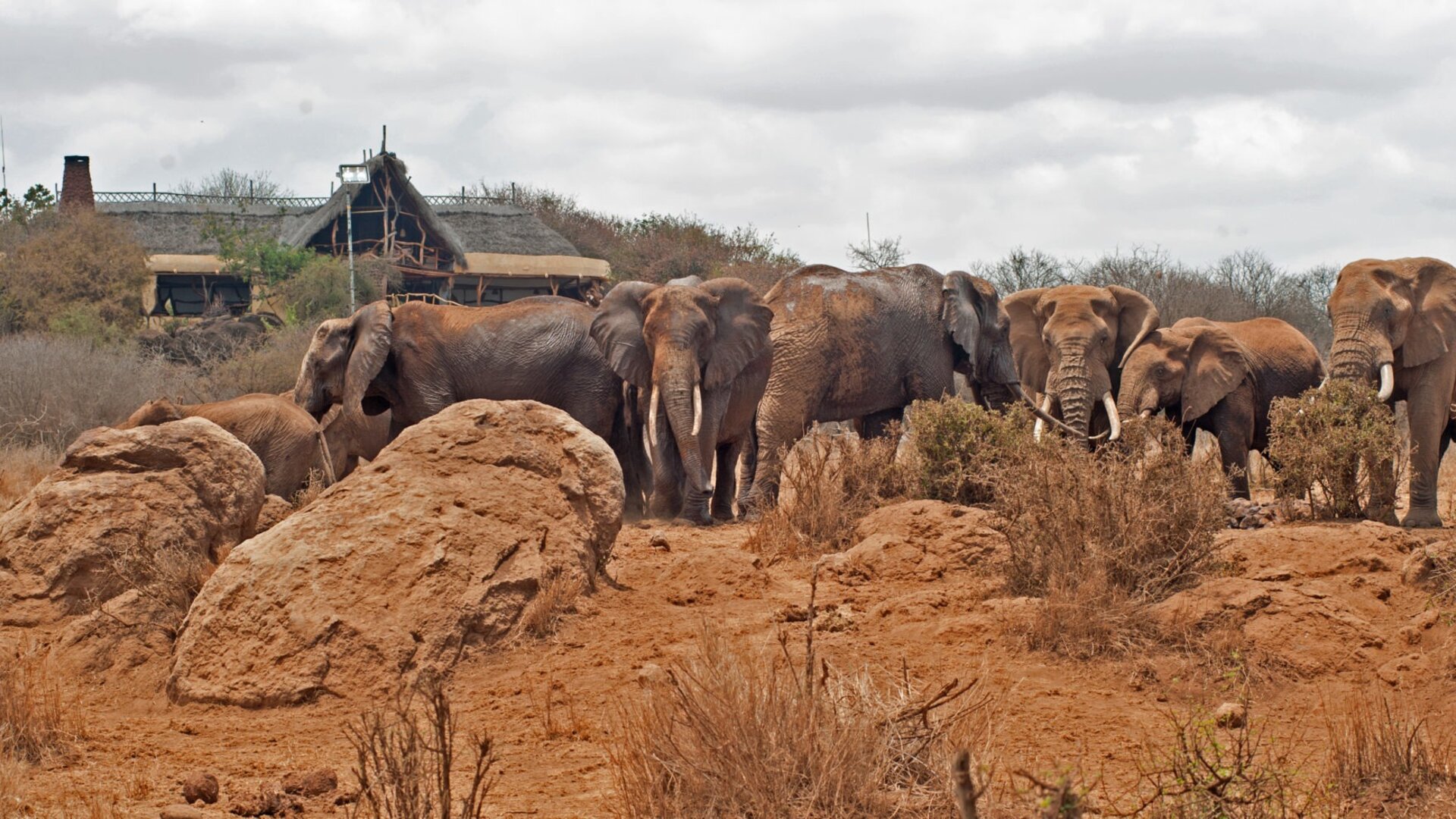
The Sheldrick Wildlife Trust runs the world’s most successful orphaned-elephant rescue programme from a nursery on the park boundary. It opens to the public for one hour only, from 11am to noon daily, when the youngest orphans come charging in for their milk and a mud bath while keepers tell each one’s story. Booking a visit slot in advance online is essential — walk-ups are turned away — and fostering an orphan for a modest annual donation gives you access to the quieter private evening visit. It is impossible to leave unmoved.
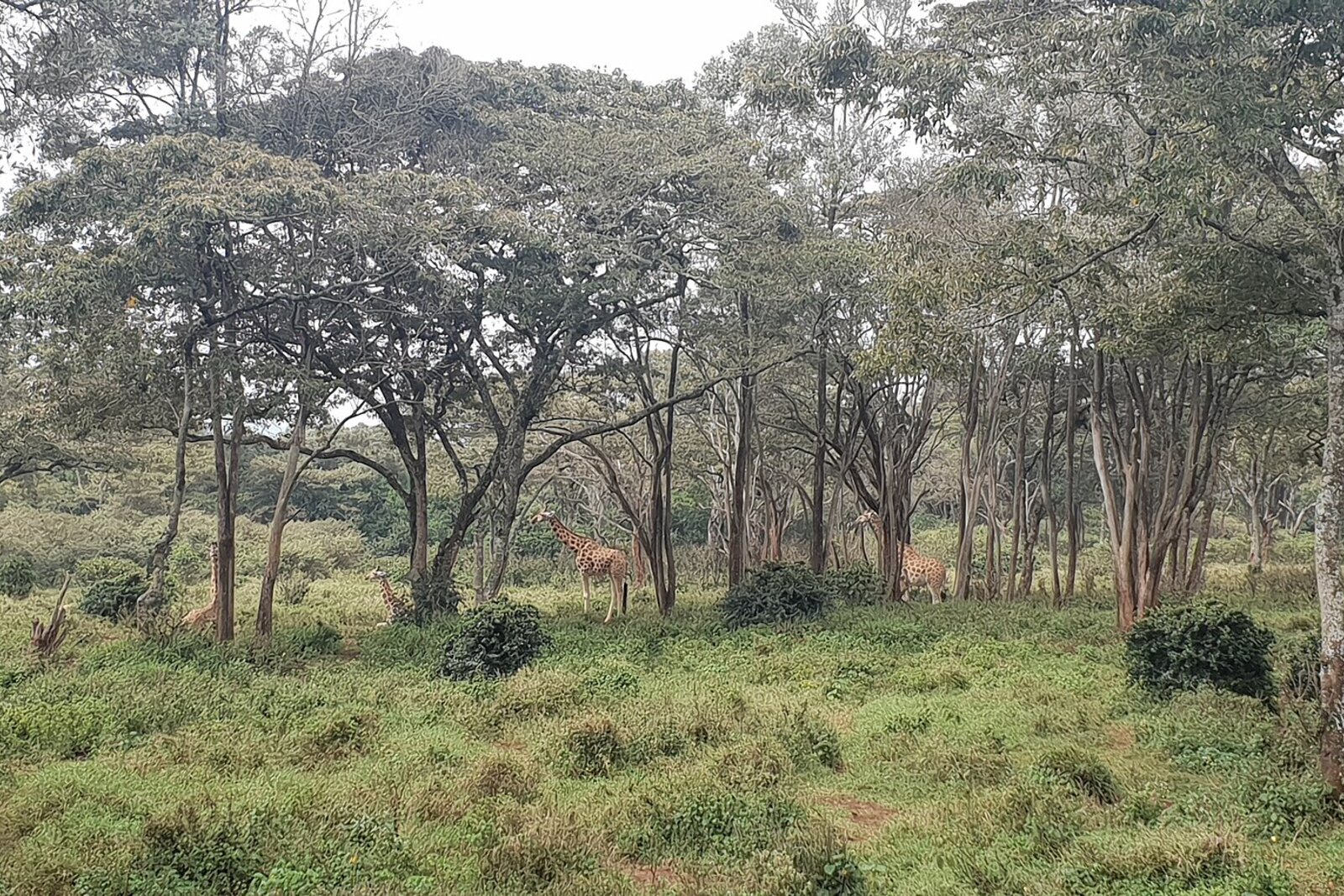
A short drive away, the Giraffe Centre is home to a herd of endangered Rothschild’s giraffe. From a raised timber platform you feed them by hand and, if you are brave, plant a food pellet between your own lips for the famous "giraffe kiss." It sounds like a gimmick and is in fact a serious breeding-and-release programme that has helped pull the subspecies back from the brink. Children adore it, and adults quietly do too. Both sites are easy morning stops and pair perfectly: elephants at eleven, giraffes either side.
Karen, the Ngong Hills & the Out of Africa Country
West of the city the suburb of Karen spreads out under tall trees and jacaranda — named for Karen Blixen, the Danish author who farmed coffee here and wrote Out of Africa under the pen name Isak Dinesen. This is the green, unhurried side of Nairobi, and it is where most of the good stopover lodges and gardens sit.
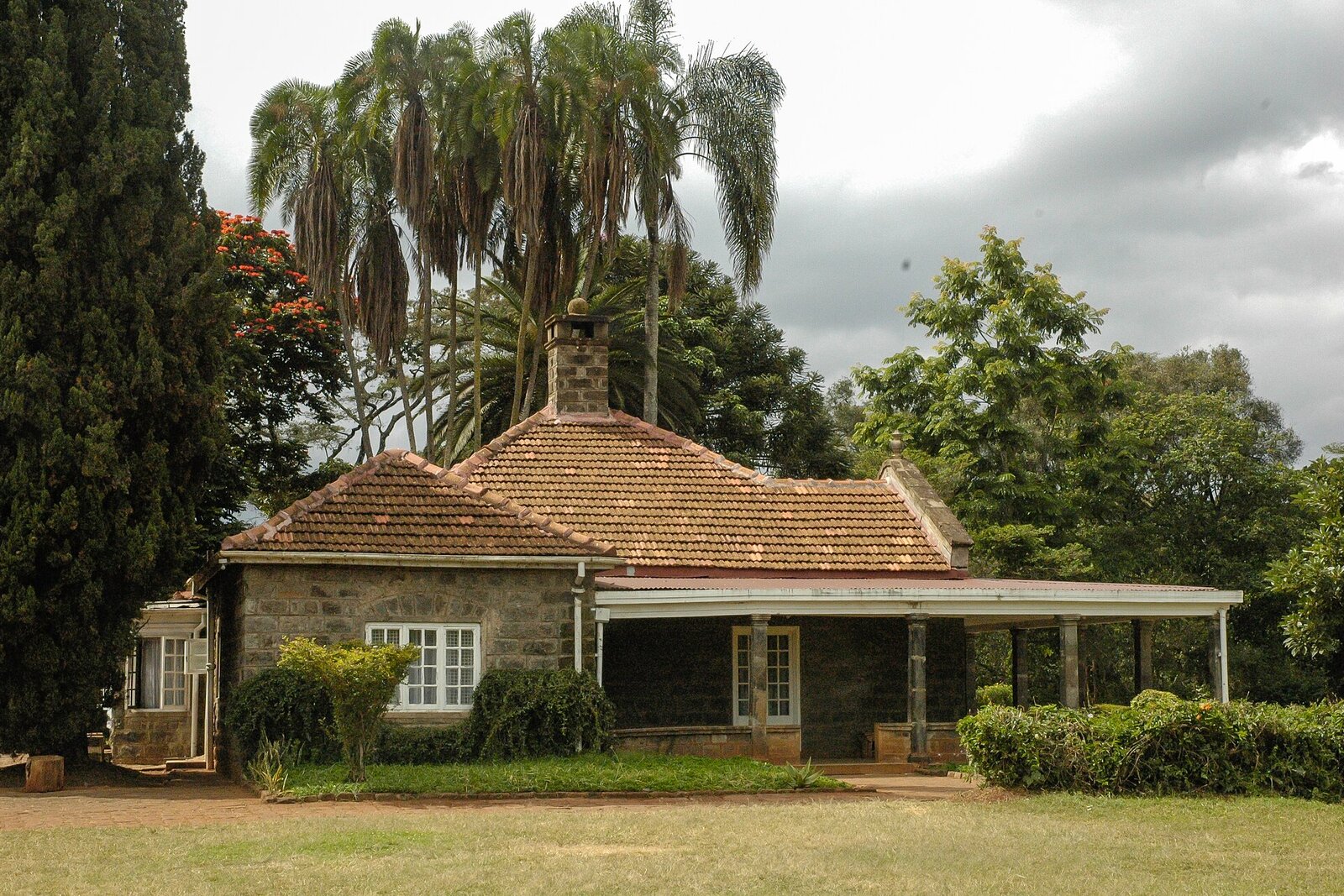
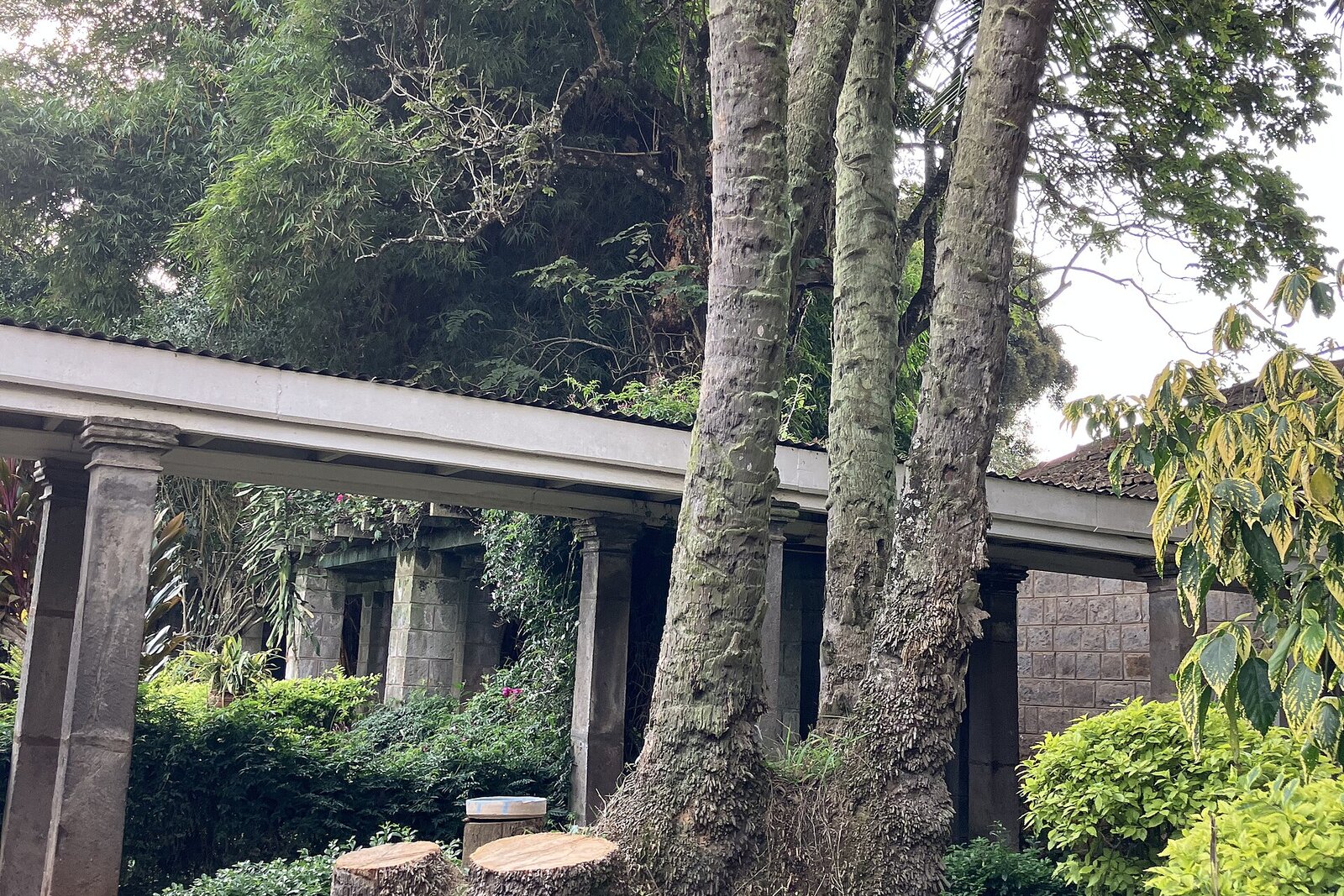
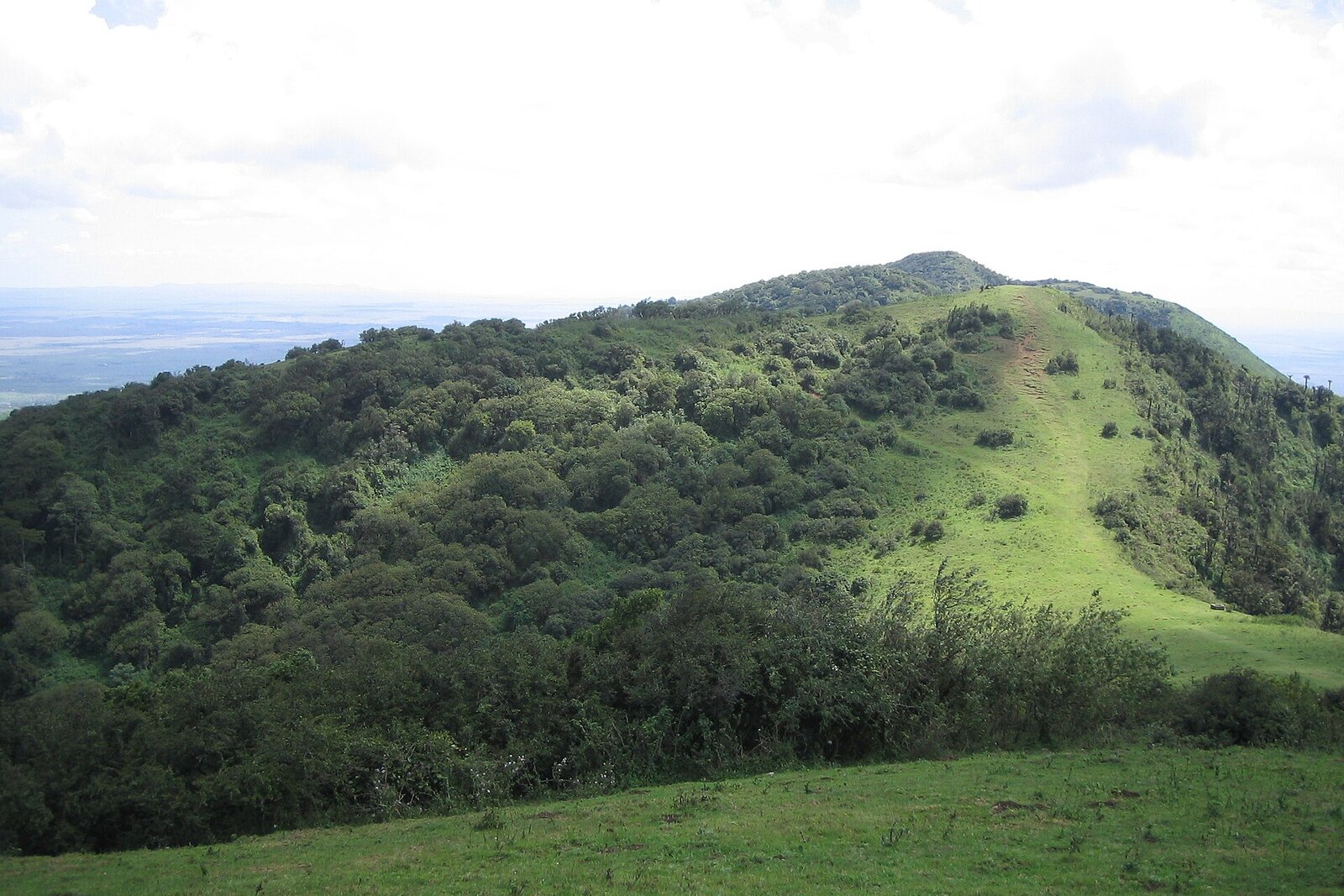
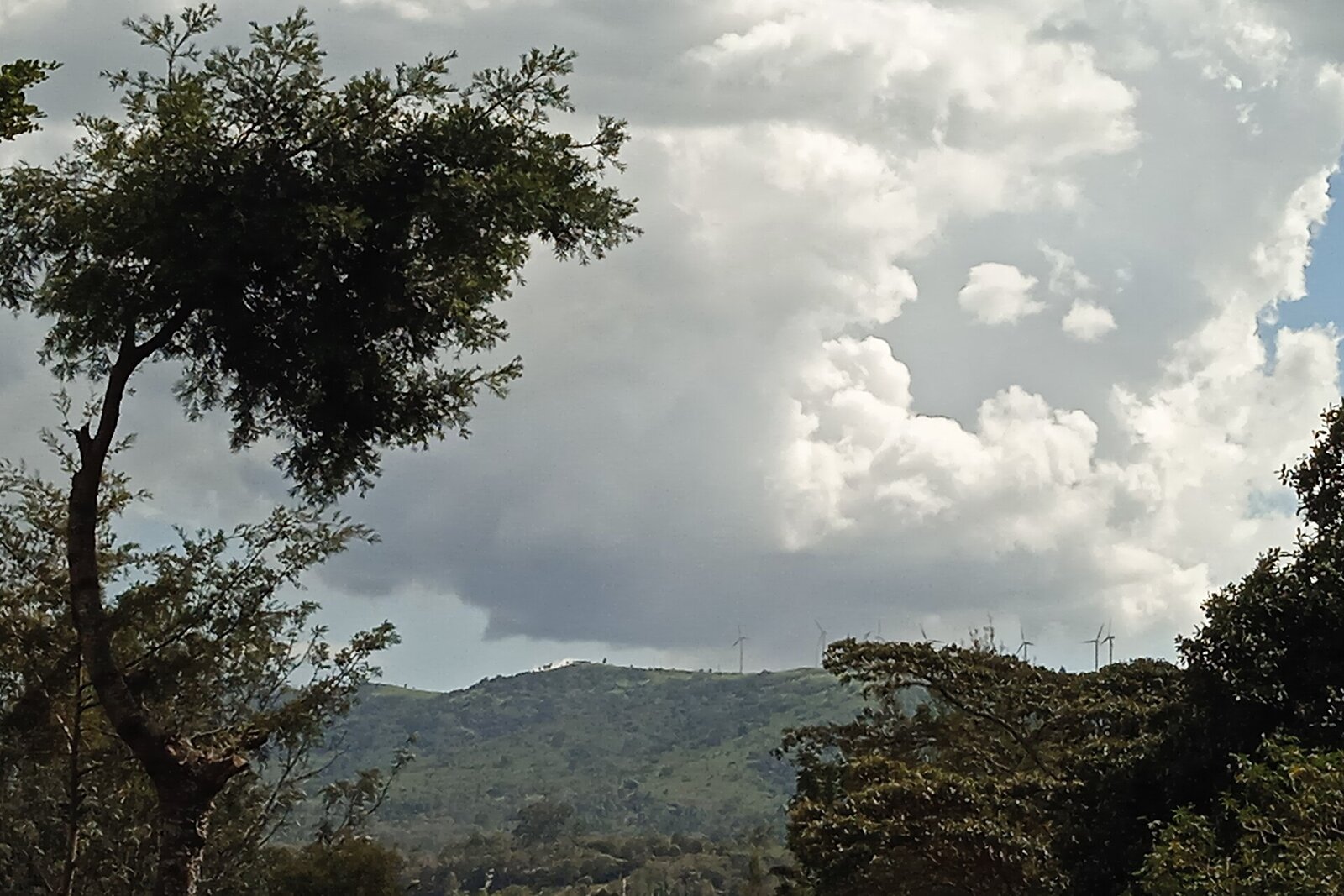
The Karen Blixen Museum is the original 1912 farmhouse, kept much as it was, with the Ngong Hills framed in the windows exactly as in the film. Even if you have never read the book, the house and its gardens make a peaceful hour. Nearby, the Ngong Hills themselves — a knuckled green ridge on the edge of the Great Rift Valley — offer a short, breezy walk with big views for anyone with a spare afternoon and decent shoes.
Karen is also where you refuel. The area is dotted with garden restaurants, craft markets and the excellent Kazuri bead workshop, a fair-trade cooperative employing single mothers. It is the natural base for a two-day stopover: safari and elephants in the morning, Karen’s calm in the afternoon.
How Long Is Your Layover? 1, 2 & 3-Day Plans
The single most useful question is how many hours you can actually be clear of the airport. Immigration, transfers and a safety margin for your onward flight eat into the total, so plan against real time on the ground, not the gap between flights. Here is how we match the highlights to the hours.
Two practical notes. First, the Sheldrick visit is fixed at 11am–noon, so a full-day plan is built around it — do the game drive first at dawn. Second, if your layover is under five hours we honestly advise staying airside; Nairobi traffic is unpredictable and no giraffe is worth a missed flight. Everything above assumes a private guide and vehicle, which is the only way to keep a tight schedule reliable.
Where to Stay: The Best Stopover Hotels
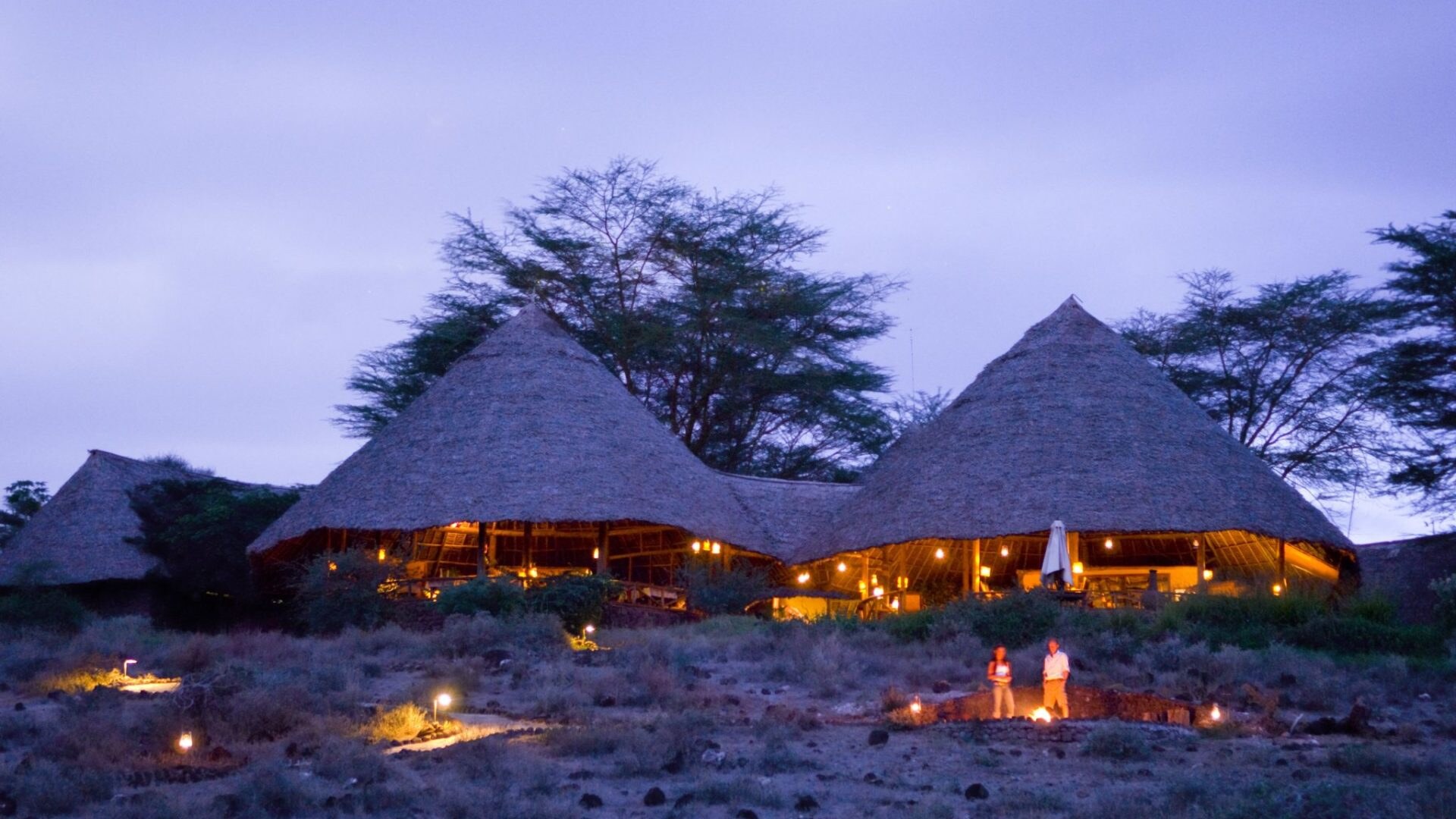
Nairobi’s hotels fall into three useful groups for a stopover: the once-in-a-lifetime, the park-view comfort, and the practical airport sleep. Choose by how much time — and budget — your connection allows.
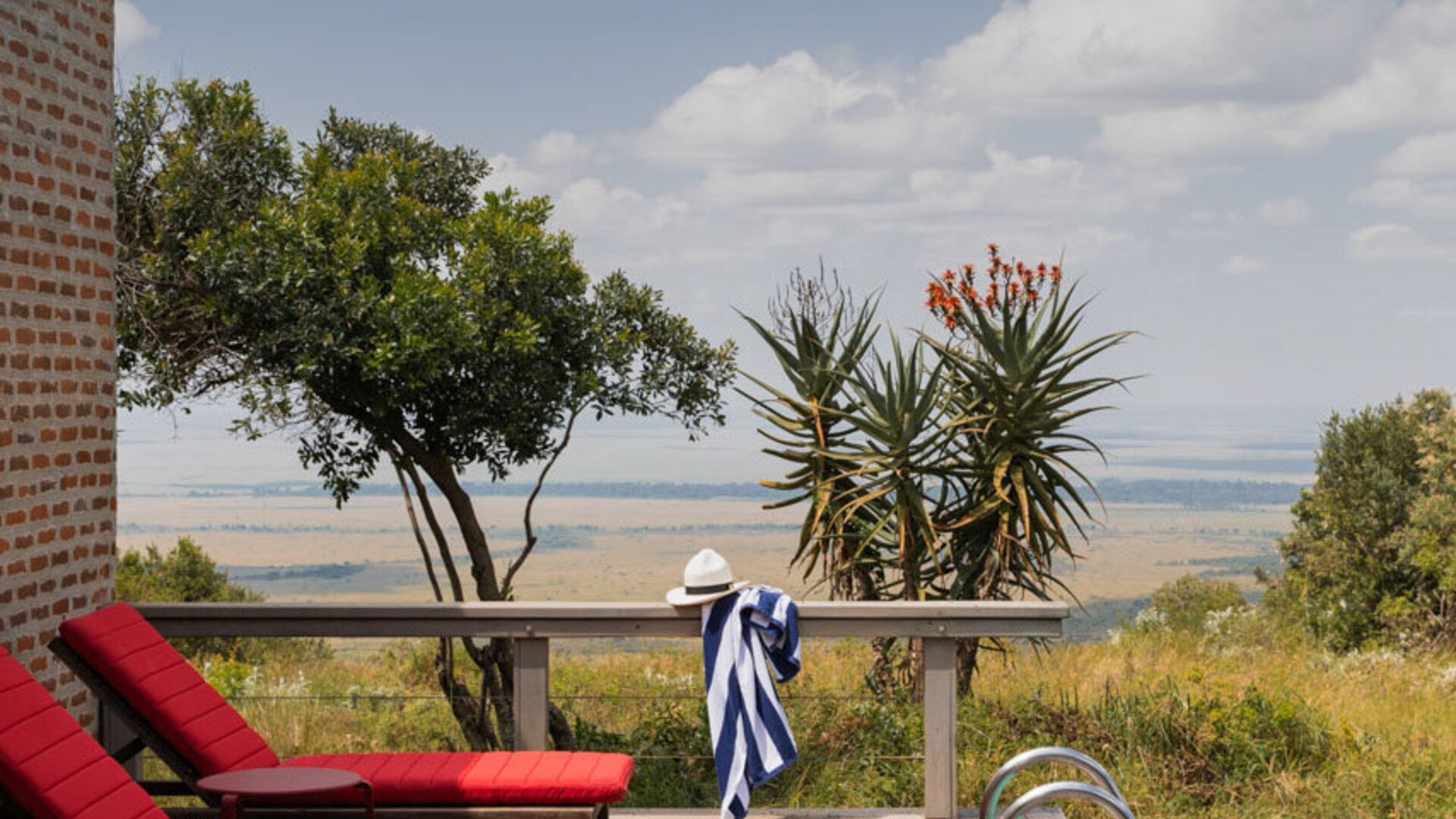
Giraffe Manor is the famous one — a 1930s ivy-clad house where the resident Rothschild’s giraffes push their heads through the dining-room windows at breakfast. It is one of the most photographed hotels on earth and books out many months ahead, so if it is on your list, plan the stopover around its availability rather than the other way round. For pure convenience with a view, Ole Sereni sits on the park fence on the airport road — you can watch buffalo and giraffe from the pool deck and still reach the terminal in ten minutes.
Where to Eat: Nairobi’s Iconic Tables
Nairobi eats well, and two tables have become part of the stopover ritual. Carnivore, on the Langata side near the park, is the legendary open-fire nyama choma restaurant where skewers of meat are carved at your table until you lower the paper flag to surrender. It is touristy in the best way and a genuinely fun last-night dinner. For something more refined, Talisman in Karen is a garden bistro beloved by residents and diplomats — think slow lunches under the trees and a menu that wanders happily between Kenya, the Mediterranean and Asia.
If you are short on time, the garden cafés of Karen — from the Coffee Garden to Cultiva and the Tin Roof — do excellent breakfasts and lunches and slot neatly between the elephants and the airport. Wherever you eat, try Kenyan coffee at the source and a cold Tusker to toast the day.
Arrival Logistics: Visa, eTA, Airport & Transfers
Nairobi’s main gateway is Jomo Kenyatta International Airport (JKIA), on the southeastern side of the city beside the national park. The smaller Wilson Airport handles most light-aircraft safari flights. For a stopover you almost always arrive and leave from JKIA.
The key thing to sort before you fly is Kenya’s Electronic Travel Authorisation (eTA). Kenya has replaced visa-on-arrival with a mandatory online eTA that nearly all visitors must obtain in advance — including for a short stopover where you leave the airport. Apply at the official site (etakenya.go.ke) at least three days before travel, upload a passport photo and your onward ticket, and carry the approval on your phone. Your passport should have at least six months’ validity and a couple of blank pages. A Yellow Fever certificate is required only if you are arriving from a country where the disease is a risk — worth checking against your full routing.
For transfers, do not improvise. Pre-arrange a private driver or, better, a guide-and-vehicle for the whole outing so your schedule is protected end to end. JKIA to the park gate or Karen is roughly 30–60 minutes depending on traffic, which in Nairobi can swing wildly. A good operator meets you at arrivals with your name on a board, handles park ticketing on the KWS system, and watches the clock against your onward flight so you do not have to.
Getting Around & Staying Safe
Nairobi is a big, energetic African capital, and a little common sense goes a long way. On a stopover the simplest and safest approach is a private car with a driver or guide — you skip the stress of navigation, keep your luggage secure, and stay on schedule. Reputable app-based taxis operate widely too and are fine for short hops between Karen and the restaurants.
Standard city precautions apply: keep phones and cameras out of sight in traffic, do not walk around after dark with valuables, and leave passports and spare cash in the hotel safe once you have checked in. The tourist sites — the park, the orphanage, the Giraffe Centre, Karen — are well run and secure. Malaria risk in Nairobi itself is low because of the altitude (the city sits at around 1,795 metres), but if your onward trip heads to the Mara, the coast or lower-lying parks, start your prophylaxis as your clinic advises.
Best Time to Stop Over & What to Pack
The good news for a stopover is that Nairobi works year-round — you are not waiting on a migration or a single season. The driest, brightest months are January to March and June to October, ideal for a game drive and clear views of the Ngong Hills. The long rains (roughly April–May) and short rains (November) bring greener scenery and fewer crowds, with showers that tend to come in bursts rather than all day. Mornings at altitude are genuinely cool, so pack a layer.
For a day out from the airport, keep it simple: neutral, comfortable clothing, a fleece or light jacket for the dawn drive, a hat and sunscreen, sturdy shoes if you plan on the Ngong Hills, and your passport plus the eTA approval. A camera with a bit of zoom pays off at the park and the giraffe platform. Everything else can stay locked in your checked bag or the hotel — the whole point of a stopover is to travel light and move fast.
Plan Your Nairobi Stopover with Beyond Africa
A Nairobi stopover is the easiest upgrade you can make to a trip you are already taking. With a good guide and a plan built around your exact hours, a dead layover becomes lions against a skyline, orphaned elephants at the mud bath, and a giraffe leaning in to say hello. We time it to the minute so you never feel rushed and never risk your onward flight.
Turn your layover into the best day of the trip
Tell us your flight times and we will build a private Nairobi stopover — game drive, elephants, giraffes and Karen — scheduled around your connection, with a guide who watches the clock so you do not have to.
Plan my stopover Browse safari packages WhatsApp us