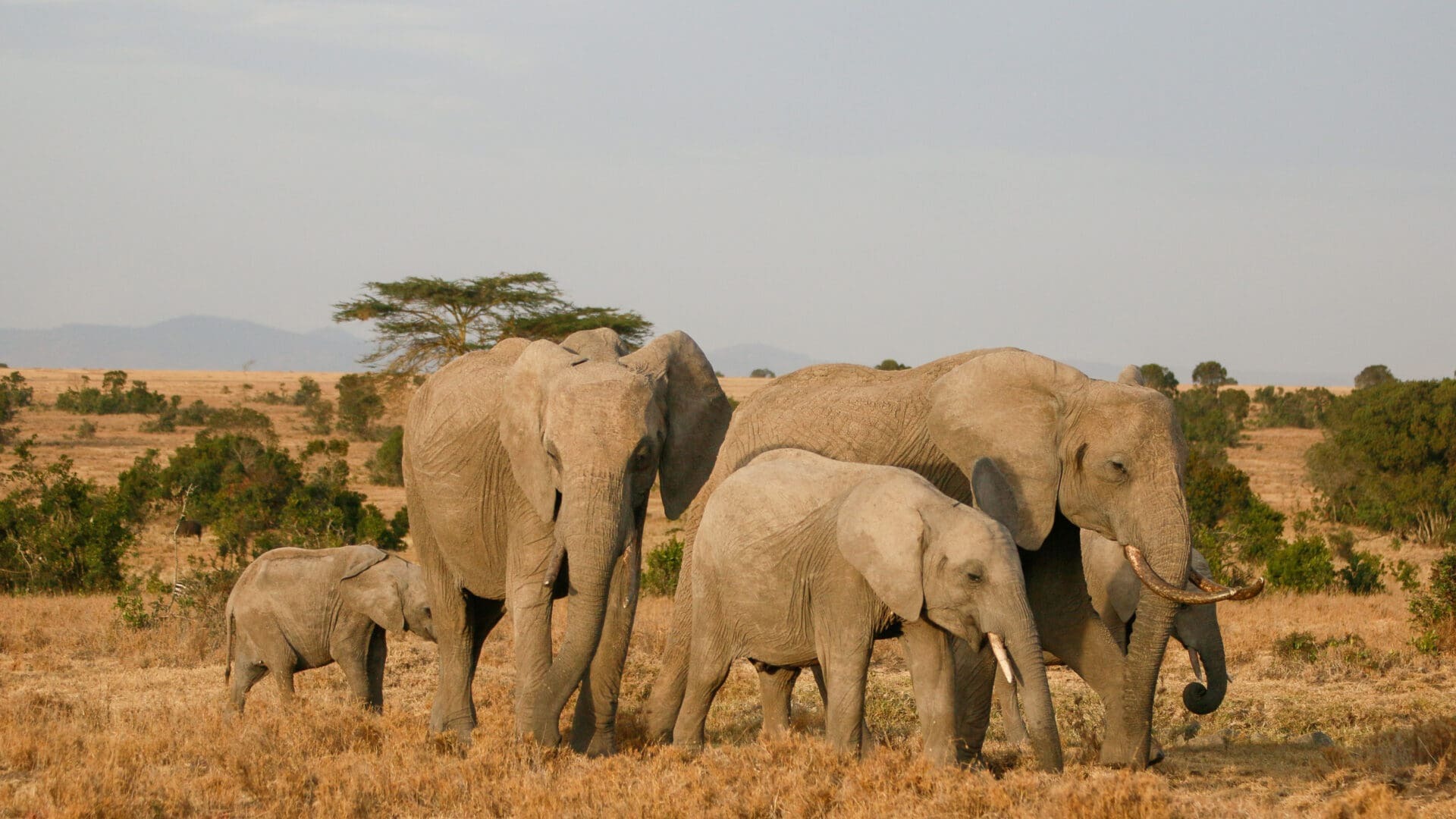
Most safari camps talk about elephants. Elephant Bedroom Camp lets them walk through your bedroom.
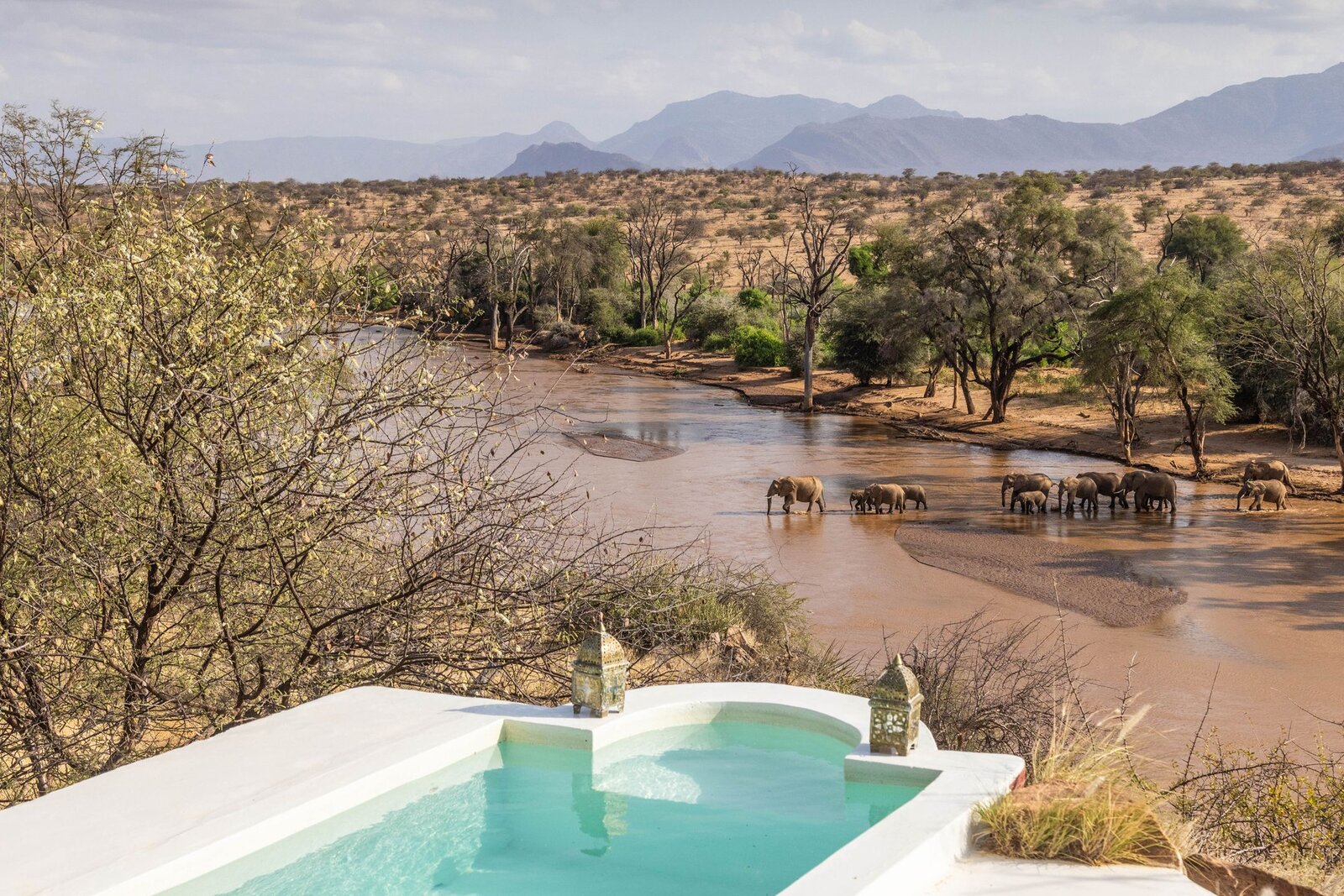
This is Samburu — Kenya's wild northern frontier, where the Ewaso Nyiro River carves a ribbon of green through an arid, thorn-scrub wilderness and elephants follow ancient migratory corridors unchanged for millennia. Elephant Bedroom Camp sits directly on one of those corridors, a 12-tent riverbank sanctuary where herds pass daily beneath towering doum palms, stopping to feed, drink, and rest metres from your private plunge pool.
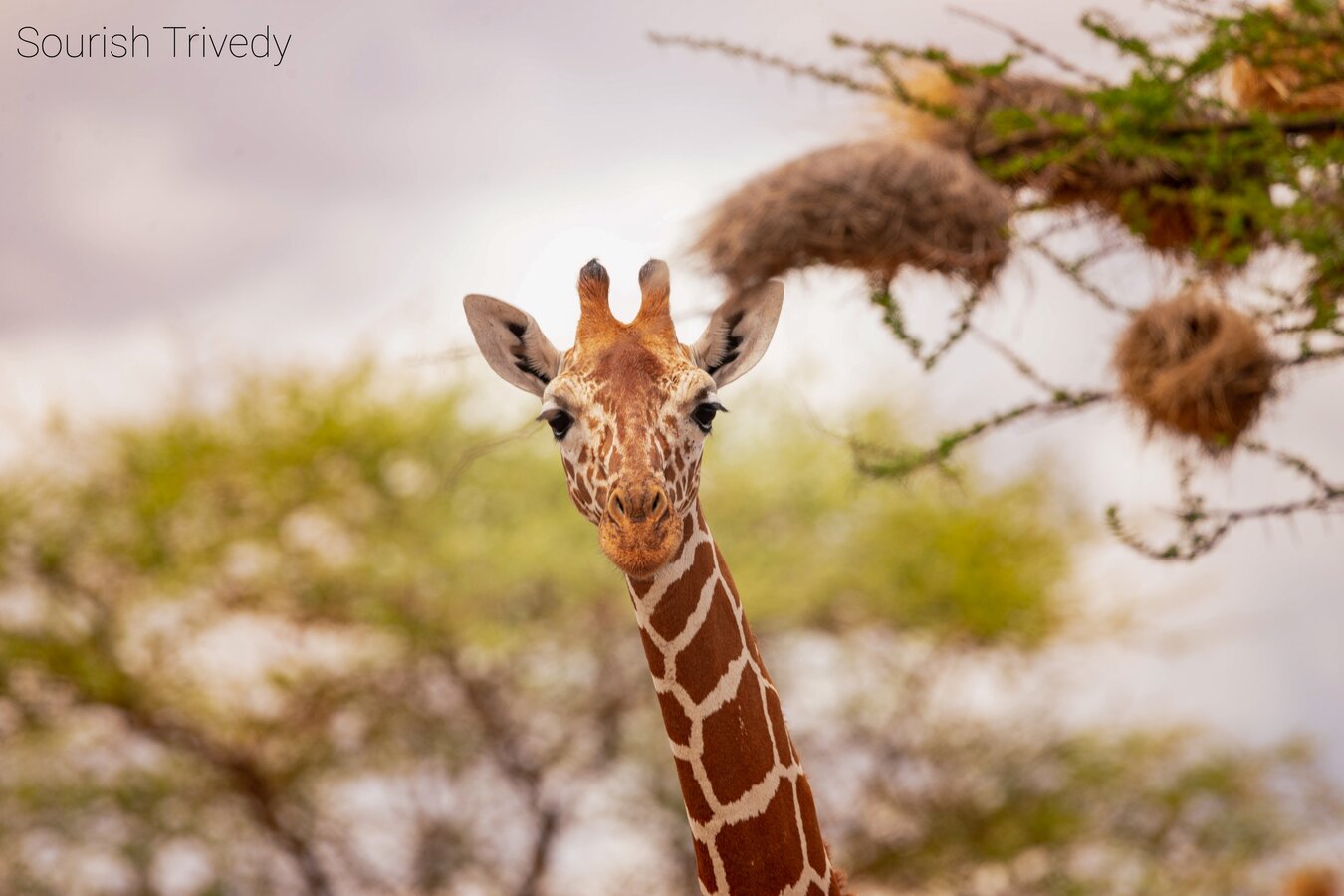
It is safari as it should be: unfenced, unhurried, profoundly alive. Grevy's zebra graze the riverbanks at dawn. Reticulated giraffes browse the acacia canopy. Lions call across the valley as the sun sets over the Mathews Range. And every evening, as you dine on the open riverside deck, elephant families drift past close enough to hear their rumbling conversations.
In this review, we'll explore every aspect of the Elephant Bedroom experience — the authentic luxury of the tents and their private pools, the truth about the unfenced setup and safety protocols, transparent 2026 rates ($400–$750 per person per night), the Samburu Special Five wildlife you'll encounter, and honest guidance on who will love this camp and who won't.
This is Elephant Bedroom Camp — where the wild still reigns, and every guest becomes part of the elephant's story.
Key Takeaways
- Elephant Bedroom Camp sits on an ancient elephant corridor along the Ewaso Nyiro River in Samburu National Reserve
- 12 luxury tents on raised wooden platforms, each with a private plunge pool and panoramic river views
- Completely unfenced — elephants, buffalo, and wildlife walk freely through camp daily (safety protocols strictly enforced)
- Samburu Special Five: Grevy's zebra, reticulated giraffe, Beisa oryx, gerenuk, Somali ostrich
- 2026 rates: $400–$550 pp/night shoulder season, $550–$750 pp/night peak season, all-inclusive (park fees extra)
- Family-owned by Kenya's Atua Enkop since 1976 — authentic Samburu heritage and hospitality
- Ideal for couples, families with older children (8+), photographers, and safari-goers who value authentic wilderness over fenced luxury
The Setting — An Ancient Elephant Corridor on the Ewaso Nyiro
Samburu National Reserve lies 350 kilometres north of Nairobi, beyond the equator, where Kenya's green highlands give way to the arid, thorn-scrub wilderness of the northern frontier. The Ewaso Nyiro River — "river of brown water" in the Samburu language — is the lifeblood of this landscape, a permanent water source that draws massive concentrations of wildlife in the dry season and sustains year-round populations of species found nowhere else in Kenya.
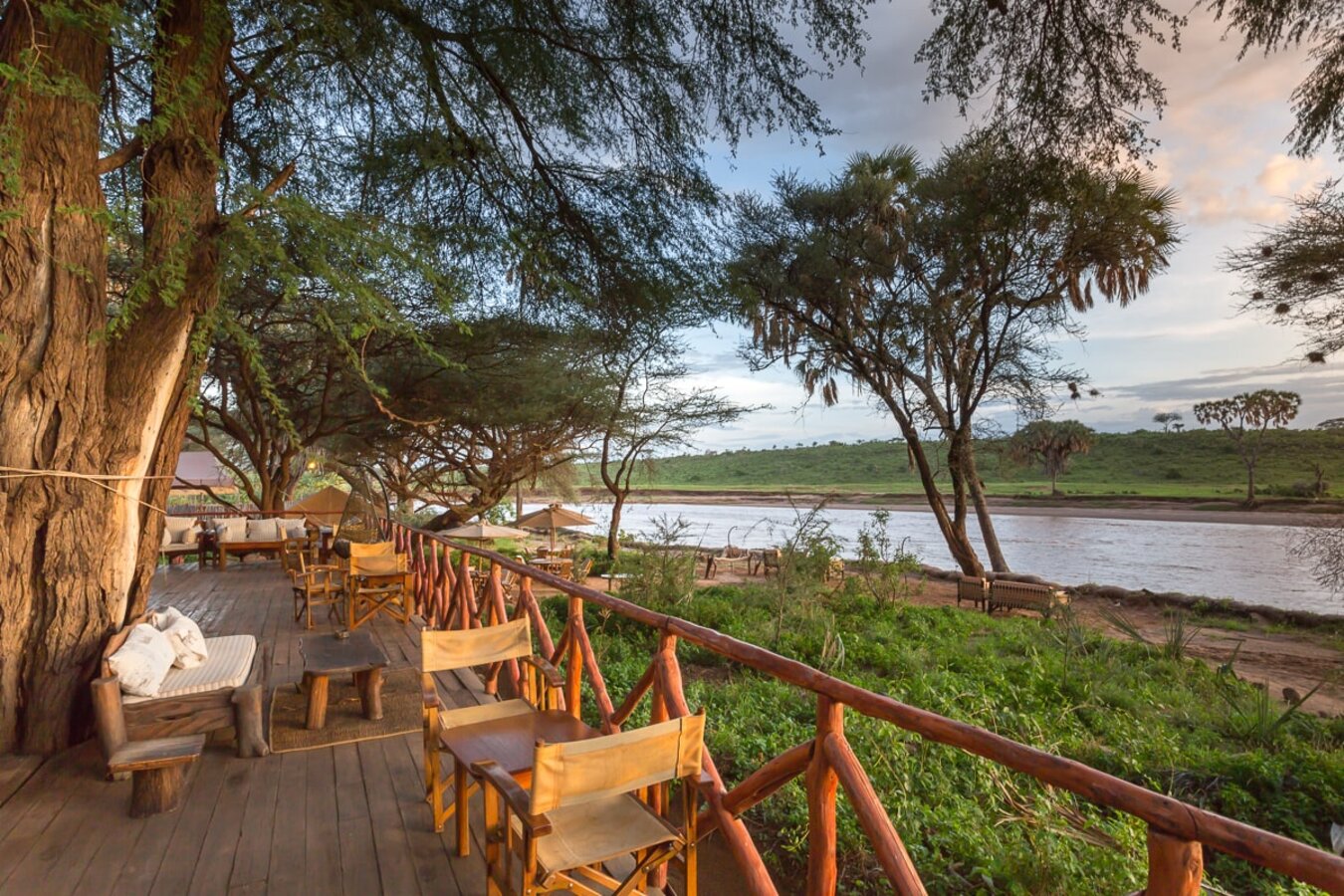
Elephant Bedroom Camp sits on the southern bank of the river within a shaded grove of doum palms and acacia trees. The location is no accident: this is an ancient elephant corridor, a route herds have followed for generations to access the river, feed on doum palm nuts, and rest in the shade during the fierce midday heat. When the camp was built in 1976 by the Atua Enkop family, they deliberately chose to work with the elephants' natural movements rather than fence them out — a decision that defines the entire Elephant Bedroom experience.
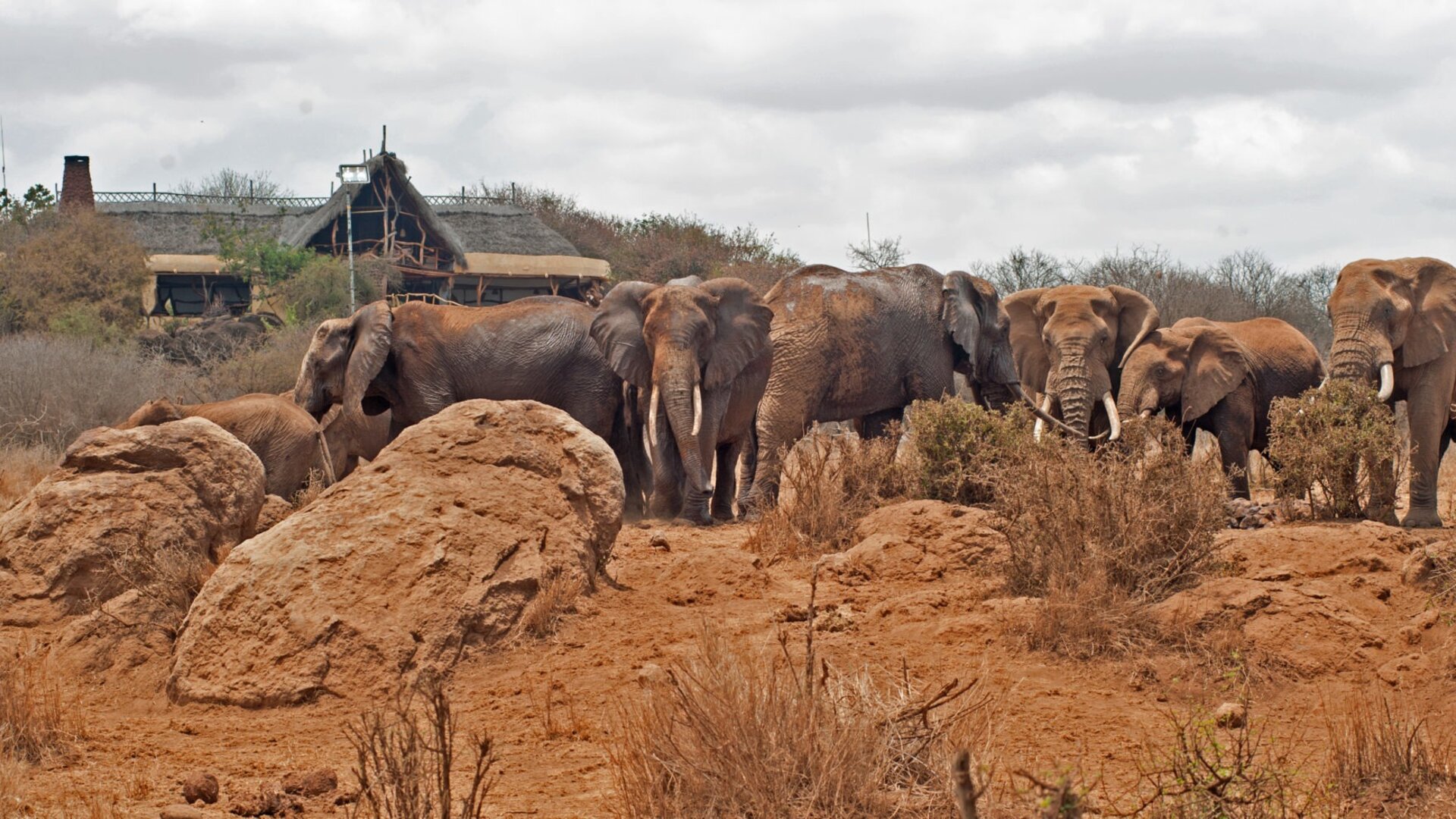
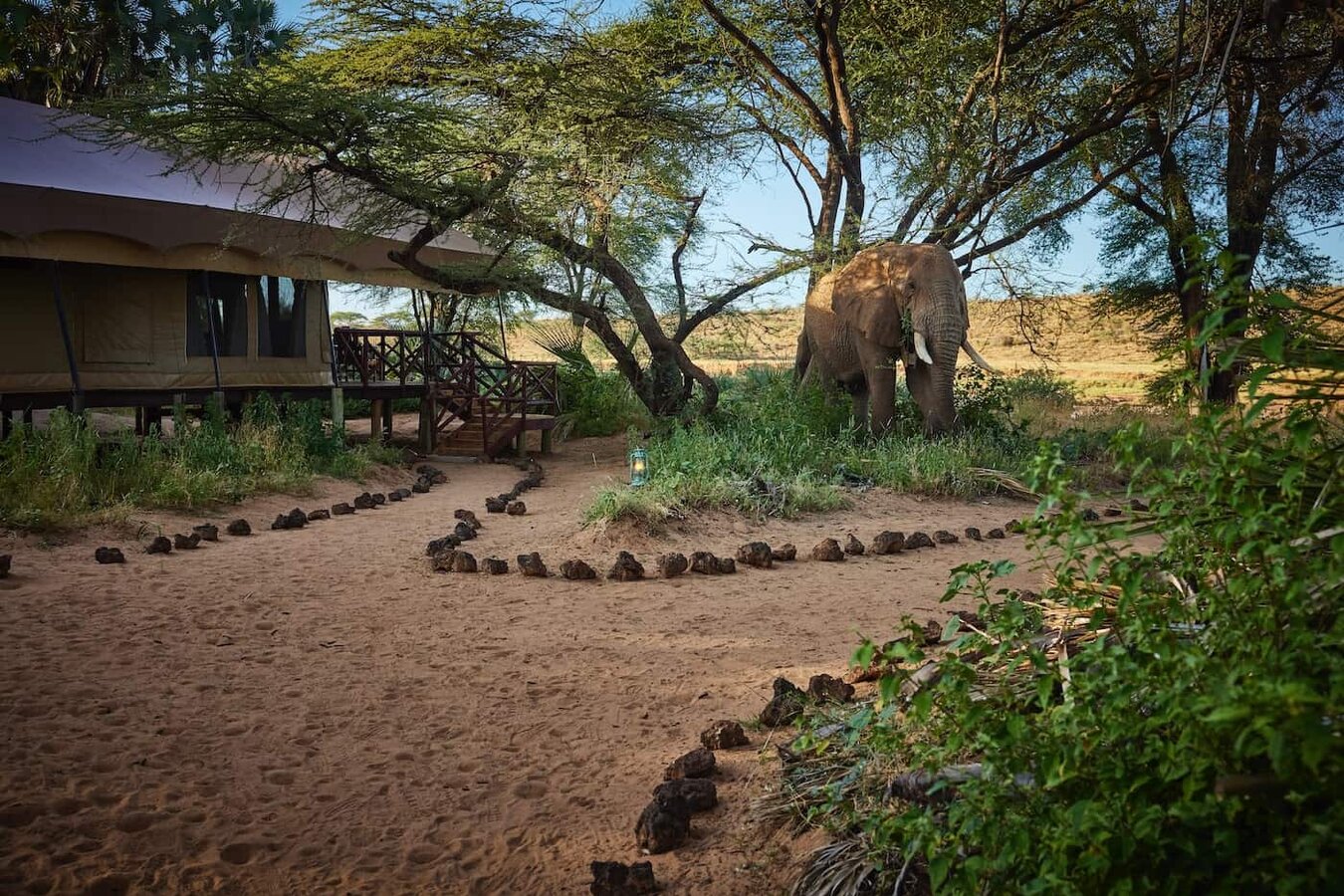
The result is a camp where wildlife is not a distant sighting through binoculars but an intimate, immersive presence. Elephants wander between the tents, pausing to crack open doum palm nuts with their trunks or to dust-bathe in the red Samburu earth. Grevy's zebra graze the riverbanks. Reticulated giraffes browse the canopy overhead. And from the privacy of your tent deck or the communal riverside dining area, you watch it all unfold — unhurried, unscripted, entirely real.
The Tents — Raised Platforms, Private Pools, and River Views
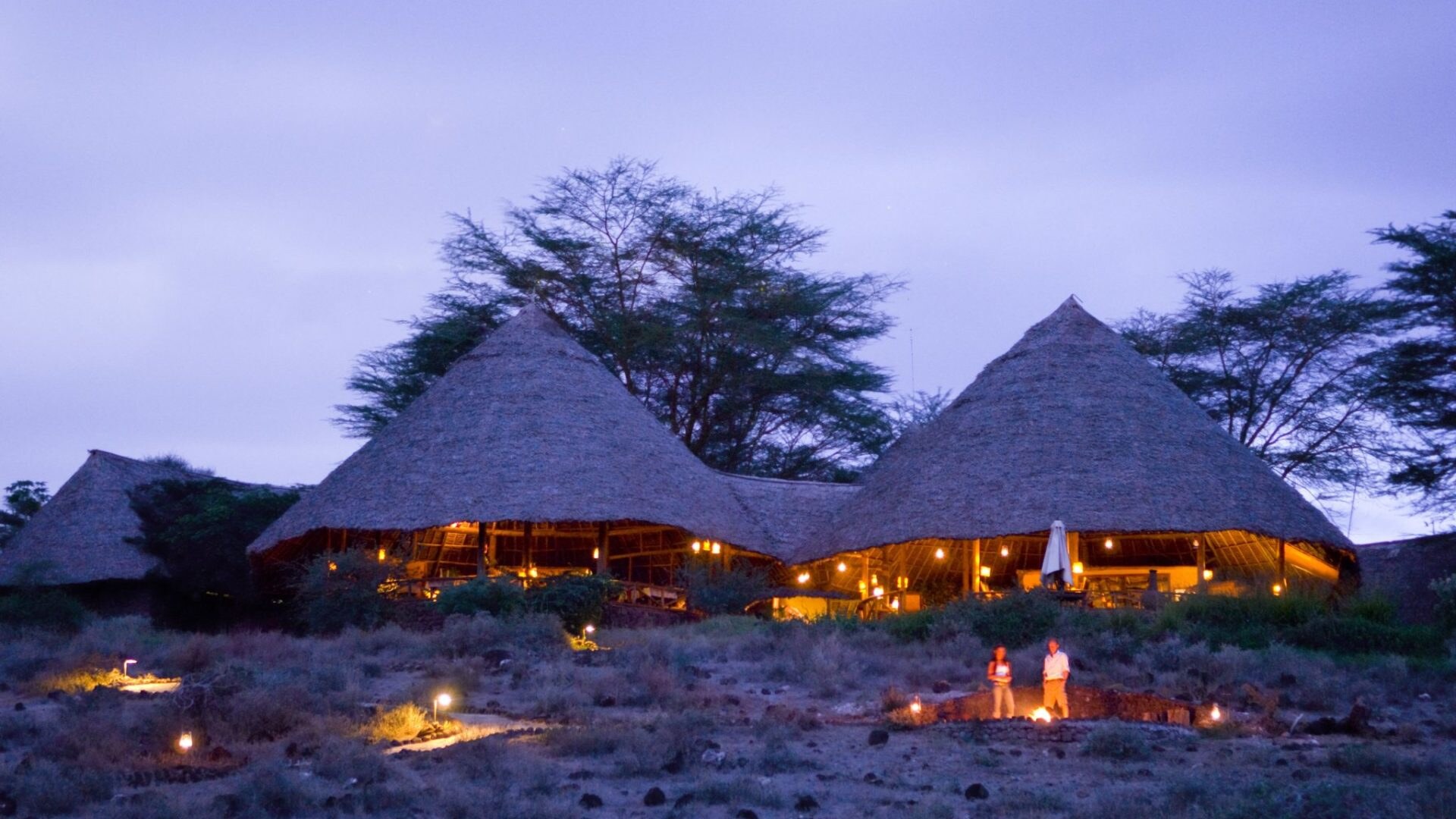
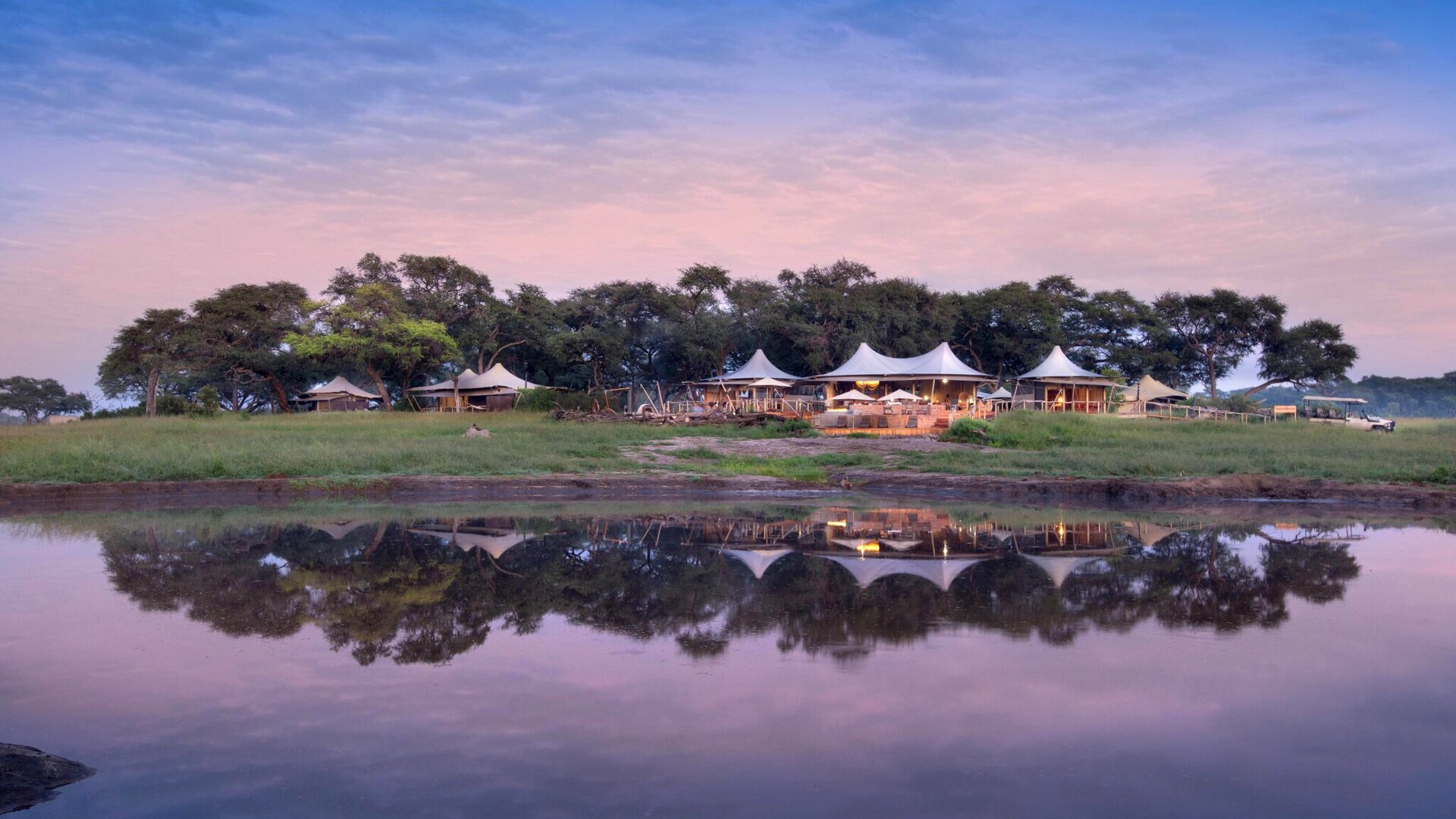
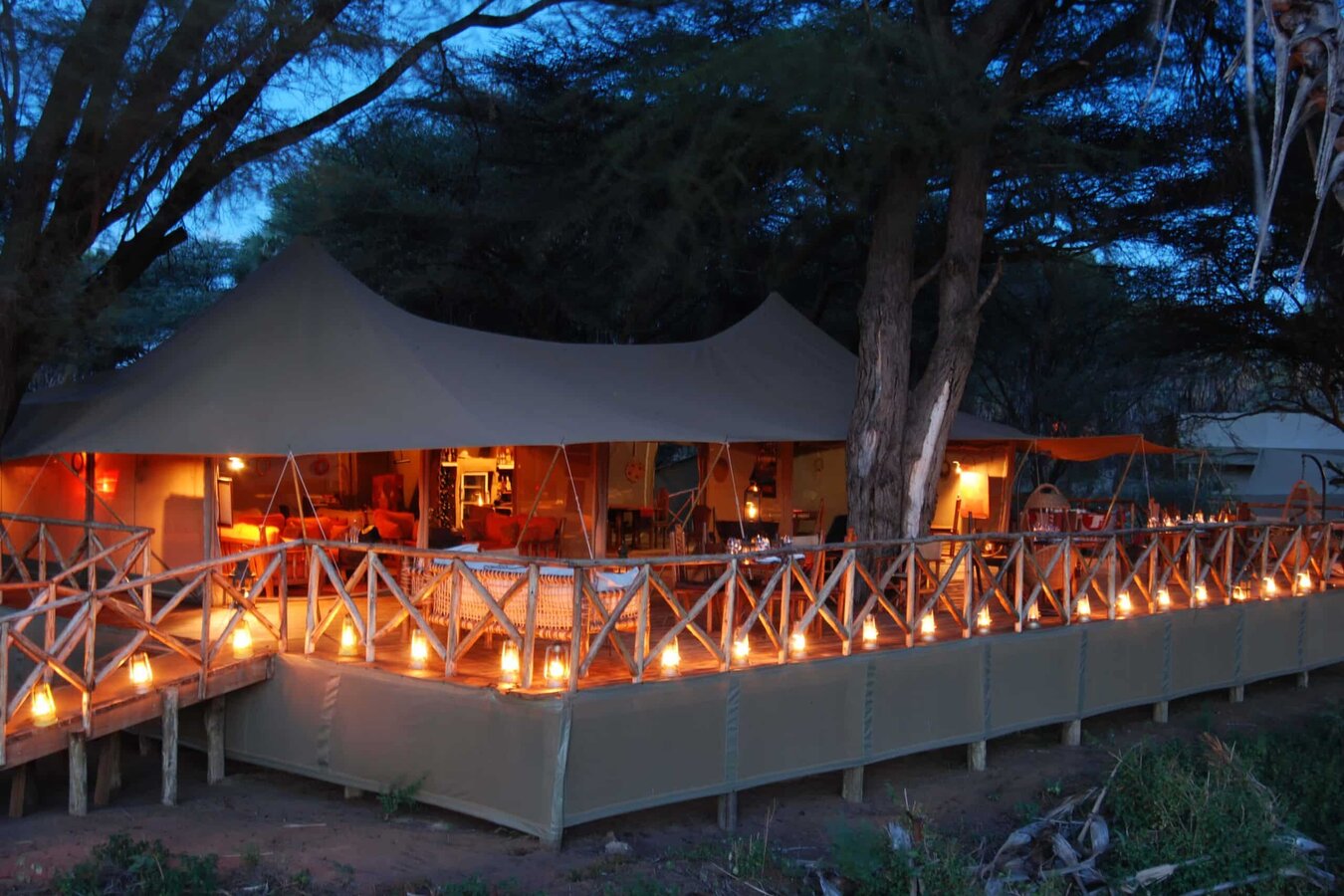
Elephant Bedroom Camp has 12 luxury tents, each raised on a solid wooden platform beneath the doum palms and acacia canopy. The elevation serves two purposes: it keeps you above flood level during the rainy season, and it positions you at eye level with browsing giraffe and passing elephant herds — a subtle design choice that transforms ordinary wildlife viewing into something far more intimate.
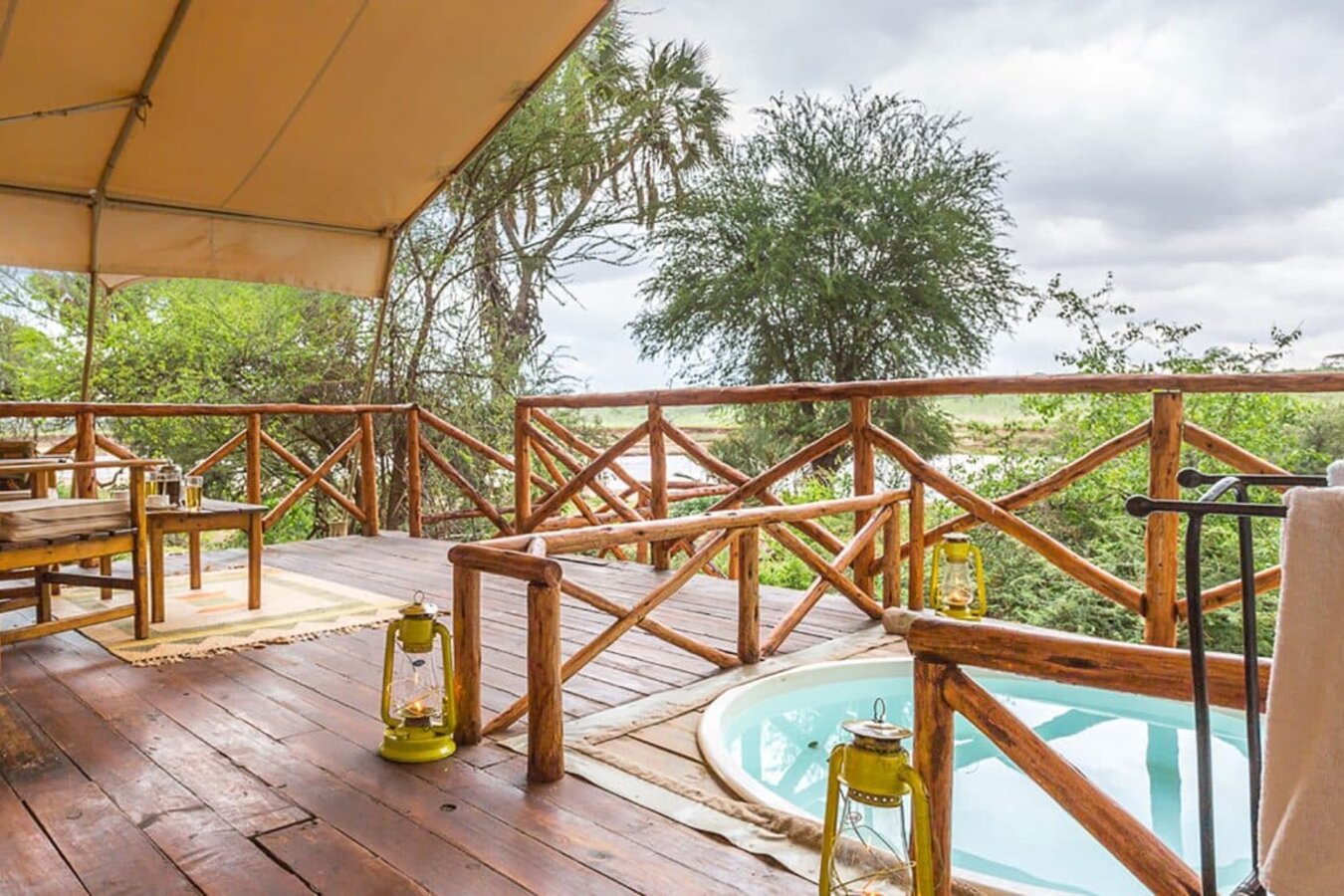
Each tent is spacious and classically appointed: a king or twin four-poster bed under mosquito netting, handcrafted wooden furniture, woven rugs, soft lighting, and large screened windows that frame the river and the wildlife corridor beyond. The en-suite bathroom includes a flush toilet, hot shower (solar-heated), and double vanity — modern comforts wrapped in canvas and timber safari tradition.
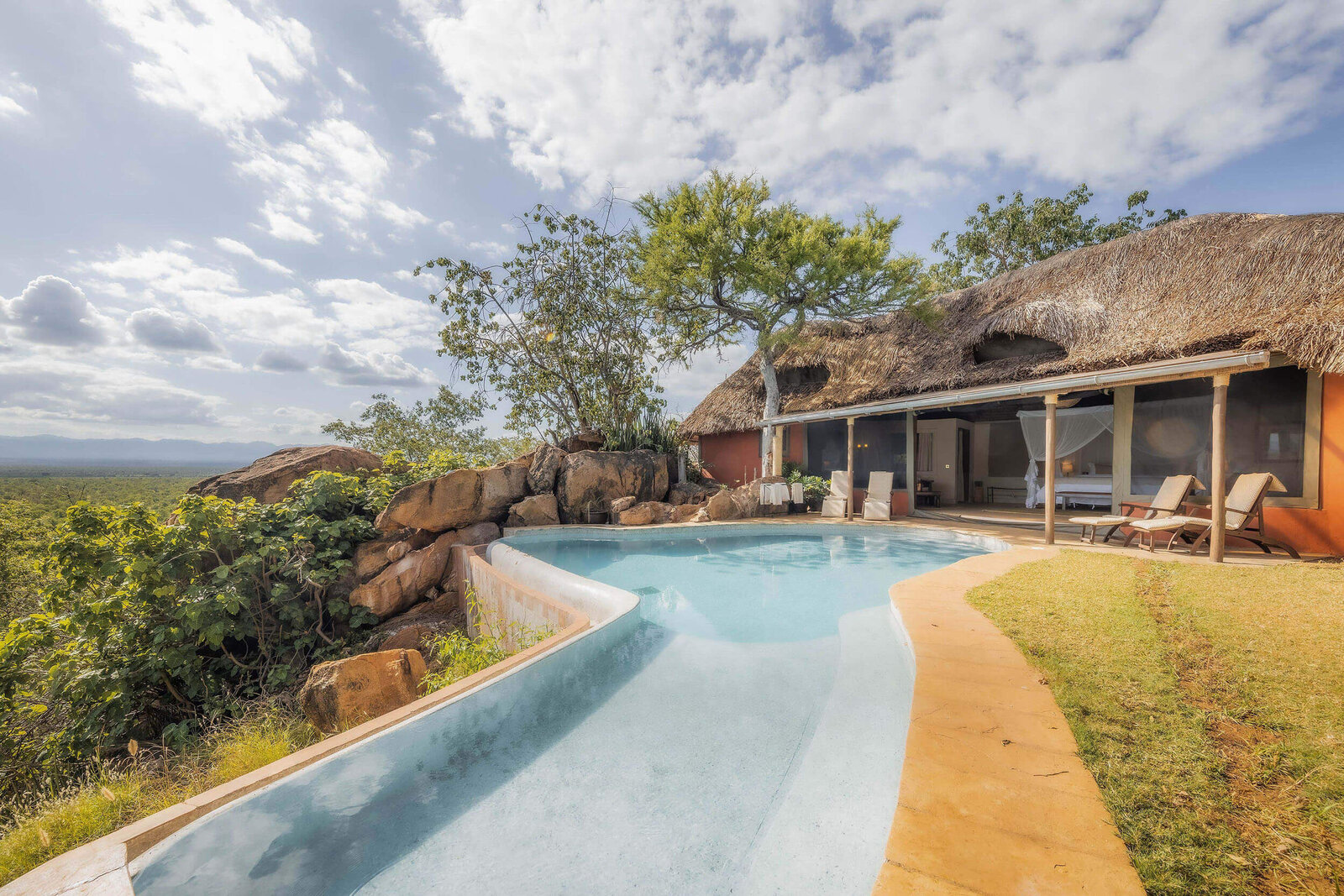
But the defining feature of every tent is the private plunge pool on the front deck. These aren't token dip-pools; they're generous, tiled pools deep enough for a proper swim, positioned to overlook the Ewaso Nyiro River and the wildlife that congregates on its banks. During the fierce midday heat when game viewing pauses and the camp slows to siesta pace, the plunge pool becomes your private sanctuary — a place to cool off, read, and watch the parade of zebra, impala, and elephant drifting past below.
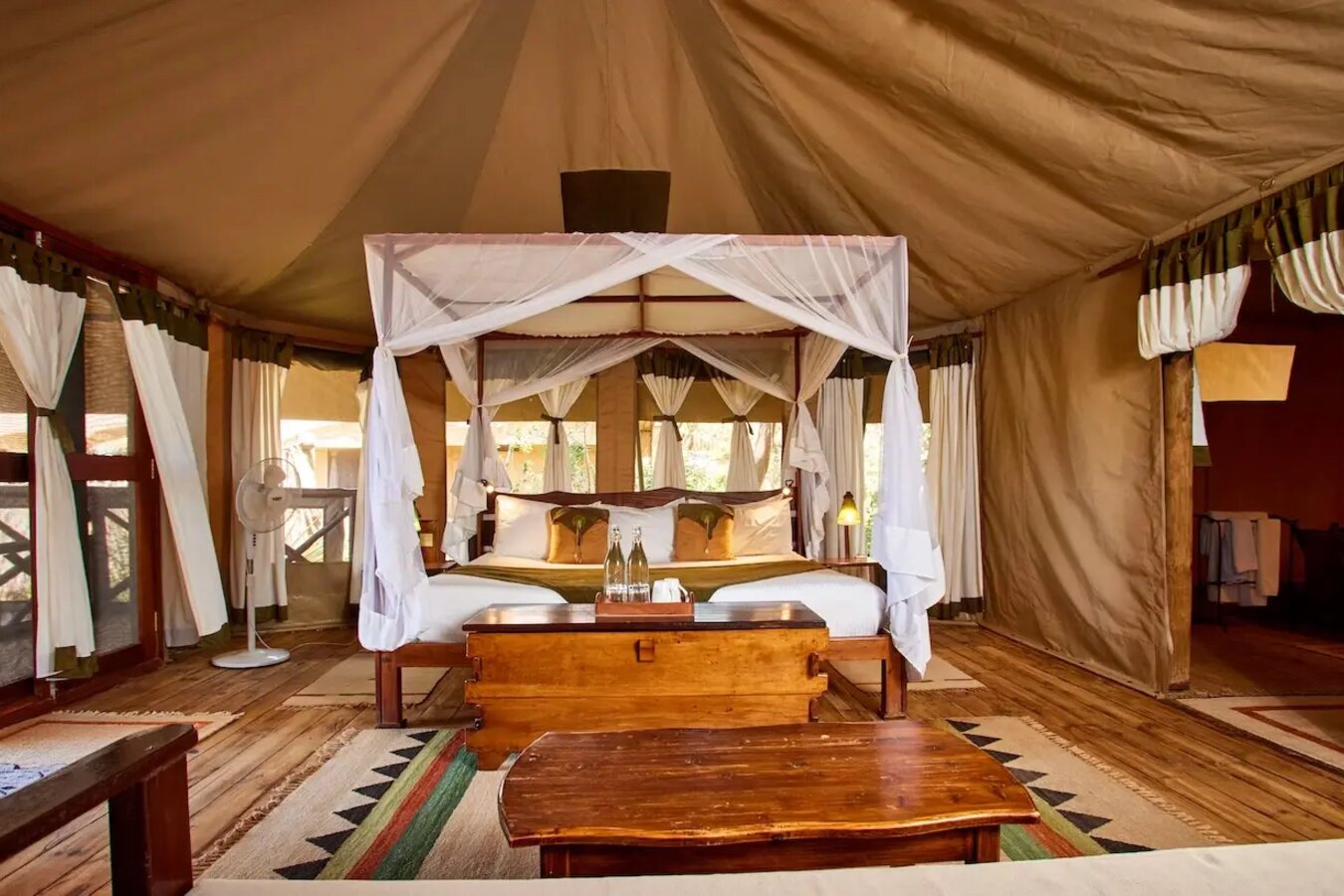
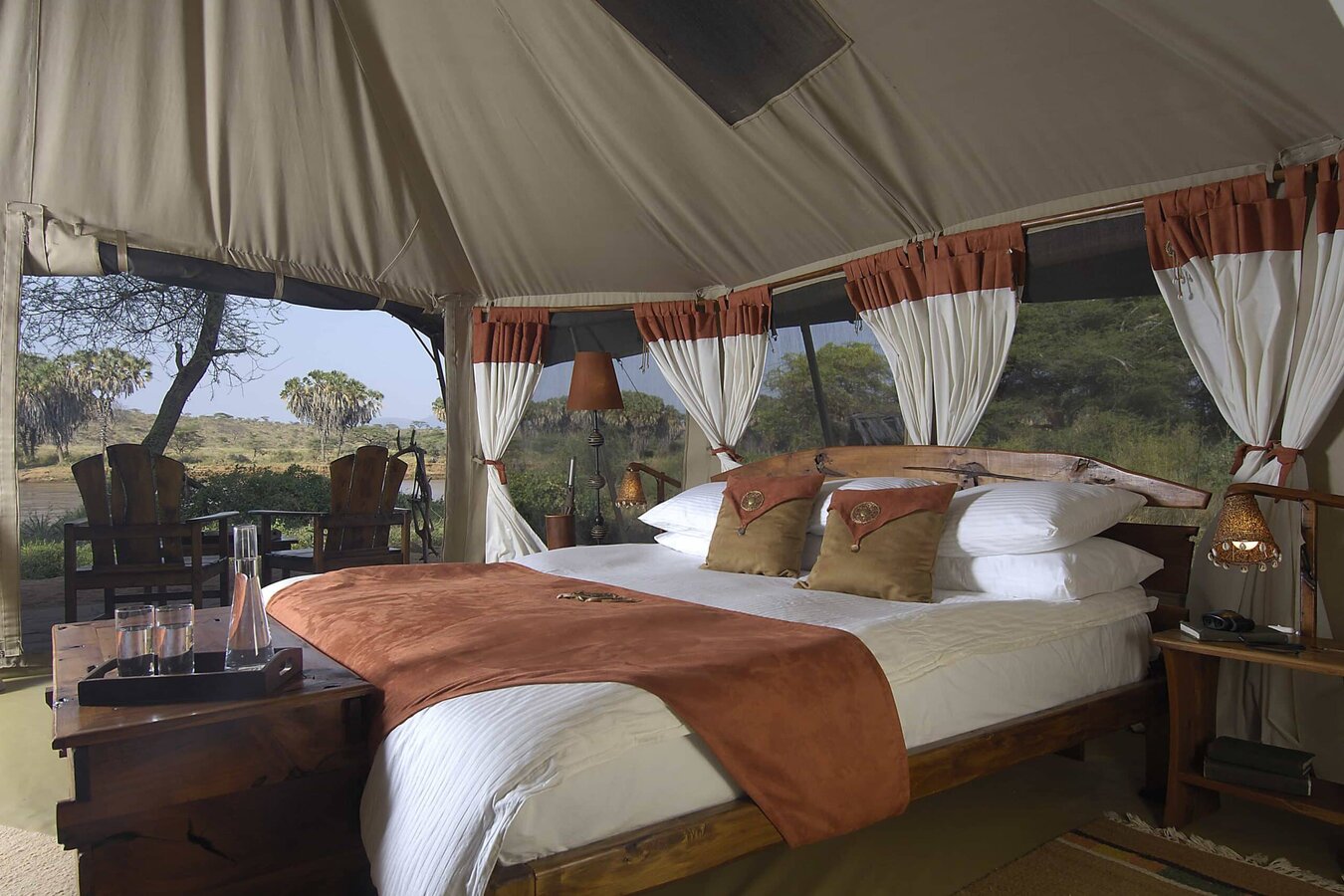
Family Tents: For families, the camp offers interconnecting tent configurations where two standard tents share a central deck and plunge pool area, creating a private family compound. Children are welcome from any age (no minimum), though the camp's unfenced nature and strict safety protocols make it best suited for families with children aged 8 and older who can understand and follow instructions.
Deluxe Tents (Lapa and Lakira): Two of the camp's tents — Lapa and Lakira — are larger deluxe units with expanded deck space, larger plunge pools, separate lounge areas, and bathtubs in addition to showers. These command a premium rate but offer the camp's most spacious and indulgent accommodation.
Electricity is solar-powered and available 24 hours for lights and charging (240V outlets plus USB ports). WiFi is available in communal areas but not in the tents — a deliberate choice to preserve the sense of disconnection that is half the point of being here. Laundry service is included in the rate and returned same-day.
The Wildlife — Samburu Special Five & Elephant Encounters
Samburu National Reserve is home to species found nowhere else in Kenya — wildlife adapted to the arid northern frontier that you won't encounter in the Masai Mara, Amboseli, or Laikipia. These are the Samburu Special Five, and game drives from Elephant Bedroom Camp reliably encounter all of them:
1. Grevy's Zebra: Larger, more finely striped, and more elegant than the common plains zebra. Grevy's zebra are endangered, with only 2,500 left in the wild — Samburu holds the largest population. They graze the riverbanks and floodplains in small herds, often mingling with the more abundant plains zebra (Samburu has both species).
2. Reticulated Giraffe: The most beautiful giraffe subspecies, with a coat of sharp-edged, geometric polygons (like a jigsaw puzzle) rather than the blotchy patterns of Masai or Rothschild's giraffes. They browse the acacia canopy in small towers, often visible from camp.
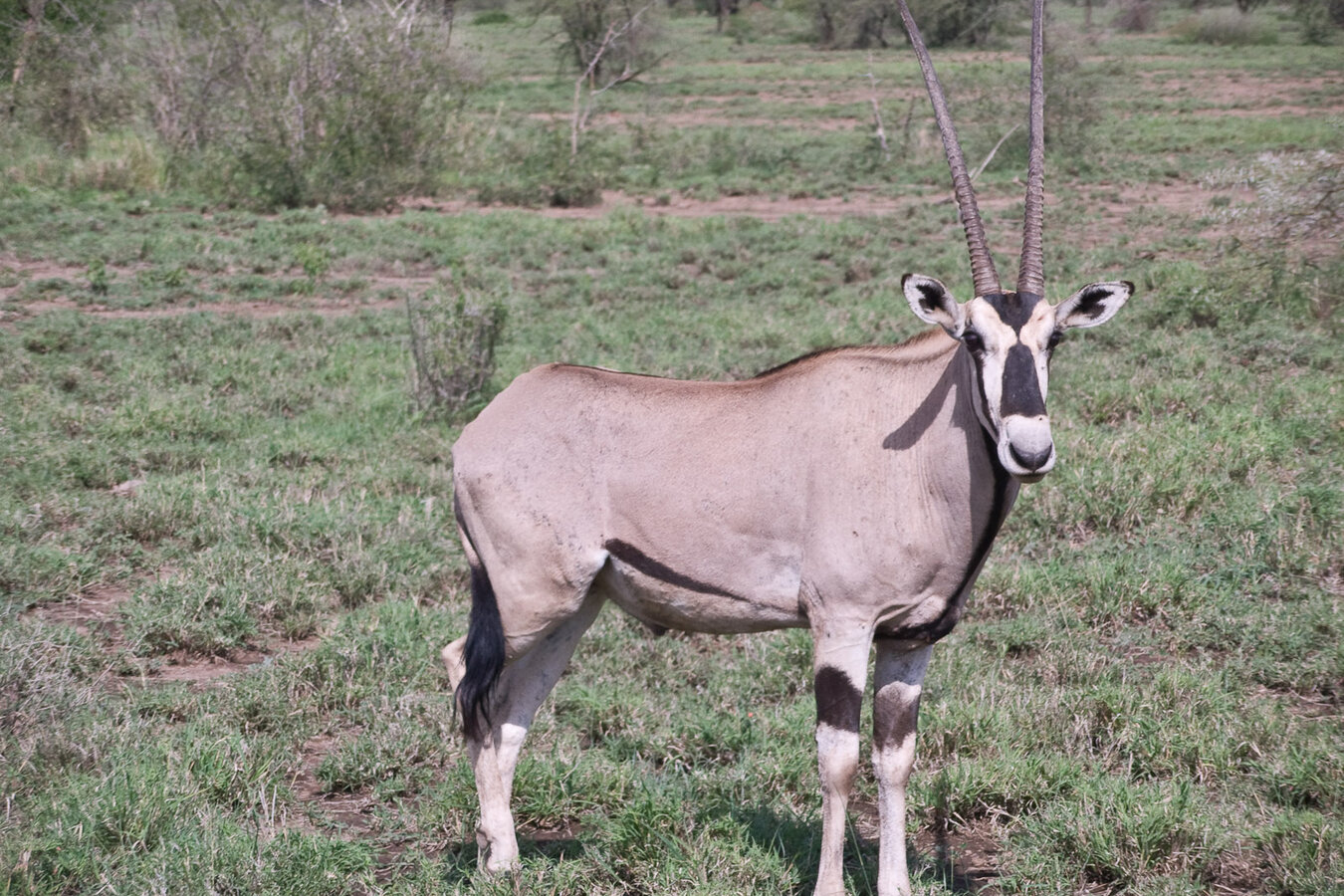
3. Beisa Oryx: A magnificent desert antelope with long, rapier-straight horns (both sexes) and a striking black-and-white face mask. Built to survive extreme heat and scarcity, oryx can go days without water — a perfect symbol of Samburu's harsh beauty.
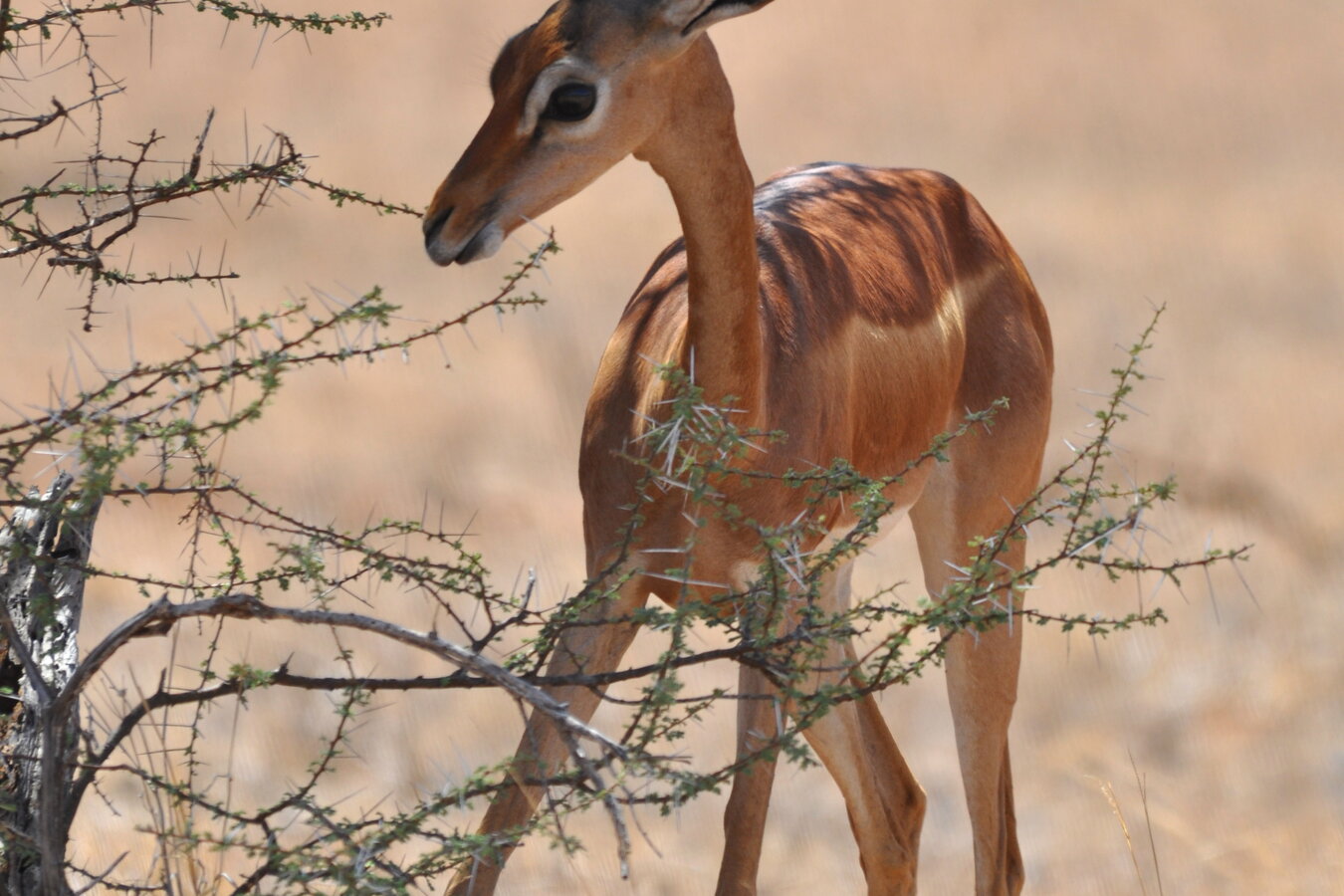
4. Gerenuk: The "giraffe gazelle" — a long-necked antelope that stands on its hind legs to browse high branches, a behaviour unique among gazelles. Shy and graceful, gerenuk are most active in early morning and late afternoon.
5. Somali Ostrich: Separated as a distinct species from the common ostrich in 2014, the Somali ostrich has blue-grey (not pink) legs and neck. Males display spectacular iridescent plumage during the breeding season.
Beyond the Special Five, Elephant Bedroom's location on the Ewaso Nyiro River ensures year-round wildlife viewing: massive elephant herds (the camp's namesake and daily residents), lions (Samburu's prides are habituated and frequently visible), leopards (especially on night drives and along the riverbanks), buffalo, hippo and Nile crocodiles in the river, cheetah (less common but present), and over 450 bird species including vulturine guineafowl, golden-breasted starlings, palm-nut vultures, and the endemic Somali bee-eater.
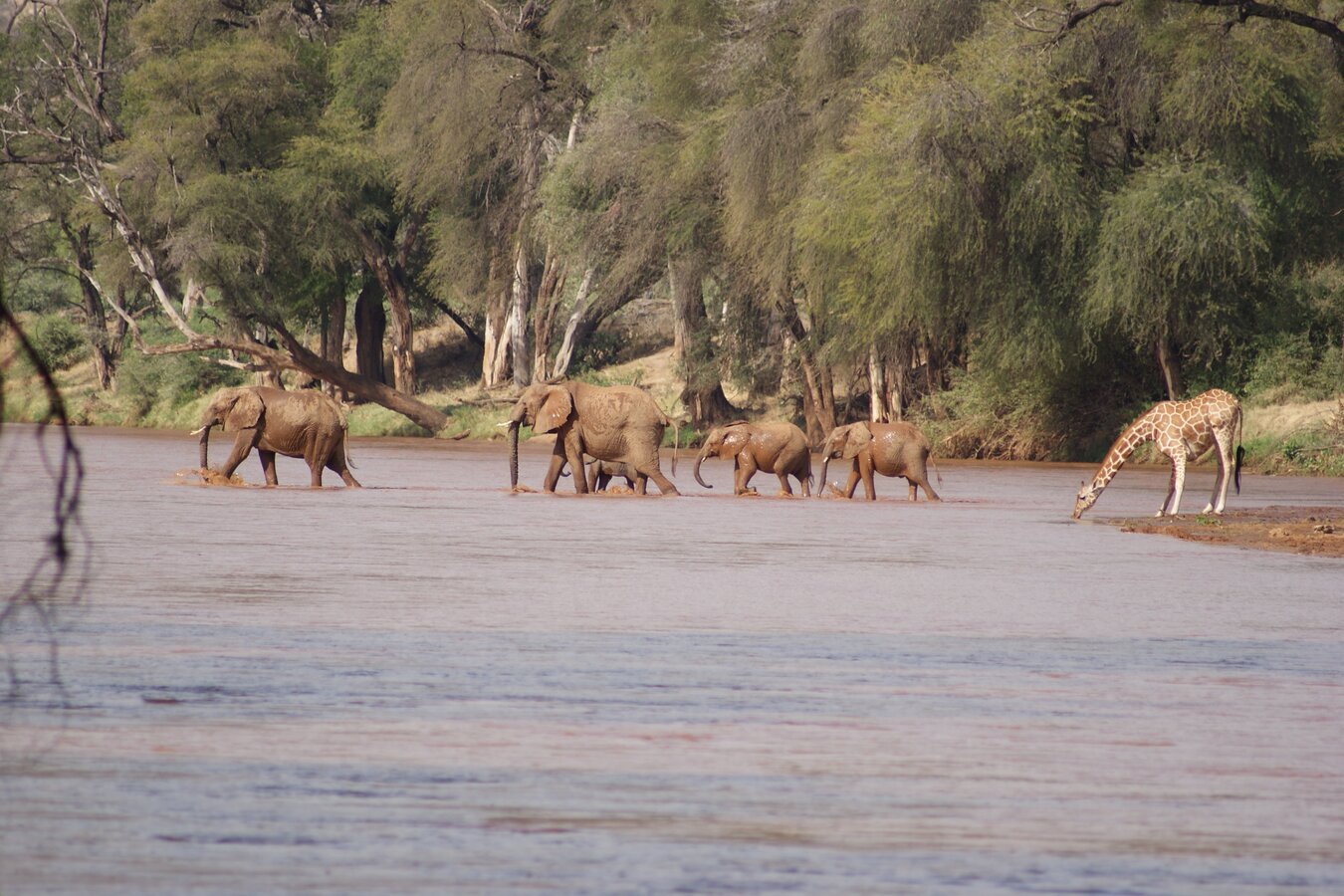
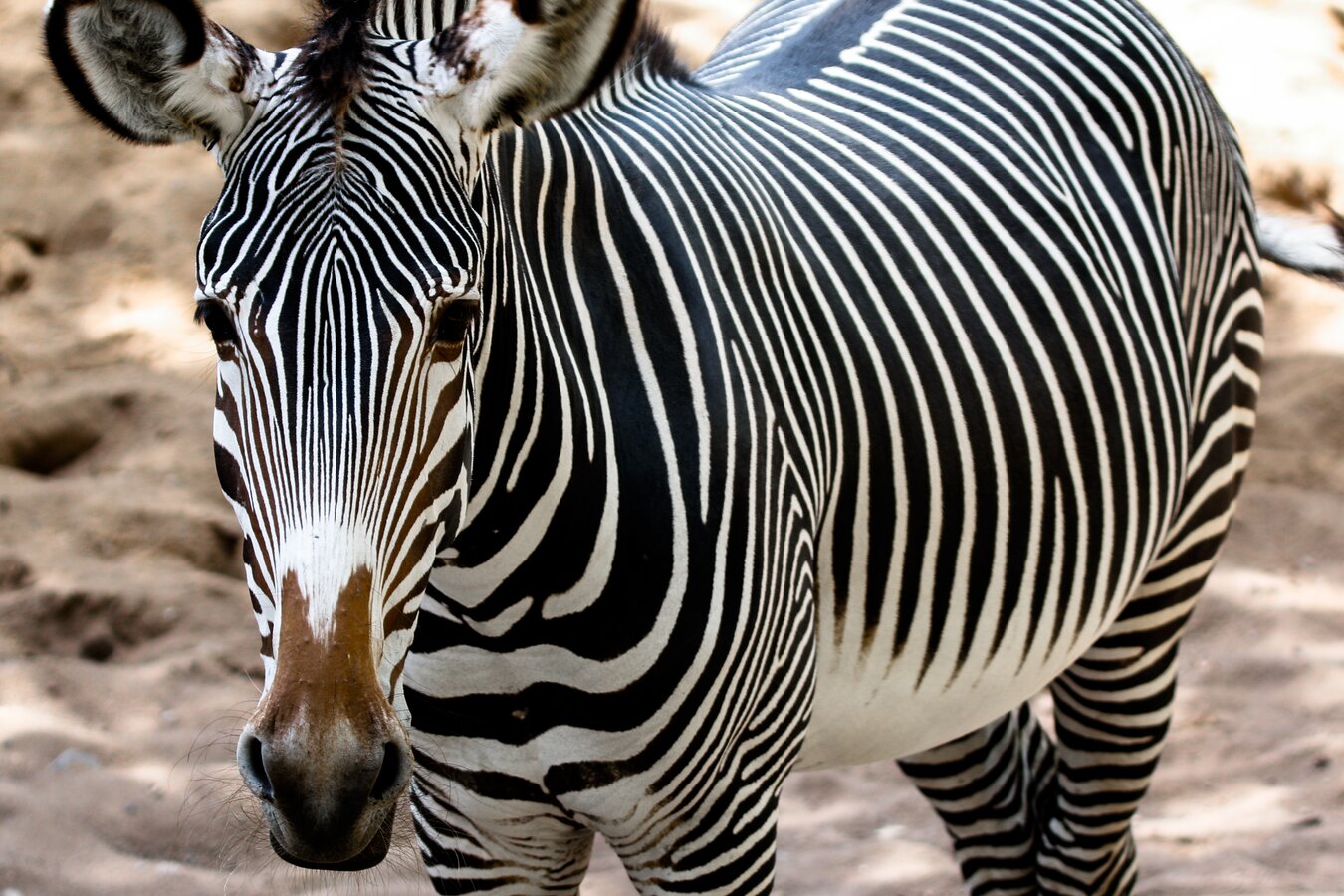
The dry season (July–October) concentrates wildlife on the river in astonishing numbers. Elephant herds numbering 50+ individuals converge to drink and bathe. Lion prides hunt the riverbanks. Leopards prowl the doum palms at dusk. And from the comfort of your plunge pool or the riverside dining deck, you watch it all unfold — front-row seats to one of Africa's greatest wildlife spectacles.
Plan My Elephant Bedroom Safari
The Unfenced Experience — Magic, Safety, and What to Expect
Elephant Bedroom Camp is completely unfenced. There are no barriers, no electric wires, no guards at the perimeter — just 12 canvas tents scattered beneath the trees along an open wildlife corridor. This is the camp's greatest magic and its most polarizing feature.
The Magic: Waking to the sound of elephants feeding on doum palm nuts 10 metres from your tent. Watching a giraffe browse the canopy above your breakfast table. Hearing lions calling at 3am and knowing they are close — really close. This is safari stripped to its essence, where the line between you and the wilderness dissolves, and the experience becomes profoundly, viscerally real.
The Safety Protocols: An unfenced camp in big-game country requires strict protocols, and Elephant Bedroom enforces them rigorously:
1. Armed Askaris (Night Escorts): After dark, guests cannot move between tents and communal areas alone. Maasai askaris (watchmen) armed with spears escort you from your tent to the dining area and back. This is not negotiable — the wilderness is real, and predators are active at night.
2. Stay in Your Tent After Dark: Once escorted back to your tent after dinner, you remain inside until morning. Each tent has a radio and an air horn to alert staff if wildlife approaches too closely or if you need assistance. Rangers patrol the grounds throughout the night.
3. Respect Wildlife Space: During the day, elephants and other animals may be visible near or between tents. You are instructed to remain inside your tent or on your deck if large animals are present. Do not approach wildlife on foot, and follow all staff guidance.
4. Children's Supervision: Due to these protocols, the camp is recommended for children aged 8 and older who can understand and follow safety instructions. Younger children are permitted but must be supervised at all times and may find the restrictions and wildlife proximity unsettling.
Who This Suits: Guests who value authentic wilderness immersion over sanitized safety will love the unfenced setup. Photographers, couples, experienced safari-goers, and families with older children find it thrilling. The presence of elephants wandering past your tent at dawn, the unscripted wildness, the sense that you are genuinely in the wilderness rather than observing it from behind a fence — this is what makes Elephant Bedroom Camp unforgettable.
Who It Doesn't Suit: First-time safari-goers who prefer fully fenced lodges with unrestricted nighttime movement, families with very young children (under 5), or guests who find the idea of lions and elephants roaming freely through camp stressful rather than exhilarating. For these guests, a fenced lodge like Sasaab or Saruni Samburu offers excellent game viewing without the unfenced experience.
Dining & Activities — Riverside Decks, Bush Breakfasts, and Samburu Culture
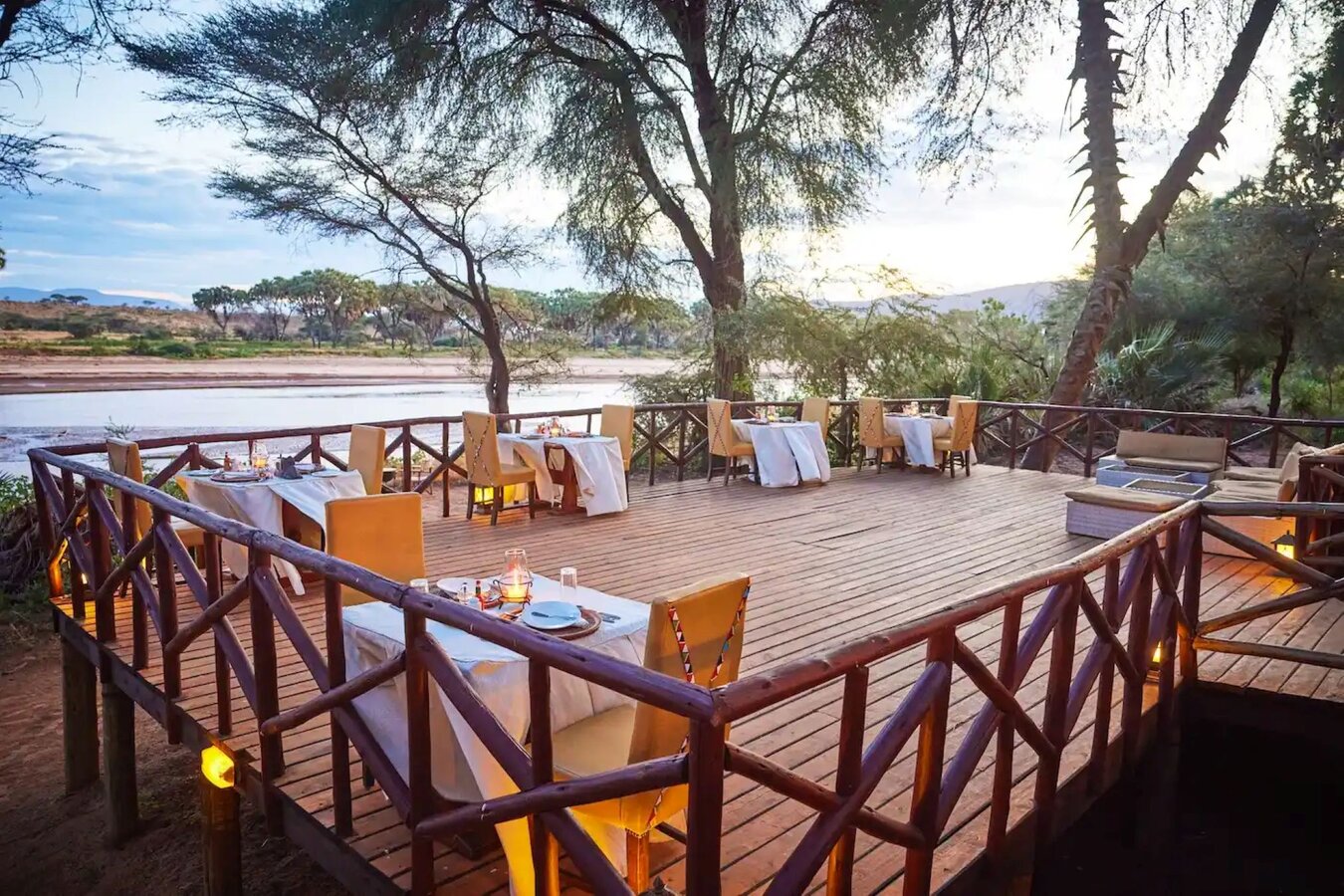
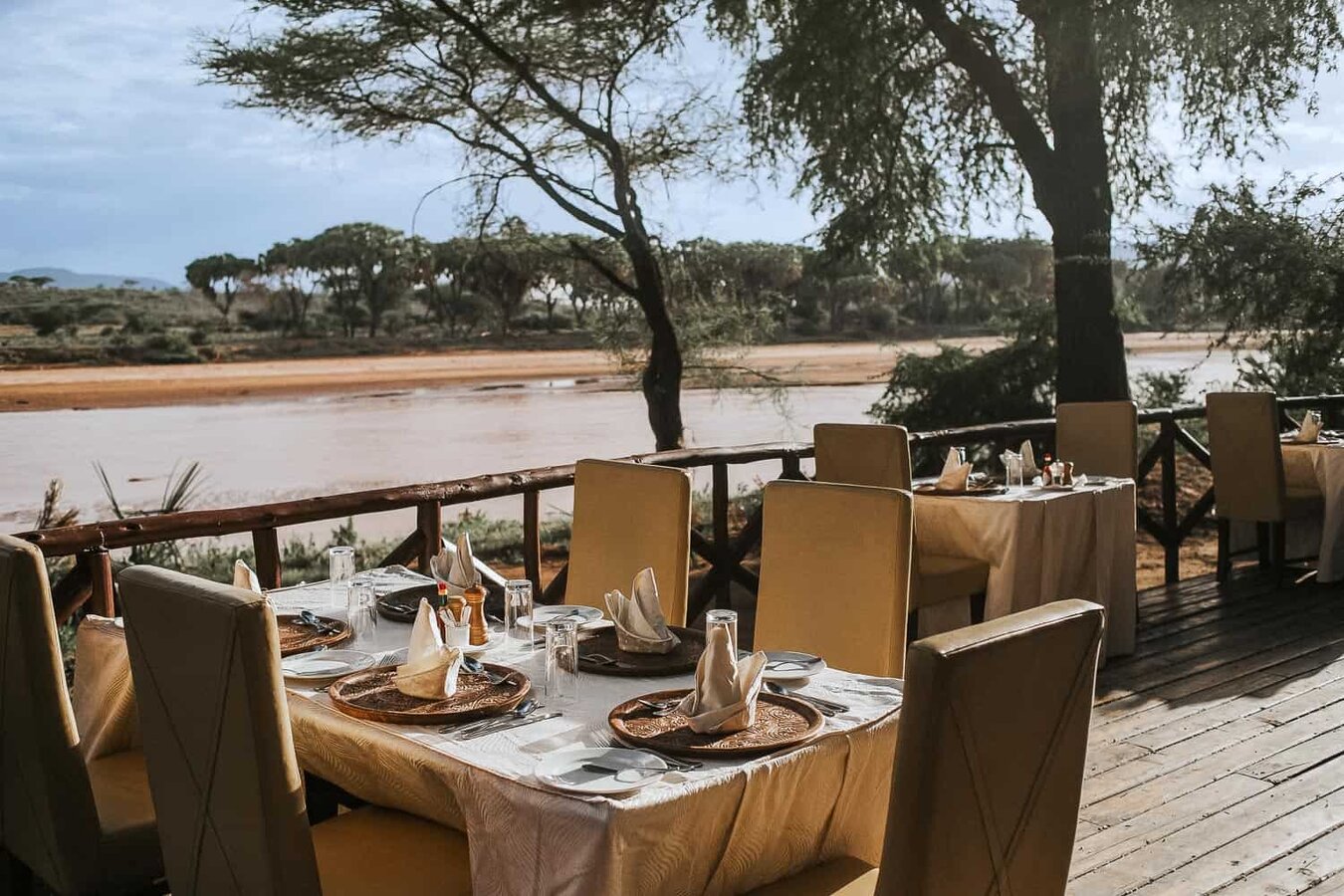
Dining at Elephant Bedroom Camp unfolds primarily on the open riverside deck — a raised wooden platform beneath the trees with sweeping views of the Ewaso Nyiro River and the wildlife corridor. Meals are served al fresco with the sounds of the river, the sight of elephants crossing the shallows, and the calls of fish eagles overhead. It is one of the most naturally beautiful dining settings in Kenya.
Menus are fresh, simple, and generously portioned: continental and Kenyan-inspired dishes using locally sourced ingredients where possible. Breakfast includes tropical fruits (papaya, mango, passion fruit), freshly baked bread, made-to-order omelets, and excellent Kenyan coffee. Lunch is a lighter affair — salads, grilled meats, sandwiches. Dinner is a three-course sit-down meal with a rotating menu: soups, fresh fish or meat mains (beef, chicken, occasionally game), and desserts. Vegetarian, vegan, and dietary restrictions are handled easily with advance notice.
Bush Breakfasts: One of the camp's signature experiences is the bush breakfast — a full cooked breakfast set up in a scenic location within the reserve, often under an acacia tree overlooking the river or plains. Samburu warriors sometimes join to share stories and traditional knowledge, adding a cultural dimension to the meal.
Sundowner Stops: Evening game drives pause for sundowners — gin and tonics, cold beers, or soft drinks served at a scenic viewpoint as the sun sets over the Mathews Range and the Samburu plains glow copper in the fading light.
Activities: Game drives are the primary activity — two daily drives (early morning and late afternoon/evening) in open 4x4 Land Cruisers, each carrying a maximum of six guests for unobstructed viewing and photography. Samburu National Reserve permits night drives, a rare privilege that allows you to track leopards, lions, hyenas, genets, and other nocturnal wildlife active after dark.
Guided Bush Walks: Subject to availability and park regulations, guided walking safaris can be arranged (1.5–2 hours, led by an armed Kenya Wildlife Service ranger and camp guide). Walks focus on tracking, smaller wildlife, birdlife, and the ecology of the Samburu ecosystem.
Cultural Village Visits: Visits to a local Samburu village can be arranged ($30–$50 pp, paid directly). Samburu warriors share their traditions, demonstrate fire-making and beadwork, and explain the symbiotic relationship between the Samburu people and the wildlife that shares their land. These visits are optional but add valuable cultural context to the safari experience.
2026 Rates — Transparent Pricing & What's Included
Elephant Bedroom Camp operates on a seasonal pricing model, with rates varying by time of year. The table below provides indicative 2026 rates (subject to change; confirm exact pricing with your tour operator for specific travel dates):
What's Included:
- Full-board accommodation (all meals and snacks)
- Soft drinks, house wines, and beers with meals
- Two daily game drives in shared 4x4 vehicles (morning and evening)
- Laundry service (same-day return)
- WiFi in communal areas
- 24-hour solar electricity and hot water
What Costs Extra:
- Samburu National Reserve entry fees ($70–$80 per person per day, paid at park gate)
- Premium drinks (imported wines, spirits, champagne)
- Single supplement (100% of the per-person rate for sole-use tent)
- Private vehicle hire ($200–$350 per day for exclusive guide and 4x4)
- Spa treatments ($80–$150 per treatment)
- Cultural village visits ($30–$50 per person)
- Gratuities for guides and staff (suggested $15–$20 per person per day total)
- International and domestic flights, travel insurance, items of personal nature
Deluxe tents (Lapa and Lakira) command a premium of approximately $100–$150 per person per night over standard tent rates.
Who Should Stay at Elephant Bedroom Camp?
Elephant Bedroom Camp suits a specific type of safari-goer — those who value authentic wilderness immersion, intimate wildlife encounters, and classic safari tradition over fenced luxury resorts. Here's the honest breakdown:
Perfect For:
- Couples and Honeymooners: The private plunge pools, romantic riverside setting, and intimate 12-tent size create a tranquil, couples-focused atmosphere.
- Photographers: The unfenced setup and elevated tent decks provide unique vantage points for elephant and wildlife photography. Early morning and late afternoon light on the Ewaso Nyiro is spectacular.
- Families with Older Children (8+): Families with children who can understand and follow safety protocols will find the unfenced elephant encounters magical and educational. Interconnecting family tents are available.
- Experienced Safari-Goers: Those who have done multiple safaris and want something more authentic and less sanitized than fenced luxury lodges.
- Value Seekers: Elephant Bedroom offers excellent value compared to ultra-luxury Samburu lodges like Sasaab ($800–$1,400 pp/night). You get private pools, excellent guiding, and prime wildlife access at $400–$750 pp/night.
Not Ideal For:
- First-Time Safari-Goers Who Prefer Fully Fenced Lodges: If the idea of elephants and lions roaming freely through camp feels stressful rather than exciting, choose a fenced lodge.
- Families with Very Young Children (Under 5): The strict safety protocols (no nighttime movement, armed escorts, staying in tent after dark) may be restrictive or frightening for toddlers and preschoolers. A family-friendly fenced lodge like Saruni Samburu is better suited.
- Guests Who Want Ultra-Modern Luxury: Elephant Bedroom is classic safari elegance, not contemporary minimalist design. If you prefer infinity pools, spa pavilions, and cutting-edge architecture, look at Sasaab.
- Those Who Prioritize Unrestricted Nighttime Movement: The unfenced nature means you cannot wander freely after dark. If you need to move between your tent and communal areas without an escort, choose a fenced property.
Getting There & Booking
Elephant Bedroom Camp is accessible by air or road from Nairobi:
By Air (Recommended): Scheduled or charter flight from Nairobi's Wilson Airport to Samburu Airstrip (1-hour flight), followed by a 40-minute game-drive transfer to camp. SafariLink operates daily scheduled flights. The aerial approach over Kenya's northern frontier — volcanic hills, acacia plains, and the ribbon of the Ewaso Nyiro — is spectacular.
By Road: 5–6 hour drive from Nairobi via Isiolo on paved and gravel roads. The drive is scenic but long and best suited for travelers combining Samburu with Laikipia or other northern destinations. The camp can arrange private road transfers ($400–$600 for a vehicle), or you can drive yourself if renting a 4x4.
Booking Advice: Peak season (July–October) fills up 6–9 months in advance, especially the deluxe tents and school holiday periods. Shoulder months (June, November) offer excellent availability and value with only marginally less wildlife. Green season (April–May) provides the lowest rates, lush scenery, spectacular birding, and near-empty camps — ideal for those who don't mind occasional rain and muddy tracks.
The camp is open year-round. Minimum stay is typically 2 nights to allow for meaningful game viewing, though 3–4 nights is ideal to experience the full rhythm of Samburu's wildlife and landscapes.
Beyond Africa Safaris arranges every detail of your stay at Elephant Bedroom Camp — the light-aircraft flights, the finest tents with private pools, and the ideal pairings across Samburu, Laikipia, the Masai Mara, and Amboseli — as one seamless, tailor-made journey.