Key Takeaways
- Flying in turns a five to six hour road transfer into a scenic one-hour hop, handing back precious game-viewing days.
- Four airports serve the region: Kruger Mpumalanga (Nelspruit), Skukuza (inside the park), Hoedspruit and Phalaborwa.
- The right airport depends on your lodge — Skukuza and Nelspruit for the south, Hoedspruit for the western reserves, Phalaborwa for the central-north.
- Light aircraft carry you to bush airstrips near individual lodges, with a strict luggage limit of around 20kg in soft bags.
- Fly-in safaris suit luxury and time-poor travellers and open up the finest private reserves such as Sabi Sands.
- Flying makes it easy to combine Kruger seamlessly with Cape Town or Victoria Falls in one smooth itinerary.
Why Fly In to the Kruger?
The road to the Kruger is a fine journey, but it is a long one, and time is the one thing no safari ever has enough of. This is the simple case for flying in: a scheduled flight from Johannesburg to a Kruger gateway airport takes about an hour, against five to six hours on the N4, and it hands you back the best part of two days of your holiday — days you spend watching lions rather than watching the road. You leave the city after breakfast and can be on an open vehicle, sundowner in hand, by late afternoon the very same day.
But flying in is about more than time. It is about how you arrive. Trading the tarmac for a light aircraft that banks low over an endless green wilderness, then drops onto a red-earth airstrip where a safari vehicle waits in the shade, is one of the great thresholds in travel — the moment the ordinary world falls away entirely. You step off the plane already in the wild, the game viewing often beginning on the very drive to camp. For honeymooners, luxury travellers and anyone who wants their safari to start the instant they land, there is simply no finer way to begin.
The Four Airports That Serve the Kruger
The Kruger and its surrounding private reserves are served by four airports, and knowing what each one does is the key to planning a smooth fly-in. The busiest is Kruger Mpumalanga International, just outside Nelspruit in the south, which takes scheduled flights from Johannesburg and Cape Town and serves the southern and central park along with a great many private reserves. Then there is Skukuza airport, which sits inside the park itself near its largest rest camp — a wonderfully convenient gateway to the southern camps and the celebrated Sabi Sands.
Further north lie the other two. Hoedspruit airport, in beautiful lowveld country, is the gateway to the central and western private reserves — Timbavati, Klaserie and Balule among them — and to many of the region's most exclusive lodges. Phalaborwa airport sits right beside a park gate in the central-north, barely a couple of kilometres from the entrance, making it the natural choice for the Letaba and Olifants region. Between them, these four airports put every corner of the Kruger within an easy flight, and matching the right one to your lodge is the first job of any good fly-in plan.
Which Airport for Which Lodge?
The golden rule of a fly-in safari is that the lodge chooses the airport, not the other way round. If you are heading for the southern park or the Sabi Sands — the most famous of the private reserves and the finest big-cat country in Africa — Skukuza or Kruger Mpumalanga will be your gateway, with a short road or air transfer to camp. For the central and western reserves such as Timbavati, Klaserie and Balule, Hoedspruit is almost always the answer, close to the lodges and served by convenient flights. And for the quieter central-north around Letaba and Olifants, Phalaborwa drops you right at the gate.
Many of the most exclusive lodges take this a step further with their own private bush airstrips, so that a light aircraft delivers you almost to the front door. The practical upshot is that the flight routing is bespoke to your itinerary — which reserve, which lodge, which strip — and getting it right is what separates a seamless arrival from a day lost to missed connections. This is precisely the kind of detail we handle as a matter of course, matching every gateway to every lodge so your journey flows without a hitch from Johannesburg to your suite.
How Light-Aircraft Transfers Work
For the final leg into the deep bush, the workhorse is the light aircraft. From a gateway airport, and sometimes directly from Johannesburg, small planes ferry guests out to the network of bush airstrips that serve individual lodges and clusters of camps. These lodge-hopper flights often make a couple of brief stops, setting down at one strip to drop guests before hopping on to the next, and far from being a chore this is part of the romance — the aerial views of rivers, herds and endless wilderness are unforgettable, and a safari vehicle is waiting each time the wheels touch the red earth.
There is one practical rule that catches first-timers out, and it is worth stating plainly: luggage on light aircraft is strictly limited, typically to around twenty kilograms per person, and it must be in soft-sided bags because rigid suitcases will not fit the small holds. Anything over the limit, or any hard case, usually has to be stored at the gateway airport until you return. We brief every fly-in guest on this well in advance and arrange secure storage where needed, so you arrive at check-in with exactly what the aircraft allows and no unwelcome surprises. Pack soft, pack light, and the transfers are a pure pleasure.
Is a Fly-In Safari Worth It?
Let us be honest about the trade-off, because a fly-in safari is a premium way to travel. The light-aircraft transfers add meaningfully to the cost, and for a self-drive traveller on a tight budget the road remains the sensible choice. Where flying in earns its keep is in time and in reach. It saves the best part of two days of driving, which on any trip shorter than a week is transformative, and it removes the fatigue of the long transfer so you arrive fresh rather than frazzled. It also unlocks the finest private reserves, many of which are genuinely easiest to reach by air.
So who is it for? Fly-in safaris suit luxury travellers, honeymooners, families who would rather not face a long drive, and anyone whose time is more precious than their budget. If you are already booking a private-reserve lodge — a Sabi Sands, a Timbavati, a flagship camp — then flying in is usually the natural and most rewarding way to reach it, and the seamless door-to-door comfort matches the standard of the lodge itself. For the right traveller, the question is not whether it is worth it, but why anyone would arrive any other way.
| Gateway Airport | Best For |
|---|---|
| Kruger Mpumalanga (Nelspruit) | Busiest hub — southern and central park and many private reserves |
| Skukuza (inside the park) | The southern camps and the Sabi Sands private reserve |
| Hoedspruit | The central and western reserves — Timbavati, Klaserie, Balule |
| Phalaborwa | The central-north — Letaba and Olifants, right beside a park gate |
| Luggage | Around 20kg per person in soft bags — no rigid suitcases on light aircraft |
| Flight time from JHB | About one hour, versus five to six hours by road on the N4 |
Let Us Arrange Your Fly-In Safari
A fly-in safari is the most seamless way to experience the Kruger, but it is also the one with the most moving parts — scheduled flights, light-aircraft hops, bush airstrips, luggage rules and lodge transfers all have to mesh perfectly, and a single missed connection can cost you a day. This is exactly where a specialist earns their keep. We match the right gateway airport to your lodge, sequence the flights so nothing is left to chance, brief you clearly on the luggage limits, and arrange the transfers so a vehicle is always waiting when you land.
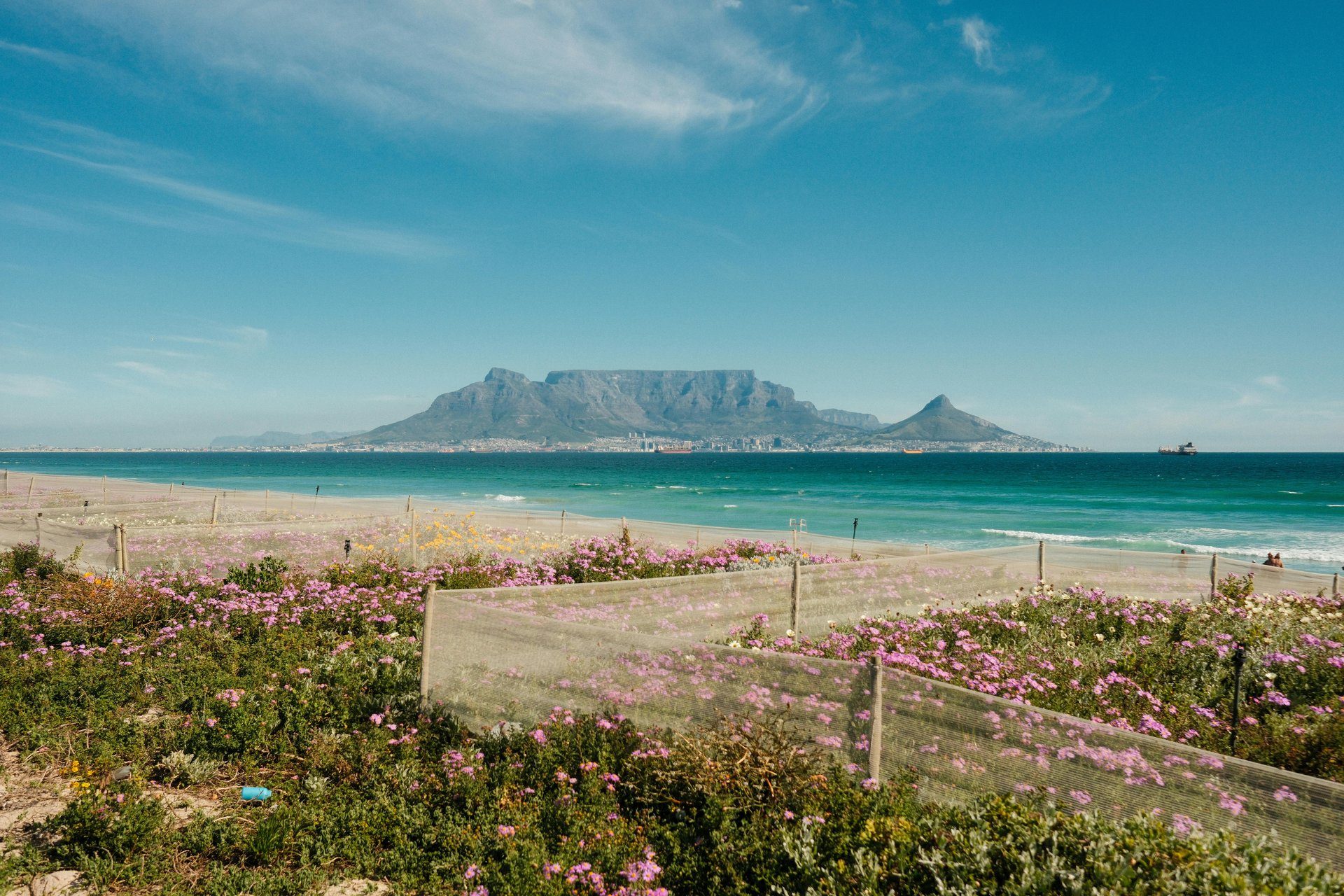
Better still, because you are already in the air, we can weave your Kruger fly-in into something grander. A few days of Big Five luxury in the Sabi Sands, then a flight to Cape Town for Table Mountain and the Winelands; or on to Victoria Falls for the thunder of the Zambezi — all sequenced so you never backtrack or waste a moment in transit. Tell us which reserve calls to you and how you like to travel, and we will build a fly-in safari that begins the instant you take off and does not let up until you are home.
Dreaming of a Kruger Fly-In Safari?
Our specialists arrange seamless fly-in safaris to the Kruger's finest private reserves — matching the right airport to your lodge, handling every flight and transfer, and weaving in Cape Town or Victoria Falls so your whole journey flows without a wasted moment.
Ready to explore? Browse our safari tours and packages →