Key Takeaways
- Two nights on a private Kruger concession, then two nights in the Sabi Sand: the scale of the national park first, then the closeness of the finest leopard reserve we know.
- There is no fence between Kruger and the Sabi Sand, so the move between lodges is a short road transfer and you lose no game drives.
- Fly in from Johannesburg to Skukuza in about an hour, and fly out from a Sabi Sand airstrip on day five, with no back-tracking.
- Expect roughly US$4,000–US$7,000 per person sharing at the luxury level, with the Sabi Sand lodge the single biggest variable.
- May to September is the classic dry-season window; the green summer brings newborns, birds and gentler rates.
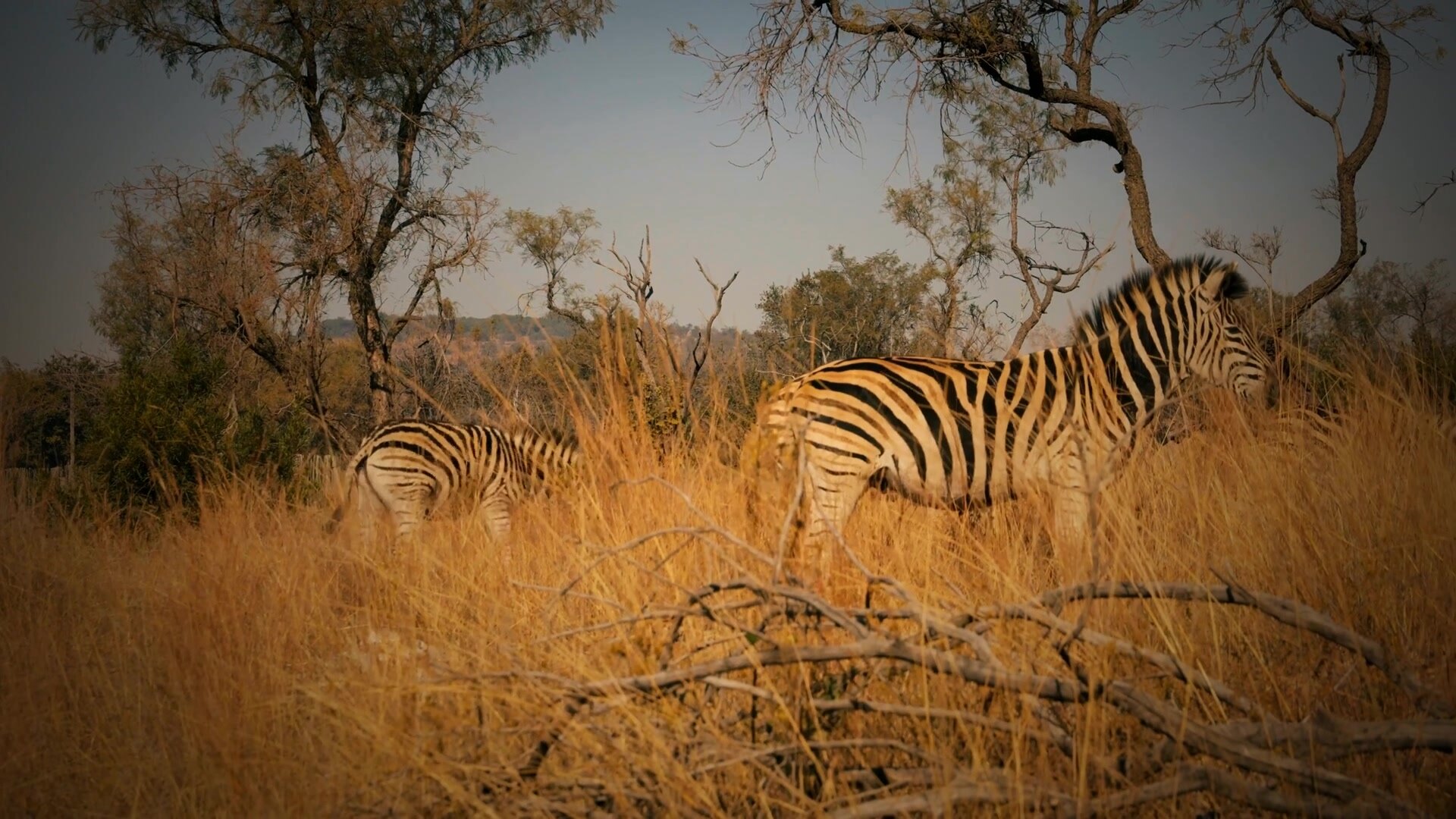
The lowveld of north-eastern South Africa holds two of the great safari experiences in Africa, and they share a border with no fence on it. On one side lies Kruger National Park, almost two million hectares of bushveld, rivers and granite koppies, carrying more species of large mammal than any other park in the country. On the other lies the Sabi Sand, a private reserve of around sixty-five thousand hectares where the lodges drive off-road, walk with you on foot, and have spent decades living alongside the same families of leopards. The animals cross between the two every day. The question we hear most is whether a traveller can have both in one short trip. With five days, the answer is yes.
This is the itinerary we build most often for that request. It gives Kruger two nights and the Sabi Sand two nights, puts the short transfer in the middle so it costs you nothing, and arranges the flights so you never travel the same road twice. It is not a package of fixed lodges; it is a rhythm, and we fit the lodges to your budget and dates. If you want Kruger on its own, our 5-day Kruger safari itinerary covers the national park in depth. This plan is for the traveller who wants the park and the private reserve together.
How the five days fit together
The shape is simple. You arrive in Kruger on day one and are on a game drive that afternoon. Day two is a full day on a private concession inside the national park. On day three you cross into the Sabi Sand after breakfast, settle in, and head out on your first afternoon drive in leopard country. Day four is a full Sabi Sand day: a walk in the morning, the afternoon drive, and the spotlight on the way home. Day five is a final dawn drive before the light aircraft carries you back to Johannesburg or onward to Cape Town.
Why this order? Kruger first, because the broad picture of the park — the big herds, the long river roads, the sense of space — makes the Sabi Sand's intimacy land harder when you reach it. And the Sabi Sand last, because its leopard viewing is the high point most travellers carry home, and a trip should end on its strongest note.
| Kruger concession (nights 1–2) | Sabi Sand (nights 3–4) | |
|---|---|---|
| What it does best | Scale, big herds, river country, the national-park feeling | Leopard, close and unhurried sightings, total privacy |
| Off-road driving | Limited, depending on the concession's rules | Yes, to follow animals, with strict sighting etiquette |
| Night drives & walks | Yes, on the private concessions | Yes, both, led by armed rangers and trackers |
| Vehicles at a sighting | Few on the concession; more near public roads | Usually no more than two or three, by agreement between lodges |
Day 1: Johannesburg to Kruger, and the first afternoon on the river
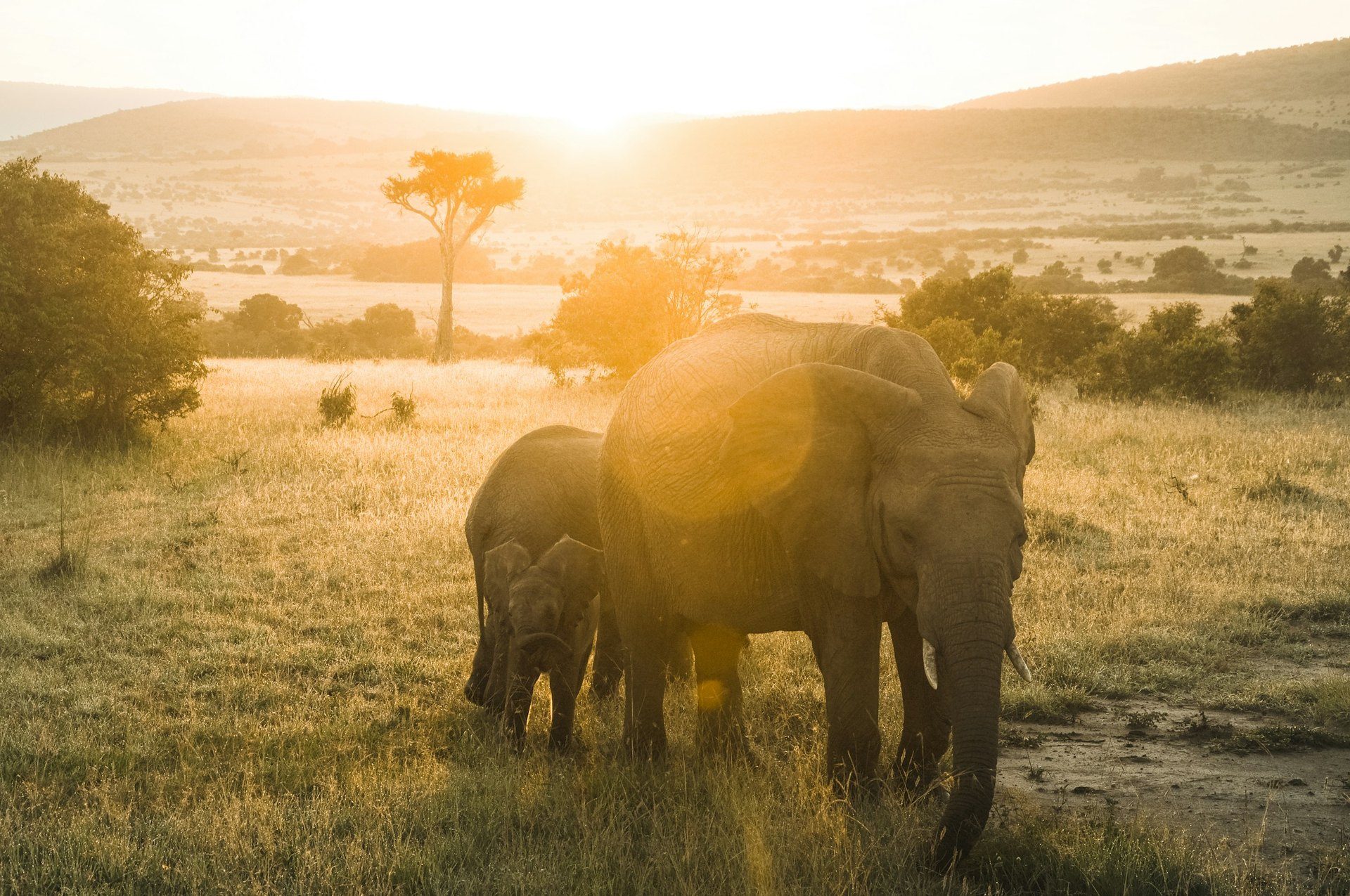
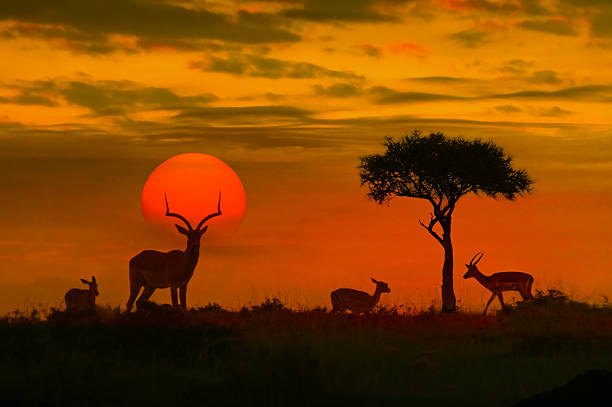
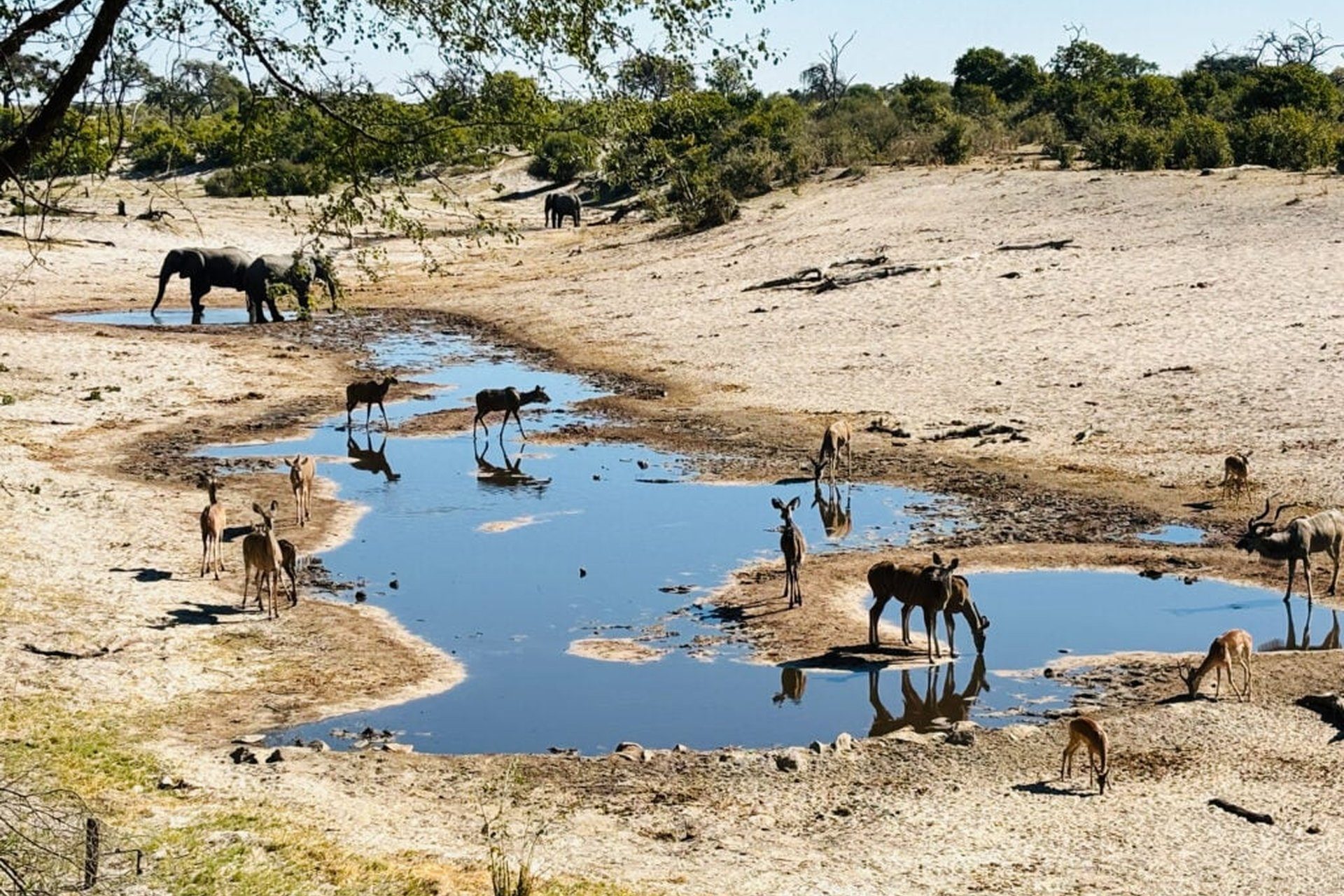
The morning flight from Johannesburg's O.R. Tambo reaches Skukuza, in the south of Kruger, in roughly an hour. From the window you watch the highveld farmland give way to the escarpment and then the long green-brown roll of the lowveld. Your lodge vehicle meets you on the apron, and the drive to camp is already a game drive: impala in the shade, a kudu bull lifting his head, perhaps an elephant breaking branches beside the road.
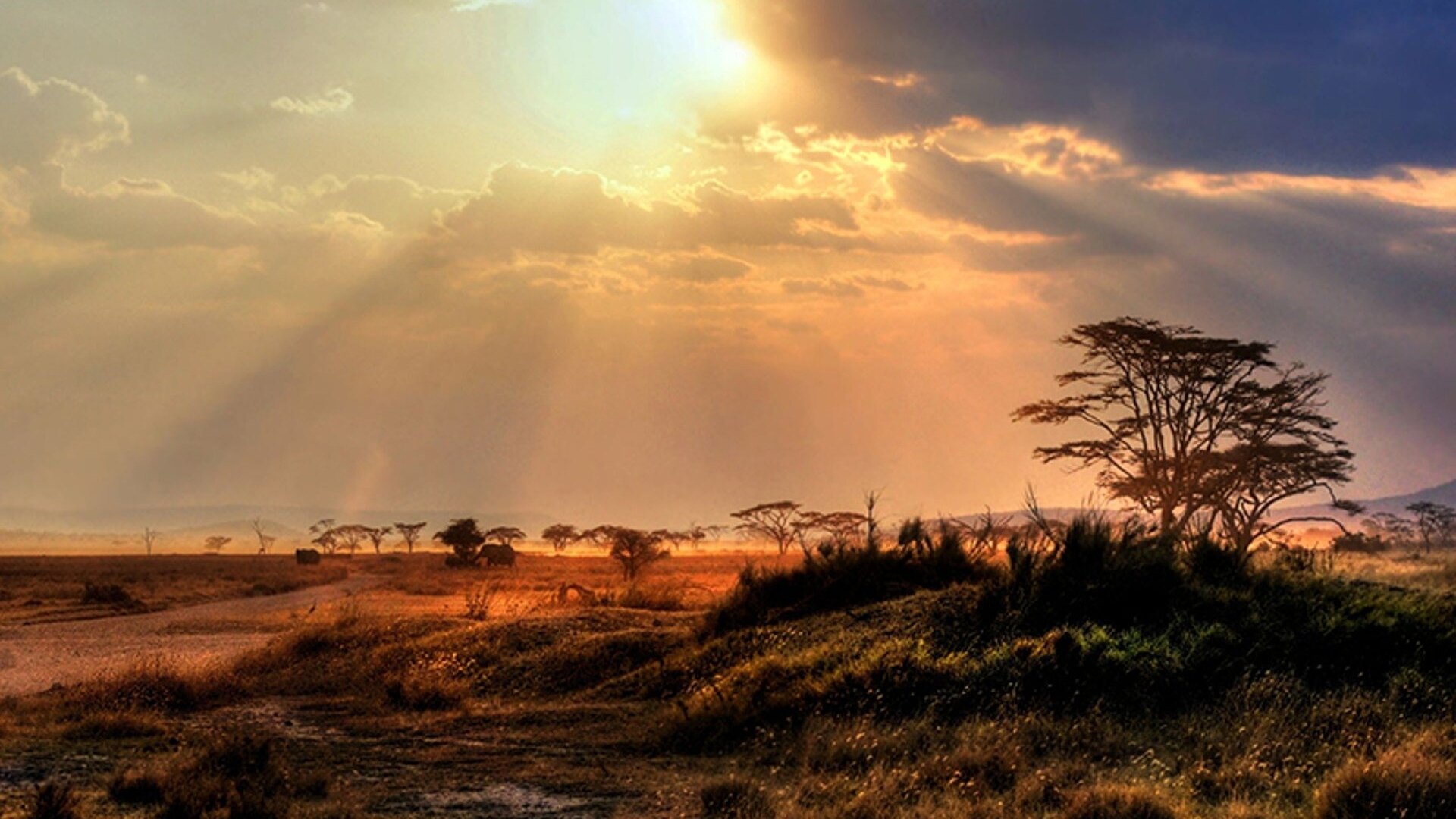
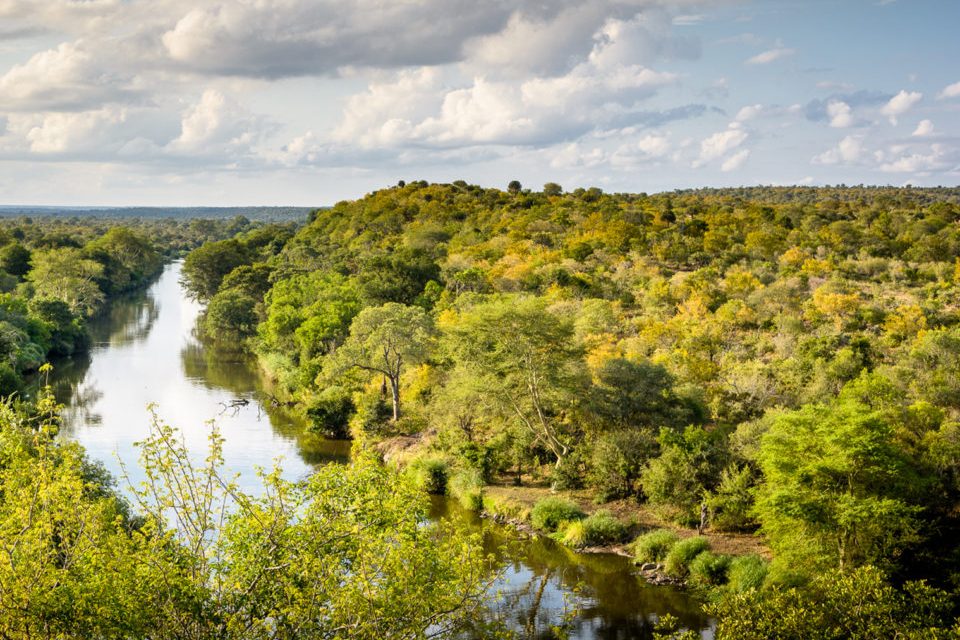
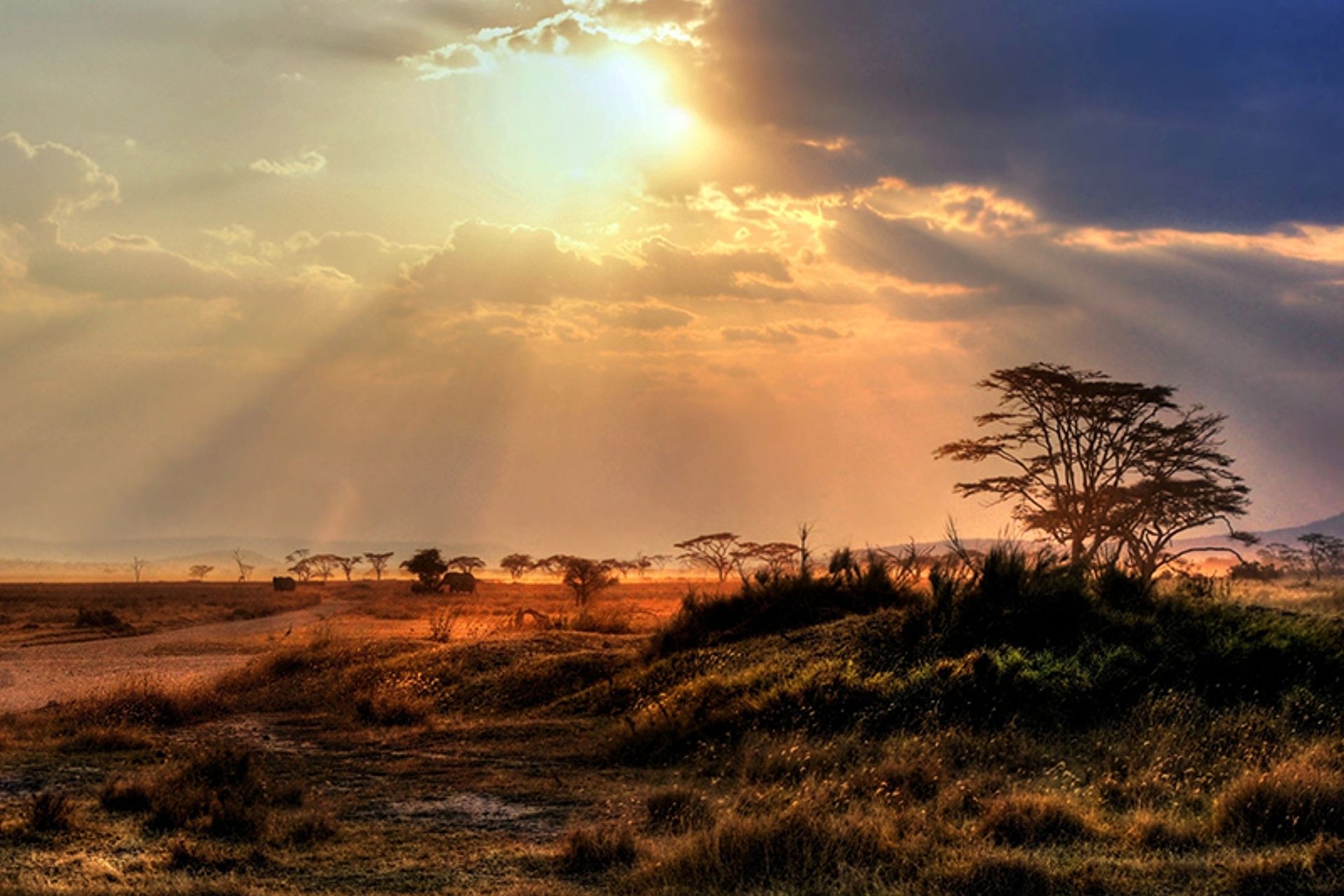
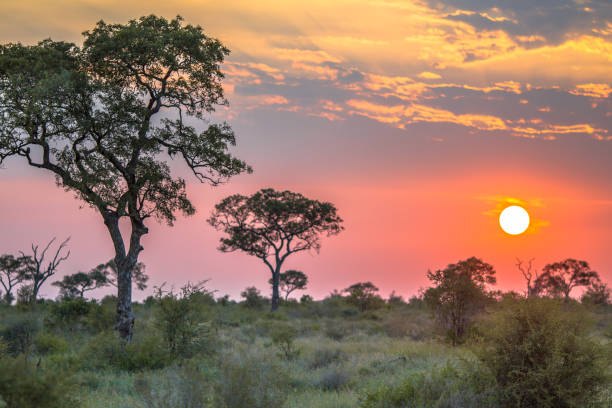
Lunch, a rest through the heat, and then the first drive of the trip at about four o'clock. Southern Kruger is the richest part of the park for game because of its rivers, the Sabie and the Crocodile above all, and a concession lodge has its own network of tracks away from the busier public roads. The light turns gold, the hippos start to grunt from the pools, and the evening ends with a sundowner on a sandbank before the drive home under the first stars.
Day 2: A full day on a private Kruger concession
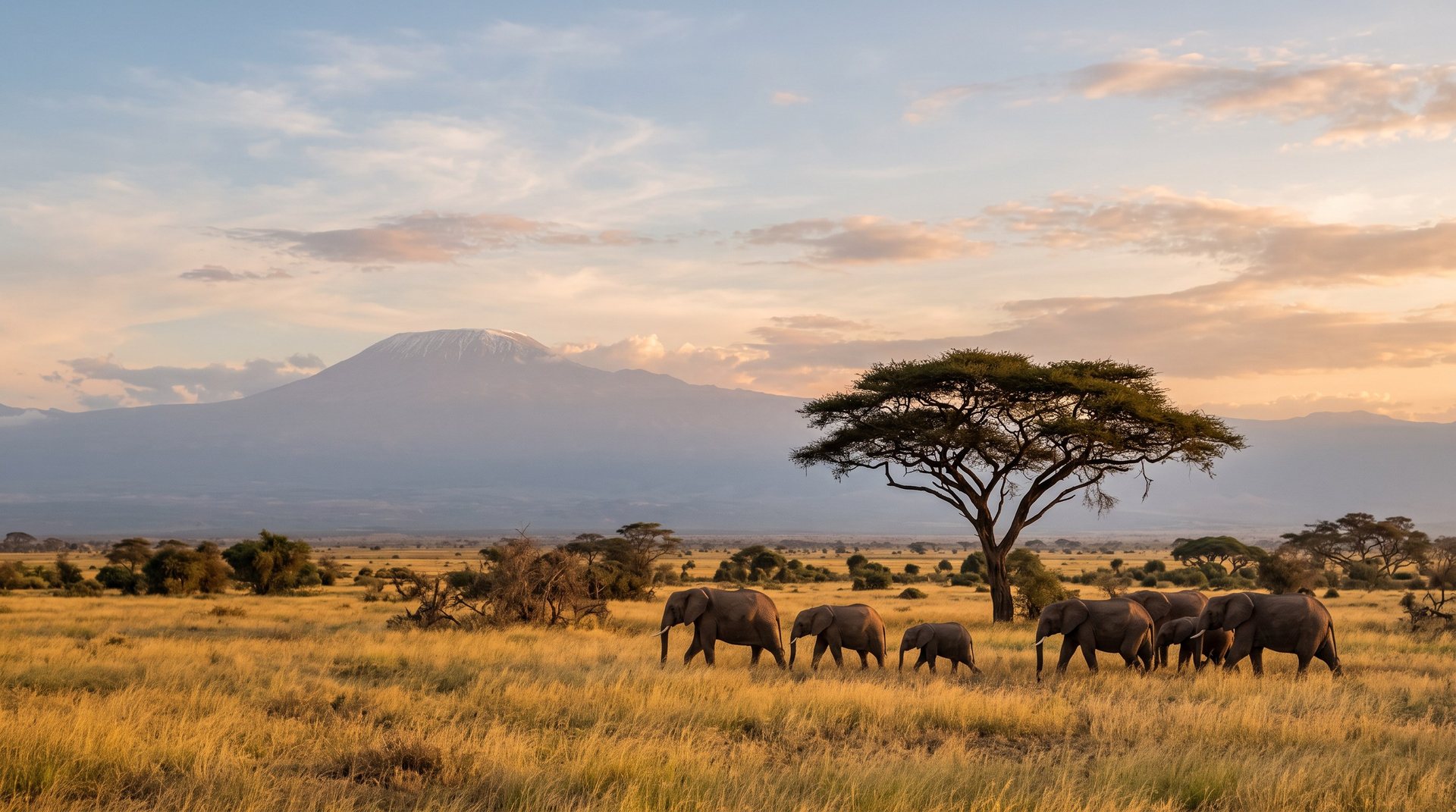
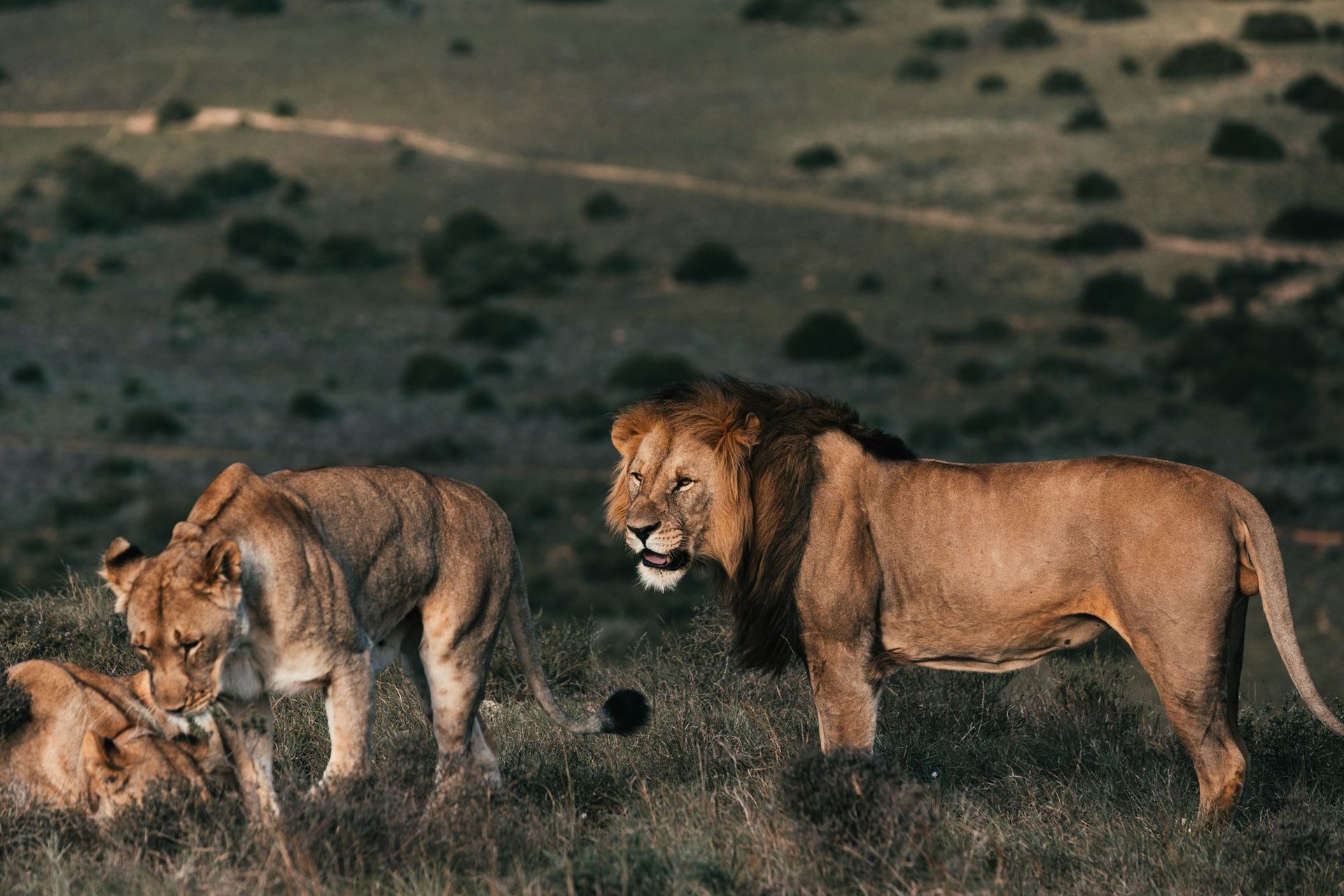
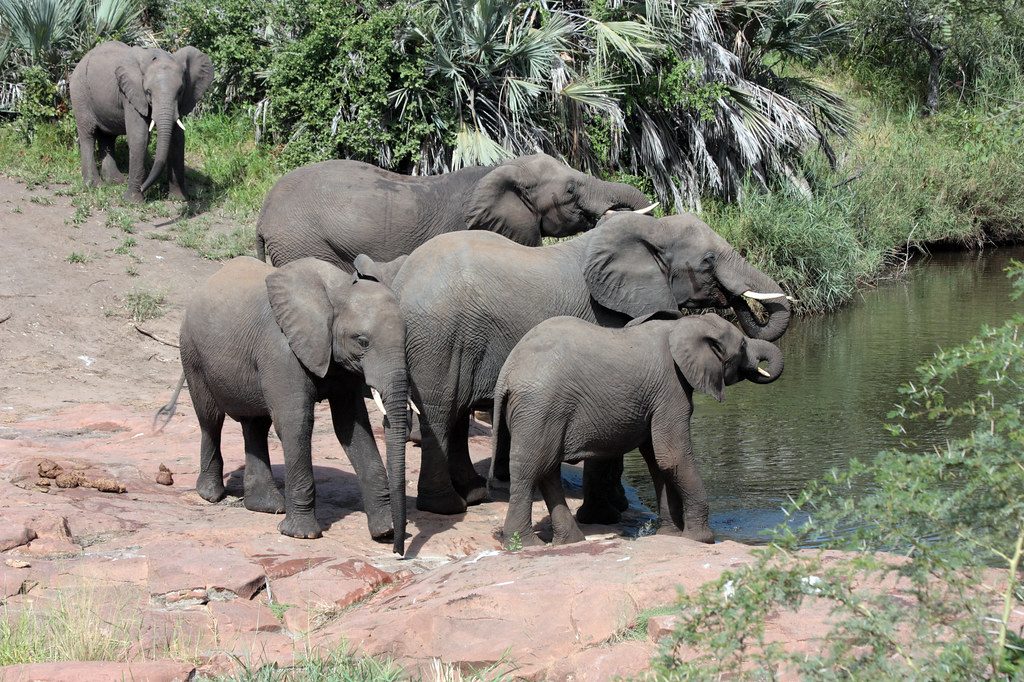
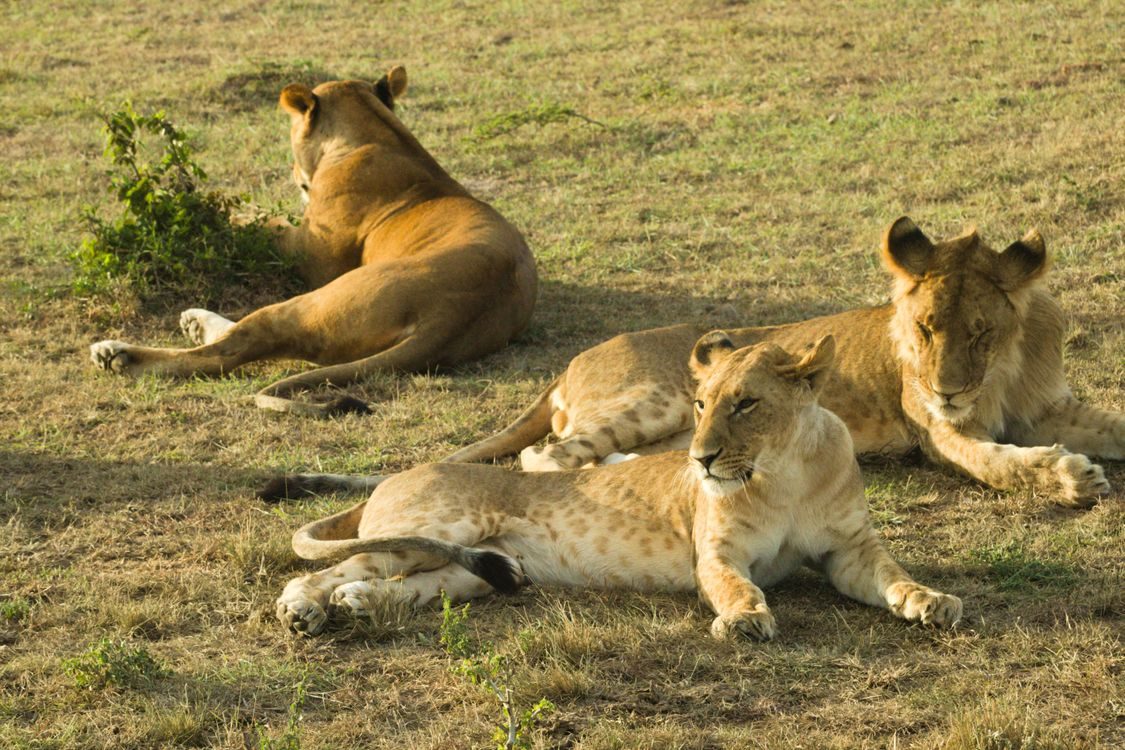
The wake-up knock comes before dawn with coffee and rusks, and you are out as the sky lightens. Morning is when lion are most likely to be on the move and when the elephants come down to the river to drink. On a private concession you share the bush with very few other vehicles, and your ranger can stay with a sighting for as long as it holds your attention. Mid-morning, the vehicle stops in the shade of a jackalberry and breakfast is laid out on the bonnet.
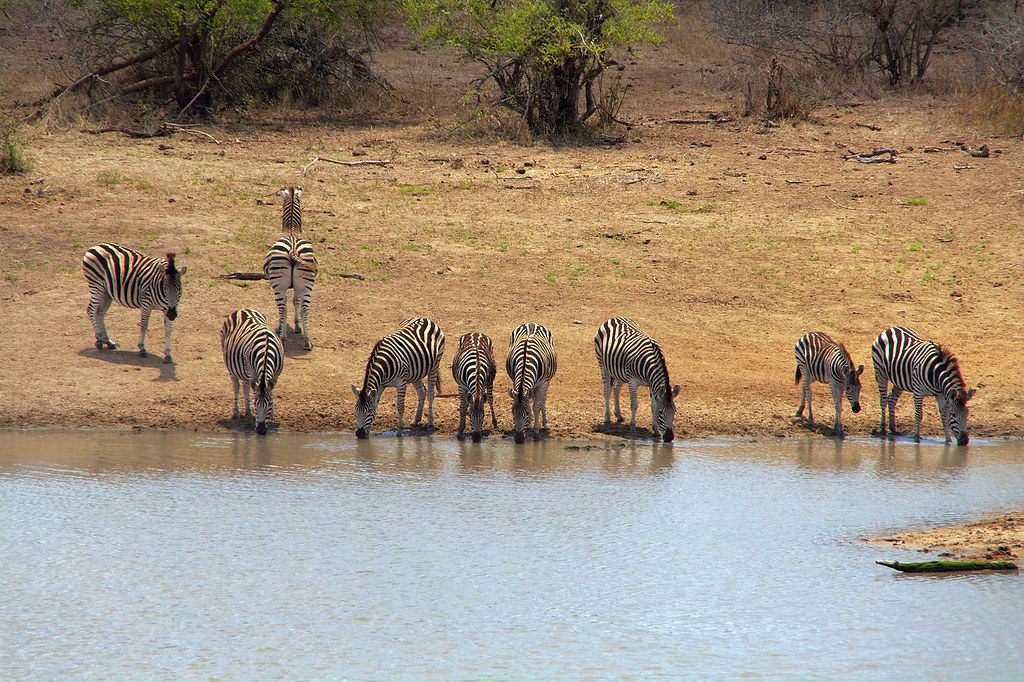
The heat of the day is for the lodge: a swim, a long lunch, a sleep, or an hour in a hide watching the waterhole. The afternoon drive runs on past sunset, and on the concessions it turns into a night drive on the way home, the tracker's spotlight picking out the eyes of a genet, a hunting owl, a hyena trotting along the track. Two drives on day one and two on day two give you a proper sense of the national park before you move.
Day 3: Across the open boundary into the Sabi Sand
A last morning drive in Kruger, breakfast, and then the transfer. This is the part of the itinerary people worry about, and it is the simplest: the Sabi Sand lies on Kruger's south-western edge, and the drive from the southern concessions to most of its lodges is short. There is no fence along the shared boundary, which is the whole point. The leopards, lions and elephants you saw yesterday may well cross the same line today.
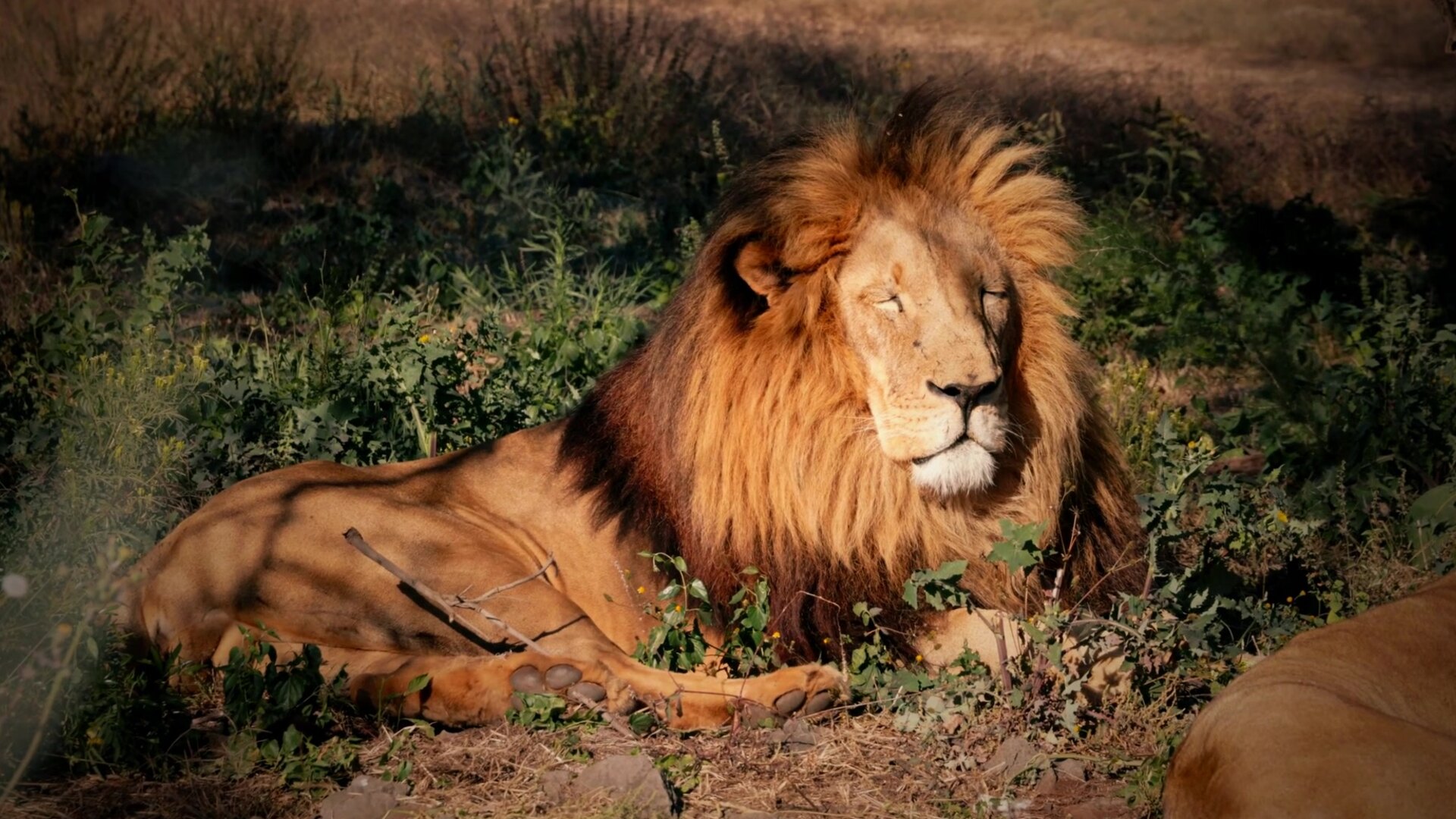
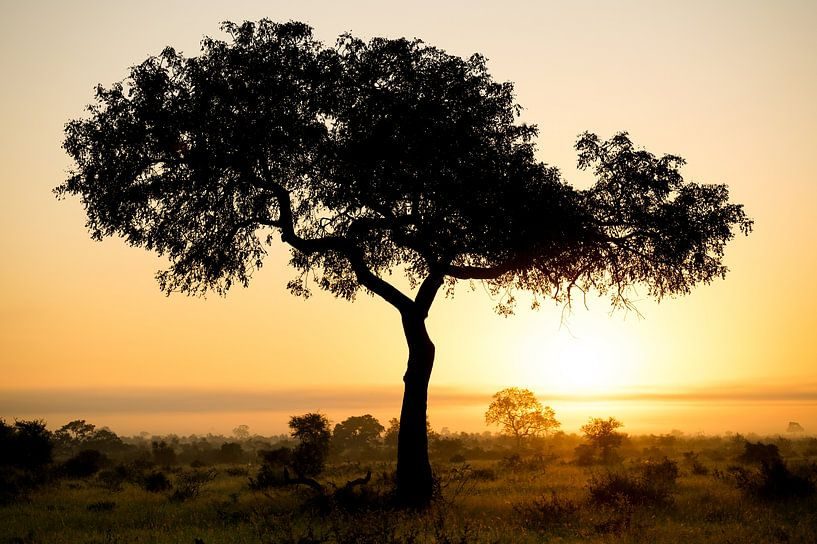
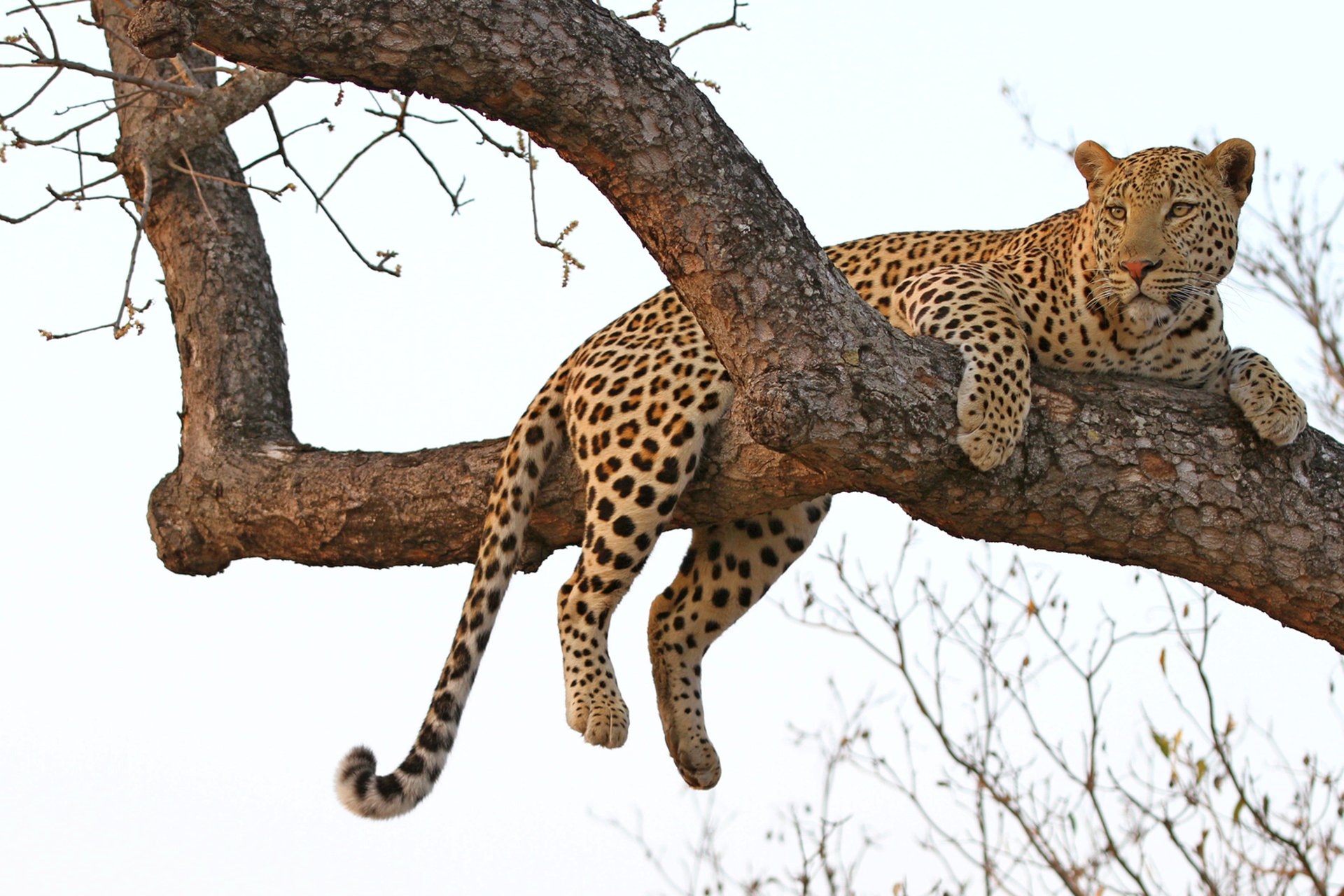
You arrive in time for lunch and a look at your suite, and at four the afternoon drive begins. Here the character of the safari changes. Your ranger and tracker sit up front, the vehicle leaves the track to follow fresh spoor through the bush, and the radio brings news from neighbouring vehicles that a female leopard has been seen near the riverbed. Many families of Sabi Sand leopards have been watched by the same lodges for decades, and they go about their lives with the vehicles close by. Watching a leopard climb into a marula with its kill, a few metres away, in the last light, is the moment most guests name when they come home.
Day 4: A walk on foot, a full day in the Sabi Sand
Your one full day in the private reserve begins on foot. After coffee, an armed ranger and a tracker lead a small group out into the bush for a walk of two hours or so. You will not cover much ground, and that is the point: on foot the reserve becomes a book of small things, the scuff where a leopard dragged its kill, the dung of a white rhino at its midden, the alarm call of a francolin that tells you something is moving. Walks are offered at most lodges and are entirely optional; a morning drive is the alternative.
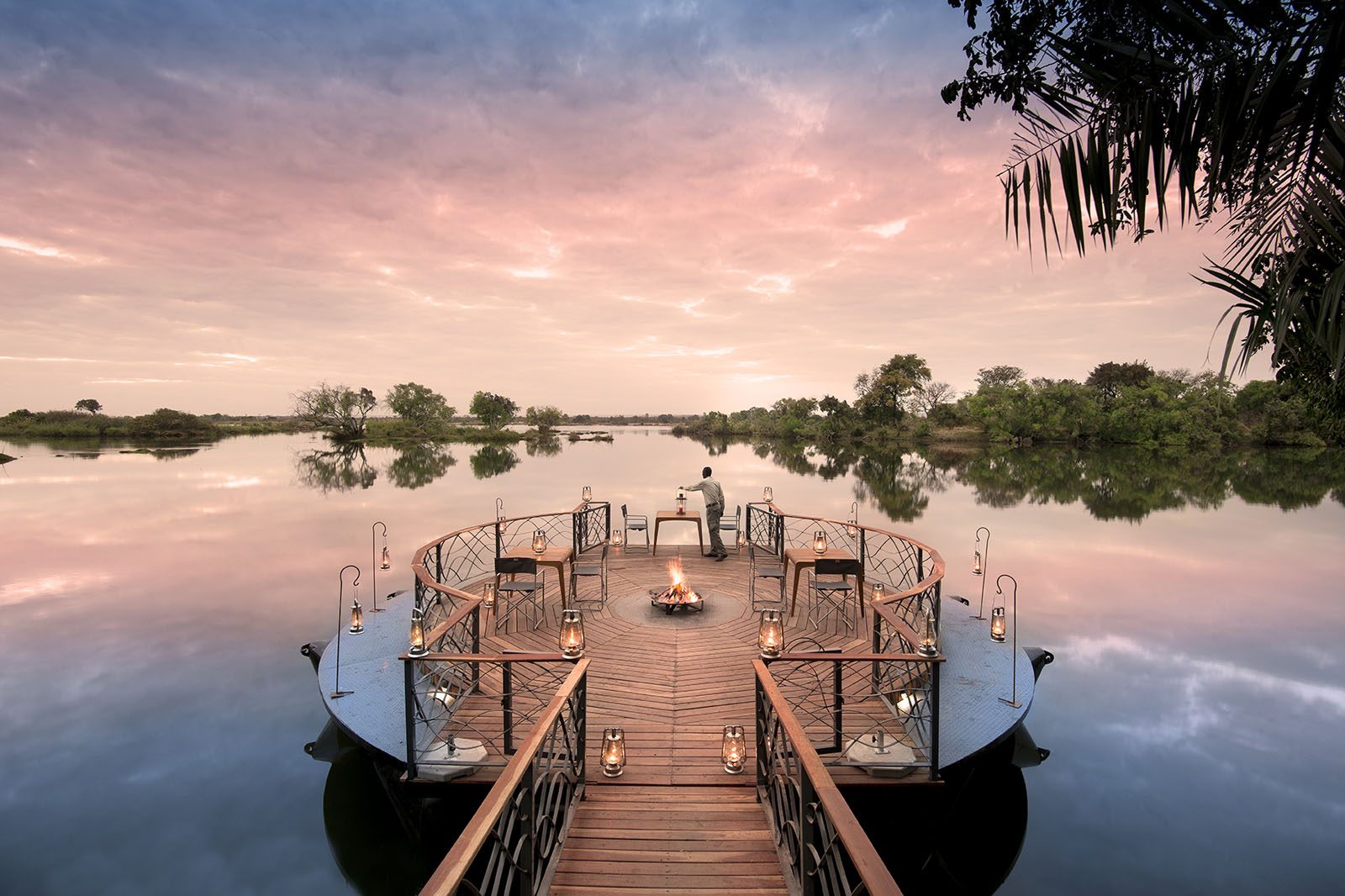
The afternoon drive is the heart of the day. With the leopard sightings of yesterday behind you, your ranger may turn to whatever you most want: a lion pride, the buffalo herd, rhino, or the wild dogs if they are denning nearby. The drive home is by spotlight, and the final dinner is often under the stars in the boma, a fire burning and the night noises of the bush all around. Our Singita Sabi Sand review and Sabi Sabi Earth Lodge review show what two very different Sabi Sand lodges are like from the inside.
Day 5: A last dawn drive and the light aircraft home
The final morning drive is never a formality. Leopards are often most visible in the first hour, and many guests find their best sighting of the trip on this last outing. Back at the lodge, there is time for a proper breakfast before the short drive to the airstrip, where a light aircraft waits to fly you to Johannesburg, or on to Cape Town or the regional airport at Nelspruit.
Because you flew into Kruger and out of the Sabi Sand, nothing has been repeated. In five days you have had roughly nine game drives, a walk, two very different lodges, and both faces of the lowveld: the open sweep of Africa's best-known national park and the quiet closeness of its finest private reserve. If you have time, the Cape makes a natural second half, and our Cape Town to Kruger safari guide shows how the two fit.
What a 5-day luxury Kruger and Sabi Sand safari costs
The table below is a working guide for the full five days — four nights in two lodges, all meals and most drinks, two game drives a day, a walk, conservation fees, and the flights from Johannesburg — per person sharing, in US dollars. It excludes international flights, insurance and gratuities, and it moves with the season and the exact lodges chosen.
| Style of trip | Per person sharing (5 days) | What it looks like |
|---|---|---|
| Luxury | US$4,000–US$7,000 | Five-star concession lodge in Kruger, an established five-star Sabi Sand lodge, scheduled flights |
| Premium | US$7,000–US$11,000 | The reserve's most celebrated lodges, private plunge-pool suites, light-aircraft transfers |
| Ultra-luxury | from US$11,000 to US$16,000+ | Signature villas, private vehicle and guide, helicopter or charter transfers, peak season |
Two things move these numbers more than anything. The first is the Sabi Sand lodge, because the reserve's top camps are among the most expensive in Africa. The second is the season: the dry months from May to September are in highest demand, and the best suites sell out a year ahead. Splitting the nights with a Kruger concession lodge often brings the overall cost below that of four nights in the Sabi Sand alone, with no loss in quality. For a closer look at prices, see our Sabi Sand safari cost guide.
The best time for a Kruger and Sabi Sand safari
The lowveld is good in every month, but the character of the trip changes with the season. The table below shows what to expect.
| Season | What the lowveld is like | Good for |
|---|---|---|
| May–Sep (dry winter) | Thin bush, game at the water, cold dawns, warm days, very little rain | First-time visitors and anyone after the easiest game-viewing |
| Oct (late dry) | Hot, game at its most concentrated, first storms by the month's end | Photographers and predator action |
| Nov–Mar (green summer) | Lush and green, newborn antelope, migrant birds, afternoon thunderstorms | Birders, honeymooners and better-value rates |
| Apr (autumn) | Rains easing, bush still green, mild temperatures | A quieter shoulder month with good game |
If you are travelling for the first time and your dates are flexible, aim for May to September and book early. If you want lush scenery and young animals, the summer is beautiful. For the full month-by-month picture, read our best time to visit the Sabi Sand guide, and if this is a honeymoon our Sabi Sand honeymoon safari guide shows how to shape the same five days for two.
How we build your five days
A two-lodge safari depends on small decisions made well: which Kruger concession pairs with which Sabi Sand camp, which flights connect on your dates, how to time the transfer so no drive is lost, and which months justify peak rates. Beyond Africa Safaris is a specialist, owner-run South African operator, and these are the decisions we make every week. We choose the lodges ourselves and match them to your budget and how you like to travel, and we tell you plainly when one area alone would serve you better. Our Kruger versus Sabi Sand comparison is a good companion read, and our Luxury Sabi Sands Safari (5 Days) shows the reserve-only version of this trip.
When you are ready, send us your dates, your rough budget and who is travelling, and we will come back with an honest, itemised proposal in plain US dollars. There is no obligation and no hard sell. You can use our safari planning form, or reach Remondy directly on WhatsApp at +27 78 471 4852 to start building your five days in Kruger and the Sabi Sand.