We're Open8am–6pm SAST
WishlistPartner Portal
← Back to BlogSafari

Best Time to Visit Sabi Sands 2026: A Month-by-Month Leopard & Big Five Guide

Audio EditionListen to this story
0:000:00
Narrated by George — audio edition

Key Takeaways

  • The Sabi Sands offers world-class Big Five and leopard viewing year-round — its private status lets guides go off-road and follow the cats in any season.
  • The dry winter (May–September) is the peak: thin bush, game at water, cool clear days and the lowest malaria risk.
  • The green summer (October–April) brings newborn impala, migrant birds and lush, dramatic photography — with softer prices.
  • Leopards are seen year-round here like nowhere else on Earth, so no month is a "bad" month for the Sabi Sands.
  • The shoulder months — May and September–October — blend excellent viewing with better rates and thinner crowds.
The Sabi Sands — the world's greatest leopard reserve, extraordinary in every season.

Why the Sabi Sands Is Great All Year

The Sabi Sands is different from a national park, and that difference matters for timing. It is a private reserve of luxury lodges sharing an unfenced boundary with the Kruger, so the same wildlife roams freely between them. But because it is private, the guides here can drive off-road, follow a leopard into the thickets and stay with a sighting — something no public park allows. The result is that game viewing in the Sabi Sands is exceptional in every month of the year, not just the dry season.

That is especially true of its leopards. The Sabi Sands is, quite simply, the best place on Earth to see and photograph leopards — generations of them are relaxed around the vehicles, and sightings are near-daily whatever the season. Add lion, elephant, buffalo and rhino in strong numbers, plus twice-daily guided drives with a tracker on the bonnet, and you have a reserve where timing is about refinement rather than success.

What makes the Sabi Sands a year-round reserve:

  • Off-road, follow-the-cat driving — private-reserve rules mean sightings are worked, not just glimpsed.
  • The world's best leopard viewing — relaxed, habituated cats, near-daily all year.
  • High Big Five density — the open Kruger boundary keeps the reserve wildlife-rich.
  • Expert guides and trackers — who find the wildlife whatever the bush is doing.
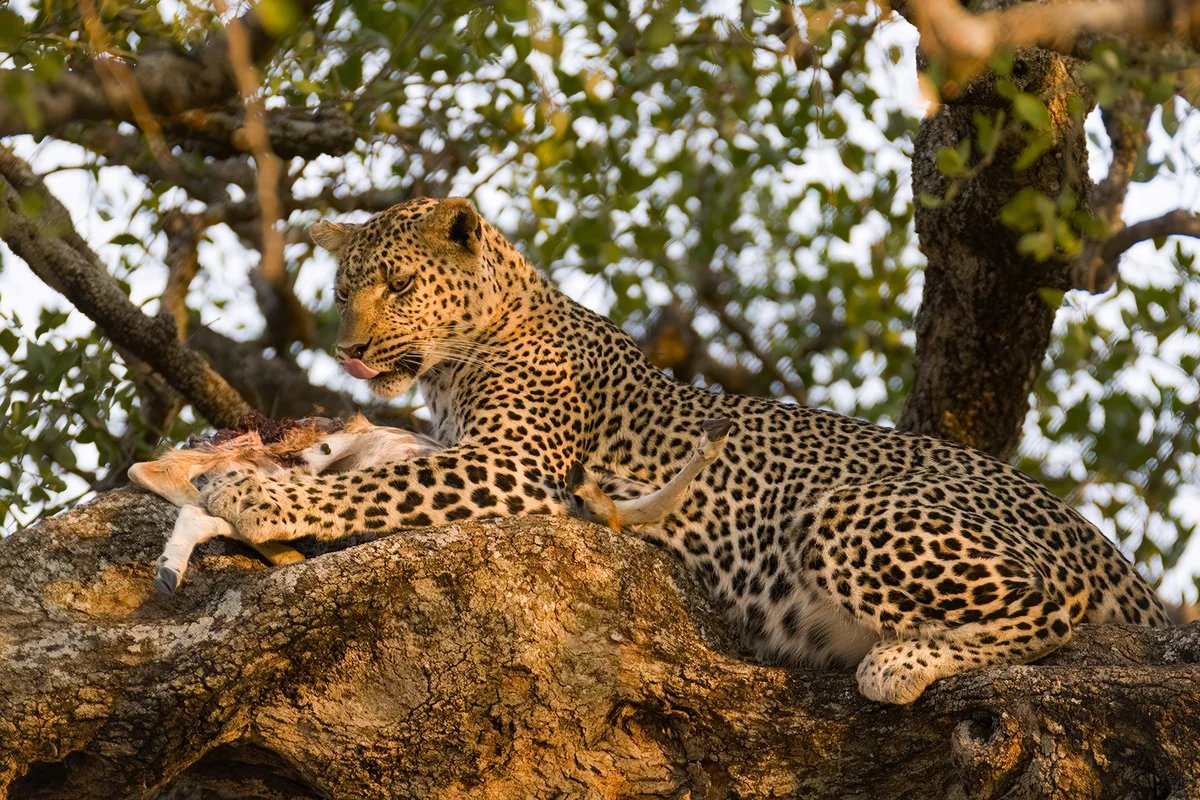
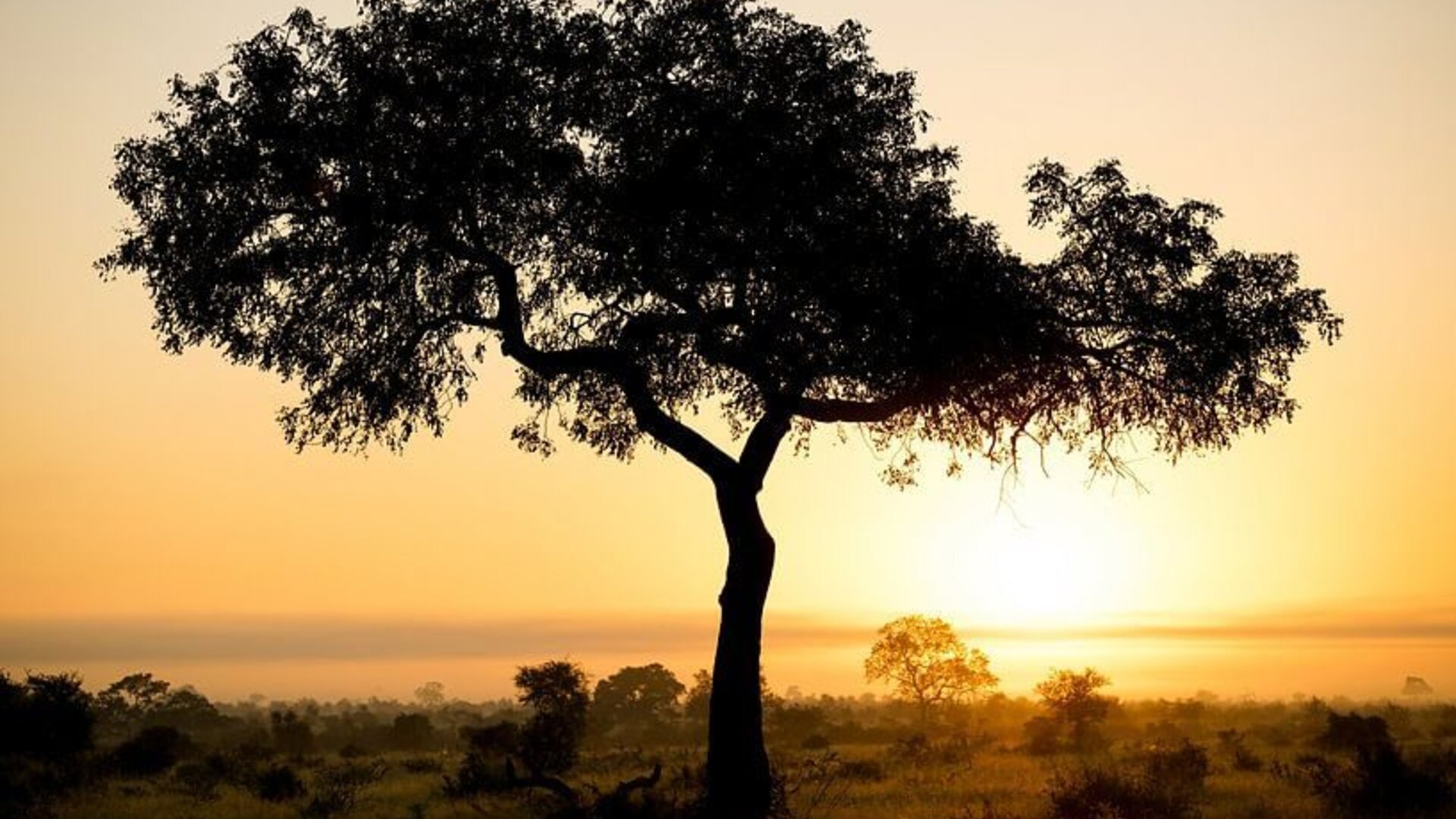
A leopard with a kill in a tree in the Sabi Sands
A leopard hoists its kill into a tree — a Sabi Sands signature, seen in every season

The Dry Season (May–September): Peak Game Viewing

The dry winter is the classic time to visit the Sabi Sands. From May the bush thins, the seasonal water dries up, and the wildlife concentrates around the Sand River and the remaining pans. Sightings become even easier than usual — lions patrol the shrinking water, elephant and buffalo herds trek to drink, and the reserve's famous leopards are highly visible in the open winter bush.

The weather is glorious for a safari: warm, dry, cloudless days around 25°C and cold, crisp dawns that make the early drive bracing — bring a fleece and a beanie. This is also when malaria risk falls to its lowest, which is reassuring for families and first-timers. It is the peak season, so June to August is the busiest and the most expensive, and the best lodge suites book out far ahead.
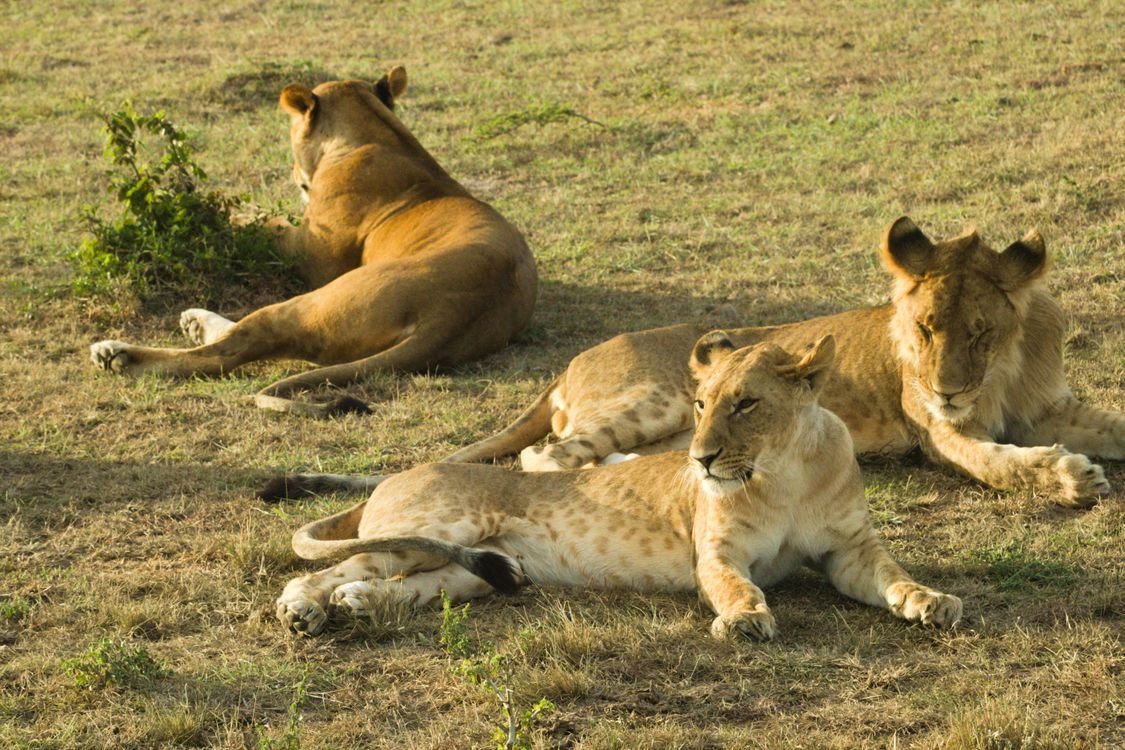
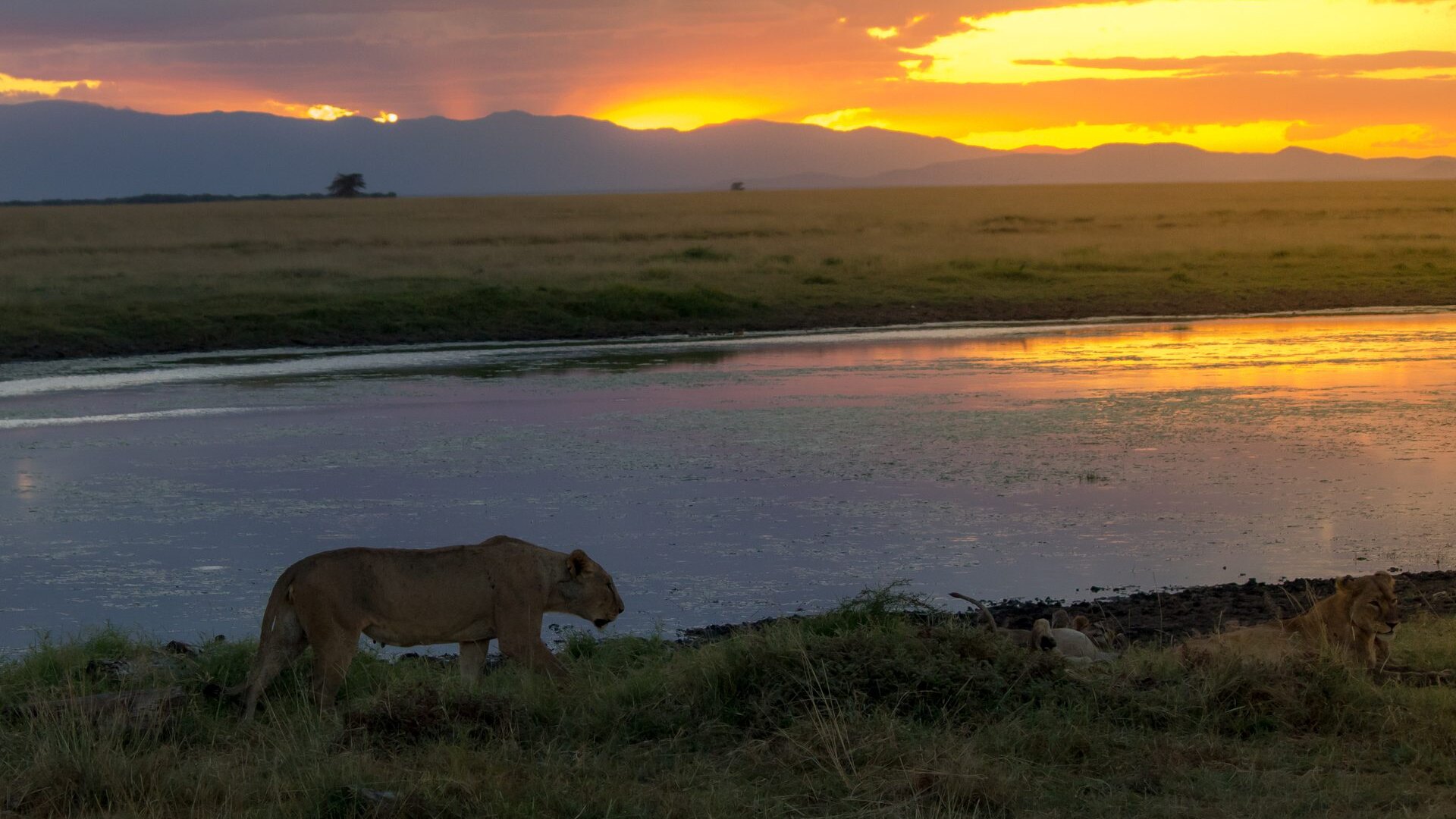
A pride of lions in the Sabi Sands
Dry-season lions patrol the shrinking water of the Sand River

The Green Season (October–April): Birth, Birds & Drama

The green season turns the Sabi Sands lush and cinematic. When the summer rains arrive in October and November, the bush greens, the pans fill, and the impala drop their lambs in a great synchronised burst — the "calving season" that sends the reserve's leopards, lions and wild dogs into a feeding frenzy. For sheer predator drama, this is a thrilling time to be here.

It is also the best season for birds, with migrant species arriving in breeding colour from November, and for photographers, who trade winter's dust for green backdrops and towering thunderclouds. Because the reserve's guides can still follow the cats off-road, the green season loses far less game-viewing quality here than it would in a public park. Days are hot and humid — often above 30°C — with dramatic afternoon storms, and this is the higher-risk malaria period, so take prophylaxis. In return you get lower rates, fewer guests and a Sabi Sands at its most alive.
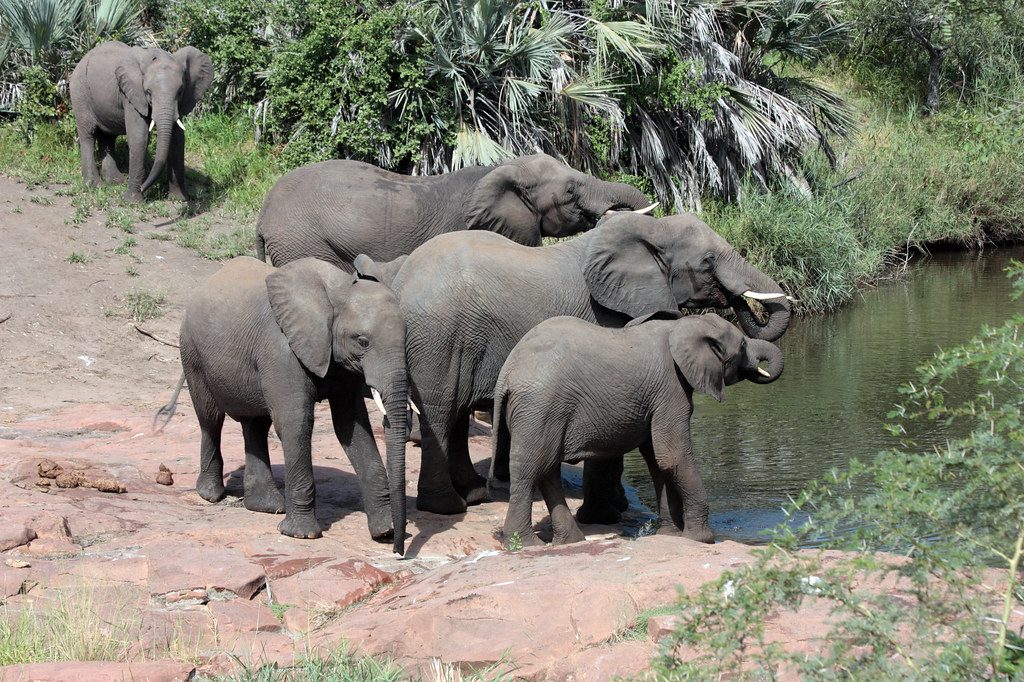
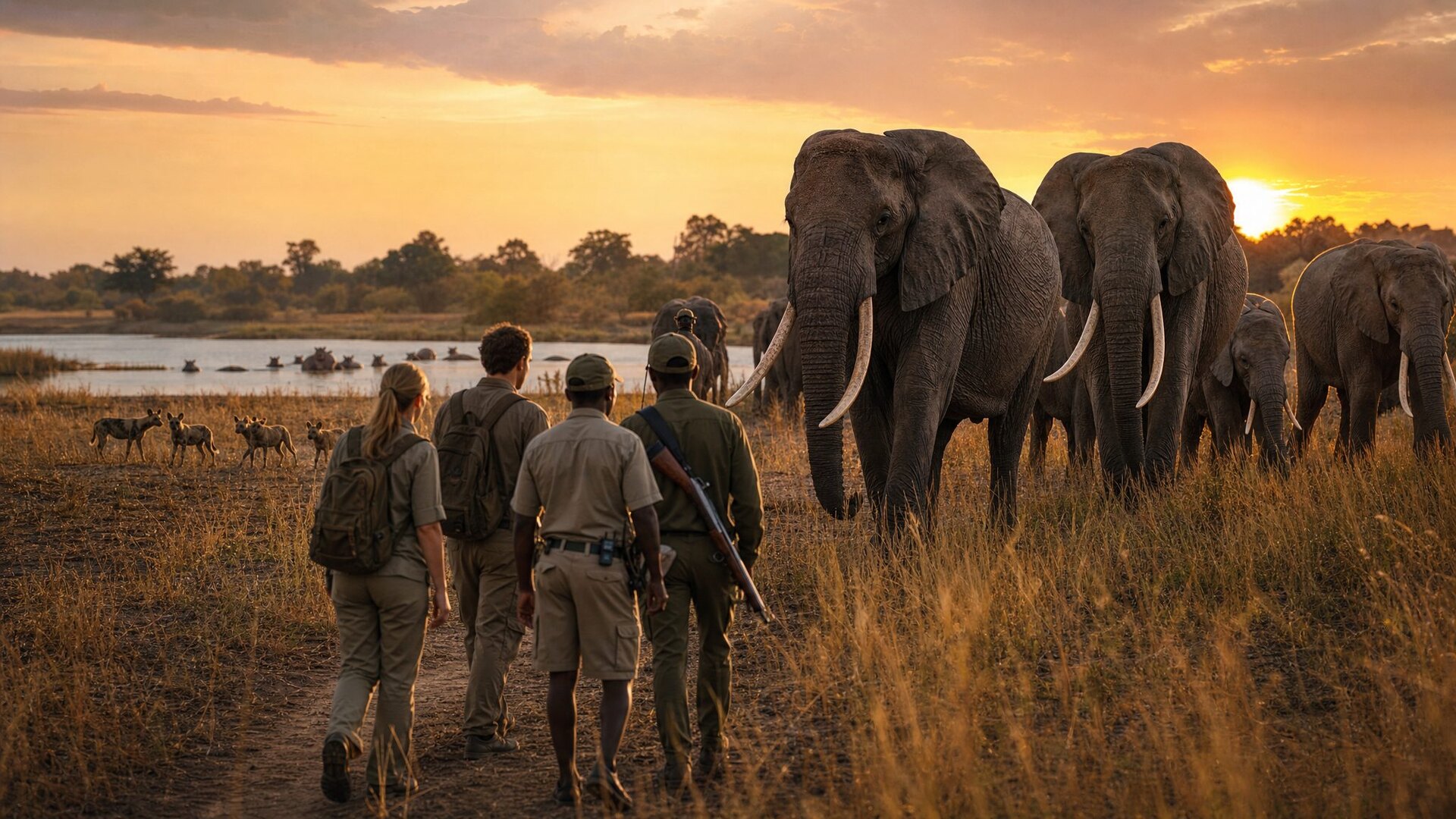
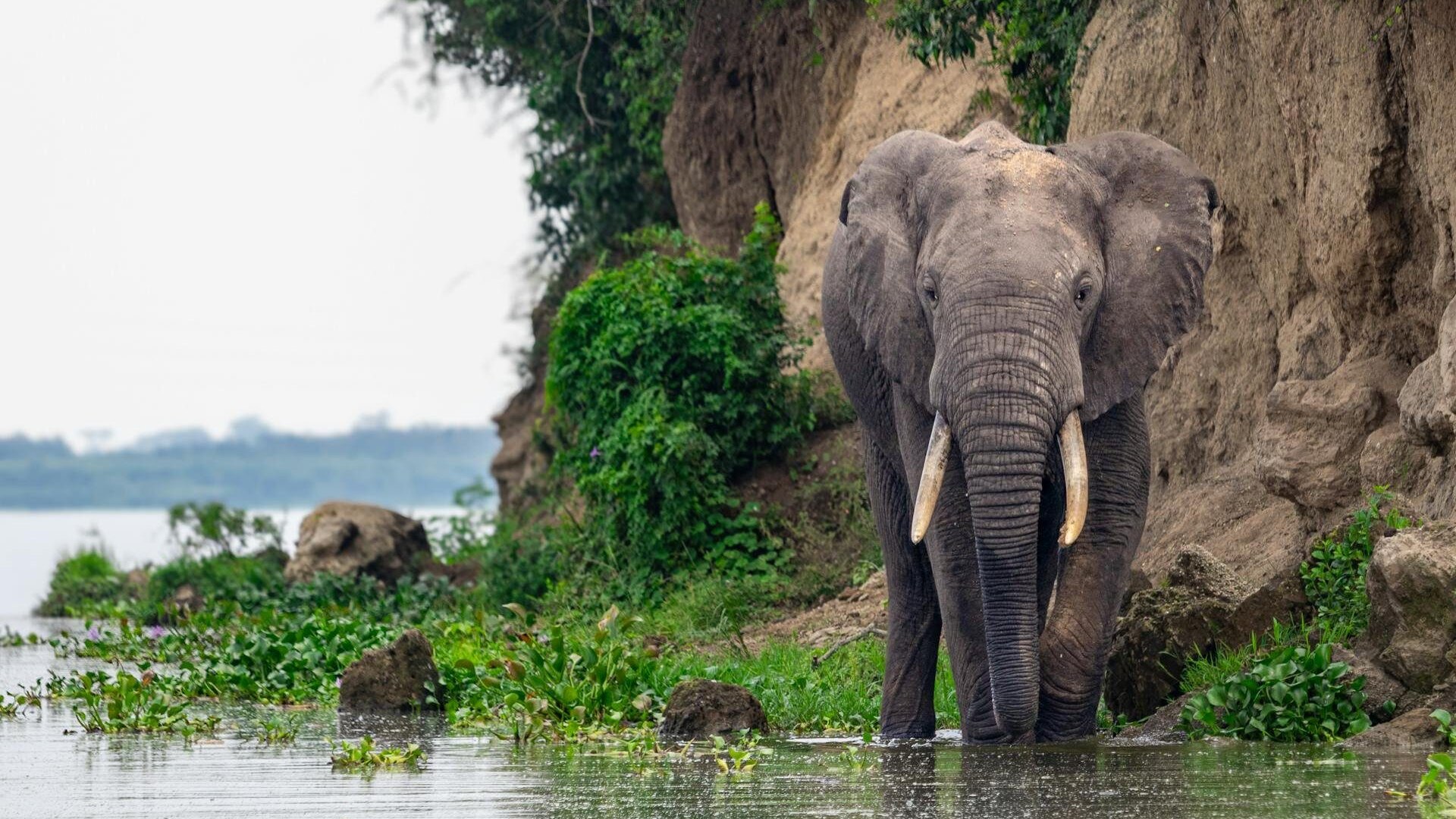
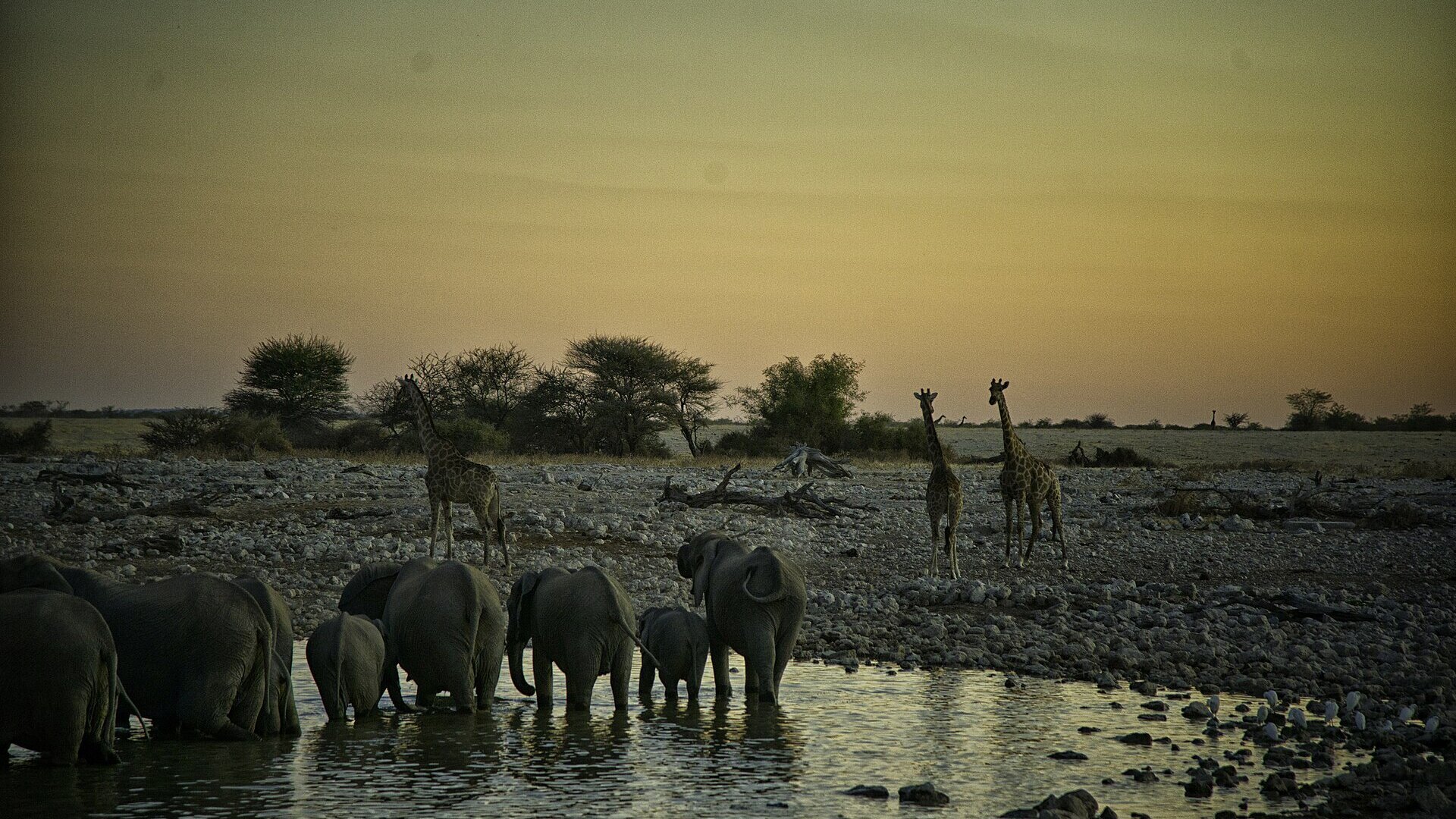
An elephant herd in the Sabi Sands
Elephant herds move through the reserve whatever the season

The Sabi Sands Month by Month

Here is the reserve's year at a glance — the weather, the wildlife and what to expect each month.

Month Season What to expect
Jan–FebGreen (peak wet)Hot, lush; calving & predator drama; superb birding; lowest prices
Mar–AprGreen (late wet)Still green, cooling; great value; Easter can be busy
MayShoulder (early dry)The sweet spot — bush thinning, excellent viewing, fewer guests
Jun–AugDry (peak)Best game viewing, cool & dry, lowest malaria risk; busiest & priciest
SepShoulder (late dry)Superb sightings, warming up, thinning crowds — a top month
OctShoulder (dry ending)Hot, dramatic — game still at water before the rains break
Nov–DecGreen (early wet)Rains begin, bush greens, migrants arrive; festive season busy

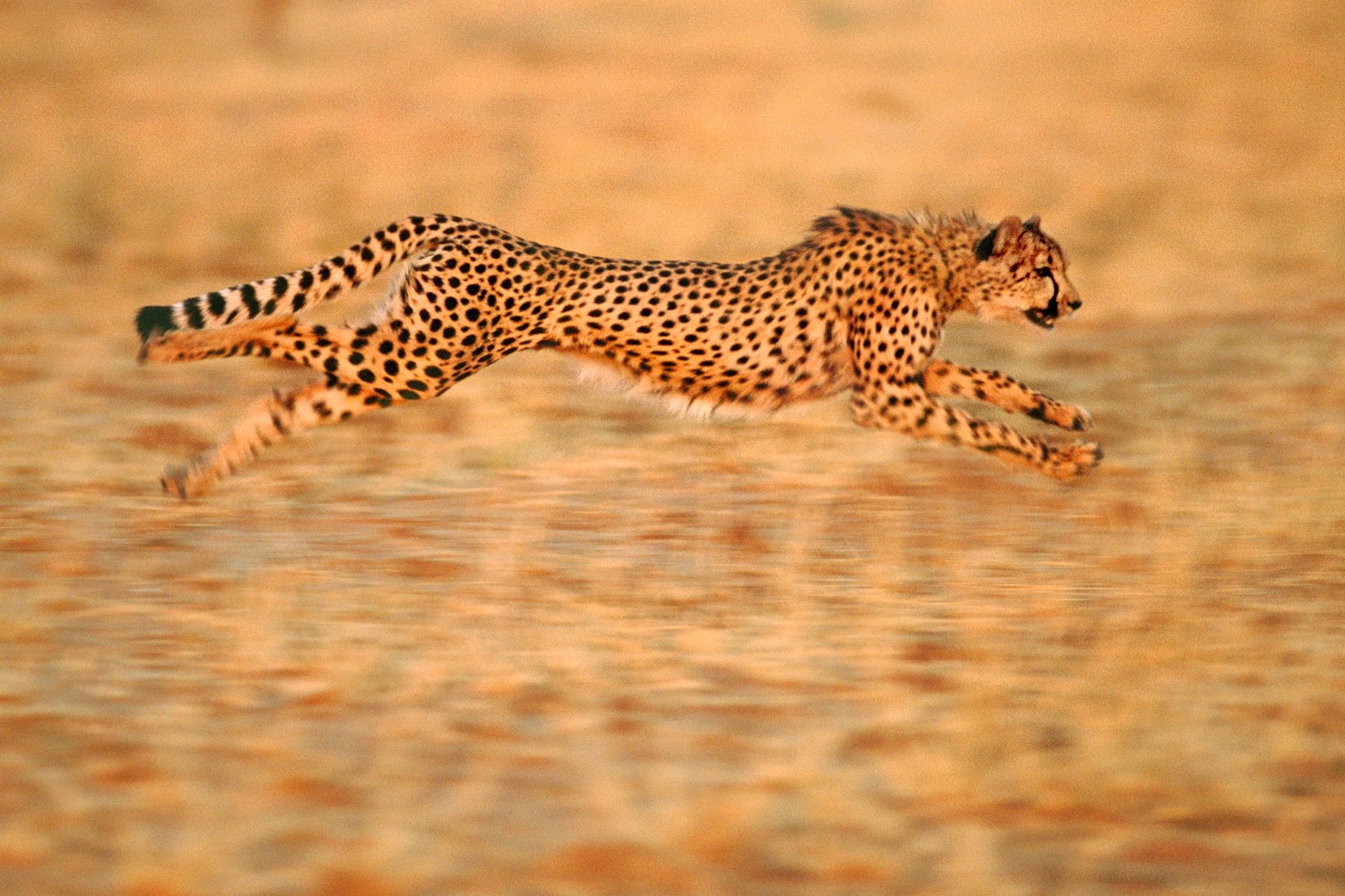
A cheetah running in the Sabi Sands
The green-season calving fuels the reserve's most intense predator action

The Best Time for Leopards & the Big Cats

The remarkable truth of the Sabi Sands is that leopards are a near-daily sighting all year round. No single month is better for the cats in the way it might be elsewhere — the reserve's habituated leopards and off-road guiding make them reliable in January just as in July. If you are coming specifically to photograph leopards, come whenever suits you; the Sabi Sands will deliver.

That said, the dry winter gives the cleanest sightlines and easiest photography as the bush thins, while the green-season calving from November to February brings the most concentrated predator drama, with lion, leopard and wild dog hunting among thousands of newborn impala. Winter for ease and clarity; summer for action and lush backdrops.
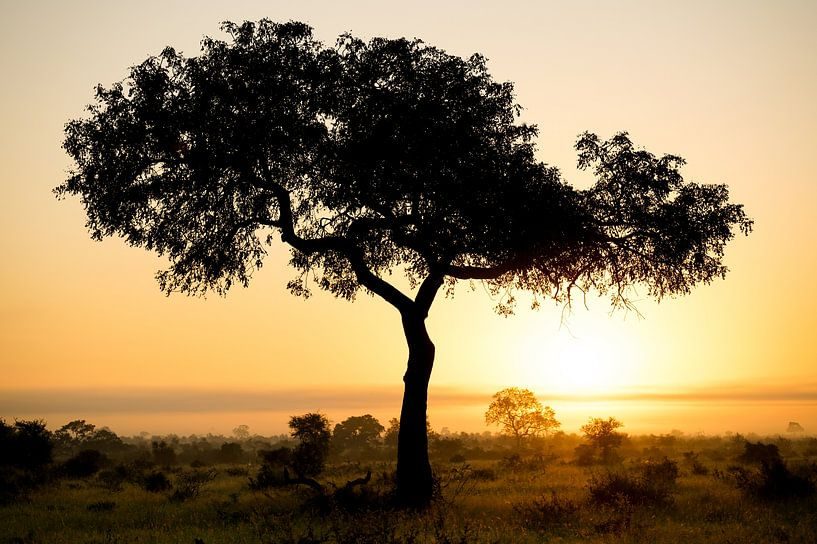
A safari vehicle at sunset in the Sabi Sands
Sundowners in the bush — the Sabi Sands ritual, in every season

The Best-Value Time & Avoiding the Crowds

Because the Sabi Sands is all private lodges, "crowds" here mean rates and availability rather than busy roads. The shoulder months — May, September and October — are the sweet spot: game viewing as good as the deep-winter peak, but with better lodge availability and softer rates. The green season, especially January to March, is the least expensive time to visit and rewards anyone who loves birding, newborn game and a lush landscape.

Peak rates fall in the dry winter and over the South African school holidays, Easter and the festive season around Christmas and New Year, when the top suites book out many months ahead. Whenever you come, a good lodge and a good guide matter more here than the exact month — and that is exactly what we secure for you.

Plan Your Sabi Sands Safari With Beyond Africa

We are a Cape Town-based, tailor-made safari house, and the Sabi Sands is one of our most-loved reserves. Once you know the season you want, we match you to the right lodge — from intimate owner-run camps to the great flagship names — secure the best suites before they vanish, and build the flights and transfers around them. You arrive to twice-daily guided drives, a tracker on the bonnet and the finest leopard viewing on Earth, in exactly the season that suits you.

Ready to choose your season in the Sabi Sands? 👉 Request a tailor-made Sabi Sands quote → 👉 Browse our Sabi Sands safari packages → 👉 WhatsApp us: +27 74 315 5782


The World's Greatest Leopard Reserve, Season by Season

The Sabi Sands delivers the finest leopard viewing on Earth all year — but the season you choose still shapes the light, the drama and the price.

This is the complete month-by-month guide to the best time to visit the Sabi Sands: when game viewing peaks, when the bush is greenest, the birthing and birding, the weather, the crowds and the best-value months.

Ready to Start Planning?

Our safari experts will design a personalized itinerary based on your budget, travel dates, and interests.

💬 Get Your Custom Safari Itinerary (Free)
Reply within 2 hours (7am-10pm SAST)
15+ years safari planning experience
4.9★ rating on TripAdvisor

No pressure, no obligation. Get expert advice for free.

Frequently Asked Questions

The Sabi Sands offers world-class game viewing all year, so there is no bad time. For the easiest Big Five viewing, come in the dry winter from May to September, when the bush is thin, game gathers at water, days are cool and clear and malaria risk is lowest. For lush scenery, newborn game, migrant birds and intense predator action, the green summer from October to April is superb — and because guides can follow the cats off-road, sightings stay excellent even then.

Leopards are a near-daily sighting in the Sabi Sands throughout the year — it is the best place on Earth to see and photograph them. The reserve's habituated cats and off-road guiding make them reliable in every month. The dry winter gives the cleanest sightlines for photography as the bush thins, while the green-season calving from November to February brings the most concentrated leopard and predator action.

The dry season runs roughly May to September: little rain, thin golden bush, cool days and cold dawns, with game concentrated at the Sand River and remaining water. The green (wet) season runs October to April: summer rains turn the reserve emerald, impala give birth in a synchronised burst, migrant birds arrive, and afternoon thunderstorms build. Days are hot and humid, and it is the higher-risk malaria period.

Yes. Because the Sabi Sands is a private reserve where guides can drive off-road and follow the cats, the green summer loses far less game-viewing quality than a public park would. Summer brings the calving season and its predator drama, the best birding of the year, lush green photography backdrops and dramatic skies — plus softer rates and fewer guests. Just pack for heat and humidity and take malaria prophylaxis.

The green season, especially January to March, is the least expensive time to visit, with softer lodge rates and greater availability. The shoulder months of May, September and October offer the best balance of value and game viewing — nearly as good as the deep-winter peak, but with better rates. Peak pricing falls in the dry winter and over the South African school holidays, Easter and the festive season.

For the dry-season peak (June to August) and the festive season, book the best lodges and suites nine to twelve months ahead — they sell out early. For the shoulder and green seasons there is more flexibility, though the most sought-after camps still fill quickly. We hold and secure the right suites the moment your dates open, so the season you want is never the reason you miss out.

Make It Happen

Safari Packages

Ready to experience it yourself?

Let our local experts craft a private journey around the places you just read about.

Explore ToursPlan My Trip
Curated For You

You May Also Like

A golden-hour luxury safari lodge deck overlooking the African bushSafari

The Great Luxury Safari Houses Compared 2026: How to Choose the Right One

Ask ten well-travelled people who the best luxury safari operator is and you will get ten different answers — because there is no single best, only the right one for you. Africa's great safari houses each carry a distinct character: some are conservation pioneers, some are design temples, some are founder-led and fiercely personal, some are quietly boutique. As an independent, Cape Town-based travel house, we book across all of them, which means we can be honest about where each truly shines. This is our 2026 comparison of the leading luxury safari collections — their soul, their strengths, their price and their fit — and how we pair the right house to the safari you have always imagined.

28 Jul 2026 · 14 min read
A golden-hour African wilderness landscape protected by conservation fundingSafari

Safari Conservation 2026: Where Your Money Actually Goes on a Luxury Safari

It is a fair question, and one thoughtful travellers increasingly ask: when I spend thousands on a luxury safari, where does the money actually go — and does any of it truly help the wild? The honest answer is that a well-chosen safari is one of the most effective conservation tools on the continent. Your nightly rate funds anti-poaching patrols, keeps vast tracts of land wild rather than farmed, pays park and conservation fees, and gives local communities a direct, tangible stake in protecting wildlife. This is our transparent guide to the economics of conservation safari in 2026 — how the money flows, what it protects, and how we steer you toward the operators and reserves where your money does the most good.

28 Jul 2026 · 14 min read
A golden-hour safari scene representing a multi-country African journeySafari

How to Plan a Multi-Country Luxury Safari 2026: The Complete Guide

The most memorable safaris are often a journey across borders — big cats on the Serengeti plains, then the waterways of the Okavango, then a beach to finish; or the Cape, the Kruger and Victoria Falls woven into one grand arc. Multi-country safaris deliver contrast and depth that a single destination cannot, but they live and die on logistics: the light-aircraft transfers, the visas, the conservation fees, the baggage limits and the timing of connections. Get it right and it feels effortless; get it wrong and you spend your holiday in transit. This is our complete guide to planning a seamless multi-country luxury safari in 2026 — how to route it, how the flights work, what to budget for, and how we make several countries feel like one flawless journey.

28 Jul 2026 · 14 min read
Simple, Personal, Expert-Led

How It Works

From first message to the trip of a lifetime — planning your safari with us is effortless.

  1. 1

    Share Your Dream

    Tell us who is travelling, your dates and what you long to see. One quick message is all it takes to begin.

  2. 2

    We Design It

    Your specialist crafts a private, tailor-made itinerary — the right camps, the right season, every detail considered.

  3. 3

    Refine Together

    We fine-tune the journey with you until every day feels perfect, then handle flights, transfers and permits.

  4. 4

    Travel With Confidence

    Set off knowing every detail is handled and a dedicated specialist is on call from your first game drive to home.

Your Journey Starts Here

Let Our Experts Craft Your Perfect Safari

Every itinerary is handcrafted by our team of local specialists who have spent 18+ years exploring Southern and East Africa. From Big Five game drives to gorilla trekking — we create journeys that stay with you forever.

Start PlanningChat with Us
🔔
James from UK just booked "Luxury Okavango Safari"
2 hours ago
Chat