Key Takeaways
- The dry seasons (January–February & July–October) are the best times for clear Kilimanjaro views and elephant herds at the swamps.
- January to February is the best time overall: clear skies, superb elephant viewing, and the green grass makes the landscape beautiful.
- The green seasons (March–June & November–December) bring lush grass, newborn game and migrant birds — but Kilimanjaro is often clouded.
- The shoulder months — June, September & October — offer excellent wildlife, softer prices and thinner crowds.
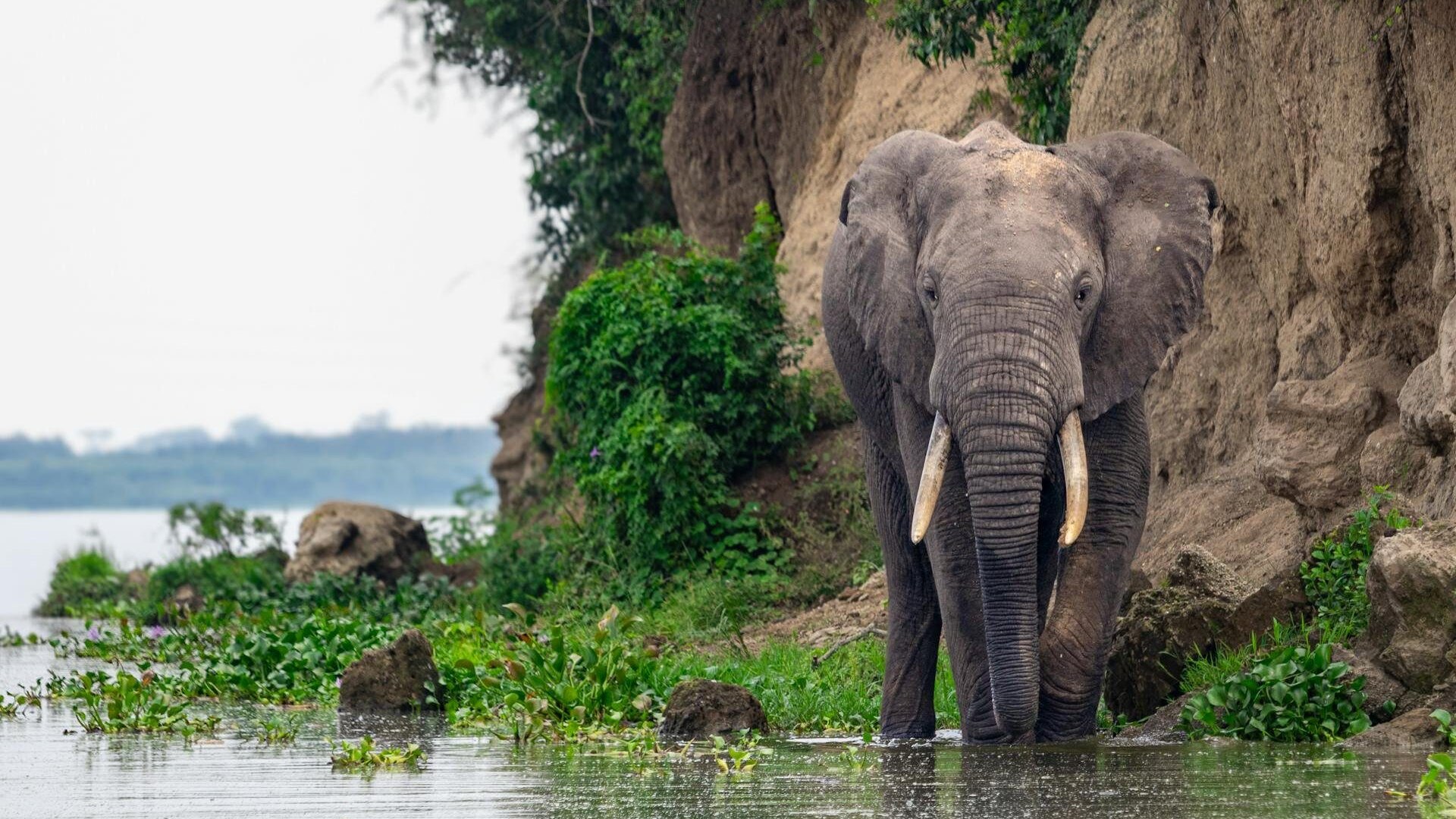
- Amboseli is home to the legendary super tuskers — giant bull elephants with tusks so long they nearly touch the ground.
The Two Dry Seasons & Two Wet Seasons of Amboseli
Amboseli has four mini-seasons, and everything about your safari flows from which one you visit. The park sits in southern Kenya at the foot of Mount Kilimanjaro, and its year divides into two dry periods and two wet periods. Understanding the difference is the single most useful thing you can do before you book.
In the first dry season, from January to February, the skies are clearest and Kilimanjaro is visible nearly every morning and evening. The swamps are full from the short rains, drawing elephant herds in spectacular numbers, and the grass is still green, making for beautiful photography. This is widely considered the best time to visit Amboseli.
In the second dry season, from July to October, the skies are again clear for Kilimanjaro views, the swamps are full, and the wildlife is concentrated and easy to find. The grass is drier and the dust heavier than in January-February, but the game viewing is superb and the migration herds from the Serengeti pass through the park's southern plains.
In the wet seasons, from March to June (long rains) and November to December (short rains), the park transforms. The grass grows thick and green, the seasonal waterholes fill, and the wildlife disperses. Kilimanjaro is often shrouded in cloud, especially in the afternoons, but the birding is superb, newborn game fills the plains, and the park is beautifully uncrowded.
The Dry Seasons (January–February & July–October): Peak Kilimanjaro Views
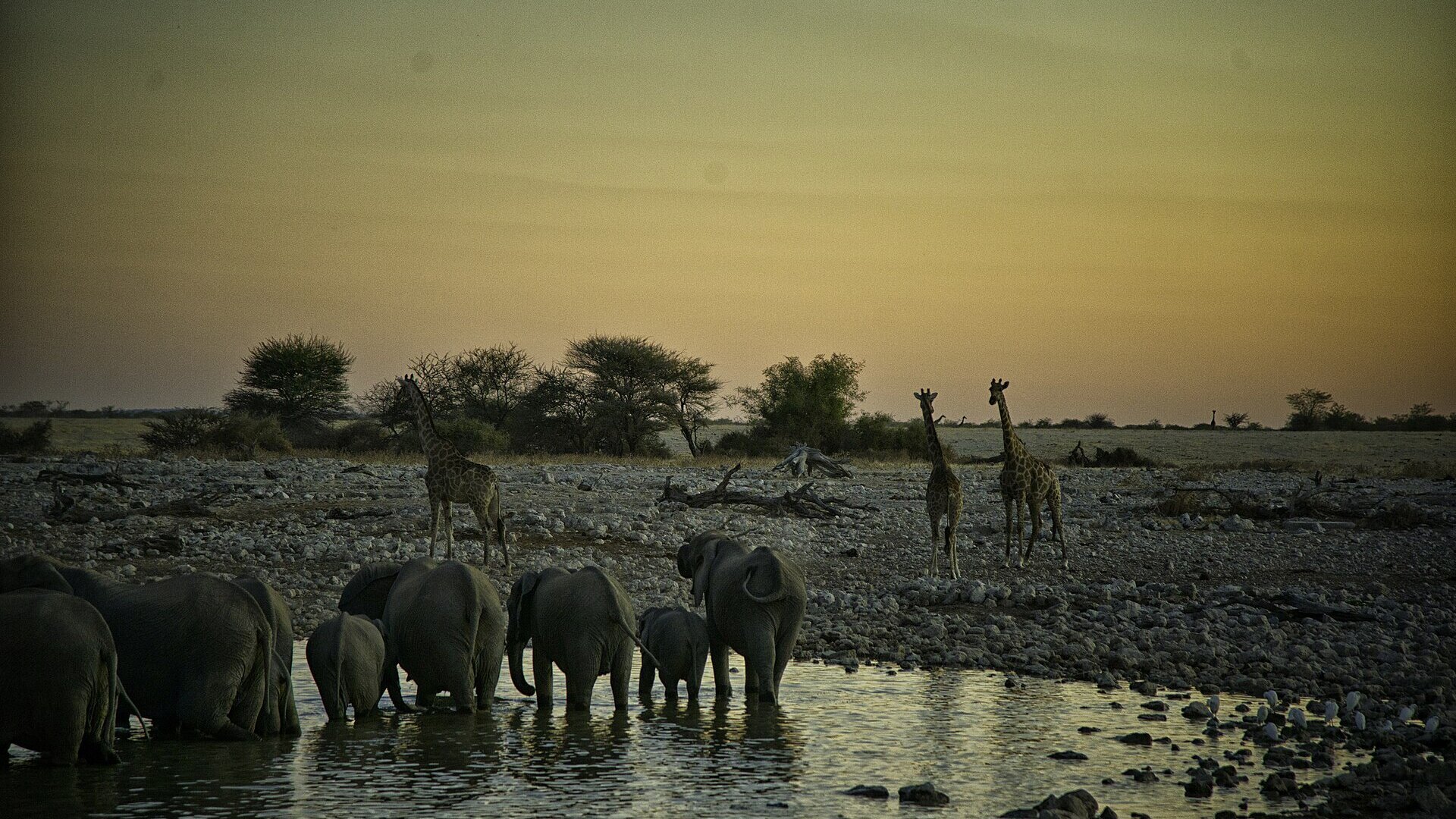
If you come to Amboseli for the Kilimanjaro views, come in one of the dry seasons. From January to February and July to October, the skies are clearest, and you have the best chance of seeing Africa's highest mountain rising above the plains, its snow-capped peak glowing pink at sunrise and orange at sunset. The swamps — fed by underground rivers from Kilimanjaro — are full year-round, drawing elephant herds, buffalo, hippo and countless waterbirds.
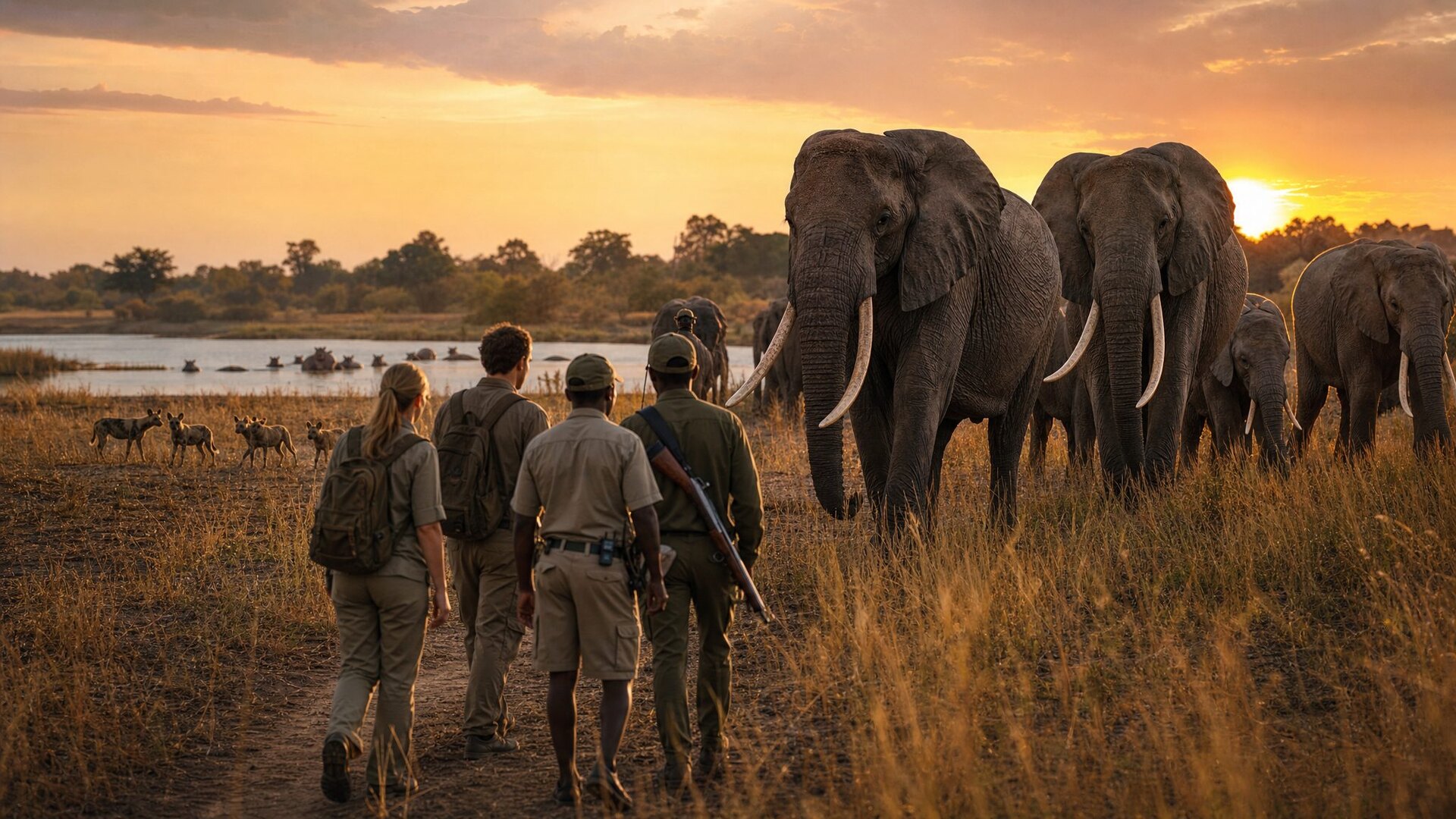
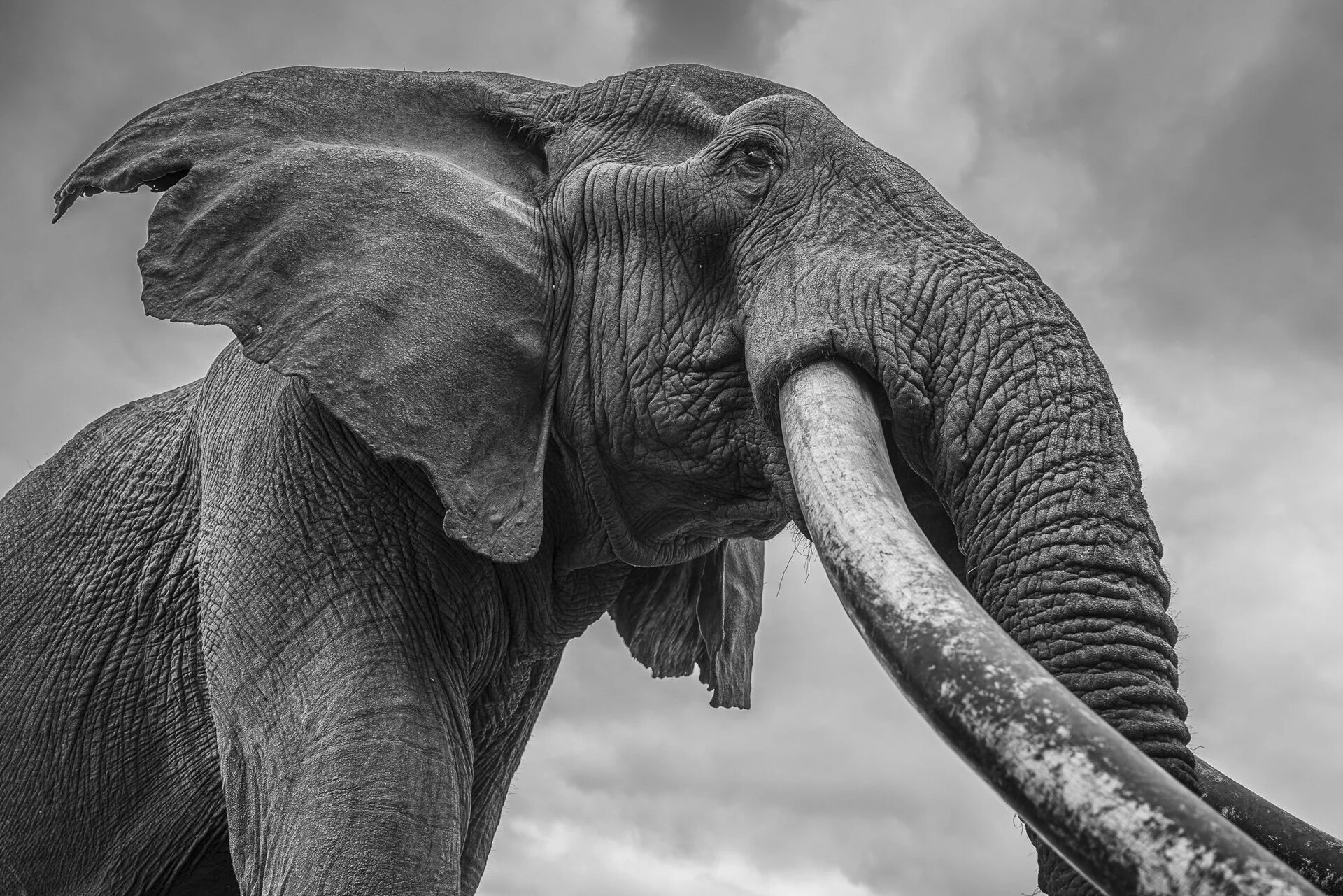
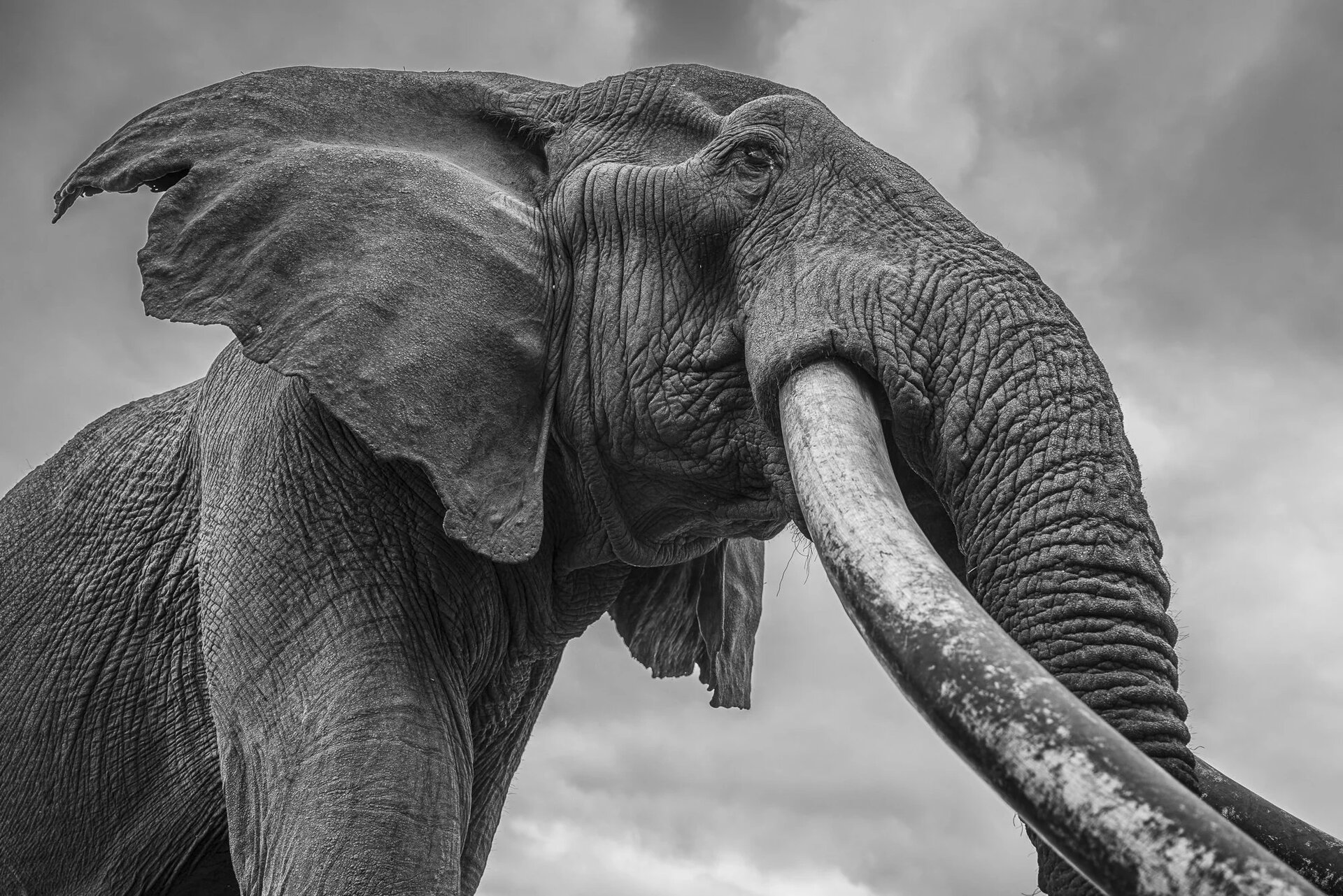
Amboseli is famous for its super tuskers — giant bull elephants with tusks so long they nearly touch the ground. The park is home to some of the last super tuskers in Africa, and the dry seasons offer the best chance to see and photograph them against the backdrop of Kilimanjaro. The elephant herds are among the most habituated in Africa, often passing within metres of safari vehicles.
The weather is ideal too. Days are warm — usually 25–30°C — while nights and early mornings are cool. The air is clear, the skies cloudless, and the light is superb for photography. Crucially, this is also when malaria risk is lowest, which makes the dry seasons the natural choice for families and first-timers.
Why the dry seasons win for Amboseli:
- Clearest Kilimanjaro views — the mountain is visible nearly every morning and evening.
- Elephant super tuskers — the best chance to see the legendary giant tuskers.
- Concentrated game — animals gather at the swamps and remaining waterholes.
- Cool, clear weather — comfortable game drives and dust-free skies.
- Lowest malaria risk of the year.
The trade-off is simple: the dry seasons are the busy seasons. July, August and January are the most popular and most expensive months, lodges book out far ahead, and the park can get crowded. If that matters to you, the shoulder months are the answer.
The Green Seasons (March–June & November–December): Birds, Newborns & Lush Plains
The green seasons are Amboseli for the connoisseur. When the rains arrive in March and November, the park transforms. The grass grows thick and green, the seasonal waterholes fill, and the wildlife disperses across the plains where water is suddenly plentiful. Kilimanjaro is often shrouded in cloud, especially in the afternoons, but early mornings can still offer clear views.
It is the finest time for birding. From November to February the resident species are joined by migrant birds in their breeding plumage — lesser kestrels, white storks, Eurasian rollers and countless others — and the dawn chorus is extraordinary. The green seasons are also the calving seasons: wildebeest, zebra and gazelle drop their young, and predators follow the easy meals. Photographers love the season too: the light is dramatic, the skies are piled with cloud, and the green backdrops are far more beautiful than the dry season's dust.
The catch is that Kilimanjaro is often clouded, and the wildlife disperses. With water everywhere, animals no longer need the swamps, and the tall grass makes spotting them harder. Days are warm and humid — often above 28°C — with afternoon thunderstorms, and this is the higher-risk malaria period, so prophylaxis is essential. In return, you get lower prices, thinner crowds and an Amboseli that feels wonderfully, wildly alive.
Amboseli Month by Month
Here is Amboseli's year at a glance — the weather, the wildlife and what to expect each month, so you can match the season to the safari you want.
| Month | Season | What to expect |
|---|---|---|
| Jan–Feb | Dry (best time overall) | Clear Kilimanjaro views, green grass, superb elephant viewing; peak season |
| Mar–May | Green (long rains) | Wet, lush; Kilimanjaro often clouded; superb birding & newborn game |
| Jun | Shoulder (rains ending) | Bush still green, clearing skies; excellent value, fewer crowds |
| Jul–Oct | Dry (second peak) | Clear Kilimanjaro views, dry grass, excellent game viewing; busy & pricey |
| Nov–Dec | Green (short rains) | Wet, greening; Kilimanjaro often clouded; migrant birds arrive; festive busy |
Plan Your Amboseli Safari With Beyond Africa
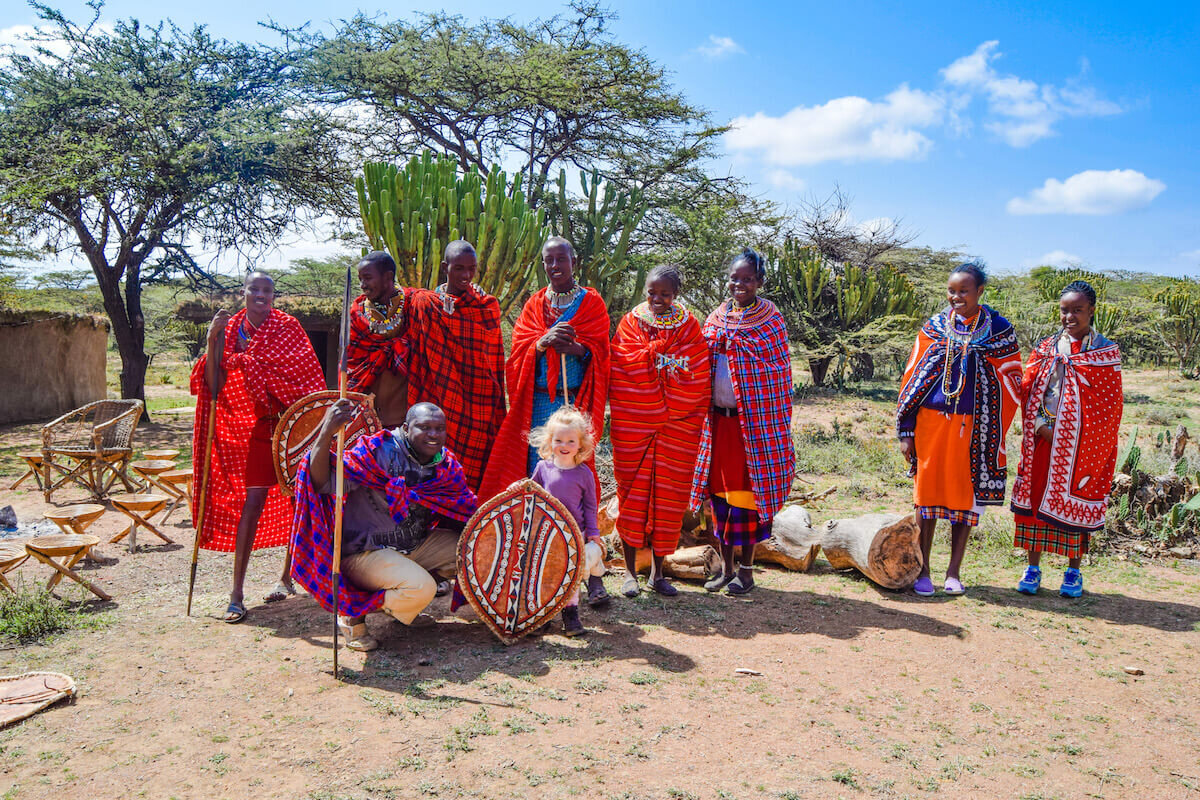
We are a Cape Town-based, tailor-made safari house, and Amboseli is one of our core East African destinations. Once you know the season you want, we build the whole trip around it — the right lodge with the best Kilimanjaro views, the best rooms before they vanish, guided game drives and cultural visits to the Maasai villages, and a route that combines Amboseli with the Masai Mara, Tsavo or the Kenyan coast. You travel in exactly the Amboseli you came for, whether that is the clear-sky dry season or the lush, bird-filled green summer.
Ready to choose your season in Amboseli? 👉 Request a tailor-made Amboseli quote → 👉 Browse our Amboseli safari packages → 👉 WhatsApp us: +27 78 471 4852