We're Open8am–6pm SAST
WishlistPartner Portal
← Back to BlogSafari

Best Time to Visit Ngorongoro Crater 2026: A Month-by-Month Safari Guide

Audio EditionListen to this story
0:000:00
Narrated by George — audio edition

Key Takeaways

  • The dry season (June–October) is the classic time: short grass, excellent Big Five viewing, and flamingos concentrated on the soda lake.
  • July to September is the peak: cool, dry, and the easiest game viewing — but also the busiest and priciest period.
  • The green season (November–May) brings lush grass, dramatic skies, newborn game and superb birding — the crater is just as game-rich.
  • The shoulder months — June, October & November — offer excellent wildlife, softer prices and thinner crowds.
  • The Ngorongoro Crater is a year-round destination; the resident wildlife rarely leaves, so there is no bad time to visit.
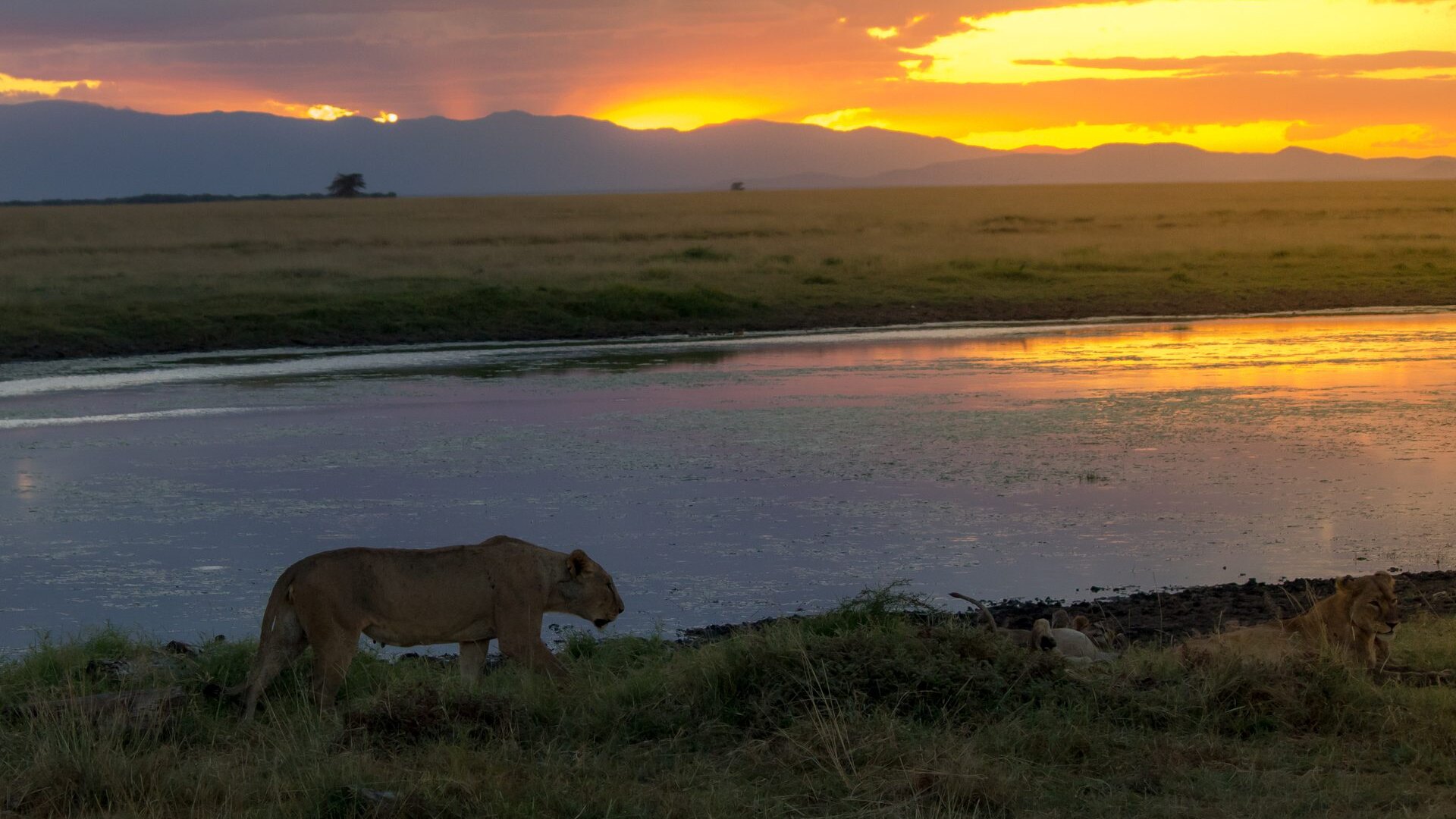
The floor of the Ngorongoro Crater — one of the densest concentrations of big game in Africa

The Two Seasons of the Ngorongoro Crater

The Ngorongoro Crater has two faces, and everything about your safari flows from which one you visit. The crater sits at over 2,200 metres above sea level in the Tanzanian highlands, and its year divides into a cooler dry season and a warmer wet season. Understanding the difference is the single most useful thing you can do before you book.

In the dry season, from June to October, little to no rain falls. The grass on the crater floor stays short, the soda lake shrinks and the flamingos concentrate along its edge, and the wildlife — which rarely leaves the crater thanks to its permanent springs and rivers — is easier to spot in the open. The air is cool and clear, the skies are cloudless, and game viewing is as easy as it ever gets.

In the green season, from November to May, the rains transform the crater. The grass grows thick and lush, the soda lake fills and turns pink with flamingos, and the plains fill with newborn wildebeest, zebra and gazelle. The resident Big Five are still there — the crater's natural amphitheatre and year-round water mean they rarely migrate — but the tall grass makes spotting them a little harder. In return, you get dramatic skies, superb birding and a crater that looks more like the Garden of Eden it is often called.
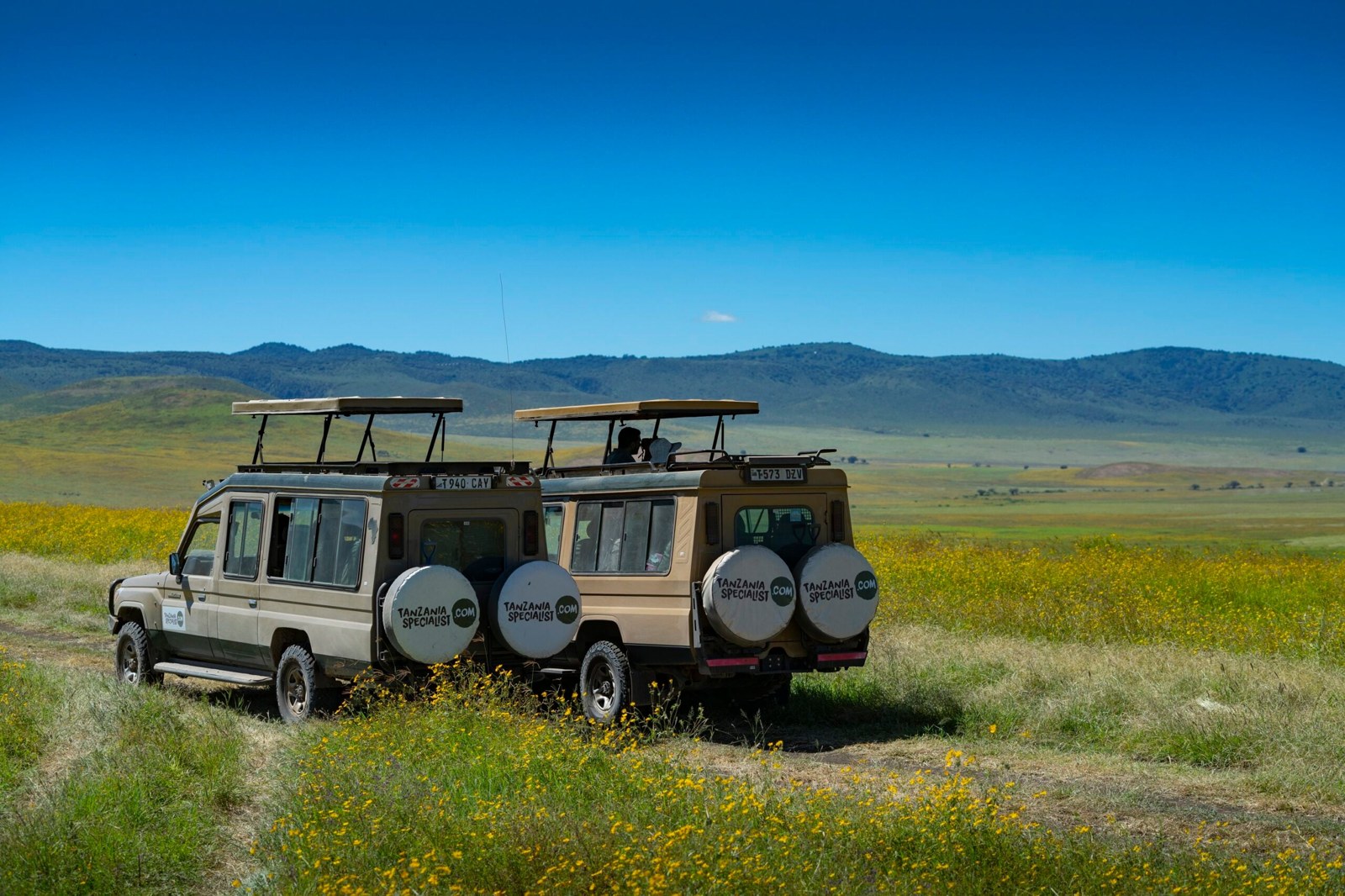
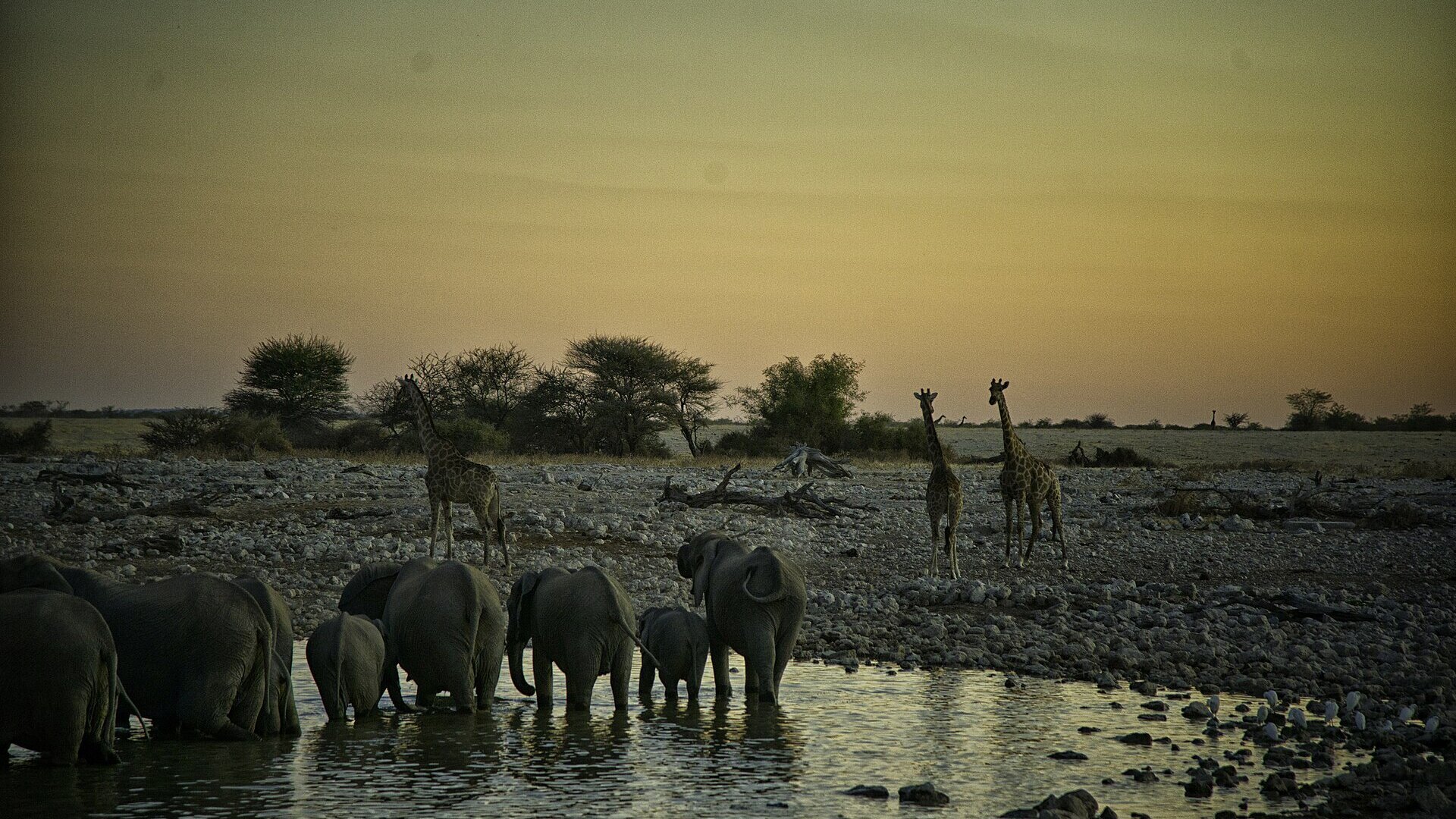
Wildlife on the floor of the Ngorongoro Crater
The crater floor is home to lion, black rhino, elephant, buffalo and leopard — the Big Five in a single caldera

The Dry Season (June–October): Peak Big Five Viewing

If your priority is seeing the Big Five with ease, come in the dry season. From June to October, the grass stays short, the visibility is excellent, and the game — already concentrated by the crater's natural walls — is easier to find and photograph. Lions rest in the open, the critically endangered black rhino are more visible on the open plains, and elephants, buffalo and the occasional leopard are all reliably present.

The weather is ideal too. Days are mild — usually 20–24°C on the crater floor, cooler on the rim — and nights are cold, sometimes near freezing on the crater rim, so pack warm layers. The air is crisp and clear, the skies cloudless, and the light is superb for photography. Crucially, this is also when malaria risk is lowest, which makes the dry season the natural choice for families and first-timers.

Why the dry season wins for game viewing:

  • Short grass — excellent visibility for spotting the Big Five.
  • Concentrated flamingos — the soda lake shrinks and the flamingos gather in dense pink flocks.
  • Cool, clear weather — comfortable game drives and dust-free skies.
  • Lowest malaria risk of the year.

The trade-off is simple: the dry season is the busy season. July, August and September are the most popular and most expensive months, lodges on the crater rim book out far ahead, and the crater floor can get crowded with vehicles at peak hours. If that matters to you, the shoulder months are the answer.
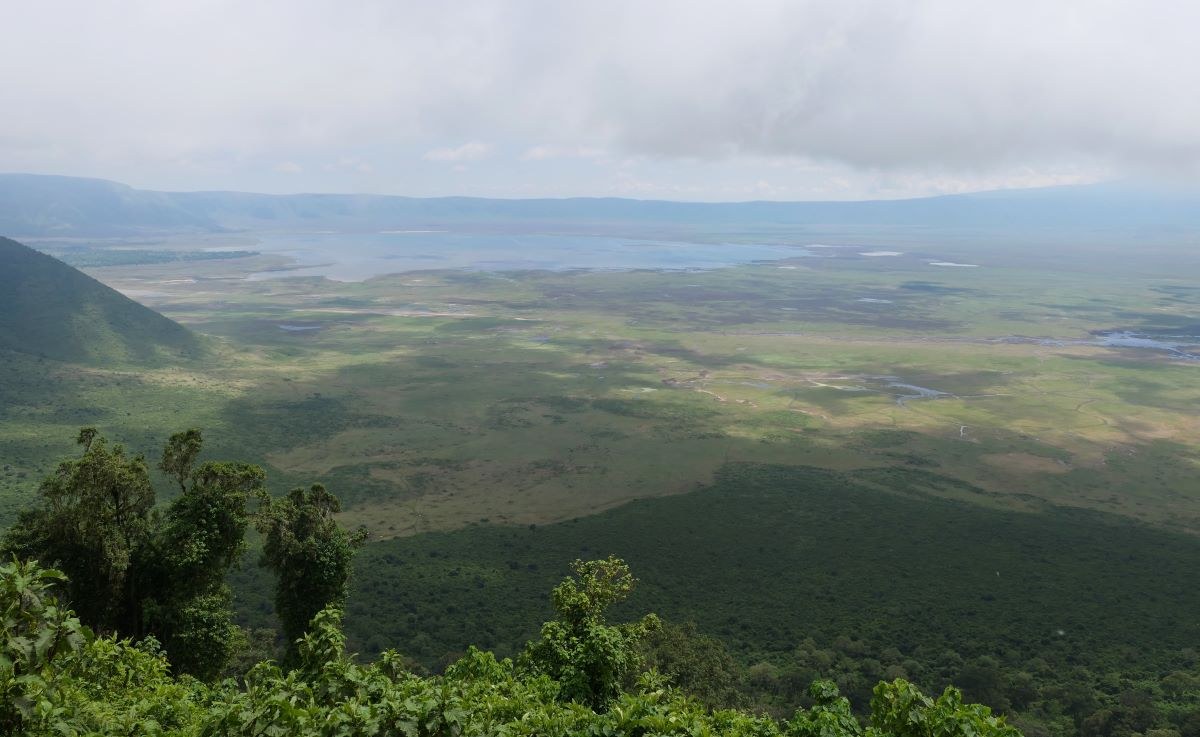
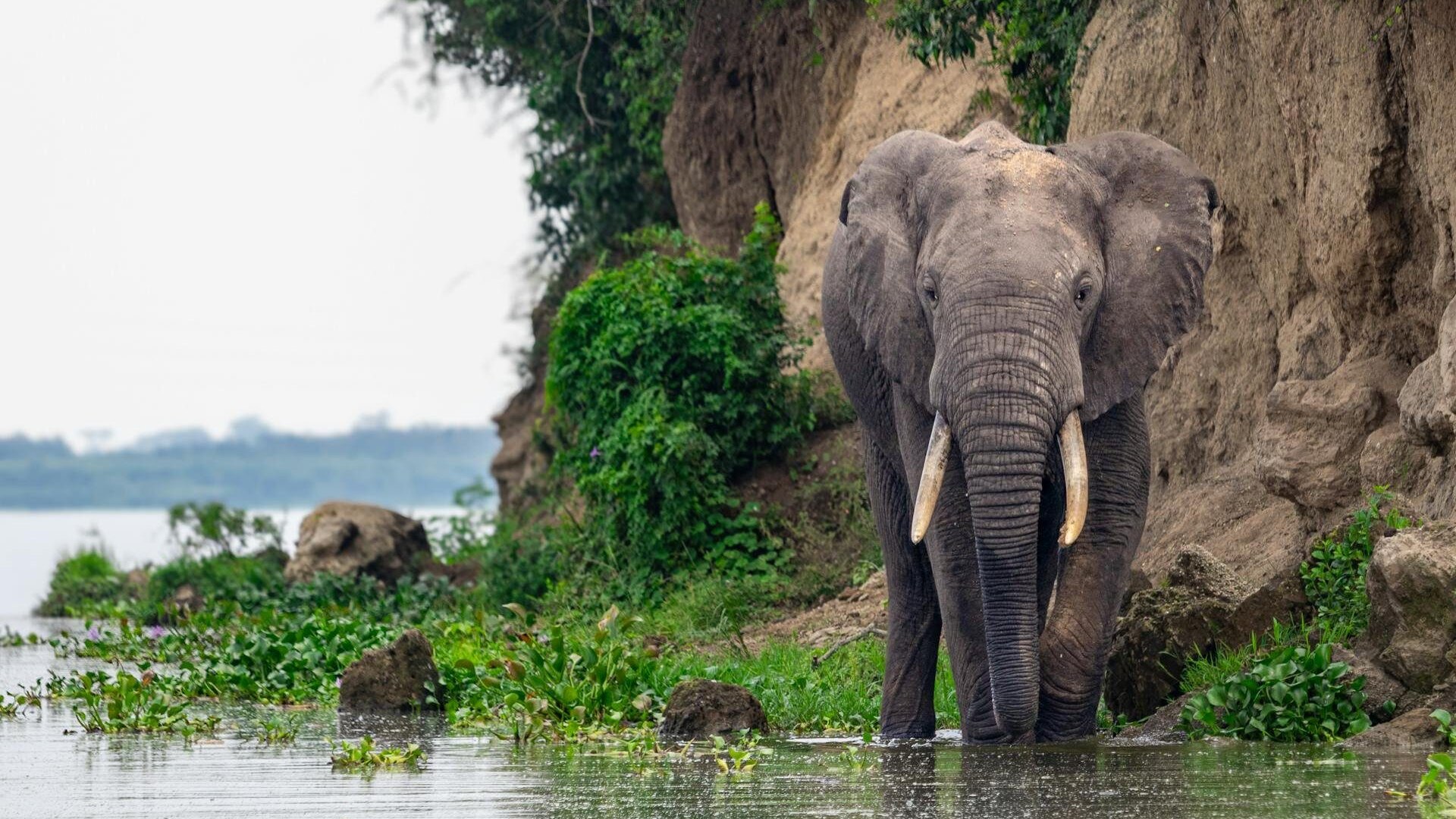
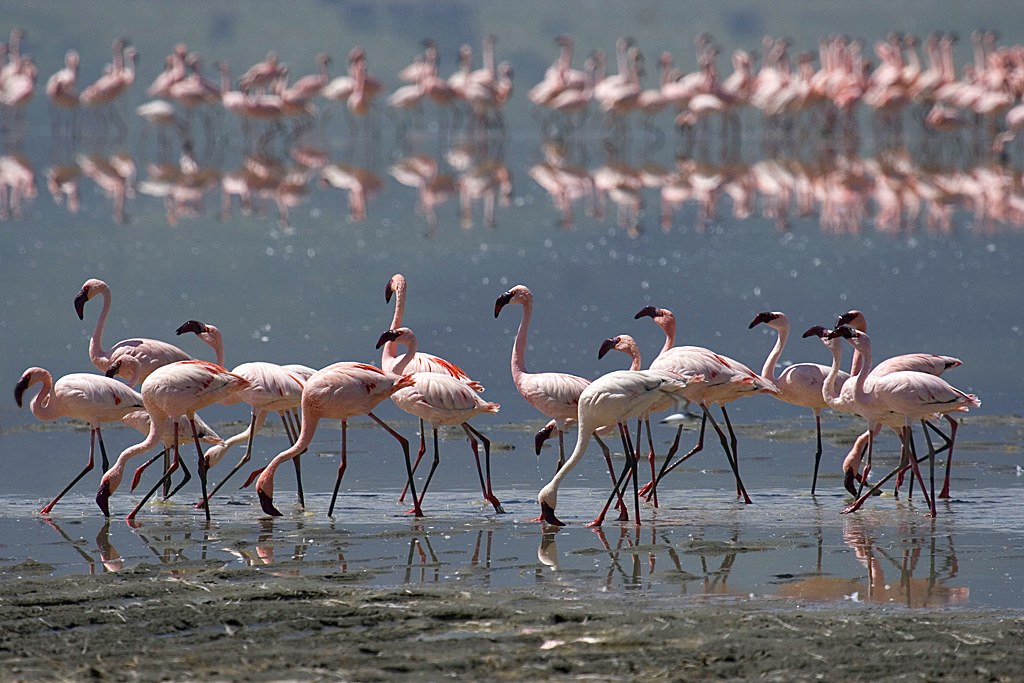
Flamingos on the soda lake in the Ngorongoro Crater
The flamingo flocks on Lake Magadi — a pink ribbon across the crater floor

The Green Season (November–May): Birth, Birds & Emerald Plains

The green season is the Ngorongoro Crater for the connoisseur. When the rains begin in November, the crater floor transforms. The grass grows thick and green, the soda lake fills and turns pink with flamingos, and the plains fill with newborn wildebeest and zebra — the "calving season" that draws predators in for the drama of the hunt.

It is also the finest time for birding. From November to April the resident species are joined by migrant birds in their breeding plumage — European rollers, storks, raptors and countless others — and the dawn chorus is extraordinary. Photographers love the season too: the light is dramatic, the skies are piled with cloud, and the green backdrops are far more beautiful than the dry season's dust.

The catch is that the tall grass makes spotting wildlife a little harder. Lions disappear into the green, and tracking game takes more patience. Days are warmer — usually 22–26°C — with afternoon thunderstorms, and this is the higher-risk malaria period, so prophylaxis is essential. In return, you get lower prices, thinner crowds and a crater that looks like the natural wonder it truly is.
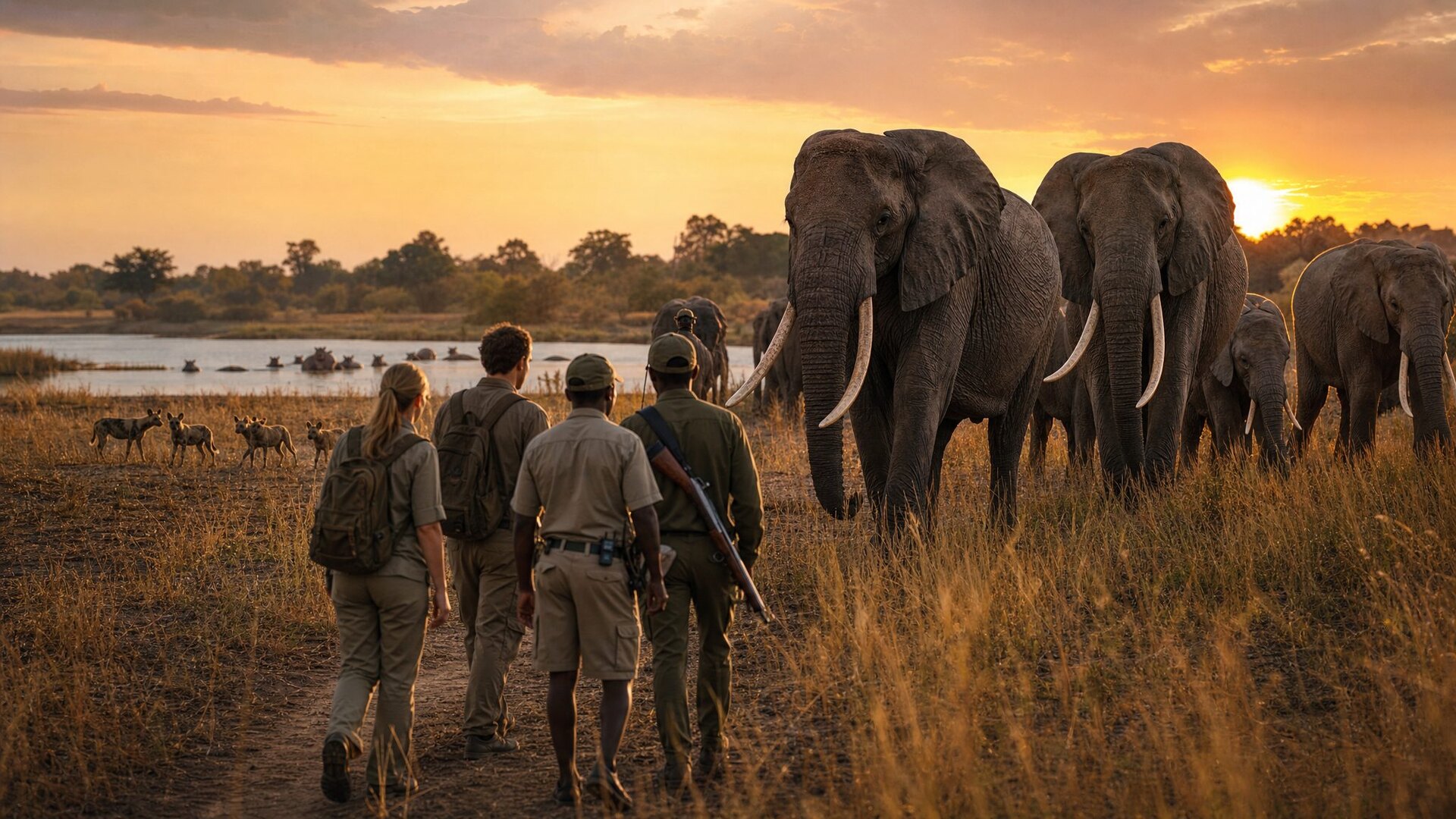
Big Five wildlife in the Ngorongoro Crater
The crater is home to the full Big Five — a rare feat in Africa

The Ngorongoro Crater Month by Month

Here is the Ngorongoro year at a glance — the weather, the wildlife and what to expect each month, so you can match the season to the safari you want.

Month Season What to expect
Jan–FebGreen (peak wet)Warm, lush; superb birding, newborn wildebeest & zebra; great value
Mar–MayGreen (long rains)Green at its peak; dramatic skies, excellent birding; low season
JunShoulder (early dry)The sweet spot — grass thinning, game easier to find, fewer crowds
Jul–SepDry (peak)Best game viewing, cool & clear, lowest malaria risk; busiest & priciest
OctShoulder (late dry)Excellent sightings, warming up, thinning crowds — a top month
NovShoulder (short rains)Rains begin, bush greens, migrants arrive; excellent value
DecGreen (early wet)Green-up in full swing; festive season busy

Plan Your Ngorongoro Safari With Beyond Africa

We are a Cape Town-based, tailor-made safari house, and the Ngorongoro Crater is one of our core East African destinations. Once you know the season you want, we build the whole trip around it — the right lodge on the crater rim with the best views, guided crater-floor game drives, and a route that combines Ngorongoro with the Serengeti, Tarangire or Lake Manyara. You travel in exactly the Ngorongoro you came for, whether that is the short-grass dry season or the lush, bird-filled green summer.

Ready to choose your season in the Ngorongoro Crater? 👉 Request a tailor-made Ngorongoro quote → 👉 Browse our Ngorongoro safari packages → 👉 WhatsApp us: +27 74 315 5782


Tanzania's Natural Wonder, Season by Season

The Ngorongoro Crater is one of the densest concentrations of big game in Africa — and while the wildlife is superb year-round, the season you choose shapes the experience entirely.

This is the complete month-by-month guide to the best time to visit the Ngorongoro Crater: when the Big Five viewing peaks on the crater floor, the flamingo migrations, the birding, the weather and the best-value months.

Ready to Start Planning?

Our safari experts will design a personalized itinerary based on your budget, travel dates, and interests.

💬 Get Your Custom Safari Itinerary (Free)
Reply within 2 hours (7am-10pm SAST)
15+ years safari planning experience
4.9★ rating on TripAdvisor

No pressure, no obligation. Get expert advice for free.

Frequently Asked Questions

For classic Big Five game viewing with short grass and excellent visibility, the dry season from June to October is the best time. July to September is the peak. The Ngorongoro Crater is a year-round destination, though — the resident wildlife rarely leaves the crater thanks to its permanent water, so you can see the Big Five in any month. The green season from November to May brings lush scenery, newborn game and superb birding.

The flamingo flocks on Lake Magadi, the soda lake on the crater floor, are most concentrated in the dry season from June to October, when the lake shrinks and the flamingos gather in dense pink flocks along the edge. After the rains in November to May, the lake fills and the flamingos spread out more, but the spectacle is still superb, with the pink flocks set against the green crater walls.

The green season, especially March to May, is the quietest and least expensive time to visit. Prices soften, availability opens up and crowds thin, and if you love birding, newborn game and a green landscape it can be the most rewarding season of all. The shoulder months of June, October and November offer the best balance of low prices and excellent game viewing.

Yes, absolutely. Summer (November to May) is the green season — warm and lush, with dramatic skies. It is the best time for birding, with migrant species in breeding plumage, and for the calving season when the plains fill with newborn wildebeest and zebra. The Big Five are still present — the crater's permanent water means they rarely leave — though the tall grass makes spotting them a little harder.

The dry months of June to September are best for the Big Five, when the grass is short and visibility is excellent. Lions rest in the open, the critically endangered black rhino are easier to spot on the plains, and elephants, buffalo and the occasional leopard are all reliably present. That said, the crater is a year-round Big Five destination — all five species are resident and can be seen in any month.

Travel in the shoulder months — June, October or November — when game viewing is nearly as good as the deep-dry peak but there are far fewer vehicles on the crater floor and softer rates. Avoid the peak months of July, August and September, and the festive season around Christmas and New Year. An early-morning descent into the crater also keeps you ahead of the crowds.

Make It Happen

Safari Packages

Ready to experience it yourself?

Let our local experts craft a private journey around the places you just read about.

Explore ToursPlan My Trip
Curated For You

You May Also Like

A golden-hour luxury safari lodge deck overlooking the African bushSafari

The Great Luxury Safari Houses Compared 2026: How to Choose the Right One

Ask ten well-travelled people who the best luxury safari operator is and you will get ten different answers — because there is no single best, only the right one for you. Africa's great safari houses each carry a distinct character: some are conservation pioneers, some are design temples, some are founder-led and fiercely personal, some are quietly boutique. As an independent, Cape Town-based travel house, we book across all of them, which means we can be honest about where each truly shines. This is our 2026 comparison of the leading luxury safari collections — their soul, their strengths, their price and their fit — and how we pair the right house to the safari you have always imagined.

28 Jul 2026 · 14 min read
A golden-hour African wilderness landscape protected by conservation fundingSafari

Safari Conservation 2026: Where Your Money Actually Goes on a Luxury Safari

It is a fair question, and one thoughtful travellers increasingly ask: when I spend thousands on a luxury safari, where does the money actually go — and does any of it truly help the wild? The honest answer is that a well-chosen safari is one of the most effective conservation tools on the continent. Your nightly rate funds anti-poaching patrols, keeps vast tracts of land wild rather than farmed, pays park and conservation fees, and gives local communities a direct, tangible stake in protecting wildlife. This is our transparent guide to the economics of conservation safari in 2026 — how the money flows, what it protects, and how we steer you toward the operators and reserves where your money does the most good.

28 Jul 2026 · 14 min read
A golden-hour safari scene representing a multi-country African journeySafari

How to Plan a Multi-Country Luxury Safari 2026: The Complete Guide

The most memorable safaris are often a journey across borders — big cats on the Serengeti plains, then the waterways of the Okavango, then a beach to finish; or the Cape, the Kruger and Victoria Falls woven into one grand arc. Multi-country safaris deliver contrast and depth that a single destination cannot, but they live and die on logistics: the light-aircraft transfers, the visas, the conservation fees, the baggage limits and the timing of connections. Get it right and it feels effortless; get it wrong and you spend your holiday in transit. This is our complete guide to planning a seamless multi-country luxury safari in 2026 — how to route it, how the flights work, what to budget for, and how we make several countries feel like one flawless journey.

28 Jul 2026 · 14 min read
Simple, Personal, Expert-Led

How It Works

From first message to the trip of a lifetime — planning your safari with us is effortless.

  1. 1

    Share Your Dream

    Tell us who is travelling, your dates and what you long to see. One quick message is all it takes to begin.

  2. 2

    We Design It

    Your specialist crafts a private, tailor-made itinerary — the right camps, the right season, every detail considered.

  3. 3

    Refine Together

    We fine-tune the journey with you until every day feels perfect, then handle flights, transfers and permits.

  4. 4

    Travel With Confidence

    Set off knowing every detail is handled and a dedicated specialist is on call from your first game drive to home.

Your Journey Starts Here

Let Our Experts Craft Your Perfect Safari

Every itinerary is handcrafted by our team of local specialists who have spent 18+ years exploring Southern and East Africa. From Big Five game drives to gorilla trekking — we create journeys that stay with you forever.

Start PlanningChat with Us
🔔
James from UK just booked "Luxury Okavango Safari"
2 hours ago
Chat