Key Takeaways
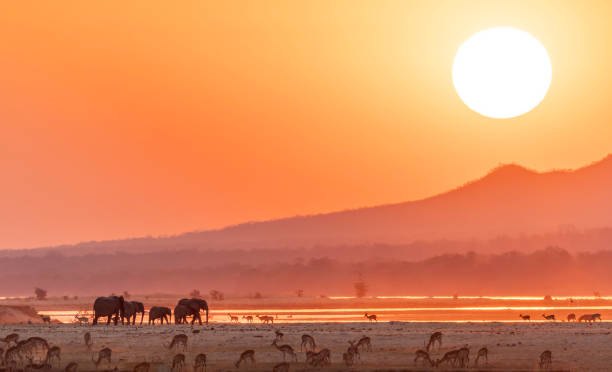
- The dry winter (May–October) is the best time for the elephant super-herds — thousands gather along the Chobe River at sunset.
- July to October is the peak: the greatest elephant concentrations, superb boat safaris, cool weather and excellent general game viewing.
- The green summer (November–April) brings lush grass, newborn game and migrant birds — but elephants disperse to the interior.
- The shoulder months — May–June and April–May — offer excellent elephant sightings, softer prices and thinner crowds.
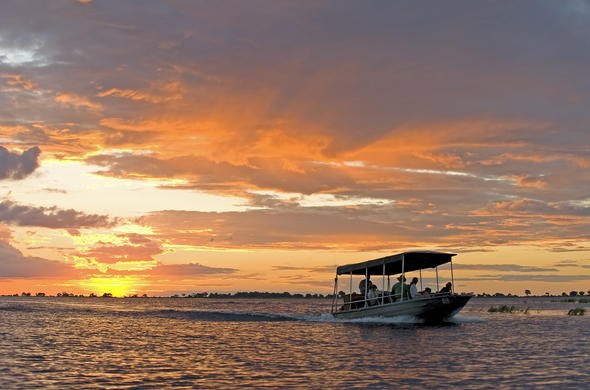
- Chobe's boat safaris are best in the dry season when game comes to the river to drink and cool off.
The Two Seasons That Define Chobe
Chobe has two faces, and everything about your safari flows from which one you visit. The park sits in northern Botswana along the permanent Chobe River, so its year divides cleanly into a long dry winter and a warm, wet summer. Understanding the difference is the single most useful thing you can do before you book.
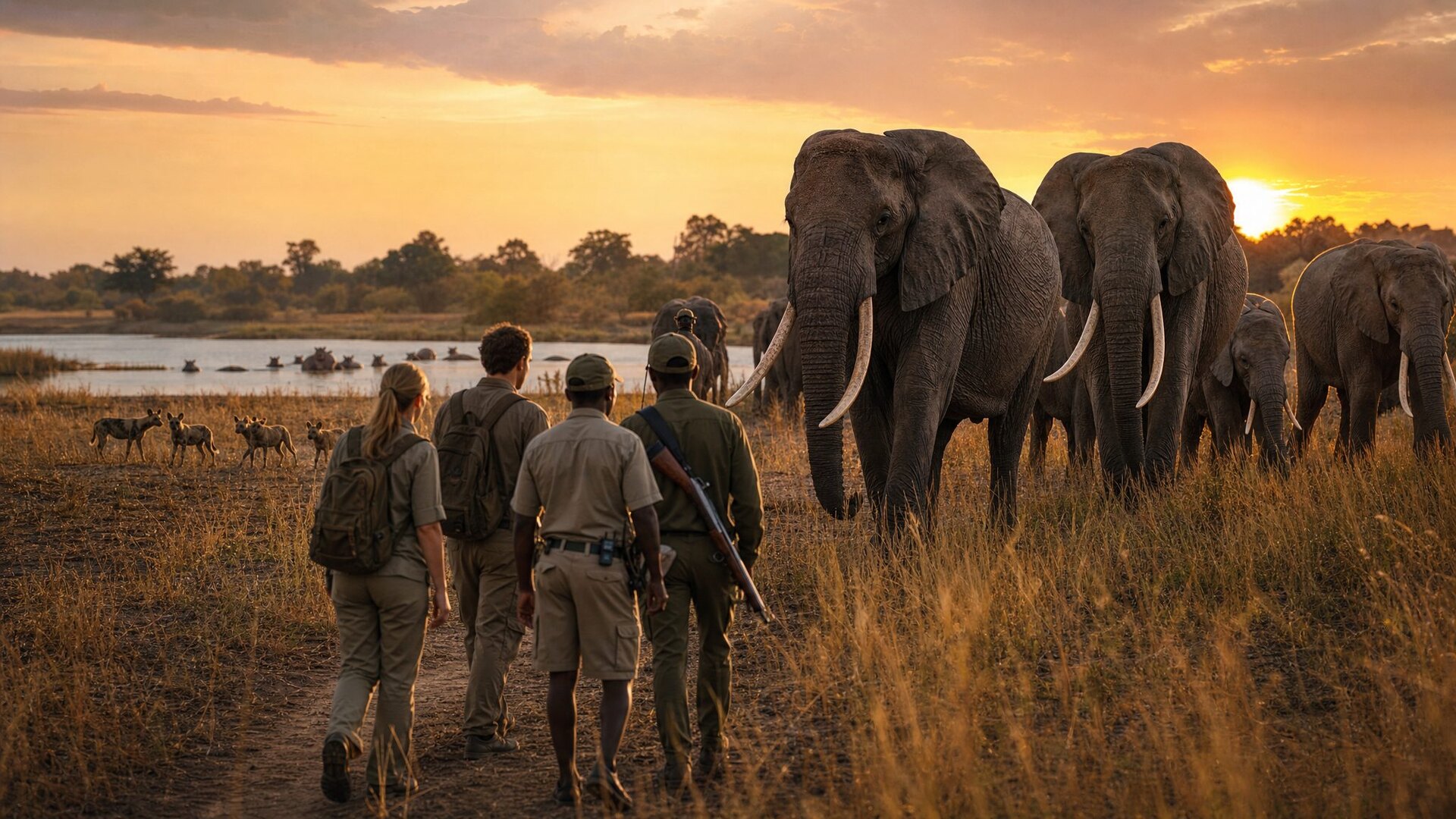
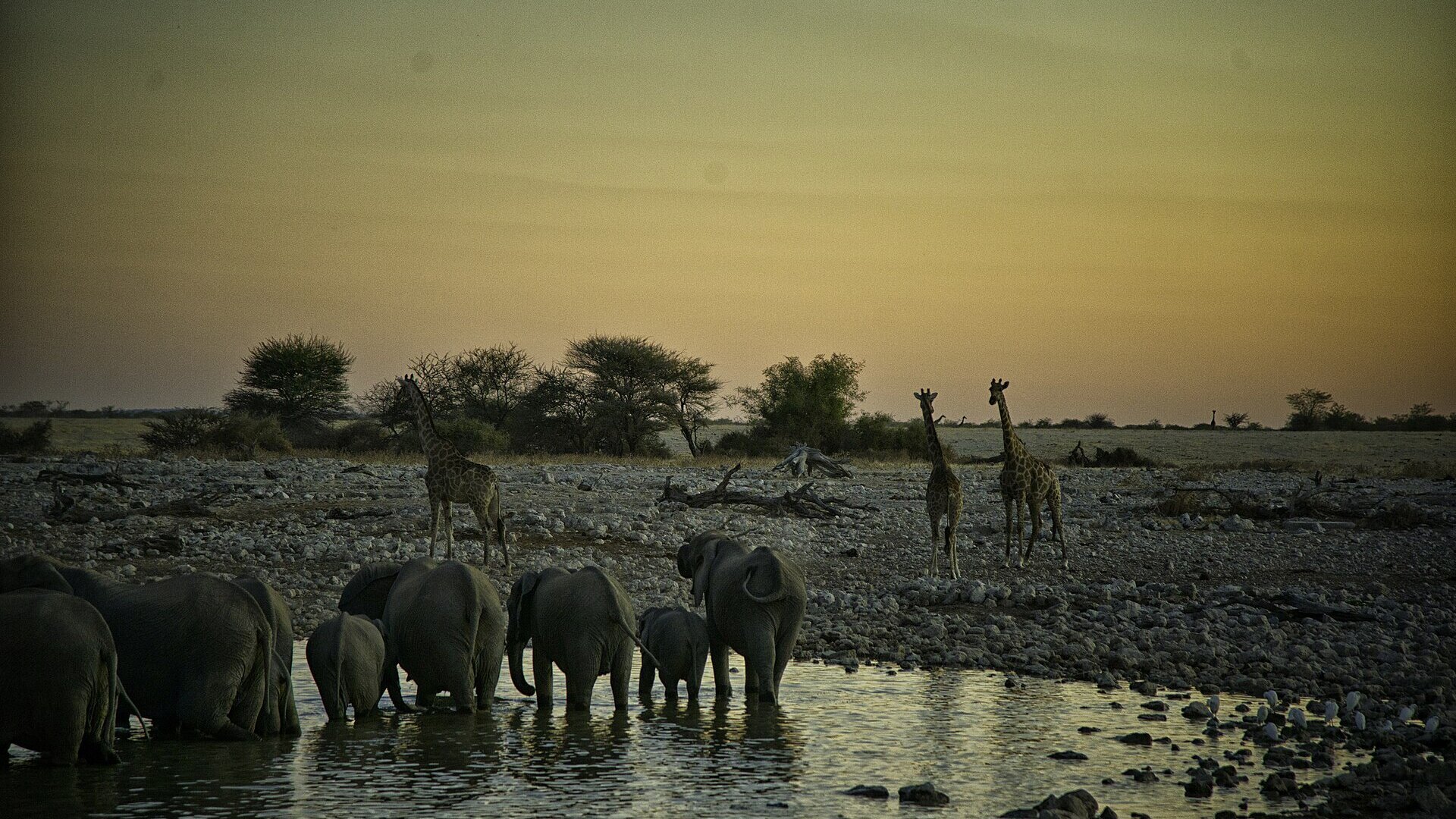
In the dry season, from May to October, months pass without rain. The seasonal floodplains and pans dry up, the vegetation thins, and the Chobe River becomes the only reliable water source for hundreds of kilometres. Animals have nowhere else to drink, so they concentrate along the river — and by July and August, you can watch 100, 200, sometimes 300 elephants gathered on a single stretch of riverbank at sunset, one of the great wildlife spectacles on Earth.
In the green season, from November to April, the summer rains transform the landscape. The grass grows thick and lush, the pans fill, and the wildlife — elephants included — disperses across the interior where water is suddenly plentiful. The elephant herds on the riverfront shrink to a fraction of their dry-season size, but the birding is superb, newborn game fills the plains, and the park is beautifully uncrowded.
The Dry Season (May–October): The Elephant Super-Herds
If you come to Chobe for one thing, it is the elephants — and the dry winter is when you see them. As the floodplains dry and the pans vanish, the elephant herds migrate from the interior to the Chobe River, gathering in numbers that build through the season. By the peak months of July, August, September and October, a single afternoon boat safari can put you within metres of 100, 200, even 300 elephants drinking, bathing, sparring and crossing the river — a sight unmatched anywhere else in Africa.
The weather is ideal too. Winter days are warm and dry — usually 25–28°C — while nights and early mornings are cool, sometimes near freezing in June and July, so pack layers. The air is clear, the skies cloudless, and the light at sunset over the river is breathtaking. Crucially, this is also when malaria risk is lowest, which makes the dry season the natural choice for families and first-timers.
Why the dry season wins for Chobe:
- Elephant super-herds — the greatest concentrations in Africa, gathering along the river at sunset.
- Boat safaris at their best — game comes to the water to drink and cool off, bringing you eye-level with the action.
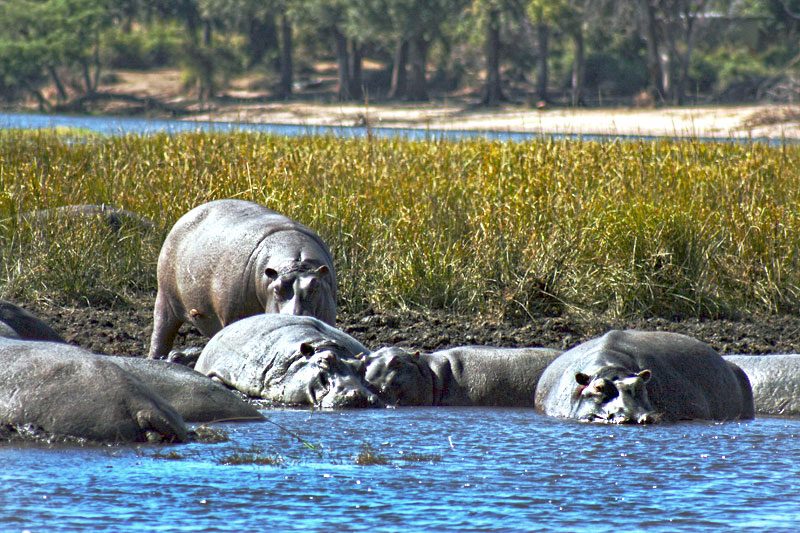
- Excellent general game viewing — buffalo herds, lion, leopard, wild dog and hundreds of hippo and croc.
- Cool, clear weather — comfortable drives and boat cruises with dust-free skies.
- Lowest malaria risk of the year.
The trade-off is simple: the dry season is the busy season. July, August and September are the most popular and most expensive months, camps and lodges book out far ahead, and the riverfront can get crowded with boats at peak hours. If that matters to you, the shoulder months are the answer.
| Factor | Dry Season (May–Oct) | Green Season (Nov–Apr) |
|---|---|---|
| Elephant herds | Vast super-herds on the river — 100s at a time | Dispersed inland; small riverfront numbers |
| Boat safaris | At their absolute best — game crowds the banks | Scenic & birdy, but fewer big-game gatherings |
| Birding | Good (resident species) | Superb — migrants in breeding plumage |
| Landscape | Dry, dusty, thinned-out bush | Lush, green, dramatic storm skies |
| Weather | Warm days 25–28°C, cold nights | Hot & humid 30°C+, afternoon storms |
| Malaria risk | Lowest of the year | Higher — prophylaxis essential |
| Crowds & price | Busiest & priciest (Jul–Oct) | Quiet & best value |


The Green Season (November–April): Birds, Newborns & Lush Plains
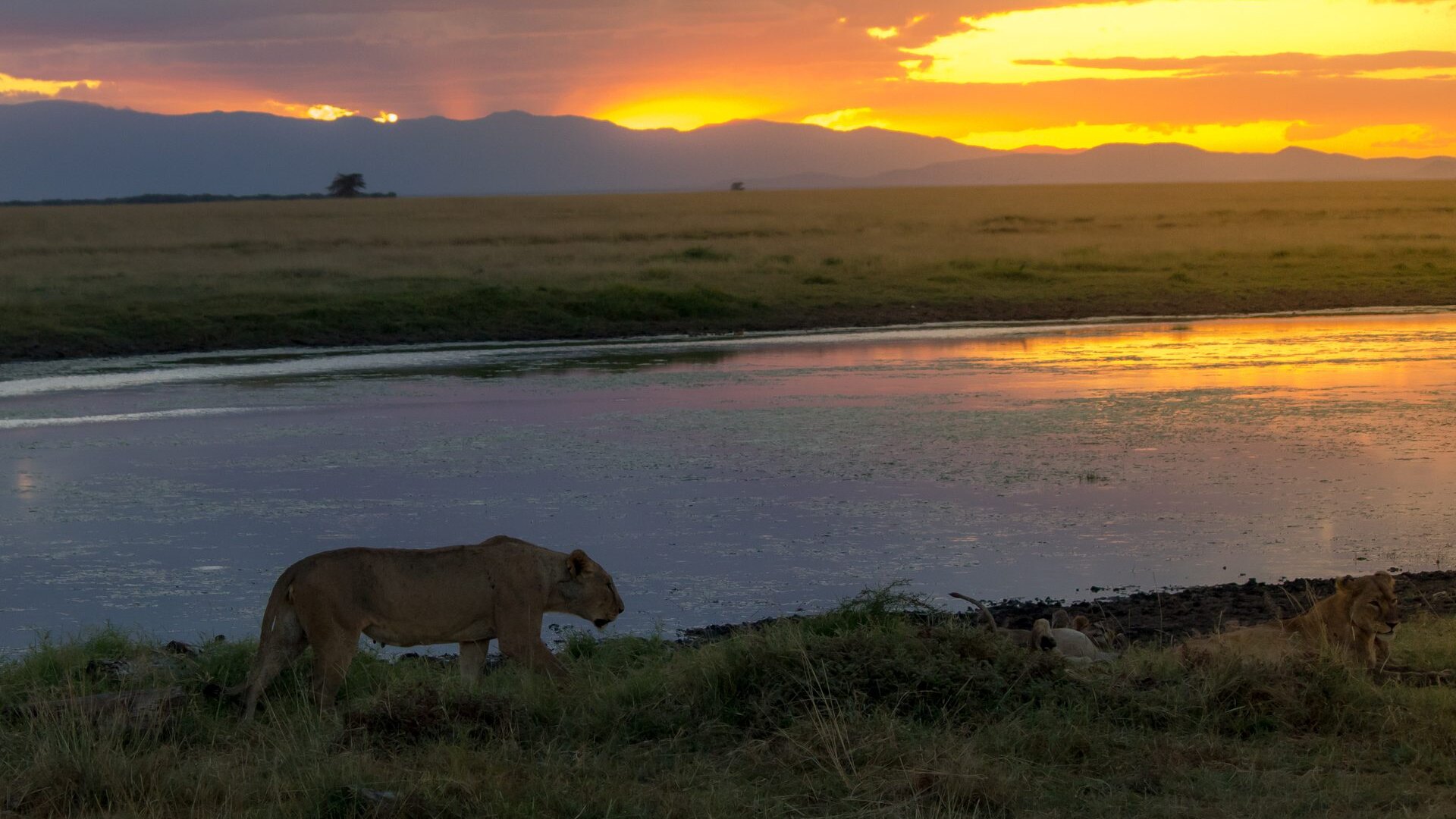
The green season is Chobe for the connoisseur. When the first rains break the heat in November, the floodplains green up, the pans fill, and the wildlife disperses inland where water and grazing are suddenly plentiful. The elephant herds on the riverfront shrink to a fraction of their dry-season size — a sunrise boat cruise might show 20 or 30 elephants instead of 200 — but the park transforms into something lush and alive.
It is the finest time for birding. From November to March the resident species are joined by migrant birds in their breeding plumage — carmine bee-eaters, woodland kingfishers, European rollers and countless others — and the dawn chorus is extraordinary. The green season is also the calving season: impala, wildebeest and other plains game drop their young, and predators follow the easy meals. Photographers love the season too: the light is dramatic, the skies are piled with cloud, and the green backdrops are far more beautiful than winter's dust.
The catch is that the wildlife disperses. With water everywhere, animals no longer need the river, and the tall grass and thick vegetation make spotting them harder. Days are hot and humid — often above 30°C — with spectacular afternoon thunderstorms, and this is the higher-risk malaria period, so prophylaxis is essential. In return, you get lower prices, thinner crowds and a Chobe that feels wonderfully, wildly alive.


Chobe Month by Month
Here is Chobe's year at a glance — the weather, the wildlife and what to expect each month, so you can match the season to the safari you want.
| Month | Season | What to expect |
|---|---|---|
| Jan–Feb | Green (peak wet) | Hot, humid, lush; superb birding & newborn game; lowest prices |
| Mar–Apr | Green (late wet) | Bush still green, cooling down; elephants begin returning to the river |
| May | Shoulder (early dry) | The sweet spot — elephants gathering, fewer crowds, excellent value |
| Jun | Dry (early peak) | Cool & dry; elephant herds building; excellent boat safaris begin |
| Jul–Oct | Dry (peak) | Greatest elephant concentrations; best boat safaris; busiest & priciest |
| Nov | Shoulder (rains starting) | Hot, first rains break; elephants begin dispersing; migrant birds arrive |
| Dec | Green (early wet) | Green-up begins, birding superb; festive season busy |
Chobe Safari Cost by Season
| Season | Months | Relative Price | Best For |
|---|---|---|---|
| Peak dry | Jul–Oct | Highest — book far ahead | The elephant super-herds & best boat safaris |
| Shoulder | May–Jun & Nov | Mid — excellent value | Strong game, fewer crowds, softer rates |
| Green | Dec–Apr | Lowest — best deals | Birding, newborns, lush scenery & quiet |
What to Pack by Season
| Dry Season (May–Oct) | Green Season (Nov–Apr) |
|---|---|
| Warm fleece & windproof for cold dawn drives | Light, breathable layers for heat & humidity |
| Neutral, layerable safari clothing | A light rain jacket for afternoon storms |
| Sun hat, sunglasses & high-factor sun cream | Insect repellent & malaria prophylaxis (essential) |
| Binoculars & a good zoom lens for the river | Binoculars & a birding app for the migrants |
Plan Your Chobe Safari With Beyond Africa
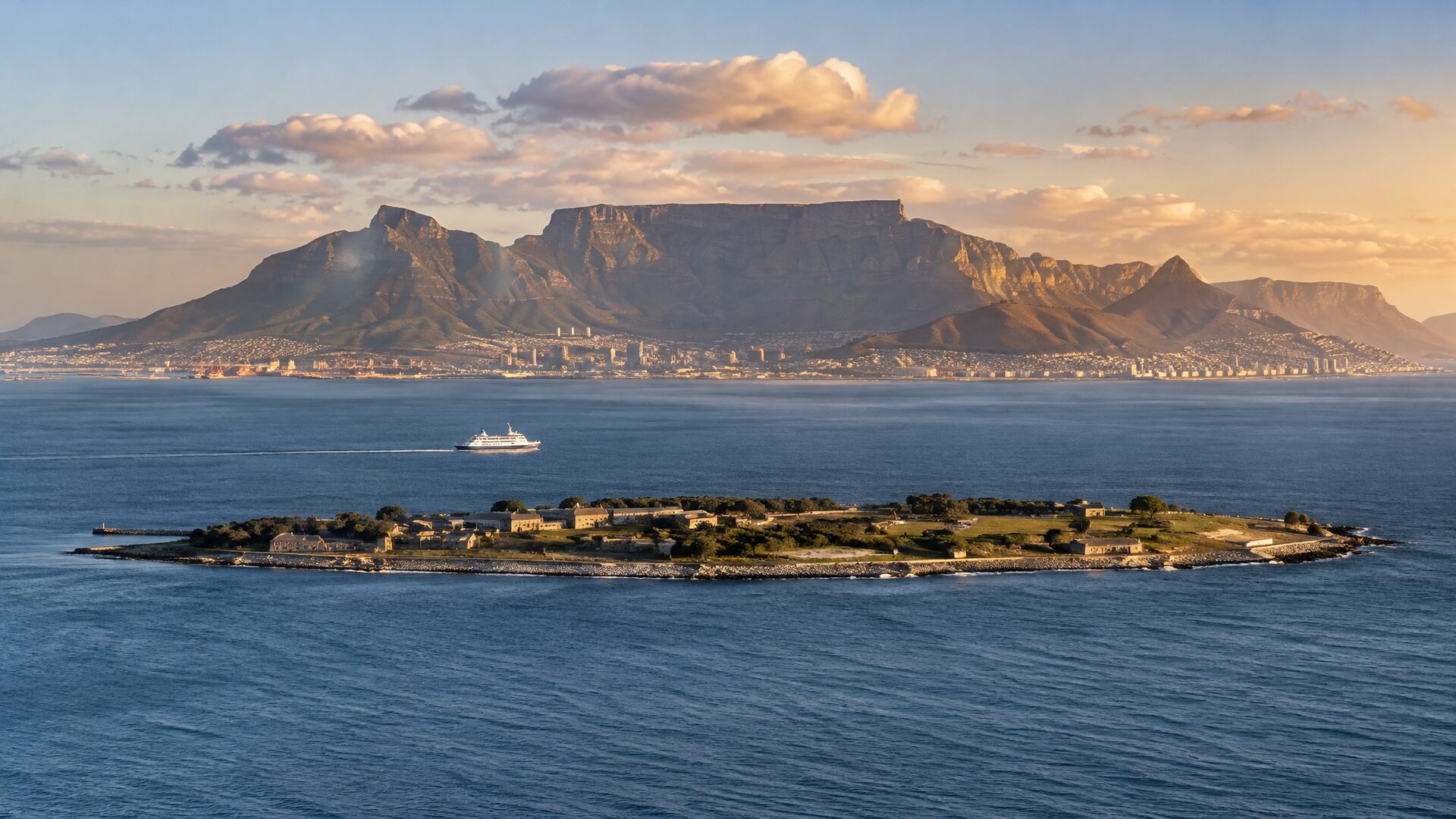
We are a Cape Town-based, tailor-made safari house, and Chobe is one of our core destinations. Once you know the season you want, we build the whole trip around it — the right lodge on the riverfront or deep in the park, the best rooms before they vanish, guided game drives and sunset boat safaris, and a route that puts you on the water at exactly the right hour. You travel in exactly the Chobe you came for, whether that is the elephant super-herds of the dry season or the lush, bird-filled green summer.
Ready to choose your season in Chobe? 👉 Request a tailor-made Chobe quote → 👉 Browse our Chobe safari packages → 👉 WhatsApp us: +27 78 471 4852