Key Takeaways
- The migration and the Mara River crossings reach the Masai Mara from roughly July to October — the reserve's peak spectacle.
- The Mara's resident big cats — lion, leopard and cheetah — are seen year-round, so game viewing is superb in every month.
- The dry season (late June–October) is the classic time: the crossings, easy viewing and pleasant weather — but the busiest and priciest.
- The green season (November–May) is lush, quiet and great value, with outstanding big-cat action and superb birding.
- The private conservancies bordering the reserve offer excellent year-round game viewing away from the peak-season crowds.
Two Reasons to Visit: the Migration & the Cats
The Masai Mara offers two different, equally magnificent safaris, and the season decides which one you get. From roughly July to October the reserve becomes the theatre of the Great Migration, as the herds arrive from the Serengeti and the river crossings play out. For the rest of the year the Mara is a quieter, greener, big-cat paradise — and both are among the best safaris in Africa.
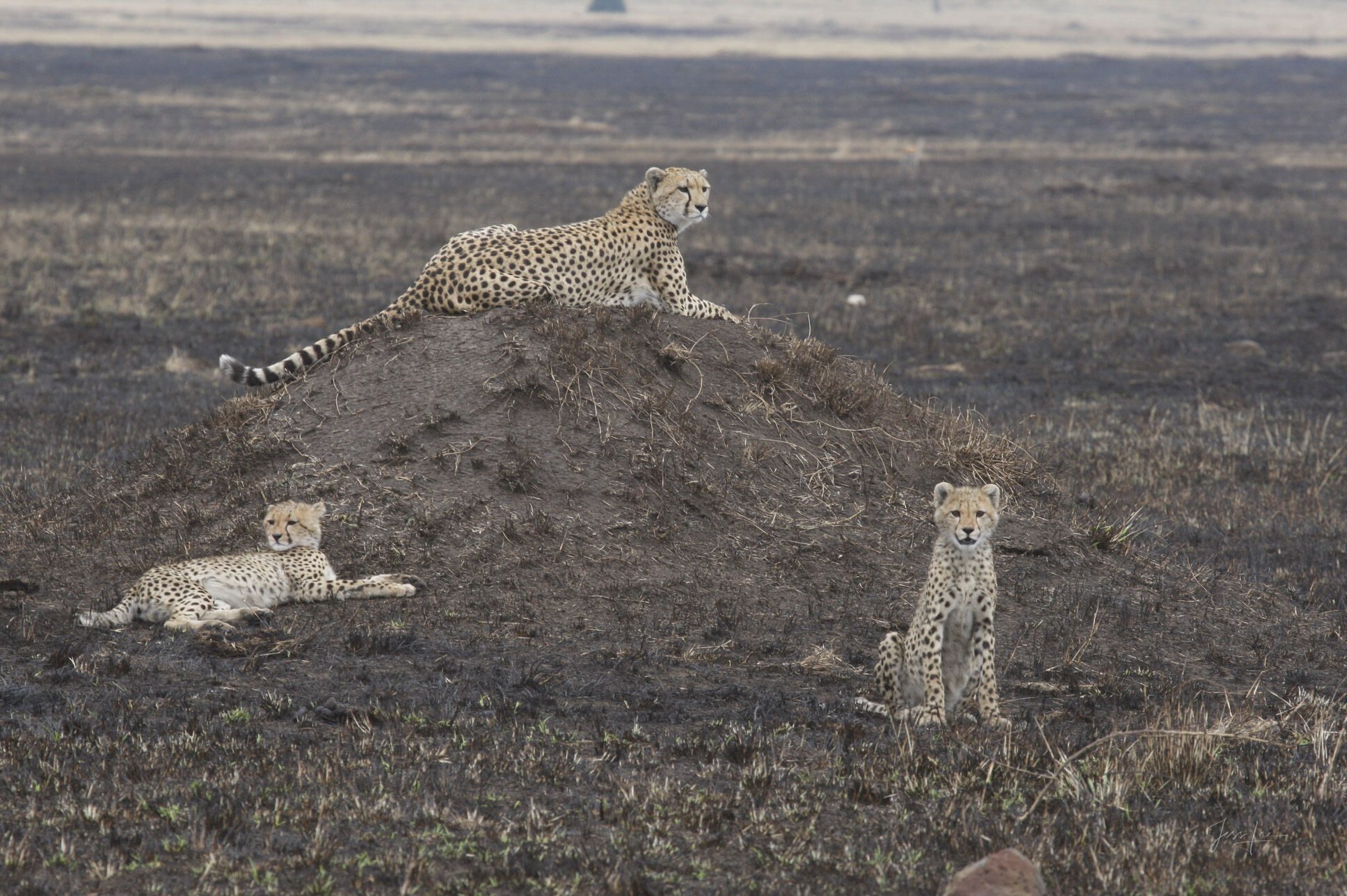
What makes the Mara special year-round is its wildlife density. The open, rolling grasslands and the reliable rivers support one of the highest concentrations of big cats on Earth — famous lion prides, an unusual abundance of leopards, and the cheetahs the plains were made for. These are resident animals; they do not migrate. So even outside the crossing season, a Mara safari almost guarantees the big cats, along with elephant, buffalo, giraffe, hippo and superb general game.
The Migration & River Crossings (July–October)
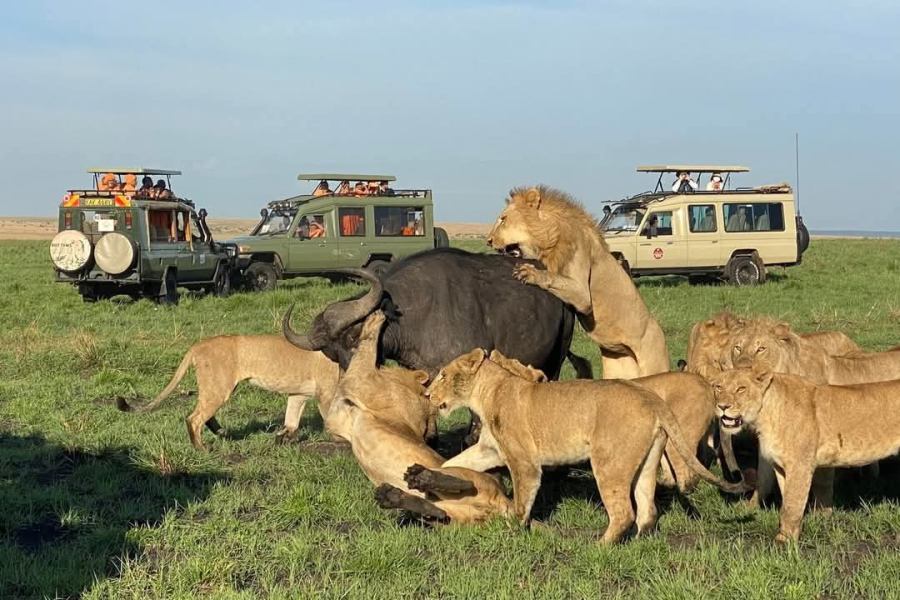
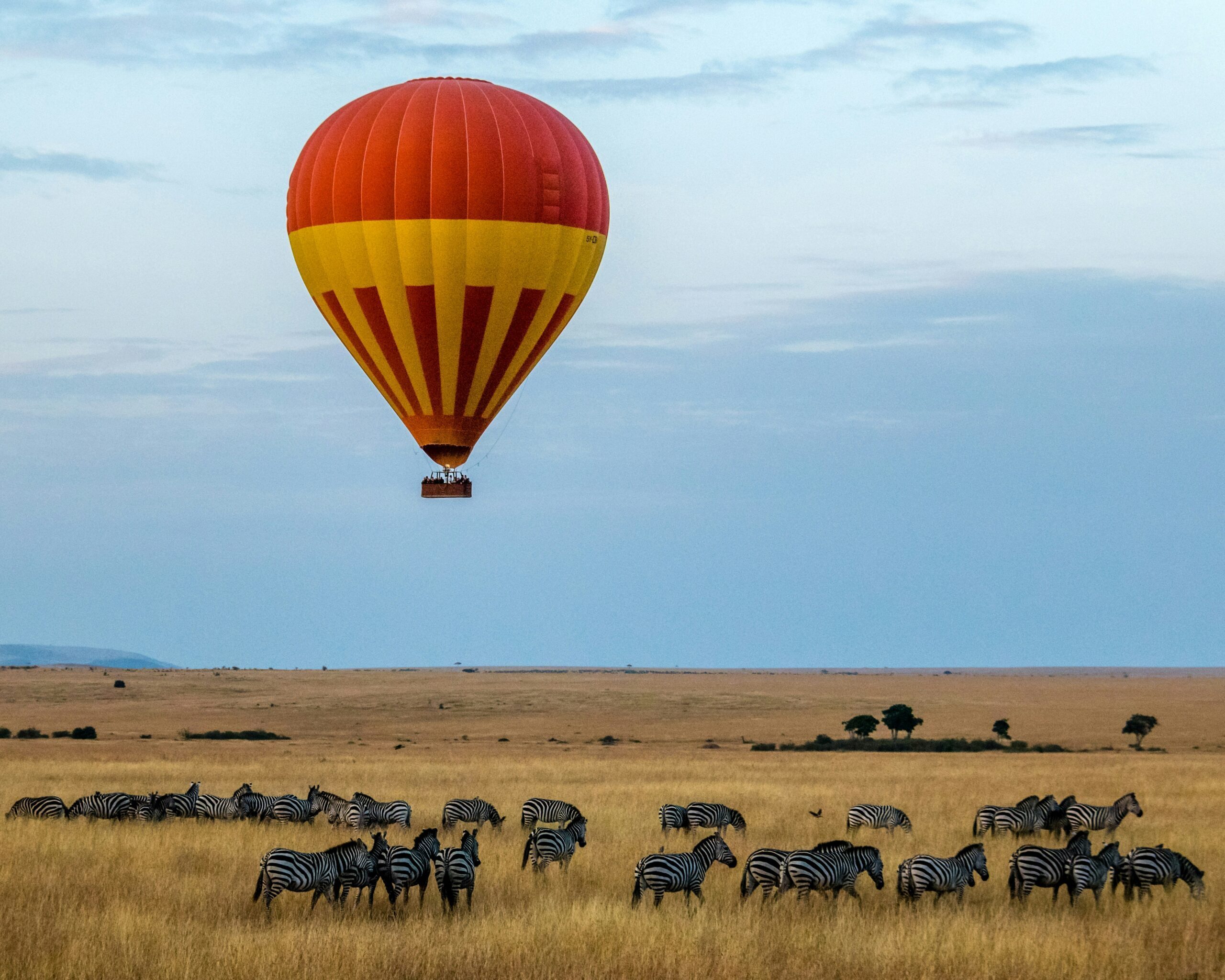
The dry season is the Masai Mara's headline act. As the southern Serengeti dries out, the migration pushes north and the leading herds cross the Kenyan border into the Mara from around July. Through August, September and into October they mass along the banks of the Mara River and stage the crossings — thousands of wildebeest and zebra plunging into the current in a chaos of dust, hooves and waiting crocodiles. It is the single most dramatic wildlife event in Africa.
There is no timetable to a crossing; it can happen at any hour and after long hesitation, so the reward goes to those who spend a few patient days in a camp near the river. The dry-season weather is ideal — warm, sunny days around 26°C and cool nights — and general game viewing is at its easiest with the grass short. It is, of course, the peak season: July to October is the busiest and most expensive time, and the best camps book out far ahead.
The Green Season (November–May): the Big-Cat Secret
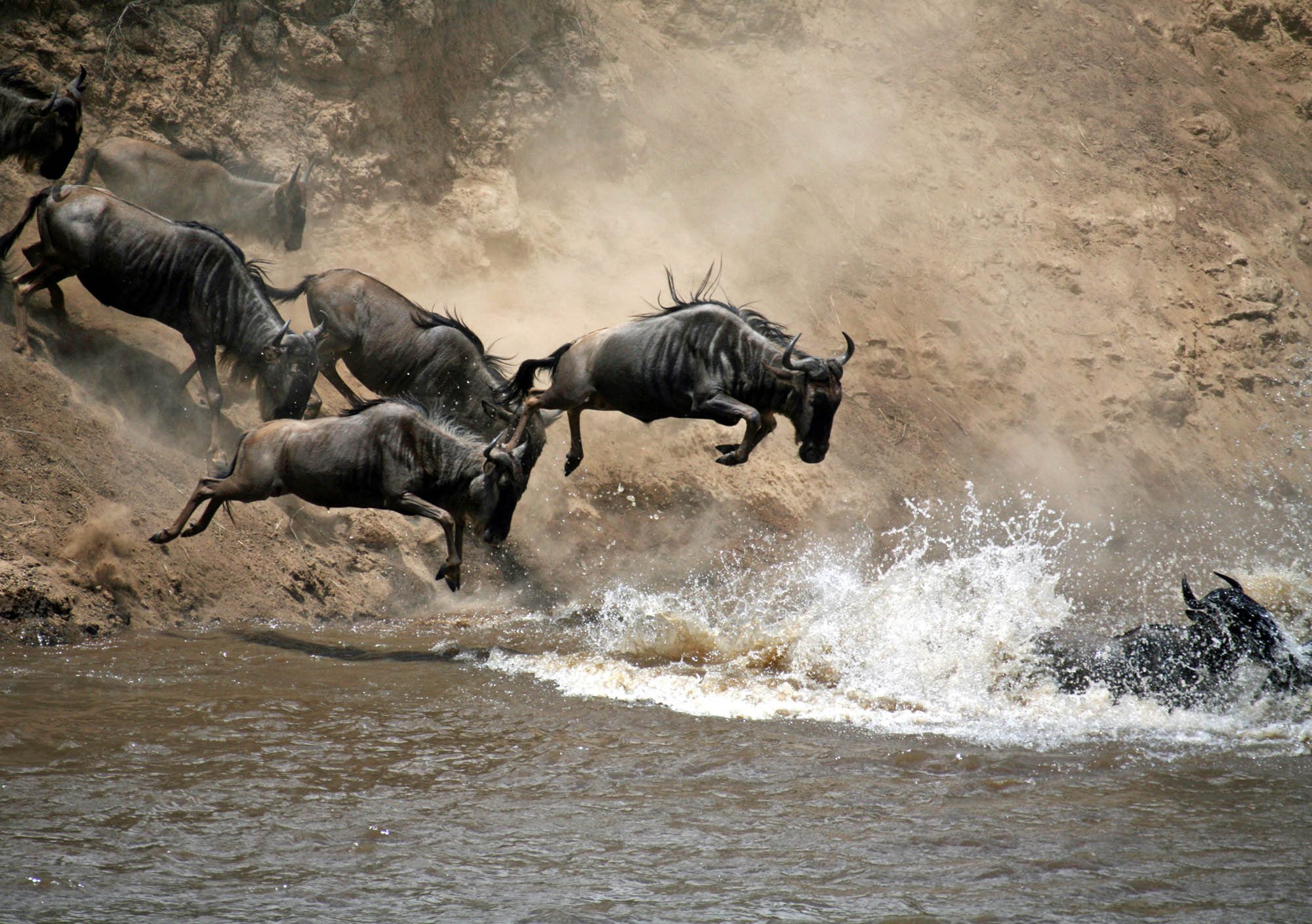
The green season is the Masai Mara that seasoned safari-goers keep coming back for. Once the migration returns south, the reserve empties of crowds, the grasslands turn a vivid green, and the resident big cats have the plains — and the light — largely to themselves. With prey dispersed and newborns on the ground, the lion, leopard and cheetah action can be superb, and you often watch it with barely another vehicle in sight.
The rains come in two spells — the "short rains" of November and December and the "long rains" of March to May — but they usually fall as short, dramatic afternoon storms rather than all-day rain, and the birding during them is spectacular, with migrants in breeding plumage. Prices are at their lowest, camps have space, and the Mara is at its most beautiful and most peaceful. For photographers and repeat visitors, the green season is often the sweet spot.
The Masai Mara Month by Month
Here is the reserve's year at a glance — the migration, the weather and what to expect.
| Month | Season | What to expect |
|---|---|---|
| Jan–Feb | Green (dry spell) | Warm, greenish, quiet; superb resident big cats; good value |
| Mar–May | Green (long rains) | Lush, dramatic, fewest crowds & lowest prices; great birding |
| Jun | Shoulder (early dry) | Drying out, quiet before the herds; excellent value |
| Jul–Oct | Dry (peak) | The migration & Mara River crossings; busiest & priciest |
| Nov–Dec | Green (short rains) | Herds gone south, green & quiet; festive season busy late Dec |
The Conservancies: Great Game Viewing, Fewer Crowds
One of the smartest ways to time a Mara safari is to sidestep the reserve's peak-season crush altogether. The private conservancies that border the Masai Mara National Reserve — Mara North, Naboisho, Olare Motorogi and others — share the same wildlife and the same open plains, but limit vehicle numbers and allow off-road driving and night drives that the main reserve does not. Their resident big-cat viewing is superb all year.
In the peak migration months this means you can base yourself in a conservancy for exclusive, uncrowded game viewing and drive into the reserve for the river crossings. In the green season it means having some of the best big-cat country in Africa almost to yourself. For many of our travellers, a conservancy camp is the single best decision they make about their Mara safari, whatever the month.
Plan Your Masai Mara Safari With Beyond Africa
We are a Cape Town-based, tailor-made safari house, and the Masai Mara is a reserve we know intimately. Tell us whether you are chasing the river crossings or a quieter big-cat safari, and we place you in exactly the right camp — on the river for the migration, or in a private conservancy for exclusivity and year-round cats — at the right time of year. We build the flights from Nairobi, the balloon safari, the beach or gorilla add-on and every transfer around it.
Ready to choose your season in the Mara? 👉 Request a tailor-made Masai Mara quote → 👉 Browse our Masai Mara safari packages → 👉 WhatsApp us: +27 74 315 5782