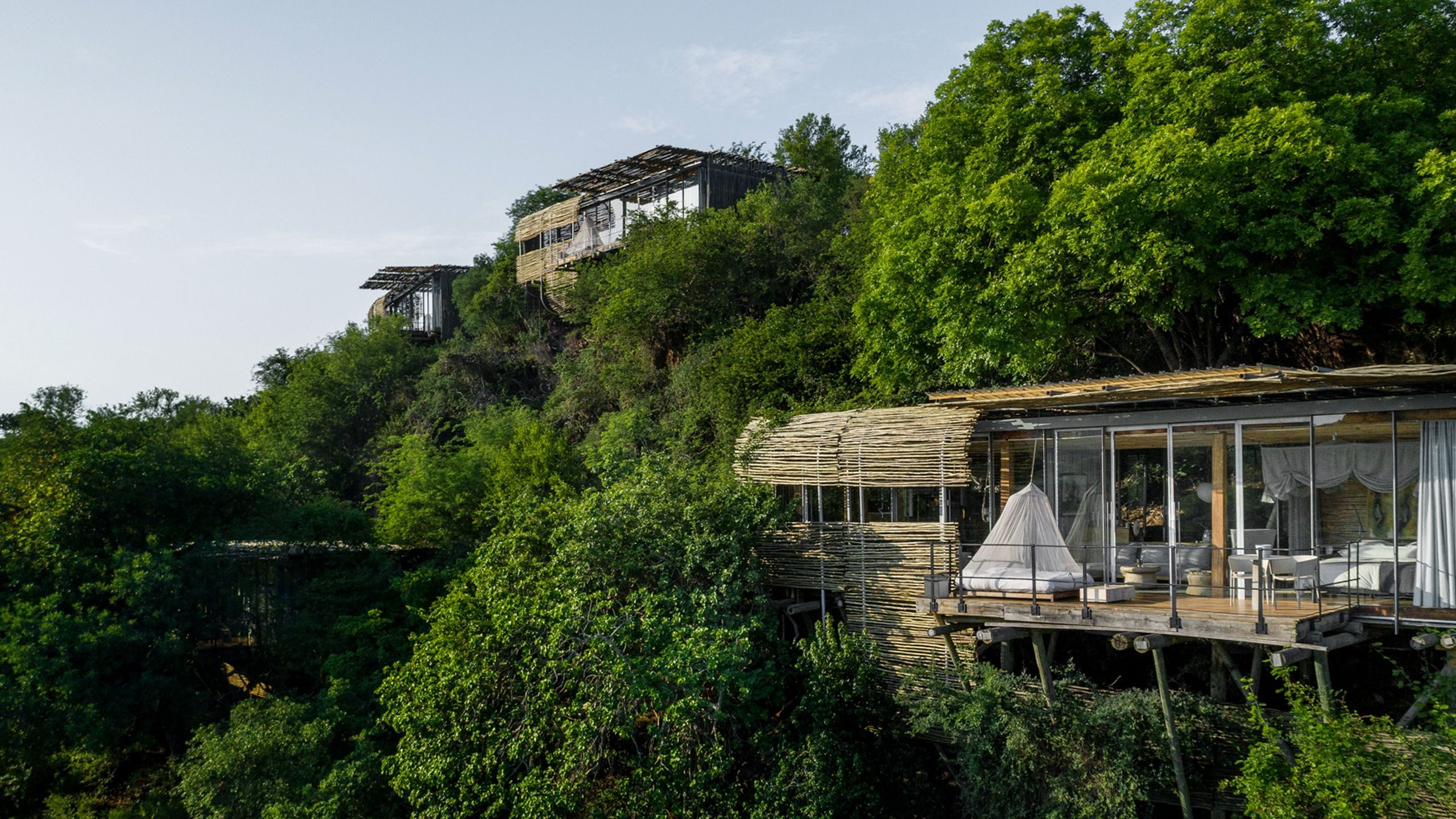
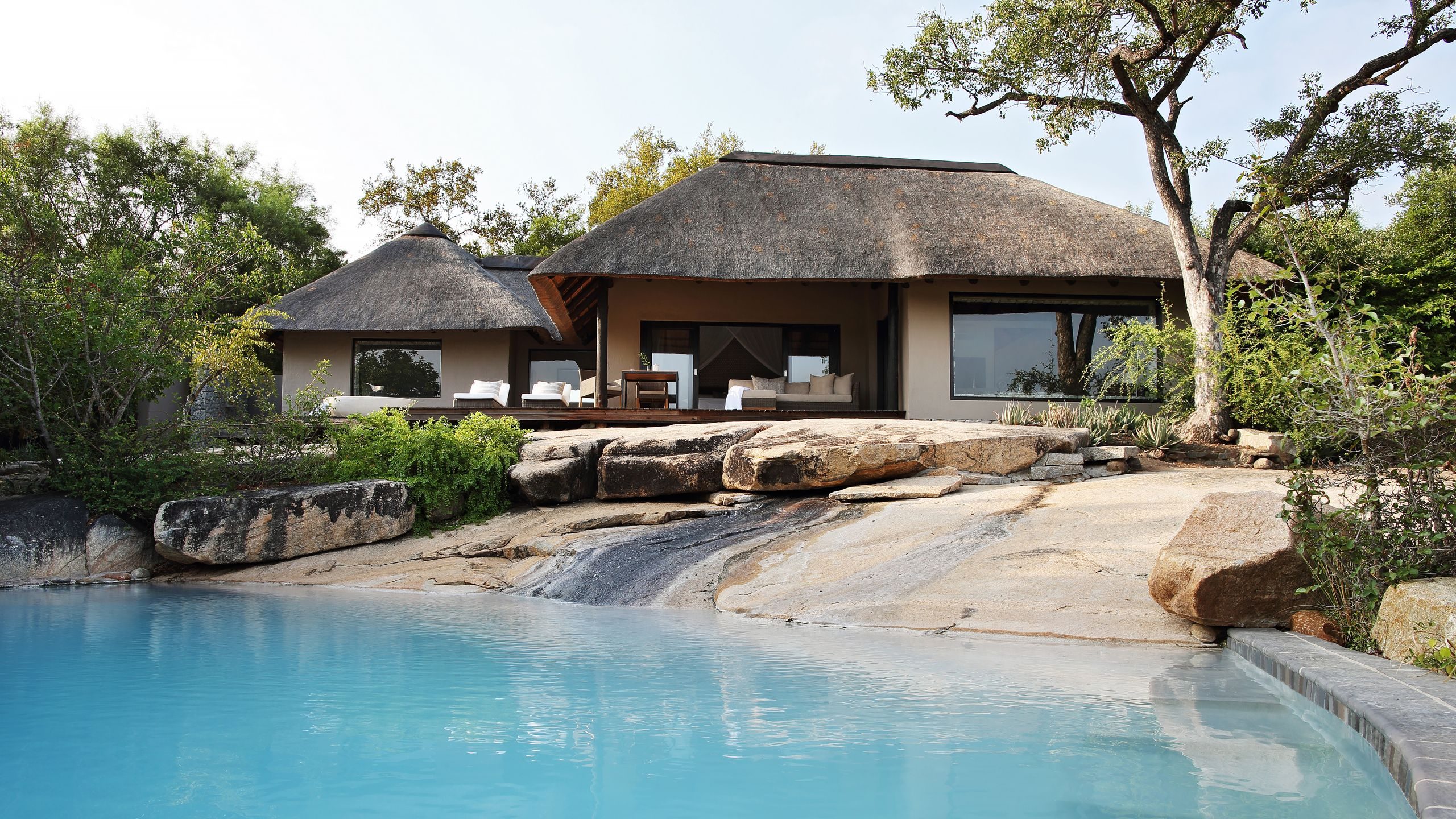
Some of Africa's most magical wildernesses — the flooded channels of the Okavango, a private island camp, a remote concession far from any road — simply cannot be reached comfortably by car. This is where the fly-in safari comes into its own. By using light aircraft and private charters to hop directly between camps, a fly-in safari turns a logistically daunting trip into a smooth, time-saving luxury, with the transfers themselves becoming some of the most memorable moments of all.
This 2026 guide from Beyond Africa Safaris explains exactly how fly-in safaris work, what to pack, what they cost, and the best multi-camp routes across the continent.
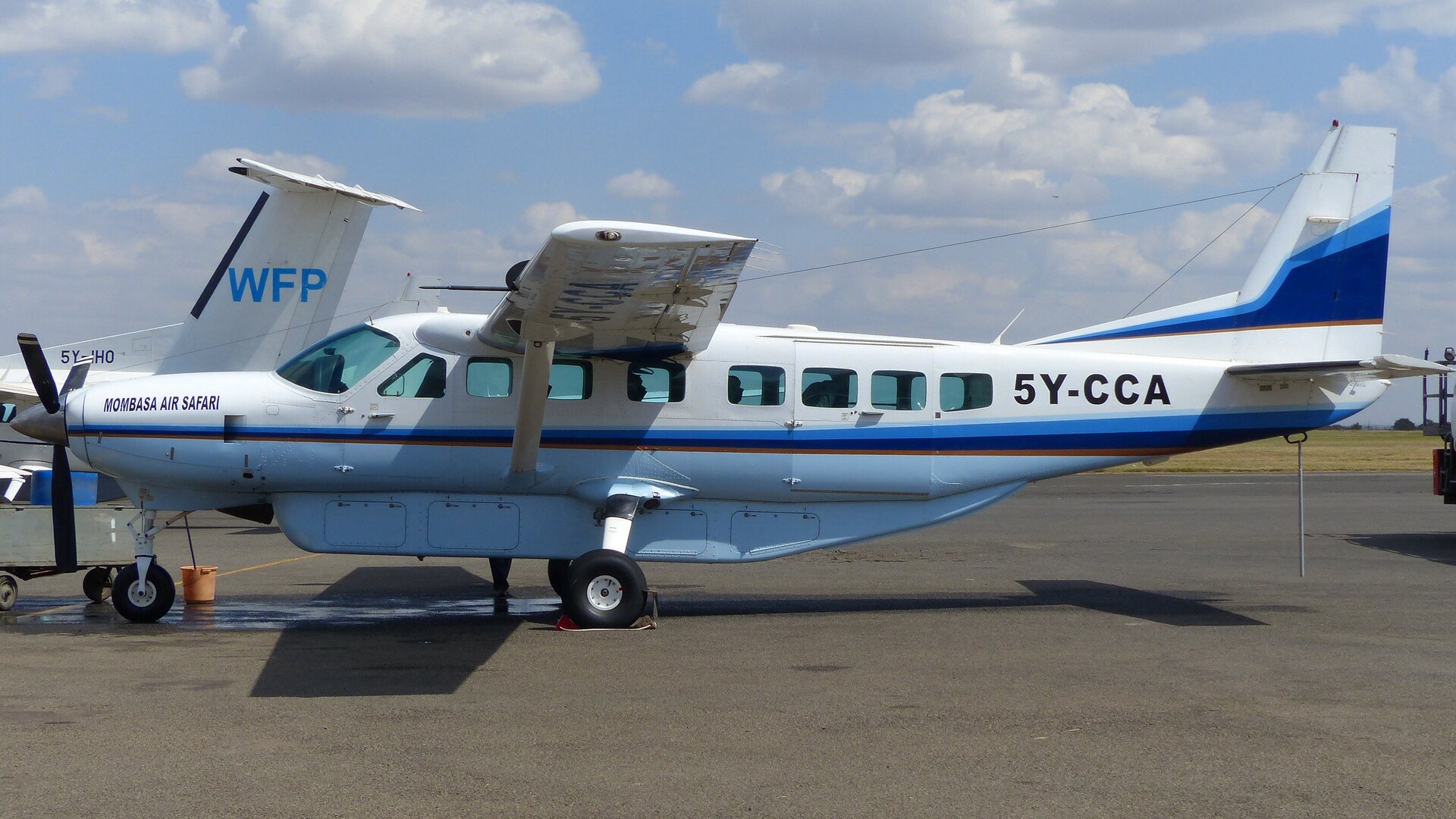
Fly-in safaris — light aircraft transfers between remote luxury camps.
Quick Answer
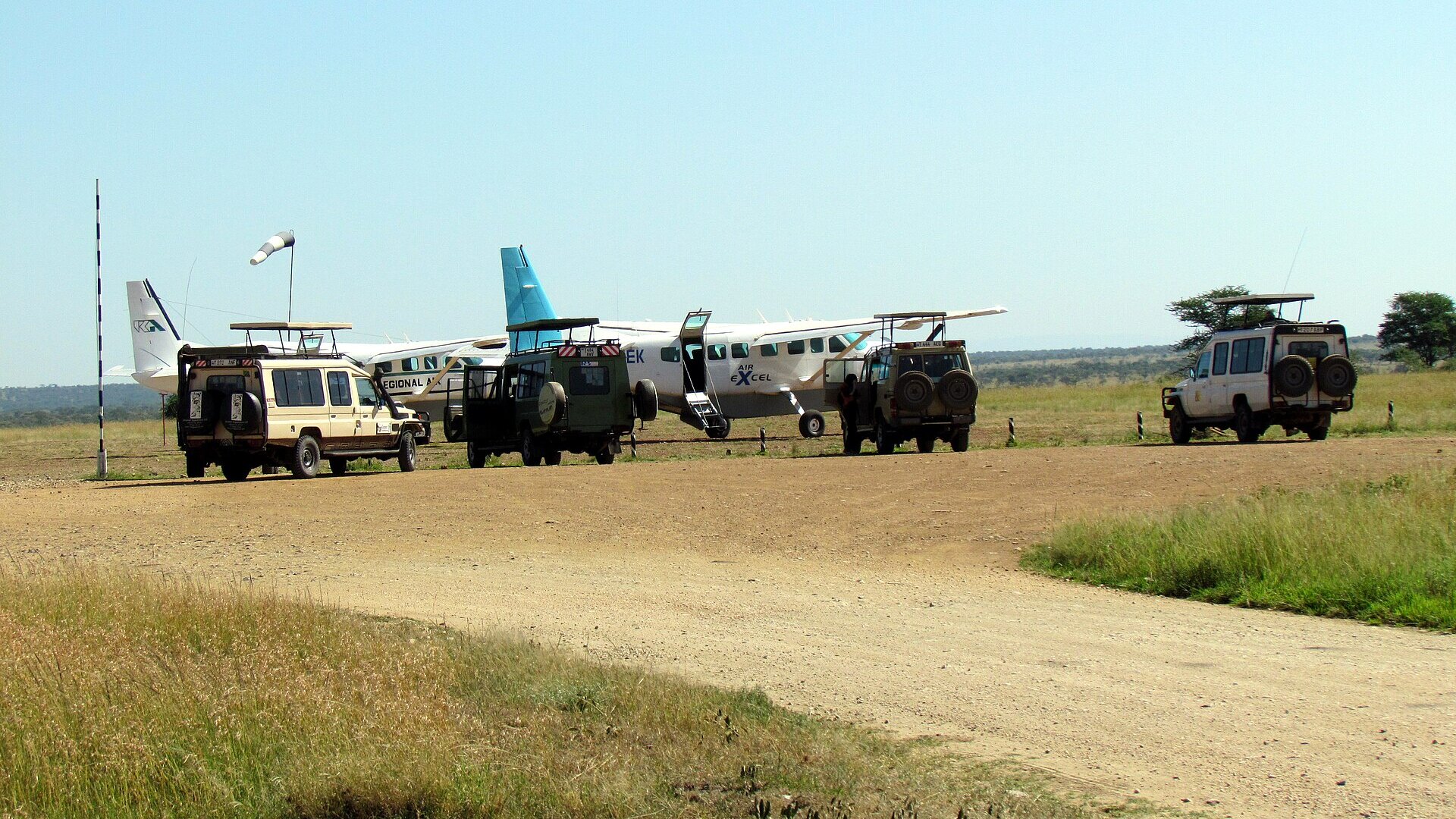
A fly-in safari uses small light aircraft to transfer you between remote camps, cutting out long road transfers and maximizing time in the bush. You land on private airstrips metres from your lodge, often seeing wildlife from the air.
The golden rule: pack soft, lightweight bags (max 15–20kg including hand luggage). Fly-in safaris cost more ($750–$2,500+ per person per day) but deliver the ultimate in exclusivity and time efficiency, especially in Botswana, the Okavango Delta and remote East African camps.
How a Fly-In Safari Works
Rather than spending hours on bumpy roads between reserves, a fly-in safari moves you by air:
- International arrival into a hub like Johannesburg, Cape Town, Maun (Botswana) or Nairobi.
- Light-aircraft transfer to a small bush airstrip near your camp — often a short, scenic flight over spectacular landscapes.
- A short game-drive transfer from the airstrip to your lodge, sometimes with wildlife sightings along the way.
- Camp-to-camp 'circuits' — especially in Botswana — that let you string together two or three wildernesses without ever touching a main road.
The result: more time watching wildlife, less time in transit, and access to places road travellers never see. Explore where it can take you in our luxury safari experiences.
Scheduled Light Aircraft vs Private Charter
There are two ways to fly between camps:
- Scheduled light-aircraft transfers follow set 'circuits' and timings, sharing the small plane with other guests. They are efficient and cost-effective, and form the backbone of most fly-in safaris — particularly in the Okavango Delta.
- Private charters fly only your party, on your schedule. They cost more but offer total flexibility — ideal for families, groups, or itineraries with tight connections.
Many trips blend the two. Our specialists advise on the most sensible mix for your route and budget.
The Golden Rule: Pack Light and Soft
The single most important thing to know about fly-in safaris is the luggage limit. Light aircraft typically allow around 15–20kg per person in a soft-sided duffel bag — no hard suitcases — including hand luggage, plus a small camera bag. This is for safety and the limited hold space on small planes.
It sounds restrictive, but most luxury lodges offer same-day laundry, so you genuinely need far less than you'd expect. Pack neutral, layered clothing (khaki, olive, beige), a wide-brimmed hat, sunglasses, binoculars and your camera. For a full list, see the packing section of our luxury safari South Africa guide.
What a Fly-In Safari Costs in 2026
- Light-aircraft transfers: often built into camp pricing; typically a few hundred to around $1,000 per person per leg, by distance.
- Private charters: higher, but with full flexibility on timing.
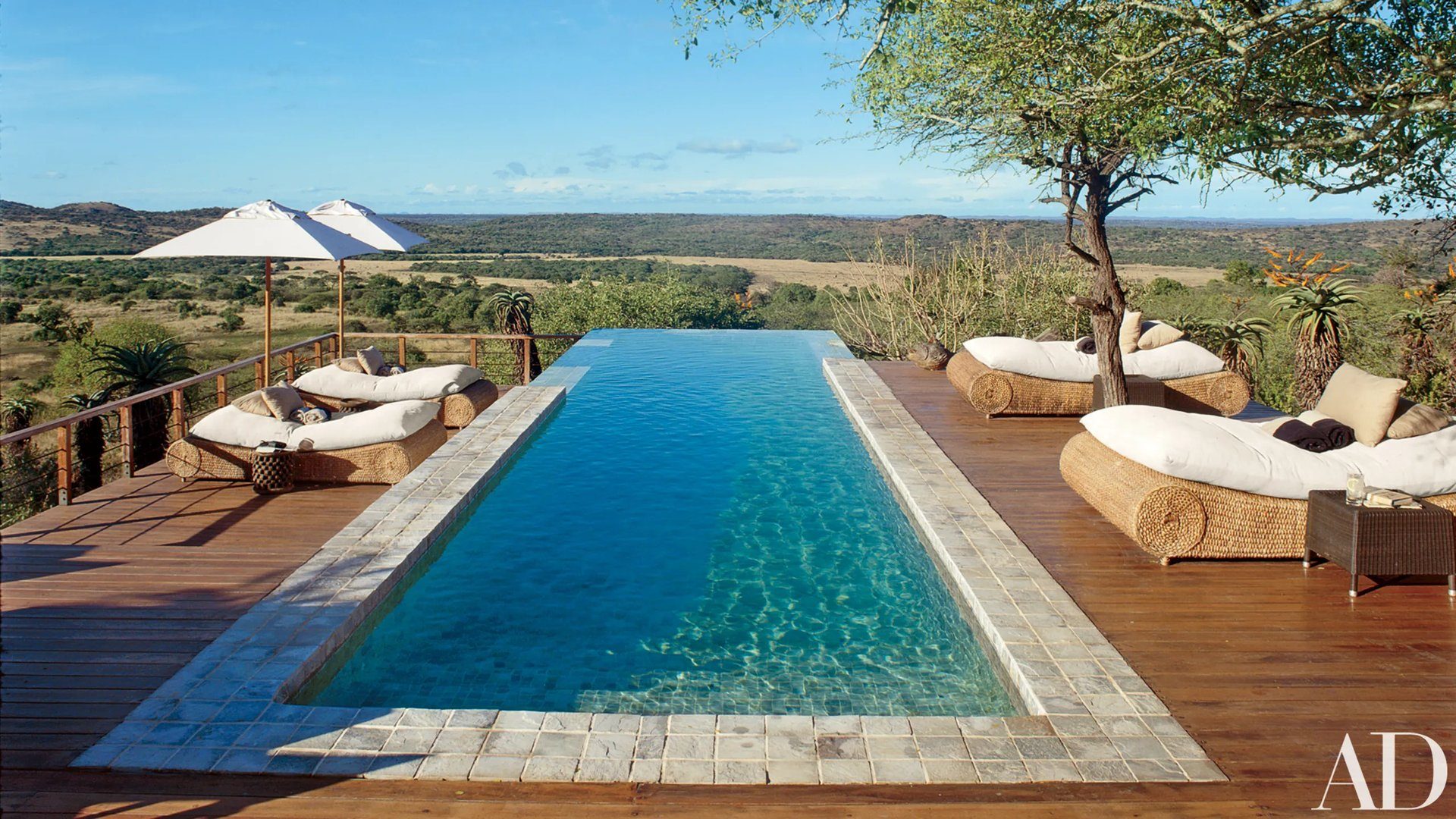
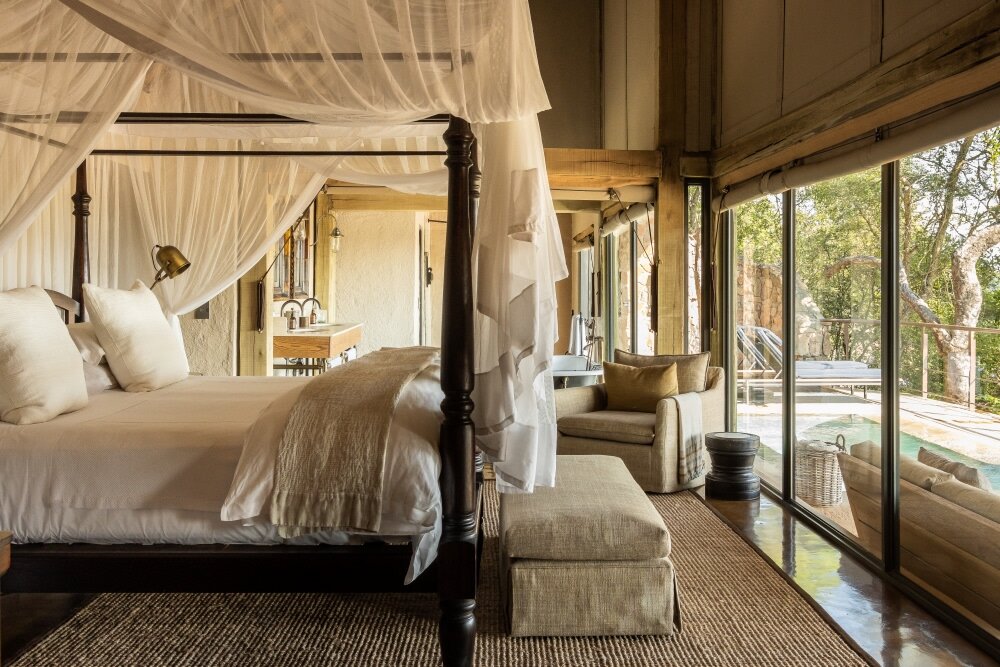
- Luxury camps: $600–$2,500+ per person per night, all-inclusive.
Fly-in safaris sit at the premium end, but the time saved and the access to pristine, exclusive wilderness justify it. For a complete picture of safari budgeting, read our African safari cost guide.
The Best Fly-In Safari Routes
The Botswana Circuit
Botswana practically invented the modern fly-in safari. From Maun, a network of light-aircraft circuits links the Okavango Delta, the Moremi, Chobe and the Kalahari — letting you sample two or three utterly different wildernesses in one smooth trip, with no road travel at all.
South Africa & the Greater Kruger
From Cape Town or Johannesburg, a short flight reaches the airstrips of the Sabi Sand and Greater Kruger, dropping you straight into Big Five country. This is the backbone of the classic Cape-and-safari combo — see our Sabi Sand guide.
East Africa & the Migration
In Tanzania and Kenya, light aircraft connect the Serengeti and Masai Mara to follow the Great Migration across vast distances that would be impractical by road.
Cross-Border Journeys
Fly-in connections also make multi-country journeys possible — pairing a South African safari with Victoria Falls and the Okavango, for instance, as set out in our luxury safari Africa guide.
The Scenic Bonus
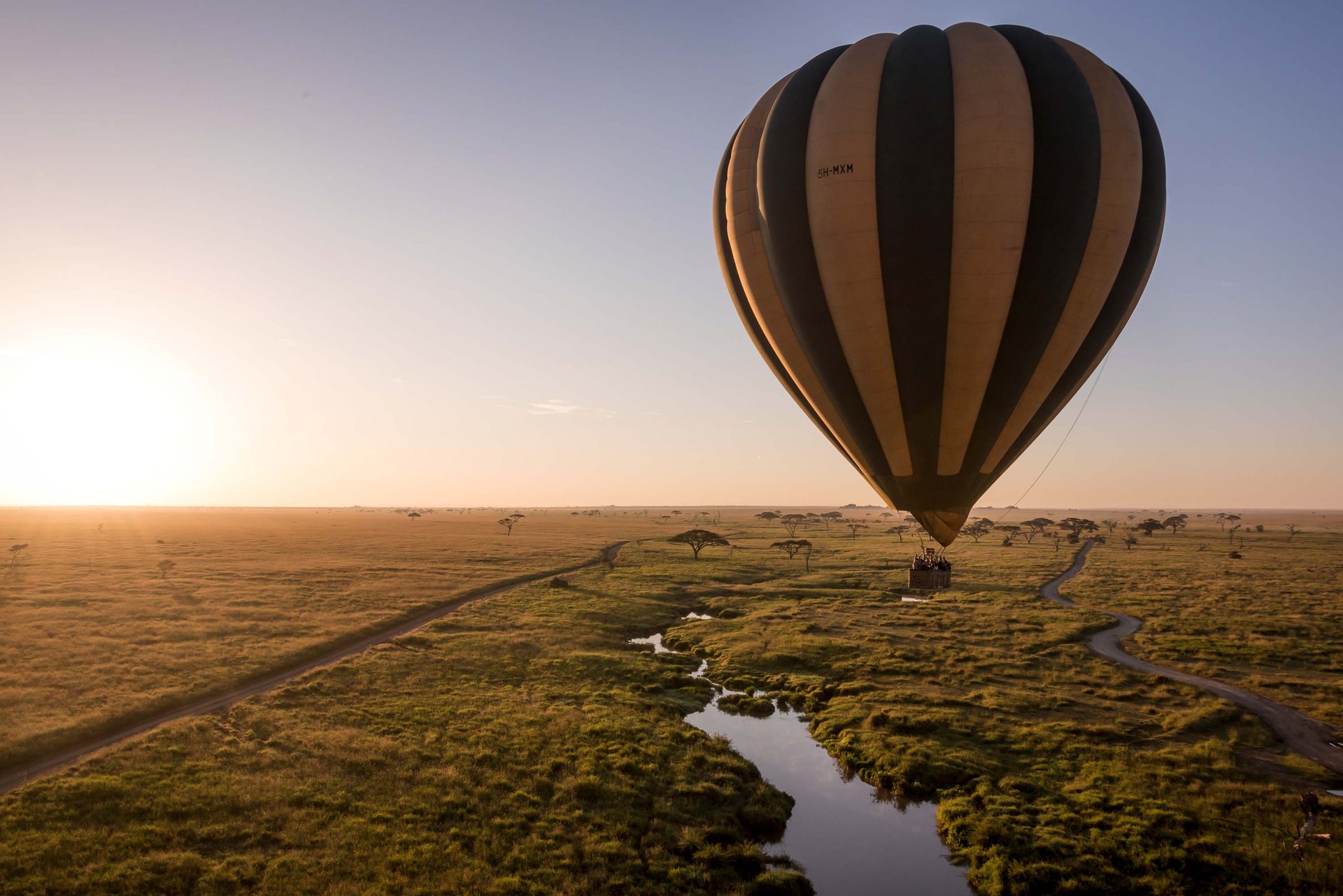
Far from being mere transport, the flights themselves are a highlight. Banking low over the Okavango's silver channels at sunrise, spotting elephant herds from the air, or watching the patchwork of plains and rivers unfurl beneath you — these aerial perspectives reveal the scale and beauty of Africa in a way no game drive can. Keep your camera close at all times.
An Effortless, Time-Rich Safari
The ultimate advantage of a fly-in safari is time. Hours that would be lost to long road transfers become extra game drives, extra sundowners, extra moments in the wild. For travellers with limited time who want to reach the most exclusive corners of Africa, nothing else compares.
Plan Your Fly-In Safari
From the airstrips of the Okavango to the heart of the Sabi Sand, a fly-in safari is the most smooth way to experience Africa's finest wildernesses. Ready to plan? Browse luxury safaris, read our private safari guide, use our trip planner, or contact our specialists for a tailored fly-in itinerary.