Angola — Africa’s Last Great Safari Frontier
Most safari maps stop at Namibia’s northern border. That is a mistake. Cross into Angola and the continent opens into something rarer: a vast, under-visited wilderness where the Namib Desert meets the Atlantic, where elephants have been flown home by cargo plane, and where the Giant Sable antelope — Angola’s national symbol and one of Africa’s most endangered mammals — still holds the central highlands. This is not polished Botswana. It is not vehicle-dense Kruger. It is a first-mover destination for travellers who want endemic species, empty horizons and a story almost nobody else can tell.
Angola is the seventh-largest country in Africa, roughly twice the size of Texas, with a coastline longer than California’s and a conservation estate still rebuilding after decades of civil war. National parks that were emptied by conflict are filling again. Operators are returning. Charters are expensive, lodges are scarce, and infrastructure is honest about its limits — yet that rawness is precisely the point. For the right traveller, Angola is the most exciting safari country on the continent right now.
This guide is the complete 2026 planning map: where to go (Iona, Kissama, Bicuar, Cameia and the Giant Sable reserves), what you will actually see, where you sleep, what it costs, when to travel, how to get there, visas and health, packing, conservation context, and an honest take on who this destination is — and is not — for.
Angola at a Glance — Geography for Safari Planners
Understanding Angola’s shape prevents bad itineraries. The country runs from a long Atlantic coastline inland across a steep escarpment into a high interior plateau, then toward the Kalahari sands and Zambezi/Okavango watersheds in the east. Luanda sits mid-coast. Kissama is a short hop south of the capital along the Cuanza. Iona lies far southwest near the Namibian border — desert, ocean, distance. Bicuar anchors the southwest highlands near Lubango. Malanje (Giant Sable, Kalandula) sits northeast of Luanda on the interior plateau. Cameia is a long reach east toward the Zambian horizon.
That geography is why “see everything in five nights” fails. It is also why Angola feels like several countries stitched into one passport stamp: Atlantic desert one morning, miombo highland the next week, wetland floodplain for those who push farthest. Charter aircraft are not a luxury upsell here; they are how the map makes sense.
Climate follows the gradient. The coast is moderated by the cold Benguela Current — foggy, cooler, deceptive. The interior heats and cools more like classic southern African bushveld. Rain is broadly November to April, with regional variation; the southwest desert receives very little rain even then. Dry-season planning (May–October) remains the default for multi-park game safaris.
Why Angola for Safari?
Four reasons dominate every serious conversation about Angola as a safari destination:
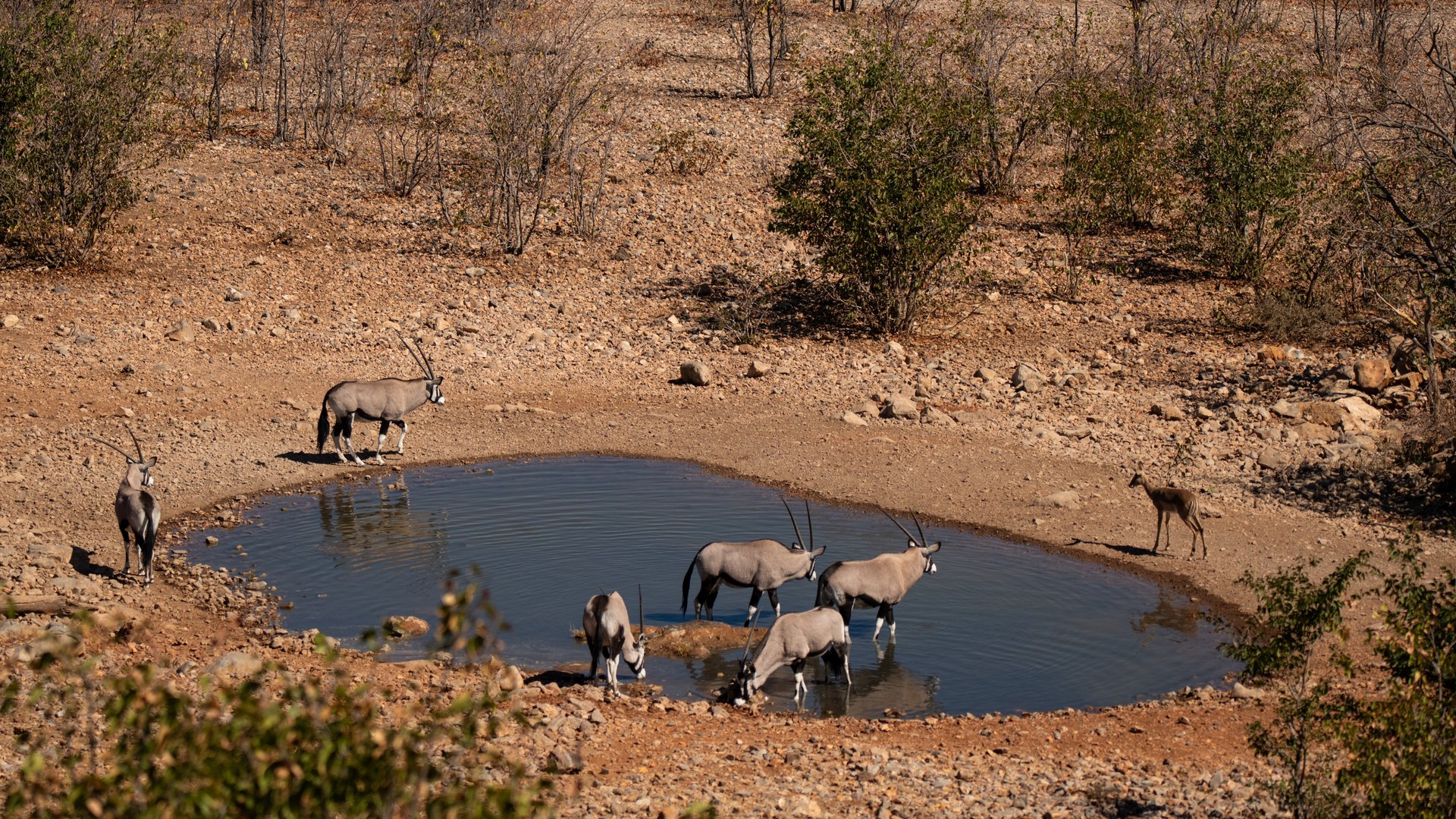
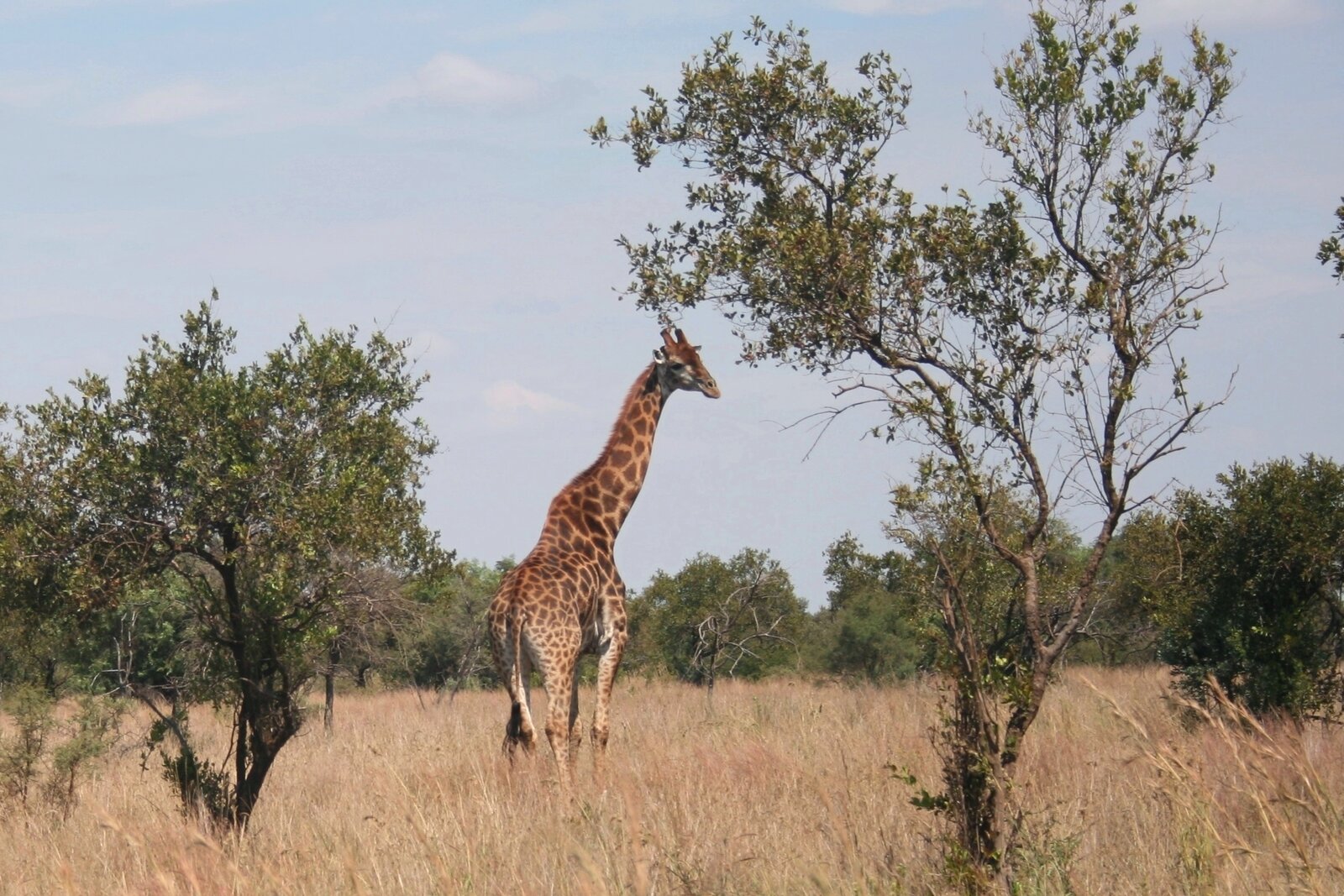
- Endemic and near-endemic wildlife you cannot reliably see elsewhere. The Giant Sable (Hippotragus niger variani) exists only in Angola. The black-faced impala is shared only with a sliver of northern Namibia. Angolan giraffe and desert-adapted oryx, springbok and brown hyena in Iona complete a species list that East and Southern African circuits simply do not offer.
- A landscape no other country combines. Iona National Park is where the Namib Desert — the world’s oldest — reaches the Atlantic. Coastal fog, Welwitschia plants, dune systems and desert plains sit in one protected area. Inland, highland miombo, Kalahari sandveld and Okavango headwater wetlands create a mosaic few travellers ever experience.
- First-mover scarcity. Visitor numbers to Angola’s parks remain a fraction of Etosha, Kruger or the Okavango. You will share waterholes with wildlife, not with a dozen other vehicles. That exclusivity is real, not marketed.
- A conservation comeback story. Post-war translocation projects — most famously Kissama’s “Operation Noah’s Ark” elephant airlift — and the slow recovery of Giant Sable populations make every visit feel like participation, not consumption.
If you want infinity pools and guaranteed lion sightings on a schedule, choose the Sabi Sand. If you want to stand on an empty Atlantic desert shore at dawn and know almost nobody else will stand there that week, choose Angola.
Where to Go — Angola’s Top Safari Destinations
1. Iona National Park — the flagship (Namib Desert meets the Atlantic)
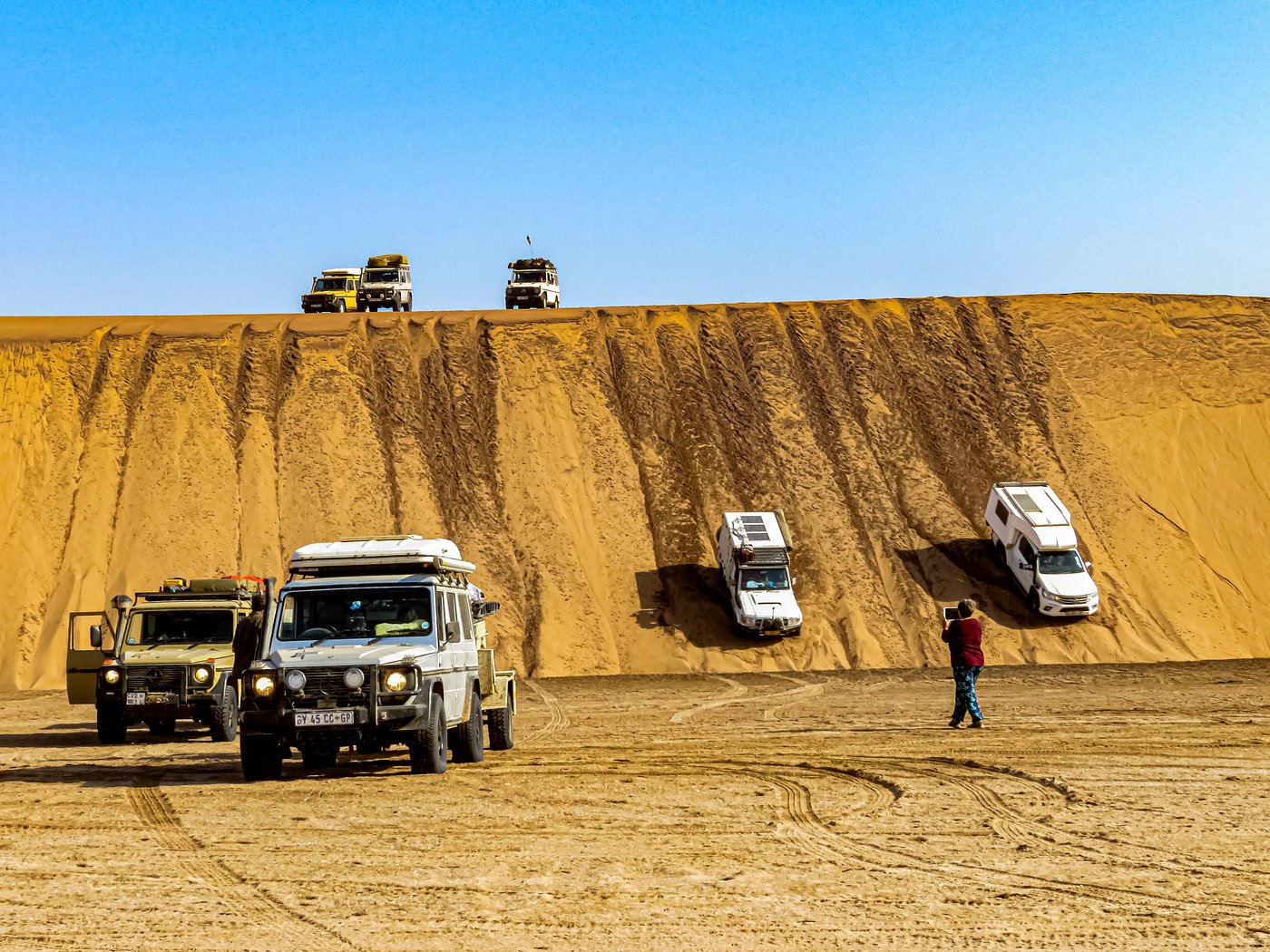
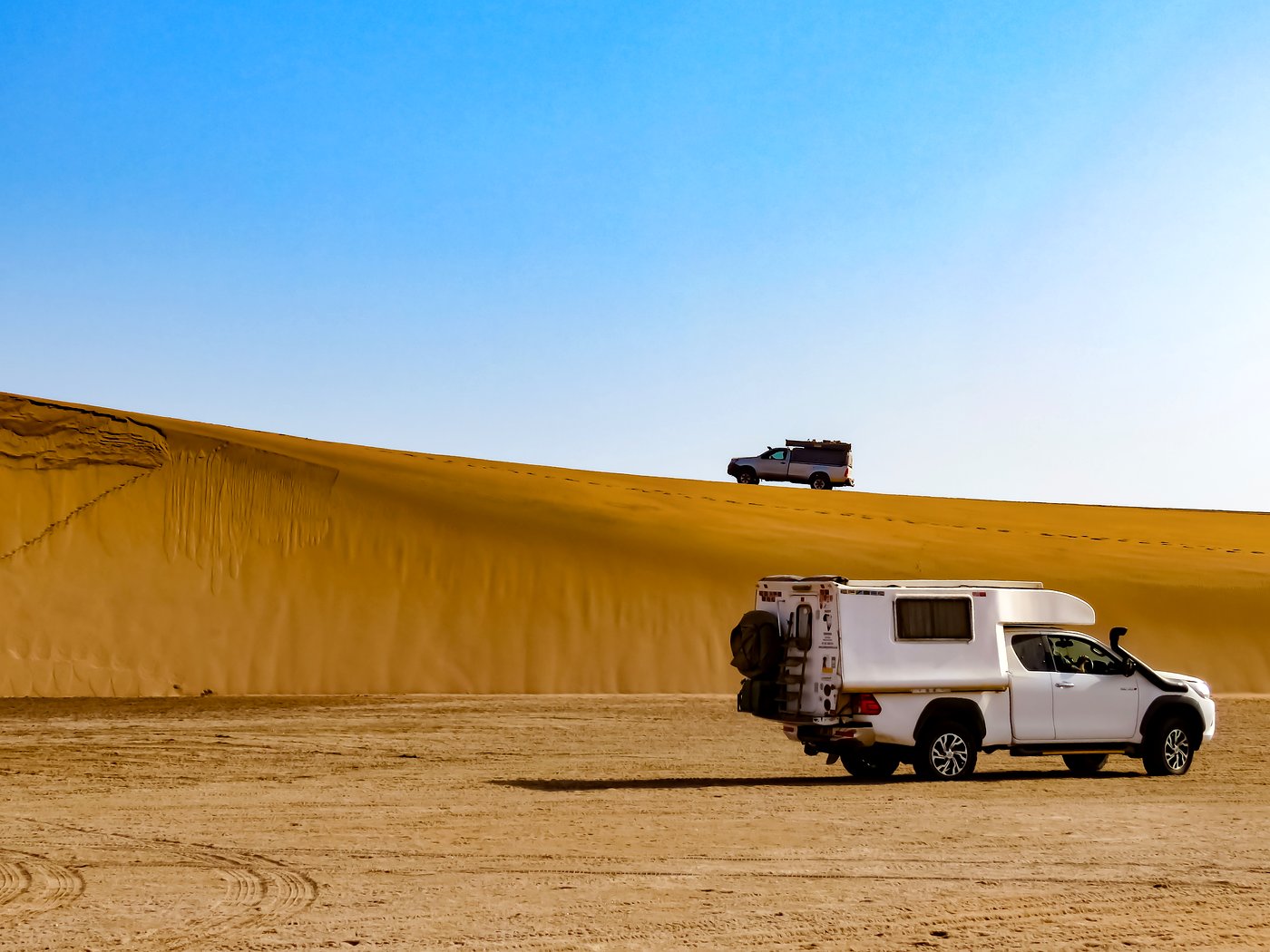
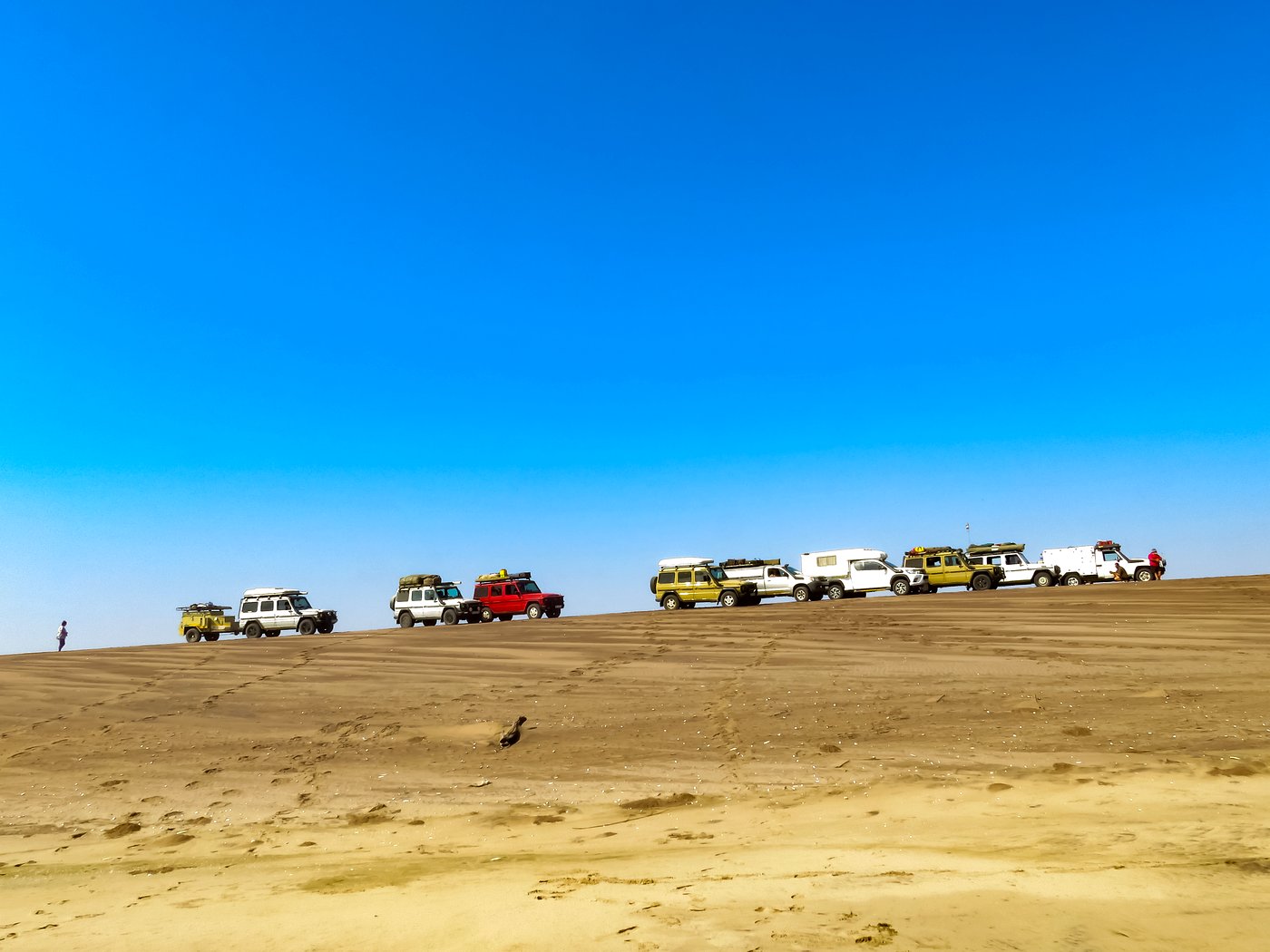
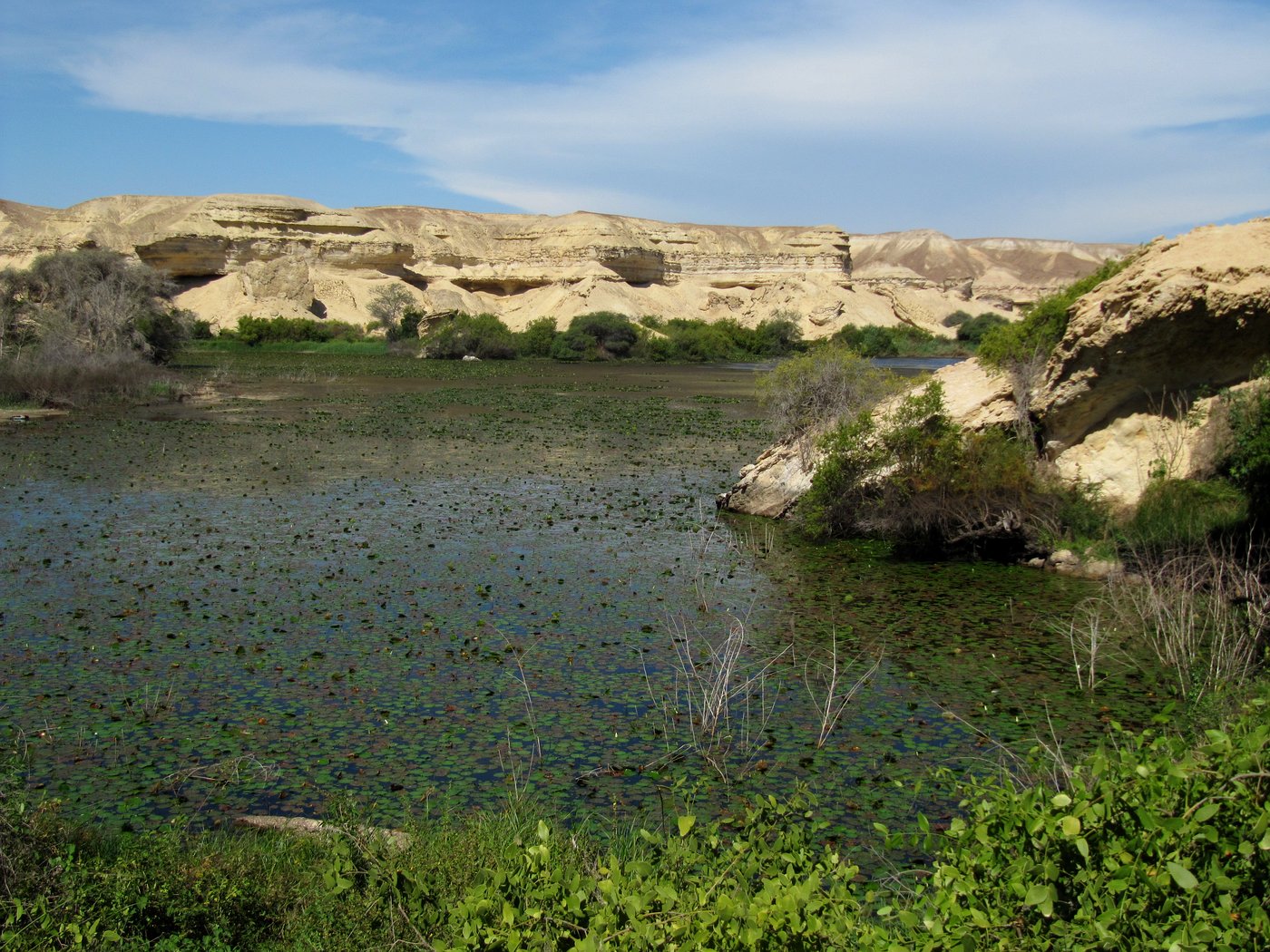
Iona is Angola’s flagship wilderness and the reason many serious travellers finally book the country. Covering roughly 15,000 square kilometres in the far southwest, it protects the northernmost reach of the Namib Desert as it meets the cold Benguela Current. The result is a coastal desert ecosystem almost without parallel: fog-fed plains, shifting dunes, rocky escarpments, Welwitschia mirabilis (plants that can live for a thousand years), and desert-adapted wildlife including oryx (gemsbok), springbok, mountain zebra, brown hyena, black-backed jackal and ostrich.
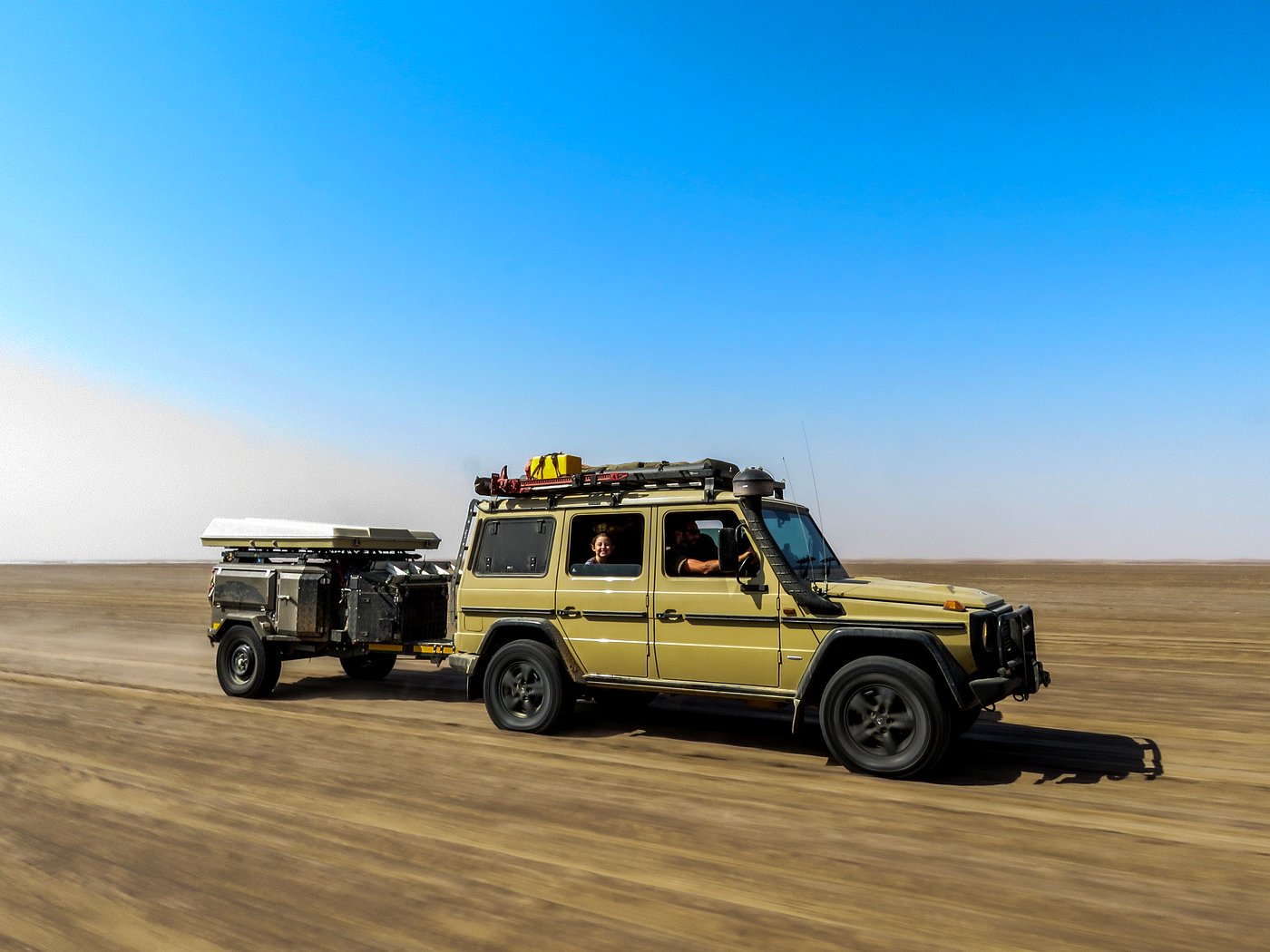
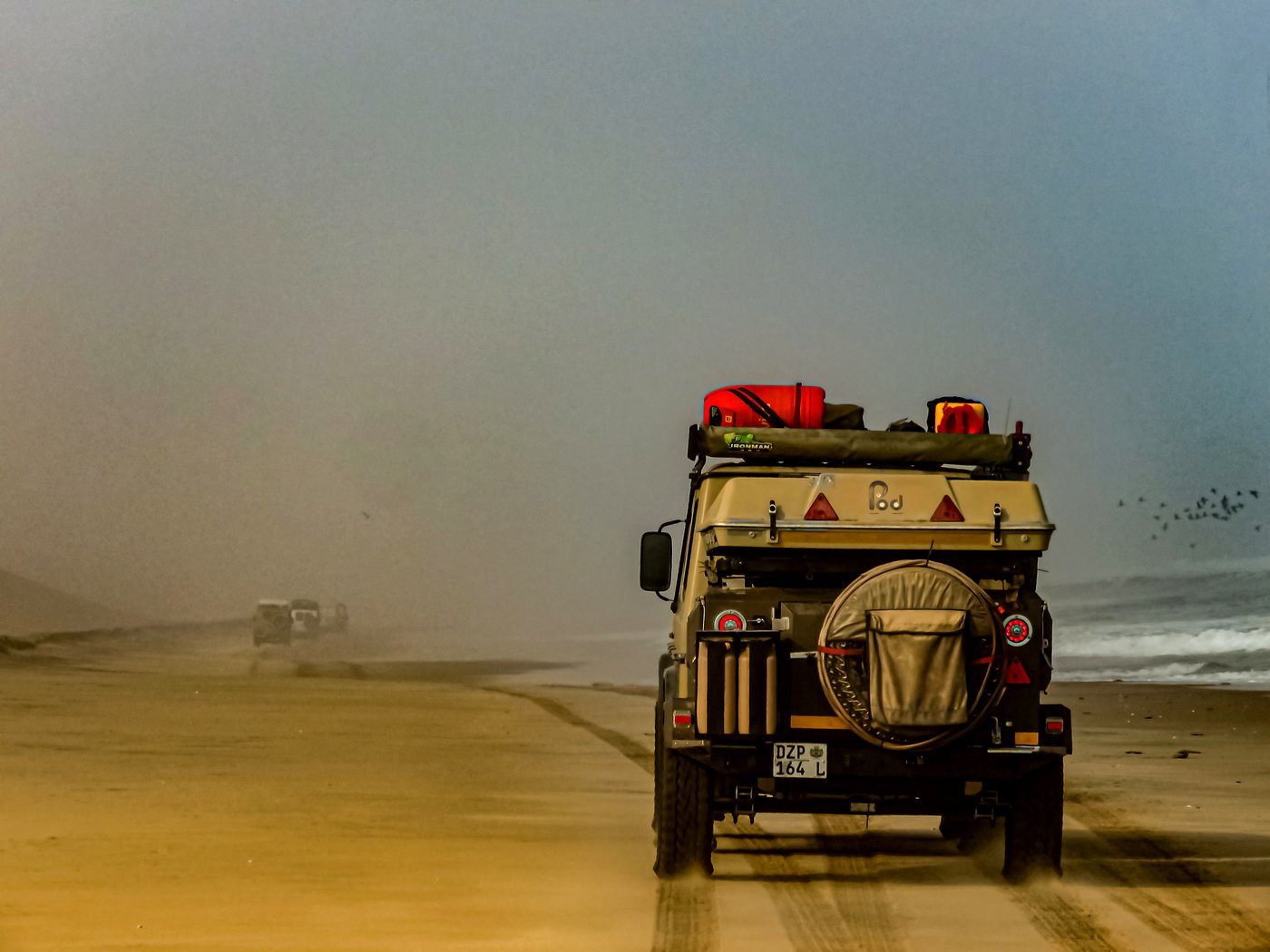
Infrastructure inside Iona is deliberately light. Expect expedition-style camping, mobile camps or basic fixed camps rather than classic luxury lodges. Access is typically by charter or long 4x4 transfer from Namibe/Moçâmedes, and self-drive is only for highly experienced desert travellers with full recovery kit. The reward is silence, scale and a landscape that photographs like another planet.
2. Kissama (Quiçama) National Park — the accessible comeback story
Kissama (also spelled Quiçama) sits only about 70 kilometres south of Luanda, making it Angola’s most accessible national park and the natural first stop on almost every itinerary. During the civil war the park was nearly emptied of large mammals. Its rebirth is one of African conservation’s great modern stories: Operation Noah’s Ark airlifted elephants, and later other species, into the park to restart populations. Today you can see elephants, buffalo, antelope and a recovering predator base on game drives from Kissama Lodge and partner camps.
Kissama will not match the density of a private Sabi Sand concession — and nobody serious claims it does. What it offers is proximity to the capital, a powerful conservation narrative, coastal and riverine habitats along the Cuanza (Kwanza), and a soft landing for travellers who want to experience Angola without immediately flying into the deep bush. It is the right place to start, and for shorter trips it can be the whole safari.
3. Bicuar National Park — highland wilderness and black-faced impala
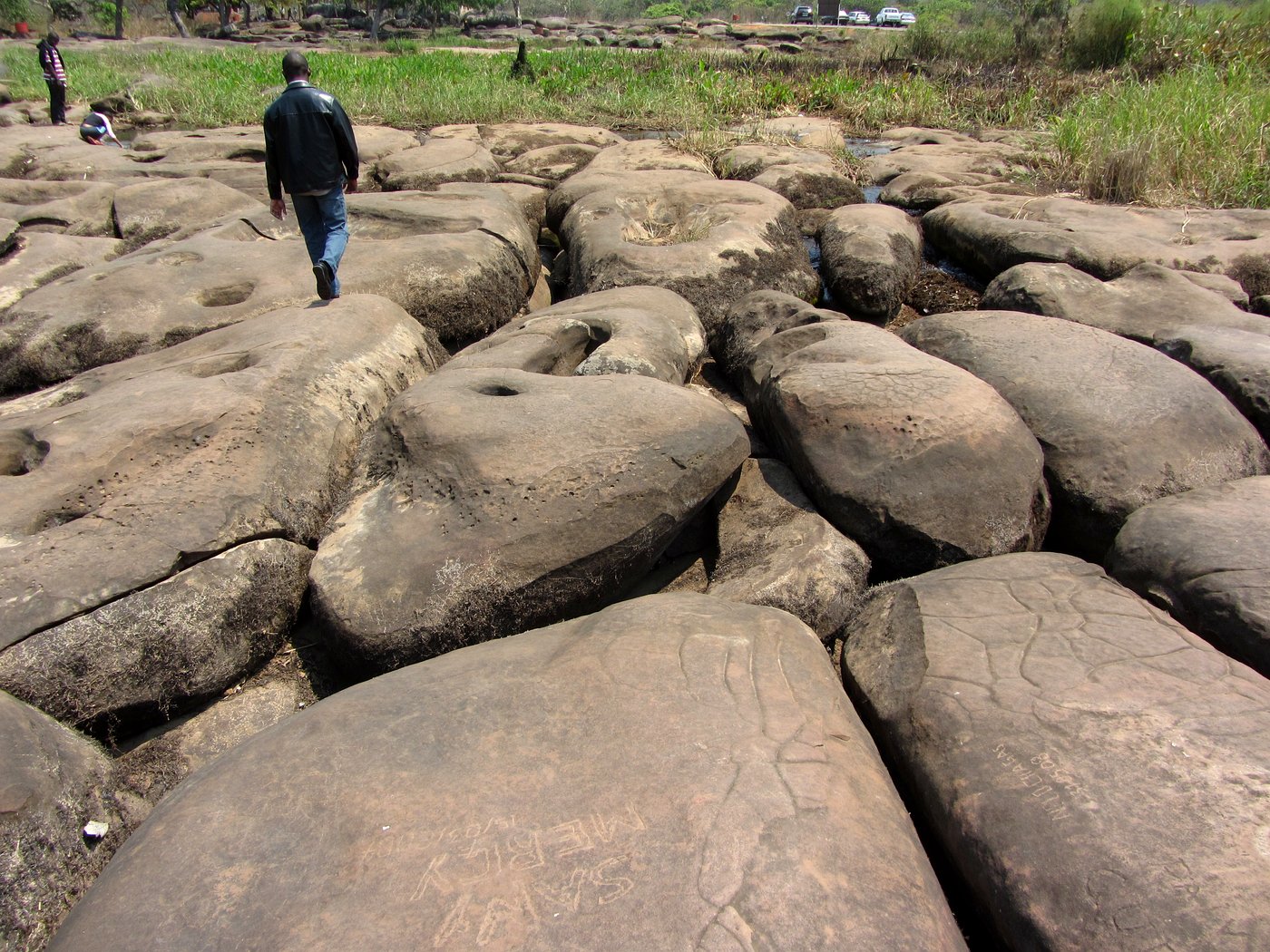
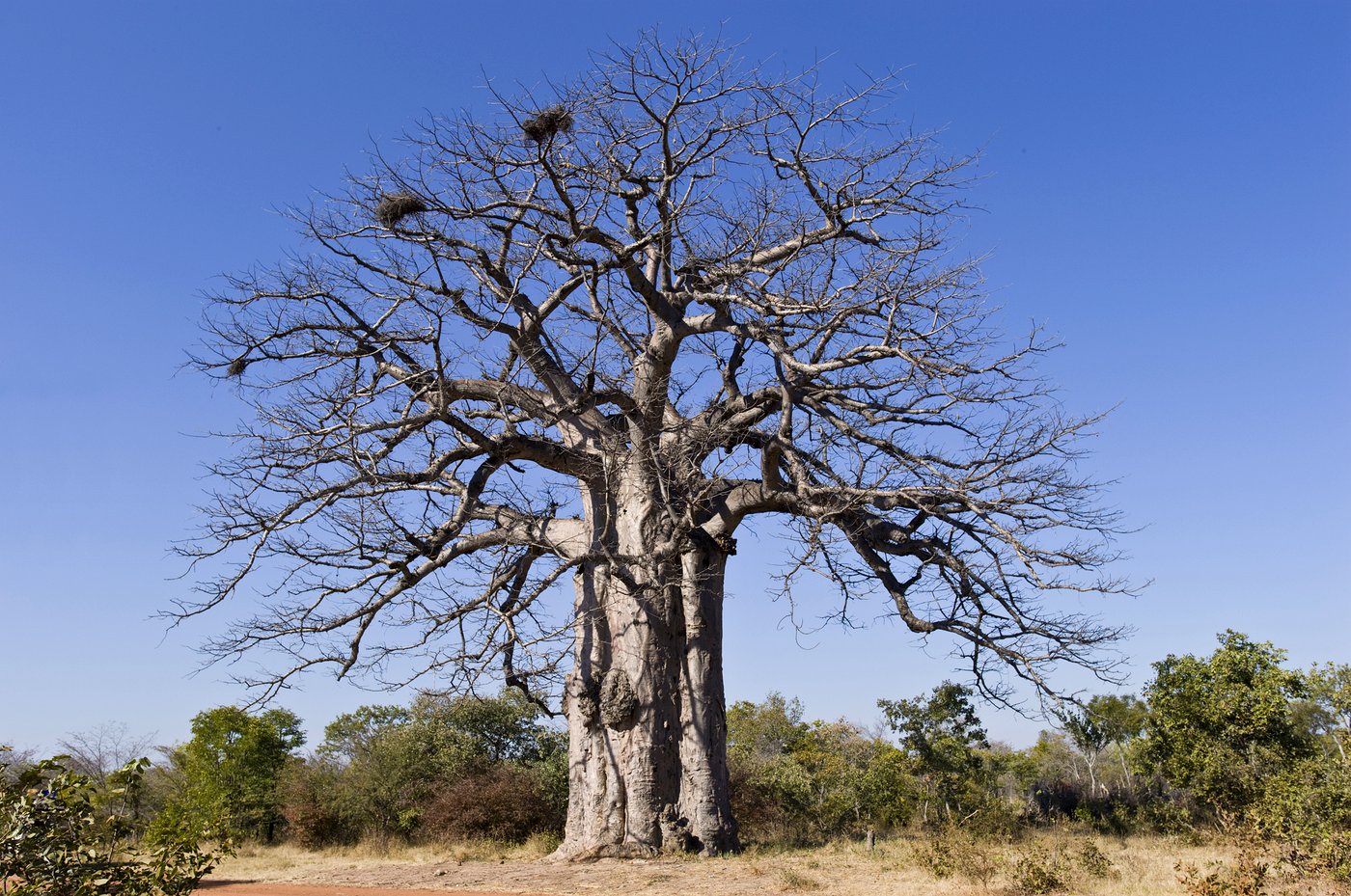
In the southwest highlands near Lubango, Bicuar protects miombo woodland and open plains that hold one of Angola’s most important populations of black-faced impala — a subspecies endemic to the Angola–Namibia border region — alongside roan antelope, sable (the common subspecies), giraffe, elephant and a suite of smaller mammals and birds. Visitor infrastructure is limited; most trips are expedition-style with fly-camping or basic park facilities. Bicuar rewards travellers who already know the classic parks and want something genuinely different.
4. Cameia National Park — Okavango headwaters and wetlands
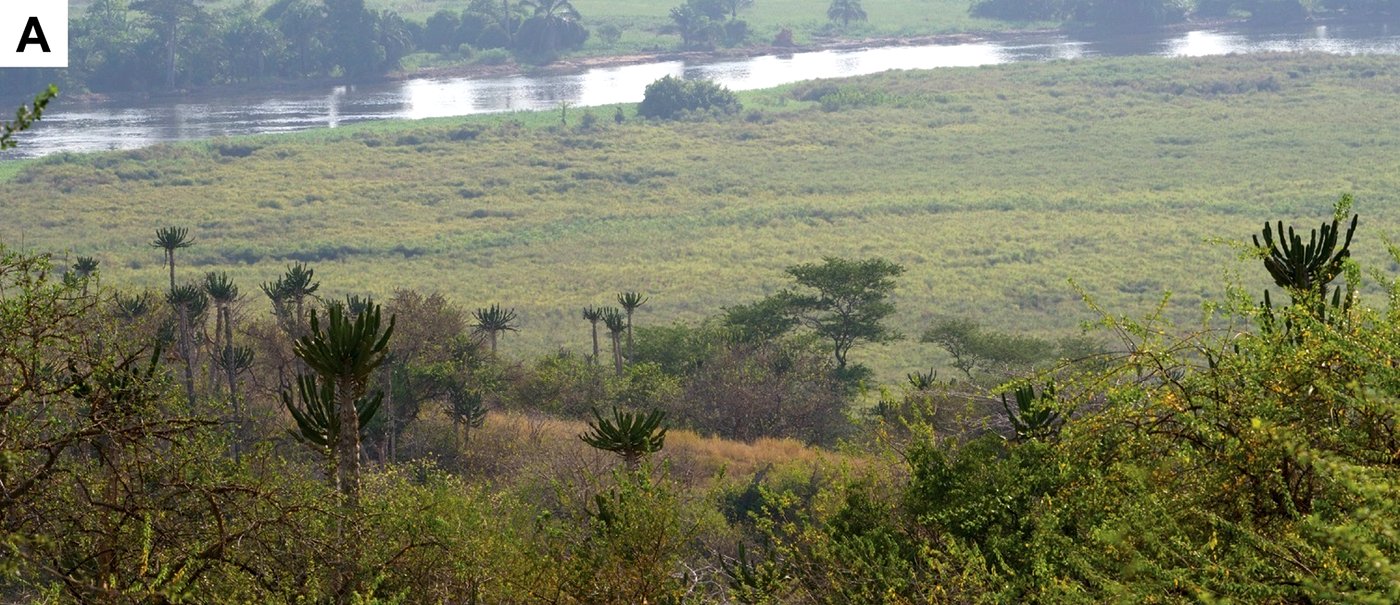
In the far east, Cameia sits on the headwaters of the Okavango system — the same waters that eventually flood Botswana’s famous delta. The park protects seasonal floodplains, lagoons and woodland that hold sitatunga, lechwe, reedbuck, and exceptional birdlife. It is remote even by Angolan standards, with very limited tourism infrastructure, and is best approached as part of a specialist multi-park expedition rather than a standalone first trip. For wetland enthusiasts and birders, it is a blank spot on the map worth filling.
5. Cangandala National Park & Luando Reserve — home of the Giant Sable
Critical clarification for planners: the Giant Sable antelope is not found in Iona or Kissama. Angola’s national animal survives in the central highlands — primarily Cangandala National Park and the Luando (Luando River) Integral Nature Reserve in Malanje province. Estimates put the wild population in the low hundreds (often cited around 200–300), making every sighting extraordinary. Access is tightly managed for conservation reasons; specialist operators arrange tracking with local scouts and researchers. If Giant Sable is your primary reason for coming to Angola, say so at the briefing stage so the itinerary is built around Cangandala/Luando rather than the desert parks.
6. Kalandula Falls — Africa’s second-tallest curtain waterfall
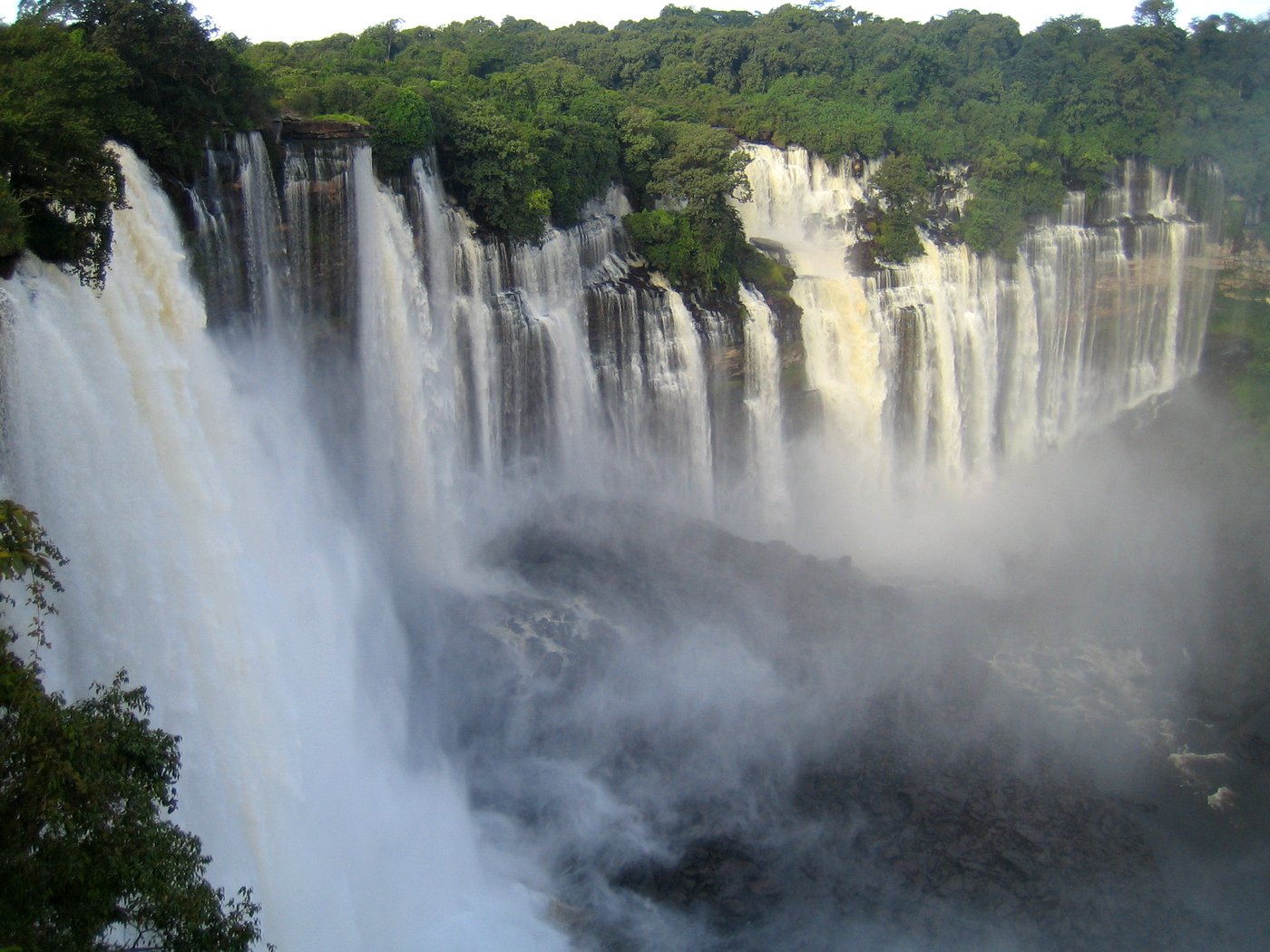
On the Lucala River in Malanje province, Kalandula (Calandula) Falls drops roughly 105 metres across a wide basalt ledge — often ranked as Africa’s second-tallest waterfall by height of the main curtain. In the wet season the volume is thunderous; in the dry season the rock face and pools are more approachable. It pairs naturally with a Giant Sable itinerary in the same province and is one of Angola’s most photogenic non-safari landmarks. Basic viewing infrastructure exists; luxury is not the point.
Signature Angola Safari Experiences
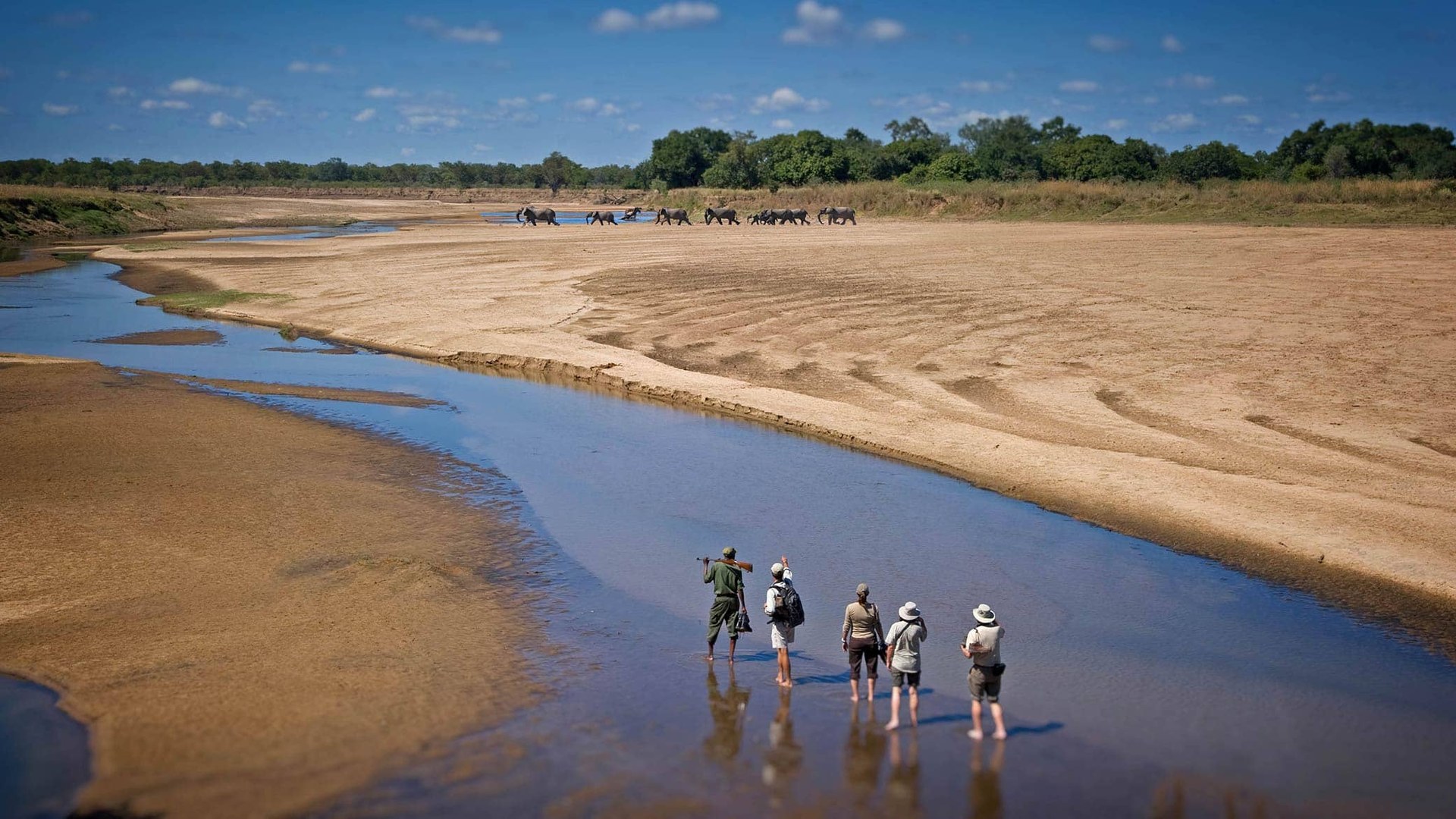
- Giant Sable tracking — walking or vehicle-based tracking of Angola’s endemic national symbol in Cangandala and Luando with specialist guides.
- Namib Desert exploration in Iona — dune drives, Welwitschia walks, coastal fog mornings, oryx and springbok on open plains, brown hyena at dusk.
- Kissama elephant safari — game drives in the park that received Operation Noah’s Ark, with elephants as the flagship recovery species.
- Black-faced impala and highland game — Bicuar’s miombo and plains for a subspecies few travellers ever photograph.
- Kalandula Falls — a full morning or afternoon at one of Africa’s great waterfalls, ideally combined with Malanje highland travel.
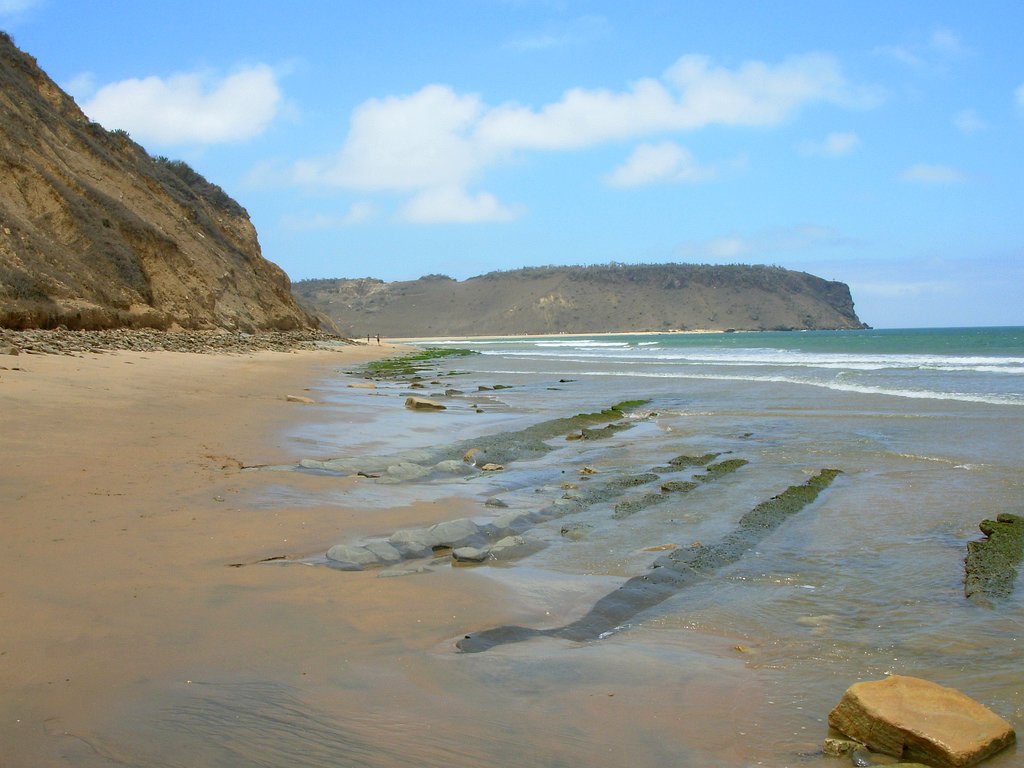
- Coastal wildlife and Atlantic shores — Cabo Ledo, the Kwanza mouth and Iona’s desert coast for a safari-and-sea contrast no East African circuit can match.
- Birding — Angola holds exceptional endemism and near-endemism for birders; specialist birding itineraries (separate from classic game safaris) are increasingly available.
- Expedition fly-camping — mobile camps in Iona, Bicuar and Cameia for travellers who prefer canvas and stars over fixed lodges.
Wildlife of Angola — What You Can Realistically See
Headline endemics and specialties: Giant Sable (Cangandala/Luando only), black-faced impala (Bicuar and border region), Angolan giraffe, desert-adapted oryx and springbok (Iona), brown hyena and black-backed jackal (Iona coast).
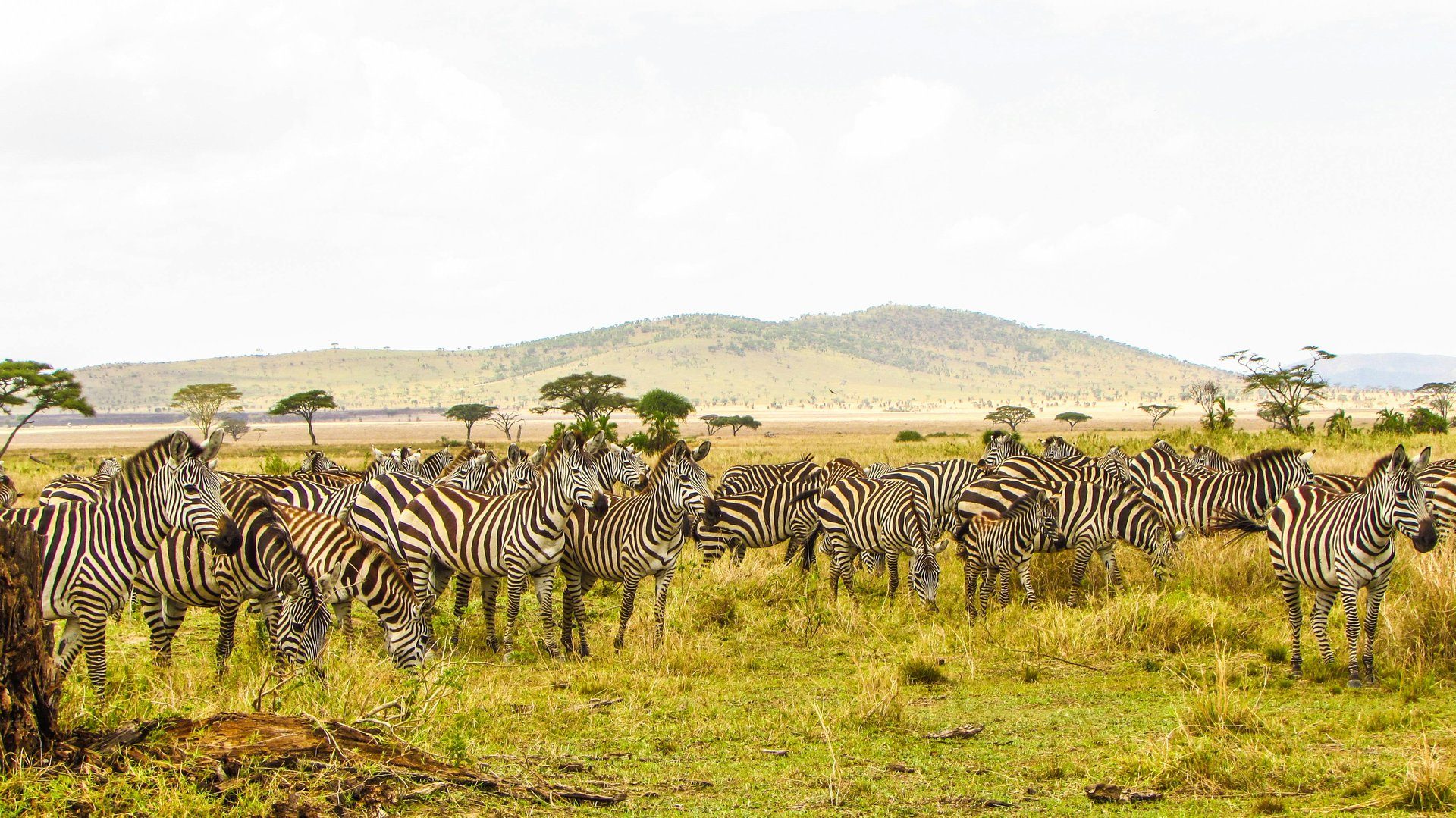
Recovering classic safari species: African elephant (Kissama, Bicuar, parts of the interior), buffalo, roan antelope, common sable, zebra, warthog, and a slowly rebuilding predator guild (lion and leopard present but sightings are not guaranteed the way they are in private South African reserves).
Wetland specialists: sitatunga, lechwe, reedbuck and outstanding waterbirds in Cameia and along major river systems.
Honest expectation setting: Angola is not a Big Five tick-list destination. Densities are lower than the classic circuits. Sightings can require patience, long drives and a willingness to celebrate antelope, desert specialists and landscapes as much as predators. That is a feature for the right guest and a frustration for the wrong one.
Where to Stay — Lodges, Camps and the Honest Reality
Angola’s lodge inventory is still thin compared with Namibia, Botswana or South Africa. That is the single most important accommodation fact to absorb before you budget or brief a designer.
- Kissama Lodge and park camps — the most established option near Luanda, with game drives into Kissama National Park. Comfortable rather than ultra-luxury; the right base for short trips and first-timers.
- Iona expedition camps — mobile or seasonal camps operated by specialist desert outfits. Think quality canvas, skilled guiding, and logistics that matter more than thread count. Fixed luxury lodges inside Iona remain limited.
- Fly-camps and mobile safaris — the dominant model for Bicuar, Cameia and multi-park routes. Operators such as those featured by Expert Africa, Yellow Zebra and Wild Frontiers typically package guiding, camping and charters together.
- Luanda hotels — international-standard hotels in the capital bookend almost every itinerary (pre- and post-safari nights). Budget for business-hotel rates, not backpacker hostels.
- Malanje / Kalandula basics — simple guesthouses and lodges near the falls and Giant Sable reserves; do not expect Okavango-level design hotels.
When operators quote “luxury Angola,” read the fine print. True high-end product exists in pockets and is growing, but the country’s current strength is expedition comfort and exclusivity, not spa menus. We design itineraries around the best available camps for each park rather than forcing a lodge brand that does not yet exist on the ground.
Sample Angola Safari Itineraries
7 Nights — Angola Discovery
The essential introduction. Fly into Luanda (LAD), overnight, then Kissama for elephants and the recovery story (2–3 nights), charter or road south toward Namibe and into Iona for desert wilderness (3–4 nights), return via Luanda. Ideal first Angola safari for travellers who want both the accessible park and the flagship desert. See our Angola Discovery 7-night package.
10 Nights — Angola Expedition
Adds depth: Kissama, a fuller Iona immersion, and a Malanje extension for Kalandula Falls plus specialist Giant Sable tracking in Cangandala/Luando where permits and seasons allow. The sweet spot for photographers and travellers who want endemic species, not just landscapes. See our Angola Grand Expedition 10-night package.
12 Nights — Angola Immersion
The full multi-park circuit for first-movers: Kissama, Iona, Bicuar or highland time, Malanje (Giant Sable + Kalandula), and — for specialists — a Cameia or far-east wetland add-on. Requires multiple charters and a high tolerance for logistics. Built for travellers who have already done the classic circuits and want the map’s blank spaces.
All itineraries are private or small-group by nature; scheduled tourist departures are rare. We lock charter seats and camp space 6–12 months ahead for peak dry-season travel.
How Much Does an Angola Safari Cost?
Angola is a premium-priced destination primarily because of charters, thin lodge inventory and long distances — not because every camp charges Singita rates. Realistic 2026 landed budgets:
- 7 nights (Angola Discovery): roughly USD 8,000–12,000 per person sharing.
- 10 nights (Angola Expedition): roughly USD 12,000–16,000 per person sharing.
- 12 nights (multi-park immersion): roughly USD 16,000–20,000+ per person sharing.
Cost drivers (typical ranges):
- Domestic charters and light-aircraft seats: USD 2,000–3,000+ per person across a multi-park trip.
- Lodge / camp nights: USD 400–1,000+ per person per night depending on whether you are in Kissama-style fixed camps or full-service desert fly-camps.
- Park fees, conservation contributions and specialist Giant Sable guiding: bundled into most packages; confirm line items.
- Luanda hotel nights (pre/post): USD 150–400 per room per night at international hotels.
Typically included: domestic charters as specified, accommodation, meals, guided activities, park fees, and ground transfers. Typically excluded: international flights into Luanda, Angola visa, premium drinks, tips, travel insurance with medical evacuation, and any extensions. Always demand a line-item quote — charter fuel surcharges and seasonal camp openings move numbers.
| Comparison | Angola | Namibia | Botswana |
|---|---|---|---|
| Signature draw | Giant Sable, Iona desert-coast, first-mover scarcity | Etosha, Skeleton Coast, dunes, self-drive culture | Okavango Delta, dense predators, mokoro |
| Infrastructure | Developing; lodges scarce; charters essential | Mature roads + excellent lodge network | Mature fly-in luxury camp network |
| 7–10 night budget (pp) | USD 8,000–16,000 | USD 4,000–12,000 | USD 8,000–20,000+ |
| Best for | Adventurous first-movers, endemics, empty wilderness | Landscapes, self-drive, family desert trips | Predator action, water safari, polished luxury |
| Crowd levels | Very low | Low–moderate (Etosha higher) | Low in private concessions; higher in Moremi peak |
Best Time to Visit Angola
Angola straddles tropical and subtropical zones, but for safari the rule is simple:
- Dry season (May–October): the prime window. Cooler temperatures inland, better wildlife concentration near water, firmer roads and airstrips, and the most reliable access to Iona, Kissama and the highland parks. June to September is the classic peak.
- Shoulder edges (late April, early November): can work with flexible routing; greener landscapes, fewer travellers, some risk of early or late rains affecting remote roads.
- Wet season (November–April): lush, dramatic skies, excellent birding and full Kalandula flow — but many remote tracks become difficult or impassable, malaria risk rises, and some mobile camps close. Specialist trips still run; classic multi-park circuits are harder.
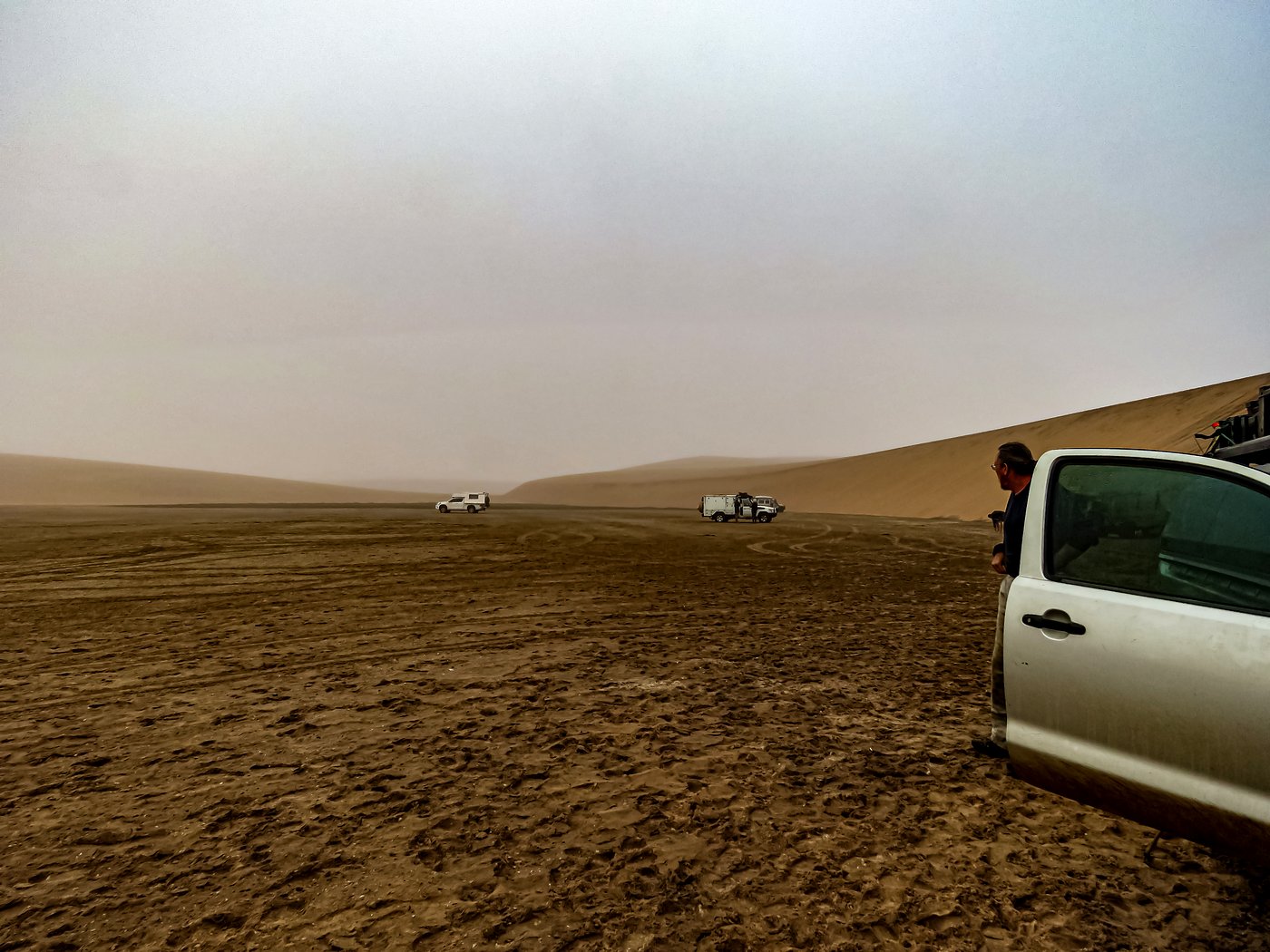
Coastal Iona has its own microclimate: cold ocean fog (the cacimbo influence) can blanket mornings even in the dry season — pack layers. Inland Malanje and the highlands are cooler at night than Luanda’s humid coast.
Getting There & Around
Fly internationally into Luanda (Aeroporto Internacional 4 de Fevereiro, LAD) on carriers that typically route via Lisbon, Johannesburg, Addis Ababa, Dubai or other African hubs. Visa-on-arrival is not the default for most nationalities — arrange your visa in advance (see below).
From Luanda, almost every serious safari uses a mix of:
- Scheduled domestic flights to provincial towns (Namibe/Moçâmedes, Lubango, Malanje) where available.
- Light-aircraft charters into park airstrips — the backbone of multi-park itineraries and the main cost driver.
- 4x4 road transfers for Kissama (easy from Luanda) and some Iona approaches; self-drive tourism is possible for experienced travellers but is not the default luxury product.
Internal logistics are why Angola safaris are sold as packaged journeys rather than loose hotel hoppers. Your operator should own the charter plan, not leave you to assemble it.
Visas, Health & Practicalities
- Visa: most travellers require an Angola visa arranged in advance through an embassy/consulate or approved e-visa channel. Start early; processing times vary. Your operator supplies invitation support where needed.
- Yellow fever: a valid yellow fever vaccination certificate is mandatory for entry. Carry the physical card.
- Malaria: risk is present across much of the country; take prophylaxis, use repellent, and sleep under nets where provided.
- Other health: routine vaccinations up to date; hepatitis A/B and typhoid often recommended. Drink bottled or treated water.
- Insurance: comprehensive travel insurance with medical evacuation is non-negotiable given remote park locations.
- Money: the kwanza (AOA) is the local currency; USD is widely referenced in tourism pricing. Cards work in Luanda hotels; cash matters once you leave the city. Bring crisp, recent-issue USD notes as backup.
- Language: Portuguese is the official language. English is spoken in tourism pockets but is not universal — guiding teams on quality safaris will bridge the gap.
- Safety: organised safari circuits in the parks listed here are considered appropriate for travellers with reputable operators. Landmine risk persists in some non-tourism rural areas from the war era — stay on established routes and never walk off-track without a guide. Check current advisories before you travel.
What to Pack
Pack for expedition conditions with a desert-and-savanna layering system:
- Neutral, lightweight long sleeves and trousers (sun + tsetse/mosquito protection).
- Warm fleece or down jacket for cold Iona fog mornings and highland nights.
- Waterproof shell (sudden Atlantic weather and wet-season storms).
- Broken-in hiking boots plus sandals for camp.
- Wide-brim hat, high-SPF sunscreen, quality sunglasses (desert glare is serious).
- Binoculars (8x or 10x), camera with dust protection, spare batteries.
- Headtorch, universal adaptor, power bank.
- Soft-sided duffel for charters (strict weight limits — confirm allowance; often 15–20 kg).
- Personal medical kit including malaria prophylaxis, oral rehydration, blister care.
Leave hard-shell suitcases at home. Leave expectations of daily laundry and perfect Wi-Fi in Iona at home too.
Conservation — The Post-War Rebuild
Angola’s parks are a living recovery project. Civil war (1975–2002) devastated wildlife through bushmeat hunting, ivory poaching and the collapse of management. The turnaround has been uneven but real:
- Kissama Foundation and Operation Noah’s Ark demonstrated that large-mammal restoration was possible by airlifting elephants and other species into Quiçama — a model still cited across African conservation.
- Giant Sable conservation in Cangandala and Luando combines anti-poaching, genetic management (including careful hybridisation control with common sable), community engagement and tightly limited tourism access.
- Iona and coastal desert protection safeguards a unique Namib ecosystem and desert-adapted fauna at the Atlantic edge.
- Transfrontier and landscape approaches increasingly link Angolan parks with Namibian and Zambian neighbours along shared river and desert systems.
Responsible tourism revenue — even at today’s modest visitor volumes — helps fund patrols, gives communities alternatives to bushmeat, and keeps political attention on parks that could otherwise be degazetted or ignored. Travel with operators who employ local guides, pay park fees transparently, and respect Giant Sable viewing protocols.
A Day on Safari in Angola
No two parks feel the same, but a well-run Angola safari day has a rhythm. In Kissama you might leave camp at first light for a game drive along the Cuanza floodplain, glassing for elephant family groups that still carry the genetic legacy of the Noah’s Ark founders, then return for a late breakfast and a heat-of-day rest while the bush goes quiet. Afternoon drives push toward riverine thickets and open clearings; nights are simple, Portuguese wine optional, the Luanda skyline a distant rumour.
In Iona the day starts colder. Coastal fog can sit on the desert until mid-morning, turning oryx and springbok into silhouettes. Guides read tracks in soft sand, stop for Welwitschia plants that look prehistoric because they are, and time the run to the Atlantic shore for when the light goes silver. Lunch is often a shaded fly-camp stop rather than a lodge deck. Afternoons belong to longer dune and plain traverses; evenings to brown hyena possibilities and a sky unpolluted by city glow. There is no spa menu. There is wind, salt, and the sense that the map still has blank ink.
On a Giant Sable day in Malanje the pace slows to tracking speed. You work with scouts who know which drainage the bulls favour in the dry season, glass ridgelines, and accept that a clean sighting of a mature male with those impossible scimitar horns may take hours — or may not come until the second morning. That uncertainty is the ethical price of visiting a population measured in hundreds. When it pays off, it is one of the great antelope encounters left on Earth.
Who Runs Angola Safaris?
Unlike Botswana or Kenya, Angola does not yet have a deep bench of household-name lodge groups on every pan. The product is assembled by specialist operators and ground teams who understand charters, park permissions and the difference between a marketing brochure and a passable airstrip. Names that regularly appear in serious Angola planning include the itineraries and ground networks featured by Expert Africa, Yellow Zebra Safaris and Wild Frontiers, alongside local Angolan partners who hold the relationships inside Kissama, Iona and the Malanje reserves.
What you should demand from any operator quoting Angola:
- Named camps or mobile-camp partners for each night — not vague “desert camping” language.
- A written charter plan with aircraft type, baggage allowance and contingency for weather delays on the coast.
- Clear Giant Sable protocol if that species is promised (who guides, group size, backup days).
- Park fee and conservation contribution line items.
- Evacuation insurance requirements and the nearest suitable medical facilities to each park.
- Portuguese-speaking ground support in Luanda for airport and hotel transitions.
We design Angola journeys the same way we design Congo Basin and remote Namibian circuits: logistics first, lodge brochure second. If a quote looks dramatically cheaper than the ranges in this guide, ask which charter legs were removed.
Photography & What Makes Angola Different on Camera
Angola rewards landscape and endemic-species photographers more than pure predator action shooters. Iona delivers horizontal drama — dune lines, fog banks, oryx against empty flats, Atlantic light that turns cold and metallic. Kissama and the interior give warmer miombo tones, elephant dust, and river reflections on the Cuanza. Kalandula is a wide-curtain waterfall problem: bring a wide angle, a tripod-capable setup if your camp allows, and patience for rainbow spray in hard sun.
Giant Sable photography is a privilege problem, not a hide problem. Expect longer lenses (400mm-class and up), ethical distance, and guides who will abort an approach rather than stress animals. Dust is constant in the dry season; sealed camera bags and blower brushes matter more than a second camera body. Drone use is restricted or prohibited in many parks — confirm before you pack one.
For birders and mammal specialists building a life-list trip, Angola’s value is scarcity: black-faced impala, Giant Sable, desert coastal guilds and a bird list with serious endemic potential on dedicated itineraries. Budget extra days rather than extra lodges.
Luanda, Culture & the Journey Between Parks
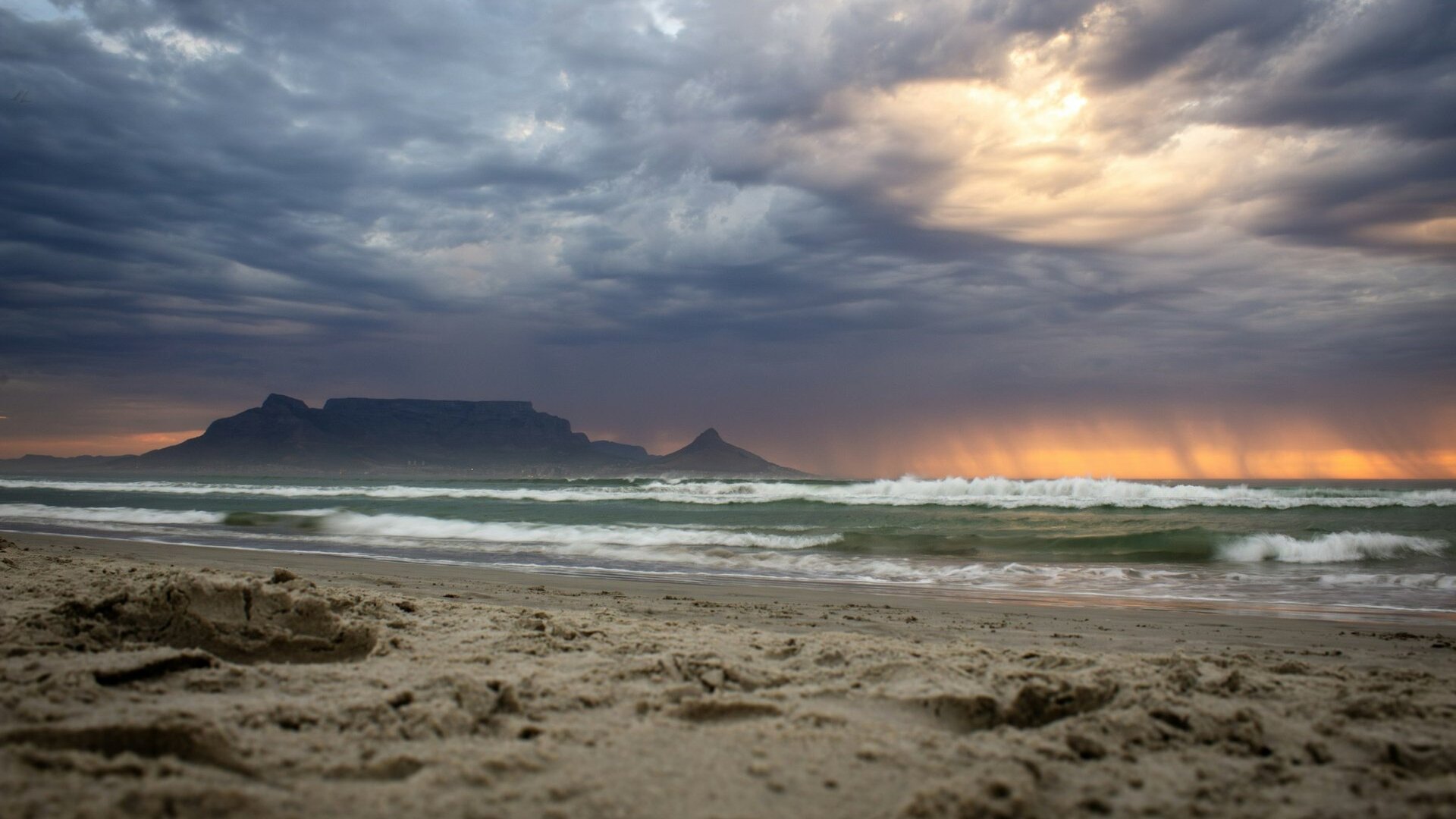
Almost every safari begins and ends in Luanda, a dramatic Atlantic capital of hills, fortresses and a bay that once anchored the Portuguese colonial project in West-Central Africa. One night on either side of the bush is practical; two nights lets you decompress, visit the Fortaleza de São Miguel, walk the marginal waterfront and eat proper seafood before the charter south or east. Luanda is not a safari attraction in itself the way Cape Town is, but it is a real African metropolis with music, markets and a complex modern history worth a guided half-day if your international flights allow.
Between parks the story is distance. Angola is enormous. The jump from Kissama to Iona, or from Luanda to Malanje for Kalandula and Giant Sable, is not a scenic hour’s transfer — it is a planning problem solved with aircraft. That is why sample itineraries in this guide are built in 7-, 10- and 12-night blocks rather than loose day counts. Padding a single buffer night in Luanda or a provincial town is often wiser than stacking every night in the bush and praying the fog lifts for the outbound charter.
Portuguese colonial and post-independence layers show up in architecture, cuisine (think grilled fish, funge, rich stews) and the administrative culture of parks. A few words of Portuguese — bom dia, obrigado, por favor — go further than they do in anglophone safari countries. Your guiding team will handle the rest.
Who Should Go — and Who Should Wait
Go now if you: have already safaried in East or Southern Africa and want something scarcer; care about endemic antelope and desert-coast ecosystems; are comfortable with expedition camping or simple lodges; can budget at the upper mid to premium tier; and value empty wilderness over guaranteed predator sightings.
Wait — or choose Namibia/Botswana instead — if you: are on a first safari and want high-density Big Five action; need daily spa and fine-dining polish; are travelling with very young children who require predictable schedules and medical proximity; or cannot accept that some days will be about landscape and tracking rather than constant sightings.
Families with older teens who hike, tolerate early starts and like real adventure can thrive on a Kissama-plus-Iona itinerary. Multi-generational groups that need interconnecting suites and wheelchair-friendly paths should look at South Africa or Kenya first, then reconsider Angola as a future chapter.
How to Book & Plan Timeline
- 12 months out (peak dry season): lock concept (Discovery vs Expedition vs Immersion), preferred parks, and rough charter routing. Giant Sable interest must be flagged now.
- 9–10 months out: reserve camp space and charter seats; begin visa documentation; schedule yellow fever if needed.
- 6 months out: confirm international flights into LAD with open-jaw options if combining Namibia or South Africa; buy evacuation-capable insurance.
- 3 months out: finalise rooming, dietary needs, camera/charter weight plans; pay remaining balances per operator terms.
- 1 month out: reconfirm visas, vaccine card, pack lists, and Luanda hotel meet-and-greet details.
Shoulder-season and wet-season specialist trips can compress this timeline, but charter availability still governs everything. Angola rewards the traveller who plans like an expedition, not like a weekend city break.
Beyond the Parks — Extensions Worth Considering
- Namibia extension: continue south from Iona into Namibian desert products (Skeleton Coast, Kaokoveld, Sossusvlei) for a full Namib system journey.
- Zambia / Victoria Falls: open-jaw out of Luanda toward Livingstone or Kasane if you want water and polished lodges after Angola’s raw edges.
- São Tomé & Príncipe: a Portuguese-linked island coda for beach and rainforest after the bush — logistically separate but culturally resonant.
- Birding add-ons: dedicated Angolan endemic birding routes (often with specialist guides) can precede or follow a classic game safari; they are a different product with different pacing.
We sequence extensions so hard bush days are not immediately followed by another red-eye connection. Recovery nights in Luanda or Windhoek are not wasted nights — they are how you arrive alive for the next chapter.
Our Honest Take
Angola is not for everyone, and we would rather lose a booking than oversell it. Infrastructure is still rebuilding. Luxury lodges are scarce. Charters are expensive. Wildlife densities are lower than the Okavango or the Masai Mara. Portuguese matters more than English outside the tourism bubble. Some roads are rough, some camps are simple, and some days end with fewer sightings than a private South African reserve delivers before breakfast.
And yet — if you have already done the classic circuits, if endemic antelope and empty desert coasts move you more than guaranteed lion kills, if you want to tell a story from a country your friends cannot pronounce on the map, Angola is extraordinary. Iona at dawn, a Giant Sable bull in the miombo, elephants in a park that had to fly them home, Kalandula in full voice: these are not experiences you can buy on a standard East African group tour.
Come with patience, a flexible spirit and a good operator. Leave with dust on your boots and a passport stamp that still means something.
Frequently Asked Questions
When is the best time to visit Angola for safari?
May to October (dry season) is best for wildlife viewing, road access and desert travel in Iona. June to September is the classic peak. The wet season (November–April) is greener and better for waterfalls and birding but harder for remote logistics.
How much does an Angola safari cost?
Plan on roughly USD 8,000–20,000 per person for a 7–12 night journey, driven largely by domestic charters (often USD 2,000–3,000 pp) and limited camp inventory. International flights, visa and insurance are extra.
Which park should I visit first?
Kissama for accessibility and elephants near Luanda; Iona for the flagship desert-meets-ocean wilderness; Cangandala/Luando if Giant Sable is your priority. Most first trips combine Kissama and Iona over 7–10 nights.
Where can I see the Giant Sable antelope?
Only in Angola’s central highlands — primarily Cangandala National Park and the Luando Reserve in Malanje province. They are not in Iona or Kissama. Access is specialist and conservation-controlled; book through operators experienced with the reserves.
Is Angola safe for safari travellers?
Organised safari circuits with reputable operators in established parks are considered appropriate for travellers. Stay on guided routes, avoid unmarked rural walking (historic landmine risk in some non-tourism areas), and follow current government travel advisories. Luanda has normal big-city precautions.
Are there luxury lodges in Angola?
Options are limited compared with Botswana or South Africa. Kissama Lodge and a handful of camps offer comfortable bases; Iona and remote parks rely more on expedition and mobile camps. Ultra-luxury inventory is growing but still scarce — expect exclusivity and wilderness over spa polish.
Do I need a visa and yellow fever certificate?
Yes on both counts for most travellers. Arrange the Angola visa in advance and carry a valid yellow fever vaccination card. Malaria prophylaxis and medical-evacuation insurance are strongly recommended.
How does Angola compare to Namibia?
Namibia offers mature self-drive infrastructure, iconic dunes and Etosha’s pan. Angola offers the same Namib desert system at its Atlantic edge (Iona), plus Giant Sable, Kissama’s recovery story and far fewer visitors — at the cost of harder logistics and thinner lodge choice. Many travellers combine both countries.
Can I combine Angola with Namibia or Botswana?
Yes. Namibia pairs naturally via the southern desert corridor; Botswana pairs as a polished predator-and-delta contrast after Angola’s raw wilderness. We design cross-border itineraries with open-jaw internationals and carefully timed charters.
Who is an Angola safari best suited for?
Adventurous travellers, second- or third-time safari guests, endemic-species seekers, photographers who value empty landscapes, and anyone who prefers first-mover stories over polished predictability. It is less ideal for first-time safari families wanting guaranteed Big Five action and resort-level amenities.