Key Takeaways
- The best time to visit Madikwe Game Reserve for wildlife is the dry winter, roughly May to September — thin bush, animals drawn to waterholes and cool, clear game drives deliver the reserve's most reliable Big Five and wild dog sightings
- June to August is the peak of the peak: it overlaps the African wild dog denning season, when the pack anchors to a single den and viewing of Madikwe's most famous predator is at its best
- The green summer season (October to April) is quieter and often cheaper, and rewards you with newborn impala and wildebeest, spectacular migrant birdlife, dramatic thunderstorms and lush emerald scenery — the photographer's and birder's window
- Madikwe is completely malaria-free and a genuine year-round destination — roughly 3.5–4 hours from Johannesburg — so there is no bad month; the season simply shapes what you see and what you pay
- Winter days are warm but dawn game drives are genuinely cold (often 2–6°C) — pack proper layers; summer is hot with short, sharp afternoon storms
- Because winter is busiest, secure peak-season dates and family suites six to nine months ahead; for the best value, target the shoulder months of April, May, September and early October
TL;DR: The best time to visit Madikwe Game Reserve for wildlife is the dry winter of May to September, when sparse bush and shrinking water concentrate game around waterholes for superb Big Five and wild dog viewing — June to August is best of all, coinciding with wild dog denning. The green summer (October to April) is lower season: hotter, greener, cheaper, and unbeatable for newborn animals, birding and moody photography. Madikwe is malaria-free and rewarding all year, so choose your month by what matters most — game density and cool mornings (winter), or babies, birds, scenery and value (summer). Below you'll find a full month-by-month breakdown, season deep-dives, special-interest timing (wild dogs, birding, photography, families), weather and packing by season, and exactly when to book. To plan the wider trip, read alongside our Madikwe Game Reserve safari guide and Madikwe safari packages & prices.
Ask a Madikwe ranger when you should visit and you'll get an honest answer: it depends on what you want to see. Madikwe Game Reserve is a genuine year-round, malaria-free wilderness, and it rewards visitors in every month of the calendar. But the reserve wears two very different faces across the year, and knowing which one you're chasing is the single most important decision you'll make when planning. Get the timing right and you tilt the odds firmly in your favour.
In short: the best time to visit Madikwe for classic Big Five wildlife viewing is the dry winter, from around May to September. This is when the bushveld thins, seasonal pans dry up, and animals are forced to concentrate around the reserve's permanent waterholes — making them far easier to find. Cool, cloudless mornings, low grass and bare trees combine to produce Madikwe's most reliable game viewing of the year. If your dream is lion, elephant, rhino, buffalo and the reserve's celebrated African wild dogs in quick succession, winter is your season.
But that's only half the story. The green summer season, October to April, transforms Madikwe into a lush, emerald landscape alive with newborn animals, migratory birds and dramatic afternoon storms. It's quieter, frequently cheaper, and it's the window serious photographers and birders quietly prefer. This guide walks you through both faces of the reserve — month by month, season by season, and interest by interest — so you can choose the Madikwe that's right for you.
The Short Answer: Best Time to Visit Madikwe by Priority
| If your priority is… | Best months | Why |
|---|---|---|
| Best overall wildlife viewing | May – September | Dry bush, animals at waterholes, cool clear drives |
| African wild dogs (denning) | June – August | Pack anchored to a den; predictable, prolonged sightings |
| Birding & newborn animals | November – March | Migrant birds arrive; impala & wildebeest calving |
| Lush scenery & photography | December – March | Emerald bush, dramatic skies, golden storm light |
| Best value & fewer guests | April, May, Sept, early Oct | Shoulder-season rates, great weather, good game |
| Families with children | Any month (malaria-free) | Winter for comfort; SA school holidays for warmth |
Keep this table in mind as you read on. Below, we unpack each season in depth, then break the year down month by month so you can pin your dates with confidence.
The Dry Season (May–September): Peak Game Viewing
If there is a single "best time" to visit Madikwe Game Reserve for wildlife, this is it. As autumn tips into winter, the summer rains are long gone, the bushveld dries to gold and grey, and the reserve's ephemeral pans shrink and vanish. Water becomes the most precious resource in the landscape — and that changes everything for the safari-goer.
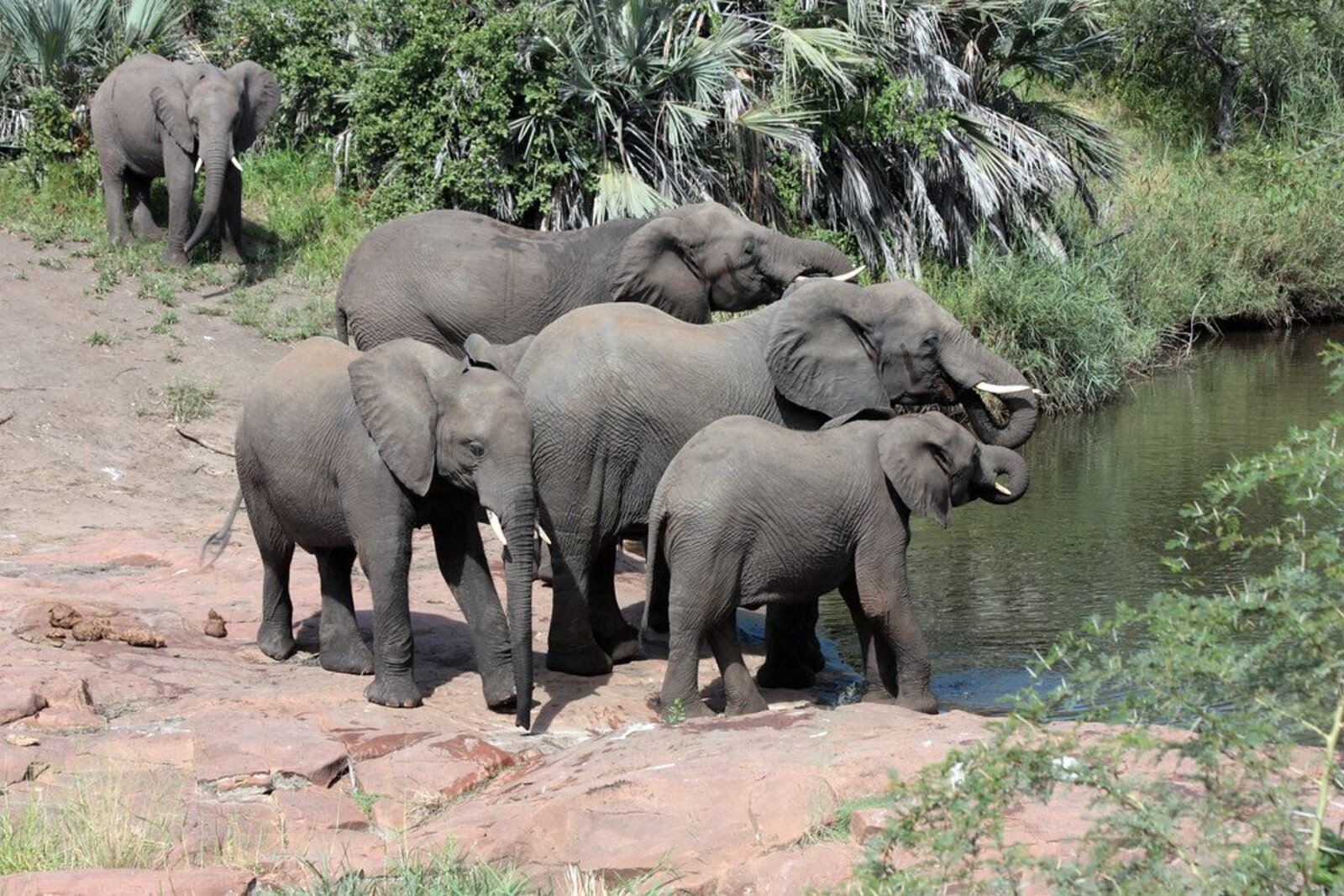
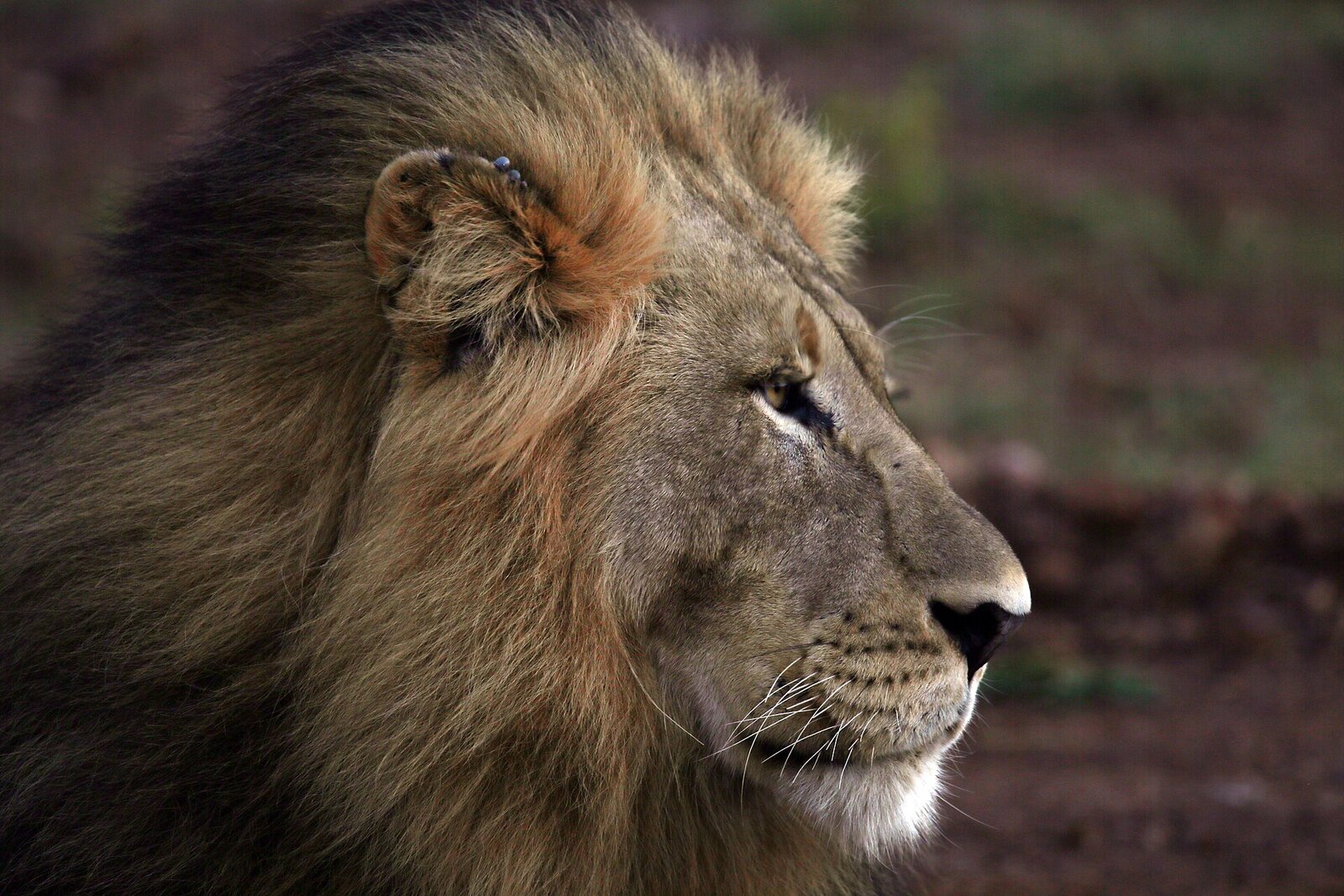
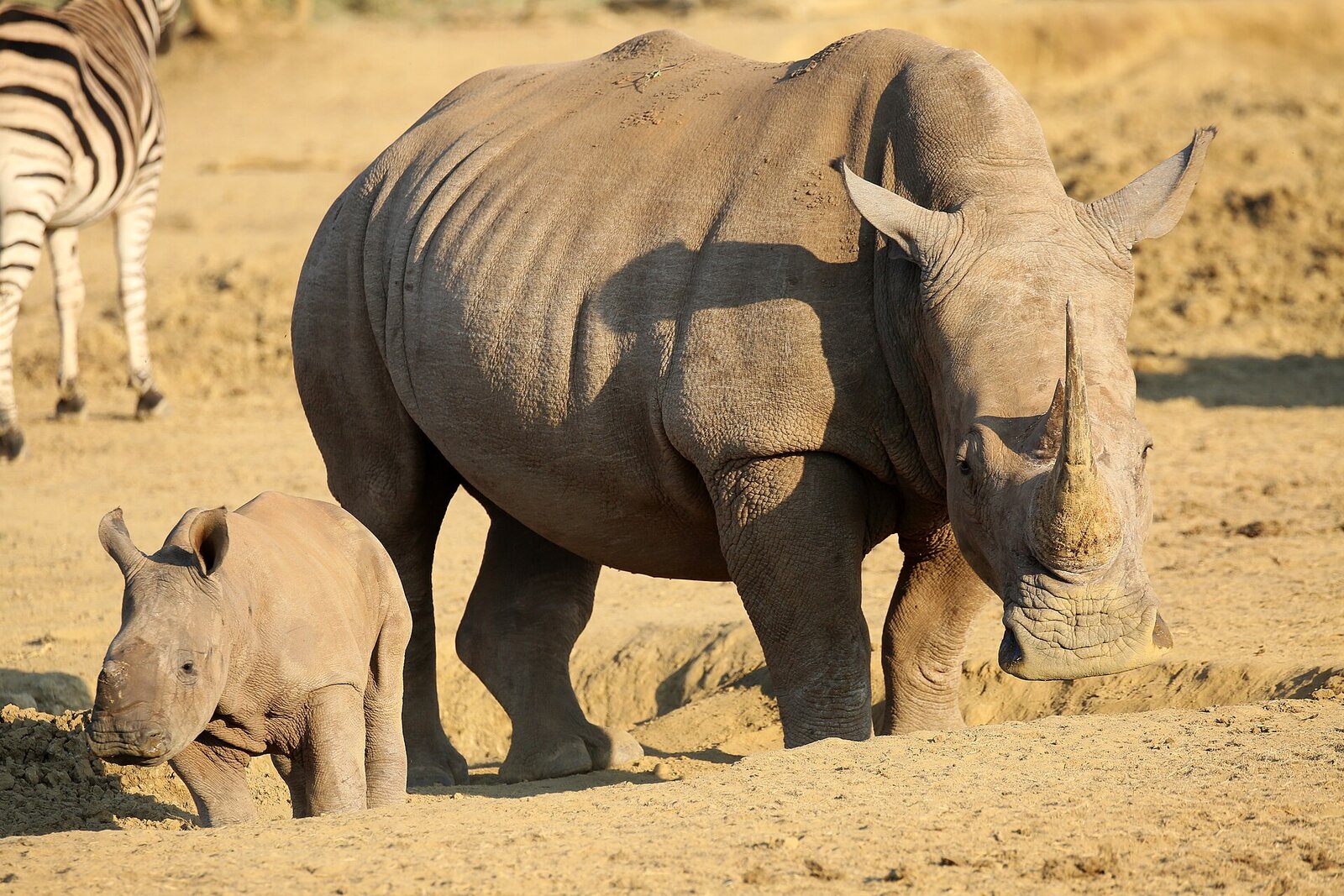
With natural water scarce, animals are drawn to the permanent waterholes and the pumped points that dot Madikwe's 75,000 hectares. Elephant herds shoulder in to drink and wallow, buffalo arrive in dusty ranks, and the predators know exactly where the prey will be. Add in the fact that the trees have shed their leaves and the grass has been grazed low, and visibility soars: you can see game at distances that would be impossible in the tangled green of summer. Sightings come faster, last longer, and are far easier to photograph.
The weather in these months is close to ideal for being out on a game vehicle. Days are warm, dry and reliably sunny, usually in the low-to-mid 20s°C, with almost no chance of rain to interrupt a drive. Humidity is low, the light is crisp and clean, and the famous Kalahari-edge skies are a deep, cloudless blue. It is comfortable, predictable safari weather — the kind you can plan a bucket-list trip around.
There is one important caveat, and every returning visitor will tell you the same thing: winter mornings are cold. Because Madikwe sits on the high interior plateau near the Botswana border, dawn temperatures on a July or August game drive frequently drop to between 2°C and 6°C, and the wind chill on an open vehicle makes it feel colder still. Lodges provide blankets, ponchos and hot-water bottles, but you must bring proper layers — a warm jacket, beanie, gloves and a scarf are not optional. By mid-morning the chill burns off and you'll be peeling those layers away in the sun.
The trade-off for that early-morning cold is the reserve at its most rewarding. This is high season for a reason: game density is at its yearly peak, the Big Five and the wider "Super Seven" (adding cheetah and wild dog) are at their most findable, and the whole rhythm of the bush bends towards the water. If your priority is simply to see as much as possible, plan for May through September.
Wild dog denning: the dry-season crown jewel
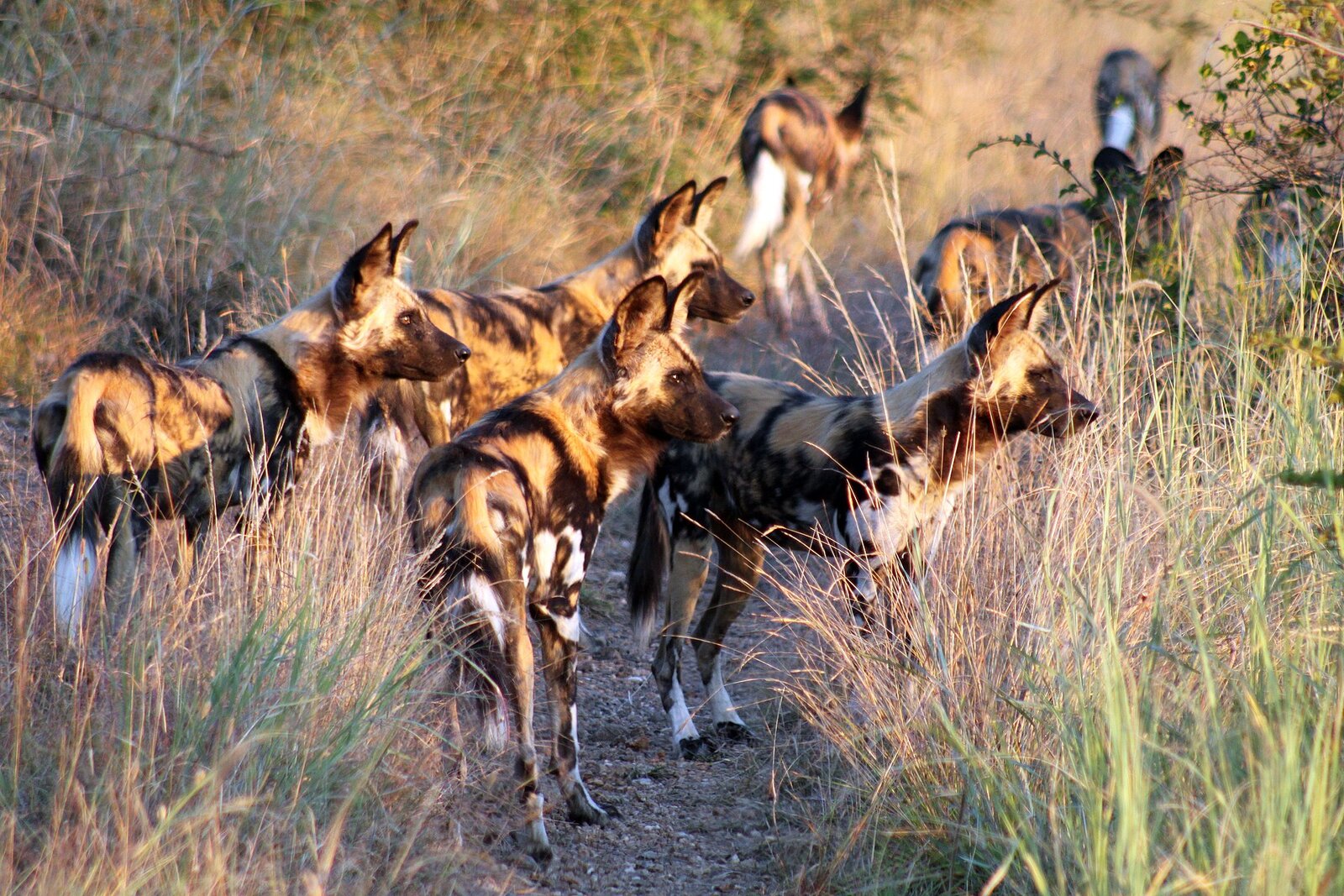
Madikwe is one of the most important strongholds on Earth for the endangered African wild dog — the "painted wolf" — and the dry season hands you the best possible chance of a truly special encounter. Wild dogs den during the southern winter, and from roughly June through August the pack anchors itself to a single underground den where the alpha female has given birth to her pups.
For the pack, denning means predictability: the adults hunt in relays and return to the same spot to regurgitate food for the pups and the babysitter left on guard. For visitors, that predictability is gold. Instead of chasing a nomadic pack across the reserve, rangers can often locate the den and position for the dawn and dusk comings and goings — the greetings, the pup play, the frantic energy of a returning hunt. It is among the most moving wildlife spectacles in southern Africa, and Madikwe delivers it about as reliably as anywhere. If wild dogs are on your list, build your trip around June to August.
The Green Season (October–April): Birds, Babies & Big Skies
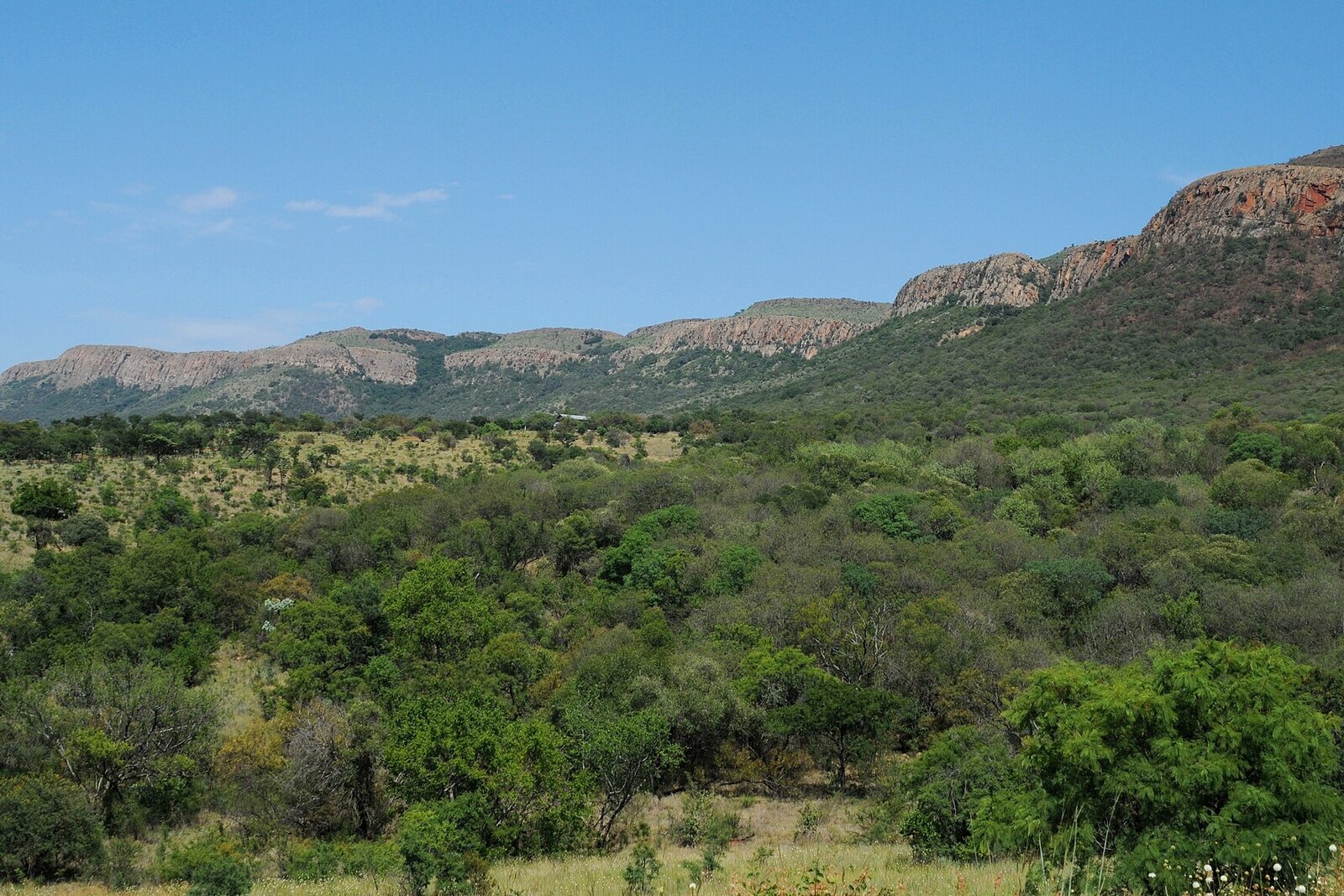
When the first summer thunderstorms break over the bushveld — usually in October or November — Madikwe undergoes a wholesale transformation. Within days the grey dormant landscape flushes green; within weeks it is a lush, humming, emerald wilderness. This is the green season, also called the emerald or low season, and while it is less famous than the dry winter, it has an ardent following among those who know the reserve well.
The headline experience of summer is new life. The rains trigger a great pulse of birth across the plains: impala, wildebeest, warthog and other plains game drop their young in a tightly synchronised burst, usually peaking from November into December. The reserve fills with wobbly-legged newborns — and, inevitably, with the predators that follow them. Lion, cheetah and wild dog hunting is often at its most active in these weeks, and while the taller grass can hide a kill, the sheer density of prey and predator activity makes for dramatic, dynamic game viewing.
For birders, summer is unequivocally the best time to visit Madikwe. The resident species are joined by a flood of intra-African and Palearctic migrants — carmine and European bee-eaters, cuckoos, Woodland kingfishers, storks and raptors — swelling the reserve's list to well over 350 species. The bush rings with birdsong, breeding plumage is at its brightest, and the birding is superb from November through March. If you travel with binoculars and a field guide, this is your window.
Photographers love the green season for different reasons. The light is extraordinary: towering cumulus clouds build through the afternoon, storms roll across the plains in curtains of rain and shafts of gold, and the low sun after a downpour lights the wet bush like a stage. Skies that are a flat, empty blue in winter become vast, theatrical canvases in summer. Combine that with green backgrounds, glossy well-fed animals and abundant babies, and you have conditions many wildlife photographers rate above the dry season.
The trade-offs are real and worth understanding. Summer is hot — daytime temperatures regularly climb into the mid-30s°C, occasionally higher, and the humidity after rain can be sapping. Rain, when it comes, arrives as short, intense afternoon thunderstorms rather than all-day drizzle, so it rarely wrecks a drive, but the thicker vegetation and dispersed water mean animals are no longer tied to the waterholes — game can be harder to find than in winter. In exchange, you'll often pay less, share sightings with fewer vehicles, and see a side of Madikwe that most visitors miss.
Madikwe Month by Month
Here is the year in detail, so you can match your available dates to the experience on the ground.
January
High summer. Hot and humid, with lush green bush and dramatic afternoon thunderstorms. Newborn plains game are everywhere and predator action is strong, though thick vegetation makes tracking harder. Excellent birding. Warm nights mean comfortable early drives. A good-value month outside the early-January SA school-holiday peak.
February
Still hot, green and humid, and often the wettest month. The bush is at its most beautiful and the birding at its best, with migrants in full breeding colour. Fewer visitors and softer rates. Game viewing takes patience, but the rewards — babies, birds, storm light — are considerable.
March
The tail of summer. Temperatures begin to ease, humidity drops, and the landscape stays green while becoming a touch more open. One of the most balanced months: pleasant weather, good birding, decent game viewing and shoulder-season value. A quietly excellent time to visit.
April
Autumn and a sweet spot. The rains taper off, the bush starts to thin, mornings turn crisp and the crowds haven't yet arrived. Comfortable daytime warmth, cool evenings, and game viewing improving by the week as water begins to concentrate animals. Superb value before the winter peak.
May
The dry season begins in earnest. Clear skies, warm days, cool mornings and steadily thinning bush. Game viewing is very good and improving; prices are still shoulder-season in early May. Many regulars consider May the single best-value month for classic wildlife viewing.
June
Winter proper. Cold dawns (wrap up warmly) give way to warm, sunny, bone-dry days. Animals gather at water, visibility is excellent, and — crucially — wild dog denning is under way. Peak-season game viewing begins. Book well ahead.
July
The heart of the dry season and arguably the best month for wildlife overall. Very cold early mornings, glorious clear days, minimal vegetation and maximum game concentration at waterholes. Prime wild dog denning. This is high season — the reserve's busiest and most rewarding month.
August
Peak conditions continue: dry, sunny, superb game viewing and ongoing wild dog activity around the dens. Mornings remain cold but begin to moderate late in the month, and winds can pick up. High season pricing and demand — reserve your lodge and family suites early.
September
Spring arrives. The reserve is at its driest and dustiest, and game concentration at water is at its absolute peak — some of the most intense sightings of the year happen now. Days warm up noticeably. An outstanding month that shades into shoulder-season value late in the month.
October
The transition month. Hot and increasingly humid, with the first storms often breaking mid-to-late month. Until the rains truly arrive, game viewing around water remains excellent, making early October a fine (and better-value) alternative to peak winter. A gambler's month with big upside.
November
Summer returns. The rains green the bush, migrant birds pour in and the calving season begins — a wonderful time for birders and for witnessing new life. Hot days, building afternoon storms. Game is more dispersed but predator action around the newborns can be superb.
December
Full green season: hot, humid, lush and alive with baby animals and birdsong. Dramatic skies for photography. The South African festive school holidays (mid-to-late December) are a busy, higher-priced pocket — book early for those dates — but the wider month offers green-season atmosphere at often-attractive rates.
Best Time for Specific Interests
For the Big Five & general game
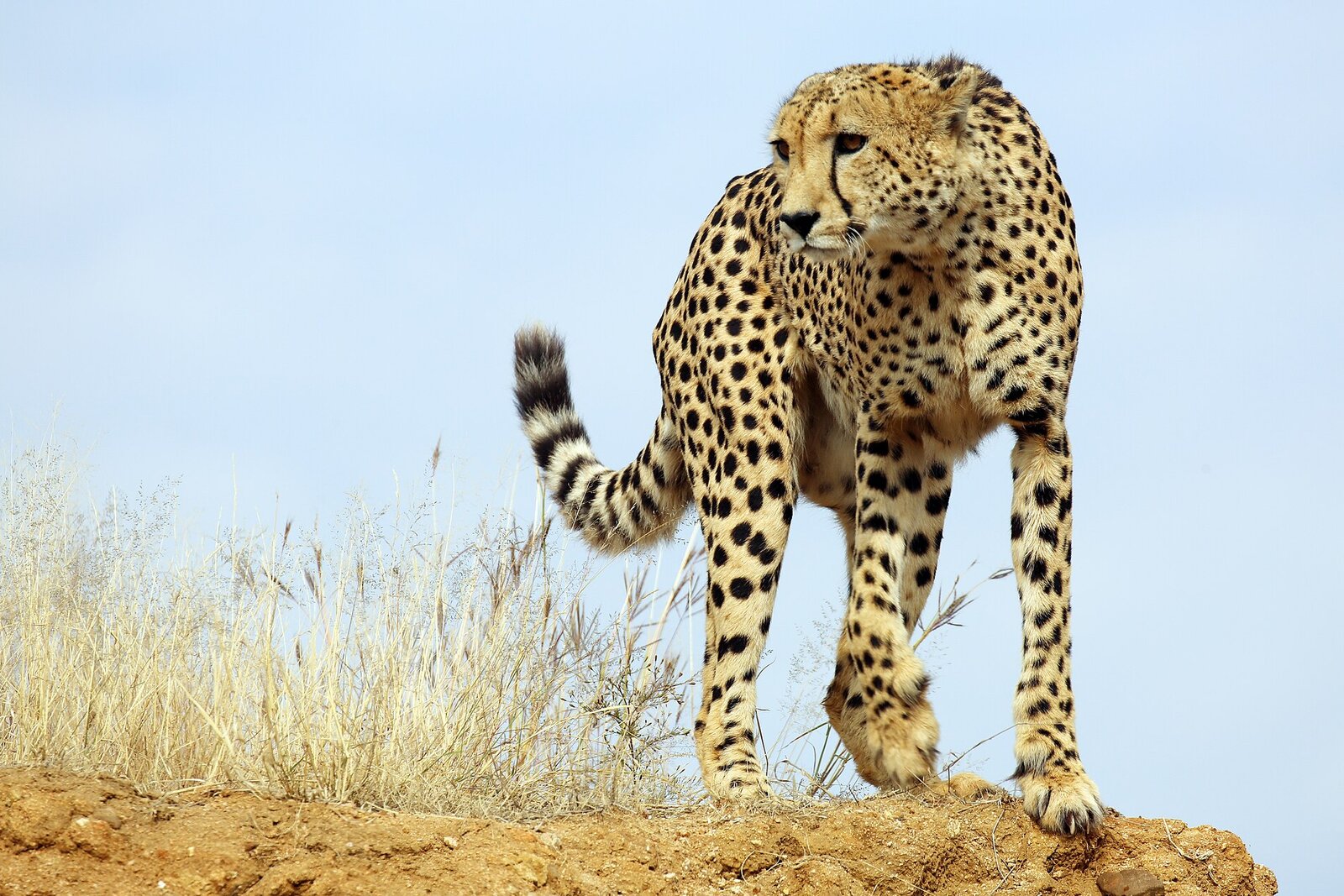
May to September, without question. Concentration at water, low bush and cool comfortable drives make winter the most productive time to tick off lion, leopard, elephant, buffalo and rhino, plus cheetah and wild dog. September, at the dry season's peak, can be especially intense.
For African wild dogs
June to August, to coincide with denning, when the pack is anchored and viewing is at its most predictable and prolonged. Madikwe is a genuine world-class wild dog destination, and this is the window to make the most of it.
For birding
November to March. The summer migrants arrive, resident birds breed in bright plumage, and the reserve's list swells past 350 species. The green season is a birder's paradise, and the birding remains rewarding into early autumn.
For photography
Two answers. For clean, high-volume wildlife images against open backgrounds, choose the dry winter. For dramatic light, storm skies, green backdrops, glossy animals and baby-animal moments, choose the green summer (December to March). Serious photographers often prefer the summer's theatre.
For families
Any time — Madikwe is malaria-free, which is precisely why so many families choose it. For comfort and the easiest game viewing, the mild dry season (especially May, June and September) is ideal. Families tied to the South African school holidays will find the reserve warm and rewarding then too; just book those dates well ahead.
Weather & What to Pack by Season
Madikwe's high-plateau, semi-arid climate gives it two distinct packing profiles. Getting this right makes an enormous difference to your comfort, especially on open game vehicles at dawn.
| Season | Typical temps | Conditions | Pack essentials |
|---|---|---|---|
| Dry winter (May–Sep) |
Dawn 2–8°C; day 20–25°C | Dry, sunny, cold mornings, virtually no rain | Warm jacket, beanie, gloves, scarf, layers, sunblock |
| Green summer (Oct–Apr) |
Night 18–22°C; day 30–36°C+ | Hot, humid, afternoon thunderstorms | Light breathable clothes, light rain jacket, hat, insect repellent, sunblock |
Year-round, pack neutral earth-toned clothing (avoid bright white and dark blue/black), comfortable closed shoes, a wide-brimmed hat, high-factor sunscreen, sunglasses, binoculars and any camera gear. In winter the golden rule is layers you can shed: you'll start a drive bundled up against near-freezing air and finish it in shirtsleeves under a warm sun. In summer, a compact rain shell and good insect repellent earn their place, and a dust-proof bag for your camera is wise in the dry, windy shoulder months.
When to Book — and How Season Affects Price
Timing your booking matters almost as much as timing your trip. Madikwe's lodges price by season, and demand for the best months is high, so a little forward planning protects both your dates and your budget.
Broadly, the reserve runs on three pricing tiers. Peak season covers the dry winter months of roughly June to September, plus the South African festive holidays in late December and early January — these are the most sought-after and most expensive dates. Shoulder season — typically April, May, September's tail and early October — offers excellent weather and game viewing at noticeably softer rates, and is where savvy travellers find the best balance of price and experience. Green (low) season, the heart of summer from November to March (holidays aside), brings the year's most attractive rates and the fewest vehicles.
Because winter is the busiest window, the best lodges — and especially family suites and exclusive-use villas — book out months in advance. As a rule of thumb, secure peak-season dates six to nine months ahead, and even further out if you're travelling over the South African school holidays or want a specific romantic or family lodge. For green-season and shoulder trips you can often book with less lead time, though the very best value still rewards early planning. Whatever your dates, a 20% deposit typically secures a booking, with the balance due closer to travel.
For real per-person figures across every tier — from short malaria-free escapes to multi-reserve photographic circuits — see our full Madikwe safari packages & prices guide. To choose the right lodge for your season and party, our best Madikwe safari lodges guide reviews all thirteen camps and flags which suit families, couples and photographers.
The Verdict: So When Should You Go?
There is no wrong time to visit Madikwe — only the right time for you. If your heart is set on the Big Five, wild dogs and the densest, most reliable game viewing of the year, come in the dry winter, May to September, and build around June to August for the denning wild dogs. Pack for cold mornings and warm days, book early, and expect Madikwe at its most generous.
If you'd rather have the reserve greener, quieter and often cheaper — alive with newborn animals, migrant birds and the theatrical light photographers dream about — come in the green summer, October to April, and accept hotter days and thicker bush as the price of a very special, less-crowded safari. And if you want the best of both worlds, target the shoulder months of April, May, September and early October, when the weather is kind, the game is excellent and the rates are gentler.
Whichever season calls to you, Madikwe's malaria-free wilderness will deliver. When you're ready to turn a date into a journey, explore our Madikwe safari packages, read the full Madikwe Game Reserve safari guide, or contact our team to plan a privately guided safari built around the perfect time for you.