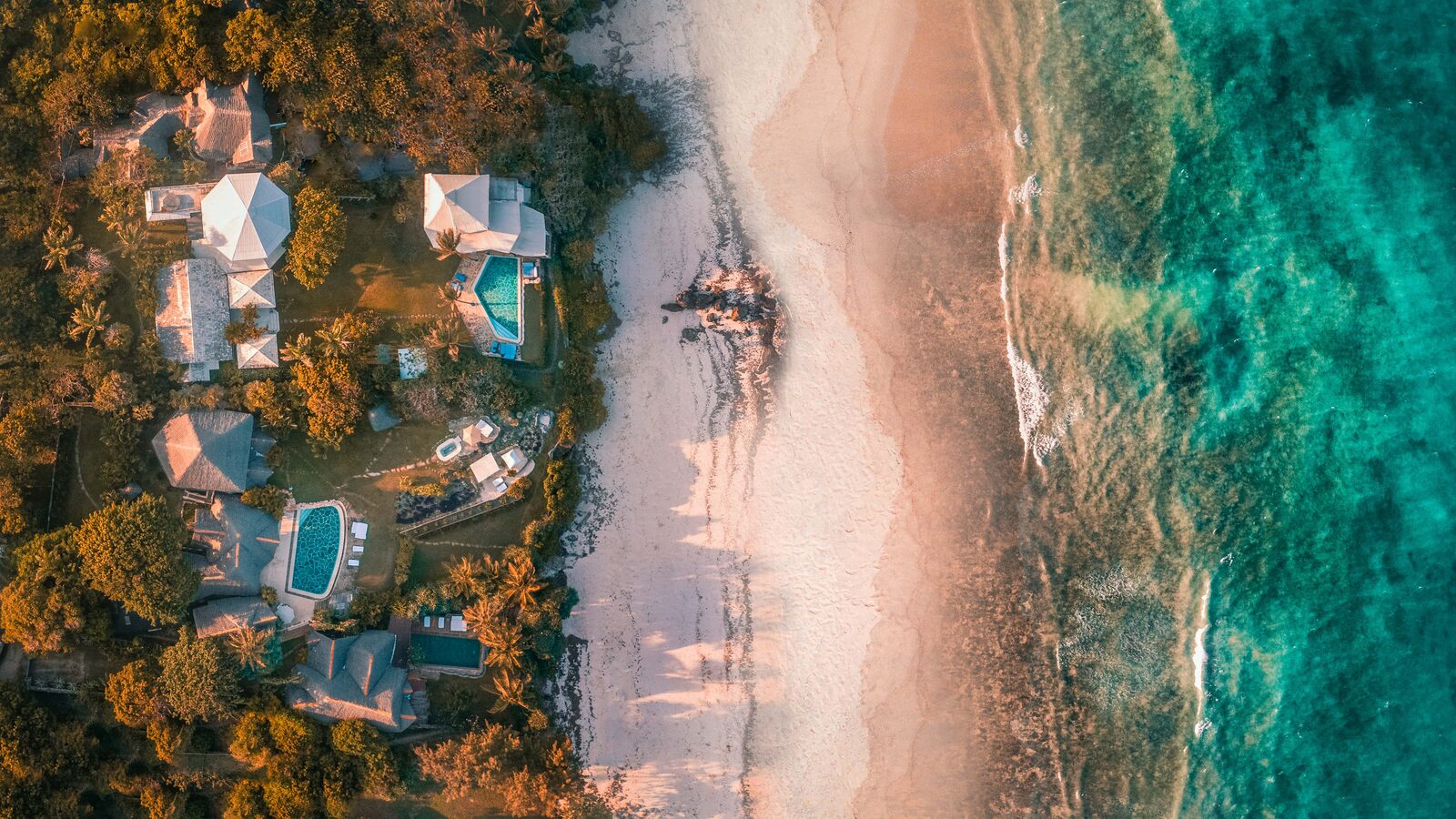
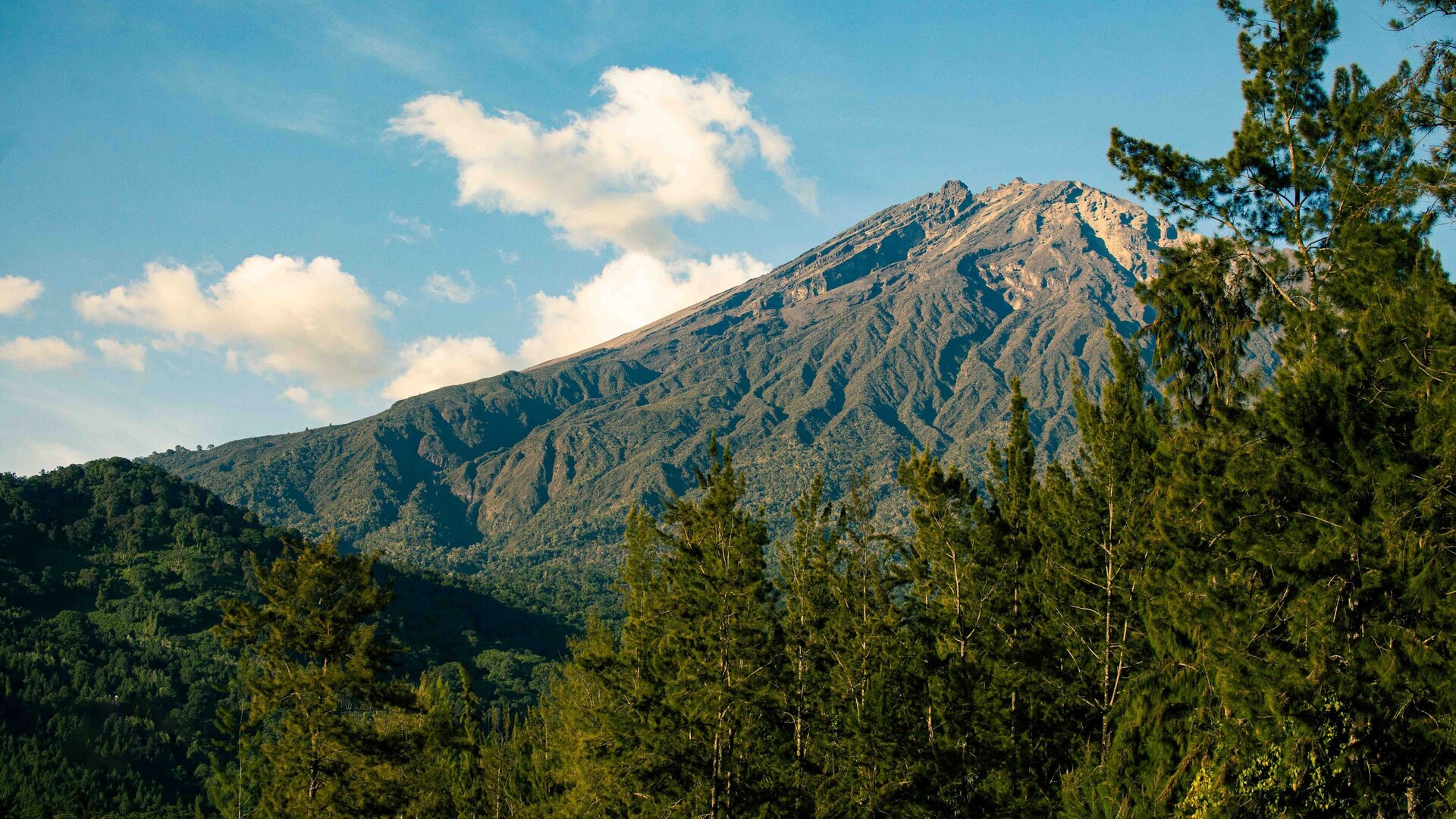
Four resorts, two coastlines, one group. Neptune Hotels sits on two of Kenya's Indian Ocean beaches — Diani to the south, Bamburi to the north — and between them they cover everything from a full all-inclusive family holiday to a quiet boutique retreat behind hand-carved Swahili doors. This review walks through all four, room by room, beach by beach.
The Group — Who Neptune Hotels Are and Why It Matters
Neptune Hotels is a Kenyan-owned hospitality group that has been running beach resorts on the Indian Ocean coast for over two decades. They are not a chain in the corporate sense — there is no central booking engine spitting out identical rooms from Diani to Dubai. Each of the four properties has its own manager, its own kitchen brigade, its own character. What they share is a design language (Swahili-style makuti-thatched cottages set in tropical gardens), a commitment to all-inclusive pricing that does not punish you at the bar, and a physical closeness on Diani that means guests at one resort can walk to the others and use their pools and restaurants.
The practical advantage for travellers planning a Kenya coast stay is this: you pick the Neptune property that fits your group, your budget and your mood, and you get a consistent standard across all of them. That consistency is not always a given along the Kenya coast, where quality can swing sharply between neighbours.
Neptune Village Beach Resort and Spa — The Big, Sociable One
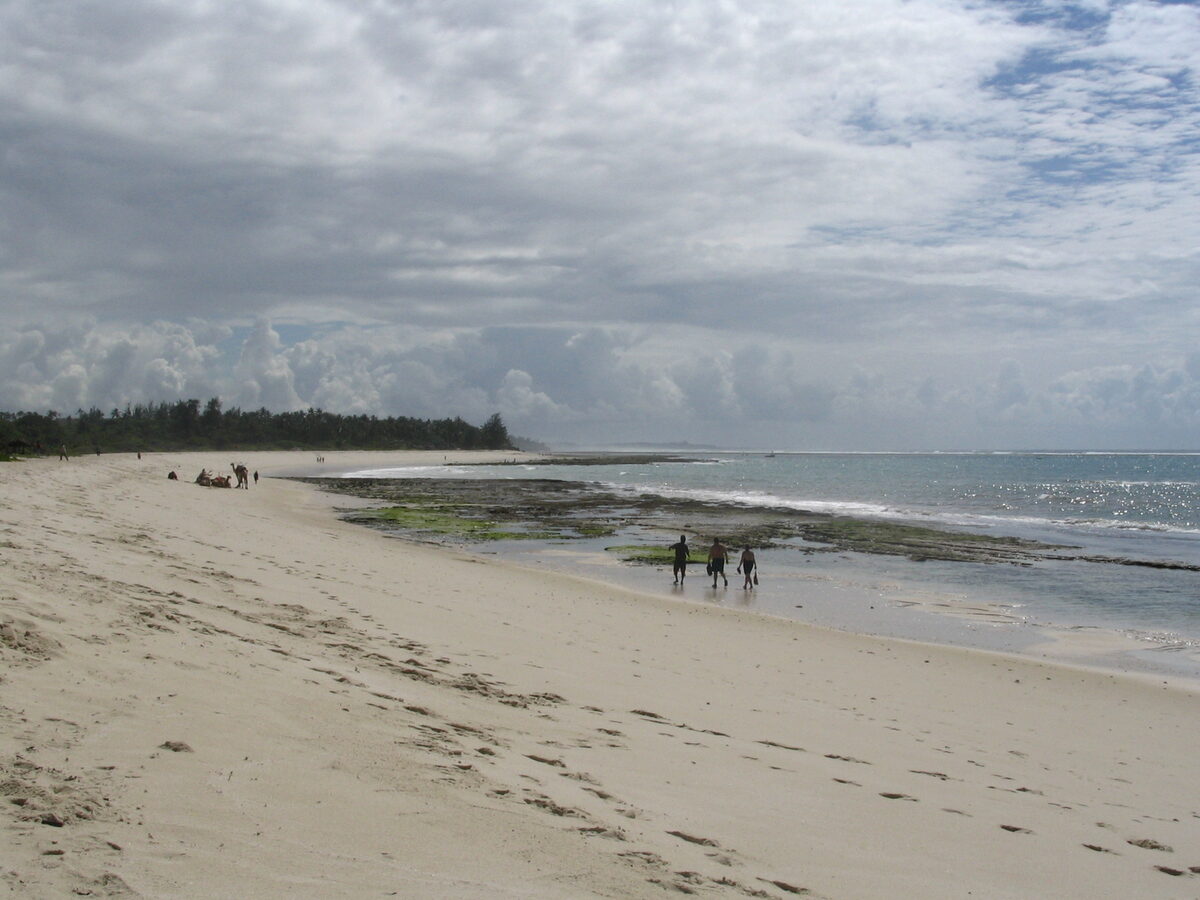
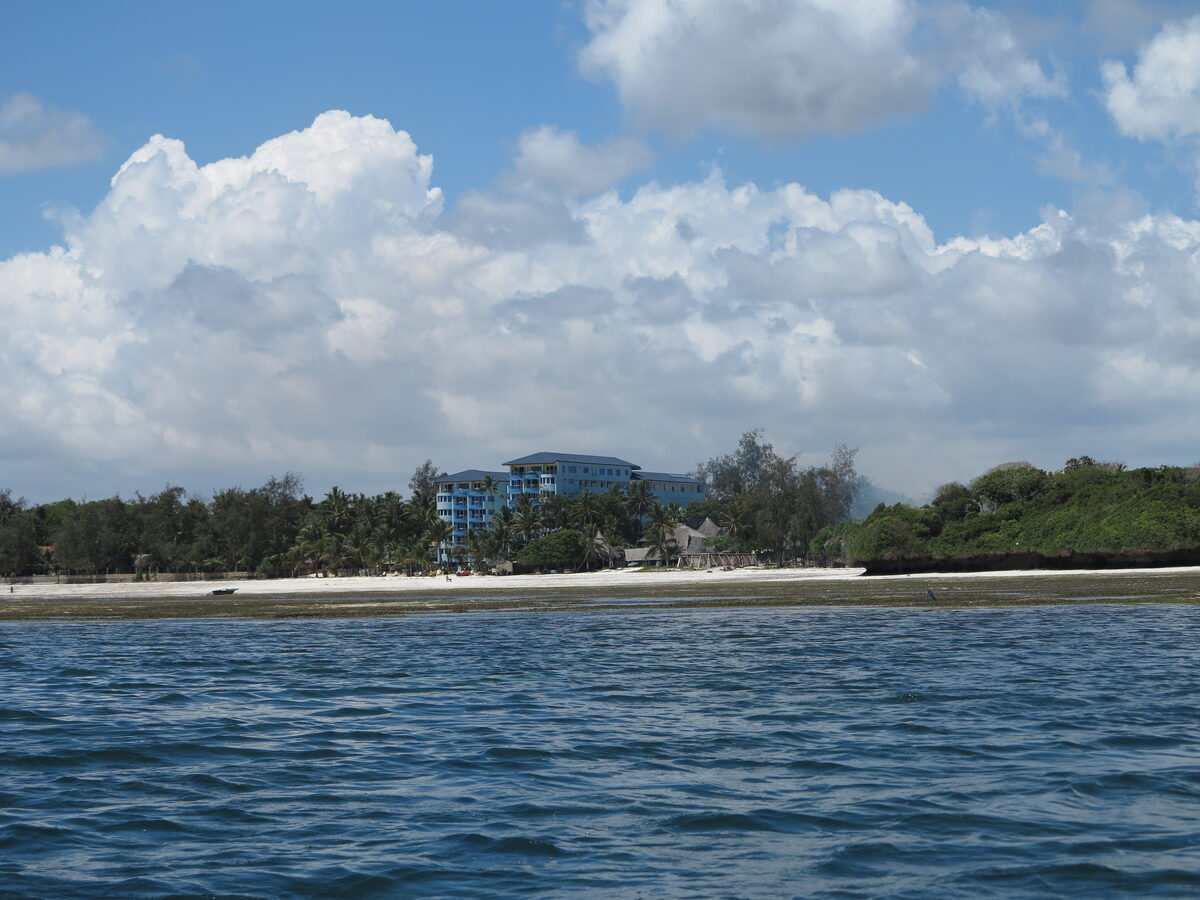
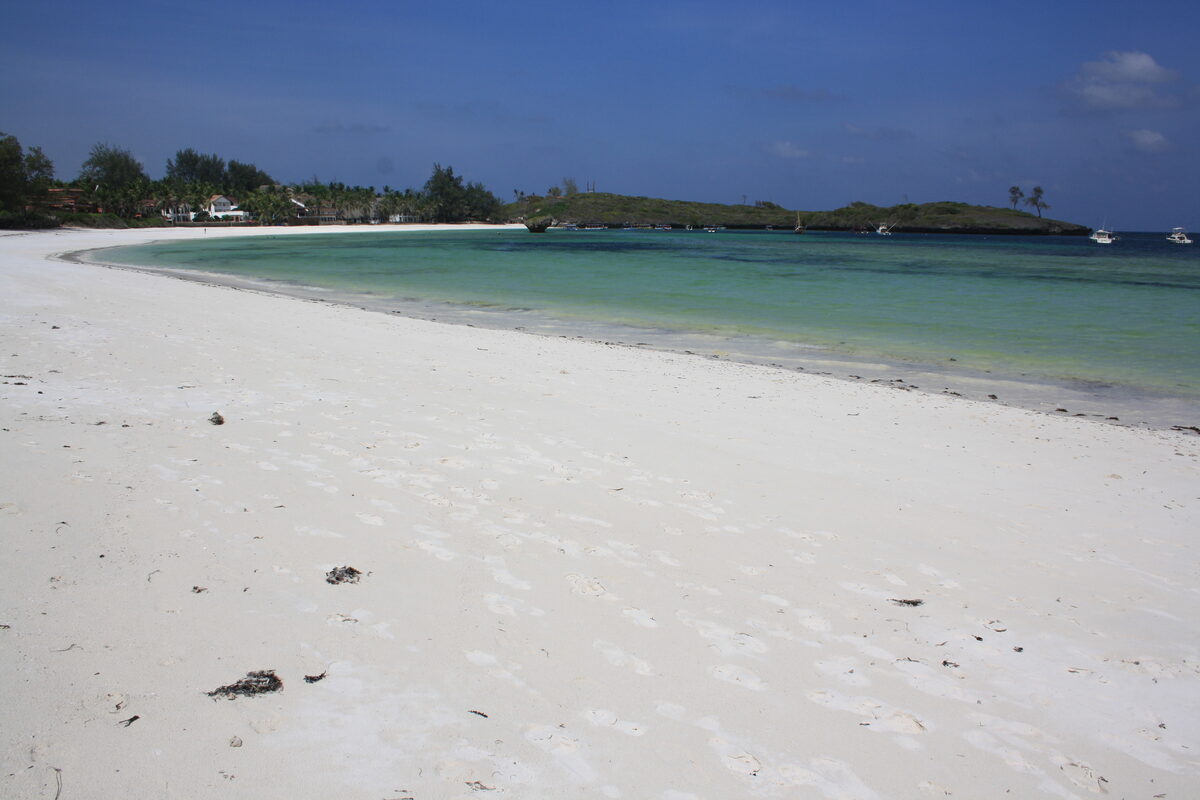
Neptune Village is the flagship, and it wears that title comfortably. It sits on 300 metres of Diani beachfront in the Galu section, about 8 kilometres from Ukunda Airstrip and 45 kilometres from Moi International Airport. There are 165 rooms spread across low-rise, makuti-thatched cottages, each building holding about four rooms — enough space between them that you are not staring into your neighbour's bathroom window.
The rooms themselves are clean and functional: tiled floors, dark-wood furniture, mosquito nets over the beds, air conditioning and ceiling fans, a small safe, and a balcony or terrace looking onto the gardens. They are not going to end up in a design magazine, but they are well kept and they work. The bathrooms have hot water consistently — a detail that matters on the Kenya coast, where plumbing can be temperamental.
Dining at Neptune Village
The all-inclusive package covers three meals a day at the main buffet restaurant, which serves a mix of Swahili, Indian, Italian and international cooking across rotating themed dinner nights. The breakfast spread is solid — fresh fruit, chapati, eggs to order, Kenyan coffee — and the lunch buffet covers enough variety that you will not get bored across a week. For dinner, the themed nights (Swahili Night, Italian Night, Seafood Grill Night) are the highlight. There is also a beach bar and a pool bar, both included, where the cocktails are adequate and the cold Tusker never disappoints.
The Baobab Spa
Neptune Village houses the Baobab Spa, which is the group's main wellness facility. Treatments draw from African botanical traditions — shea butter wraps, coconut oil massages, frangipani scrubs — delivered in thatched treatment rooms that open onto the gardens. Rates are modest by international standards: a 60-minute full-body massage runs around USD 50 to 70. The spa also has a steam room and a small gym. Guests at Neptune Palm Beach and Neptune Paradise can book the Baobab Spa too, though Neptune Palm Beach has its own Earth and Rain Spa for those who prefer to stay closer to their room.
Neptune Palm Beach Boutique Resort and Spa — The Quiet One
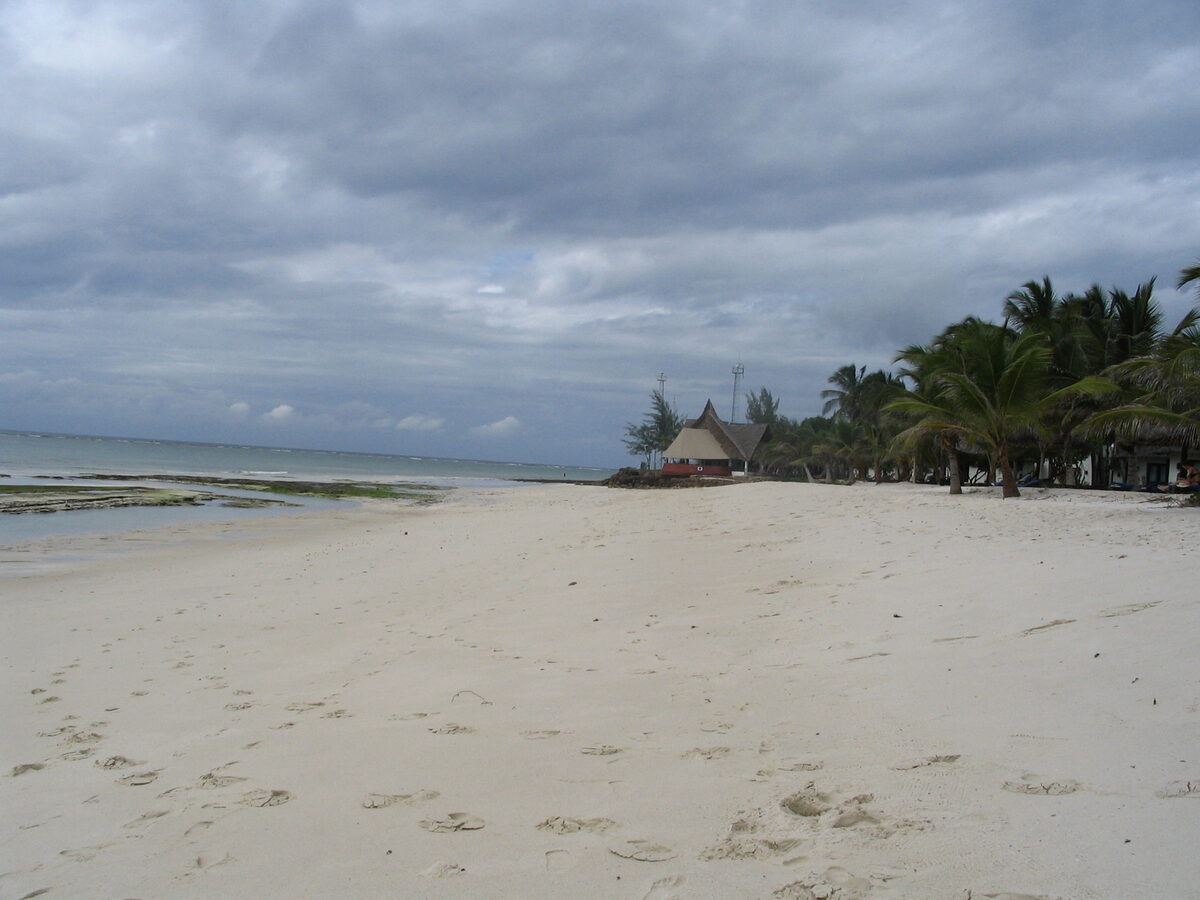
If Neptune Village is the sociable family resort, Neptune Palm Beach is its more composed sibling. It sits right next door on the same stretch of Galu Beach, but the feel is different. There are 60 rooms — less than half of Village — arranged in Swahili-style cottages with more detailed stone and coral carvings around the doorways and higher-grade furnishings inside. The lobby alone tells you the difference: hand-carved wooden screens, brass lanterns, polished coral-rag floors.
Rooms come with air conditioning, minibars, satellite television, and garden-view terraces. The beds are a step up from Village — better mattresses, proper Egyptian cotton sheets, a darker, quieter palette of coastal blues and coral tones. The bathrooms are larger, with walk-in rain showers in the renovated cottages.
Earth and Rain Wellness Spa
Neptune Palm Beach has its own spa rather than sharing the Baobab. The Earth and Rain Spa is a small, considered facility — four treatment rooms, a relaxation terrace, a steam room — where the therapists work with local oils and botanicals. A couples' massage in a garden pavilion overlooking the beach is the one to book if you are celebrating something. Prices are slightly above Village but still very reasonable by coastal resort standards.
Who It Suits
Couples, honeymooners, and anyone who wants a beach holiday without a kids' club soundtrack. Families are welcome, but the atmosphere and the smaller pool area steer naturally toward adults. Because guests can walk next door to Neptune Village for the larger pool, the kids' club and the evening entertainment, Palm Beach gives you the best of both worlds: quiet at home, energy next door if you want it.
Neptune Paradise Beach Resort and Spa — The Middle Ground
Neptune Paradise sits at the southern end of the Diani cluster, and after its 2025 renovation it is the freshest of the three. There are 92 rooms in makuti-thatched cottages, recently refurbished with new tiling, updated bathrooms, modern air-conditioning units and new soft furnishings. The gardens are mature — bougainvillea, frangipani, coconut palms — and the property has a calm, settled character that makes it feel like it has been here a long time (it has) without feeling tired (the renovation fixed that).
The all-inclusive package is structured the same way as Neptune Village: three meals, drinks, snacks, and most on-site activities. The main restaurant does themed buffet dinners with a slightly smaller rotation than Village, but the food quality is comparable. There is a bar by the pool and another on the beach.
Post-Renovation Changes
The 2025 work focused on the rooms and the communal areas. Bathrooms now have proper walk-in showers, new vanities and consistent hot water. The pool area was resurfaced and extended, and the poolside deck got new sun loungers. The Wi-Fi was upgraded — coverage now reaches the beach bar and most of the garden cottages, which was not always the case before.
Neptune Beach Resort — The Mombasa Option
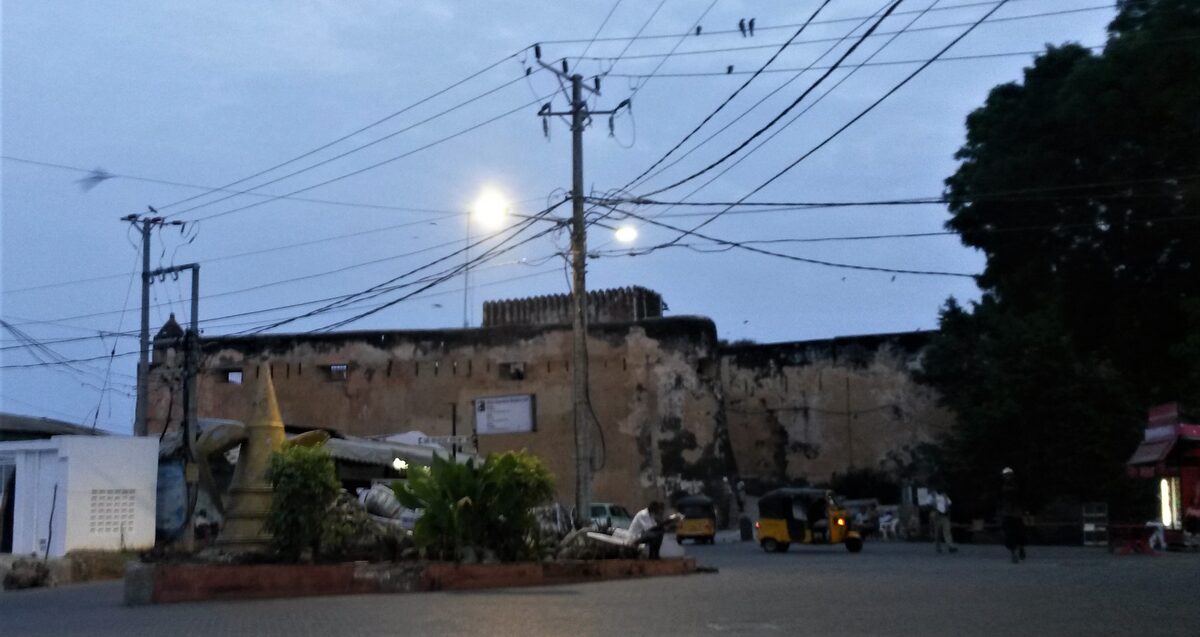
Neptune Beach Resort is the outlier in the group — not on Diani but on Bamburi Beach, about 10 kilometres north of Mombasa. It is a different beach altogether: golden sand instead of white, a busier stretch with more local life, and Mombasa town close enough for an afternoon wander through Old Town, the spice markets and Fort Jesus.
The property is smaller and more intimate than the Diani trio. Rooms sit in a cluster of coral-stone buildings around a central courtyard garden, with the beach out front and the pool behind. The architecture leans into the old Swahili port style — arched doorways, carved screens, whitewashed walls — and the scale gives it a personal, human feel that the bigger Diani resorts cannot quite match.
Dining and Board Basis
Neptune Beach offers half-board and full-board as its standard options, with an all-inclusive upgrade available. The food is honest Kenyan-coastal cooking: grilled fish, biryani, coconut-based curries, fresh fruit and chapati. The proximity to Mombasa means you can walk out to local restaurants for a meal — something that is harder to do from Diani, where the nearest town is Ukunda and the tuk-tuk ride is part of the adventure.
Who It Suits
Travellers who want beach and city in the same trip. If your Kenya itinerary includes Fort Jesus, Mombasa Old Town, Haller Park or a morning at the Mombasa fish market, Neptune Beach saves you 90 minutes of driving each way compared to Diani. It is also a good last-night stop before an early flight from Moi International Airport, which is only 24 kilometres away.
What the Four Properties Share
Across all four resorts, a few things stay consistent. The buildings use the same Swahili makuti-thatched cottage design, and the gardens — coconut palms, bougainvillea, baobab trees, frangipani — have the same tropical coastal character. Staff across the group are friendly, unhurried and genuine, which is the single biggest thing guests comment on in reviews. The housekeeping standard is good: rooms are cleaned daily, towels replaced, mosquito nets checked.
All four properties have swimming pools (freshwater), beach access with sun loungers, and evening entertainment programmes that typically include Maasai dance performances, acrobatic shows and live music. Wi-Fi is available in all public areas, though signal strength outside the main buildings varies — do not expect to stream video from your cottage terrace at any of them.
Water Sports and Marine Life
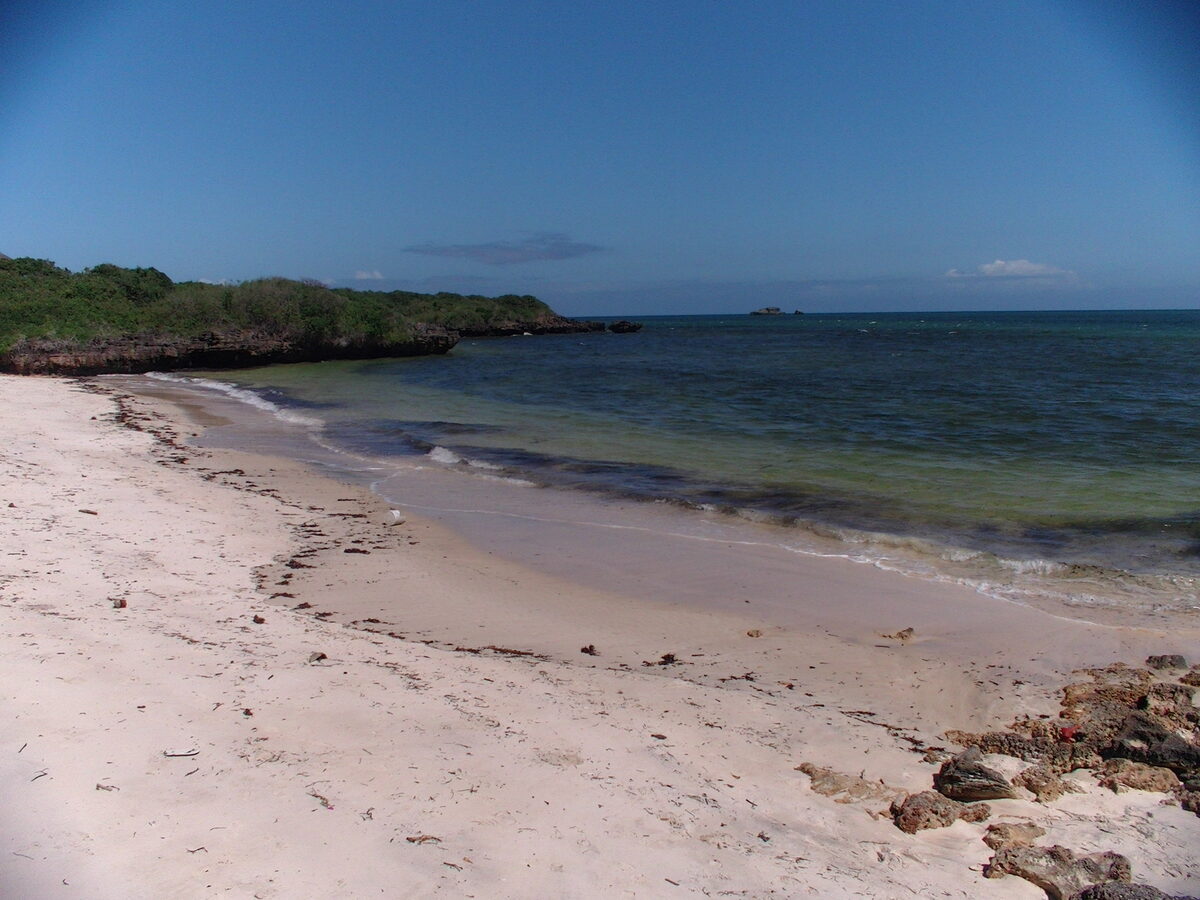
The Kenya coast sits on the edge of a continental shelf, and the fringing reef that runs parallel to the shore creates a warm, shallow lagoon between the beach and the open ocean. At the Diani properties, snorkelling gear is provided and you can wade out to the reef at low tide — expect to see parrotfish, angelfish, starfish and sea urchins in knee-deep water. For deeper reef snorkelling and scuba diving, boats take you out to the reef edge in 15 minutes.
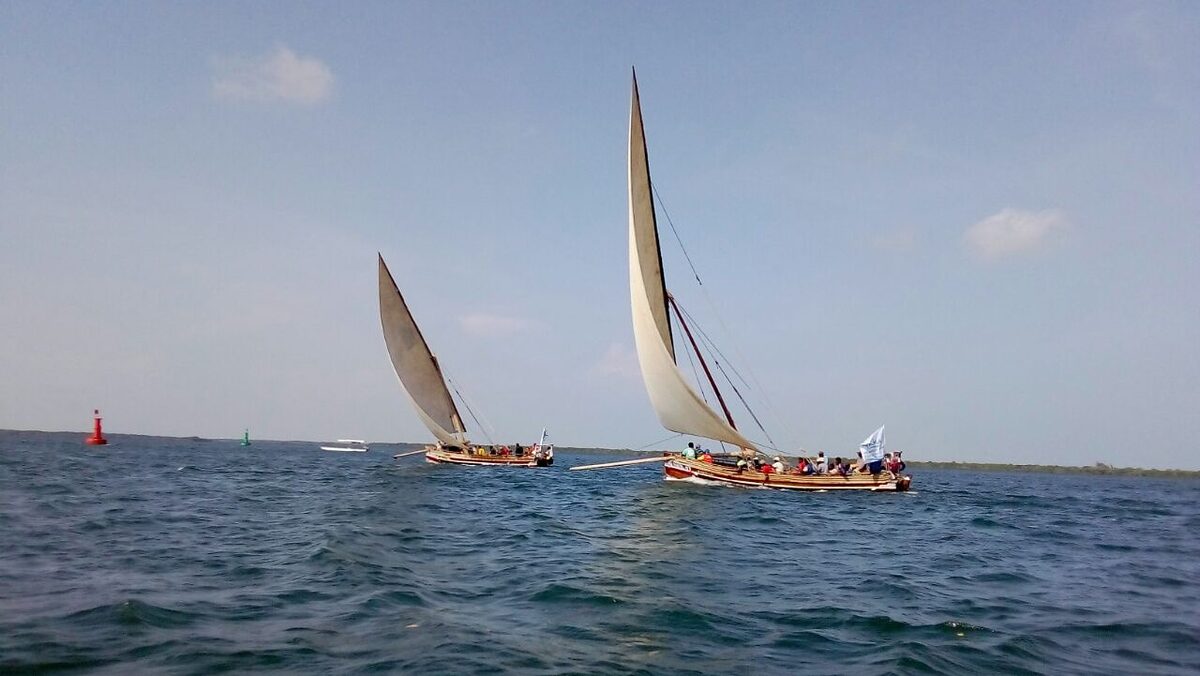
Kisite-Mpunguti Marine National Park is the headline day trip. A dhow or speedboat ride of about 90 minutes south from Diani takes you to a protected coral park where bottlenose dolphins are almost guaranteed, humpback dolphins are regular, and between October and March, whale sharks pass through on the current. The park also has some of the clearest water on the Kenya coast — visibility of 20 metres or more on a good day.
For wind sports, Diani is one of the best kitesurfing destinations in East Africa, with the south-easterly kaskazi winds blowing steadily from July to October. Several kite schools operate on the beach within walking distance of the Neptune resorts.
Day Trips and Excursions from the Coast
The Kenya coast is not just sand and water. Within an hour or two of the Neptune Hotels resorts:
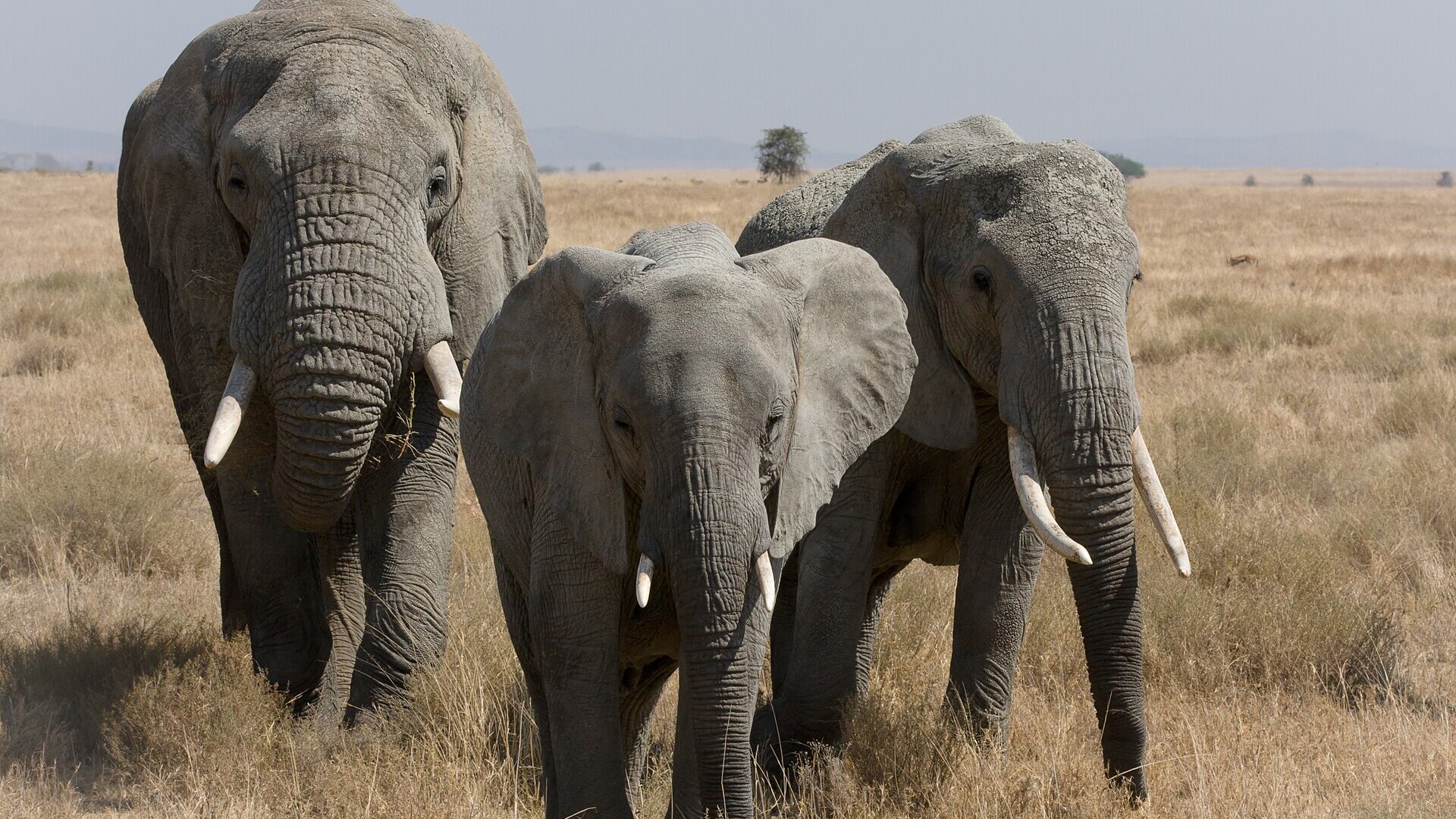
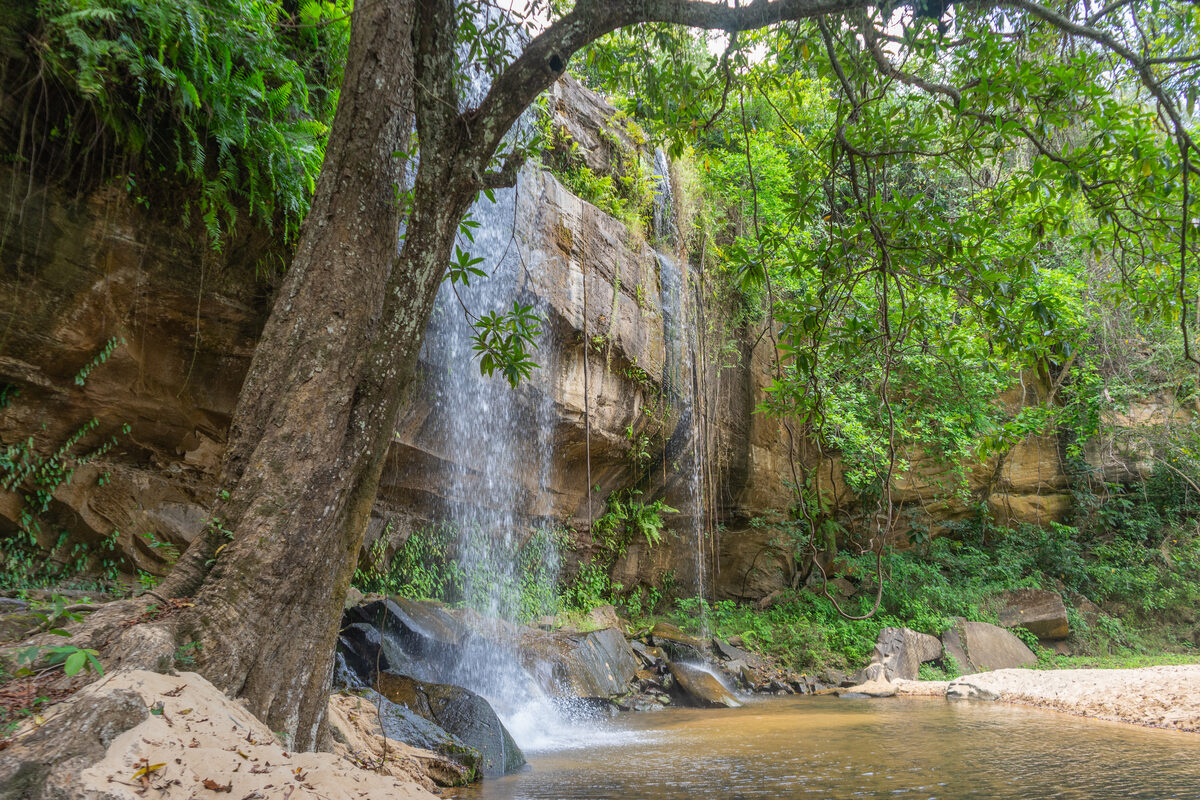
- Shimba Hills National Reserve — a 40-minute drive from Diani. Coastal rainforest, Kenya's only population of sable antelope, elephants, leopards and over 100 butterfly species. Half-day or full-day guided drives.
- Kisite-Mpunguti Marine National Park — 90 minutes south by boat. Dolphins, whale sharks (seasonal), snorkelling on clear coral.
- Colobus Conservation Centre — 15 minutes from the Diani resorts. A conservation project for the Angolan black-and-white colobus monkey, endemic to the Diani coastal forest. Guided forest walks and primate education.
- Kaya Kinondo Sacred Forest — a Mijikenda sacred grove on the edge of Diani, with guided cultural walks through old-growth coastal forest.
- Fort Jesus and Mombasa Old Town — a half-day trip from Diani (90 minutes each way) or a 20-minute walk from Neptune Beach Resort on Bamburi. The 16th-century Portuguese fort is a UNESCO World Heritage Site, and the Old Town behind it is a tangle of Swahili stone houses, spice shops and narrow alleys.
- Tsavo East National Park — about three hours by road from Diani. Full-day game drives to see the park's red elephants, lions and the Galana River. Better as an overnight, but possible as a long day trip.
Practical Details — Getting There, Transfers and Flights
The three Diani properties are best reached via Ukunda Airstrip, which receives daily scheduled flights from Nairobi Wilson Airport (Safarilink, Fly540) — the flight takes about an hour. From Ukunda, the transfer to any of the three Neptune Diani resorts is roughly 15 minutes. Moi International Airport in Mombasa is the alternative: about 45 kilometres from the Diani properties, with the road journey taking 90 minutes to two hours depending on the Likoni Ferry crossing.
For Neptune Beach Resort on Bamburi, Moi International Airport is only 24 kilometres away and the transfer takes about 30 to 45 minutes — no ferry required.
If you are combining the coast with a safari up-country (Amboseli, Tsavo, the Masai Mara), the most common routing is to fly Nairobi–Mara or Nairobi–Amboseli for the bush days, then connect through Nairobi Wilson to Ukunda for the beach extension. We build these combinations regularly and handle all the connecting flights and ground transfers.
Who Should Book Which Neptune Hotel
Here is the short version:
- Neptune Village — families, groups of friends, anyone who wants a big all-inclusive resort with a kids' club, evening shows and plenty going on.
- Neptune Palm Beach — couples, honeymooners, anyone who values quiet and quality over size. Walk next door for the action if you need it.
- Neptune Paradise — travellers who want the all-inclusive convenience of Village in a calmer, mid-sized setting with recently renovated rooms.
- Neptune Beach Resort — city-and-beach travellers, solo travellers, anyone whose itinerary includes Mombasa town, Fort Jesus or an early flight from Moi International Airport.
How to Book Neptune Hotels Through Beyond Africa Safaris
We hold contracted rates with the Neptune Hotels group and can book any of the four properties as a standalone beach holiday or as the coastal extension to a Kenya safari. Tell us your dates, the size of your group, your preference between Diani or Bamburi (or you are not sure — that is fine, we will recommend), and if you would like to add bush days up-country. We will send you a detailed itinerary with rates, handle the flights and transfers, and manage the booking through to checkout.