Key Takeaways
- The best time to visit Victoria Falls depends on what you want: full flood (February to May) for the most powerful spectacle, balanced flow (May to July) for impressive water with clear views, or dry season (August to December) for Devil's Pool, world-class rafting and crystal-clear helicopter flights.
- The sweet spot for most first-time visitors is May to July or September to October — impressive water, comfortable weather, good visibility and most activities available.
- The Zimbabwe side offers the widest panoramic views (two-thirds of the Falls frontage); the Zambia side gets you closer to the edge and offers Devil's Pool. The KAZA UniVisa lets you visit both on a single visa.
- Devil's Pool is open only from mid-September to late December; white-water rafting is best August to December (Grade 5 rapids); helicopter flights run year-round but are clearest August to November.
- Peak tourist season is July to October — book luxury lodges 4 to 6 months ahead. The green season (January to March) offers the lowest rates and fewest crowds, with the Falls building towards full flood.
- Victoria Falls is a year-round destination that simply changes character with the seasons. For tailored itineraries, explore our Victoria Falls safaris or browse the journeys below.
TL;DR: The best time to visit Victoria Falls is May to July for the sweet spot of impressive water flow with clear views, or September to October for adventure activities and Devil's Pool. Full flood peaks February to April (thundering spectacle, heavy spray). Dry season August to December opens Devil's Pool, Grade 5 rafting and the clearest helicopter flights. The Falls are a year-round destination — every month has its own appeal. Below is the full month-by-month breakdown, an activity calendar matrix, Zimbabwe vs Zambia side comparison, crowd and value intel, and exactly when to book.

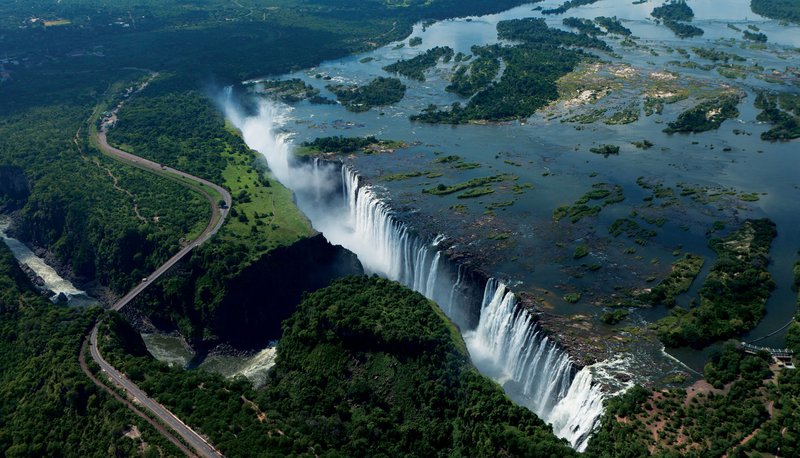
Victoria Falls — Mosi-oa-Tunya, the Smoke that Thunders — is one of the Seven Natural Wonders of the World. Twice as high as Niagara and more than 1,700 metres wide, it is the largest sheet of falling water on Earth by combined width and height. The Falls straddle the border between Zimbabwe and Zambia, and they transform dramatically through the year: from a thundering, spray-drenched wall of white in the flood season to a sculpted rock face with crystalline cascades in the dry months. Timing your visit is the single most important decision you will make.
This guide walks you through every month of the year so you can match your dates to exactly the Victoria Falls you want — whether that is the raw power of full flood, the adventure playground of the dry season, or the sweet-spot balance in between. We cover both the Zimbabwe and Zambia sides, every major activity from Devil's Pool to white-water rafting, crowd and value intelligence, weather and packing, and when to book.
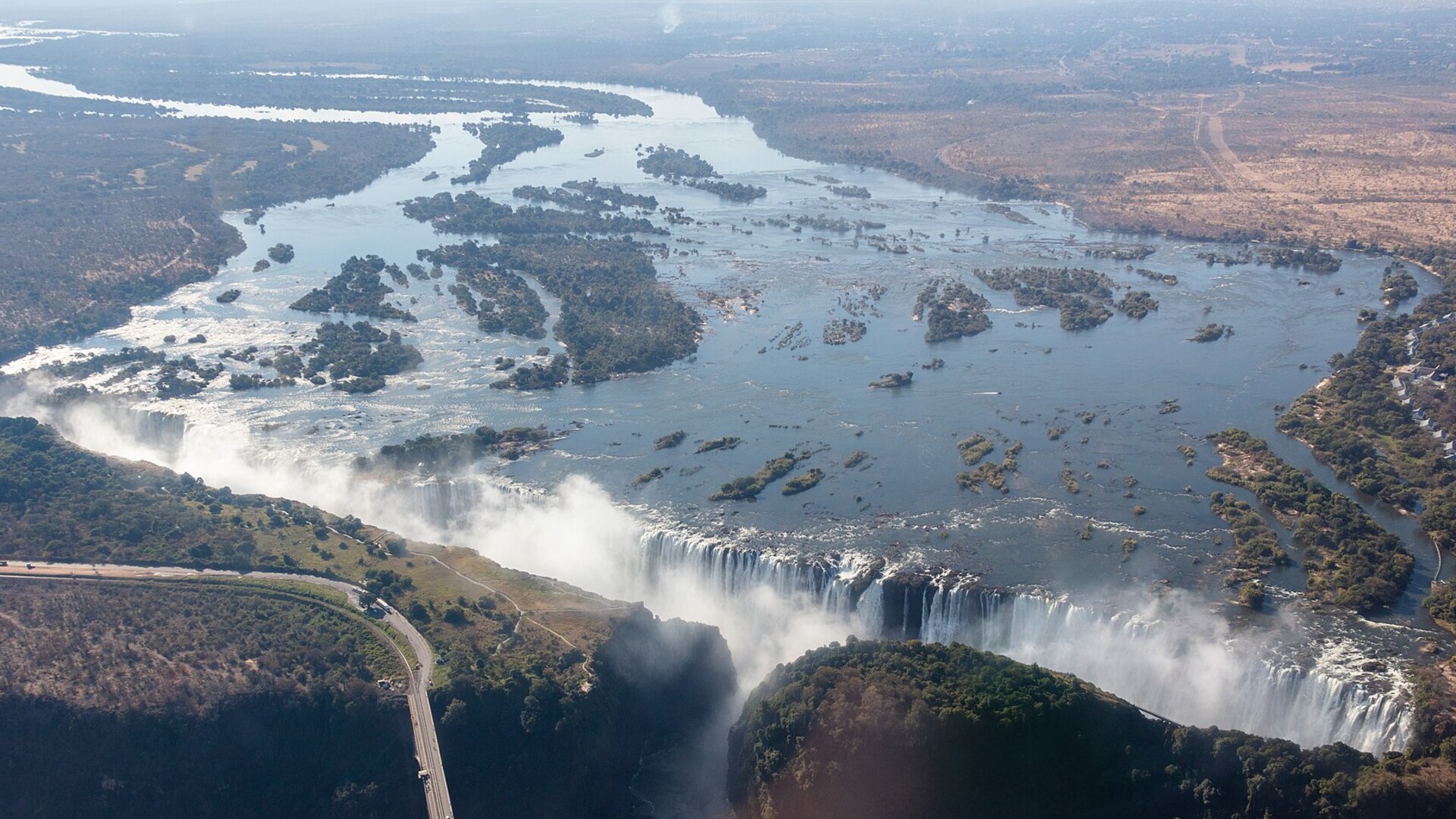
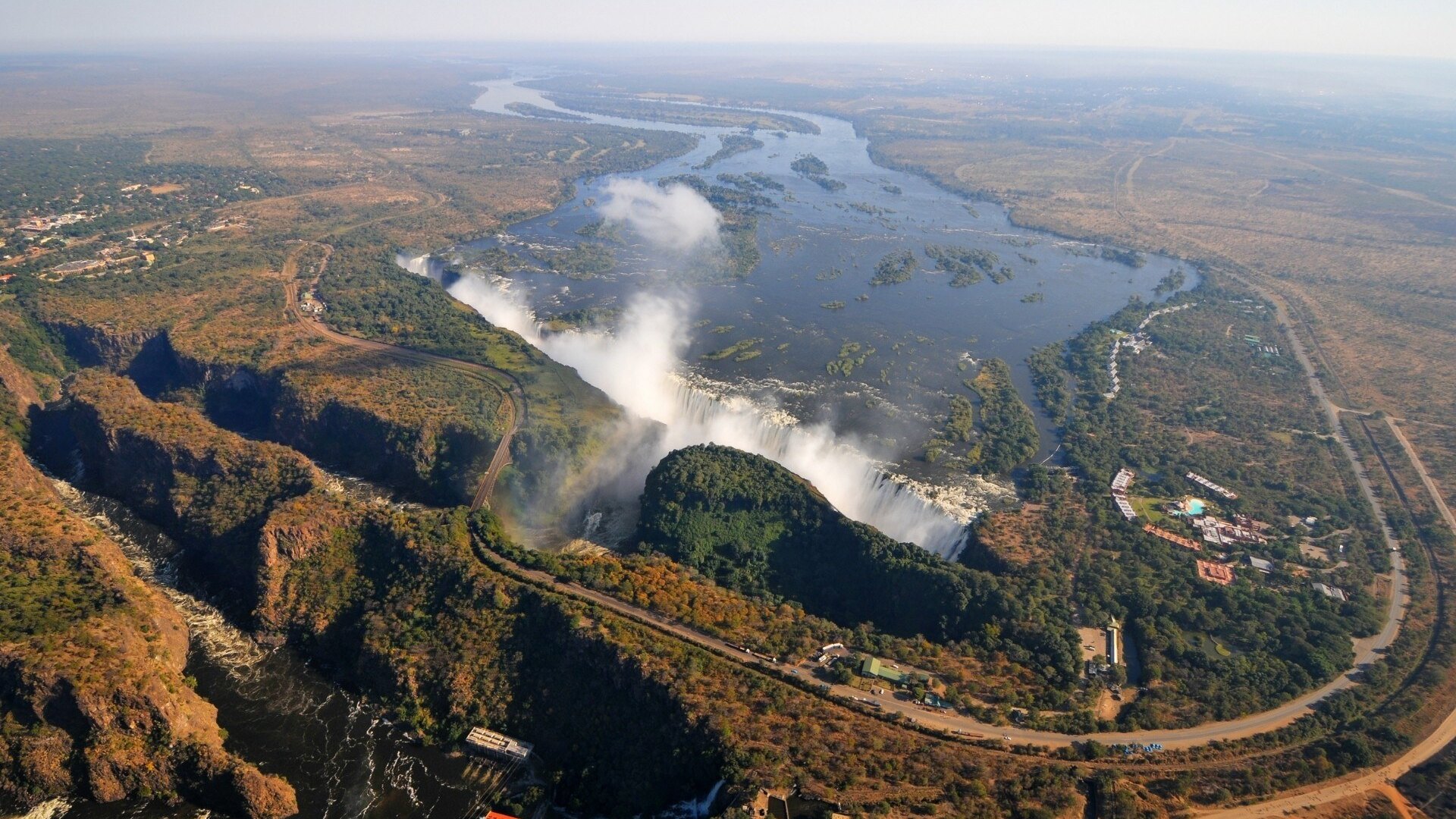
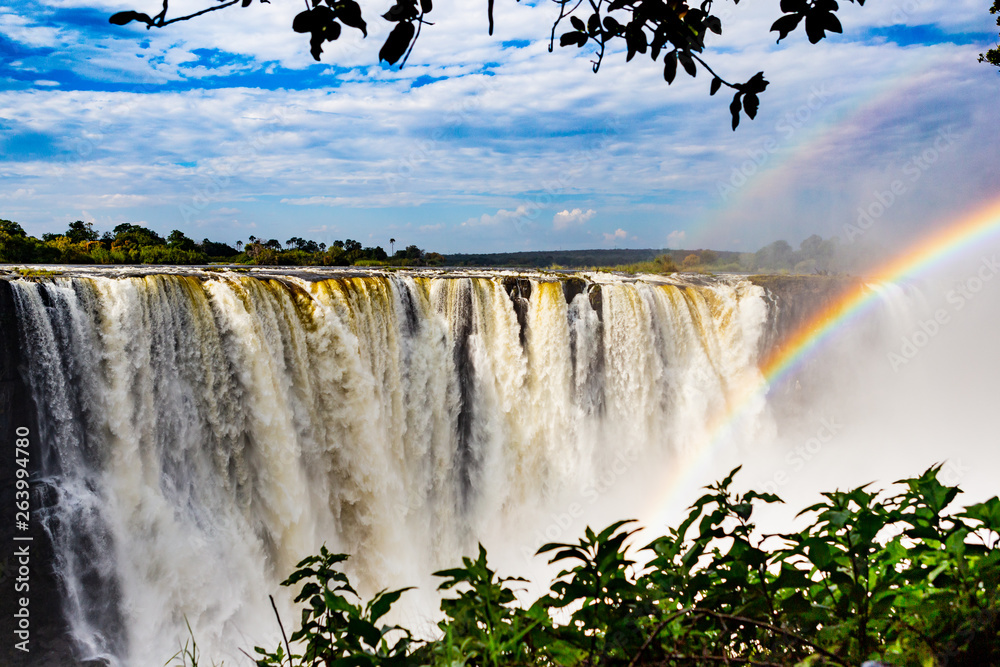
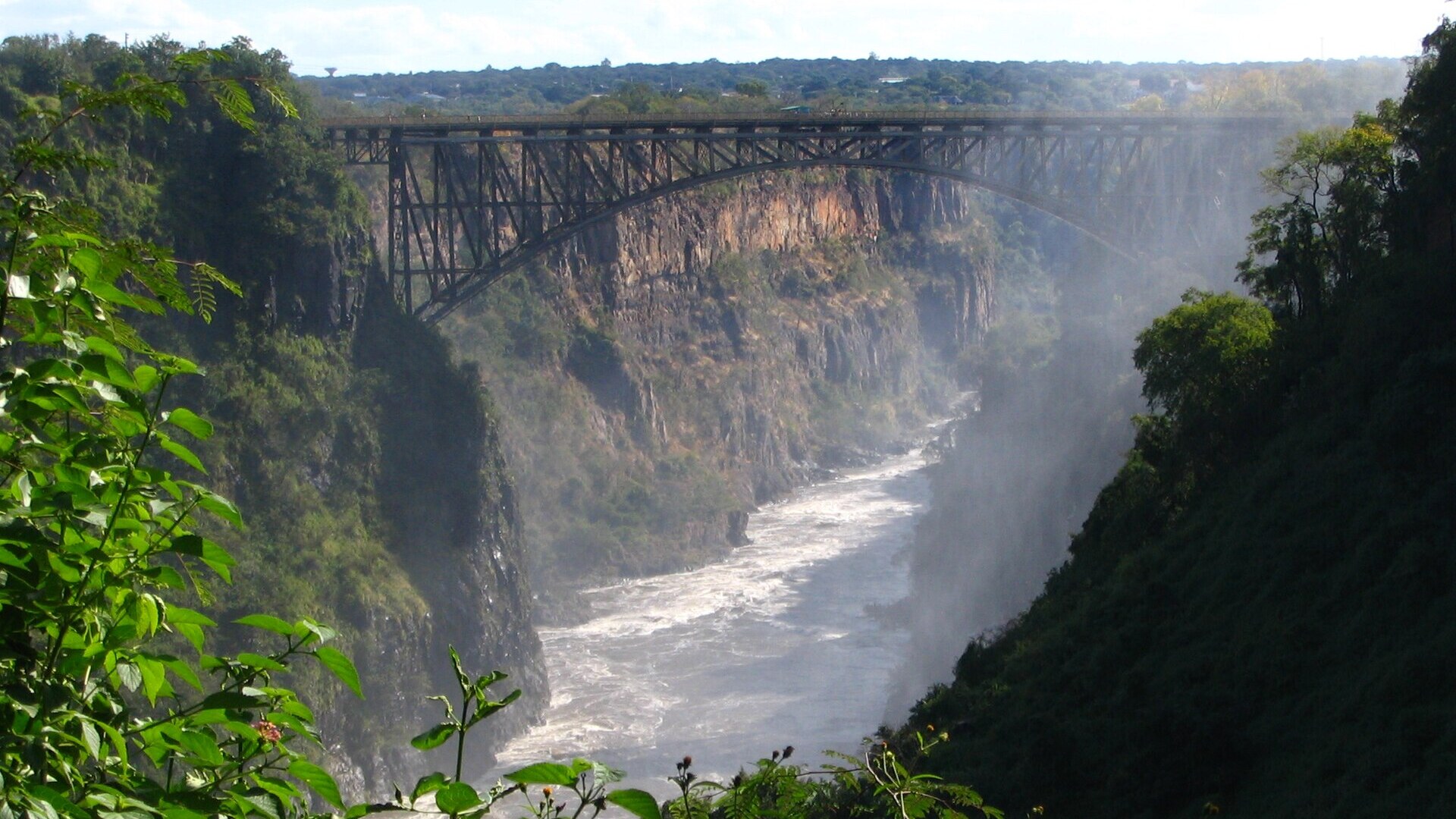
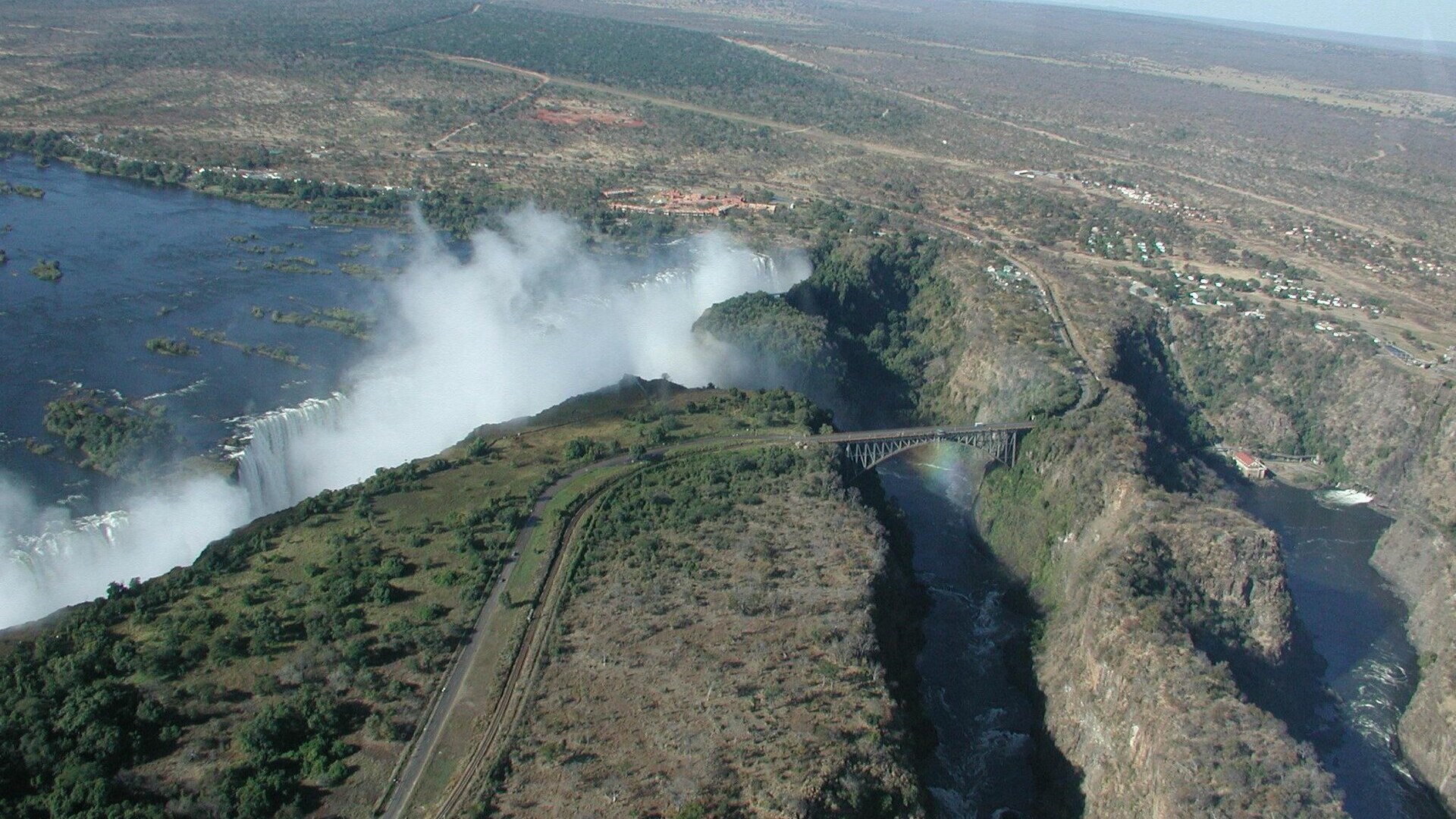
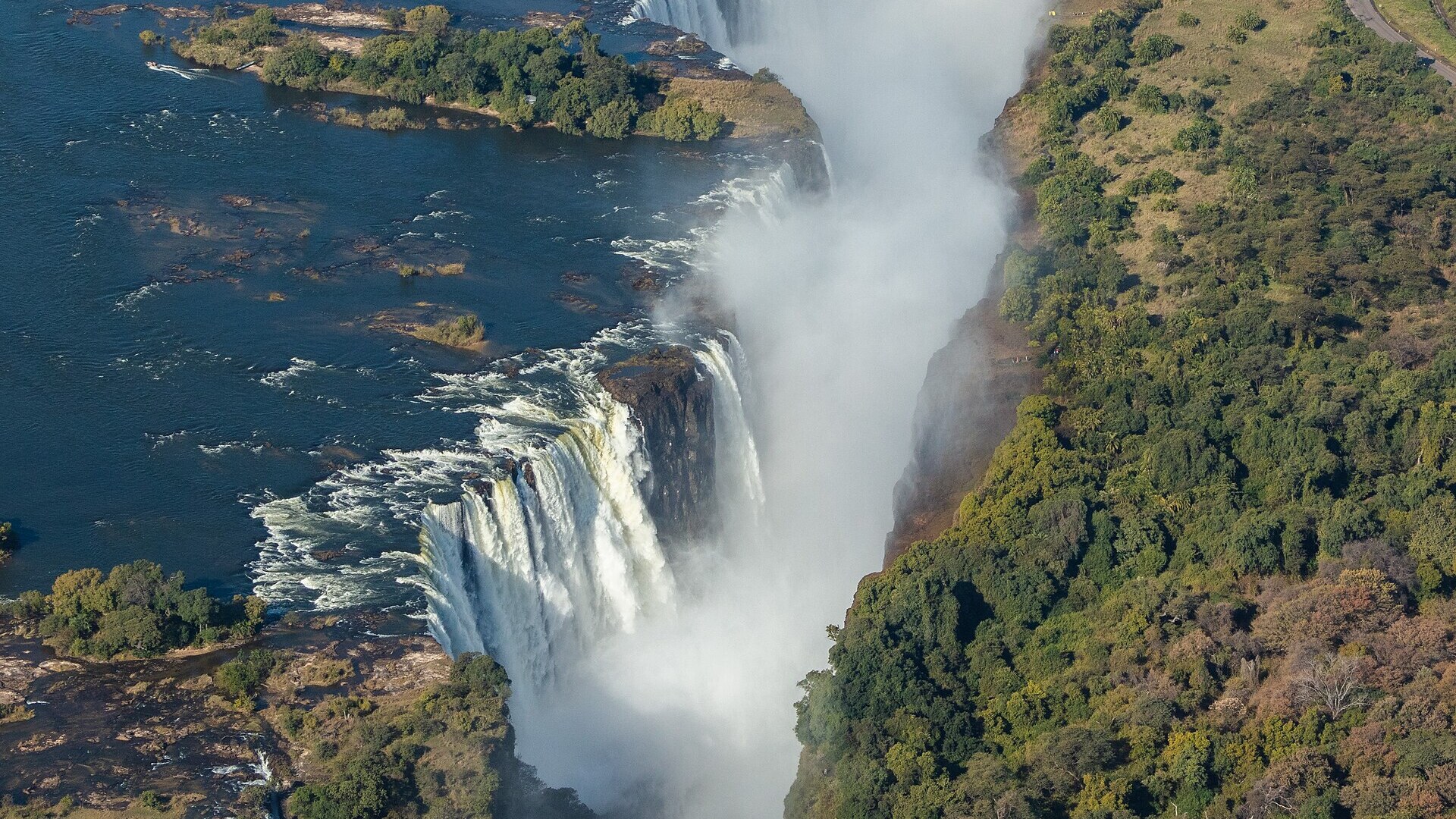
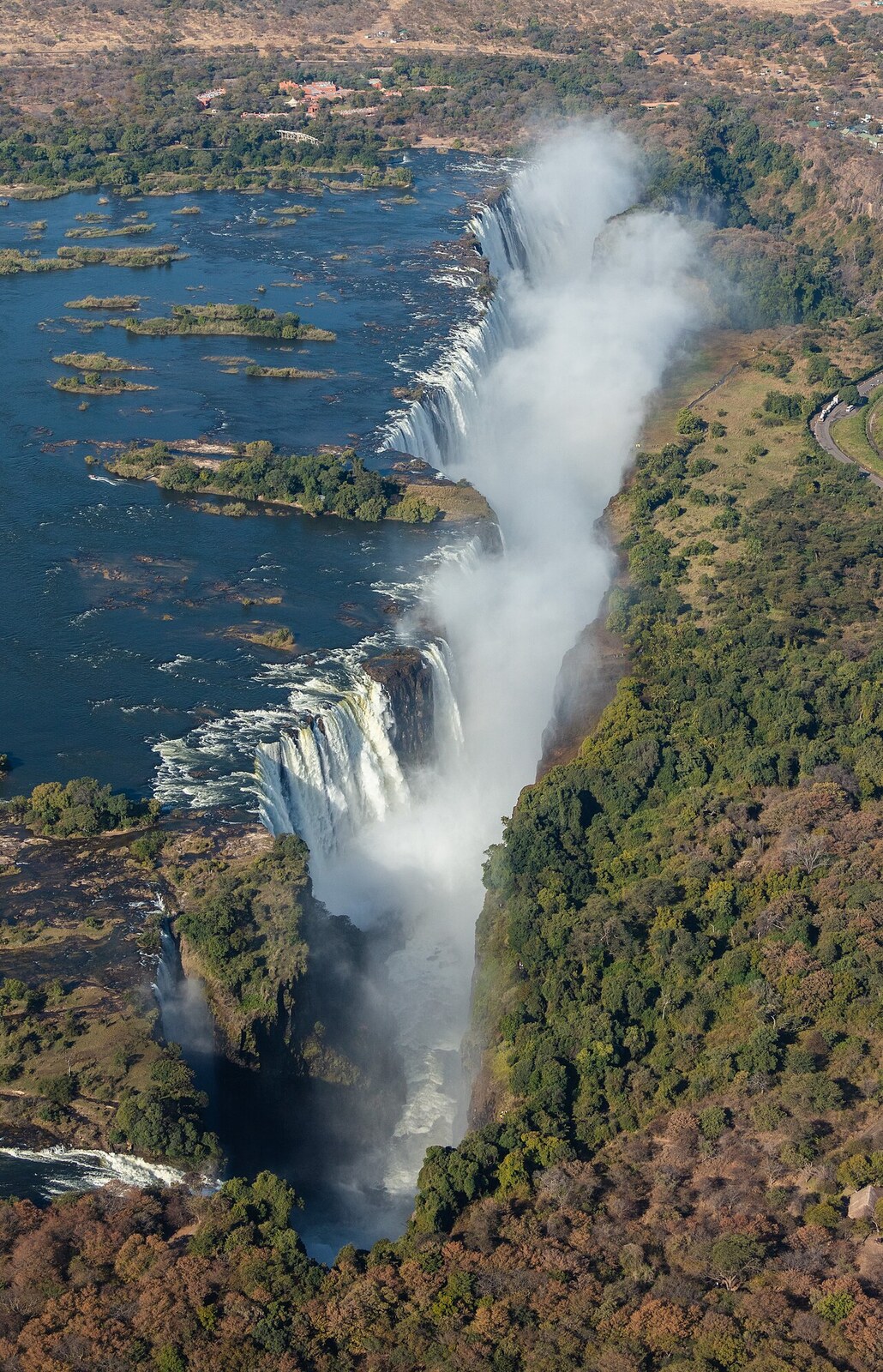
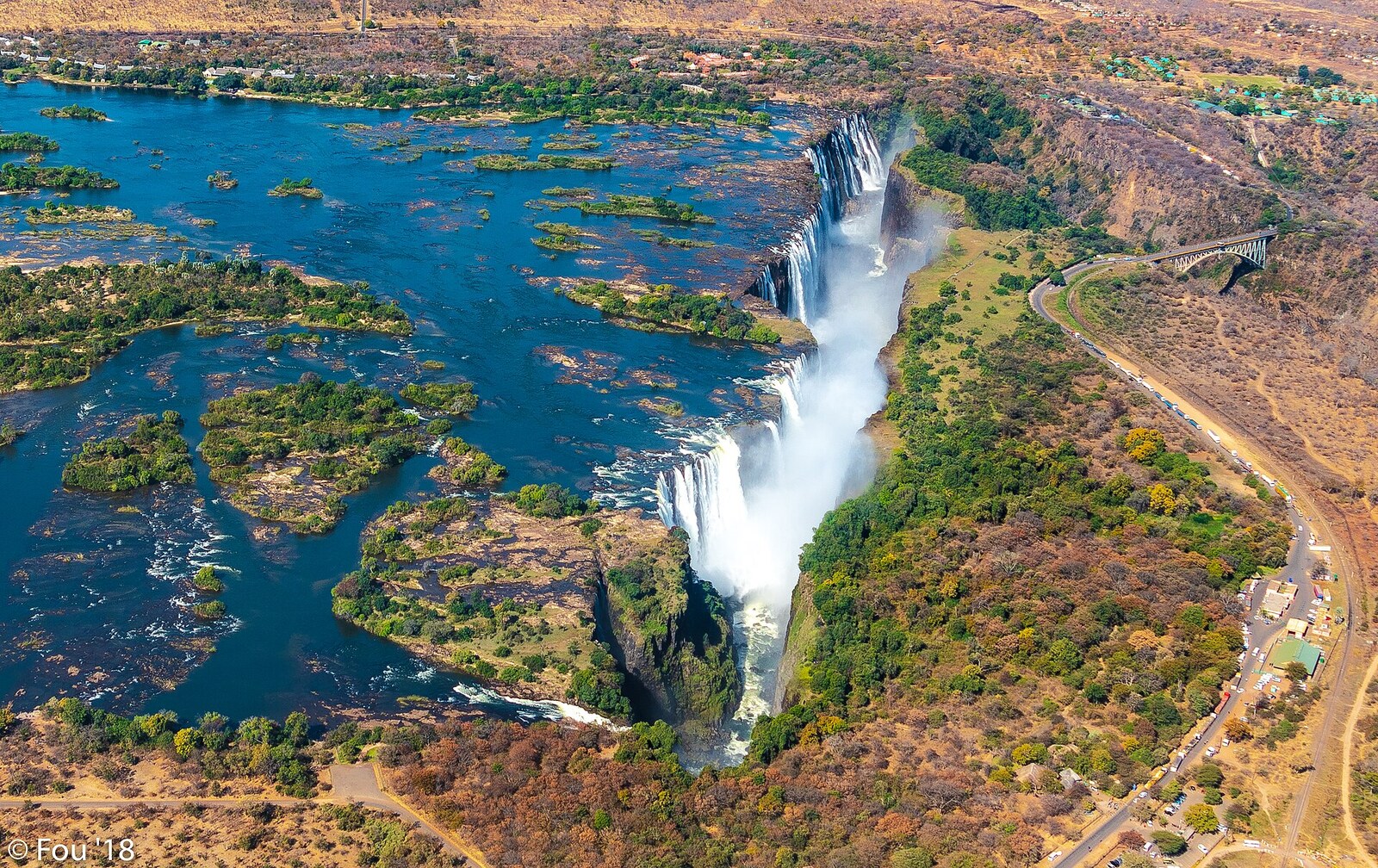
Victoria Falls — the Smoke that Thunders — through the seasons.
The Short Answer: Best Time by Priority
| If your priority is… | Best months | Why |
|---|---|---|
| Maximum spectacle (full flood) | February – May | Peak water volume, thundering roar, spray column visible 20 km away |
| Best overall (flow + views) | May – July | Impressive water with clearing spray — the sweet spot for most visitors |
| Photography | June – August | Clear views, dramatic rock face, good light, manageable spray |
| Devil's Pool | Mid-September – late December | Water low enough to swim safely on the Zambian lip |
| White-water rafting | August – December | Grade 5 rapids, full 23-rapid run, best adrenaline |
| Helicopter flights | August – November | Lightest spray, clearest aerial views of the gorge structure |
| Value & fewest crowds | January – March | Green season: lowest rates, building water, lush landscapes |
| Families | May – August | Dry, comfortable, malaria risk lower, good views, child-friendly cruises |
| Honeymooners | May – July or September – October | Romantic sunsets, comfortable weather, most activities open, photogenic Falls |
Keep this table in mind as you read on. Below we break the year into its two great seasons, lay out a detailed activity calendar, compare the Zimbabwe and Zambia sides, then walk through every month so you can lock your dates with confidence.


High-Water Season (February–July): The Thundering Spectacle
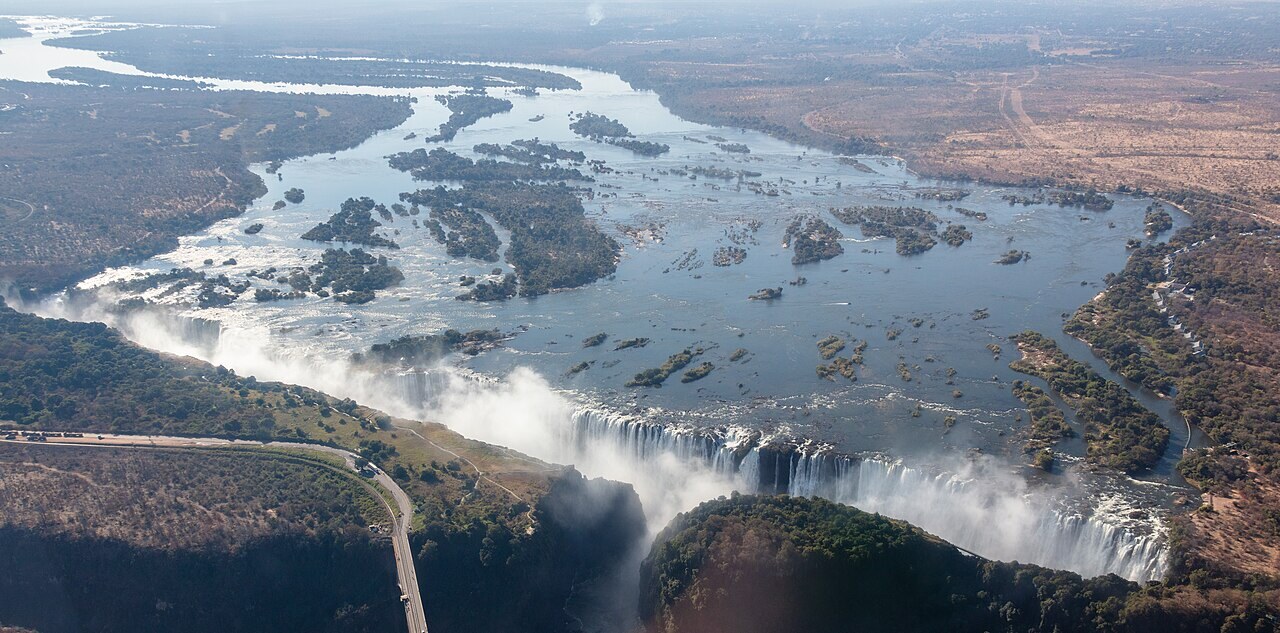
From around February the Zambezi begins to swell with the summer rains that have fallen upstream in Zambia, Angola and the Congo basin. By March and April the river is at peak volume, and Victoria Falls transforms into the most powerful curtain of falling water on the planet. The entire 1,708-metre width roars as a single, unbroken wall of white, the spray column rises over 400 metres into the sky, and the thunder can be heard from the town.
This is the Falls at their most dramatic — a raw, elemental force that justifies every superlative. The experience is immersive: walking the rainforest trail on the Zimbabwe side you will be drenched by spray, and at the highest viewpoints the cascade is so intense it can obscure the view entirely. That wall of mist is part of the spectacle, but it means cameras need waterproof protection and clear photographs are harder to come by.
The high-water months are roughly February to July, with the peak typically in March and April. By May and June the flow is still very impressive but the spray begins to clear, opening up views across the gorge — many experienced travellers consider May to July the sweet spot, when you get both the thundering power and the ability to actually see the Falls.
What is open during high water
- Falls viewing — both Zimbabwe and Zambia sides, though heavy spray can obscure the view at the closest viewpoints
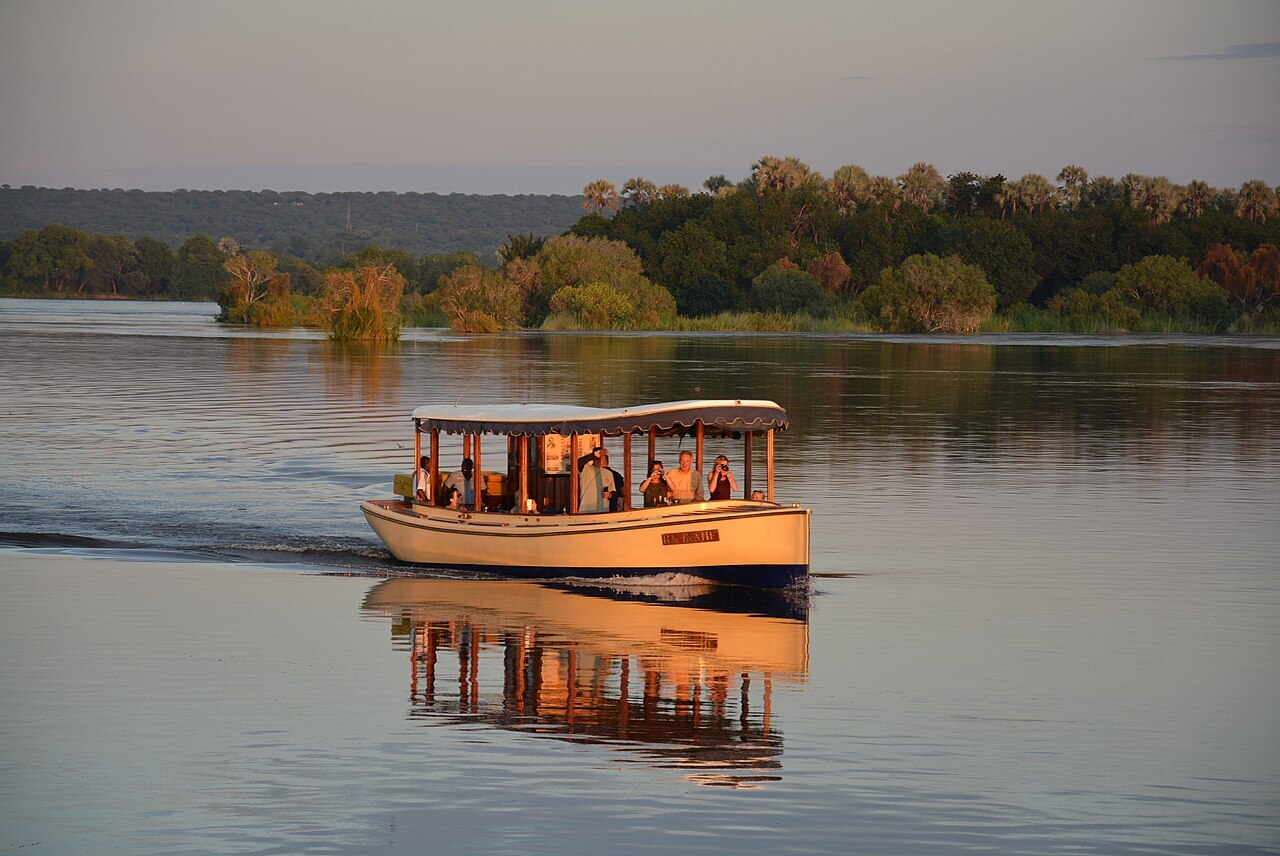
- Zambezi sunset cruises — run year-round, with the river at its fullest and most dramatic
- Helicopter and microlight flights — available but spray can reduce visibility; the sheer scale of the mist column from the air is extraordinary
- Bungee jumping and bridge swing — year-round from the Victoria Falls Bridge
What is closed or limited during high water
- Devil's Pool — closed; the current is far too strong
- White-water rafting — suspended or limited to a shorter course; the rapids are submerged
- Livingstone Island access — closed
Dry Season & Adventure Window (August–November): The Playground Opens
From August the Zambezi drops steadily and Victoria Falls begins its second act. The wall of spray thins, the rock face emerges, and individual cascades appear where before there was only white. By October and November the eastern cataracts on the Zambian side can run dry — revealing the sheer basalt cliff and the geological drama of the gorge — while the Zimbabwe side still carries a dramatic, photogenic flow.
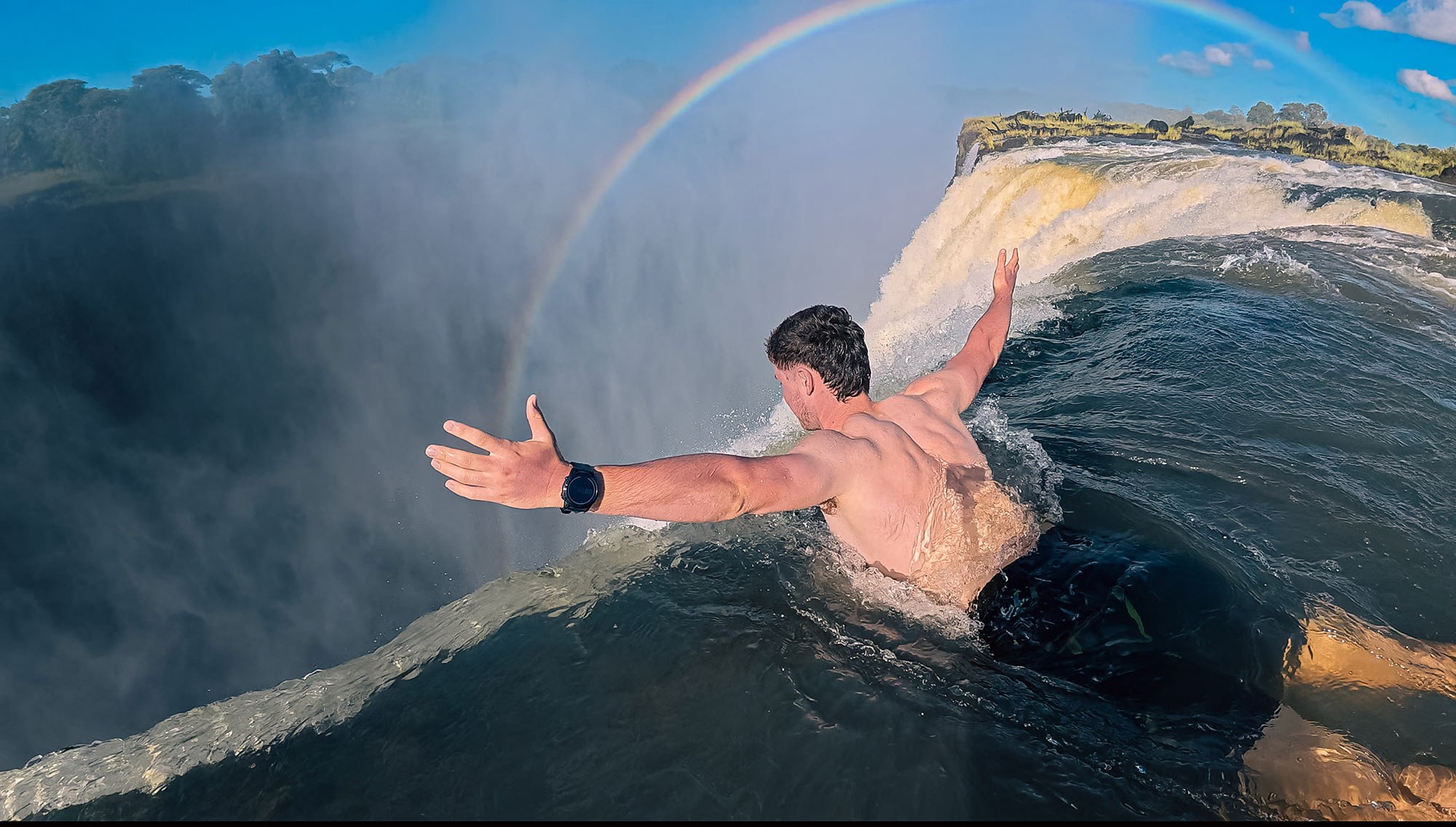
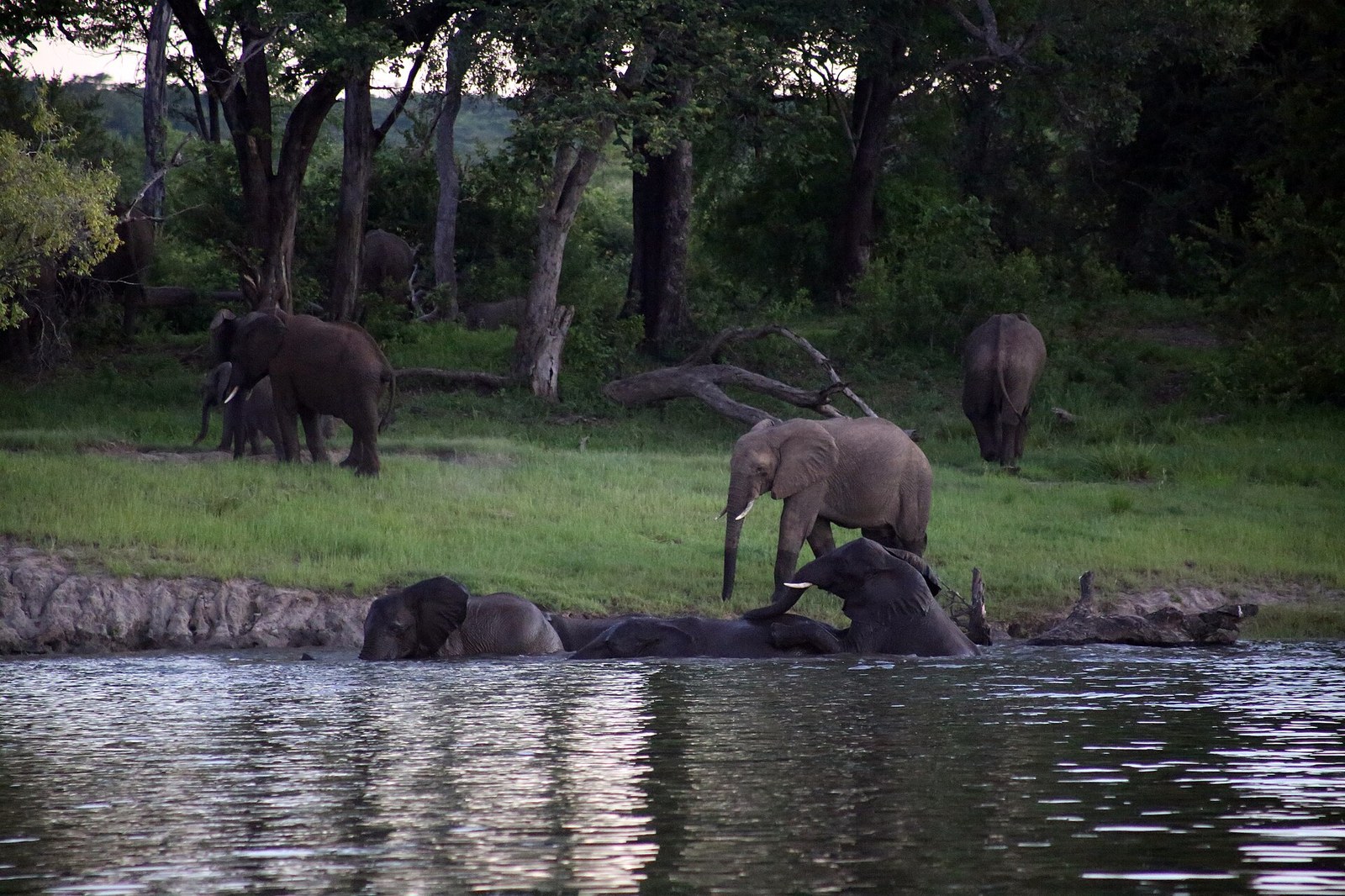
This is the adventure season. As the water drops, the Batoka Gorge below the Falls reveals some of the finest white-water rapids on Earth — a Grade 5 roller coaster through 23 named rapids. Devil's Pool, the famous natural rock pool on the Zambian lip, opens for swimming from around mid-September. Helicopter flights offer the clearest, most dramatic views of the gorge structure, unobscured by spray. And the surrounding bush is at its driest, pushing elephants, hippos and buffalo to the river — excellent for game viewing from the Zambezi lodges.
The dry-season window runs from roughly August to November, with September and October widely considered the best months for the full adventure experience: good water on the Zimbabwe side, Devil's Pool open, rafting at its best, and warm, dry weather.


Activity Calendar Matrix: What Is Open When
This is the table that no other Victoria Falls guide publishes. Every major activity, rated by month, so you can plan your trip around exactly what you want to do.
| Activity | Jan | Feb | Mar | Apr | May | Jun | Jul | Aug | Sep | Oct | Nov | Dec |
|---|---|---|---|---|---|---|---|---|---|---|---|---|
| Devil's Pool | ✘ | ✘ | ✘ | ✘ | ✘ | ✘ | ✘ | ✘ | ✔ | ✔ | ✔ | ● |
| White-Water Rafting | ● | ✘ | ✘ | ✘ | ✘ | ✘ | ● | ✔ | ✔ | ✔ | ✔ | ✔ |
| Helicopter Flight | ✔ | ✔ | ✔ | ✔ | ✔ | ✔ | ✔ | ✔ | ✔ | ✔ | ✔ | ✔ |
| Bungee / Bridge Swing | ✔ | ✔ | ✔ | ✔ | ✔ | ✔ | ✔ | ✔ | ✔ | ✔ | ✔ | ✔ |
| Sunset Cruise | ✔ | ✔ | ✔ | ✔ | ✔ | ✔ | ✔ | ✔ | ✔ | ✔ | ✔ | ✔ |
| Zambezi Game Drives | ● | ● | ● | ✔ | ✔ | ✔ | ✔ | ✔ | ✔ | ✔ | ● | ● |
✔ = open / prime • ● = limited or conditions vary • ✘ = closed
Zimbabwe vs Zambia Side: Which Should You Visit?
Victoria Falls sits on the border between Zimbabwe and Zambia, and each side offers a genuinely different experience. Many visitors do both using the KAZA UniVisa (US $50), which covers Zimbabwe, Zambia and day trips between the two countries on a single visa. Here is how they compare.
| Zimbabwe Side (Victoria Falls Town) | Zambia Side (Livingstone) | |
|---|---|---|
| Falls views | Two-thirds of the frontage; 16 viewpoints along the rainforest trail; the most panoramic perspective | Closer, more intimate; Knife-Edge Bridge over the gorge; some eastern cataracts dry in low water |
| Signature experience | Rainforest trail walk, Stanley Terrace tea at The Victoria Falls Hotel | Devil's Pool (Sep–Dec), Livingstone Island lunch |
| Best for year-round flow | Yes — the main cataracts carry water even in low season | Eastern cataracts can dry up Oct–Dec, exposing the rock face |
| Luxury lodges | More options: The Victoria Falls Hotel, Ilala Lodge, The Elephant Camp, Victoria Falls River Lodge, Stanley & Livingstone | The Royal Livingstone, Tongabezi, Thorntree River Lodge, Sindabezi Island |
| Atmosphere | Compact, walkable town with restaurants, craft markets, good infrastructure | Quieter, more spread out; lodges along the upper Zambezi; residential feel |
| Airport | Victoria Falls Airport (VFA) — 18 km from town; direct flights from Johannesburg, Nairobi, Addis Ababa | Harry Mwanga Nkumbula Airport (LVI) — 6 km from Livingstone; flights from Johannesburg, Cape Town |
Our recommendation: if you only have one day, visit the Zimbabwe side for the widest views. If you have two or more nights, do both sides — the KAZA UniVisa makes it easy, and the experience on each bank is genuinely different. In the dry season, the Zambia side adds Devil's Pool; in the flood season, the Zimbabwe side's higher vantage points let you see through the spray better.
Victoria Falls Month by Month
Here is the full year in detail, so you can match your available dates to the water level, the weather, and the activities.
| Month | Water Level | Weather | Crowds | Best For |
|---|---|---|---|---|
| January | Rising (medium) | Hot, humid, afternoon storms; 25–35°C | Low | Value, green season, building water, birding |
| February | Rising fast (high) | Hot, wet; peak rains; 24–34°C | Low | Value, flood building, dramatic storms, quiet lodges |
| March | Near peak (very high) | Hot, humid, rains easing; 23–33°C | Low | Full flood building, spectacle, value, lush green |
| April | Peak flood | Warm, drying; 20–31°C | Moderate | Maximum spectacle, spray rainbows, shoulder value |
| May | Peak to high | Warm days, cool nights; 15–28°C; dry | Moderate | Sweet spot: power + clearing views; comfortable weather |
| June | High, dropping | Cool, dry; 10–25°C; coldest mornings | Moderate-High | Excellent views, good flow, photography, comfortable |
| July | Moderate, dropping | Cool, dry; 8–25°C; chilly mornings | High (peak) | Last month of impressive flow; clear views; peak tourism |
| August | Moderate-low | Warming, dry; 12–28°C | High (peak) | Rafting opens, clear heli flights, game drives peak, photography |
| September | Low | Hot, dry; 16–32°C | High | Devil's Pool opens, prime rafting, clear aerials, wildlife |
| October | Low (Zam side drying) | Very hot, dry; 18–35°C | High | Adventure peak: Devil's Pool, rafting, gorge views, rock face |
| November | Lowest, rains start | Hot, first storms; 20–34°C | Moderate | Shoulder value, rafting still open, Devil's Pool, geological drama |
| December | Rising (low-medium) | Hot, wet; storms build; 22–34°C | Moderate (festive) | Festive season, Devil's Pool closing, water building, green |
January & February: The Green Season Build-Up
The heart of the rainy season: hot, humid days with dramatic afternoon thunderstorms that clear to golden light. The Zambezi is rising fast as the summer rains upstream gather force. The Falls are not yet at full flood, but the water is building visibly. These are the quietest months of the year, with the lowest lodge rates and an emerald-green landscape. White-water rafting may still be available in January on a limited course. Birding is superb, with migratory species in full plumage. Pack light, quick-dry clothing and a good rain jacket.
March & April: Peak Flood — The Thundering Spectacle
The Zambezi reaches peak volume and Victoria Falls transforms into the most powerful waterfall on Earth. The entire width is a continuous wall of white water, the spray column rises hundreds of metres, and the roar is audible from the town. Walking the Zimbabwe side's rainforest trail is an immersive, soaking experience — wear a swimsuit under your clothes and bring waterproof bags for cameras. The Zambia side's viewpoints are nearly impossible to see through the spray at the closest points. This is the Falls at their most raw and elemental. Lodge rates are still in the shoulder range, making April particularly good value for the spectacle.
May, June & July: The Sweet Spot
The water is still high and impressive, but the spray is clearing — the Falls reveal their full structure, the viewpoints open up, and photography improves dramatically. The weather is dry and comfortable: warm days, cool mornings (June and July can drop to 6 to 10 degrees at dawn — pack layers). This is when most experienced travellers visit, and for good reason: you get the power and the views. By July the flow is noticeably lower but still dramatic, and the first whispers of the dry-season adventure window appear. This is peak tourist season, so book well ahead.
August: The Adventure Window Opens
The Zambezi continues to drop, the spray thins further, and the adventure activities come alive. White-water rafting reopens on the full Batoka Gorge course, the helicopter views are crystal-clear, and the surrounding bush is at its driest — excellent game viewing from the Zambezi lodges as elephants, buffalo and hippo concentrate along the river. The Zimbabwe side still carries a good, photogenic flow. Warm, dry weather with pleasantly hot afternoons. This is a busy month — book premium experiences ahead.
September & October: Adventure Peak
The defining months of the dry-season Victoria Falls. Devil's Pool opens on the Zambian lip, white-water rafting is at its most powerful (Grade 5, the full 23-rapid run), and the Batoka Gorge reveals its dramatic geological structure. The Zimbabwe side maintains a photogenic curtain of water — the Falls are far from dry, just less spray-drenched. On the Zambia side, the eastern cataracts begin to expose the rock face by October, which is a dramatic sight in its own right. October is very hot (up to 35 degrees), so drink plenty of water and plan activities for early morning or late afternoon. Wildlife concentrations along the river are at their peak.
November: The Shoulder Gem
November sits in a sweet-spot shoulder position: the rains are just beginning, the air is green and fresh after the first storms, Devil's Pool is still open, rafting is still running, and lodge rates are dropping from peak-season levels. The Falls are at their lowest water — the Zambia side may be largely dry, revealing the bare rock, but the Zimbabwe side still has a dramatic cascade. This is an underrated month for visitors who want adventure activities, fewer crowds, and softer rates. The first storms bring spectacular evening skies.
December: The Festive Turn
The rains build and the Zambezi begins to rise. Devil's Pool closes towards the end of the month as the water level climbs. Rafting may still run in early December on a shortened course. The landscape is lush and green, afternoon storms are frequent but short, and the festive period brings a spike in visitors. December is a transition month — the Falls are building towards their next flood season, and the atmosphere shifts from the adventure playground to the promise of the coming spectacle. Book the festive fortnight early.
Best Month by Traveller Type
For photographers
June to August is the prime window: the spray has cleared enough to photograph the full width of the Falls, the light is warm and golden in the dry winter air, and the surrounding bush is bare — letting you capture the scale of the gorge and the Falls together. At high water (March to May), the spray makes photography challenging but the rainbow-and-mist shots can be extraordinary with waterproof gear.
For white-water rafters
September to November is the bucket-list window: the Batoka Gorge delivers 23 named rapids at Grade 5, the water is warm (no wetsuit needed), and the canyon walls tower above you. August is the first month of the full run, December the last before the river rises again. This is among the best commercial white-water in the world.
For families
May to August is ideal: dry, comfortable weather with no malaria-prophylaxis anxiety (malaria risk is lower in the dry season), family-friendly sunset cruises on the Zambezi, gentle walking trails, and the Falls are impressive without the drenching spray that can overwhelm young children. Book lodges with family suites — The Victoria Falls Hotel, Ilala Lodge and The Elephant Camp all welcome children.
For honeymooners
May to July for the romantic combination of impressive Falls, golden light, comfortable weather and private sundowner cruises. September and October if you want to add Devil's Pool and adventure activities to the romance. Tongabezi Lodge on the Zambia side and The Elephant Camp on the Zimbabwe side are the most romantic lodge choices. For a complete Falls honeymoon guide, see our Victoria Falls Honeymoon Safari.
For first-timers
May to July or September to October — the two sweet-spot windows that deliver the widest range of experiences. In May to July you see the Falls at impressive volume with clear views; in September to October you get the adventure playground at its peak. Either way, you will leave with no doubt about why this is a Wonder of the World.
For bucket-list adventurers
September or October: Devil's Pool, Grade 5 rafting, bungee off the bridge, gorge swing, helicopter flight, and the Falls revealing their raw geological structure. This is the month when you can do everything in a single trip.
Crowd & Value Intelligence
| Period | Crowd Level | Lodge Rates | Notes |
|---|---|---|---|
| Jan – Mar (green season) | Low | Lowest of the year (20–40% below peak) | Best value; hot and wet; flood building |
| Apr – May (shoulder) | Moderate | Shoulder rates (10–20% below peak) | Excellent value for spectacle; clearing weather |
| Jun – Oct (peak) | High | Peak rates; book 4–6 months ahead | Best weather and widest activity range; most visitors |
| Nov (shoulder) | Moderate | Dropping from peak; deals available | Great shoulder month; adventure still open; first rains |
| Dec (festive) | Moderate–High | Festive premium; book early | Holiday spike; warm, green; activities winding down |
The insider move: April, May and November are the three shoulder months that deliver the best combination of quality and value. April gives you peak flood at shoulder rates. May gives you the sweet-spot balance of power and views with drying weather. November gives you the adventure window with fewer crowds and softer rates than the July to October peak. These are the months that seasoned Victoria Falls travellers choose.
Weather, Packing & When to Book
| Season | Temps | Conditions | Pack Essentials |
|---|---|---|---|
| Green season (Nov–Mar) |
Night 18–22°C; day 30–35°C | Hot, humid; afternoon thunderstorms; lush green | Rain jacket, quick-dry layers, sunblock, insect repellent, sandals |
| Dry winter (Apr–Aug) |
Night 6–14°C; day 24–28°C | Dry, cool mornings, warm days; clear skies | Warm layers for dawn, waterproof bag for spray trail, binoculars, hat |
| Hot dry (Sep–Oct) |
Night 16–20°C; day 30–35°C | Very hot, dry; dust; excellent game viewing | Swimwear (Devil's Pool), sunblock, wide-brim hat, plenty of water, light clothing |
When to book: For peak season (July to October) and the festive period, book luxury lodges and premium experiences (Devil's Pool, helicopter flights) 4 to 6 months ahead. Shoulder months (April to June, November) are more flexible but premium lodges still fill 2 to 3 months out. Green-season rates are the lowest, and last-minute availability is common — but the best lodges still book ahead.
For a comprehensive guide to accommodation options at the Falls, see our Top 10 Victoria Falls Luxury Lodges ranking, or explore our Affordable Victoria Falls Lodges guide for value-focused stays.
The Verdict: So When Should You Go?
Victoria Falls is a year-round destination that simply changes character with the seasons. There is no wrong time to visit — only the right time for what you want to see and do.
If we had to pick one month for a first-time visitor, it would be June: the Falls still carry impressive, photogenic water, the spray has cleared enough for views and photographs, the weather is dry and comfortable, most activities are available, and the surrounding bush is entering its prime game-viewing period. June sits in the sweet spot where every element aligns.
But every season has its champions. March and April deliver the most powerful waterfall on Earth, an experience no video or photograph can replicate. September and October deliver the full adventure playground — Devil's Pool, Grade 5 rafting, crystal-clear helicopter flights and the geological drama of the exposed rock face. November is the insider's shoulder month: fewer crowds, softer rates, and the last of the adventure window before the rains return.
Whichever month calls to you, Victoria Falls will reward you with one of the great natural spectacles on Earth. When you are ready to turn a date into a journey, browse the itineraries below, explore our full Victoria Falls Adventure Guide, or contact our team to plan a tailor-made trip built around the perfect time for you.