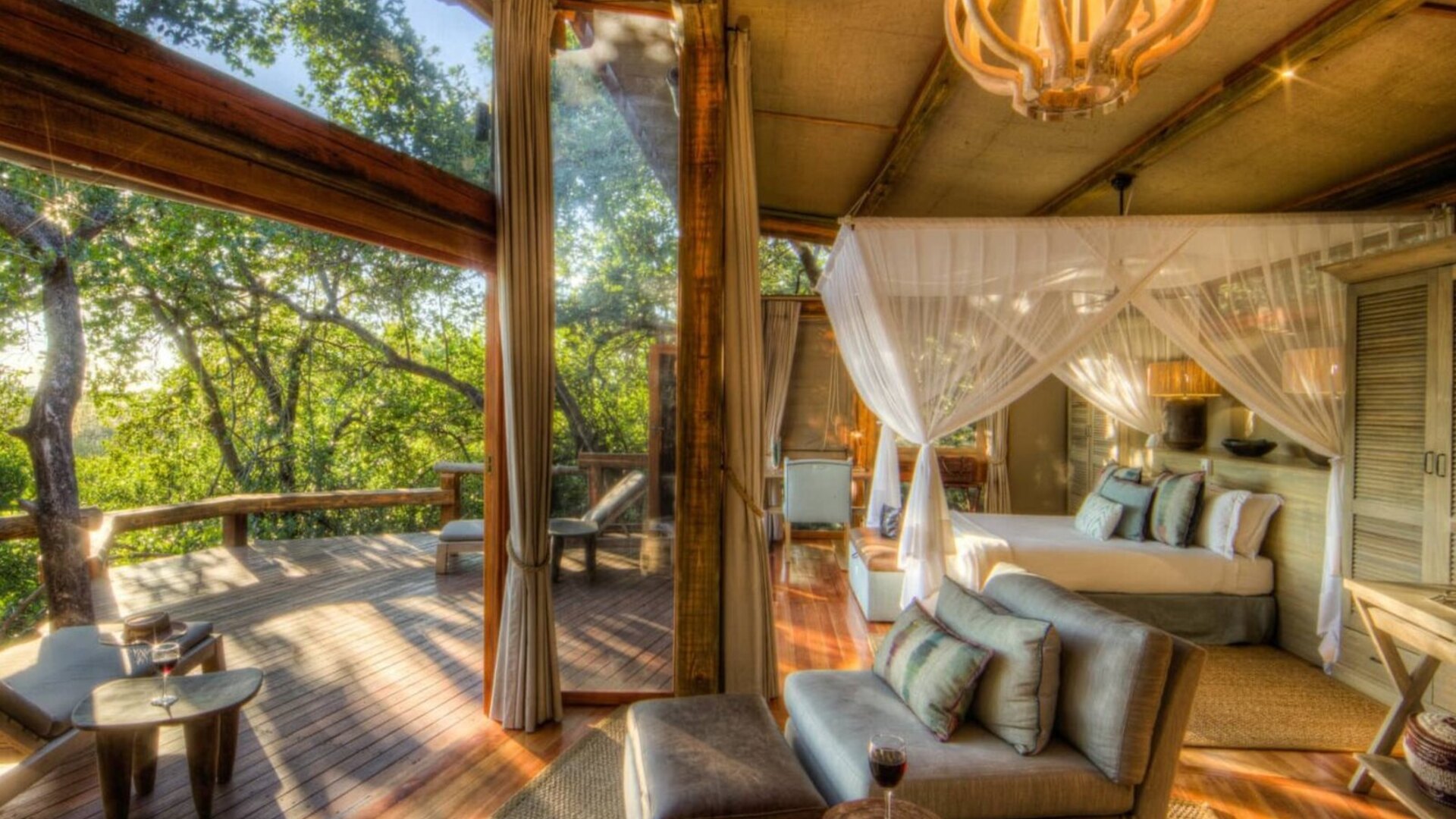
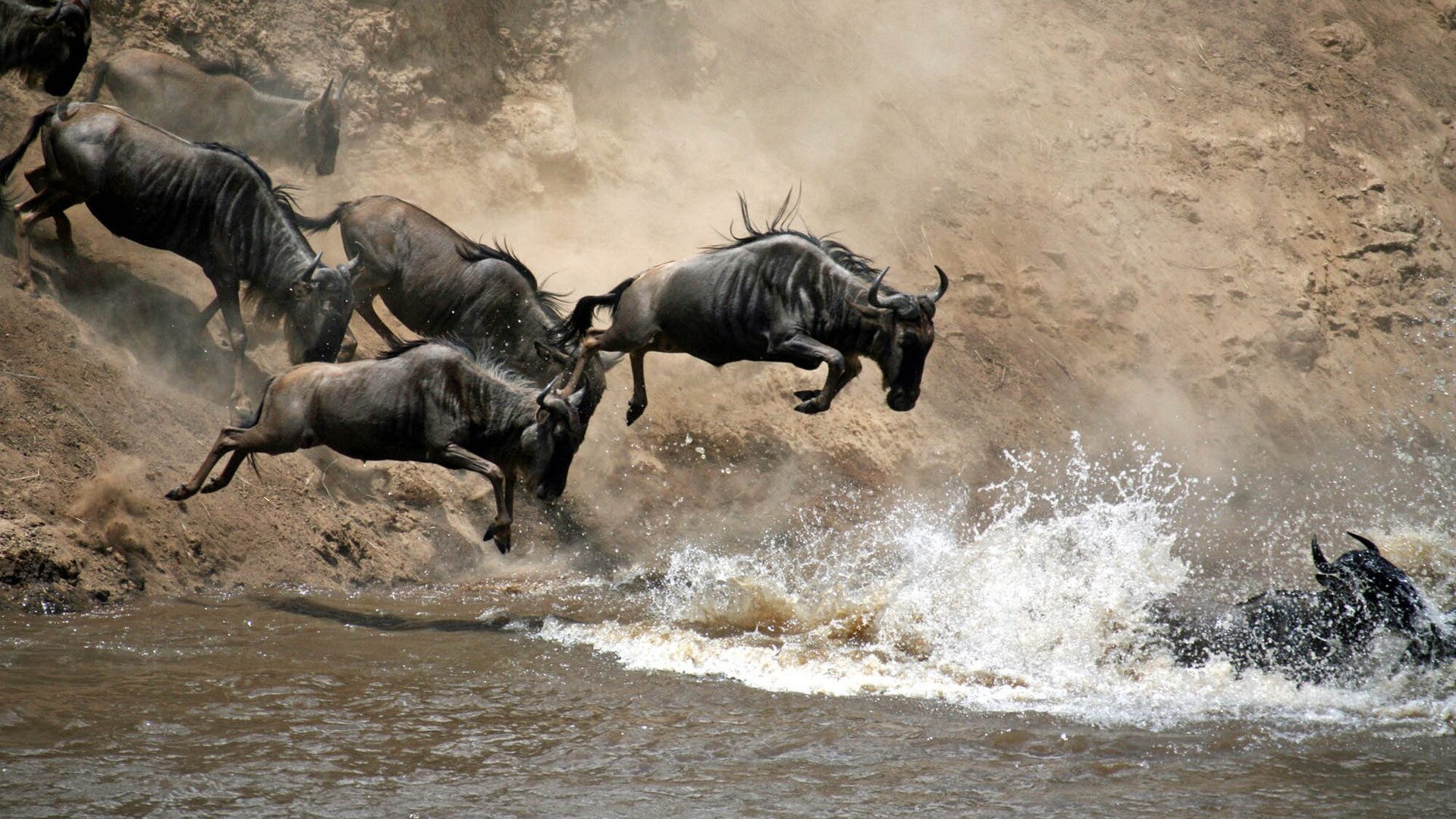
🦁 Key Takeaways — Solo Safari to Kruger
- Why it works alone: Kruger is tarred, signposted, fenced at night and run as a public park — one of the gentlest places in Africa to go on safari by yourself
- Self-drive or guided: Self-drive is cheap and flexible; guided drives read tracks and open up off-road access. Most solo travellers do both
- No single supplement inside the park: National rest camps charge per hut, not per person, so a solo guest pays no markup — the supplement only bites at private lodges
- Real cost: Self-drive self-catering runs about R2,000–R3,500 a day (US$110–$190); private-lodge guided is far higher for a solo guest
- Best time: Dry winter, May–September — thin bush, animals at water, mild days and the lowest malaria risk
- Meeting people: Book the park's guided drives, bush walks and camp dinners — the easy, built-in way to share the trip
Why Kruger Works So Well on Your Own
Travelling alone has a reputation it does not deserve, and nowhere proves that faster than Kruger. This is a public national park the size of a small country, laid out with tarred main roads, clear signposts, speed limits and a string of fenced rest camps that lock their gates at dusk. You do not need a group, a guide or a partner to make it work. You need a car, a booking and a rough plan, and the park does the rest.
I have sent plenty of solo travellers into Kruger, from nervous first-timers to people who have driven it a dozen times and still go back alone because they like it that way. The honest appeal is this: when you are on your own at a sighting, the pace is entirely yours. You can sit with a single leopard for forty minutes without anyone shifting in their seat. You can skip the herd of impala and push on to the river. You answer to no one, and in a place this calm and this well run, that freedom is the whole point.
What follows is the practical playbook — the real decisions, the real numbers and the honest trade-offs — so you can book a solo Kruger trip with your eyes open.
Self-Drive or Guided: The Real Decision
This is the first fork in the road, and there is no single right answer — only the one that fits your budget, your confidence and how much you want to spot versus how much you want to be looked after.
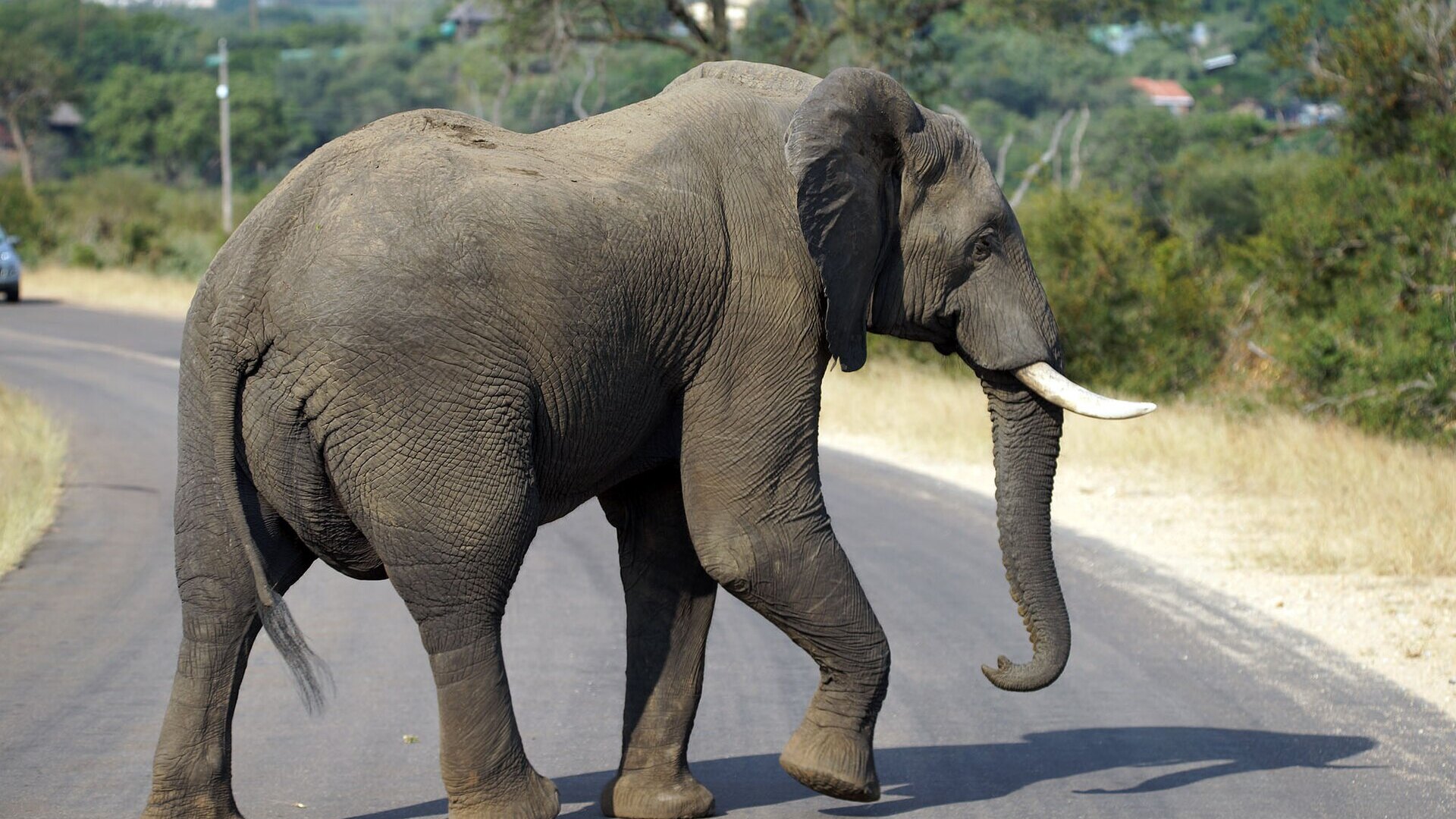
Self-drive is why so many people choose Kruger for a solo trip. A regular hire car handles the tarred roads with ease, a day permit is cheap, and you go where you like at your own speed. The catch is honest: without a trained eye you will drive past things a ranger would catch, and you are relying on your own patience and a good map of the waterholes. It is the cheapest, freest way to do Kruger, and for a lot of solo travellers it is the best part of the whole trip.
Guided comes in two forms. Inside the national park you can book open-vehicle drives at your camp — a ranger, a radio network and height you do not get in a hire car. In the private reserves that border Kruger, a guided stay goes further: off-road driving up to the animals, tracking on foot and night drives after the public gates have shut. You see more, you learn more and you are in company, but you pay for it, and as a solo guest that bill climbs with the single supplement.
The move I recommend most often to solo travellers is a blend: self-drive for the freedom, with a couple of the park's own guided drives booked at reception. It keeps the cost down, fixes the one weakness of self-driving, and lands you in a vehicle with other people a few times without committing to a full guided package.
| What matters to you | Self-drive | Guided |
|---|---|---|
| Cost for one | Lowest — hire car, permit, hut | Higher — single supplement at lodges |
| Freedom | Total — your pace, your route | Set drive times and routes |
| How much you spot | Down to you — easy to miss things | More — trained eyes and a radio |
| Off-road & night drives | Not allowed self-driving | Yes, in private reserves |
| Company | On your own in the car | With a guide and other guests |

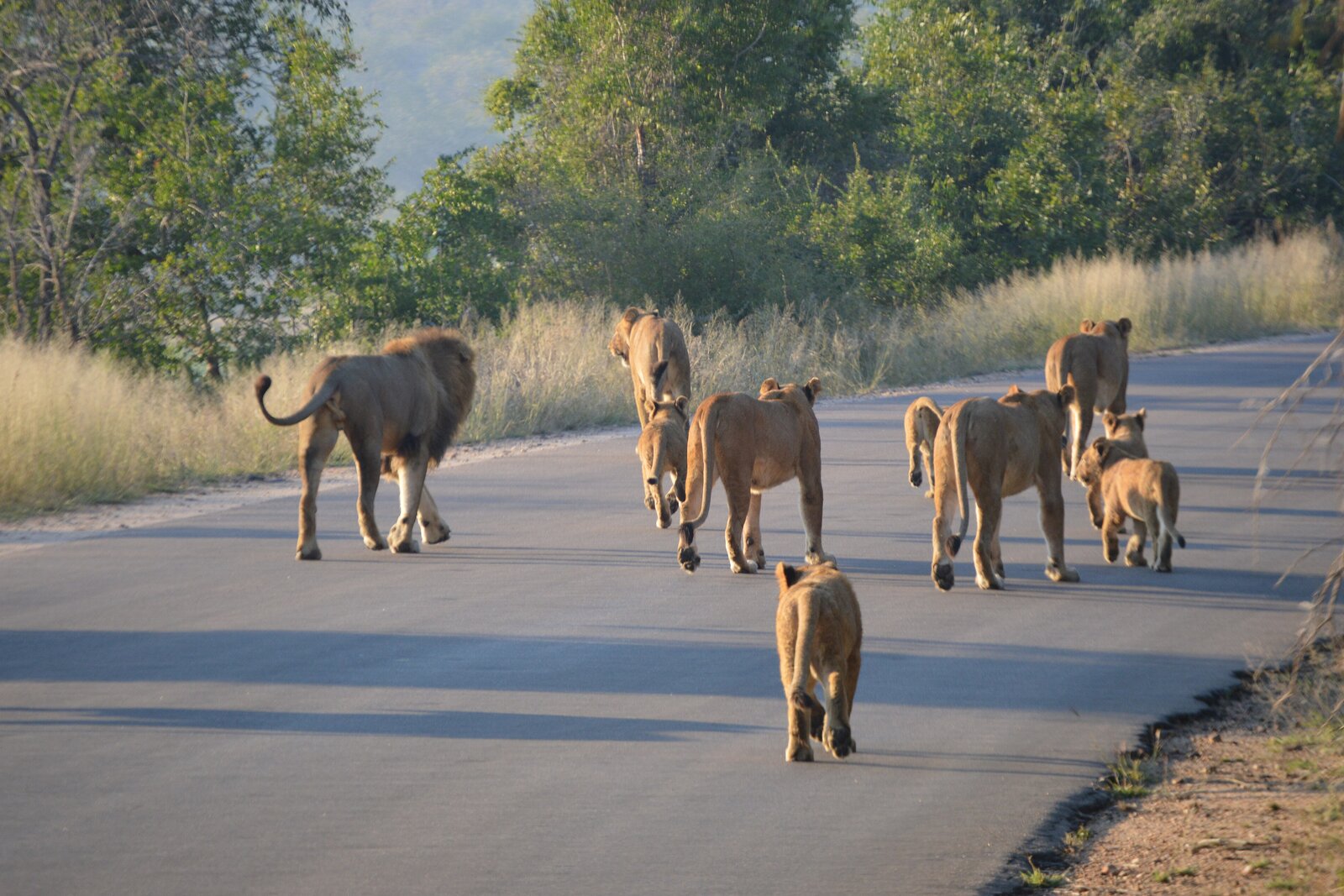
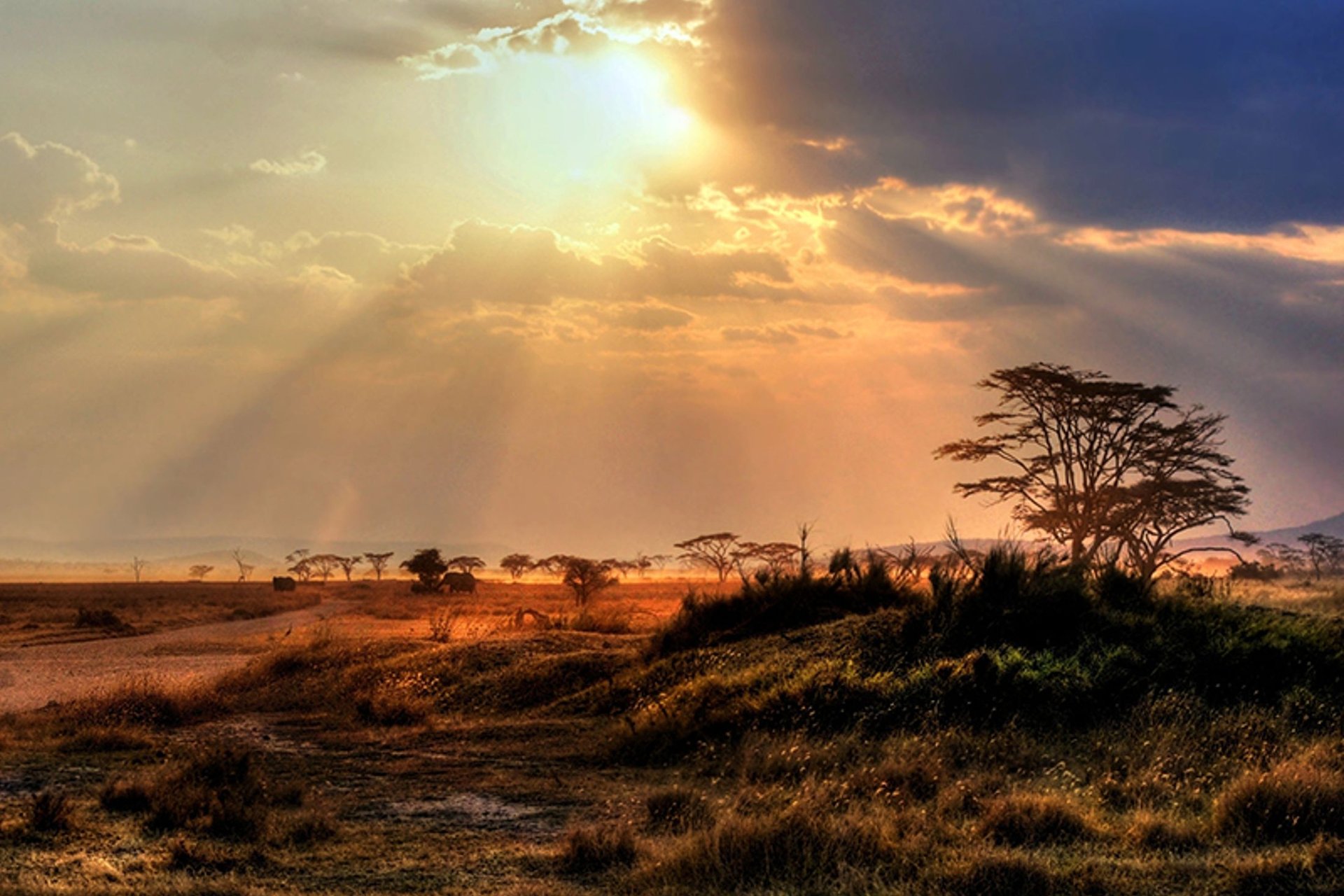
The Single Supplement, and How to Dodge It
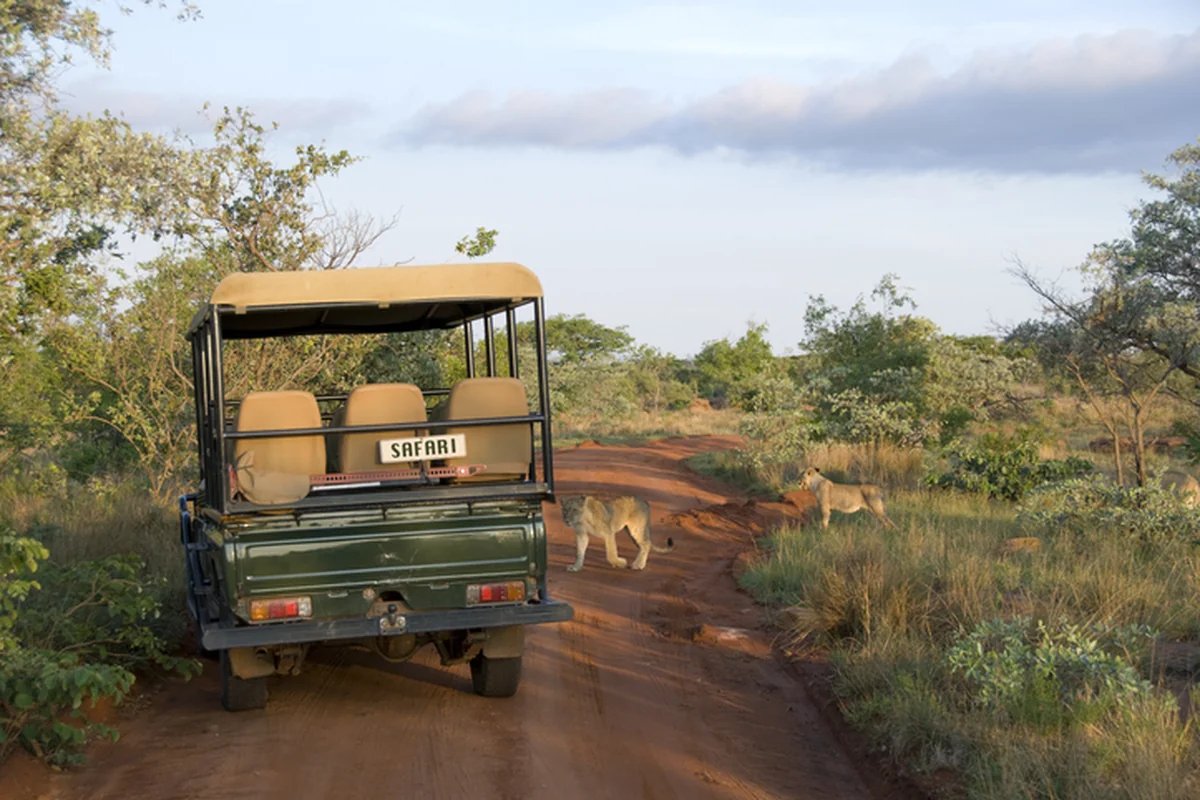
Here is the thing most solo travellers only learn after they have been quoted: the single supplement is the surcharge a private lodge adds when one person occupies a room priced for two. Lodges quote their rates per person sharing. Travel alone and you are charged extra to cover the empty half of the room — commonly from around 50 percent on top of the sharing rate, and at busy times up to the full double rate. On a pricey lodge, that can quietly double your bill.
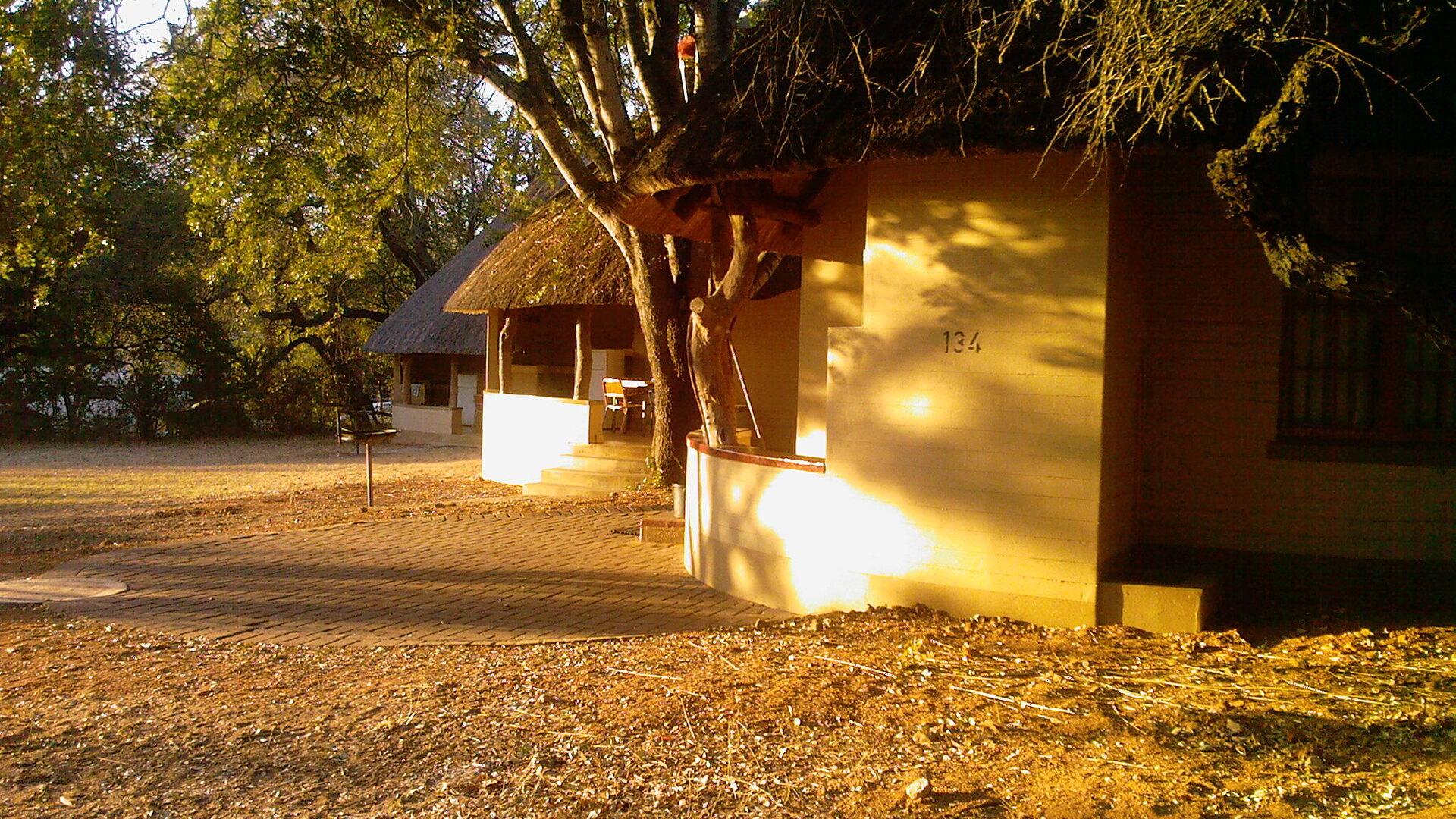
Kruger's great advantage for a solo traveller is that inside the national park, there is no single supplement at all. The rest camps charge per unit — per bungalow, per rondavel, per cottage — not per head. Whether one of you sleeps in the hut or two, the price is the same. You simply pay the unit rate and the daily conservation fee, and that is it. For anyone travelling on their own, this is the single biggest reason Kruger beats a private-lodge safari on cost.
If you do want the private-lodge experience — the off-road drives, the tracking, the service — the supplement is still beatable, and this is where planning earns its keep. The levers that work:
- Travel in the green season (roughly November to March), when several lodges drop or waive the single supplement to fill rooms.
- Pick camps that already waive it on set dates — a shortlist we keep current, covered in our guide to safari lodges with no single supplement.
- Do a split trip — a few self-drive nights in the national park, then one or two guided nights at a private lodge, so the supplement only touches a small part of the bill.
That last option is the one I book most for solo travellers. You get the freedom and the saving of self-driving for most of the week, and a short, sharp burst of guided luxury without the full supplement sting.
The Best Rest Camps for Solo Travellers
Kruger has a dozen main rest camps and a handful of smaller ones. For a solo traveller, the right base comes down to three things: good game nearby, somewhere to eat and buy supplies, and an easy way to join a guided drive. These are the ones I point people to first.
- Skukuza — the largest camp and the park's southern hub, on the Sabie River. Restaurant, shop, fuel, a bank and its own airport. Game is excellent and you are never short of people or supplies. The obvious first base for a solo trip.
- Lower Sabie — many regulars' favourite. A smaller riverfront camp with a deck restaurant looking over the water and reliably superb game in every direction. Books up early, so reserve ahead.
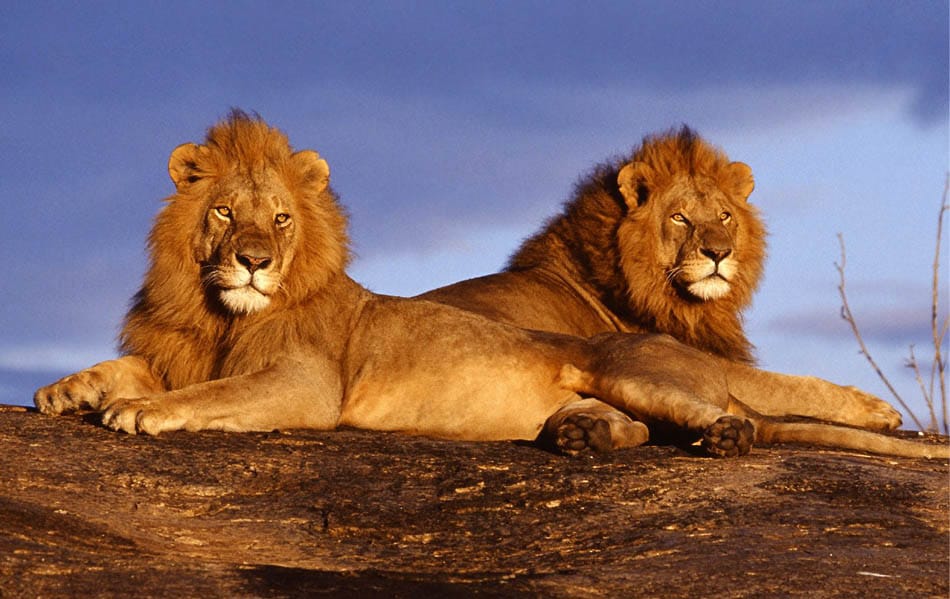
- Satara — further north on the central grasslands, this is cat country. If lions are the priority, this is your camp. More low-key than the southern pair, with a restaurant and fuel on site.
- Olifants — set high on a cliff with a long view over the Olifants River. The most scenic camp, calmer and well suited to a solo traveller who wants quiet evenings watching the river below.
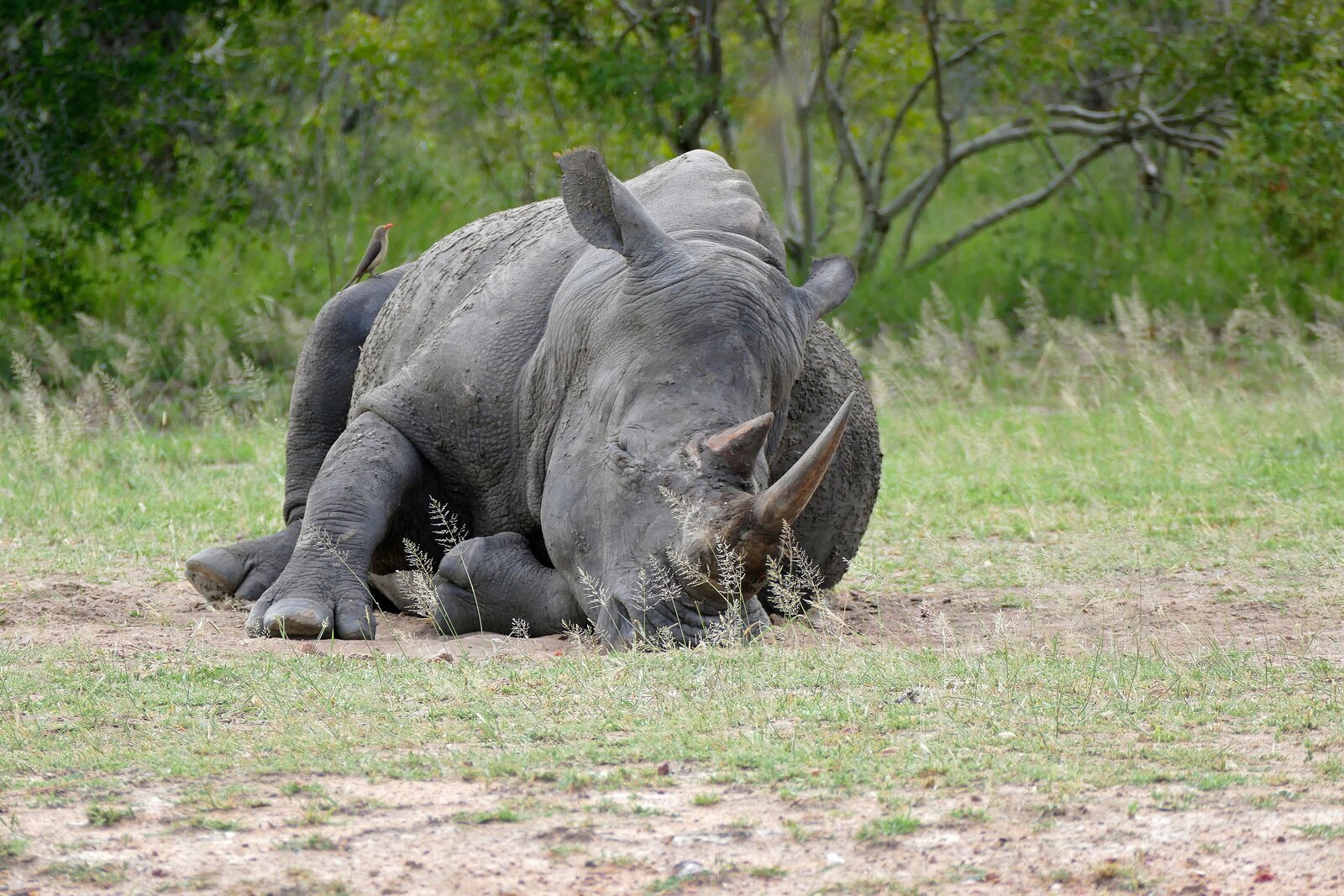
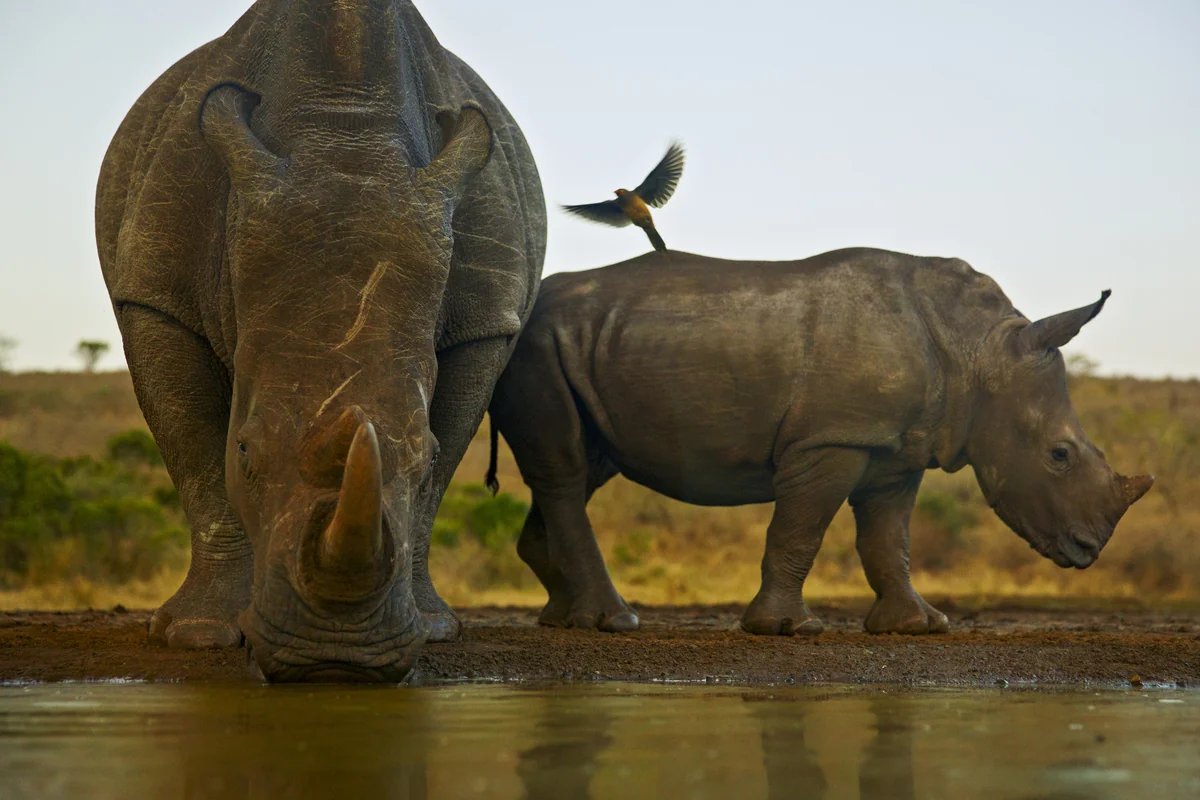
- Berg-en-Dal — modern, well spaced and in the rhino-rich far south, a short drive from the Malelane gate. Good if you are flying into Kruger Mpumalanga and want a short first-day transfer.
Book a river-facing or perimeter unit where you can, carry your own supplies for the self-catering camps, and reserve your guided drives at reception the moment you check in — the morning ones fill fast.


Getting There: Nelspruit, Skukuza or the Long Joburg Drive
There are three sensible ways into Kruger, and the right one depends on how much driving you want to do on day one.
- Fly to Kruger Mpumalanga International Airport (KMIA/MQP) near Mbombela, with scheduled flights from Johannesburg and Cape Town. It sits about an hour from the southern gates, and you pick up a hire car at the airport. For a solo self-driver, this is usually the easiest route — a short flight, then a short drive, and you are in the park the same morning.
- Fly straight into Skukuza Airport (SZK), inside the park itself, with flights from Johannesburg and Cape Town. You land already in Kruger, with no long transfer. Pair it with a hire car at Skukuza or a guided package and you skip the drive entirely.
- Drive from Johannesburg — roughly four and a half to five and a half hours to the southern gates (Malelane, Crocodile Bridge, Numbi or Phabeni). It is a straightforward run on good roads, and it lets you collect a rental in the city. For a solo traveller it is the cheapest option, but it is a long first day, so break it or start very early.
My usual advice for a solo trip is to fly to Kruger Mpumalanga and rent a car there. You arrive rested, you avoid five hours behind the wheel before you have even seen an animal, and you still get the full freedom of self-driving once you are inside.
Staying Safe and at Ease Alone
Let me be direct, because this is the question I am asked most: Kruger is a genuinely safe place to travel alone, and that includes solo women, who drive and camp here on their own all the time. It is a managed national park, not a wilderness you are dropped into. The sensible rules are few and they are easy to keep:
- Stay in your vehicle anywhere outside a camp or a marked getting-out point. This is the one rule that matters most, and it is non-negotiable.
- Be back inside the gate before it closes. Gate times are posted and change with the season. Driving after dark without a guide is not allowed, and the fine is steep.
- Keep to the speed limits — 50 km/h on tar, 40 on gravel. Most accidents and most missed sightings come from driving too fast.
- Fuel up and carry water. Distances between camps are long. Top up whenever you pass a fuel station and keep water and a snack in the car.
- Book your camps ahead. Turning up without a reservation in peak season is the one real way to get caught out.
Inside the camps you are behind an electrified fence, among other travellers, with staff on hand. The practical risks of a solo Kruger trip are the ordinary ones — a flat battery, a wrong turn, forgetting to fuel up — not the dramatic ones people imagine. Plan a little and the park looks after the rest.
How to Meet People When You Travel Alone
Travelling solo does not mean being on your own the whole time, unless that is what you want. Kruger has a built-in, low-key social side, and it is one of the reasons it suits solo travellers so well.
- Guided drives — the morning, sunset and night drives run from the camps put you in an open vehicle with a handful of other guests and a ranger. They are cheap, they are the only way to be out after the gates close, and the shared sightings get people talking.
- Bush walks — the guided morning walks, led by two armed rangers and limited to a small group, are three or four hours on foot and the fastest way to fall into conversation with other travellers.
- Camp restaurants and decks — the riverfront restaurants at Lower Sabie and Skukuza are easy, friendly places to eat alone, and the sightings board and the evening braa draw people together.
Book one or two guided activities on your first day and you will have swapped sighting tips with half the camp by the second. The solo traveller who wants quiet gets it; the one who wants company finds it just as easily.

The Best Time to Go Alone
Kruger is a year-round park, but the seasons change the trip, and for a solo traveller the differences are worth knowing before you book.
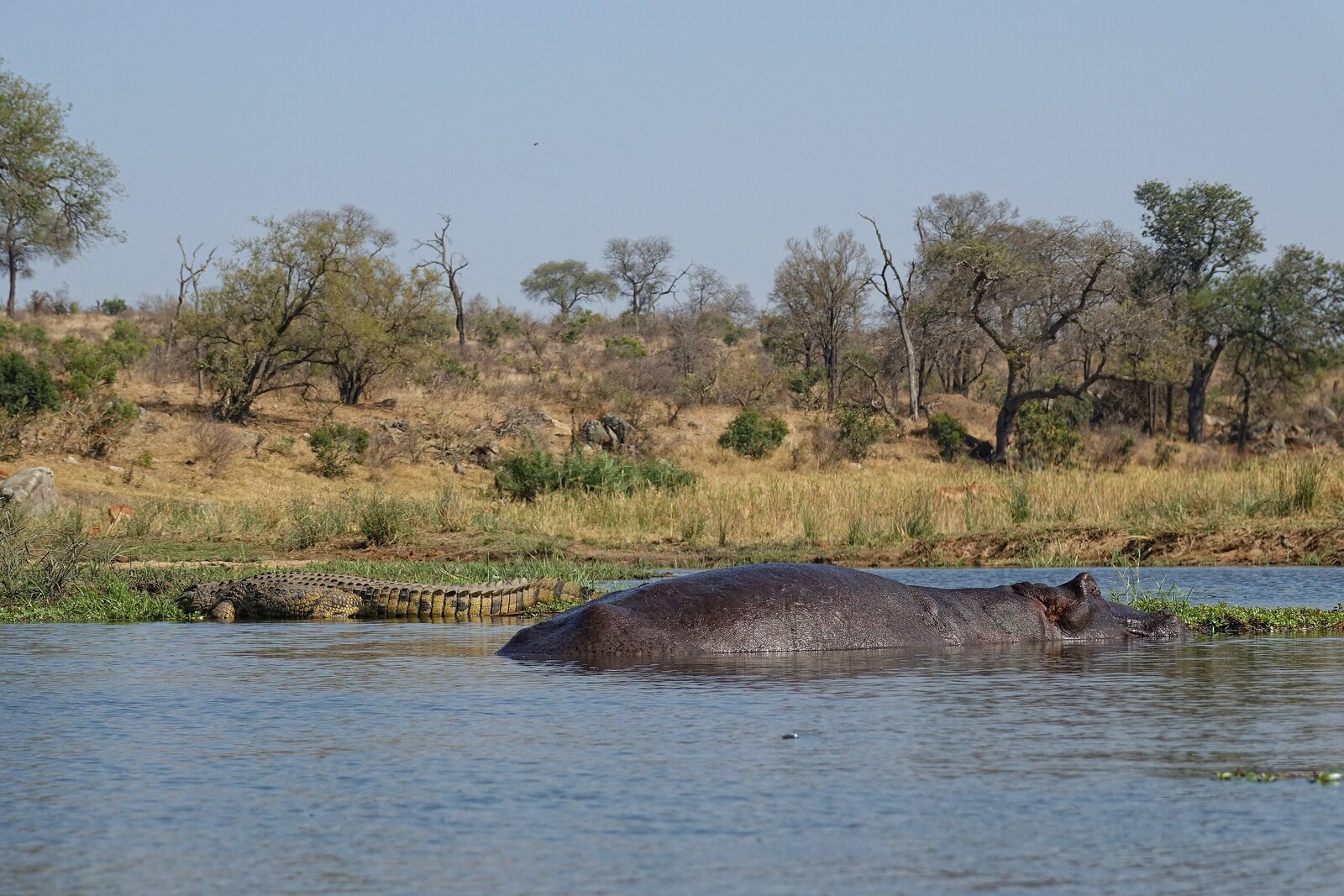
Dry winter, May to September, is the easiest season to go alone and the one I steer first-timers towards. The bush thins out, the grass dies back and the animals cluster at the shrinking water, so sightings are frequent and easy to find on your own. The days are mild and clear for driving, the nights are cold, and the malaria risk drops to its lowest. The trade-off is that this is peak season, so camps book up and you pay top rates.
Green season, November to March, is hot and wet, the bush turns thick and the plains fill with newborns and migrant birds. Prices soften, the park is quieter, and some private lodges ease the single supplement. The honest cost is that the dense bush hides animals, so sightings take more patience and a trained eye helps — and the malaria risk is higher, so antimalarials matter. For a solo traveller on a budget who does not mind the heat and the effort, it can be a rewarding, uncrowded time to go.
The shoulder months of April and October split the difference: fewer crowds, softer rates and still-decent game as the seasons turn.
What a Solo Kruger Trip Really Costs
Kruger can be one of the cheapest safaris in Africa or a genuinely high-end one, depending entirely on how you travel. Here is the honest shape of it for one person, in rand with rough dollar equivalents.
| Style of trip | Per day, solo | What it covers |
|---|---|---|
| Self-drive, self-catering | R2,000–R3,500 (US$110–$190) | Rest-camp hut, daily conservation fee, fuel, food, a guided drive or two. No single supplement. |
| Mid-range guided | R6,000–R10,000 (US$325–$540) | Comfortable lodge or tented camp, guided drives, meals. Single supplement may apply. |
| Private-reserve luxury | R15,000+ (US$810+) | Top private lodge, off-road and night drives, all-inclusive. Single supplement significant for solo. |
On top of the daily figure, budget for the daily conservation fee (around R535 a day for international visitors in 2026, less for SADC and South African passport holders), a hire car if you are self-driving, and your flights. A few dollar numbers move with the exchange rate, so treat them as a guide rather than a quote. The headline, though, holds: a solo traveller who self-drives and self-caters can do a full week in Kruger for less than a couple of nights at a private lodge — and that is the whole case for going this way.
🦁 Plan Your Solo Kruger Trip With Us
Tell us your dates, your budget and how much you want to self-drive versus be guided, and we will build a fully costed solo itinerary — rest camps, guided drives, car hire and a private-lodge night if you want one, with the single supplement handled.
Get My Solo Safari Plan →Your Solo Kruger Trip, Planned Properly
Going alone is not the compromise it sounds like. In Kruger it is one of the best ways to travel — the pace is yours, the park is safe and well run, and the costs are honest if you set the trip up right. Self-drive for freedom, book a few of the park's guided drives for the sightings and the company, pick a river camp as your base, go in the dry winter if it is your first time, and skip the single supplement by staying inside the national park.
If you would rather hand the logistics to someone who does this every week, that is what we are here for. We will build the whole thing around how you like to travel, cost it to the rand and the dollar, and leave you with nothing to do but drive in and enjoy it. Start with our wider solo safari guide, read up on the rest camps, or tell us your dates and we will take it from there. You can also message us on WhatsApp for a quick answer.