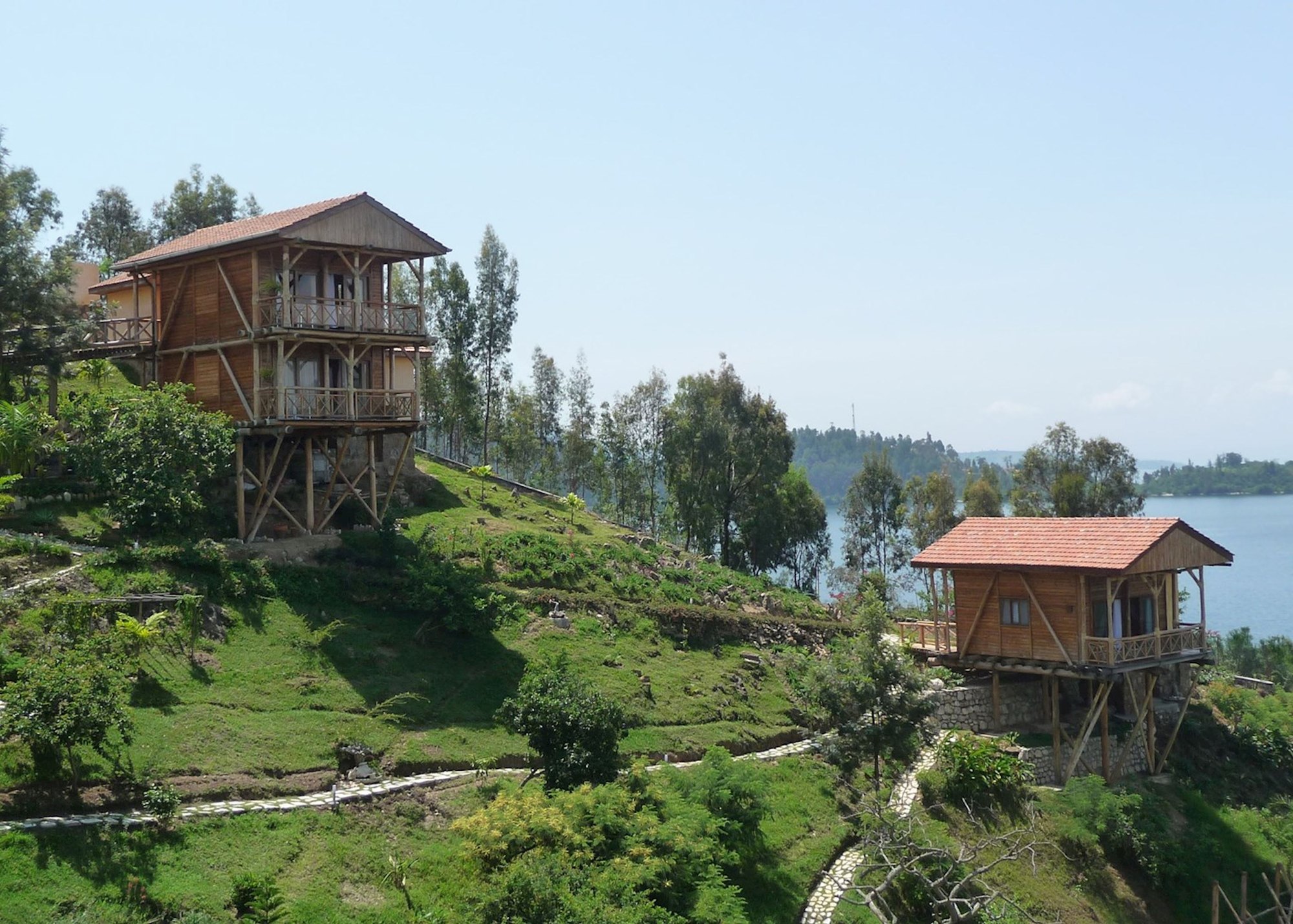
You want to go on safari, but your friends are not free, your partner is not interested, or you simply prefer to travel alone. The question nags: Is it safe? Will I be the only solo person there? Will I pay double? Here is the truth about doing a solo safari in Africa — the safety reality (especially for solo women), the single-supplement issue and how to dodge it, the best destinations, how to meet people if you want to, and why a solo safari is one of the most liberating, transformative trips you will ever take.
Solo or shared, the magic is the same — Sabi Sands awaits.
Is It Safe to Safari Alone?
Yes. In fact, safari lodges and camps are among the safest environments for solo travellers anywhere in Africa. Here is why:
- You stay in secure, professionally run lodges with trained staff, often in remote, fenced reserves far from urban crime.
- You spend your days on guided game drives with qualified rangers — you are never wandering alone in the wilderness.
- Lodges provide escorted walks between your room and the main lodge after dark if needed (because of wildlife, not crime).
- Your biggest 'danger' is an elephant in camp or a monkey stealing your breakfast — not pickpockets or scams.
Crime at safari lodges is exceptionally rare. The real safety considerations are choosing a reputable operator, sticking to well-established safari regions (avoid conflict zones and unstable areas), and following basic travel sense (lock your room, do not leave valuables lying around, do not walk outside camp boundaries alone at night).
Solo Female Travellers: The Honest Truth
Solo women safari across Southern and East Africa all the time, safely and confidently. Safari environments are remarkably respectful: lodge staff are professional, guides are focused on wildlife (not flirtation), and fellow guests are usually families, couples or other solo travellers minding their own journeys. Harassment is almost unheard of.
That said, apply the same common-sense rules you would anywhere:
- Book through a reputable, established operator (not an unknown budget outfit found on a forum).
- Stick to well-known safari destinations with strong tourism infrastructure — Kruger, Sabi Sands, the Serengeti, the Okavango, Masai Mara, South Luangwa.
- If you are staying in a city before or after your safari (Johannesburg, Nairobi), take the same urban precautions you would in any large city — use reputable transfers, do not walk alone at night in unfamiliar areas, keep valuables secure.
Once you are at the safari lodge, you are in one of the most professionally managed, safe and welcoming environments in Africa. Many solo women report feeling safer on safari than they do in their own home cities.
The Single Supplement Issue (And How to Avoid It)
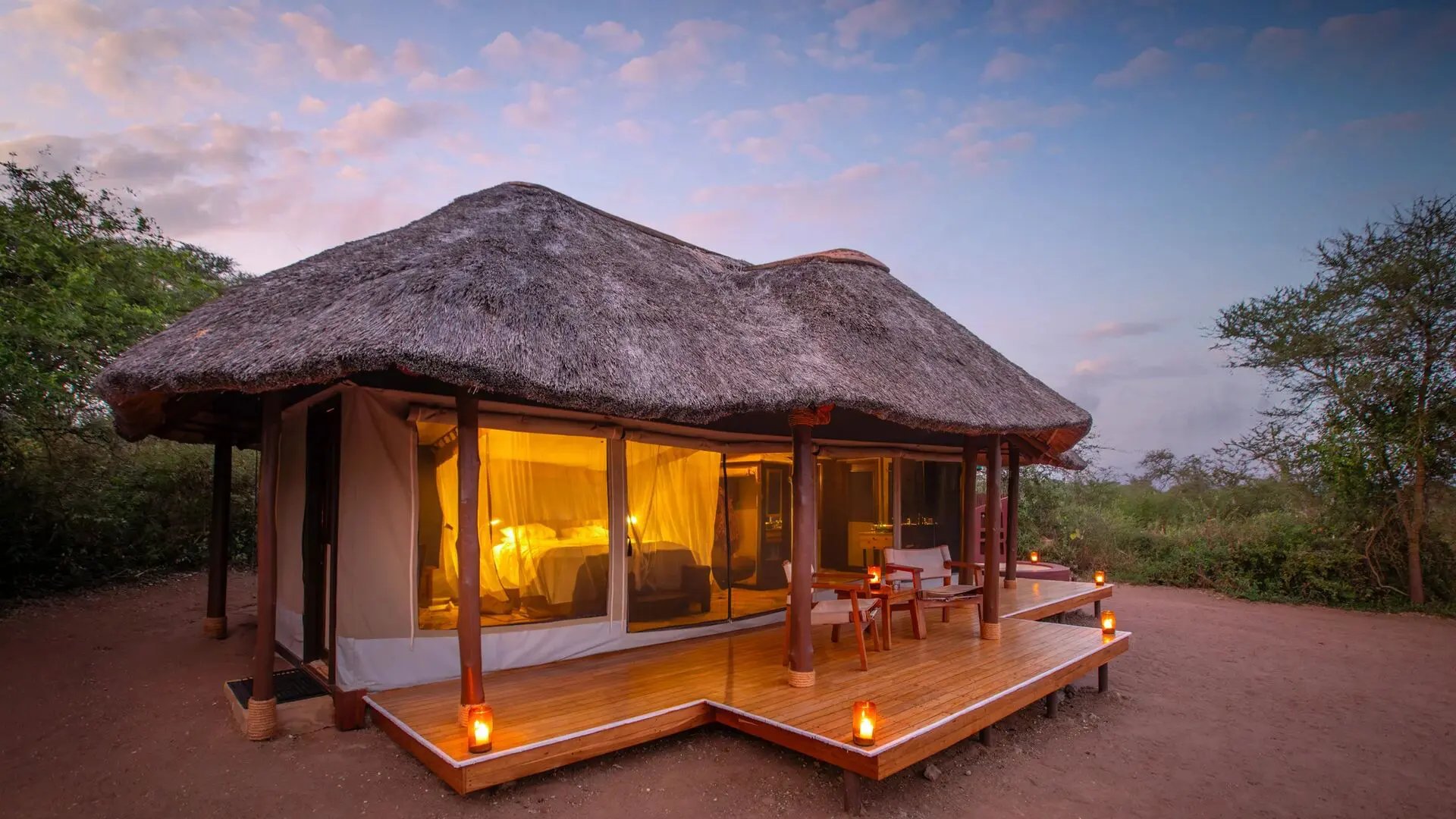
Here is the financial sting of solo safari: most safari pricing is "per person sharing," which assumes two people splitting a room. When you travel alone, you occupy that room by yourself — so you often pay a single supplement, typically 25% to 100% extra.
Example: A lodge costs $600 per person per night sharing. As a solo traveller, you might pay $600 + 50% supplement = $900 per night, or even the full $1,200 (double rate). Ouch.
How to avoid or reduce the single supplement
- Join a small-group safari. Many group safaris include single-occupancy rooms at little or no supplement, because you are sharing the vehicle and common areas. This is the smartest move for budget-conscious solo travellers.
- Travel in green season (November–March). Some lodges waive or reduce single supplements during the quieter rainy months to fill rooms.
- Book a dedicated solo-traveller safari. A few operators run trips specifically for solo guests, where everyone is solo and the pricing reflects that.
- Self-drive in a national park. If you rent a car and stay in rest camps or budget lodges (e.g., Kruger's SANParks camps), you control costs entirely and avoid the luxury-lodge supplement. See our self-drive vs guided safari guide.
- Ask for a single-friendly lodge. Some properties are known for reasonable or waived single supplements — tell us your budget and we will find them.
Best Safari Destinations for Solo Travellers
South Africa — the easiest entry point
South Africa is the solo safari sweet spot: safe, English-speaking, excellent infrastructure, and home to world-class Big Five reserves. Kruger National Park is perfect for self-drive solo trips, while Sabi Sands and the Greater Kruger private reserves offer guided luxury. Malaria-free options (Madikwe, Pilanesberg, the Eastern Cape) are ideal if you want to skip antimalarials. See our private safari South Africa guide and malaria-free safari guide.
Botswana — for the adventurous
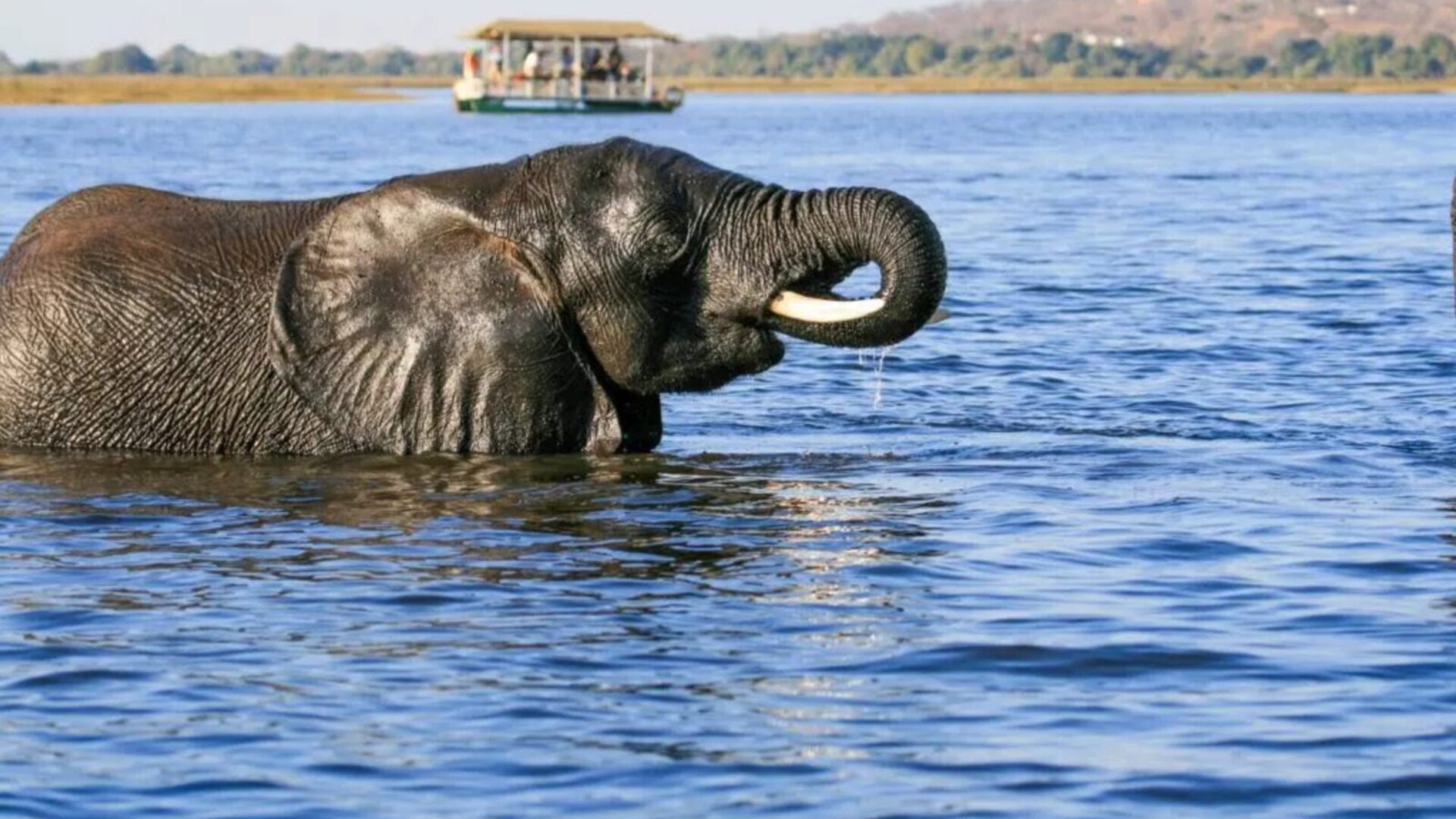
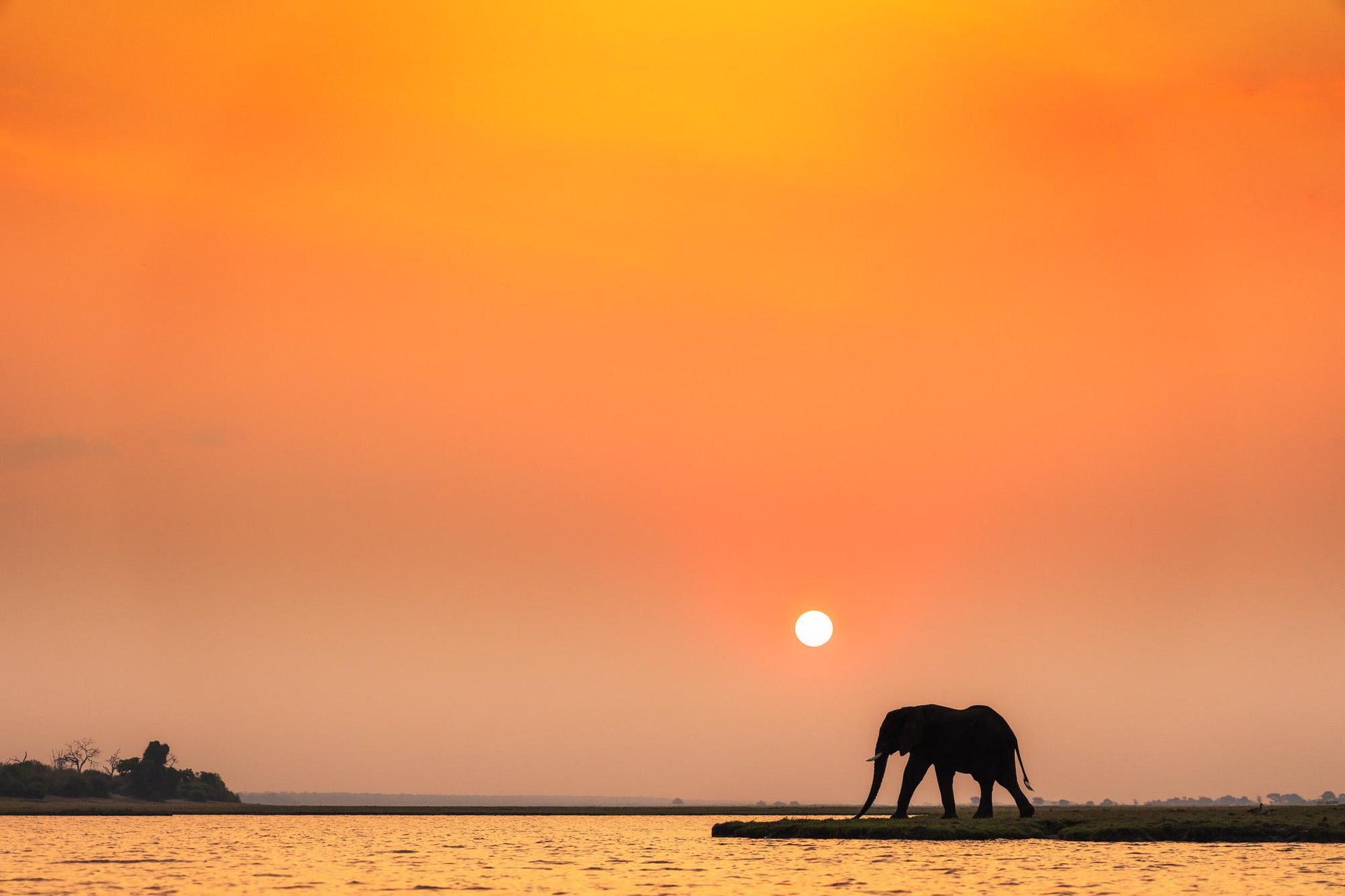
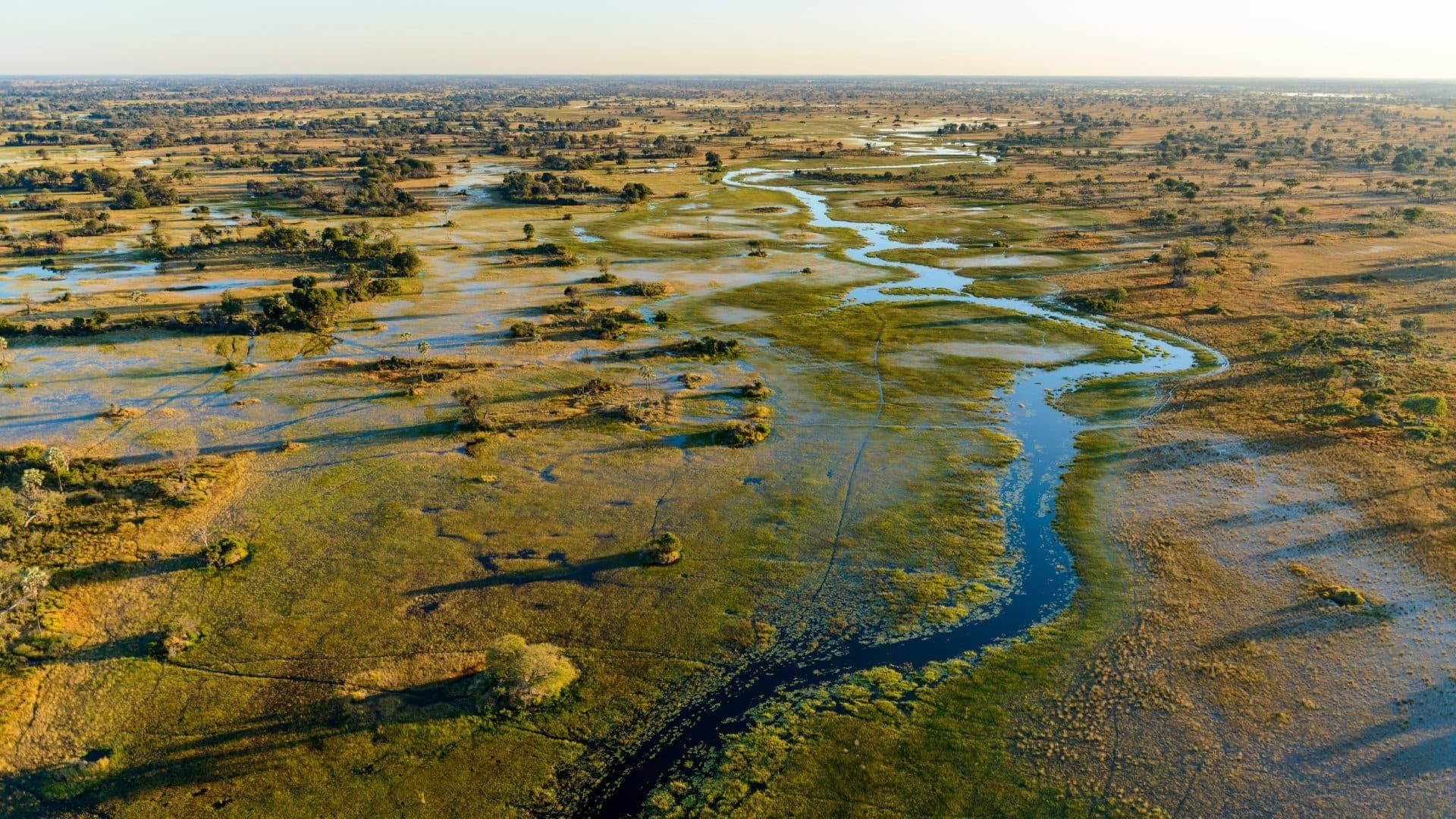
Botswana's Okavango Delta and Chobe are bucket-list destinations, with small-group mobile safaris and fly-in camps that attract solo travellers. It is more expensive and remote than South Africa, but the wildlife and landscapes are extraordinary. Read our Okavango Delta guide.
Kenya & Tanzania — migration and group safaris
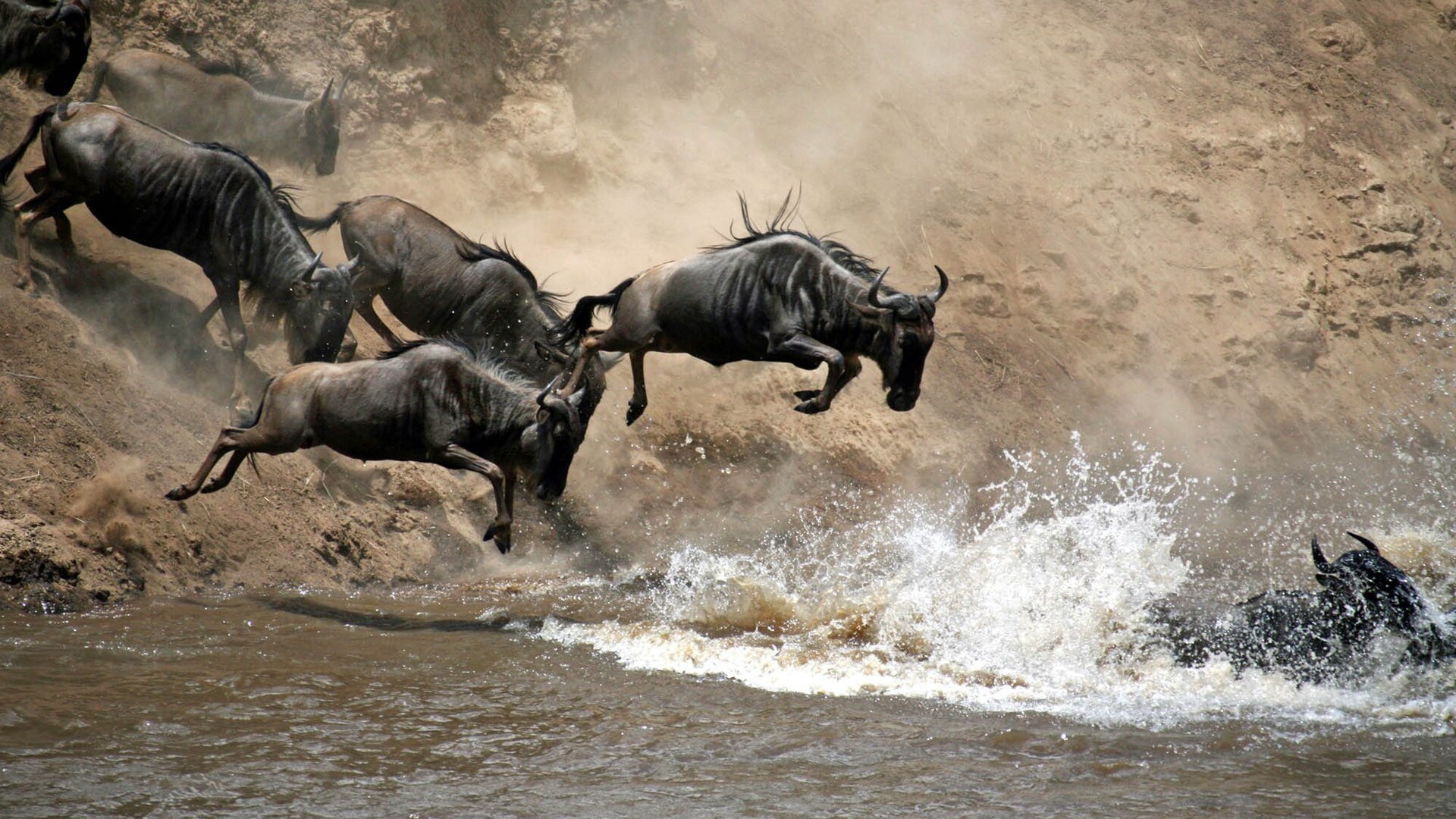
Kenya's Masai Mara and Tanzania's Serengeti are famous for the Great Migration and for scheduled group departures that solo travellers can join. Lodges here often cater to groups, making it easy to meet people. See our Great Migration guide.
Zambia — for walkers and wildlife lovers
South Luangwa is the home of the walking safari and one of Africa's best leopard destinations, with intimate bush camps perfect for solo adventurers. It is quieter and less crowded than the big-name parks. Explore our Zambia safari guide and walking safari guide.
Group Safari vs Private Safari: Which for Solo Travellers?
Small-group safari (the social option)
Join a scheduled small-group safari (typically 4–12 guests) where you share the game-drive vehicle and common lodge areas but get your own room. This is the best option if you want to meet people, share the experience, and avoid or reduce the single supplement. Most group safaris attract a mix of solo travellers, couples and friends, and the vibe is friendly and adventurous. You will swap stories over sundowners, compare photos at dinner, and often make lifelong friends.
Private safari (the solitude option)
Book a private safari with your own guide and vehicle. You control the schedule, linger at sightings as long as you like, and enjoy total flexibility. This is perfect if you value solitude, want to safari at your own pace, or are an introvert who recharges alone. The trade-off is cost — you will pay the single supplement, and private safaris are inherently more expensive. But the experience is utterly yours.
Will I Be Lonely?
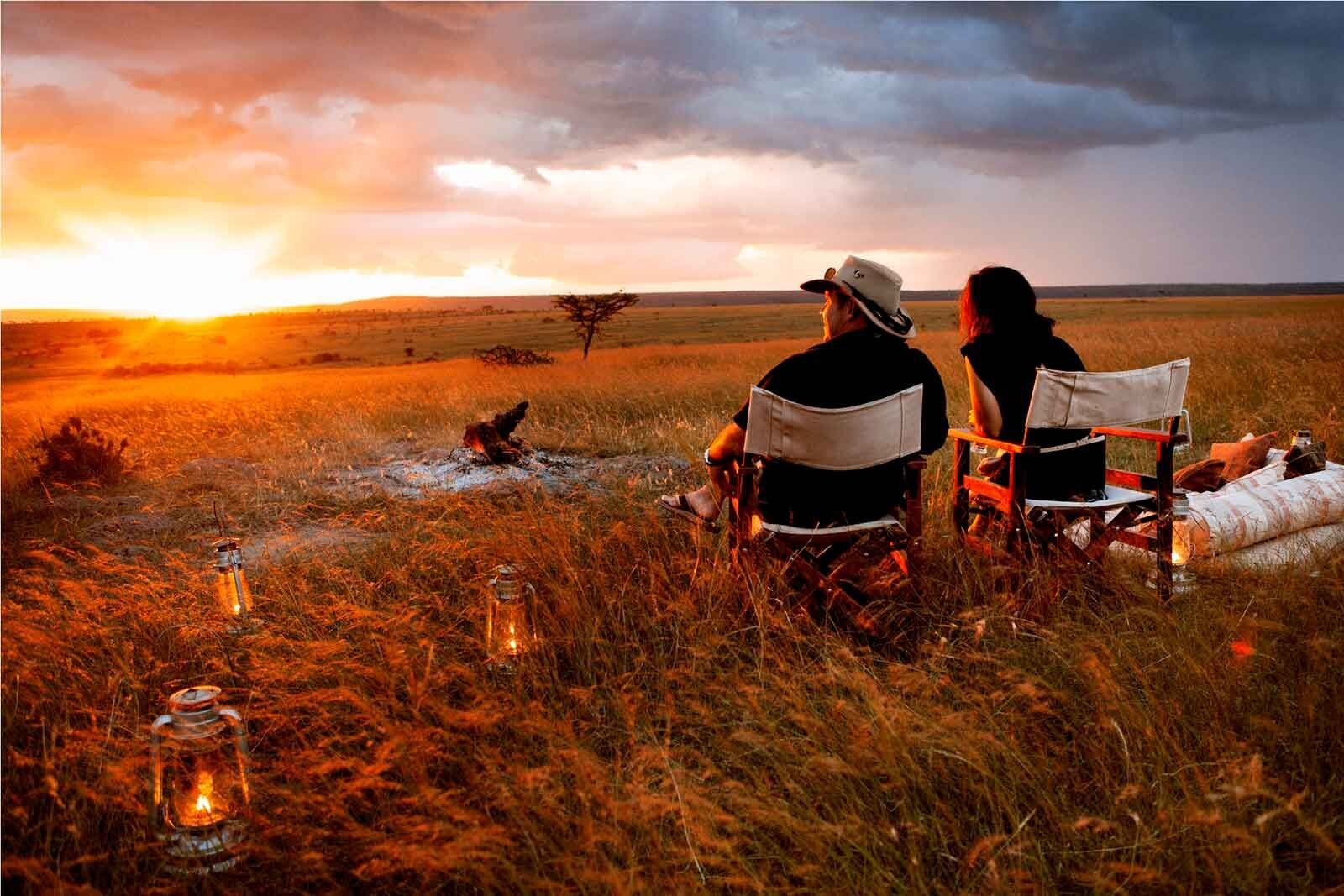
Only if you want to be. Safari lodges are inherently social spaces — communal dining, shared fire pits, sundowner stops where everyone gathers. Even if you are travelling solo, you will meet people. Fellow guests are usually warm, curious and excited to share sightings and stories. Guides and lodge staff are chatty and welcoming.
That said, if you want solitude, you can absolutely have it. Book a private vehicle, request in-room dining, and spend the spaces between drives reading, journalling or simply watching the waterhole from your deck. A solo safari gives you the rare gift of choosing your own balance between connection and quiet.
What Does a Solo Safari Cost?
It depends on your choices:
- Budget self-drive (Kruger rest camps): $80–$150 per day total (car, fuel, park fees, self-catering accommodation). No single supplement because you control everything.
- Mid-range group safari: $300–$600 per person per day, often with little or no single supplement if you join a scheduled departure.
- Luxury private safari: $700–$3,000+ per person per day, plus a 25–100% single supplement if you are alone in a double suite.
For a detailed breakdown, see our African safari cost guide.
Practical Tips for Solo Safari Success
- Book through a reputable operator. This is not the time to wing it or save $50 with an unknown name on a forum. A trusted operator ensures safety, quality and support.
- Bring binoculars. Even more important when solo — you will spend time quietly watching, and good optics transform the experience. See our packing list.
- Tell someone your itinerary. Share your lodge names, dates and contact details with a friend or family member back home.
- Charge devices. Remote lodges may have limited charging hours (solar power). Bring a power bank.
- Be open. Some of the best safari moments — a shared sundowner, a guide's story, a stranger's photo tip — happen when you let your guard down.
- Trust your gut. If something feels off (a lodge, a guide, a situation), speak up or remove yourself. Solo travel is empowering, but you are also your own advocate.
Why a Solo Safari Is One of the Best Trips You Will Ever Take
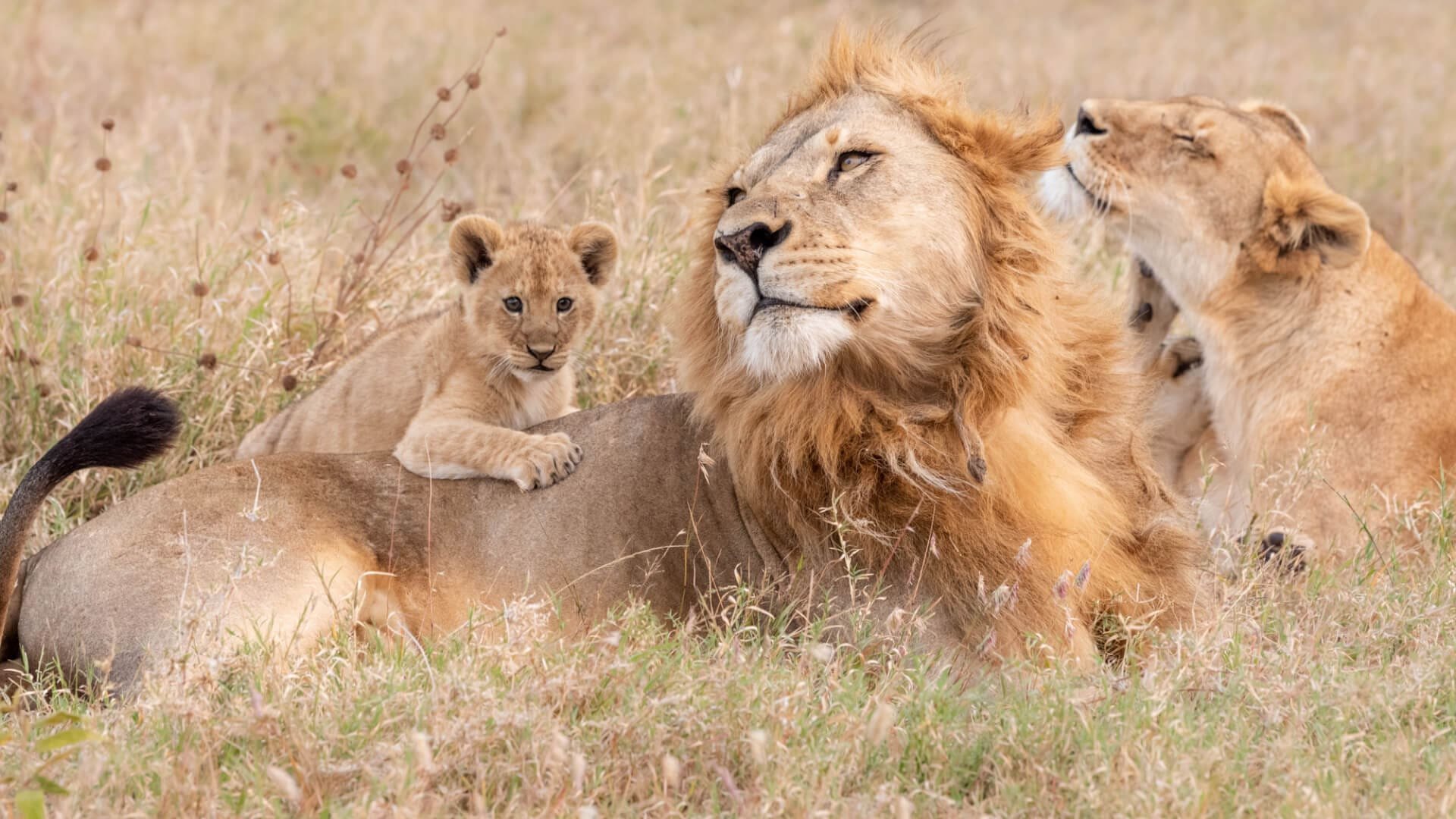
There is something profoundly restorative about sitting alone in an open vehicle at dawn, wrapped in a blanket, watching a lioness walk past in golden light, with nobody to talk to and nothing to prove. A solo safari strips away the social noise. You notice more. You feel more. You have space to think, to breathe, to simply be in one of the wildest, most beautiful places on earth.
And paradoxically, even though you are travelling alone, you rarely feel lonely. The bush is alive, the guides are storytellers, the other guests are kindred spirits, and the animals — well, they do not care whether you came with ten friends or by yourself. They just are. And that is the point.
Plan Your Solo Safari
We design solo-friendly safaris that balance cost, safety and experience — from budget Kruger self-drives to small-group migration adventures to private luxury escapes where you set the pace.
Explore the Classic Kruger Safari, the Big Five Luxury Safari, the water-and-wildlife wonder of the Okavango Delta Luxury Safari, or the migration spectacle of the Serengeti Migration Safari. New to safari? Read our first-timer's planning guide, or get in touch and we will build a solo safari that fits your budget, your style and your sense of adventure.