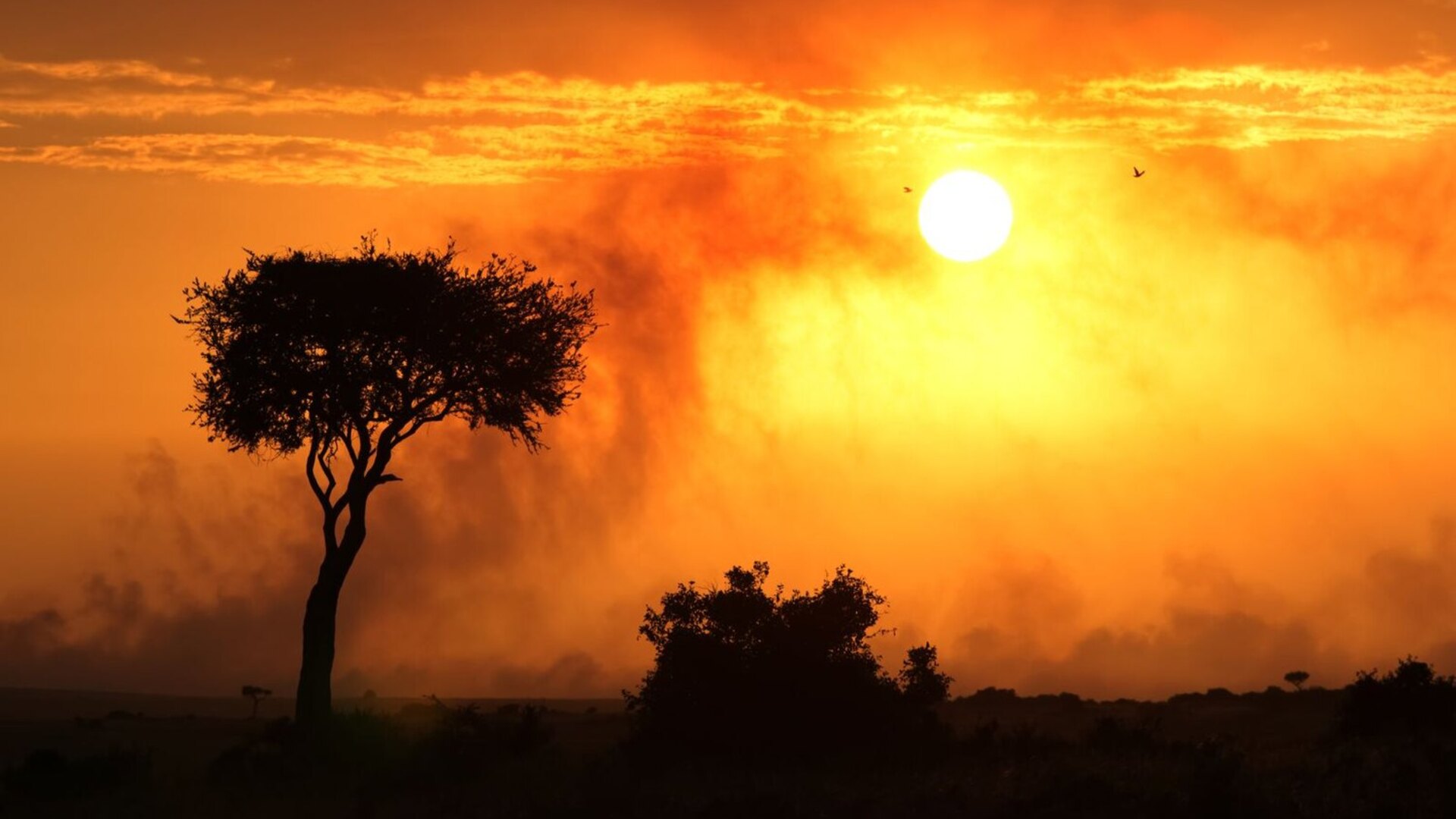
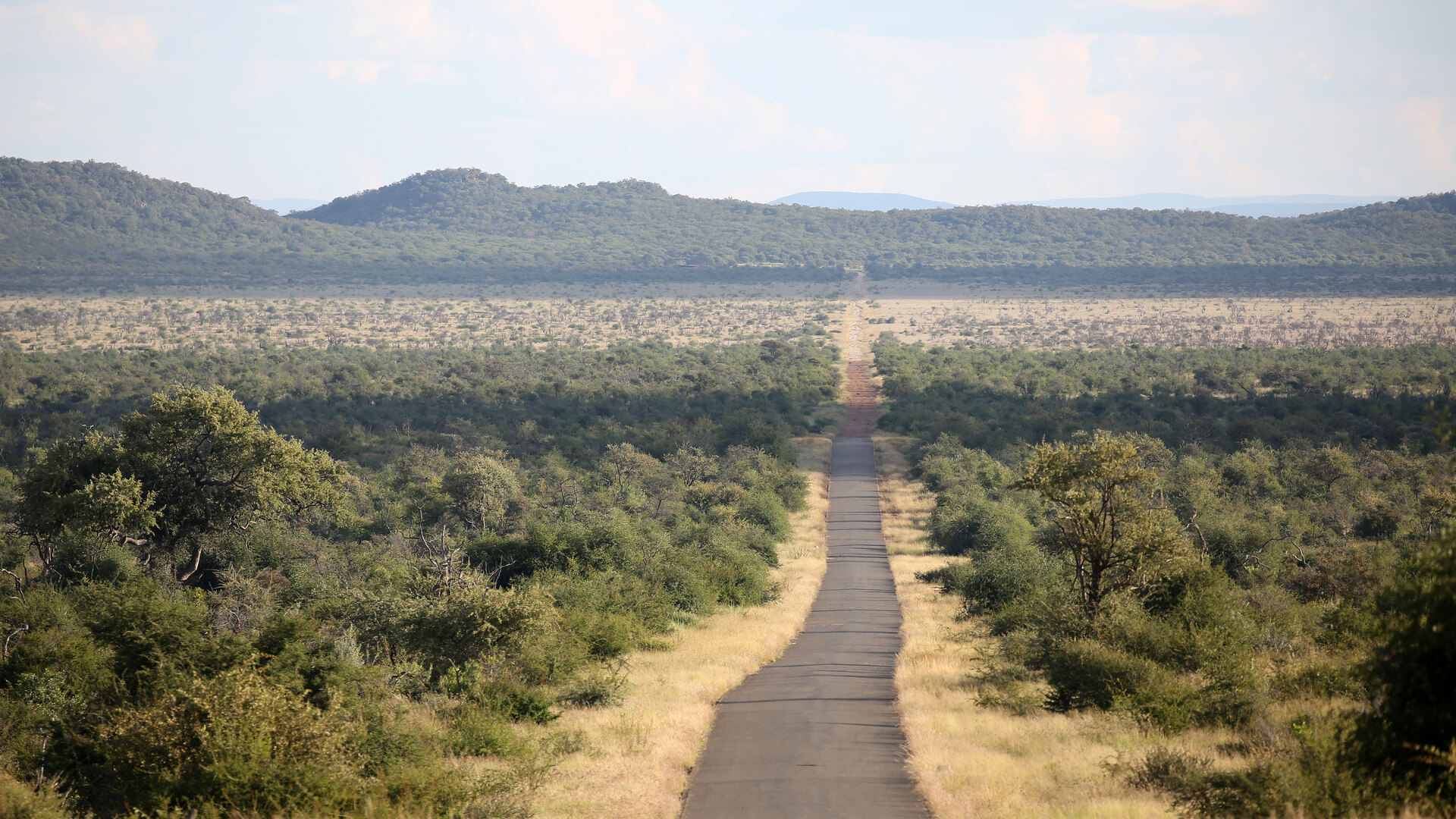
The first time you step out of the vehicle and onto the soil, something changes. The bush stops being a view through a window and becomes a place you are standing inside. You hear the alarm call of an impala and understand it. You crouch beside a fresh lion track and feel your pulse climb. A walking safari is the oldest and purest way to experience wild Africa, and for many travellers it becomes the most memorable thing they have ever done.
This guide explains exactly what a walking safari is, where to do it, how safe it really is, what to wear and pack, what a day looks like, and what it costs — so you can decide whether to make it the heart of your next trip or add it to a classic game-drive safari.
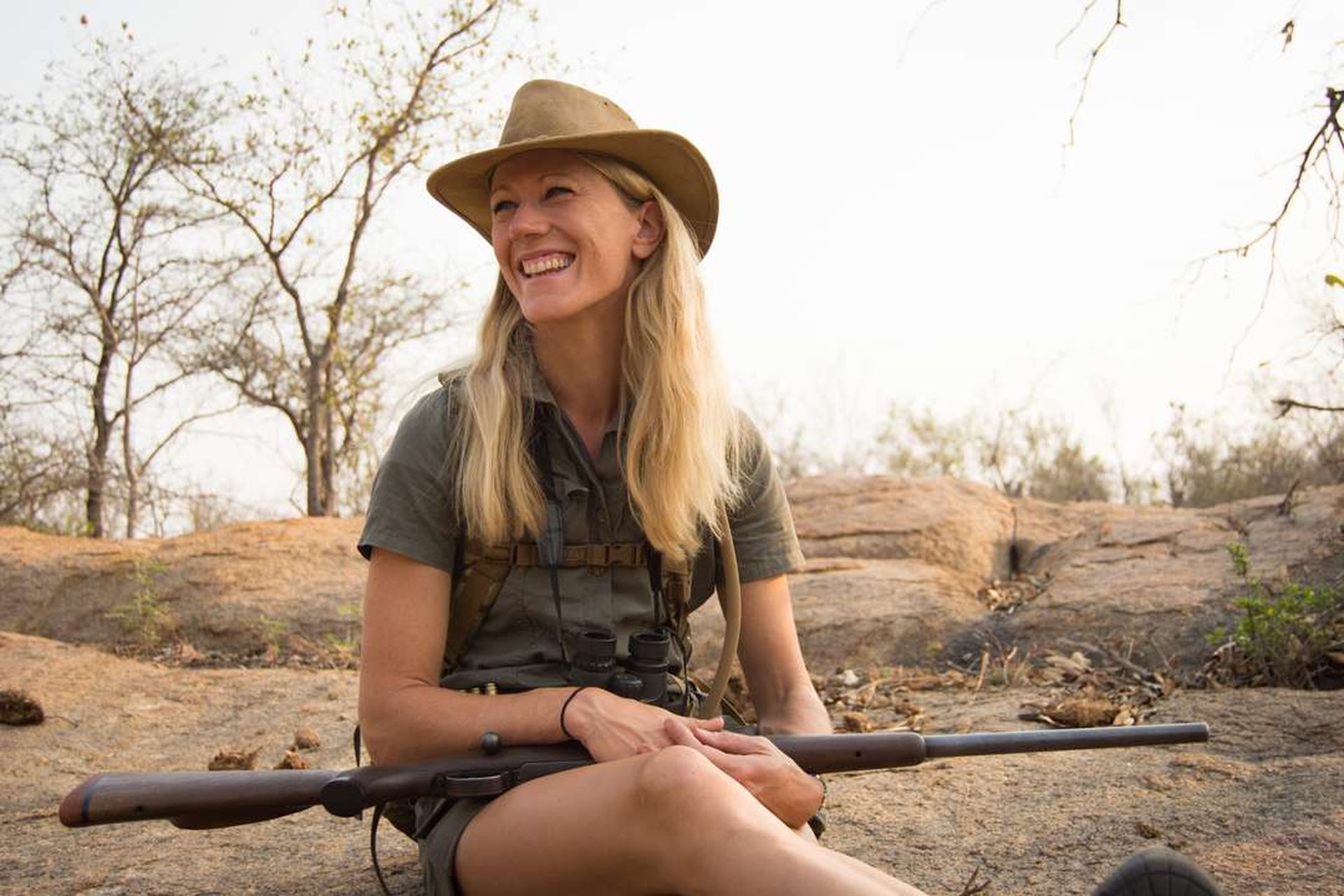
Walking safaris — the most intimate way to experience the African bush.
Quick Answer
A walking safari is a 2–4 hour guided walk through the bush with an armed ranger and tracker, focusing on tracks, birds, insects, and the ecosystem rather than just the Big Five. You walk slowly, quietly, and learn to read the wilderness.
The best walking safari destinations are South Luangwa (Zambia, the birthplace), Mana Pools (Zimbabwe), and Greater Kruger (South Africa). Walks are safe, regulated, and led by highly trained guides. Most combine walks with traditional game drives for a complete safari experience.
What a Walking Safari Actually Is
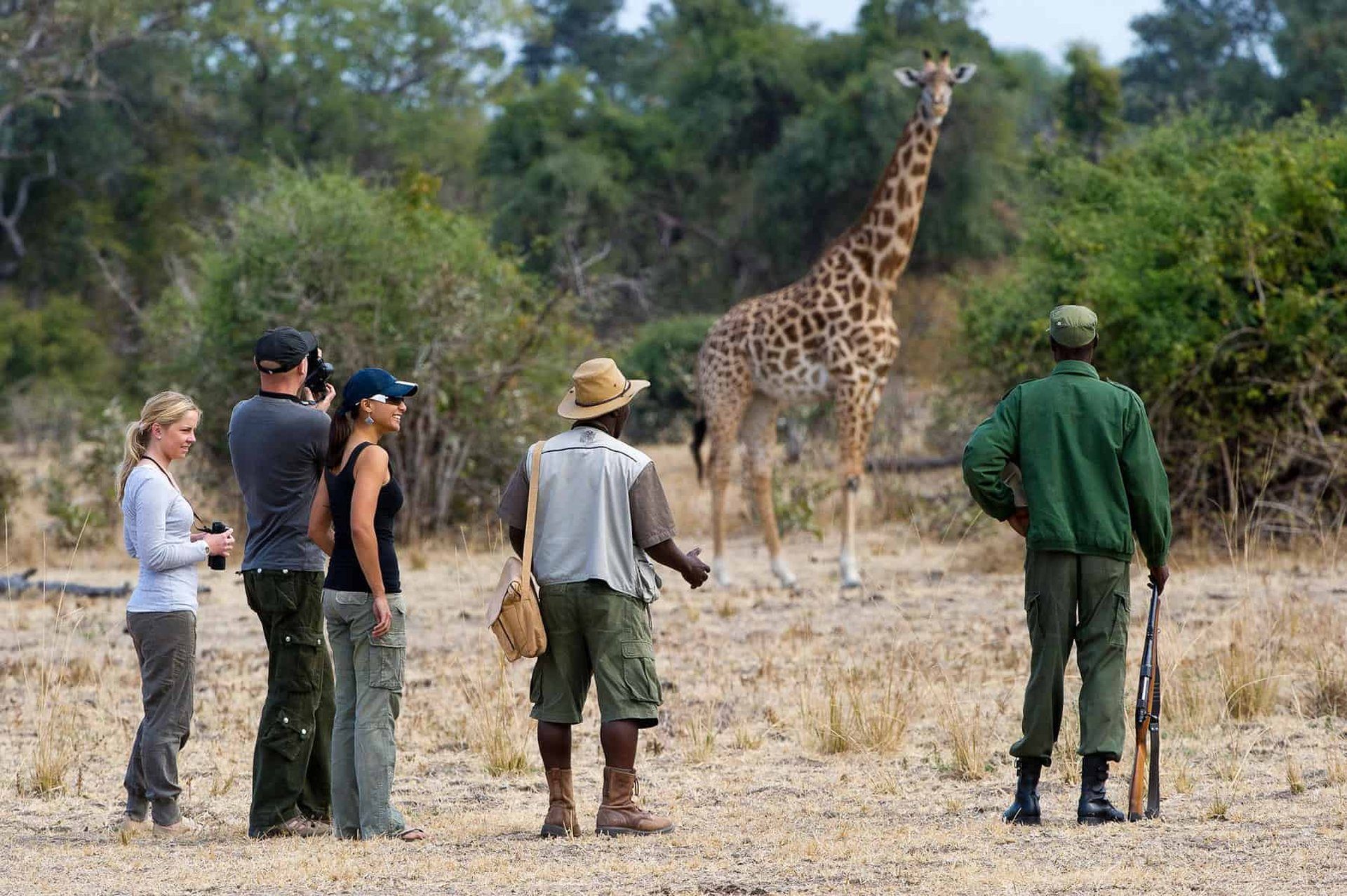
A walking safari replaces the game-drive vehicle with your own two feet. Led by an armed, professionally qualified guide — often with a tracker or armed scout — you set out in a small group to explore the bush slowly and quietly. The focus shifts from covering ground to reading it.
You will learn to identify tracks and tell how recently an animal passed, study dung to understand diet, recognise birds by call, examine termite mounds and medicinal plants, and approach larger game carefully on foot. It is a sensory, ground-level experience: the smell of wild sage crushed underfoot, the texture of an old elephant footprint, the sudden silence when something big is near. Where a game drive answers 'what', a walk answers 'how' and 'why'.
Walking safari vs game drive
The two are complementary, not competitive. A game drive covers more ground, reaches distant sightings quickly and is best for big predators and the classic Big Five tally. A walk is slower, more intimate and more educational, and it delivers a kind of adrenaline a vehicle never can — the awareness that you are a guest on foot in a wild place. The ideal safari combines both: drives for the cats, walks for the connection. Compare the full range of activities in our private safari South Africa guide.
Where to Go: The Best Walking Safari Destinations
South Luangwa, Zambia — the birthplace
The modern walking safari was pioneered here in the 1950s and Zambia remains its spiritual home. South Luangwa has outstanding guides (Zambia's guiding qualification is among the toughest in Africa), high leopard density, big elephant and buffalo herds, and a network of intimate bush camps built specifically for walking. Multi-day, camp-to-camp walking trails are a Zambian speciality. This is the connoisseur's choice — see our private Zambia safari guide.
Mana Pools, Zimbabwe — walking among giants
A UNESCO World Heritage Site on the Zambezi, Mana Pools is famous for its cathedral-like forests of winterthorn trees and for the chance to walk among — and photograph — elephants standing on their hind legs to reach the pods. Mana is renowned for self-guided and expertly guided walking, and for some of the most atmospheric light in Africa. Read our private Zimbabwe safari guide.
Greater Kruger & private reserves, South Africa
Most quality Greater Kruger lodges offer guided bush walks as a complimentary activity alongside twice-daily drives, led by an armed ranger and tracker. It is the easiest way to try walking without committing your whole trip to it, and it pairs perfectly with malaria-free options for families. See our Kruger vs Sabi Sands guide.
Botswana & Tanzania
Botswana's Okavango and Linyanti offer wilderness walks from remote camps, often combined with mokoro (dugout canoe) trips, while parts of the Serengeti ecosystem and Tanzania's southern parks have excellent walking. These suit travellers wanting to fold walking into a broader Big Five or migration itinerary — see our Great Migration guide.
Is a Walking Safari Safe?
This is the question everyone asks, and the honest answer is: yes, when you go with a reputable operator and follow the rules. Serious incidents are extremely rare.
Your guide is highly trained
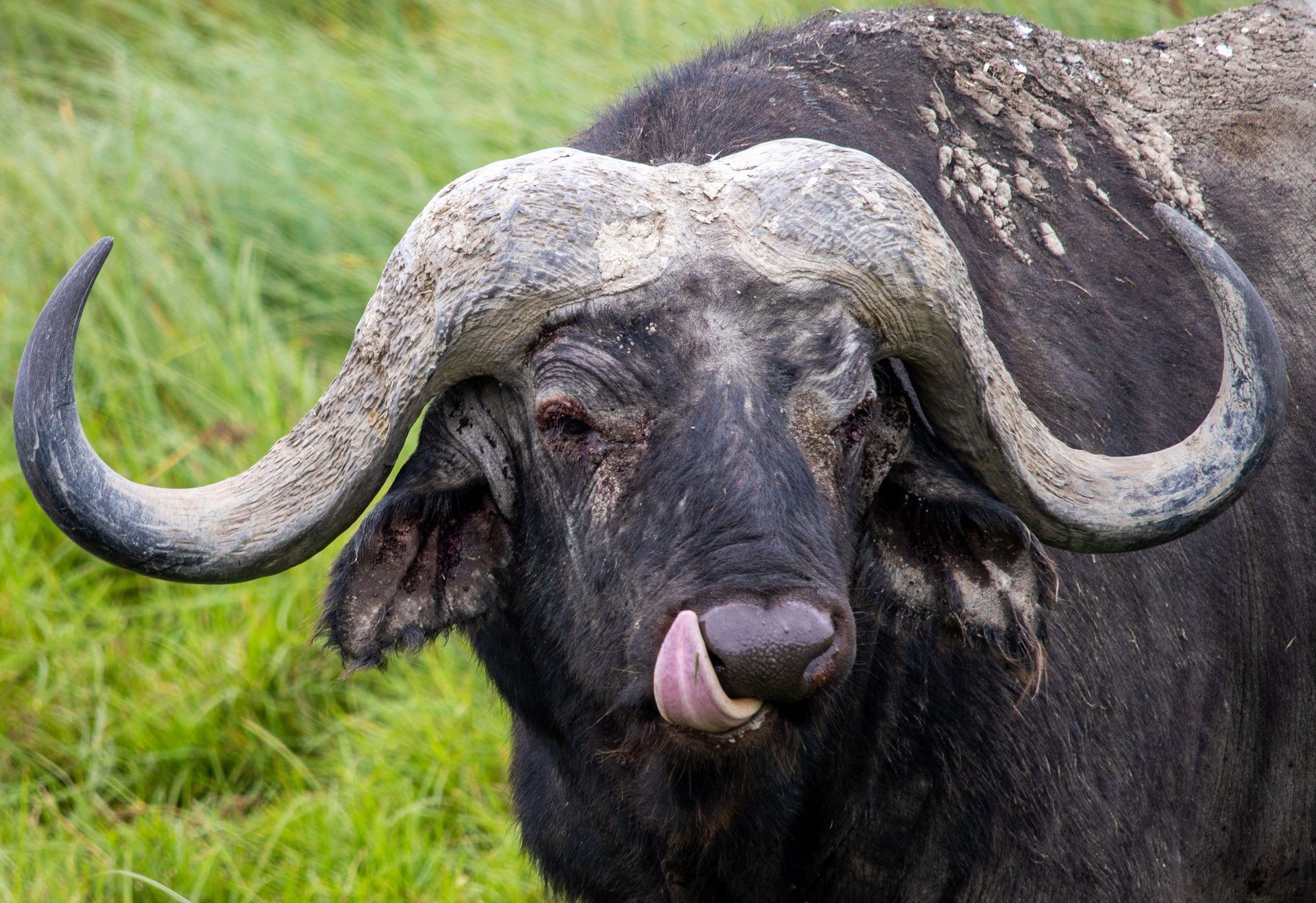
Walking guides hold advanced qualifications specifically for leading dangerous-game walks. They carry a rifle, read the wind and terrain constantly, and know how animals behave — when an elephant is relaxed, when a buffalo is tense, when to stop, when to back away quietly. Many camps add a second armed scout. These are among the most experienced people in the bush.
The rules that keep you safe
- Walk in single file, in the order the guide sets, and stay together.
- Keep quiet — talk in whispers and use hand signals as briefed.
- Never run; if an animal approaches, the guide will tell you exactly what to do.
- Wear neutral colours and no strong fragrance so you do not stand out.
- Listen to the morning briefing and follow every instruction without exception.
Walks happen in the cool early morning and late afternoon, in small groups, at a measured pace. Guides keep a generous, respectful distance from big game — the goal is observation, not confrontation. Follow the briefing and a walking safari is no more dangerous than a game drive.
What a Day Looks Like
A walking day follows the rhythm of the bush and the temperature.
Dawn
You rise early, often before sunrise, for coffee and a light bite at camp. The guide gives a safety briefing, then you set off in the cool, golden first light when animals are most active and tracks from the night are fresh.
The morning walk
Three to four hours covering perhaps 5–10 km at a slow, stop-start pace. You will track game, examine signs, watch birds, and — if conditions allow — approach larger animals carefully on foot. Expect frequent pauses to look, listen and learn. A mid-walk tea or coffee break in a scenic spot is a classic touch.
Midday
Back to camp as the heat builds, for brunch or lunch and a long, lazy siesta — reading, napping, watching the waterhole. This is the deliberate slow heart of a walking safari.
Afternoon and evening
A second, shorter walk or a game drive in the late afternoon, sundowner drinks in the bush as the light turns, then dinner under the stars and the sounds of the night around the campfire. Some Zambian trips walk between fly-camps over several days, sleeping in different spots each night.
What to Wear & Pack
The right clothing keeps you comfortable, safe and inconspicuous.
What to wear
- Neutral, muted colours — khaki, olive, brown, beige. Avoid bright colours and white (they stand out) and dark blue/black (they attract tsetse flies).
- Long lightweight trousers and a long-sleeved shirt for sun, scratches and insect protection.
- Comfortable, broken-in closed walking shoes or light hiking boots — never new footwear.
- A wide-brimmed hat, sunglasses and high-SPF sunscreen.
What to pack in your daypack
- Water (most camps provide a bottle), insect repellent and lip balm.
- Binoculars — essential on a walk for birds and distant game.
- A small camera or phone; leave heavy long lenses behind unless you are committed to carrying them.
- A light fleece for chilly dawn starts in the dry-season winter months.
For the complete head-to-toe list, see our safari packing list and what to wear guide.
Best Time for a Walking Safari
The dry season — roughly May to October — is prime walking time across Zambia, Zimbabwe and South Africa. The bush is thinner so visibility is better, water is scarce so game concentrates near rivers, temperatures are comfortable in the early morning, and there are fewer insects. The peak walking months of June to September coincide with the best wildlife concentrations. Some camps close in the green-season rains (November to March), when long grass and wet ground make walking harder. For the full seasonal picture, read our best time to go on safari guide.
What It Costs
Dedicated walking camps in Zambia and Zimbabwe typically run $500–$1,200 per person per night, all-inclusive of meals, walks, drinks, park fees and often light-aircraft transfers. A classic 4–7 night walking trip lands around $3,000–$8,000 per person depending on the camps and season. If you simply want to try walking, many Greater Kruger and Botswana lodges include guided walks as a free activity alongside drives — so you can add the experience to a broader safari at no extra cost. For a full breakdown of safari pricing, see our African safari cost guide.
Who a Walking Safari Suits
A walking safari is perfect for repeat safari-goers who want something deeper than another game drive, for nature lovers fascinated by tracks, plants and birds, for keen photographers chasing ground-level perspectives (see our safari photography guide), and for anyone who wants to feel the bush rather than just look at it. It is less suited to very young children and to travellers who want only big-cat sightings ticked off quickly. The sweet spot for most people is a trip that blends both — drives and walks — so you get the best of each.
Plan Your Walking Safari
We design private walking safaris matched to your fitness, season and wish list — from a classic South Luangwa walking circuit to a few guided bush walks woven into a Greater Kruger or Botswana itinerary.
Explore the Ultimate Walking Safari in Zambia, the South Luangwa Explorer, or the predator-rich Wild Dogs & Leopards trip. Read our private Zambia safari guide for the full picture, or get in touch and we will build a walking safari you will never forget.