Key Takeaways
- A walking safari is a guided bush walk on foot with an armed field guide — the most immersive safari experience there is.
- It is about immersion in the wilderness — tracks, plants, birdsong — not chasing big kills.
- Safety comes from qualified armed guides, single-file walking and following instructions absolutely.
- The Kruger's multi-day wilderness trails, based at remote trails camps, are legendary and book far in advance.
- Minimum age is typically around 12 to 16, and you need reasonable general fitness — not athletic prowess.
- You can add a short morning walk to a wider safari, or plan ahead for a full wilderness trail.
What a Walking Safari Actually Is
A game drive shows you the Kruger through a window; a walking safari puts you inside it. When you step down from the vehicle and follow an armed guide into the bush on foot, everything changes. The scale of the landscape suddenly presses in around you, your senses sharpen, and you become — for a few electric hours — a part of the ecosystem rather than an observer passing through it. This is the most immersive experience the park offers, and countless seasoned travellers say the walk was the single finest hour of their entire trip.
It is important to understand what a walk is and is not. It is not a hunt for dramatic big-game sightings; you will usually see fewer animals on foot than from a vehicle, and always from a respectful distance. What it offers instead is depth. You learn to read the tracks pressed into the sand, to tell whose dung lies on the path and how fresh it is, to notice the birdcall that betrays a predator, the medicinal bark, the dung beetle rolling its prize. And when you do come upon elephant, buffalo or rhino on foot, the humility and awe of that moment is something a vehicle can never give you.
How Safety Works on Foot
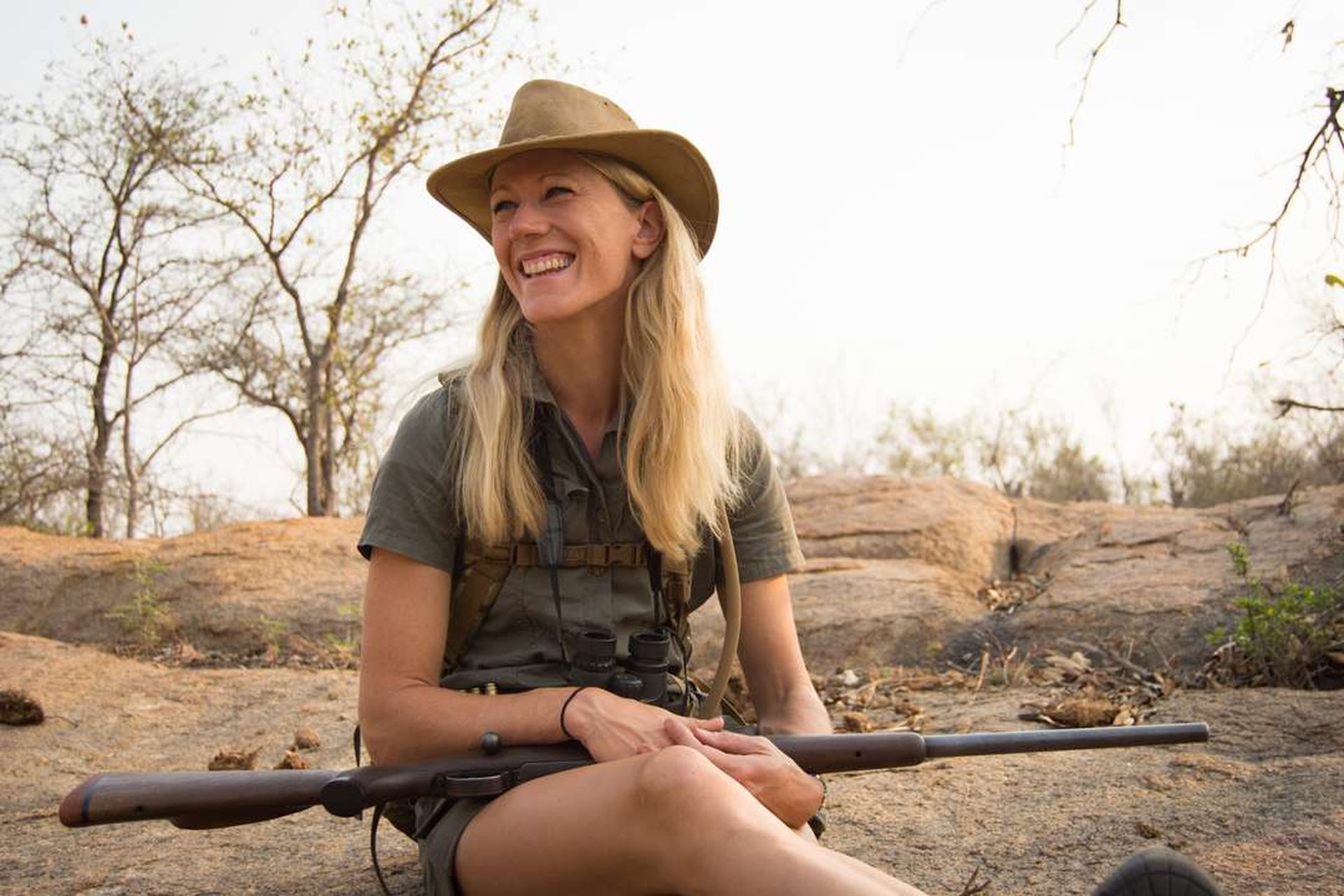
The first question everyone asks is the right one: is it safe to walk in Big Five country? The answer is yes, when it is done properly — and in the Kruger it is only ever done properly. Walking safaris are led exclusively by qualified field guides who have trained for years, who carry a rifle as a last resort they very rarely need, and whose real skill lies in never needing it. Their entire craft is reading the bush — the wind direction, the terrain, the mood and movement of animals — so that they avoid surprising dangerous game in the first place.
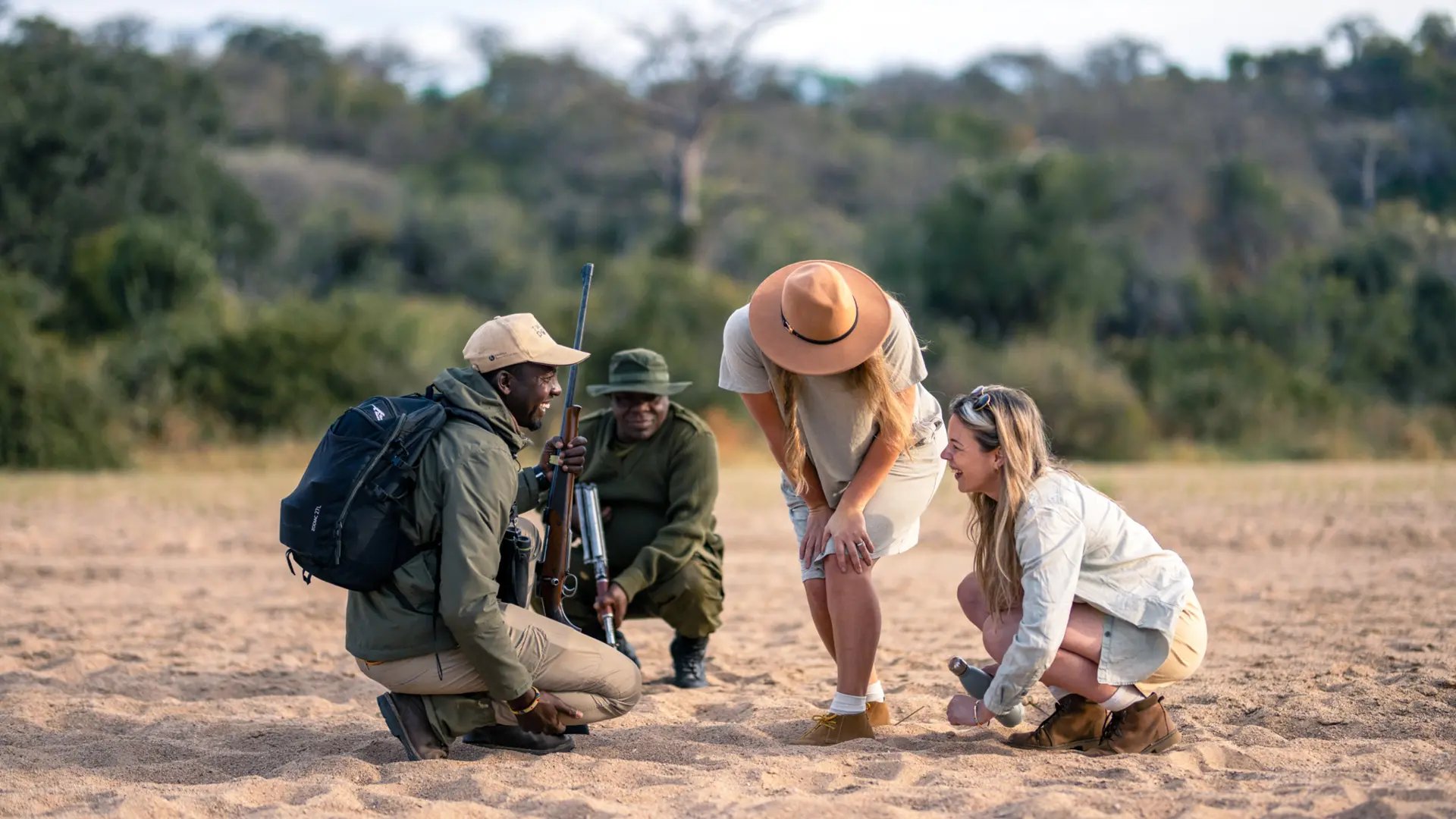
Your part is simple and absolute: do exactly as your guide says. You walk in single file behind the guide, move quietly, keep together as a tight group, and stop or freeze instantly when instructed. The guide will brief you thoroughly before you set out — how to behave at a sighting, what to do in the very unlikely event of a close encounter, and why the rules matter. Groups are kept small, routes are chosen with care, and encounters are managed from a calm distance. Follow the briefing and the walk is not only safe but deeply reassuring; you feel, correctly, that you are in expert hands.
The Kruger's Famous Wilderness Trails
For the deepest walking experience, the Kruger offers something legendary: its wilderness trails. These are multi-day guided walking adventures based at small, rustic, deliberately off-grid trails camps set deep in wild, roadless sections of the park. A typical trail runs two or three nights, with a handful of guests, guided walks each cool morning and afternoon, and unhurried hours back at camp through the heat of the day. There is no electricity to speak of, no crowds and no vehicles — just the bush, a fire, the stars and the sounds of the night.
Each of the park's wilderness trails has its own landscape and character, from riverine forest to open plains to rugged hills, and each is limited to a very small number of walkers at a time. This scarcity, combined with their fame, means they book out far in advance — often many months to a year ahead. They are among the most treasured experiences in all of African conservation, and travellers who have done one tend to speak of it for the rest of their lives. If a wilderness trail appeals, the single most important thing is to plan early, and we will help you secure a place.
What You Actually See and Do
A walk unfolds at the pace of curiosity. You set out at first light, when the air is cool and the bush is waking, and you move slowly, pausing constantly. Much of the joy is in the small things a vehicle races past: a leopard's pug marks in last night's dust, a midden that tells your guide which rhino passed and when, a spider's web strung with dew, a chameleon on a twig, the alarm call of a francolin. Your guide unpacks the whole living system for you — how the plants heal and poison, how the insects engineer the soil, how everything connects.
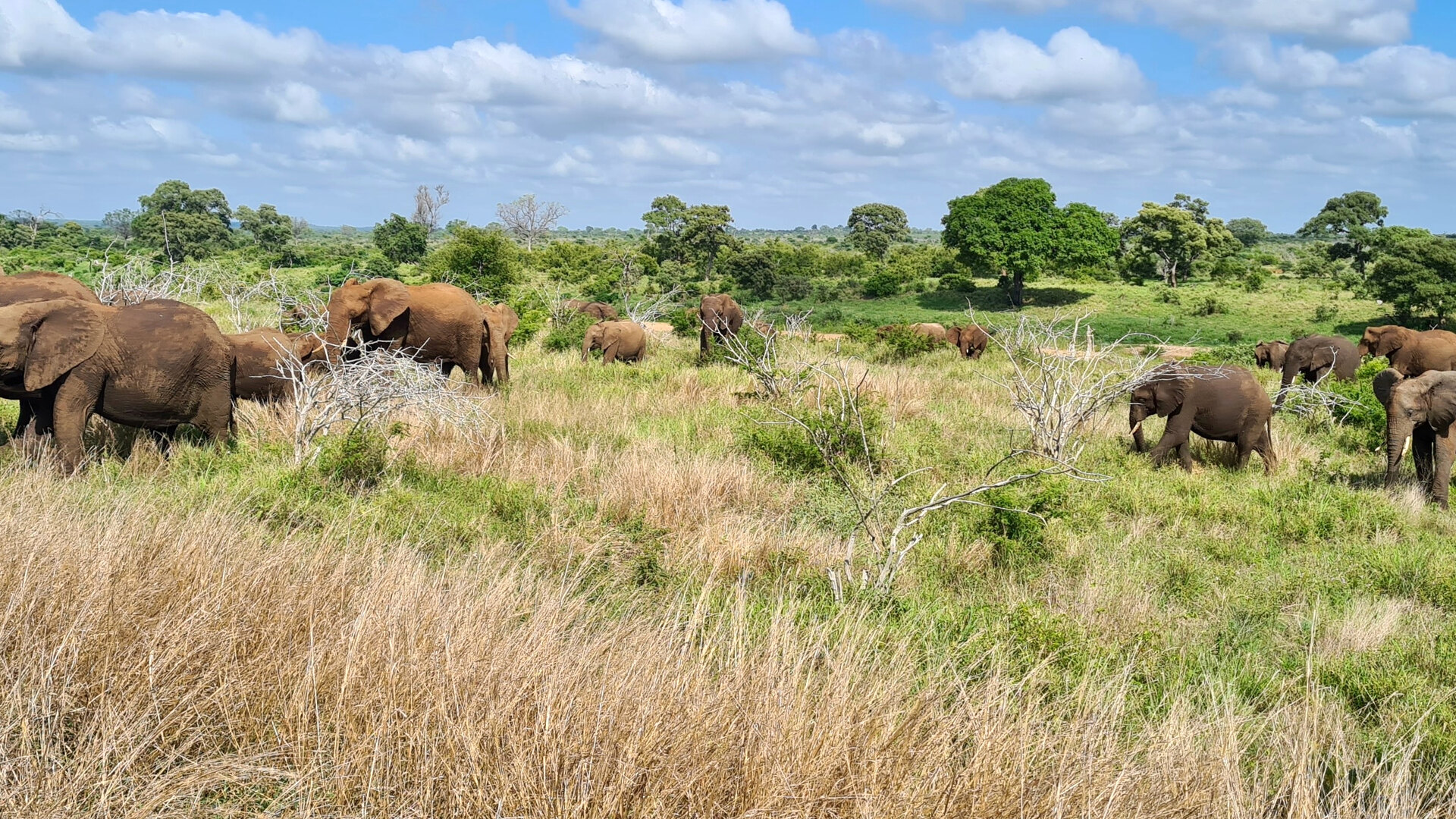
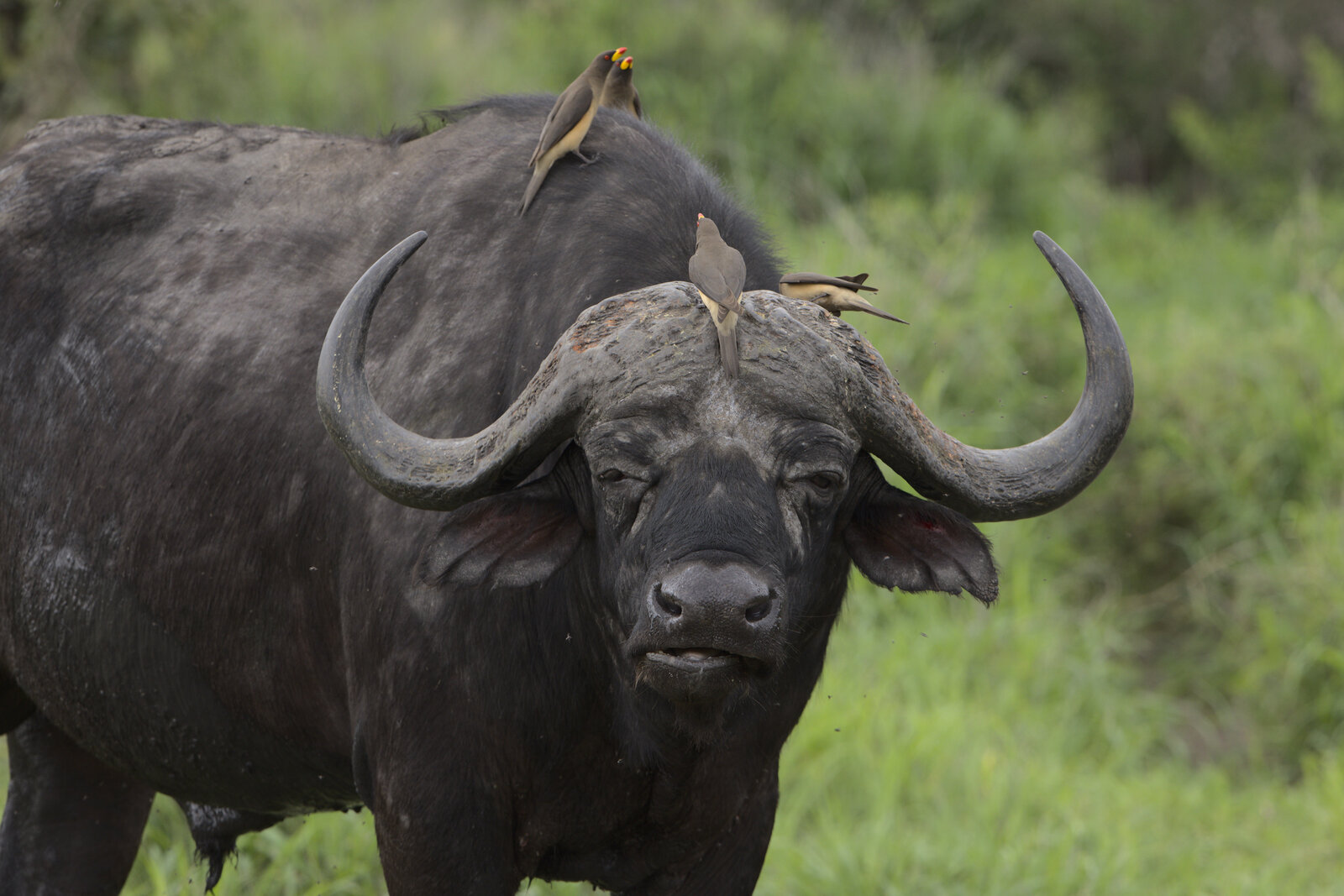
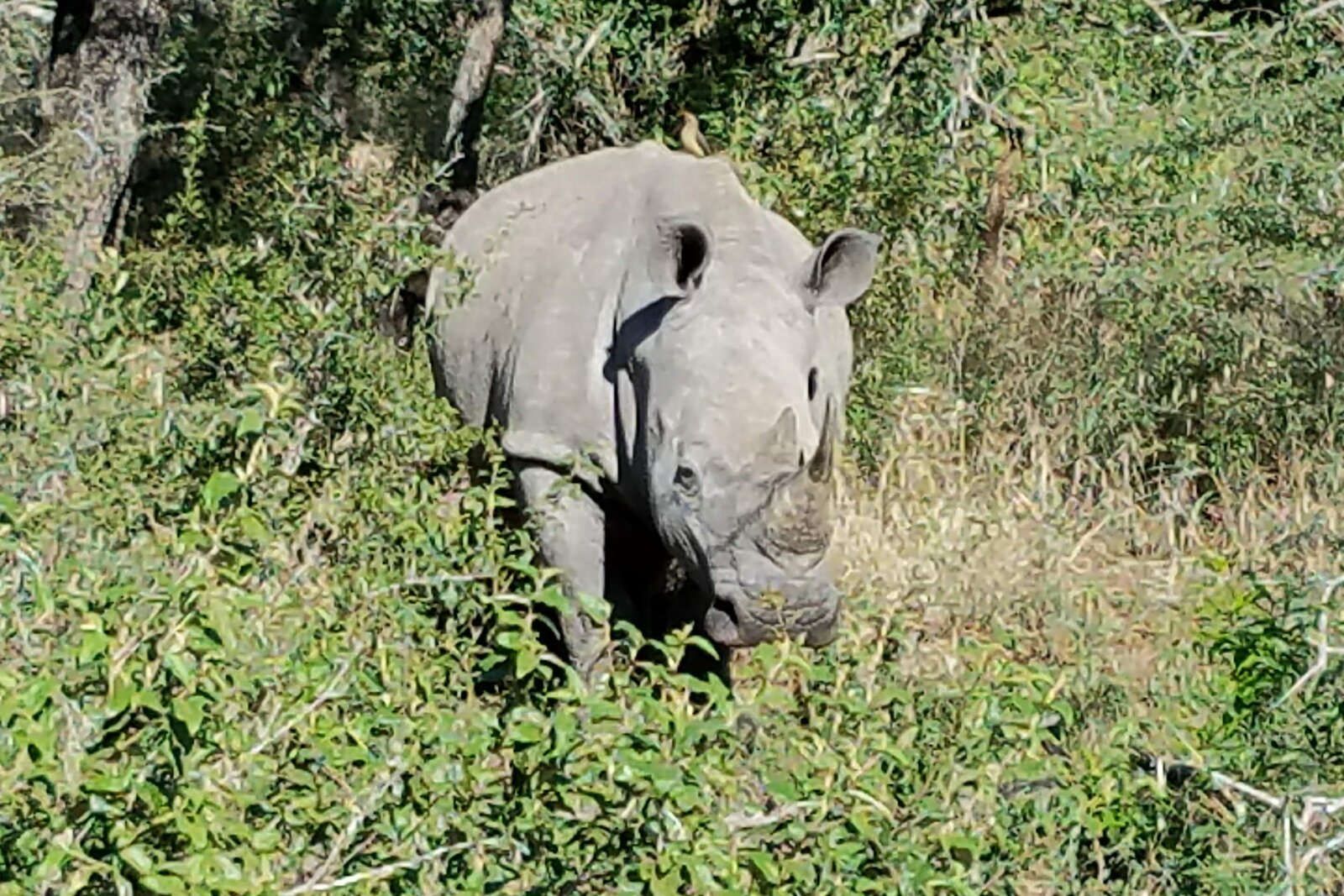
And then there are the big-game moments. Coming upon a herd of elephant browsing, or a buffalo lifting its head to test the wind, or a rhino grazing in the open — all at ground level, on foot, on their terms — produces a jolt of pure, ancient awareness that stays with you forever. Your guide manages every such encounter from a safe, respectful distance, and the thrill is precisely that you are a humble guest in their world, not a spectator behind glass. You will likely see fewer animals than on a drive, but you will feel each one a hundred times more deeply.
| Walking Safari Element | What to Expect |
|---|---|
| Best time of day | First light — cool, safe and most active |
| Group size | Small, single file behind an armed guide |
| Main focus | Immersion: tracks, plants, birds, small wonders |
| Big game on foot | At a respectful distance, managed by your guide |
| Typical morning walk | A few kilometres, slow pace, frequent pauses |
| Wilderness trail | 2-3 nights at a remote trails camp, book far ahead |
Who Can Go: Age and Fitness
Walking safaris come with sensible requirements, all rooted in safety. Because everyone must be able to move quietly, follow instructions instantly and cope with uneven ground and warm conditions, guided walks and the wilderness trails carry a minimum age, typically somewhere around 12 to 16 years depending on the trail or operator. Families with younger children need not miss out entirely — some private lodges offer short, gentle interpretive walks suitable for kids — but the classic Big Five walking experiences are designed for older teenagers and adults.
Fitness matters, but you do not need to be an athlete. A typical morning walk covers only a few kilometres at a slow, frequently-pausing pace, deliberately timed for the cool of early morning to avoid the heat of the day. If you can comfortably walk for two to three hours over uneven ground, you will manage well. The multi-day wilderness trails ask a little more — longer walks and a light daypack — so a bit more fitness helps there. The most important thing is to be honest with us about your fitness and any health conditions, so that we match you to a walk you will love rather than endure.
How to Add a Walk to Your Safari
There are two lovely ways to bring walking into your Kruger adventure, and they suit different travellers. The simplest is to add a short guided morning or afternoon walk to a wider safari built around game drives and comfortable lodges. Many rest camps and private lodges offer these two-to-three-hour walks, and they are the perfect way to taste life on foot without committing your whole trip to it — a single unforgettable morning folded into a broader safari.
The other route is the full wilderness trail: two or three nights at a remote trails camp, walking morning and afternoon, living simply and deeply in the bush. This is the connoisseur's choice, and because places are so limited and so coveted, it rewards forward planning above all. Whichever calls to you — a single magical morning or an immersive multi-day trail — tell us your dates, your fitness and your appetite for the wild, and we will build it into a seamless safari, handling the bookings, the timing and the logistics so that all you have to do is lace up your boots and follow your guide.
Let Us Put You On Foot in the Wild
Some of the most profound moments a traveller can have happen in the hour after they step down from the vehicle and walk quietly into the bush. Whether you want to add a single guided morning walk to your safari or secure one of the Kruger's legendary wilderness trails, we will handle every detail — the right guide, the right season, the right level for your fitness, and all the bookings and logistics. Tell us how deep into the wild you want to go, and we will take you there safely, and unforgettably.
Ready to Experience the Kruger on Foot?
From a single guided morning walk to a coveted multi-day wilderness trail, we arrange walking safaris matched to your fitness and your sense of adventure — with expert armed guides and all the logistics handled.
Ready to explore? Browse our safari tours and packages →