Key Takeaways
- Kruger is one of the best-managed, most-visited wilderness areas on earth — the vast majority of visitors are completely safe.
- Your vehicle is your safe space: stay inside it except at designated get-out points and wild animals will simply ignore you.
- Self-driving is safe with good habits — keep to the speed limit, allow plenty of time, and never miss gate-closing time.
- Crime inside the park is rare; the main risk is opportunistic theft from unattended cars, easily avoided by locking valuables away.
- Health safety is everyday stuff — sun, hydration, water and sensible malaria bite-prevention in the wet season.
- A guided or private safari is the safest option of all, because a professional handles every safety decision for you.
Just How Safe Is Kruger, Really?
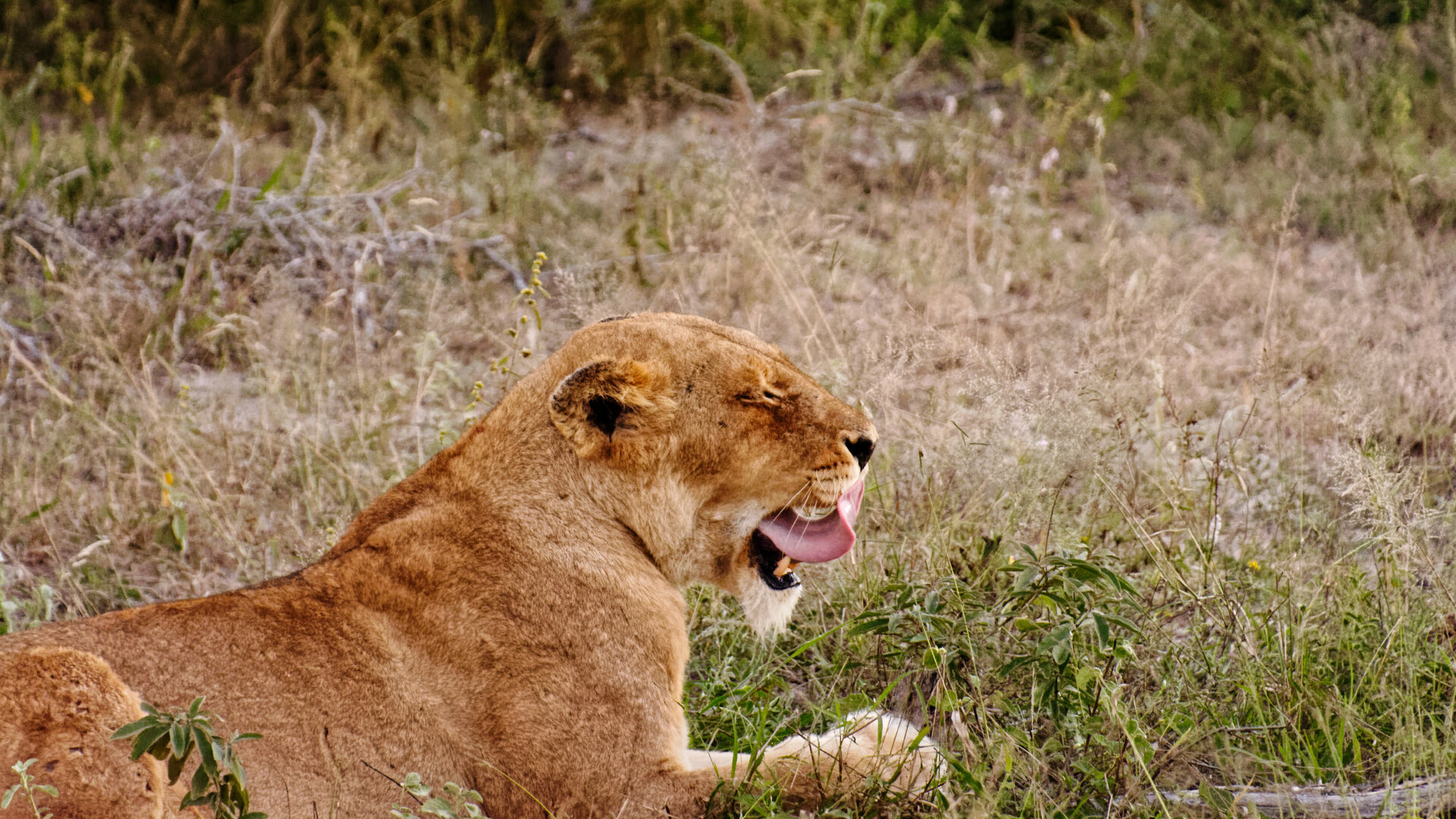
Let us begin with the big picture, because it is genuinely reassuring. The Kruger National Park is one of the oldest and most carefully managed national parks on the planet, visited by well over a million people every year, and the overwhelming majority of them have nothing more eventful to report than a lion that would not wake up and a puncture on a gravel road. The park is fenced, gated, patrolled and superbly organised, with tar roads, marked routes, secure rest camps and a century of accumulated know-how behind it. This is not raw, trackless wilderness where anything might happen — it is a wilderness with rails.
That does not mean there is nothing to respect. Kruger is a real wild place, home to genuinely dangerous animals, and the heat, the distances and the roads all ask for a little common sense. But here is the honest heart of it: almost every serious incident in the park traces back to someone ignoring a simple, well-known rule. Get the handful of basics right and the residual risk is very small indeed. The rest of this guide walks through the four things people actually worry about — animals, driving, crime and general health — and shows you exactly how ordinary sensible behaviour keeps you safe.
Staying Safe Around Wild Animals
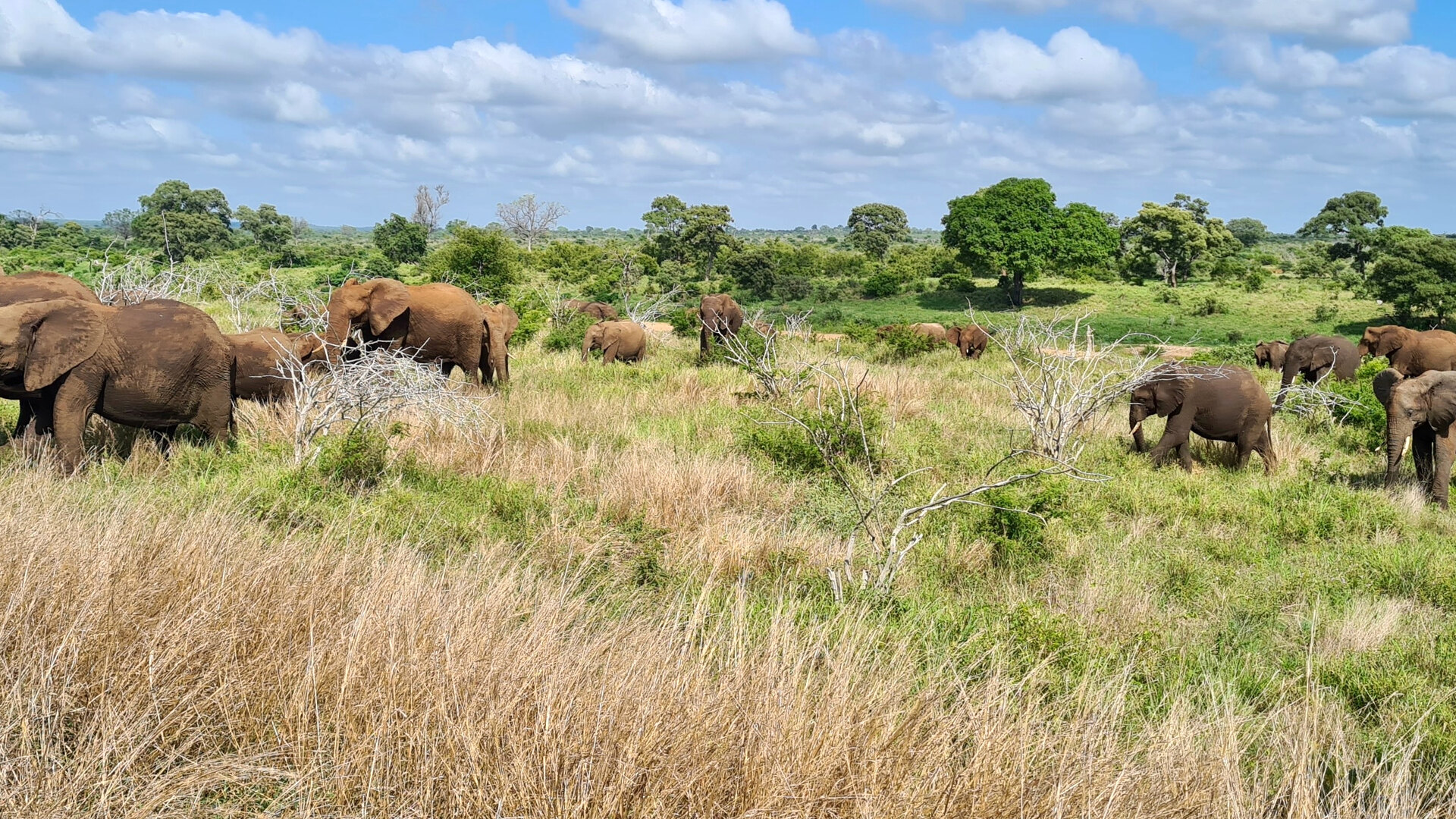
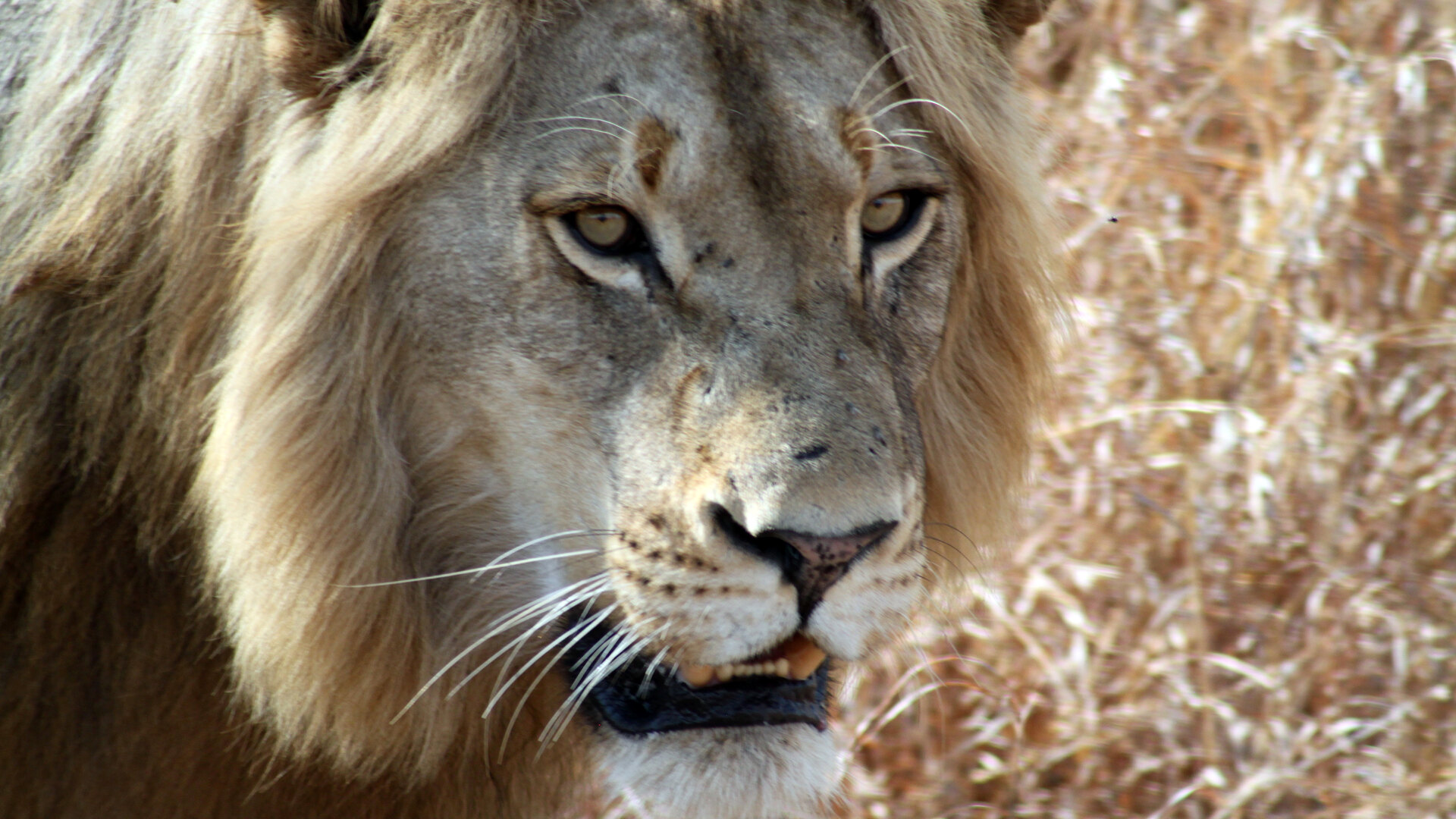
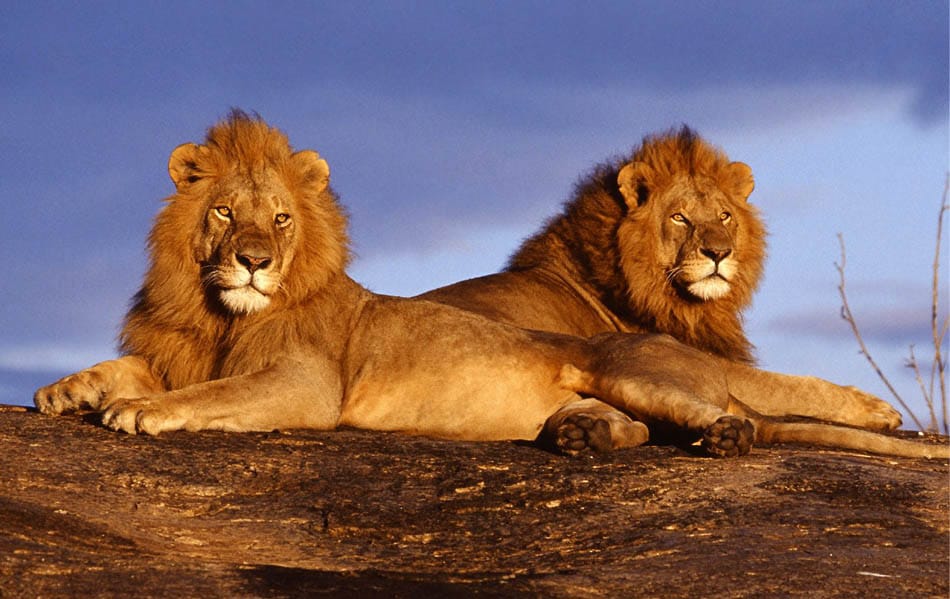
The fear that looms largest is usually the one that is easiest to manage: the animals. It feels counter-intuitive that you can sit a few metres from a pride of lions in perfect safety, but the reason is simple and worth understanding. To a lion, elephant or buffalo, your vehicle is a single large, unthreatening shape that smells of engine rather than of person. As long as everyone stays inside it and keeps still and quiet, the animals barely register you, which is precisely why the sightings are so intimate. Break that outline — by standing up dramatically, leaning far out, or worst of all stepping out — and you become recognisable as prey or a threat, and the picture changes at once.
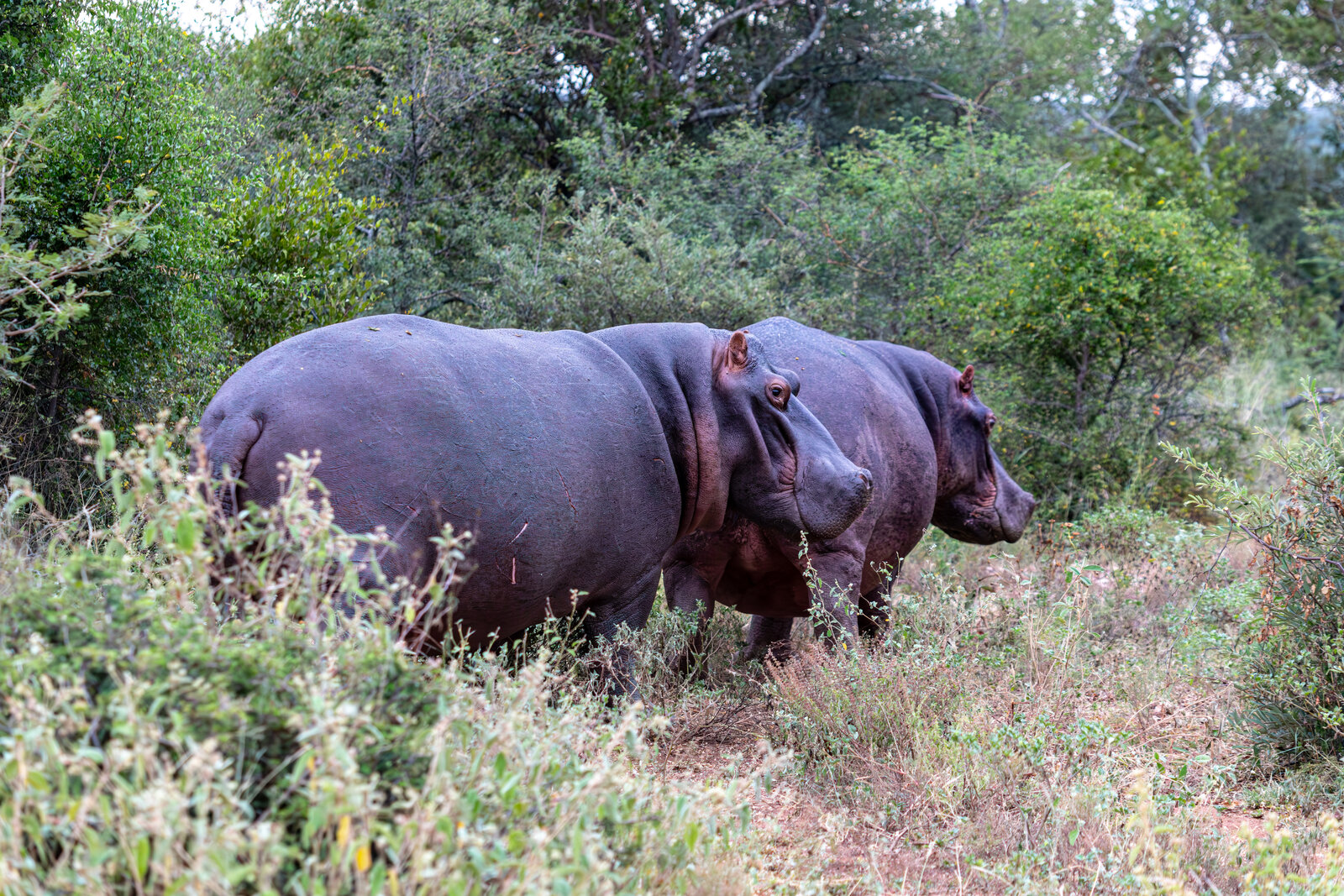
So the golden rule is beautifully short: stay in the vehicle, except at the clearly designated get-out points where it is safe to stretch your legs. Beyond that, keep your voice down, never feed anything, and give the big animals room — particularly elephants in musth, buffalo on their own, and any mother with young. Hippos deserve special mention: placid-looking in the water, they are among Africa's most dangerous animals on land, so never position yourself between a hippo and its river. None of this is difficult, and a good guide manages all of it instinctively. Respect the animals' space and the encounters stay exactly what they should be — heart-stopping in the best possible way.
Is It Safe to Self-Drive Kruger?
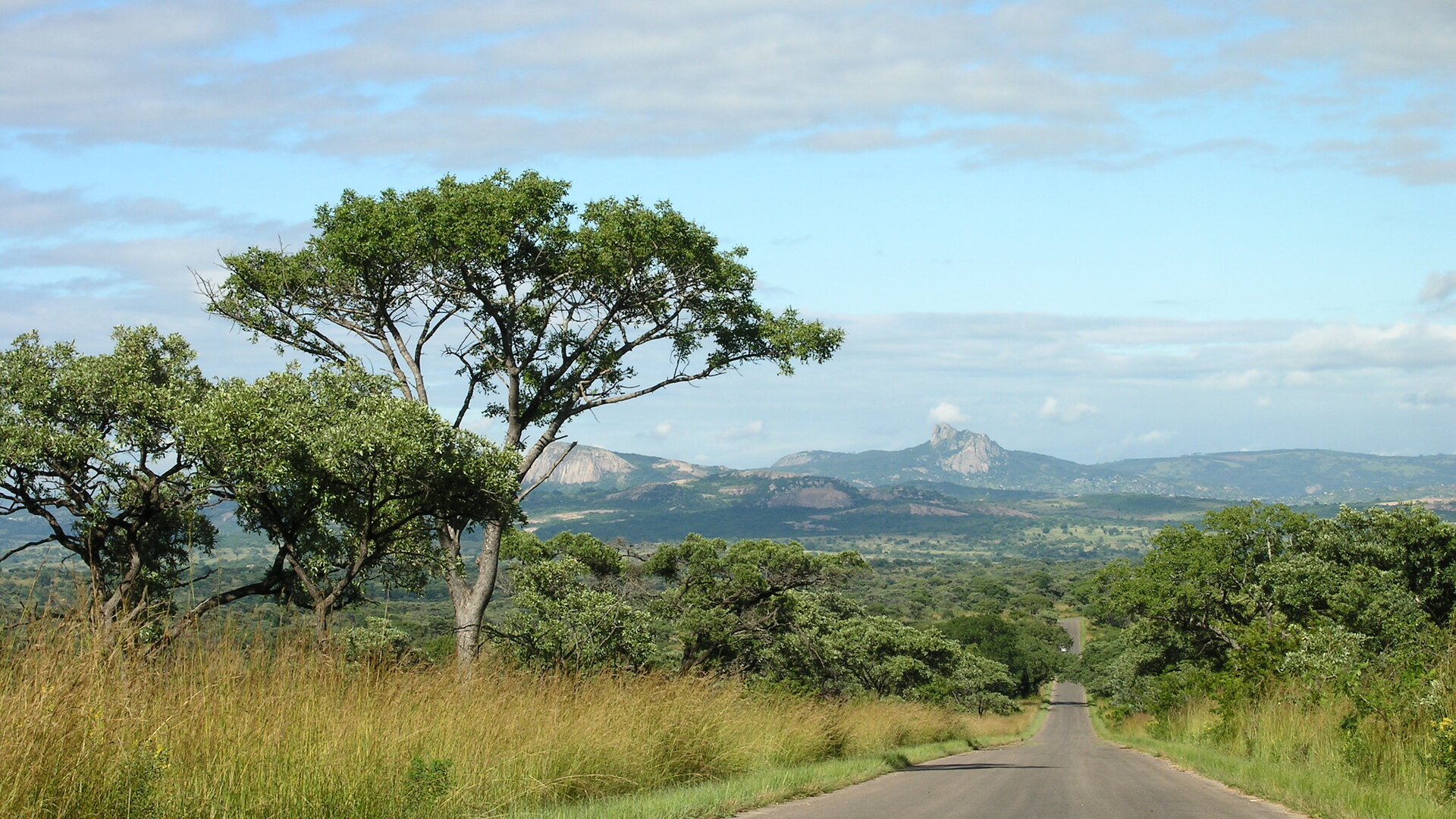
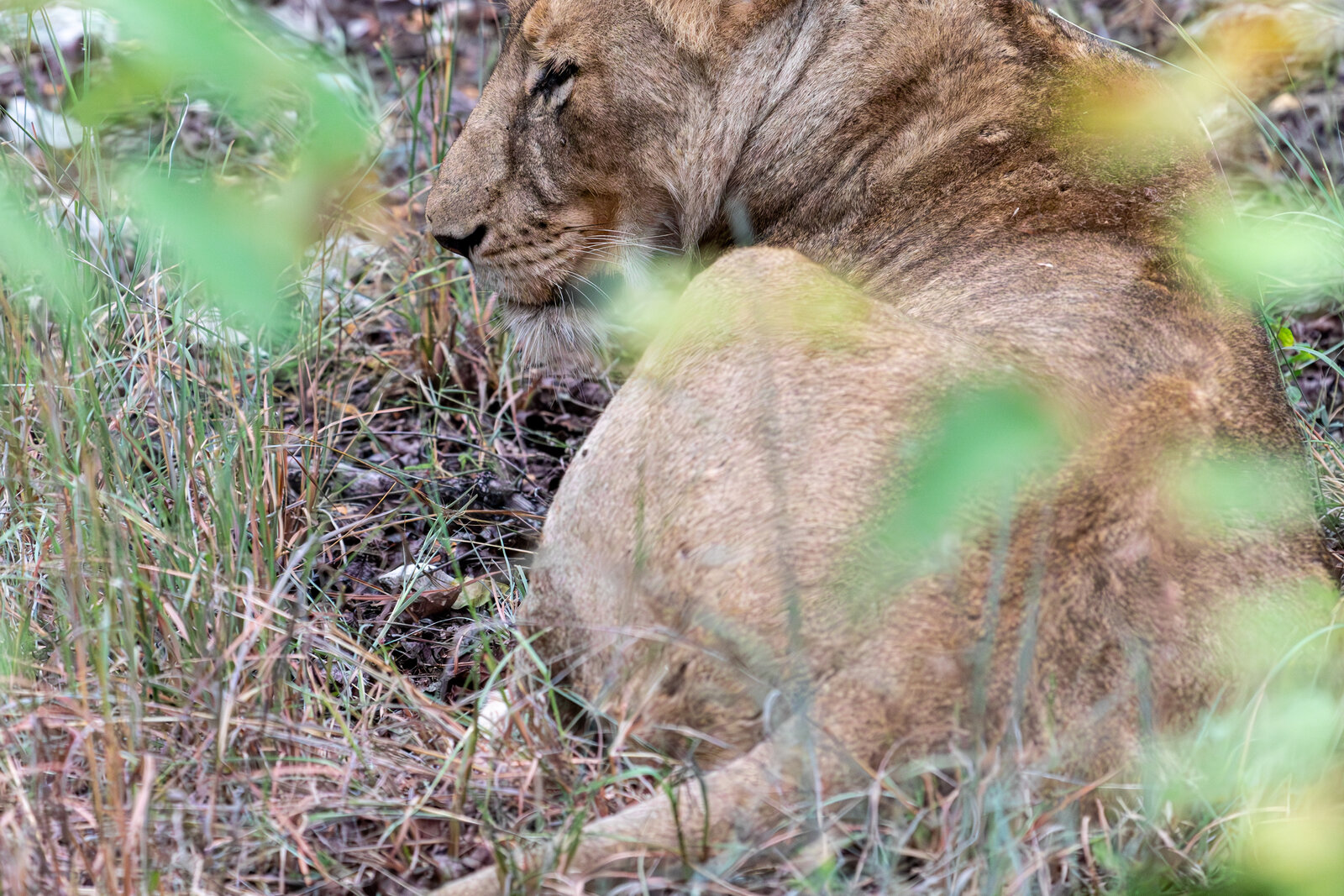
Self-driving is one of Kruger's great pleasures and, done sensibly, it is genuinely safe. The park has an excellent network of tar roads through the popular south, clear signage, well-marked rest camps and picnic sites, and a strict framework of speed limits and gate times designed precisely to keep visitors out of trouble. Thousands of ordinary families potter happily around the park in their own hire cars every week. The risks that do exist are practical, not dramatic — and every one of them is avoidable with a little planning.
The three things to get right are speed, timing and discipline. Keep to the speed limits, which exist as much to protect animals crossing the road as to protect you, and remember that a kudu or elephant appearing suddenly at dusk is a real hazard. Plan each day so you are never racing to reach a gate before it closes, because being locked out after hours is both a fine and a genuine safety problem. And keep the discipline of staying in the car except at marked get-out points, carrying plenty of water and a paper map as backup, and topping up fuel when you can. Get those right and self-driving becomes what it should be — an unhurried, deeply rewarding way to explore at your own pace.
| Safety Question | The Honest Answer |
|---|---|
| Is Kruger safe overall? | Yes — very, for the sensible visitor |
| Biggest animal rule | Stay in the vehicle except at marked get-out points |
| Most dangerous animal on land | The hippo — never block its path to water |
| Main self-drive risk | Speed and running out of daylight before gate-closing |
| Crime inside the park | Rare — lock valuables out of sight, secure your room |
| Safest way to visit | A guided or private safari with a professional operator |
Crime and Personal Safety
It is fair to ask about crime, because South Africa's reputation sometimes travels ahead of the reality. Inside the Kruger itself, crime against tourists is genuinely uncommon. The park is fenced and gated, the rest camps are secure, well lit and patrolled, and the atmosphere after dark is one of campfires and stargazing rather than any sense of threat. Most visitors are struck by how calm and safe the camps feel. The precautions that apply are the same ones any seasoned traveller takes anywhere in the world.
The single most common issue is opportunistic theft from vehicles left unattended at picnic sites, viewpoints or shops — so keep bags, cameras and valuables out of sight and lock the car every time you step away. Secure your accommodation when you leave it, keep passports and cash in the room safe, and be a touch more alert in the larger gateway towns and at busy transit points than in the deep bush. If you are self-driving the approach roads, plan your fuel and rest stops at reputable places and travel in daylight. These are small, familiar habits, and with them in place personal safety in Kruger simply is not something you will find yourself thinking about.
Health, Heat and General Travel Safety
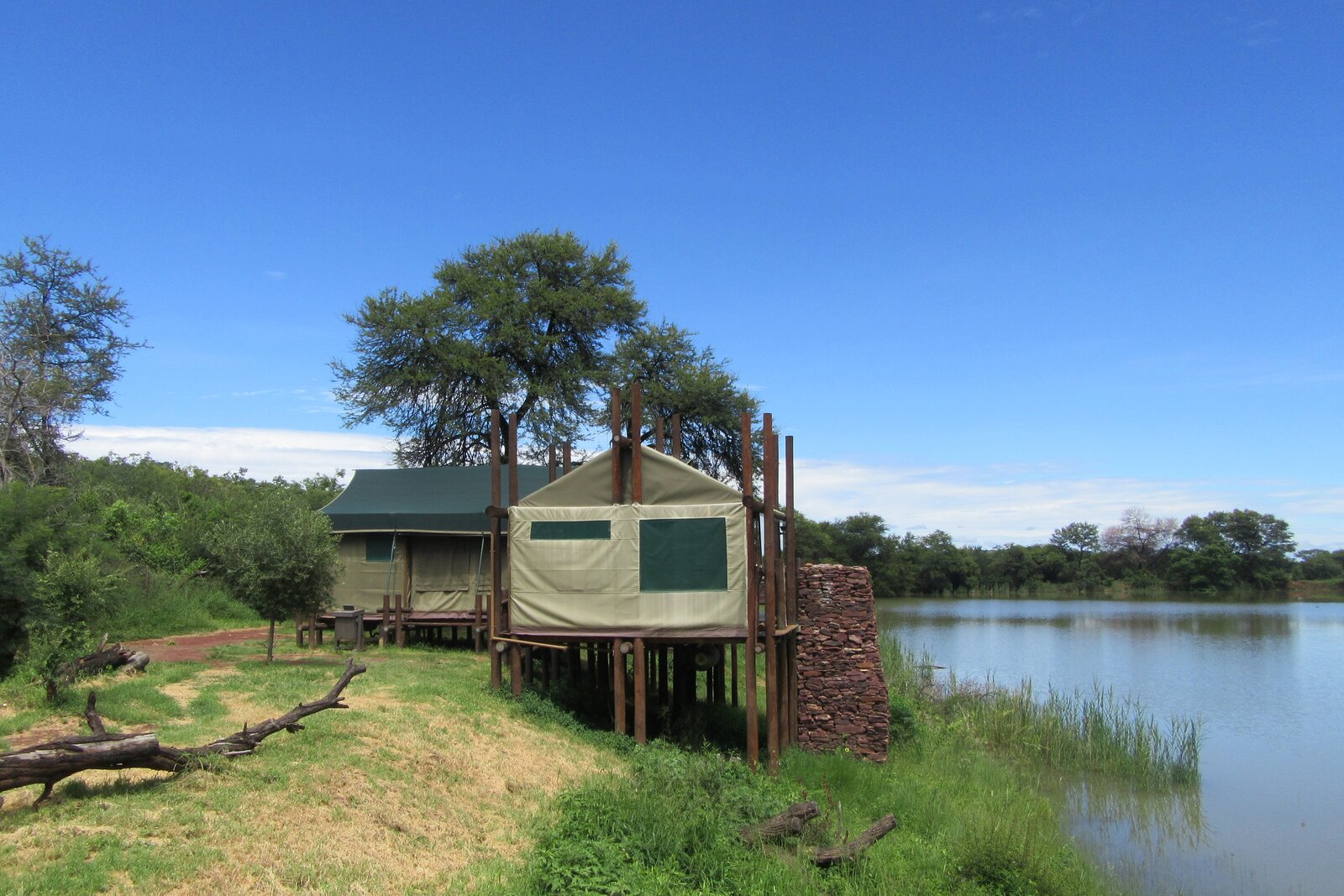
The everyday practicalities matter more to most visitors than any dramatic danger, and they are straightforward to manage. The Lowveld can be genuinely hot, especially in summer, so sun protection and hydration are the real daily disciplines — a hat, sunscreen, and more water than you think you need. Drink bottled or properly treated water, take it easy in the midday heat, and pack any personal medication in your hand luggage. If you are prone to travel sickness on winding gravel roads, come prepared.
Malaria is the health question people ask about most, and the honest answer is measured: Kruger lies in a low-to-moderate malaria zone, with the risk concentrated in the warm, wet summer and very low in the dry winter. Simple bite-prevention — covering up at dusk, using repellent and sleeping in a screened room — cuts the practical risk right down, and some travellers consult a travel clinic about tablets, which is a medical decision best made with a professional well before you go. Beyond that, standard travel insurance, a small first-aid kit and knowing where the nearest clinic is complete the picture. A good operator briefs you on all of this as a matter of course, so nothing catches you unprepared.
Why a Guided Safari Is the Safest of All
If safety is your foremost concern — and there is no shame at all in that, particularly with children or older travellers in the party — the simplest answer is to let a professional carry it for you. On a guided safari, every safety decision that a self-driver has to make is quietly handled by someone who has made it thousands of times. The guide knows how to read an elephant's mood, where it is safe to pause, how to position the vehicle for both a great view and a clear exit, and exactly when to move on. You are freed to simply watch and wonder.
A private guided safari goes further still, wrapping the whole trip in expertise: airport transfers, gate times, routes, camp logistics and health briefings all taken care of, so the only thing left for you to do is enjoy the bush. This is why families with young children, multi-generational groups and first-time safari-goers so often choose a guided or private option — not because Kruger is unsafe, but because it turns an already-small risk into no risk you personally have to manage. Tell us how you would like to travel, and we will build a safari that feels as secure as it is spectacular.
Let Us Plan a Safari That Feels Completely Safe
Kruger is safe for the sensible traveller, and safer still with the right people beside you. Whether you dream of self-driving at your own pace or would rather hand every decision to a seasoned guide, we will build a safari matched to your comfort — briefing you fully, choosing the right season and camps, and making sure that the only thing you have to think about is the wildlife in front of you.
Want a Safari That Puts Your Mind Completely at Ease?
From family-friendly guided drives to fully private safaris, our specialists plan safe, seamless Kruger journeys — with every practical detail handled so you can simply enjoy the bush.
Ready to explore? Browse our safari tours and packages →