Key Takeaways
- Kruger's public rest camps have no minimum age, making self-drive and camp stays ideal for families with young children.
- Kruger is a malaria area — take medical advice for children, and consider a malaria-free reserve for under-fives.
- Private lodges often restrict open-vehicle drives to children six and older; family lodges use private vehicles and kids' programmes to adapt.
- The southern camps — Skukuza, Lower Sabie and Berg-en-Dal — are best for families, with pools, shops and rich, short drives.
- Keep game drives to two or three hours with children, with snacks, breaks and small distractions on hand.
- Malaria-free Big Five reserves such as Madikwe, Pilanesberg and the Eastern Cape are excellent alternatives for very young families.
Is Kruger Right for Your Family?
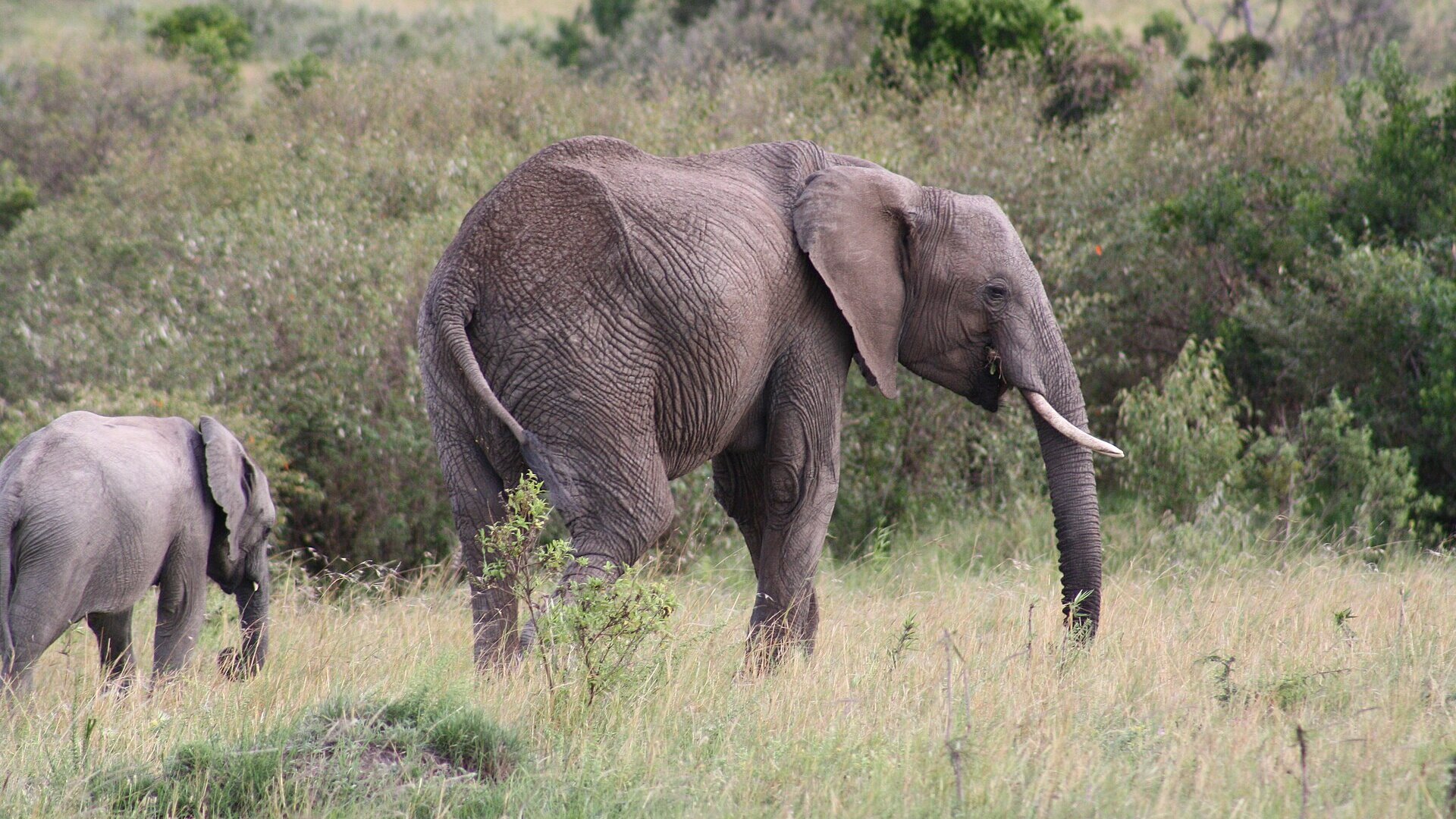
There are few things in travel as pure as a child's first sight of a wild elephant. Kruger delivers that moment better than almost anywhere on earth: it is vast, teeming with animals, superbly organised for independent travel, and remarkably affordable for a family. Children who have only ever seen these creatures in books suddenly meet them at the roadside, close enough to hear an elephant tear at a branch or a hippo grunt in the river. It is the kind of experience that reshapes how a child sees the world.
That said, an honest family safari starts with honest questions. How old are your children, and how will they cope with early mornings and long days? Are you comfortable in a malaria region, or would you rather avoid the worry entirely? Do you want the freedom and thrift of self-drive, or the ease of a lodge that does everything for you? None of these has a wrong answer — but the answers shape every choice that follows, and getting them right is the difference between a magical family holiday and a stressful one.
Malaria and Age: The Facts Parents Need
Let us deal with the two questions every parent asks first, plainly. Kruger lies in a malaria area, with the risk highest through the warm, wet months from roughly September to May and lowest in the dry winter. The mosquitoes that carry malaria bite from dusk to dawn, which is exactly when a safari camp comes alive, so the sensible defences are simple: cover arms and legs in the evening, use a good repellent, sleep under nets or in screened rooms, and take your doctor's advice on prophylaxis. Many doctors are cautious about young children, particularly under five, in malaria zones because the illness can move fast in little bodies.
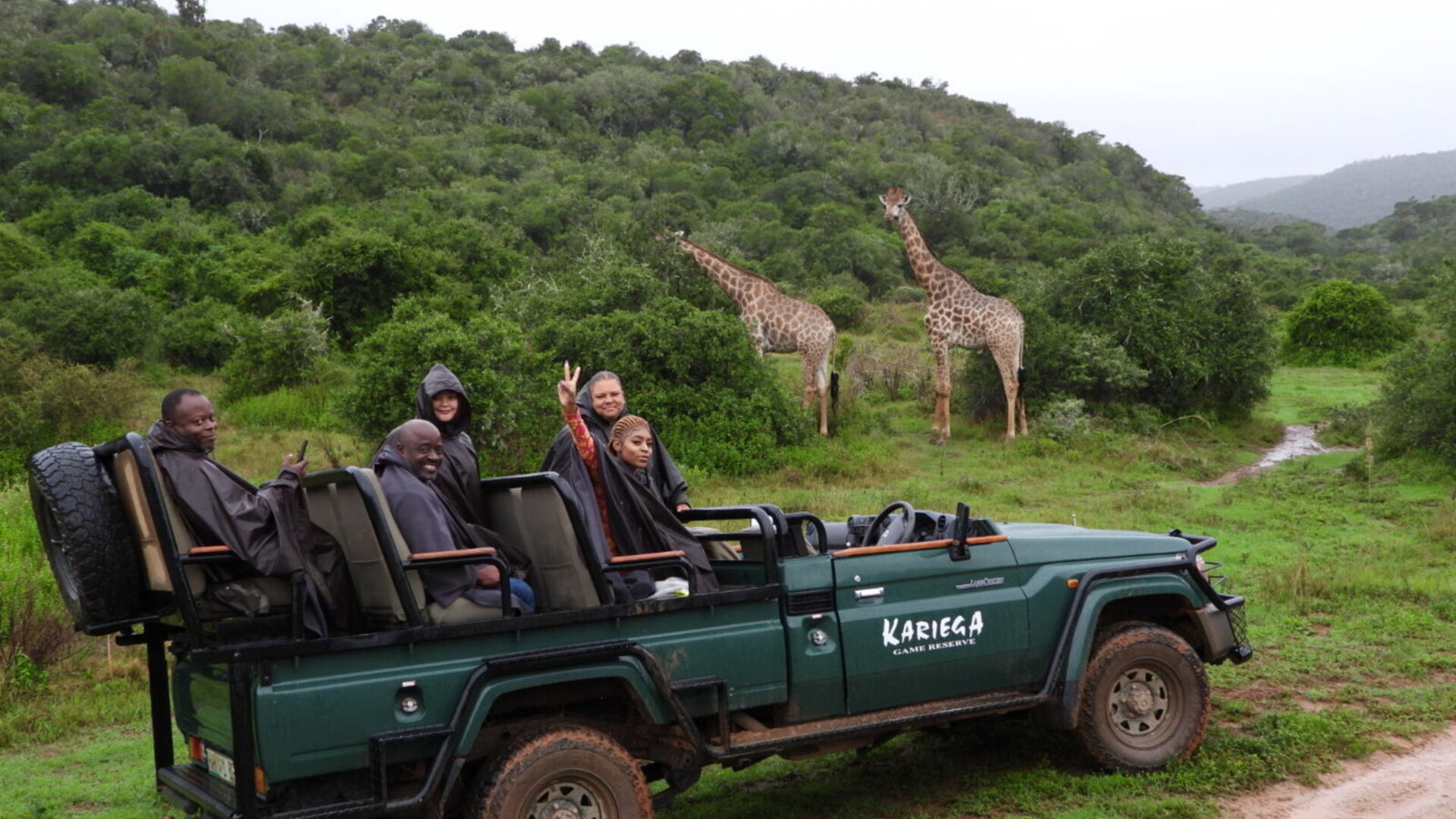
On age, the picture is friendlier than most people expect. The public SANParks rest camps set no minimum age at all, so a self-drive family with a baby is entirely welcome, driving at their own pace and retreating to the pool when the heat builds. Private lodges are stricter, commonly reserving shared open-vehicle drives for children of six and up and keeping under-threes off open vehicles for safety. The way round this is to choose a family-specialist lodge that offers private vehicles and structured children's activities, or to self-drive — and we always confirm a property's exact age rules before we book, so nothing comes as a surprise at the gate.
The Best Camps and Lodges for Kids
For families, the southern reaches of the park are the promised land. The big southern rest camps — Skukuza, Lower Sabie and Berg-en-Dal — combine the richest game viewing in Kruger with the practical comforts children need: swimming pools for the midday heat, shops for supplies and forgotten essentials, restaurants for the nights you cannot face cooking, and generous family units with room to spread out inside the safety of the fence. Because the wildlife is so concentrated here, drives are short and productive, which suits young attention spans perfectly.
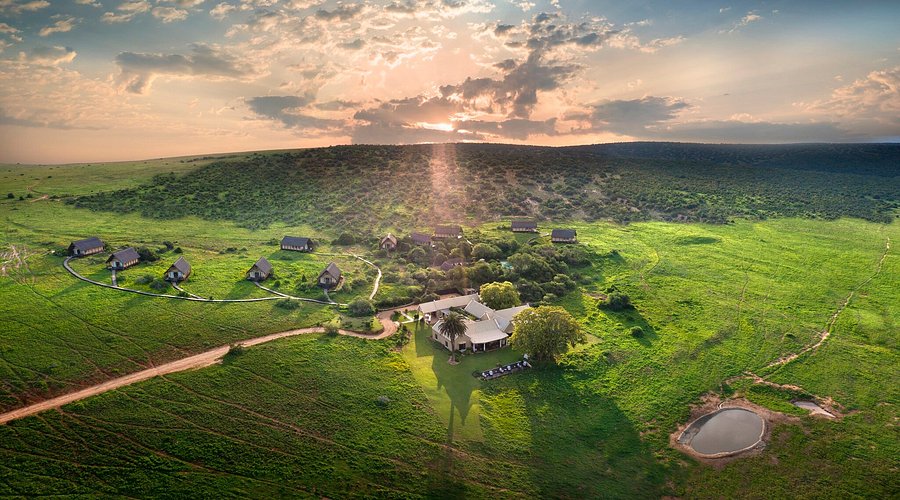
If you would rather be looked after, a handful of lodges have built their reputation on families. Places such as Jock Safari Lodge, Sabi Sabi Bush Lodge and Lukimbi run genuine junior-ranger and children's programmes — spoor casting, bug hunts, bush skills and age-appropriate drives — that transform a child from a passenger into an enthusiast. These lodges understand that a family holiday must work for the parents too, so they offer flexible mealtimes, babysitting and private vehicles that let you set your own rhythm. It is a different budget from self-drive, but for many families the peace of mind is worth it.
Keeping Children Happy on Safari
The secret to a happy family safari is to stop trying to run an adult one. Children rarely share our appetite for a four-hour dawn drive in search of a single leopard; they want elephants now, a snack soon and a pool by lunchtime. So we plan around them. Keep drives to two or three hours, head out early while it is cool and the animals are active, and always have a break and something to eat built in. Give each child a job — a spotting checklist, a pair of binoculars, the role of official giraffe-counter — and the drive becomes a game rather than an endurance test.
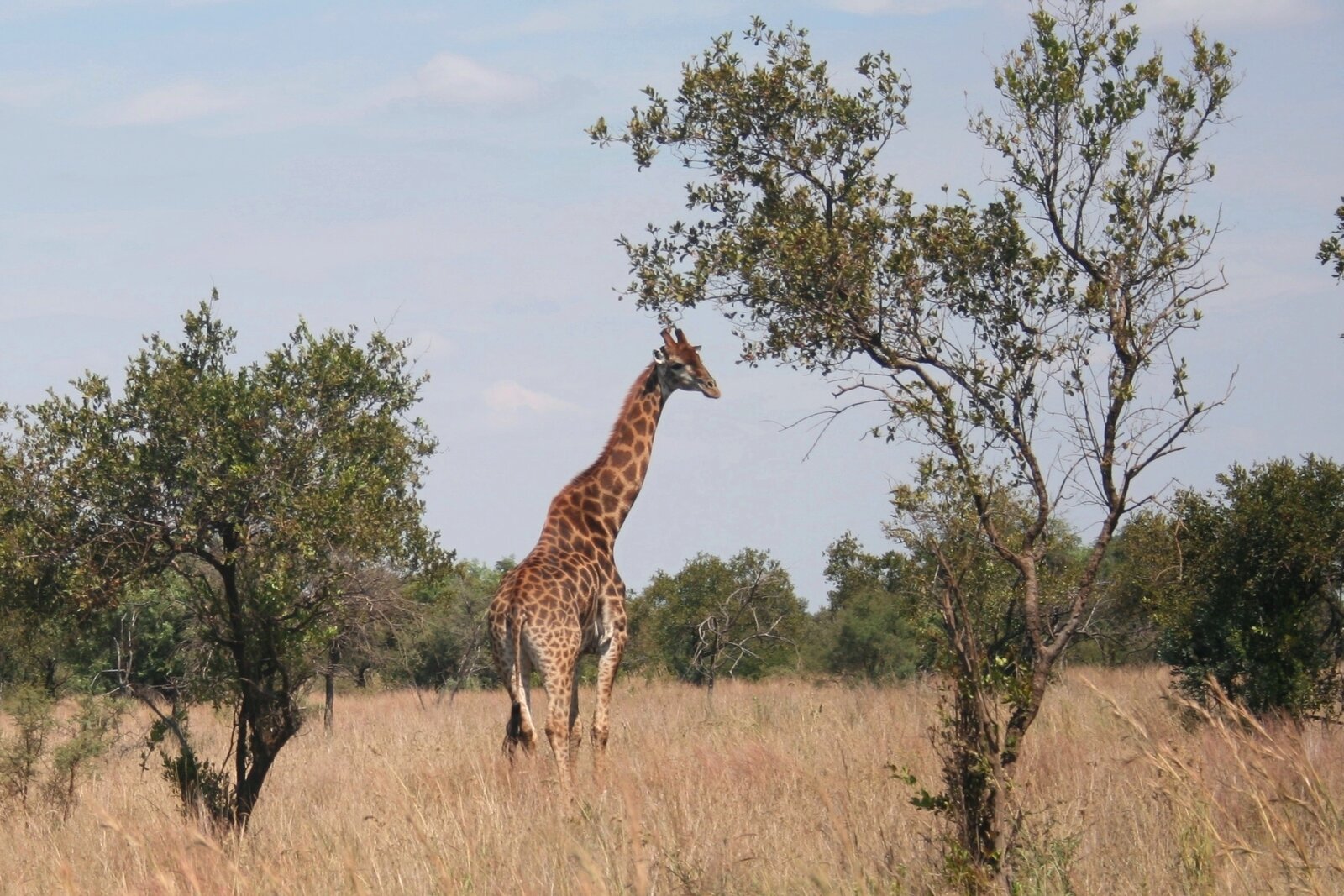
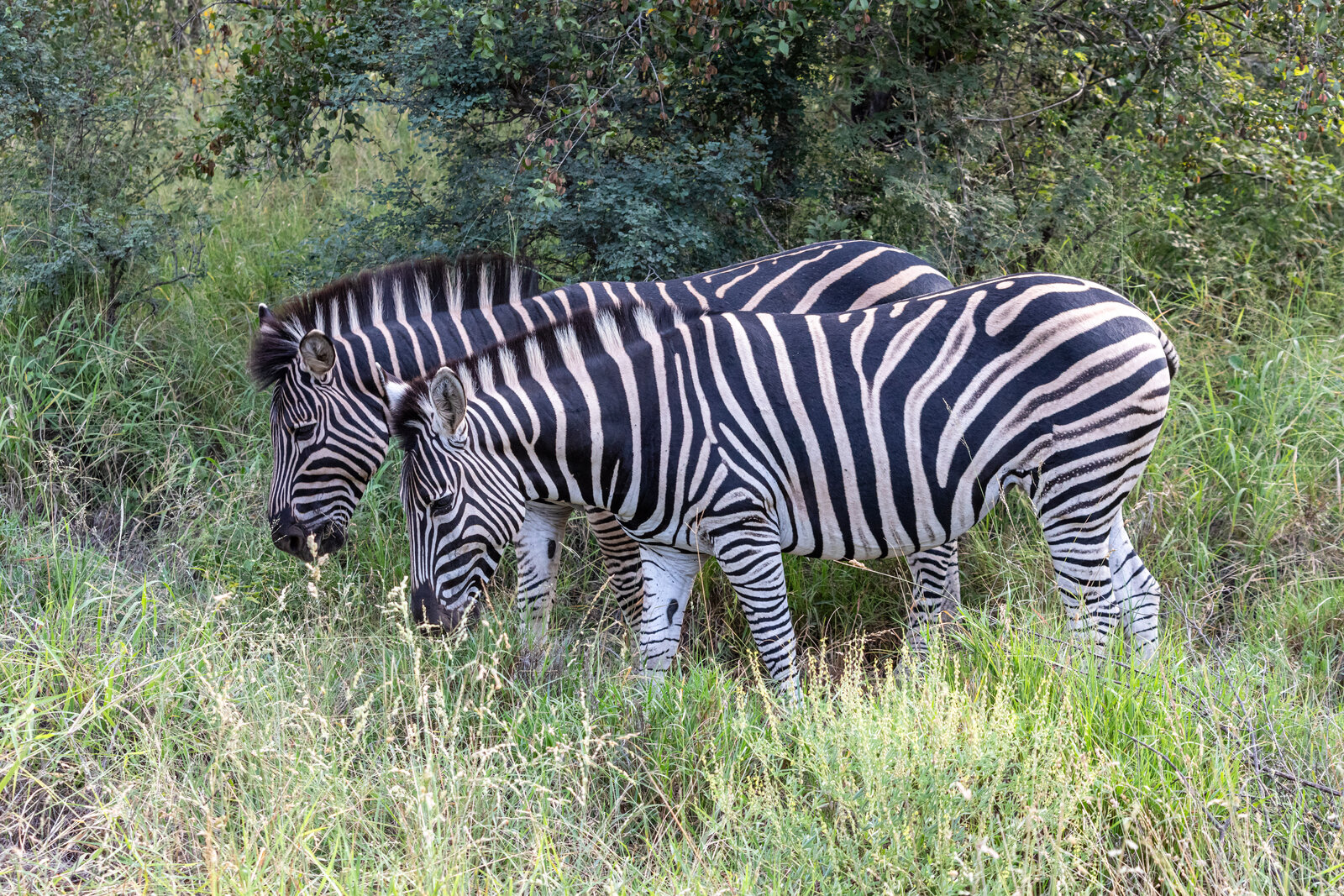
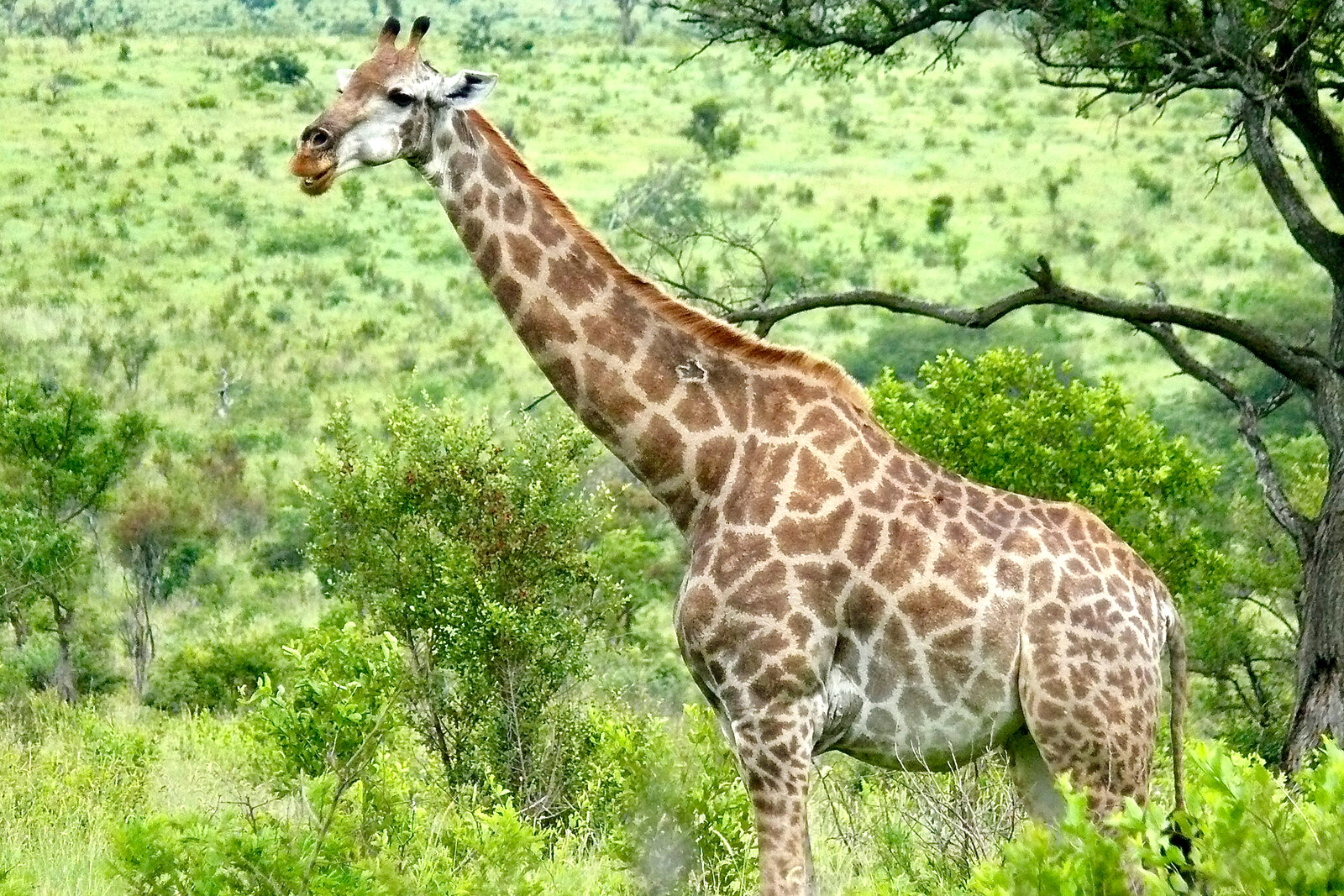
It helps enormously that Kruger's easy, reliable sightings are exactly the ones children love best. Zebra and their foals, giraffe browsing at the roadside, hippos wallowing and grunting, a tower of impala springing across the road — these are constant, close and full of character, and they keep young imaginations fed between the headline predators. Self-drivers hold the trump card here: you set the pace, you turn back the instant interest fades, and nobody is trapped on someone else's timetable. That freedom, more than anything, is what keeps small children smiling.
Malaria-Free Alternatives to Consider
For all Kruger's magic, there are families for whom a malaria-free reserve is simply the wiser call — particularly those travelling with toddlers or anyone who would rather not think about prophylaxis and evening cover-ups on a holiday. Happily, South Africa offers superb malaria-free Big Five country. Madikwe, on the Botswana border, is a large, wild reserve with excellent family lodges. Pilanesberg, within easy reach of Johannesburg, packs the Big Five into a compact, accessible park. And in the Eastern Cape, reserves such as Amakhala and Addo pair Big Five game viewing with a malaria-free climate and an easy link to the Garden Route and Cape Town.
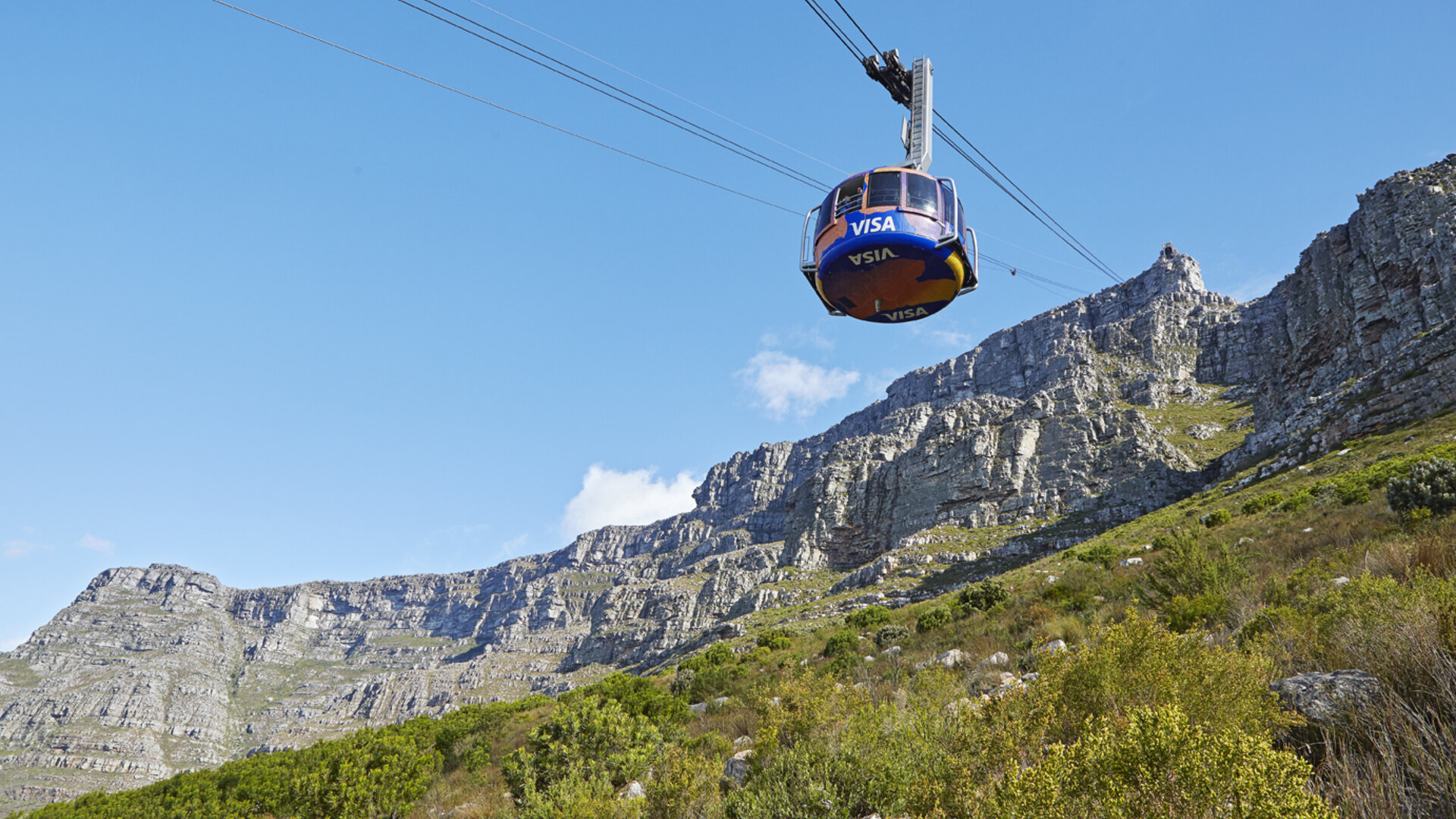
None of these replaces the sheer scale and wildness of Kruger, which is why we still send older children there without hesitation. But for the youngest travellers, a malaria-free reserve lets everyone relax completely, and it often slots more neatly into a wider South African itinerary. We plan a great many family trips this way — a few unhurried days of Big Five in a malaria-free reserve, then beaches, penguins and Table Mountain to follow. It is a combination children adore, and one that lets parents breathe.
| Family Consideration | Our Honest Guidance |
|---|---|
| Best camps for kids | Skukuza, Lower Sabie, Berg-en-Dal — pools, shops, family units, rich short drives |
| Public camp age limit | None — self-drive suits all ages, including babies and toddlers |
| Private lodge drives | Often from age 6; under-3s off open vehicles; family lodges use private vehicles |
| Malaria | Kruger is a malaria area; take medical advice, especially for under-fives |
| Ideal drive length | Two to three hours with children, with snacks and a break built in |
| Malaria-free option | Madikwe, Pilanesberg, Amakhala, Addo — Big Five with no malaria worry |
How We Plan Family Safaris
A family safari lives or dies on the small print, and that is precisely where we earn our keep. We start with your children — their ages, their stamina, how they travel — and build outward from there, rather than squeezing them into an adult itinerary. We confirm every age rule and drive policy before a single booking is made, choose camps and lodges with the pools, space and programmes that keep children happy, and pace the days so nobody is exhausted or overheated. Where malaria is a concern for very young ones, we will say so honestly and offer a malaria-free alternative.
We also handle the logistics that quietly make or break a family trip: the right vehicle for car seats, the flights that avoid brutal early starts, the family rooms that keep everyone together, and the transfers that mean you are never stranded with tired children. Tell us who is travelling and what your family loves, and we will craft a safari that works for the two-year-old and the twelve-year-old and the grown-ups all at once — the trip your children will still be talking about years from now.
Planning a Family Safari to Kruger?
Our specialists build family safaris around your children's ages and your peace of mind — the right camps and lodges, honest malaria advice, and malaria-free alternatives when they make sense — so everyone comes home with the same happy memories.
Ready to explore? Browse our safari tours and packages →