Key Takeaways
- Chobe = Botswana's elephant capital, home to the largest elephant concentration on Earth (~120,000), famous for water-based river safaris on the Chobe River
- Kruger = South Africa's Big Five flagship, ~2 million hectares, the world's best self-drive safari and outstanding value
- Chobe wins on elephant spectacle, river/boat safaris, exclusivity and Botswana's low-volume model; pairs perfectly with Victoria Falls
- Kruger wins on accessibility, affordability, self-drive freedom, wildlife diversity and guaranteed complete Big Five (including rhino)
- Chobe requires a fly-in or drive via Kasane and skews pricier; Kruger is a short flight or scenic drive from Johannesburg and suits every budget
- Both have superb luxury lodges; Chobe adds river lodges and houseboats, Kruger adds ultra-exclusive private concessions like Sabi Sands
- Best time: both peak in the dry season (May–October) when wildlife concentrates at water — in Chobe, elephants line the river in their thousands
- The ultimate answer for many: do both — Kruger for Big Five and self-drive, Chobe for elephants and river cruises, linked via Victoria Falls
The Elephant Kingdom Meets the Big Five Flagship
It is a debate that echoes around campfires and lodge decks across Southern Africa. Chobe, or Kruger? Botswana's water-fed wilderness, where the greatest concentration of elephants on the planet gathers along the banks of a single legendary river, or South Africa's vast, iconic flagship, where the complete Big Five roam an ecosystem the size of a small country and you can drive yourself to a lion sighting at dawn.
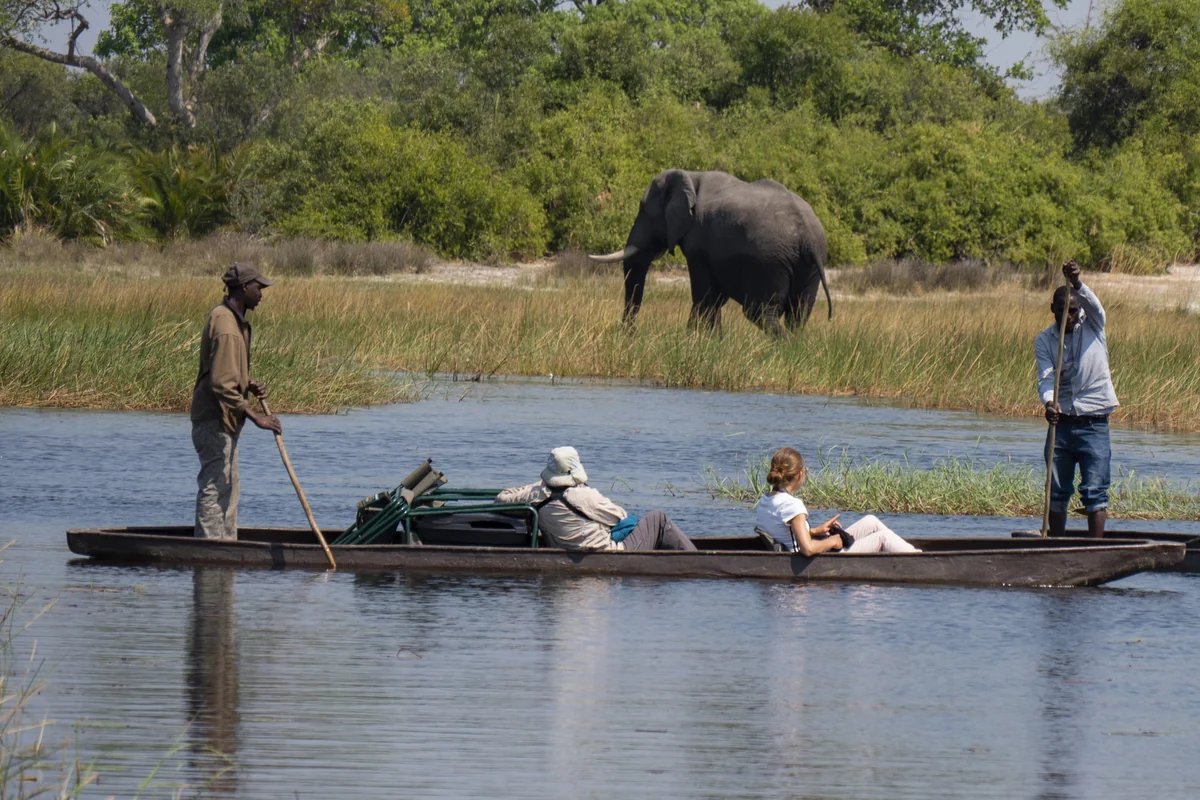
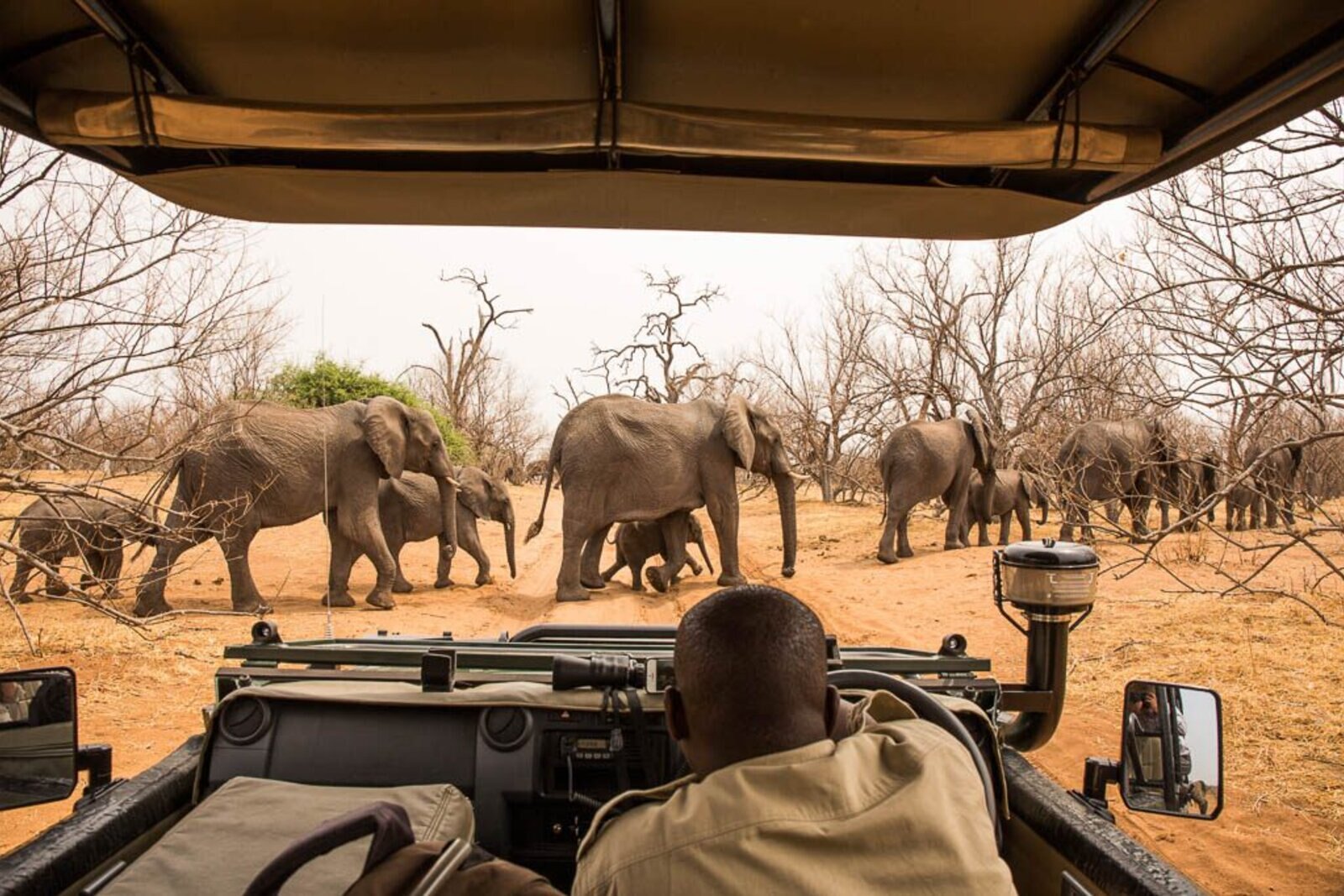
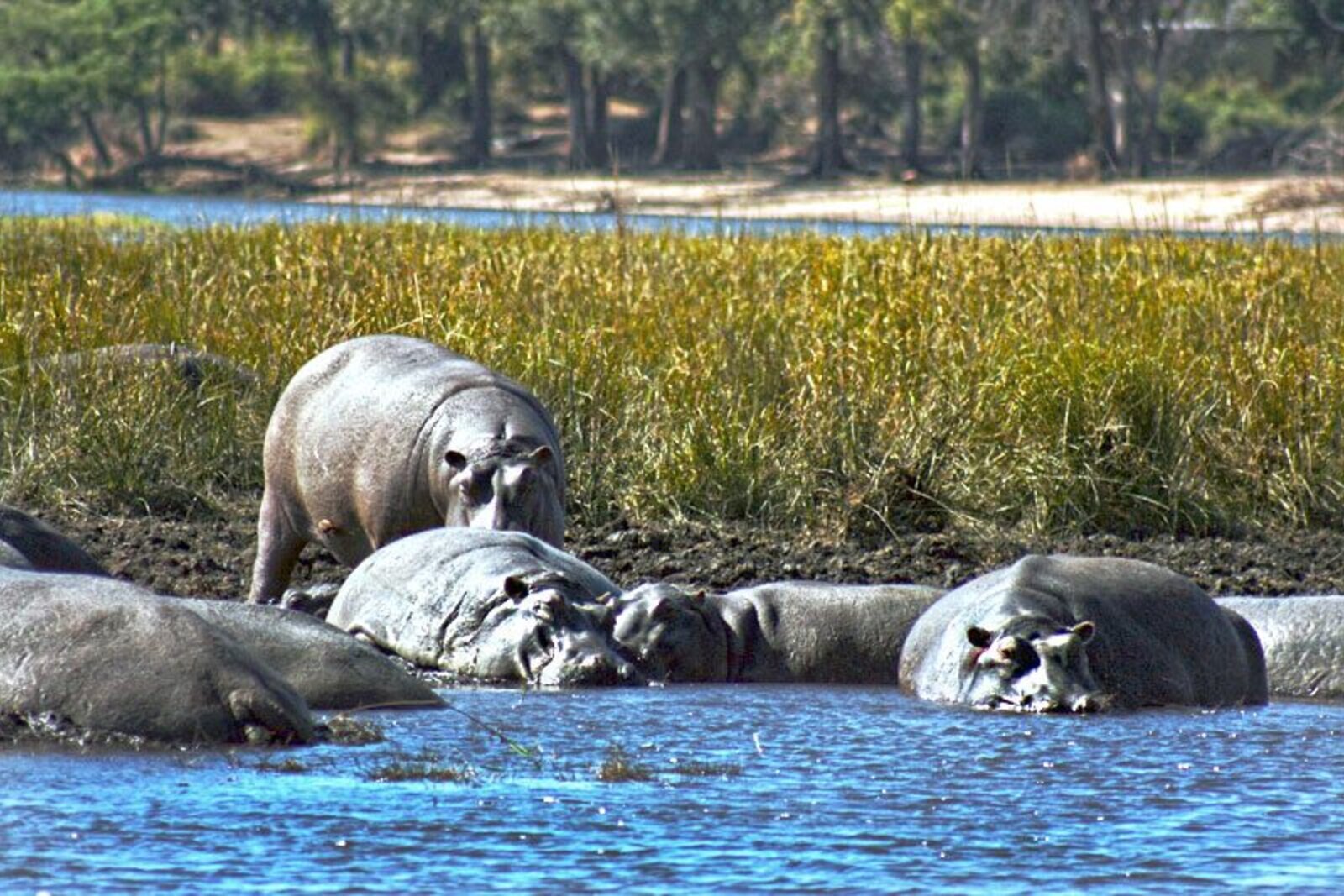
Both sit at the very top of Africa's safari hierarchy. Both are bucket-list destinations. Yet they could hardly be more different. Chobe National Park, in Botswana's far north, is defined by water. The Chobe River draws wildlife in staggering numbers, and the park is home to an estimated 120,000 elephants — the densest elephant population anywhere on Earth. Here, the signature safari is not a game drive but a boat cruise, gliding past herds of elephants swimming and drinking at the water's edge, pods of hippo, buffalo, and some of Africa's finest birdlife.
Kruger National Park, by contrast, is South Africa's nearly two-million-hectare flagship — one of the oldest, largest and most biodiverse reserves on the continent. It holds all of the Big Five (including thriving rhino populations), more than 500 bird species, and one of the densest predator populations in Africa. It is also the world's greatest self-drive safari destination: a place where independent travellers, families and first-timers can explore an extraordinary wilderness on their own terms, at a fraction of the cost of a fly-in safari — while its private concessions along the western boundary rival anywhere on Earth for luxury.
So which is better? Neither. They excel at completely different things, suit different travel styles and budgets, and — crucially — sit close enough together that many of our travellers do not choose at all. They pair Kruger with Chobe, often linking the two via the thundering spectacle of Victoria Falls, on one seamless Southern African circuit. Let's break it down, round by round.
Round 1: The Elephant Spectacle
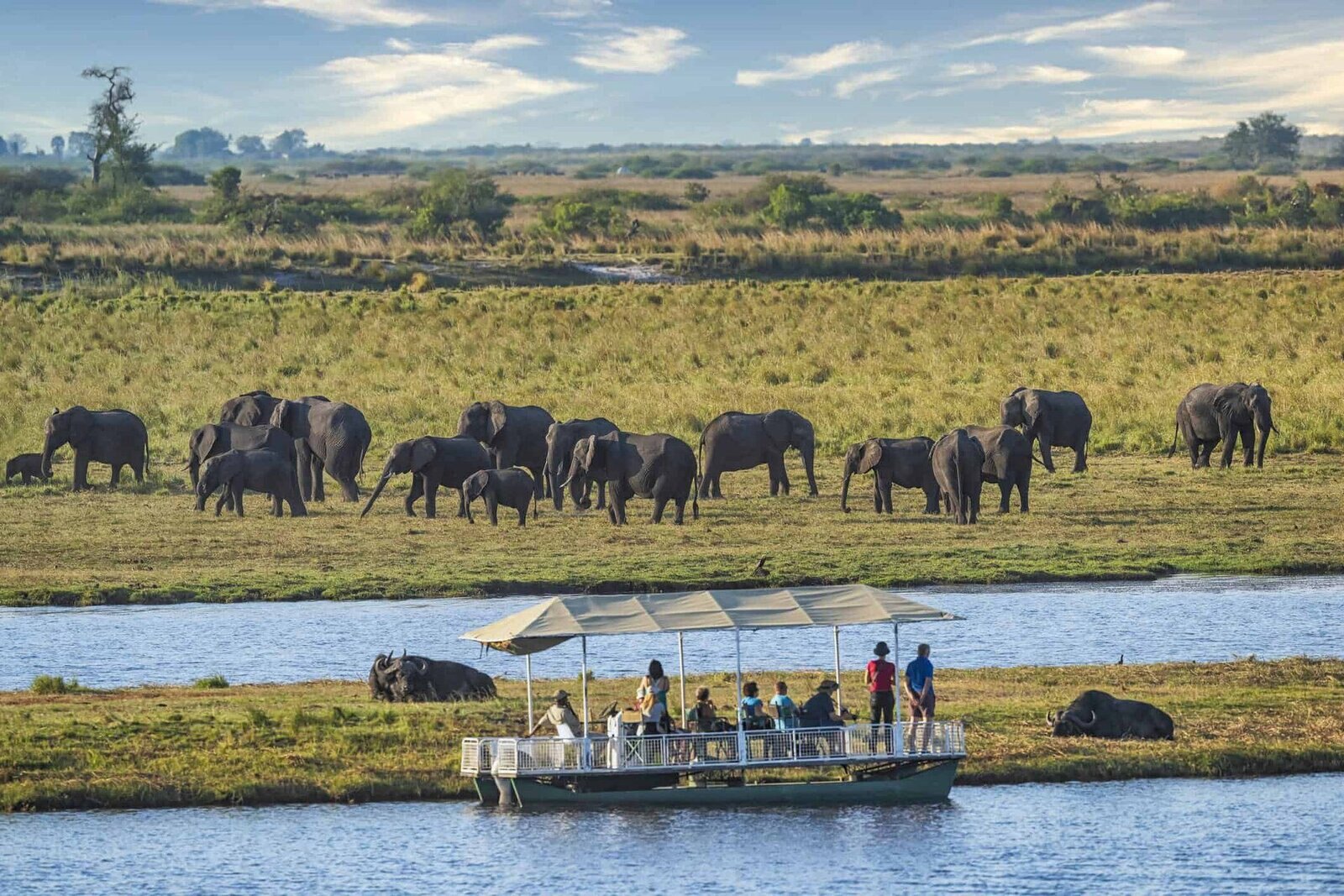
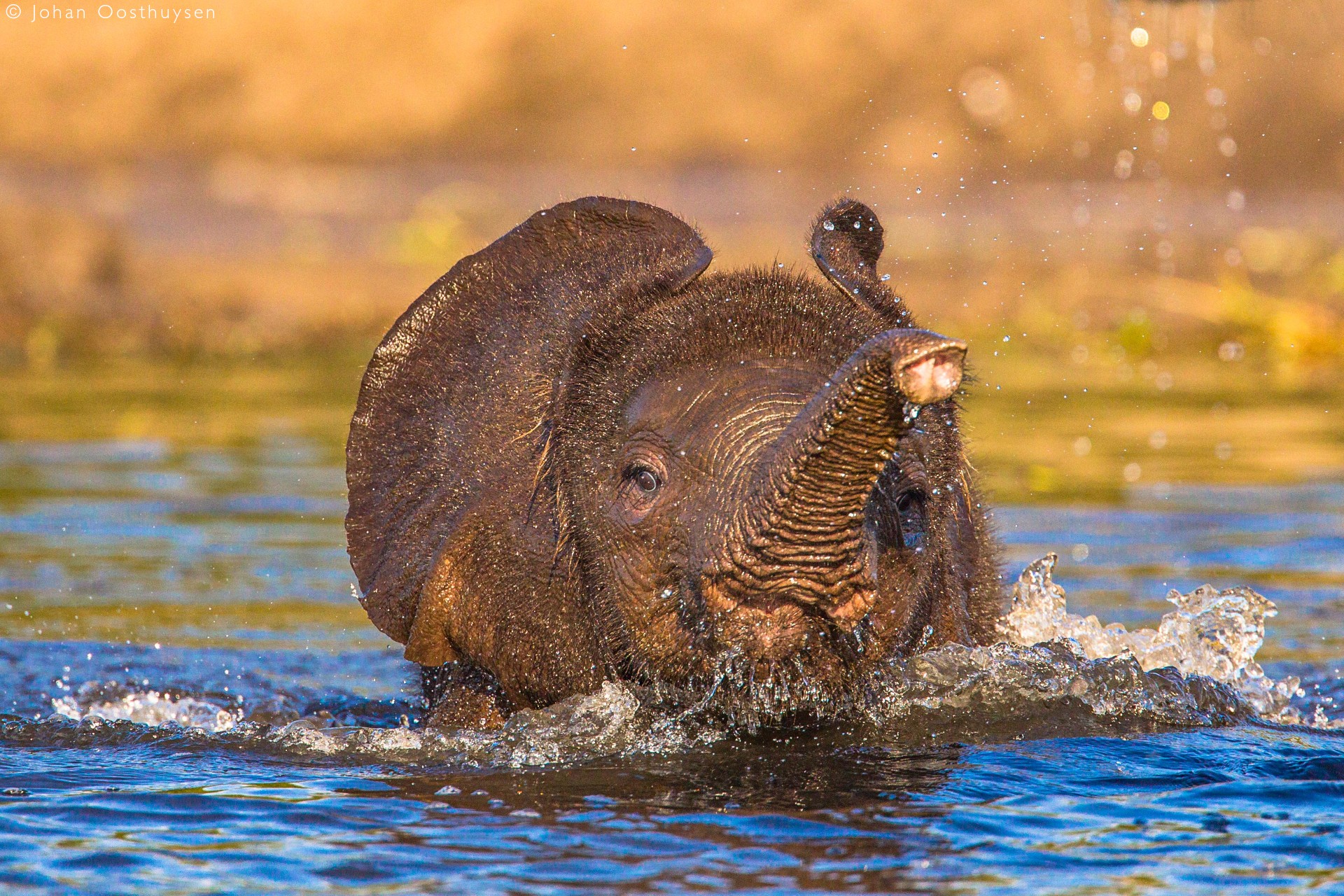
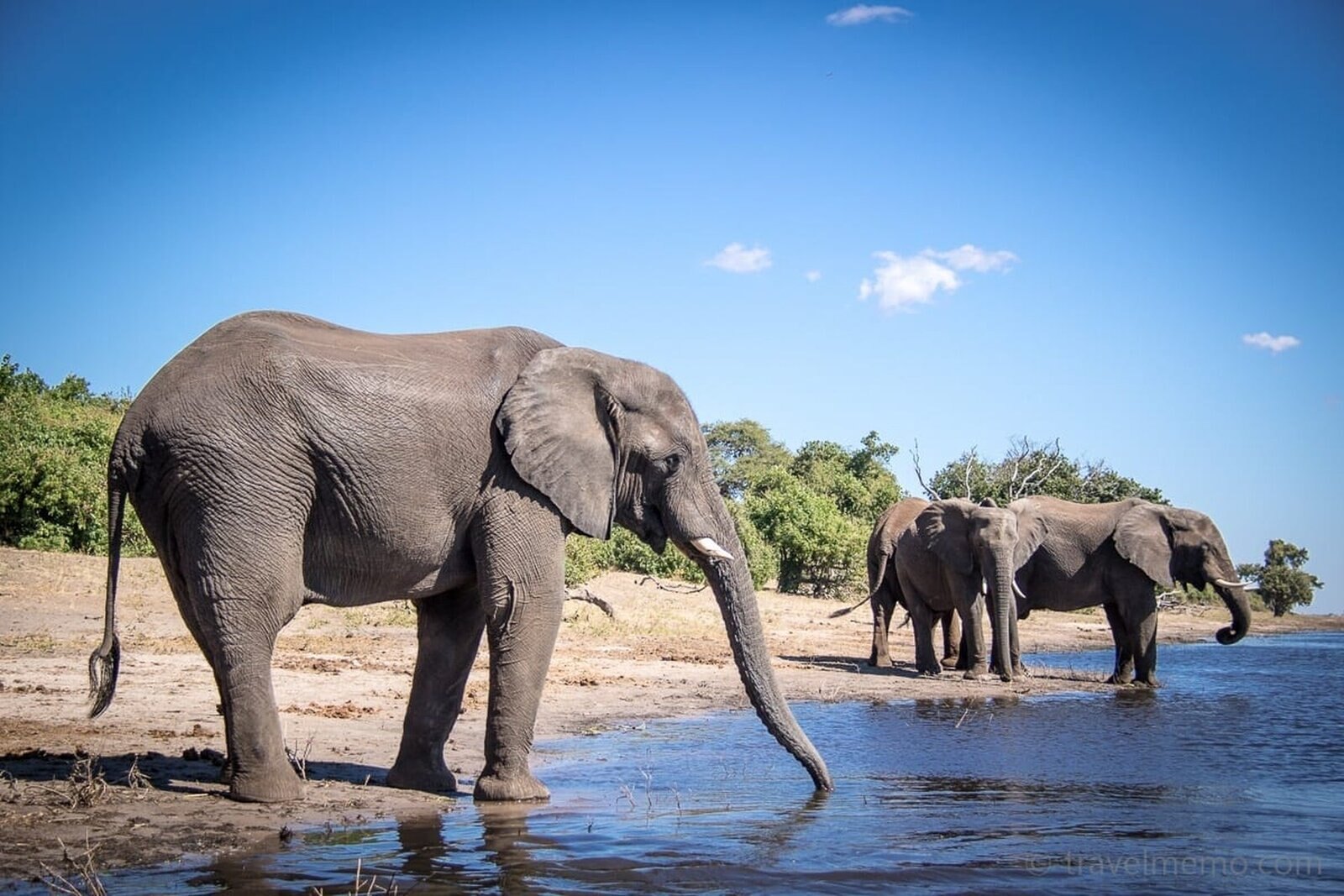
Chobe is the elephant capital of the world. No other park comes close. Northern Botswana and the Chobe ecosystem support an estimated 120,000 elephants, and in the dry season, when inland water sources vanish, these giants converge on the Chobe River in numbers that defy belief. It is not unusual to watch several hundred elephants at once — breeding herds crossing to the islands, youngsters play-fighting in the shallows, bulls swimming with only their trunks above the surface. Watching this from a boat, at eye level and just metres away, is one of the most extraordinary wildlife experiences in Africa.
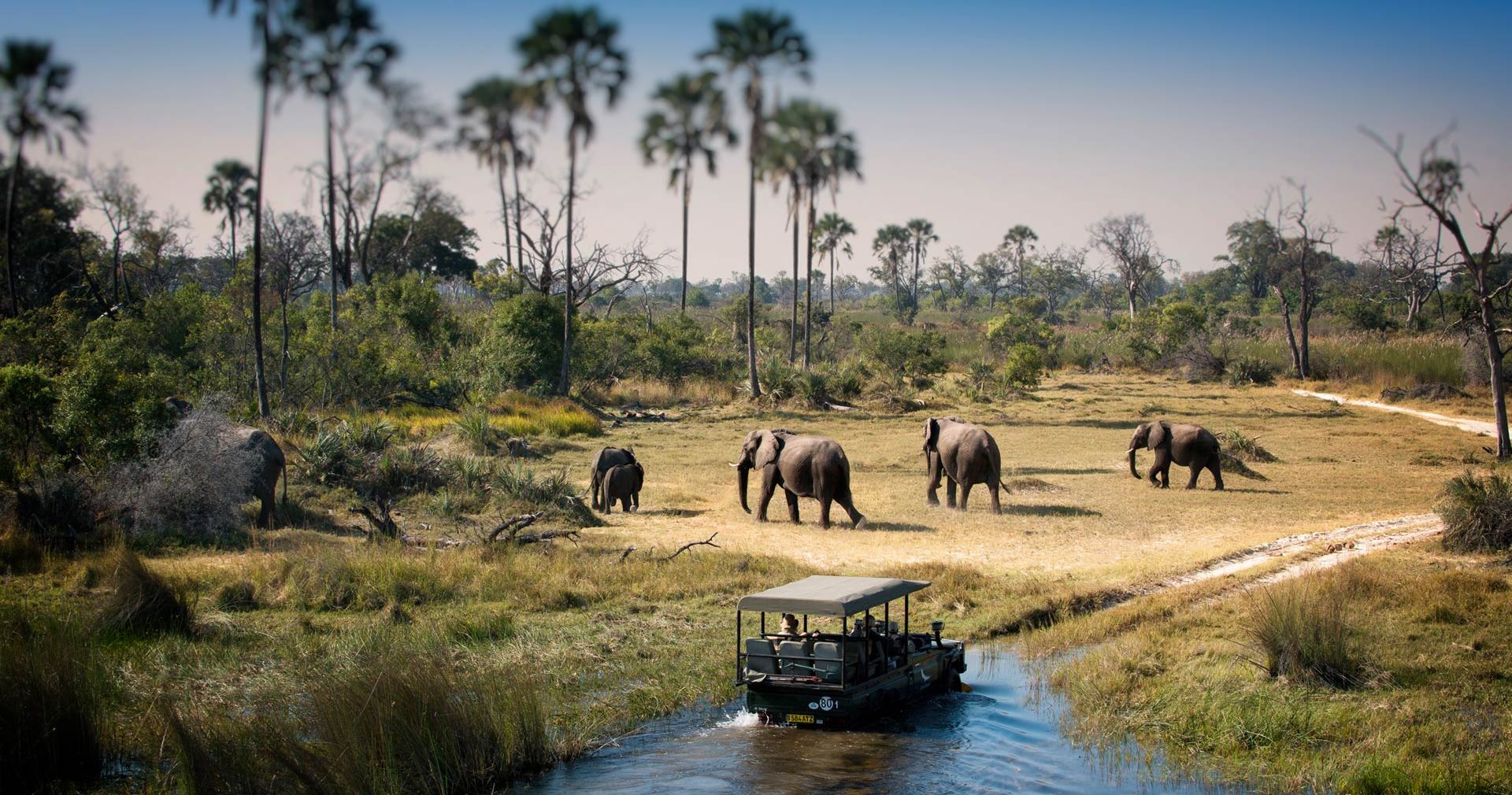
Kruger, too, has a large and healthy elephant population — roughly 30,000 across its two million hectares — and elephant sightings are common and rewarding. You will see breeding herds, magnificent bulls and plenty of interaction. But Kruger's elephants are dispersed across a vast area, so you will not witness the sheer density and riverine concentration that makes Chobe unique. In Kruger, elephants are one highlight among many; in Chobe, they are the headline act, and the scale is simply unmatched.
Round 1 verdict: Chobe wins decisively. If elephants are your passion — and especially if you dream of seeing hundreds of them gathered at the water's edge — nowhere on Earth beats the Chobe River.
Round 2: The Complete Big Five & Wildlife Diversity
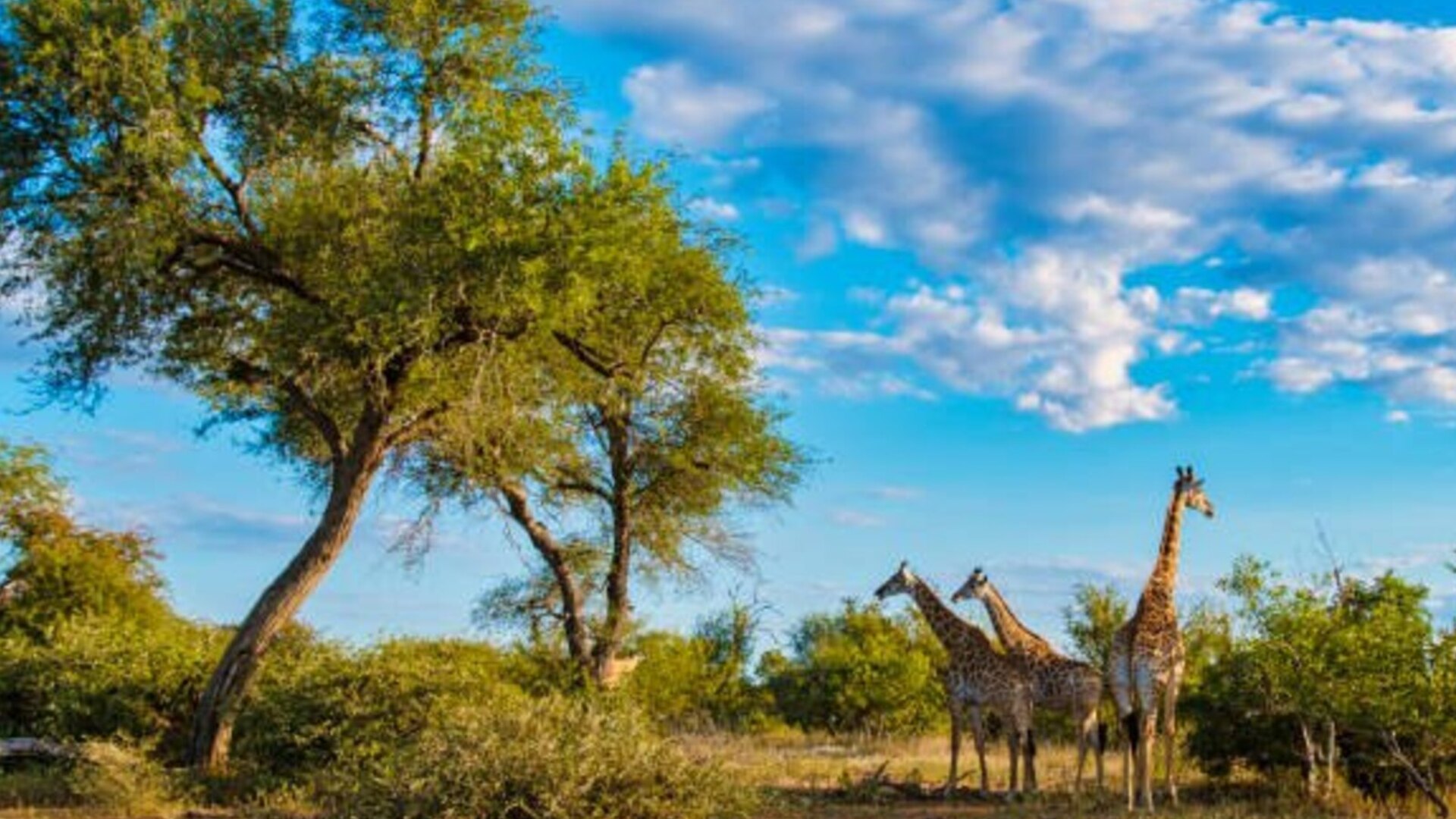
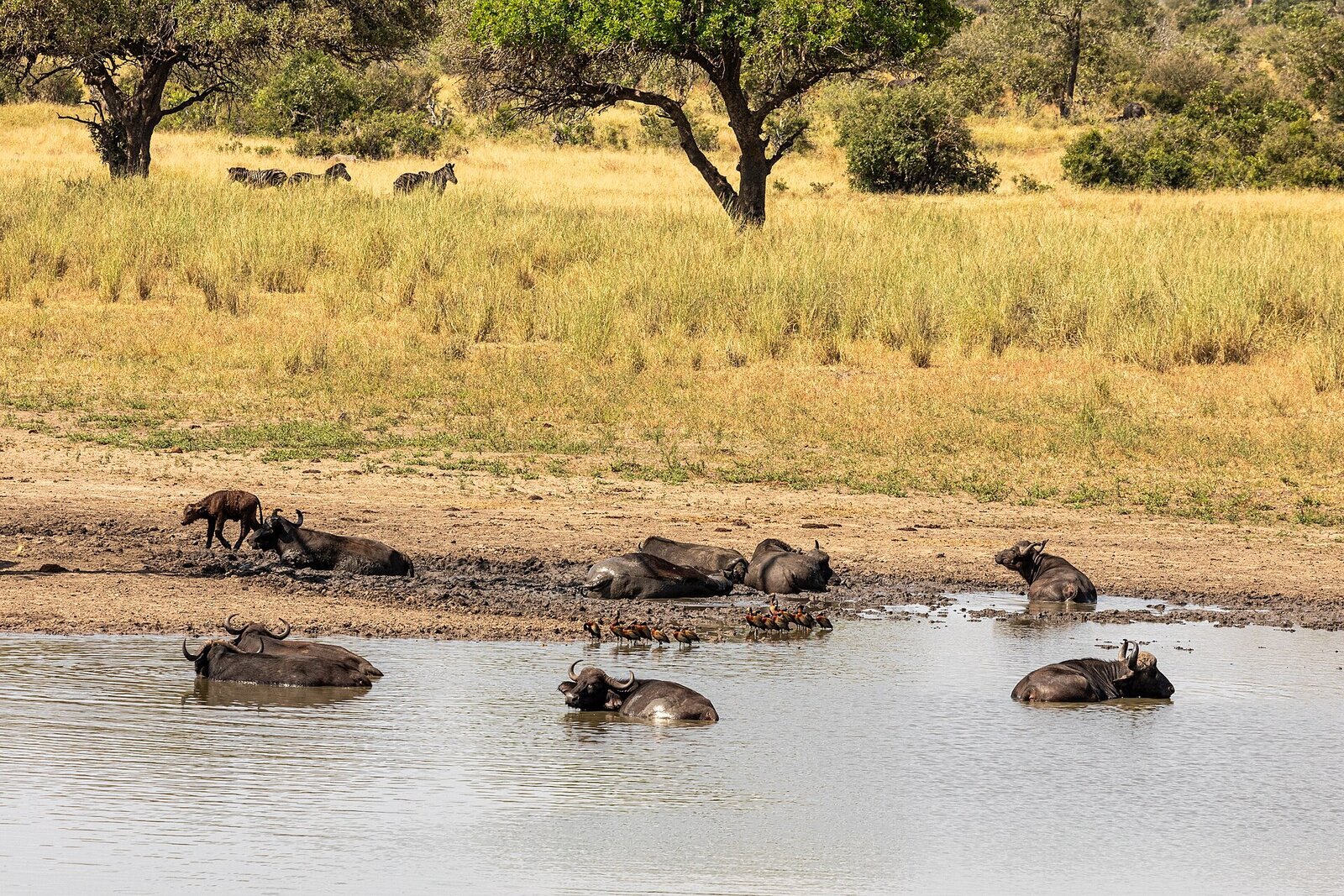
When it comes to the complete Big Five and sheer biodiversity, Kruger is in a league of its own. It holds robust populations of lion, leopard, elephant, buffalo and rhino — both white and black — making it one of the most reliable places in Africa to tick off all five in a single trip. Add more than 500 bird species, 100+ reptiles, and a mammal list that runs to nearly 150 species, and Kruger's diversity is staggering. Its dense predator population — including exceptional leopard viewing in the western private concessions — means big-cat sightings are frequent and thrilling.
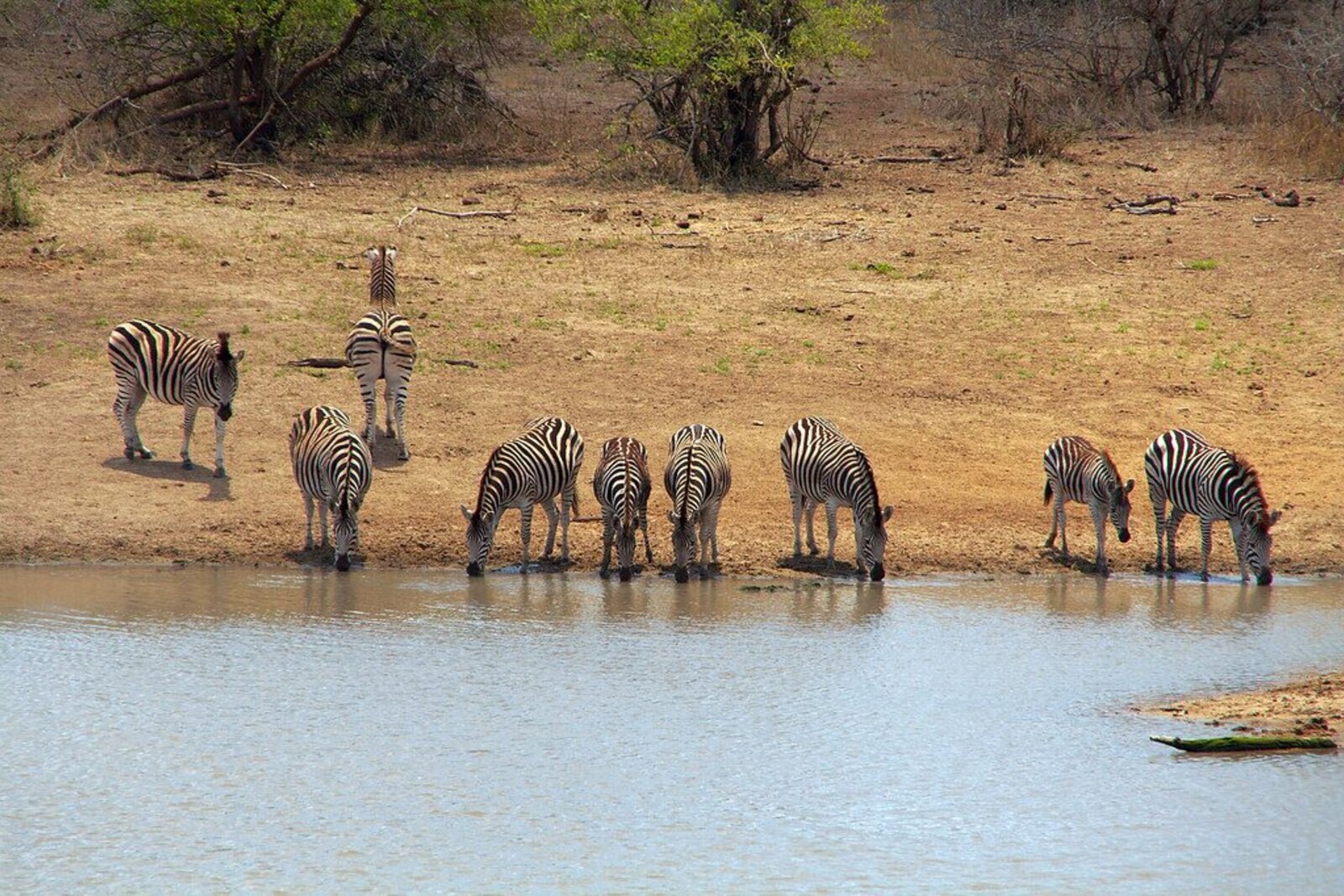
Chobe is wonderfully wildlife-rich too. Beyond its legendary elephants, you will find lion, leopard, buffalo, hippo, crocodile, giraffe, zebra, sable and roan antelope, plus the famous Savuti lions known for hunting elephants. However, rhino are a different story: although Botswana has worked hard on rhino reintroduction (primarily in the Okavango's Moremi region), rhino are not a reliable Chobe sighting. So if completing the Big Five is a priority — particularly on a first African safari — Kruger is the safer bet.
Round 2 verdict: Kruger wins on the complete Big Five, rhino reliability and overall biodiversity. Chobe is exceptional but rhino sightings cannot be counted on.
Round 3: Water Safaris vs Land Safaris
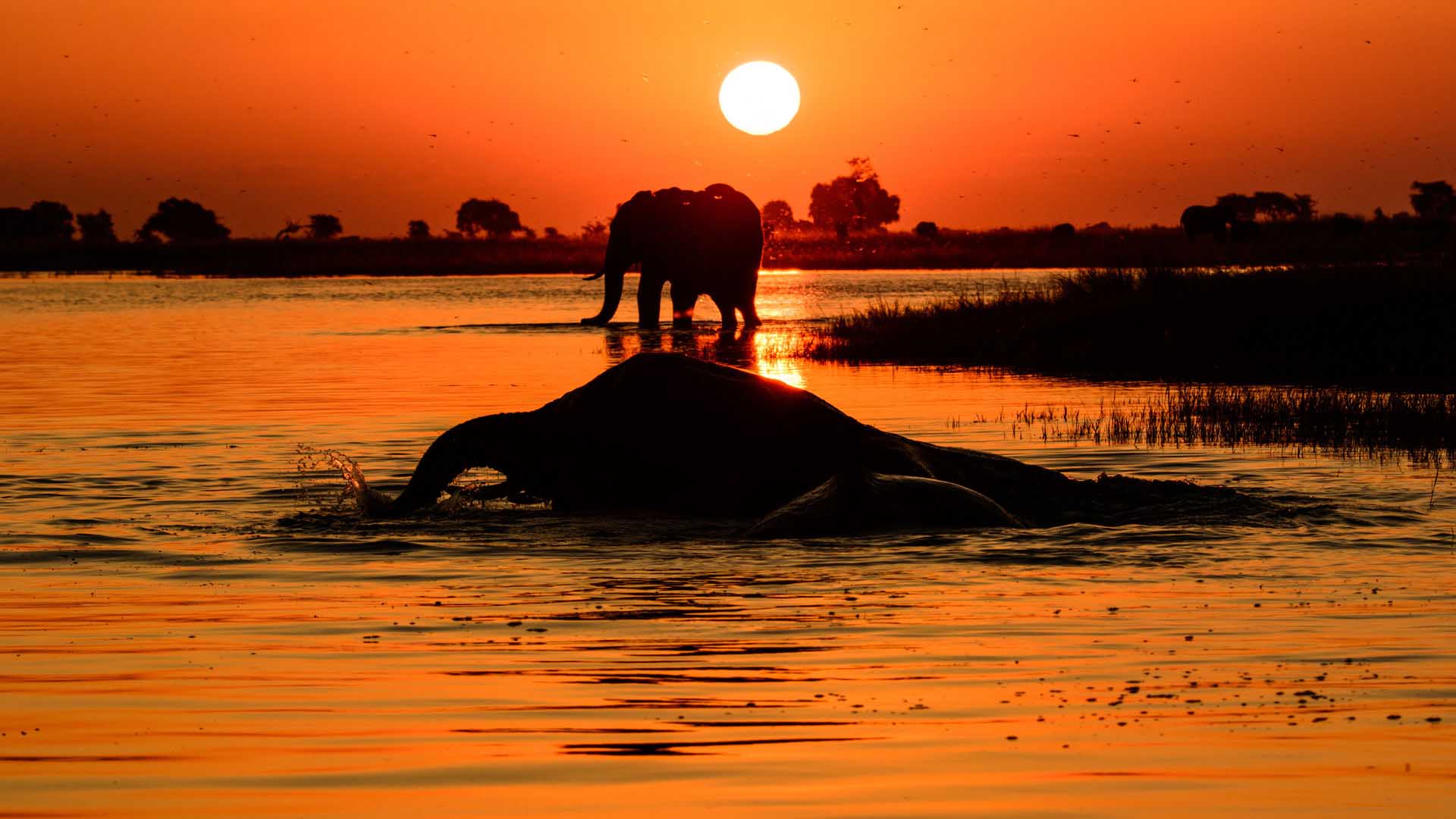
This is where the two parks diverge most dramatically. Chobe's signature safari is water-based. A sunset cruise along the Chobe River is unlike any land safari on Earth: you drift silently past elephants drinking and swimming, hippos yawning in the shallows, crocodiles basking on sandbanks, buffalo grazing the floodplain, and a riot of waterbirds — African fish eagles, carmine bee-eaters, skimmers and storks. Photographing wildlife from water level, with the golden light bouncing off the river, produces images no land vehicle can match. Most Chobe itineraries blend morning and afternoon boat cruises with classic 4x4 game drives, giving you the best of both worlds.
Kruger, by contrast, is a land-safari destination through and through. Its rivers and dams are wildlife magnets you view from the bank or a bridge, but there are no game-viewing boat cruises. What Kruger offers instead is one of the most rewarding land-based safaris anywhere: a colossal, varied landscape best explored by vehicle, whether self-driven or on a guided drive from a private lodge. The trade-off is clear — Chobe adds a magical aquatic dimension that Kruger simply cannot replicate.
Round 3 verdict: Chobe wins for anyone craving the unique magic of a water safari. If eye-level boat encounters with elephants and hippos excite you, Chobe is unbeatable. Kruger counters with land-safari depth, but it is a land destination only.
Round 4: Accessibility, Cost & Value
Kruger is the most accessible and affordable world-class safari in Africa. It sits a scenic 4–5 hour drive from Johannesburg (often combined with the spectacular Panorama Route), or a quick 1-hour flight to Skukuza, Hoedspruit or Nelspruit. Crucially, Kruger caters to every budget: you can self-drive and stay in affordable SANParks rest camps for a fraction of the cost of a fly-in safari, book a mid-range guided lodge, or splurge on an ultra-luxury private concession. Few destinations on Earth offer such a range, and the value — particularly in the public park — is exceptional.
Chobe follows Botswana's high-value, low-volume tourism model, which keeps visitor numbers down and quality high, but also keeps prices up. Access is via the town of Kasane, reached by light aircraft or road, and the park is frequently paired with Victoria Falls (just over an hour away by road). Chobe does have more affordable day-trip and lodge options than Botswana's ultra-remote Okavango camps, making it the most accessible of Botswana's parks — but overall, a Chobe safari costs more than an equivalent Kruger trip, especially once fly-in logistics are factored in.
Round 4 verdict: Kruger wins decisively on accessibility, budget flexibility and value. Chobe is more of a premium, fly-in experience — superb, but pricier and less flexible for budget-conscious travellers.
Round 5: Exclusivity, Crowds & the Botswana Model
Botswana's low-volume model means Chobe's deeper reaches — the Savuti Marsh, the Linyanti — feel wonderfully exclusive, with few vehicles and a genuine sense of wilderness. That said, the Chobe riverfront near Kasane is the park's most popular sector and can get busy with boats and day-trippers, especially in peak season, because it is so accessible from town and from Victoria Falls. Choosing a lodge deeper in the park, or timing your cruises well, restores the exclusivity.
Kruger is a study in contrasts. The public sections — the main tourist roads and rest camps — are popular and can feel busy, particularly around a big sighting near a main gate in high season. But Kruger is enormous, and venturing onto quieter routes quickly thins the traffic. More importantly, the private concessions along Kruger's western boundary — the Sabi Sands, Timbavati, Manyeleti and others — offer exclusivity that rivals anywhere in Africa: off-road tracking, night drives, strict vehicle limits and no day-trippers at all. In other words, Kruger can be as busy or as exclusive as you choose, depending on where you stay.
Round 5 verdict: A tie that depends on where you go. Chobe's inland reaches are exclusive but its riverfront is busy; Kruger's public roads are busy but its private concessions are among the most exclusive safari experiences on the planet.
Round 6: Self-Drive Freedom
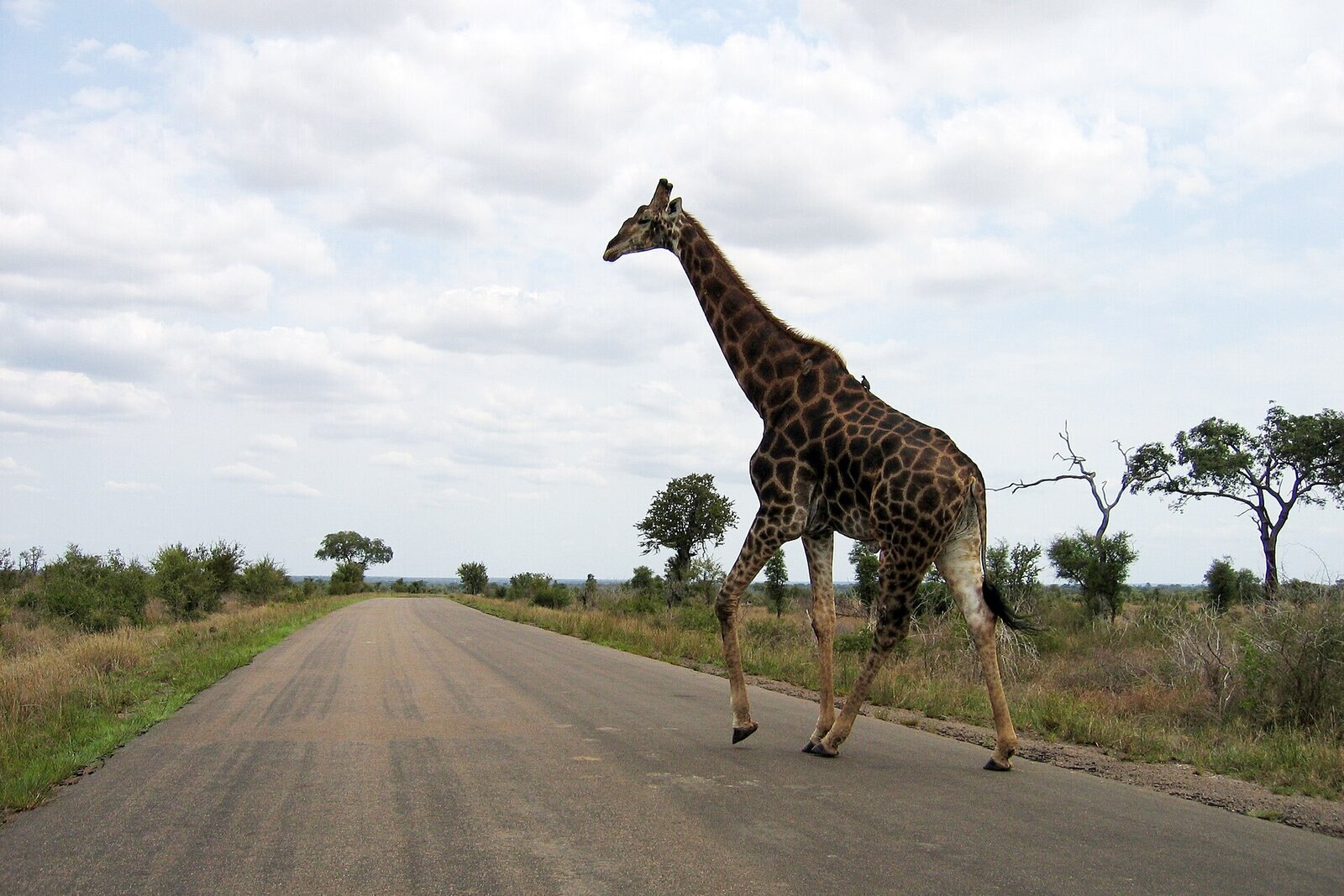
Kruger is, quite simply, the finest self-drive safari destination on Earth. It has an outstanding network of tar and gravel roads, excellent signage, well-run SANParks rest camps with everything from campsites to comfortable chalets, filling stations, shops and restaurants. This means you can hire a car in Johannesburg, drive into the park, and conduct your own safari entirely at your own pace — stopping at waterholes, lingering at a leopard sighting, picnicking at designated spots. For independent travellers, families and photographers who value freedom and budget control, nothing matches it.
Chobe, by Botswana's design, is not a self-drive-friendly park for most visitors. While experienced 4x4 overlanders do self-drive the sandy, remote Savuti and Linyanti tracks (a serious, fully-equipped undertaking), the vast majority of Chobe safaris are guided — game drives and boat cruises run by expert local guides from lodges or day-trip operators. This delivers superb, knowledgeable guiding, but it removes the independence and cost savings that define a Kruger self-drive.
Round 6 verdict: Kruger wins hands down. If self-drive independence is important to you, Kruger is unrivalled. Chobe is a guided destination — brilliantly so, but guided.
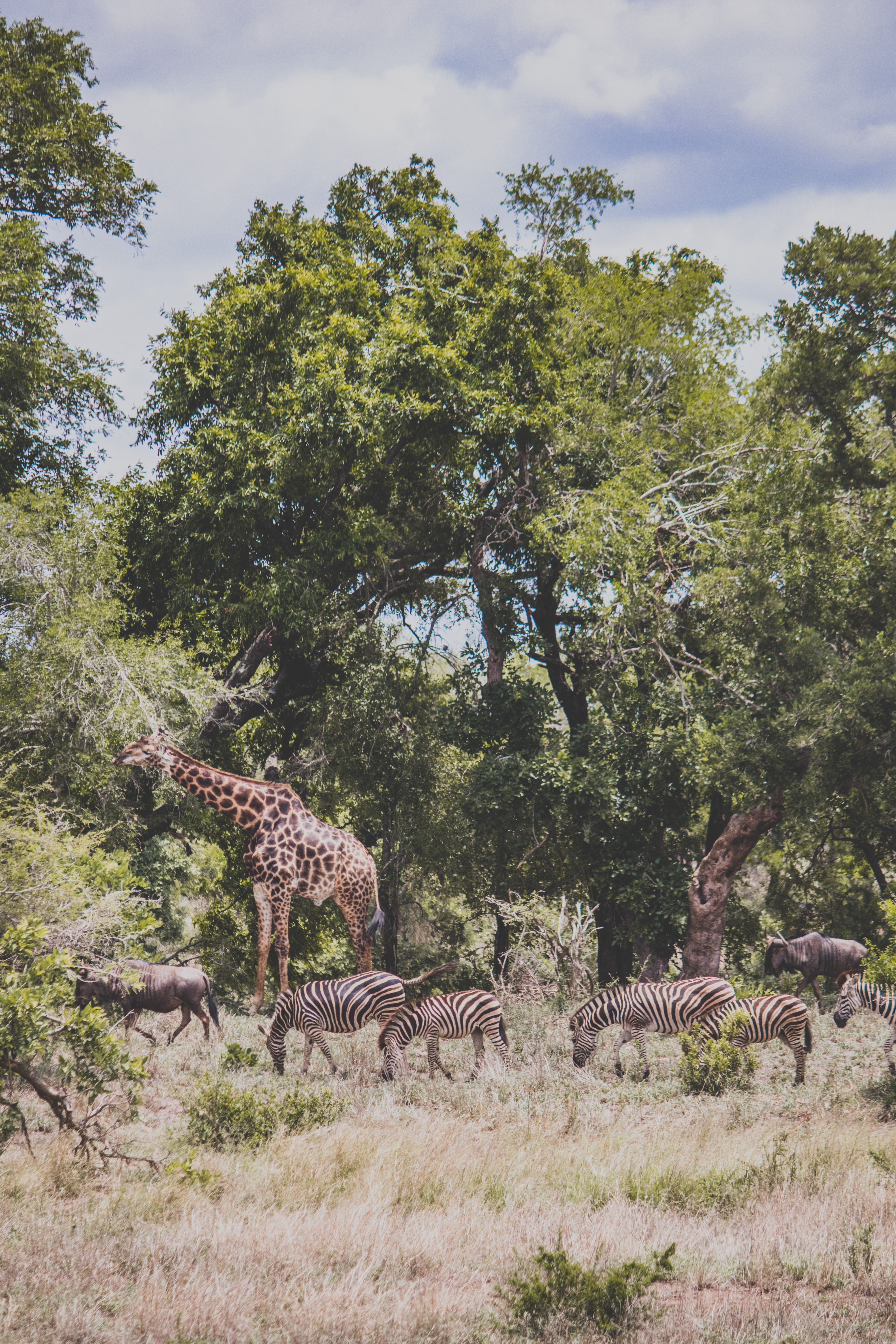
Round 7: Predator Action & Big Cats
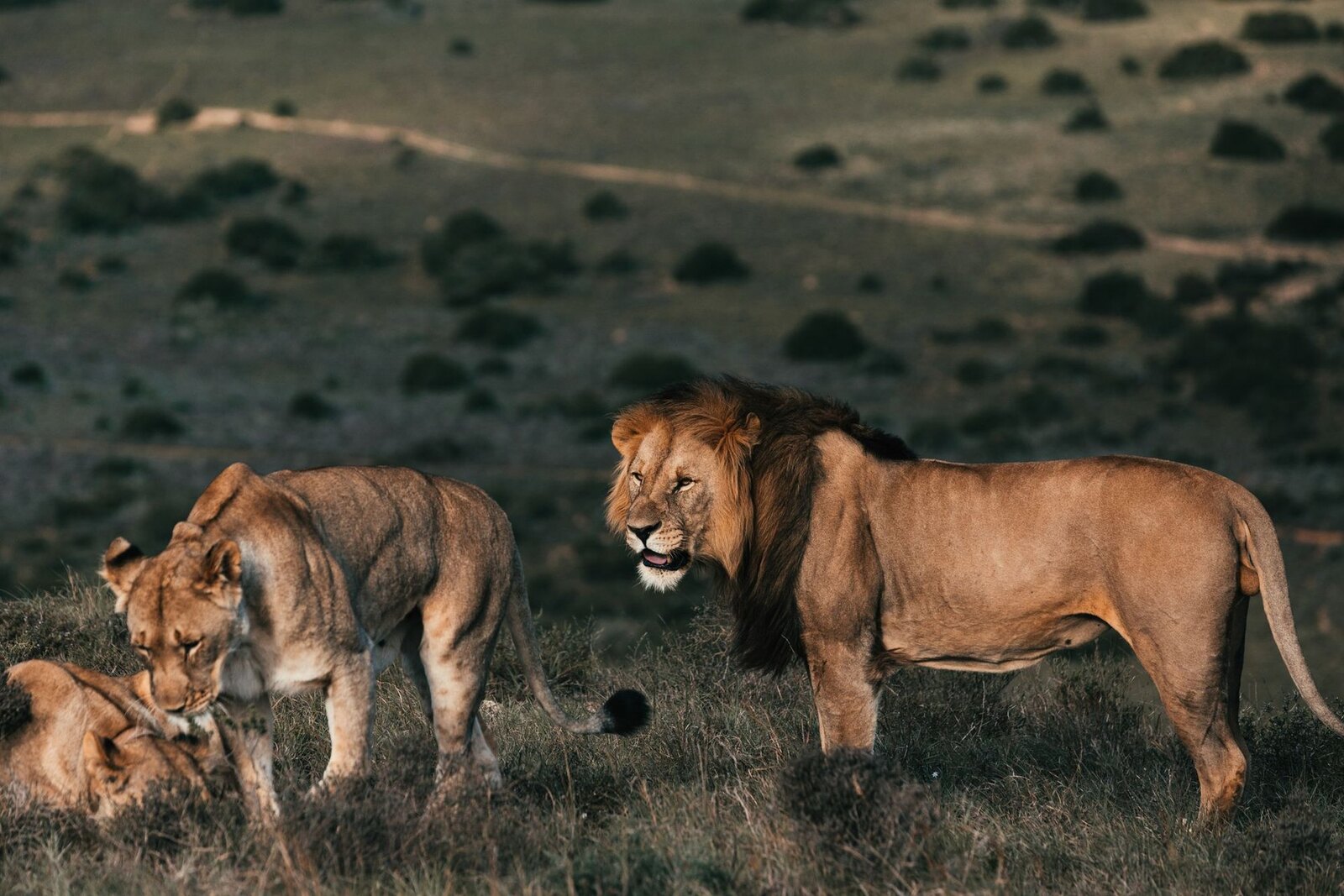
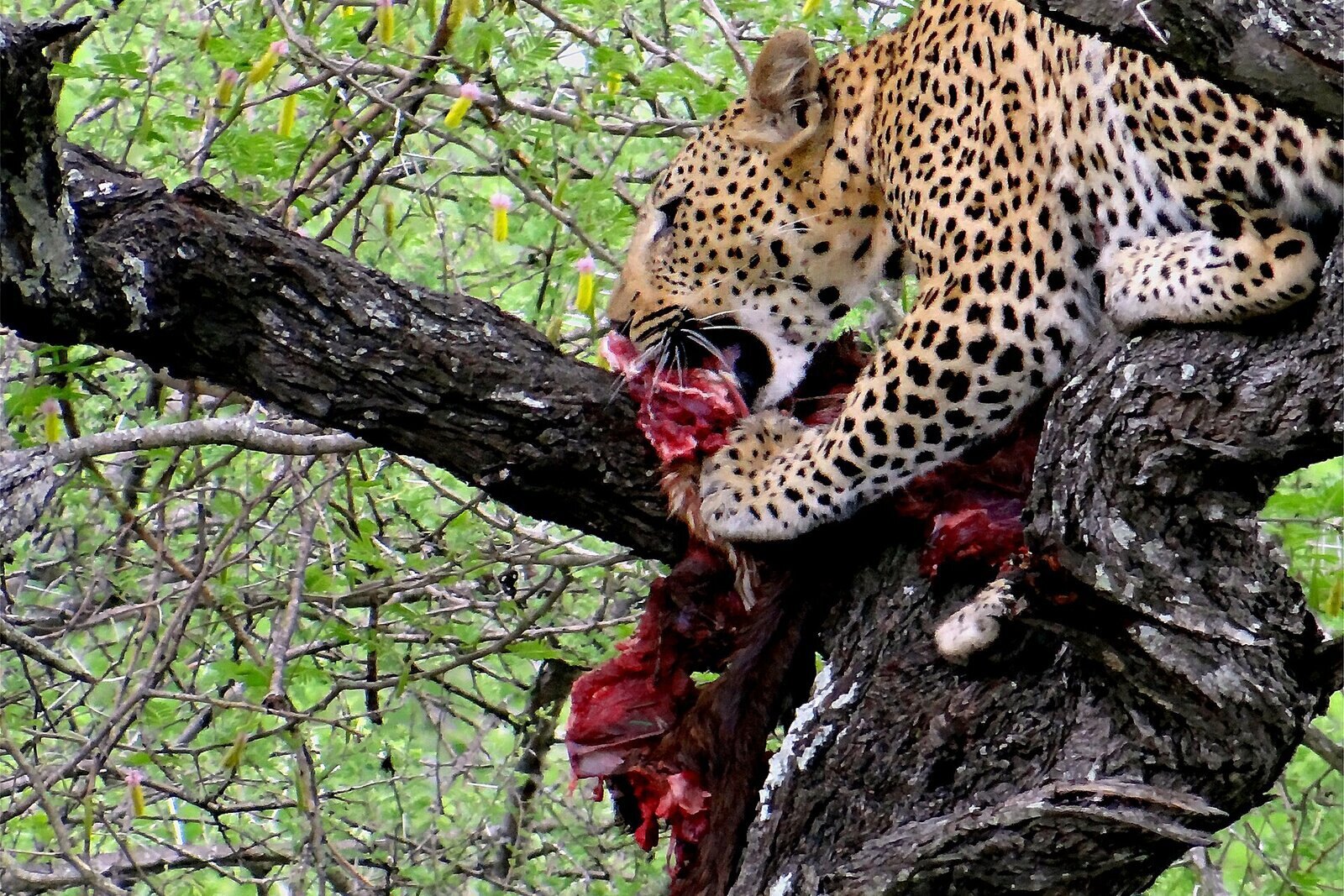
Both parks deliver thrilling predator action, but with different signatures. Kruger holds one of the densest and most diverse predator populations in Africa: an estimated 1,600+ lions, exceptional leopard viewing (especially in the Sabi Sands and other private concessions, which set a world benchmark), plus cheetah, spotted hyena and the endangered African wild dog. The sheer reliability and variety of Kruger's big-cat sightings — and the off-road tracking permitted in the private concessions — make it a predator-lover's dream.
Chobe has its own legendary predator drama. The Savuti region is world-famous for its lions, some prides of which have learned to hunt elephants — extraordinary behaviour seen almost nowhere else on Earth. Leopard, cheetah, hyena and wild dog also occur, and the riverfront's dense prey concentrations support healthy lion numbers. Predator sightings in Chobe can be spectacular, though they are generally less consistent than in Kruger's cat-rich concessions.
Round 7 verdict: Kruger edges it on predator density, reliability and world-class leopard viewing. But Chobe's elephant-hunting Savuti lions are a unique spectacle no big-cat enthusiast should dismiss.
Round 8: Scenery & Landscapes
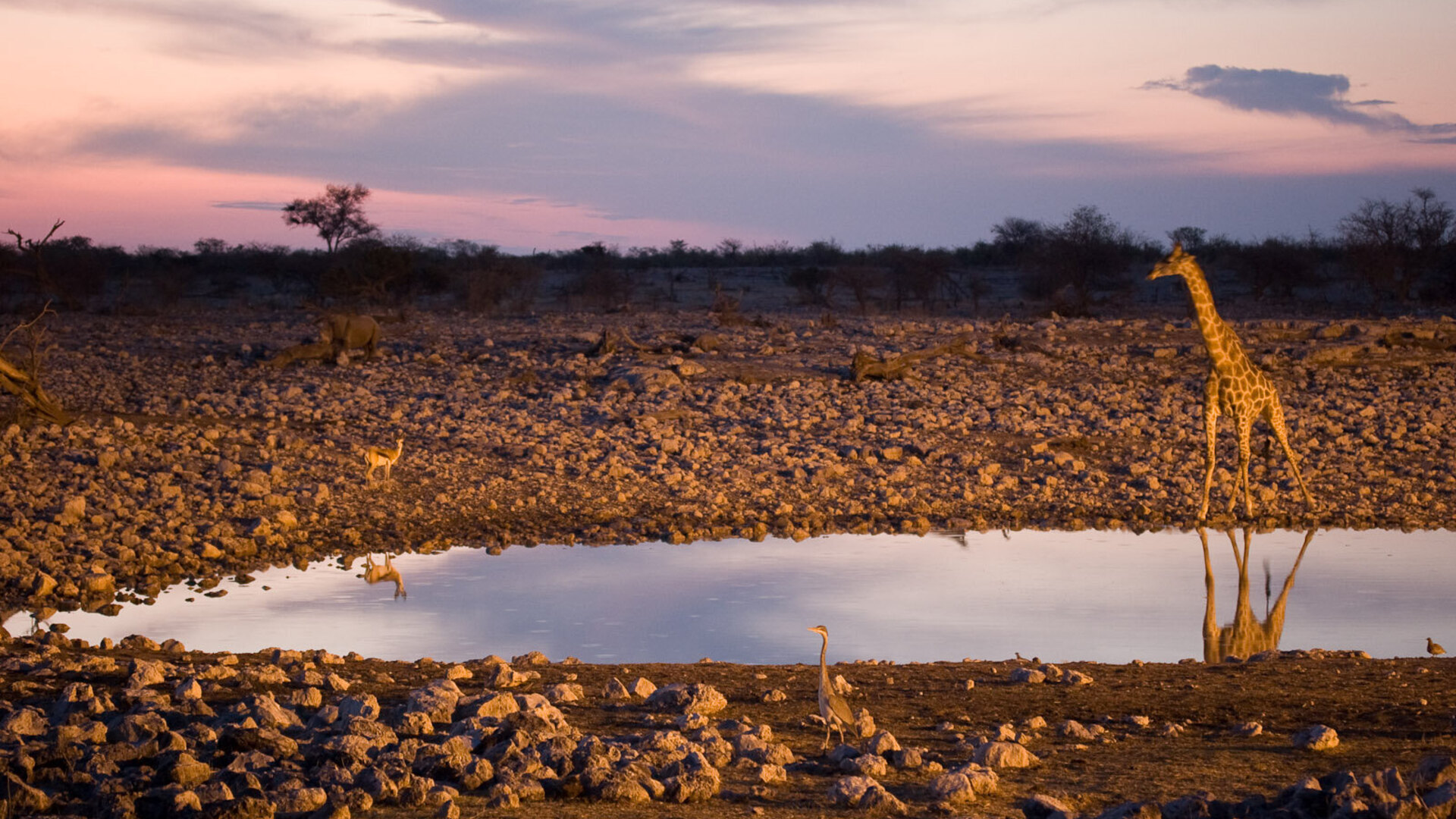
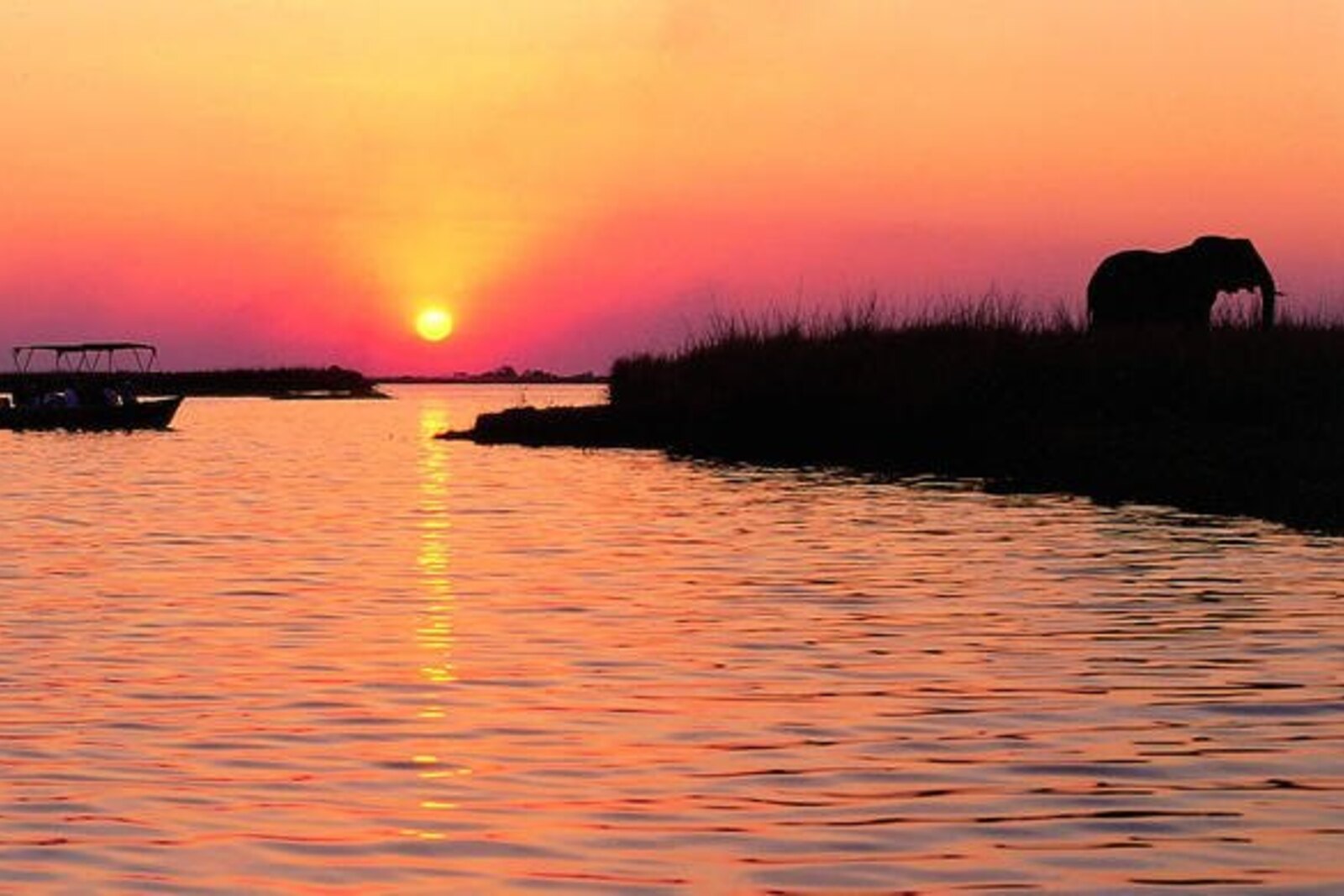
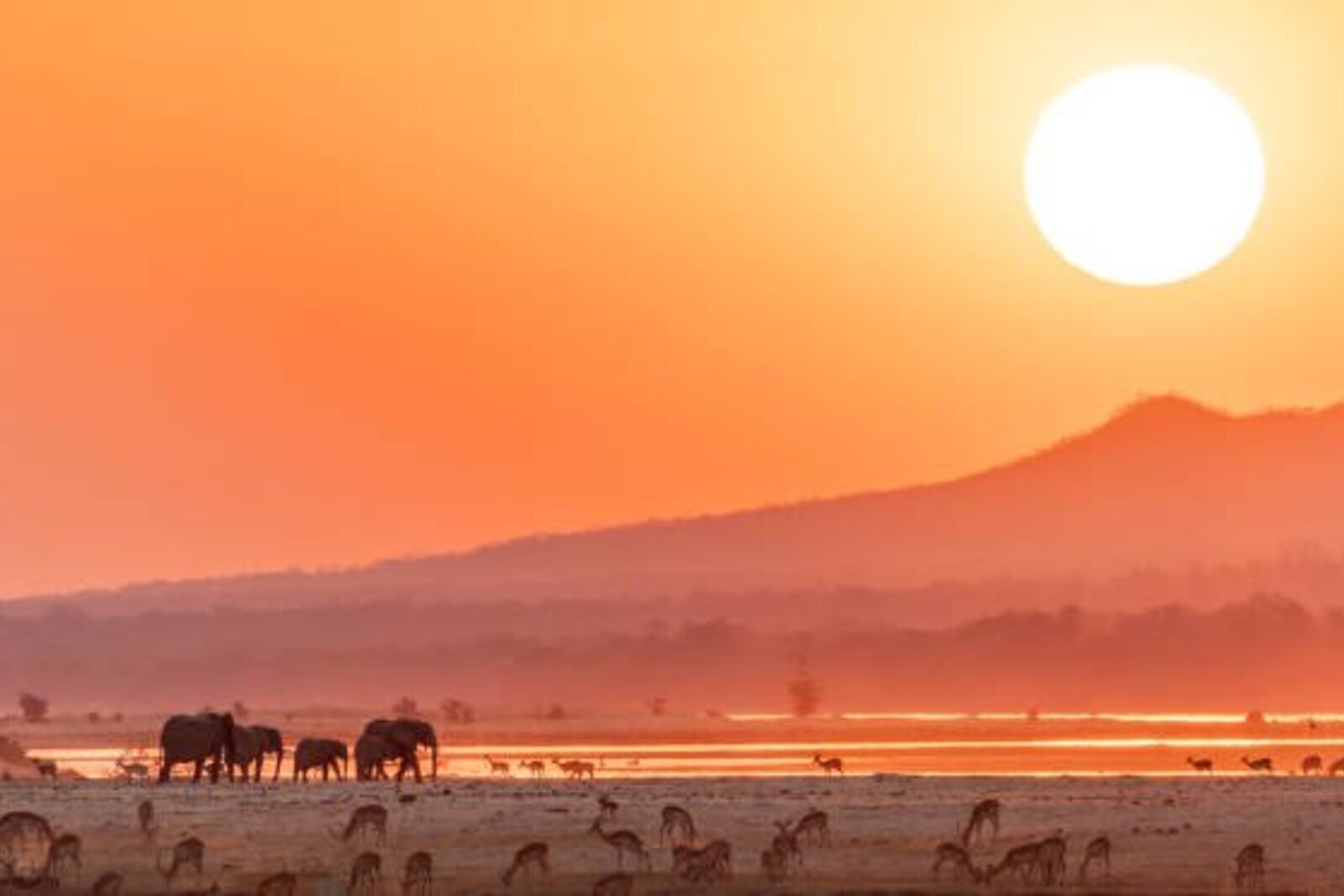
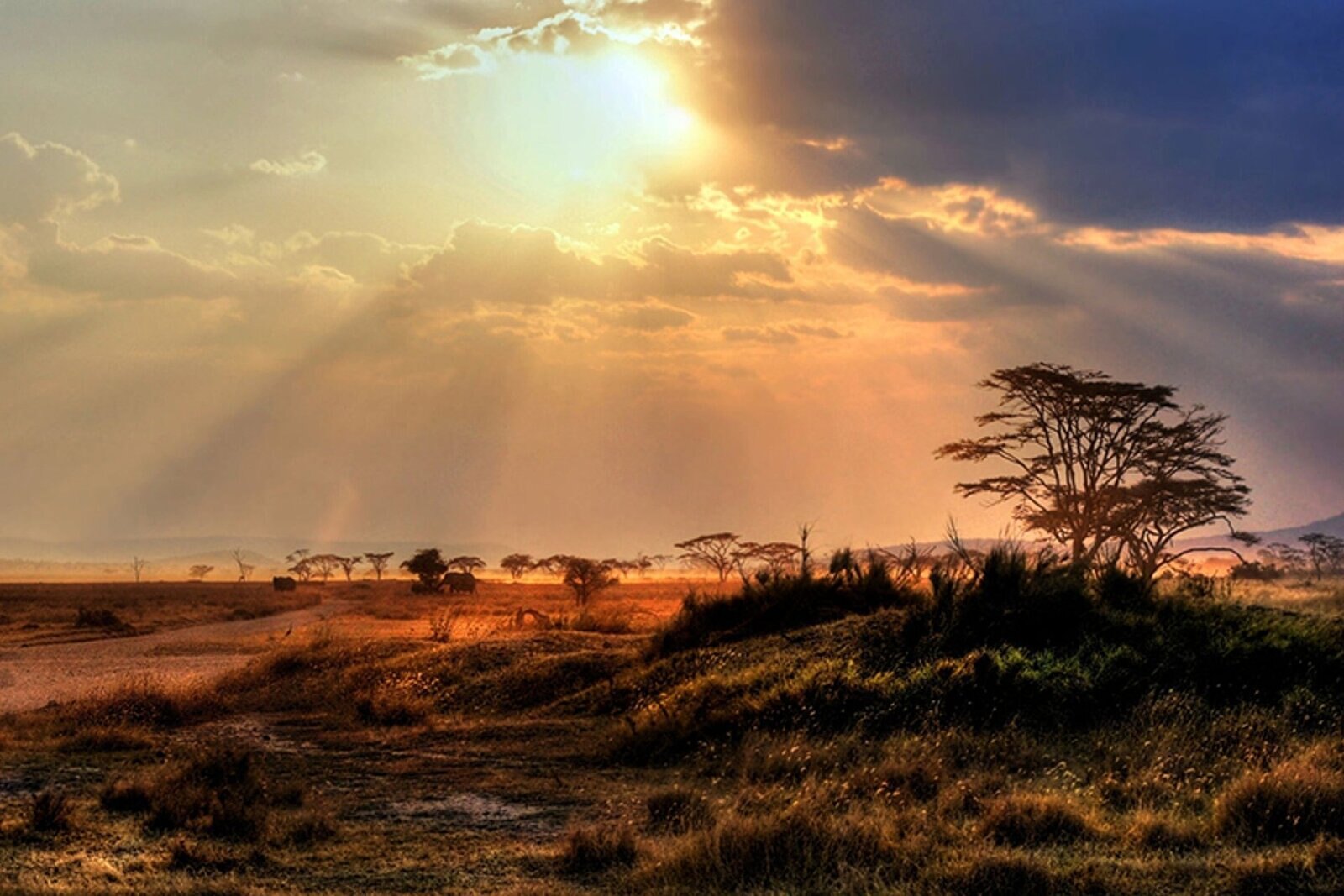
Chobe's scenery is defined by water. The Chobe River and its floodplains dominate — a lush, green ribbon of life teeming with wildlife, framed by reed beds and dotted with islands. Inland, the landscape shifts to the mopane woodland and open marshes of Savuti, and the pristine riverine wilderness of Linyanti. It is a park of contrasts, but the river is its beating heart, and sunset cruises here — the sky ablaze, elephants silhouetted on the banks — are among the most beautiful scenes in all of Africa.
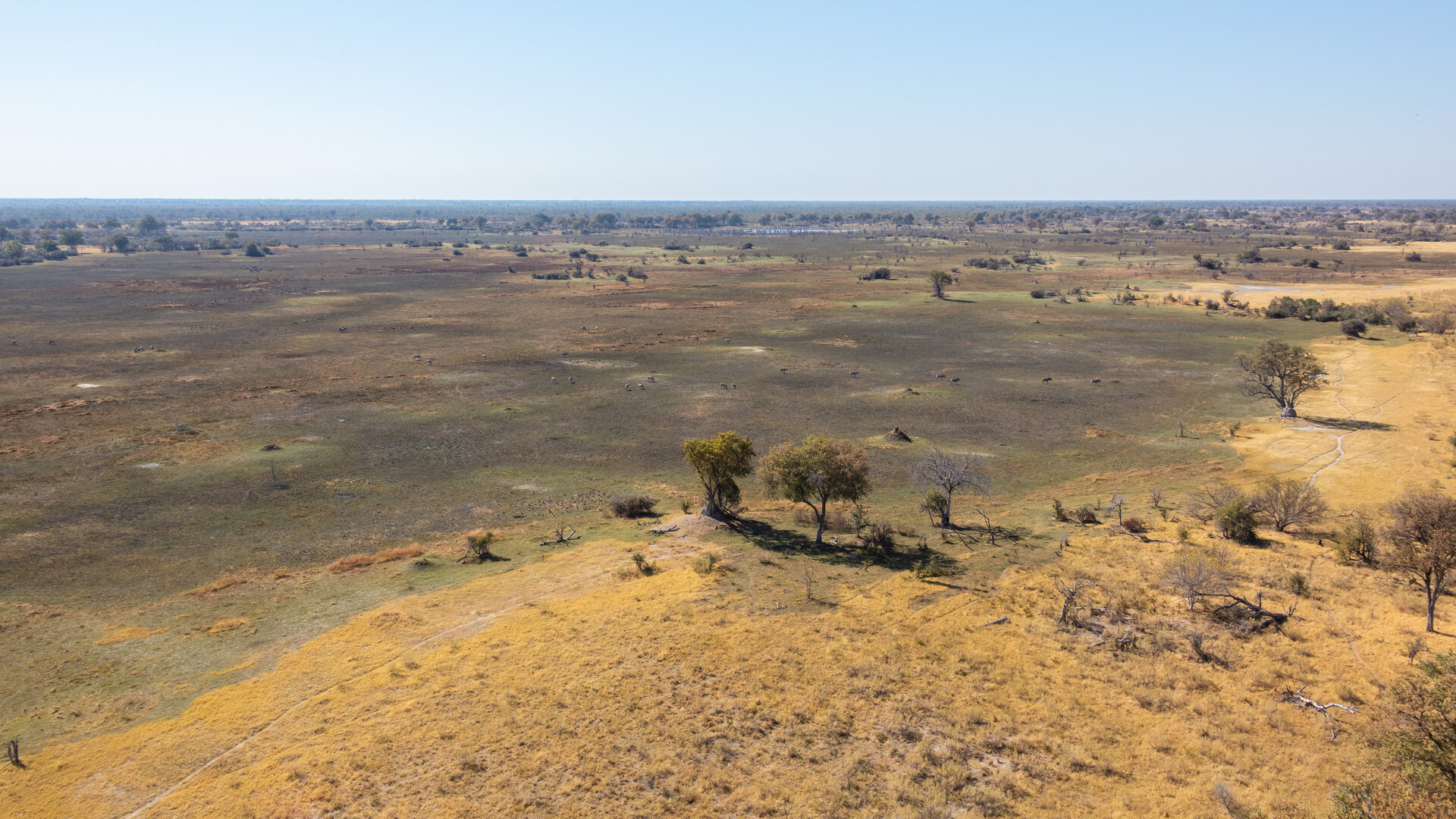
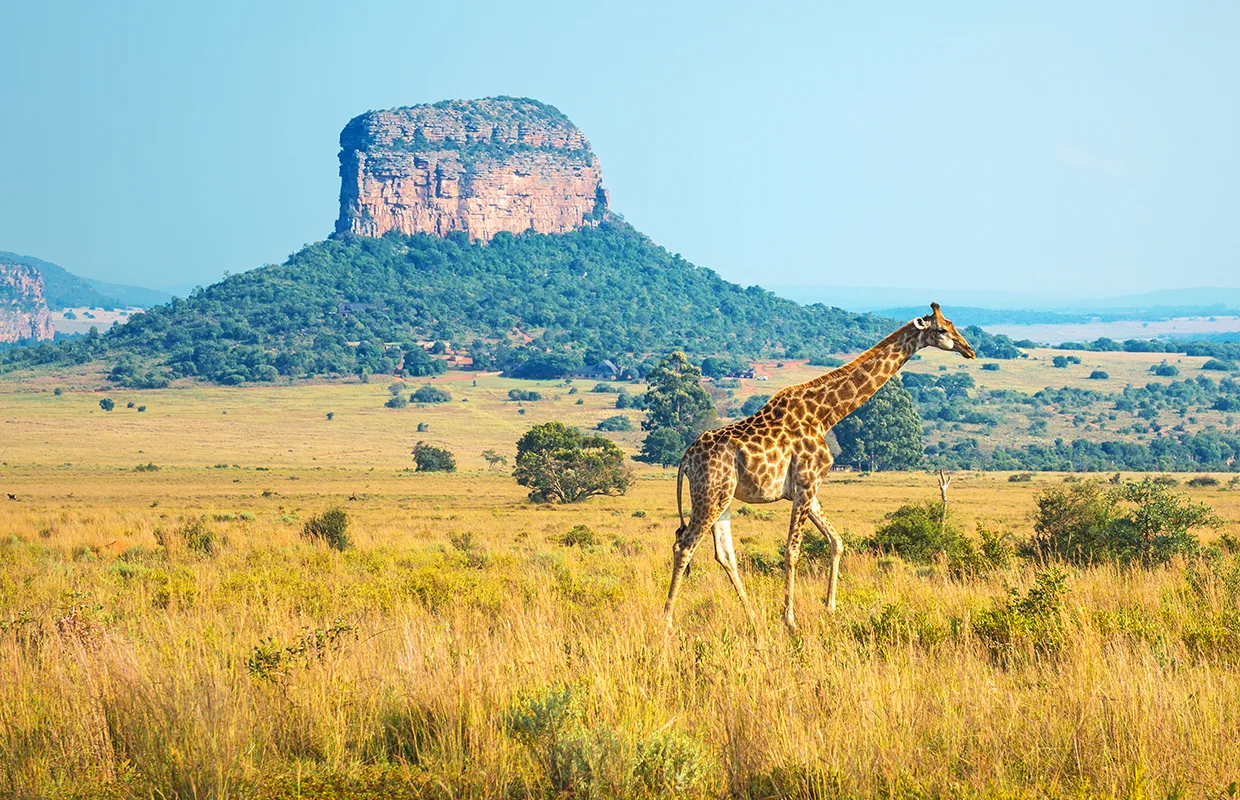
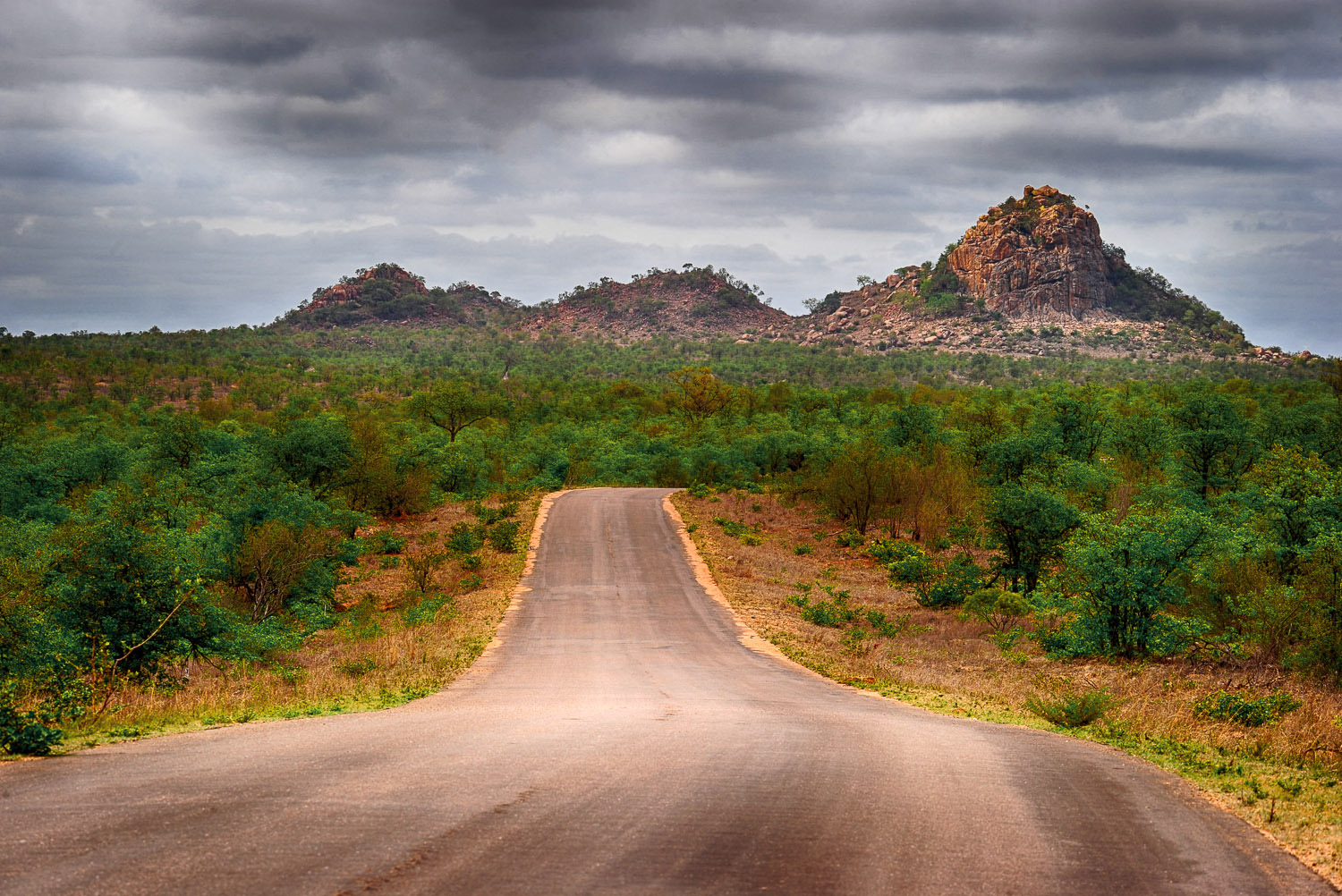
Kruger's landscapes are vast and varied. Spanning nearly two million hectares, it encompasses open savanna, dense bushveld, granite koppies, seasonal riverbeds, riverine forest along the great rivers (the Sabie, Olifants, Letaba and Luvuvhu), and subtle shifts in vegetation from the sweet grasslands of the south to the mopane of the north. The diversity of habitat is part of what drives Kruger's extraordinary biodiversity, and the sense of endless wilderness — driving for hours through changing country — is deeply immersive.
Round 8 verdict: A tie of different beauties. Chobe wins for the sheer romance of its riverine setting and water-level sunsets; Kruger wins for scale, variety and the immersive feeling of a wilderness without end. Both are stunning.
Round 9: Lodges, Camps & Safari Style
Chobe offers a distinctive range of accommodation. Along the riverfront near Kasane sit excellent lodges with sweeping water views, while deeper in the park you will find intimate luxury camps in Savuti and Linyanti. Chobe's signature stay, however, is the houseboat — floating lodges that drift along the river, letting you fall asleep to the sound of hippos and wake to elephants on the bank. It is a magical, water-centric way to experience the park that no land destination can offer.
Kruger spans the full spectrum. In the public park, SANParks rest camps offer everything from campsites to comfortable self-catering chalets — outstanding value for independent travellers. Along the western boundary, the private concessions house some of the most luxurious lodges on the continent: Singita, Londolozi, Lion Sands and their peers in the Sabi Sands set the global benchmark for safari luxury, with private plunge pools, gourmet dining and one-ranger-per-vehicle exclusivity. Kruger, in short, can be a budget adventure or an ultra-luxury escape.
Round 9 verdict: A tie of styles. Chobe wins for the unique romance of riverfront lodges and houseboats; Kruger wins for range — from affordable rest camps to the world's most exclusive private lodges. Choose by the experience you're after.
Round 10: Best Time to Go
Chobe is at its jaw-dropping best in the dry season (May to October). As the inland pans dry up, elephants and other wildlife pour toward the permanent water of the Chobe River in ever-greater numbers, peaking around August to October when the riverbanks can host hundreds of elephants at a time. The dry months also mean sparse vegetation and easier sightings. The green season (November to March) brings dramatic skies, migrant birds and newborns, but wildlife disperses and some inland areas become hard to reach.
Kruger follows the same broad pattern: the dry winter months (May to September) are peak for game viewing, as thinning bush and shrinking water concentrate animals and make them easier to spot, with mild days and cold nights keeping predators active. The green summer (November to March) is lush, excellent for birding and baby animals, and quieter — though sightings take a little more effort and it can be hot and wet.
Round 10 verdict: A tie — both peak in the dry season (May–October). The happy consequence is that they combine perfectly: a single Southern African winter trip can deliver peak-season Kruger and peak-season Chobe on one itinerary.
Round 11: The Do-Both Verdict — One Perfect Southern African Circuit
Here is the secret the debate so often misses: you don't have to choose. Chobe and Kruger excel at completely different things, peak in the same dry season, and sit within easy reach of one another. That makes them a dream pairing on a single Southern African journey — and the natural bridge between them is one of the seven natural wonders of the world: Victoria Falls.
A classic circuit we build all the time looks like this: begin in Kruger (or the Sabi Sands) for the complete Big Five, self-drive freedom or luxury lodge indulgence, and dense predator action. Fly north to Victoria Falls for a day or two of thundering spectacle, sunset cruises on the Zambezi and adrenaline activities. Then cross to Chobe — just over an hour from the Falls — for the elephant kingdom, sunset boat cruises and Botswana's exclusive wilderness. Three of Southern Africa's greatest experiences, woven into one seamless, perfectly-timed adventure.
If you'd like to go deeper on the individual parks first, our Chobe National Park safari guide covers everything Chobe, while the broader country-level picture is unpacked in our Botswana vs South Africa safari comparison. And if you're weighing Kruger against its own exclusive private neighbour, see Kruger vs Sabi Sands.
Related journey: Victoria Falls & Chobe Safari (5 days) — the Falls and the elephant kingdom in one →
Round 11 verdict: The most satisfying answer of all — both, linked by Victoria Falls, on one unforgettable circuit. It is a journey we craft constantly, and it is the finest introduction to Southern Africa there is.
| Aspect | Chobe (Botswana) | Kruger (South Africa) |
|---|---|---|
| Location | Northern Botswana (near Victoria Falls) | North-eastern South Africa |
| Size | ~11,700 km² | ~19,485 km² (≈2 million hectares) |
| Signature Wildlife | World's largest elephant concentration (~120,000) | Complete Big Five incl. rhino; 500+ birds |
| Signature Experience | River boat cruises (water safari) | World's best self-drive land safari |
| Complete Big Five | Four reliable; rhino rare | Yes — all five, incl. thriving rhino |
| Self-Drive | Limited (mostly guided) | Outstanding — the world's best |
| Water Safaris | Yes — the headline act | No (land safaris only) |
| Access | Fly-in/drive via Kasane; ~1h from Vic Falls | 5h drive or 1h flight from Johannesburg |
| Cost & Value | $$$ premium, low-volume model | $ to $$$ — every budget, superb value |
| Exclusivity | Inland reaches exclusive; riverfront busier | Private concessions ultra-exclusive; public busier |
| Lodges | Riverfront lodges, houseboats, bush camps | Rest camps to world-class private lodges |
| Best Time | Dry season May–Oct (elephants peak Aug–Oct) | Dry season May–Sep |
| Scenery | Riverine floodplains, Savuti, Linyanti | Vast, varied bushveld, savanna & riverine forest |
| Verdict | Elephants, river cruises, Botswana exclusivity | Big Five, self-drive freedom, value & diversity |
Which wins? Neither. Chobe wins on elephants, water safaris and exclusive Botswana wilderness. Kruger wins on the complete Big Five, self-drive freedom, biodiversity and unbeatable value. Both are world-class — and because they peak in the same season and sit close together, the ultimate answer is to combine them, ideally via Victoria Falls.
When to Go: Chobe vs Kruger
Chobe: Dry season (May–October) is the headline period, peaking August–October when elephants gather on the Chobe River in their hundreds and wildlife concentrates at the water. The green season (November–March) brings dramatic skies, superb birding and newborns, but wildlife disperses inland and some tracks become impassable.
Kruger: Dry winter (May–September) is peak for game viewing as thinning bush and shrinking water make animals easier to spot, with active predators and mild days. Green summer (November–March) is lush, excellent for birds and baby animals, quieter and cheaper — but hotter, wetter, and sightings take more patience.
Because both parks peak in the same dry-season window, they combine beautifully: a single Southern African winter trip can deliver peak-season Kruger, the full spectacle of Victoria Falls, and peak-season Chobe — all in one perfectly-timed itinerary.
Why Book Chobe or Kruger with Beyond Africa Safaris
We have spent decades crafting safaris across Southern Africa, and we know both Chobe and Kruger intimately — every riverfront lodge and houseboat on the Chobe, every rest camp and private concession in the Kruger. Whether you want to self-drive the Kruger on a budget, indulge in an ultra-luxury Sabi Sands lodge, or drift past elephants on a Chobe houseboat, we will match you to exactly the right experience and handle every flight, transfer and detail.
Most of our travellers don't choose between Chobe and Kruger — they combine them, linked by Victoria Falls, on one grand Southern African circuit. We time every leg to the dry-season peak, secure the best-positioned lodges, and make the border crossings and regional flights effortless, so all you do is enjoy the wildlife.
And because we are African-owned and operated from Cape Town, you are planning directly with the experts who live and breathe this continent — not a distant middleman. Get in touch, and let's build your Chobe–Kruger adventure (or your do-both masterpiece via the Falls).
Ready to Explore Chobe, Kruger — or Both via Victoria Falls?
Whether it's elephants on the Chobe River, Big Five in the Kruger bushveld, or the ultimate combined circuit, we'll build it perfectly. Reach out now.