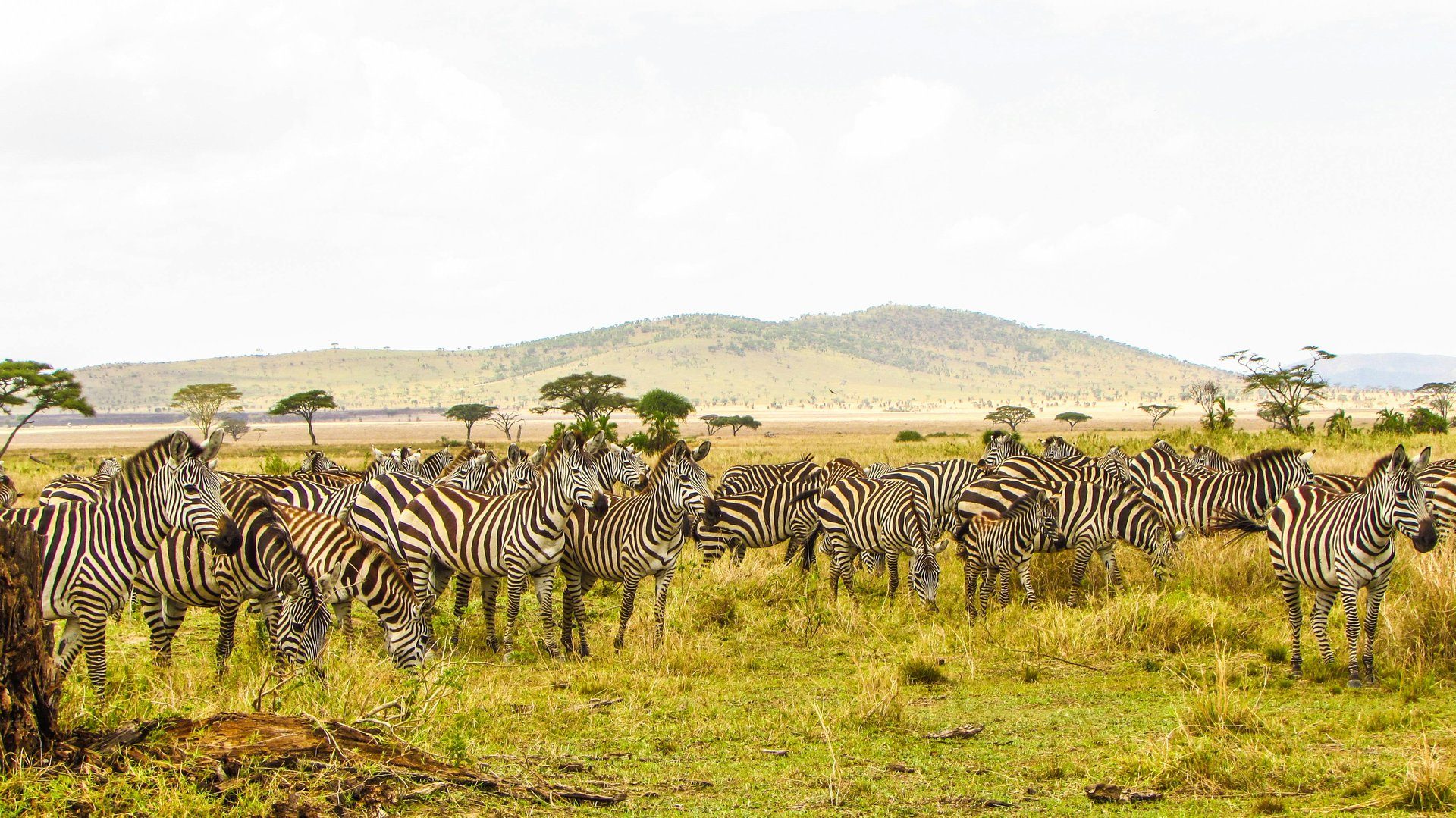
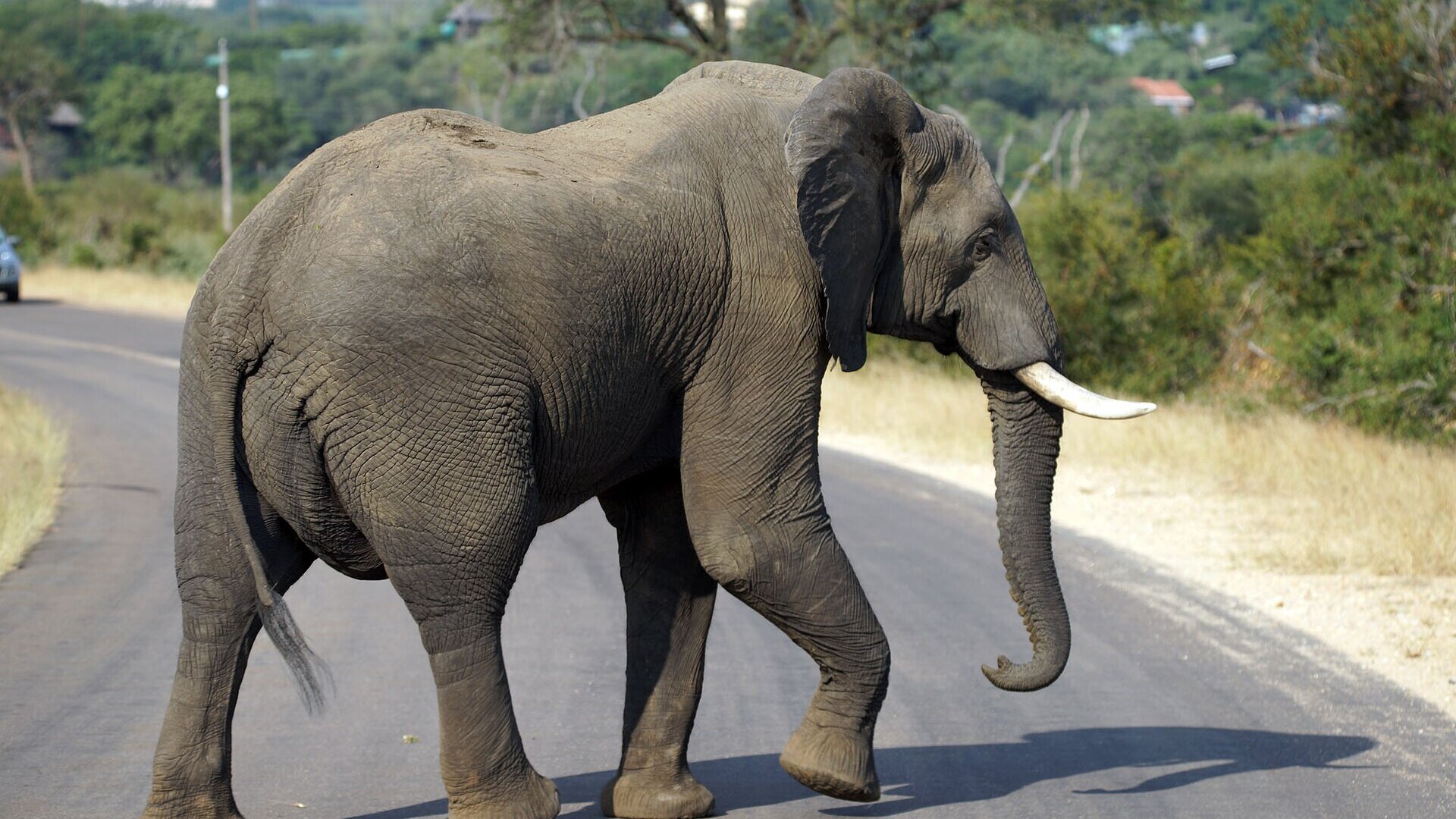
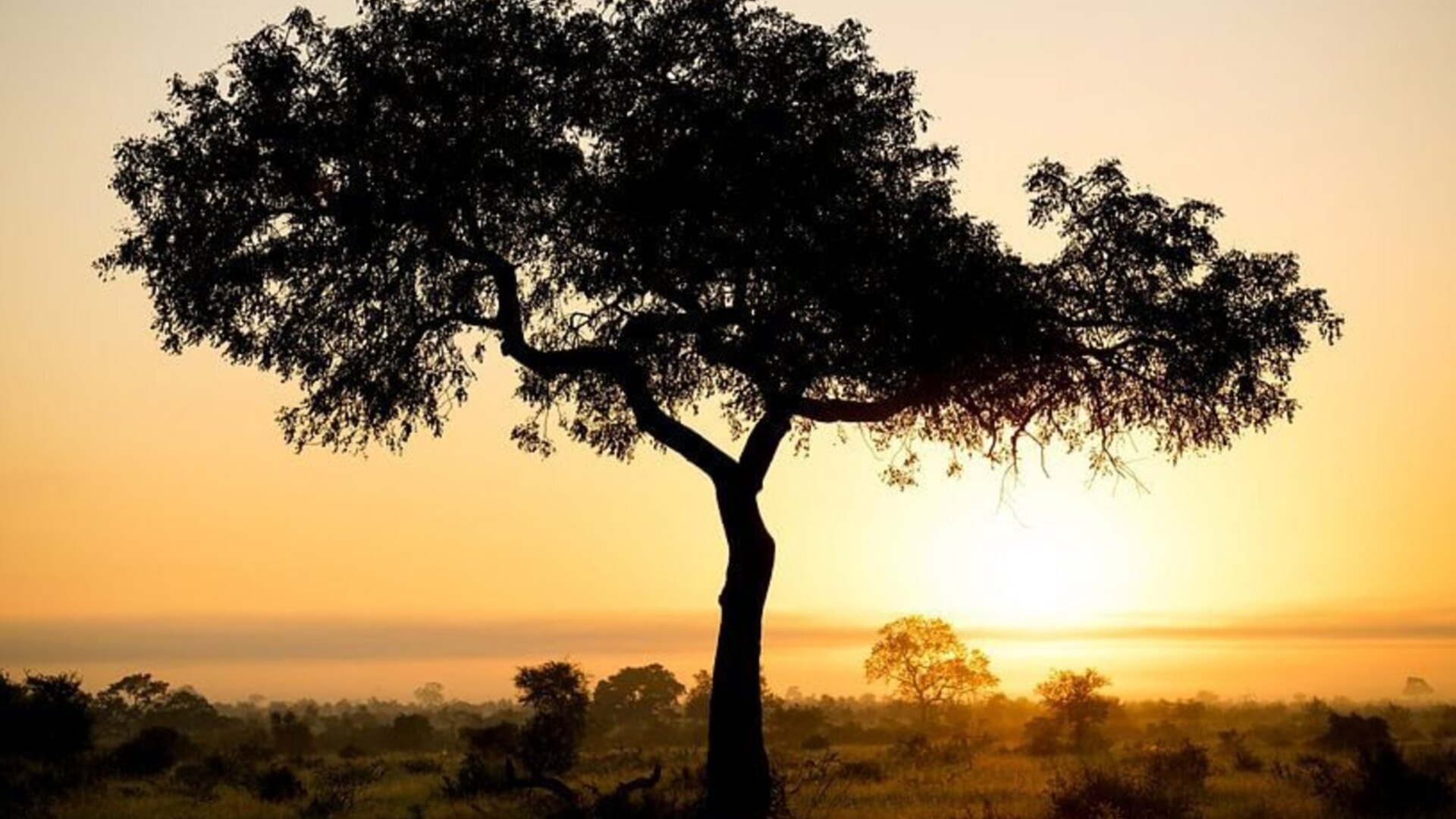
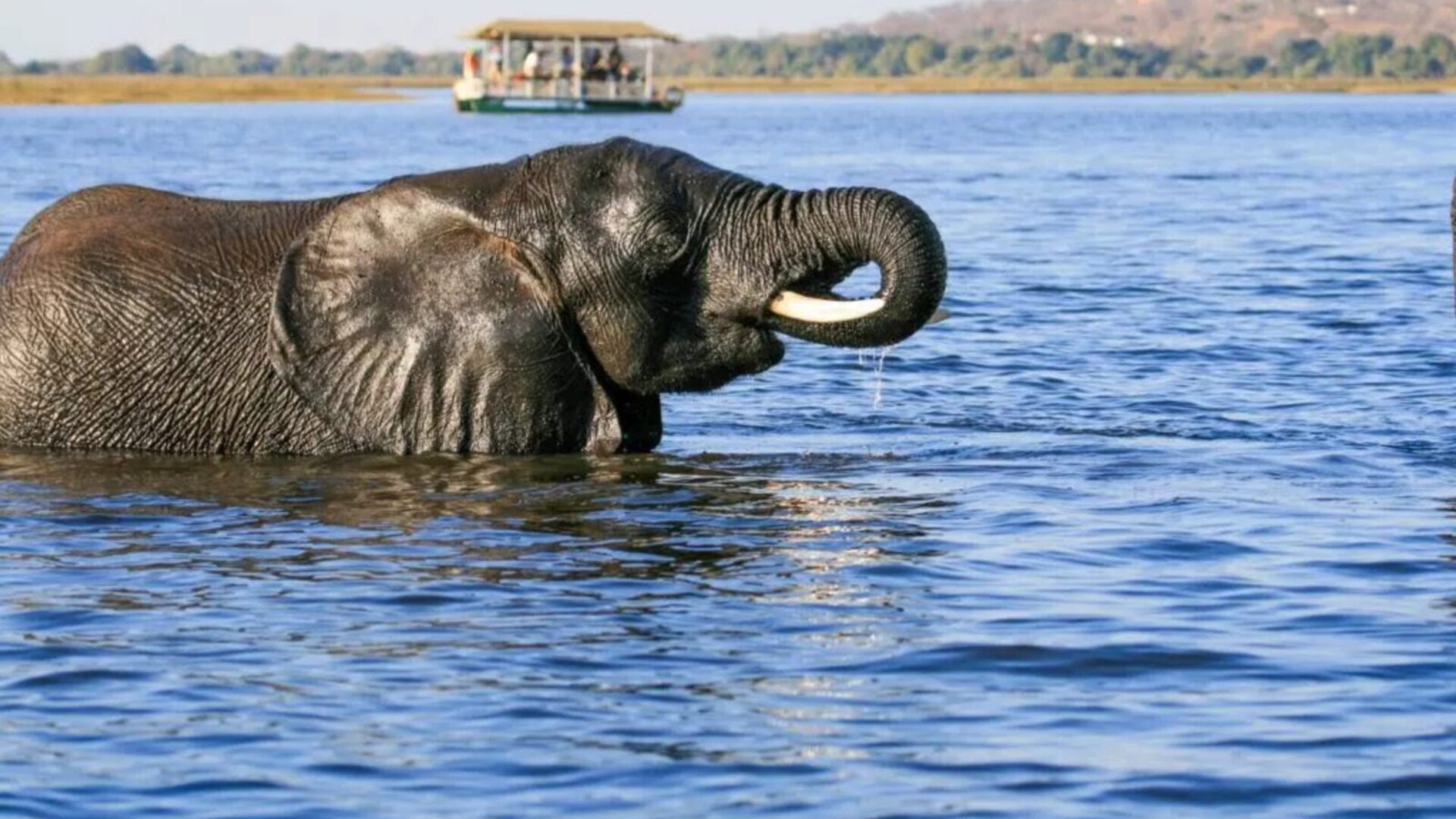
South Africa is, by a clear margin, the best self-drive safari country in Africa. Nowhere else can you sit at the wheel of an ordinary car, drive yourself through nearly 2 million hectares of Big Five wilderness on sealed and well-graded roads, park beside a waterhole for as long as you please, and sleep in a comfortable rest camp inside the park — all at a fraction of the cost of a guided fly-in safari. This guide covers everything you need to plan a self-drive safari in South Africa for 2026 and 2027: the best parks to drive, the finest routes, whether you need a 4x4, how the rest-camp system works, gate times and safety, the real costs, and how to combine independent self-drive days with a guided private-reserve stay.
Is South Africa Good for a Self-Drive Safari?
Yes — it is the best in Africa. South Africa's national parks are purpose-built for independent travel, with an excellent network of roads, a well-run system of rest camps managed by SANParks, clear signage and maps, and the infrastructure (fuel, shops, mobile coverage near camps) that makes driving yourself safe and straightforward. Here are the best self-drive safari destinations in the country at a glance.
| Park | Best for | 4x4 needed? | Malaria |
|---|---|---|---|
| Kruger National Park | The best all-round self-drive Big Five safari in Africa | No — sedan is fine | Low-risk |
| Addo Elephant National Park | Malaria-free Big Five, easy roads, Garden Route add-on | No | Malaria-free |
| Pilanesberg National Park | Malaria-free Big Five, close to Johannesburg, great value | No | Malaria-free |
| Hluhluwe-iMfolozi Park | The best rhino viewing, hilly KZN bushveld | No | Low-risk |
| Kgalagadi Transfrontier Park | The ultimate remote wilderness; black-maned lions | Recommended (some routes require it) | Malaria-free |
| Mapungubwe / Marakele | Wild, quiet, scenic parks for the seasoned self-driver | Advisable | Varies |
If this is your first self-drive safari, start with the Kruger National Park — it is the most rewarding, the best-serviced, and the easiest to drive. For a malaria-free alternative, Addo and Pilanesberg are outstanding. The Kgalagadi is the connoisseur's choice once you have a park or two behind you. For the Kruger specifically, read our dedicated self-drive safari Kruger guide, and for the wider continent, our self-drive safari Africa overview.
Why South Africa Is the Best Self-Drive Safari Country
Three things set South Africa apart from every other safari country for the independent traveller. First, the roads: the main routes through the Kruger and most other national parks are tarred, and the gravel loops are graded and passable in a normal car for most of the year. Second, the rest camps: SANParks runs a network of fenced, secure camps inside the parks with everything from campsites to air-conditioned chalets, shops, fuel and restaurants, so you never need to leave the wilderness to find a bed. Third, the value: a self-drive safari in the Kruger can cost a fraction of a guided lodge safari, because you are paying only a conservation fee and self-catering accommodation rather than an all-inclusive nightly rate. Add a stable fuel network, widespread English, and good mobile coverage near the camps, and South Africa becomes the natural home of the self-drive safari.
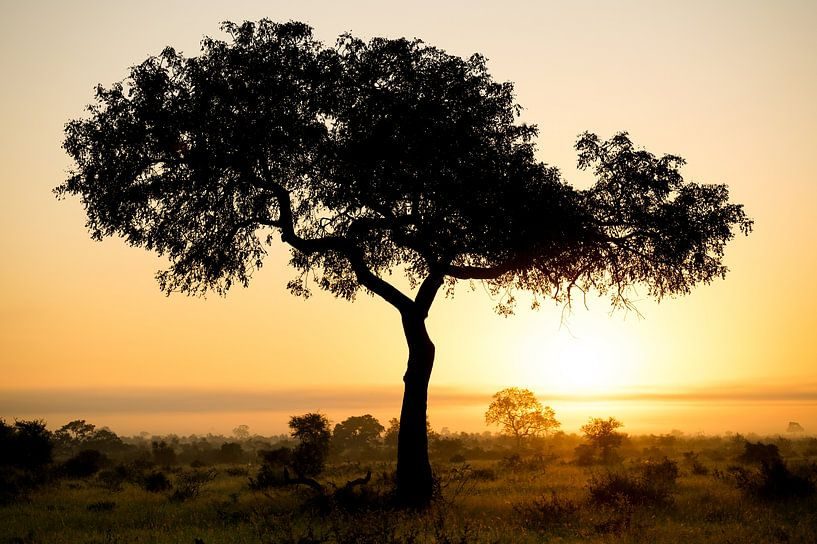
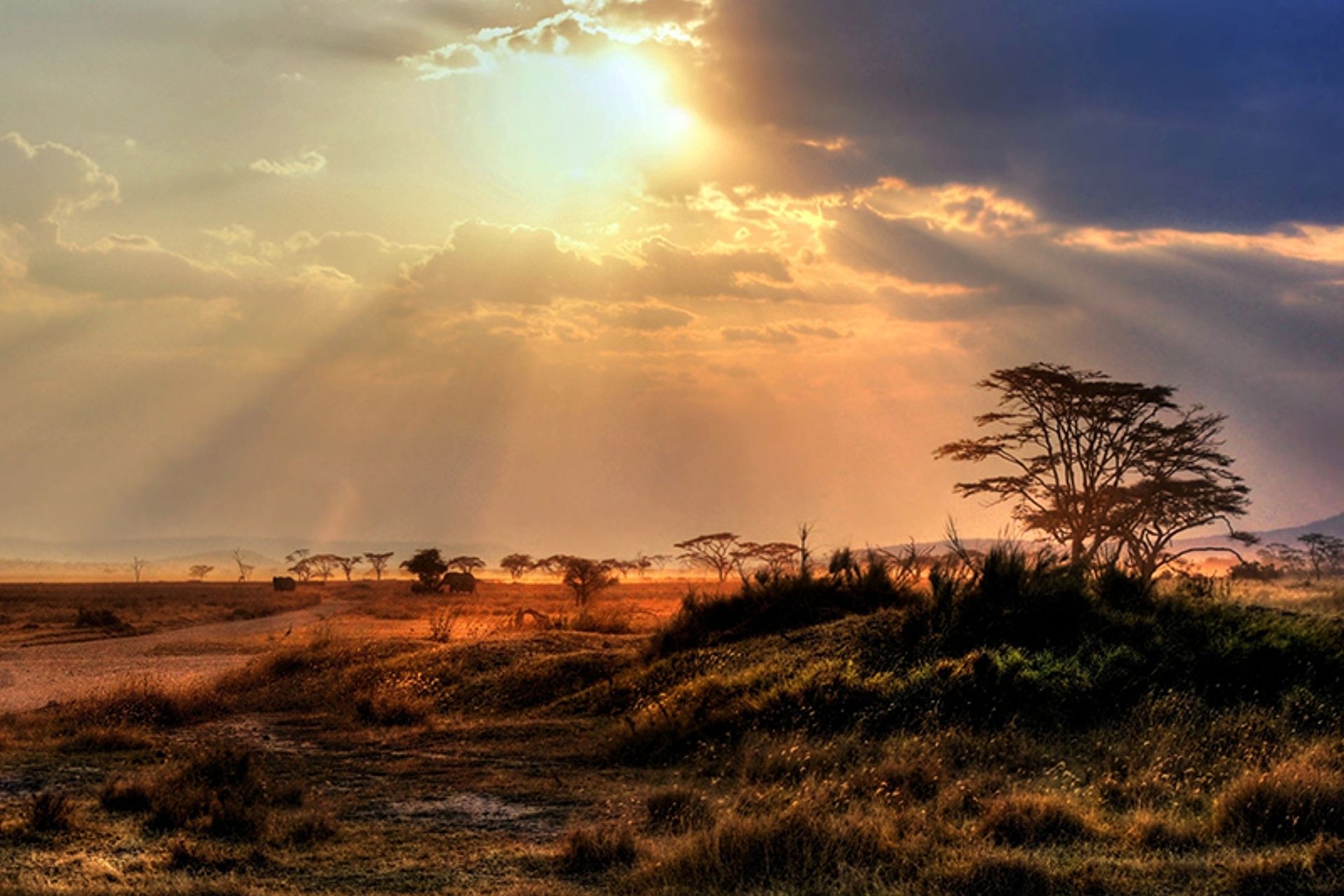
The Kruger National Park — The Best Self-Drive Safari in Africa
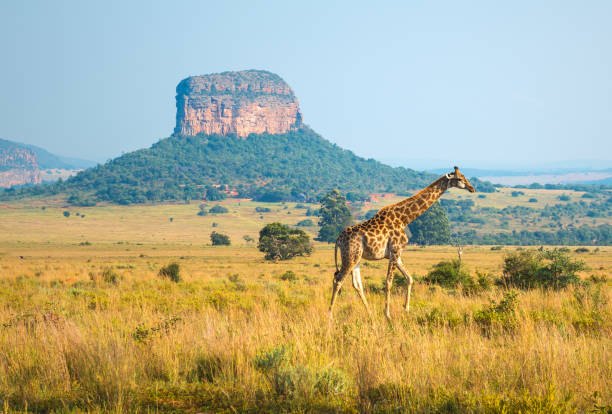
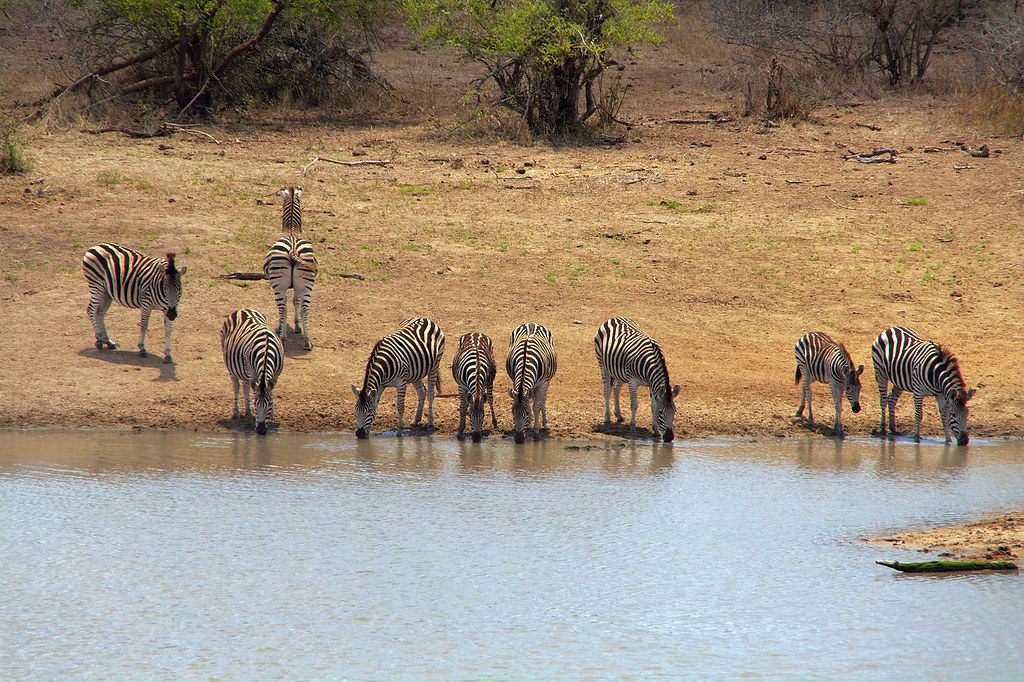
The Kruger is where almost every South African self-drive safari begins, and for good reason. Its nearly 2 million hectares carry the full Big Five in strong numbers along with cheetah, wild dog, over 500 bird species and 147 mammals, and the southern and central regions have the densest wildlife and the best road network for finding it. You drive yourself between rest camps — Skukuza, Lower Sabie, Satara, Olifants and others — each a secure base with chalets, a shop, fuel and a restaurant, and you plan each day around the gate times and the waterholes. A sedan car handles the tarred main roads and most gravel loops comfortably; the southern circuit around Skukuza and Lower Sabie is the richest for first-timers. You can enter the Kruger through nine gates, fly into Skukuza or Nelspruit/Mpumalanga (Kruger Mpumalanga International), or drive the roughly four to five hours from Johannesburg. For the full park-by-park detail, see our complete self-drive Kruger guide.
Addo Elephant National Park — Malaria-Free and on the Garden Route
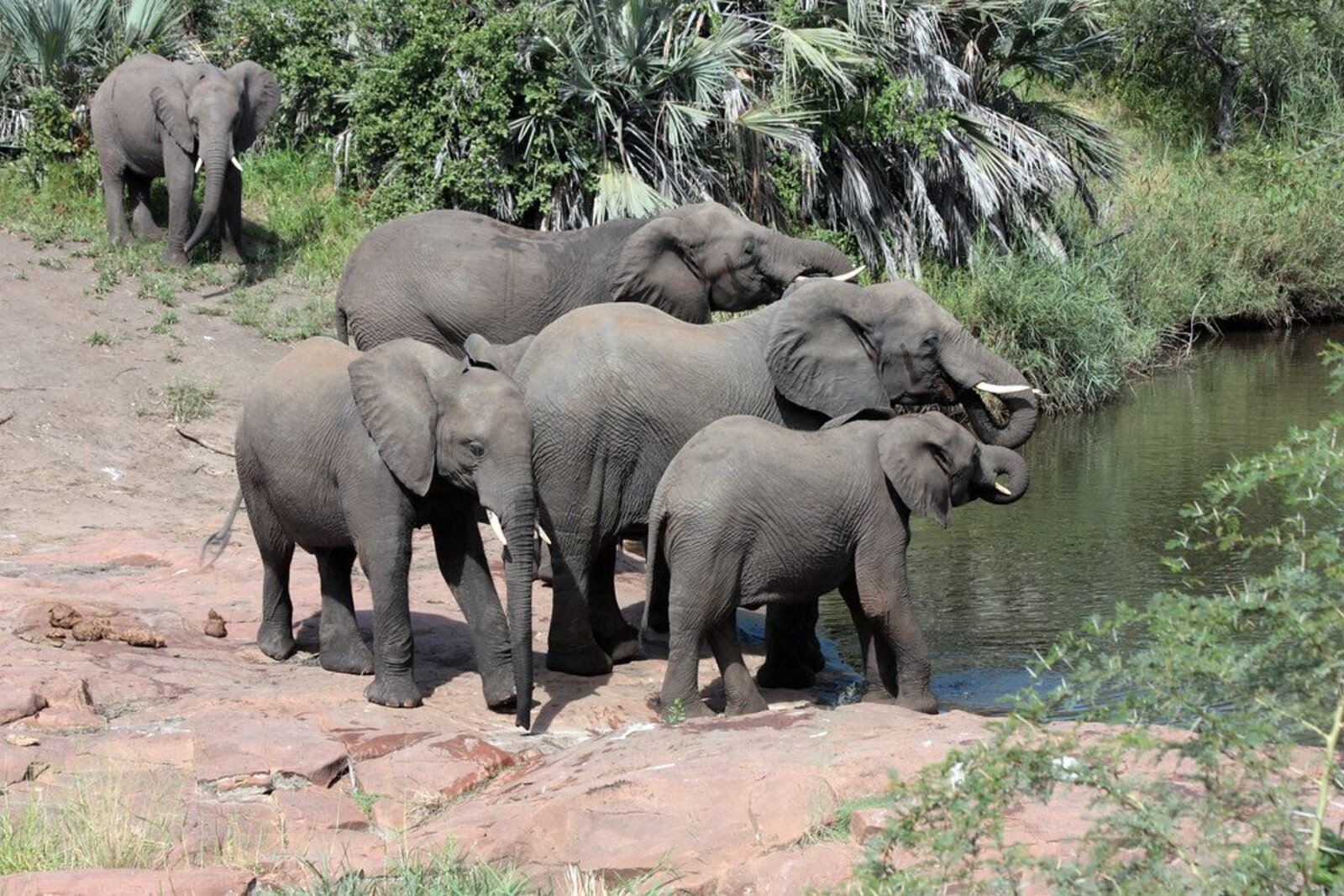
Addo is the finest malaria-free self-drive Big Five park in South Africa, and its position at the eastern end of the Garden Route makes it the natural safari finale to a Cape self-drive trip. The park is built around one of the densest elephant populations on earth — sightings of large breeding herds are near-guaranteed — and the Big Five is complete with lion, buffalo, leopard and both black and white rhino. The roads are excellent and entirely sedan-friendly, the main camp has chalets, camping and a restaurant, and the malaria-free status makes Addo the single best self-drive safari for families with young children. Drive the roughly two hours from Port Elizabeth/Gqeberha, or finish a Garden Route road trip here. Read our Garden Route self-drive guide for the full Cape-to-Addo route.
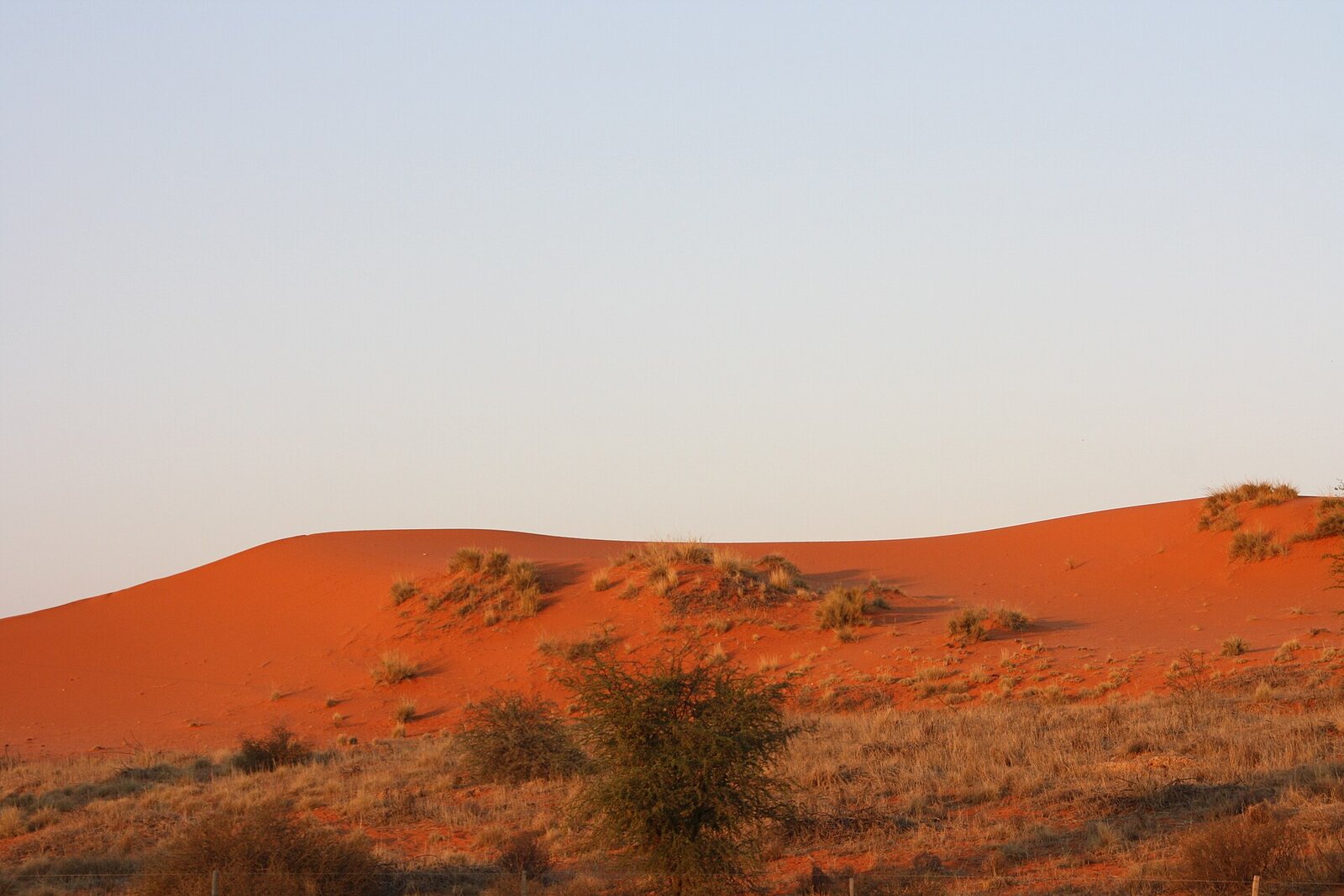
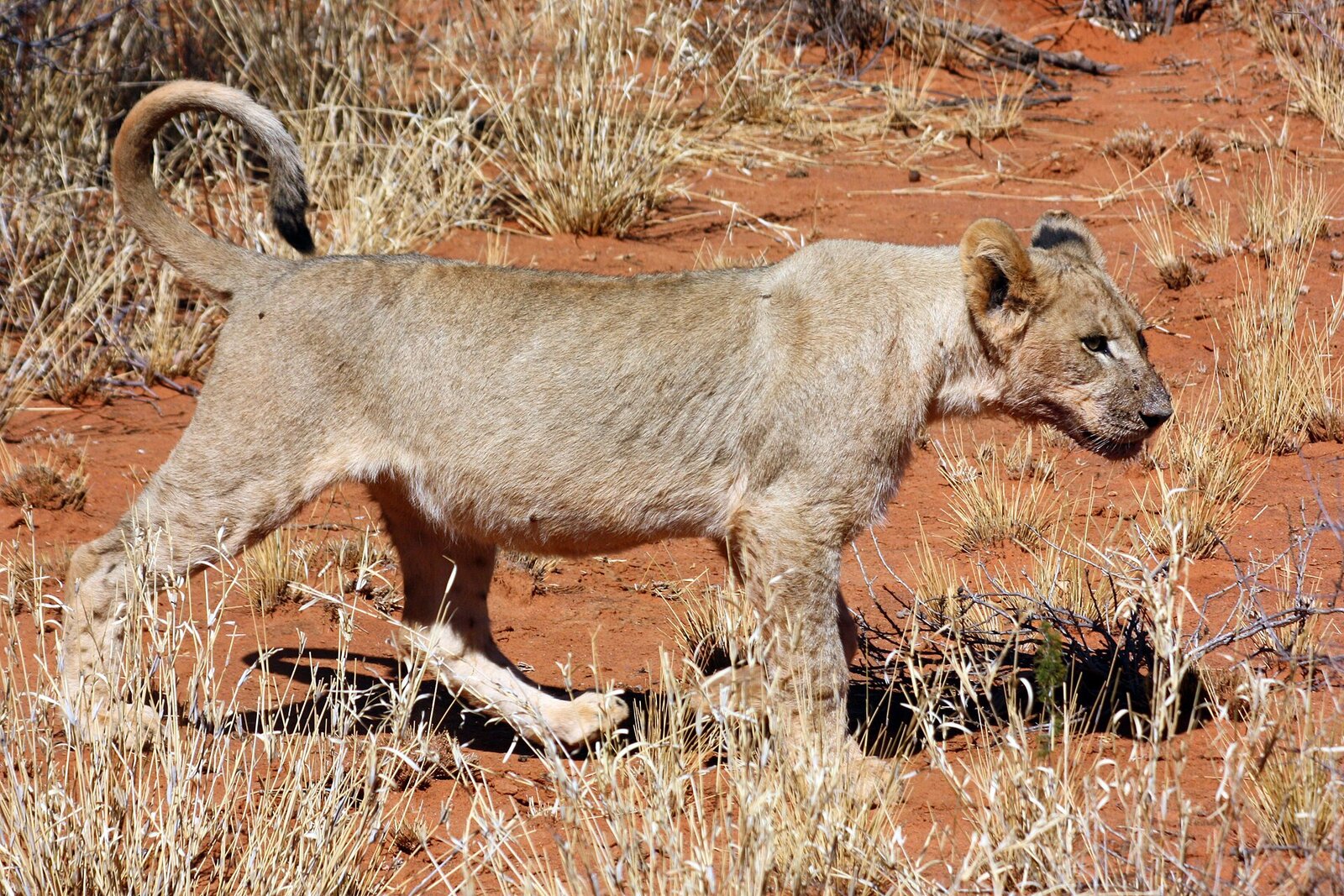
The Kgalagadi Transfrontier Park — The Ultimate Self-Drive Wilderness
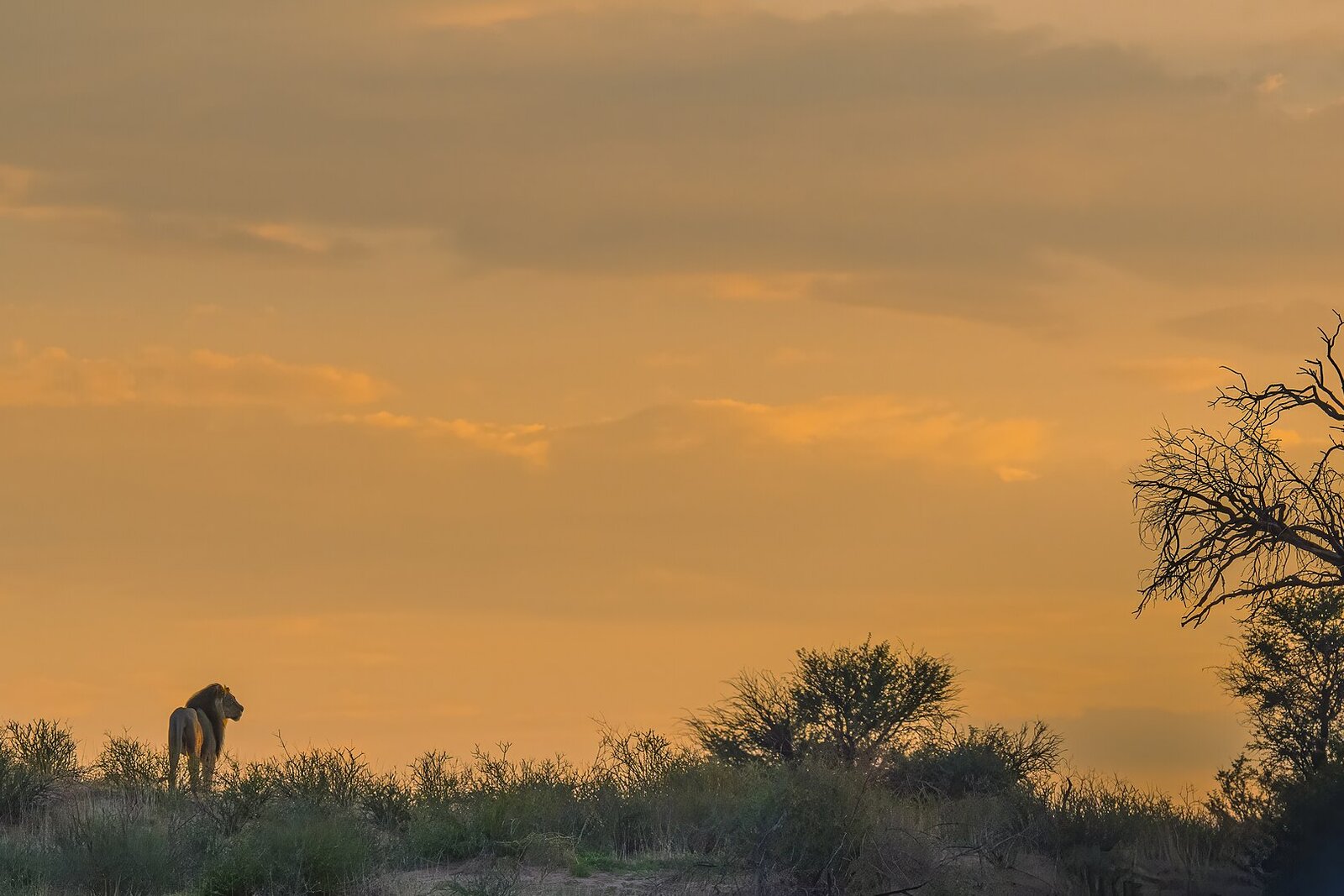
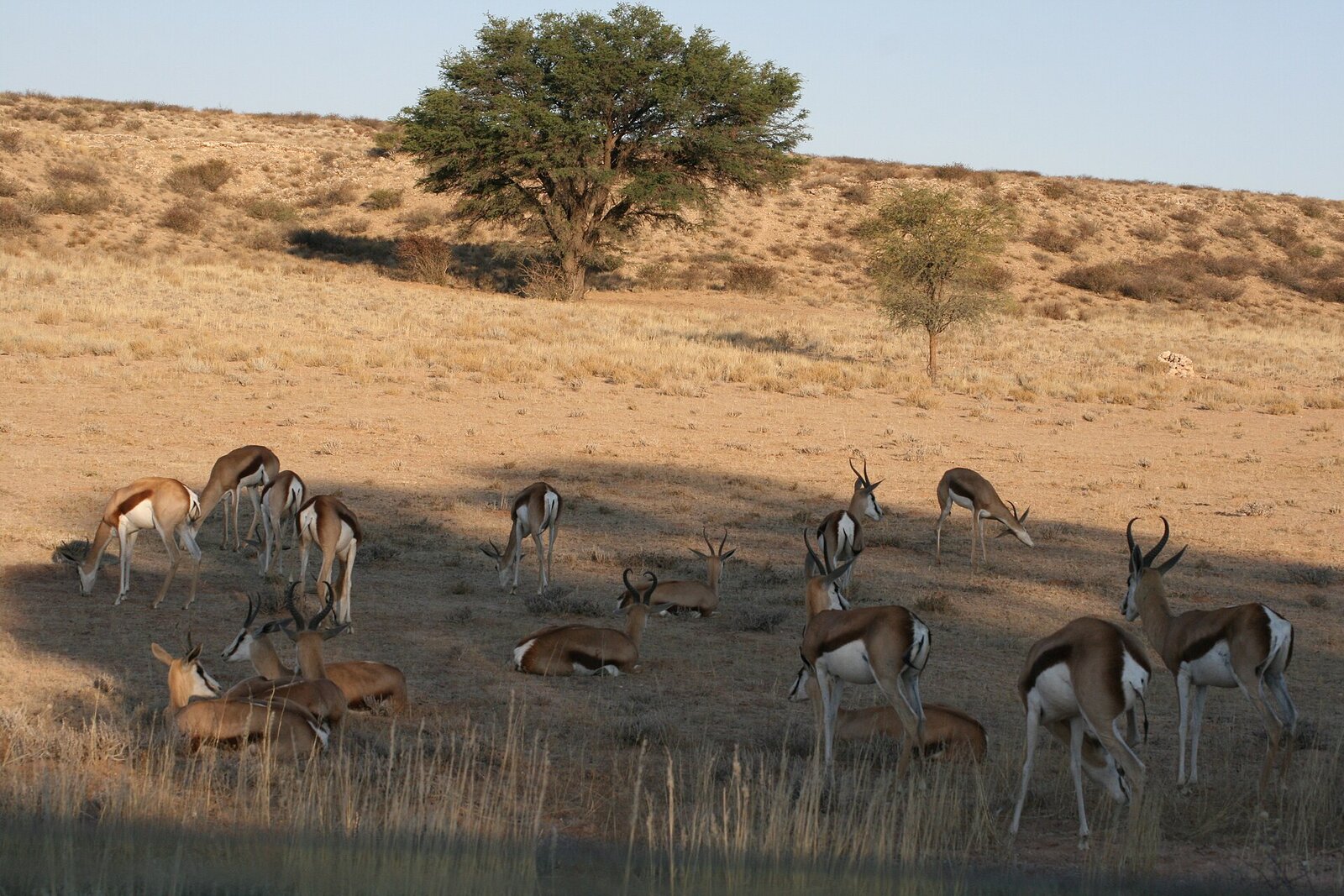
For the seasoned self-driver, the Kgalagadi is the greatest prize in South Africa. Shared with Botswana, this 3.6-million-hectare transfrontier park of red dunes, camelthorn trees and the dry Auob and Nossob riverbeds is malaria-free and famous for its black-maned Kalahari lions, cheetah on the dune crests, raptors in extraordinary numbers, and a stark, uncrowded beauty unlike anywhere else in the country. Game viewing follows the two riverbed roads, where predators and prey concentrate around the waterholes. A high-clearance vehicle is strongly recommended and a 4x4 is required for the remote wilderness trails and the border routes into Botswana; the main riverbed roads, however, are manageable in a 2x4 with care. Accommodation ranges from the main rest camps at Twee Rivieren, Nossob and Mata-Mata to the remote unfenced wilderness camps. The Kgalagadi is a long drive from anywhere — fly to Upington and drive the final 2.5 hours — and it rewards the effort like no other. See our dedicated Kgalagadi self-drive safari guide.
Pilanesberg and Hluhluwe-iMfolozi — Easy Big Five and the Best Rhino
Two more parks round out the best self-drive options. Pilanesberg National Park sits in an ancient volcanic crater just two and a half hours from Johannesburg, is completely malaria-free, and delivers excellent-value Big Five on an easy, sedan-friendly road network — making it the best quick self-drive safari for travellers based in or flying through Johannesburg. Hluhluwe-iMfolozi Park in KwaZulu-Natal is the oldest proclaimed reserve in Africa and the birthplace of rhino conservation, with the best rhino viewing in the country across beautiful hilly bushveld; its roads are good and it pairs naturally with a KZN coast trip. Both parks let you experience the full Big Five from your own car at a fraction of private-lodge prices.
The Best Self-Drive Safari Routes in South Africa
| Route | Days | Highlights |
|---|---|---|
| Classic Kruger loop | 5–7 | Fly to Skukuza or drive from Joburg; base at 2–3 southern and central rest camps; best all-round Big Five |
| Garden Route + Addo | 7–10 | Cape Town → Garden Route scenery → malaria-free Big Five at Addo; the best self-drive trip for first-timers |
| Kgalagadi wilderness | 5–7 | Fly to Upington → the red-dune Kalahari; remote, malaria-free, for experienced self-drivers |
| KZN: Hluhluwe-iMfolozi + coast | 5–8 | Durban → rhino country → iSimangaliso wetlands and warm Indian Ocean coast |
| Joburg quick safari: Pilanesberg | 2–4 | Malaria-free Big Five within easy reach of Johannesburg; perfect add-on to a city stay |
The two routes most first-time visitors choose are the classic Kruger loop and the Garden Route combined with Addo. The Garden Route option is the gentlest introduction — spectacular coastal driving, no malaria, and a Big Five finale — while the Kruger loop delivers the richest wildlife. For the scenic Cape leg, our Garden Route self-drive guide has the full itinerary.
Do You Need a 4x4 for a Self-Drive Safari in South Africa?
For most of South Africa's self-drive parks, no. The Kruger, Addo, Pilanesberg and Hluhluwe-iMfolozi are all comfortably explored in an ordinary sedan or compact car — the main roads are tarred and the gravel loops are graded. A small SUV or crossover adds useful ground clearance and a better view over the bush but is never essential. The exceptions are the wild parks: the Kgalagadi's remote wilderness trails and the border crossings into Botswana require a 4x4, and parks such as Mapungubwe and the deeper parts of Marakele are better driven in a high-clearance vehicle. As a rule, rent a sedan for a Kruger or Garden Route trip and a 4x4 only if the Kgalagadi wilderness routes or cross-border travel are on your itinerary. Always check that your rental agreement permits travel on gravel roads and, if relevant, into the park or across borders.
How the SANParks Rest-Camp System Works
The backbone of a South African self-drive safari is the SANParks rest camp. These are fenced, secure camps inside the parks offering a full range of accommodation — from campsites and simple safari tents to en-suite rondavels, family cottages and air-conditioned chalets — along with a shop, fuel, and often a restaurant and pool. You book accommodation directly through SANParks, and because the best camps (Skukuza, Lower Sabie, Satara in the Kruger) sell out months ahead for the peak winter season and South African school holidays, you should reserve as early as possible — ideally 6 to 11 months in advance for popular dates. Each camp has gates that open at dawn and close at dusk; you must be back inside the fence before the gate closes, and the gate times (which change by month) govern how you plan each day's drive. Buy a Wild Card if you are staying several nights or visiting multiple parks — it covers conservation fees and pays for itself quickly.
Best Time for a Self-Drive Safari in South Africa
| Season | Conditions | Best for self-drive |
|---|---|---|
| May – Sep (dry winter) | Sparse bush, animals at water, cool days, no rain | The best season — easiest game spotting and comfortable driving; book camps early |
| Oct – Nov (spring) | Hot, building to the rains, strong late-dry sightings | Excellent game, fewer crowds, shoulder prices |
| Dec – Mar (green summer) | Lush, warm, newborns, migrant birds, afternoon storms | Best value and birding; gravel roads can be wet; choose malaria-free Addo/Pilanesberg/Kgalagadi |
| Apr (autumn) | Bush thinning, mild, quiet | A comfortable, good-value shoulder window |
The dry winter from May to September is the best time for a self-drive safari: the thin bush makes animals far easier to spot from the car, the roads are dry and dust-free, and the cool mornings are comfortable for long drives. It is also the busiest season, so book your rest camps well ahead. For the full seasonal breakdown across the country, read our guide to the best time to visit South Africa.
Self-Drive Safari Costs in South Africa 2026/2027
| Cost item | Budget | Comfortable |
|---|---|---|
| Rental car (per day) | USD 25 – 45 (compact) | USD 60 – 120 (SUV/4x4) |
| Rest-camp accommodation (pppn) | USD 25 – 60 (camping/tent) | USD 80 – 160 (chalet) |
| Conservation fee (per day) | USD 15 – 30 (or Wild Card) | Covered by Wild Card |
| Fuel + food (per day) | USD 30 – 50 | USD 50 – 90 |
| Typical all-in (per person/day) | USD 70 – 120 | USD 150 – 250 |
A self-drive safari is the most affordable way to experience Big Five country in Africa. A couple sharing a compact car and a rest-camp chalet in the Kruger can run a complete safari for USD 100–150 per person per day, including the car, accommodation, conservation fees, fuel and food — perhaps a quarter of the cost of an all-inclusive guided lodge. The green summer season (November–March) brings the lowest rates. Buying a SANParks Wild Card is the single biggest saving for any trip of several nights.
The Best of Both Worlds — Self-Drive Plus a Guided Private Reserve
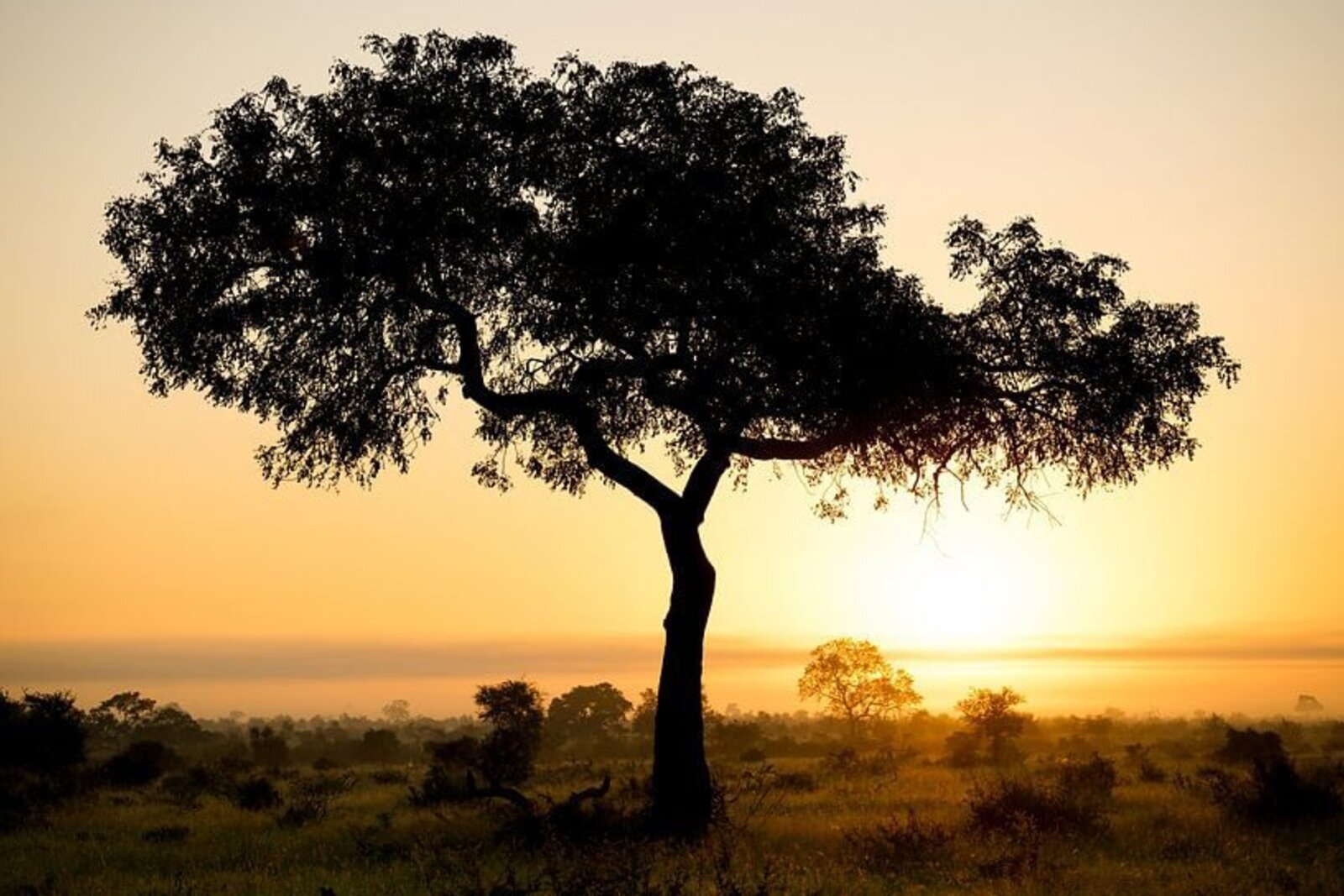
The most rewarding South African itineraries rarely choose between self-drive and guided — they combine the two. You spend a few independent days in the Kruger or Addo, driving yourself, parking at waterholes and setting your own pace at national-park prices; then you add two or three nights in a guided private reserve such as the Sabi Sand, Timbavati or a malaria-free Eastern Cape lodge, where an open 4x4, a professional guide and a tracker take you off-road to follow leopard and lion, out on night drives, and on foot on a bush walk — experiences no self-drive can match. The self-drive days keep the trip affordable and give you the freedom of the road; the guided nights lift the wildlife to another level. For the private-reserve options, read our private game reserves South Africa guide and our ranking of the best game reserves in South Africa.
Practical Tips and Safety for Self-Drive Safaris
- Obey gate times. Be back inside the camp fence before the gate closes — the times change monthly and fines apply. Plan your return drive with plenty of margin.
- Stay in your vehicle. Never get out except at designated points. Keep windows up near elephant and predators, and keep a respectful distance.
- Drive slowly. The speed limits (50 km/h on tar, 40 on gravel in the Kruger) exist to protect wildlife and to help you spot it — the slow driver sees far more.
- Book accommodation and the Wild Card early, especially for the May–September peak and South African school holidays.
- Fuel up at camps and carry water and snacks; distances between camps can be long.
- Carry a good map and a wildlife app; mobile coverage is patchy between camps though usually available at them.
- Take malaria precautions in the Kruger and KZN lowveld in summer, or choose the malaria-free parks (Addo, Pilanesberg, Kgalagadi).
- Check your rental terms for gravel-road and cross-border permissions before you drive.
The Verdict — Planning Your South African Self-Drive Safari
South Africa is the finest self-drive safari country on earth, and the choice comes down to what you want from the trip. For the richest wildlife and the classic experience, base yourself in the Kruger National Park. For a malaria-free safari with young children, drive Addo or Pilanesberg. For the best rhino viewing, head to Hluhluwe-iMfolozi, and for a wild, remote adventure once you have a park or two behind you, make for the red dunes of the Kgalagadi. Whichever you choose, the formula that delivers the best trip is nearly always the same: a few self-drive days for freedom and value, then a guided private-reserve stay for the off-road game viewing only an expert can provide.
Planning the logistics — the right car, the right camps in the right order, the gate times, the malaria question, and where to add a guided reserve — is exactly what we do every day at Beyond Africa Safaris, and a self-drive itinerary benefits enormously from a specialist's hand in the planning.
Ready to plan your South African self-drive safari? Speak to a Beyond Africa Safaris specialist or explore our South Africa safari packages. For the deep dives, read our self-drive Kruger guide, our Kgalagadi self-drive guide, our Garden Route self-drive guide, and our guide to the best time to visit South Africa.