We're Open8am–6pm SAST
WishlistPartner Portal
← Back to BlogSafari

Self-Drive Safari Kruger 2026: Routes, Rest Camps & the Complete How-To Guide

Audio EditionListen to this story
0:000:00
Narrated by George — audio edition

Key Takeaways

  • The Kruger is the most accessible self-drive safari in Africa — an ordinary sedan reaches the great majority of sightings on tar and graded gravel.
  • The best game-viewing routes are the H4-1 (leopard), the H1-2/H1-3 (lion) and the S28/H10 plains (cheetah), all in the wildlife-rich south.
  • Book rest camps — Skukuza, Lower Sabie and Satara are the best bases for self-drivers — through SANParks, ideally 9–12 months ahead.
  • Gate times are strict and change by season; being locked out costs a fine, so plan every drive around them.
  • The dry winter, May to September, is the easiest season — thin bush and game concentrated along the rivers.
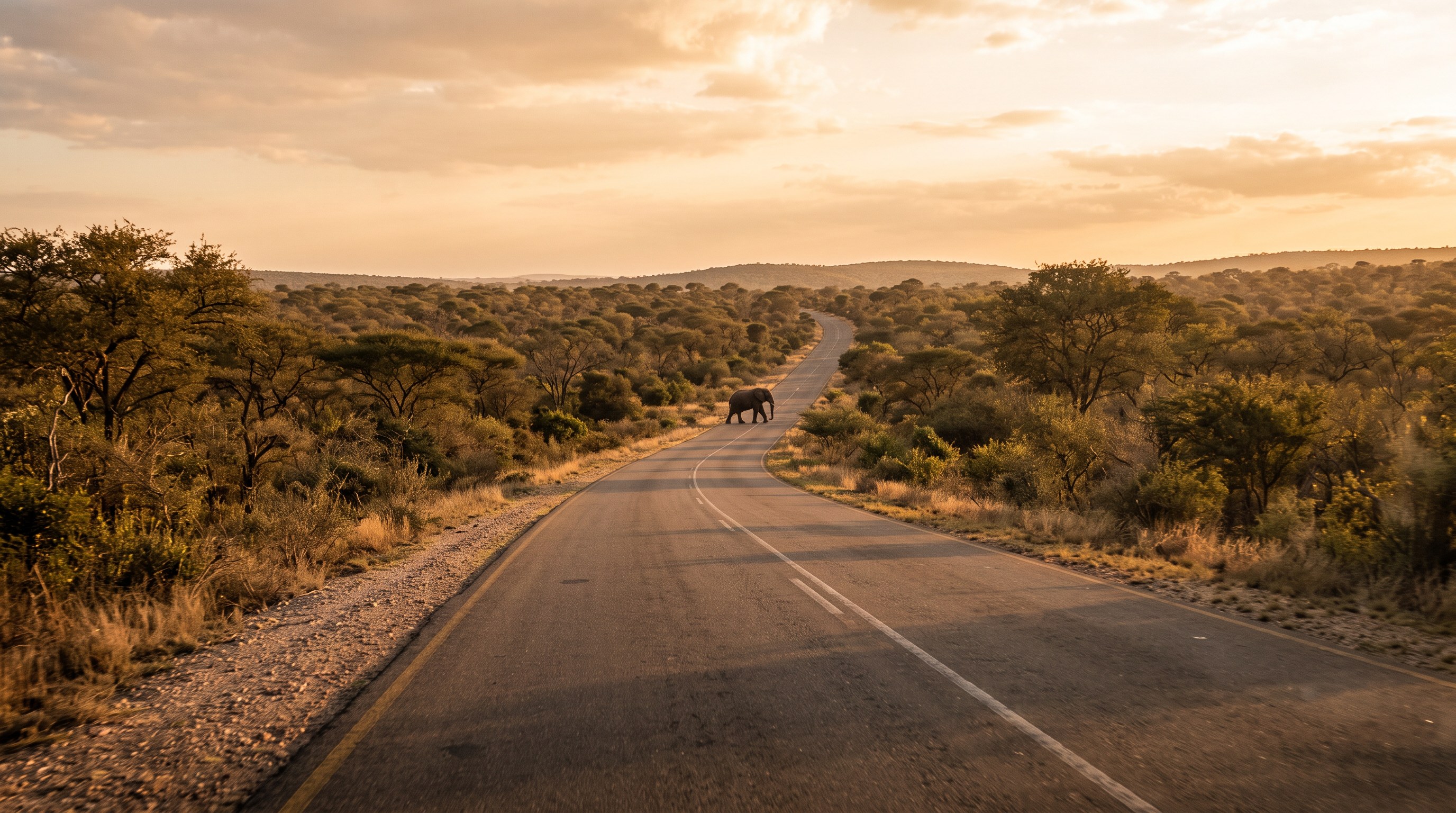
First light on the Kruger's tarred loops — the world's most accessible Big Five self-drive.

Why the Kruger Is the Best Place to Learn to Self-Drive

No park makes self-driving as easy as the Kruger. A sealed spine of tarred road runs the length of the park, branching into hundreds of kilometres of well-graded gravel loops, all clearly signposted and mapped. Rest camps are spaced a comfortable drive apart, each with fuel, a shop, a restaurant and chalets you book in advance. You genuinely do not need a guide, a 4x4 or any prior experience — just a hire car, a map and an early start.

And the wildlife is extraordinary. The Kruger holds one of the largest concentrations of the Big Five anywhere, along with cheetah, wild dog, giraffe, hippo, and more than 500 bird species. In the game-rich south, a patient self-driver can see four of the Big Five in a single good day — all found with their own eyes, which is the whole joy of it.

What makes the Kruger the perfect self-drive park:

  • Sedan-friendly roads — tar and graded gravel reach the vast majority of sightings.
  • Well-signed and mapped — you will not get lost, and every camp sells an excellent map.
  • Rest camps with everything — fuel, food, shops and chalets, so you carry very little.
  • Big Five in numbers — the southern loops are among the best self-drive game viewing on Earth.
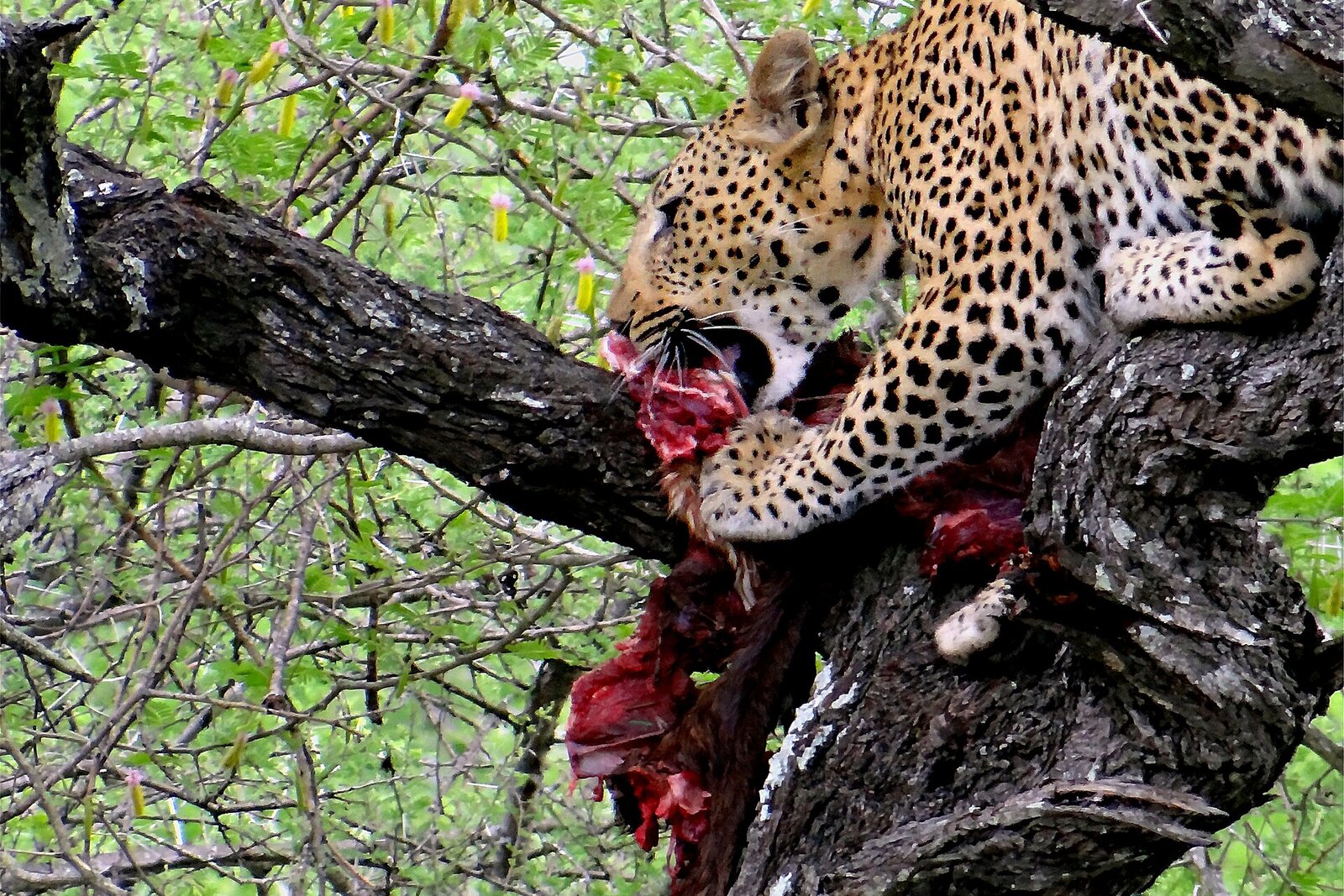
A leopard in the Kruger National Park
Leopard along the Sabie River — the reward of a slow H4-1 morning

The Best Self-Drive Routes in the Kruger

Sightings cluster where water, habitat and roads meet. These are the classic self-drive routes, all in the wildlife-dense southern and central Kruger, that consistently deliver.

The H4-1 — Skukuza to Lower Sabie (leopard country)

If you drive one road in the Kruger, make it this one. The tarred H4-1 follows the Sabie River between the park's two flagship camps, and the riverine bush along it is prime leopard habitat, with lion, elephant, buffalo, hippo and superb general game. Drive it slowly at dawn, stop at the Sunset Dam and the Nkuhlu picnic site, and give it the whole morning.

The H1-2 & H1-3 — north of Skukuza (lion country)

Running north from Skukuza toward Tshokwane, the H1-2 and H1-3 cross open savanna that is classic lion territory, with regular cheetah and wild dog. The loop roads off it — the S30 and the S36 — reward the patient driver who is willing to sit at a waterhole and wait.

The S28 & H10 — the Tshokwane plains (cheetah country)

The open grasslands around Tshokwane, reached on the S28 and the H10 up to Lower Sabie, are the Kruger's best cheetah country, with wide horizons perfect for spotting cats on the move. This is also excellent for the plains game — zebra, wildebeest and giraffe — that draws the predators in.

Route Between Best for
H4-1Skukuza – Lower SabieLeopard, river game
H1-2 / H1-3Skukuza – TshokwaneLion, wild dog
S28 / H10Tshokwane – Lower SabieCheetah, plains game
S100near SataraBig cats (famous)

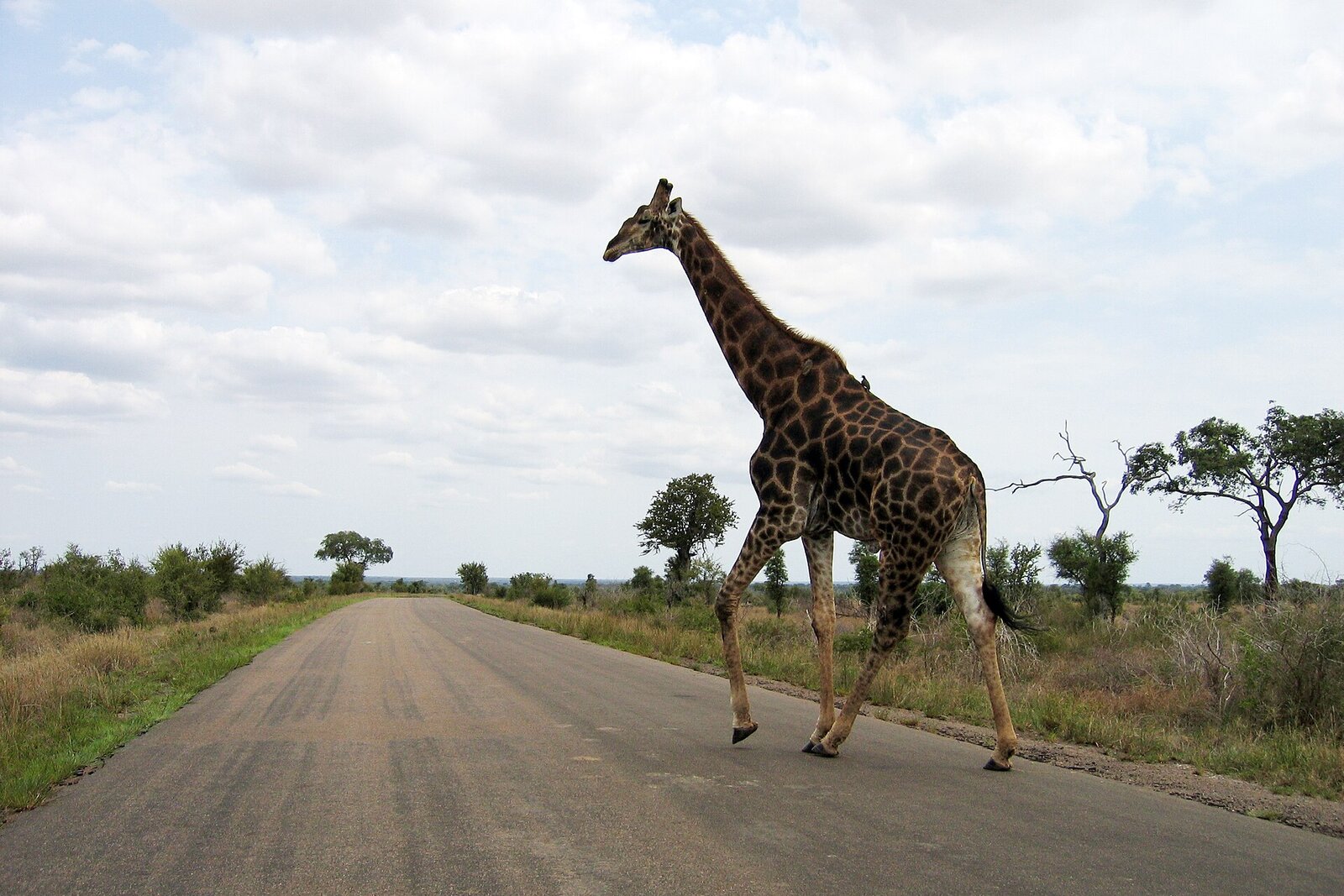
A giraffe beside a road in the Kruger National Park
Giraffe on the central plains around Satara

The Best Rest Camps for Self-Drivers

Your choice of camp shapes your whole trip, because you drive out from it each morning. These three are the finest bases for a southern-Kruger self-drive.

  • Skukuza — the park's largest camp on the Sabie River, superbly positioned for the H4-1 and the H1 routes, with a shop, restaurant, fuel and a doctor. The obvious first base.
  • Lower Sabie — many self-drivers' favourite, right on the river with a deck overlooking a game-rich stretch; book its river-view units far ahead.
  • Satara — the "cat camp" in the central grasslands, surrounded by the plains that lions and cheetah love, and the base for the famous S100.

All are booked through SANParks, the official park authority. Their river-view and premium units are the first to sell out, which is exactly why we secure them for you the moment the dates open.
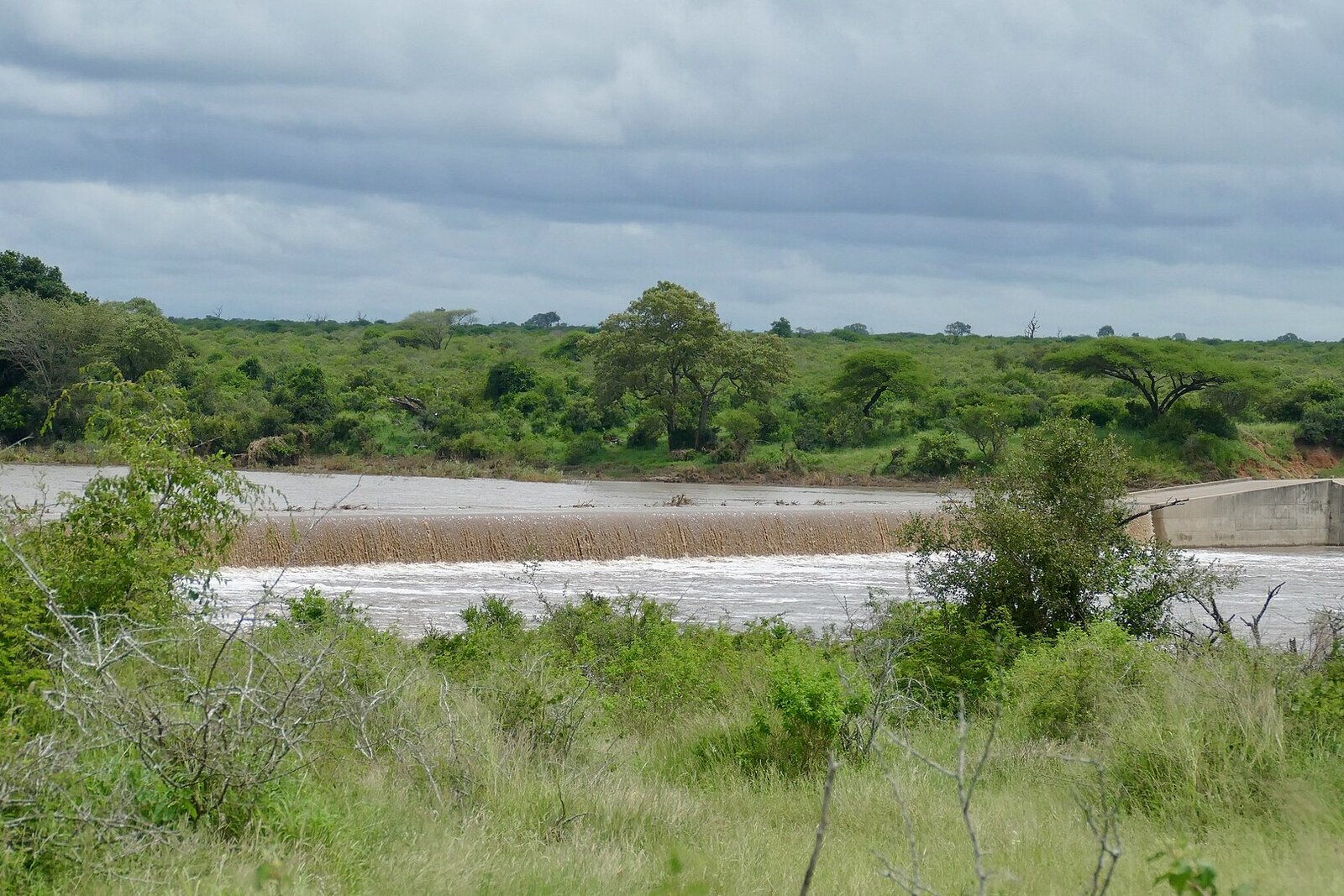
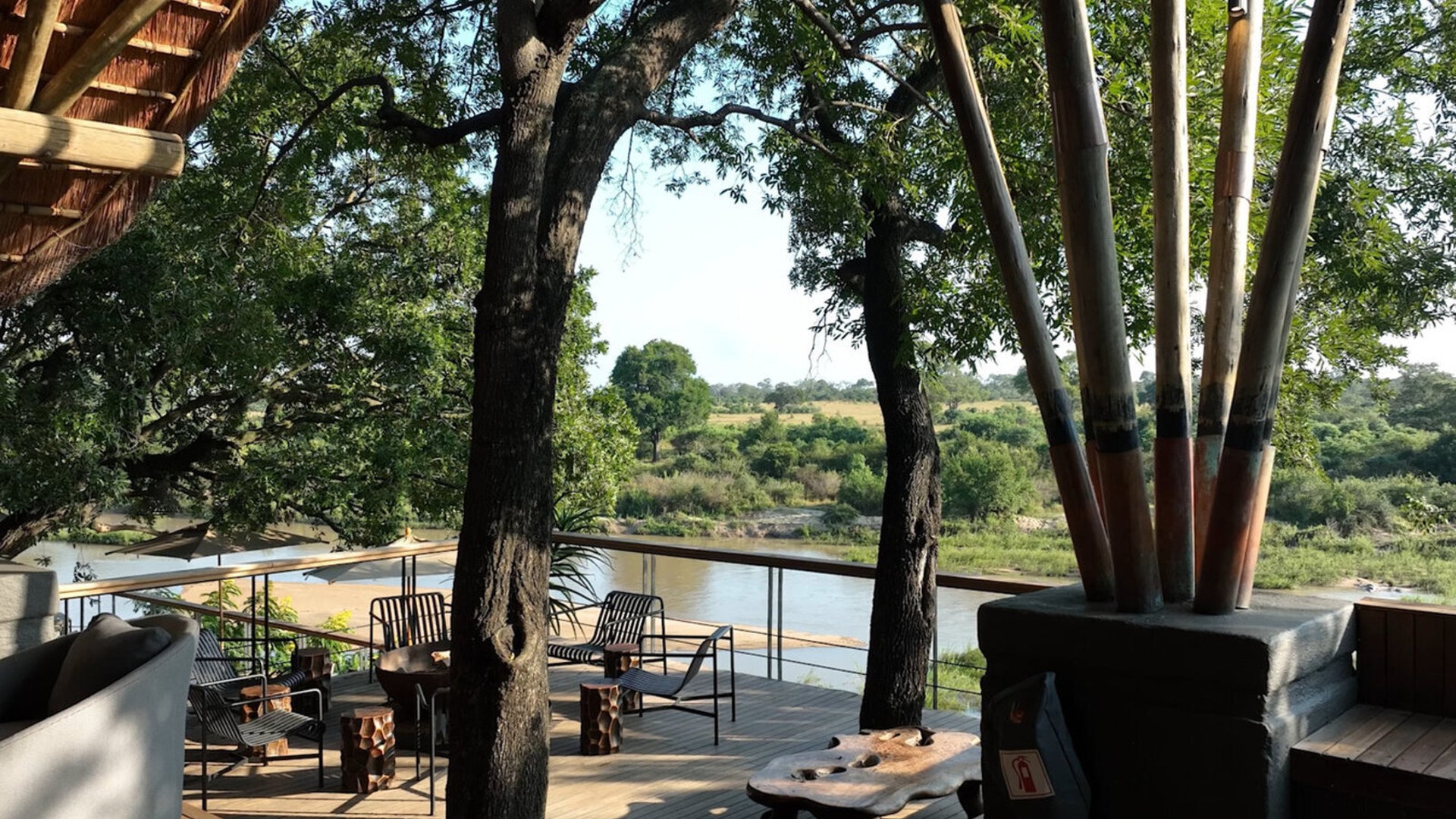
The Sabie River viewed from a Kruger rest camp
A river-view camp — braai on the deck as hippo grunt below

Gate Times, the 4x4 Question & the Rules

Gate times are the one rule you must never break. Camp gates and park entrance gates open at dawn and close at dusk, with exact times that shift month by month — roughly 05:30–18:30 in summer and 06:00–17:30 in winter. Being locked out after closing carries a fine, so every drive must be planned to get you home in time. Each camp posts the day's times at the gate.

On the vehicle question: an ordinary hire car is perfectly adequate for the Kruger. The tar and the main gravel loops are all sedan-friendly; only a handful of minor tracks reward higher clearance, and none require a 4x4. A slightly higher car simply gives a better view over the grass. Beyond that, the rules are simple: stay in your vehicle except at designated points, keep to 50 km/h on tar and 40 on gravel, never feed animals, and keep your distance.
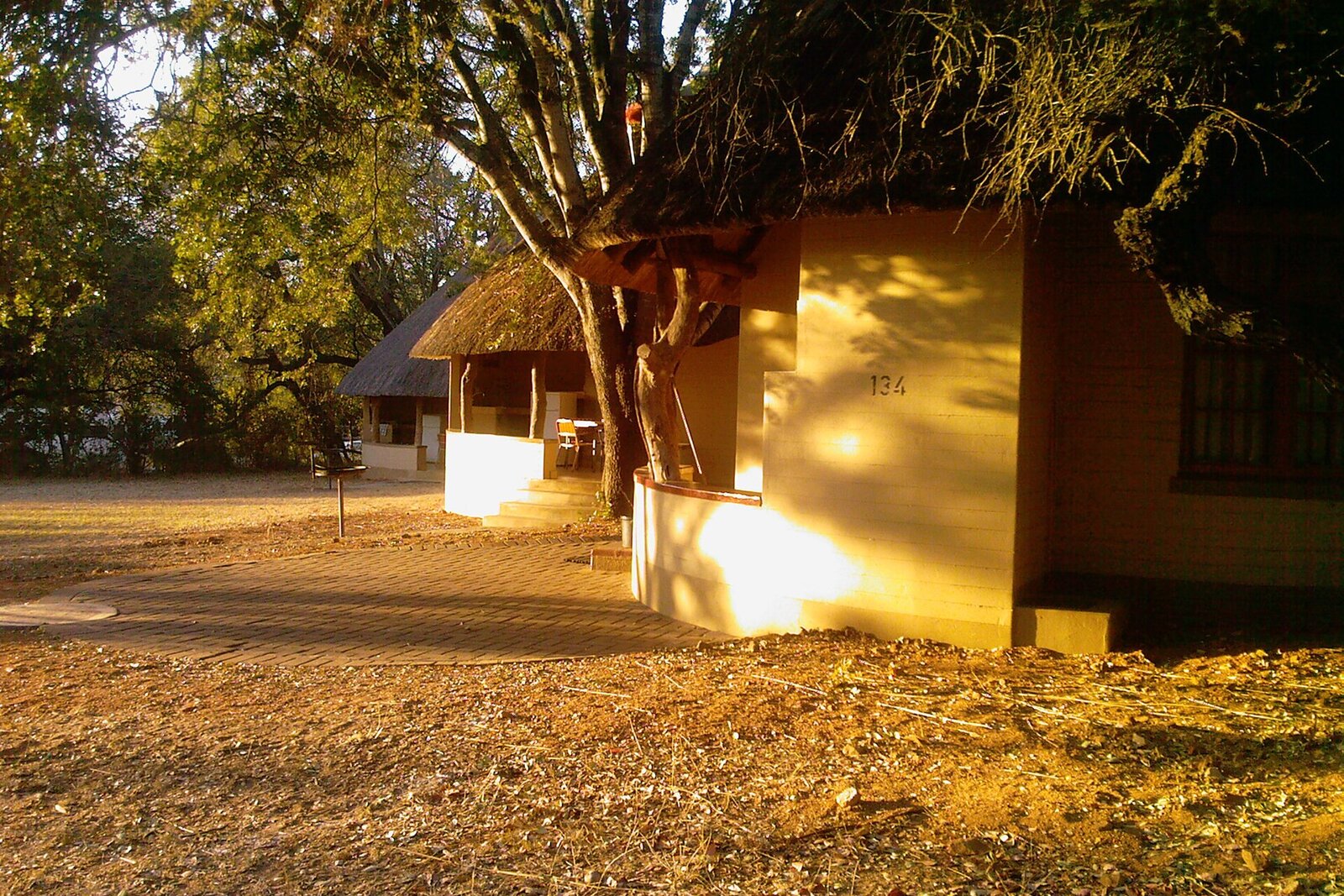
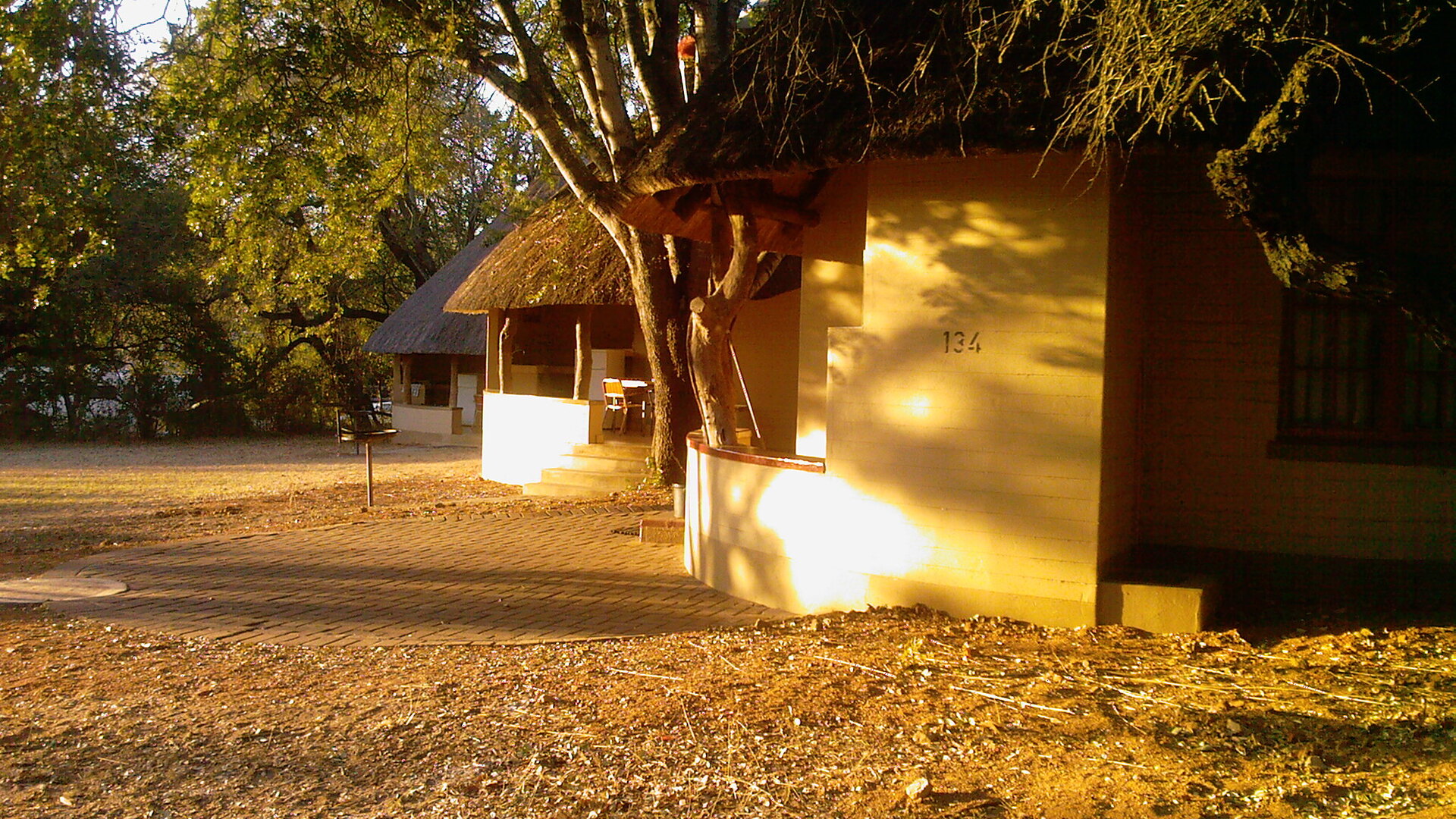
A rest camp in the Kruger National Park
Gate-closing light — back at camp before the day ends

When to Go & What It Costs

The dry winter, May to September, is the easiest season to self-drive the Kruger: the bush is thin and brown, water is scarce so game gathers along the rivers, mornings are crisp and clear, and there are no mosquitoes to speak of. The green summer is lush and superb for birding and newborn game, but the tall grass hides the wildlife and afternoon storms are common.

Costs are modest by safari standards. Park conservation fees, a rest-camp chalet and a hire car are the main outlays, and our supported Kruger self-drive journeys start from around $2,950 per person sharing including the vehicle, all camps, park fees, route planning and 24/7 support. It is one of the best-value wildlife holidays in the world.

Plan Your Kruger Self-Drive With Beyond Africa

We are a Cape Town-based, tailor-made safari house, and the Kruger self-drive is a trip we love to build. We secure the best rest-camp units before they vanish, arrange the right hire car, plan a route that puts you on the finest roads at the finest hours, and stay a phone call away throughout. You get all the freedom of driving yourself, with none of the booking scramble or the worry.

Ready to take the wheel in the Kruger? 👉 Request a Kruger self-drive quote → 👉 Browse our self-drive safari packages → 👉 WhatsApp us: +27 74 315 5782


South Africa's Great Beginner's Self-Drive

Tarred roads, well-signed camps and the Big Five reachable in an ordinary hire car — the Kruger is where the self-drive safari was perfected.

This is the complete how-to guide to a self-drive safari in the Kruger: the routes that deliver the best sightings, the rest camps to book, gate times, whether you need a 4x4, and how we support the whole trip.

Frequently Asked Questions

Yes. An ordinary sedan handles the great majority of the Kruger — the park has a network of tarred roads and well-graded gravel loops that reach almost every sighting. Only a few minor tracks reward higher clearance, and none require a 4x4. A slightly higher car simply gives a better view over the grass. It is the single best reason the Kruger is the ideal first self-drive safari.

The classics are all in the game-rich south. The tarred H4-1 along the Sabie River between Skukuza and Lower Sabie is prime leopard country; the H1-2 and H1-3 north of Skukuza cross lion territory with regular cheetah and wild dog; and the open plains around Tshokwane, on the S28 and H10, are the park's best cheetah country. The S100 loop near Satara is famous for big cats. Drive them slowly at dawn.

Skukuza, the largest camp, is ideally placed for the southern routes and has every facility. Lower Sabie, right on the river, is many self-drivers' favourite for its game-rich outlook. Satara, the 'cat camp' in the central grasslands, is best for lion and cheetah and the famous S100. Book any of them through SANParks, and grab the river-view units early — they sell out first.

Gates open at dawn and close at dusk, with exact times that change by month — roughly 05:30 to 18:30 in summer and 06:00 to 17:30 in winter. You must be back inside your camp before the gate closes or you face a fine, so every drive is planned around the times, which are posted daily at each gate. This is the one Kruger rule you can never bend.

The dry winter, May to September, is easiest: the bush is thin so animals are easy to spot, water is scarce so game concentrates along the rivers you are driving, mornings are crisp and clear, and mosquitoes are minimal. The green summer (October to April) is lush and superb for birding and newborn game, but tall grass hides wildlife and afternoon thunderstorms are common.

It is one of the best-value wildlife holidays anywhere. The main costs are park conservation fees, a rest-camp chalet and a hire car. Our fully-supported Kruger self-drive journeys start from around $2,950 per person sharing, including the vehicle, all rest-camp accommodation, park fees, route planning and 24/7 support. International flights are excluded, and we tailor the trip to your budget and dates.

Make It Happen

Safari Packages

Ready to experience it yourself?

Let our local experts craft a private journey around the places you just read about.

Explore ToursPlan My Trip
Curated For You

You May Also Like

A lone camelthorn tree on the red dunes of the Kgalagadi Transfrontier ParkSafari

Kgalagadi Self-Drive Safari 2026: Red Dunes, Black-Maned Lions & the Complete Guide

Straddling the South Africa–Botswana border, the Kgalagadi Transfrontier Park is the great desert self-drive — red Kalahari dunes, fossil riverbeds and some of the most photogenic predators on the continent. The South African side is refreshingly accessible: the roads between Twee Rivieren, Nossob and Mata Mata are graded gravel a normal car can manage, and a string of tiny unfenced wilderness camps puts you deep in the dunes. Drive the Auob and Nossob riverbeds at dawn for the famous black-maned lions, cheetah on the dune crests and huge herds of oryx and springbok against the red sand. This is the complete 2026 Kgalagadi self-drive guide: the best routes, the rest camps and wilderness camps to book, whether you need a 4x4, what it costs, and the fully-supported self-drive packages we plan from Cape Town.

27 Jul 2026 · 16 min read
The ruined-castle clubhouse of the Lost City Golf Course at Sun City, South AfricaSafari

Golf and Safari South Africa 2026: The Complete Guide to the World's Greatest Golf-and-Safari Trip

Nowhere on Earth does golf and safari like South Africa. In a single week you can tee off at Leopard Creek — a Gary Player masterpiece on the banks of the Crocodile River, sharing a fence with the Kruger — then move into the Sabi Sand for the best leopard viewing on the planet. You can play the crocodile-guarded Lost City course at Sun City, the number-one-ranked Links at Fancourt on the Garden Route, or Jack Nicklaus's Pearl Valley among the Cape Winelands vineyards, and pair every one with lion, elephant, rhino and buffalo. This is the definitive 2026 golf-and-safari guide to South Africa: the best golf-and-safari destinations, the courses that make them special, how the safari half works, when to go, malaria-free options for families, and the tailor-made golf-safari packages we plan from Cape Town.

27 Jul 2026 · 17 min read
The 9th green and clubhouse at Leopard Creek Country Club on the banks of the Crocodile RiverSafari

Leopard Creek Golf Safari 2026: Play the Kruger's Greatest Course, Then the Big Five

Leopard Creek Country Club is, for many, the most extraordinary golf course on Earth. A Gary Player masterpiece laid out on the banks of the Crocodile River, it shares a fence with the Kruger National Park — hippo wallow below the greens, elephant and buffalo browse the far bank, and the par-five 18th runs right along the water. It is world-ranked, hosts the European Tour's Alfred Dunhill Championship every December, and is famously private, so access comes only through partner lodges. This is the complete guide to a Leopard Creek golf safari: how to play the course, where to stay (riverside at Buhala Lodge), how to pair it with the Sabi Sand's world-beating leopard viewing, when to go, and the tailor-made Leopard Creek golf-safari package we plan from Cape Town.

27 Jul 2026 · 14 min read
Simple, Personal, Expert-Led

How It Works

From first message to the trip of a lifetime — planning your safari with us is effortless.

  1. 1

    Share Your Dream

    Tell us who is travelling, your dates and what you long to see. One quick message is all it takes to begin.

  2. 2

    We Design It

    Your specialist crafts a private, tailor-made itinerary — the right camps, the right season, every detail considered.

  3. 3

    Refine Together

    We fine-tune the journey with you until every day feels perfect, then handle flights, transfers and permits.

  4. 4

    Travel With Confidence

    Set off knowing every detail is handled and a dedicated specialist is on call from your first game drive to home.

Your Journey Starts Here

Let Our Experts Craft Your Perfect Safari

Every itinerary is handcrafted by our team of local specialists who have spent 18+ years exploring Southern and East Africa. From Big Five game drives to gorilla trekking — we create journeys that stay with you forever.

Start PlanningChat with Us
Chat