Key Takeaways
- Namibia is the most beginner-friendly self-drive safari country in Africa — empty roads, faultless signage and almost no traffic.
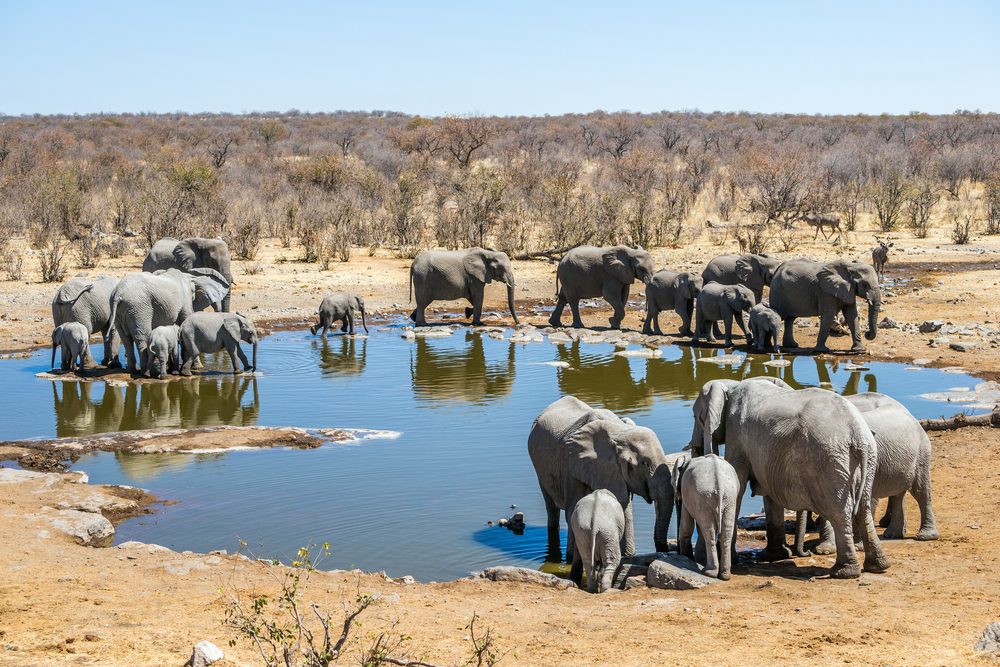
- Etosha National Park is the centrepiece: a huge salt pan ringed by waterholes where the game comes to you, based from Okaukuejo, Halali or Namutoni.
- In the dry season a 2x4 copes with the main roads, but a high-clearance 4x4 gives more range and confidence for the gravel.
- The classic loop pairs Etosha with the dunes of Sossusvlei and the desert wildlife of Damaraland over roughly two weeks.
- Book Etosha's rest camps — especially Okaukuejo's floodlit-waterhole chalets — 9–12 months ahead for the dry season.
Why Namibia Is the World's Best Self-Drive Safari Country
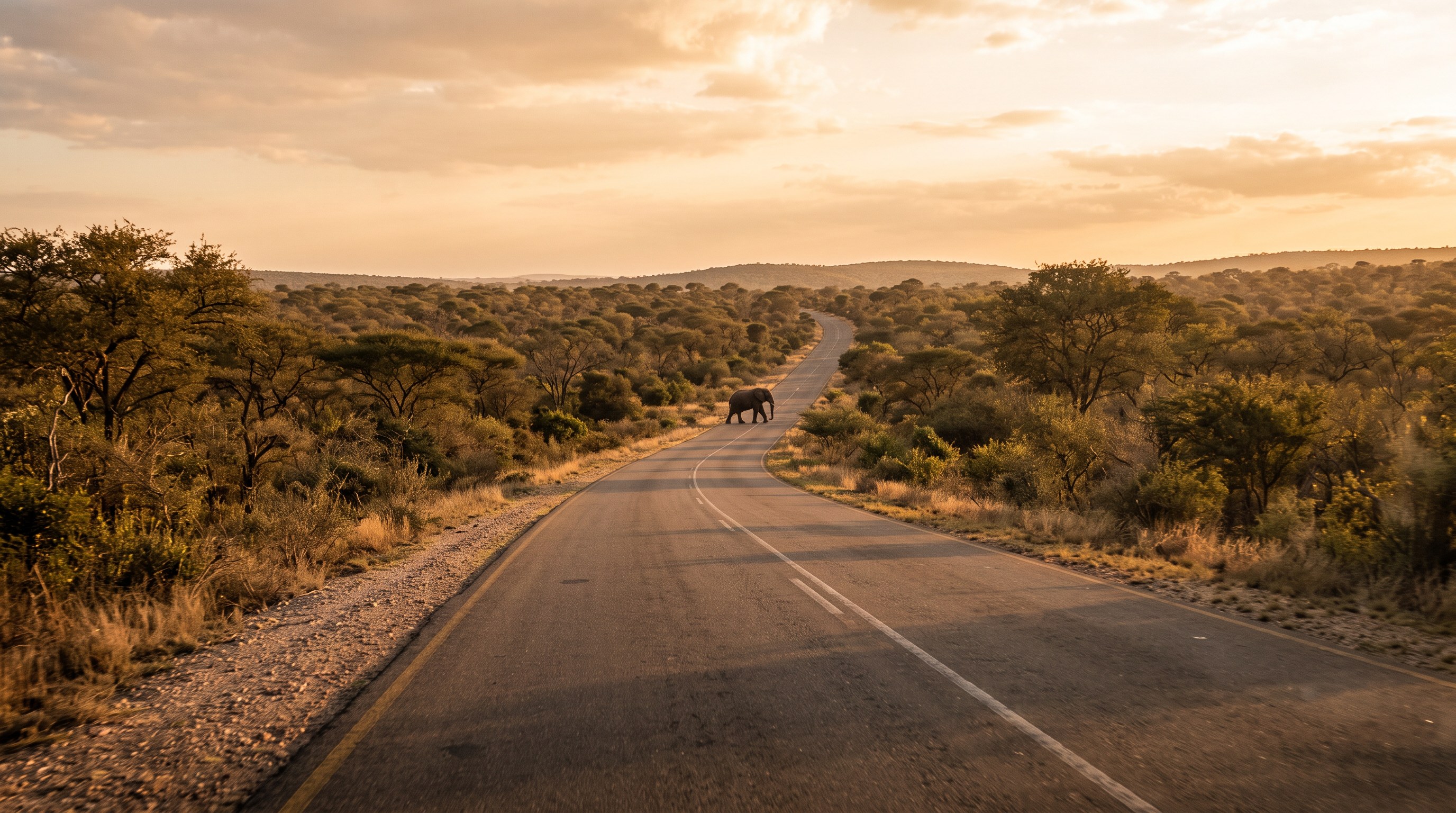
No country is easier to drive yourself around than Namibia. The roads are long, straight, empty and impeccably signed; the distances are vast but the traffic is almost non-existent; and the whole tourism infrastructure is built around the independent traveller in a hire vehicle. You can land in Windhoek, collect a car and set off on a two-week loop with total confidence, even on a first safari.
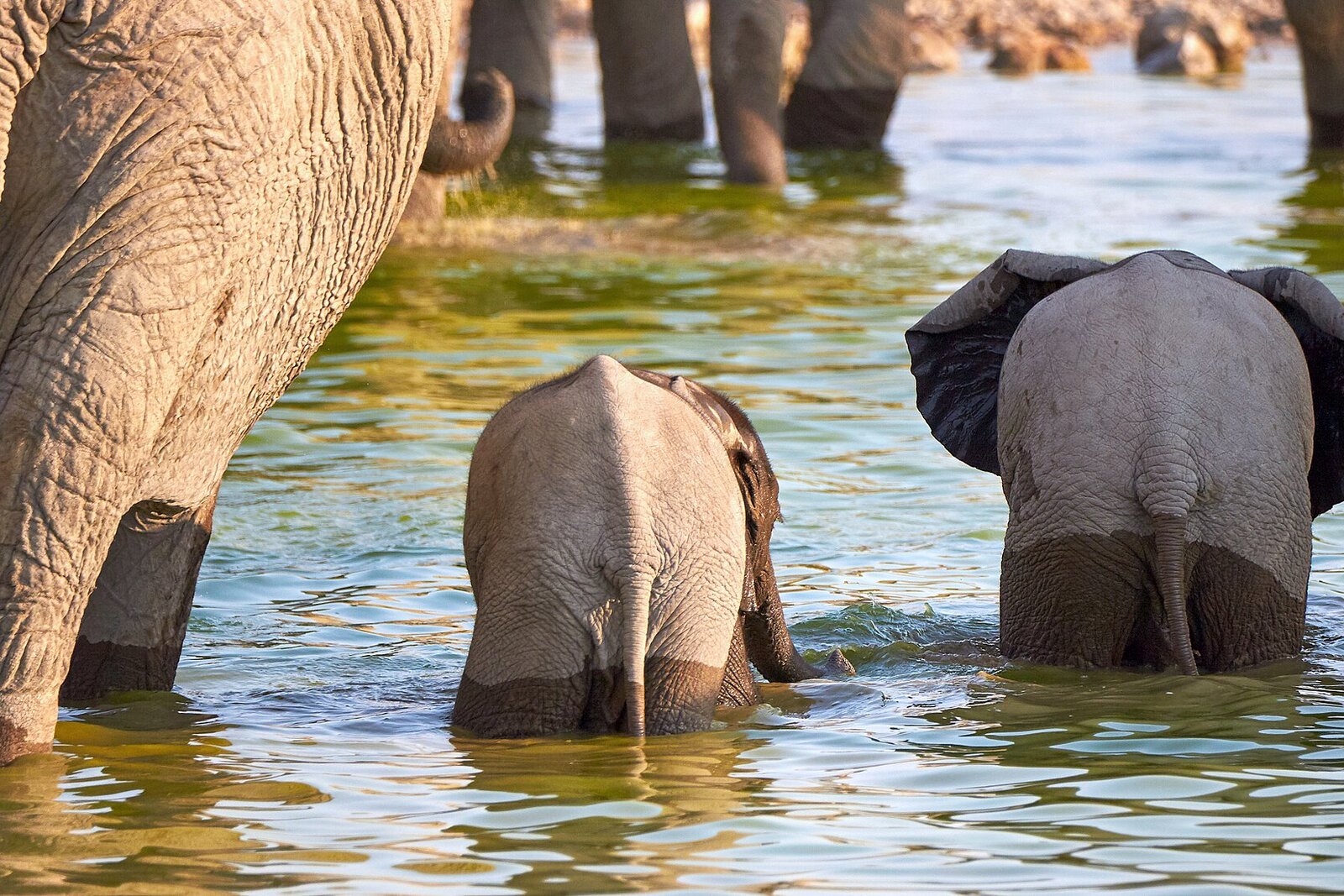
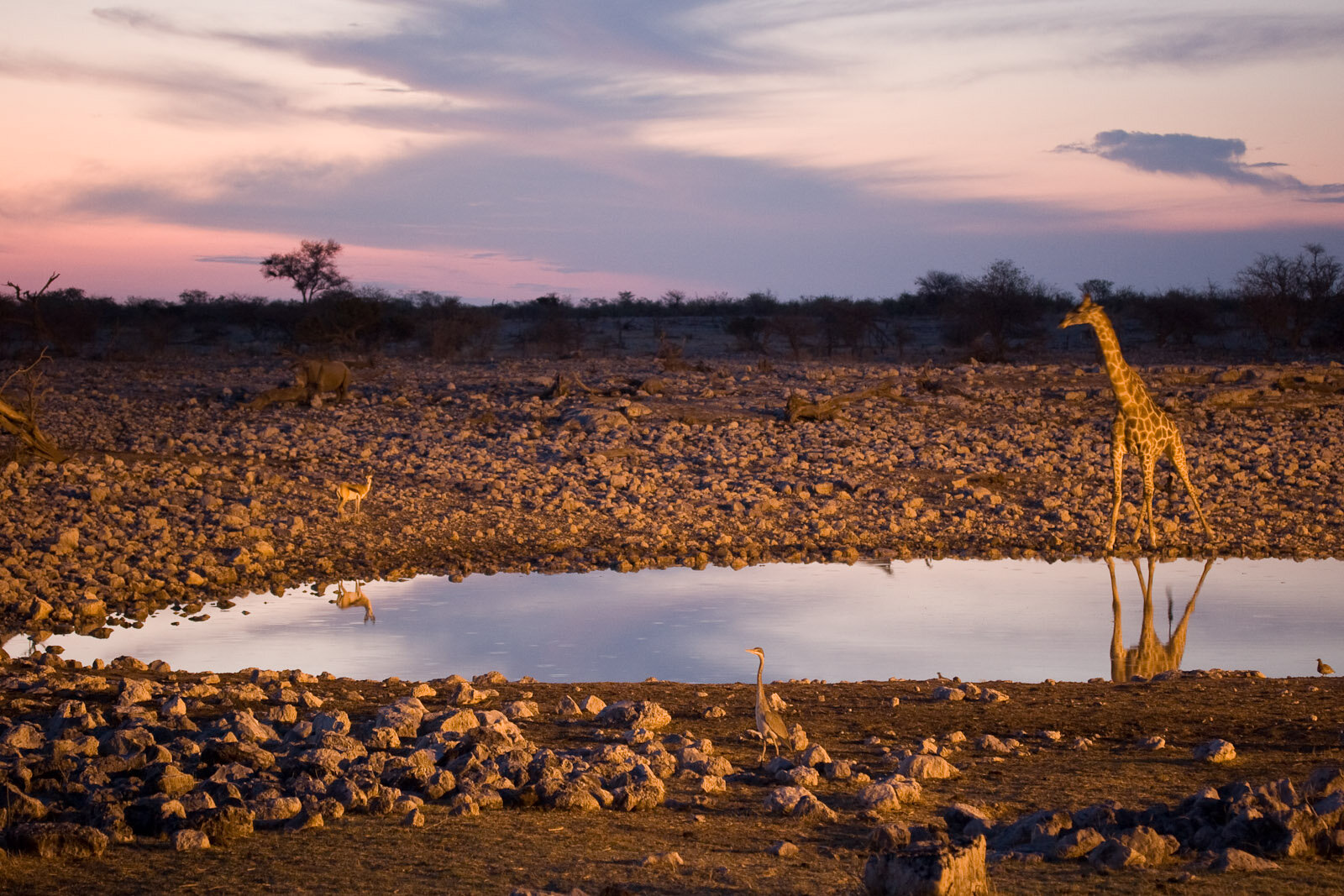
And the wildlife experience is unlike anywhere else. Etosha's game does not hide in thick bush — it gathers at waterholes around a shimmering salt pan you can see from space, so you simply drive from waterhole to waterhole and watch the animals come to drink. Add the world's highest dunes at Sossusvlei and the desert elephant and rhino of Damaraland, and Namibia delivers the most varied self-drive safari on the continent.
What makes Namibia the premier self-drive country:
- Empty, well-signed roads — long straight highways with barely any traffic and clear signage throughout.
- Waterhole game viewing — in Etosha the animals come to you, so sightings are easy and reliable.
- A whole self-drive itinerary — Etosha, Sossusvlei and Damaraland link into one seamless loop.
- Safe and stable — a settled, welcoming country ideal for an independent road trip.
Etosha National Park — the Heart of the Trip
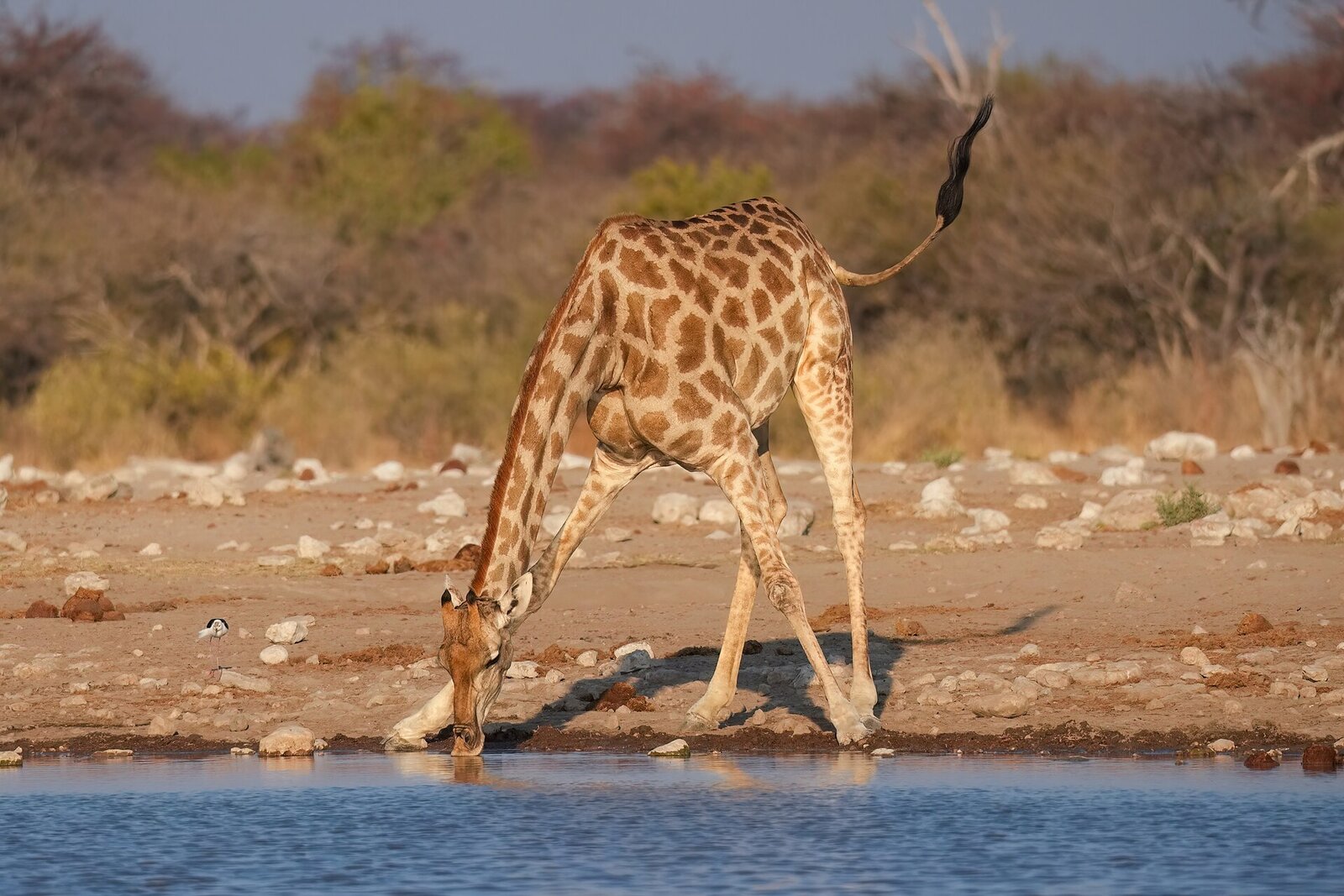
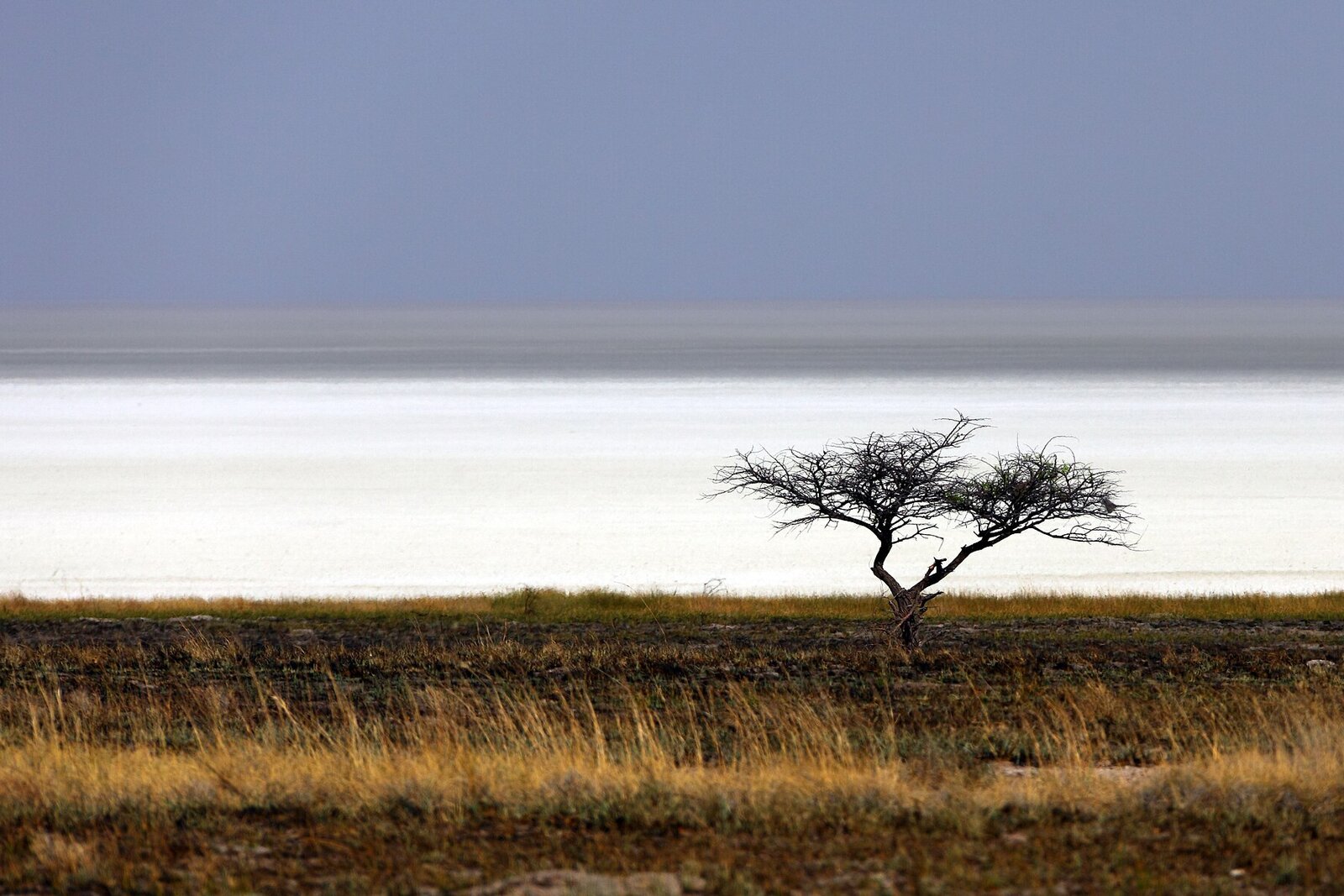
Etosha is the reason most self-drivers come to Namibia. The park is arranged around the great white Etosha Pan, and the game concentrates at a chain of waterholes along its southern and eastern edges. You drive between them by day and settle at a rest camp each night — several of which have their own floodlit waterholes you can watch after dark.
Most self-drivers enter at the Anderson Gate in the south and work their way east, exiting at the Von Lindequist Gate. The three main rest camps are the perfect string of bases:
- Okaukuejo — the famous one, with a floodlit waterhole that draws black rhino, elephant and lion after dark; its waterhole-view chalets are the most sought-after beds in the park.
- Halali — central, quieter and excellent value, with its own floodlit waterhole and a good position for the pan-edge roads.
- Namutoni — set around a historic white fort in the east, superb for birding and the Fischer's Pan loop.
The waterholes each have their own character, and half the fun is comparing notes with other self-drivers over the camp's sightings book. Okaukuejo's after-dark rhino vigil alone is worth the trip.
| Rest camp | Position | Best for |
|---|---|---|
| Okaukuejo | South (Anderson Gate) | Floodlit rhino & lion by night |
| Halali | Central | Value & a quiet waterhole |
| Namutoni | East (Von Lindequist Gate) | Birding & the fort |
The Classic Namibia Self-Drive Route
The great Namibian loop stitches the desert and the wildlife into one two-week road trip. A typical self-drive route runs:
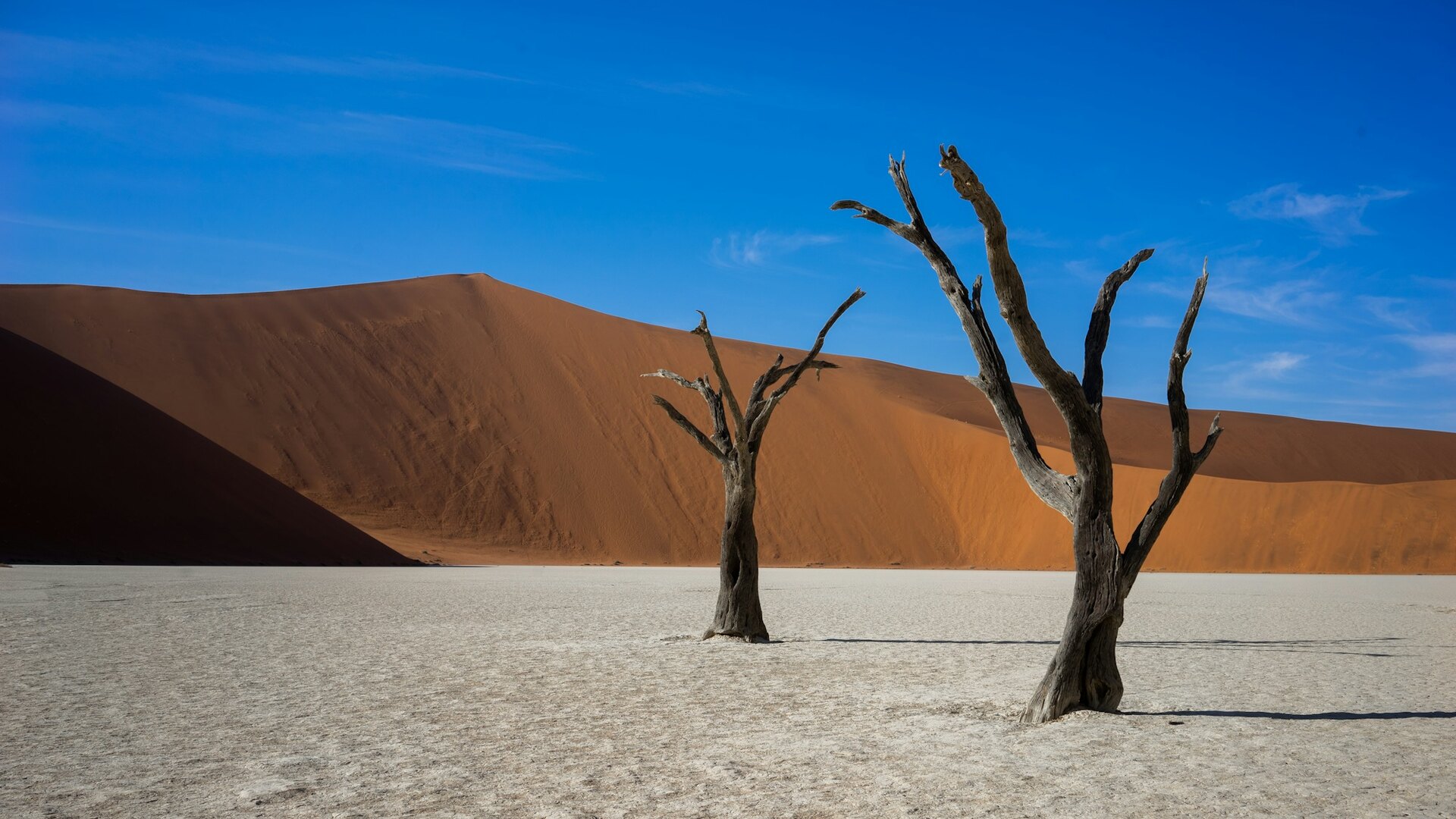
- Windhoek → Sossusvlei (2 nights) — the towering red dunes of the Namib, climbing Big Daddy and the ghostly camelthorns of Deadvlei at dawn.
- Sossusvlei → Swakopmund (2 nights) — the Atlantic coast, the eerie dunes-meet-ocean of the Skeleton Coast fringe and a chance to refuel and resupply.
- Swakopmund → Damaraland (2 nights) — desert-adapted elephant and rhino, ancient rock art at Twyfelfontein and dramatic red-rock scenery.
- Damaraland → Etosha (3–4 nights) — the wildlife finale, working east across the park from Okaukuejo to Namutoni.
- Etosha → Windhoek — the drive back, often with a night in the Waterberg on the way.
It is a big-distance trip, but the driving itself is a pleasure — that is the whole point of Namibia. We plan the nightly stops, the fuel strategy and the pace so the loop flows without a single long, tiring day.
Do You Need a 4x4 in Namibia?
In the dry season, a 2x4 sedan or a compact SUV copes with the main routes and all of Etosha. The trunk roads are tar, and the gravel roads to Sossusvlei, Swakopmund and the Etosha gates are well-graded. Many first-timers do the classic loop very happily in a 2x4.
That said, we usually recommend a high-clearance 4x4. It handles the corrugated gravel with far more comfort and safety, opens up the deeper tracks in Damaraland, lets you carry extra fuel and water, and — crucially — gives you the confidence to explore. If you want to add remote areas like Kaokoland or the Van Zyl's Pass, a fully-equipped 4x4 with recovery gear becomes essential. We match the vehicle to your exact route and comfort level.
When to Go & What It Costs
The dry season, May to October, is prime for Etosha: surface water vanishes, so game piles up at the waterholes you are driving to, and the sparse vegetation makes every sighting easy. The winter nights are cold but the days are clear and mild. The green season (November to April) brings dramatic desert skies, newborn springbok and superb birding, but the game disperses as temporary pans fill, and the heat builds.
Namibia is excellent value for a self-drive safari. Our supported Namibia self-drive journeys start from around $3,450 per person sharing, including the vehicle, all accommodation from Etosha rest camps to desert lodges, park fees, a detailed route pack and 24/7 support. International flights are excluded, and we tailor every loop to your budget and dates.
Plan Your Namibia Self-Drive With Beyond Africa
We are a Cape Town-based, tailor-made safari house, and the Namibia self-drive loop is one of the great trips we build. We secure Etosha's best rest-camp chalets before they vanish — Okaukuejo's waterhole units go a year out — arrange the right vehicle, plan the fuel and the nightly stops so the distances never bite, and stay a phone call away throughout. You drive the open road; we hold everything else together.
Ready to drive the world's best self-drive safari country? 👉 Request a Namibia self-drive quote → 👉 Browse our self-drive safari packages → 👉 WhatsApp us: +27 78 471 4852