Key Takeaways
- A Namibia-to-Botswana self-drive is the ultimate desert-to-delta road trip — you drive from the Namib's dunes to the Okavango's channels in a single, unbroken journey.
- Namibia's half is the world's easiest self-drive (empty tar, faultless signage); Botswana's half is serious deep-sand 4x4 country — so a fully-kitted 4x4 is essential for the whole loop.
- The natural bridge between the two is the Caprivi (Zambezi) Strip, crossing at Mohembo/Ngoma or Mamuno/Trans-Kalahari depending on your route.
- To cross the border you need your passport, international driving permit, the rental company's cross-border permit letter and blue-book copy, a police clearance letter, cash for road/permit fees — and no fresh fruit, meat or dairy.
- The ideal window is the dry season, roughly May to October, when Etosha's waterholes and the Okavango's flood peak overlap — book remote Botswana campsites up to a year ahead.
Why Namibia to Botswana Is the Greatest Self-Drive Safari in Africa
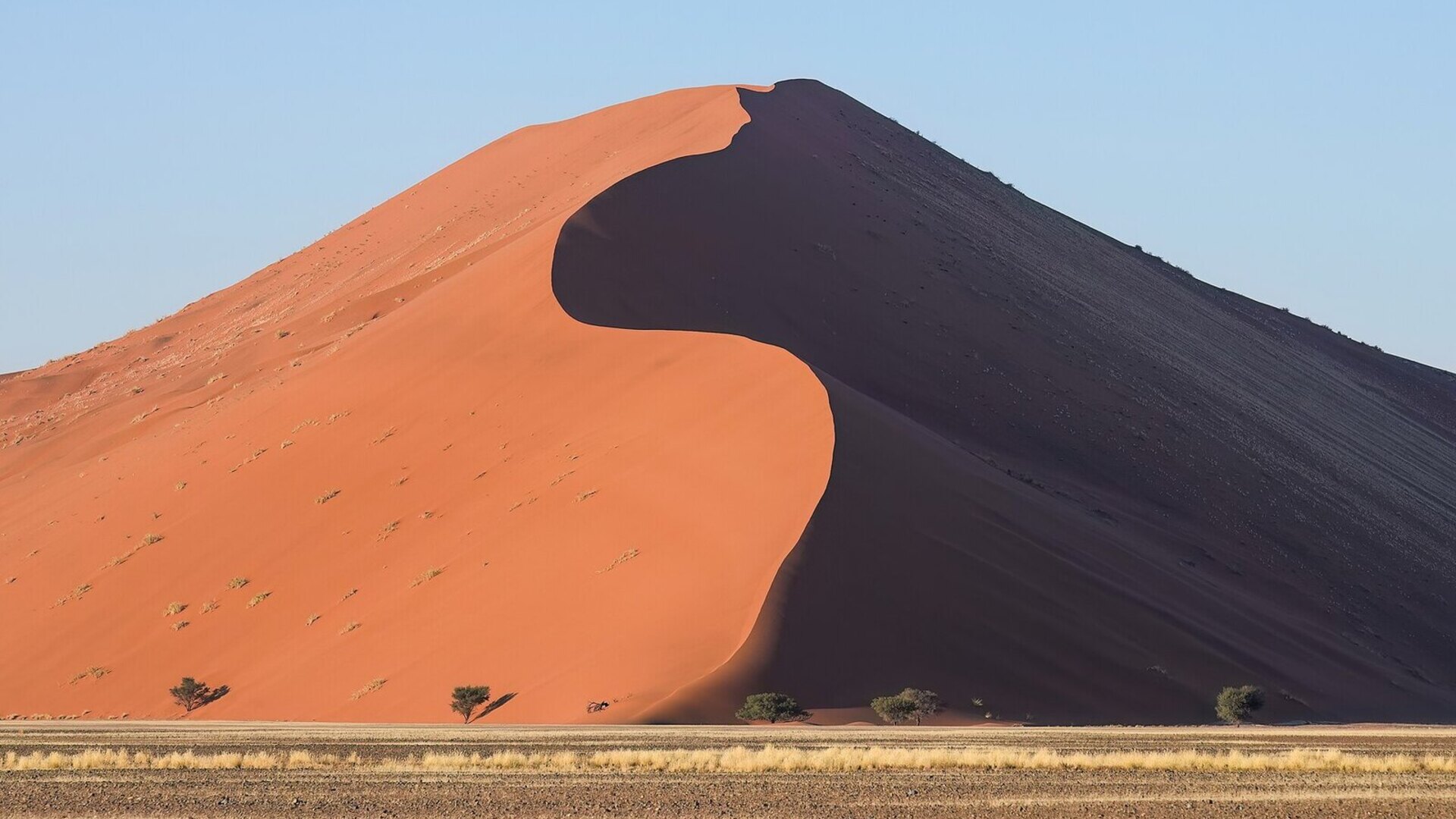
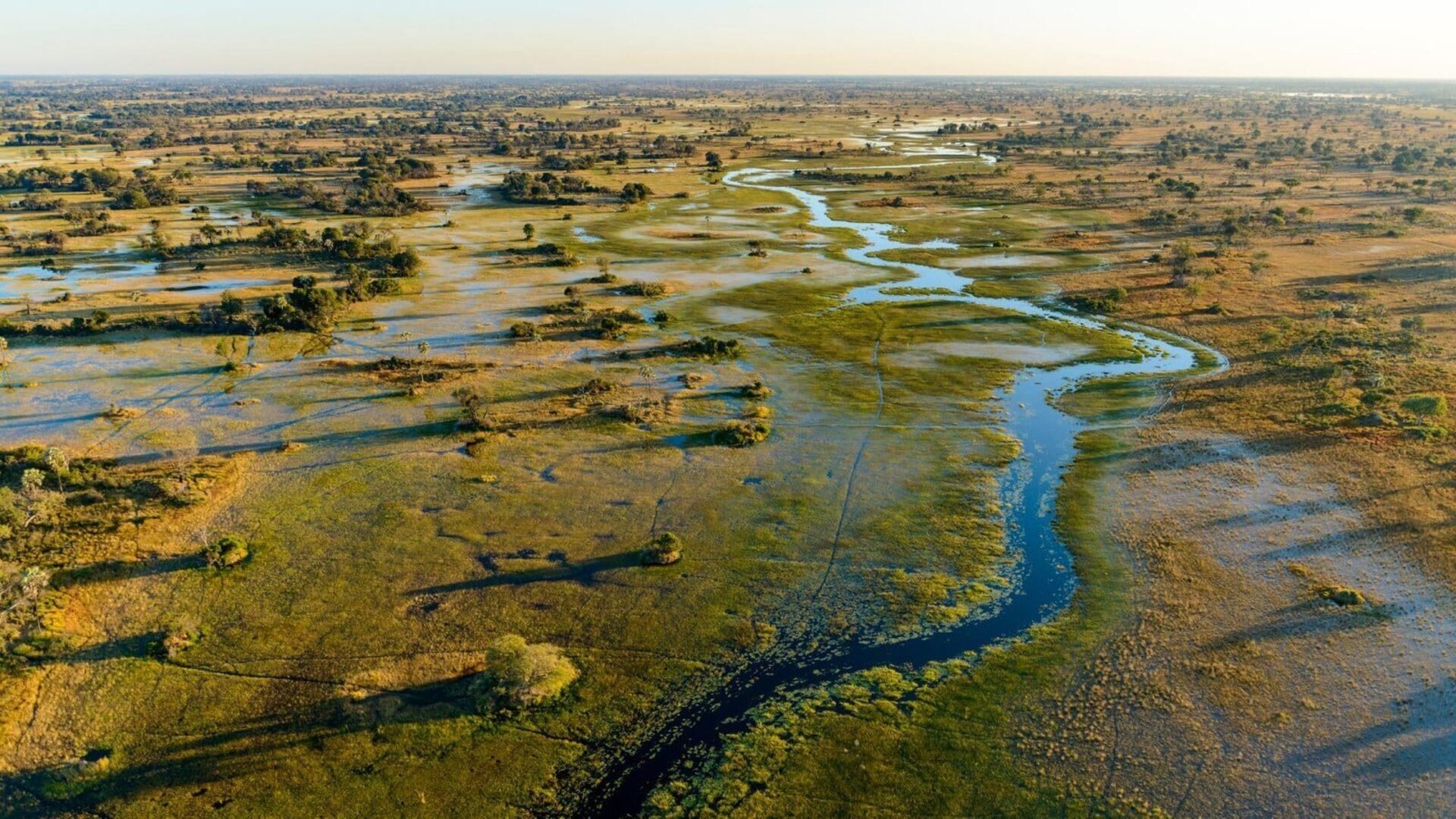
No single drive on the continent changes as completely, or as beautifully, as the road from Namibia into Botswana. You begin among the tallest sand dunes on Earth, in a country built for the independent traveller, and you end poling through the flooded channels of the world's largest inland delta. In between you cross deserts, a river-lined panhandle, elephant country and salt pans so vast they curve with the planet. It is two of Africa's greatest safari nations stitched into one journey — and you drive every kilometre of it yourself.
What makes it work so well is the contrast. Namibia is the gentle, confidence-building half: long empty tar, impeccable signage, easy waterhole game viewing at Etosha, and a whole tourism industry designed around the hire vehicle. By the time the roads turn to deep Kalahari sand in Botswana, you have found your rhythm — and you are ready for the wilder, more demanding driving that leads to Chobe's elephant herds and the Okavango Delta. This is not a trip you take instead of Namibia or instead of Botswana. It is the trip that gives you both, in the only way that truly connects them: overland, at your own wheel.
Why the desert-to-delta self-drive is unmatched:
- Two countries, one journey — you experience the full arc from the oldest desert on Earth to the greatest inland delta in the world without a single flight in between.
- The perfect learning curve — Namibia's easy roads build your confidence before Botswana's deep sand tests it.
- Every landscape Africa has — red dunes, Atlantic coast, desert mountains, salt pans, waterholes, a river panhandle, floodplains and delta channels, all on one route.
- The ultimate wildlife range — Etosha's pan-edge game, Damaraland's desert-adapted elephant and rhino, Chobe's legendary elephant herds and the predators of Moremi.
- Total freedom — you set the pace, choose the waterholes, and stop where the light and the animals tell you to.
The Full Namibia-to-Botswana Route, Stage by Stage
The classic desert-to-delta self-drive runs west to east, starting in Windhoek and finishing in the Okavango — most travellers then loop out via Victoria Falls or fly home from Maun or Kasane. It is a big journey of roughly 2,500–3,000 km over 16 to 24 days, but every stage is a highlight in its own right. Here is the route as we build it:
- Windhoek → Sossusvlei (2 nights) — collect the 4x4 in Namibia's calm capital and drive south into the Namib. Climb Big Daddy at dawn and walk out to the ghostly camelthorns of Deadvlei on the white clay pan beneath the red dunes.
- Sossusvlei → Swakopmund (2 nights) — descend to the Atlantic where the dunes meet the cold ocean. Resupply, refuel, and catch your breath in this quirky coastal town before the long push north.
- Swakopmund → Damaraland (2 nights) — into dramatic red-rock country for desert-adapted elephant, black rhino tracking and the ancient rock engravings of Twyfelfontein.
- Damaraland → Etosha (3 nights) — the Namibian wildlife finale, working east across the great salt pan from Okaukuejo to Halali to Namutoni, watching the game come to the waterholes.
- Etosha → Rundu / the Caprivi (2 nights) — turn east onto the Golden Highway and follow the Okavango River along the Caprivi (Zambezi) Strip, a green, water-lined corridor utterly unlike the desert behind you.
- Caprivi → the Botswana border (1–2 nights) — riverside camps on the Kwando and Chobe rivers, then the crossing itself at Ngoma or Mohembo.
- Border → Chobe National Park (2 nights) — into Botswana and the elephant capital of Africa, based from Kasane with river cruises and the Savuti sand tracks.
- Chobe → Moremi & the Okavango Delta (3 nights) — deep-sand driving into Moremi Game Reserve and the Delta's channels, the wild heart of the whole trip.
- Delta → Maun (finish) — or on to the Makgadikgadi salt pans and Victoria Falls — end at Maun's gateway airport, or extend to the shimmering Makgadikgadi Pans and the thunder of Victoria Falls.
The beauty of the route is its logic: it never doubles back, the landscapes escalate, and the driving difficulty rises exactly as your confidence does. We plan the nightly stops, the fuel strategy and the pace so that even the longest transfer day never bites.
| Stage | Nights | The highlight |
|---|---|---|
| Sossusvlei | 2 | Deadvlei & the red dunes at dawn |
| Swakopmund | 2 | Where the dunes meet the Atlantic |
| Damaraland | 2 | Desert elephant & Twyfelfontein rock art |
| Etosha | 3 | Waterhole game across the salt pan |
| Caprivi Strip | 3 | River camps & the green corridor east |
| Chobe | 2 | The largest elephant herds in Africa |
| Moremi & Okavango | 3 | Deep-sand tracks into the Delta |
The Namibian Half — Building Confidence on the World's Easiest Safari Roads
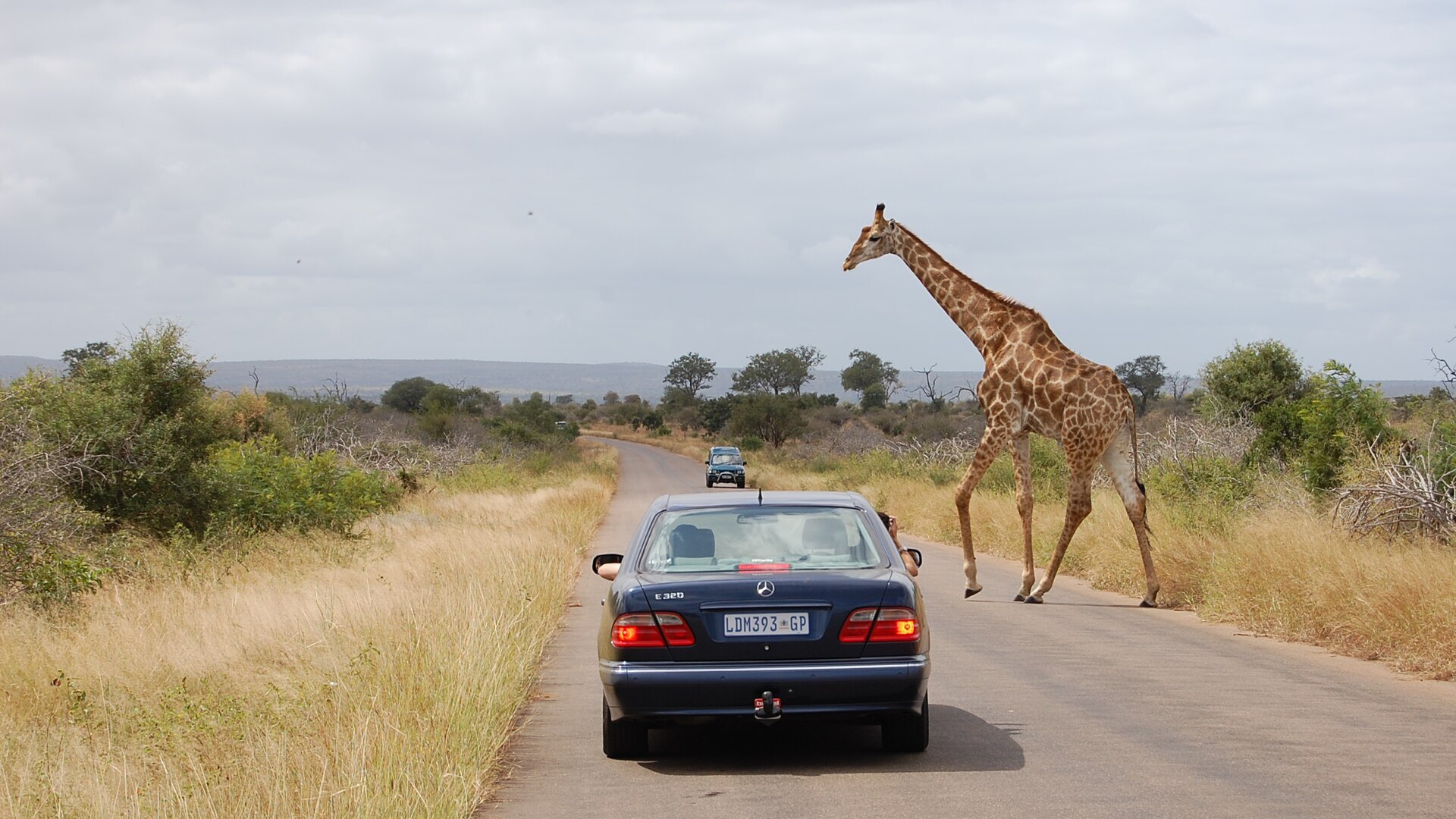
The first two-thirds of this journey unfold in the country widely regarded as the best place on Earth to drive yourself on safari. Namibia's trunk roads are long, straight and empty; the gravel is well-graded; the signage is faultless; and the traffic is almost non-existent. You can land in Windhoek having never driven in Africa and, within a day, feel completely at home behind the wheel.
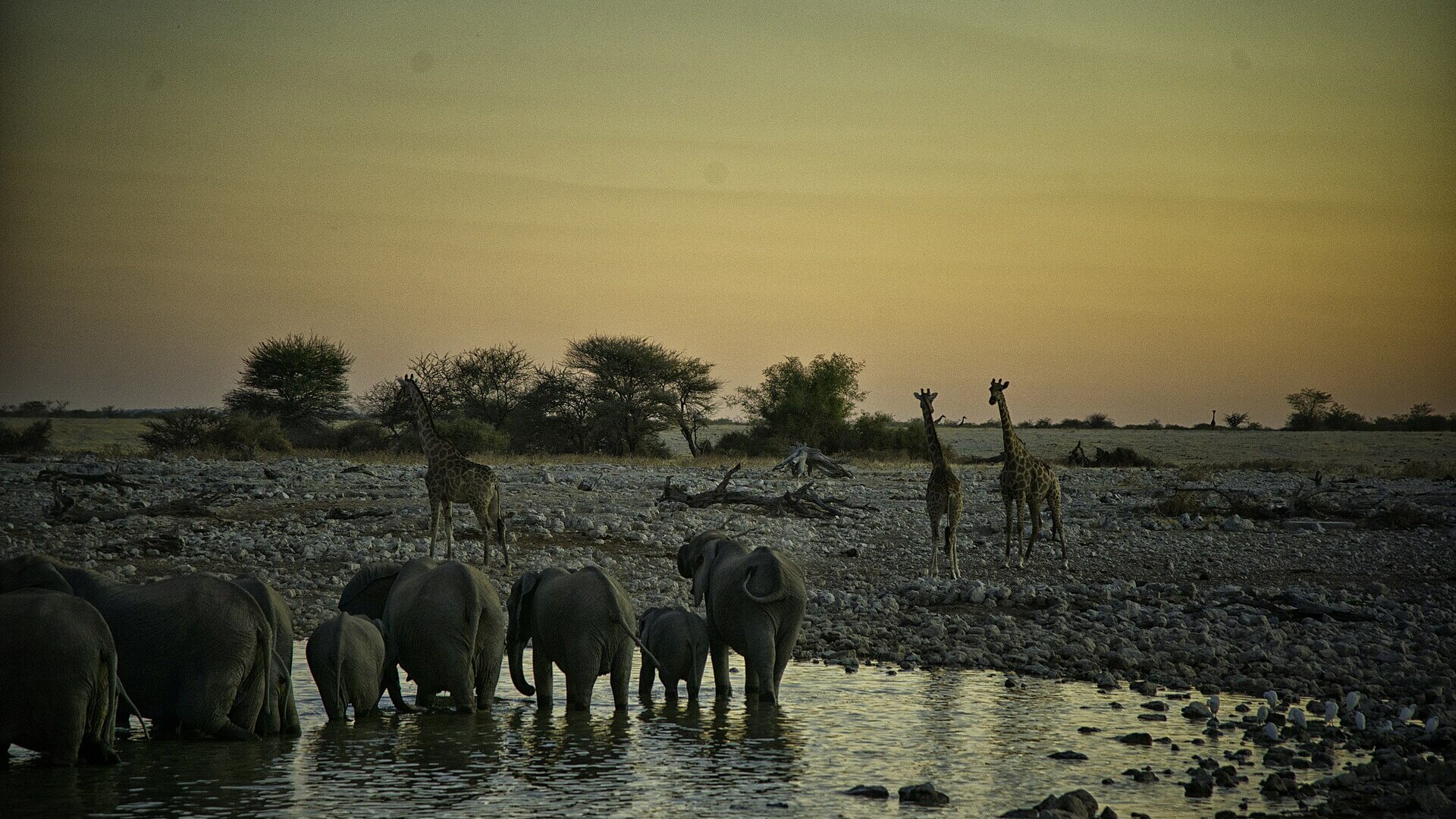
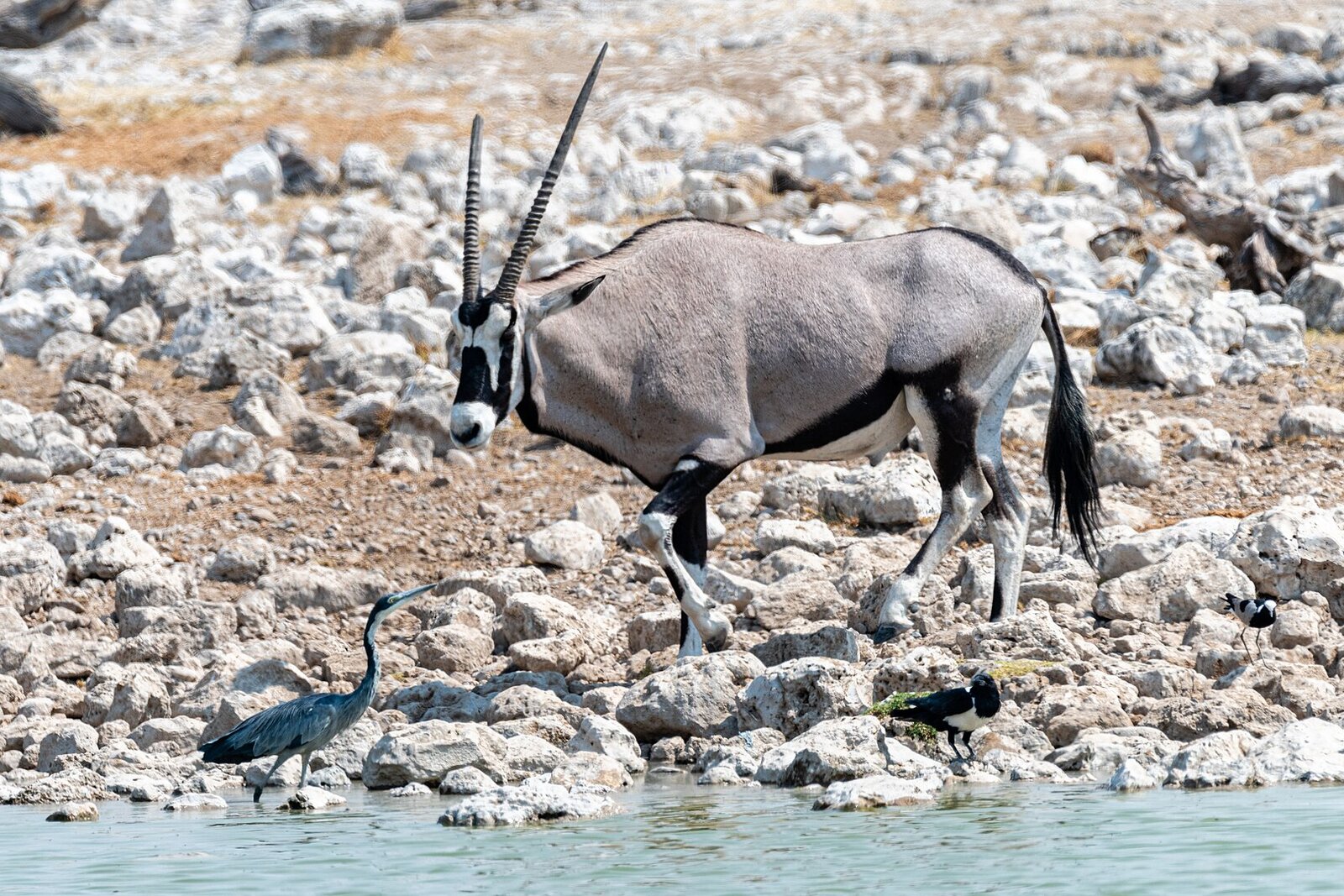
The wildlife is just as forgiving. Etosha National Park is arranged around a vast white salt pan, and the game concentrates at a chain of waterholes along its southern and eastern edges. You do not hunt for animals in thick bush — you drive from waterhole to waterhole and watch elephant, rhino, lion, giraffe, oryx and springbok come to drink. Several rest camps — Okaukuejo, Halali and Namutoni — have their own floodlit waterholes where the after-dark vigil for black rhino is one of the great sights in African travel.
Before Etosha, the route serves up the dunes of Sossusvlei, the coast at Swakopmund and the desert-adapted elephant and ancient rock art of Damaraland. By the time you turn east from Etosha toward the Caprivi, you have three landscapes and a week of driving behind you — and you are ready for what Botswana will ask.
The Caprivi Strip — the Bridge Between Desert and Delta
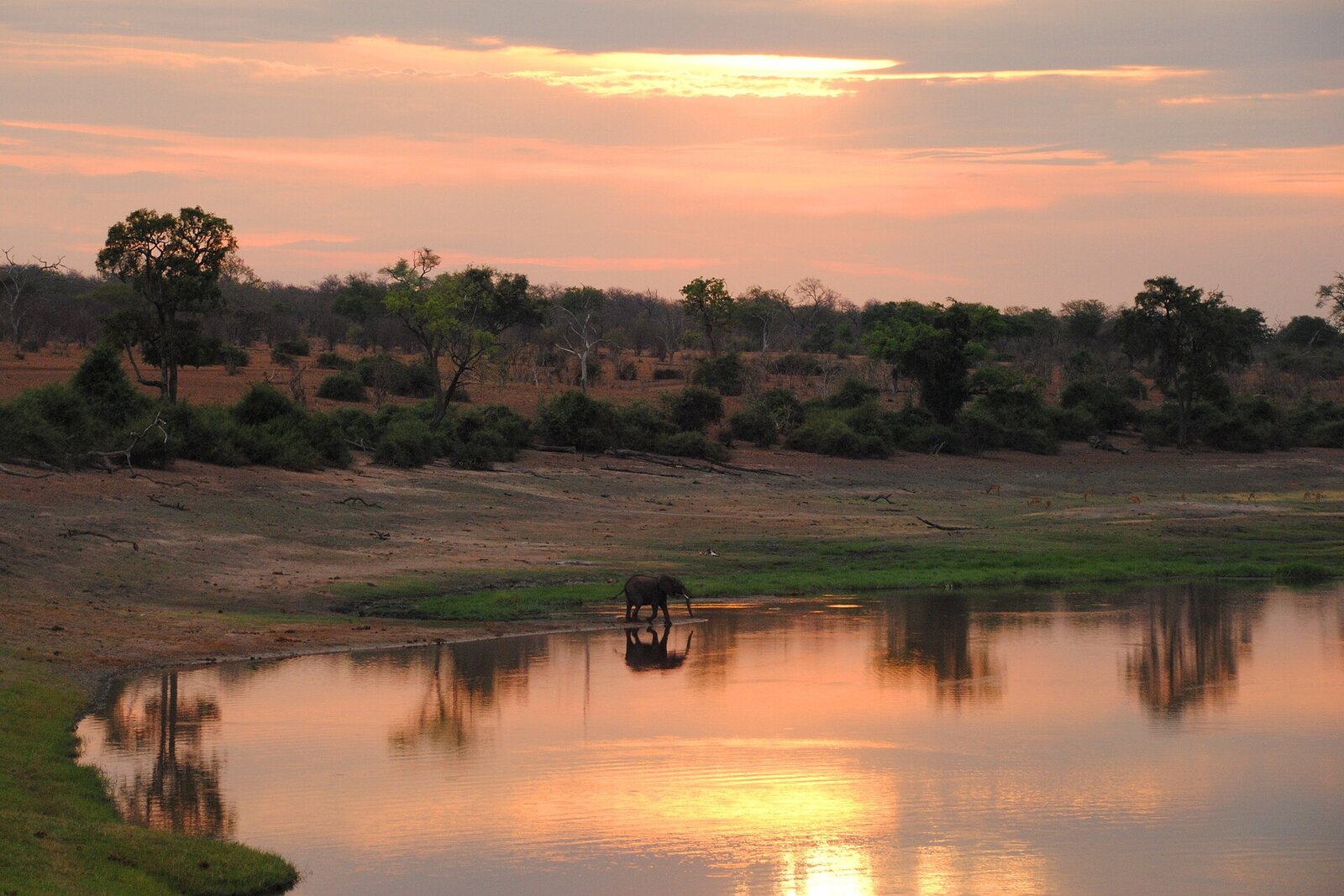
The Caprivi Strip — officially the Zambezi Region — is the narrow finger of Namibia that reaches east between Angola, Zambia, Zimbabwe and Botswana. For the self-driver it is the natural bridge between the two countries, and it is a revelation after the desert. Suddenly there is water everywhere: the Okavango, Kwando and Zambezi rivers braid the landscape, the vegetation turns lush and green, and the wildlife shifts to hippo, crocodile, buffalo, elephant and a birding paradise.
Riverside camps at Bwabwata, Mudumu and Nkasa Rupara national parks make superb final Namibian nights before the border. The Caprivi also gives you a gentle taste of what is coming: the river ecosystems here flow directly into the Okavango and Chobe systems you are about to enter. It is the moment the trip pivots — the desert is behind you, and the water world of Botswana lies just across the line.
Depending on your exact route, you leave Namibia and enter Botswana at one of two crossings:
- Mohembo (Namibia) → Mohembo (Botswana) — the western option via Divundu, dropping you toward the Okavango panhandle and the western Delta.
- Ngoma Bridge — the eastern option over the Chobe River, delivering you straight into Chobe National Park and Kasane.
Travellers coming via the Trans-Kalahari route rather than the Caprivi cross at Mamuno (Namibia) → Trans-Kalahari (Botswana) west of Gobabis — a good option if you are prioritising the central Kalahari over the far north.
Crossing the Border: Exactly What You Need
The border crossing is the one piece of this trip that intimidates first-timers — and it is genuinely straightforward when you arrive prepared. Botswana and Namibia are neighbours with an easy, well-trodden tourist crossing, but a self-driven, foreign-plated or rental vehicle needs the right paperwork. Here is precisely what to have ready, in a folder, before you reach the post:
| Document / item | Why you need it |
|---|---|
| Passport (valid 6+ months, 3+ blank pages) | Immigration stamp out and in ✓ |
| International Driving Permit + home licence | Required to drive legally in both countries ✓ |
| Cross-border permit letter from the rental company | Authorises the vehicle to leave Namibia ✓ |
| Vehicle registration (blue book) copy | Proof of the vehicle's ownership ✓ |
| Police clearance letter (for the vehicle) | Often requested at the post ✓ |
| Cash (Namibian & Botswana pula / rand / USD) | Road tax, permit & insurance fees are cash ✓ |
On entering Botswana you pay a modest set of fees: a road-safety levy, a vehicle permit and third-party insurance — all small, all in cash, and all handled at the post in a few minutes. You will also drive the vehicle's tyres through a small dip of disinfectant and step on a treated mat: this is the foot-and-mouth control that Botswana takes seriously.
Two rules that trip people up: first, you may not carry fresh fruit, vegetables, raw meat or dairy across the border — eat or dump it before the post, or it will be confiscated. Second, never drive at night on this route — livestock and wildlife on unfenced roads make it genuinely dangerous, and most border posts close in the early evening anyway. Plan every crossing for the morning so you reach camp in daylight.
The Botswana Half — Chobe, Moremi and the Okavango Delta
Cross into Botswana and the whole character of the drive changes. The immaculate Namibian tar is gone; ahead lie deep Kalahari sand tracks, water crossings and some of the most demanding — and rewarding — self-drive terrain in Africa. This is why the whole loop must be done in a proper 4x4.
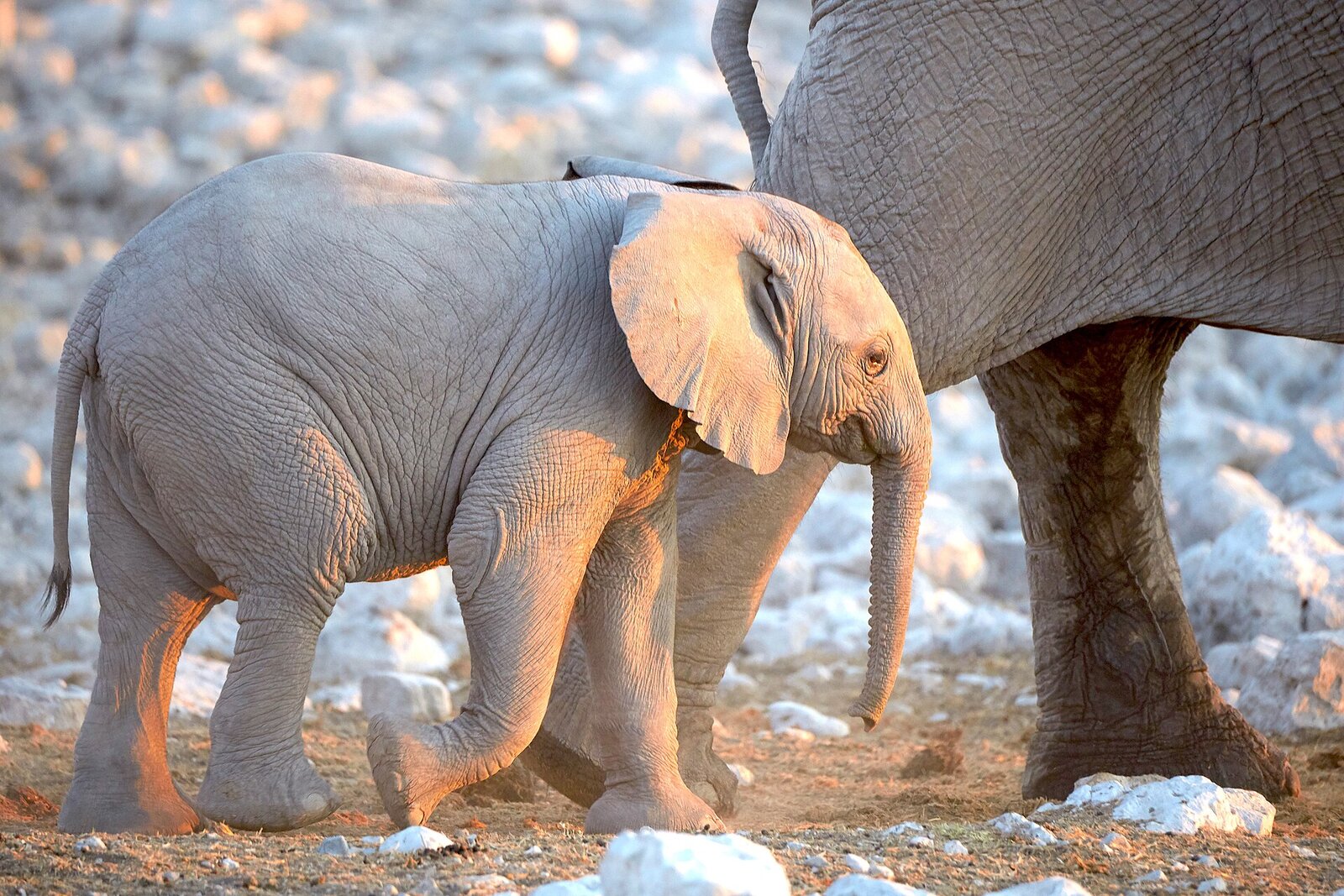
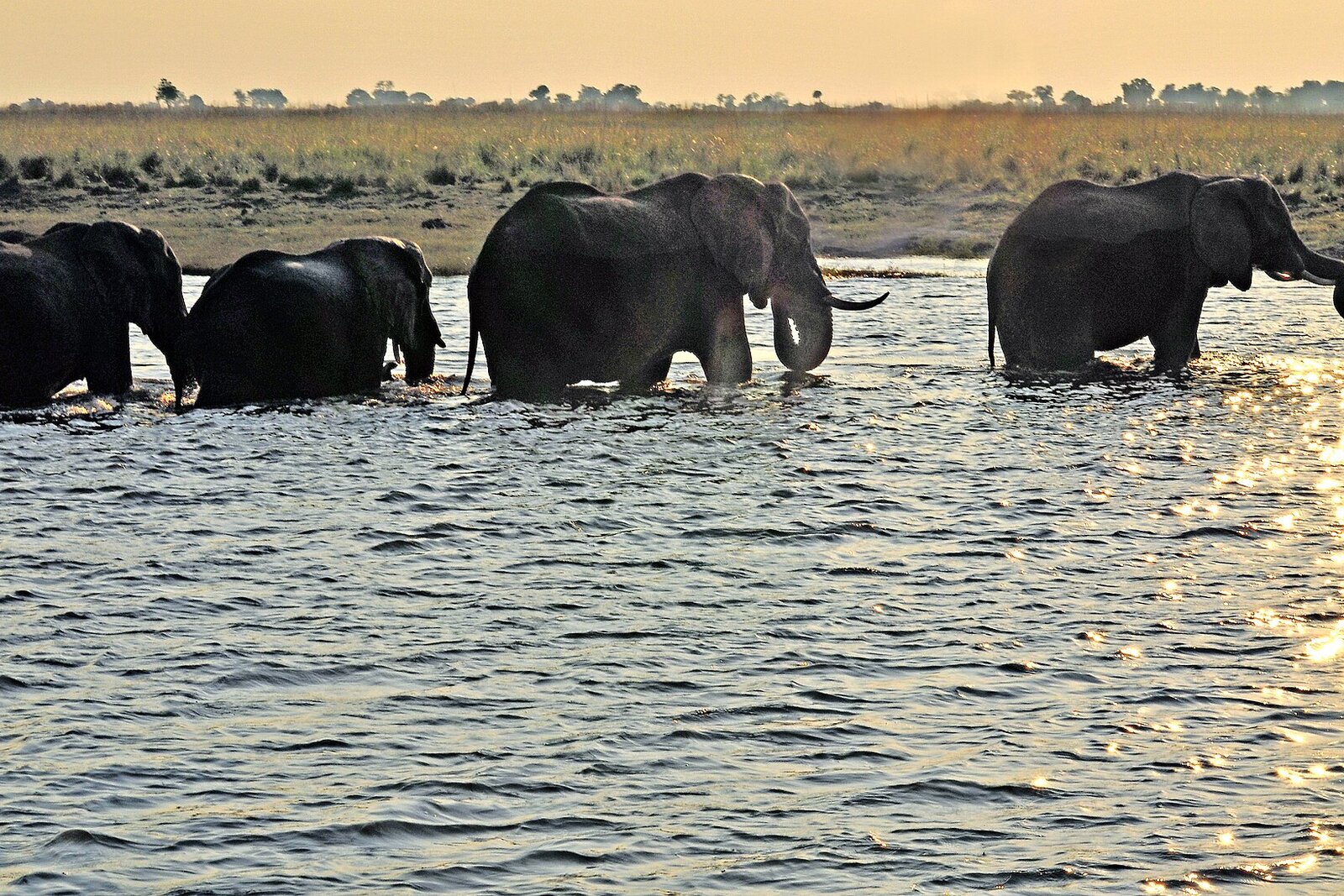
Your first reward is Chobe National Park, based from the riverside town of Kasane. Chobe holds the highest concentration of elephant on the continent — herds hundreds strong come down to the Chobe River at dusk, and a sundowner river cruise here is one of the great wildlife spectacles anywhere. Inland, the Savuti sector is legendary for its lions and its deep, soft sand.
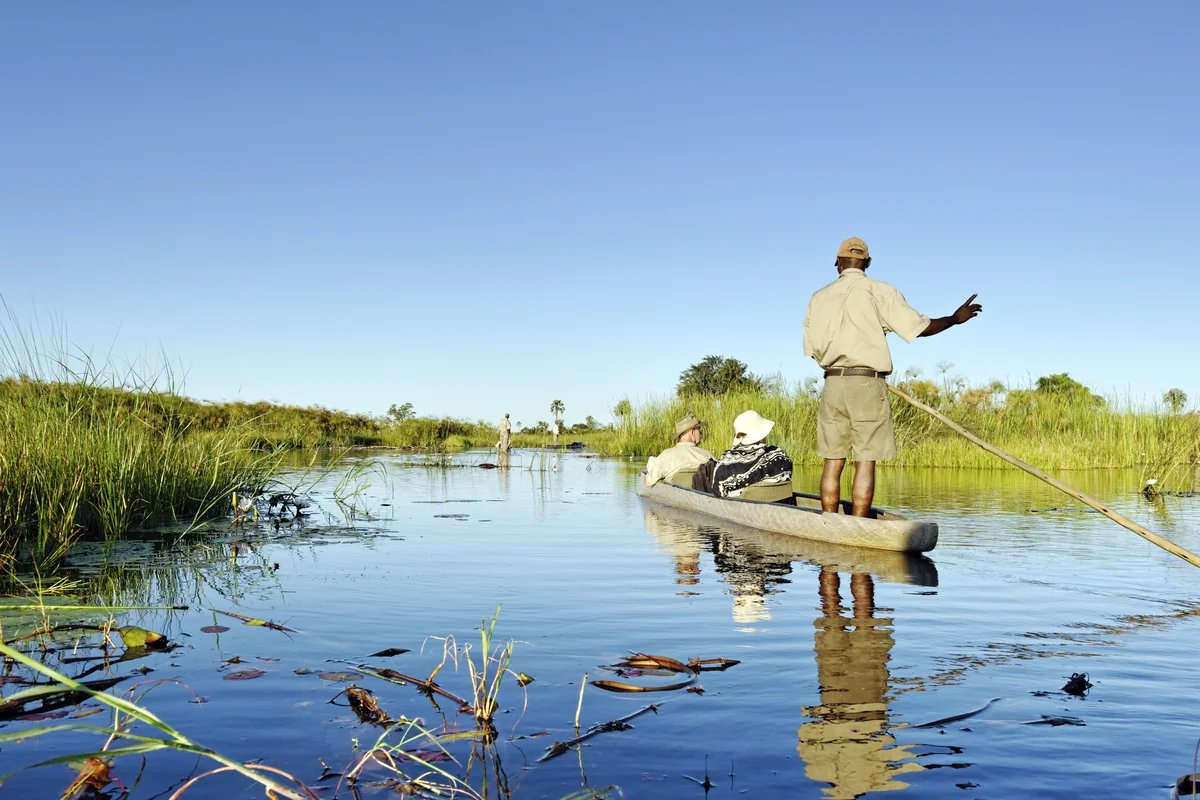
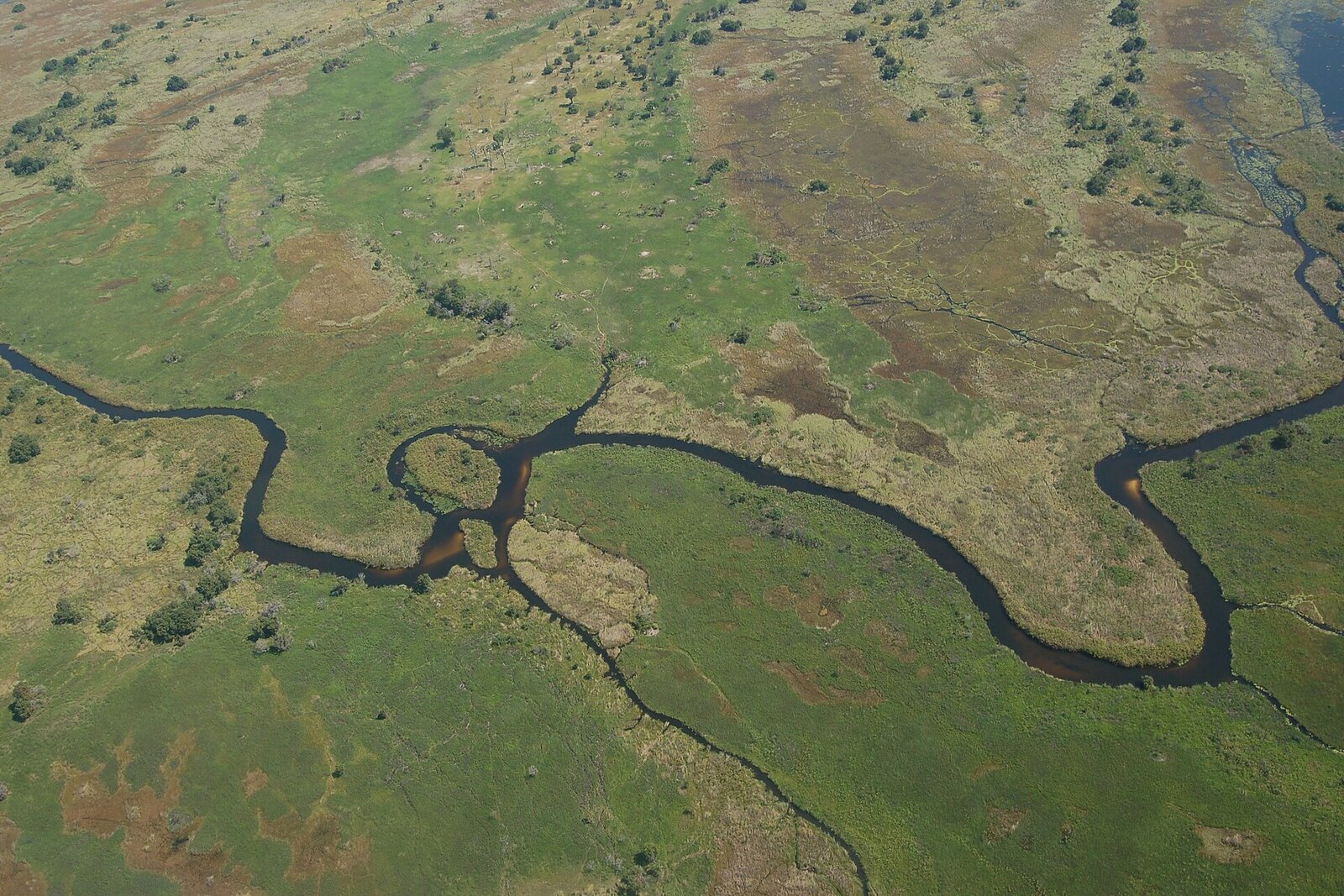
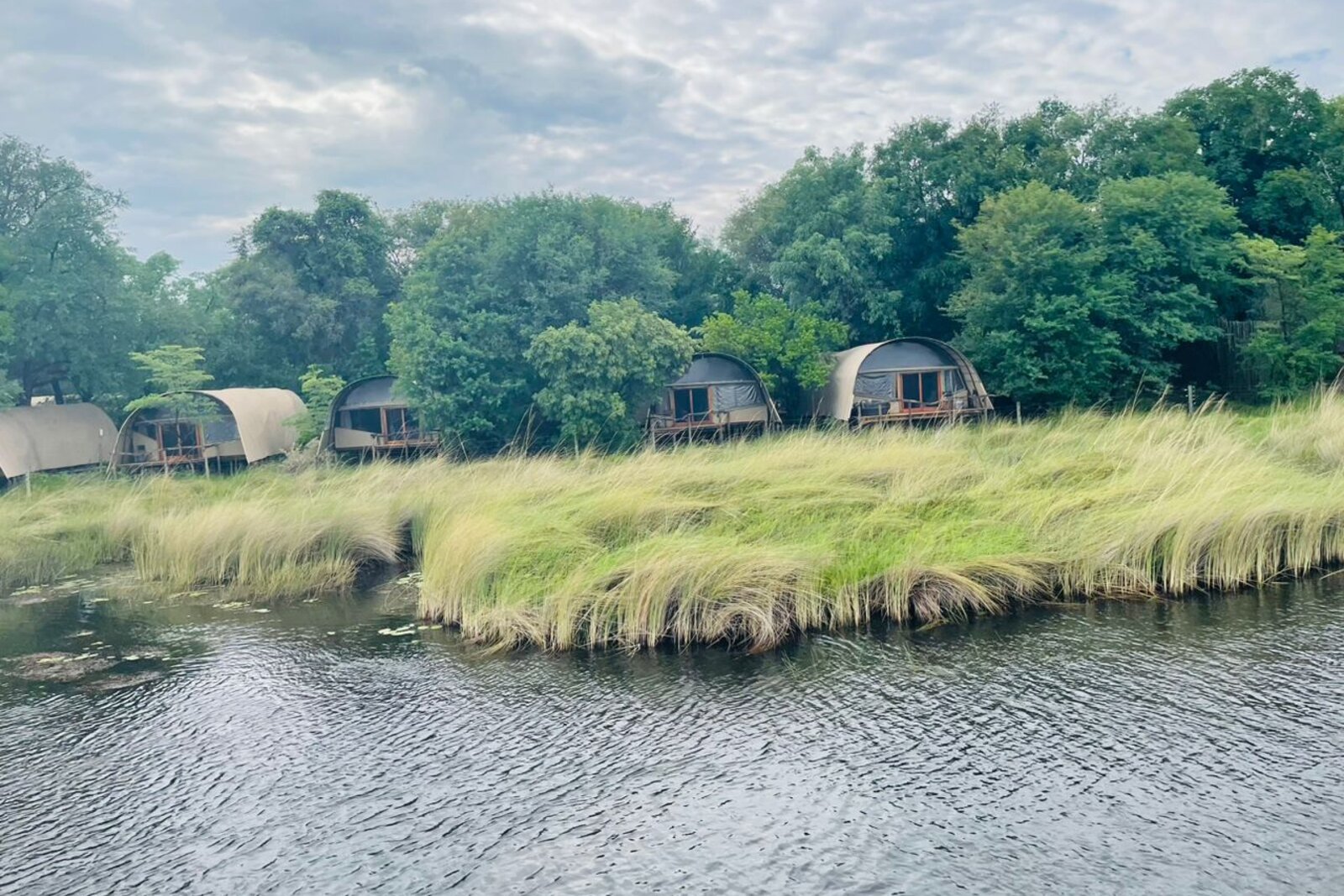
From Chobe you push south and west into Moremi Game Reserve and the eastern Okavango Delta — the wild heart of the trip. The Delta is the largest inland delta on Earth: a maze of channels, lagoons and palm islands where the Okavango River spills into the Kalahari and simply evaporates, never reaching the sea. Self-driving here is a true expedition — sand ridges, water crossings, no fuel and no shops for days — and it delivers leopard, wild dog, lion, buffalo, red lechwe and a birdlife beyond counting. Most self-drivers base at public campsites like Third Bridge, Xakanaxa and South Gate, and add a scenic flight or a mokoro (dugout canoe) trip to see the water world from above and within.
Finish at Maun, the Delta's frontier gateway, where you can hand back the vehicle and fly home — or extend the adventure to the surreal Makgadikgadi salt pans and the thunder of Victoria Falls, an easy add-on from Kasane.
Do You Need a 4x4? The Honest Answer
Yes — for the full Namibia-to-Botswana route, a fully-equipped 4x4 is essential. This is the single most important decision on the trip, and here is the honest breakdown:
- Namibia alone, in the dry season, can be done in a 2x4 — the tar and graded gravel cope fine, and many Etosha-only travellers do exactly that.
- Botswana is a different world. Chobe's Savuti, Moremi and the Delta are deep, soft Kalahari sand with water crossings, no cellphone signal and long stretches with no fuel or help. A 2x4 simply cannot do it, and getting stuck out there is dangerous, not just inconvenient.
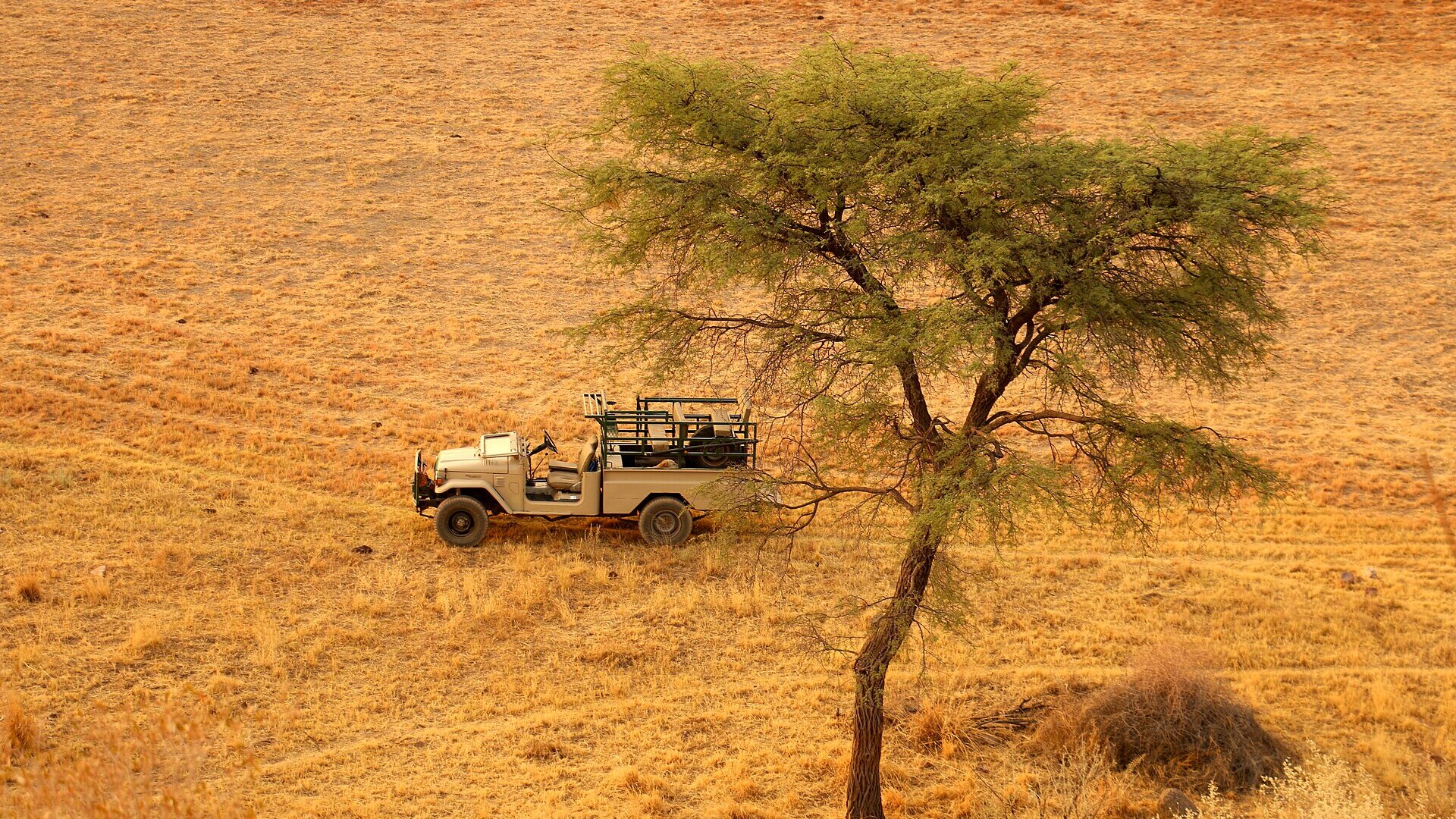
Because the route combines both, we equip the whole journey with a fully-kitted 4x4 — high clearance, dual battery, long-range fuel tanks, a rooftop tent or full camping kit, recovery gear (traction boards, a compressor, a proper jack), extra water and a satellite communicator for the areas with no signal. We also brief you on airing down tyres for sand, low-range technique and safe water crossings before you leave. You do not need to be an expert off-roader — but you do need the right vehicle and the right preparation, and that is exactly what we build into every desert-to-delta journey.
When to Go & What It Costs
The single best window for a combined Namibia-to-Botswana self-drive is the dry season, roughly May to October — and the timing works beautifully for both halves. In Namibia, surface water vanishes so Etosha's game piles up at the waterholes you are driving to. In Botswana, this is also when the Okavango's annual flood peaks (the water arrives from the Angolan highlands months after the rains), so the Delta is at its most magical and the deep-sand tracks are at their driest and most drivable.
Avoid the peak of the green season (January to March) for this route: the Botswana sand roads flood, some Moremi and Chobe tracks become impassable, and the border rivers run high. If you can only travel then, we route you toward the more accessible parks and adjust the plan honestly. For most travellers, July to October is the sweet spot — dry, cool mornings, peak game and peak Delta.
| Style | Roughly (pp sharing) | What it includes |
|---|---|---|
| Camping self-drive | from ~$4,900 | Kitted 4x4, campsites, park & border fees, route pack |
| Comfort (camps & lodges mix) | from ~$7,500 | 4x4, lodges where possible, some meals, support |
| Fly-in finale add-on | +$1,200 upward | Scenic flight over the Delta, Vic Falls extension |
These are planning guides for a roughly three-week itinerary, per person sharing, excluding international flights. The biggest variables are the length of the trip, camping versus lodges, and how deep into the Delta you go. Botswana's remote campsites are booked through a small number of concessionaires and fill up to a year in advance for the dry season — securing them is one of the most valuable things we do for you.
Plan Your Namibia-to-Botswana Self-Drive With Beyond Africa
We are a Cape Town-based, tailor-made safari house, and the desert-to-delta drive is one of the greatest journeys we build. We secure the right fully-kitted 4x4, book the Etosha rest-camp chalets and the scarce Botswana campsites before they vanish, prepare all your cross-border paperwork so the border is a formality, plan the fuel and the nightly stops so no day ever bites, and stay a satellite phone call away throughout. You drive the open road from the dunes to the Delta; we hold everything else together.
Ready to drive the greatest self-drive safari in Africa? 👉 Request a Namibia-to-Botswana self-drive quote → 👉 Browse our self-drive safari packages → 👉 WhatsApp us: +27 74 315 5782