- The Cape Floral Kingdom (the Cape Floristic Region) is the smallest of the world's six floral kingdoms and the only one contained within a single country. It covers under half a percent of Africa yet holds close to a fifth of the continent's plant species.
- Its signature vegetation is fynbos — "fine bush" — built from three plant groups: the proteas (including the king protea, South Africa's national flower), the ericas or heaths, and the wiry, reed-like restios.
- Around nine thousand plant species grow here and roughly two-thirds are endemic — they exist nowhere else on earth. Table Mountain by itself carries about 1,400 species.
- You can walk good fynbos for free. Kirstenbosch, Table Mountain, Silvermine and Cape Point are all inside or beside the city, and a private day can string several together.
- Fynbos flowers all year, but spring (August to October) is the broad peak; the ericas are often at their best in the colder winter months. Fire is part of the cycle — these plants need to burn every decade or two to regenerate.
Most visitors look at the slopes of Table Mountain and see grey-green scrub. I understand why — fynbos does not shout the way a field of tulips does. But crouch down on a path above Kirstenbosch on a clear spring morning and the ground turns into something else entirely: a king protea the size of a dinner plate, a bush of pink heath alive with sunbirds, reeds hissing in the wind, and a dozen tiny flowers you would need a specialist to name. This is the richest small patch of plant life on the planet, and it grows where people walk their dogs.
Guests are often surprised that a plant kingdom is a thing you can go and see, so this guide starts with what the Cape Floral Kingdom actually is and why it matters, then moves to the plants themselves, the birds that depend on them, the walks I send people on around the city, the flowering calendar, and the fire-and-threat story that decides whether any of it survives. At the end are the Cape tours we build around it and the questions guests ask me most.
What the Cape Floral Kingdom actually is
Botanists divide the world's plant life into six great floral kingdoms. Five of them are huge — the whole of the northern hemisphere is one, most of Africa is another. The sixth is a thin strip of the south-western Cape, running roughly from the Cederberg down to the Peninsula and east along the coast. It is by far the smallest of the six, and it is the only one that sits entirely within one country.
The numbers are what make people stop. The region covers around ninety thousand square kilometres — under half a percent of Africa — and yet it holds close to a fifth of all the plant species on the continent. There are roughly nine thousand plant species packed into it, and about two-thirds of them grow nowhere else on earth. For comparison, Table Mountain alone carries about 1,400 plant species, more than the whole of the United Kingdom. That density of life is why UNESCO inscribed the Cape Floral Region as a World Heritage Site in 2004 and extended the listing in 2015.
The reason it is so rich is the land itself: old, poor soils, a Mediterranean climate of wet winters and dry summers, and a landscape broken into mountains, valleys and coastal flats. Plants here adapted to nutrient-starved ground and regular fire by specialising into thousands of narrow niches, and that specialising is exactly what produces so many species in so little space.
What fynbos is, and the three plants that build it
Fynbos is the name for the dominant vegetation of the Cape Floral Kingdom. The word is Afrikaans, usually read as "fine bush" — a nod to the thin, tough, small-leaved plants that cope with wind, fire and hungry soil. If you learn three plant families you can read almost any fynbos slope.
Proteas. The big, architectural flowers everyone photographs. The king protea, with its wide crown of pink bracts, is South Africa's national flower and the one guests want to find. But the family runs from the tall sugarbushes to the pincushions that light up a hillside orange, and the conebushes whose silver leaves catch the light. Proteas are the showpieces of fynbos and the easiest way in for a new eye.
Ericas. The heaths — small, bell- and tube-flowered shrubs, often knee-high, in pink, white, red and yellow. There are around six hundred erica species in the Cape, a staggering number for one group, and they are frequently at their finest in winter when little else is flowering. A bank of ericas in full colour, worked over by sunbirds, is one of the quiet glories of the Cape mountains.
Restios. The reeds. These wiry, grass-like plants are the structural skeleton of fynbos, the ones that give a slope its texture and sound as the wind moves through them. They are not grasses — they are an ancient Southern Hemisphere family — and once you can pick them out you start to see that half of what looked like rough scrub is actually restio.
Those three — proteas, ericas, restios — are the rule of thumb. True fynbos has all three. Alongside it you will meet other Cape vegetation types: renosterveld, the grey, fine-leaved shrubland of the richer clay soils, much of it lost to wheat farming; strandveld, the tougher coastal bush of the sandy flats; and pockets of Afromontane forest tucked into the wettest ravines. But fynbos is the heart of it.


The birds that live off the flowers
Fynbos is not just plants. A handful of birds evolved alongside it and depend on it, and two of them are the ones I always point out because, like so much here, they live nowhere else.
The Cape sugarbird. Unmistakable once you have seen it — a brown bird the size of a bulbul but trailing a long, streaming tail far longer than its body, bouncing on a protea head as it drinks the nectar. The males display from the top of a sugarbush, tail whipping in the wind. Where there are proteas flowering, there are usually sugarbirds, and they are endemic to the fynbos.
The orange-breasted sunbird. A jewel of a bird, the male glowing orange and green with an iridescent head, feeding on the ericas and the smaller tube flowers. It too is found only in the fynbos of the Cape. On a good erica bank in winter you can watch half a dozen working the flowers within a few metres of you.
Both birds are pollinators as much as residents — the plants and the birds built each other over millions of years, the flower shaped to fit the beak, the beak to reach the nectar. Watching a sugarbird on a protea is watching that partnership in action. Beyond these two, the fynbos holds sunbirds of other kinds, the endemic Cape rockjumper up on the high peaks, and the little seedeaters that work the restios.
The best places to walk fynbos around Cape Town
You do not need to travel to see the best of the fynbos — it grows inside the city and along the Peninsula. Here is where I send guests, in the order I would do it.
1. Kirstenbosch National Botanical Garden. The place to start, every time. Kirstenbosch sits on the eastern foot of Table Mountain and grows only indigenous plants, with whole beds given over to proteas, ericas and restios laid out so you can learn them by name. The protea garden in late winter and spring is the gentlest way to meet fynbos, and the sugarbirds come to you. An easy, beautiful morning.
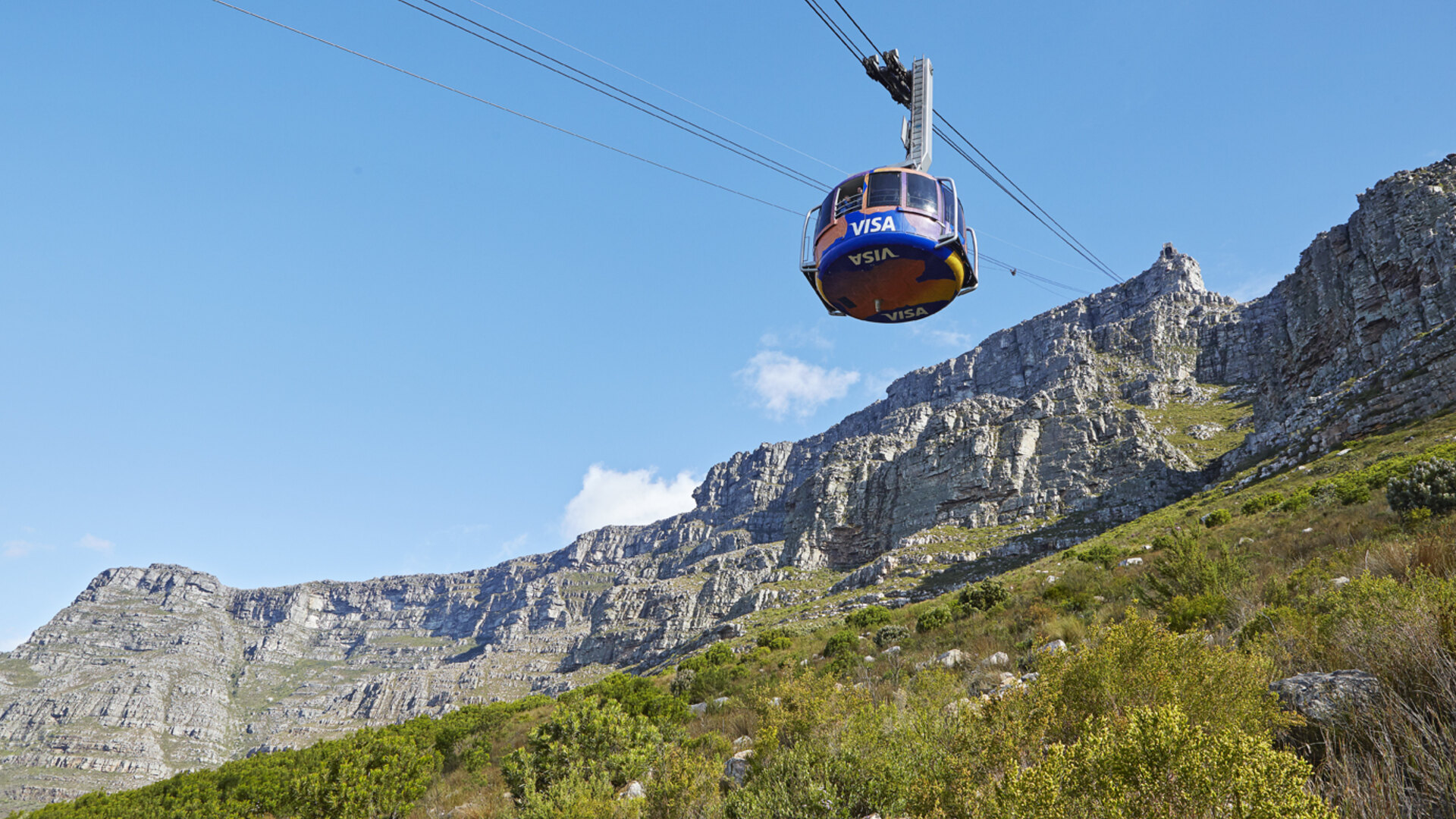
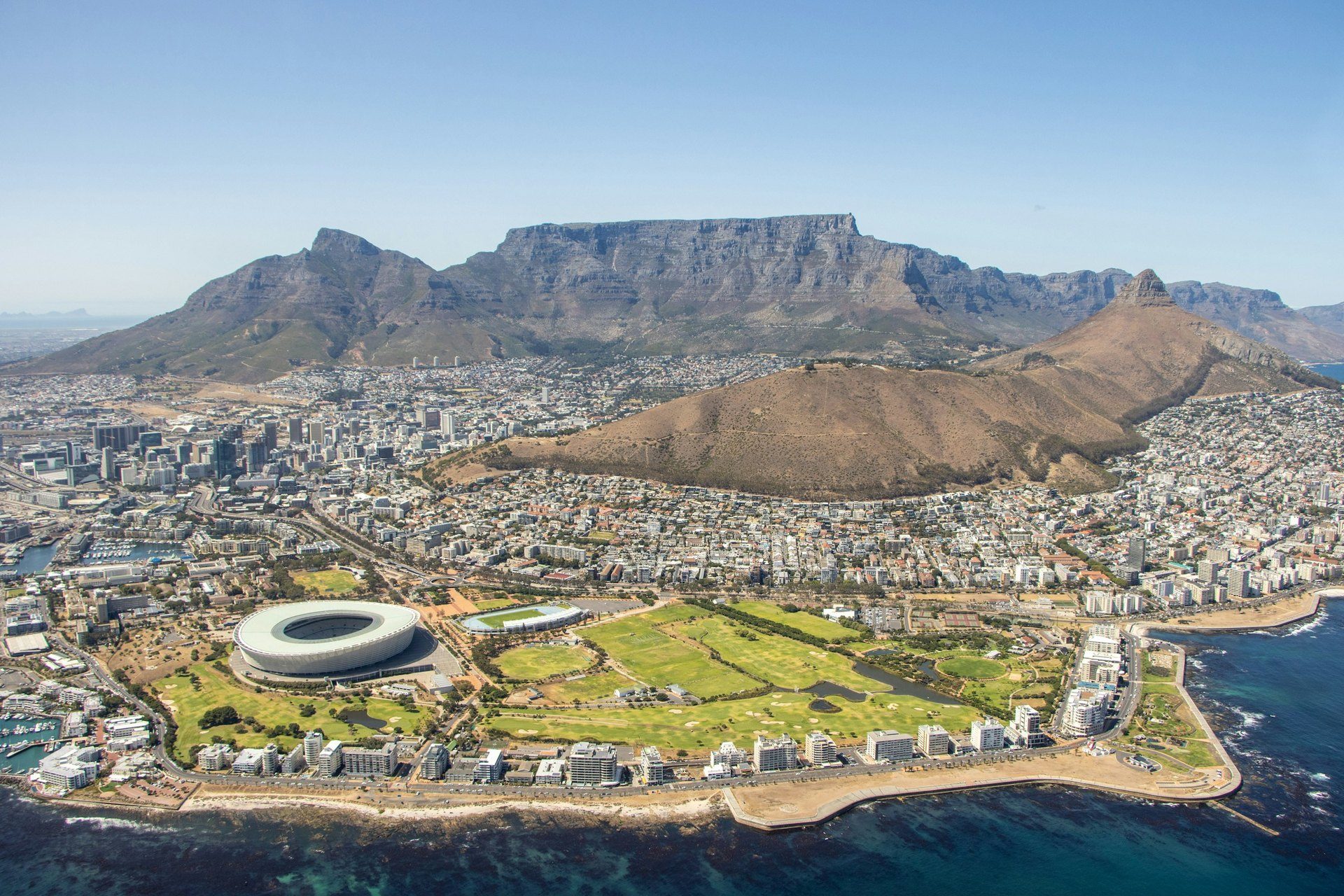
2. Table Mountain National Park. The mountain itself is one vast fynbos garden, carrying those 1,400-odd species. Walk up Skeleton Gorge or Nursery Ravine from Kirstenbosch, or take the cableway and wander the summit paths, and you are among wild fynbos with the whole city below you. The flowers change with every hundred metres of height.
3. Silvermine. Part of the national park, up on the Ou Kaapse Weg pass between the two coasts. The walk around the reservoir and out to the Elephant's Eye cave runs through clean, varied fynbos with big views over both False Bay and the Atlantic. Quieter than the mountain, and superb in spring.
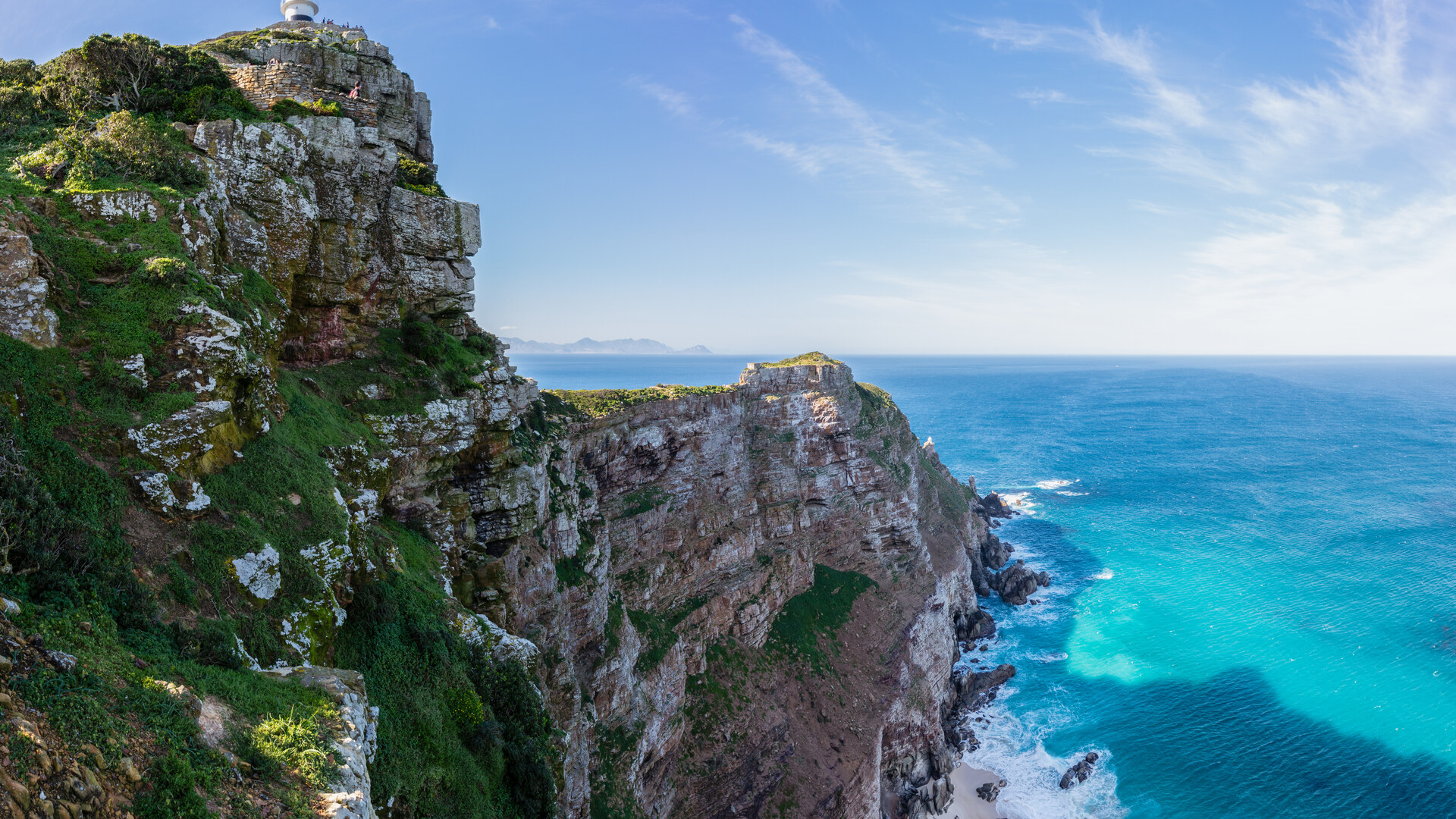
4. Cape Point and the Cape of Good Hope. The tip of the Peninsula is covered in low, wind-pruned coastal fynbos and strandveld, and the reserve protects it along with its ostriches, bontebok and baboons. The combination of flowers, cliffs and the end-of-the-continent feeling makes it a full morning on its own.
5. Chapman's Peak and the Atlantic slopes. The drive itself is famous, but the slopes above Hout Bay and Noordhoek carry good fynbos, and there are short walks off the road where you can get among the proteas with the ocean straight below you.
6. Harold Porter and the Kogelberg, Betty's Bay. About an hour and a half from the city, the Kogelberg is often called the heart of the fynbos — the richest, most intact stretch of it anywhere. The Harold Porter garden at Betty's Bay runs straight up into wild mountain fynbos, and the coastal road out there, past the penguins at Stony Point, makes a wonderful day paired with the whales in season.
7. The Cederberg, further afield. Two to three hours north, the Cederberg mountains hold their own mountain fynbos along with ancient rock art and the strange Clanwilliam cedar. This is a trip in its own right rather than a day from the city, but for a keen plant traveller it is worth every kilometre.
8. A private fynbos day. My own preference. With your own guide and vehicle you can read the season — start at Kirstenbosch to learn the plants, climb a little of the mountain, drop to Silvermine or Cape Point for the wild coastal fynbos, and time the whole day around the light and the wind. A good guide turns a green hillside into a hundred named things.
When fynbos flowers
Something is always in flower here — that is part of what makes the Cape so rich. But if you are choosing a time, there are patterns worth knowing.
The broad peak is spring, roughly August to October. This is when the proteas and pincushions are at their fullest, when the mountain slopes carry the most colour, and when the famous flower seasons further north around Namaqualand and the West Coast also fire. If you want fynbos at its loudest, come in spring.
The ericas, though, are often best in the colder months, roughly May to August, when much of the rest has gone quiet. A winter walk at Silvermine or in the Kogelberg can be full of heath in flower and sunbirds working it, with the mountains at their greenest after the rain. Summer, December to February, is the dry, windy season — still plenty flowering, but hot and often blown by the south-easter, so early mornings are the move.
The practical advice is the same as for any Cape outing: watch the wind, go early, and let a flexible day follow the weather rather than forcing it.
Fire, and why the fynbos is fragile
The thing that surprises guests most is that fynbos needs to burn. These plants evolved with fire, and a healthy fynbos slope should burn roughly every ten to twenty years. Many proteas only release their seed after a fire; many bulbs flower most brilliantly in the season straight after one. A fynbos that is never allowed to burn grows old, rank and species-poor. Fire, on the right cycle, is life here — too often is as damaging as too seldom.
The real threats are different. Invasive alien trees — pines, wattles and hakea planted or spread over the last century — choke out the low fynbos, drink the water the Cape cannot spare, and burn far hotter than the system can handle. Clearing them is one of the biggest conservation jobs in the region. On top of that, urban and agricultural sprawl has swallowed much of the lowland fynbos and renosterveld, the richest, flattest, easiest-to-farm ground. More than seventeen hundred Cape plant species are now considered threatened — one of the highest concentrations of threatened plants anywhere.
This is why the protected pockets matter so much, and why walking them with a guide who explains the story is worth more than a quick photo. The Cape Floral Kingdom is not a safe, finished thing — it is a living system under real pressure, and the parks around Cape Town are where you can still see it whole.
How we build a fynbos day
When guests want the plants, I do not just drop them at a garden gate. I build a day that teaches the eye and then turns it loose on the wild stuff. A typical day starts at Kirstenbosch to learn the proteas, ericas and restios by name and to meet the sugarbirds, climbs a little way up the mountain for wild fynbos and the big view, then drops to Silvermine or out to Cape Point for the low coastal fynbos and the sea. In spring we can add the flower country further north; in whale season we can swing the day out to the Kogelberg and pick up the southern rights off Betty's Bay as well.
Because we travel privately, with our own guide-driver, we read the season and the weather instead of a timetable — and with fynbos, where the right slope on the right morning is everything, that flexibility is what turns a green hillside into a day you remember. Below are the Cape tours we run that take in the fynbos, and the day we most often build for guests who want the plant kingdom at the centre of it.