Key Takeaways
- A self-drive safari means you drive your own vehicle through the reserves — total freedom over pace, timing and how long you linger at every sighting.
- The four greatest destinations are Kruger (South Africa), Etosha (Namibia), Botswana's northern parks, and the Kgalagadi — each suits a different level of experience.
- Kruger and Etosha are the best places to begin — good roads, easy navigation and rest camps you can book in advance; a normal car copes with much of the Kruger.
- Botswana and the Kgalagadi's Botswana side demand a fully-equipped 4x4 — deep sand, remote camps and no facilities for long stretches.
- The dry winter months, roughly May to October, are prime — thin bush and animals concentrated at water make self-drive game viewing at its easiest.
Why a Self-Drive Safari Is the Purest Way to See Africa
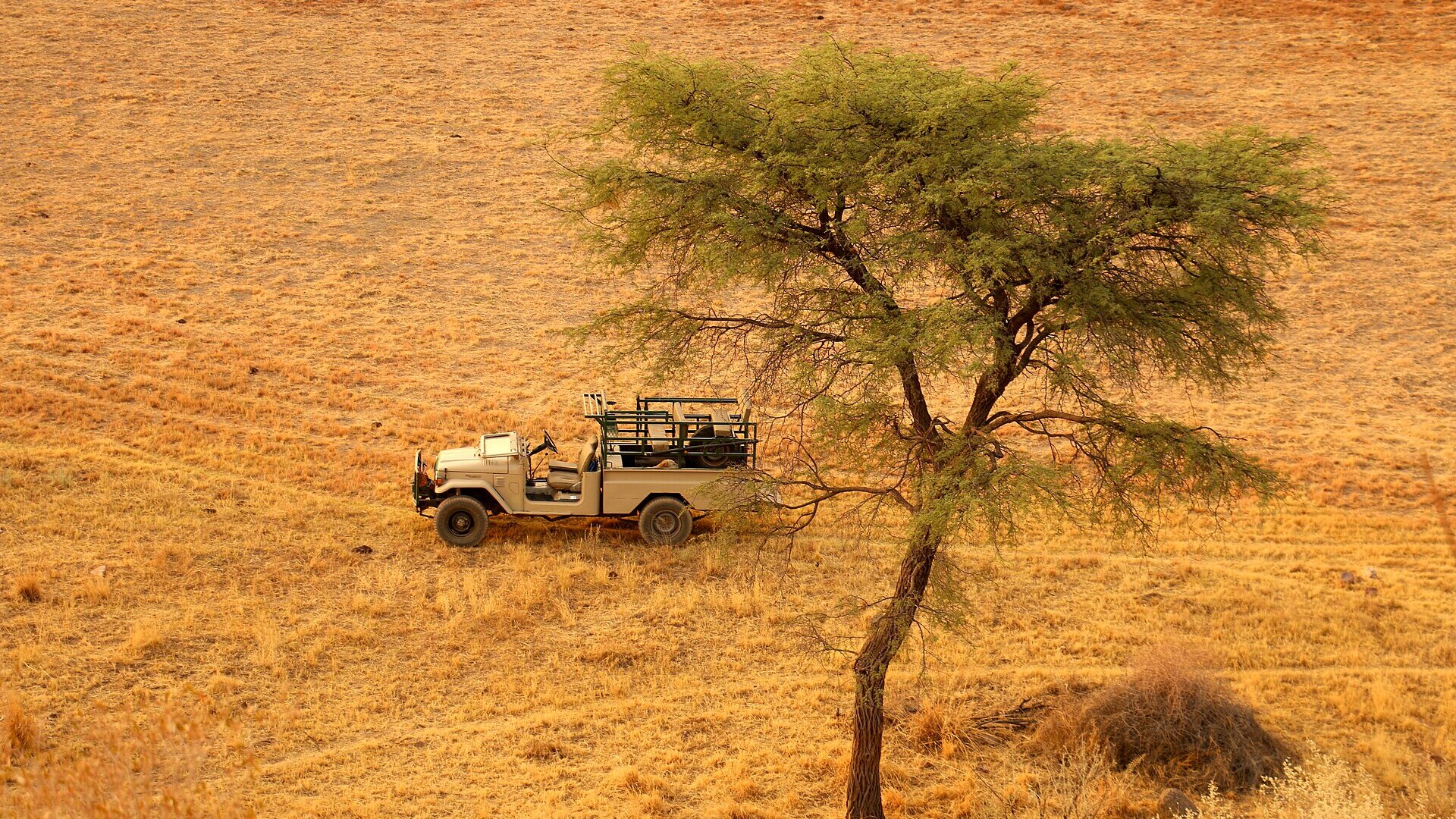
Nothing beats the freedom of your own vehicle in the wild. On a guided game drive you keep to someone else's clock — a fixed departure, a set turnaround, a shared truck of strangers. On a self-drive safari the day is entirely yours. You leave camp the moment the gates open, sit with a leopard for an hour if you please, brew coffee at a waterhole, and turn for home only when the light finally goes.
It is also astonishing value. A self-drive safari can cost a fraction of a fully-guided lodge trip, because you are paying for a hire car and a rest-camp chalet rather than a private vehicle and a ranger. That saving is exactly why the market is booming — and why so many travellers who have "done" the guided safari come back to do it themselves.
What makes a self-drive safari special:
- Your own pace — stop for as long as you like, wherever you like, from dawn to the gate-closing bell.
- Remarkable value — a hire vehicle and a rest-camp chalet cost far less than a guided lodge safari.
- The thrill of the find — spotting a lion yourself, with no guide's radio, is a different order of reward.
- Real independence — cook your own braai, choose your own route, travel as a family or a couple in private.
The 4 Best Self-Drive Safari Destinations in Africa
Not every reserve is built for self-driving, and not every self-drive reserve suits a first-timer. These four are the finest on the continent, ordered roughly from the easiest place to begin to the most adventurous.
1. Kruger National Park, South Africa — the most accessible
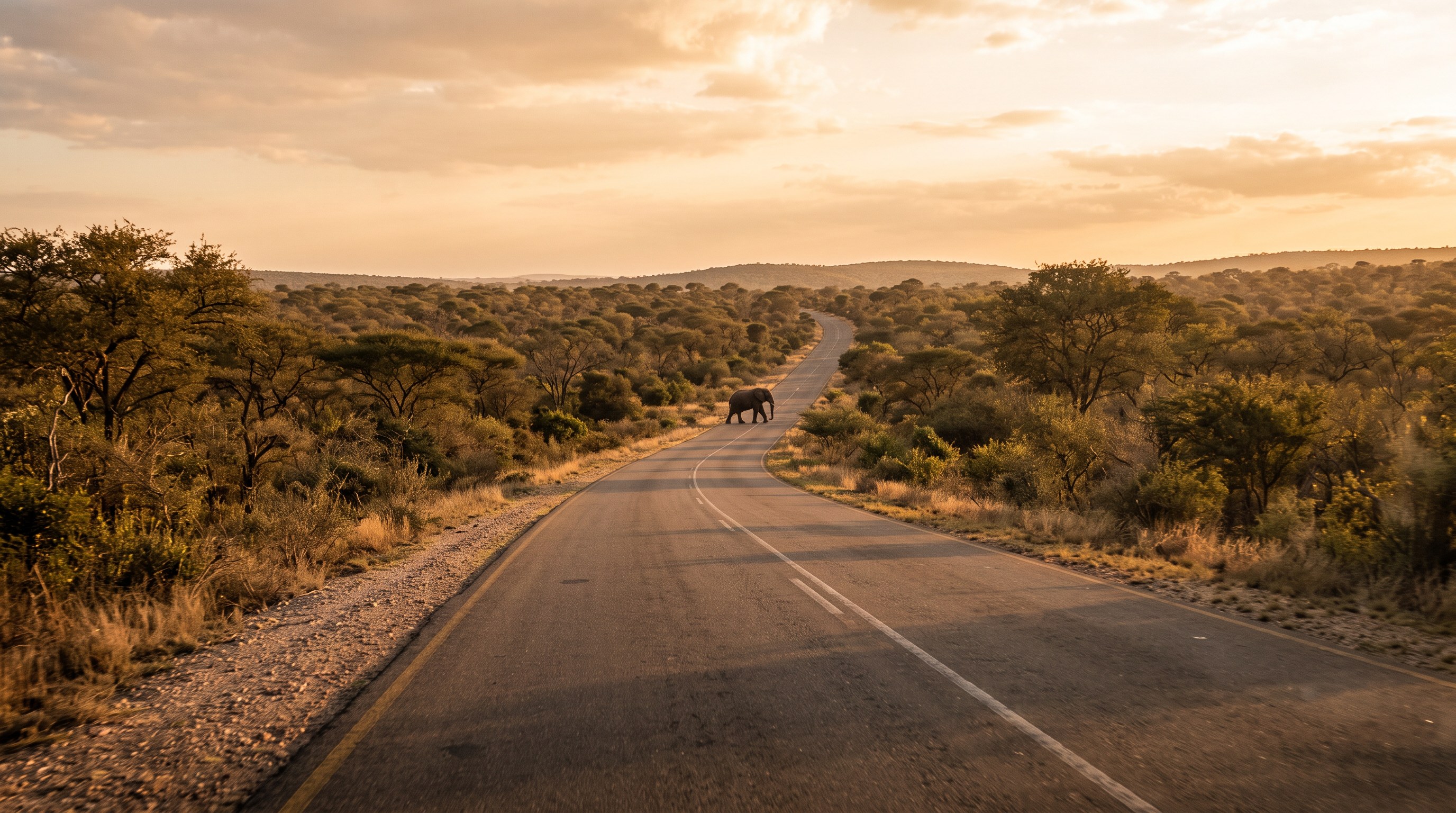
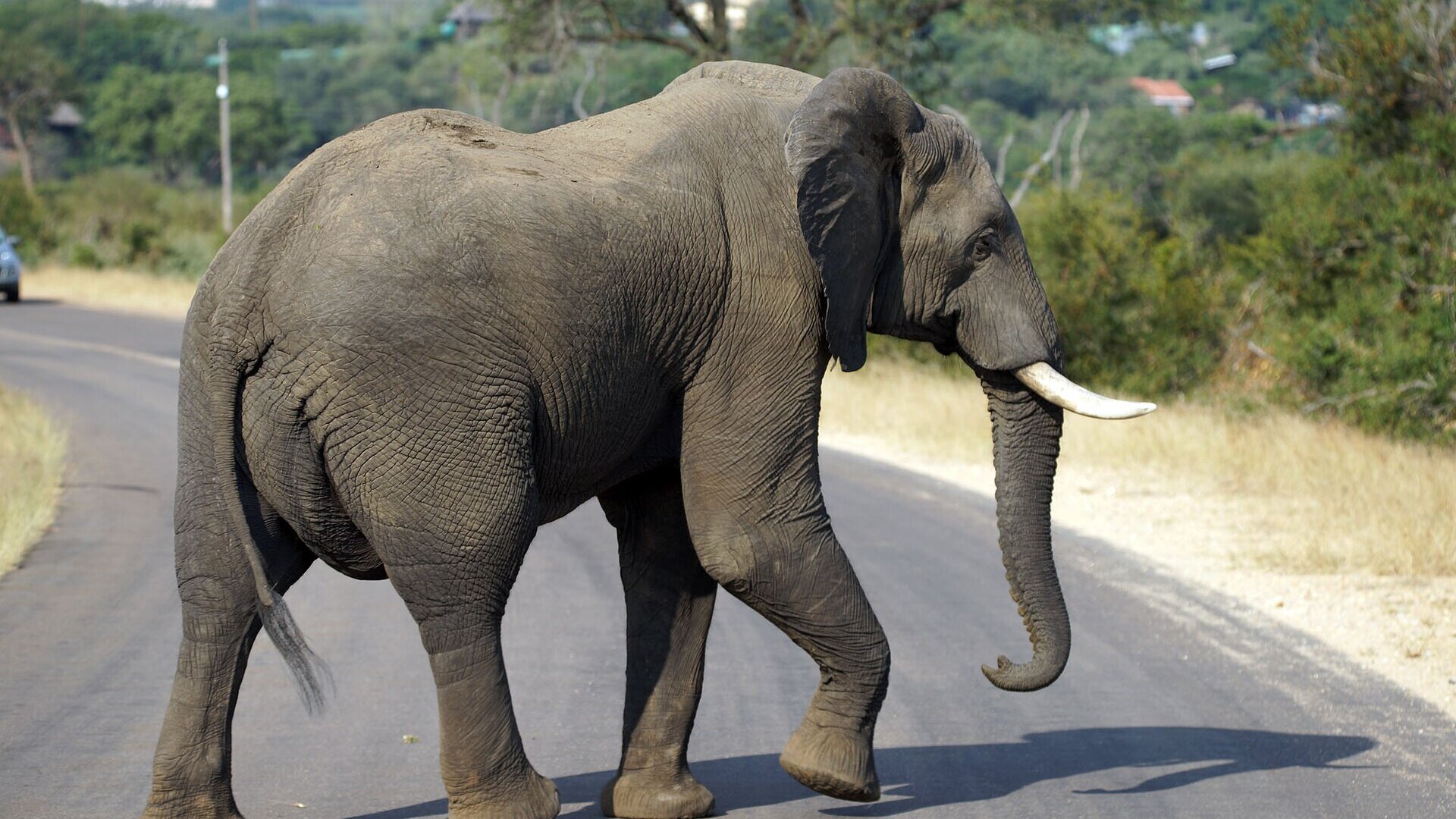
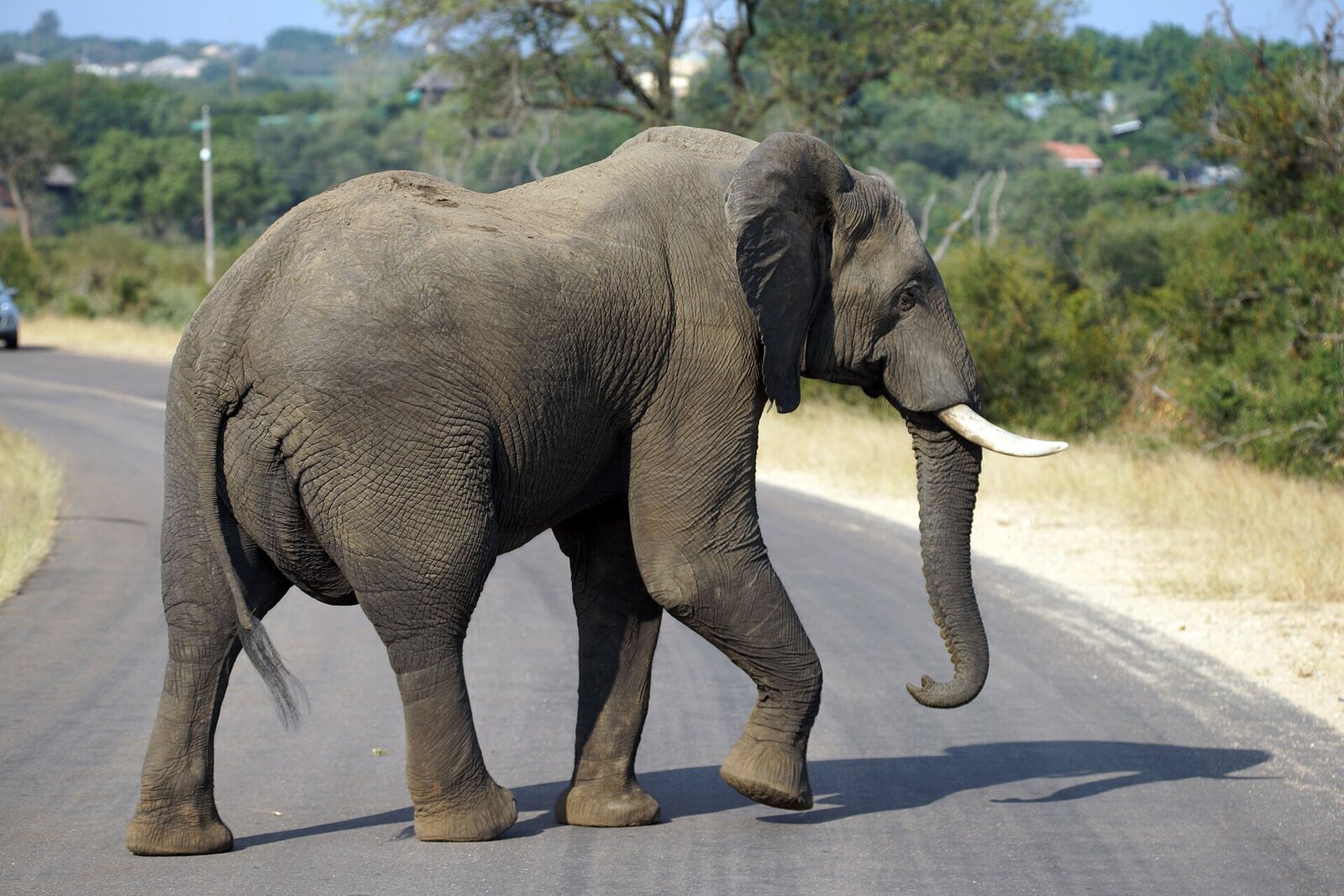
The Kruger is where most self-drivers cut their teeth, and for good reason. A tarmac road network links well-signed rest camps, an ordinary hire car reaches the great majority of sightings, and the Big Five all live here in numbers. You book a chalet at camps like Skukuza, Lower Sabie or Satara through SANParks, drive the loops between them by day, and return before the gates close at dusk.
The classic routes are legendary: the H4-1 from Skukuza to Lower Sabie along the Sabie River for leopard and general game; the H1-2 and H1-3 north of Skukuza for lion; and the S28 and H10 around Tshokwane for cheetah on the open plains. A sedan handles the tar and the graded gravel loops with ease. It is the perfect first self-drive safari. Read our full Kruger self-drive guide →
2. Etosha & Namibia — the premier beginner's country
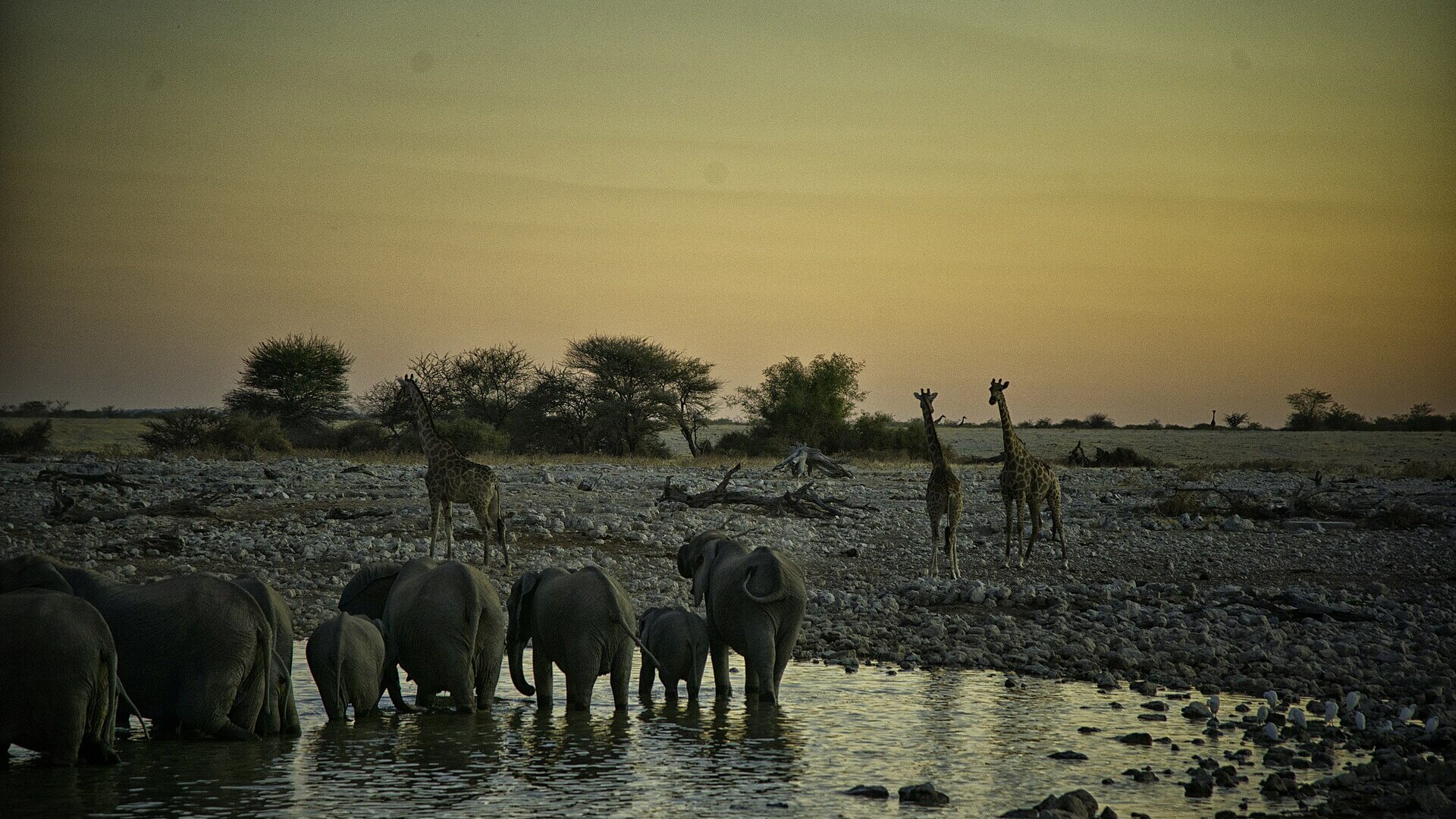
If the Kruger is the most accessible park, Namibia is the most accessible country for a self-drive safari — empty roads, superb signage, low traffic and a whole itinerary you can string together yourself. The centrepiece is Etosha National Park, built around a vast salt pan ringed by waterholes where the game comes to you. Camp at Okaukuejo for its floodlit waterhole (black rhino by night), Halali in the centre, or Namutoni in the east.
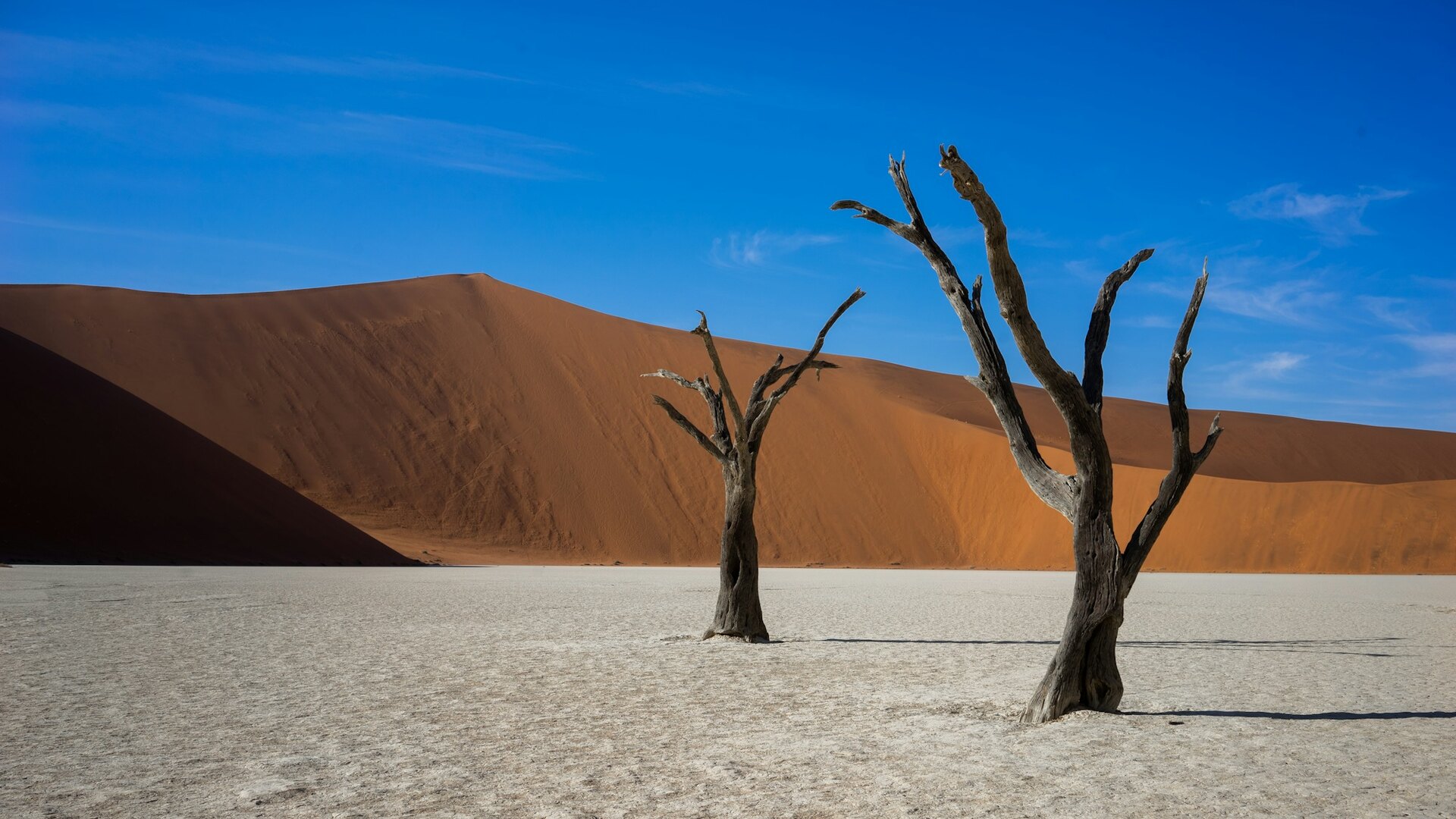
Most travellers pair Etosha with the towering dunes of Sossusvlei and the desert-adapted wildlife of Damaraland into a two-week loop. Roads are gravel but well-graded; a 2x4 copes in the dry season, though a high-clearance 4x4 gives more confidence and range. It is the ideal step up from the Kruger. Read our full Namibia & Etosha self-drive guide →
3. Botswana — the rugged 4x4 expedition
Botswana is the connoisseur's self-drive safari and the most demanding. There are no tarred park roads here — the Moremi Game Reserve in the Okavango Delta, the elephant highways of Chobe and Savuti, and the immense emptiness of the Central Kalahari are reached only by a fully-equipped 4x4 with a rooftop tent, dual fuel tanks, recovery gear and self-sufficiency in food and water.
The rewards match the effort: the largest elephant population on Earth, wild-dog dens, black-maned Kalahari lions and campsites where the only fence between you and the wild is your tent zip. Hubs are Maun (for the Delta) and Kasane (for Chobe). This is not a first safari — but for the seasoned self-driver it is the ultimate one. Read our full Botswana self-drive guide →
4. The Kgalagadi Transfrontier Park — red dunes & black-maned lions
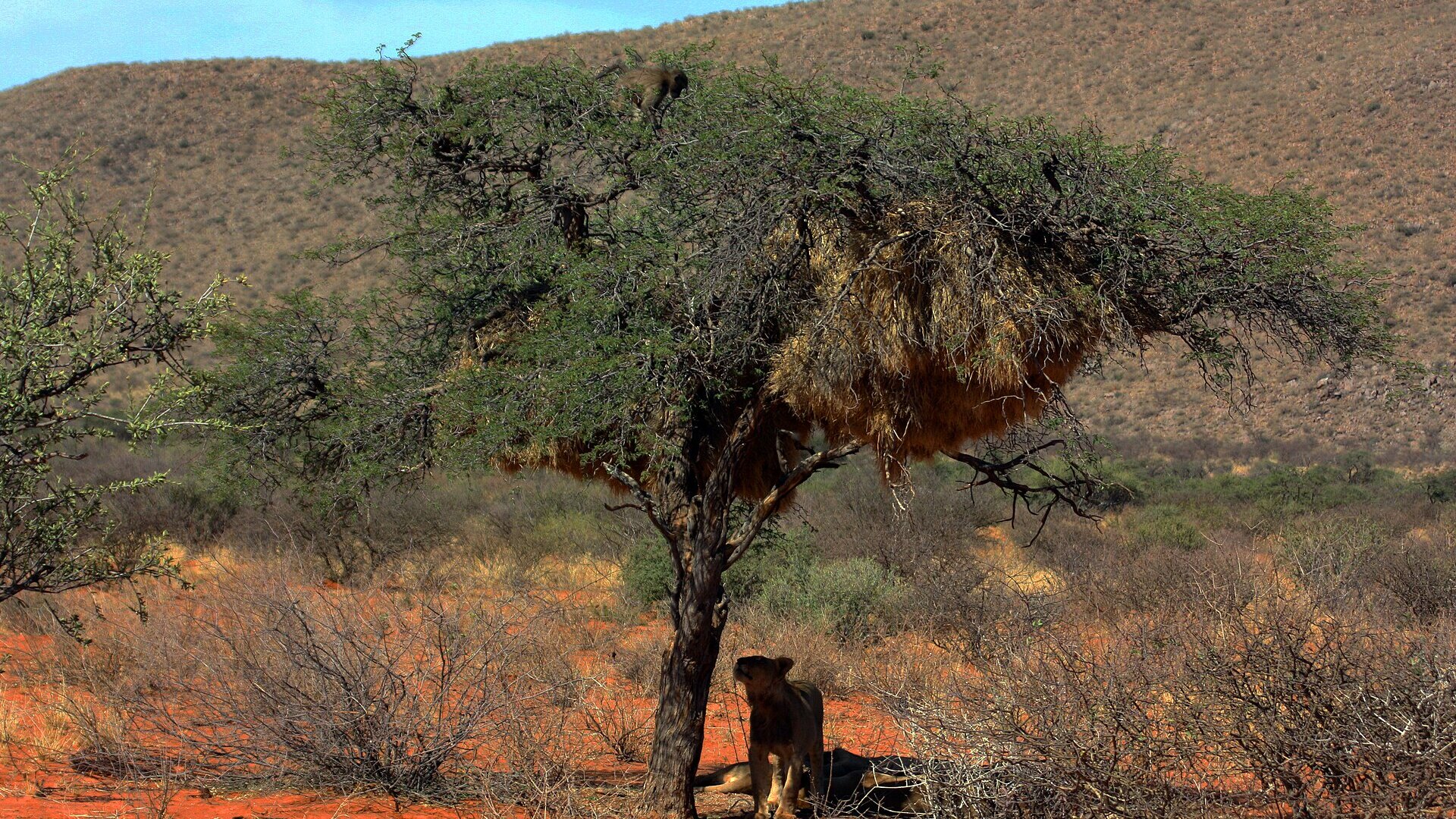
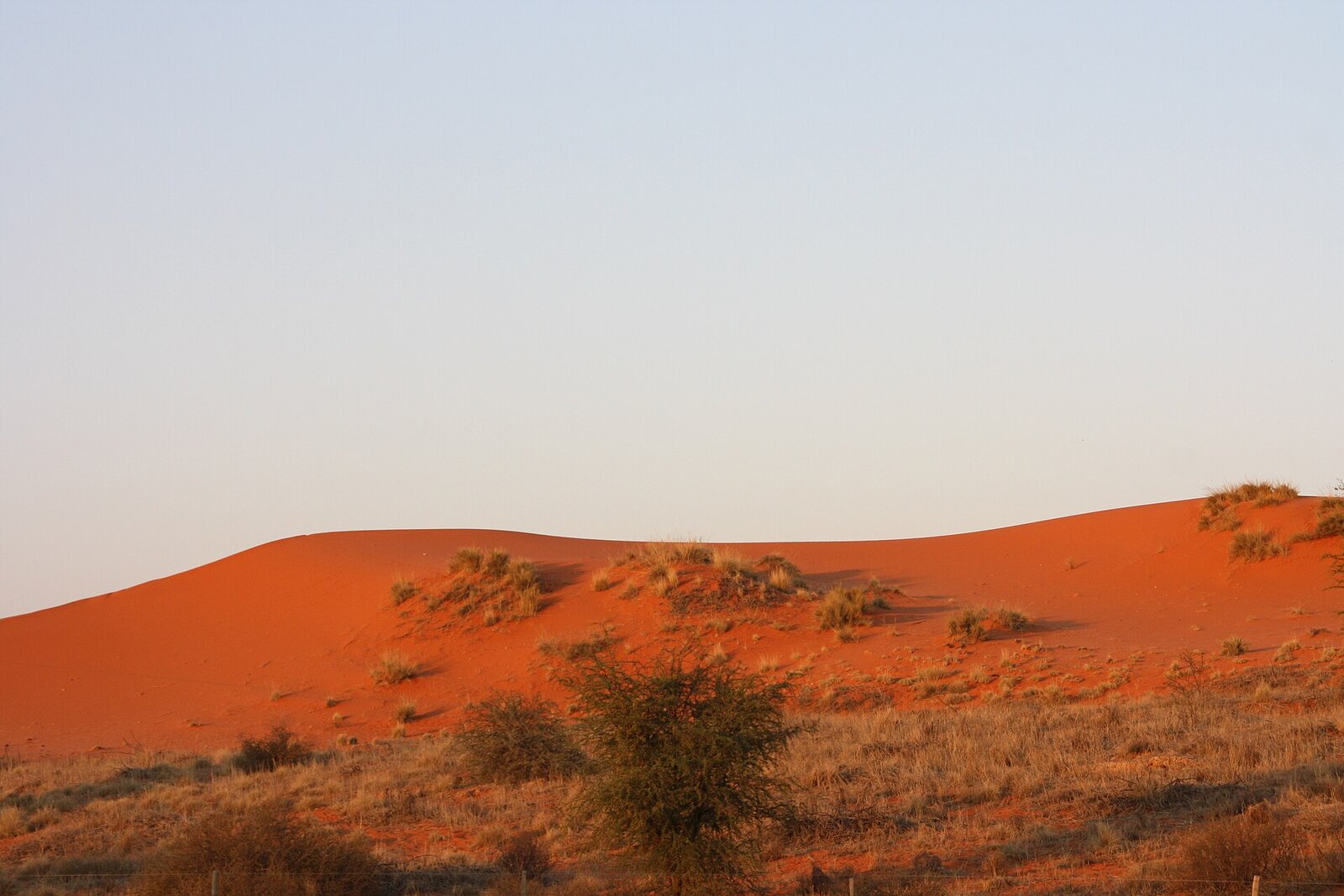
Straddling the South Africa–Botswana border, the Kgalagadi is the great desert self-drive — red Kalahari dunes, fossil riverbeds and some of the most photogenic predators in Africa. The South African side is refreshingly accessible: the roads between Twee Rivieren, Nossob and Mata Mata are graded gravel a sedan can manage, and a string of unfenced wilderness camps put you deep in the dunes.
Drive the Auob and Nossob riverbeds at dawn for black-maned lion, cheetah on the dune crests and huge herds of oryx and springbok. The Botswana side (Mabuasehube) is strictly 4x4 and self-sufficient. For drama-per-kilometre, nowhere on this list beats it. Read our full Kgalagadi self-drive guide →
Do You Need a 4x4? Matching the Vehicle to the Park
The single biggest self-drive question is the vehicle, and the honest answer is it depends entirely on where you are going. Getting this right is the difference between a dream trip and a very expensive tow.
| Destination | Vehicle needed | Best for |
|---|---|---|
| Kruger (SA) | Sedan / any hire car | First-timers & families |
| Etosha / Namibia | 2x4 in dry season; 4x4 preferred | Confident beginners |
| Kgalagadi (SA side) | High-clearance 2x4 / 4x4 | Intermediate |
| Botswana | Fully-equipped 4x4 only | Experienced expeditioners |
The rule of thumb: tarred and graded parks (Kruger, Etosha in the dry) forgive a normal car; deep-sand and remote wilderness (Botswana, the Kgalagadi's Botswana side) demand a kitted 4x4 with recovery gear, and you should never travel them alone. We match the vehicle to your route exactly, and arrange it with the right rental partners.
When to Go on a Self-Drive Safari
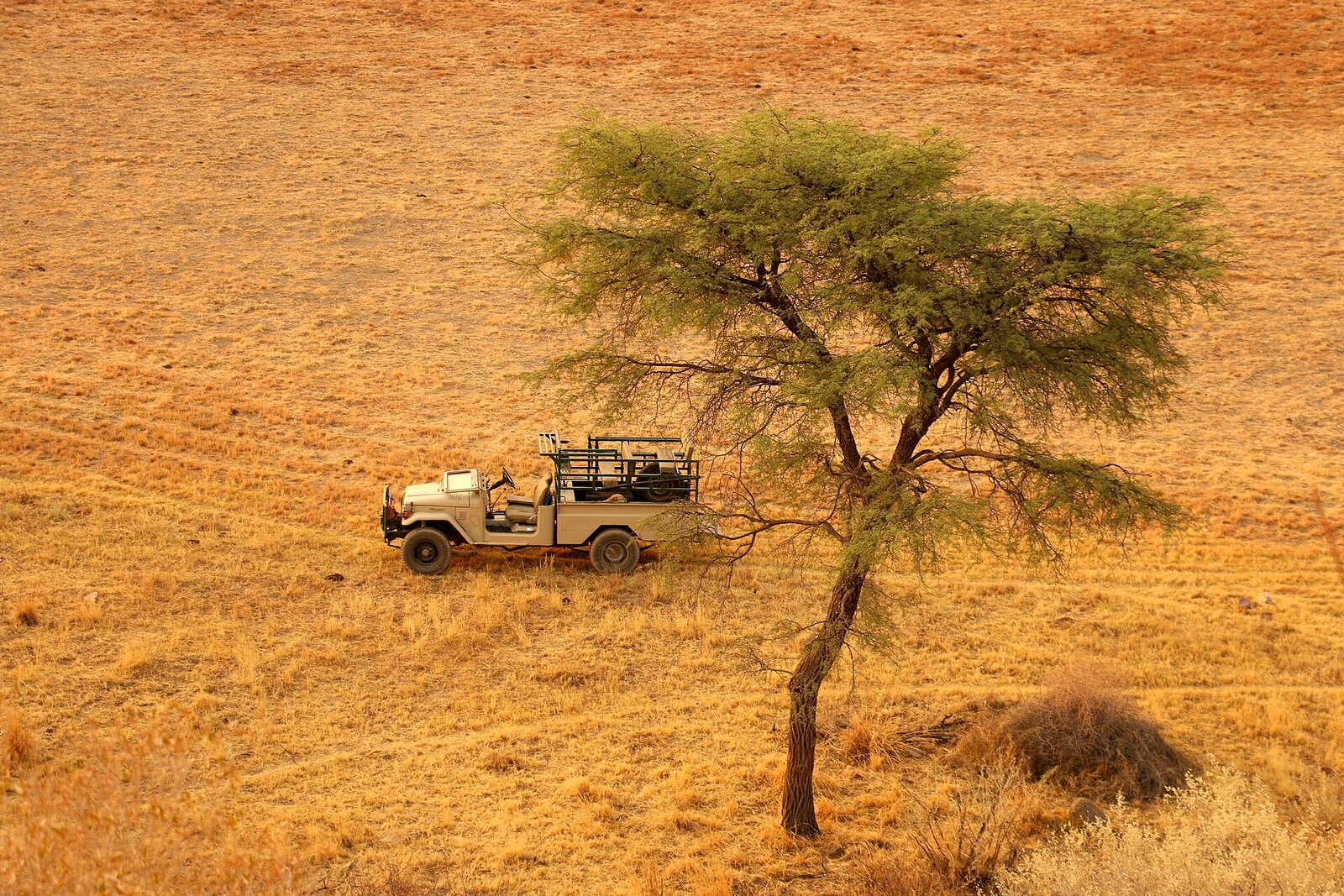
The dry winter — roughly May to October — is prime self-drive season across all four destinations. The bush thins out, so animals are easier to see; surface water dries up, so game concentrates at the rivers and waterholes you are driving to; and the roads are firm and dry, which matters enormously when you are the driver. Days are warm and clear, nights cold, and mosquitoes minimal.
The green summer (November to April) has its own rewards — dramatic skies, newborn antelope, spectacular birding and low-season rates — but grass is tall, sightings are harder, and rain can turn sand tracks impassable, especially in Botswana. For a first self-drive safari, go in the dry.
Booking Rest Camps & How Far Ahead
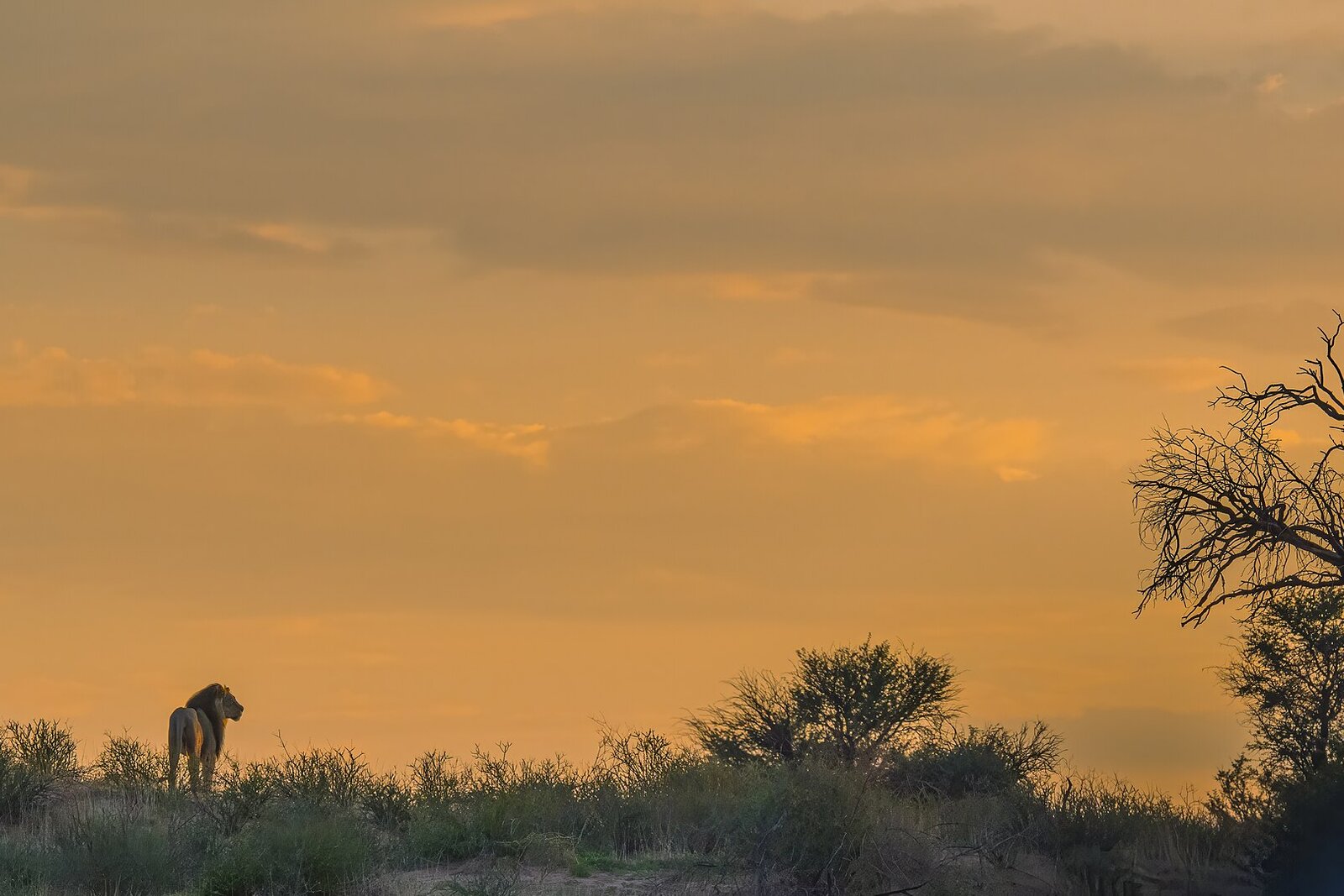
Accommodation inside the parks is the part you must plan early. SANParks rest camps in the Kruger and Kgalagadi, and Namibia's Etosha camps, release well in advance and the best ones — Okaukuejo's waterhole chalets, the Kgalagadi's tiny wilderness camps, Skukuza's river-view units — sell out months ahead, especially over South African and Namibian school holidays.
- Book 9–12 months ahead for peak dry-season dates and the small, high-demand wilderness camps.
- Book 3–6 months ahead for the larger rest camps in shoulder season.
- Reserve your vehicle at the same time — kitted 4x4s for Botswana are a limited fleet and go early.
This is precisely where a planning house earns its keep: we hold the whole itinerary together — camps, vehicle, permits, border paperwork and a route that actually flows — so you drive and we worry.
Self-Drive vs Guided Safari — Which Is Right for You?
A self-drive safari rewards independence, patience and a love of the drive itself; a guided safari rewards those who want the animals found for them and every detail handled. Many of our travellers do both in one trip — self-drive the accessible parks, then finish with a few nights at a guided lodge for the off-road, night-drive, walking-safari experiences a self-driver cannot legally do.
Choose self-drive if you want freedom, value and the thrill of your own sightings. Add a guided leg if you want big-cat tracking off-road, night drives and a ranger's expertise. We are happy to build either — or the best of both.
Plan Your Self-Drive Safari With Beyond Africa
We are a Cape Town-based, tailor-made safari house, and a self-drive journey is one of our favourite things to plan. We know which parks suit your experience, which vehicle each route demands, which rest camps and wilderness camps to grab and how early, and how to stitch borders, permits and fuel stops into a route that simply works. You get every ounce of the freedom and none of the logistical worry — with our team a phone call away the whole time.
Ready to take the wheel on the safari of a lifetime? 👉 Request a self-drive safari quote → 👉 Browse our self-drive safari packages → 👉 WhatsApp us: +27 78 471 4852