Key Takeaways
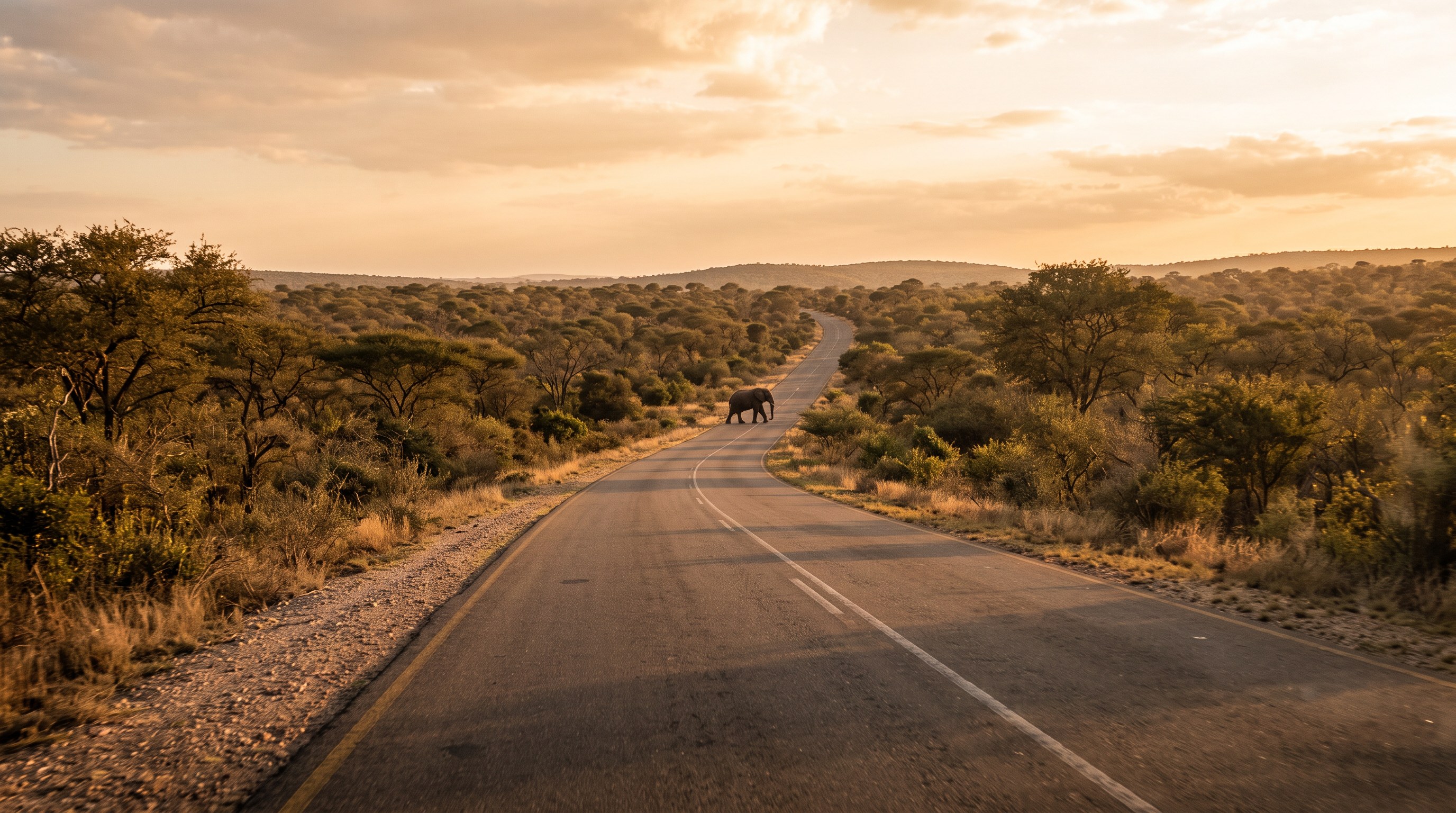
- The Kgalagadi is the most photogenic desert self-drive in Africa — red dunes, fossil riverbeds and famous black-maned lions.
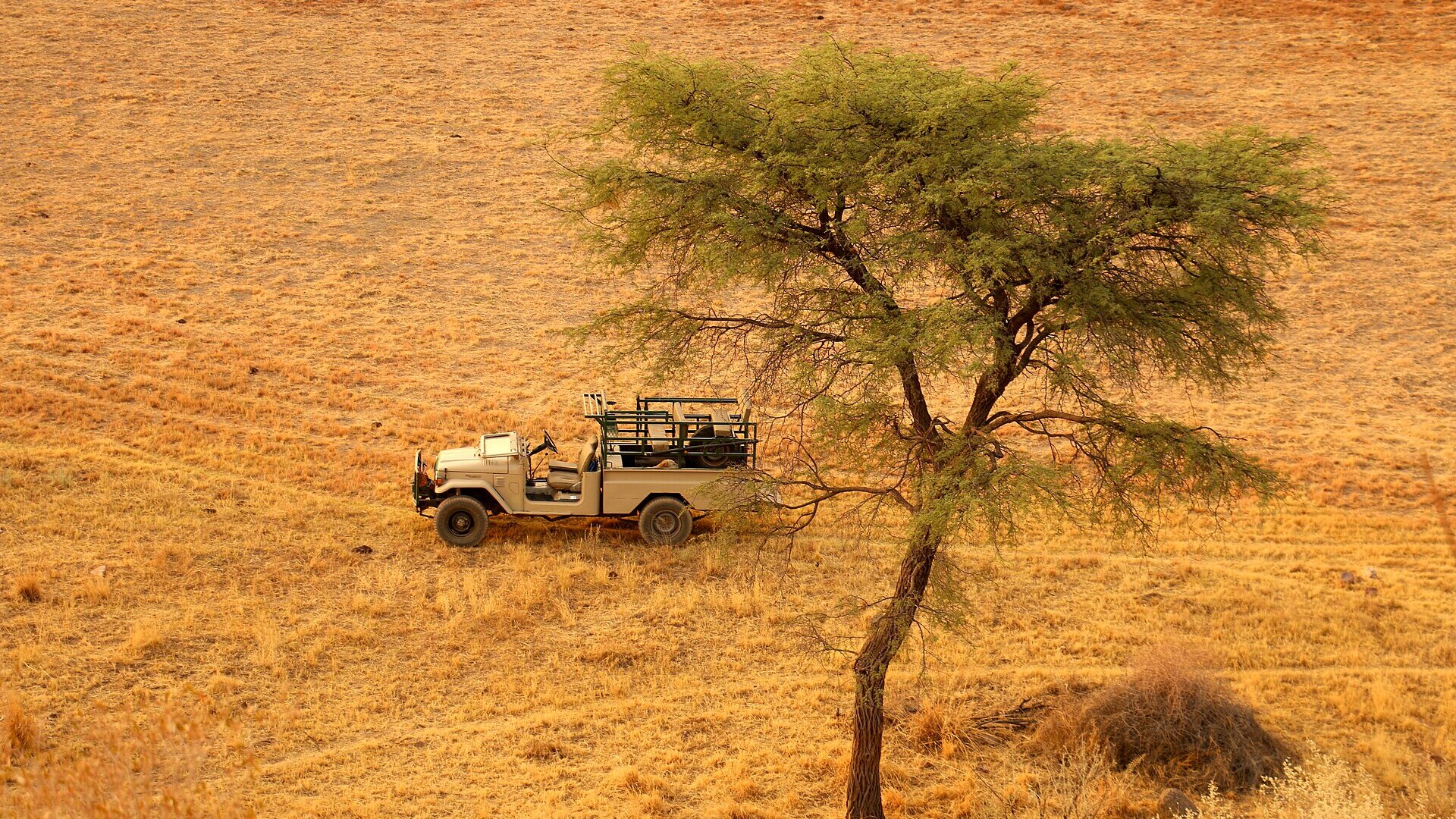
- The South African side is accessible — graded gravel roads between Twee Rivieren, Nossob and Mata Mata that a normal car can manage.
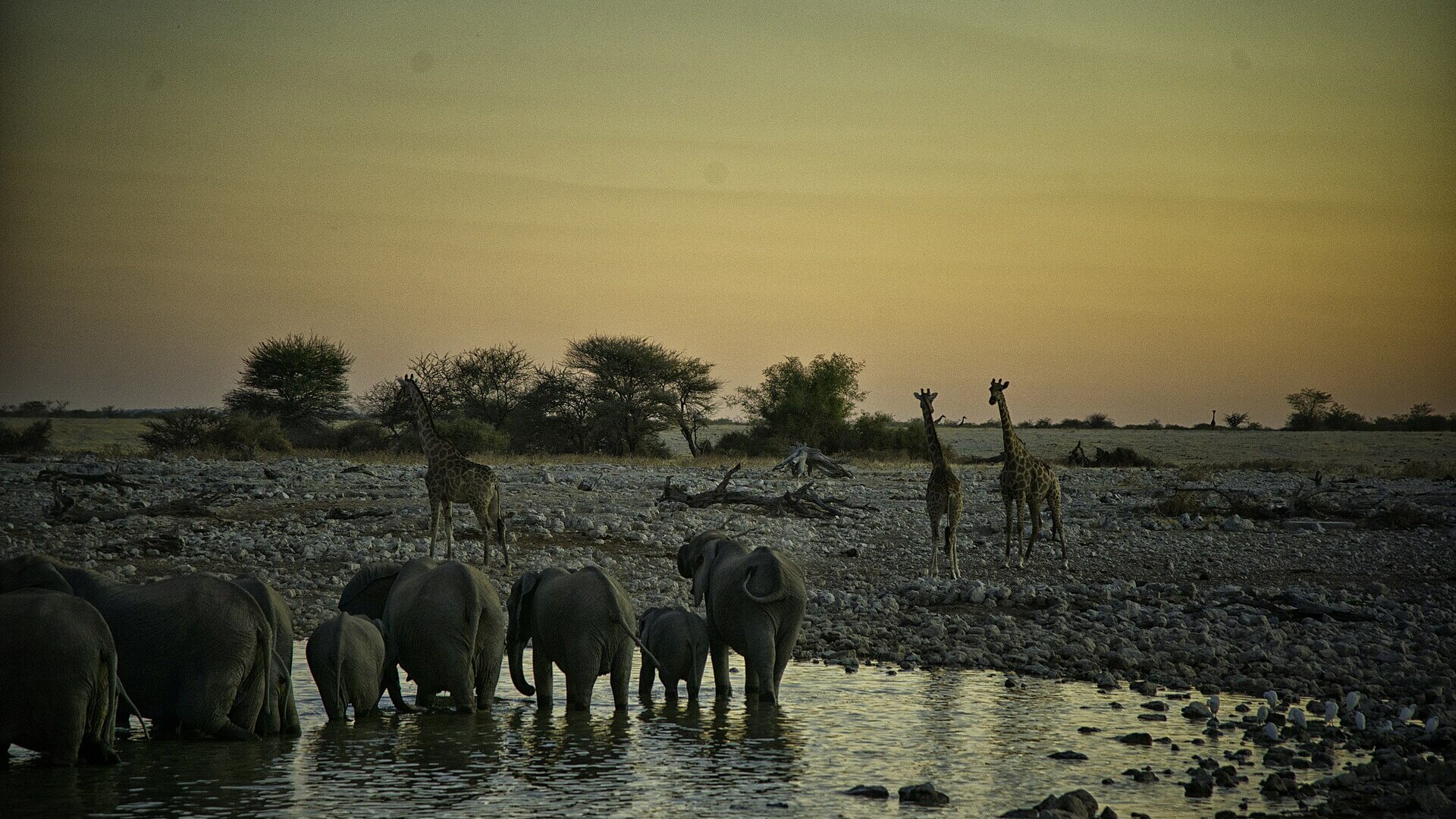
- Drive the Auob and Nossob riverbeds at dawn for lion, cheetah, leopard and huge herds of oryx and springbok.
- The unfenced wilderness camps — Urikaruus, Kieliekrankie, Grootkolk, Bitterpan and others — are the magic, and sell out a year ahead.
- The Botswana side (Mabuasehube) is strictly 4x4 and self-sufficient, a step up in remoteness.
Why the Kgalagadi Is the Great Desert Self-Drive
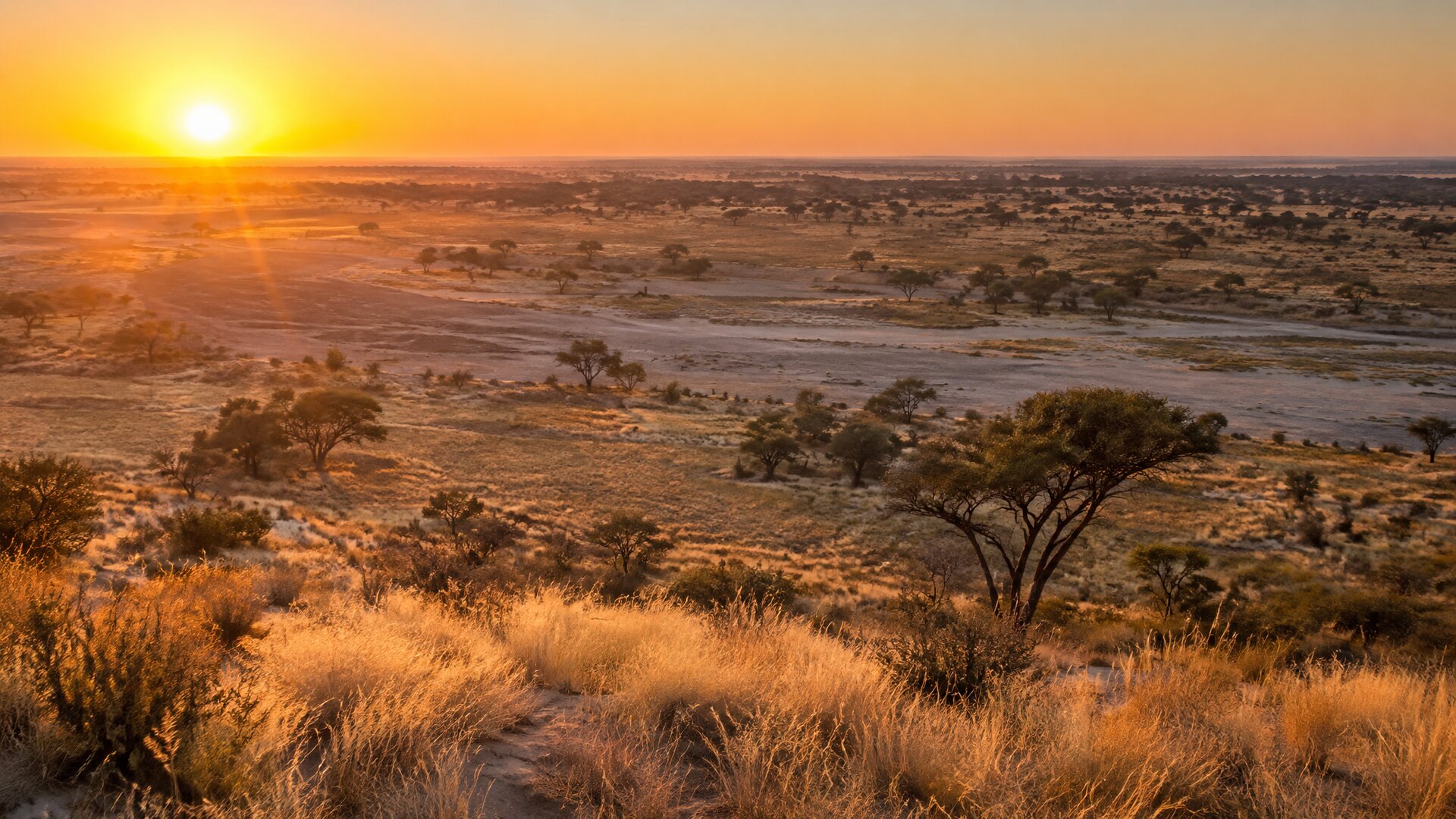
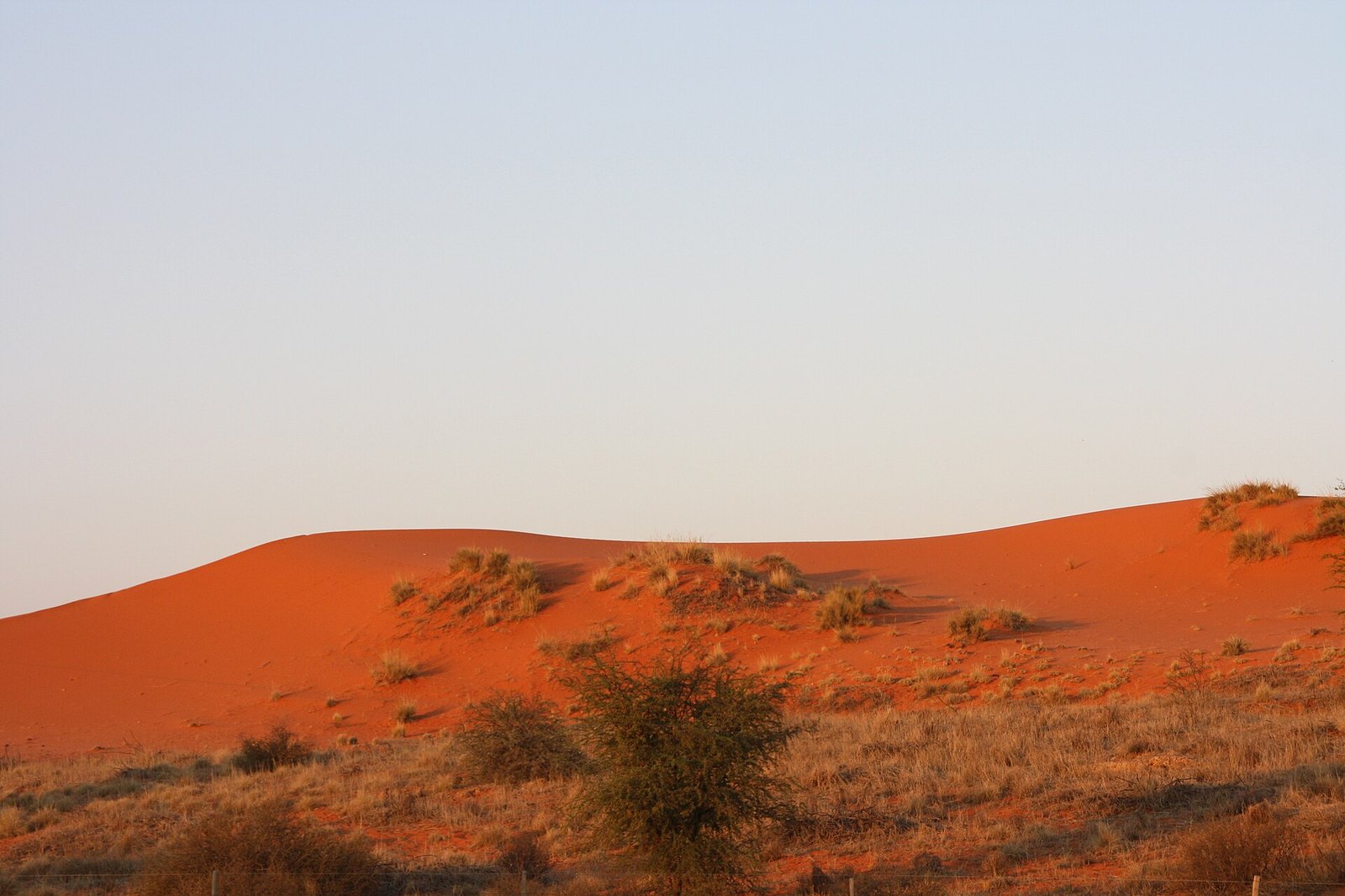
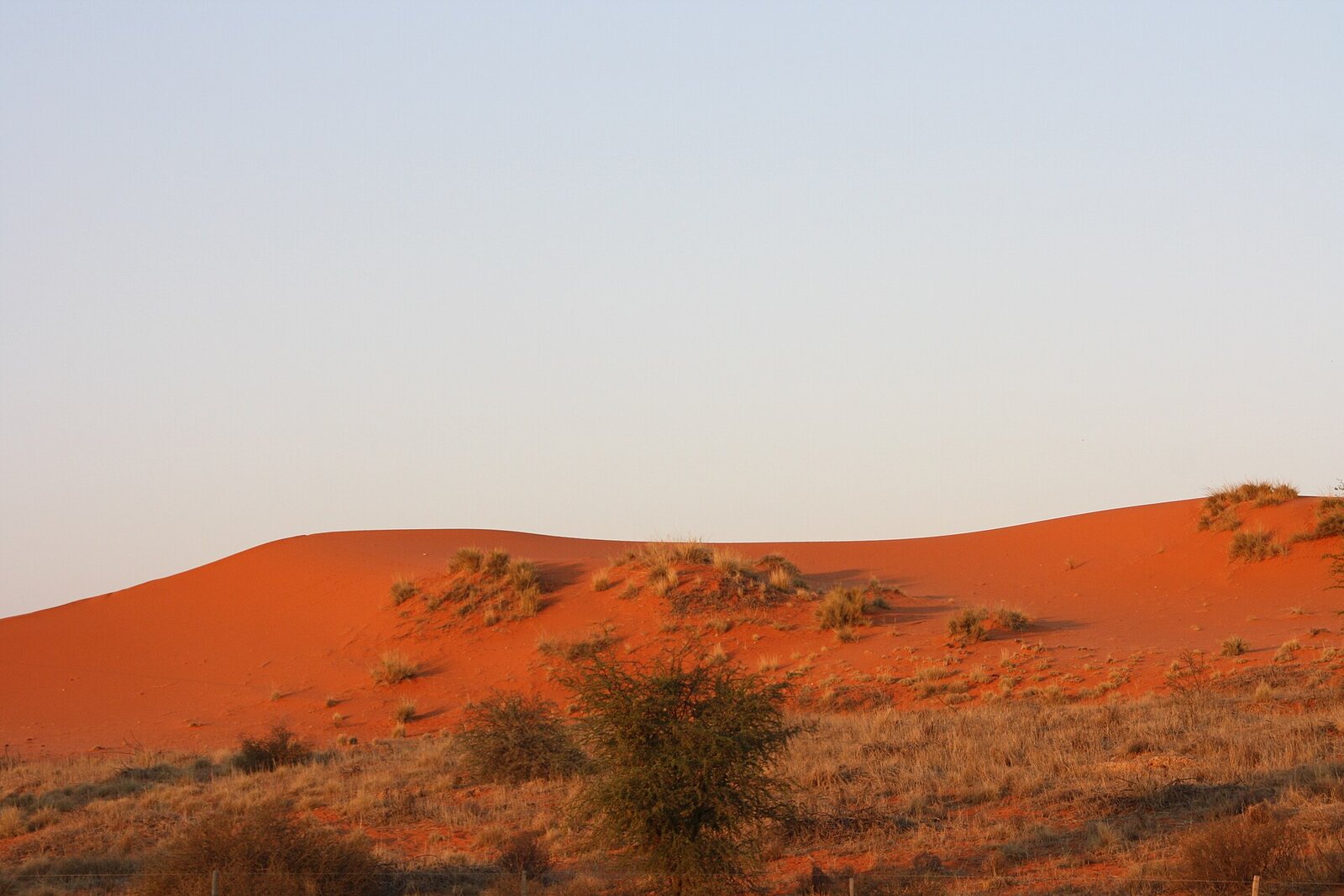
Nowhere delivers more drama per kilometre than the Kgalagadi. This is a vast transfrontier wilderness of towering red dunes and two dry fossil riverbeds — the Auob and the Nossob — along which almost all the wildlife concentrates. Because the game funnels into these riverbeds, and because the roads follow them, self-drivers get astonishing sightings against a backdrop of red sand and blue sky that photographers travel across the world for.
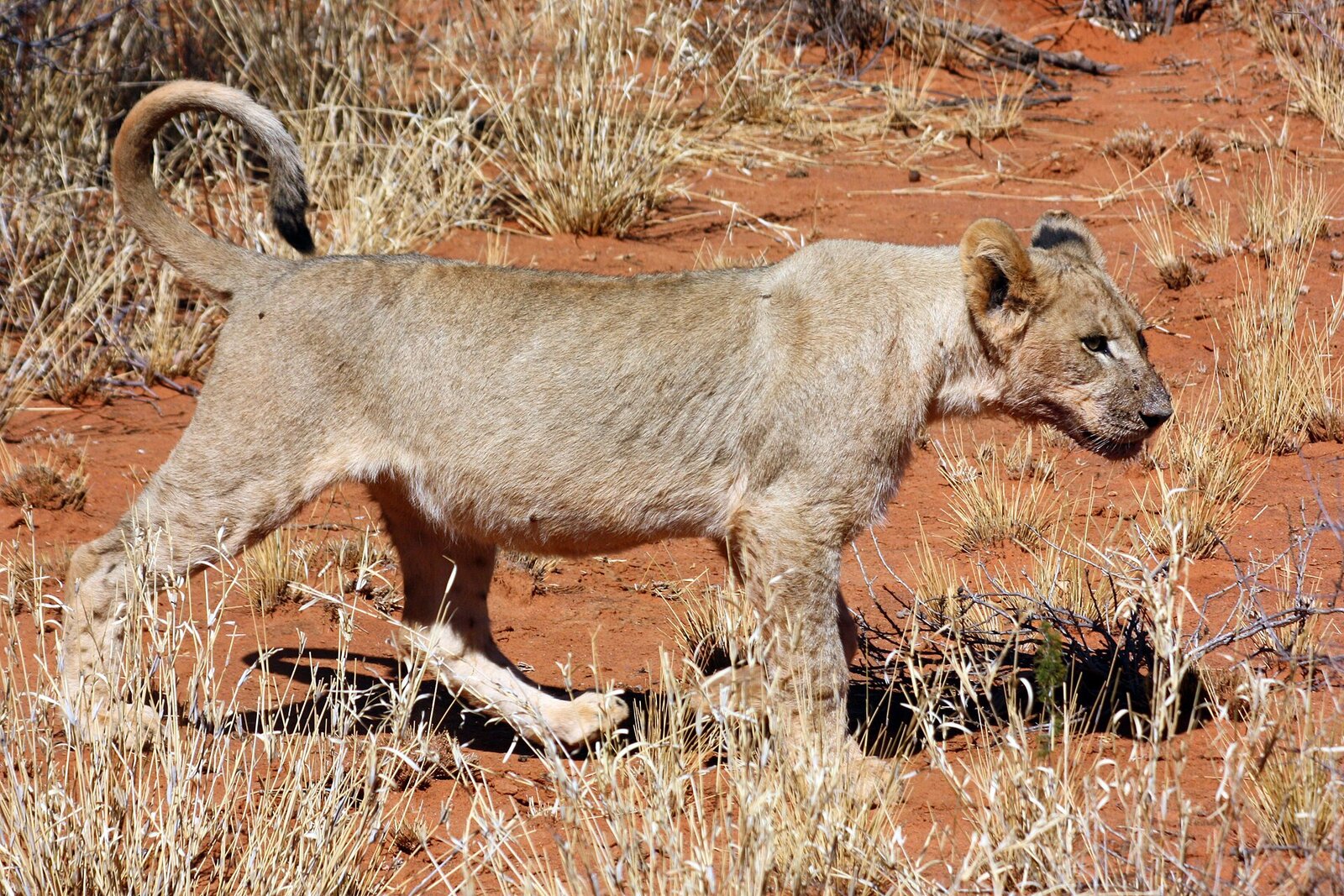
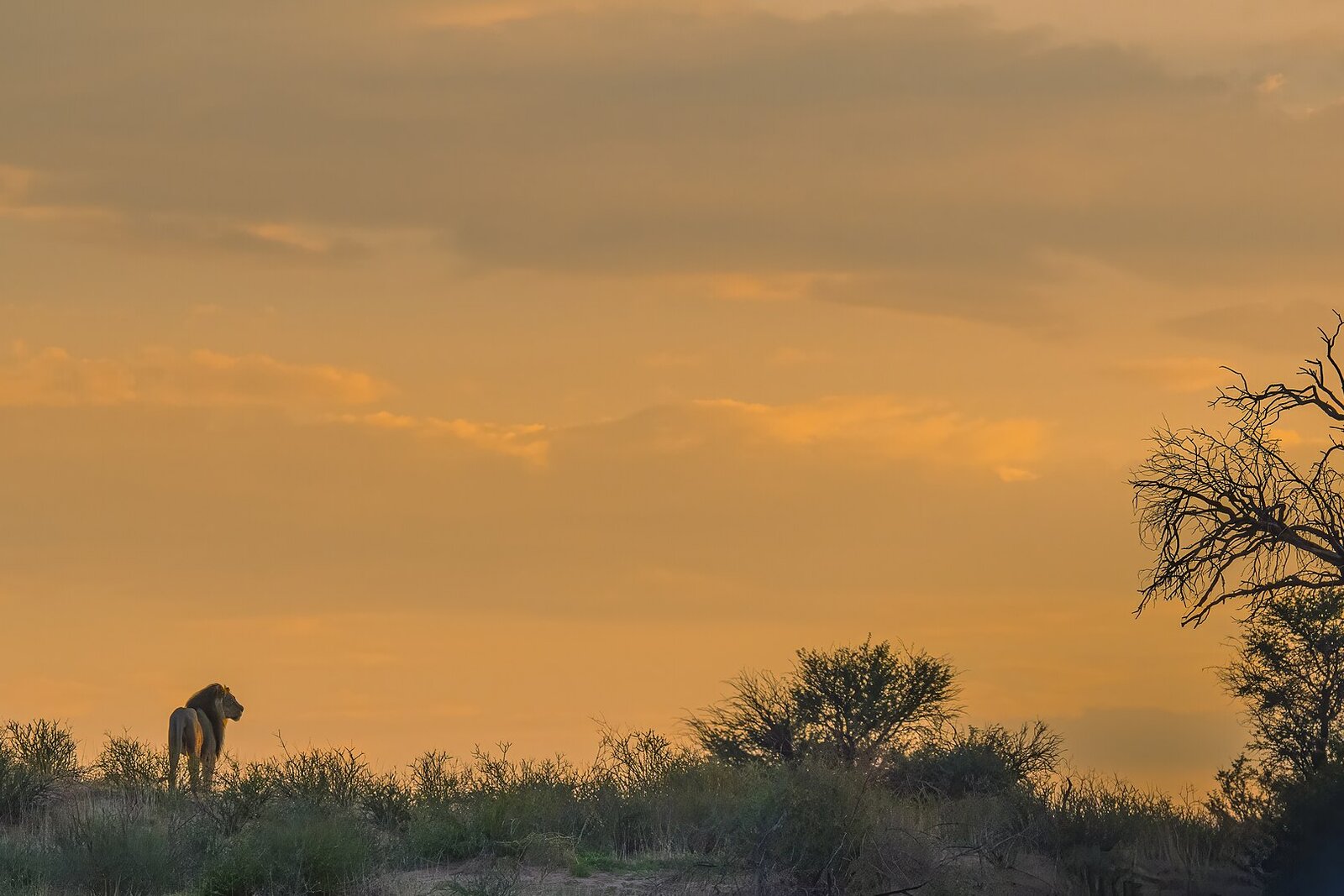
And the predators are the stars. The Kgalagadi's black-maned Kalahari lions are the most magnificent in Africa, cheetah use the dune crests as vantage points, and leopard haunt the riverbed trees. Add gemsbok (oryx) standing sentinel on the dunes, huge springbok herds, meerkats and raptors, and you have a self-drive safari of pure, elemental beauty.
What makes the Kgalagadi special:
- Red-dune drama — every sighting framed by red sand, fossil riverbeds and enormous skies.
- Black-maned lions — the Kalahari's signature predator, the most photogenic lions on the continent.
- Accessible on the SA side — graded gravel roads a normal car can manage between the main camps.
- Unfenced wilderness camps — tiny, remote and unforgettable, deep in the dunes with the wild all around.
The Best Self-Drive Routes — the Riverbeds
The Kgalagadi's road network is simple and superb: two riverbed roads meet at the entrance and run north and north-west, with a few dune-road cutlines linking them. You drive the riverbeds slowly at dawn and dusk, when the cats are on the move.
The Nossob riverbed — lion country
Running north from Twee Rivieren toward the remote Nossob camp and beyond, the Nossob riverbed is the park's classic lion drive, with regular cheetah, leopard and a string of waterholes that draw game and predators alike. It is a long, wild road — the further north you go, the fewer other vehicles you meet.
The Auob riverbed — toward Mata Mata
The Auob riverbed road to Mata Mata on the Namibian border is dotted with old boreholes and waterholes that concentrate springbok, gemsbok, wildebeest and their predators. The dune scenery here is at its most classic, and cheetah sightings are frequent on the open stretches.
| Route / camp | Type | Best for |
|---|---|---|
| Nossob riverbed | Graded gravel | Lion, cheetah, leopard |
| Auob riverbed | Graded gravel | Cheetah, plains game, dunes |
| Wilderness camps | Unfenced, remote | Deep-dune immersion |
Where to Stay — Rest Camps & Wilderness Camps
The Kgalagadi has two kinds of accommodation, both booked through SANParks, and the mix of them shapes your trip.
- The main rest camps — Twee Rivieren (the entrance camp, with shop, fuel and a restaurant), Nossob (deep on the lion road) and Mata Mata (on the Auob at the Namibian border) — are fenced, well-equipped and the backbone of any self-drive.
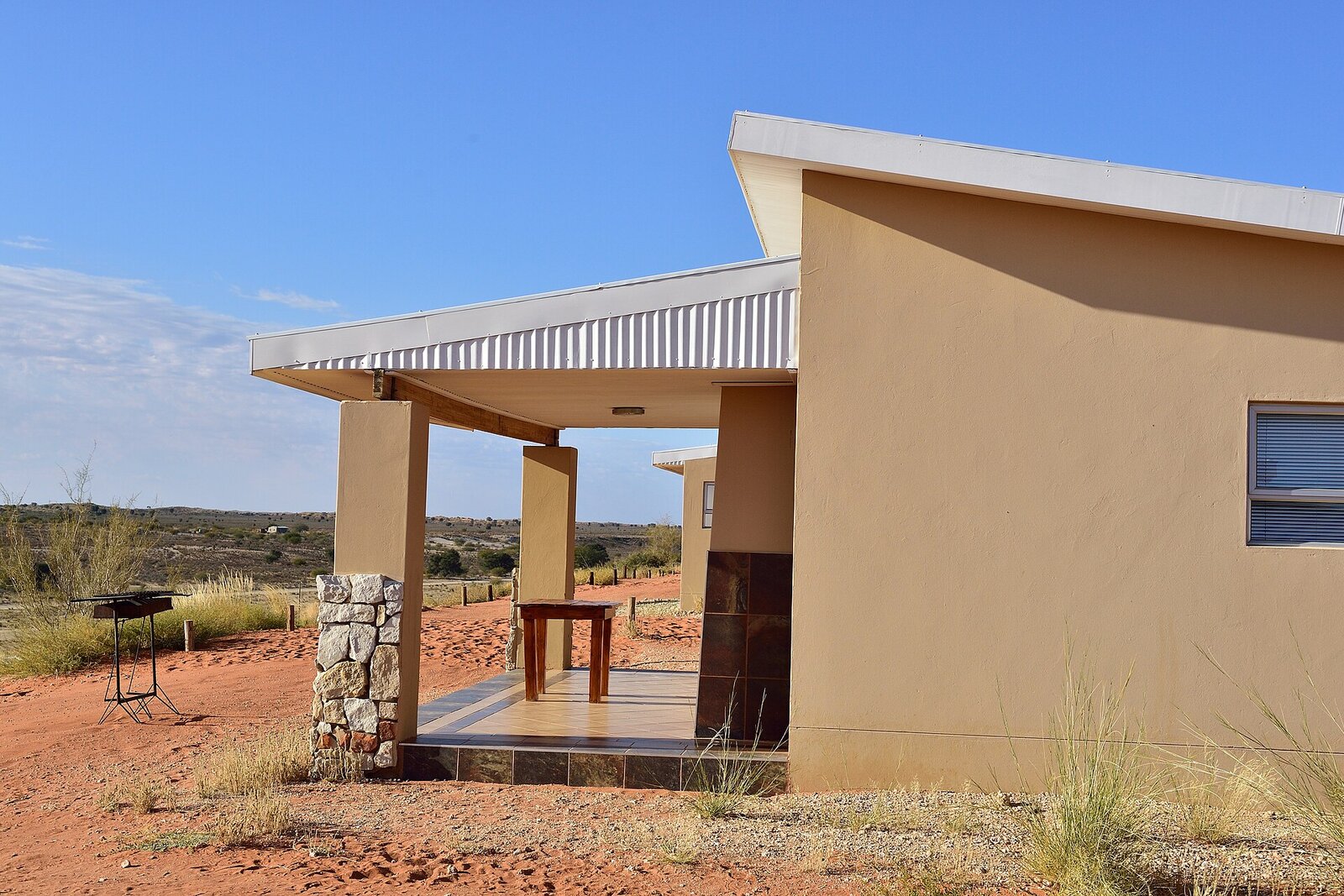
- The unfenced wilderness camps — Urikaruus, Kieliekrankie, Kalahari Tented Camp, Grootkolk, Bitterpan and Gharagab — are tiny, remote, solar-lit cabins deep in the dunes with no fence between you and the wild. They are the most magical beds in the park and the hardest to get.
For a more comfortable, catered stay, the private !Xaus Lodge sits on a red dune overlooking a salt pan deep in the park. The wilderness camps in particular sell out the instant they open — usually a year ahead — which is exactly why we book them for you the moment the window releases.
Do You Need a 4x4?
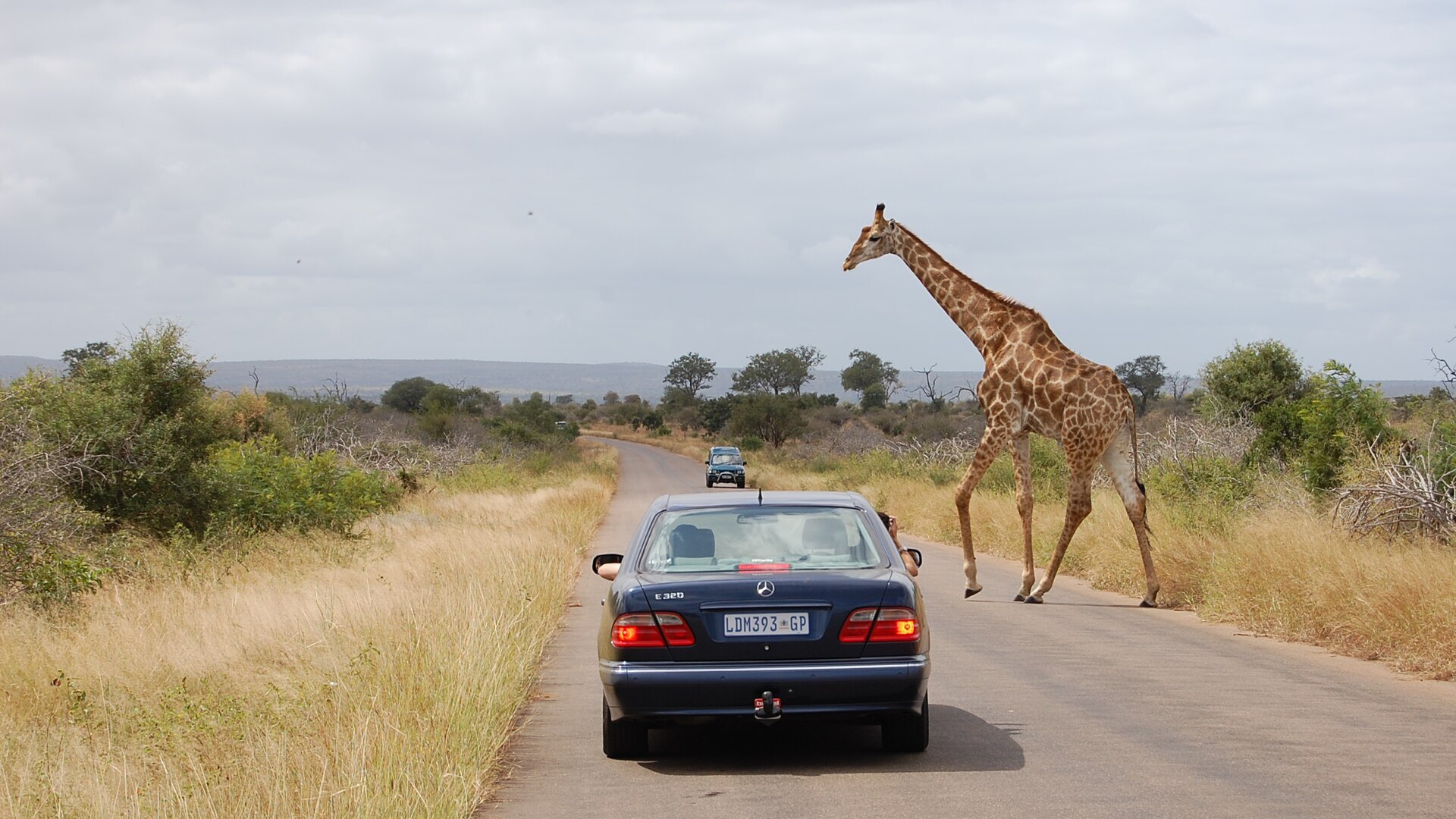
On the South African side, a normal car copes with the main routes. The riverbed roads between Twee Rivieren, Nossob and Mata Mata are graded gravel that a sedan can drive, though a high-clearance vehicle is more comfortable on the corrugations and gives a better view over the grass. To reach the unfenced wilderness camps and the dune roads, and to be safe in soft sand, a 4x4 or high-clearance SUV is recommended.
The Botswana side (Mabuasehube and the wilderness trails) is another matter entirely — strictly 4x4, fully self-sufficient, and for experienced desert drivers only, ideally in a convoy. Most self-drivers stick to the rewarding and accessible South African side, which we can plan around any vehicle.
When to Go & What It Costs
The Kgalagadi is a year-round self-drive destination with two distinct characters. The dry winter (May to September) brings cold, clear mornings, thin cover and predators concentrated at the waterholes — prime for lion and cheetah. The green summer (November to April) is hot but spectacular: raptors arrive in numbers, springbok drop their lambs, and the desert can bloom after rain, though midday heat is intense.
The Kgalagadi is superb value. Our supported Kgalagadi self-drive journeys start from around $3,150 per person sharing, including the vehicle, all rest-camp and wilderness-camp accommodation, park fees, route planning and 24/7 support. International flights are excluded, and we tailor the trip to your dates and the camps you dream of.
Plan Your Kgalagadi Self-Drive With Beyond Africa
We are a Cape Town-based, tailor-made safari house, and the Kgalagadi self-drive is a trip we adore. We win the near-impossible wilderness-camp bookings the moment they release, arrange the right vehicle, plan the riverbed routes and camp sequence for the best cats and the best light, and stay a phone call away throughout. You get the most photogenic desert safari on Earth, with none of the booking scramble.
Ready to drive the red dunes and find the black-maned lions? 👉 Request a Kgalagadi self-drive quote → 👉 Browse our self-drive safari packages → 👉 WhatsApp us: +27 78 471 4852