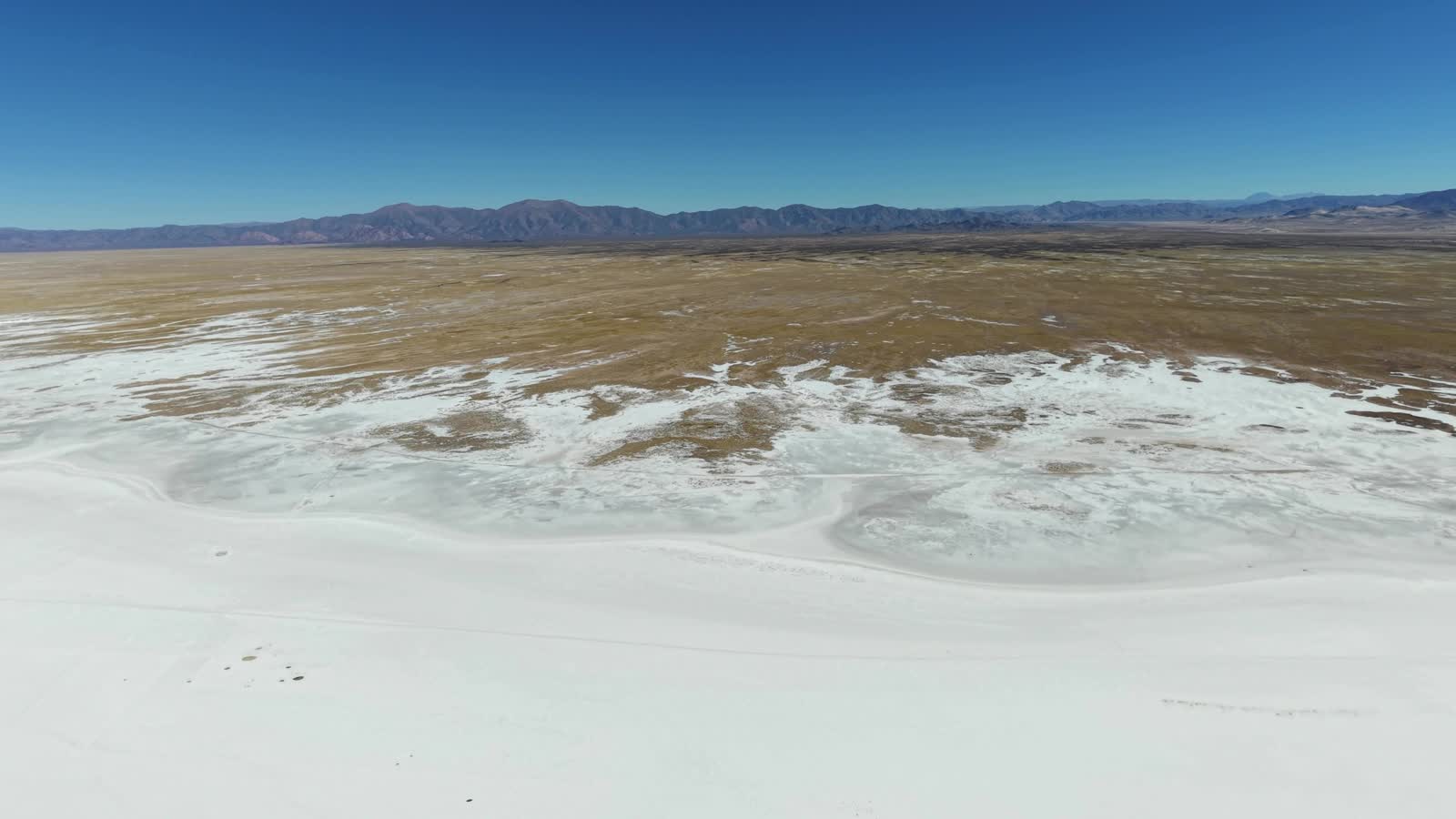
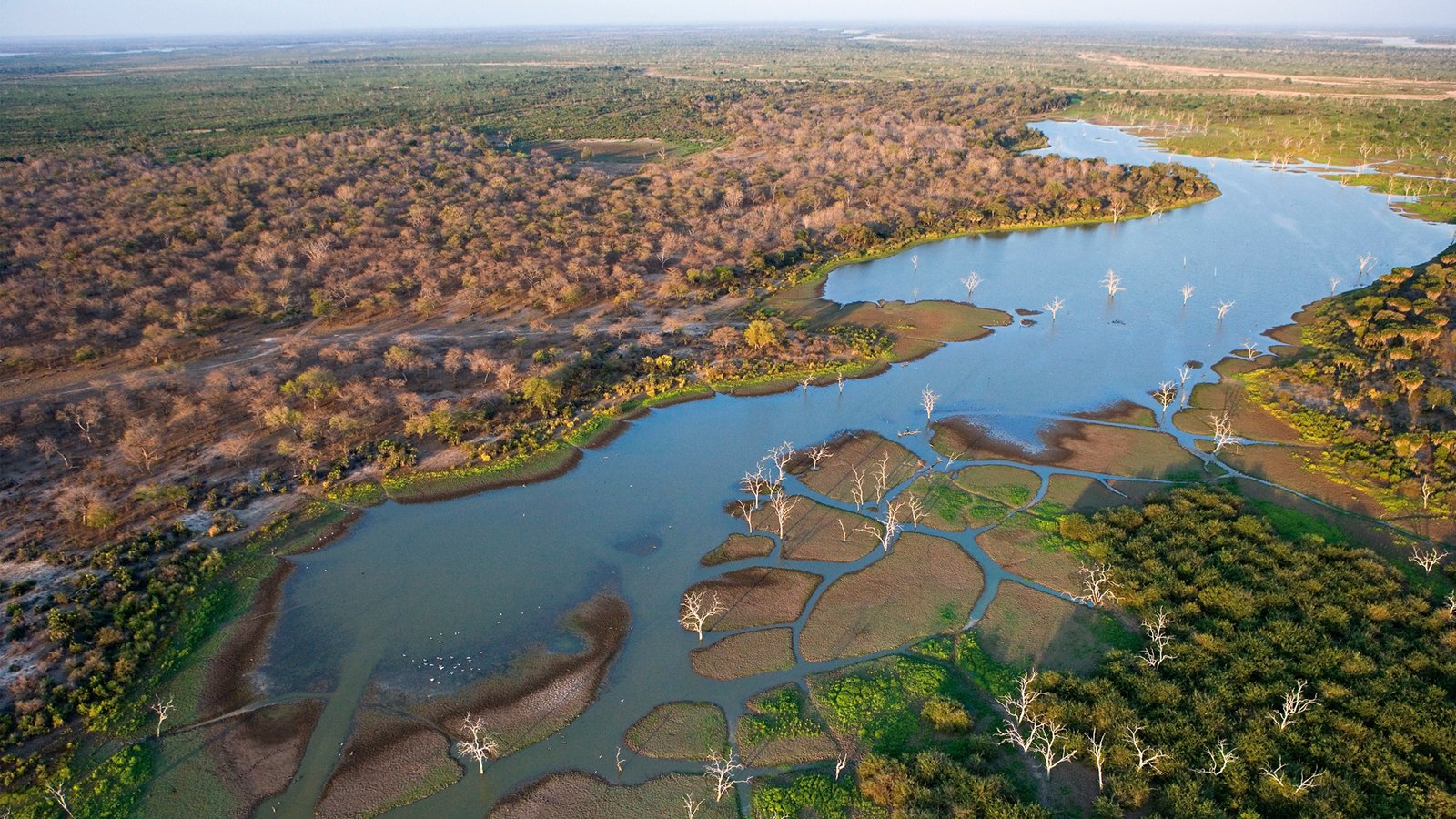
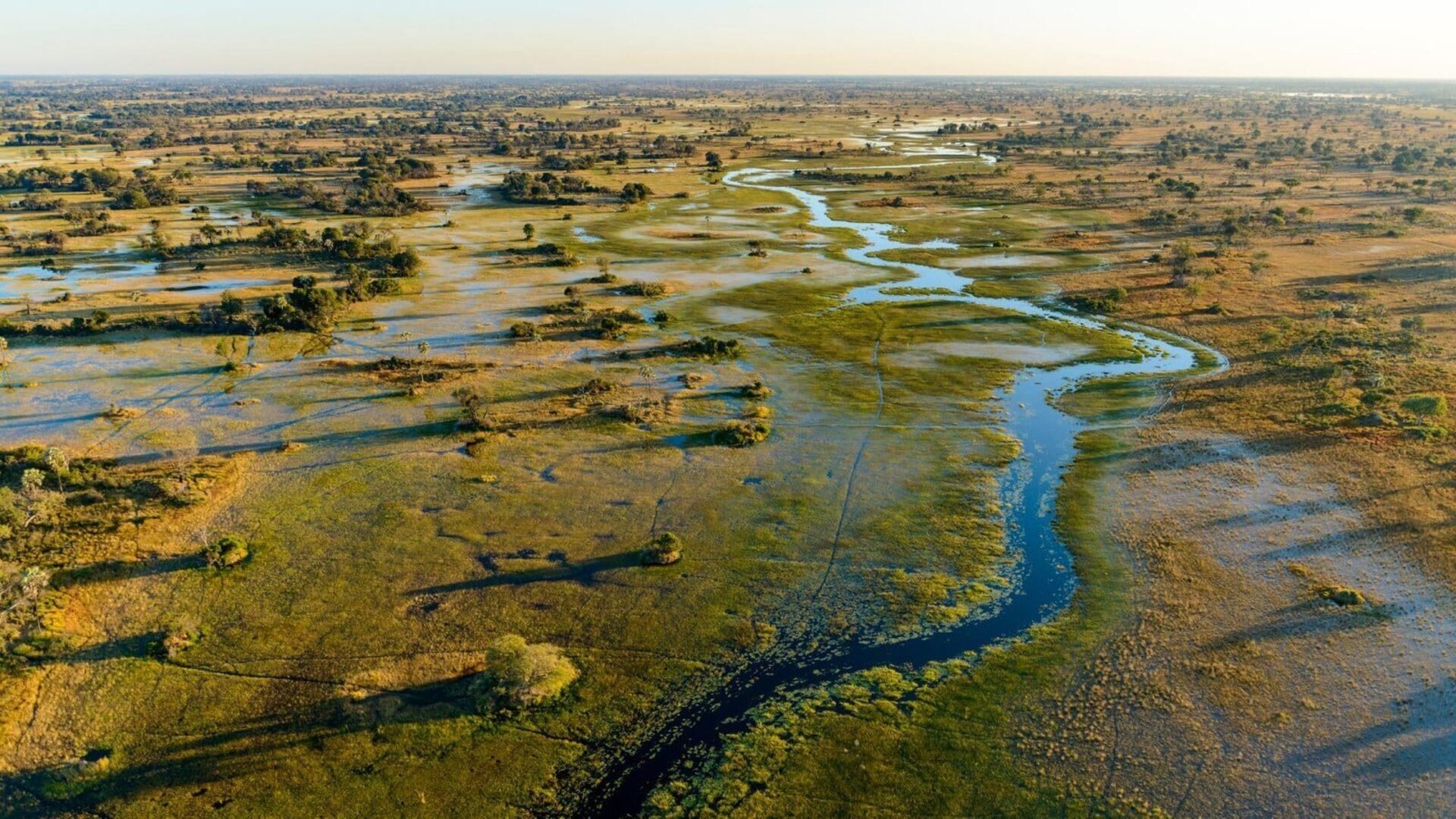
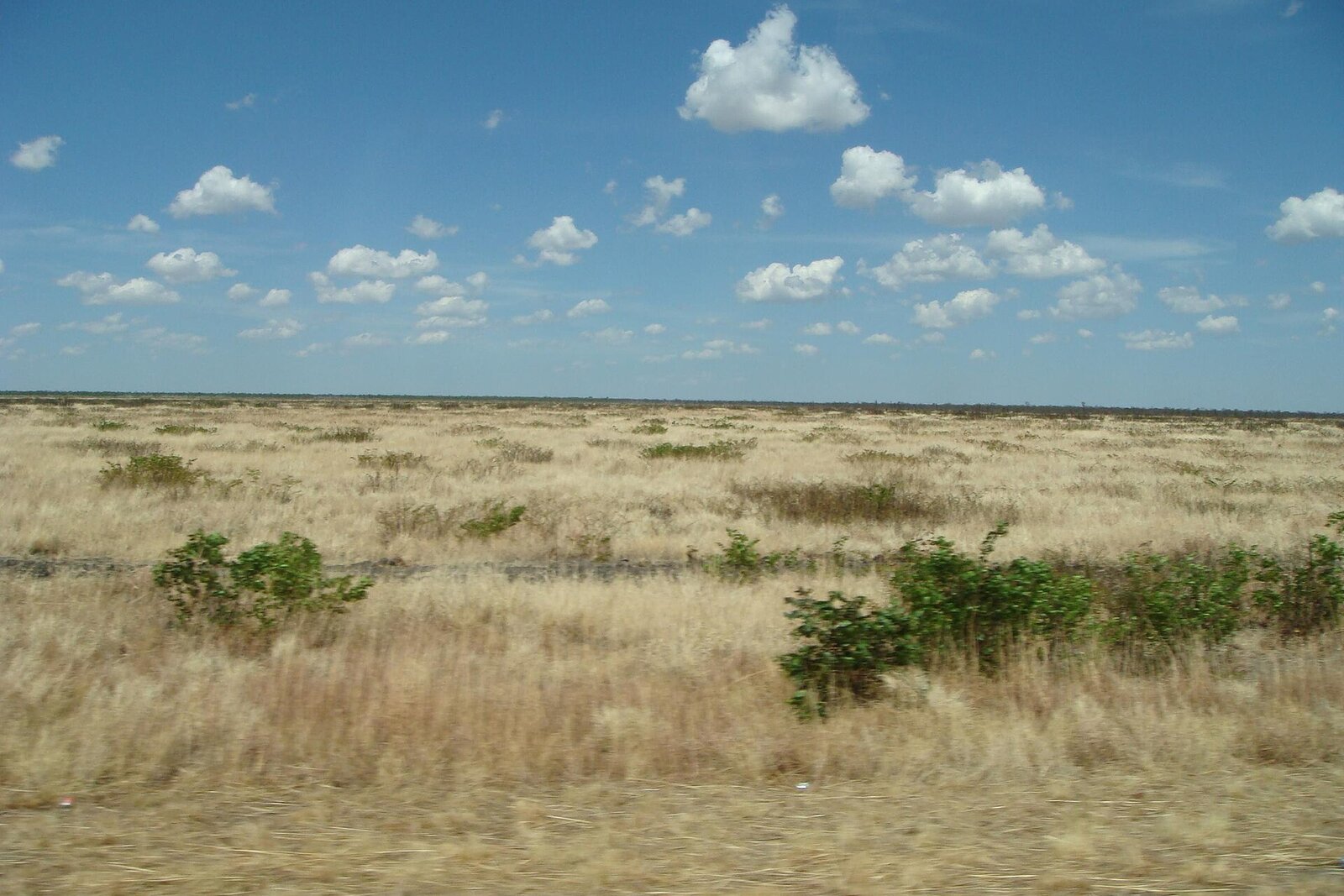
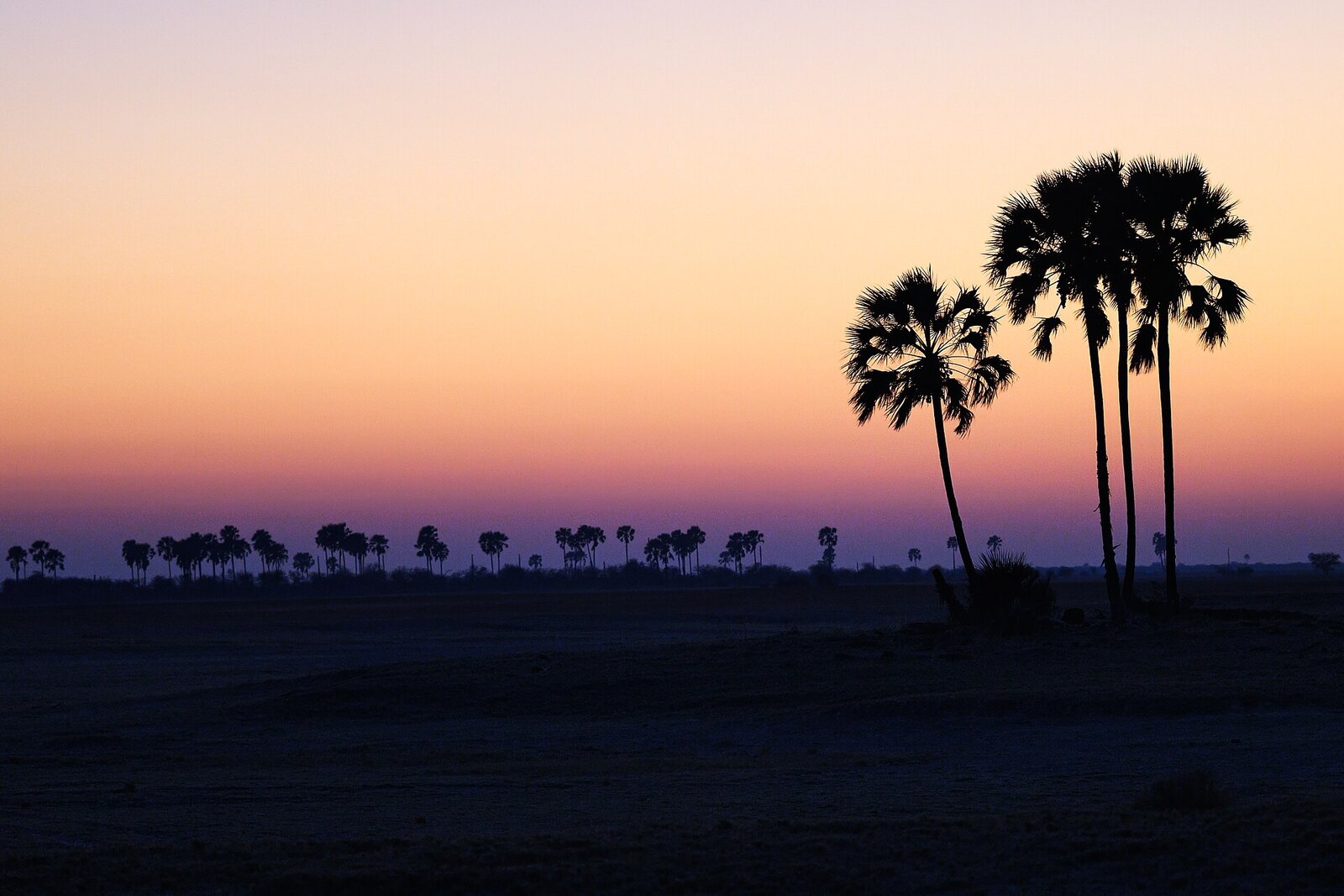
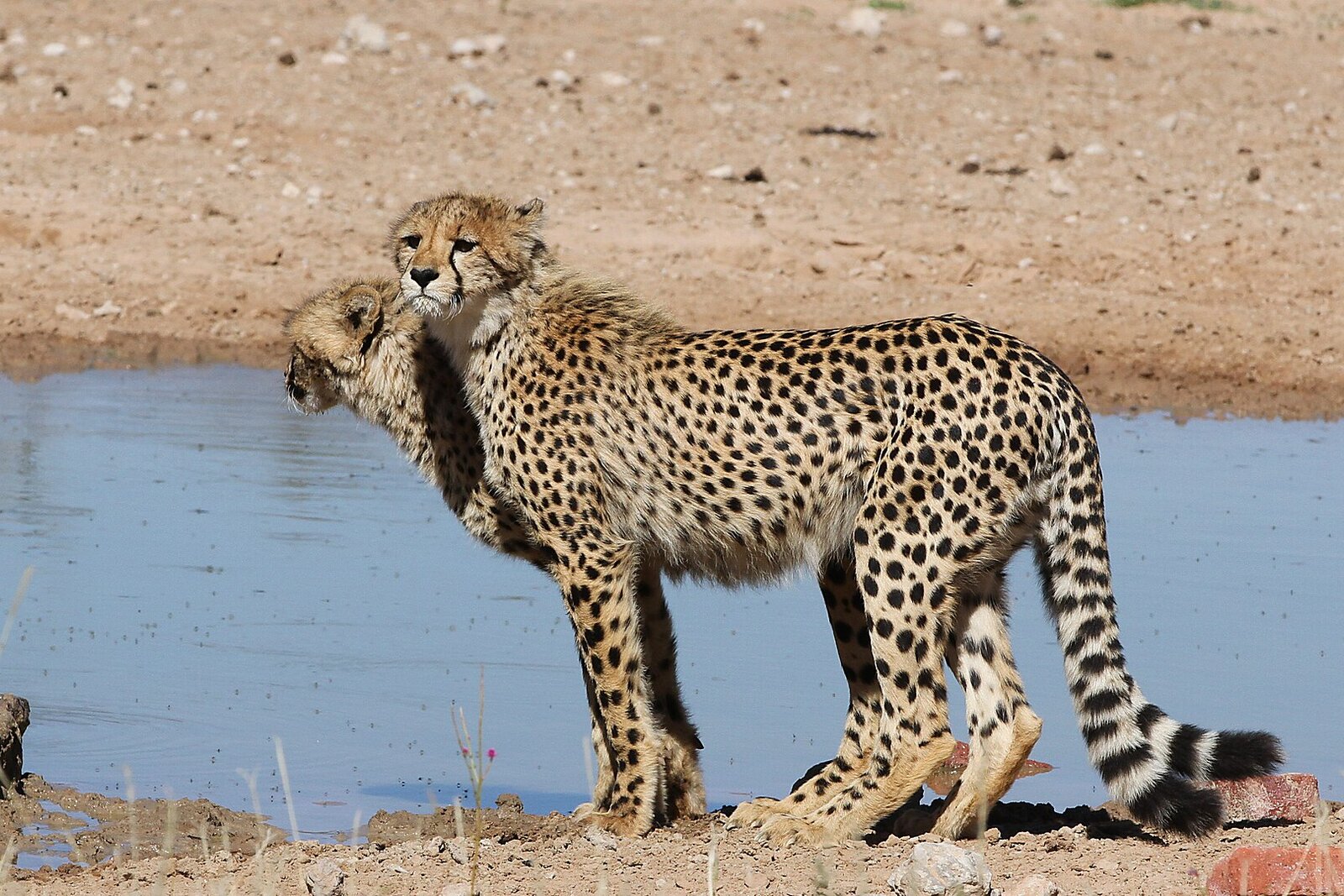
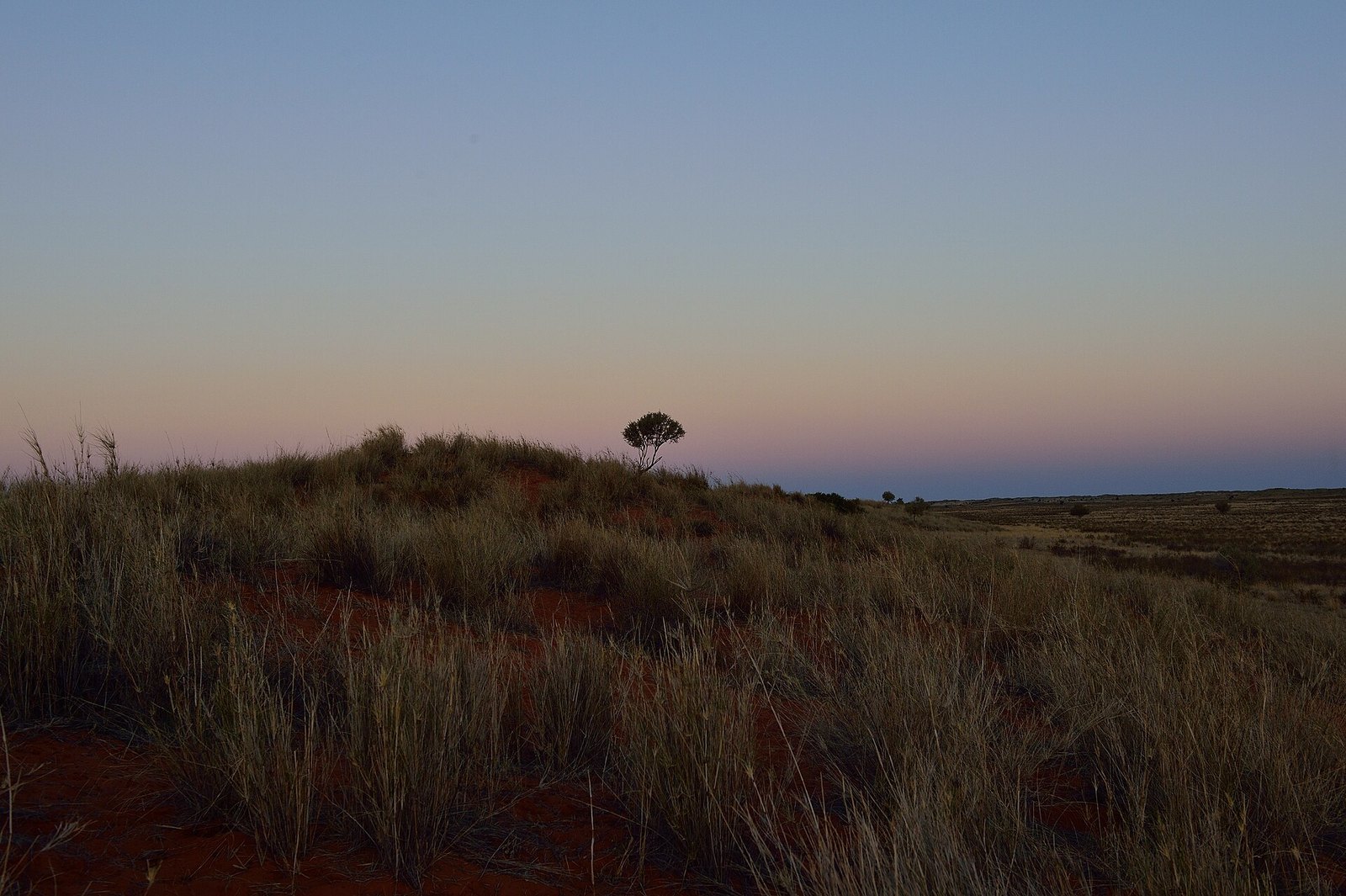
The Kalahari is not a true desert but a vast semi-arid savanna — a sea of golden grass, fossil river valleys and ancient dunes stretching across the heart of Botswana. At its centre lies the Central Kalahari Game Reserve, one of the largest protected areas on Earth at nearly 53,000 km². This is a different kind of safari: immense space, profound silence, and wildlife shaped by thirst. Famous black-maned Kalahari lions patrol the fossil valleys of Deception and Passarge; gemsbok and springbok graze in their thousands; and cheetah, brown hyena, bat-eared fox and meerkat thrive where few others can. When the summer rains arrive, roughly December to April, the pans erupt in green and the great herds — and the predators that follow them — gather on Deception Valley in one of Africa's most underrated spectacles. Above it all stretches a sky so clear and dark that the Milky Way throws shadows. This is also the ancestral home of the San, whose knowledge of the land runs deeper than any map.
We don't just cross the desert. We time it to when it comes alive. The Kalahari's greatest show follows the rain. We know when Deception Valley greens, where the black-maned prides move, and which camps put meerkats, night drives and the San within your reach.
At a glance, the Kalahari Desert spans 52,800 km² (Central Kalahari), black-maned lion & meerkat, protected since Reserve 1961 — and the best time to be here is typically Dec – April (green) & May – Oct.
Deception Valley Game Drive
Drive the fossil river valleys where the Kalahari's most famous wildlife gathers. In the green season Deception Valley fills with springbok, gemsbok and wildebeest, drawing the black-maned lions and cheetah that made this landscape legendary. In the dry months the drama shifts to waterholes and the endless golden plains. Every drive here feels vast and cinematic.
- Open-vehicle game drive
- Professional guide
- Reserve fees
- Sundowner stop
Why Go
- Central Kalahari Game Reserve — one of the largest protected wildernesses on the planet
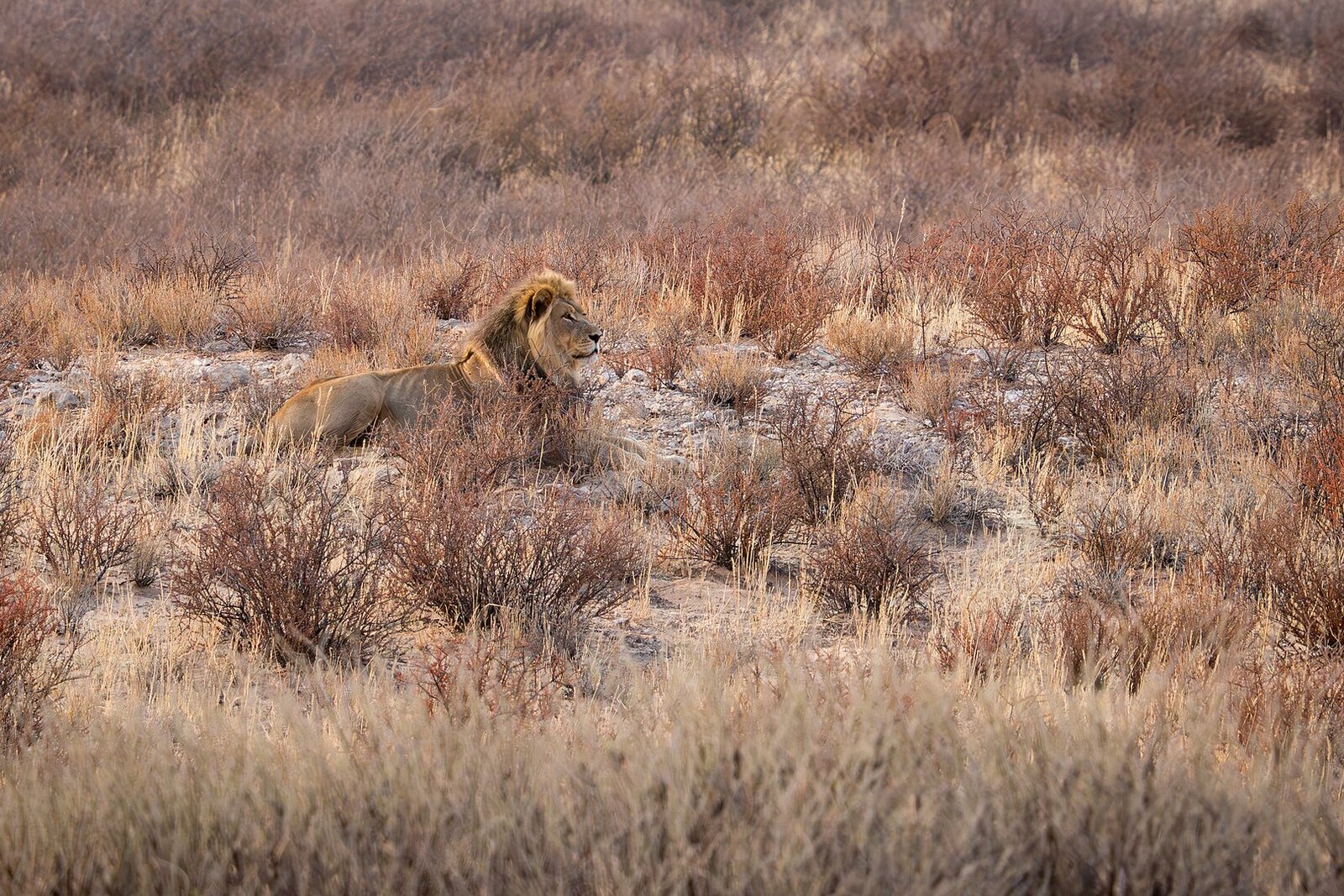
- Famous black-maned Kalahari lions of Deception Valley
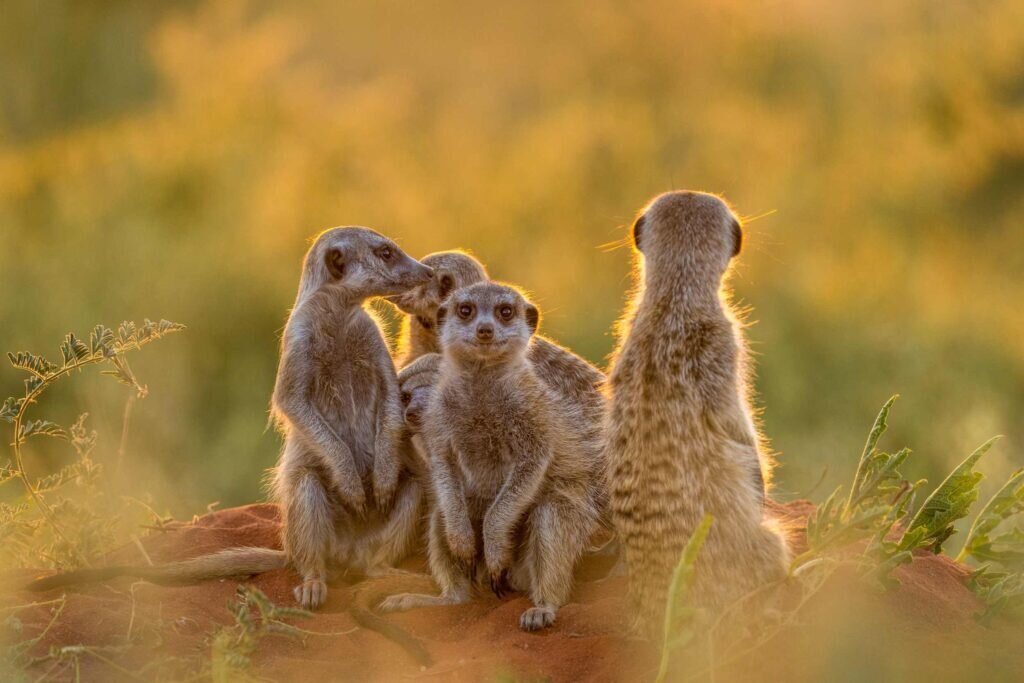
- Habituated meerkats — eye-level encounters as they stand sentry at dawn
- Green-season herds: thousands of springbok and gemsbok, with predators in pursuit
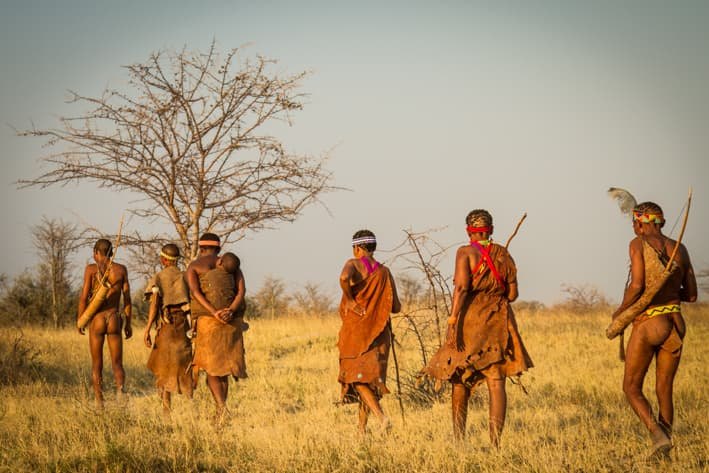
- Walks with the San — the world's oldest continuous culture reading the desert
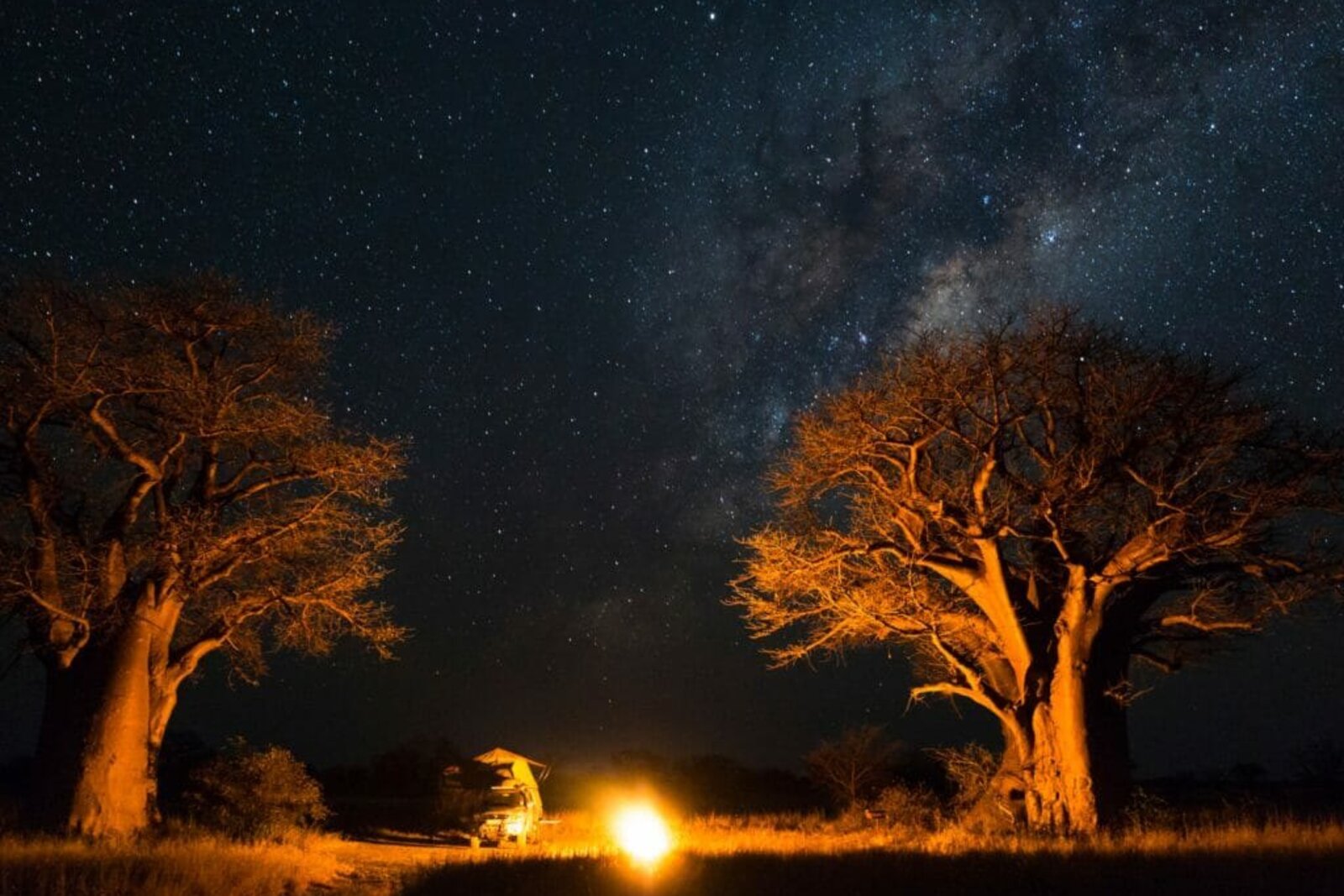
- Extraordinary dark skies — some of the finest stargazing in Africa
What You'll See
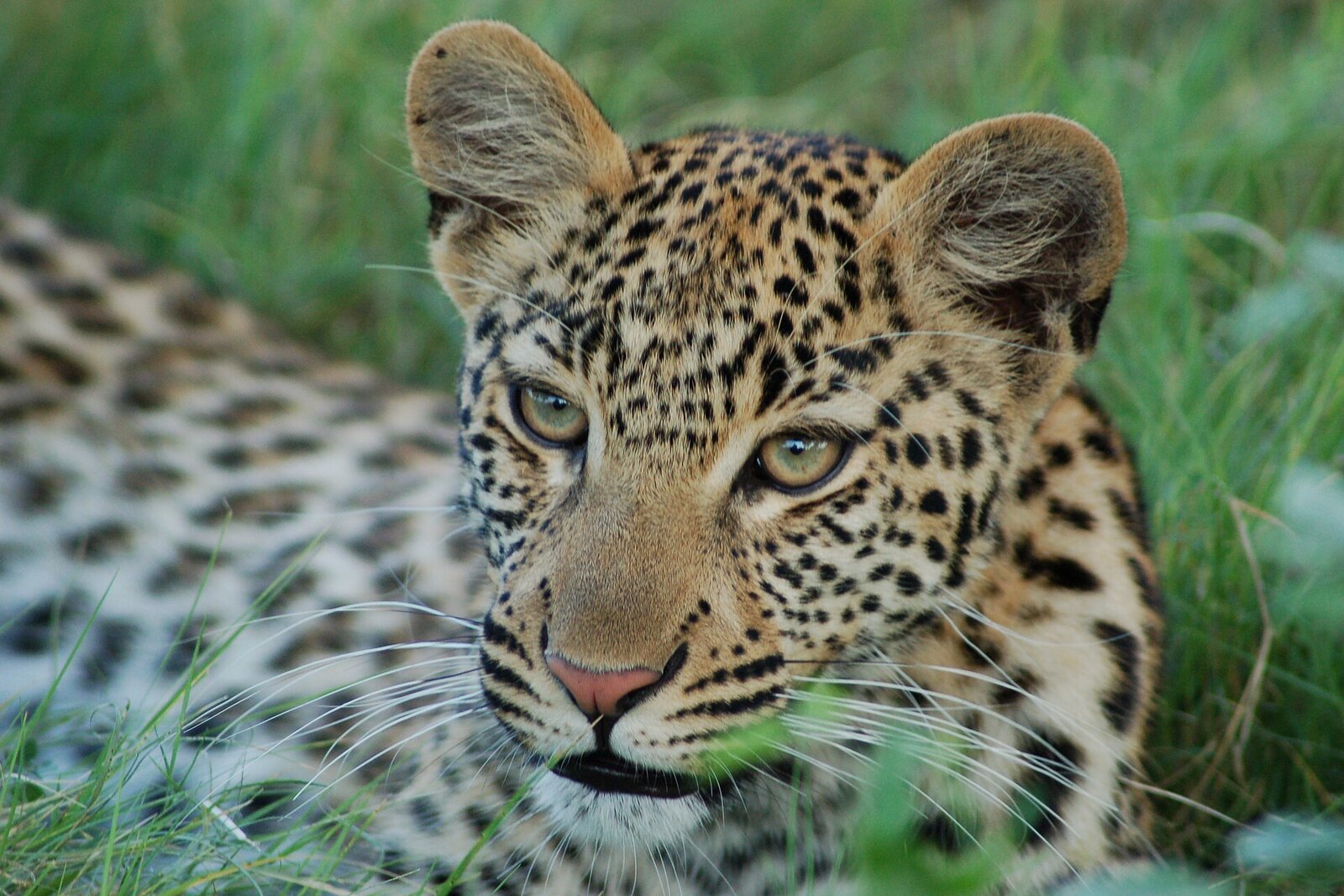
Of the Big Five you can expect Black-Maned Kalahari Lion and Leopard here. Here is what the guiding team looks for on a typical few days in the bush.
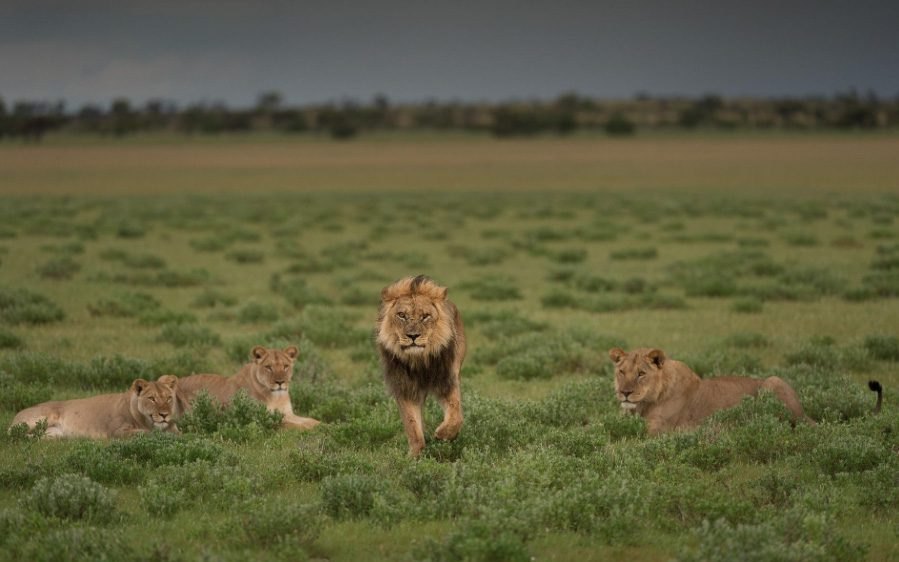
Black-Maned Kalahari Lion. The desert's iconic predator, famous for its dark mane
Cheetah. Thrive on the open plains where they can run down springbok
Leopard. Present along the fossil valleys and tree lines
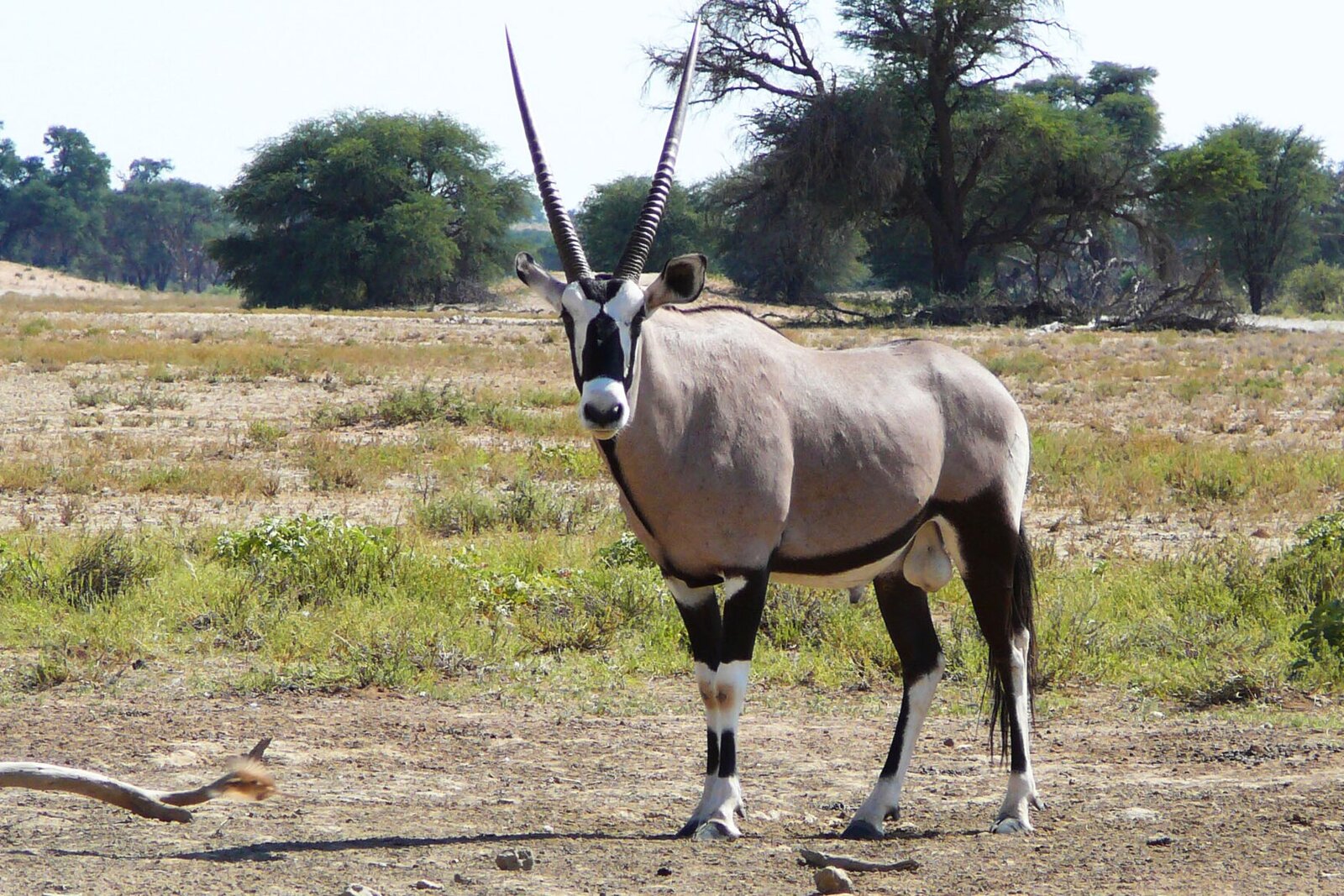
Gemsbok (Oryx). The desert antelope built to survive without drinking water
Meerkat. Habituated clans allow charming eye-level encounters
Brown Hyena. The shy, shaggy desert scavenger, best seen at night
Bat-Eared Fox. Big-eared insect hunters of the open grasslands
Springbok. Gather in thousands on Deception Valley after the rains
How to Explore
Deception Valley Game Drive
3–4 hours · Game Drive
Drive the fossil river valleys where the Kalahari's most famous wildlife gathers. In the green season Deception Valley fills with springbok, gemsbok and wildebeest, drawing the black-maned lions and cheetah that made this landscape legendary. In the dry months the drama shifts to waterholes and the endless golden plains. Every drive here feels vast and cinematic.
Best for: Big cats, Photographers, Wilderness lovers.
Meerkat Encounter
1–2 hours (early morning) · Wildlife
Sit quietly at a meerkat warren at first light and watch a habituated clan emerge, stand sentry against the rising sun, and set off to forage. Unbothered by people, the meerkats may even use a still guest as a lookout post. It is one of the most charming and intimate wildlife experiences anywhere in Africa.
Best for: Families, Photographers, First-time safari-goers.
Walk with the San
2–3 hours · Cultural
Walk the bush with San guides whose ancestors have lived in the Kalahari for tens of thousands of years. Learn how to find water in a barren plain, set a traditional trap, identify medicinal plants and read the smallest track in the sand. It is a humbling window into the world's oldest continuous culture and the deepest bush knowledge on Earth.
Best for: Culture, Nature lovers, Curious travellers.
Nocturnal Desert Drive
2–3 hours · Night Safari
After dark the Kalahari reveals its secret cast. With a spotlight, guides search for brown hyena, aardvark, aardwolf, bat-eared fox, African wildcat and springhare — desert specialists rarely seen by day. Night drives are permitted on the private concessions bordering the reserve, adding a whole second wilderness to your stay.
Best for: Return safari-goers, Photographers, Nocturnal wildlife.
Kalahari Stargazing
1–2 hours (evening) · Nature
Far from any city light, the Kalahari sky is astonishing. After dinner, guides point out the Southern Cross, Scorpius and the luminous band of the Milky Way, sharing both the science and the San stories written in the stars. On moonless nights the heavens are so bright they cast a faint shadow — an unforgettable end to a desert day.
Best for: Couples, Families, Photographers.
Fly-Camping Under the Stars
1 night · Unique
For the adventurous, spend a night fly-camping on the open plains — a simple bedroll under a mosquito dome, a fire, and nothing between you and the Milky Way. The silence of the Kalahari at night is total, broken only by a distant lion or the yip of a jackal. It is safari stripped back to its purest, most elemental form.
Best for: Adventurers, Couples, Return safari-goers.
What a Kalahari Safari Costs
Prices vary widely depending on camp tier, season and length of stay. Here is what you can expect to pay per person per night, and what a typical 3-night or 5-night Kalahari add-on costs in total, including flights from Maun, all meals, activities and park fees.
| Tier | Per Person / Night | 3 Nights (Total pp) | 5 Nights (Total pp) | What You Get |
|---|---|---|---|---|
| Budget / Community | US$350 – $550 | $2,400 – $3,200 | $3,800 – $5,200 | Grasslands Bushman Lodge, Haina — great value, bush atmosphere, San walks, basic en-suite chalets |
| Upscale | $650 – $900 | $4,200 – $5,800 | $6,800 – $9,200 | Deception Valley Lodge, Dinaka — thatched luxury, night drives, meerkats, San experiences, private concessions |
| Luxury | $900 – $950 | $5,500 – $7,500 | $9,000 – $12,000 | Tau Pan, Kalahari Plains — deep CKGR location, rooftop sleep-outs, black-maned lions, habituated meerkats, stargazing |
| Ultra-Luxury | $1,200+ | $7,800+ | $12,500+ | Jack’s Camp, San Camp — Makgadikgadi Pans exclusivity, quad biking, Chapman’s Baobab, museum-quality interiors, sleep-outs |
Best value months: November (shoulder), December – February (green season) and April offer 20–40% lower rates than peak dry-season (June – October). The green season is also when Deception Valley wildlife is at its best.
When to Visit: The Kalahari by Season
The Kalahari runs opposite to most safari destinations — its peak wildlife months are the green season, when rains draw the great herds onto Deception Valley and the black-maned lions and cheetah follow. Here is the full 12-month breakdown.
| Month | Wildlife ⭐ | Weather | Landscape | Best For | Value |
|---|---|---|---|---|---|
| January | ⭐⭐⭐⭐⭐ | Hot, afternoon storms | Green, wildflowers | Herds on Deception, active predators, birding | ⭐⭐⭐⭐ |
| February | ⭐⭐⭐⭐⭐ | Hot, wet | Green, pans full | Zebra migration (Makgadikgadi), flamingos, lion/cheetah hunts | ⭐⭐⭐⭐ |
| March | ⭐⭐⭐⭐⭐ | Warm, rains easing | Lush green | Peak predator action, springbok/gemsbok herds, great photos | ⭐⭐⭐⭐ |
| April | ⭐⭐⭐⭐ | Pleasant, dry | Fading green | Transitional — still green, fewer storms, cooler, excellent value | ⭐⭐⭐⭐⭐ |
| May | ⭐⭐⭐ | Cool, dry | Golden grass | Cooler nights, reliable meerkats, stargazing begins | ⭐⭐⭐ |
| June | ⭐⭐⭐ | Cold mornings, warm days | Dry, golden | Dry-season game near waterholes, crisp air, fewer visitors | ⭐⭐ |
| July | ⭐⭐⭐ | Cold, dry | Arid, dusty | Predators at waterholes, meerkats, brown hyena, night drives | ⭐⭐ |
| August | ⭐⭐⭐ | Cool, dry | Dry plains | Concentrated wildlife, excellent stargazing, winter appeal | ⭐⭐ |
| September | ⭐⭐ | Warming, dry | Very dry, dusty | Waterholes busy, fly-camping, big skies | ⭐⭐ |
| October | ⭐⭐ | Hot, dry | Dusty, parched | Heat builds, animals near water, anticipation of rains | ⭐⭐⭐ |
| November | ⭐⭐⭐ | Hot, first rains | Greening begins | Shoulder season — great value, fewer crowds, herds returning | ⭐⭐⭐⭐⭐ |
| December | ⭐⭐⭐⭐⭐ | Hot, storms start | Fresh green | Green-season peak begins, migratory birds, lion activity surges | ⭐⭐⭐⭐ |
Verdict: December – March is peak wildlife (herds & predators on Deception Valley). April & November offer best value. May – October is dry, cool and quiet with reliable meerkats and stargazing but lower wildlife concentrations.
The Kalahari’s Three Zones — Which One for You?
The Kalahari is not one place. It spans three distinct safari zones, each with different wildlife, access and atmosphere. Here is how they compare.
| Zone | Location | Signature Wildlife | Landscape | Access | Best For |
|---|---|---|---|---|---|
| Central Kalahari Game Reserve | Botswana (heart of Kalahari) | Black-maned Kalahari lions, cheetah, gemsbok, springbok, brown hyena, meerkats | Fossil river valleys (Deception, Passarge), golden grasslands, ancient dunes | Fly-in only (Maun → Tau Pan / Deception airstrip) | Remote wilderness, black-maned lions, green-season herds, fly-camping, San culture |
| Makgadikgadi & Nxai Pans | Botswana (northeast Kalahari) | Zebra migration (Feb–Mar), flamingos, springbok, lions, elephants, Baines’ Baobabs | Vast salt pans (world’s largest), seasonal wetlands, Chapman’s Baobab | Fly-in or 4x4 from Maun (2–3 hrs) | Quad biking on salt pans, zebra migration spectacle, surreal lunar landscape, Jack’s Camp luxury |
| Kgalagadi Transfrontier Park | Botswana / South Africa / Namibia border (southern Kalahari) | Black-maned lions, cheetah, leopard, gemsbok, springbok, meerkats, raptors | Red sand dunes, dry riverbeds (Nossob, Auob), camel-thorn trees | 4x4 self-drive from South Africa; lodges accessible from Upington or Kalahari Gate | Self-drive safaris, predator photography, red dunes, cross-border wilderness (SA/Botswana/Namibia) |
Our recommendation: For most Botswana itineraries we focus on the Central Kalahari (Tau Pan, Kalahari Plains) paired with the Okavango Delta. Makgadikgadi adds quad biking and zebra migration if you have an extra 2–3 nights. The Kgalagadi is typically a South Africa add-on and better suited to self-drive enthusiasts.
Sample Kalahari Itineraries — What They Cost
Here are three real itineraries our team books, showing what you get and what it costs per person, including flights from Maun, all meals, activities, park fees and road/air transfers.
| Itinerary | Nights | Camps | Highlights | Cost per Person |
|---|---|---|---|---|
| 3-Night Kalahari Taster | 3 | Deception Valley Lodge or Dinaka | Deception Valley drives, meerkats, San bush-walk, night drives, stargazing | US$4,200 – $5,800 |
| 5-Night Desert Immersion | 5 | Tau Pan Camp or Kalahari Plains | Deep CKGR wilderness, black-maned lions, Deception Valley green-season herds, fly-camping sleep-out, habituated meerkats, rooftop star-bed | $9,000 – $12,000 |
| 7-Night Kalahari & Makgadikgadi | 3 CKGR + 2 Makgadikgadi + 2 Delta | Tau Pan + Jack’s Camp + Delta luxury camp | Ultimate Botswana desert-to-water: black-maned lions, Deception Valley, quad biking on salt pans, zebra migration (Feb–Mar), Chapman’s Baobab, Delta mokoro — contrast silence with water | $16,500 – $22,000 |
Budget tip: Book green season (Dec–Apr) or November for 30–40% savings, or choose Deception Valley Lodge over Tau Pan to cut costs by $2,000–$3,000 pp without sacrificing the Kalahari experience.
Our Favourite Places to Stay
We hand-pick every camp and lodge we use in the Kalahari Desert. These are the addresses we return to, chosen for their guiding, their location and the way they make the wilderness feel like your own.
Tau Pan Camp ★★★★★
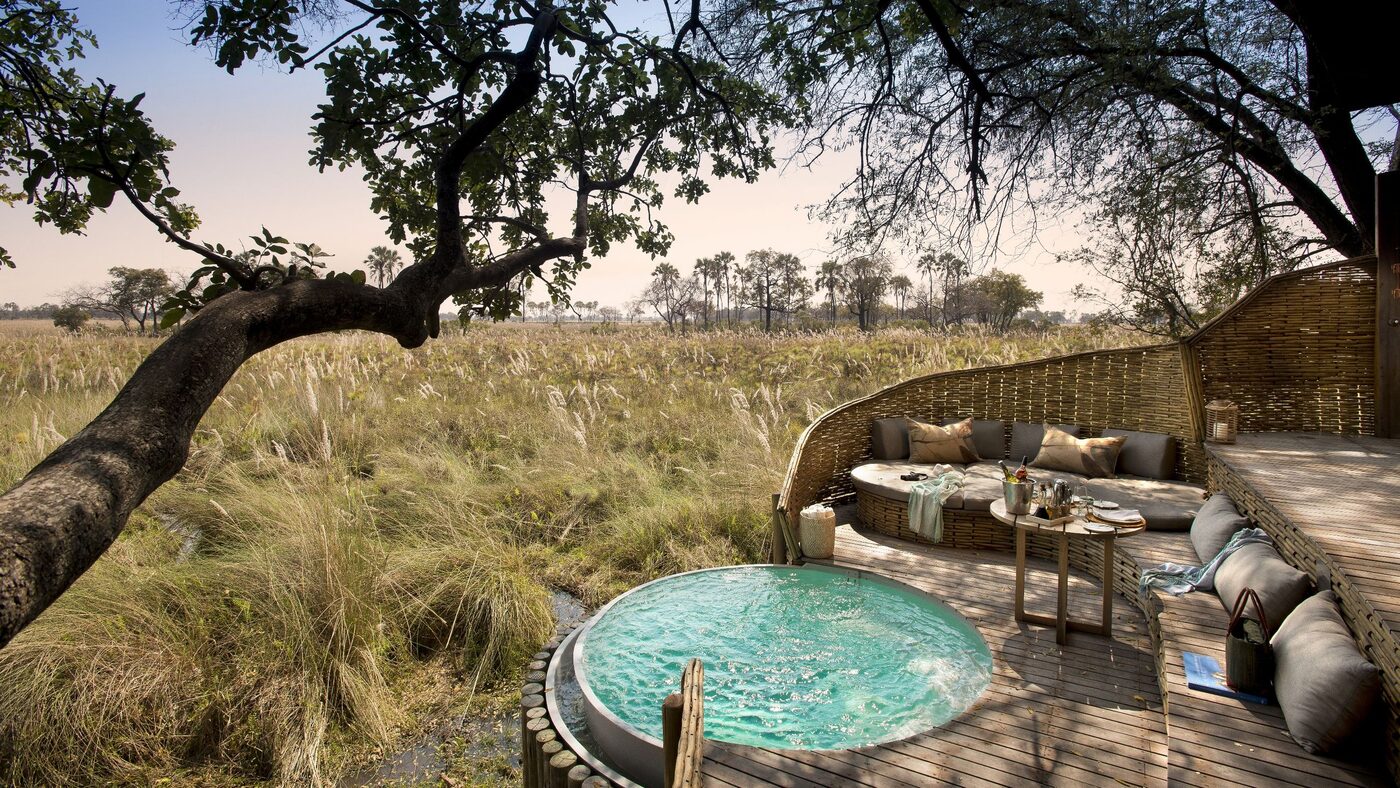
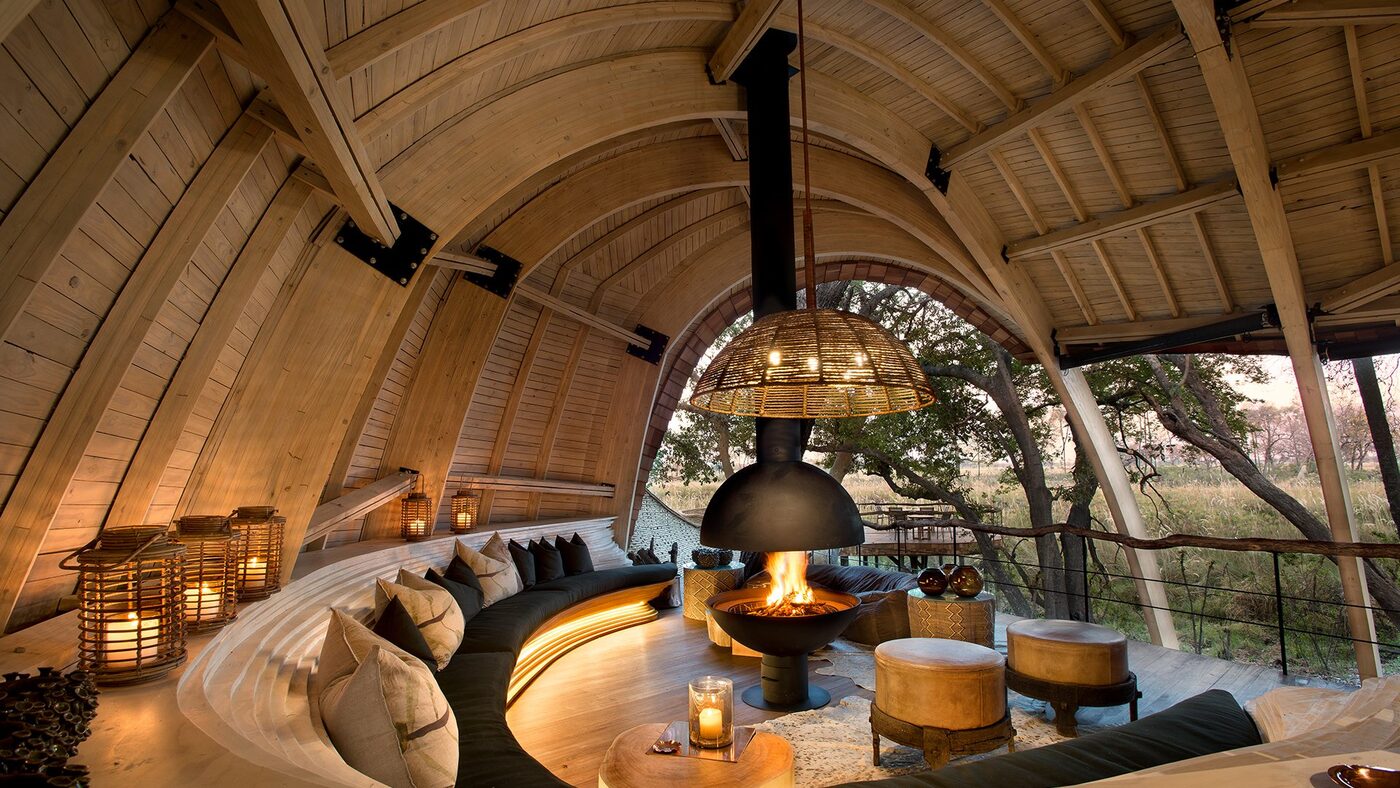
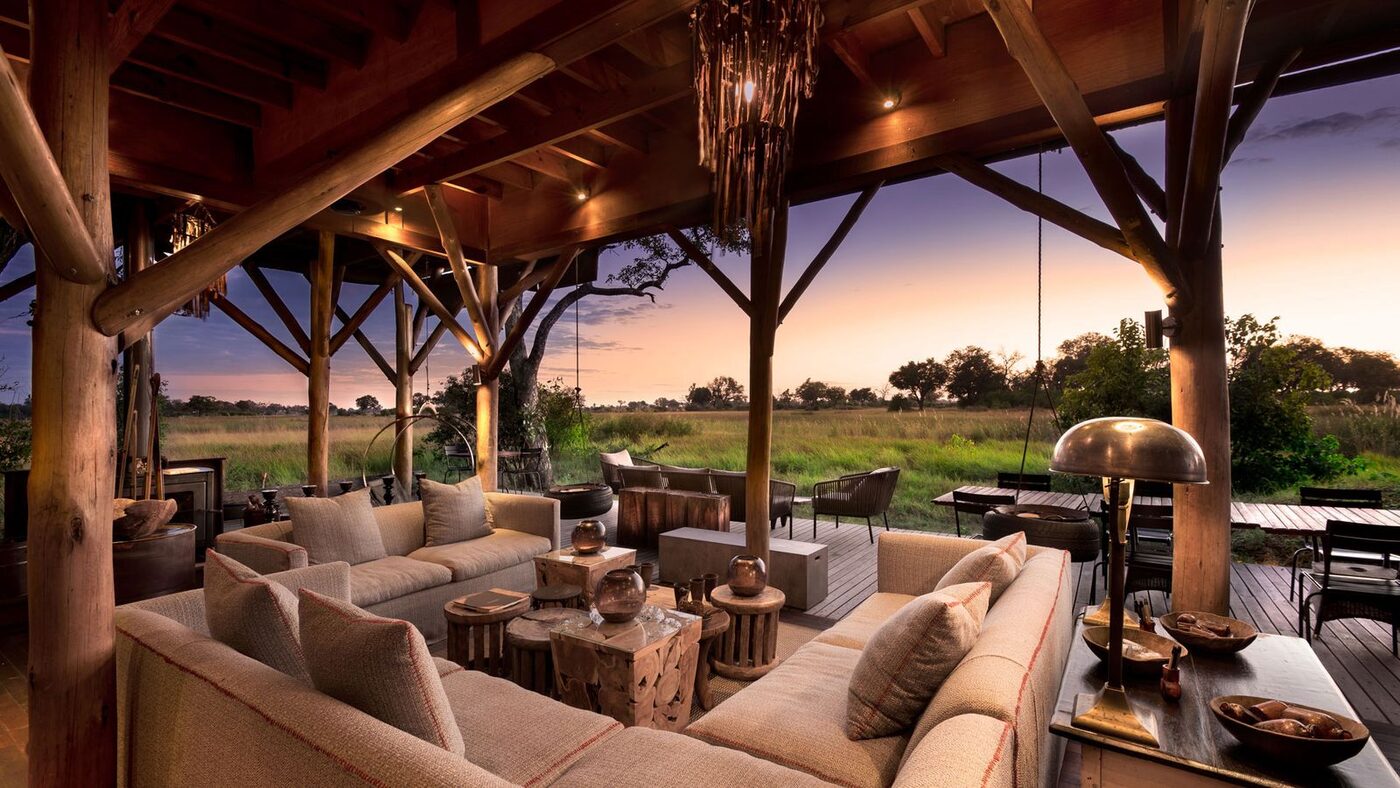
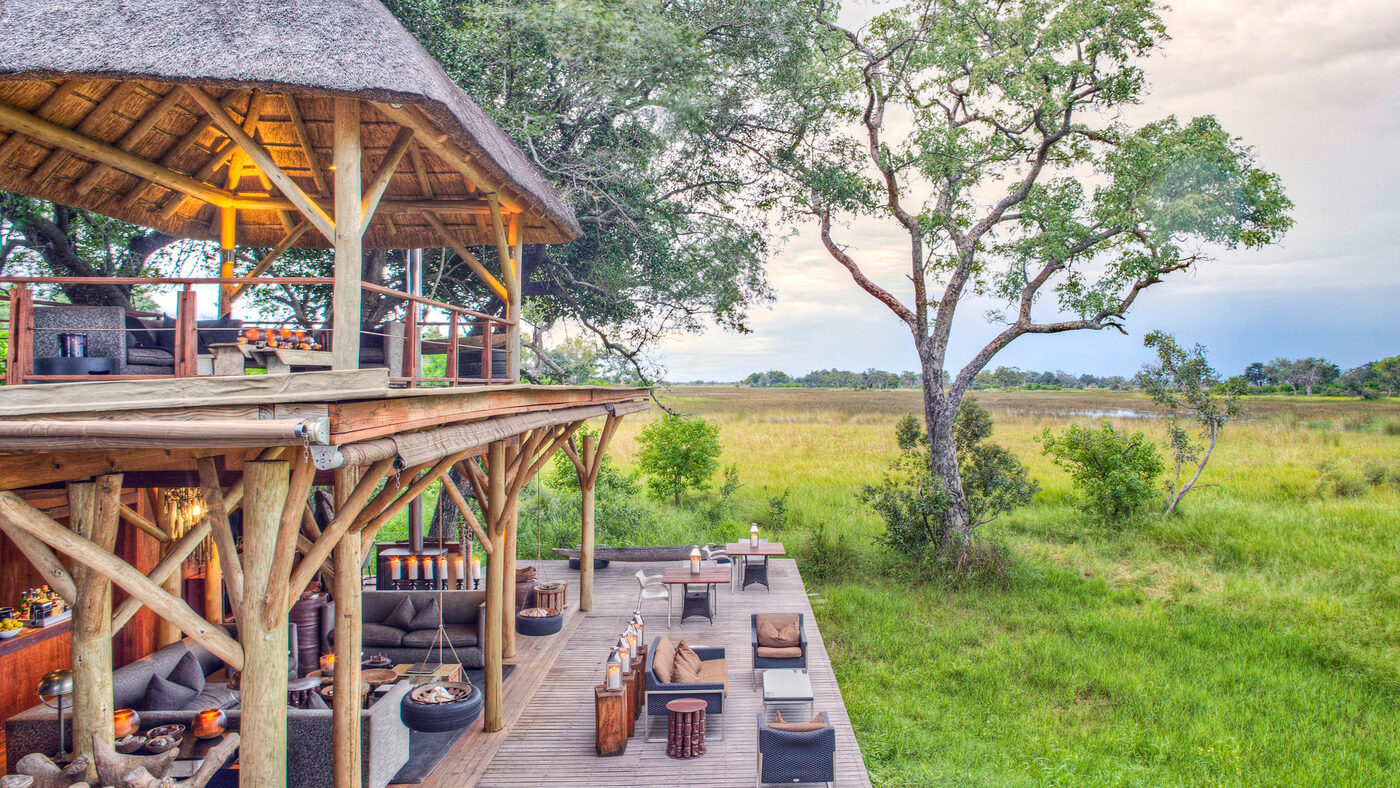
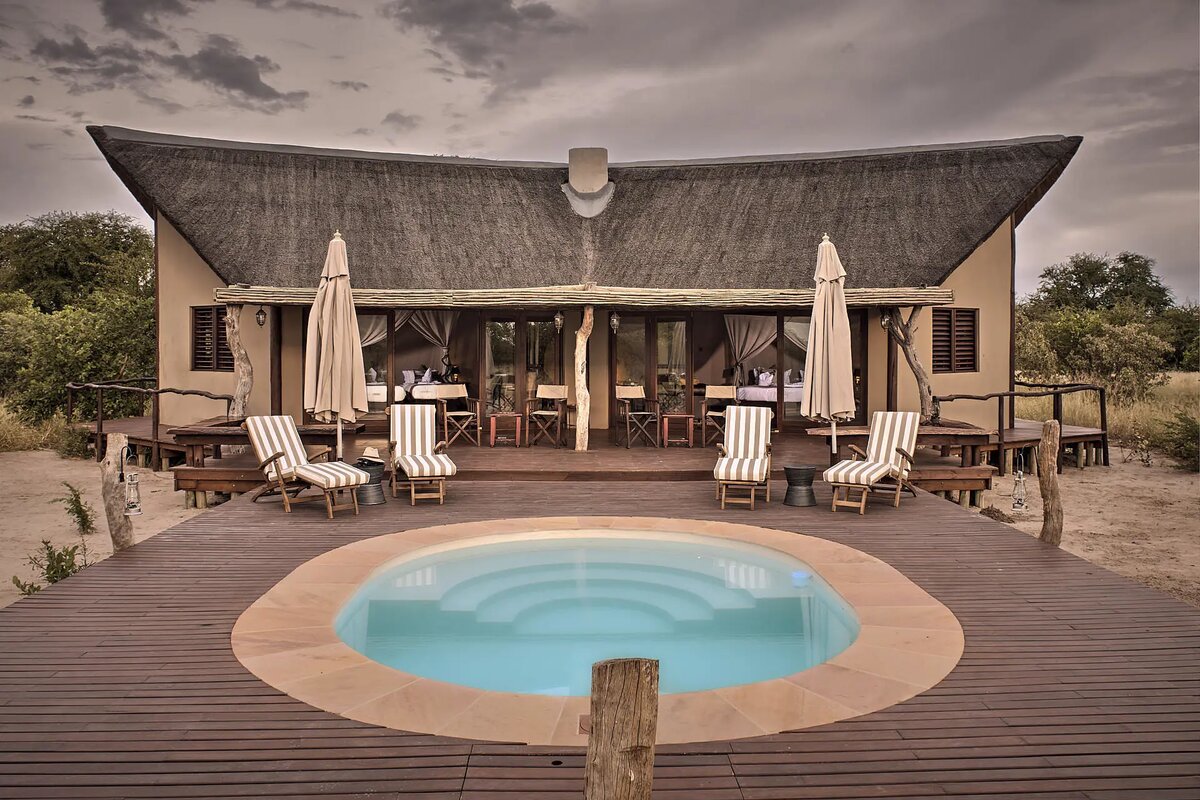
From $950 per person per night. The only permanent camp deep inside the Central Kalahari — sweeping dune views and resident black-maned lions.
- 9 desert suites
- Inside the reserve
- Elevated views
- Waterhole
Safari Awards recognised
Kalahari Plains Camp ★★★★★
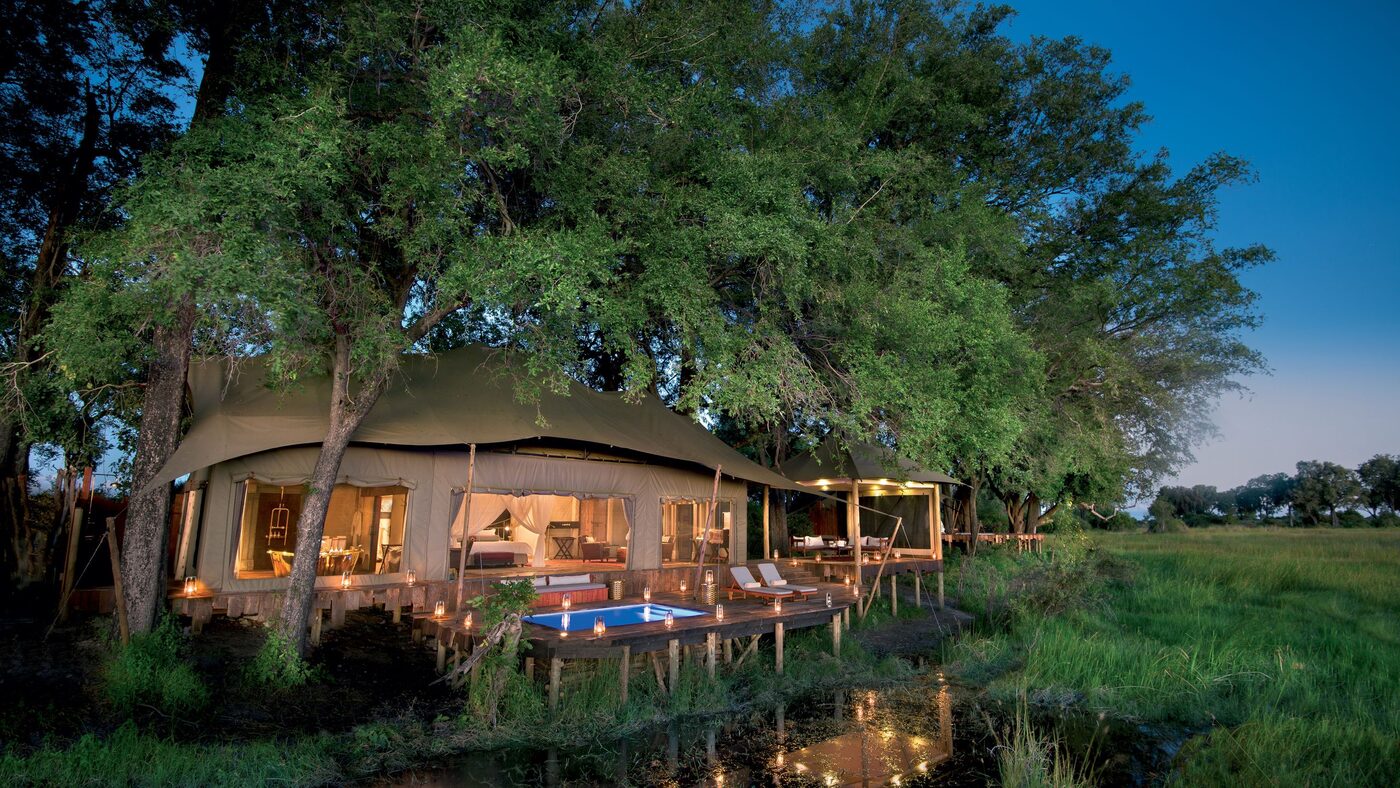
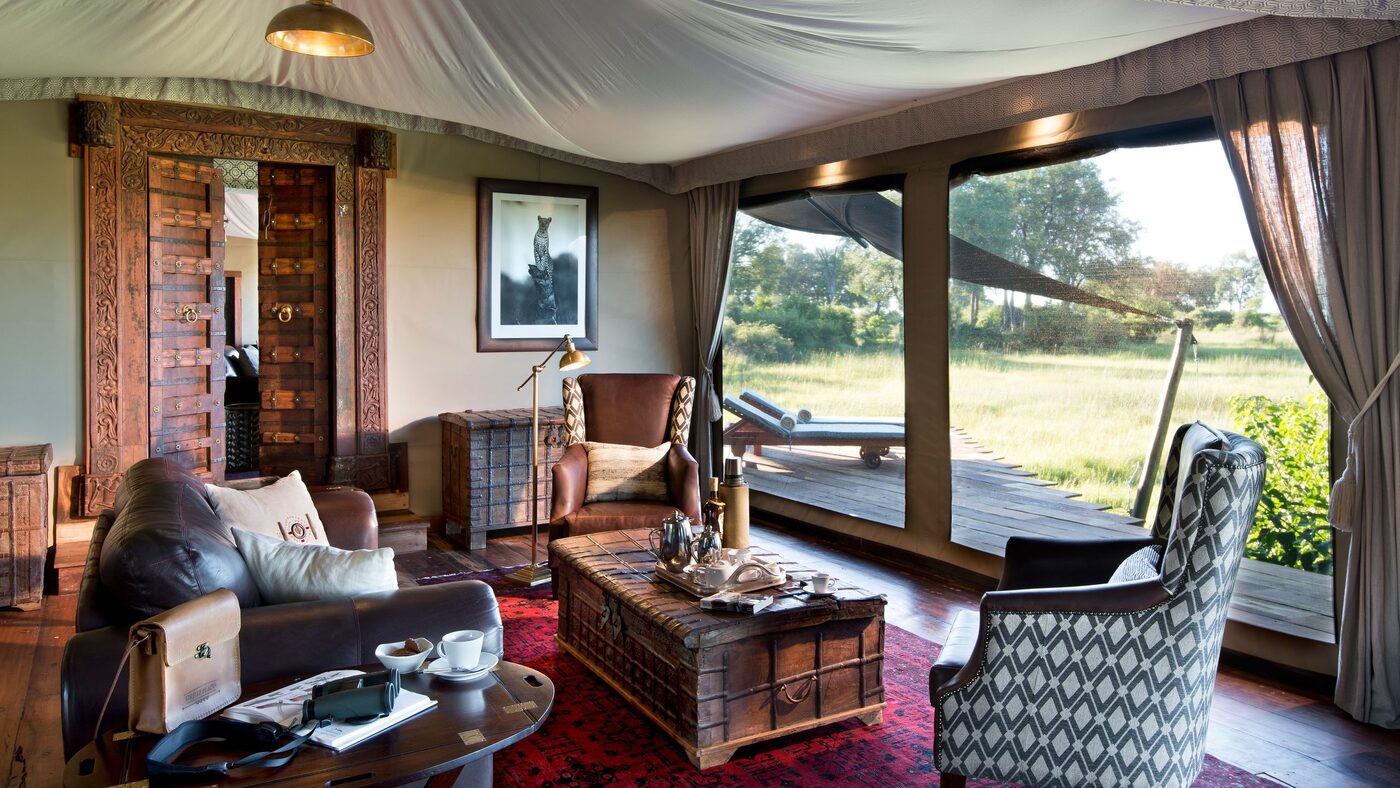
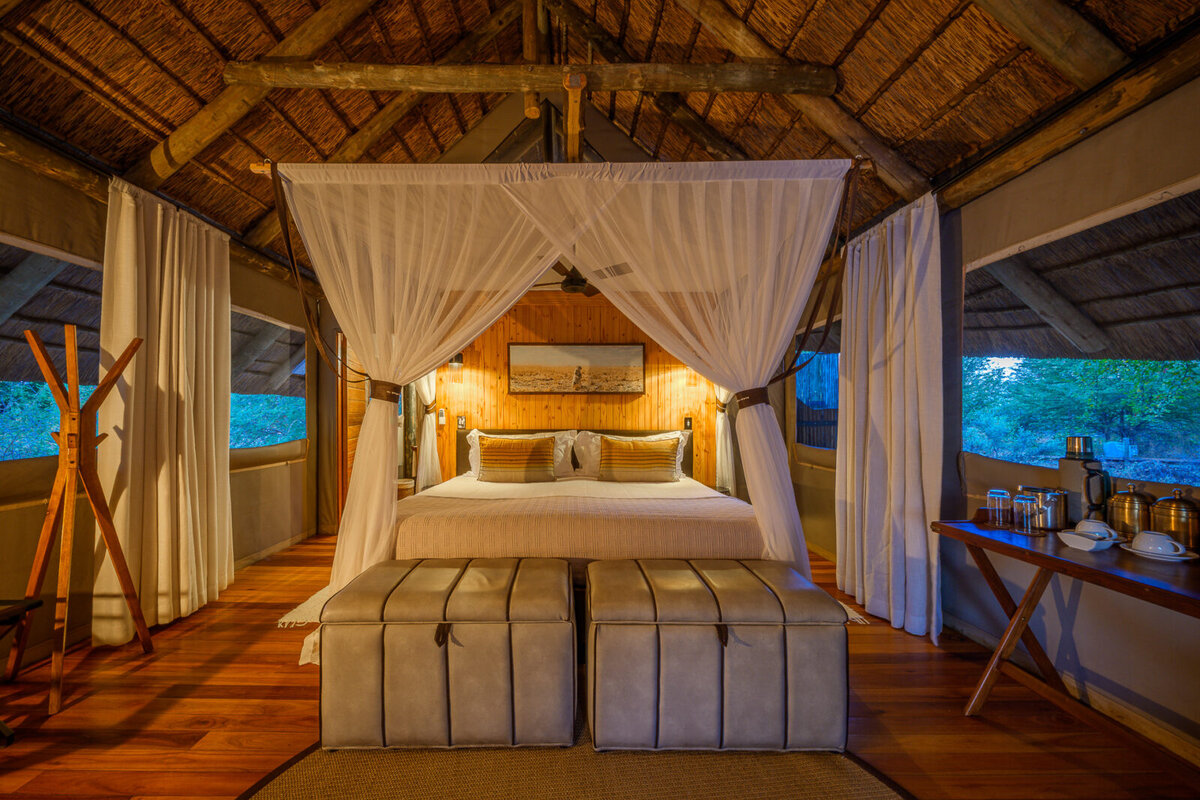
From $900 per person per night. Solar-powered luxury on the open plains with rooftop sleep-out decks and superb meerkat and lion viewing.
- 10 canvas units
- Rooftop star-beds
- Habituated meerkats
- Deception Valley access
Eco-tourism certified
Dinaka Safari Lodge ★★★★★
From $850 per person per night. Private northern-Kalahari concession offering night drives, walking and San experiences the reserve itself cannot.
- 8 chalets
- Private concession
- Night drives & walks
- Meerkats & San
Responsible Tourism recognised
Deception Valley Lodge ★★★★
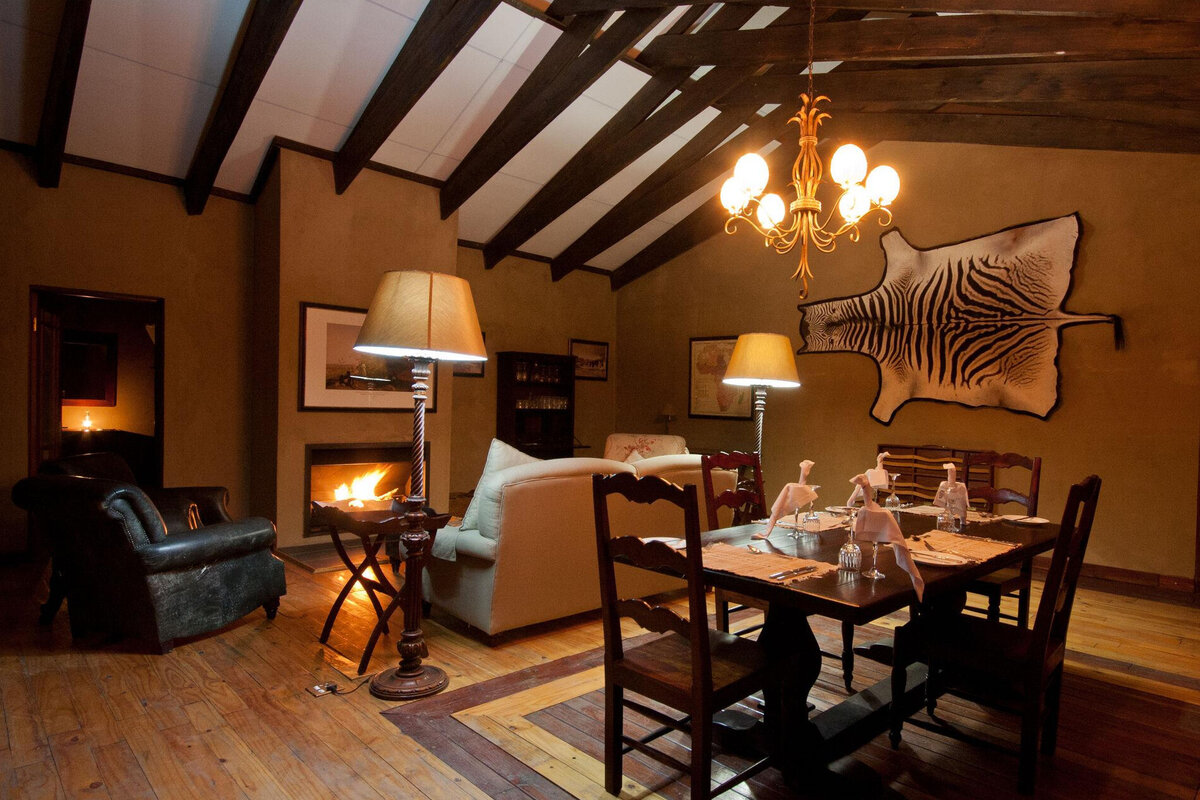
From $650 per person per night. Thatched luxury on the reserve's edge, renowned for its San bush-walks and relaxed desert atmosphere.
- 8 suites
- Kalahari bush
- Bushman walks
- Night drives
TripAdvisor Certificate of Excellence
Haina Kalahari Lodge ★★★★
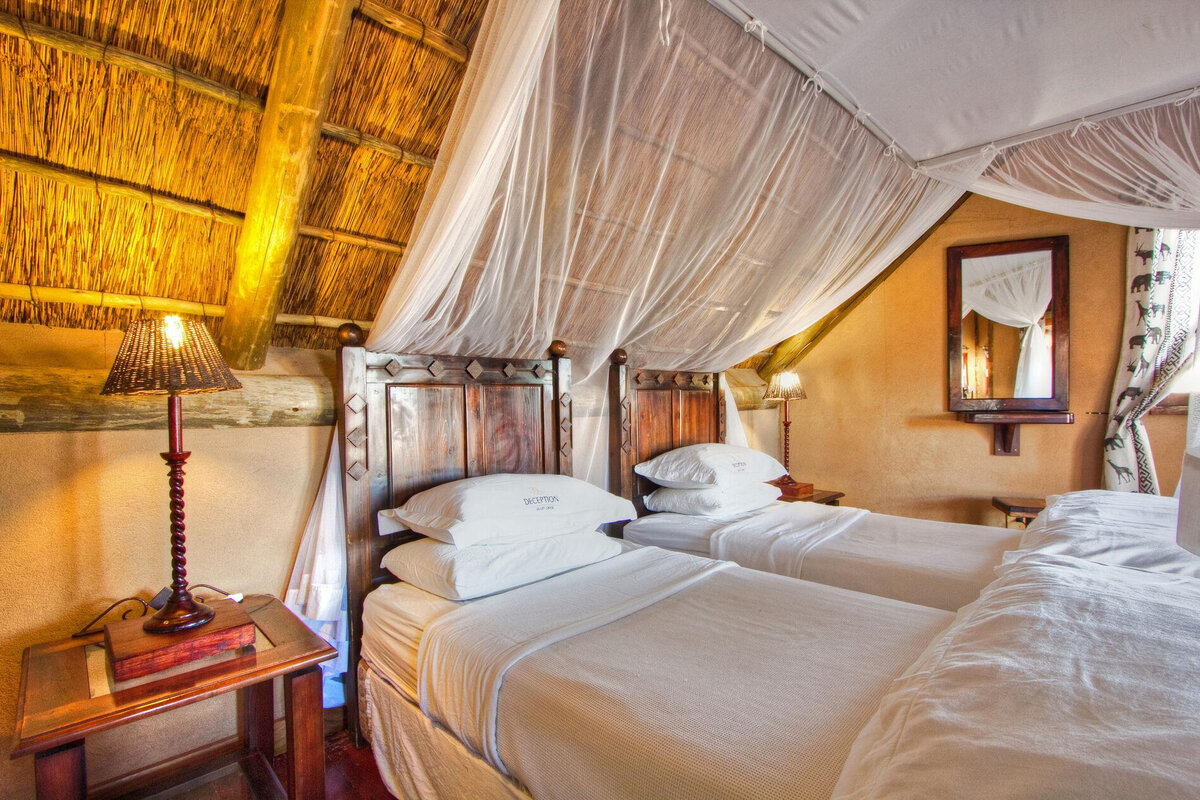
From $550 per person per night. Warm, family-run lodge on a private reserve between the Central Kalahari and the Delta — great value and a busy waterhole.
- 8 chalets & tents
- Private reserve
- Waterhole hide
- Family-friendly
Botswana Tourism recognised
Grasslands Bushman Lodge ★★★
From $350 per person per night. Down-to-earth lodge at the western gateway to the reserve — authentic Bushman-run hospitality at an accessible price.
- 8 rooms
- Reserve gateway
- Bushman heritage
- Great value
Community tourism leader
The Seasons, Explained
Green Season (Peak for Kalahari) (Dec – Apr). Summer rains transform Deception Valley — thousands of springbok and gemsbok gather and the black-maned lions and cheetah follow. The Kalahari's finest wildlife window, opposite to most parks. Wildlife: great herds & active predators; weather 18–38°C, afternoon storms.
Dry Season (May – Oct). Cool, clear and quiet; wildlife concentrates near waterholes, meerkats are reliable and nights are crisp with brilliant stars. Wildlife: predators at waterholes, meerkats; weather 2–28°C, dry & sunny.
Shoulder Season (Nov). The first rains green the plains and migrants arrive; a fine transitional time with good value. Wildlife: building herds; weather 18–36°C, warming.
Getting to the Kalahari Desert
Most guests fly into the Kalahari by light aircraft from Maun, landing at bush airstrips such as Tau Pan or Deception, where camps meet you. Edge lodges are also reachable by 4x4 from Maun or Ghanzi. The Kalahari pairs beautifully with the Okavango Delta — a short hop connects the desert's silence with the Delta's water.
- Maun: Light-aircraft flight or 4x4 transfer (Delta gateway)
- Okavango Delta: Short light-aircraft hop (—)
- Ghanzi: Road access to gateway lodges (Western edge)
Where to Go Next
The finest journeys rarely stop at one destination. Here is how our specialists most often pair the Kalahari Desert:
- Moremi Game Reserve — Contrast the desert's silence with the water and big cats of the Okavango Delta.
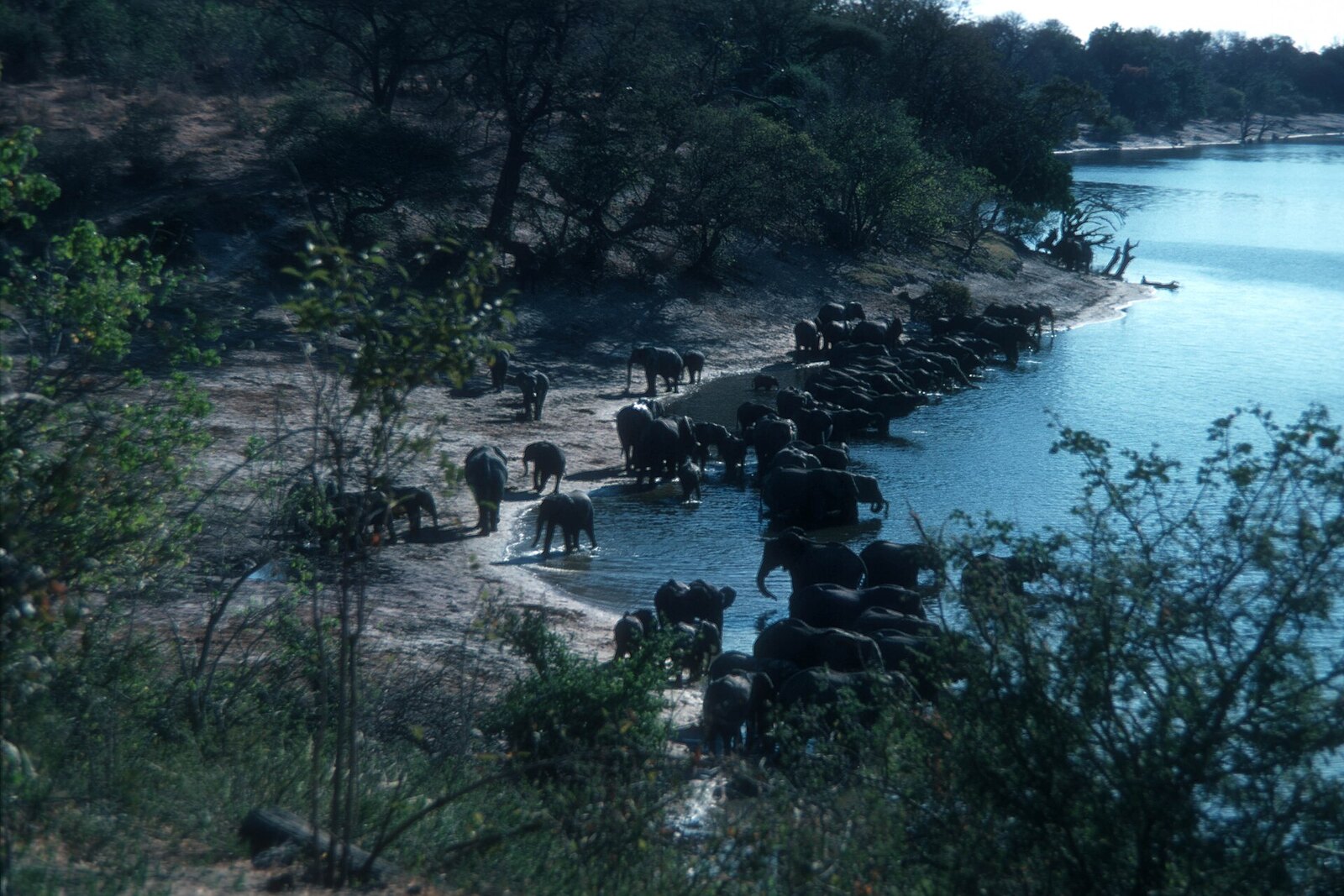
- Chobe National Park Botswana — Add Chobe's elephant river for a complete water-desert-river Botswana circuit.
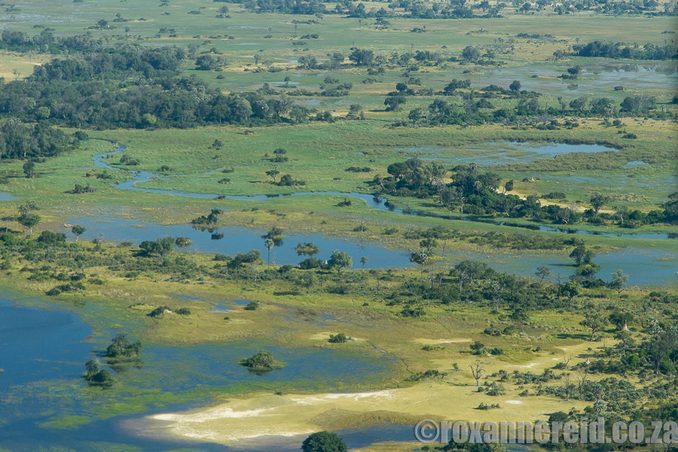
- Okavango Delta Botswana — A short flight links the Kalahari with the Delta's channels and mokoro trails.
Plan Your Journey
Every trip we craft to the Kalahari Desert is private and built around you — your dates, your pace and the wildlife you most want to see. Our specialists have travelled this ground themselves and design each itinerary by hand. Contact our team to begin planning, or explore our the Kalahari Desert destination guide for more detail.