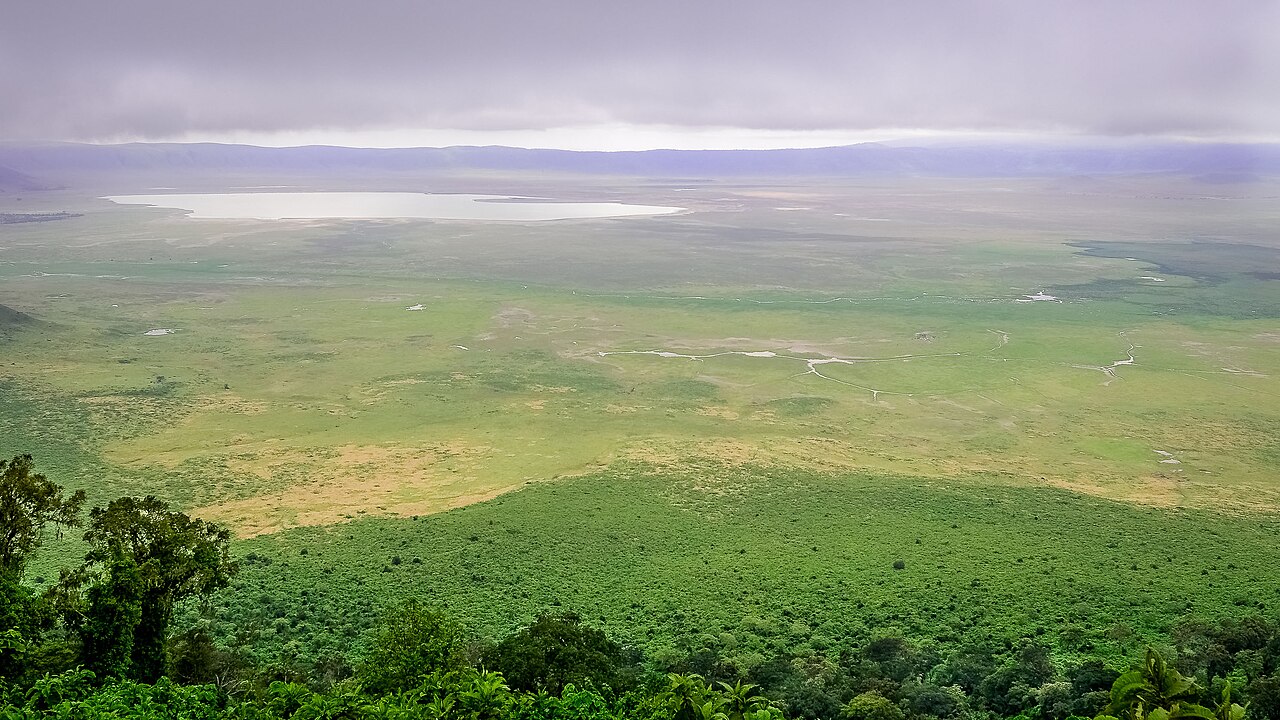
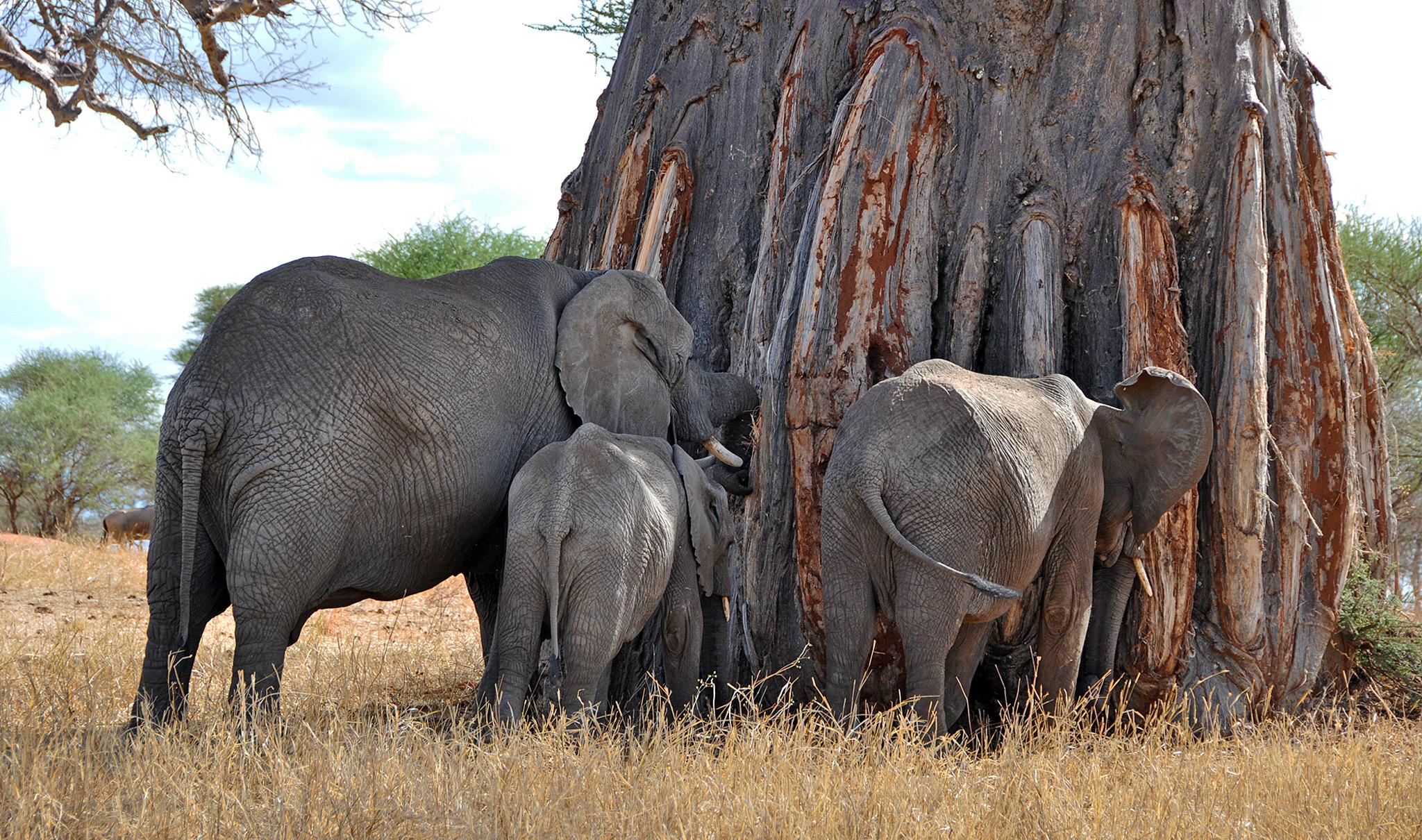
Etosha National Park is unlike anywhere else in Africa. At its heart lies the Etosha Pan, a vast, blinding-white salt flat so enormous it can be seen from space — a shimmering ghost of an ancient lake that dried up thousands of years ago. Ringing this great white place are the waterholes that make Etosha one of the continent's most rewarding and relaxed safari destinations, where in the dry season the wildlife simply comes to you.
This complete Etosha National Park safari guide covers exactly when to go, which waterholes deliver the best game viewing, the difference between the camps and private reserves, the finest lodges, honest 2026 costs, sample itineraries and how to plan a private safari that places you at the water's edge for that golden hour.
Namibia — the waterholes of Etosha, the great salt pan and the dramatic desert landscapes of one of Africa's most striking countries.
Why an Etosha Safari Is So Special
Quick Answer
Etosha National Park is built around a vast white salt pan and its ring of waterholes, where in the dry season elephant, lion, black rhino, giraffe and great herds of plains game gather at the water — the wildlife comes to you.
Best time: May–October for the dry-season waterhole spectacle; green season for birds and newborns. Cost: roughly $350–$1,800 per person per day depending on lodge tier — superb value. Ideal length: 3 nights. Reached from Windhoek by a 4–5 hour drive or by light aircraft. One of the best places in Africa to see black rhino, including at floodlit waterholes after dark.
Etosha covers more than 22,000 square kilometres, with the great pan occupying roughly a quarter of that — a flat, salt-encrusted expanse that floods only briefly in the rains, drawing flamingos in their thousands. For most of the year it is bone dry, a stark white horizon that gives the park its otherworldly character and its Oshindonga name, often translated as 'the great white place'.
The waterhole theatre
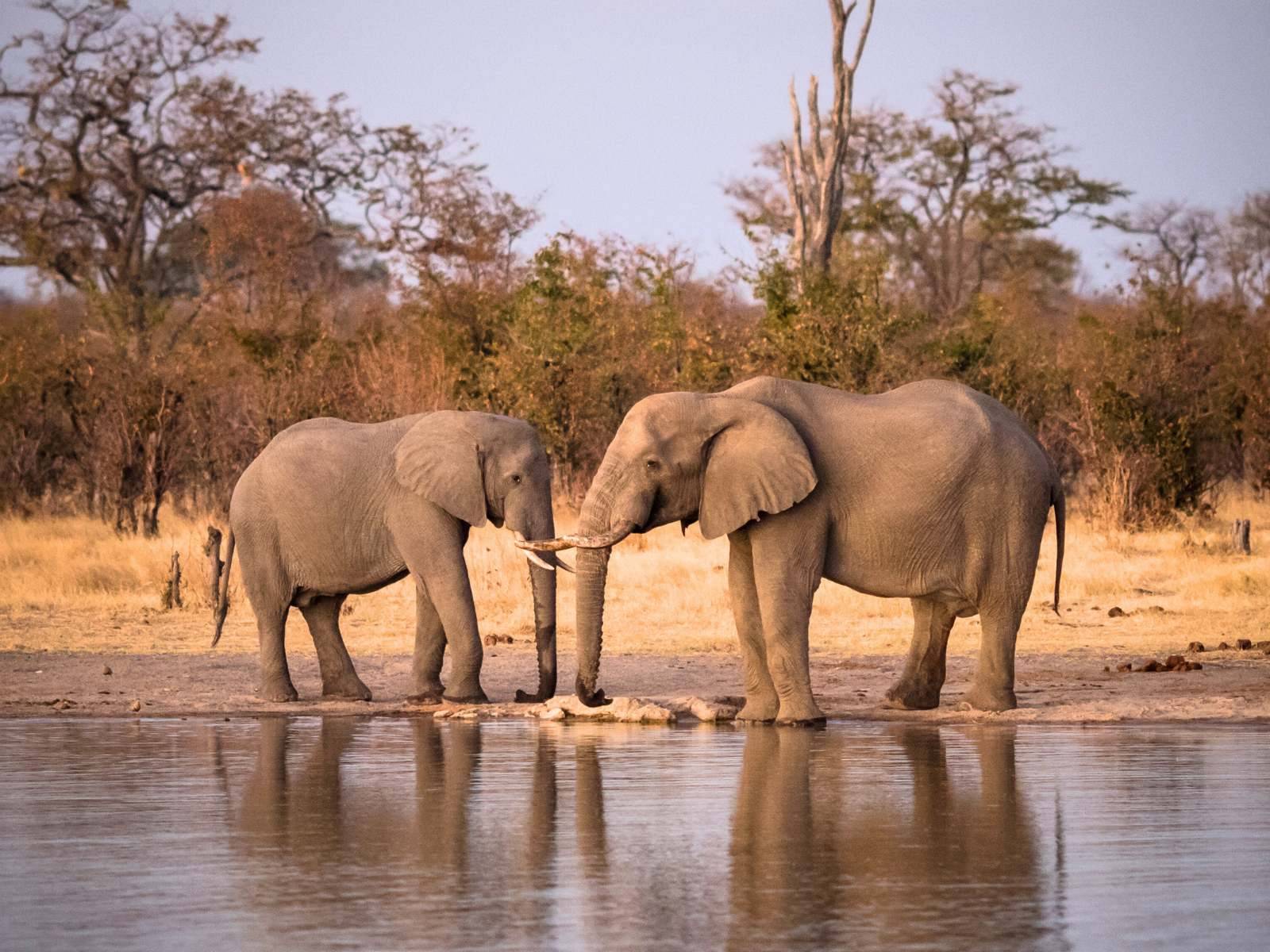
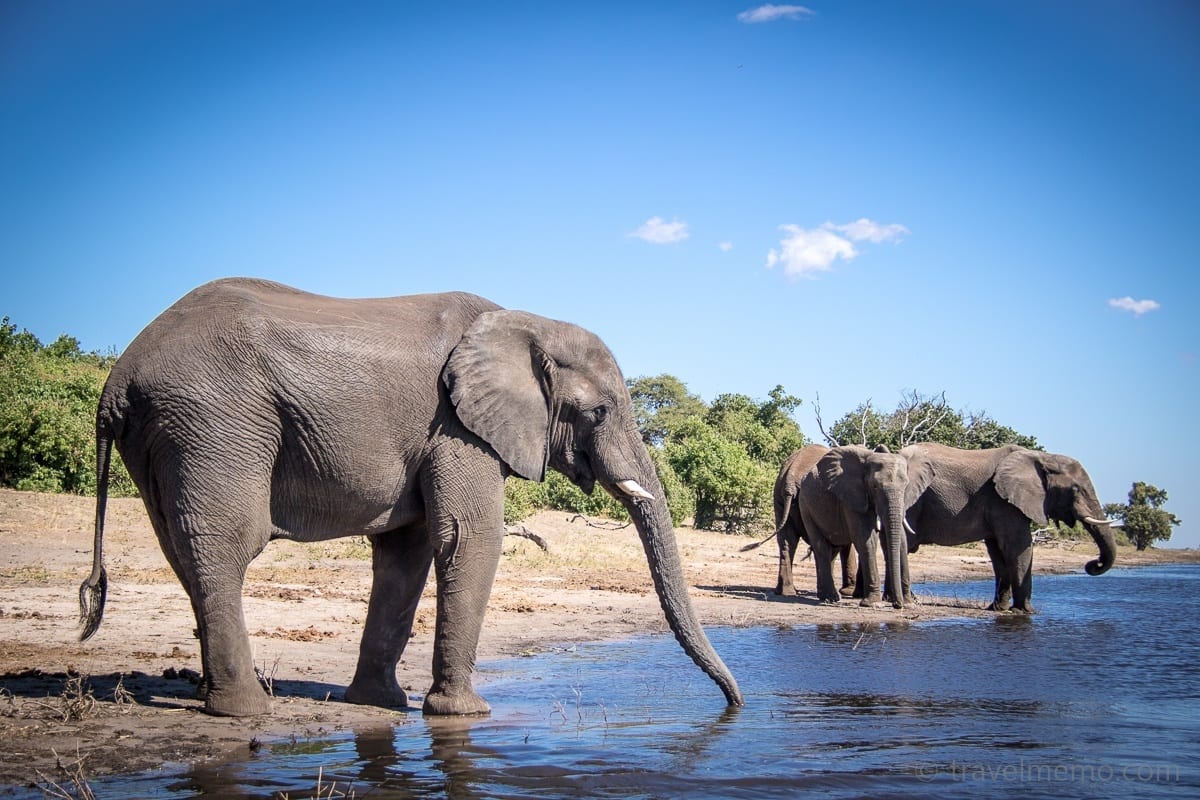
What makes Etosha so special is its style of game viewing. Instead of searching across the bush, you settle at a waterhole and watch the day's drama unfold — elephant herds arriving in a cloud of dust, zebra and springbok edging nervously to the water, giraffe splaying their legs to drink, and lions waiting in the wings. At the camps of Okaukuejo, Halali and Namutoni, floodlit waterholes let you continue the vigil after dark, when black rhino and elephant come to drink beneath the stars. It is patient, cinematic and utterly absorbing.
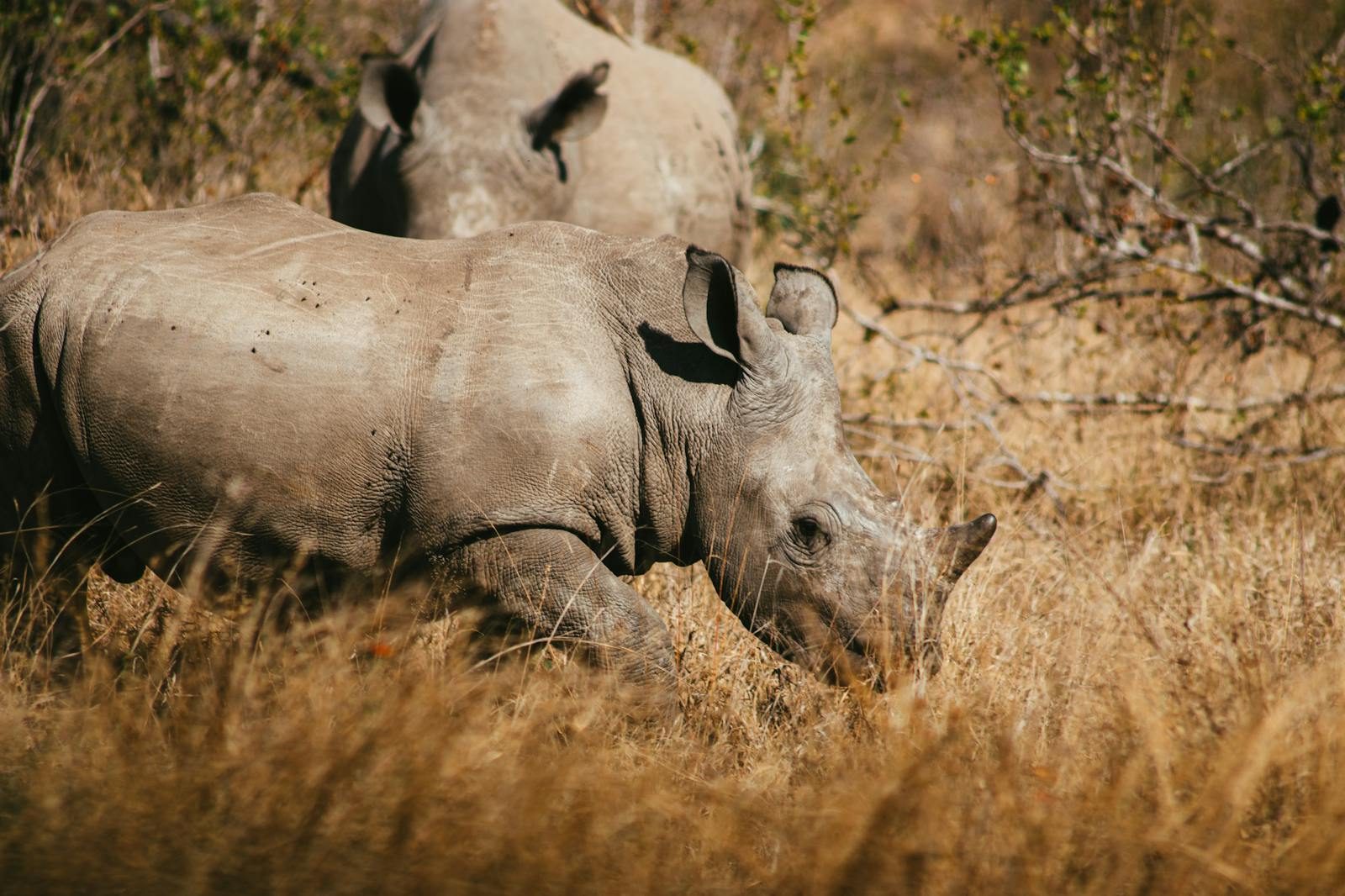
Etosha is one of the finest places in Africa to see the endangered black rhino, especially at floodlit waterholes after dark.
A wealth of wildlife
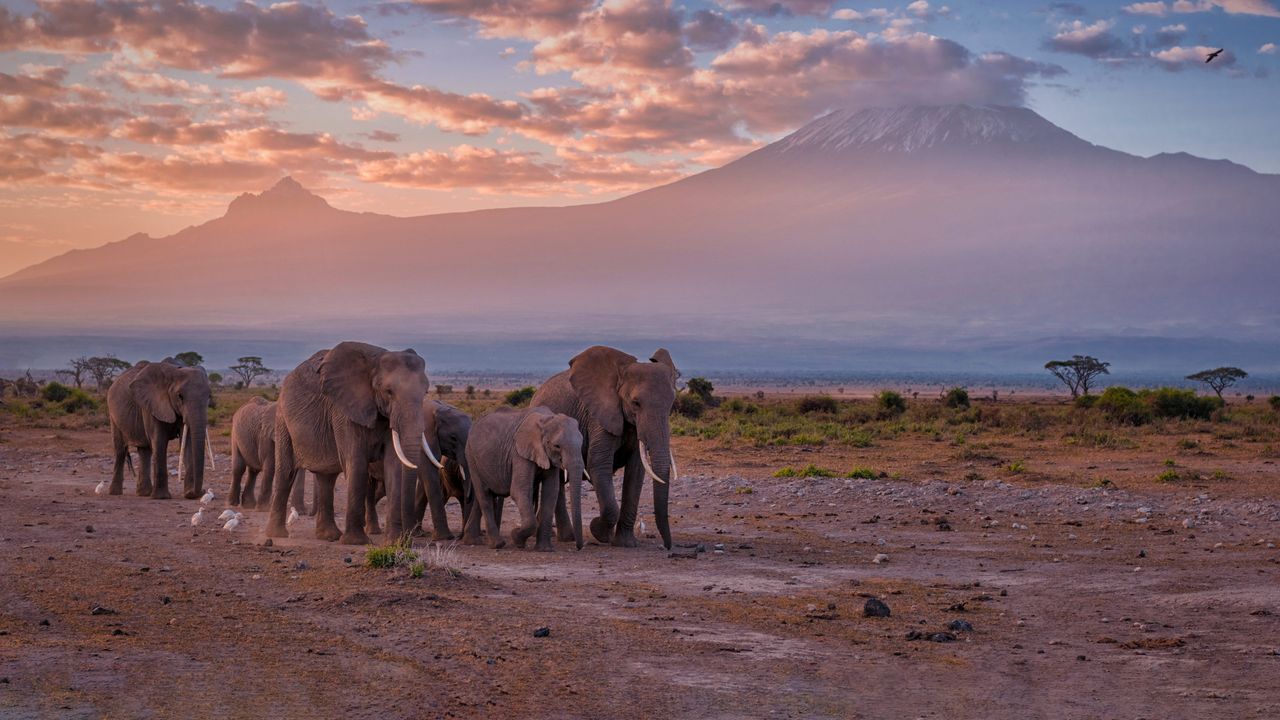
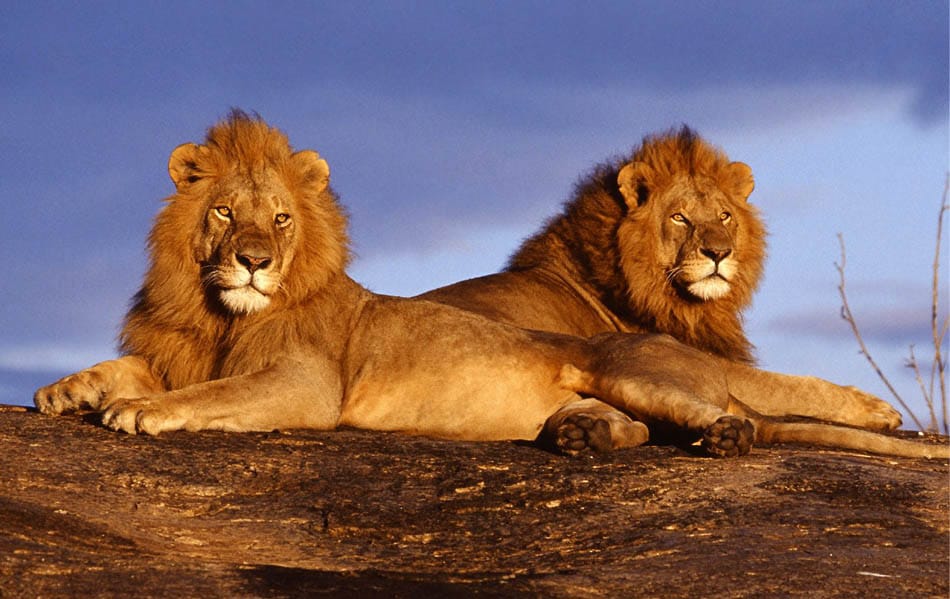
Etosha is home to four of the Big Five — elephant, lion, leopard and both black and white rhino — along with cheetah, spotted hyena and the rare black-faced impala found almost nowhere else. Great herds of zebra, springbok, oryx, kudu and giraffe move across the plains, and the dust-pale 'white' elephants of Etosha, coated in the pan's chalky soil, are a memorable sight. Only buffalo are absent, so this is a four-of-five park rather than a Big Five one.
An easy, comfortable safari
Etosha is one of the most accessible and comfortable safari parks in Africa. Good gravel roads, well-spaced rest camps and a generally malaria-low environment make it superb for families and first-time safari-goers, while the sheer density of dry-season wildlife satisfies the most seasoned travellers and photographers.
Best Time to Visit Etosha
The season makes a dramatic difference in Etosha, more so than in many African parks, because the game viewing depends so heavily on the waterholes.
| Season | Months | What to Expect |
|---|---|---|
| Peak dry season | Jul–Oct | The waterhole spectacle at its height. Huge concentrations of game, sparse vegetation, easy viewing. |
| Early dry season | May–Jun | Cooler, drying out, game building at the waterholes. Pleasant and less busy. |
| Green season | Nov–Apr | Lush scenery, newborn animals, superb birdlife and flamingos on the pan. Wildlife more dispersed. |
For the classic Etosha experience — herds jostling at the water, predators on the prowl — the dry-season months of July to October are unbeatable. For birders and photographers who love green landscapes and dramatic skies, the rains bring their own magic.
The Best Waterholes and What to See
Each of Etosha's waterholes has its own character, and an experienced guide knows which are productive on any given day.
The floodlit camp waterholes
Okaukuejo's floodlit waterhole is legendary for after-dark black rhino sightings; Halali's is excellent for elephant and the occasional leopard; and Namutoni, beside its historic fort, overlooks the eastern plains. These camp waterholes let you watch wildlife from dawn until late into the night.
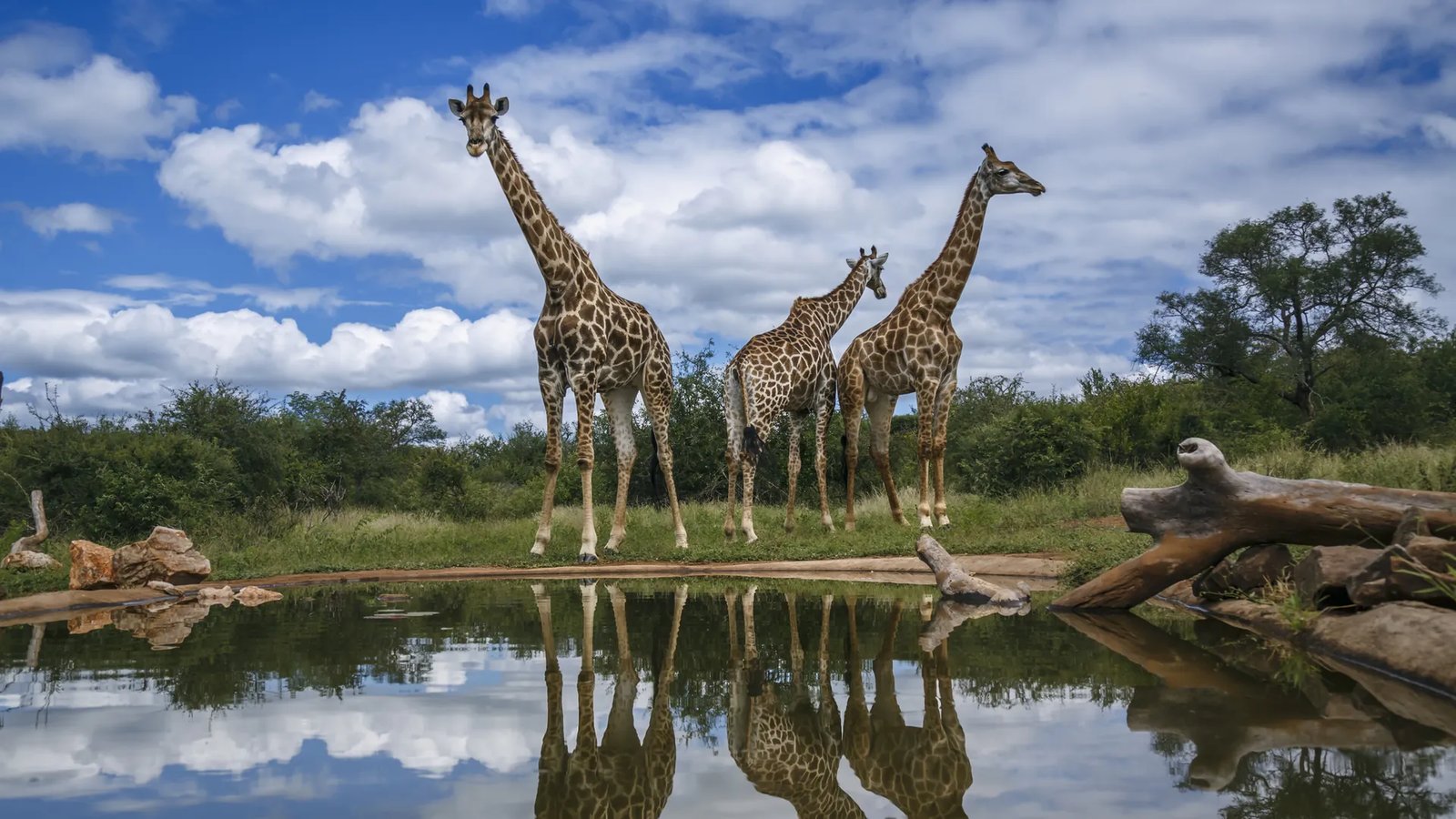
Giraffe splay their legs to drink — one of the classic sights at Etosha's waterholes.
The pan edge and western reaches
The waterholes along the southern edge of the pan, such as those between Okaukuejo and Halali, are among the most reliable for big herds and predators. The quieter, more remote western section of the park offers a wilder feel and the chance of black rhino and the endemic black-faced impala away from the crowds.
Where to Stay: Camps and Lodges
Etosha offers everything from value-driven rest camps inside the park to exclusive private lodges on its borders.
The park rest camps
The national park's rest camps — Okaukuejo, Halali and Namutoni — put you right at the floodlit waterholes and offer excellent value, with comfortable rooms, pools and restaurants. Their location is their great advantage.
Premium lodges on the boundaries
Just outside the park gates, a range of private lodges offer more style and space, guided drives into the park and a quieter atmosphere, ideal for travellers who want comfort without sacrificing access.
The finest luxury lodges and private reserves
At the top sit beautifully designed luxury lodges and private reserves bordering Etosha, with superb guiding, gourmet dining and activities such as guided walks and cheetah or rhino tracking on private land. We match the property to your style and budget.
Sample Namibia Itinerary Featuring Etosha (8 Nights)
Etosha is the wildlife highlight of a classic Namibian journey. A beautifully paced example:
- Day 1: Arrive in Windhoek; overnight at a country lodge.
- Days 2–3: Drive to the Sossusvlei dunes; climb the world's tallest sand dunes at sunrise.
- Day 4: Travel to Swakopmund on the Atlantic coast for adventure and seafood.
- Day 5: Journey through Damaraland in search of desert-adapted elephant and ancient rock art.
- Days 6–7: Game viewing in Etosha, settling at the waterholes by day and night.
- Day 8: Final morning at the waterholes and return to Windhoek for onward travel.
This easily extends with the Skeleton Coast, the Fish River Canyon or a cross-border finale at the Okavango Delta or Victoria Falls.
How Much Does an Etosha Safari Cost?
Etosha offers some of the best value in African safari. As a guide for a fully private, professionally guided trip in 2026:
- Comfortable to premium lodges: roughly $350–$750 per person per day, all-inclusive of game viewing, meals and fees.
- Luxury lodges and private reserves: roughly $800–$1,800 per person per day.
- A classic 3-night stay: roughly $1,000–$4,500 per person depending on tier and how you travel.
Because Namibia suits self-drive and overland routes, total costs can be lower than in many safari countries — and the dry-season wildlife rivals anywhere on the continent.
Self-Drive or Guided Safari in Etosha?
Etosha is one of the most self-drive-friendly parks in Africa, with good roads, clear signage and fenced camps — yet a private guide transforms the experience by knowing which waterholes are productive, reading animal behaviour and handling the logistics. Our guide to self-drive versus guided safaris weighs the options in detail. For most travellers we recommend a guided safari, or a guided-plus-self-drive blend for the adventurous.
Combining Etosha With the Rest of Namibia
Etosha pairs beautifully with the towering dunes of Sossusvlei, the desert wildlife of Damaraland, the wild Atlantic of the Skeleton Coast and the adventure hub of Swakopmund. Our Namibia safari guide covers the whole country, and the park also ranks among our best national parks in Africa. Our specialists weave any of these into one smooth, fully private journey.
How to Plan Your Etosha Safari
Etosha rewards travellers who plan with intent — the right camps for the right waterholes, the dry season for the spectacle and a guide who reads the water. That is exactly what we do. Explore the Namibia destination guide, compare seasons in our best time to go on safari guide, use the trip planner, or contact our specialists for a tailor-made, fully private Etosha safari built around you.