Key Takeaways
- Kruger's rest camps range from large, fully equipped main camps to tiny, remote bushveld camps — each with its own character and wilderness.
- Skukuza is the biggest and most convenient; Lower Sabie is the riverside favourite for southern game viewing.
- Satara sits in central big-cat country with the best odds on lion and cheetah; Olifants has the park's most dramatic cliff-top view.
- The southern camps offer the richest game density and shortest drives — ideal for first-timers and families.
- Book well ahead, especially for popular southern camps and dry-season dates from June to September.
- The classic route pairs a southern camp with a central one to experience two very different habitats.
How Kruger's Camps Work
Kruger is vast — some 360 kilometres from north to south — and unlike a private reserve it is not one lodge but a whole network of places to stay, run by South African National Parks. Understanding the types helps you choose well. Main rest camps are the workhorses: fenced, well equipped, with a shop, fuel, usually a restaurant, and accommodation from camping and safari tents to comfortable self-catering bungalows. Satellite camps are smaller and simpler siblings attached to a main camp. Bushveld camps are the connoisseur's choice — small, remote, self-catering only, and reached by private roads closed to day visitors, so they feel genuinely wild.
You book rest camps through SANParks, and the golden rule is to book early. The popular southern camps and any dates falling in South African school holidays or the June-to-September dry season fill up months ahead, sometimes close to a year. Each camp opens onto its own web of game-viewing roads, so where you sleep shapes what you see. The art of a great self-drive safari lies in choosing camps that place you in the right habitat at the right time — and in not moving so often that you spend the trip packing and unpacking.
Skukuza: The Capital
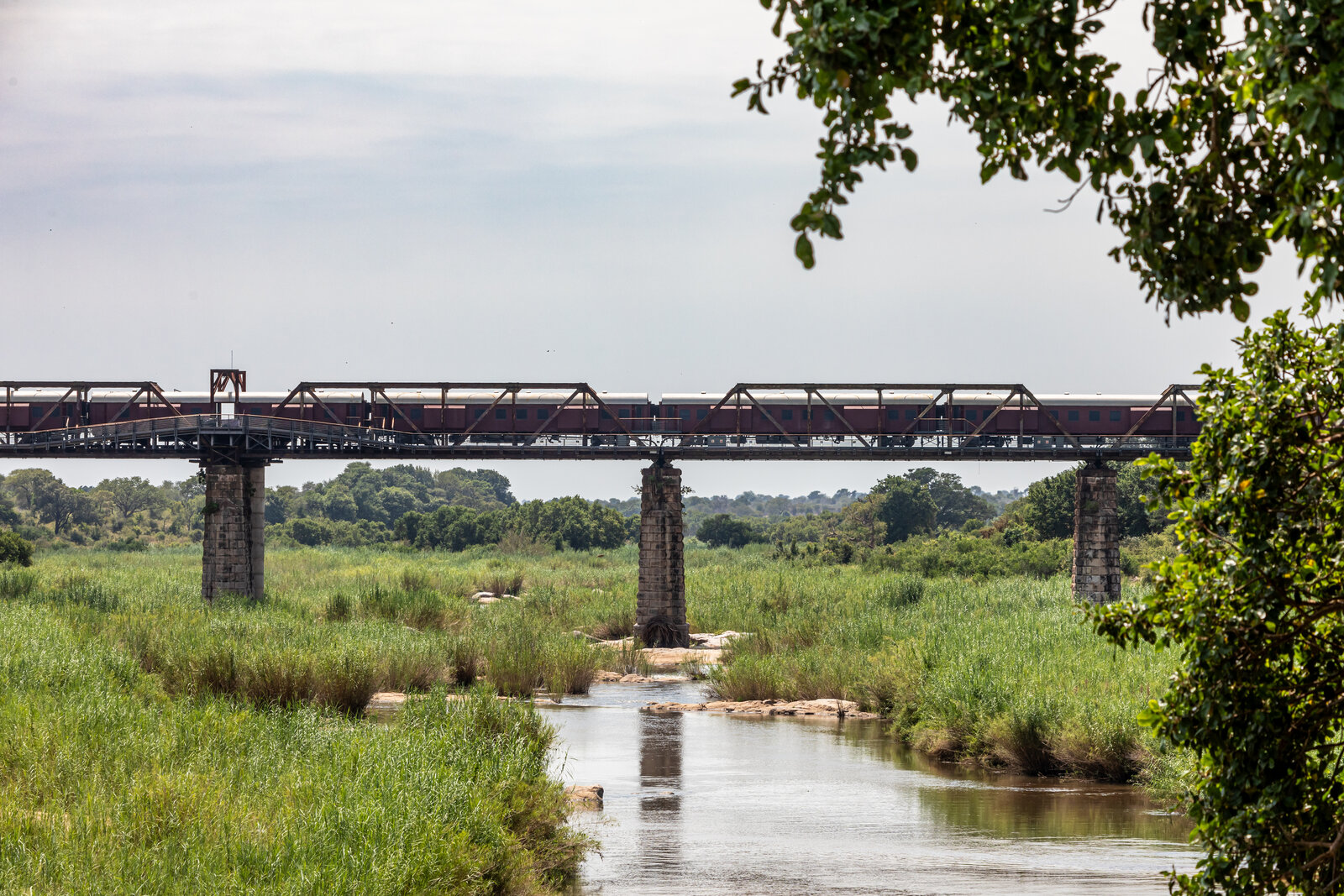
If Kruger has a capital, it is Skukuza. Set on the banks of the Sabie River in the wildlife-rich south, it is the park's largest camp and its administrative headquarters, and it comes with the fullest range of facilities anywhere in Kruger: restaurants, a shop, a filling station, a swimming pool, a bank, a doctor, even a golf course and a small railway-station restaurant on the old Selati line. For first-timers, families and anyone who values convenience, it is a reassuring and comfortable base.
The trade-off for all that infrastructure is atmosphere. Skukuza is busy, and in peak season it can feel more like a small town than a wilderness camp, with a steady flow of vehicles on the surrounding roads. But those roads are among the best in the park — the H4-1 to Lower Sabie is legendary for leopard — and the Sabie River right below the camp fence teems with hippo, crocodile and the animals that come down to drink. As a launchpad for exploring the south, and a soft landing for a first night in the bush, Skukuza is hard to beat.
Lower Sabie: The Riverside Favourite
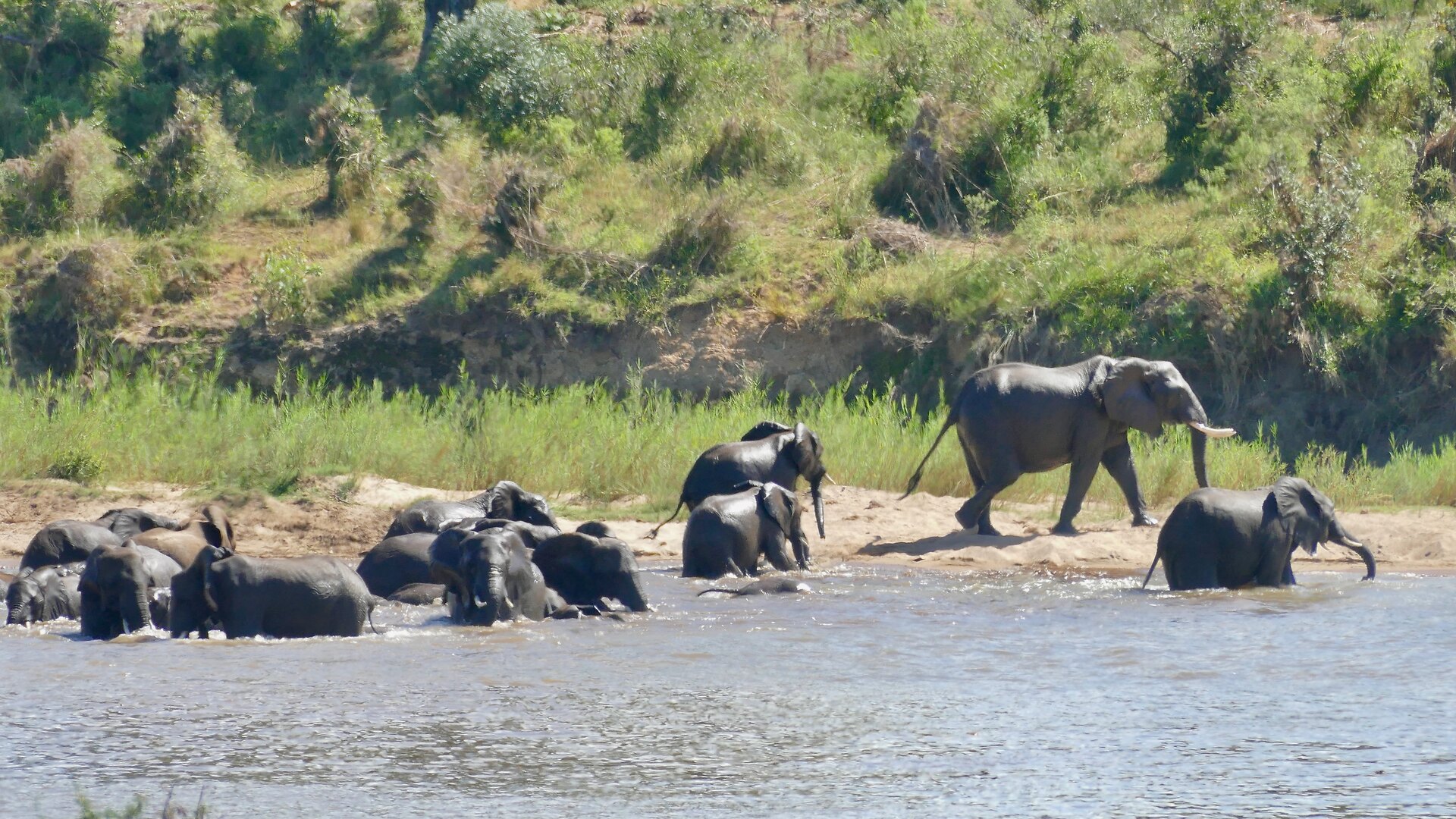
Ask seasoned Kruger regulars to name their favourite camp and a great many will say Lower Sabie. Perched on the Sabie River a little downstream of Skukuza, it combines a wonderful setting with some of the most productive game viewing in the whole park. Its riverfront deck and restaurant, looking out over a stretch of water where elephant, buffalo and countless plains game come to drink, is one of the finest places in Africa simply to sit with a coffee and watch the bush come to you.
The camp's location is its trump card. This corner of southern Kruger has a high density of predators, and the roads radiating from Lower Sabie — the H4-1 north to Skukuza, the H4-2 towards Crocodile Bridge, and quieter gems like the S30 — deliver lion, leopard, cheetah and rhino with real regularity. It is smaller and more relaxed than Skukuza, yet still has a shop, restaurant and pool. For many, a couple of nights at Lower Sabie is the beating heart of a southern Kruger safari.
Satara: Big-Cat Country
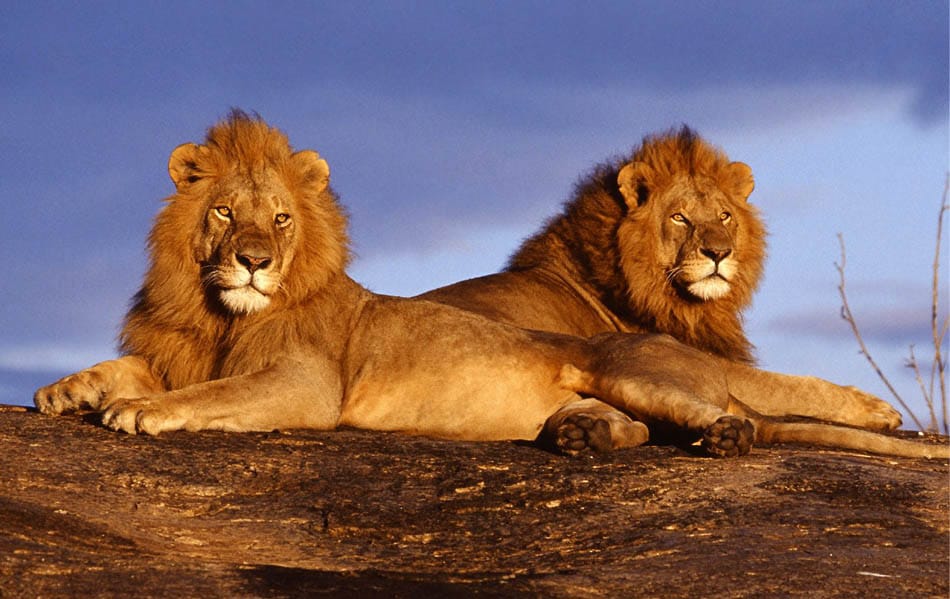
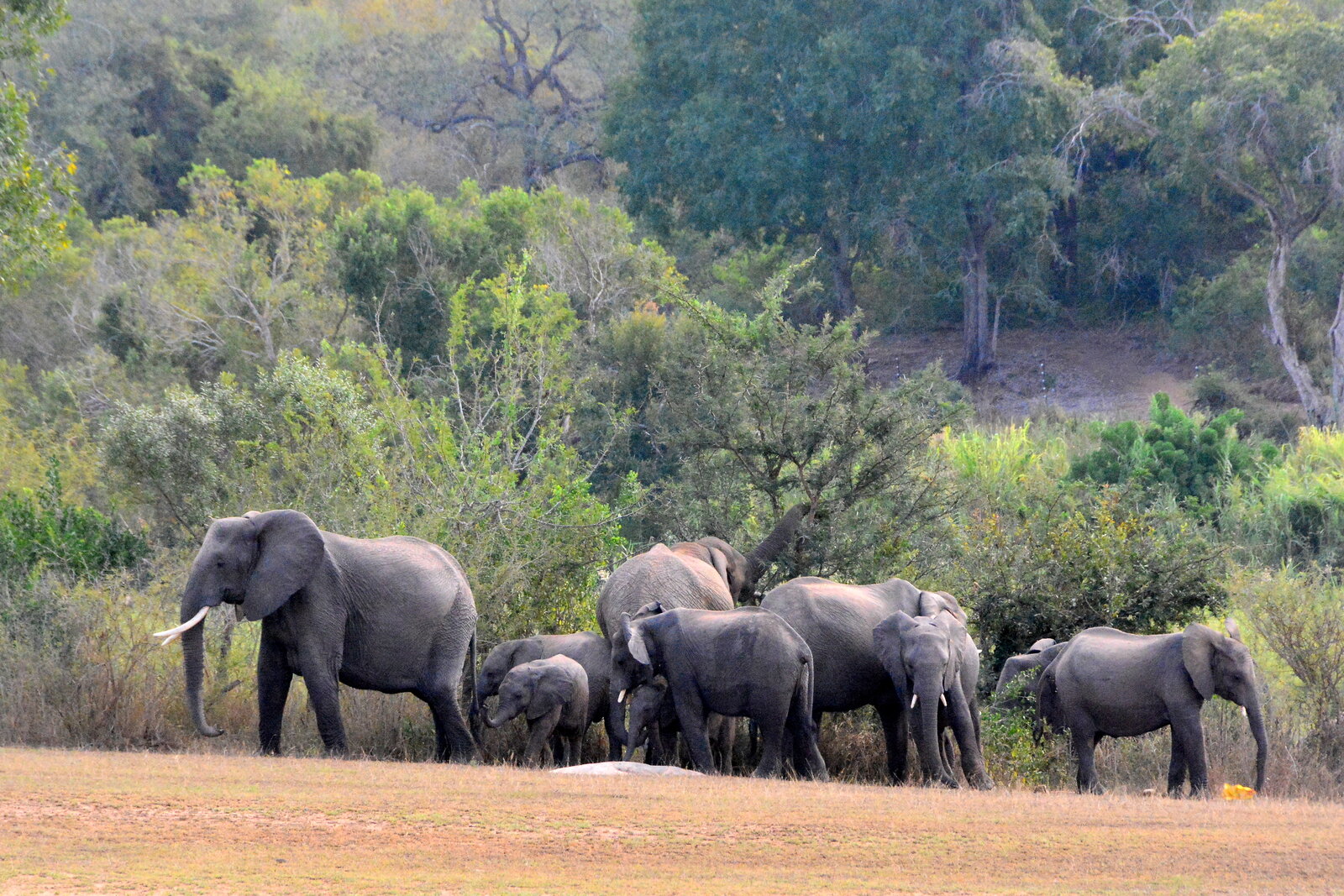
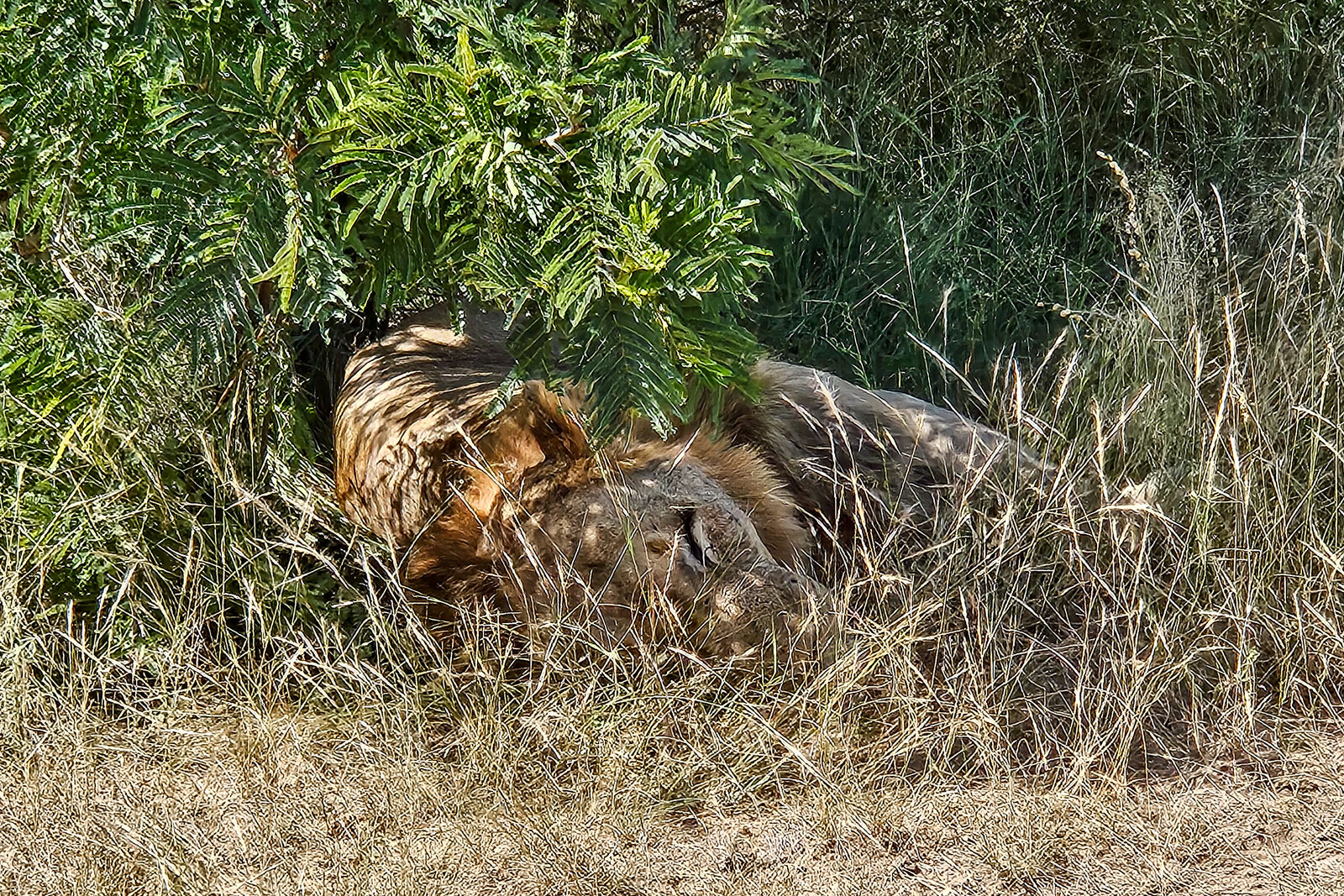
Move north into the central grasslands and the whole feel of the park changes. Here the bush opens into wide, flat, sweet-grass plains that support huge herds of zebra, wildebeest and impala — and where the grazers gather in numbers, the predators follow. Satara, the big main camp at the heart of this country, has a well-earned reputation as the finest base in Kruger for lion and cheetah, and its guests swap sightings over the braai fires each evening like anglers comparing catches.
Satara itself is less scenic than the riverside camps — it sits on the plains rather than a river — but that is beside the point. The magic is in the roads around it, above all the fabled S100, a gravel track along the N'wanetsi River that is spoken of in almost reverent terms for its lion sightings, and the H7 towards Orpen, nicknamed Lion Country. The camp has all the main facilities you need, and its central position makes it the natural second act to a southern camp, giving you a completely different habitat and a serious shot at the big cats.
Olifants, Letaba and the Quieter North
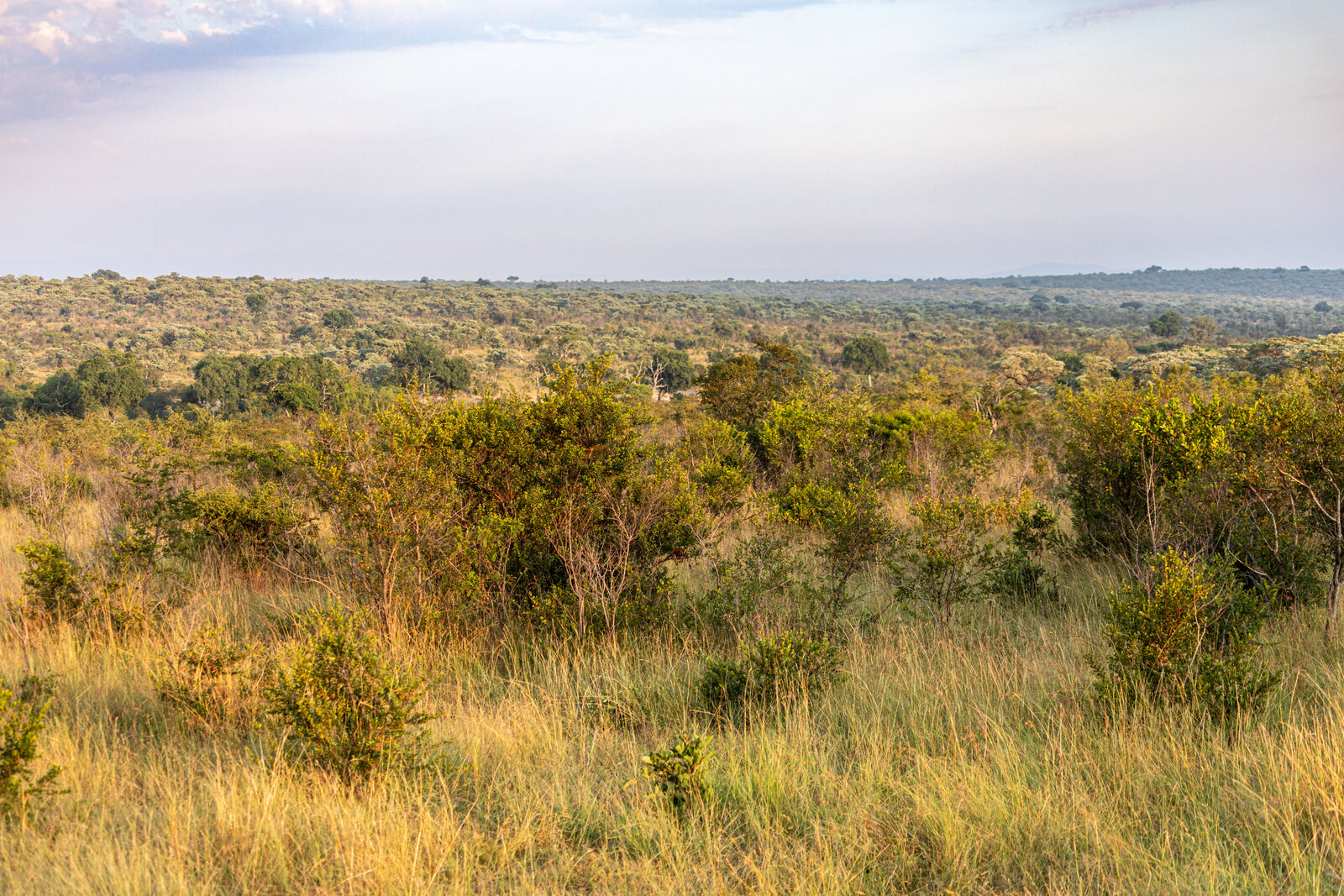
North of Satara the crowds thin and the landscapes grow grander. Olifants is the showpiece: uniquely among Kruger's camps it stands on a high cliff, its bungalows and viewing terrace gazing down over a great bend of the Olifants River far below, where elephant and buffalo move like toys across the sandbanks. You may see fewer animals from the camp itself than at a riverside camp, but the panorama is simply the most dramatic in the park, and sunset from the terrace is unforgettable. Nearby Letaba, set in an elephant-rich region, is a leafy, tranquil favourite with a fine restaurant deck and an absorbing elephant museum.
Push further north still — to Mopani, Shingwedzi and remote Punda Maria — and you enter a wilder, emptier Kruger that most visitors never reach. Game densities are lower, but so are vehicle numbers, and the sense of true wilderness is profound. This is birding country and big-tusker country, a place for return visitors and those who prize solitude over a checklist. Pairing a night or two up here with the busier south gives a trip real range, from the crowded drama of the Sabie to the silent baobab country of the far north.
How to Build Your Camp Route
The commonest mistake in a Kruger self-drive is moving camp every single night, so that half the holiday is spent packing, checking out and driving to the next place. Resist it. Two nights in each camp is the sweet spot: it lets you settle, do a proper dawn and dusk drive from the same base, and actually relax. For a three-night trip, base yourself entirely in the south — Lower Sabie or Skukuza — where the game density is highest and the drives are short. For five nights, pair two or three nights in the south with two at Satara to add the central plains and the big cats.
With seven nights or more you can build something really special: a few nights in the south, a couple at Satara, and a night or two up at Olifants or Letaba to taste the quieter north, driving gently between them and watching the country change through the windscreen. Whichever shape you choose, book early, don't over-pack the itinerary, and leave room for the unplanned — because in Kruger the best moments are almost always the ones you did not schedule. If juggling availability across several camps sounds daunting, that is precisely the sort of route we love to build and secure on your behalf.
| Rest Camp | Best For & Character |
|---|---|
| Skukuza | Convenience and facilities — the busy southern capital on the Sabie River |
| Lower Sabie | Southern game viewing and the finest riverside deck in the park |
| Satara | Big cats — the central plains, the S100 and Lion Country |
| Olifants | The view — a cliff-top camp above the Olifants River |
| Letaba | Elephants and tranquillity — a leafy, riverside northern favourite |
| Bushveld camps | Wilderness and exclusivity — small, remote, self-catering only |
Let Us Plan and Book Your Kruger Camps
Choosing and securing the right sequence of rest camps is the difference between a good Kruger trip and a great one — and it can be a genuine headache to arrange yourself across sold-out dates and scattered availability. We know these camps intimately, we know which roads each one opens up, and we know how to pace a route so you see the most and drive the least. Tell us how long you have and what you most want to see, and we will build and book the perfect self-drive or guided itinerary around it.
Want Help Planning Your Kruger Camps?
Our specialists design and book Kruger self-drive and guided itineraries — the right camps, the best roads and a sensible pace — matched to your dates, budget and the wildlife you most want to see.
Ready to explore? Browse our safari tours and packages →