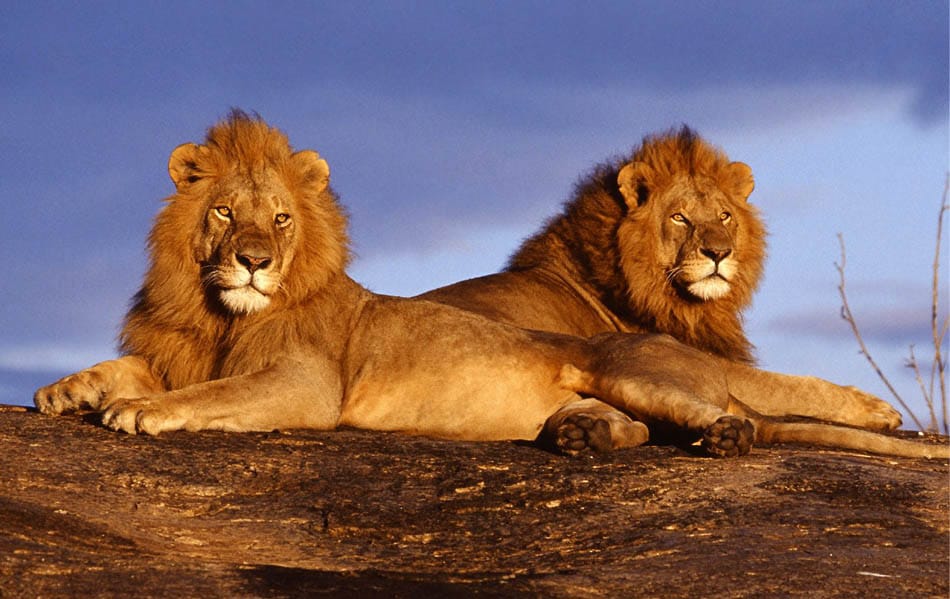
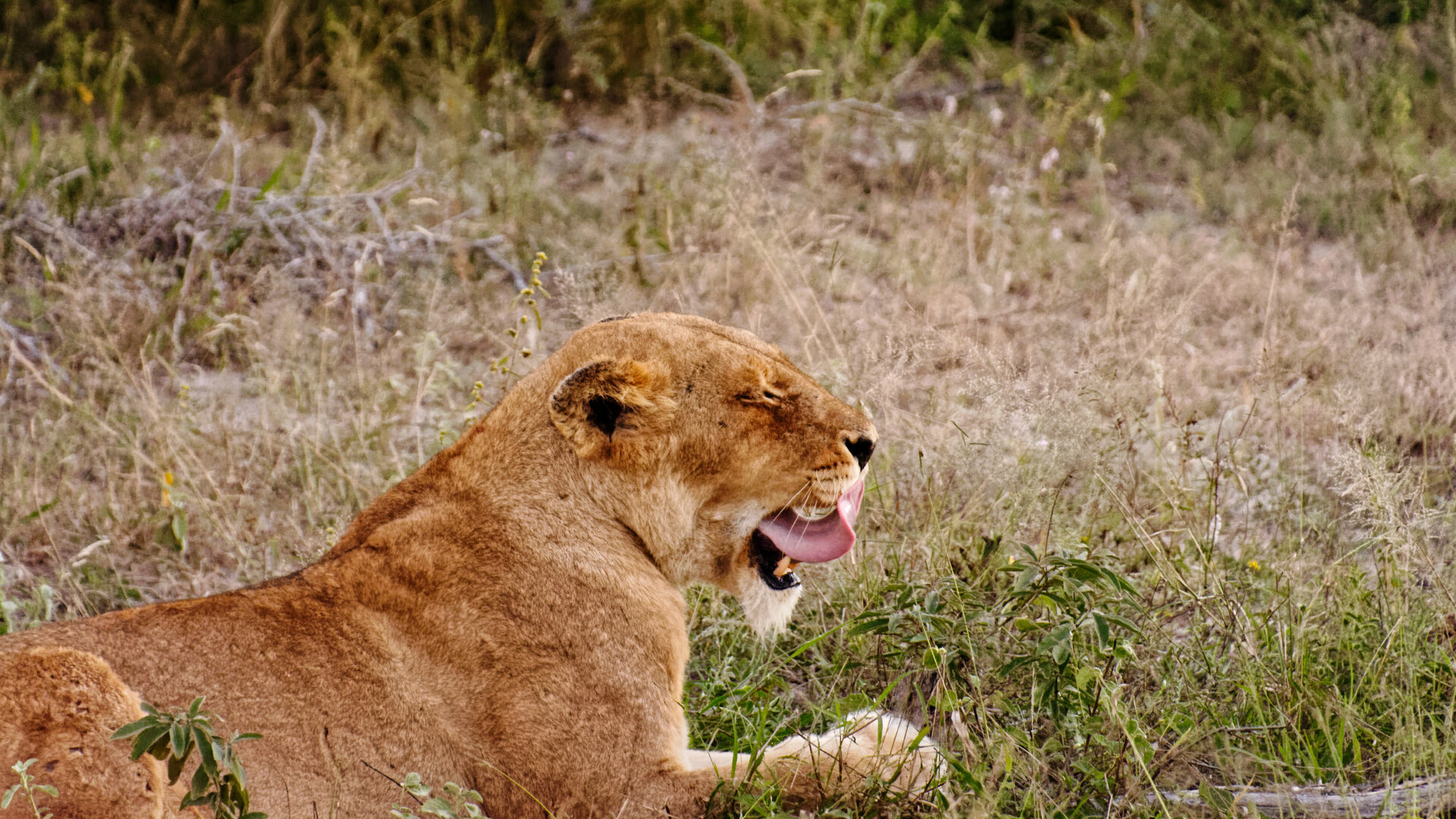
Key Takeaways
- Kruger has nine entrance gates along its western and southern edges, each serving a different region and set of camps.
- For the popular southern camps, Paul Kruger, Phabeni and Malelane are the go-to gates from Johannesburg.
- Phabeni is the most efficient for Skukuza and Lower Sabie; Paul Kruger offers a superb game drive to Skukuza.
- Crocodile Bridge in the far south has one of the finest arrival drives in the park, towards Lower Sabie.
- We advise avoiding Numbi Gate due to reported crime on the roads leading to it — use Paul Kruger, Phabeni or Malelane instead.
- All gates run sunrise to sunset with seasonal times; plan to be inside your camp before closing and carry ID and a card.
How the Gates Work
Kruger is fenced and controlled, and you enter through one of nine official gates ranged along its western and southern boundaries. Each gate is a staffed checkpoint where you present identification, pay your daily conservation fee (unless you hold a Wild Card), and pass into the park. Gates are cashless, so you will need a card, and it pays to have your accommodation booking reference to hand and, for self-drivers, a completed gate registration form to speed the process. Keep the receipt you are given — you need it to get your exit permit when you leave.
Timing matters more than most people realise. Every gate runs on a sunrise-to-sunset schedule that shifts through the year, generally opening somewhere between half past five and six in the morning and closing in the early evening. You must be inside your camp before the gates close, because driving in the dark is not allowed and late arrivals are penalised. The practical upshot is simple: plan your gate and your arrival so you reach camp comfortably in daylight, and enter as early as you can on a game-drive morning to catch the golden first hour when predators are still on the move.
The Southern Gates
The south is where most safaris happen, and it has the greatest cluster of gates. Coming from Johannesburg on the N4, the first you reach is Malelane Gate in the far south, a quick and convenient entrance for Berg-en-Dal and the southern loop, though it can get busy. A little further and inland lies the trio that serve the busy southern hub: Numbi, Phabeni and Paul Kruger. Phabeni, built in 2002 to ease congestion, is the most efficient route to Skukuza and Lower Sabie when you are coming via Hazyview, while Paul Kruger Gate is the iconic entrance to Skukuza, famous for the wildlife-rich drive between gate and camp.
Out to the far south-east, near the border town of Komatipoort, sits Crocodile Bridge Gate. It is a little out of the way for some, but it rewards you with one of the finest arrival drives in the entire park: the road up to Lower Sabie runs through superb game country and often serves up lion, rhino and general plains game within the first hour. If your first camp is Lower Sabie and your route allows, entering here turns the simple act of arriving into a memorable first safari. Between these southern gates you have everything you need to reach the park's richest wildlife country.
The Central and Northern Gates
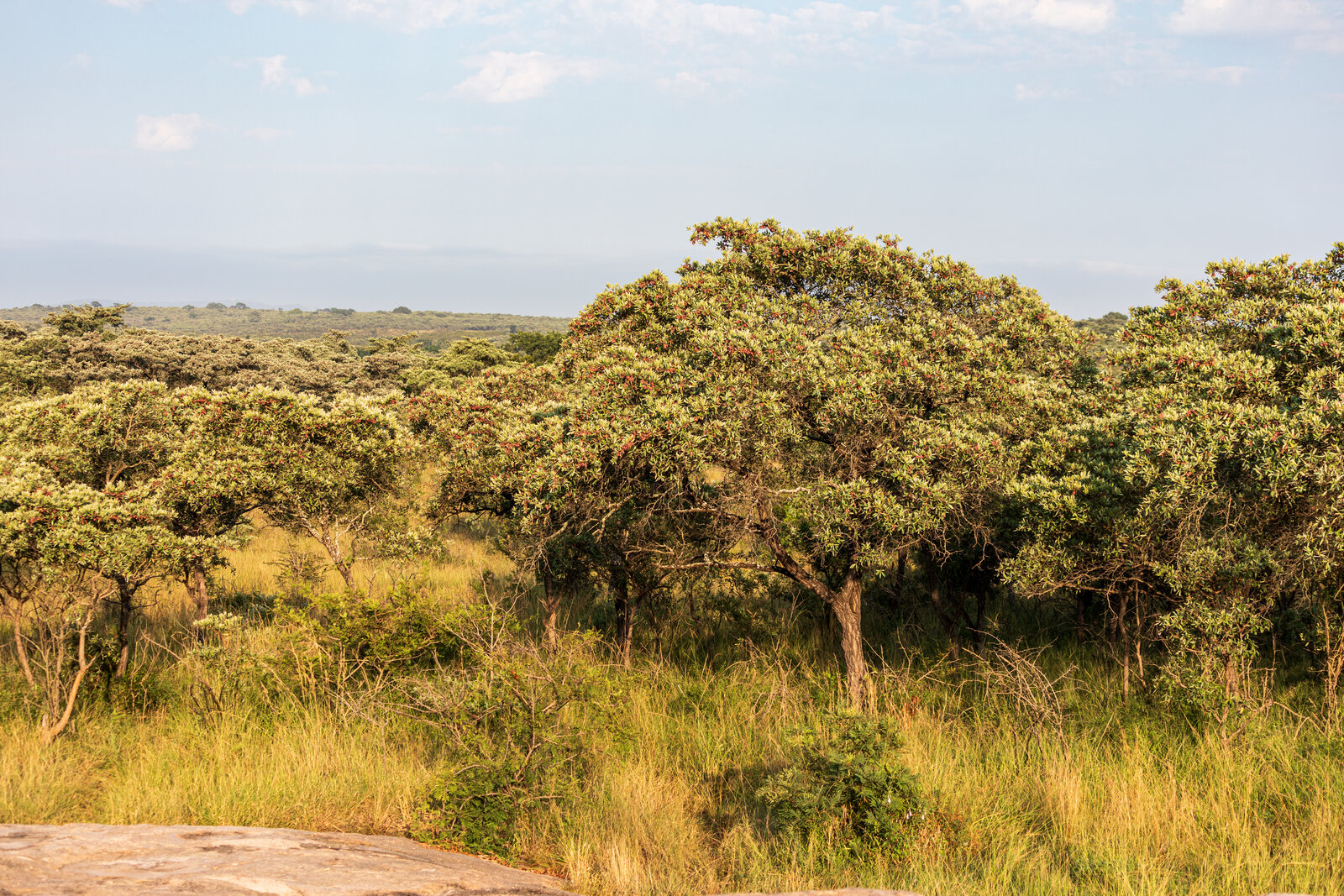
Move up the western boundary and the gates spread out with the park. Orpen Gate is the main entrance to central Kruger and the gateway to the Satara region — that famous big-cat country of open plains, the S100 and Lion Country — so it is the gate of choice if you are basing yourself in the centre for predators. Further north, Phalaborwa Gate sits right beside the town of the same name and opens the central-north around Letaba and Olifants, the leafy, elephant-rich camps above the great rivers.
The two northernmost gates, Punda Maria and Pafuri, belong to a different, wilder Kruger. These serve the remote far north, a land of baobabs, fever-tree forests and the biodiverse Pafuri region along the Luvuvhu River, celebrated among birdwatchers and seasoned safari-goers for its sense of true wilderness and its rare species. Few first-timers venture this far, but for return visitors seeking solitude and something out of the ordinary, entering through the northern gates is the start of a very special journey into the park's quiet heart.
Which Gate for Which Camp?
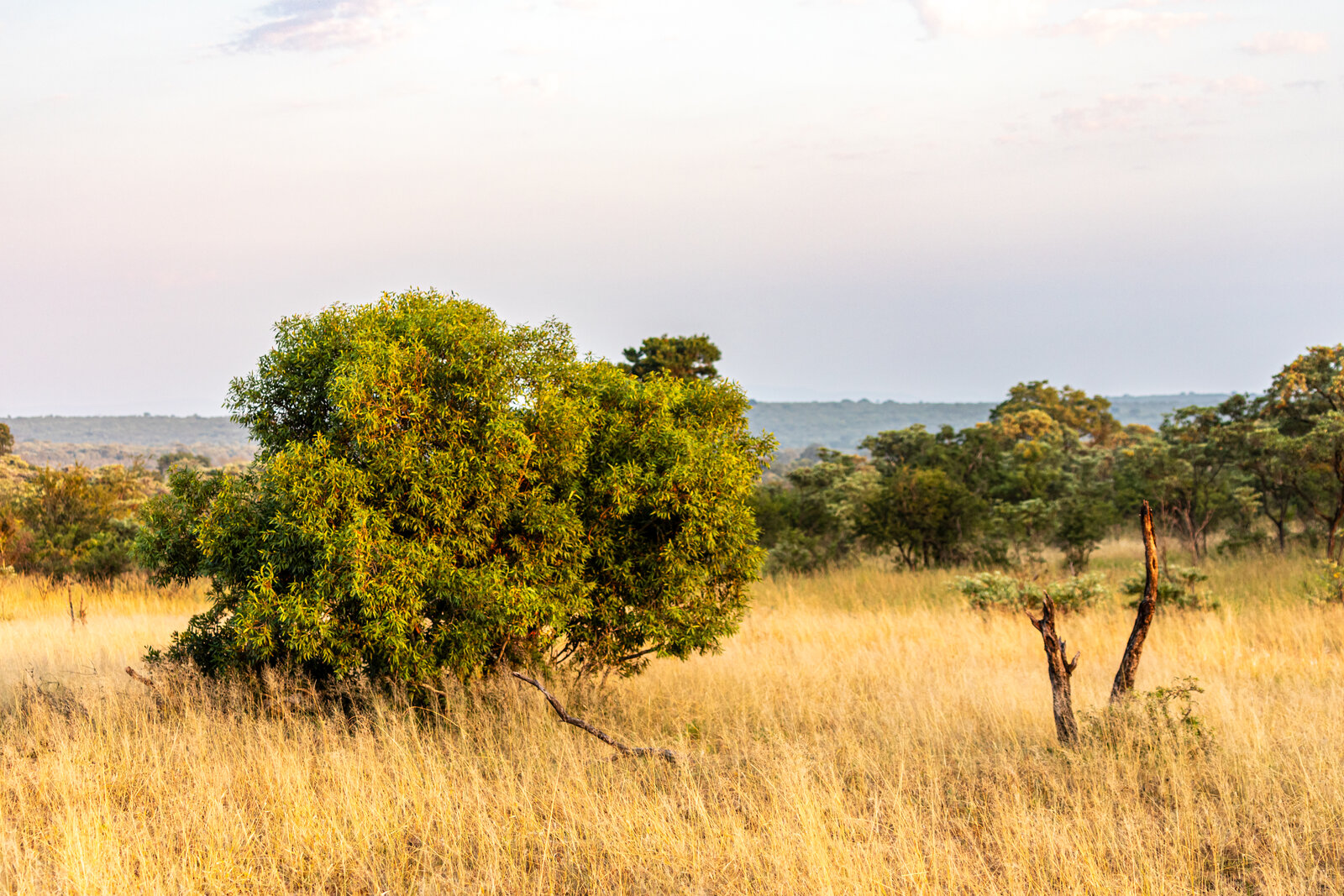
The single best way to choose a gate is to work backwards from where you are sleeping that first night. If your camp is Skukuza or Lower Sabie, aim for Phabeni or Paul Kruger. If it is Berg-en-Dal or the far south, Malelane is quickest. If Lower Sabie and you are coming from the Komatipoort side, Crocodile Bridge gives you that glorious arrival drive. Heading for Satara and the central plains, use Orpen; for Letaba or Olifants, use Phalaborwa; and for the far northern camps, Punda Maria or Pafuri.
It is also worth thinking about the drive from gate to camp as your first game drive, not just a transfer. Enter with enough daylight in hand to dawdle, because the roads immediately inside the southern and central gates are often excellent for wildlife. Give yourself two or three hours of cushion before gate-closing time so you can stop for every sighting without anxiously watching the clock. Get the gate right and your safari begins the moment you drive through it.
The Gate to Avoid
There is one gate we quietly steer our guests away from: Numbi. The gate itself is a normal park entrance, but the public roads leading up to it, outside the park, have been the scene of reported criminal incidents affecting tourists over recent years, and the consistent advice from safari specialists is to use safer alternatives. The good news is that you lose nothing by doing so — Paul Kruger, Phabeni and Malelane all reach the same southern camps, often just as quickly, and without the concern.
This is not cause for alarm about Kruger as a whole, which remains one of the safest and best-run wildlife destinations in Africa. It is simply a sensible, specific precaution about one approach road. We mention it plainly because so few general guides do, and because a moment's planning at the booking stage removes the issue entirely. When we arrange a self-drive or transfer, we route our guests through the safer gates as a matter of course.
Gate Tips and Timing
A handful of habits make gate days effortless. Arrive early, both to beat the queues that build at popular southern gates in peak season and to maximise the golden hours inside. Have your documents ready — ID or passport, card for the cashless payment, booking reference — and, if self-driving, fill in the gate registration form beforehand. Check the current season's gate and camp times before you set out, because they change through the year and you must be inside your camp before closing.
On busy days at the height of season, day visitors can face vehicle quotas at some gates, so booking your entry slot online in advance is wise if you are not staying over. And always keep that conservation-fee receipt safe: you will be asked for it at the exit gate. None of this is complicated, but a little forethought means you sail through the gate and straight into the wonder of the park — which, after all, is what you came for. If you would rather not think about any of it, we will build the right gates and timings into your itinerary.
| Gate | Best For |
|---|---|
| Paul Kruger | Skukuza — with a famous game-rich drive to camp |
| Phabeni | The most efficient gate for Skukuza and Lower Sabie |
| Malelane | The far south and Berg-en-Dal; first gate on the N4 |
| Crocodile Bridge | Lower Sabie — one of the best arrival drives in the park |
| Orpen | Satara and central big-cat country |
| Phalaborwa | Letaba and Olifants in the central-north |
| Punda Maria / Pafuri | The remote, wild far north — birding and solitude |
| Numbi | Best avoided — use Paul Kruger, Phabeni or Malelane instead |
Let Us Get Your Kruger Gates Right
The right gate is one of those small details that quietly makes a safari better — a shorter drive, a safer approach, a richer first hour in the bush. We know every gate, every approach road and every camp they serve, and we route our guests through the best and safest of them as standard. Tell us where you are staying, and we will make sure you enter the park the smart way, with time in hand and the golden hour ahead of you.
Want Your Kruger Route Planned Properly?
Our specialists build Kruger self-drive and guided itineraries that use the best and safest gates, matched to your camps and your route — so you arrive in daylight and your safari starts the moment you drive in.
Ready to explore? Browse our safari tours and packages →