Key Takeaways
- The Kruger is really two parks: a busy, game-rich south and a remote, wild, empty north.
- The southern Kruger has the densest general game and the best odds of a fast Big Five safari.
- The northern Kruger offers baobabs, big rivers, superb birding and blissful solitude — but sightings take more patience.
- For a first safari or a short trip, base yourself in the south; for space and wilderness, head north.
- With a week or more you can combine both halves and watch the landscape change as you go.
- There is no wrong choice — only the half that best fits the safari you are dreaming of.
One Park, Two Very Different Worlds
The first thing to understand about the Kruger is its sheer scale. It stretches some 350 kilometres from the Crocodile River in the south to the Limpopo in the far north — nearly two million hectares, roughly the size of a small country. Over that distance the land, the vegetation, the rainfall and even the mood of the place change completely. Talking about the Kruger as a single, uniform destination is a little like talking about a whole country as if every corner of it were the same. It simply is not.
Broadly, the park divides into a southern half and a northern half, with a central transition zone in between. The south is the Kruger of the postcards and the guidebooks: dense with game, dotted with rest camps, easily reached and often busy. The north is its quieter, wilder alter ego — emptier, more remote, scenically spectacular and visited by a small fraction of the crowds. Understanding how they differ is the single most useful thing you can do before booking, because it turns a vague choice into a confident one. Let us take each in turn.
The Southern Kruger: Big Five and Easy Access
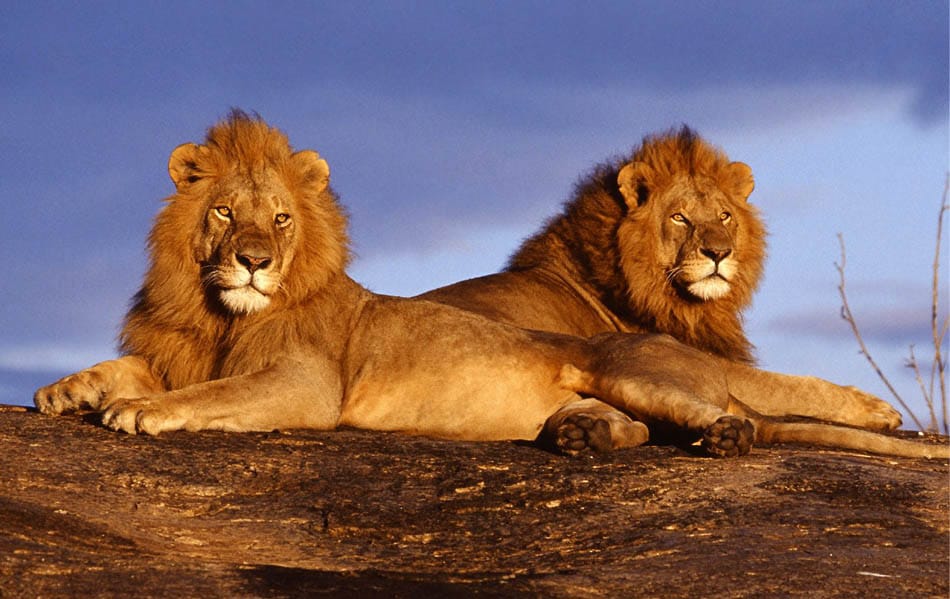
The southern Kruger, running roughly from Skukuza and Lower Sabie down to the Crocodile River gate, is the park's beating heart and its most popular region by far — and for very good reasons. This is where the water is most reliable, the grazing sweetest and the bush thickest, which together support the highest concentrations of animals anywhere in the park. If your dream is to tick off the Big Five in a few unhurried days, this is statistically the place to do it: lion, leopard, rhino, elephant and buffalo are all present in real numbers, and general game is everywhere you look.
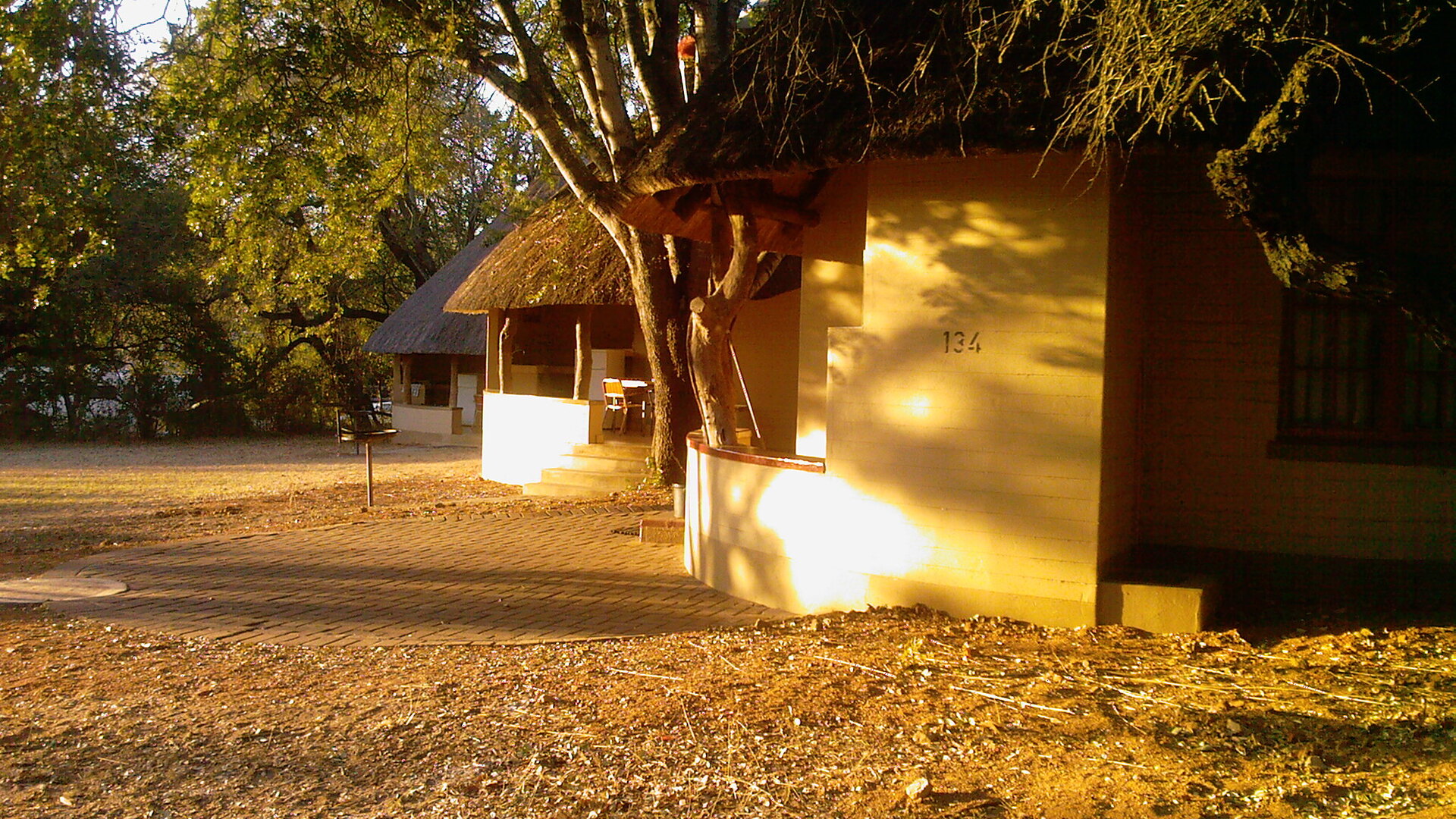
Just as importantly, the south is easy. It is the closest region to Johannesburg and to the main airports, so you can be on your first game drive within hours of landing. It has the greatest density of rest camps, shops, fuel and picnic sites, and the best network of tar roads, which makes it the natural choice for self-drivers, families and anyone on a short trip. The trade-off, of course, is that everyone else knows this too, so popular sightings can draw a cluster of vehicles and the main routes can feel busy in peak season. For most first-time visitors, that is a price well worth paying for the sheer reliability of the wildlife.
The Northern Kruger: Wilderness and Space
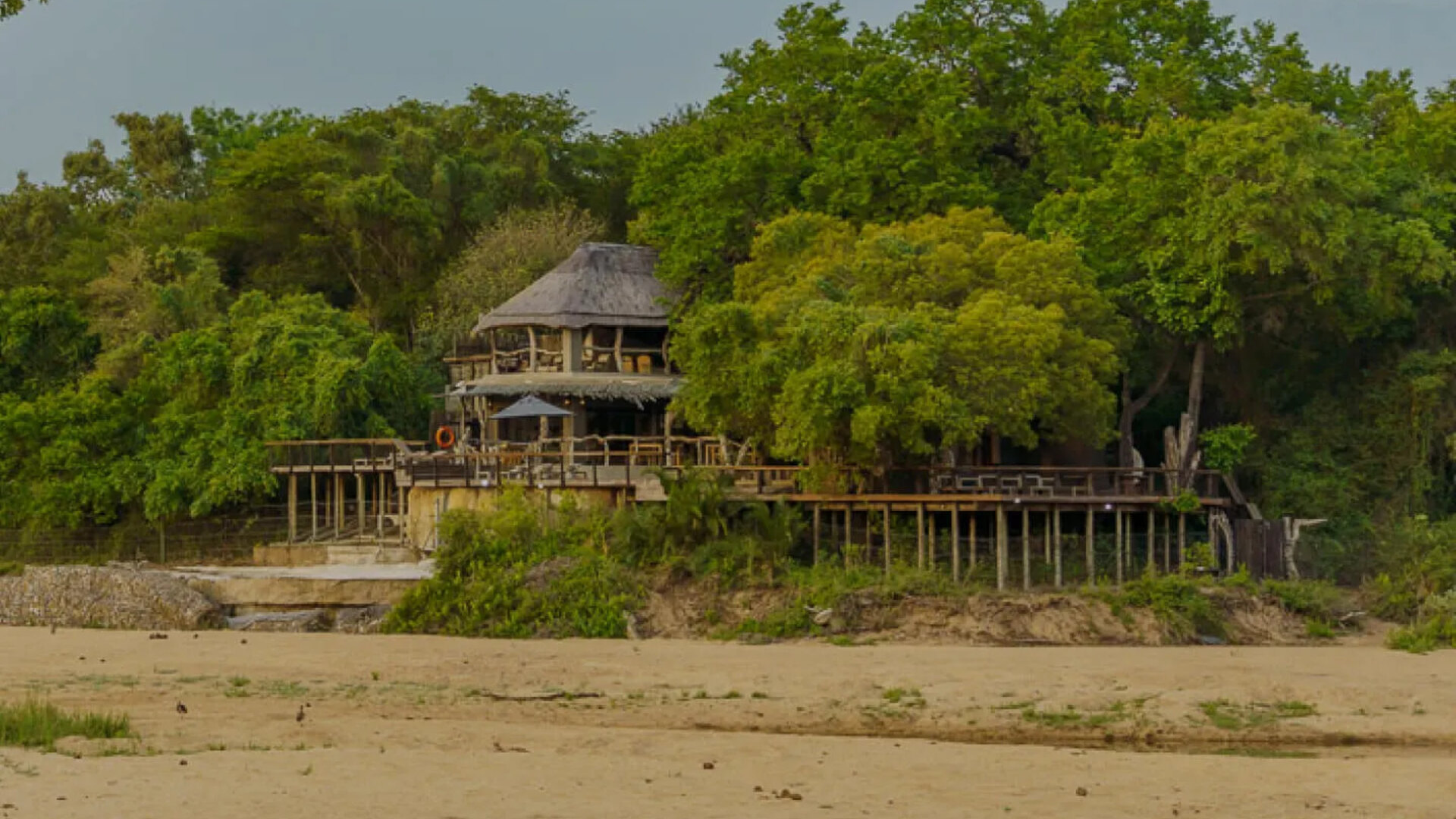
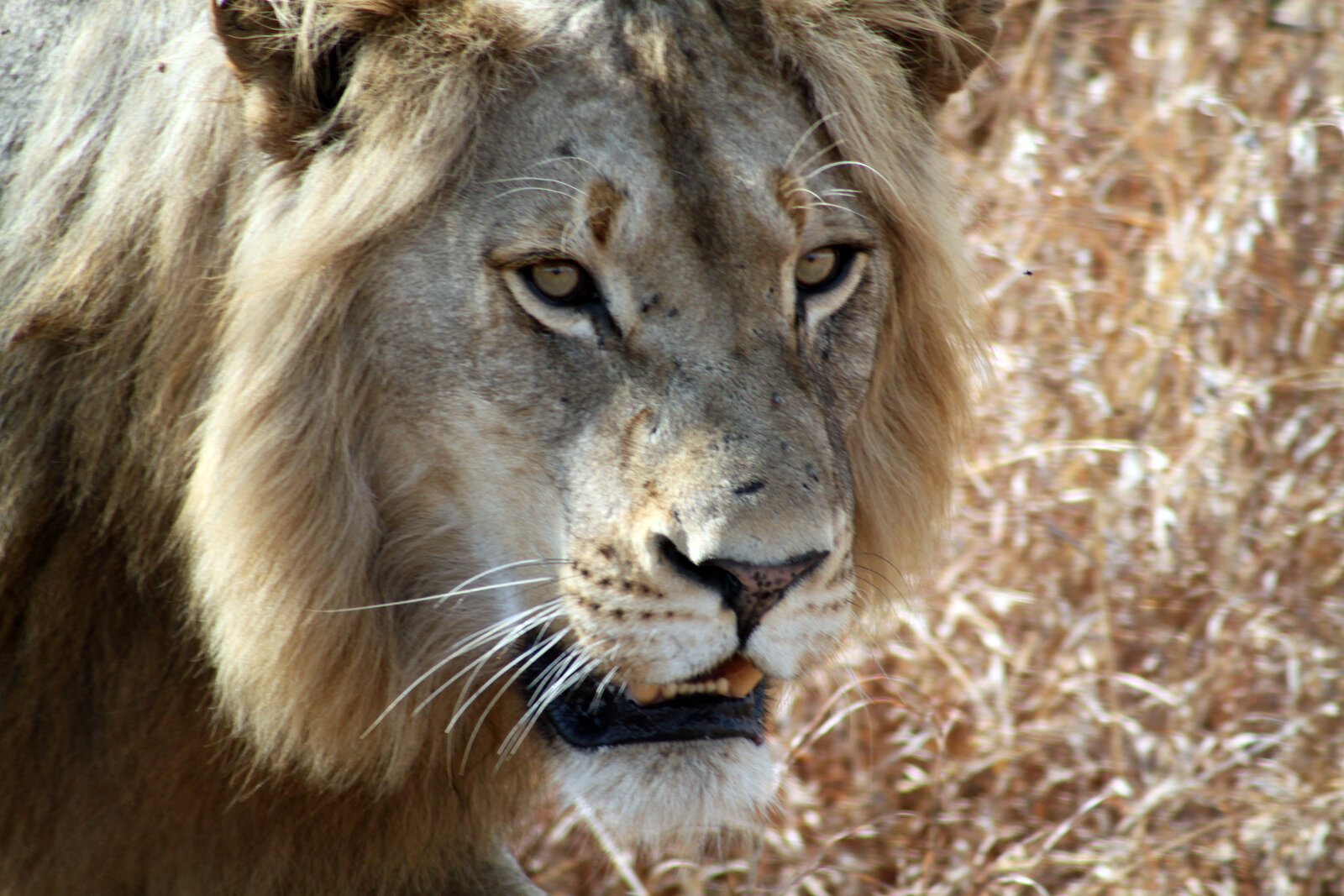
Head north beyond the central region and the Kruger transforms. The crowds fall away, the camps grow smaller and further apart, and a vast, ancient wilderness opens up. This is the land of the baobab — great, swollen-trunked trees standing sentinel over rolling mopane woodland — and of two magnificent rivers, the Luvuvhu and the Limpopo, whose forested banks around the Pafuri region are lush, tropical and utterly unlike the dry bush that surrounds them. It is one of the most beautiful and least-visited corners of the entire park.
The north is a different kind of safari. Big elephant and buffalo herds move through the mopane, and the birding is simply extraordinary — Pafuri is legendary among birders, home to species found almost nowhere else in South Africa. But the great luxury of the north is solitude. You can drive for an hour without passing another car, and a fine sighting is very often yours alone, unshared. The animals are spread more thinly across a bigger landscape, so you work a little harder and see a little less, but what you gain is a profound sense of wilderness that the busy south, for all its riches, simply cannot offer.
Wildlife: Where Will You See More?
Let us be honest about the thing most people really want to know: where will you see more animals? On sheer numbers and Big Five odds, the south wins, and it is not especially close. The combination of water, grazing and habitat in the southern and south-central regions supports a density of game that the north cannot match, and if your priority is to see the famous five in the shortest time, you should base yourself in the south. This is simply how the park's ecology has always worked.
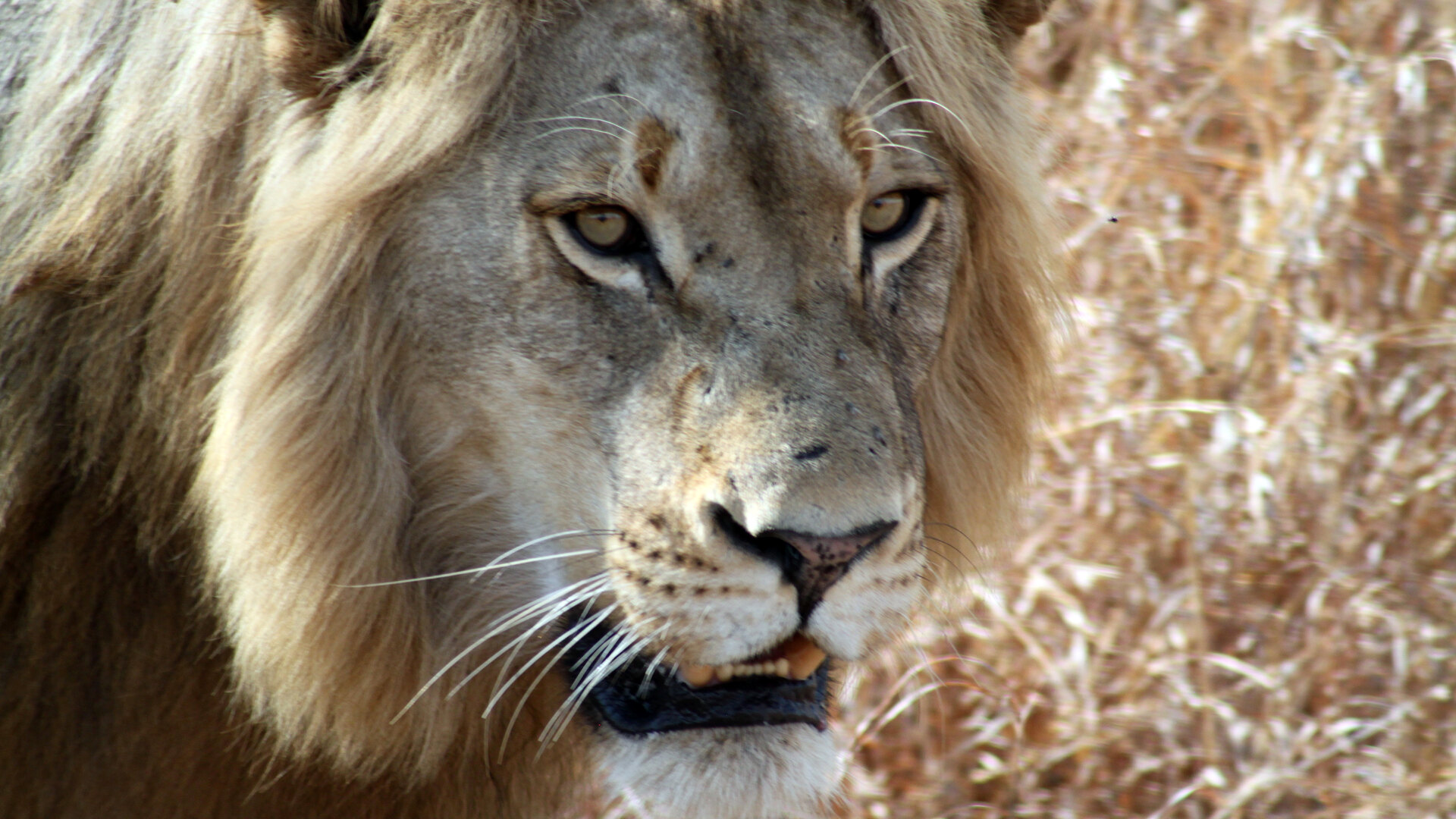
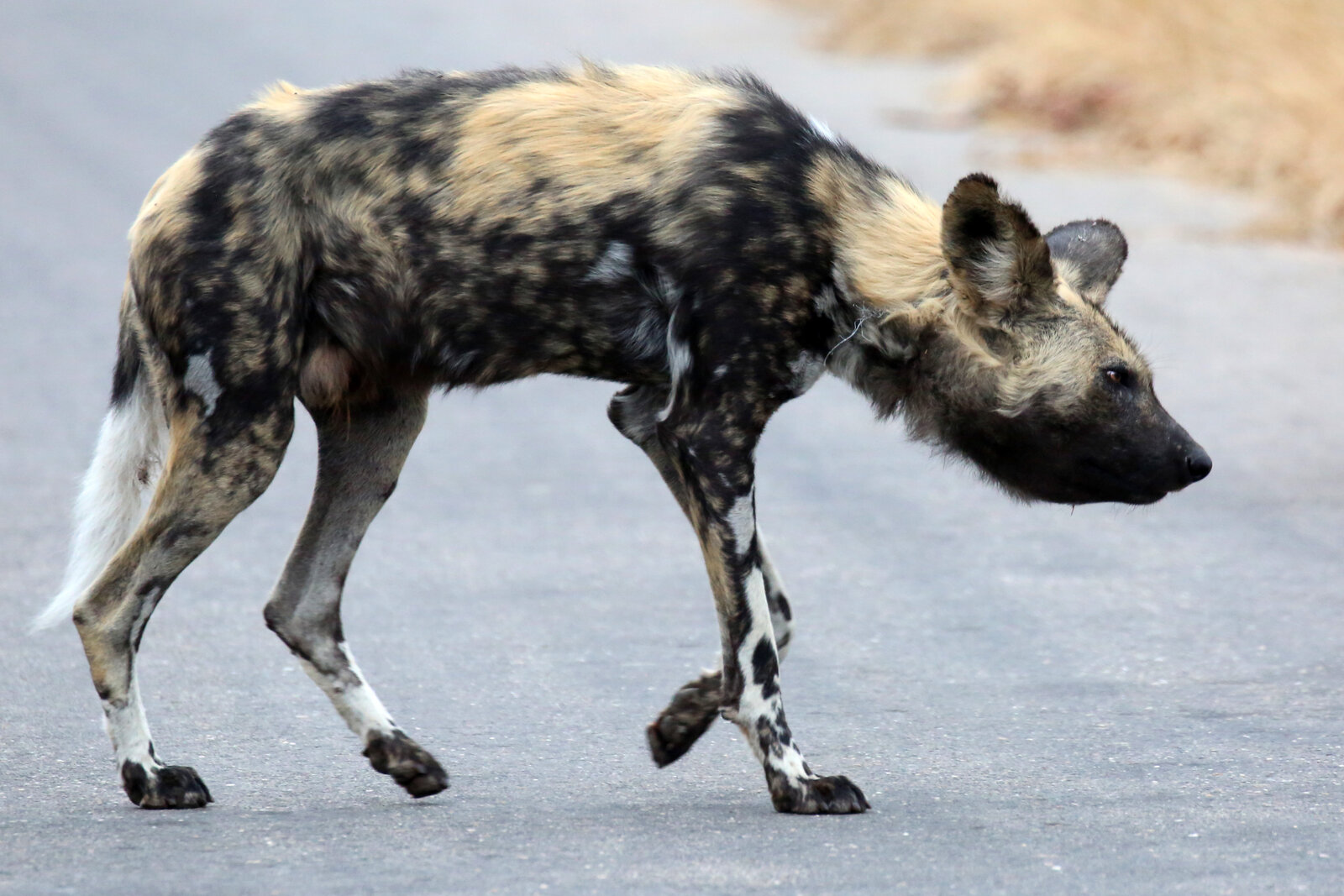
But numbers are not the whole story. The north offers quality of experience that raw density misses — huge elephant herds against baobab-studded horizons, riverine specials, and a bird list that will make an enthusiast weep with joy. Wild dogs, among Africa's most endangered and thrilling predators, range widely across the whole park and can turn up anywhere. And a sighting shared with no other vehicle, in total silence, is worth a great deal more than the same animal ringed by ten cars. So the honest answer is this: for more sightings, go south; for richer, wilder, more private ones, go north. Many seasoned safari-goers come to prefer the second kind.
| What Matters to You | South vs North |
|---|---|
| Big Five odds | South: excellent, highest density | North: good but spread thin |
| General game numbers | South: very high | North: lower, patchier |
| Crowds | South: busier, especially in peak | North: wonderfully quiet |
| Scenery | South: classic bushveld | North: baobabs, big rivers, dramatic |
| Birding | South: very good | North: world-class, unique species |
| Access from Johannesburg | South: easy and quick | North: long drive or fly-in |
| Best for | South: first-timers, short trips | North: return visitors, wilderness lovers |
Crowds, Access and Atmosphere
The practical differences between the two halves come down to access, and access shapes everything else. The south is close to Johannesburg, close to the main gates and airports, and richly served with camps and facilities, so it fills up — particularly in South African school holidays and the peak winter months, when popular sightings can gather a queue of vehicles. None of this spoils the safari, but it does change its texture: the south feels social and well-trodden, more national treasure than secret wilderness.
The north demands more of you and rewards you accordingly. It is a long haul from the southern gates, so most visitors either fly into one of the northern airstrips or build in a full day of driving, and the camps are fewer, smaller and simpler. But that effort is exactly what keeps the crowds away, and the atmosphere is the payoff — unhurried, deeply peaceful, and genuinely remote. If your idea of a safari is a campfire under a spilled sky of stars with not another soul for miles, the north delivers it in a way the south, for all its wildlife, never quite can. Deciding how much you value that solitude against sheer convenience is the crux of the whole choice.
So Which Half Should You Choose?
Bring it all together and the decision becomes refreshingly simple. Choose the southern Kruger if this is your first safari, if your time is short, if you are travelling with children, or if seeing the Big Five is high on your list — it gives you the best wildlife odds, the easiest logistics and the widest choice of places to stay. It is the reliable, rewarding, no-regrets option, and there is a reason it is the most popular part of the park. For most people planning a first trip, the south is exactly right.
Choose the northern Kruger if you have safari-ed before, if you crave space and solitude, if you are a keen birder, or if dramatic scenery and a sense of true wilderness matter more to you than ticking off species. And if you have a week or more, consider having both: start in the game-rich south, then drift north as the crowds thin and the baobabs rise, watching the whole character of the park change around you. That combination is one of the great safaris in Africa. Tell us which of these travellers sounds most like you, and we will build the Kruger that fits.
Let Us Help You Choose the Right Kruger
North or south, first safari or fifth, we know this park intimately and we will match it to you — the right region, the right camps, the right pace and the right season. Whether you want the reliable big-game thrill of the south, the wild solitude of the north, or a journey that weaves the two together, tell us your dates and your dreams and we will design a Kruger safari that feels made to measure.
Not Sure Which Half of the Kruger Is Right for You?
From the game-rich south to the wild, empty north, our specialists will match the park to your travel style — and build a private safari that puts you in exactly the right place.
Ready to explore? Browse our safari tours and packages →