Quick answer: The best walking safaris in Africa are in Zambia's South Luangwa (the birthplace of the walking safari), Zimbabwe's Mana Pools (famous for approaching elephant on foot), Botswana's Okavango Delta, and South Africa's Kruger wilderness trails. Led by an armed, expert guide, you move quietly on foot — tracking, reading signs, and connecting with the wild in a way no game drive can match. Expect roughly $600 to $1,200 per person per night, all-inclusive.
To walk in the African bush is to understand it for the first time. From a vehicle, you observe. On foot, you belong — you read the tracks in the dust, you feel the wind change, you learn that a broken twig and a fresh print tell a story that no game drive ever could. Your senses wake up. You are no longer a spectator. You are part of it.
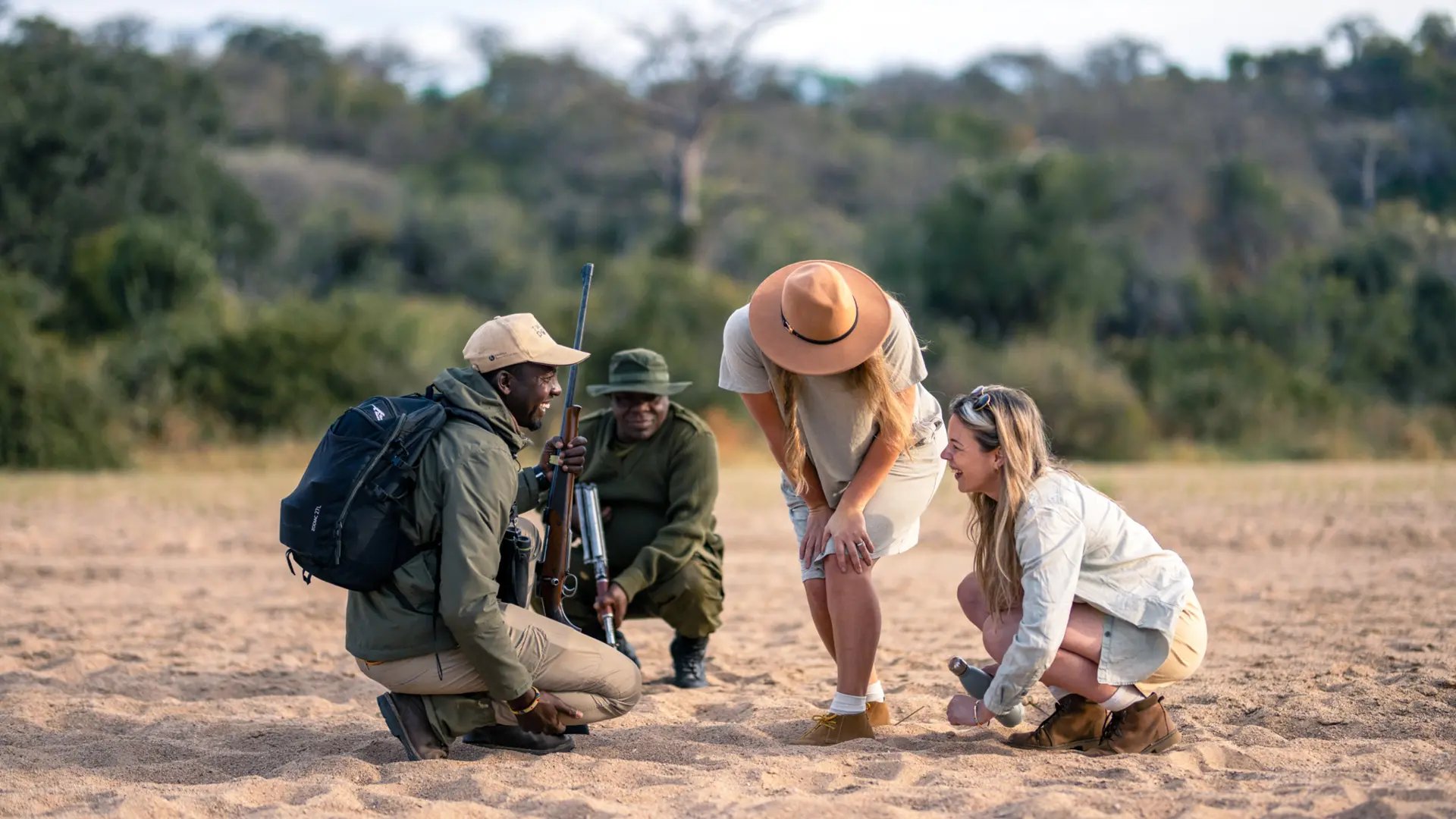
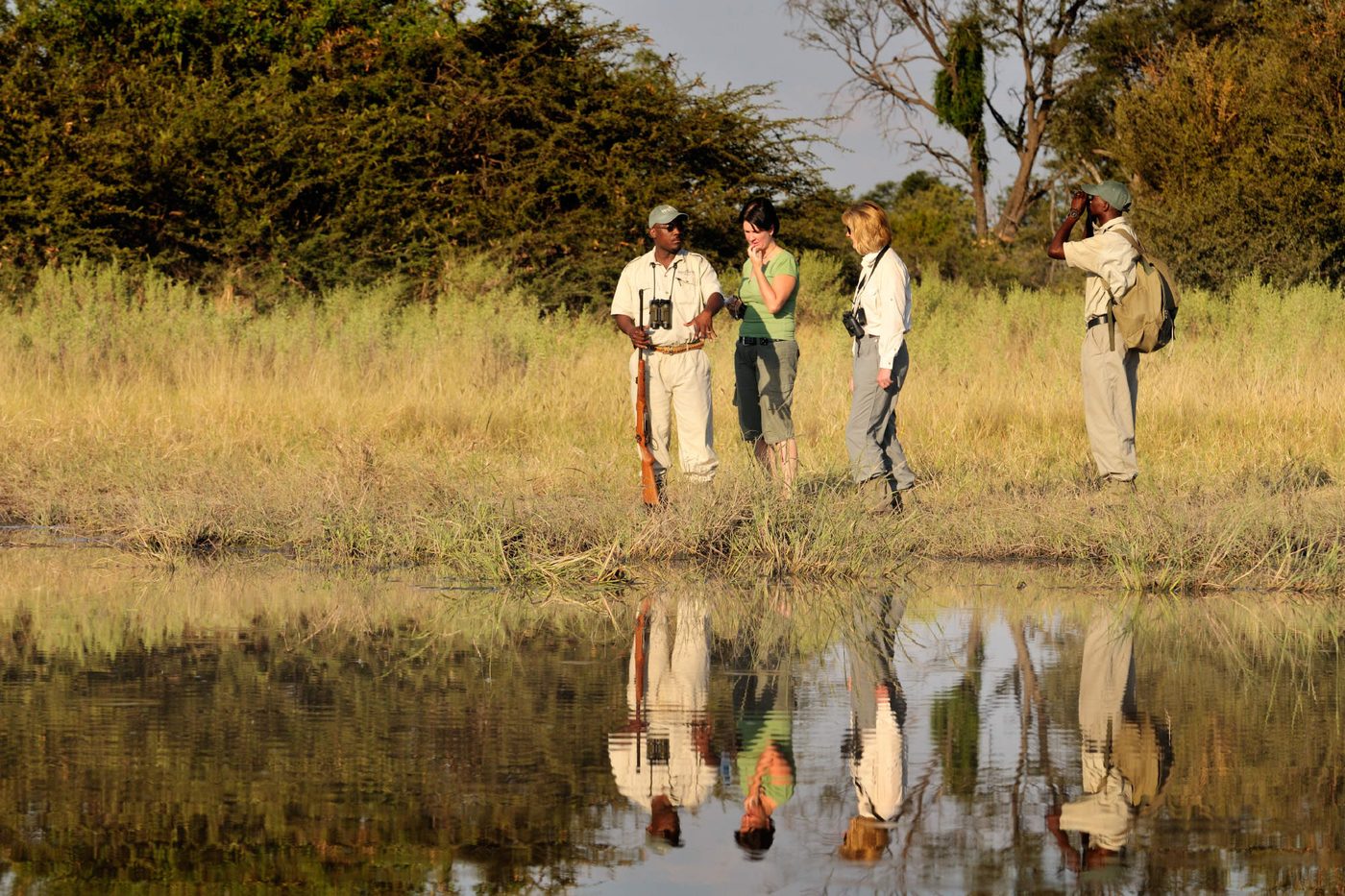
A walking safari is the purest way to experience the wild. Led by an armed, expert guide, you move quietly through the bush at the pace of the animals themselves — tracking elephant, approaching giraffe on foot, learning the small things the vehicle races past. Zambia's South Luangwa is the birthplace of the walking safari, and it remains the finest. Zimbabwe's Mana Pools, the Okavango Delta, and the wilderness trails of the Kruger deliver the same raw connection.
After eighteen years arranging walking safaris, this is our complete, honest guide. Where to walk, what it is really like, how safe it is, and how to choose the guide and camp that turn a walk in the bush into the most profound experience of your safari.
Why Walk Instead of Drive?
A game drive is about seeing. A walking safari is about understanding. On foot, the safari slows down. You stop looking for the Big Five and start noticing the things that make the bush work — the dung beetle rolling its prize, the alarm call of an impala, the direction of the wind, the freshness of a track. The guide teaches you to read the landscape, and suddenly the bush is not a backdrop but a living, connected system that you are standing inside.
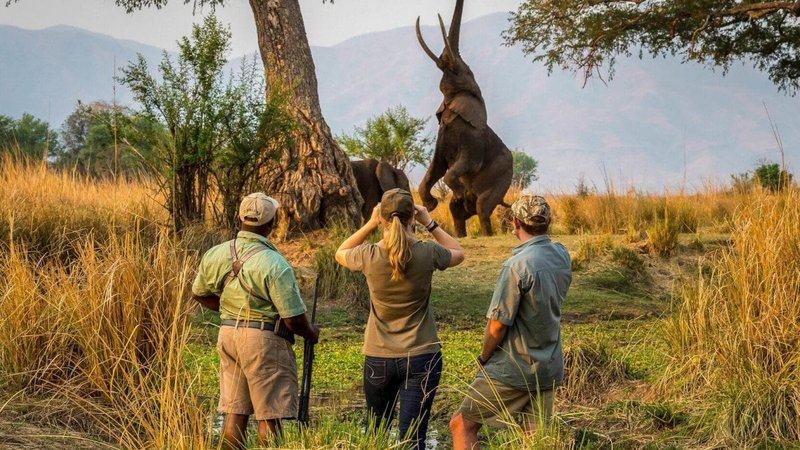
And then there is the adrenaline. Approaching a herd of elephant on foot, downwind, silent, is an experience of a completely different order to watching them from a vehicle. Your heart rate rises. Your senses sharpen. You feel small, and alive, and part of something ancient. It is, for many travellers, the single most memorable experience of their entire time in Africa.
You Read the Signs
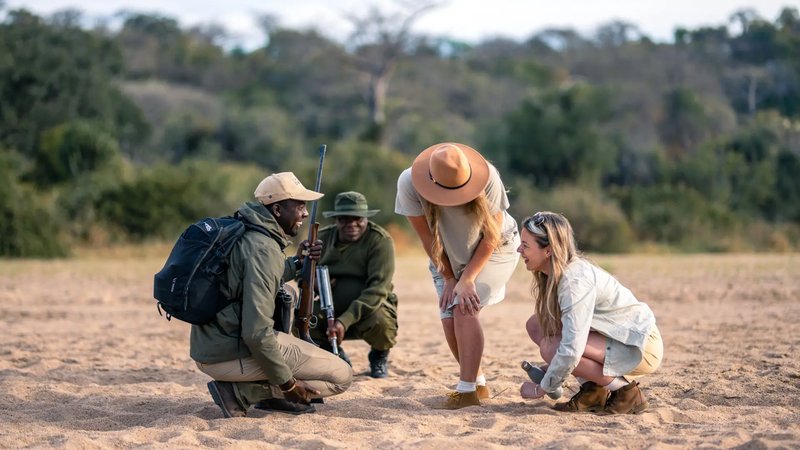
Tracks, dung, broken branches, alarm calls — the guide teaches you to read the story of the bush, the small details a vehicle races past.
Your Senses Wake Up
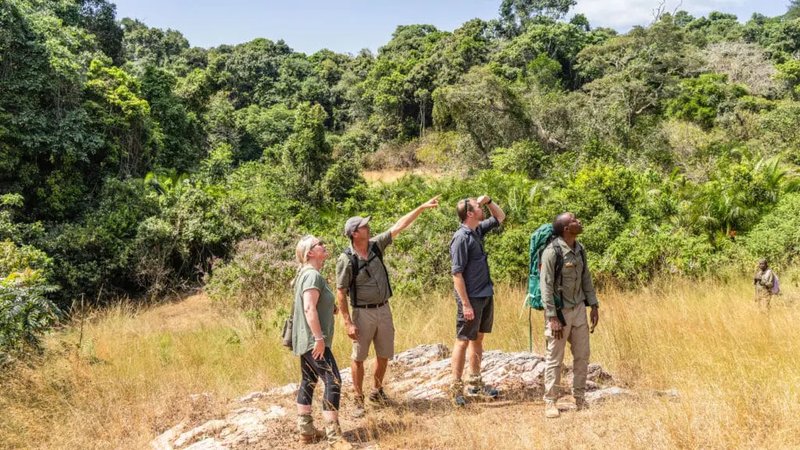
Without an engine, you hear, smell and feel the bush. The wind, the calls, the silence — the wild reaches you in a way it never can from a seat.
You Belong to It
On foot, you are no longer separate from the wild. You are in it, at its pace, on its terms. It is the most immersive way to experience Africa.
The Best Destinations for a Walking Safari
Walking is offered across Africa, but a handful of places do it properly — with the guides, the terrain, the wildlife and the culture that make a walking safari extraordinary.
1. South Luangwa, Zambia — The Birthplace of the Walking Safari
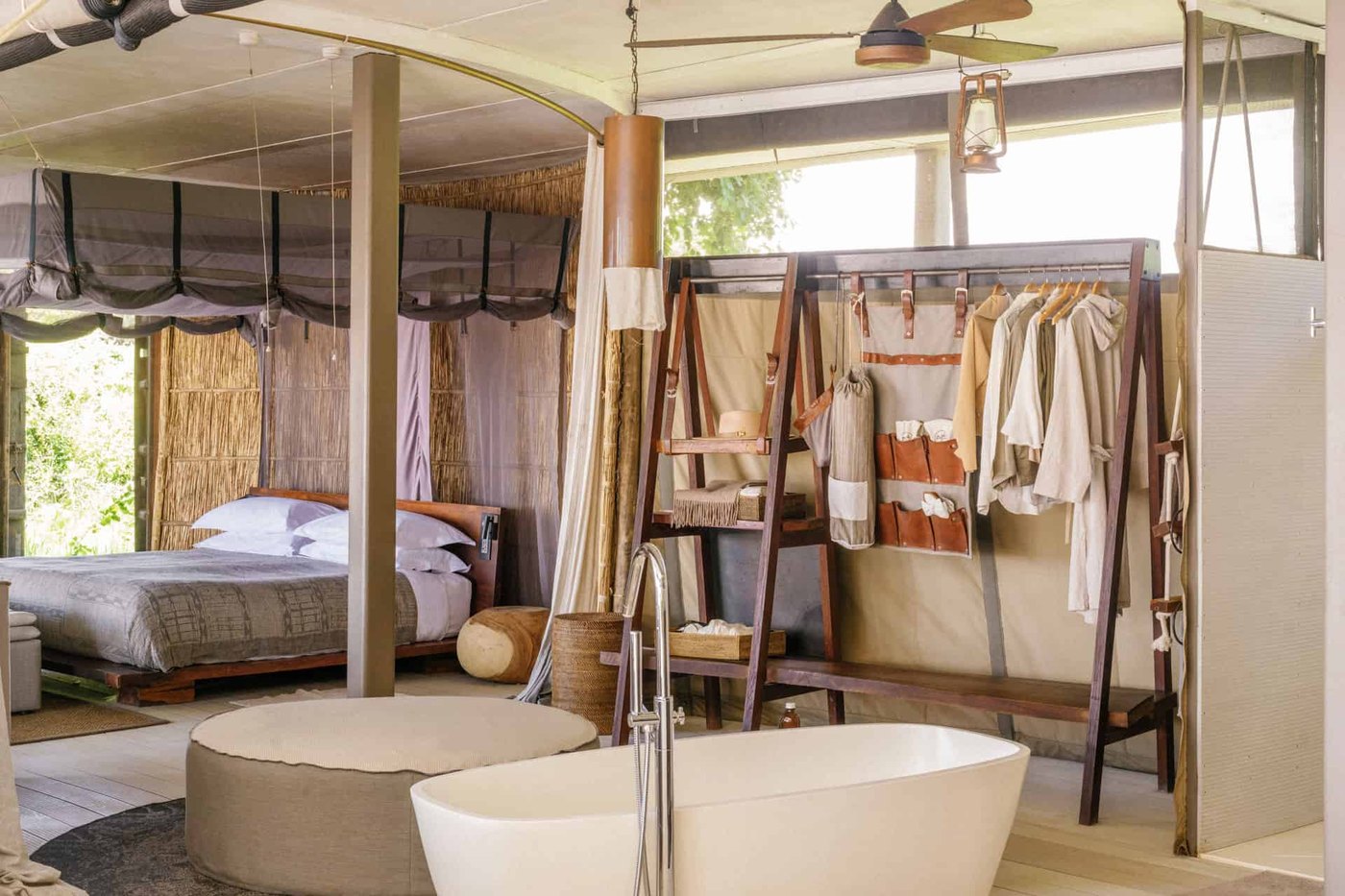
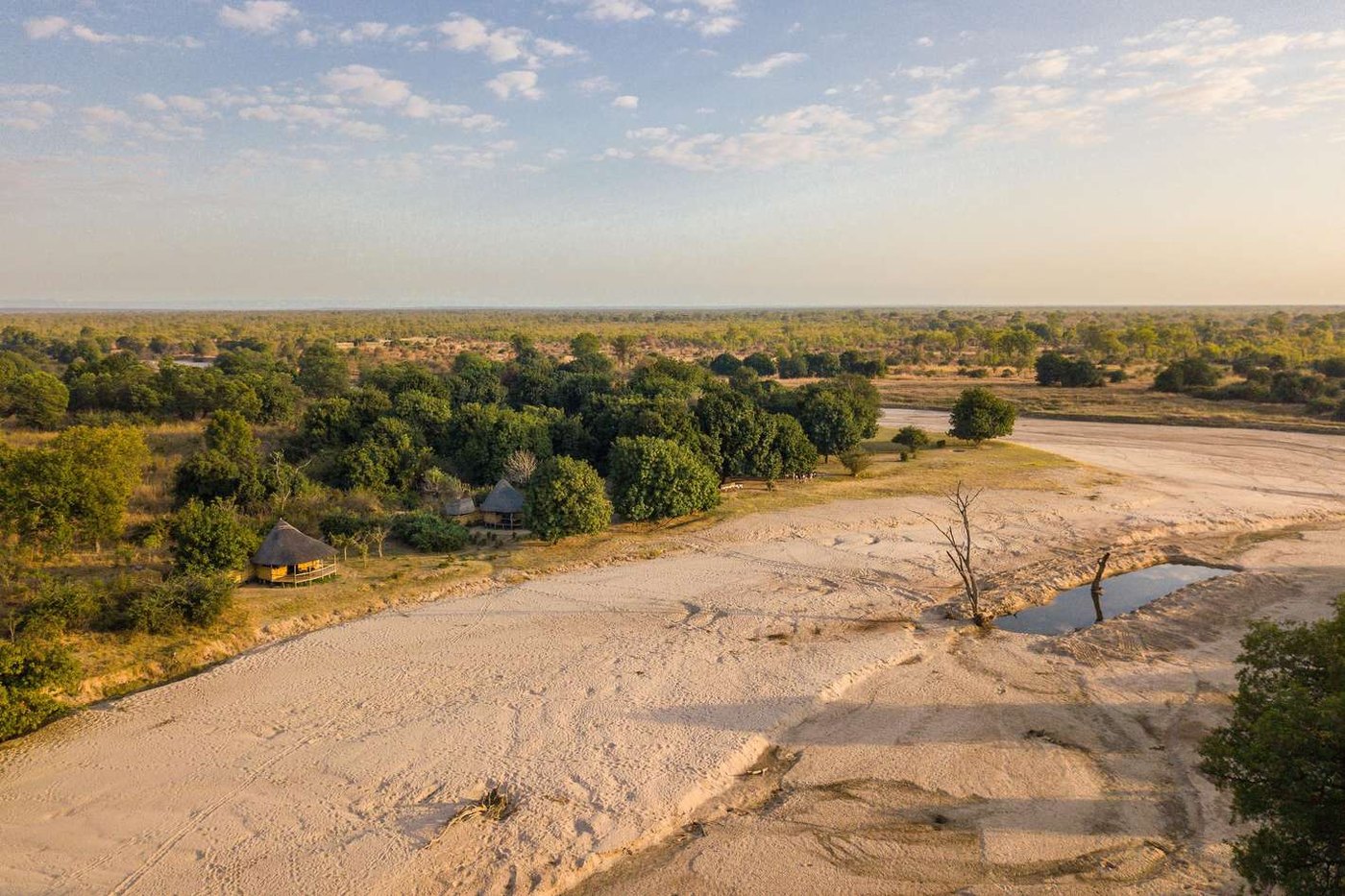
South Luangwa is where the walking safari was born. In the 1950s and 1960s, the legendary conservationist Norman Carr pioneered the concept here, and Zambia has led the world in walking safaris ever since. The Luangwa Valley has a high density of wildlife, expert guides trained in a deep walking tradition, and remote bush camps designed around walking rather than driving. Many camps offer multi-day walking safaris that move between remote camps entirely on foot — the purest walking experience in Africa.
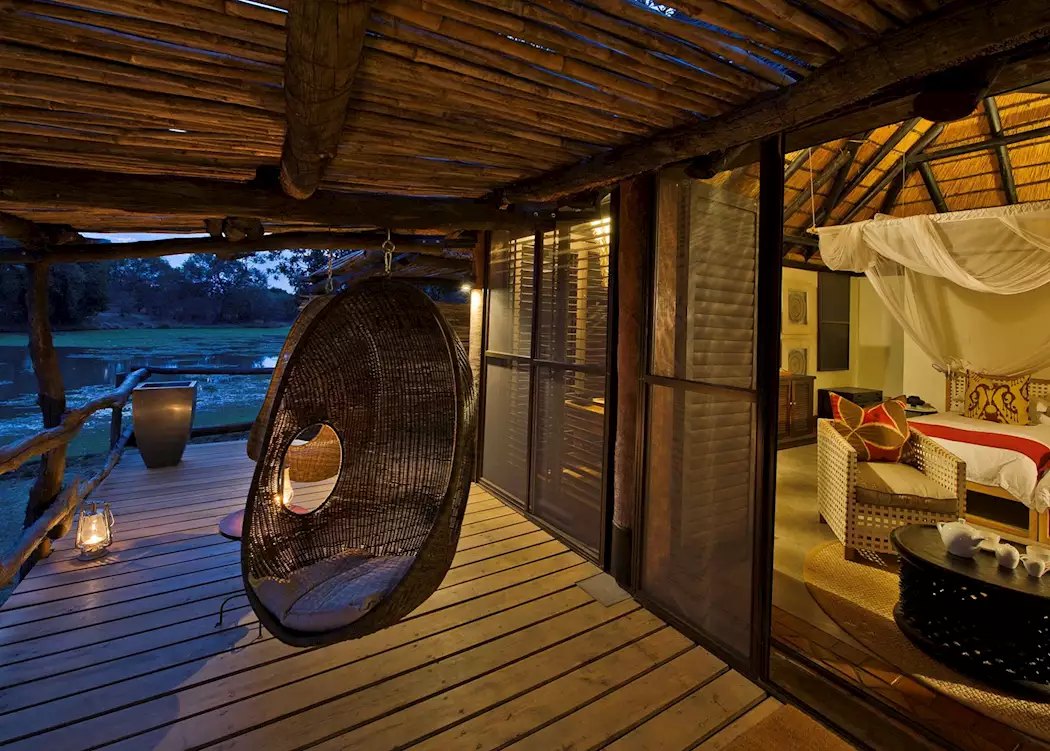
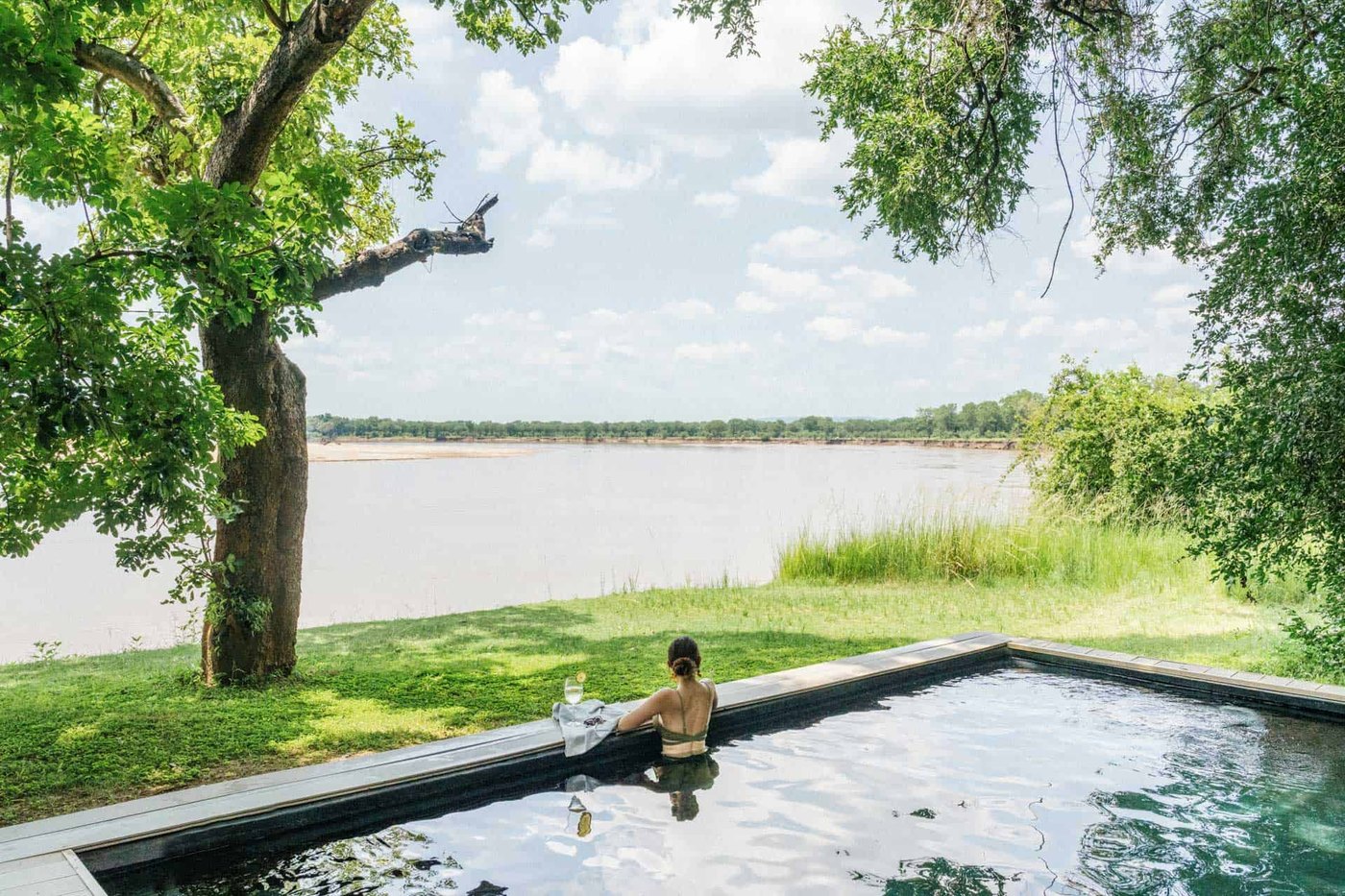
Best for: The finest walking safaris, multi-day walking, expert guiding.
When to go: June to October (dry season, peak walking).
Cost: Roughly $600 to $1,200 per person per night.
Feel: Authentic, remote, the real thing.
2. Mana Pools, Zimbabwe — Approaching Elephant on Foot
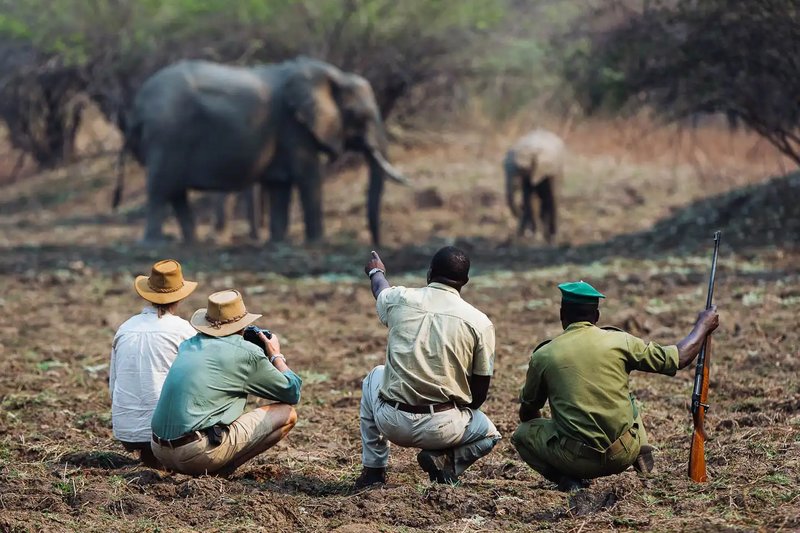
Mana Pools on the Zambezi River is famous for one thing above all: walking with elephants. The park's open woodland and floodplains, and its habituated elephants that stand on their hind legs to reach the winter-thorn pods, make it the finest place in Africa to approach elephant on foot. Guiding standards here are exceptional — Zimbabwe's guides are among the best-trained in the world — and the sense of raw wilderness is profound.
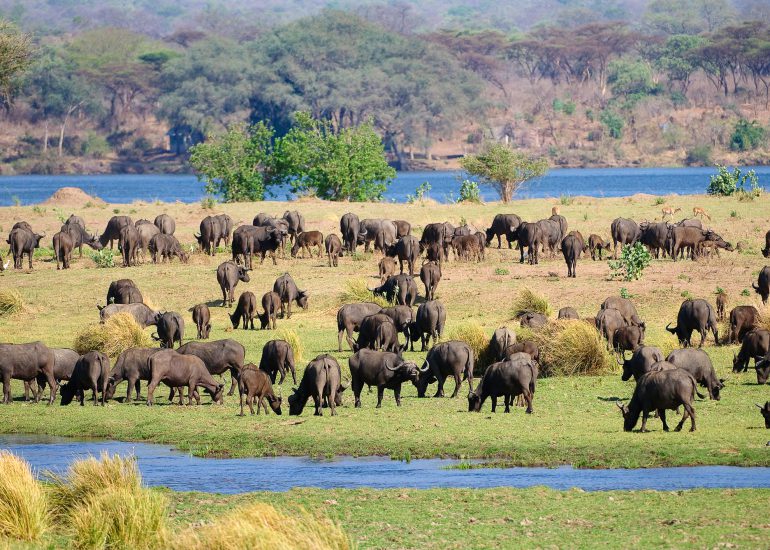
Best for: Walking with elephant, exceptional guiding, raw wilderness.
When to go: June to October (dry season).
Cost: Roughly $700 to $1,300 per person per night.
Feel: Wild, intense, unforgettable.
3. The Okavango Delta, Botswana — Walking & Water
The Okavango Delta combines walking with the water-based activities that make it unique — mokoro (traditional canoe) trips, boat safaris, and guided walks on the islands. Walking here is often led by expert trackers with generations of bush knowledge, and the combination of walking, water and remote luxury camps makes the Okavango a superb all-round choice. It is less purely walking-focused than Luangwa or Mana Pools, but it delivers walking within a broader, richer safari.
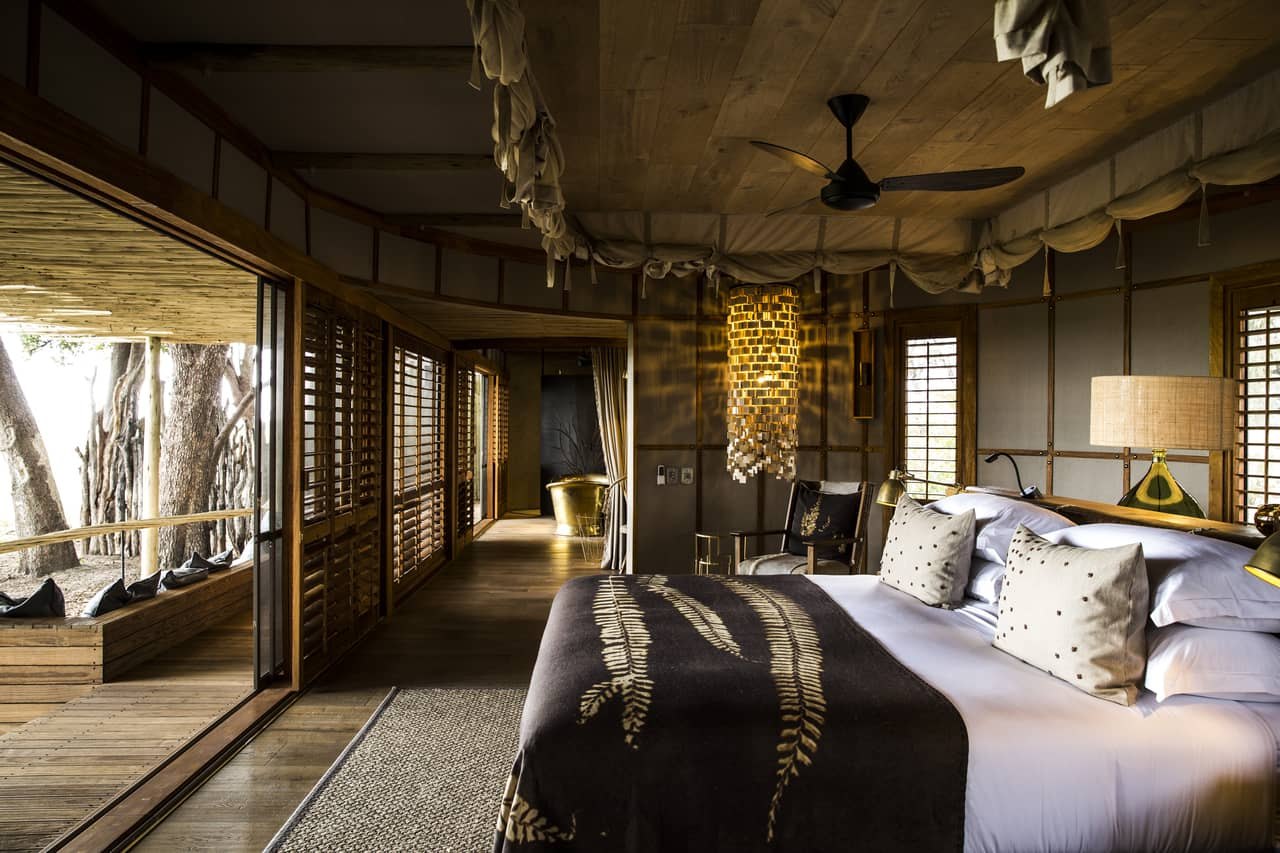
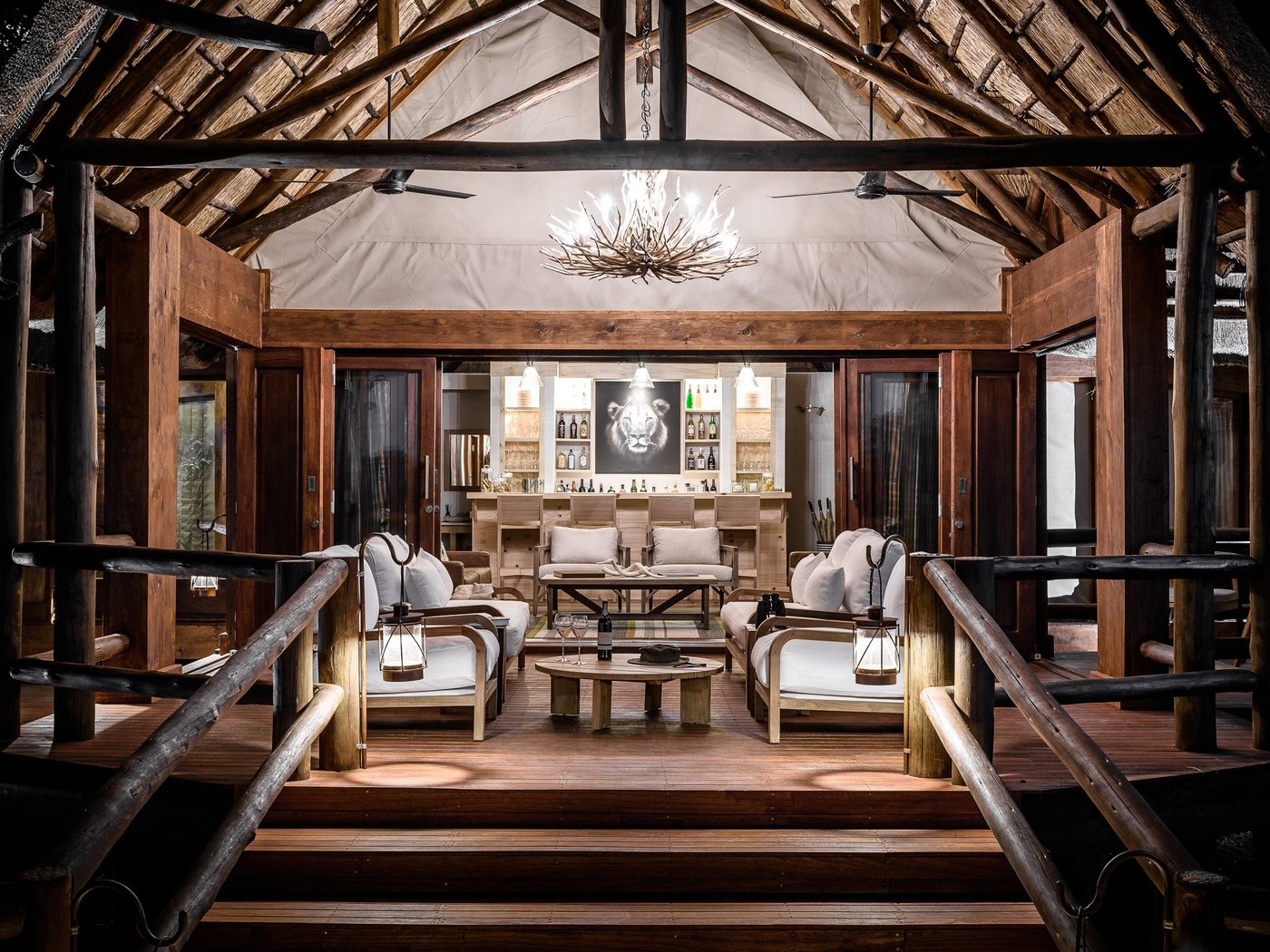
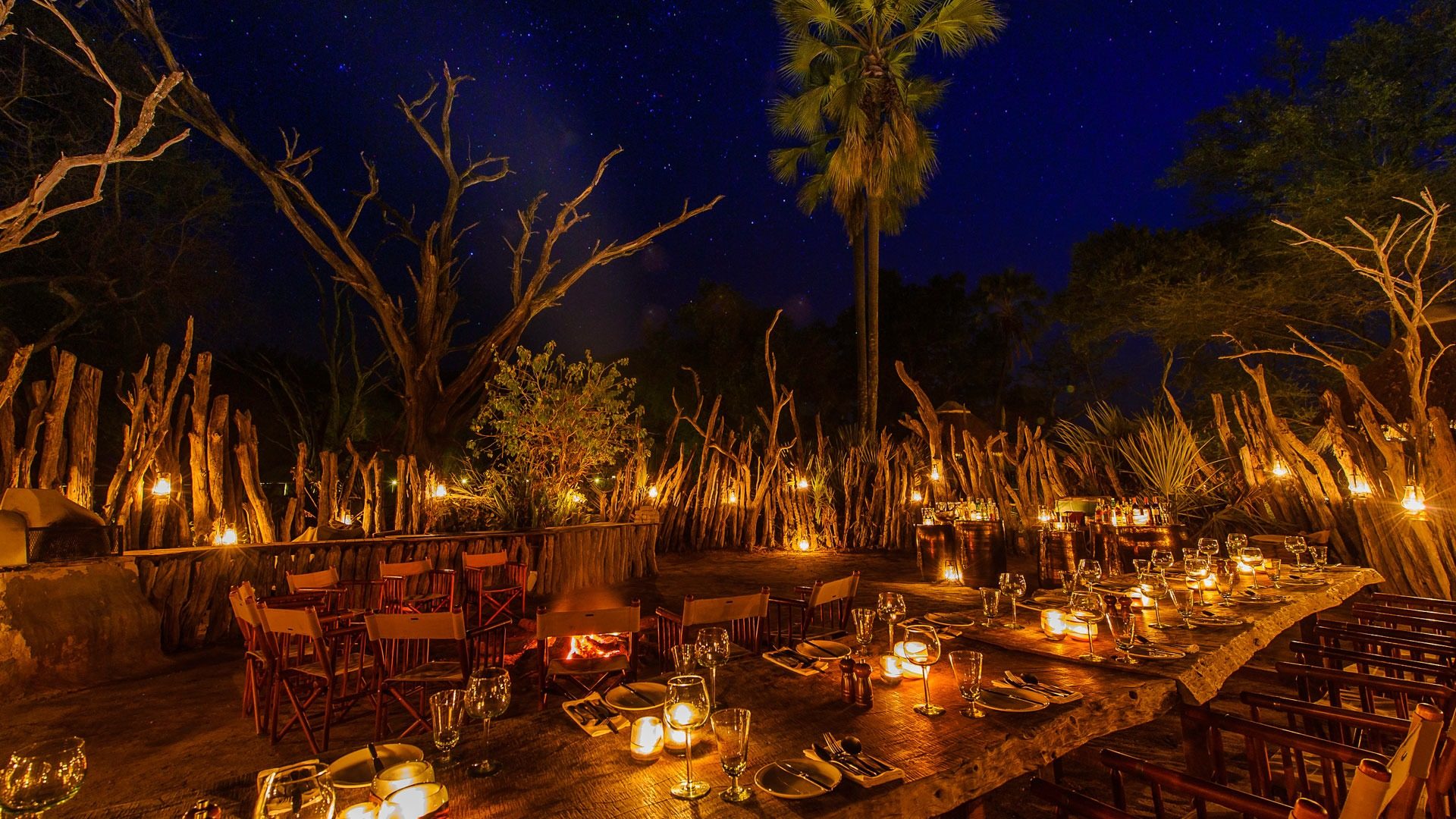
Best for: Walking combined with water and remote luxury.
When to go: June to August (flood peak); walking best in the dry months.
Cost: Roughly $900 to $2,000 per person per night.
Feel: Remote, varied, cinematic.
4. Kruger Wilderness Trails & Sabi Sand, South Africa — The Accessible Introduction
For a first walking experience, South Africa is ideal. The Kruger runs multi-day wilderness trails — guided walking safaris where you sleep in rustic trail camps and walk each day with armed rangers. And most Sabi Sand lodges offer guided bush walks as part of a broader luxury safari, so you can combine morning walks with vehicle-based game drives. It is the most accessible way to try walking, with excellent guiding and easier logistics than Zambia or Zimbabwe.
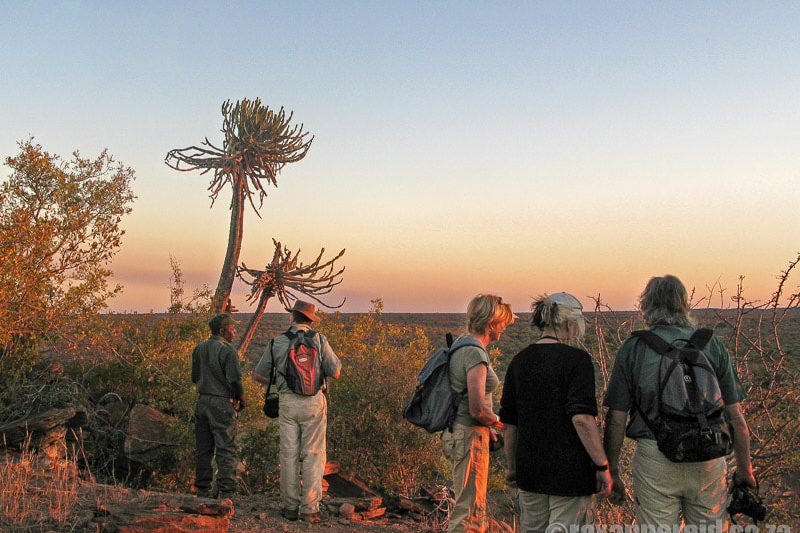
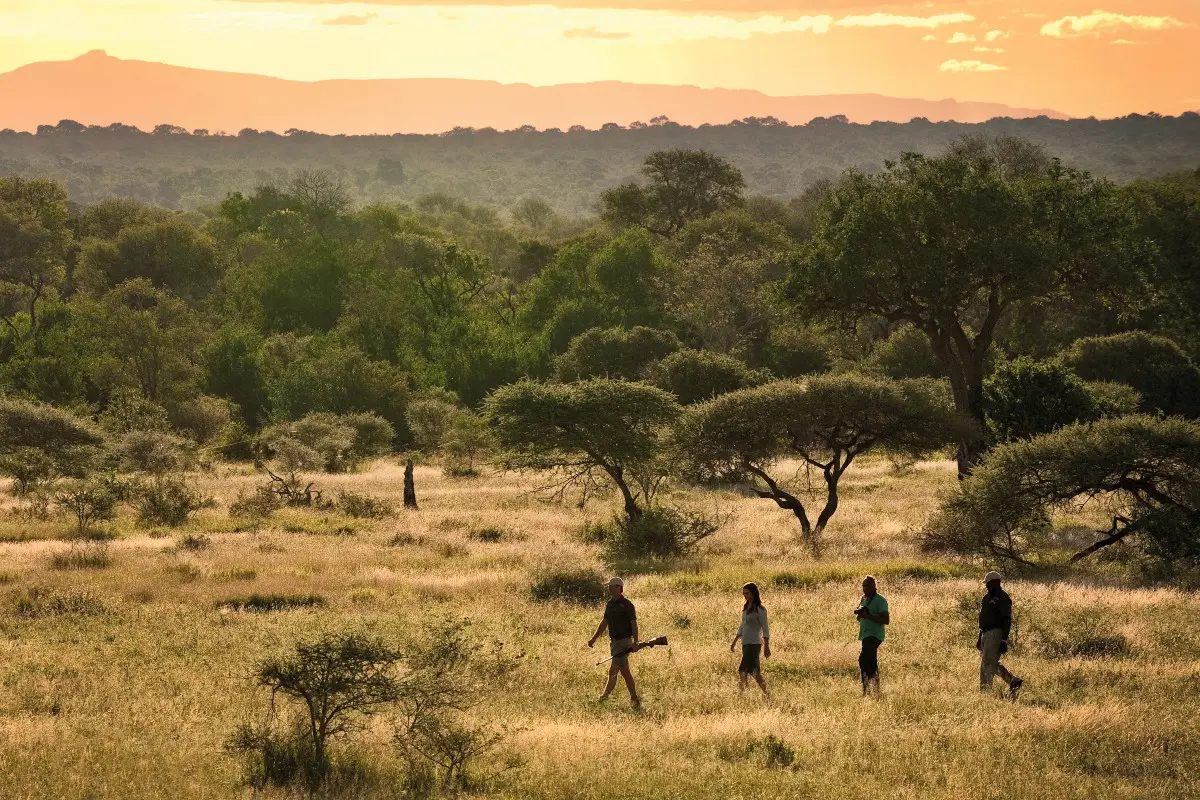
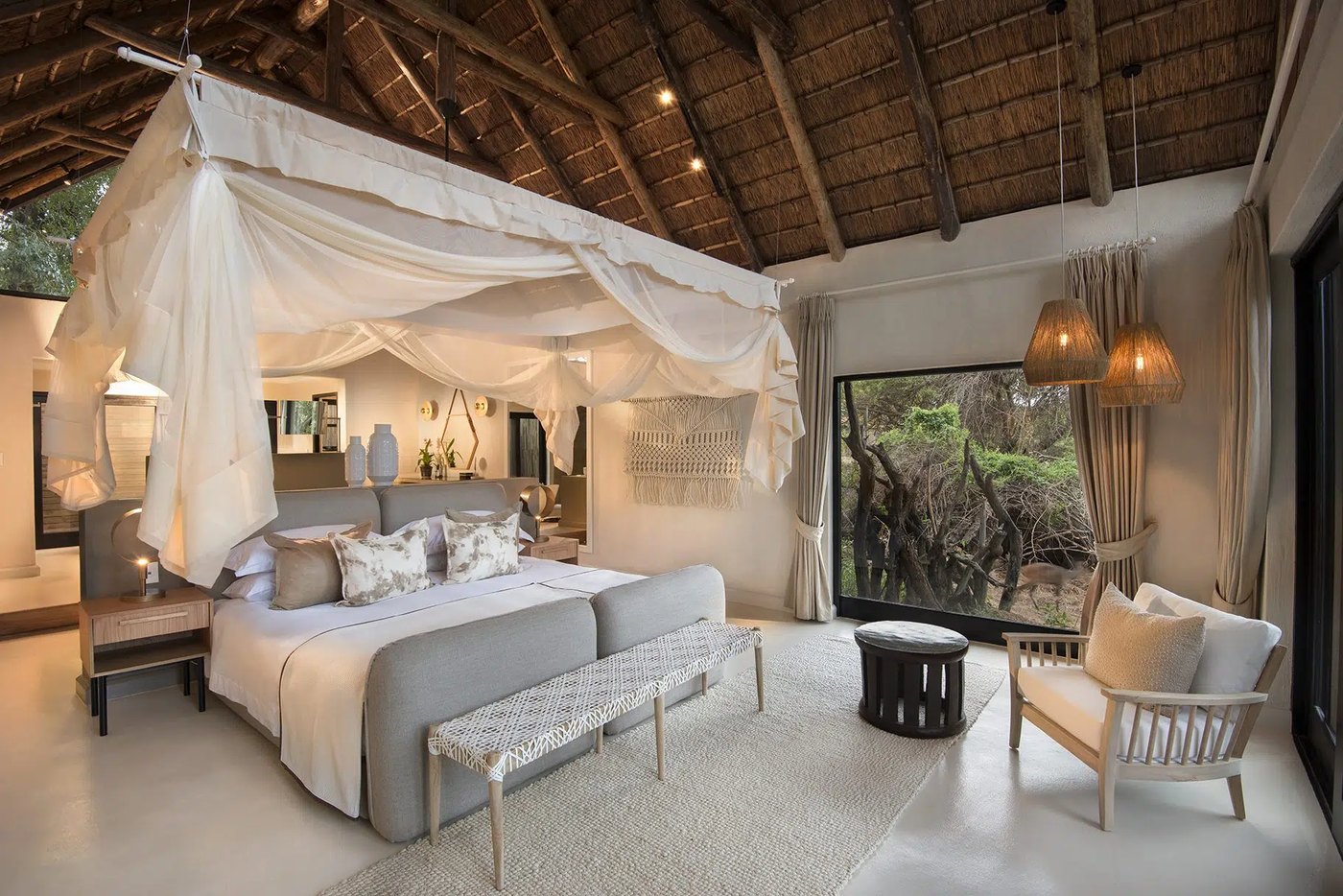
Best for: First walking experience, combining walks with game drives, easy logistics.
When to go: May to September (dry season, cooler mornings).
Cost: From roughly $500 per person per night (Sabi Sand lodges include walks).
Feel: Accessible, well-guided, a perfect introduction.
Is a Walking Safari Safe?
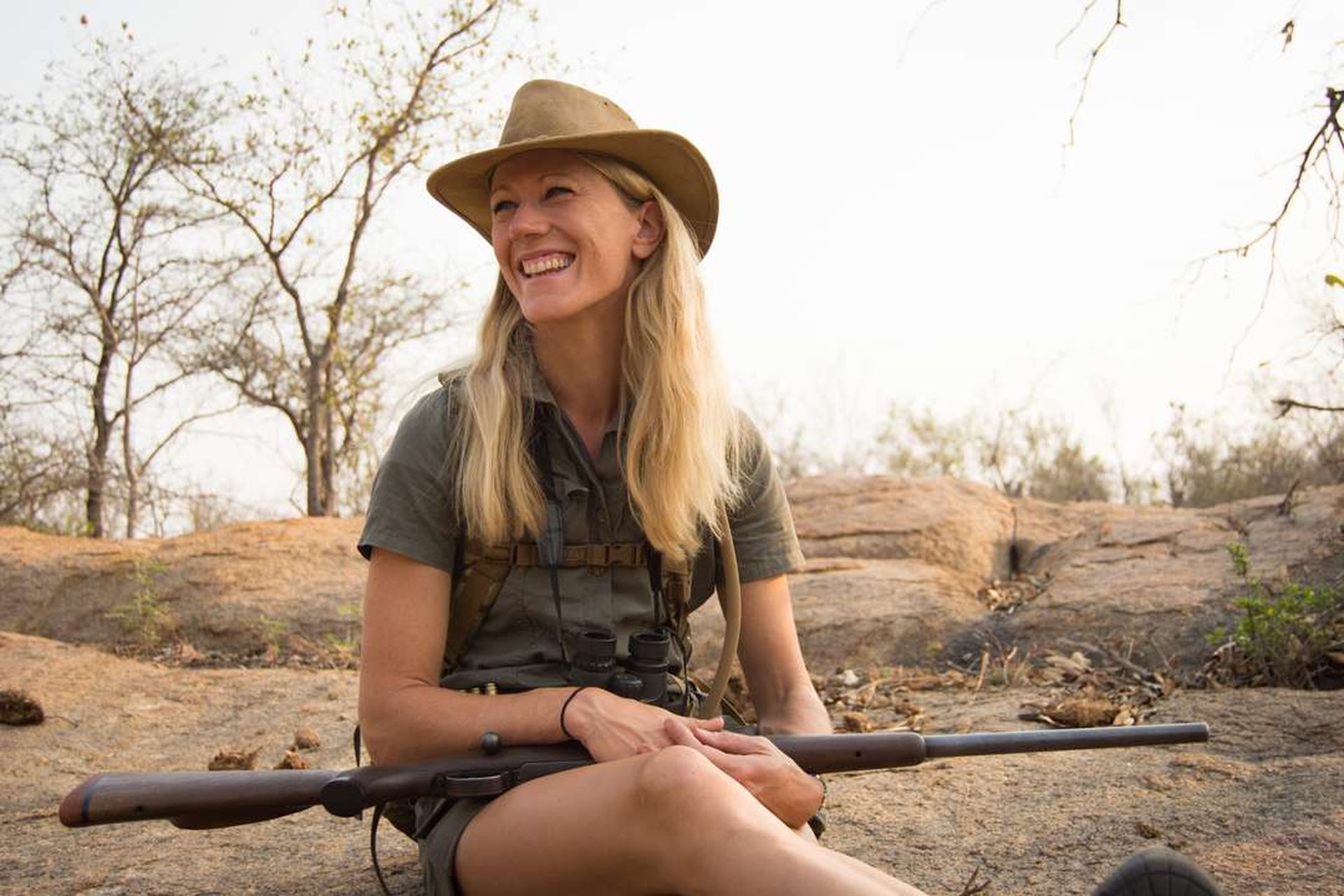
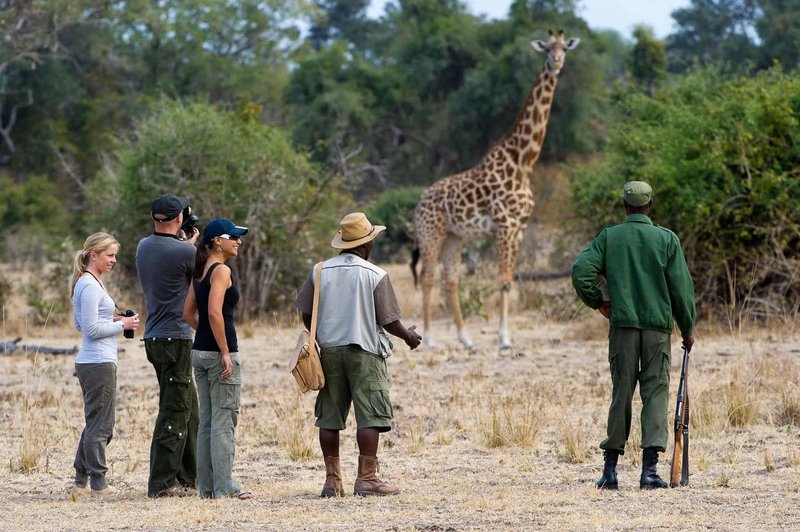
Yes — when led by a qualified, armed guide. This is the single most important thing to understand about walking safaris: the guide is everything. A professional walking guide is trained in dangerous-game behaviour, carries a rifle, and knows exactly how close is safe, which way the wind is blowing, and how to read an animal's mood. You walk in single file, in silence, following the guide's instructions precisely. You never approach animals recklessly, and the guide chooses routes that keep you safe.
Walking safaris have an excellent safety record when conducted properly. The rare incidents almost always involve inexperienced guides or travellers who ignored instructions. This is why we only book camps and operators with the finest guiding and proven safety records — on a walking safari, you are literally trusting your life to the guide, and that trust has to be earned.
Who Can Go on a Walking Safari?
Walking safaris suit reasonably fit adults who can walk two to four hours at a gentle pace over uneven ground. You do not need to be an athlete — the pace is slow and observational, with frequent stops to look, listen and learn — but you should be comfortable walking in heat and on natural terrain. Most operators set a minimum age of 12 to 16 years, because walking requires focus and the ability to follow safety instructions without fail.
If you are unsure about fitness, a gentle introduction in the Sabi Sand or a short morning walk is the perfect way to test the waters before committing to a multi-day walking safari in Zambia or Zimbabwe. We match the walking safari to your fitness and experience.
What to Expect on a Walking Day
- Early start. Walks begin at first light, when it is cool and the wildlife is active. Coffee, a briefing, then you set off.
- Single file, in silence. You follow the guide (and often a second armed guide at the rear), walking quietly and staying close.
- Slow and observational. You stop often — to examine tracks, watch a bird, learn a plant, approach an animal downwind. It is not a hike; it is a lesson.
- Two to four hours. A morning walk typically lasts two to four hours, ending before the heat of the day.
- Wear neutral colours. Greens, browns and khakis. No bright colours, no white, no strong scents.
- Bring water, a hat and sturdy shoes. Closed walking shoes or boots, a hat, sunscreen, and a small daypack.
How Much Does a Walking Safari Cost?
Walking safaris are priced per person per night, all-inclusive (remote bush camps, meals, guided walks). Use these tiers as a guide:
| Destination | Per person / night | Style |
|---|---|---|
| Kruger / Sabi Sand (South Africa) | $500 – $1,200 | Walks combined with game drives; accessible introduction. |
| South Luangwa (Zambia) | $600 – $1,200 | The birthplace; remote bush camps, multi-day walking. |
| Mana Pools (Zimbabwe) | $700 – $1,300 | Walking with elephant; exceptional guiding. |
| Okavango Delta (Botswana) | $900 – $2,000 | Walking combined with water and remote luxury. |
These are guide prices; actual rates vary by camp, season, and whether the walking safari is stand-alone or combined with game drives. All rates are all-inclusive.
How We Plan Your Walking Safari
On a walking safari, the guide is everything — so that is where we start.
We start with the guide. We book camps with proven, expert guiding and strong safety records. This is non-negotiable, because your safety depends on it.
We match the walk to your fitness. A gentle introduction in the Sabi Sand, or a multi-day walking expedition in South Luangwa — we build the right level for you.
We choose the destination for your goals. Walking with elephant? Mana Pools. The purest walking tradition? South Luangwa. Walking within a broader safari? The Okavango or Kruger.
We handle everything end to end. Remote camps, light-aircraft transfers, timing around the dry season, and combining walking with vehicle-based game viewing where it makes sense.
Let's Plan the Safari Where You Walk into the Wild
Tell us how you want to walk — a gentle introduction or a multi-day expedition, South Luangwa or Mana Pools or the Okavango — and we will match you to the guide, the camp, and the terrain that deliver the purest experience of the wild. Since 2008 we have arranged more than 5,700 trips to a 4.9 out of 5 rating.
Plan Your Walking SafariBeyond Africa Safaris is a Cape Town-based safari specialist. Speak to our team on +27 74 315 5782 or email res@privatetourscapetown.com to plan the best walking safari in Africa — the guide, the camp, and the raw connection to the wild that only walking delivers.