Quick Answer
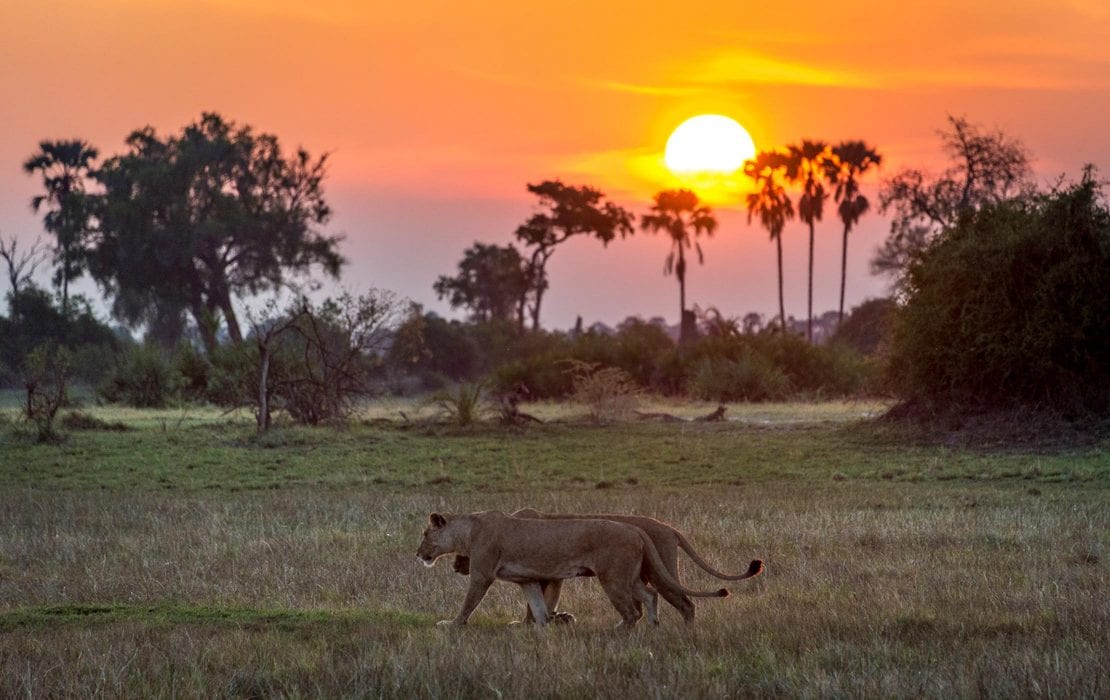
Africa's premier luxury walking safari experiences include South Luangwa, Zambia (3-7 nights, from $650/night), birthplace of the walking safari with expert guides and seasonal bush camps; Selous Game Reserve, Tanzania (4-6 nights, from $850/night), offering multi-day wilderness trails with fly camping; Okavango Delta, Botswana (3-5 nights, from $950/night), featuring water-and-land walking safaris through pristine wetlands; and Laikipia Plateau, Kenya (3-4 nights, from $700/night), combining exclusive conservancies with walking experiences alongside Maasai guides. All feature armed professional guides, luxury mobile camps or lodges, and intimate wildlife encounters impossible from vehicles.
Why Choose a Walking Safari?
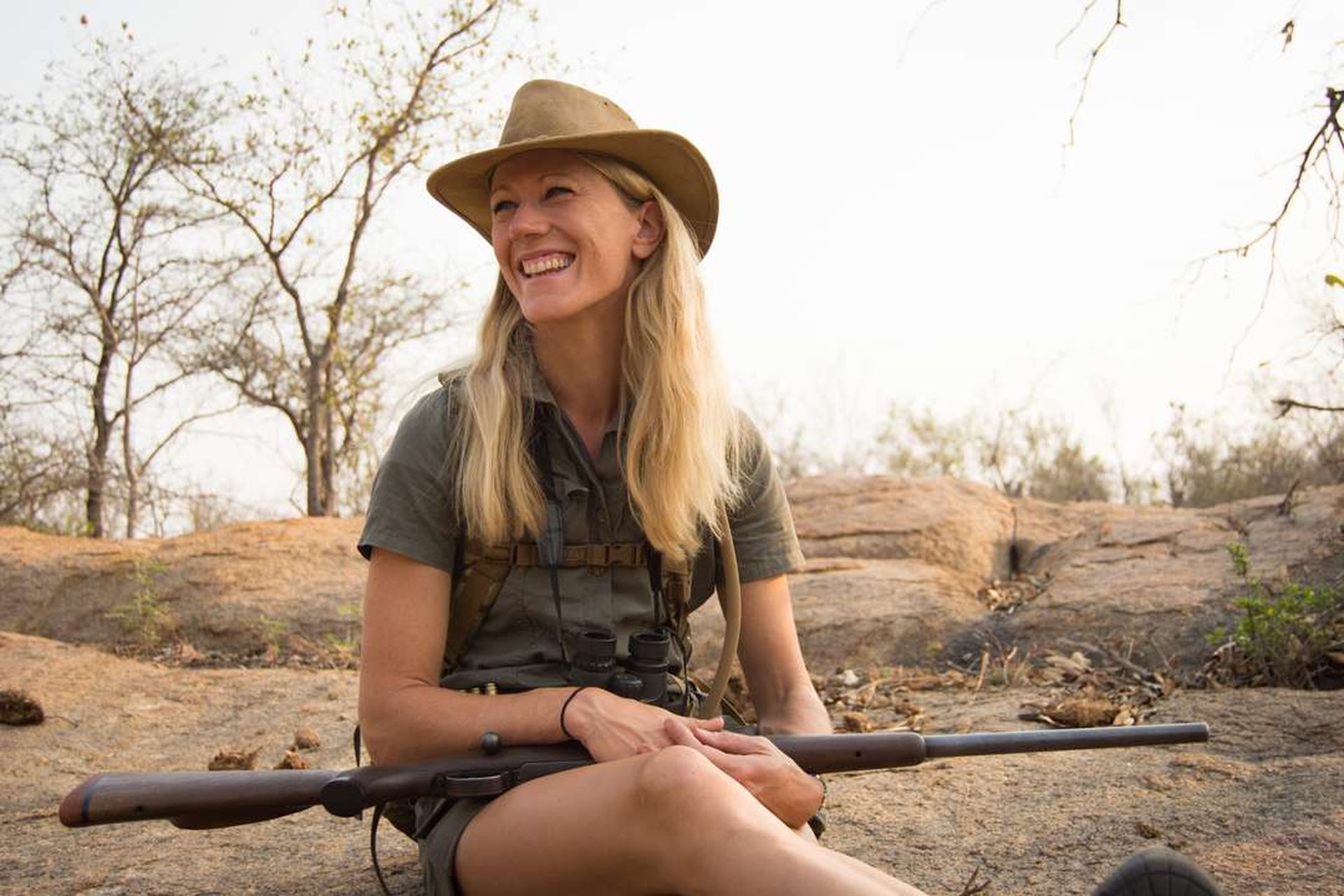
Walking safaris strip away the machinery of modern travel and return you to our ancestral relationship with wilderness. When you track elephants on foot, alert to every scent and sound, you experience what our hunter-gatherer forbears knew — the electric aliveness that comes from being prey as well as observer. A vehicle creates distance; walking erases it. You're no longer watching Africa through glass; you're inside it, feeling the sun on your face, hearing the warning bark of baboons, reading tracks in the dust, understanding the landscape at the pace it reveals itself.
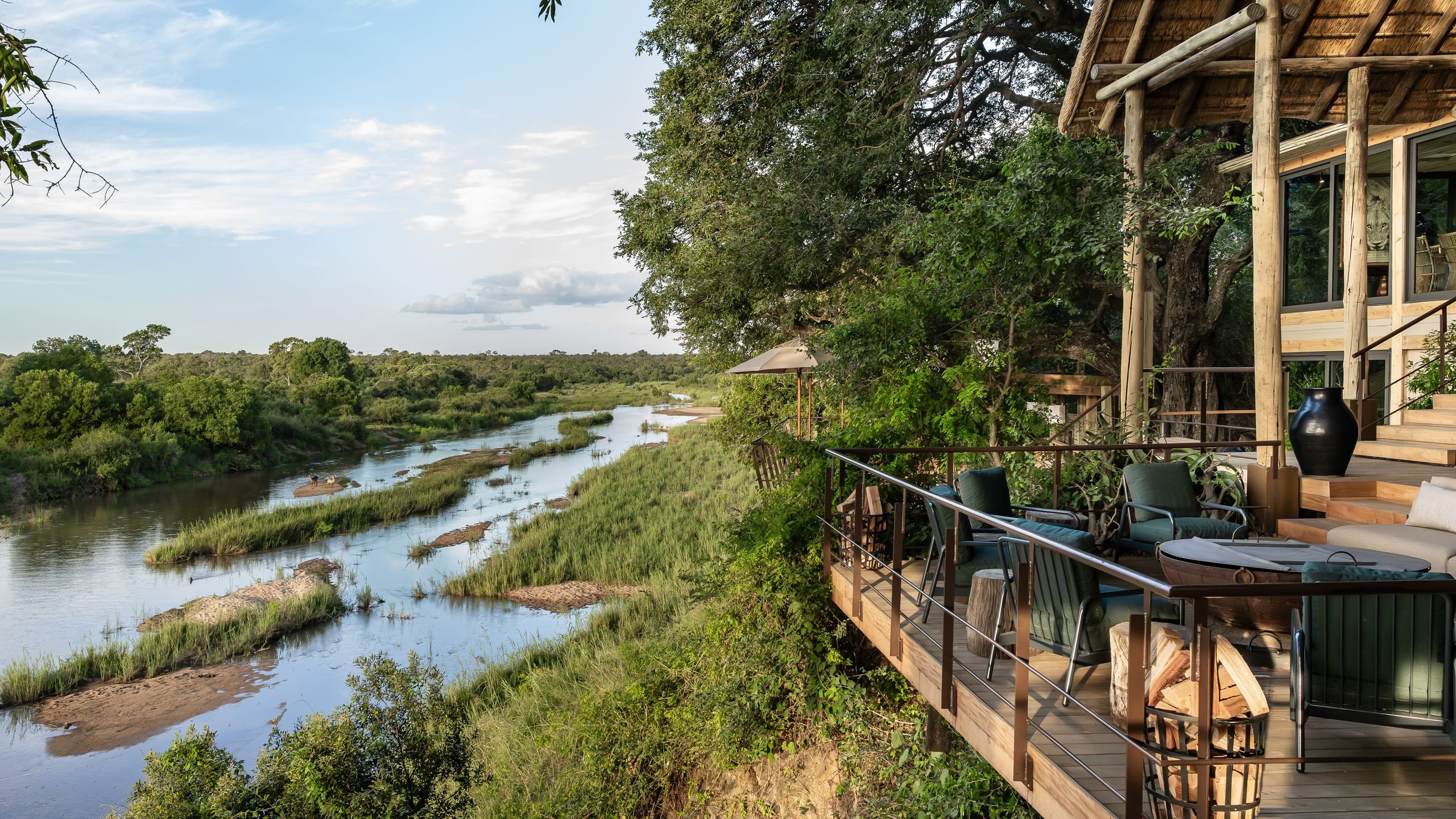
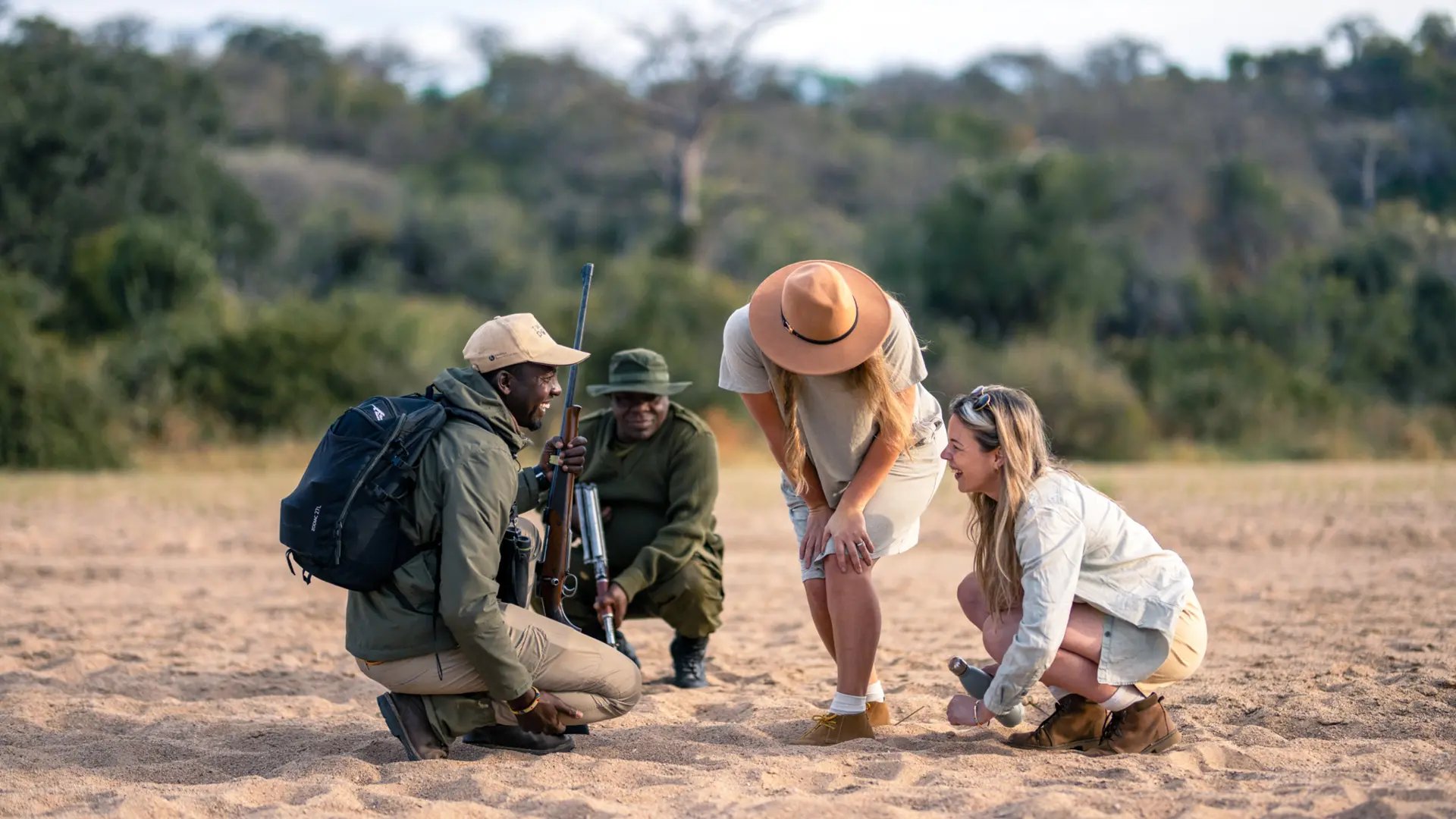
The finest walking safaris pair this raw authenticity with luxury. After trekking through the bush, tracking lions or elephants with armed guides, you return to camps where hot showers, gourmet meals, and comfortable beds await. Expert guides — many with decades of experience — transform walks into immersive lessons in ecology, tracking, and bushcraft. These aren't casual nature hikes; they're carefully managed wilderness experiences where safety protocols, guide expertise, and thoughtful pacing create adventures that are simultaneously thrilling and accessible.
1. South Luangwa National Park, Zambia — Birthplace of the Walking Safari
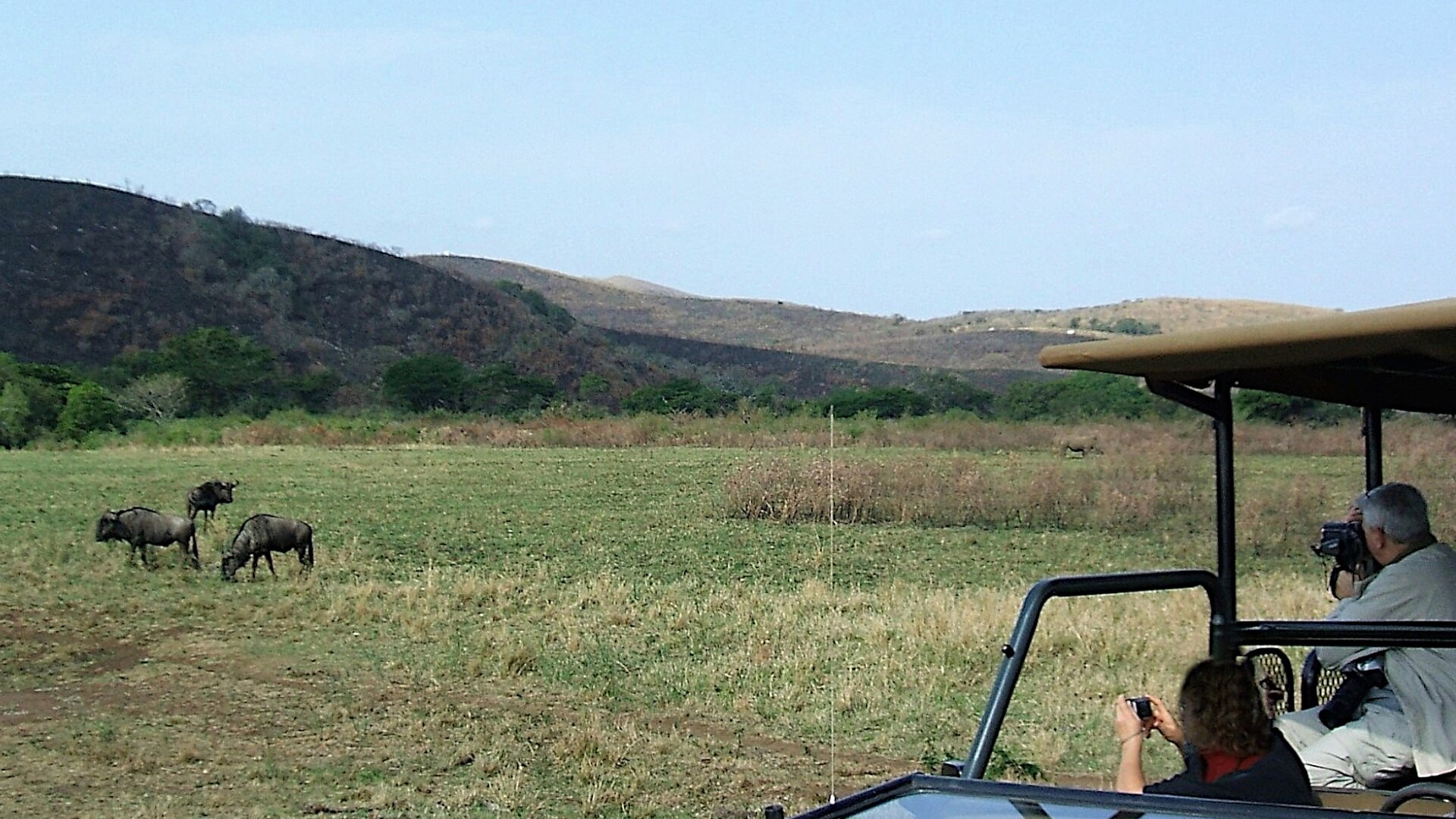
3-7 nights | From $650 per night all-inclusive | South Luangwa pioneered the walking safari concept in the 1950s, and it remains Africa's premier destination for exploring wilderness on foot. The park's combination of abundant wildlife, expert guides (many are third-generation bush professionals), and seasonal bush camps creates ideal conditions for multi-day walking adventures. The landscape — mopane woodlands, ebony groves, and the Luangwa River's oxbow lagoons — teems with elephants, leopards, lions, and over 400 bird species.
Walking safaris here typically involve 4-6 hours of trekking per day, broken by shade stops where guides share bush lore over tea or cold drinks carried by a support team. You might track a leopard's pug marks through sand, approach a herd of elephants to within respectful viewing distance, or spend an hour observing a pride of lions from behind a termite mound. The intimacy is profound — you smell the musky scent of buffalo, hear the wingbeats of carmine bee-eaters, and feel the earth vibrate when elephants rumble.
Luxury camps like Norman Carr Safaris' Mchenje or Robin Pope Safaris' Tena Tena operate seasonal bush camps that epitomize wilderness luxury. Reached only on foot or by boat, these camps feature spacious tents with proper beds, en-suite bathrooms with safari bucket showers, and open-air dining under ancient trees. There's no electricity — only solar-charged lighting and lanterns — creating an authentic bush atmosphere. After sunset, guides lead night walks (unique to Zambia's parks) where you might encounter porcupines, genets, or even leopards on the hunt. Multi-day trails move between camps, creating a true journey through wilderness.
2. Selous Game Reserve, Tanzania — Wilderness Walking Trails
4-6 nights | From $850 per night all-inclusive | Selous (now part of Nyerere National Park) is Africa's largest game reserve, a wilderness so vast it could swallow Switzerland. Its remoteness and low tourist density make it ideal for serious walking safaris. The landscape varies from miombo woodland to riverine forest to open grassland, creating diverse habitats for elephants, wild dogs, lions, and over 350 bird species. The Rufiji River system defines the reserve, and multi-day walking trails often parallel these waterways.
Walking safaris in Selous typically span 3-5 days, with daily treks of 10-15 kilometers through varied terrain. Camps like Beho Beho and Sand Rivers Selous offer guided trails where you carry only a daypack — porters transport gear to the next fly camp. Each day brings new challenges: crossing seasonal streams, tracking elephant herds through thick bush, or approaching hippo pools with extreme caution. The guides here are exceptional, many trained by the legendary guide and conservationist Norman Carr's protégés.
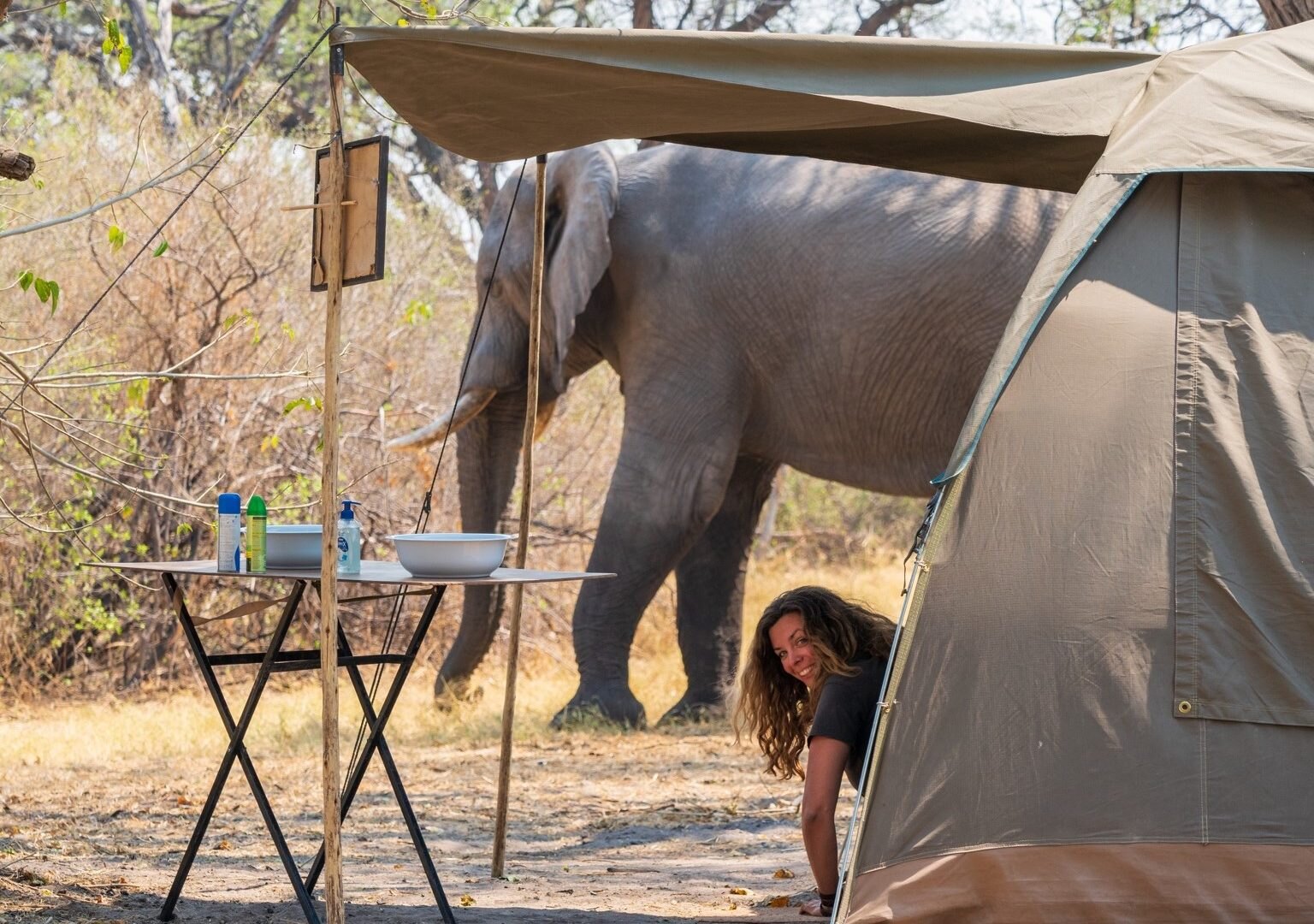
Fly camping elevates the experience. Each evening, you arrive at a new camp set up by an advance team — simple dome tents with camp beds and bedding, bucket showers rigged from trees, and a fire pit where the chef prepares gourmet bush meals. The simplicity is the luxury: sleeping under canvas with only mesh between you and the night sounds (hyenas whooping, lions roaring, nightjars calling), waking to sunrise over virgin bush, understanding your physical insignificance in this vast ecosystem. It's transformative travel, especially when paired with a few nights at a permanent luxury lodge for contrast.
3. Okavango Delta, Botswana — Water and Land Walking Safaris
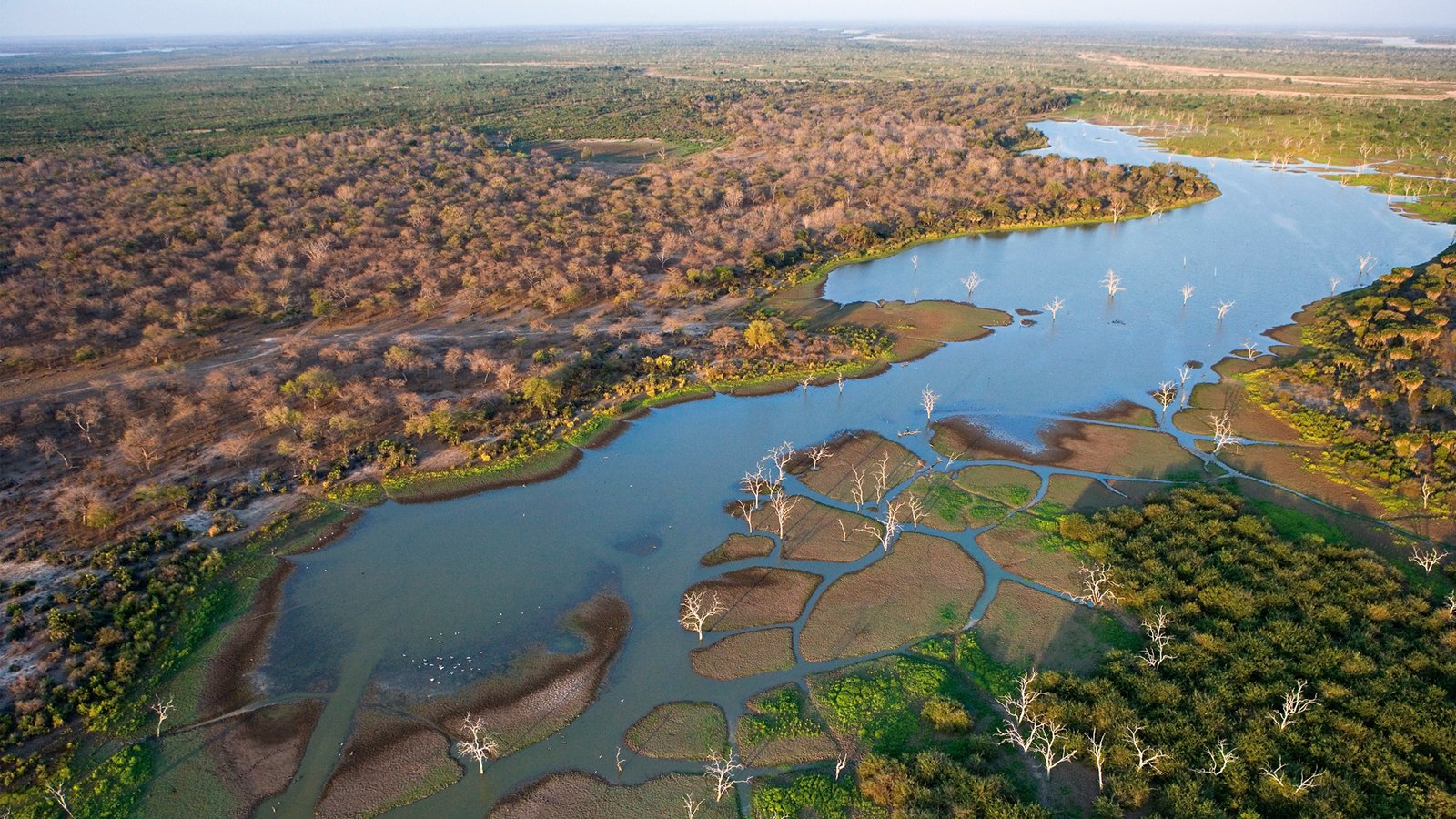
3-5 nights | From $950 per night all-inclusive | The Okavango Delta offers a unique walking safari experience: wilderness trails through wetlands, floodplains, and palm-dotted islands where water defines every aspect of the ecosystem. Camps like Kwetsani, Duba Plains, and Gomoti Plains operate in private concessions where walking safaris can be tailored to your pace and interests. Unlike vehicle-heavy tourism in some delta areas, these walking-focused camps prioritize foot exploration.
A typical day might begin with a mokoro (traditional canoe) ride to a distant island, where you disembark for a multi-hour walk through palm forests and across floodplains. The guides read the landscape like a book — identifying fresh elephant tracks, pointing out rare antelope like sitatunga (semi-aquatic and elusive), and explaining how the flood cycles shape animal movements. You might wade through ankle-deep water, navigate papyrus channels, then climb termite mounds for panoramic views over the delta's shimmering expanse.
The luxury camps balance adventure with comfort. Return from your walk to find lunch prepared on your private deck, overlooking channels where hippos surface and elephants swim. Afternoon walks explore different terrain, while evenings feature sundowners on remote islands and night drives (not available in all delta areas). The combination of water-based and land-based exploration, the pristine wilderness, and the exceptional guiding make Okavango walking safaris special. This is one of the few places where you can track lions in the morning and glide silently past hippos in a mokoro by afternoon.
4. Laikipia Plateau, Kenya — Exclusive Conservancy Walking Safaris
3-4 nights | From $700 per night all-inclusive | Kenya's Laikipia Plateau offers a different walking safari experience: exclusive conservancies where community-owned land meets conservation, creating opportunities for walking safaris impossible in national parks. Camps like Lewa Wilderness, Ol Lentille, and Sosian Lodge operate on vast private conservancies where guides can tailor walks without park restrictions. The landscape — semi-arid acacia savanna, cedar forests, and rocky outcrops — supports elephants, lions, leopards, and endangered species like Grevy's zebra and African wild dogs.
What distinguishes Laikipia is the cultural dimension. Many conservancies employ Samburu or Maasai warriors as guides, bringing indigenous knowledge and centuries of living alongside wildlife. Your guide might be a former warrior who tracked lions with a spear in his youth; his understanding of animal behavior and landscape reading is visceral. Walks often include visits to Samburu villages, adding cultural immersion to wildlife viewing. You'll learn traditional tracking methods, medicinal plant uses, and survival skills passed through generations.
The luxury is refined and intimate. Camps are small (typically 6-12 guests maximum), allowing personalized experiences. Morning walks might focus on tracking elephants or searching for wild dogs, while afternoon walks explore different terrain — perhaps rocky koppies where leopards den, or riverine forests with colobus monkeys. The conservancy model means low tourist density; you'll encounter few other visitors. Evenings feature sundowners on escarpments overlooking the Rift Valley, followed by gourmet dinners under stars so bright you can navigate by them. Laikipia walking safaris suit travelers seeking cultural depth alongside wildlife encounters.
5. Kruger National Park Private Concessions, South Africa — Big Five Walking
3-5 nights | From $900 per night all-inclusive | Private concessions within Greater Kruger (Sabi Sands, Timbavati, Klaserie) allow walking safaris that aren't permitted in the public Kruger park itself. Lodges like Singita, Lion Sands, and Tanda Tula offer guided bush walks led by armed rangers with extensive training. These aren't multi-day trails but rather 2-4 hour morning or afternoon walks that complement game drives, creating a more comprehensive safari experience.
The walks focus on tracking and intimate encounters. You might follow the spoor of a rhino, approach a herd of elephants to within 30 meters (always respecting their space and reading their body language), or observe lions feeding on a kill from a safe vantage point. The guides excel at interpreting animal signs — scat identification, territorial markings, alarm calls from birds and antelope. You'll learn to differentiate between a male and female leopard's tracks, identify trees by bark and leaf, and understand the complex predator-prey dynamics.
The luxury here is world-class. These private concessions house some of Africa's finest lodges, with private plunge pools, gourmet dining, and exceptional wine cellars. Walking safaris are just one component of a comprehensive safari experience that includes twice-daily game drives, sundowners, and night drives (when leopards and other nocturnal predators hunt). For travelers wanting the full luxury safari experience with added adventure of walking, Greater Kruger private concessions deliver both at the highest level.
6. Hwange National Park, Zimbabwe — Remote Walking Trails
4-6 nights | From $600 per night all-inclusive | Hwange is Zimbabwe's largest national park, famous for its elephant super-herds (gatherings of hundreds during dry season at waterholes) and diverse predator populations. While most visitors experience Hwange from vehicles, select camps like Somalisa and Linkwasha offer guided walking safaris in remote areas. The landscape varies from teak forests to open grasslands, creating diverse walking terrain.
Walking safaris here emphasize tracking large mammals. During dry season (May-October), following elephant herds to waterholes becomes the main activity. Guides lead you to vantage points where you can observe these massive gatherings — sometimes 200+ elephants — from safe distances. The guides are veterans, many trained during Zimbabwe's golden era of professional guiding. Their bushcraft skills and wildlife knowledge create deeply educational experiences beyond mere sightseeing.
The camps blend luxury with authentic safari atmosphere. Canvas tents with en-suite bathrooms, open-air showers, and private decks overlook waterholes or wilderness. The small camp sizes (6-10 tents maximum) and remote locations ensure intimate, uncrowded experiences. Zimbabwe's tourism recovery means excellent value — you'll receive exceptional guiding and luxury accommodation at prices often 30-40% below comparable Botswana or South Africa experiences. For travelers seeking undiscovered wilderness with superb walking safaris, Hwange deserves serious consideration.
7. Ruaha National Park, Tanzania — Off-the-Beaten-Path Walking
4-7 nights | From $750 per night all-inclusive | Ruaha is Tanzania's largest and least-visited national park, a remote wilderness in the southern circuit where walking safaris unfold in near-total isolation. The Great Ruaha River defines the park, attracting elephants, hippos, and crocodiles, while the surrounding baobab-dotted landscape supports healthy lion and leopard populations. Camps like Jabali Ridge and Kwihala offer walking safaris that feel genuinely pioneering.
Multi-day walking trails here traverse wild terrain with minimal infrastructure. You'll walk for hours without encountering other tourists, following seasonal rivers, tracking predators through rocky hills, and learning about the unique ecology where southern and eastern African species overlap. The birdlife is exceptional (over 570 species), and guides often focus as much on smaller dramas — dung beetles, agama lizards, endemic plants — as on large mammals. It's holistic bushcraft education.
Luxury is understated but genuine. Camps use solar power, feature canvas and thatch construction, and emphasize integration with landscape over ostentation. Meals are superb — often Italian-influenced (many camps have Italian ownership), with homemade pasta and wood-fired pizzas appearing in the bush. The walking safaris can be physically demanding (Ruaha's terrain is hillier than many East African parks), but the rewards — solitude, authenticity, and encounters with rare species like African wild dogs and greater kudu — make it unforgettable. This is for adventurous travelers who value remoteness over luxury refinement.
8. Mana Pools National Park, Zimbabwe — UNESCO World Heritage Walking
3-5 nights | From $650 per night all-inclusive | Mana Pools is one of the few African parks allowing unguided walking (though we recommend guided walks for safety and interpretation). The park's position on the Zambezi River floodplain creates unique ecosystems: ancient albida forests, oxbow lakes, and seasonal pools that attract enormous concentrations of wildlife during dry season. The flat terrain makes walking accessible even for those uncomfortable with steep climbs.
Walking safaris focus on the iconic albida groves where elephants stand on hind legs to reach seed pods, a behavior unique to Mana Pools. You'll walk among herds of elephants — some of Africa's largest tuskers still roam here — with guides who understand individual animals' temperaments. The proximity is breathtaking: 10-15 meters from elephants peacefully feeding, close enough to hear digestive rumbles and see individual eyelashes. Lions, leopards, and wild dogs are regularly encountered.
Camps like Ruckomechi, John's Camp, and Little Ruckomechi offer luxury in a UNESCO World Heritage setting. The Zambezi flows past most camps, meaning you combine walking safaris with canoeing excursions — another unique Mana Pools experience. Floating silently past hippos and crocodiles, then disembarking for a walking safari through albida forests, showcases the park's diversity. Zimbabwe's value proposition continues here: exceptional guiding and luxury accommodation at prices that deliver outstanding value for money.
9. Serengeti Private Concessions, Tanzania — Walking the Migration Routes
3-4 nights | From $800 per night all-inclusive | While the Serengeti is famous for vehicle-based game viewing of the Great Migration, private concessions on the park's edges allow walking safaris that public areas prohibit. Camps like Mwiba Lodge, Ubuntu Migration Camp, and Nomad Tanzania's mobile camps offer guided walks through kopje-studded grasslands and acacia woodlands where predators hunt and the migration passes seasonally.
The walks emphasize landscape reading and ecology rather than close predator encounters (Serengeti lions are habituated to vehicles, not pedestrians, requiring caution). Guides explain how the Great Migration functions, identify resident versus migratory species, and share the Serengeti's complex ecosystem dynamics. Walking among wildebeest in the off-migration months, when smaller herds graze the plains, offers intimate perspectives impossible from vehicles. Kopjes (rocky outcrops) become destinations for picnic breakfasts and wildlife observation.
The luxury camps here are exceptional. Mobile camps following the migration combine authentic canvas-and-guy-rope camping with proper beds, en-suite bathrooms, and gourmet meals. Permanent camps in private concessions offer ultra-luxury: private plunge pools, contemporary design, and comprehensive spa facilities. Walking safaris complement the traditional Serengeti vehicle experience, adding variety and different perspectives on this iconic ecosystem. It's ideal for travelers who want migration viewing with added adventure.
10. Samburu National Reserve, Kenya — Cultural Walking Safaris
3-4 nights | From $650 per night all-inclusive | Samburu offers walking safaris with strong cultural components. The reserve's semi-arid landscape supports unique species (Grevy's zebra, reticulated giraffe, gerenuk, Beisa oryx) not found in southern Kenya, while the Samburu people maintain their traditional semi-nomadic pastoralist culture. Camps like Saruni Samburu and Sasaab combine wildlife walking with visits to authentic Samburu villages.
Samburu warriors often serve as guides, bringing indigenous knowledge to wildlife interpretation. You'll learn how the Samburu have coexisted with predators for centuries, traditional tracking methods using stars and landscape features, and medicinal uses for desert plants. The walks are less about close predator encounters (though lions, leopards, and cheetahs inhabit the reserve) and more about understanding how humans and wildlife can share space. The cultural immersion — visiting a manyatta (traditional village), learning about age-set systems, and hearing oral histories — adds depth beyond conventional safaris.
Luxury here emphasizes location and cultural authenticity. Camps perch on hillsides or cliffs overlooking the Ewaso Ng'iro River, with infinity pools and open-sided suites that blur indoor-outdoor boundaries. The remoteness and harsh beauty of Samburu's landscape create powerful atmospheres, especially at sunset when the light turns the desert rose-gold. Walking safaris here suit travelers seeking cultural connection alongside wildlife experiences, understanding that the future of conservation depends on communities who live with wildlife daily.
Planning Your Luxury Walking Safari
Walking safari fitness requirements vary. South Luangwa and Mana Pools offer relatively flat terrain suitable for moderate fitness levels; Ruaha and Serengeti involve hillier ground requiring better conditioning. Most walks span 2-4 hours with breaks, though multi-day trails can involve 4-6 hours daily. Communicate honestly with operators about your fitness level — walks can be tailored to your capabilities, and shorter/easier routes are almost always available.
Safety is paramount. All walks are led by armed, licensed professional guides with years of experience reading animal behavior. Encounters with dangerous animals are managed through situational awareness, calm retreat, and, as an absolute last resort, warning shots (actual shooting of animals is extraordinarily rare). Follow guide instructions precisely, avoid perfumes or bright colors, and recognize that walking safaris involve manageable risk within a framework of professional expertise.
The best walking safari seasons generally align with dry seasons when vegetation is thinner, animals concentrate around water sources, and walking conditions are optimal: Zambia (June-October), Tanzania (June-October), Botswana (May-October), Kenya (June-October and January-March), Zimbabwe (May-October). Green season walking (November-April in most regions) offers lush landscapes, fewer tourists, and dramatic skies, though wildlife can be more dispersed and some camps close. Choose based on your priorities: peak wildlife viewing versus solitude and landscape.
Ready to experience Africa's wilderness on foot? Contact our walking safari specialists to design your bespoke walking adventure, or explore our curated luxury safari experiences featuring the continent's premier walking safari destinations.