Key Takeaways
- The dry season (May–October) is peak game-viewing across most of Africa — thinning vegetation concentrates wildlife at water. Peak months are July–September.
- The green season (November–April) brings lower rates, fewer crowds, baby animals and spectacular birdlife — superb value for those who accept more challenging conditions.
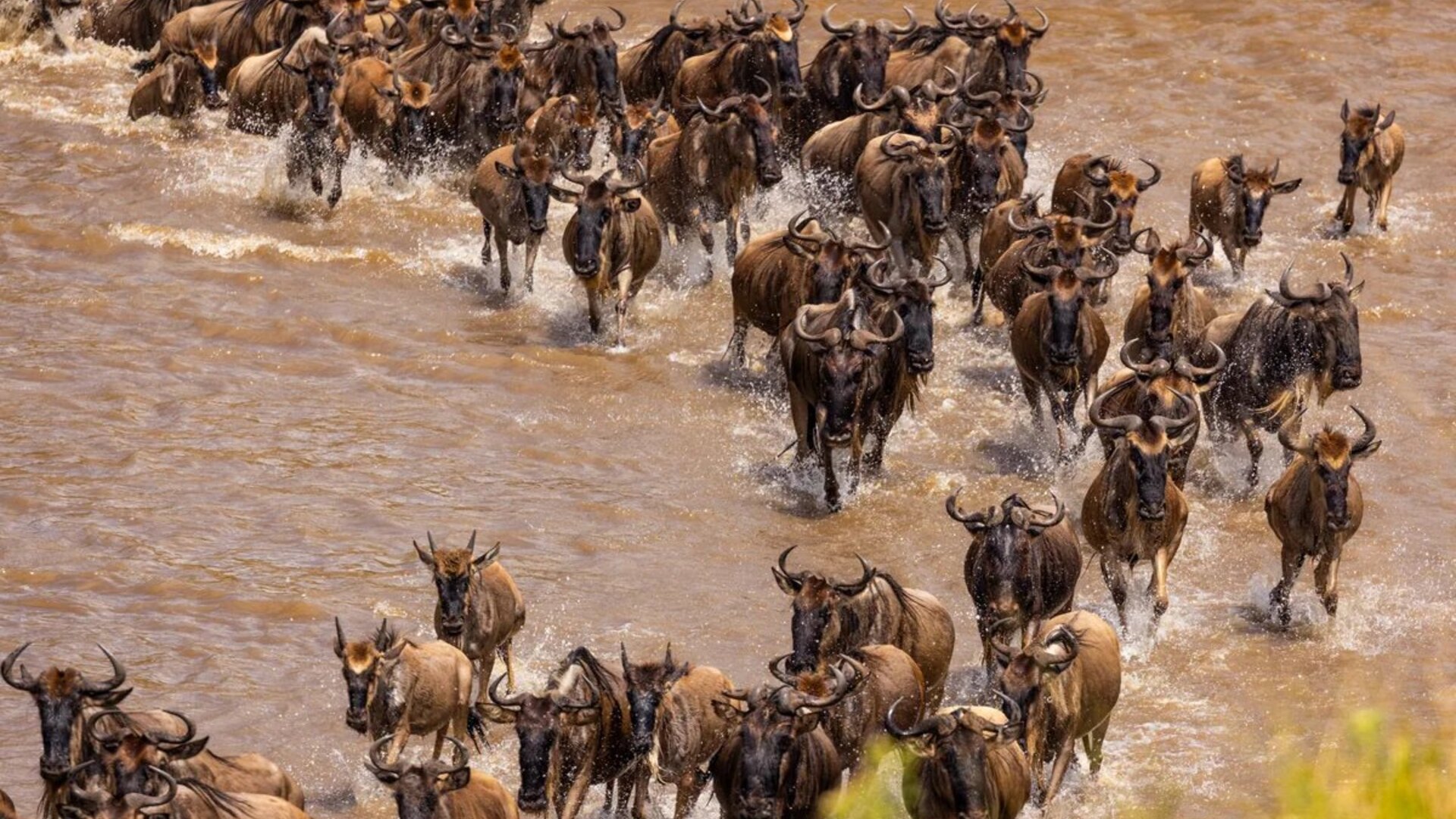
- The Great Migration is year-round and circular: calving in the southern Serengeti (Jan–Feb), then north to the Mara River crossings (Jul–Oct).
- Shoulder months (June, October, November) are the sweet spot — excellent wildlife, better prices, fewer vehicles.
- Timing is park-specific — the best month for Kruger differs from the Serengeti, the Okavango or the Mara.
- Beyond Africa Safaris plans your journey around the season that matches your goals — SATSA-bonded, award-winning, with over 11,869 verified five-star reviews.
Understanding Africa's Safari Seasons
Timing is the single most powerful lever you can pull on a safari. The difference between witnessing dramatic river crossings and missing the Migration entirely, between effortless game-viewing and long empty drives, often comes down to choosing the right month. Africa's safari calendar breaks into two broad periods — the dry season (May–October) and the wet, or "green," season (November–April) — each with its own distinct rewards.
Dry Season (May–October): Peak Game-Viewing
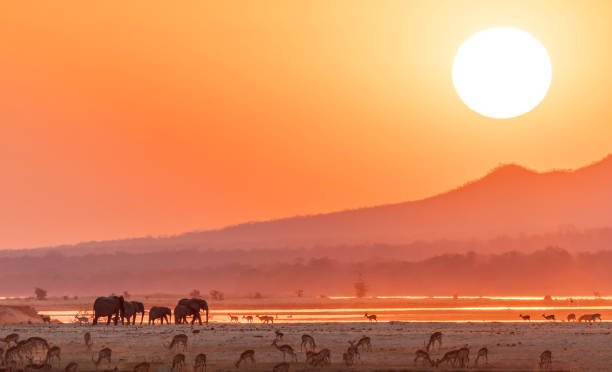
During the dry season, vegetation thins and wildlife concentrates around permanent water — rivers, waterholes and pans become wildlife magnets as the surrounding country dries out. It is the easiest, most reliable time to see big game, and the reason July–September commands peak prices.
Advantages:
- Easier wildlife spotting — animals gather at predictable water sources.
- Thinner vegetation dramatically improves visibility.
- Pleasant weather — warm days, cool mornings and evenings.
- Lower malaria risk in many areas.
- Beautiful golden dry-season light for photography.
Trade-offs: peak-season pricing (especially July–September), higher visitor numbers at popular parks, dustier conditions, and lodges that book out many months ahead.
Green Season (November–April): The Emerald Months
Africa's wet season transforms the landscape: dramatic afternoon thunderstorms, lush vegetation, newborn animals, spectacular birdlife and far fewer tourists. Often called the "Green" or "Emerald" Season, it rewards travelers who value exclusivity and photography over guaranteed density.
Advantages:
- Lower rates — 30–50% discounts at many lodges.
- Fewer visitors and more exclusive game-viewing.
- Baby animals — impala, wildebeest and zebra calving.
- Exceptional birdlife — migratory species present, many in breeding plumage.
- Dramatic skies and lush landscapes, superb for photography.
- Better availability at the very top lodges.
Trade-offs: game-viewing can be harder (animals dispersed, thicker vegetation), some roads become tricky after heavy rain, higher malaria risk, and afternoon thunderstorms — though these are often brief and spectacular.
Month-by-Month: What to Expect
January–February — Serengeti calving season on the southern plains, with 8,000-plus wildebeest born daily and predators in constant attendance. Green-season elsewhere: lush, quiet, superb for birds and photography.
March–April — the wettest months in much of the south and East Africa's long rains. Lowest prices and ultimate exclusivity, but the most challenging viewing; some camps close for maintenance.
May — the dry season begins. Landscapes still green but drying fast; excellent value before peak prices arrive. The Okavango flood begins to arrive from the Angolan highlands.
June — a superb shoulder month: dry-season viewing without peak crowds or prices. The Migration pushes toward the northern Serengeti.
July–September — peak season. The best game-viewing of the year across most parks, the Mara River crossings in full swing, and the Okavango flood at its height. Book far ahead.
October — the driest, most concentrated month for wildlife — arguably the finest game-viewing of all — with slightly softening crowds toward month's end.
November — the short rains arrive; the Migration returns south. A quieter, greener shoulder month with excellent value.
December — festive-season demand rises, the plains green up, and the herds settle onto the southern Serengeti ahead of calving.
Great Migration Calendar: Timing the Spectacle
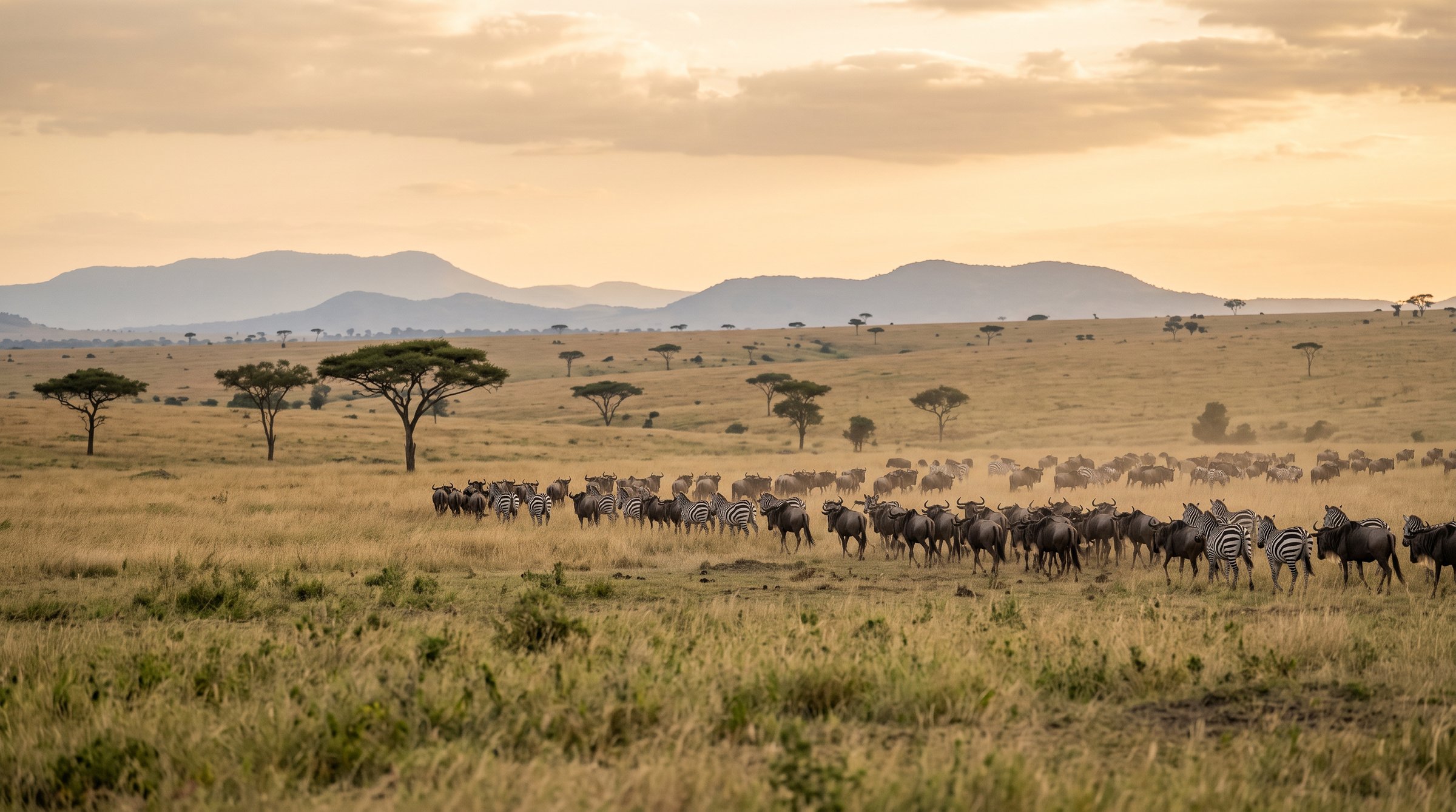
The Great Migration follows a roughly circular route through Tanzania's Serengeti and Kenya's Masai Mara, driven by rainfall and fresh grass. Here is the annual pattern:
December–March: Southern Serengeti Calving. The herds concentrate on the short-grass plains of the southern Serengeti and Ndutu. January–February brings the calving — thousands of wildebeest born daily, drawing predators for spectacular action.
April–May: Western Corridor. The herds move northwest toward the Grumeti River. Wet-season landscapes are lush, viewing more variable.
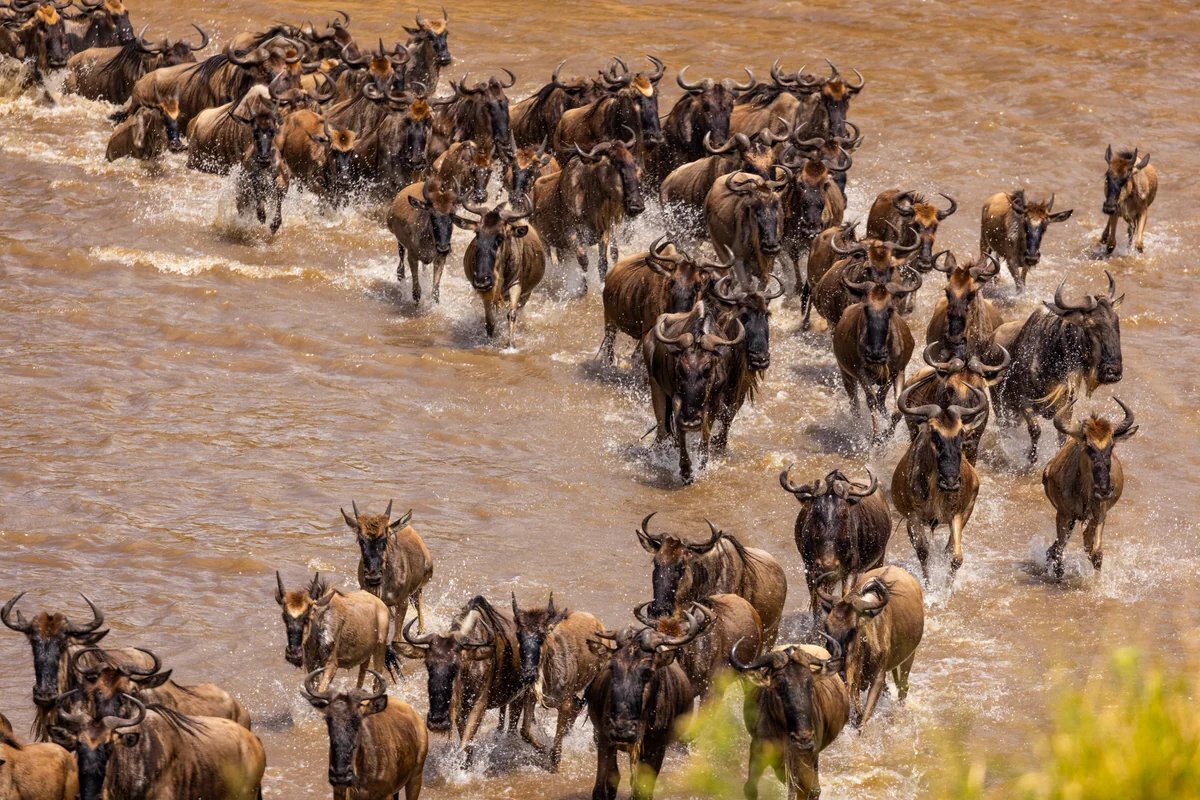
June–July: Northern Serengeti Crossings Begin. The herds push north toward the Mara River. Early crossings begin in June; the main drama builds through July.
August–October: Masai Mara Peak. The herds are in Kenya's Mara, with crossings back and forth across the Mara River. This is Africa's peak safari season — dramatic crossings, prolific predators, premium pricing.
November: Return South. As the short rains begin, the herds move back toward the Serengeti's fresh grasses, completing the cycle.
Best Time by Destination
Timing is park-specific. Here is how the great reserves line up through the year.
Serengeti & Masai Mara: July–October for the Mara crossings; January–February for the Serengeti calving. Both are superb in the June and November shoulder windows.
Kruger & Sabi Sands (South Africa): May–September (dry winter) is peak — sparse bush, busy waterholes, cooler days and lower malaria risk. Summer (December–February) brings baby animals, birdlife and lush scenery at lower rates.
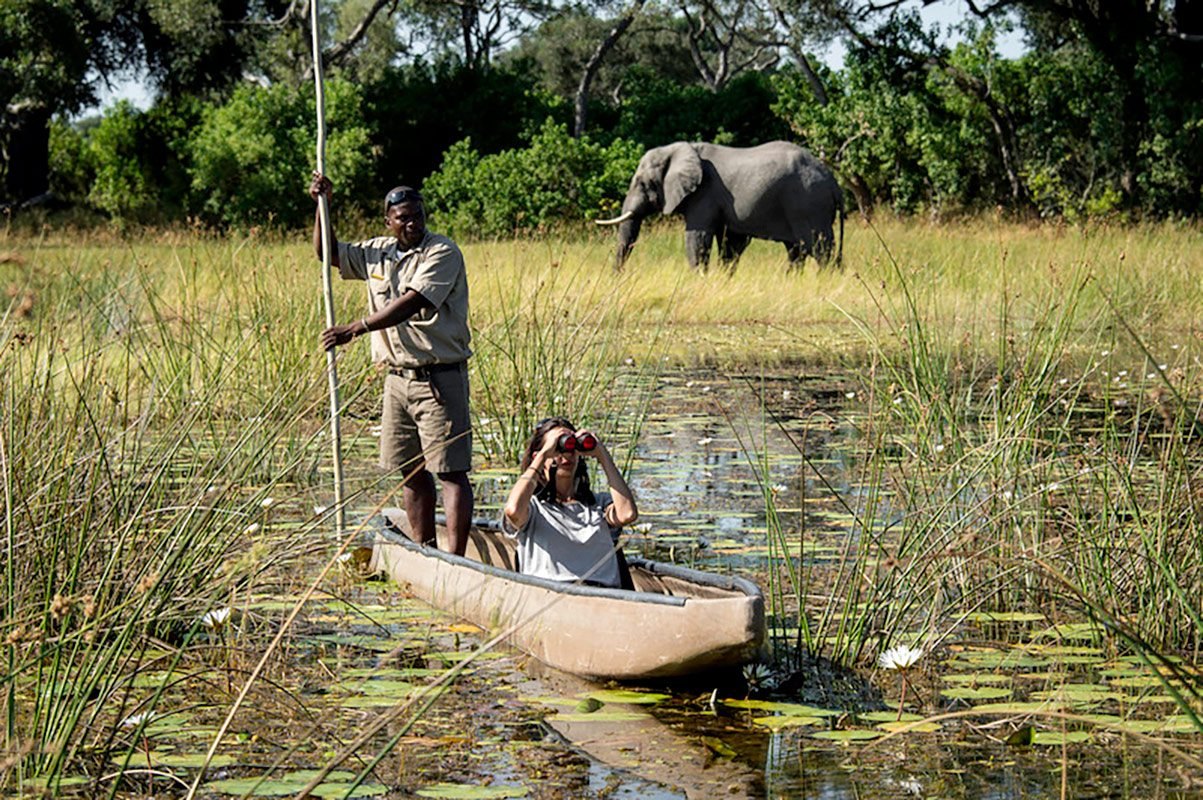
Okavango Delta (Botswana): May–October, with the paradoxical flood peak arriving in the dry months (May–September) — the water-wilderness at its most magical, ideal for mokoro safaris.
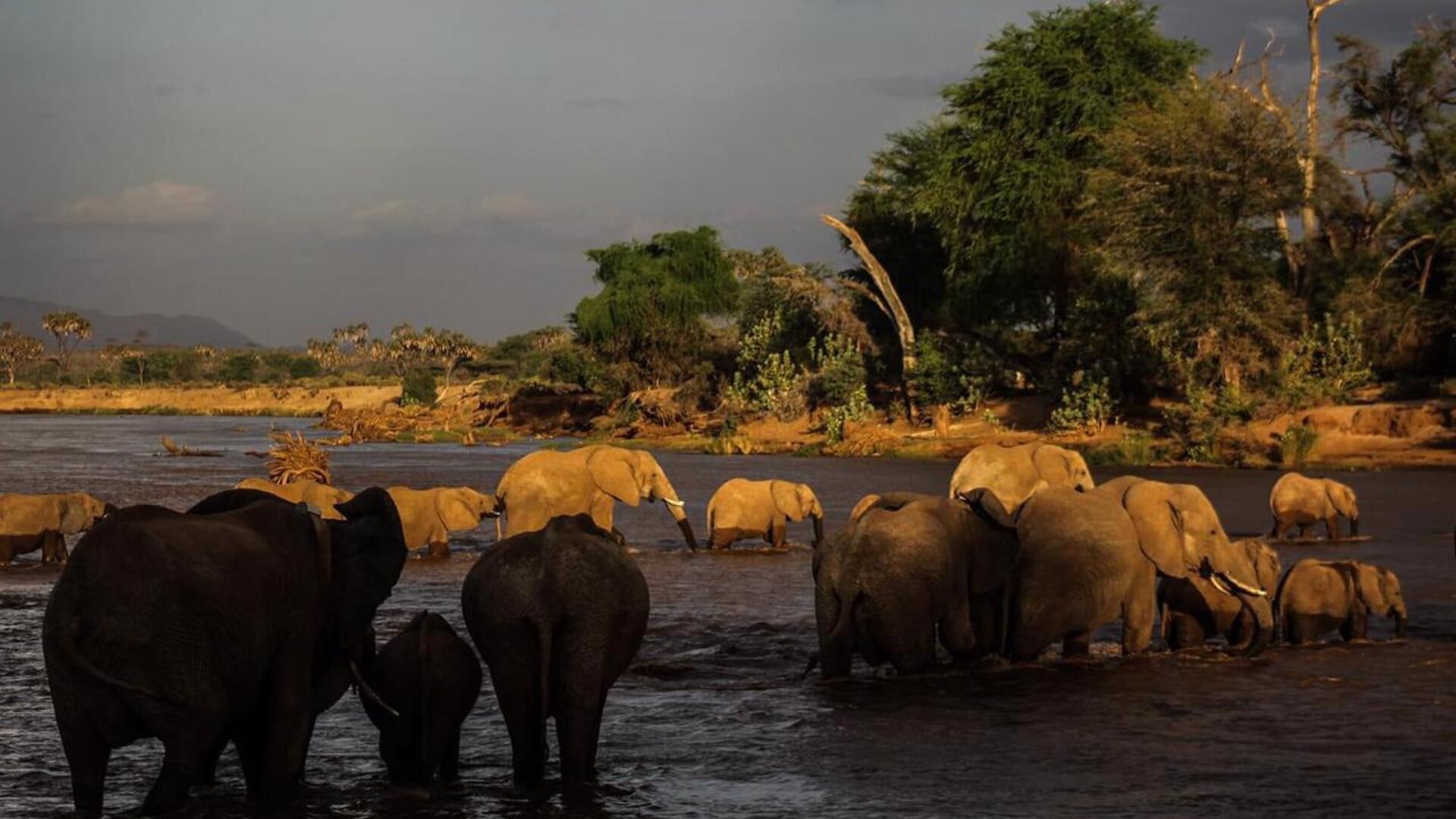
Chobe (Botswana): May–October for the great dry-season elephant congregations along the river.
South Luangwa (Zambia): June–October for walking safaris, superb leopard viewing and dramatic dry-season concentrations.
Best Time for Specific Safari Experiences
Beyond the general seasons, certain experiences have their own optimal windows. If your heart is set on one particular spectacle, plan around these:
Great Migration River Crossings
July–September in the northern Serengeti and Masai Mara. Book 10–12 months ahead. The exact peak is unpredictable year to year — the herds move on the rhythm of grass and rain, so a flexible operator who can shift your camp location is invaluable.
Newborn Baby Animals
January–March — the Serengeti calving on the southern plains, Kruger's impala lambs, and general births across Southern Africa. November also brings the first wave of impala and antelope births.
Walking Safaris
May–October in South Luangwa, Mana Pools and Ruaha. Cooler, drier and safer underfoot — and many walking camps close entirely during the wet season.
Birding
November–April (green season). Migratory species arrive from Europe and Asia, many in full breeding plumage, with dramatic courtship displays across every region.
Photography & Dramatic Skies
November–March for storm-lit skies, golden light and lush landscapes; June–August for crisp, clear light and action-packed dry-season sightings. Africa rewards both moods.
Gorilla Trekking (Rwanda & Uganda)
Mountain-gorilla trekking runs year-round, but the drier months make the forest trails far kinder underfoot:
- Best: June–September and December–February — drier trails, less mud, easier climbs.
- Wet season: March–May and October–November — muddier and more slippery, but the gorillas are always there and permits are easier to secure.
How Beyond Africa Times Your Safari
The right month is different for every traveler — it depends on what you most want to see, your tolerance for crowds, and your budget. This is where honest, first-hand advice matters most.
We time your journey to your goals. Chasing the Mara crossings? We aim you at the right weeks and the right camps in the northern Serengeti or the Mara conservancies. Want value and solitude? We steer you to a shoulder month that delivers 90% of the wildlife at 60% of the price. Travelling with young children? We match malaria-free reserves and family-friendly seasons.
Award-winning and verified. Beyond Africa Safaris is a TripAdvisor Travellers' Choice winner (2022–2026), a Viator/TripAdvisor award winner (2019–2021) and a GetYourGuide award winner (2019), with over 11,869 verified five-star reviews across TripAdvisor, Viator and GetYourGuide. Verify us — and everyone else — before you pay.
SATSA bonded and door-to-door. Your deposits are protected by the SATSA Lost Advances Fund, and every bush flight, transfer and park fee is managed by one accountable team. As the official Gray Line South Africa operator with a SATIB-insured Mercedes-Benz fleet, we bring global operational discipline to intimate local expertise — the moat forged on thousands of flawless day-tour experiences.
Ready to choose the perfect month? Contact our safari specialists or message us on WhatsApp.
See our Great Migration safari packages →
Frequently Asked Questions
What is the best month for an African safari?
July–September offers peak game-viewing across most of Africa: the dry season concentrates wildlife, the Great Migration river crossings occur in the Masai Mara, and weather is pleasant. However, these are also peak-price, peak-crowd months. For excellent value with great wildlife, consider June or October (shoulder months) or the green season (January–February for Serengeti calving, November for fewer crowds).
When is the Great Migration?
The Great Migration is year-round, moving in a circular pattern. Key timing: January–February = Serengeti calving season (southern plains); June–July = northern Serengeti, early river crossings begin; July–October = Masai Mara peak season with dramatic Mara River crossings; November = herds return south to the Serengeti. Each phase offers unique spectacles.
Is wet season safari worth it?
Absolutely. Wet season (November–April) offers 30–50% lower rates, fewer crowds, baby animals, spectacular birdlife, dramatic skies and lush landscapes. Game-viewing can be more challenging (animals dispersed, thicker vegetation), but many travelers prefer the exclusivity and photographic opportunities. The Serengeti calving season (January–February) is exceptional.
When is the best time for Kruger National Park?
May–September (South African winter) is peak: dry conditions concentrate wildlife at waterholes, cooler temperatures, lower malaria risk and excellent visibility. November and March–April (shoulder months) offer good value with decent game-viewing. Wet summer (December–February) brings baby animals, birdlife and lush landscapes at lower rates.
When should I avoid safari in Africa?
April (long rains in East Africa, end of wet season in southern Africa) is generally the least ideal month: heavy rainfall, challenging road conditions, dispersed wildlife and some lodges closed for maintenance. However, it is also the cheapest time with ultimate exclusivity — worthwhile for budget-conscious travelers or repeat visitors.
How far in advance should I book my safari?
For peak season (July–October), book 9–12 months ahead — top lodges sell out. For shoulder months (June, November), 6–8 months is adequate. Green season (December–April) can be booked 3–6 months out. Great Migration mobile camps and exclusive-use properties require even earlier booking (12–18 months for peak dates).