Africa's safari seasons are as varied as its landscapes — from the drama of the Great Migration river crossings in the Masai Mara to the ease of Big Five viewing in Kruger's dry season, from the lush beauty of the green season to the exclusivity and calm of the shoulder months. Timing your safari right can mean the difference between witnessing a river crossing or missing the Migration entirely, between easy leopard sightings and searching thick bush, between paying peak-season rates or securing shoulder-month value.
This complete month-by-month guide covers the best time to visit Africa's top safari destinations in 2026 — the Serengeti, Masai Mara, Kruger, Okavango Delta, Chobe, South Luangwa and more — with honest advice on weather, wildlife, crowds, costs and how to plan your safari for maximum magic.
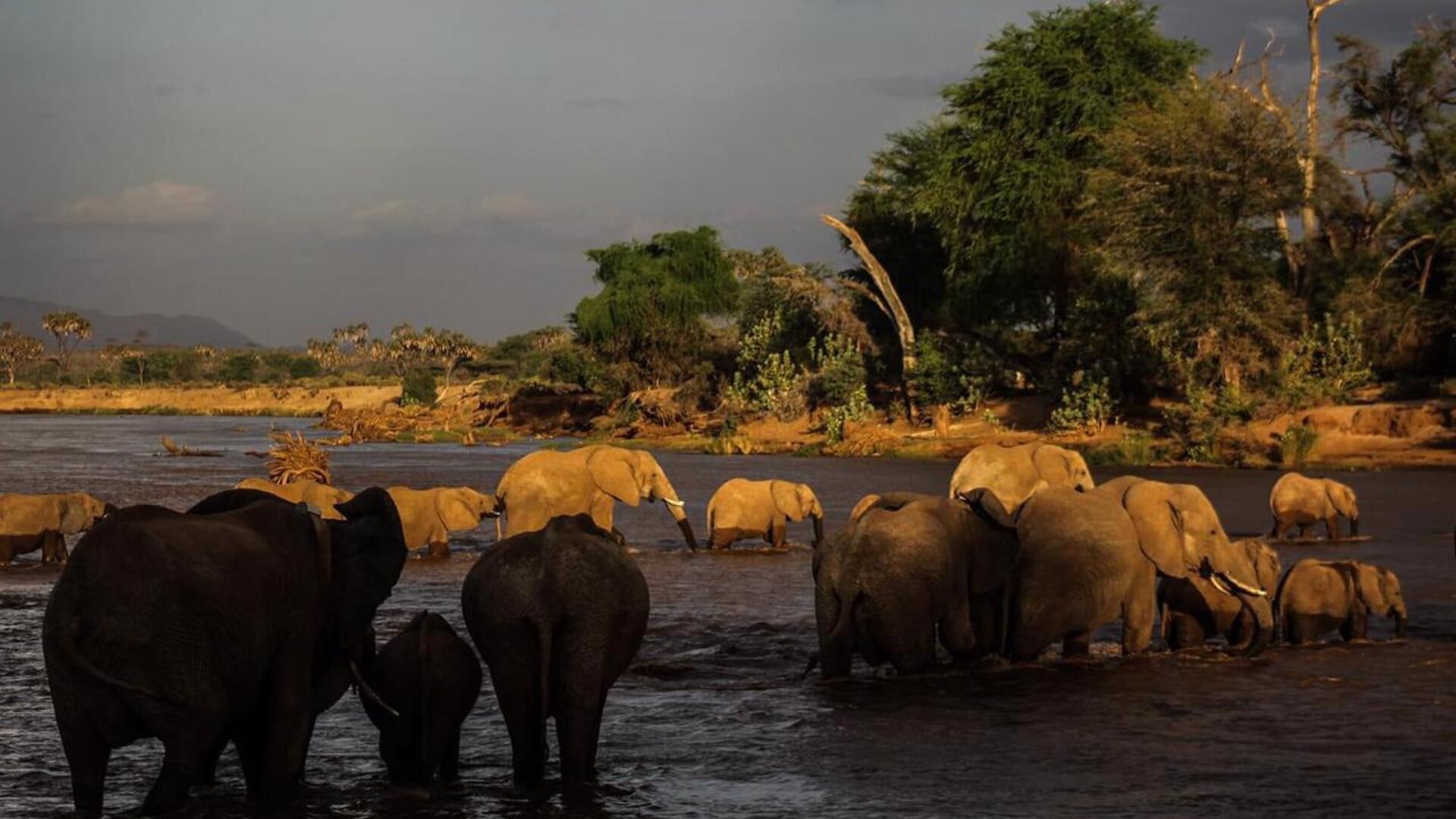
Kenya — the Masai Mara, Amboseli, and the wildlife riches of one of Africa's greatest safari countries.
Understanding Africa's Safari Seasons
Key Seasons at a Glance
Dry season (May–October): Sparse vegetation, animals at waterholes, peak game viewing, cooler weather, busiest and most expensive. Best for Big Five, predators and guaranteed wildlife.
Green season (November–March): Lush landscapes, newborn animals, spectacular birding, dramatic storms, thick bush, wildlife more dispersed, lower rates, fewer crowds. Best for photography, birding and value.
Shoulder months (April, November): Transition periods with good wildlife, pleasant weather, fewer tourists and excellent value. Best for flexibility and avoiding peak crowds.
Africa's safari destinations span a vast continent with diverse climates. East Africa (Kenya, Tanzania) experiences two main seasons; southern Africa (South Africa, Botswana, Zimbabwe, Zambia) has a more pronounced dry and wet season. The timing of the Great Migration, the flooding of the Okavango Delta, and the best Big Five viewing all follow distinct seasonal rhythms.
Month-by-Month Safari Guide for Africa's Top Destinations
January — Serengeti Calving Season Begins
Best destinations: Southern Serengeti (Tanzania), Ngorongoro Crater, South Africa (Kruger, Sabi Sands)
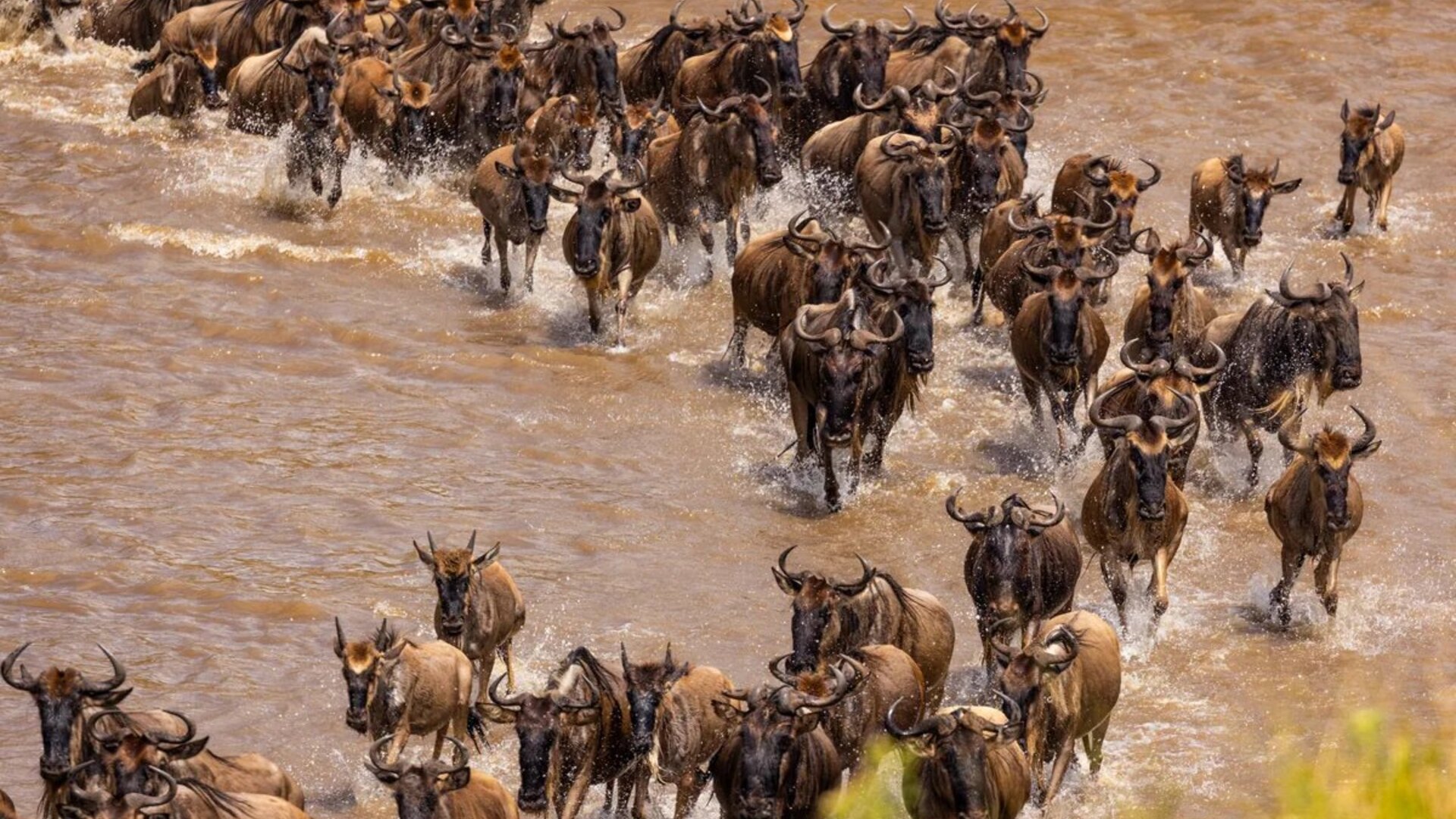
Wildlife highlights: The Great Migration calving season kicks off in the southern Serengeti from late December through January, as hundreds of thousands of wildebeest give birth on the short-grass plains. This is a time of abundant predator action — lion, cheetah, leopard and hyena hunt newborn calves, creating dramatic, visceral scenes. Kruger and Sabi Sands in South Africa are in the height of the green season, with lush scenery, newborn animals and excellent birding.
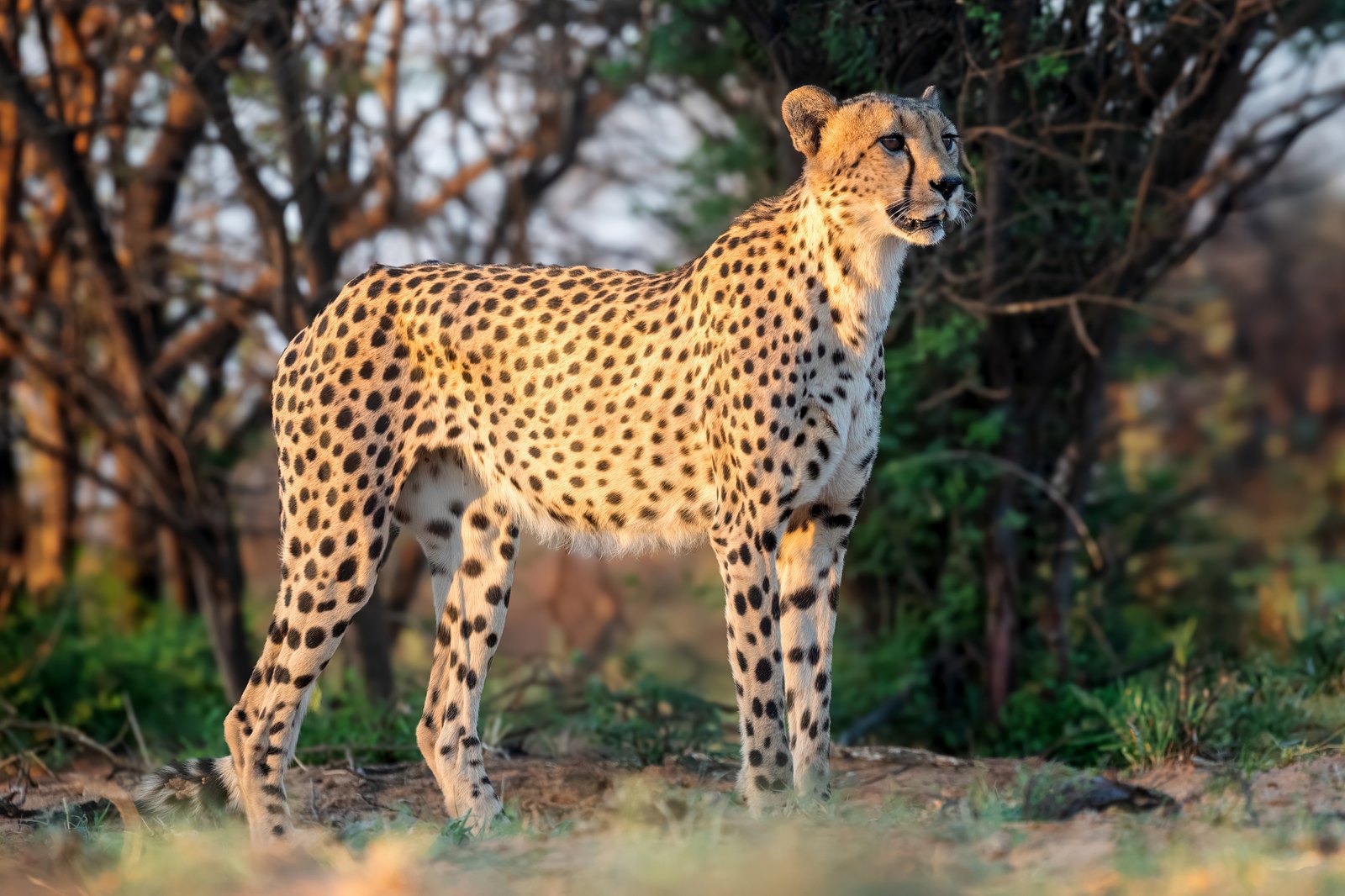
The Serengeti calving season is prime hunting time for cheetah, lion and leopard.
Weather: Wet season in East Africa; hot and rainy in southern Africa
Crowds & cost: Moderate crowds; mid-range pricing
Best for: Predator action in the Serengeti; birding and green landscapes in South Africa
February — Peak Calving Season
Best destinations: Southern Serengeti, Ngorongoro Crater, Amboseli (Kenya)
Wildlife highlights: February is the peak of the Serengeti calving season, with up to 8,000 wildebeest born each day. The predator viewing is among the best of the year. Amboseli in Kenya offers excellent elephant viewing with Kilimanjaro as a backdrop, though clouds can obscure the peak. South Africa's green season continues, with lush landscapes and newborn antelope.
Weather: Wet season; afternoon storms in East and southern Africa
Crowds & cost: Moderate crowds; good value
Best for: Witnessing the circle of life in the Serengeti; photography in lush landscapes
March — Migration Moves North
Best destinations: Central Serengeti, Ngorongoro Crater, South Africa
Wildlife highlights: The calving season winds down, and the Migration begins moving north from the southern plains toward the central Serengeti. Wildlife is still concentrated, and predator action remains excellent. South Africa's green season peaks, with the best birding of the year and dramatic storm light for photographers.
Weather: End of wet season; transitioning to drier conditions
Crowds & cost: Low to moderate crowds; excellent value
Best for: Avoiding crowds; birding; photography
April — Shoulder Month Gem
Best destinations: Central Serengeti, Kruger, South Luangwa (Zambia), Okavango Delta
Wildlife highlights: April is a shoulder month across most of Africa — a transition from wet to dry season. The Serengeti Migration moves through the central and western regions; Kruger's wildlife viewing begins to improve as the bush thins; and South Luangwa and the Okavango Delta are quiet and beautiful. April offers good wildlife at excellent prices with far fewer tourists.
Weather: Warm and pleasant; occasional late rains
Crowds & cost: Low crowds; excellent value
Best for: Value seekers; travellers who want to avoid peak crowds
May — Dry Season Begins
Best destinations: Kruger, Sabi Sands, Chobe (Botswana), South Luangwa, Western Serengeti
Wildlife highlights: The dry season begins in southern Africa, and game viewing improves dramatically as wildlife gathers at waterholes and rivers. The Great Migration reaches the western Serengeti, preparing for the Grumeti River crossings. Kruger, Chobe and South Luangwa are excellent, with cooler weather and improving wildlife visibility.
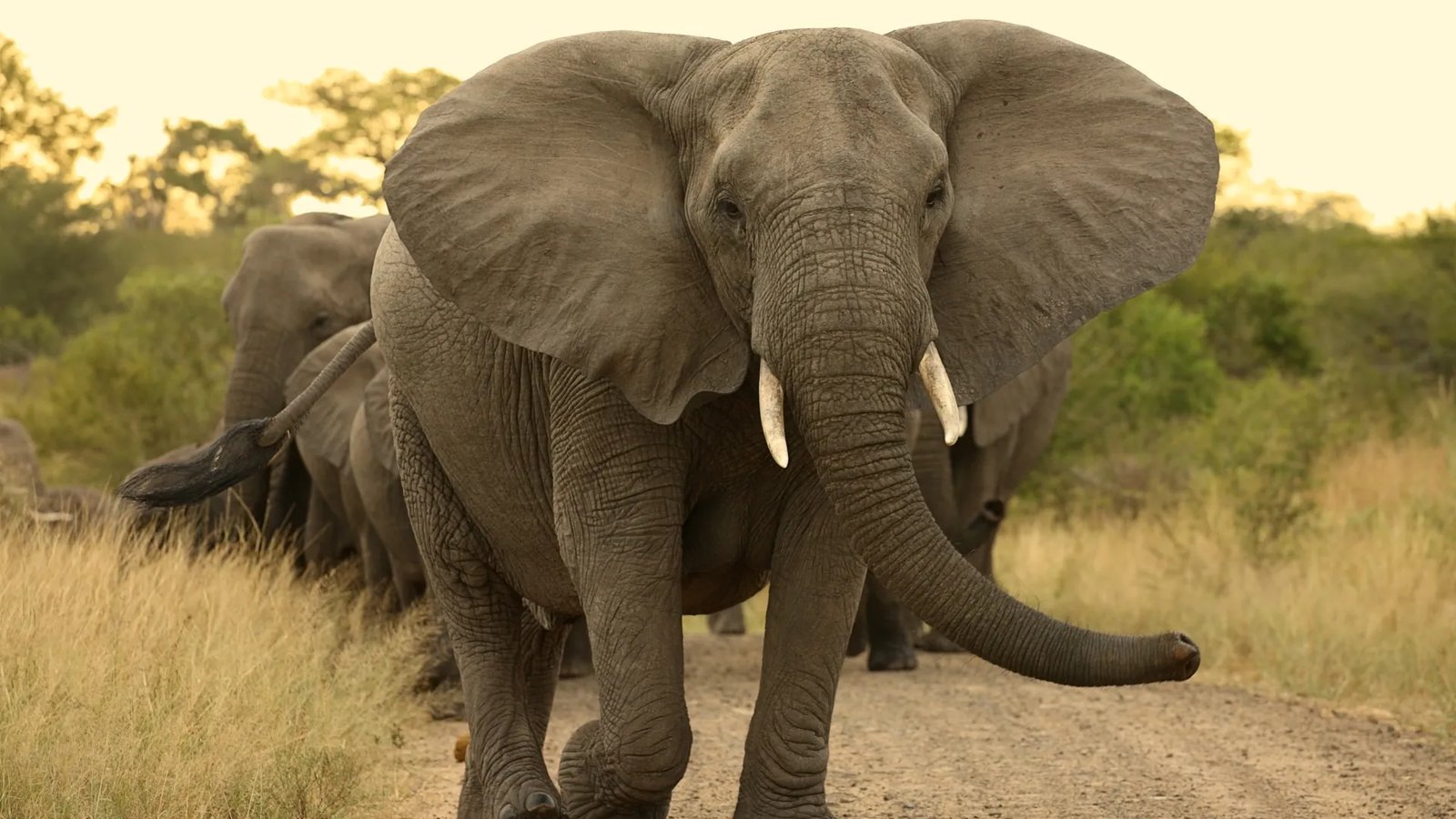
Elephants gather at permanent water sources during the dry season, making sightings easy and predictable.
Weather: Dry and cooler; ideal safari weather
Crowds & cost: Moderate crowds; mid-range pricing
Best for: Early dry-season viewing; avoiding peak-season crowds
June — Prime Time Begins
Best destinations: Kruger, Sabi Sands, Okavango Delta, Western Serengeti, Chobe
Wildlife highlights: June marks the start of prime safari season. The Okavango Delta floods, transforming into a watery paradise. The Serengeti Migration continues in the western corridor, with Grumeti River crossings occurring sporadically. Southern Africa's dry season is in full swing, with superb Big Five viewing across Kruger, Sabi Sands, Chobe and South Luangwa. Weather is perfect — cool, dry and sunny.
Weather: Dry, cool and perfect
Crowds & cost: Increasing crowds; high-season pricing begins
Best for: Okavango Delta flooding; Big Five in southern Africa; Grumeti crossings
July — Peak Safari Season
Best destinations: Masai Mara, Northern Serengeti, Kruger, Okavango Delta, Chobe
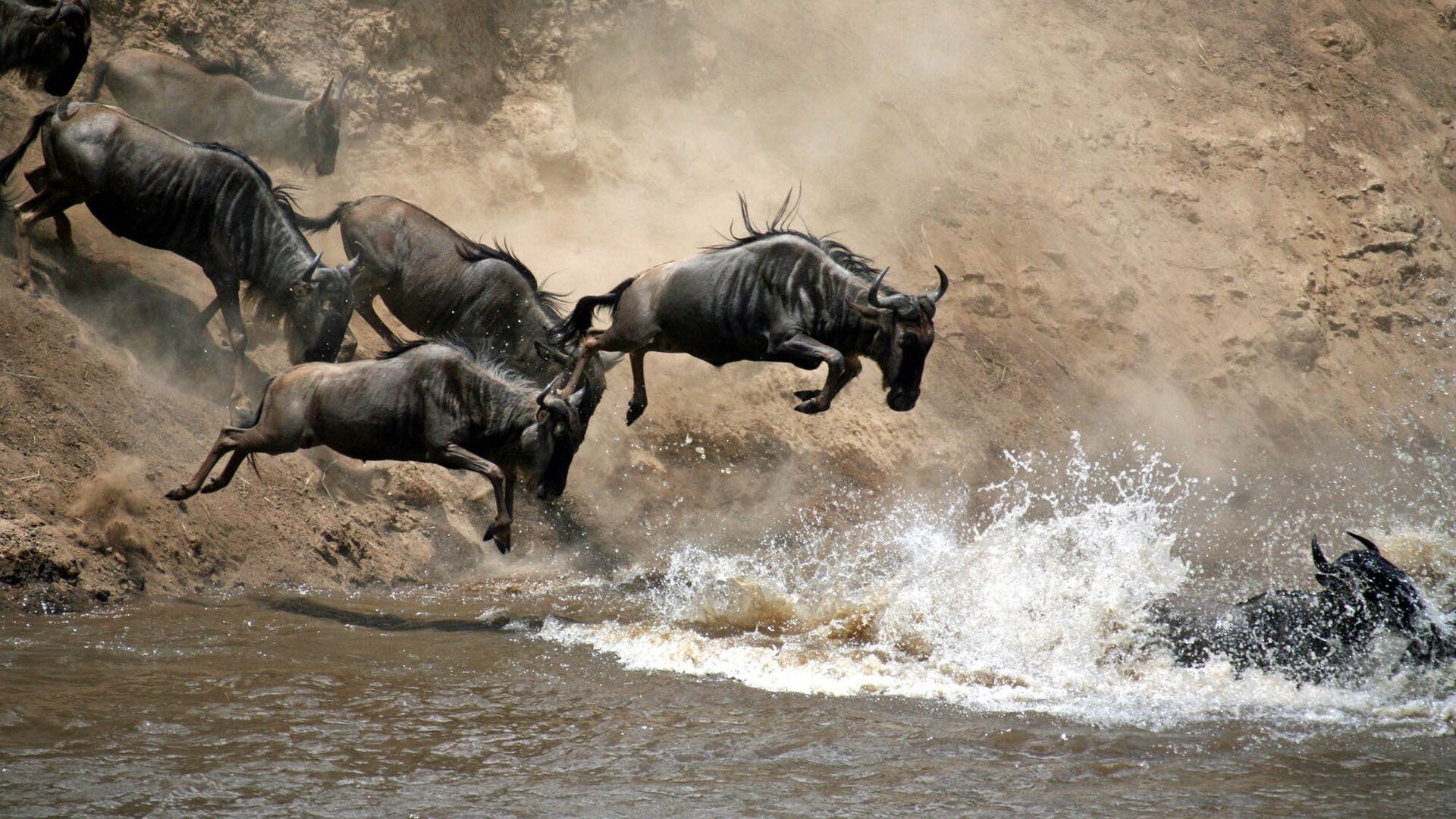
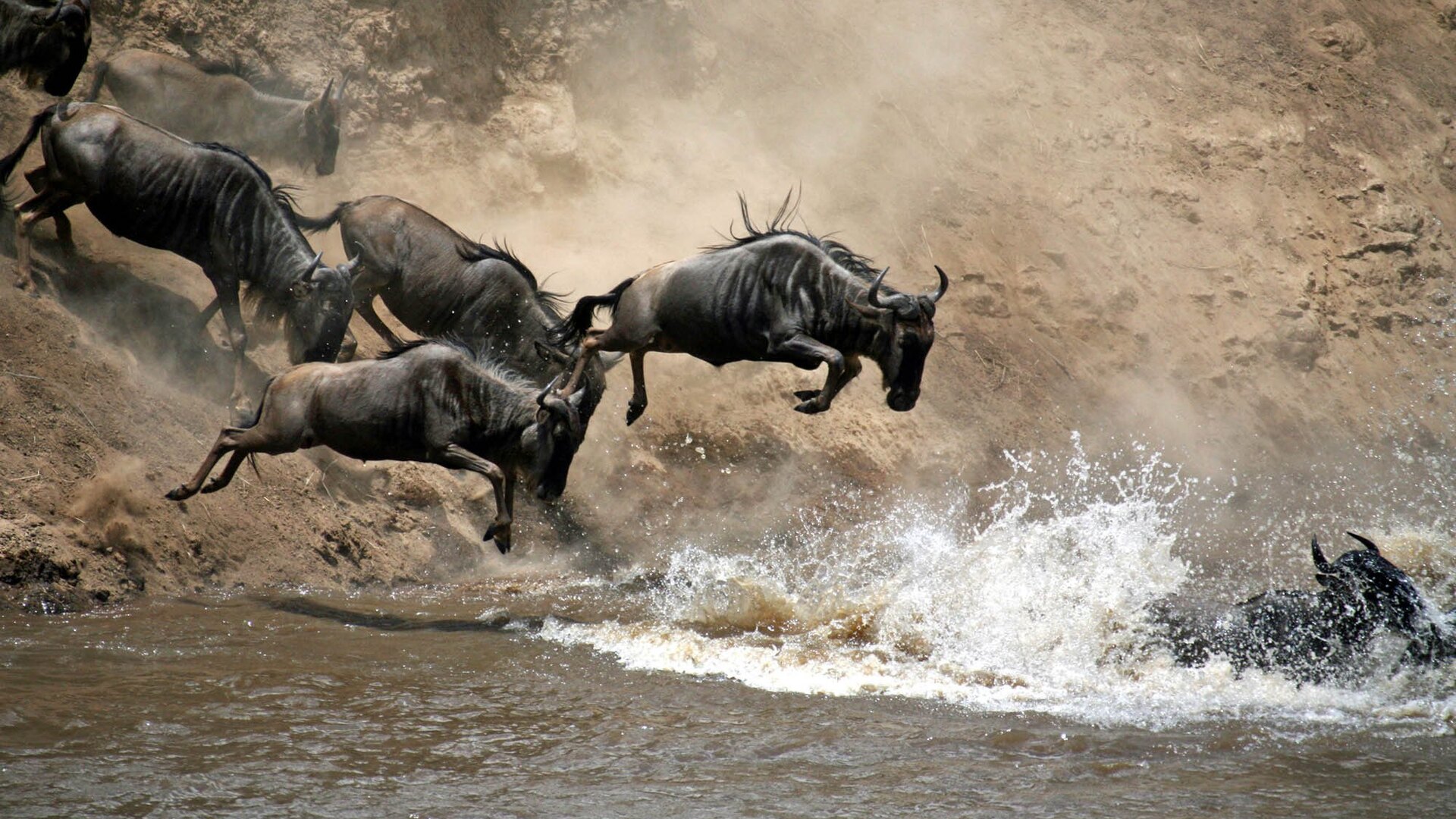
Wildlife highlights: July is one of the best safari months on the calendar. The Great Migration reaches the Masai Mara, and the dramatic Mara River crossings begin. Kruger's game viewing is at its peak. The Okavango Delta is flooded and magical. Chobe's elephant herds mass on the riverfront. Wildlife viewing is superb across the continent, and the weather is perfect.
Weather: Dry, cool and ideal
Crowds & cost: High crowds; peak pricing
Best for: Mara River crossings; Big Five; Okavango Delta; best overall wildlife viewing
August — Migration Peak
Best destinations: Masai Mara, Northern Serengeti, Kruger, Sabi Sands, Chobe
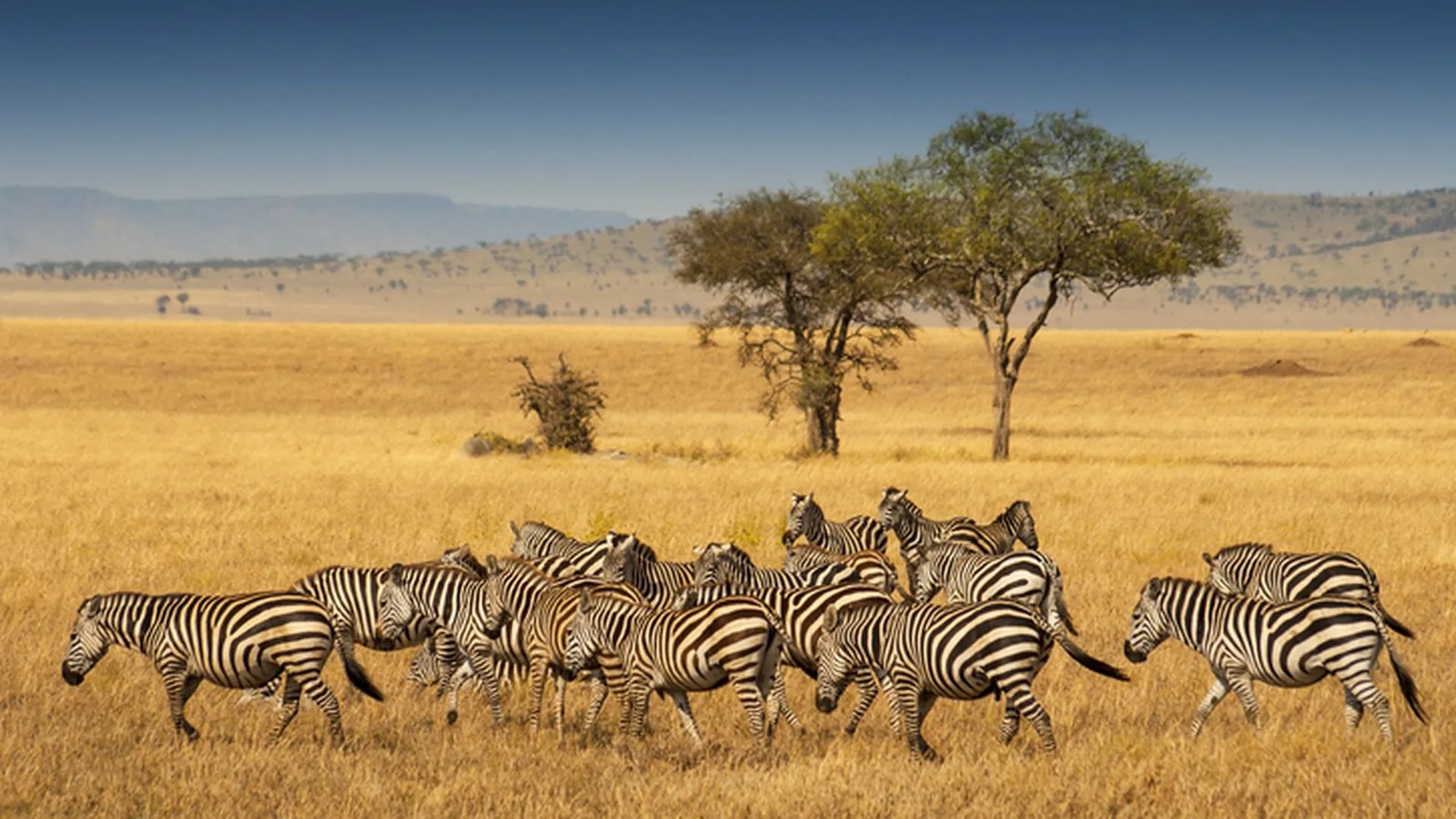
Wildlife highlights: August is the peak month for the Great Migration river crossings in the Masai Mara and northern Serengeti. Hundreds of thousands of wildebeest and zebra cross the crocodile-filled Mara River in dramatic, chaotic scenes. Kruger's wildlife viewing is at its absolute best, with sparse bush and animals clustering at the rivers. Leopard sightings in Sabi Sands are prolific. This is Africa's safari month.
Weather: Dry, cool and perfect
Crowds & cost: Very high crowds; peak pricing
Best for: Great Migration crossings; Big Five; ultimate safari experience
September — Dry Season Excellence
Best destinations: Masai Mara, Kruger, Sabi Sands, Chobe, South Luangwa
Wildlife highlights: September extends the peak dry season across southern Africa. The Masai Mara continues to host the Migration, with river crossings still occurring. Kruger, Chobe and South Luangwa offer exceptional game viewing, with wildlife concentrated at the remaining water sources. Leopard, lion, elephant and buffalo are easy to find. The weather is warming but still pleasant.
Weather: Dry and warming
Crowds & cost: High crowds; peak pricing
Best for: Masai Mara Migration; southern Africa dry-season viewing
October — End of Peak Season
Best destinations: Masai Mara (early October), Kruger, Chobe, Hwange (Zimbabwe)
Wildlife highlights: October is the hottest month in southern Africa and the tail end of the dry season. Wildlife is still concentrated at waterholes, making viewing excellent, though the heat can be intense. The Great Migration begins moving south from the Masai Mara back toward the Serengeti. Chobe's elephant concentrations are at their peak. Hwange in Zimbabwe offers spectacular game viewing.
Weather: Hot and dry
Crowds & cost: Moderate to high crowds; high pricing
Best for: Late dry-season viewing; elephant herds at Chobe
November — Green Season Returns
Best destinations: Southern Serengeti, Kruger, South Luangwa
Wildlife highlights: November marks the start of the green season. The first rains arrive, transforming the landscapes and dispersing wildlife. The Great Migration moves back toward the southern Serengeti, preparing for the calving season. Kruger and South Luangwa enter the wet season, with lush scenery and newborn animals. November is a shoulder month — good wildlife at lower prices, but weather can be unpredictable.
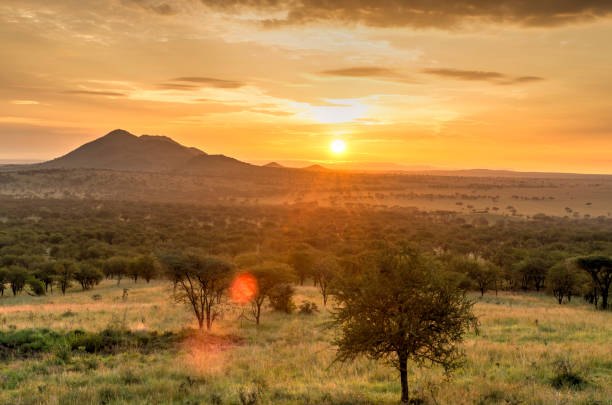
The green season transforms the African bush into a lush, vibrant landscape — perfect for photography.
Weather: Start of wet season; afternoon storms
Crowds & cost: Low crowds; good value
Best for: Value seekers; photographers who love green landscapes
December — Summer Rains
Best destinations: Southern Serengeti, Ngorongoro Crater, South Africa
Wildlife highlights: December is the start of the Serengeti calving season, as the Migration herds gather on the southern plains. Newborn wildebeest begin arriving from late December onward. South Africa's summer is in full swing, with lush scenery, dramatic afternoon storms and excellent birding. Wildlife is more dispersed, but the landscapes are at their most beautiful.
Weather: Wet season; hot and humid
Crowds & cost: Moderate crowds (holiday season); mid to high pricing
Best for: Serengeti calving season prep; green-season photography; holiday safaris
Best Time by Destination: Quick Reference Guide
| Destination | Best Months | Why Visit Then |
|---|---|---|
| Serengeti | Jan–Mar (calving), Jun–Oct (migration) | Calving season predator action; Great Migration |
| Masai Mara | Jul–Oct | Mara River crossings; Great Migration peak |
| Kruger / Sabi Sands | May–Sep | Dry season; Big Five at waterholes; leopards |
| Okavango Delta | Jun–Oct | Peak flooding; mokoro safaris; wildlife concentration |
| Chobe | May–Oct | Massive elephant herds at riverfront |
| South Luangwa | Jun–Oct | Dry season; walking safaris; leopards |
| Hwange | Jun–Oct | Wildlife at waterholes; elephants; wild dogs |
| Etosha | May–Oct | Waterholes attract wildlife; predators; rhino |
Final Advice: How to Choose Your Safari Timing
The best time to safari depends on what you want to see and experience. Here's how to decide:
If you want the Great Migration
Visit the Masai Mara from July to October for the river crossings, or the southern Serengeti from January to March for the calving season.
If you want easy Big Five viewing
Choose the dry season (May–October) in Kruger, Sabi Sands, Chobe, South Luangwa or Hwange. Wildlife is concentrated, the bush is sparse, and sightings are reliable.
If you want value and fewer crowds
Visit during the shoulder months (April, May, November) or the green season (December–March). Lodge rates are lower, tourist numbers are fewer, and the scenery is at its most beautiful.
If you want the Okavango Delta
Visit from June to October, when the floodwaters peak and mokoro safaris are at their best.
If you want guaranteed predator action
Visit the Serengeti in January–March for the calving season, or Sabi Sands any time from May to October for prolific leopard viewing.
Final Thoughts: Africa Has a Safari Season for Every Traveller
There is no single "best" time to safari in Africa — every season offers something magical. The dry season delivers easy Big Five viewing, the Great Migration provides unmatched drama, the green season offers lush landscapes and value, and the shoulder months combine good wildlife with fewer crowds. The best time is the time that matches your priorities, your budget and your dream.
Plan ahead, choose your season wisely, and Africa will reward you with a safari experience that stays with you forever.
Plan Your Perfectly Timed African Safari with Beyond Africa Safaris
We design private, tailor-made safaris across Africa, timed to your dream — whether you want to witness the Great Migration, track the Big Five in the dry season, or explore the green-season landscapes. We handle every detail — expert guides, handpicked lodges, flawless logistics and unforgettable wildlife encounters, all timed to perfection.
Contact us to start planning your African safari today.