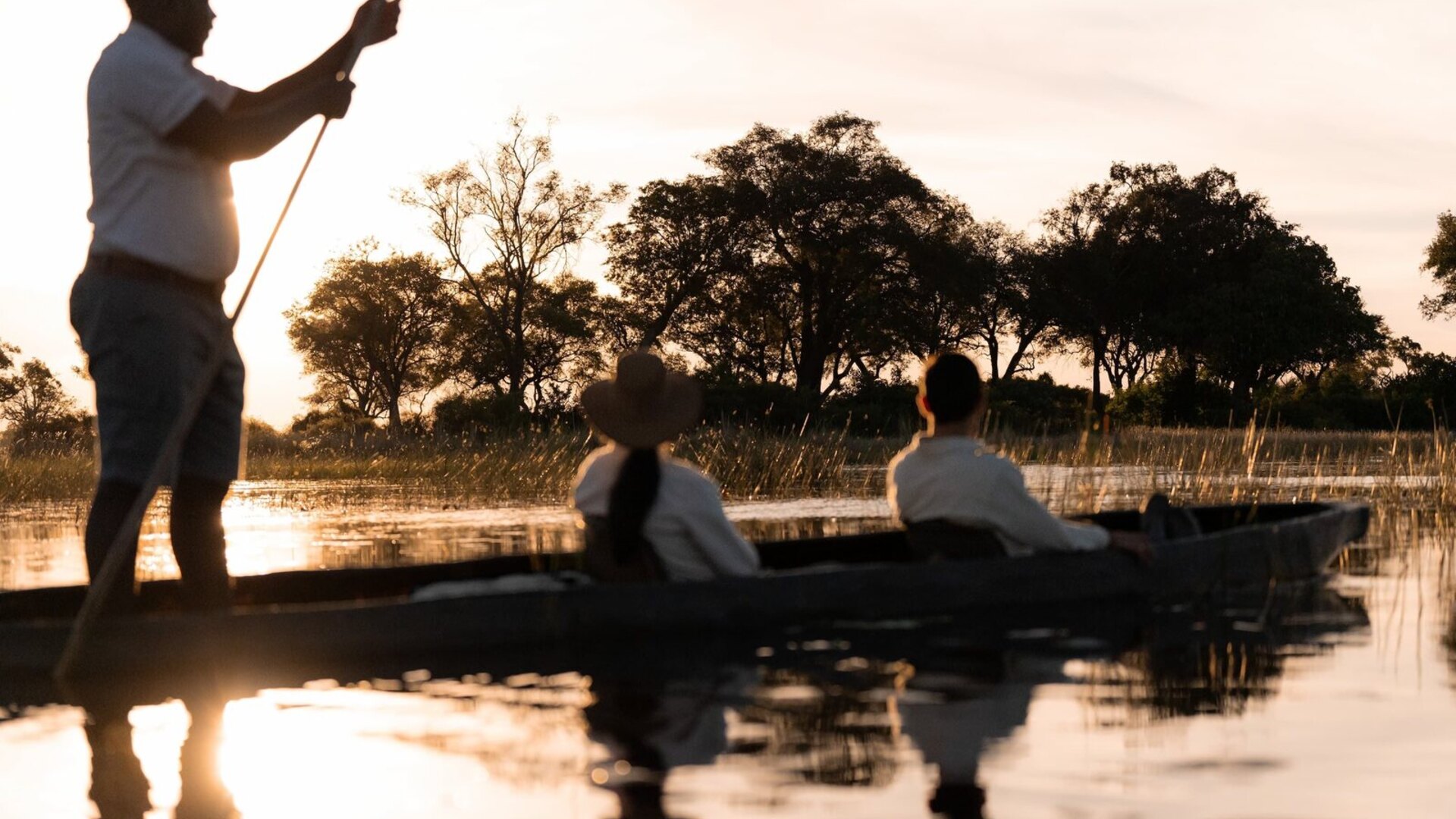
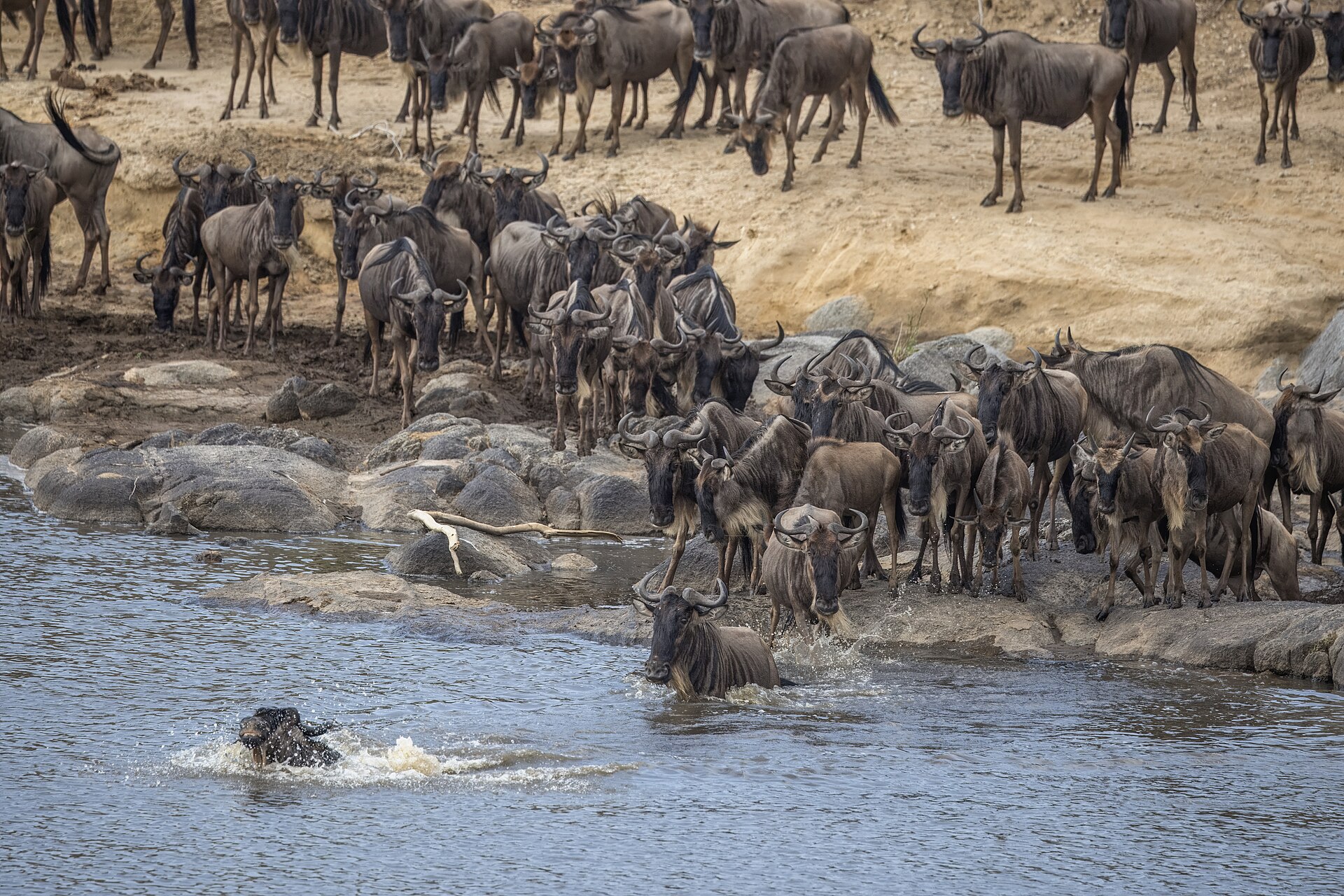
Here is a truth most couples don't realise until they start planning: when you go on your honeymoon safari matters almost as much as where. The right month can mean clear golden mornings, wildlife gathered at every waterhole, and a private, unhurried experience. The wrong one can mean peak-season crowds and top-dollar rates — or thick bush and harder sightings. Get the timing right and you get more magic for less money.
At Beyond Africa Safaris we plan honeymoons around the calendar every week, so this guide gives you the honest, month-by-month picture — and the insider windows where romance and value meet perfectly. (Want to see actual prices? Our honeymoon safari cost guide shows exactly what you'll pay by destination and season.)
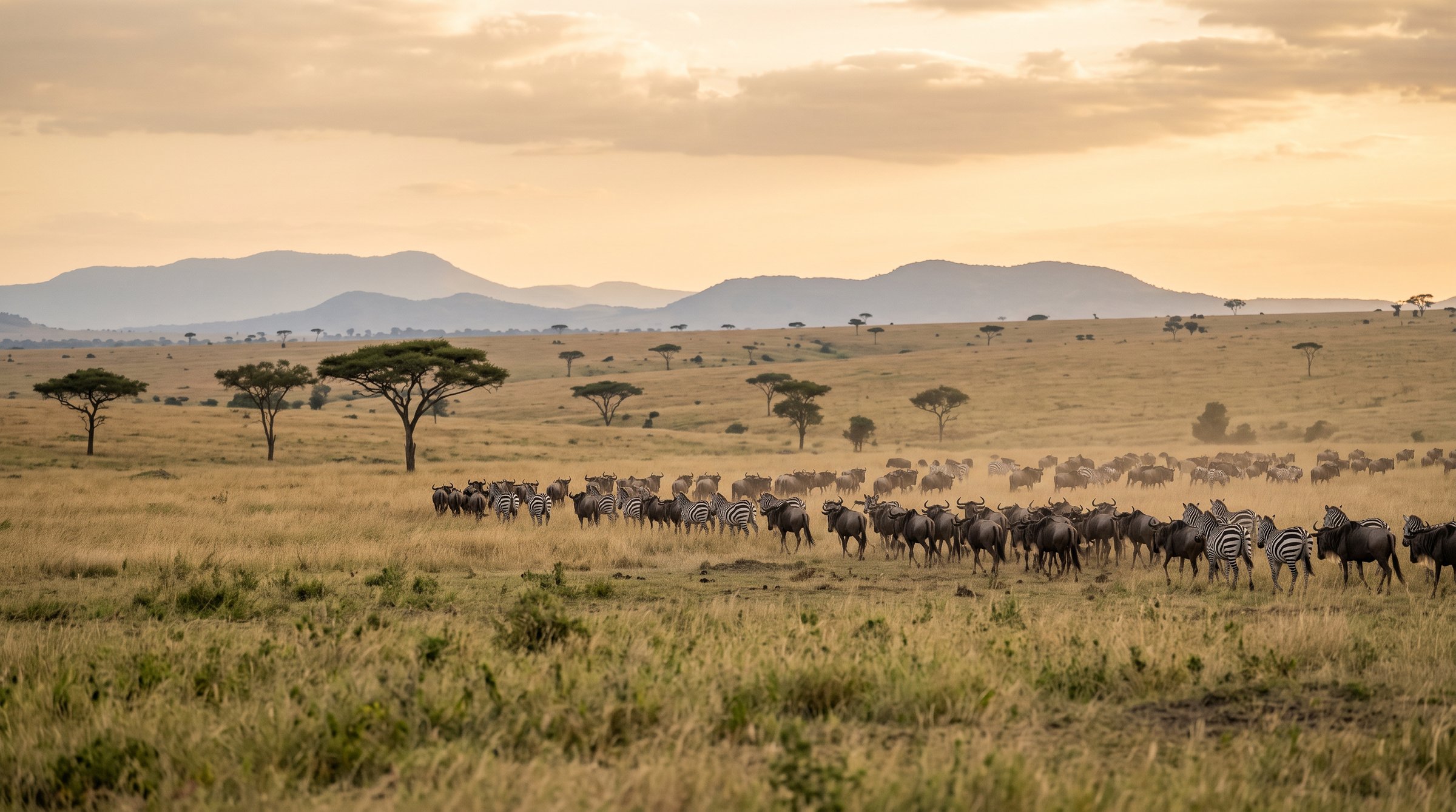
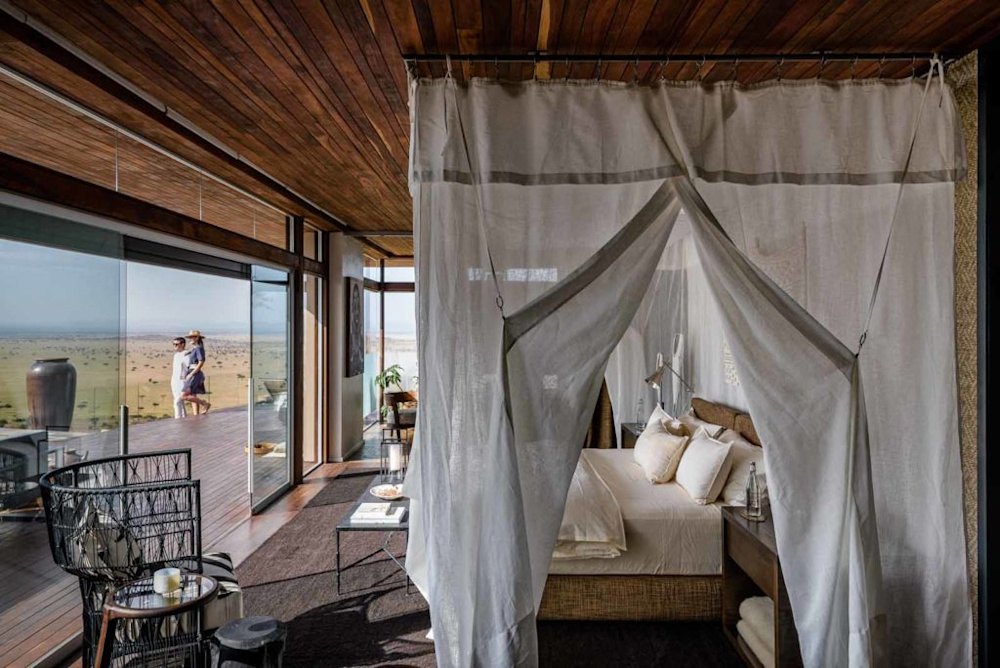
Golden mornings, clear skies and wildlife at every turn — timing your honeymoon safari for magic.
Quick Answer
The best all-round time for an African honeymoon safari is the dry season (roughly May–October) — clear skies, wildlife at waterholes, and lowest malaria risk. The shoulder months (April–May and November) are the sweet spot for couples: near-peak conditions, fewer crowds, better rates.
The green season (November–March) is lush, dramatic, quiet and up to 50% cheaper. For the Great Migration: Masai Mara crossings July–October; Serengeti calving January–February.
📅 Planning Your Honeymoon Safari Timing?
This guide covers the best months. For the complete honeymoon safari planning resource — destination guides, honest costs, romantic packages, and expert advice — visit our comprehensive hub:
View Complete Honeymoon Resource →First, Understand the Two Seasons
Africa's safari calendar revolves around two seasons, and knowing the difference is the key to timing your honeymoon:
- Dry season (roughly May–October): Sparse vegetation and shrinking waterholes concentrate animals, making them easier to spot. Skies are clear, days warm, nights cool, and mosquito activity is low. This is peak game-viewing — and peak rates.
- Green/wet season (roughly November–March): Rains bring lush landscapes, dramatic skies, migrant birds and newborn animals. The bush is thicker so sightings take more patience, but the beauty, privacy and value are exceptional — and photographers adore the light and scenery.
Neither is "better" — they're different honeymoons. Below, we break it down month by month, then region by region.
Month-by-Month Honeymoon Safari Guide
January – February
Green-season lushness across Southern Africa and the spectacular calving season on Tanzania's southern Serengeti — thousands of newborn wildebeest and the predators that follow. Warm, occasional afternoon showers, wonderful value and few crowds. Romantic and photogenic, ideal for couples who don't mind greener bush.
March – April
The tail of the green season. April, in particular, is a hidden gem: landscapes still lush, rains easing, rates still low, and the start of excellent conditions before the peak crowds arrive. One of our favourite value windows for honeymooners.
May
Arguably the finest shoulder month. Southern Africa dries out, the Okavango flood begins to arrive, weather is gorgeous, and rates haven't hit peak yet. Superb game viewing with far fewer vehicles. A honeymoon sweet spot.
June – August
Peak dry season and prime time. Cool, clear, comfortable; wildlife concentrated at water; the Okavango Delta at its flooded, romantic best; and the Great Migration building in the Masai Mara. Book 10–12 months ahead — this is when the best suites sell out first.
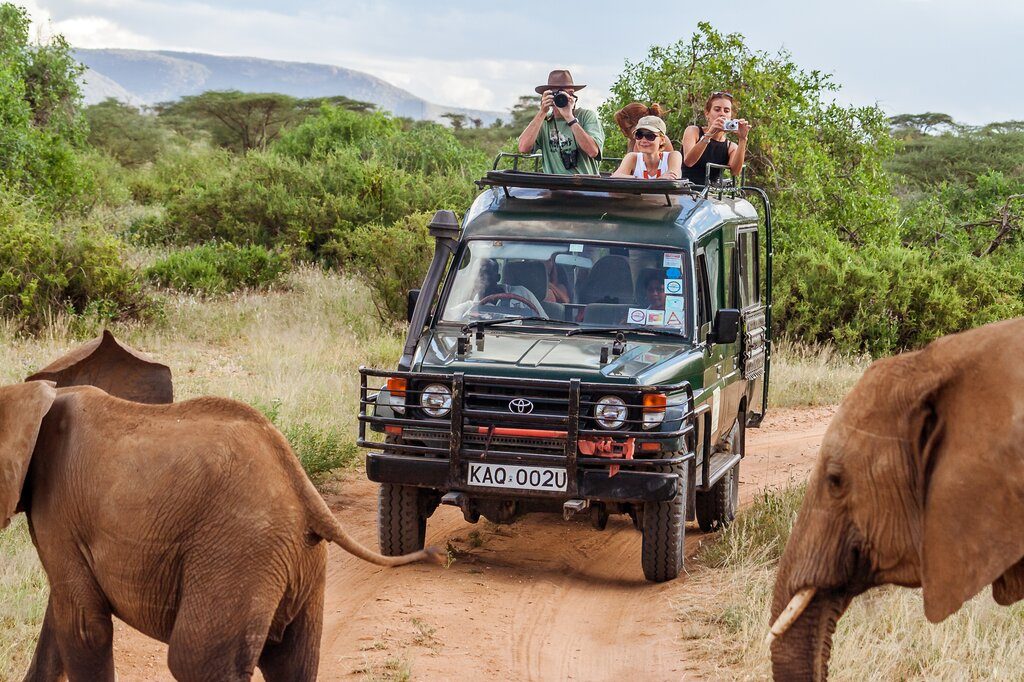
Peak dry season in the Sabi Sands — clear skies, big cats and unforgettable honeymoon game drives.
September – October
The other peak window, and many guides' personal favourite. The bush is at its driest, so game viewing is often at its very best, and the Masai Mara river crossings continue. October gets hot toward month's end, which nudges rates down slightly — a clever late-shoulder pick.
November
The "green rains" begin. Landscapes freshen, migrant birds arrive, crowds thin and rates fall — while wildlife viewing is still very good early in the month. A quietly brilliant time for a romantic, value-driven honeymoon.
December
Festive-season demand lifts rates around the holidays, but outside those two weeks December is lush, warm and beautiful. Perfect for couples marrying at year's end who want emerald scenery and a celebratory atmosphere.
Timing by Destination
South Africa (Sabi Sands, Kruger, Cape Town)
Year-round destination. Dry-season May–October is prime for Big Five viewing; November–April is green, warm and superb value, and pairs perfectly with summer in Cape Town and the Winelands. For beach add-ons, the same May–October window gives warm, dry Mozambique coast weather. See our South Africa honeymoon safari guide.
Botswana (Okavango Delta, Chobe)
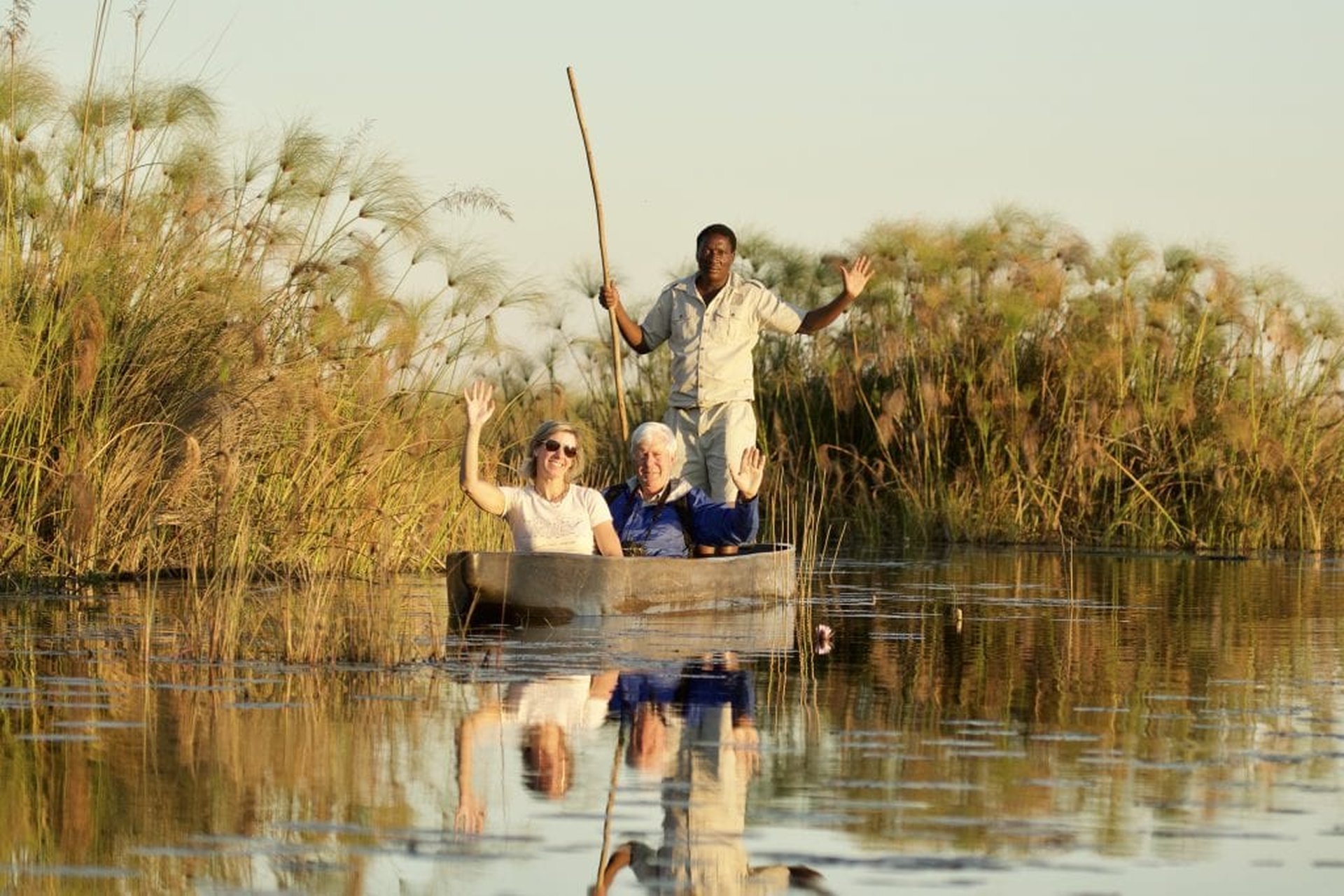
The Delta peaks June–September when the floodwaters arrive — the most romantic time for mokoro glides and water safaris, with cool, dry weather. May and October are excellent-value shoulders. Combine with Victoria Falls, which is at its thunderous best March–June. See the Victoria Falls & Chobe Honeymoon and our Botswana honeymoon guide.
Kenya & Tanzania (Masai Mara, Serengeti)
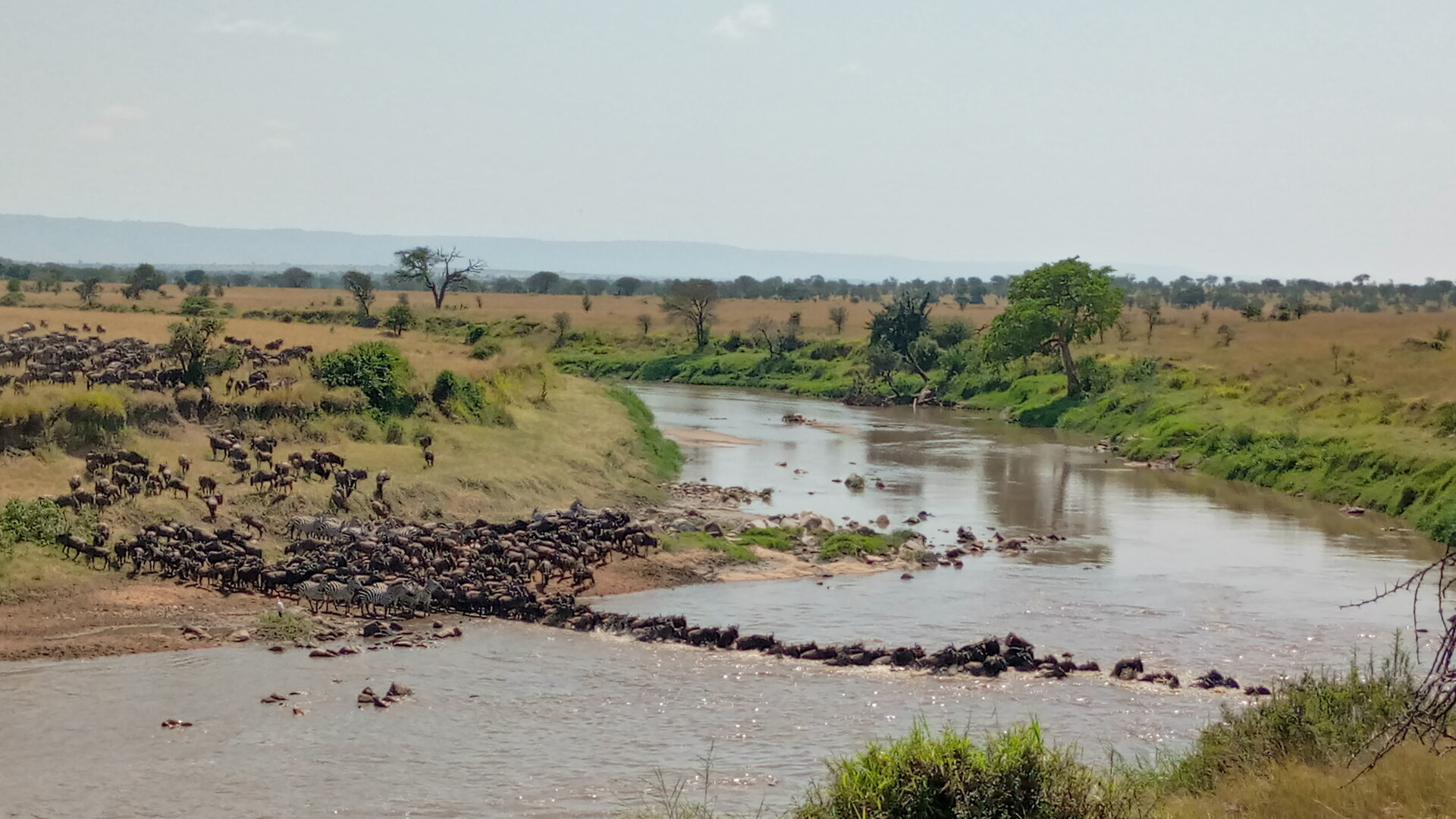
All about the Great Migration. For dramatic Mara River crossings, aim for July–October in the Masai Mara. For the calving spectacle, go to Tanzania's southern Serengeti in January–February. The dry months also give the best Zanzibar beach conditions for a honeymoon finale. See the Masai Mara Balloon Honeymoon and our Kenya and Tanzania guides.
The Great Migration — Where to Be, When
The Migration is a constant, year-round loop, not a single event. To witness the highlights on honeymoon, time your lodges to the herds:
- January–February: Calving on the southern Serengeti plains (Tanzania) — newborns and dramatic predator action.
- March–May: Herds move north and west through the central and western Serengeti.
- June–July: The herds mass at the Grumeti and begin heading toward the Mara.
- July–October: The famous Mara River crossings in Kenya's Masai Mara — the most dramatic wildlife theatre on earth.
- November–December: The herds return south to the Serengeti as the short rains green the plains.
We position your camps to intercept the herds wherever they'll be on your exact dates — that precision is the whole art of migration timing.
Best Value Windows for Honeymooners
If stretching the budget matters (and for most couples it does), these are the windows where romance and value meet:
- April & November — shoulder edges with near-peak conditions at well below peak rates.
- May & October — outstanding dry-season game viewing just outside the busiest, priciest weeks.
- January–March green season — lush, quiet and up to 50% cheaper; ideal for photography-loving couples.
For the full financial picture, read our companion guide, How Much Does an African Safari Honeymoon Cost? — season choice is the single biggest lever on price.
Let's Time Your Honeymoon Perfectly
Tell us your wedding date and dream destinations, and we'll tell you honestly what the wildlife, weather and rates will be doing — and how to hit the perfect window for your budget. Sometimes shifting a trip by just a few weeks transforms both the experience and the price.
Ready to plan? Explore our honeymoon safaris, read our flagship best honeymoon safaris in Africa guide, get detailed pricing in our honeymoon cost breakdown, or contact our honeymoon specialists for a personalised, perfectly-timed itinerary. Your dream honeymoon is waiting for its moment.