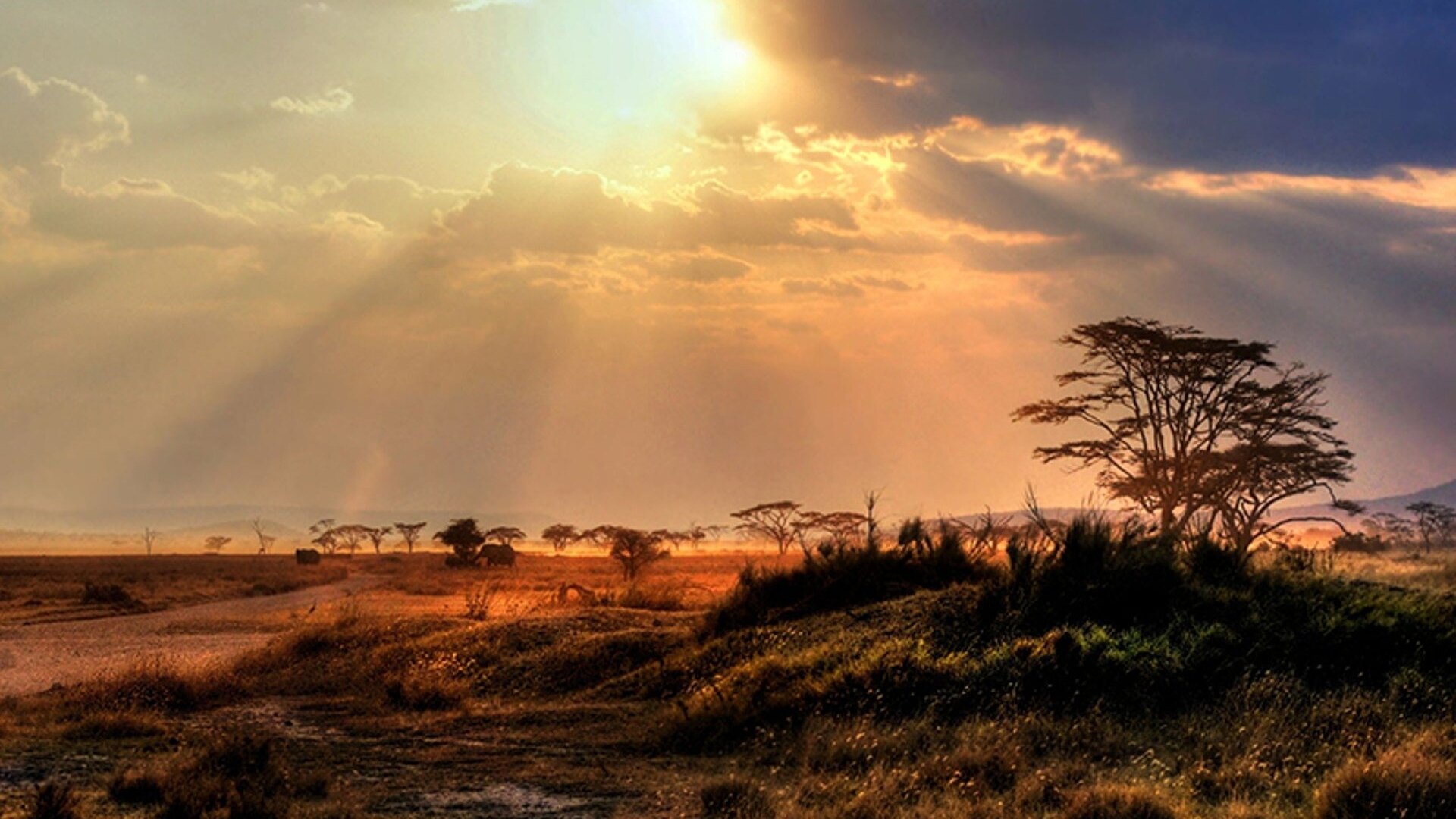
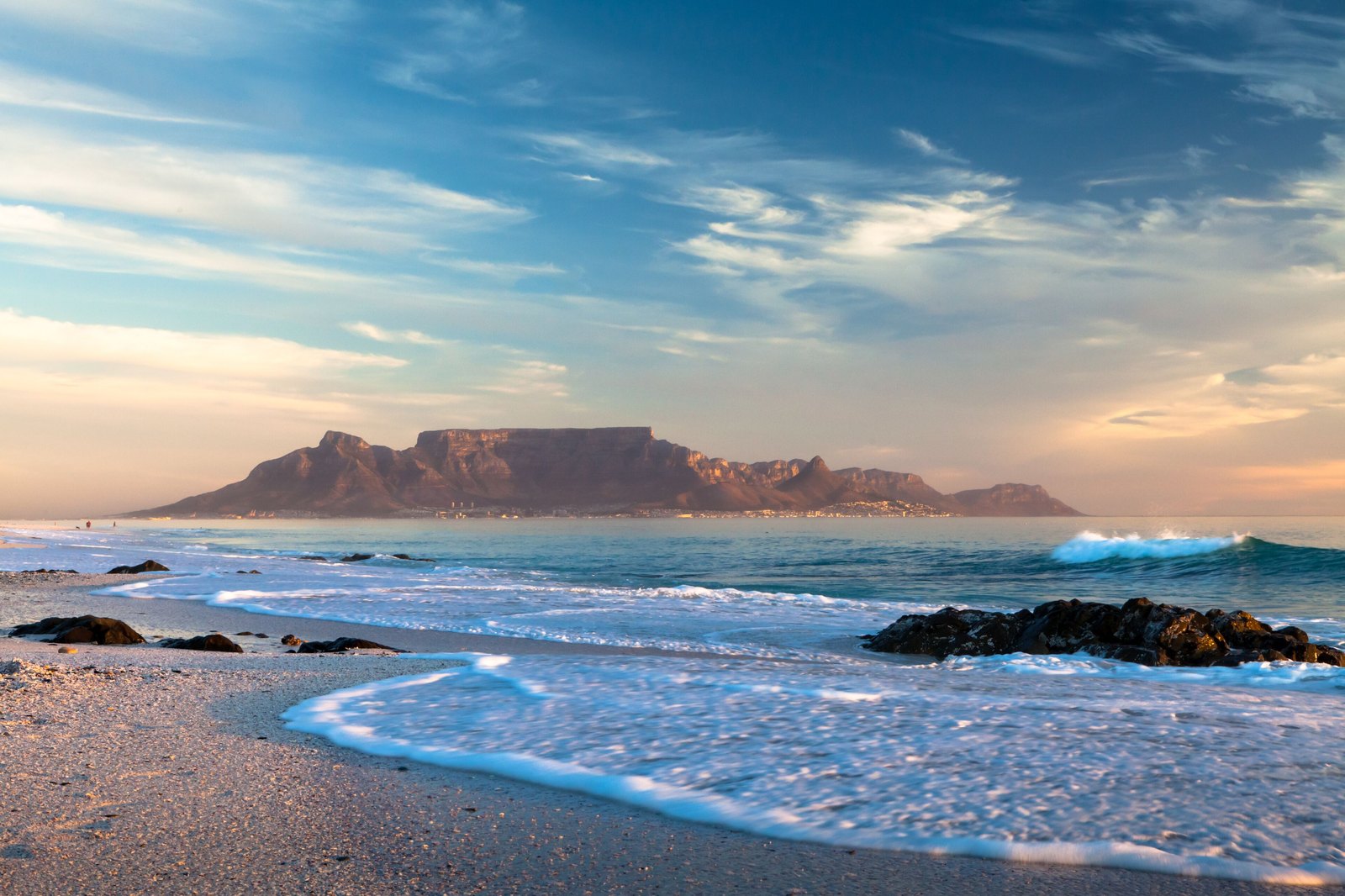
South Africa is not one safari destination but a whole world folded into a single country — the Big Five stalking the Kruger bushveld, right whales breaching below the cliffs of Hermanus, carpets of wildflowers igniting the Namaqualand desert, and Table Mountain glowing above Cape Town's summer beaches. It is also a country of two calendars: the sub-tropical bushveld and the Mediterranean Cape peak in opposite seasons. Get the timing right and you can thread them into one perfect journey. This is the definitive month-by-month guide to the best time to visit South Africa in 2026 — from the safari specialists at Beyond Africa Safaris.
The Short Answer: Best Time to Visit South Africa by Priority
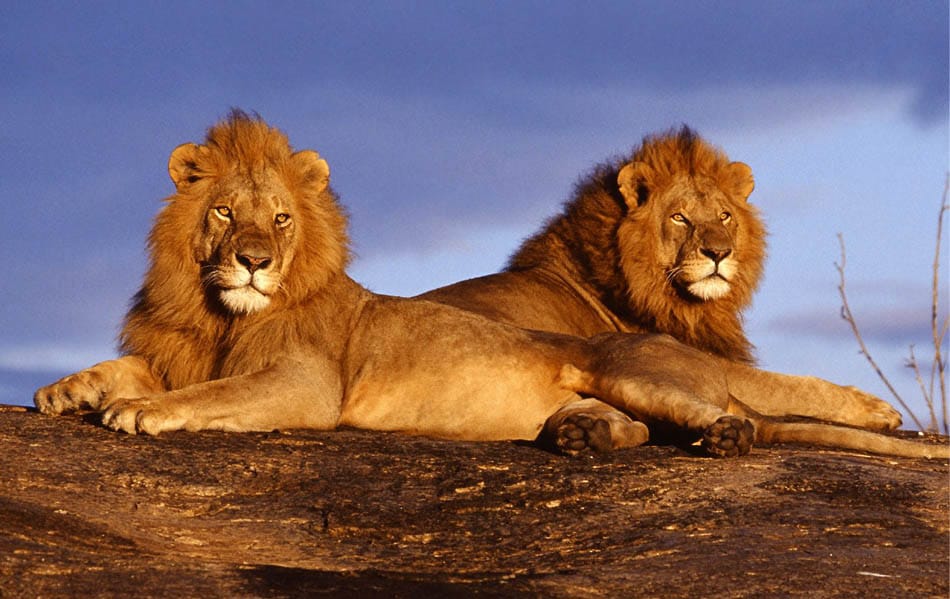
If you want the single best all-round window, it is May to September — the dry bushveld winter that delivers South Africa's finest Big Five game viewing, overlapping with the Cape's whale and wildflower seasons. But because the country runs on two seasons at once, the perfect month depends entirely on what you came for:
| Your priority | Best window | Why |
|---|---|---|
| Big Five safari (Kruger & Sabi Sand) | May – September | Dry winter; thin bush and animals concentrated at water |
| Cape Town, beaches & Winelands | November – March | Warm, dry Mediterranean summer; long blue-sky days |
| Whale watching (Hermanus) | June – November (peak Aug–Oct) | Southern right whales calve close to shore; Oct is the "VIP" month |
| Namaqualand wildflowers | August – September | Spring blooms carpet the Northern Cape after winter rains |
| Both safari & Cape in one trip | September – October | The sweet spot: superb game, whales, flowers, warming Cape |
| Lush green season & birding | November – March | Newborns, migrant birds and dramatic bushveld skies |
| Best value & fewest crowds | April – May & November | Shoulder months: fine conditions, softer rates, quiet roads |
| Garden Route road trip | October – April | Mild, green coast; warm enough for beaches and lagoons |
The magic of South Africa is that its two headline experiences — a Big Five safari and the Cape's beaches, wine and coast — peak on opposite calendars, yet a well-built itinerary in September or October can capture almost everything at once.
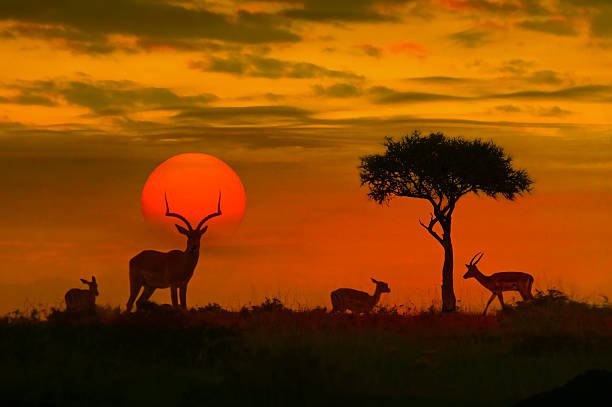
South Africa's Two Calendars, Explained
South Africa straddles two very different climate zones, and understanding them is the key to timing your trip. The north and east — the Kruger, Sabi Sand, the Waterberg, KwaZulu-Natal — are summer-rainfall bushveld, so their dry (and best safari) season is the winter, May to September. The south-west — Cape Town, the Winelands, the West Coast — is a winter-rainfall Mediterranean zone, so its warm, dry, best-beach season is the summer, November to March.
The bushveld: dry winter is safari prime time (May – September)
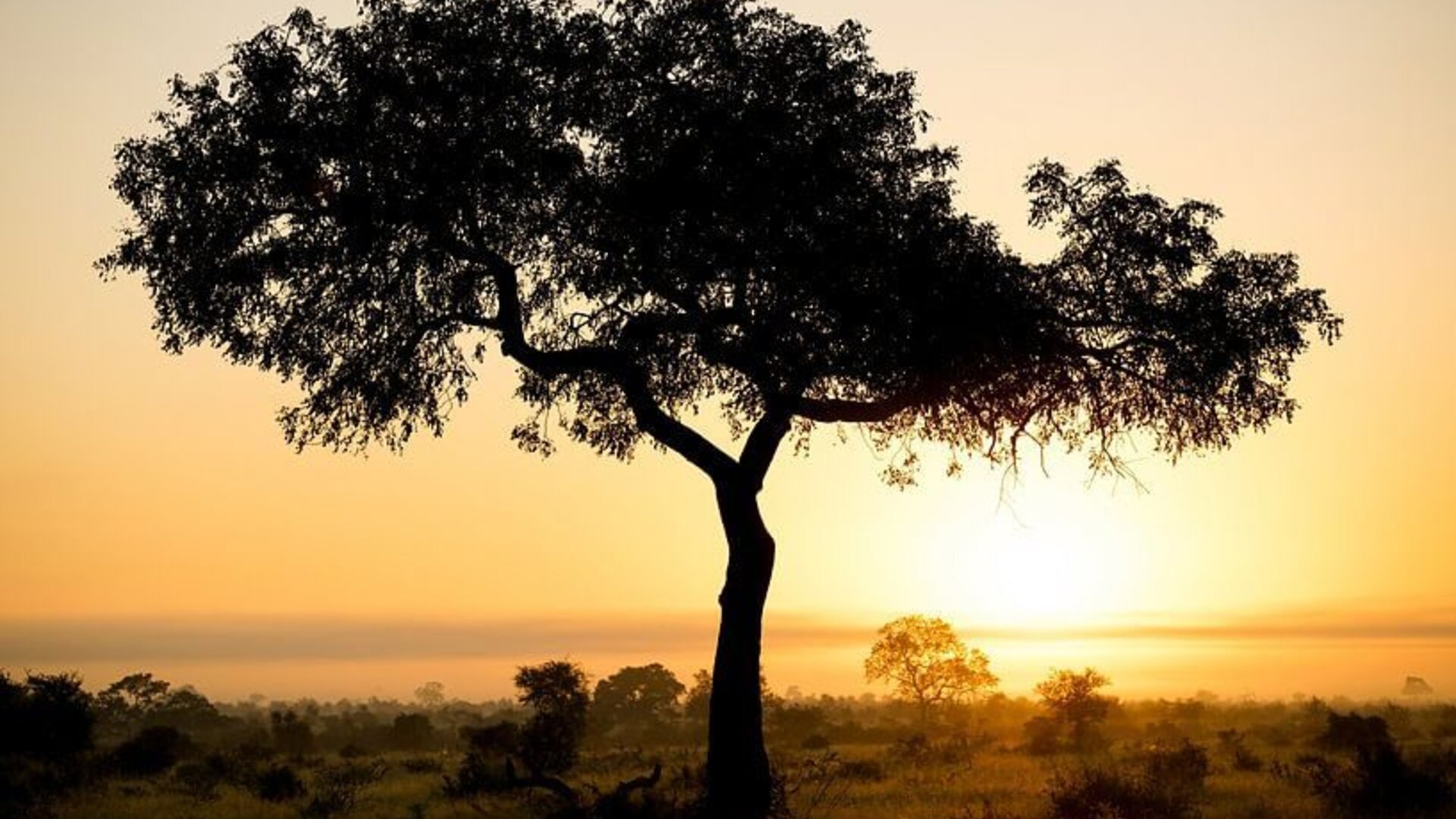
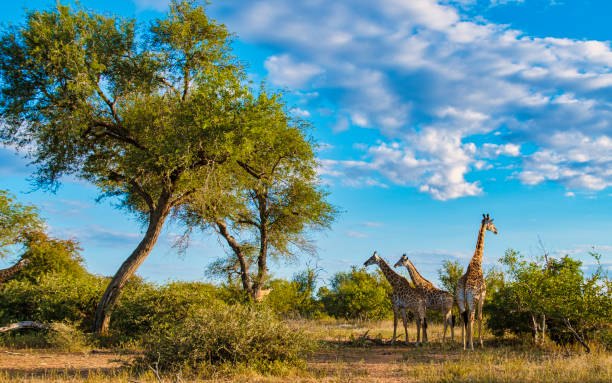
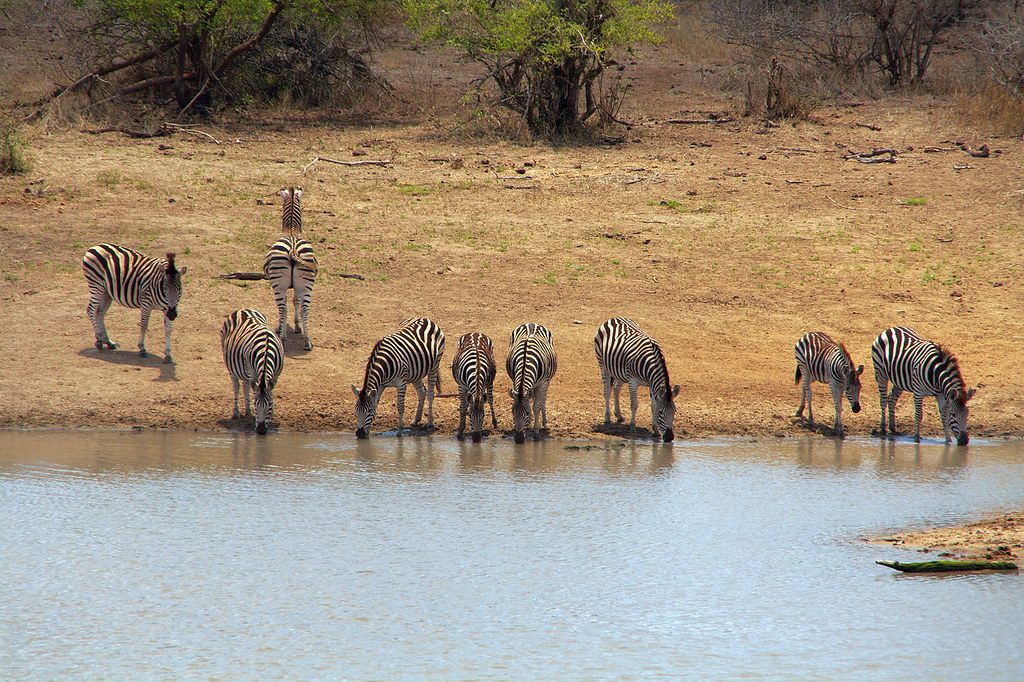
As the summer rains end around April, the bush dries out and thins, surface water shrinks, and wildlife is drawn to the rivers and remaining waterholes. Visibility soars and the Big Five become far easier to find. Winter mornings are cold on open game-drive vehicles (pack layers), but the days are sunny and dry, malaria risk is at its lowest, and by August–September the game viewing is world-class. This is the classic South African safari window.
The Cape: warm summer for beaches, cool winter for whales & flowers (Nov – Mar / Jun – Sep)
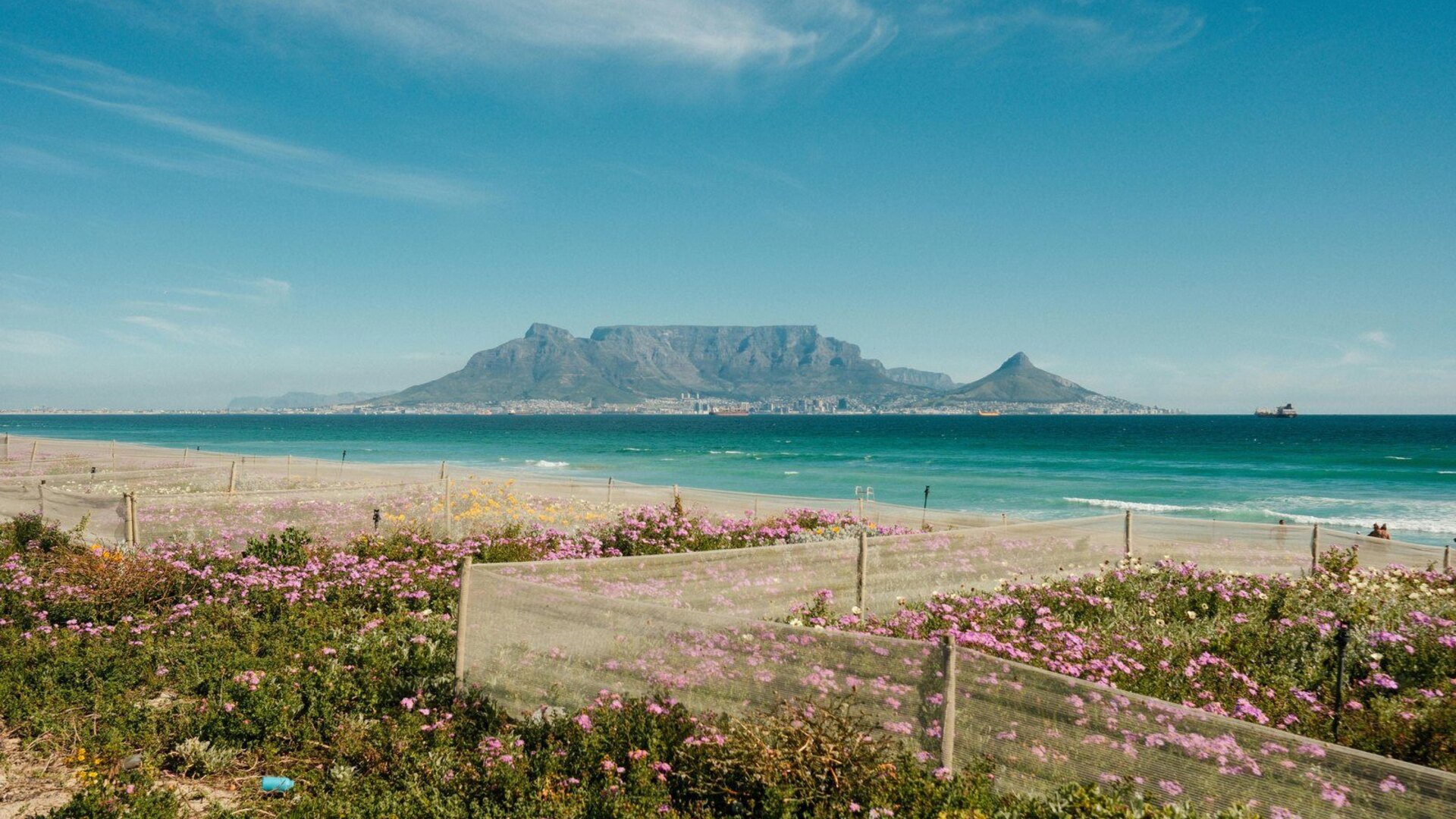
Cape Town's summer (November to March) is warm, dry and long-lit — perfect for Table Mountain, the beaches of Camps Bay and Clifton, the Winelands and the Cape Peninsula, though the famous south-easter wind can blow hard in mid-summer. The Cape winter (June to September) is cooler and wetter, but it is precisely when the southern right whales arrive off Hermanus and when the Namaqualand and West Coast wildflowers bloom. In other words, the Cape has two distinct "best times" depending on your goal.
Month-by-Month: South Africa Through the Year
| Month | Bushveld (safari) | Cape & coast |
|---|---|---|
| January | Green season; lush, hot, newborns & birding; game dispersed | Peak summer; hot, dry, busy beaches and Winelands |
| February | Green; hot & humid, dramatic skies, superb birding | Warm summer; Winelands harvest begins — atmospheric |
| March | Bush drying; good game returning, fewer crowds | Lovely warm autumn; harvest in full swing; less wind |
| April | Shoulder; cooler, drying bush, excellent value | Golden autumn — arguably the Cape's most beautiful month |
| May | Early dry season; game concentrating, comfortable days | First winter rains; green and quiet, good value |
| June | Dry winter; cold dawns, sunny days, strong game viewing | Winter; whale season opens off Hermanus |
| July | Peak dry; excellent Big Five viewing, cold mornings | Cool, wet; whales building; cosy Winelands fireside season |
| August | Peak dry; superb game as water dwindles | Whale peak begins; Namaqualand wildflowers start to open |
| September | Prime safari; outstanding viewing, warming up | Spring: peak whales, wildflowers, Winelands greening — glorious |
| October | Late dry ("suicide month"); very hot, biggest concentrations | The Cape's "VIP" whale month; warm, blossoming, less wind |
| November | First rains; heat breaks, newborns, great value | Early summer; beaches warming, whales tailing off |
| December | Green season; lush, hot, quiet, affordable safari | Peak summer holidays; busy, hot, festive Cape |
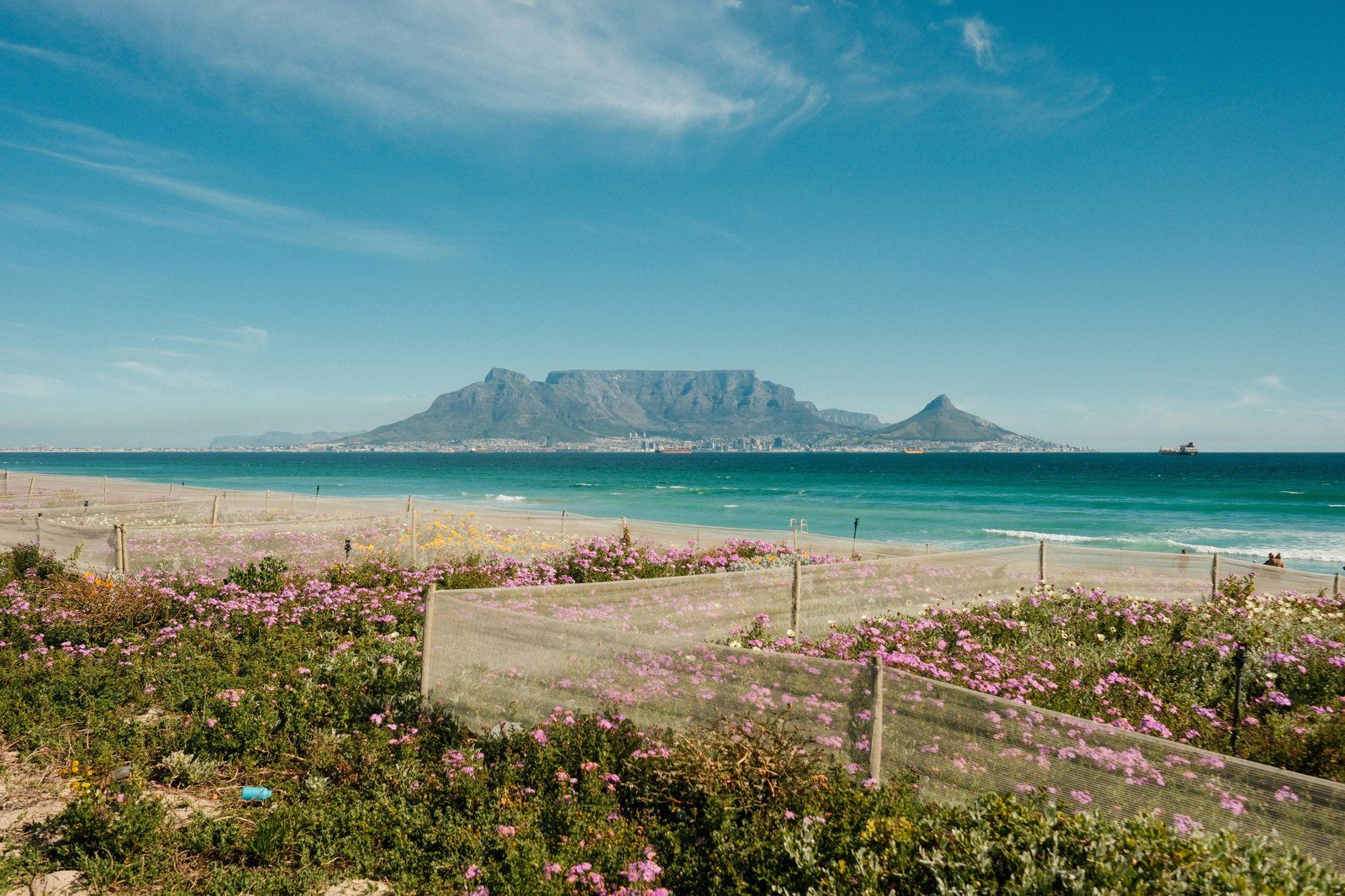
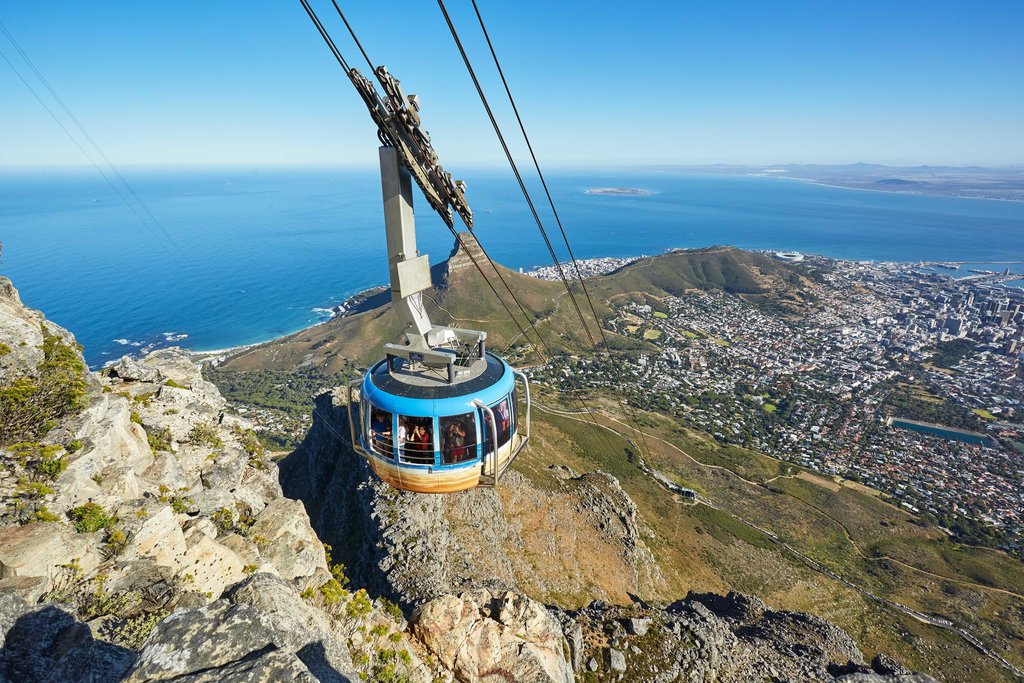
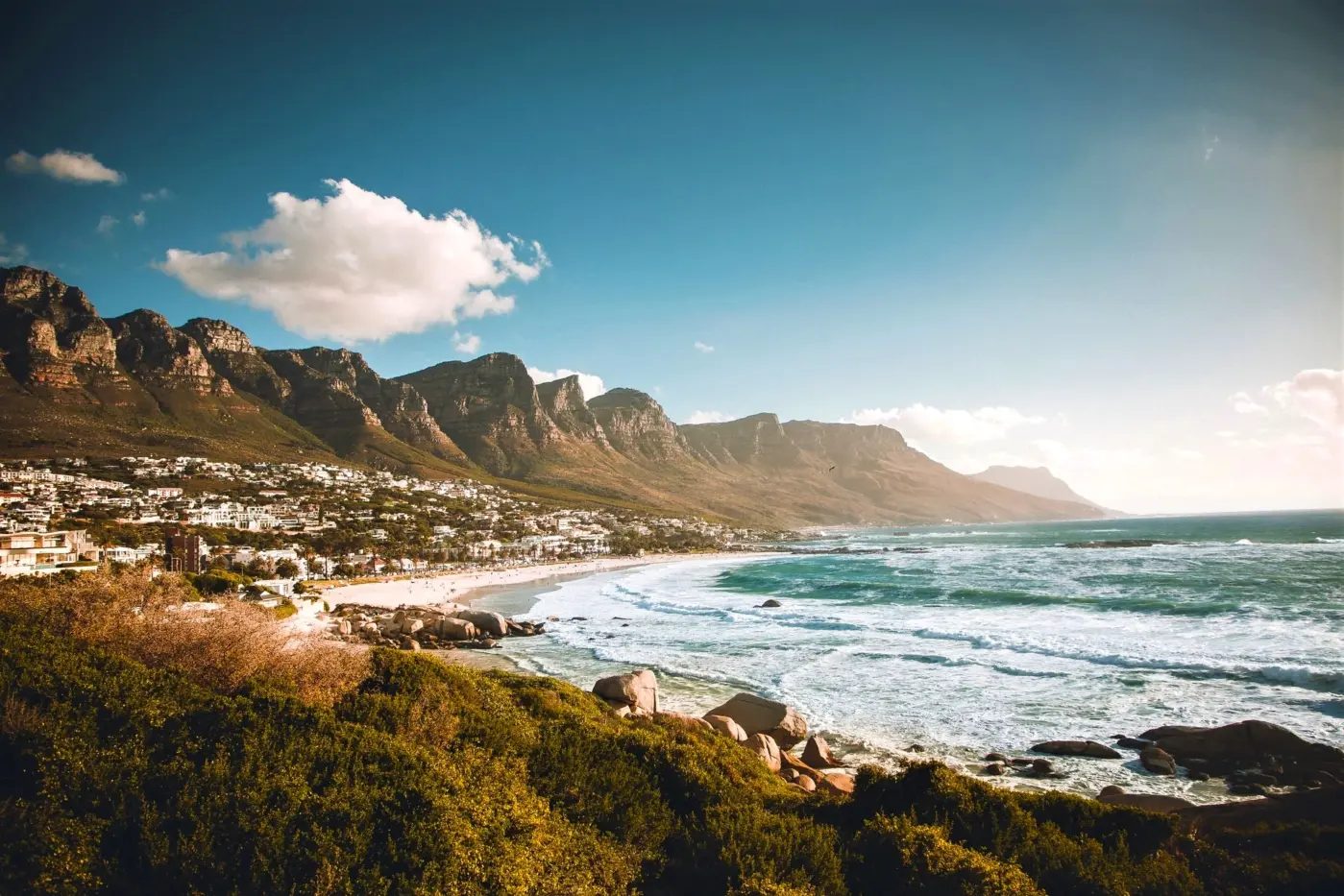
Best Time to Visit South Africa by Region
Kruger & Sabi Sand — May to September
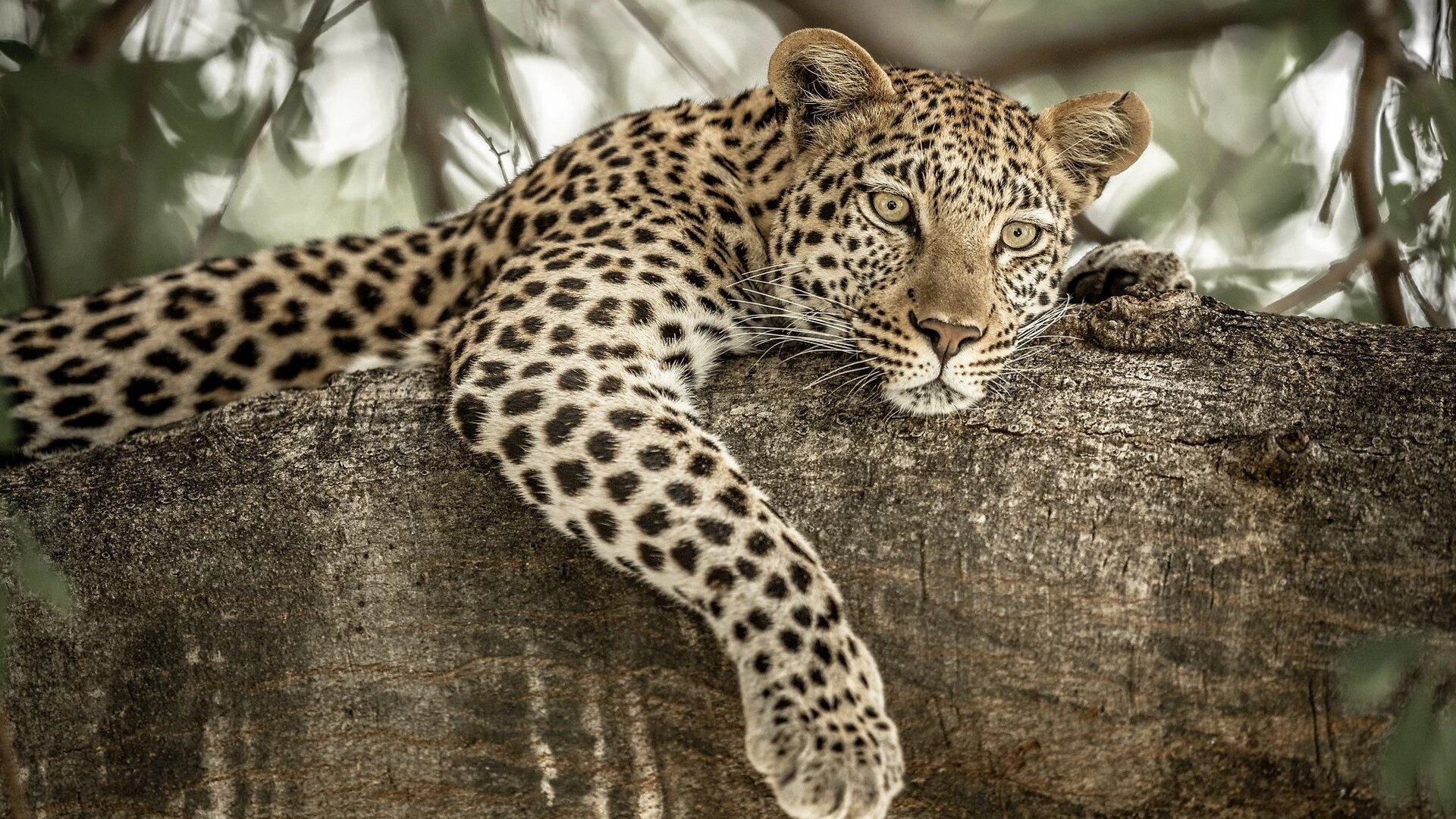
South Africa's flagship safari country — the Kruger National Park and the private reserves of the Sabi Sand — is at its best in the dry winter. From May the bush thins and by August and September the Big Five are concentrated along rivers and waterholes, with leopards especially reliable in the Sabi Sand. Days are sunny and mild; mornings are cold, so pack a warm layer. The green summer season (November–March) is lush, quiet and cheaper, superb for birds and newborns, but the tall grass makes game harder to spot.
Cape Town & the Winelands — November to March (and April)
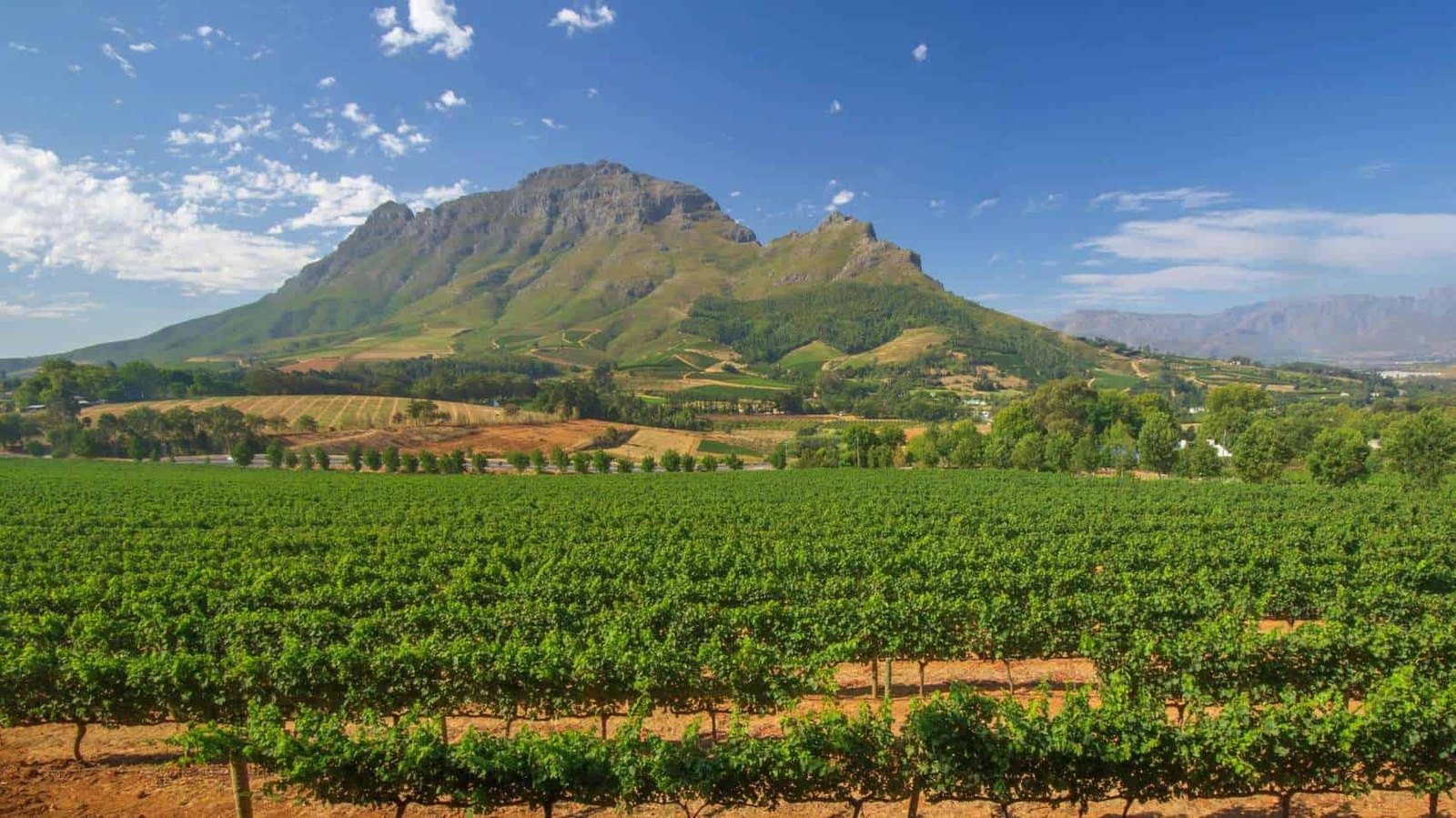
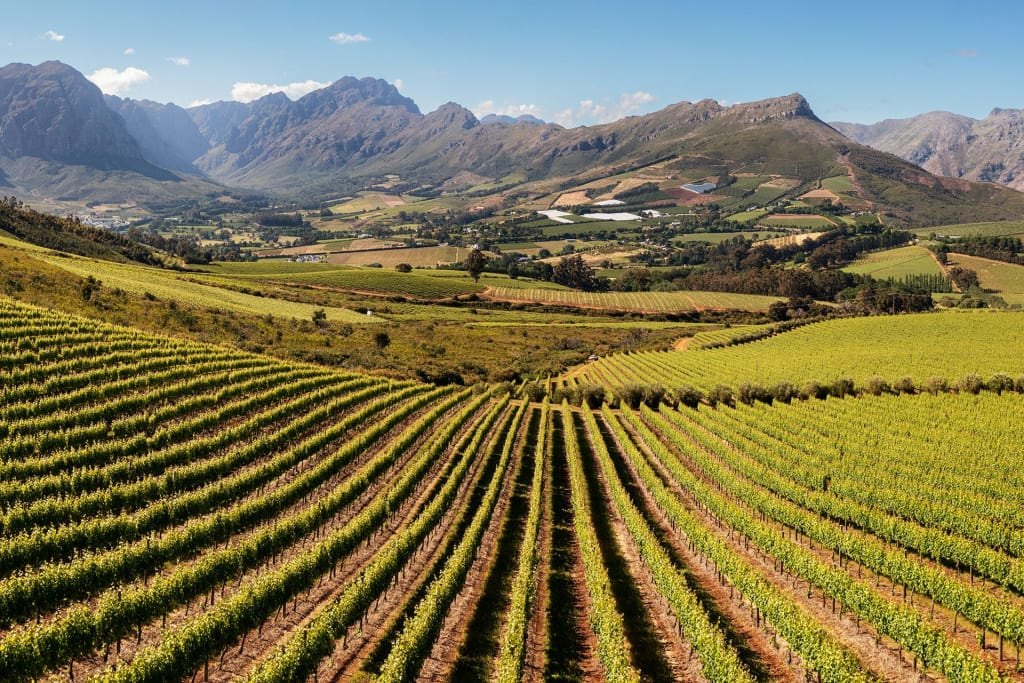
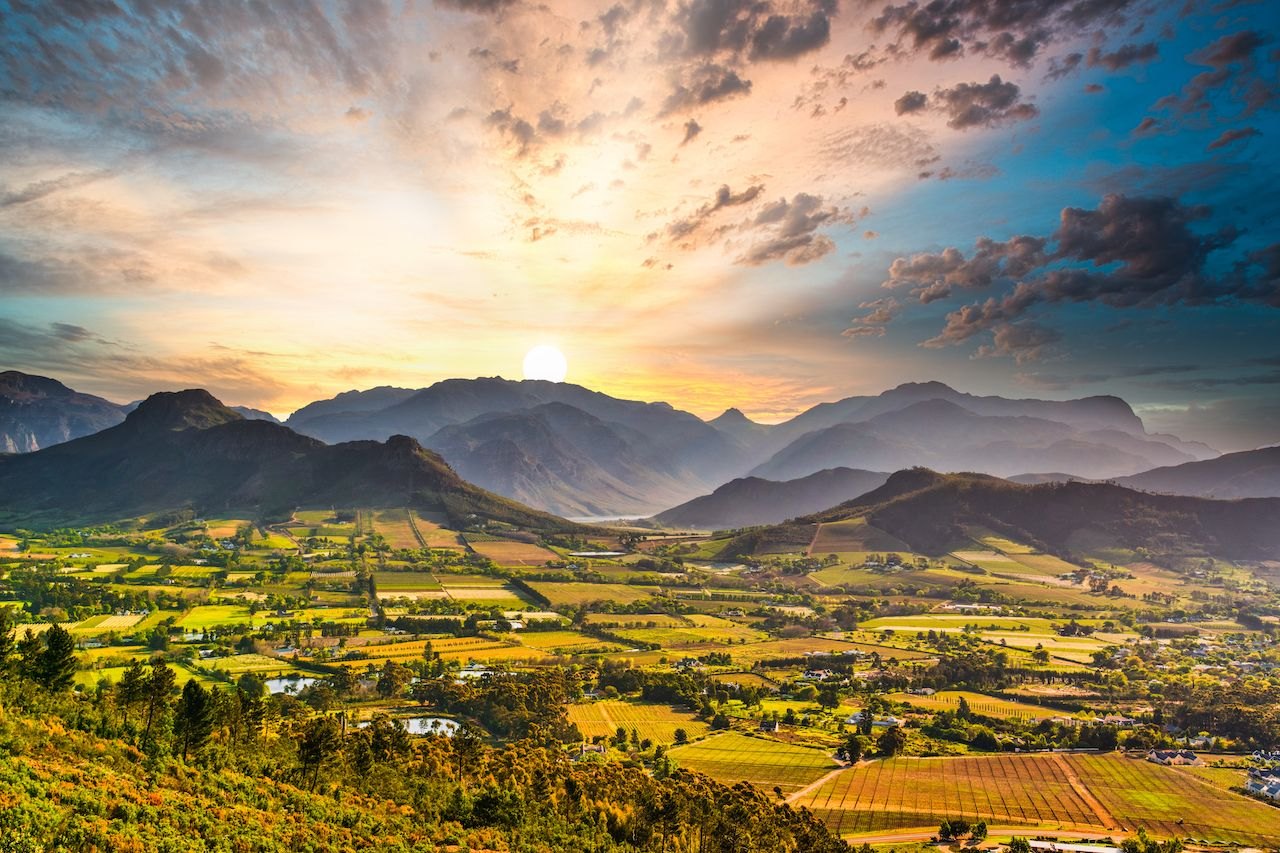
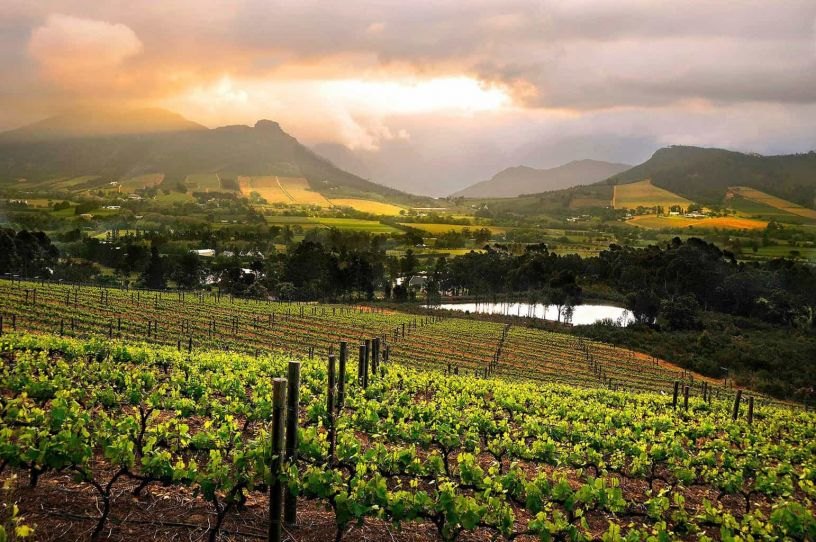
For Table Mountain, the beaches, the Cape Peninsula and long vineyard lunches, come in the warm, dry summer from November to March. Days are long and blue, though the south-easter wind can gust hard at the height of summer. Many locals swear by March and April: still warm, far less wind, and the Winelands wrapped in the golden glow of harvest. Winter (June–August) is cooler and wetter but wonderfully atmospheric — fireside wine tastings, dramatic seas, and a green, uncrowded Cape.
Whale Coast (Hermanus) — June to November
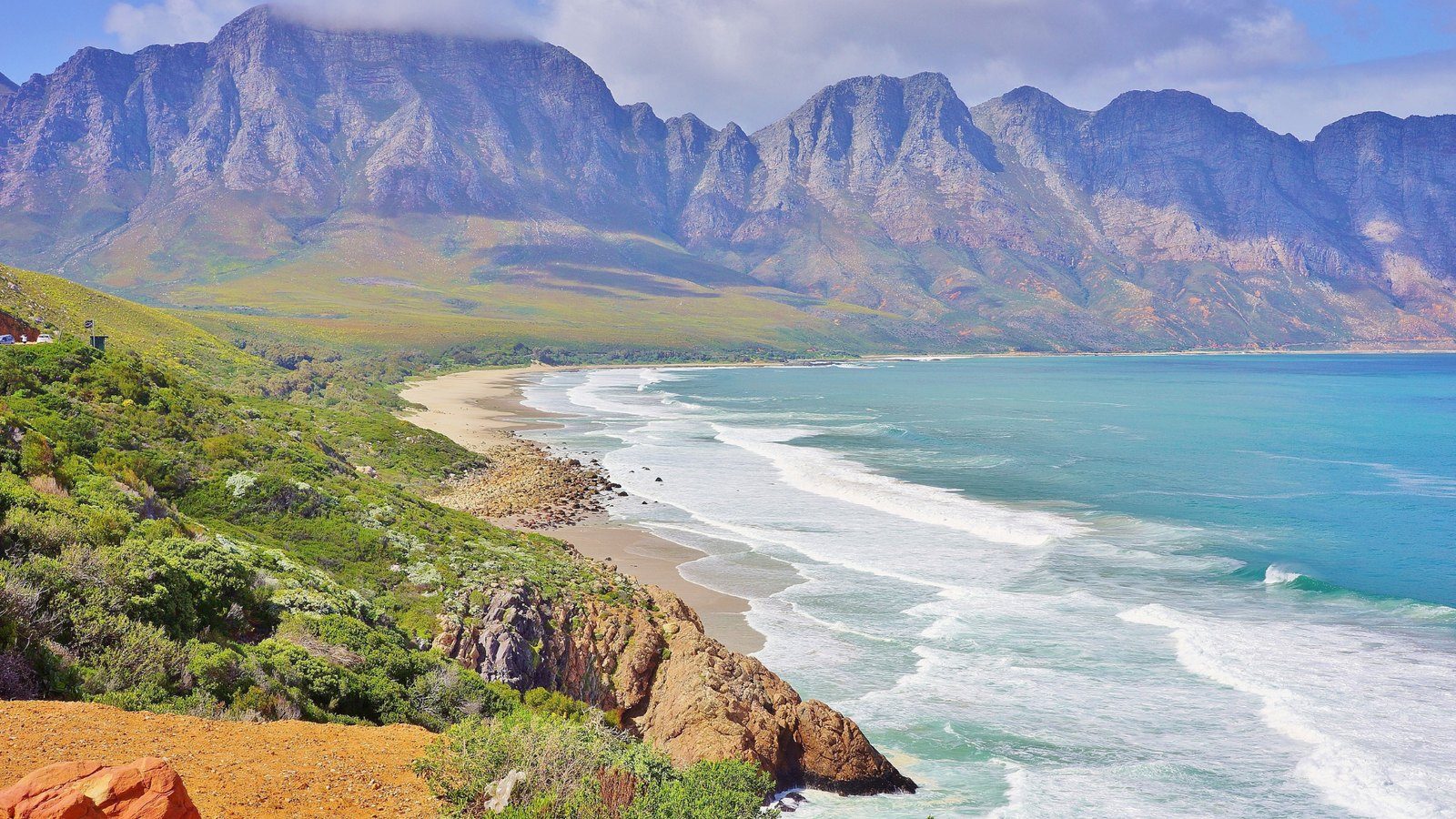
Between June and November, southern right whales migrate from Antarctica to calve in the sheltered bays of the Overberg, and Hermanus offers some of the finest land-based whale watching on earth from its 12-kilometre cliff path. The peak is August to October, with October the celebrated "VIP" month when surface activity — breaching, tail-slapping, mothers and calves — is at its height. Humpbacks pass earlier (May–August), while Bryde's whales and dolphins appear year-round.
Namaqualand & the West Coast — August to September
For a few brief weeks each spring, the semi-desert of the Northern Cape and West Coast erupts into one of the world's great floral spectacles. The wildflower season runs roughly early August to late September, moving from north (Springbok, the Richtersveld) toward the south (Nieuwoudtville, the West Coast National Park). Flowers open in the sun, so plan viewing between about 10:30 and 16:00 on clear days — and be flexible, as the exact peak shifts each year with the winter rains.
The Garden Route & KwaZulu-Natal — year-round
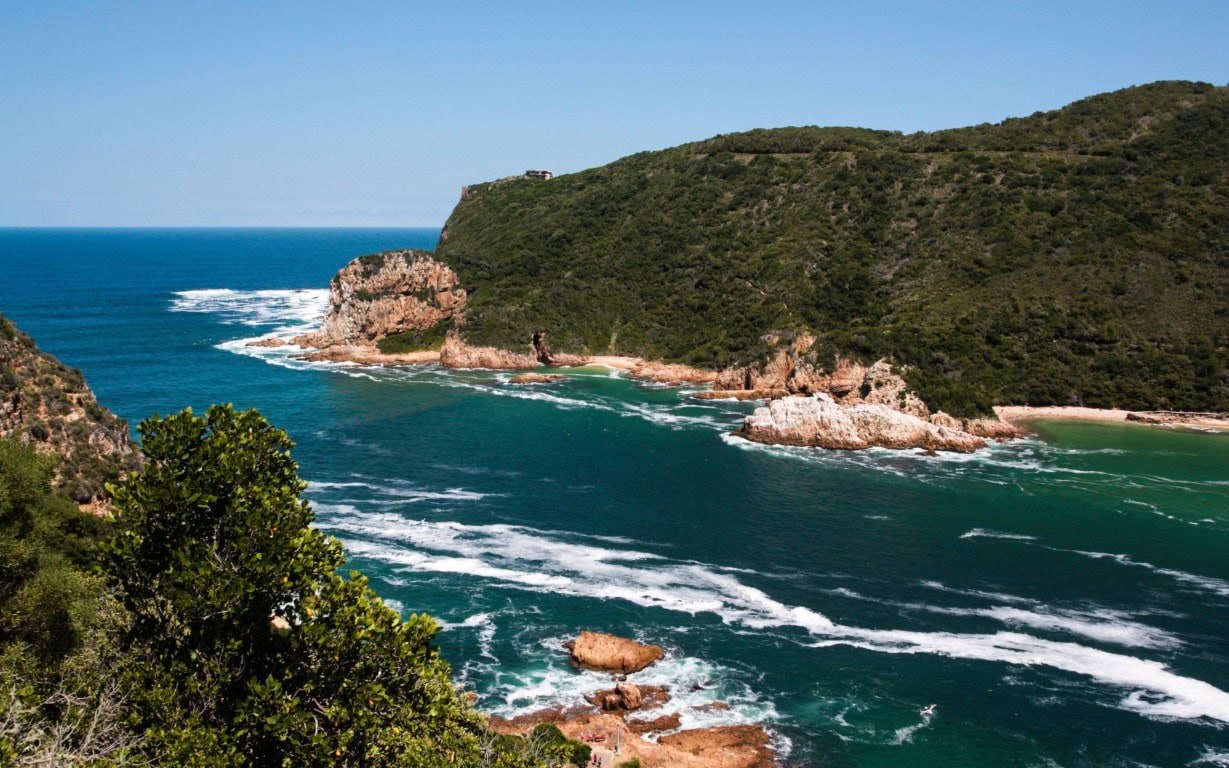
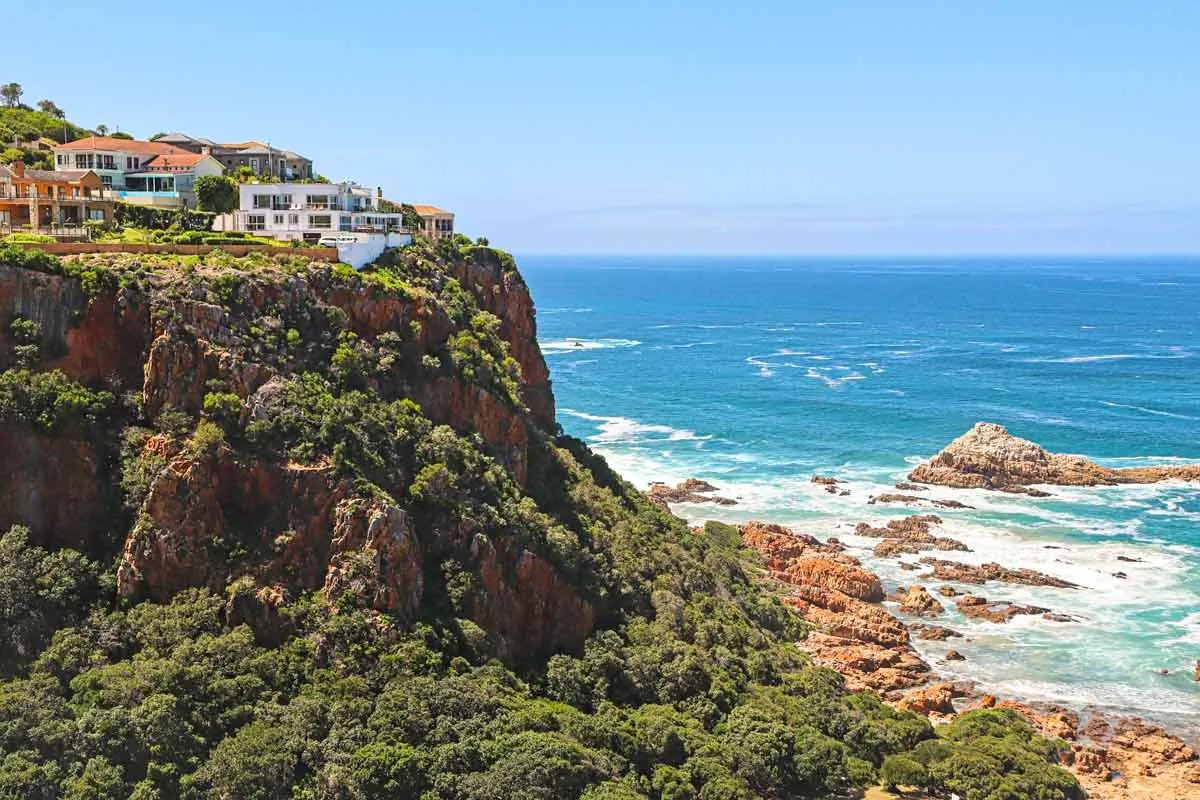
The Garden Route's mild, green coast is a joy in every season: summer (October–April) for beaches, lagoons and forest walks, winter for whale watching off Plettenberg Bay. Sub-tropical KwaZulu-Natal — from the beaches of the north coast to the game reserves of Hluhluwe-iMfolozi — is warm year-round, with the same dry-winter rule for its bushveld safari as the Kruger.
Best Time to Visit South Africa for Your Kind of Trip
| Traveller | Best window | Why it works |
|---|---|---|
| First-time safari-goer | May – September | Reliable, dramatic Big Five viewing in the dry bushveld |
| Safari + Cape combo | September – October | The sweet spot: great game, whales, flowers and a warming Cape |
| Beach & city lover | November – March | Warm Cape summer for beaches, Table Mountain and nightlife |
| Wine & food traveller | February – April | Harvest season in the Winelands; warm, golden, less wind |
| Whale watcher | August – October | Peak southern right whale activity off Hermanus |
| Photographer & nature lover | August – September | Thin-bush game, whales and Namaqualand wildflowers at once |
| Honeymooners | April – May & September – October | Warm days, cool nights, quiet lodges and Cape shoulder magic |
| Families & value hunters | April – May & November | Green-gold shoulder months with softer rates and fewer crowds |
Weather & What to Pack
South Africa's dual climate means what you pack depends on where — and when — you go. The bushveld winter (May–September) brings warm sunny days (low-to-mid 20s°C) and cold dawns (5–10°C); its green summer (November–March) is hot, humid and thundery. The Cape flips this: hot dry summers (25–30°C, often windy) and cool, wet, green winters (10–18°C).
- Safari (any season): neutral-coloured clothing, warm layers for winter morning drives (fleece, beanie), sun protection, binoculars and antimalarials for the low-veld (consult your doctor).
- Cape summer (Nov–Mar): light summer clothes, swimwear, a windbreaker for the south-easter, and sunscreen.
- Cape winter / whales & flowers (Jun–Sep): warm layers, a waterproof jacket and comfortable walking shoes for the cliff paths and flower reserves.
- Year-round: a good camera and a sense of flexibility — South Africa rewards travellers who plan around the season.
Best Time to Visit South Africa for Value
The safari peak (June–September) and the Cape's midsummer holidays (mid-December to mid-January) command the highest rates and the biggest crowds. For the best balance of price, weather and experience, target the shoulder months of April–May and November: safari game viewing is still very good, the Cape is green and uncrowded, and rates soften noticeably. The bushveld green season (December–March) offers the lowest safari prices of all — ideal for birders, photographers and families who don't mind taller grass and afternoon storms. South Africa's favourable exchange rate also makes it one of the best-value luxury safari destinations in the world, whatever the month.
Because the country runs on two calendars, a well-planned private itinerary can capture far more than you might expect — pairing a dry-winter Big Five safari with whales, wine and the Cape's spring in a single seamless journey. Our team builds every South African trip around the exact month you travel.
Plan Your South African Journey
Ready to time your journey to perfection? Whether you dream of leopards in the Sabi Sand, whales off Hermanus, wildflowers in Namaqualand or sunset over the Winelands, our specialists will craft a private, tailor-made itinerary around the ideal season for your priorities. Contact Beyond Africa Safaris to start planning, or explore our South Africa safari packages.